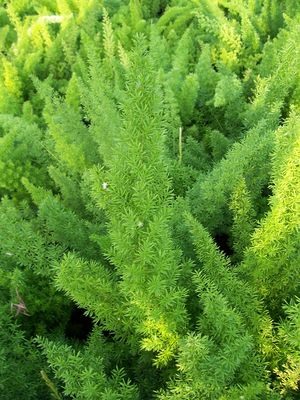
Asparagus densiflorus cv sprengeri
Liliaceae
Asparagus; Emerald Feather; Emerald Fern; Sprengeri Fern; Plumosa Fern; Lace Fern; Racemose Asparagus; Shatavari; Asparagus Fern; Plume Asparagus; Foxtail Fern; Sprenger’s Asparagus; Asparagus Grass
Saponic glycosides, including sapogenins.
Vomiting, diarrhea, abdominal pain, drooling, loss of appetite, and gastrointestinal upset. The berries are generally more toxic than the foliage and may cause more severe digestive signs. Repeated skin exposure may cause allergic dermatitis, skin irritation, redness, itching, or rash.
Asparagus Fern is a common ornamental houseplant and landscape plant. Despite its name, it is not a true fern. It is considered toxic to dogs and cats because it contains saponic glycosides, including sapogenins, which can irritate the gastrointestinal tract when ingested.
The berries are generally considered more concerning than the foliage. Ingestion may cause vomiting, diarrhea, abdominal pain, drooling, and loss of appetite. Most cases are expected to be mild to moderate, but the severity can vary depending on the amount eaten, the size and age of the animal, and the pet’s overall health.
Repeated skin contact with the plant may also cause allergic dermatitis or skin irritation in sensitive pets. Puppies, kittens, small animals, elderly pets, or animals with existing health problems may be more vulnerable to dehydration or complications from vomiting and diarrhea.
Veterinary guidance is recommended if a pet eats the berries, consumes a large amount of plant material, develops repeated vomiting or diarrhea, appears lethargic, refuses food, or shows signs of skin irritation after contact with the plant.
Immediate Response to Ingestion or Contact
- Remove the Source: Take away any remaining plant material or berries and prevent further chewing or ingestion.
- Check the Mouth: If safe, remove visible plant fragments from the pet’s mouth and offer a small amount of water to help clear irritation.
- Wash Exposed Skin: If the plant contacted the pet’s skin or coat, gently wash the area with mild pet-safe soap and water to reduce irritation.
- Do Not Induce Vomiting Unless Directed: Do not attempt home vomiting or other home decontamination unless specifically instructed by a veterinarian or animal poison-control professional.
- Contact Veterinary Help: Call your veterinarian, ASPCA Animal Poison Control, or Pet Poison Helpline if berries were eaten, a large amount was ingested, symptoms develop, or the pet is young, small, elderly, or medically fragile.
Symptoms to Watch For
- Digestive Signs: Vomiting, diarrhea, drooling, abdominal discomfort, loss of appetite, or repeated attempts to vomit.
- Skin Signs: Redness, itching, rash, swelling, licking, chewing, or irritation after repeated contact with the plant.
- Concerning Signs: Repeated vomiting or diarrhea, lethargy, weakness, dehydration, blood in vomit or stool, or symptoms lasting more than 24 hours.
Veterinary Treatment
- Supportive Care: Treatment is usually symptomatic and may include anti-nausea medication, fluids, gastrointestinal protectants, or skin treatment depending on symptoms.
- Monitoring: Pets with repeated vomiting or diarrhea may need monitoring for dehydration, especially puppies, kittens, small pets, elderly pets, or animals with pre-existing illness.
- Bring a Sample: If possible, bring a sample or photo of the plant, berries, or plant tag to help confirm identification.