Persea americana
Lauraceae
Alligator Pear; Avocado Pear; Butter Fruit; Avocado Tree; Persea; Persea americana; Aguacate; Palta
Persin, a fungicidal toxin found in the leaves, fruit, seed/pit, bark, and other parts of the avocado plant. The degree of toxicity varies significantly by animal species.
Vomiting, diarrhea, abdominal discomfort, reduced appetite, lethargy, respiratory distress, generalized congestion, fluid accumulation around the heart, cardiovascular injury, weakness, collapse, and death in sensitive species. Dogs and cats most commonly develop gastrointestinal upset, while birds, rabbits, horses, donkeys, rodents, sheep, goats, and other ruminants are considered more sensitive and may develop severe or fatal signs.
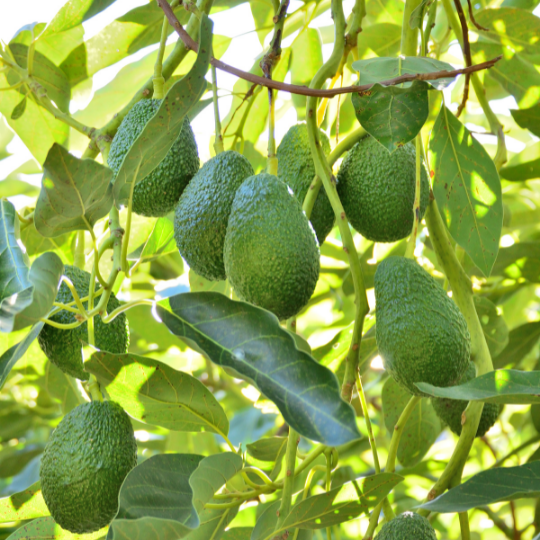
Persea americana, more commonly known as Avocado, Alligator Pear, or Avocado Pear, is a widely cultivated fruit tree in the Laurel family, Lauraceae. Although avocado is an ordinary human food and is often treated casually in the household, it presents a more complicated risk profile for companion animals because the danger depends heavily on the species exposed, the amount consumed, and the part of the plant involved.
The primary toxic principle associated with avocado is persin, a fungicidal toxin found in the leaves, fruit, seed or pit, bark, and other parts of the plant. Persin is generally tolerated by humans, but certain animal species are much more sensitive to it. Birds, rabbits, rodents, horses, donkeys, sheep, goats, and other ruminants are of particular concern and may develop severe clinical signs, including respiratory distress, generalized congestion, fluid accumulation around the heart, cardiovascular injury, collapse, or death.
Dogs and cats appear to be less sensitive to persin than many other animals, but avocado should still not be considered an appropriate food or safe plant exposure for them. In dogs and cats, the most common signs are gastrointestinal, including vomiting, diarrhea, abdominal discomfort, drooling, reduced appetite, or lethargy. The high fat content of avocado fruit may also contribute to digestive upset and, in some animals, may increase concern for pancreatitis if enough is eaten.
The avocado pit presents a separate and very practical hazard. Even when persin toxicity is not the primary concern, the pit can create a choking hazard or gastrointestinal obstruction, particularly in dogs that chew or swallow large pieces. The skin, leaves, bark, and plant material should also be kept away from pets because these parts may contain more concentrated plant chemicals than the edible flesh.
Because avocado poisoning varies so widely between species, the safest approach is to treat any meaningful ingestion as a situation requiring veterinary guidance. This is especially true for birds, rabbits, horses, goats, sheep, cattle, rodents, or any animal showing respiratory signs, weakness, collapse, repeated vomiting, diarrhea, or abnormal behavior. In a mixed-pet household, avocado should not be left where animals can chew the plant, eat discarded skins or pits, drink contaminated material, or access guacamole and other avocado-containing foods.
Immediate Response to Avocado Ingestion
- Remove the Source: Take away any remaining avocado fruit, skin, pit, leaves, bark, plant material, guacamole, or food containing avocado.
- Identify the Animal Exposed: Determine whether the animal is a dog, cat, bird, rabbit, horse, donkey, rodent, goat, sheep, cow, or other ruminant, because avocado risk varies greatly by species.
- Check for Choking or Obstruction Risk: If a pet may have swallowed the pit or large pieces of skin or plant material, contact a veterinarian immediately because obstruction can be a separate danger from toxicity.
- Do Not Induce Vomiting Unless Directed: Vomiting may be part of treatment in some recent exposures, but it should only be done under veterinary or animal poison-control direction. Do not attempt home decontamination unless specifically instructed to do so.
- Seek Veterinary Guidance Promptly: Contact your veterinarian, an emergency veterinary clinic, ASPCA Animal Poison Control, or Pet Poison Helpline for guidance, especially if the animal is a bird, rabbit, horse, goat, sheep, cow, rodent, or any pet showing symptoms.
Symptoms Requiring Emergency Care
- Digestive Signs: Vomiting, diarrhea, drooling, abdominal discomfort, reduced appetite, or repeated attempts to vomit.
- Respiratory or Cardiovascular Signs: Difficulty breathing, weakness, collapse, generalized congestion, swelling, abnormal heart signs, or signs of fluid accumulation around the heart or chest.
- High-Risk Species: Birds, rabbits, rodents, horses, donkeys, sheep, goats, cattle, and other ruminants should be treated as higher-risk exposures because serious or fatal signs may occur in sensitive animals.
- Obstruction Concerns: Gagging, retching without producing vomit, abdominal pain, bloating, repeated vomiting, inability to pass stool, or sudden lethargy after possible pit ingestion requires urgent veterinary care.
Veterinary Treatment
- Decontamination: A veterinarian may induce vomiting, administer activated charcoal, or perform other decontamination depending on the species, amount ingested, timing, and clinical signs.
- Supportive Care: Treatment may include anti-nausea medication, fluids, oxygen support, cardiovascular monitoring, respiratory support, or other care depending on the animal and severity of exposure.
- Obstruction Management: If the pit or large pieces were swallowed, imaging or surgical/endoscopic removal may be needed if obstruction is suspected.
- Bring Details: If possible, provide the veterinarian with the animal’s species, weight, amount eaten, part of the avocado involved, time of ingestion, and whether the exposure involved fruit, pit, skin, leaves, bark, guacamole, or another prepared food.