PAWS Pet Poison Plant Guide
Is Bitter Root Poisonous to Dogs, Cats, Horses, and Livestock?
Yes, Bitter Root, Apocynum androsaemifolium, is poisonous to dogs, cats, horses, livestock, and other animals. The plant contains cardenolide cardiac glycosides, including cymarin, that act in a manner similar to digitalis. Ingestion may cause vomiting, diarrhea that may contain blood, abdominal discomfort, weakness, depression, slow or rapid heart rate, abnormal cardiac conduction, dangerous arrhythmias, collapse, and potentially death. All parts should be considered toxic, and dried plant material can remain hazardous when it contaminates hay.
About this guide: This page provides general pet-poisoning information and cannot diagnose or treat an individual animal. For any suspected exposure, contact a veterinarian or animal poison-control service immediately. Do not induce vomiting, give medication, or attempt home decontamination unless directed by a veterinary professional.
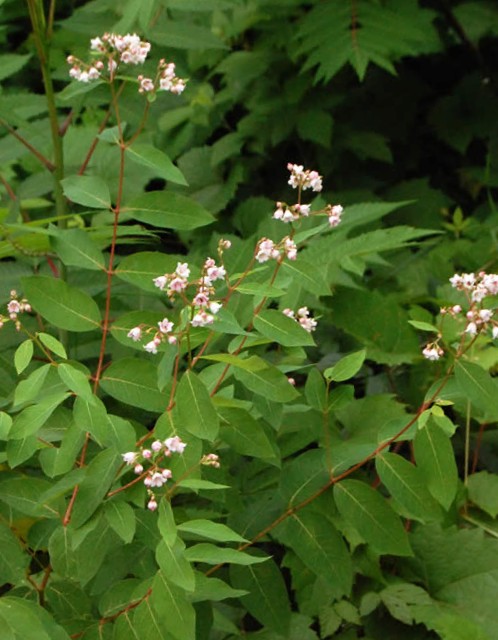
Bitter Root
Apocynum androsaemifolium L.
Apocynaceae
Bitter Root, Bitterroot Dogbane, Bitter Dogbane, Spreading Dogbane, Flytrap Dogbane, Fly-Trap Dogbane, Dogbane, Dogbane Hemp, Indian Dogbane, Honey Bloom, Apocynum androsaemifolium, Cynopaema androsaemifolium, Apocynum ambigens, Apocynum pumilum, Apocynum scopulorum
“Bitterroot” most commonly identifies Lewisia rediviva, an unrelated western wildflower. “Indian Hemp,” “Hemp Dogbane,” “Prairie Dogbane,” “American Hemp,” and “Wild Cotton” more often refer to Apocynum cannabinum, although the names have sometimes been applied broadly across Apocynum. Apocynum × floribundum is a hybrid dogbane rather than an exact synonym of Apocynum androsaemifolium.
Cardenolide Cardiac Glycosides Are the Principal Toxicants
The principal toxins in Bitter Root are cardenolides, a subgroup of cardiac glycosides with digitalis-like effects on the heart, gastrointestinal tract, nervous system, vascular system, and electrolyte balance. The strongest direct chemical evidence in Apocynum androsaemifolium comes from the roots and rhizomatous underground system, where researchers have identified and studied several cardiotonic glycosides rather than one uniform toxin.
Cymarin is the best-known named cardenolide associated with spreading dogbane. It is a strophanthidin-derived cardiac glycoside historically called k-strophanthin-α. Species-specific research also established apobioside in A. androsaemifolium, while related analytical work examined k-strophanthin-β, cymarin, and apobioside as components of dogbane-root preparations.
The presence of several cardenolides matters clinically because an animal eating the plant encounters a variable mixture. The compounds may differ in gastrointestinal absorption, protein binding, tissue distribution, elimination, enterohepatic or enteric recirculation, affinity for sodium-potassium ATPase, and ability to cross-react with laboratory digoxin assays.
The Apobioside Research
R. Sh. Yamatova and N. K. Abubakirov published “The Glycosides of Apocynum androsaemifolium L. II. The Structure of Apobioside” in 1965. Their work established apobioside as a defined cardiac glycoside from the species rather than an undefined historical dogbane extract.
Apobioside should therefore be retained in the species-specific chemical discussion. The plant should not be reduced to “cymarin poisoning” as though every relevant cardiac effect can be attributed to one compound at a known concentration.
The research was phytochemical rather than a veterinary toxic-dose study. It did not determine how much fresh root, dried root, leaf, stem, flower, pod, seed, or hay contamination would poison a dog, cat, horse, cow, sheep, goat, rabbit, bird, or reptile.
Root Cardenolides Vary with Growing Location
G. L. Genkina, K. Kh. Khodzhaev, T. T. Shakirov, N. K. Abubakirov, and colleagues compared the roots of Apocynum androsaemifolium and Apocynum cannabinum grown in different climatic regions. They found cardiotonic glycosides of similar overall composition in the two species, but the relative amounts of individual glycosides fluctuated markedly according to where the plants grew.
This variation prevents one population, root sample, or laboratory extract from defining every natural exposure. Genetics, climate, soil, moisture, developmental stage, tissue age, and other environmental conditions may alter the cardenolide profile.
A plant collected in one region cannot be assumed to contain the same cymarin, apobioside, or total-cardenolide concentration as an apparently identical plant from another region. That uncertainty is one reason a universal leaf count, root weight, or lethal amount cannot be published responsibly.
Historical Names Require Careful Interpretation
Older literature uses terms such as apocynamarin, cyntoxin, cymarin, strophanthin, and dogbane glycoside preparations. These names were not always used with the analytical precision expected in modern phytochemistry.
Cymarin is a defined compound. Apobioside is also structurally characterized. “Apocynamarin” and “cyntoxin,” however, have sometimes referred to preparations, fractions, incompletely characterized principles, or historically assigned substances rather than separate toxins confirmed at fixed concentrations in every A. androsaemifolium plant.
Apocynin is another source of confusion. Apocynin is a non-cardenolide phenolic compound historically associated with plants in the genus. Its name resembles apocynamarin, but it should not be substituted for the cardiac glycosides responsible for the digitalis-like poisoning syndrome.
How Cardenolides Inhibit Sodium-Potassium ATPase
Cardenolides bind to and inhibit sodium-potassium ATPase, a membrane enzyme that normally moves sodium out of cells and potassium into cells. This pump is essential for normal membrane potential, electrolyte distribution, nerve conduction, skeletal-muscle function, and cardiac electrical activity.
When the pump is inhibited, intracellular sodium rises. The altered sodium gradient reduces sodium-calcium exchange, allowing intracellular calcium to accumulate in cardiac muscle. Greater intracellular calcium can increase contractile force, but the same process also promotes delayed afterdepolarizations, premature beats, electrical instability, and dangerous tachyarrhythmias.
Potassium movement is also disrupted. In acute severe poisoning, potassium may rise in the blood because inhibited pumps cannot move it into cells normally. Hyperkalemia can therefore indicate substantial sodium-potassium ATPase inhibition and is an important marker of severe acute cardiac-glycoside toxicity.
Vomiting and diarrhea can complicate this picture by causing fluid, potassium, sodium, chloride, magnesium, and acid-base losses. An animal may develop hyperkalemia from the toxin, hypokalemia from gastrointestinal losses, or changing abnormalities over the course of treatment. No electrolyte should be supplemented blindly.
Why Slow and Rapid Arrhythmias Can Both Occur
Cardiac glycosides can increase vagal activity and suppress the sinoatrial and atrioventricular nodes, producing sinus bradycardia, sinus arrest, junctional escape rhythms, or varying degrees of atrioventricular block.
At the same time, increased intracellular calcium and triggered electrical activity can cause premature atrial or ventricular complexes, atrial tachyarrhythmias, accelerated junctional rhythms, bidirectional ventricular tachycardia, ordinary ventricular tachycardia, or ventricular fibrillation.
The rhythm can change over minutes or hours. An animal may alternate between slow and rapid rhythms, or have intermittent premature complexes that are missed during a brief home pulse check. A pulse that feels normal at one moment does not exclude clinically important poisoning.
The pulse felt at a limb may also underestimate the actual electrical heart rate when some cardiac contractions are too weak to generate a palpable peripheral pulse. Electrocardiography and blood-pressure monitoring are therefore more informative than pulse counting alone.
Gastrointestinal Effects Are Part of the Toxicosis
Salivation, nausea, vomiting, abdominal discomfort, appetite loss, and diarrhea are common effects of cardiac-glycoside exposure. These signs are not merely a result of poor cardiac output. Cardiac glycosides can affect central nausea pathways, autonomic signaling, and gastrointestinal smooth muscle directly.
Experimental work with cymarin demonstrated increased intestinal smooth-muscle tone in guinea pigs, rabbits, and rats, both in isolated tissue and in living animals. Different portions of the intestine responded with different sensitivity.
This direct gastrointestinal activity provides a plausible explanation for cramping, vomiting, diarrhea, urgency, and abdominal discomfort after dogbane ingestion. Bitter latex and fibrous plant material may add local irritation.
Blood can appear in vomit or stool after severe irritation, forceful vomiting, mucosal injury, or an unrelated gastrointestinal disorder. Hemorrhage is not required for cardiac-glycoside poisoning and should not be described as inevitable.
All Plant Parts Should Remain Inaccessible
Roots and rhizomes have the strongest direct species-specific chemical documentation and may provide a concentrated exposure when dug up, chewed, or discarded. Stems, leaves, flowers, pods, seeds, and milky latex should also be considered unsafe.
Aboveground tissues have not been quantified comprehensively across seasons and populations. The absence of a precise comparison does not establish that leaves, stems, or pods are safe; it means their relative concentrations should not be invented.
A dog may chew freshly exposed roots during digging, grading, erosion, transplanting, or removal of a spreading colony. Grazing animals are more likely to encounter stems and leaves in pasture or hay. Small pets may be exposed when cut vegetation is offered accidentally as browse or nesting material.
Dried Material and Hay Exposure
Drying must not be assumed to neutralize spreading dogbane. Historical research specifically examined changes in the cardiac-glycoside composition of A. androsaemifolium roots during drying, demonstrating that dried material still contained chemically relevant glycosides even though the relative composition could change.
Species-specific quantitative data for every aboveground tissue in cured hay remain limited. Nevertheless, ordinary hay drying is not a validated detoxification process for cardenolides, and visibly contaminated forage should not be fed.
Hay creates a practical exposure because the bitter taste and sticky latex that discourage browsing of a living plant are less useful once dried fragments are mixed, broken, or chopped through desirable forage. Animals may be unable to sort contaminated stems and leaves from the rest of a bale.
One fragment in a bale does not prove that every animal consuming the hay will be poisoned. Contamination can be highly uneven, however, and apparently unaffected animals do not establish that the remaining bale or lot is safe.
The Historical Livestock-Dose Error
Dogbane literature contains repeated claims that very small amounts of plant material will reliably kill a horse or cow. J. M. Kingsbury examined the origin of these statements in “Toxicity of Apocynum (Dogbane) to Stock; A Correction.” He concluded that dogbane had been wrongly incriminated in an earlier livestock account and criticized the repetition of unsupported information without traceable evidence.
This correction explains why published figures conflict so sharply. Some secondary sources repeat extremely low lethal quantities, while other observations describe sheep or cattle consuming far larger amounts with diarrhea or no obvious cardiac disease.
The correction should not be misread as proof that A. androsaemifolium is nontoxic. Species-specific chemistry confirms potent cardiac glycosides. The proper conclusion is that a dependable lethal dose has not been established and that famous livestock-dose figures should not be repeated as settled fact.
Dogbane Species and Hybrids Complicate the Evidence
Much of the livestock literature concerns Apocynum cannabinum, unidentified Apocynum, or plants collected where spreading dogbane and hemp dogbane overlap. The two species can hybridize and produce Apocynum × floribundum, which may show intermediate features.
The root study found similar cardenolide compositions in A. androsaemifolium and A. cannabinum, but that does not prove identical concentrations, toxic doses, palatability, or clinical outcomes.
Evidence from hemp dogbane can inform risk assessment, but it should not be presented as though every feeding observation involved authenticated spreading dogbane.
No Dependable Safe or Toxic Dose
No reliable dose has been established for an individual dog, cat, horse, cow, sheep, goat, pig, rabbit, guinea pig, bird, or reptile eating authenticated Apocynum androsaemifolium.
Risk depends on the part consumed, total mass, rate of ingestion, cardenolide profile, freshness or drying, animal species, body size, gastrointestinal physiology, kidney function, hydration, potassium and magnesium status, underlying heart disease, and concurrent medication.
Drugs that influence heart rate, atrioventricular conduction, kidney function, potassium, or magnesium may alter the response. These can include diuretics, digoxin, certain antiarrhythmics, beta blockers, calcium-channel blockers, and other cardiovascular medications.
The lack of a numeric threshold means that management must be based on the exposure history, plant identification, clinical signs, electrocardiogram, blood pressure, electrolytes, and response over time—not on a supposedly safe number of leaves.
Early Gastrointestinal Illness
The first recognized signs may involve the gastrointestinal tract. Dogs and cats may drool, lick their lips, swallow repeatedly, gag, retch, vomit, refuse food, develop diarrhea, or appear painful through the abdomen.
Vomiting may contain food, foam, bile, leaves, stems, roots, or other plant fragments. It may occur once or become repetitive. Spontaneous vomiting can remove some material but does not prove that the stomach is empty or that absorbed cardenolides will not affect the heart.
Diarrhea may range from soft stool to repeated watery output and may be accompanied by urgency, cramping, mucus, straining, or blood. Blood is possible after severe irritation but should also prompt evaluation for infection, medication injury, parasites, clotting disease, a foreign object, or another toxin.
Abdominal discomfort may appear as pacing, repeated stretching, a hunched posture, guarding of the abdomen, looking toward the flanks, vocalization, or reluctance to be handled.
Signs in Animals That Cannot Vomit
Horses, rabbits, guinea pigs, and several other herbivorous species cannot vomit. They may instead show feed refusal, colic, abdominal distension, repeated lying down and rising, tooth grinding, reduced fecal output, diarrhea, reduced gastrointestinal sounds, or progressive depression.
Failure to vomit does not mean that the exposure is mild. It means that ingested plant material cannot be removed through emesis and that gastrointestinal pain may present differently.
Reduced manure or fecal production can reflect poor intake, dehydration, ileus, impaction, obstruction, pain, or declining circulation. The coarse stems may add a mechanical digestive problem after a large forage exposure, but this is separate from cardenolide toxicity.
Weakness and Reduced Circulation
Weakness may result from vomiting, diarrhea, dehydration, electrolyte disturbance, hypotension, bradycardia, tachyarrhythmia, or ineffective cardiac contractions. An animal may walk reluctantly, stumble, sway, lie down repeatedly, or become unable to stand.
Pale gums, delayed capillary refill, weak pulses, cold ears or feet, mental dullness, reduced urination, and collapse may indicate inadequate circulation. These findings are not specific to dogbane but are urgent after a possible cardiac-glycoside exposure.
An animal can have an electrical heart rate that is faster than the palpable pulse because some beats do not eject enough blood to reach the peripheral arteries. This pulse deficit is another reason that home pulse counting cannot determine whether the rhythm is safe.
Bradycardia and Conduction Block
Increased vagal activity and direct effects on the cardiac conduction system may slow the sinus node or delay conduction through the atrioventricular node. Possible rhythms include sinus bradycardia, sinus arrest, junctional escape beats, first-degree atrioventricular block, second-degree block, and complete heart block.
Clinical signs may include profound fatigue, exercise intolerance, weakness, fainting, episodic collapse, poor pulse quality, pale mucous membranes, and altered awareness.
A severely slow pulse is concerning, but a heart rate within an apparently normal range does not rule out conduction abnormalities, premature complexes, or alternating rhythms.
Rapid and Ventricular Arrhythmias
Cardenolides can also produce premature atrial or ventricular contractions, atrial tachyarrhythmias, accelerated junctional rhythms, ventricular bigeminy, bidirectional ventricular tachycardia, ordinary ventricular tachycardia, ventricular fibrillation, and other unstable rhythms.
An owner may notice a very rapid or irregular chest beat, episodic weakness, fainting, sudden collapse, anxiety, or an inability to exercise. Some arrhythmias produce no outward sign until cardiac output falls substantially.
The rhythm may change rapidly. Medication that is reasonable for one electrocardiographic abnormality may worsen a different abnormality that develops later, making continuous or repeated monitoring important.
Potassium and Other Electrolyte Abnormalities
Acute severe sodium-potassium ATPase inhibition may produce hyperkalemia. A substantial rise in serum potassium can accompany serious cardiac-glycoside toxicity and may worsen bradycardia, conduction abnormalities, weakness, and arrhythmias.
Vomiting and diarrhea can instead lower potassium or magnesium. Hypokalemia increases cardiac-glycoside binding to sodium-potassium ATPase and can increase myocardial sensitivity. Low magnesium can further increase electrical instability.
The animal’s electrolyte pattern can change as gastrointestinal losses continue, fluids are administered, kidney perfusion changes, or antibody fragments bind circulating glycosides. Potassium, magnesium, sodium, calcium, glucose, and acid-base status require measured management rather than assumptions based on symptoms.
Respiratory and Neurologic Findings
Rapid, labored, shallow, irregular, or otherwise abnormal breathing may reflect poor cardiac output, shock, aspiration of vomit, metabolic disturbance, pulmonary edema, severe weakness, seizure activity, or another co-ingested substance.
Neurologic abnormalities may include anxiety, depression, mental dullness, dilated pupils, tremors, loss of coordination, altered responsiveness, seizures, fainting, or collapse. These signs occur in severe cardiac-glycoside poisoning but are less specific than the gastrointestinal and cardiovascular syndrome.
Any seizure or major alteration in awareness requires immediate evaluation of blood glucose, electrolytes, oxygenation, blood pressure, cardiac rhythm, temperature, and possible co-exposures.
Dogs and Cats
Dogs may chew stems while exploring, dig into rhizomes, ingest pulled roots, or consume cut plant material. Cats are less likely to eat a large fibrous plant mass but may chew leaves or encounter discarded vegetation.
Early vomiting or diarrhea can create false reassurance when the animal appears brighter afterward. Cardiac abnormalities may be intermittent, may follow the gastrointestinal signs, or may not be apparent without electrocardiography.
Small body size, pre-existing heart disease, kidney disease, dehydration, or medication affecting heart rate and electrolytes can increase concern. Continued food refusal in a cat also creates a separate risk of metabolic complications.
Horses
Horses may encounter spreading dogbane in pasture, field margins, woodland edges, or contaminated hay. They cannot vomit and may show salivation, feed refusal, colic, diarrhea, depression, weakness, sweating, poor coordination, abnormal pulse quality, breathing changes, recumbency, or collapse.
An irregular pulse, pulse deficit, marked bradycardia, tachycardia, repeated fainting, or sudden deterioration warrants immediate electrocardiographic and cardiovascular assessment.
Hay contamination may affect only part of a bale or lot, so one horse can receive a larger exposure than others eating apparently identical forage.
Cattle, Sheep, Goats, and Other Livestock
Ruminants may avoid fresh dogbane because of its bitter latex, but hunger, poor forage, overgrazing, transport, drought, chopped vegetation, or hay contamination can increase consumption.
Possible signs include feed refusal, salivation, diarrhea, abdominal discomfort, depression, weakness, abnormal pulse, reduced rumen motility, recumbency, breathing abnormalities, and collapse.
Rumen microorganisms may alter some plant glycosides, but this does not establish reliable resistance. The contradictory livestock record makes it particularly important not to diagnose poisoning from the presence of dogbane alone.
Several sick animals require investigation of the entire feed and environment, including ionophores, pesticides, fertilizer, water, infectious disease, other cardiac-glycoside plants, and unrelated causes of diarrhea or sudden death.
Rabbits, Guinea Pigs, Rodents, Birds, and Reptiles
Published species-specific evidence is limited, and no safe or toxic dose has been established. Dogbane should not be offered as food, browse, nesting material, cage decoration, or enrichment.
Rabbits and guinea pigs may show appetite loss, reduced fecal output, a hunched posture, tooth grinding, diarrhea, abdominal distension, weakness, or collapse. Gastrointestinal stasis and dehydration can develop in addition to direct cardiac effects.
Birds may show reduced appetite, regurgitation, altered droppings, weakness, poor balance, reduced activity, abnormal breathing, or collapse. Reptiles may exhibit weakness, reduced responsiveness, altered breathing, or loss of normal posture, although direct evidence is sparse.
Onset and Duration
Gastrointestinal signs may begin within several hours, but a dependable onset interval has not been established specifically for authenticated Apocynum androsaemifolium. Plant part, particle size, stomach contents, amount, and individual physiology affect absorption.
Cardiac abnormalities may occur with or after the gastrointestinal signs and can recur as additional glycoside is absorbed or redistributed. Apparently improving vomiting does not establish that cardiovascular monitoring is no longer necessary.
The duration of risk cannot be calculated from one brief normal electrocardiogram. Observation is based on the exposure, symptoms, serial ECG findings, potassium and other electrolytes, blood pressure, and the animal’s overall stability.
Emergency Warning Signs
Repeated vomiting or diarrhea, blood, inability to retain water, profound weakness, a slow or irregular pulse, rapid heart activity, fainting, collapse, pale or blue-gray gums, abnormal breathing, tremors, seizures, reduced urination, or altered awareness requires urgent veterinary care.
Known ingestion of roots, rhizomes, substantial plant material, or contaminated hay deserves prompt consultation even when no signs have appeared. The absence of an established dose makes early risk assessment more important, not less.
Plant Identity and Native Range
Bitter Root is Apocynum androsaemifolium L., a rhizomatous perennial in the dogbane family, Apocynaceae. Its native range extends through subarctic and temperate North America, from Alaska and northern Canada across much of the United States to northeastern Mexico.
The plant occupies woodland openings, forest edges, thickets, meadows, prairies, roadsides, clearings, dry field margins, disturbed areas, and other open temperate habitats. It spreads through an extensive underground system and can form colonies rather than remaining as one isolated stem.
Its broad range and tendency to grow along trails, field edges, rural properties, and forage areas make exposure possible for pets, horses, and livestock even when the plant was not intentionally planted.
Why the Name “Bitter Root” Causes Confusion
“Bitterroot” most commonly refers to Lewisia rediviva, a low-growing western wildflower and the state flower of Montana. That plant is unrelated to spreading dogbane.
More specific names for Apocynum androsaemifolium include spreading dogbane, bitter dogbane, flytrap dogbane, and bitterroot dogbane. The scientific name should accompany the page title whenever identification or poisoning is discussed.
“Indian hemp,” “hemp dogbane,” “prairie dogbane,” “American hemp,” and “wild cotton” usually refer to Apocynum cannabinum. Common names have nevertheless been applied broadly, which contributes to the mixing of the two species in toxicology references.
How to Recognize Spreading Dogbane
Spreading dogbane is usually a branching perennial with smooth green, reddish, or reddish-brown stems. It often forms an open or bushy colony approximately two to three feet tall, although height varies with location and conditions.
The leaves occur in opposite pairs and are simple, oval to elliptic or narrowly ovate, smooth-edged, and pointed at the tip. They commonly spread outward or droop and are often paler or finely hairy beneath.
Small fragrant flowers occur in branching terminal or upper-axillary clusters. They are white to pinkish and frequently have darker pink internal striping. The corolla is bell-shaped, and the lobes commonly spread or reflex.
The fruits are usually produced as a pair of long, narrow follicles. Each contains numerous seeds bearing silky hairs that aid wind dispersal. Breaking a stem, leaf, or root releases sticky white latex with an intensely bitter taste.
Spreading Dogbane, Hemp Dogbane, and Their Hybrid
Apocynum cannabinum generally grows taller and more erect, with less freely branching stems, more ascending leaves, and smaller greenish-white flowers. A. androsaemifolium usually has more spreading branches, drooping leaves, and larger pinkish or pink-striped flowers.
The distinction is not always clean. The species can hybridize where they grow together, producing Apocynum × floribundum with intermediate features.
This hybridization matters because visual identification, old herbarium names, hay fragments, and poisoning reports may not always distinguish the parent species accurately. The direct root study found similar cardenolide composition in the two species, but it did not establish identical toxicity.
Dogbane and Milkweed Confusion
Dogbane is frequently mistaken for milkweed because both may have opposite leaves, white latex, paired pods, and seeds with silky hairs. Both groups can contain cardiac glycosides, so confusing them does not make the exposure safe.
Spreading dogbane usually branches more freely and produces relatively small bell-shaped flowers in open clusters. Many milkweeds produce denser rounded flower clusters and broader, thicker pods.
Some insects can feed on particular milkweeds or dogbanes because they possess specialized adaptations to cardiac glycosides. Wildlife or insect feeding should never be used as proof that the plant is safe for a pet or livestock animal.
Where Dogs and Cats Encounter It
Dogs and cats may encounter spreading dogbane along hiking trails, roadsides, woodland margins, meadows, clearings, prairies, field edges, rural yards, disturbed soil, utility corridors, and waste areas.
A dog may bite stems while exploring, dig into a colony, chew roots exposed by erosion or grading, or gain access to plants pulled during land clearing. Cut stems and roots brought home on tools, boots, clothing, equipment, or landscaping debris can create a separate household exposure.
The milky latex may contact the muzzle, paws, coat, or eyes when an animal pushes through or chews broken vegetation. Ingestion remains the primary systemic concern, but direct sap exposure may cause local irritation.
Where Horses and Livestock Encounter It
Horses and livestock may encounter spreading dogbane in pastures, hayfields, fence lines, woodland edges, field margins, dry thickets, roadsides, harvested forage, and areas where colonies have spread through underground rhizomes.
Fresh plants are generally bitter and fibrous, which may reduce voluntary intake. Hunger, overgrazing, drought, crowding, transport, poor-quality forage, or limited alternatives can overcome normal avoidance.
Cutting and drying may reduce the animal’s ability to recognize or sort around dogbane. Chopped, broken, or scattered plant fragments can become incorporated throughout hay rather than remaining as one visible intact weed.
Poisonous Parts and Relative Evidence
Roots and rhizomes have the strongest direct species-specific chemical documentation. Cymarin, apobioside, and additional cardiotonic glycosides have been studied in root material.
Stems, leaves, flowers, fruits, seeds, pods, and latex should also remain inaccessible. Their exact concentrations have not been quantified comprehensively across geography, growth stage, and season, so no aboveground portion should be declared safe.
Roots exposed during excavation, erosion, construction, trail maintenance, grading, or removal of a colony may create a concentrated exposure for a digging dog. Aboveground tissue incorporated into hay is the more realistic concern for many grazing animals.
Dried Dogbane and Hay
Drying changes plant chemistry but should not be treated as a validated detoxification method. Research examined changes in cardiac-glycoside composition during the drying of spreading-dogbane roots, confirming that relevant compounds persisted in dried material.
Direct quantitative research on every aboveground tissue in cured A. androsaemifolium hay is limited. The responsible conclusion is that contaminated forage should not be fed, not that every visible fragment contains a known lethal dose.
Hay contamination may be uneven. Samples should be collected from several areas of the bale, stack, feeder, or lot. One clean handful cannot exclude contamination elsewhere.
When several animals have eaten from the same source, the hay should be stopped immediately and preserved for examination rather than fed while waiting to see whether more animals become sick.
Why Historical Toxic-Dose Figures Should Not Be Repeated
Dogbane has long been listed as a highly poisonous livestock plant, but the frequently repeated numeric dose claims are not dependable for spreading dogbane. Kingsbury’s 1959 correction traced influential livestock-poisoning claims to unsupported or incorrectly applied information.
Other observations described livestock consuming much larger quantities with diarrhea or no recognized cardiac signs. These contradictions may reflect incorrect plant identification, mixed dogbane species, hybrids, different plant parts, variable cardenolide concentrations, rate of ingestion, ruminant metabolism, or missed subclinical arrhythmias.
No single figure should therefore be presented as the lethal dose of authenticated A. androsaemifolium. The absence of a reliable number does not negate the direct chemical evidence that the plant contains potent cardenolides.
Risk Factors That May Increase Severity
Underlying heart disease, kidney disease, dehydration, old age, very young age, small body size, and pre-existing electrolyte abnormalities may increase concern.
Medication affecting heart rate, atrioventricular conduction, kidney function, potassium, or magnesium may alter the clinical response. Relevant drugs can include digoxin, diuretics, beta blockers, calcium-channel blockers, and antiarrhythmics.
Rapid ingestion of a concentrated root mass may differ from slow grazing of a small amount of foliage. Repeated access through contaminated hay may also extend absorption over time.
Diagnosis
There is no routine test that proves Bitter Root ingestion or measures a clinically useful cymarin, apobioside, or total-dogbane-cardenolide concentration.
Diagnosis depends on plant identification, evidence of exposure, gastrointestinal signs, cardiac rate and rhythm, blood pressure, electrolyte findings, kidney function, response to treatment, and exclusion of other causes.
Owners should preserve the complete plant or clear photographs showing the branching habit, opposite leaves, flowers, paired pods, roots, and milky latex. Hay investigations require representative samples from several locations.
Important alternatives include oleander, foxglove, lily-of-the-valley, milkweed, yellow oleander, medications containing digoxin, ionophore exposure in livestock, primary heart disease, severe gastroenteritis, electrolyte disturbance, and unrelated shock.
Electrocardiography and Laboratory Testing
Continuous electrocardiography may be needed because the rhythm can alternate between bradycardia, conduction block, ectopy, and tachyarrhythmia. One normal tracing does not always exclude an intermittent abnormality.
Blood testing may include potassium, sodium, magnesium, calcium, glucose, kidney values, hydration markers, blood-gas or acid-base measurements, and other tests selected for the animal’s condition.
A digoxin immunoassay may cross-react with some plant cardenolides and produce a detectable result. The degree of cross-reactivity varies by compound and assay. A positive result does not identify dogbane or quantify total toxicity, while a negative result does not reliably exclude plant-cardenolide poisoning.
After digoxin-specific antibody fragments are administered, total measured digoxin-like immunoreactivity may become difficult to interpret because assays can measure bound as well as unbound material. Clinical response, ECG, potassium, blood pressure, and free drug measurements when available are more useful than an isolated total value.
Prognosis
The prognosis is generally good when exposure is limited, gastrointestinal losses are controlled, electrolytes remain stable, and serial electrocardiograms show no important abnormality.
The outlook becomes guarded with severe bradycardia, advanced atrioventricular block, ventricular arrhythmias, hyperkalemia, hypotension, recurrent collapse, aspiration, kidney injury, or prolonged dehydration.
Response to digoxin-specific antibody fragments can be rapid when the circulating cardenolides bind sufficiently, but binding and dose requirements cannot be predicted exactly from the amount of dogbane reportedly eaten.
Exposure Prevention
Do not feed hay visibly contaminated with dogbane. Stop suspect bales or lots immediately and preserve representative material when illness occurs.
Pulled plants, roots, rhizomes, stems, pods, and seeds should be placed in closed disposal containers rather than pastures, pens, kennels, rabbit runs, poultry enclosures, or accessible compost.
Maintain adequate forage so grazing animals are not forced to investigate bitter weeds. Dogs should be kept away from exposed rhizomes and piles of pulled vegetation during excavation, land clearing, or trail and field maintenance.
Immediate Steps After Exposure
- Stop further ingestion: Remove the animal from the living plant, pulled roots, rhizomes, pasture, hay, feed, cut vegetation, or discarded material.
- Preserve the suspected source: Save a complete plant sample, photographs, root fragments, hay pieces, feed labels, and safely collected vomited material.
- Remove only loose visible mouth material: If the animal is calm and this can be done safely, remove pieces resting at the lips or front of the mouth. Do not reach blindly toward the throat.
- Keep the animal calm: Restrict running, exercise, excitement, and unnecessary handling because cardiac output and rhythm may already be unstable.
- Allow only voluntary water intake: An alert animal swallowing normally may have access to fresh water. Do not force water, food, milk, oil, electrolyte products, or another substance into the mouth.
- Contact a veterinarian promptly: Root, rhizome, substantial foliage, or contaminated-hay ingestion deserves professional assessment even before obvious cardiovascular signs appear.
After Skin or Coat Contact
Milky latex may irritate sensitive skin. Prevent grooming and wash contaminated coat or skin gently with lukewarm water and a mild species-appropriate cleanser. Rinse thoroughly.
Wear gloves while handling broken stems, roots, or latex. Clean collars, harnesses, bedding, tack, carriers, and tools that contacted the sap.
Persistent redness, pain, swelling, blistering, discharge, or self-trauma requires veterinary examination. Skin contact alone is not expected to produce the same systemic syndrome as ingestion unless a meaningful amount is swallowed during grooming.
Eye Exposure
If latex or loose plant debris entered an eye and no object appears embedded, gently irrigate with sterile saline or clean lukewarm water when the animal tolerates this safely.
Do not use human redness-relief products, leftover antibiotic drops, corticosteroid eye medication, topical anesthetics, tweezers, cotton swabs, or essential oils.
Persistent squinting, tearing, redness, cloudiness, swelling, discharge, or pawing at the face requires veterinary examination and possible fluorescein staining for corneal injury.
Do Not Attempt Unsupervised Home Treatment
- Do not induce vomiting: Hydrogen peroxide, salt, mustard, syrup of ipecac, detergent, oil, manual gagging, and fingers in the throat can cause aspiration, gastric injury, electrolyte abnormalities, or dangerous delay.
- Never give hydrogen peroxide to a cat: It can cause severe esophageal and gastric inflammation, ulceration, and bleeding.
- Never attempt to induce vomiting in a horse, rabbit, or guinea pig: These animals cannot vomit.
- Do not force mouth flushing: Pouring or spraying water into the mouth can cause aspiration, especially when the animal is vomiting, weak, collapsed, sedated, or swallowing abnormally.
- Do not give activated charcoal at home: Cardiac-glycoside patients may be vomiting or become weak and dysrhythmic, greatly increasing aspiration risk.
- Do not give heart medication: Atropine, beta blockers, calcium-channel blockers, digoxin, lidocaine, phenytoin, magnesium, potassium, calcium, or another cardiovascular drug can worsen the wrong rhythm or electrolyte abnormality.
- Do not give electrolyte supplements: Potassium may already be dangerously high, dangerously low, or changing. Calcium and magnesium also require measured veterinary management.
- Do not give stomach or diarrhea medicine: Antacids, sucralfate, bismuth products, loperamide, pain relievers, or leftover prescriptions are not cardenolide antidotes and may complicate diagnosis or treatment.
- Do not rely on a home pulse check: Intermittent arrhythmias, conduction block, and pulse deficits can be missed without electrocardiography.
When Emergency Examination Is Especially Important
- Known root or rhizome ingestion: Underground material has the strongest species-specific cardenolide evidence.
- Contaminated hay or an unknown amount: Exposure may continue over time, and contamination may be distributed unevenly.
- Repeated vomiting or diarrhea: Fluid and electrolyte losses can intensify myocardial instability.
- Blood in vomit or stool: This may indicate substantial gastrointestinal injury or another serious disorder.
- Weakness, stumbling, fainting, or collapse: These signs may reflect hypotension, an arrhythmia, conduction block, or poor cardiac output.
- A slow, rapid, weak, or irregular pulse: Any suspected rhythm abnormality requires electrocardiographic assessment.
- Pale, gray, or blue mucous membranes: Inadequate circulation, aspiration, respiratory disease, or another emergency may be present.
- Abnormal breathing: Rapid, labored, shallow, or irregular respiration may accompany shock, aspiration, severe weakness, or cardiac insufficiency.
- Tremors, seizures, or altered awareness: These signs indicate severe systemic illness and require immediate stabilization.
- Reduced or absent urination: Dehydration, poor perfusion, or kidney injury may be developing.
- Several grazing animals affected: Stop the hay or pasture source immediately and preserve representative samples.
Veterinary Assessment and Monitoring
The veterinarian will evaluate the plant part and amount, time since exposure, gastrointestinal signs, hydration, perfusion, pulse quality, heart rhythm, blood pressure, breathing, neurologic status, urine production, concurrent medication, and underlying disease.
Continuous electrocardiography may be necessary because cardiac-glycoside arrhythmias can change rapidly. Serial twelve-lead tracings can help characterize conduction block, ectopy, junctional rhythms, atrial arrhythmias, and ventricular rhythms.
Laboratory testing may include potassium, sodium, magnesium, calcium, glucose, kidney values, packed cell volume, total solids, blood-gas or acid-base analysis, urinalysis, and additional tests selected for the presentation.
A digoxin immunoassay may be used as supporting evidence, but its limitations must be recognized. It may cross-react incompletely with plant cardenolides, cannot identify the plant, and may be negative despite clinically important poisoning.
Professional Gastrointestinal Decontamination
A veterinarian may consider medically induced vomiting when a dog or cat is presented soon after a meaningful ingestion and remains fully alert, cardiovascularly stable, neurologically normal, breathing normally, swallowing safely, and able to protect its airway.
Emesis is inappropriate when the animal is already vomiting repeatedly, weak, collapsed, bradycardic, dysrhythmic, sedated, trembling, seizing, breathing abnormally, or unable to swallow normally.
The inability of horses, rabbits, and guinea pigs to vomit makes emesis inappropriate in those species. Large-animal decontamination requires species-specific assessment rather than adaptation of a canine procedure.
Activated Charcoal and Repeated Dosing
A veterinarian may administer activated charcoal after a significant recent ingestion when the patient can protect the airway and gastrointestinal motility is adequate. The decision depends on timing, vomiting, mental status, hydration, electrolyte condition, and the amount and form of plant material.
Some cardiac glycosides undergo intestinal secretion and recirculation. A randomized human yellow-oleander trial found improved outcomes with multiple-dose activated charcoal, supporting the principle that repeated charcoal can enhance elimination of certain plant cardenolides.
That trial did not involve Apocynum androsaemifolium, dogs, cats, horses, or livestock. Repeated charcoal should therefore be considered an extrapolated professional option rather than mandatory dogbane treatment.
Charcoal can worsen vomiting, dehydration, hypernatremia, diarrhea, ileus, or aspiration risk. Cathartic-containing products are particularly undesirable when diarrhea or electrolyte loss is already present.
Gastrointestinal and Fluid Support
Veterinarian-selected antiemetics such as maropitant or ondansetron may be used after decontamination decisions have been completed. Persistent vomiting may require injectable treatment rather than oral medication that cannot be retained.
Fluid therapy is based on measured dehydration, perfusion, blood pressure, kidney function, urine production, electrolyte abnormalities, and continuing gastrointestinal losses.
Intravenous crystalloids are appropriate when dehydration, poor perfusion, continuing vomiting or diarrhea, hypotension, or systemic toxicity is present. Fluids must be administered cautiously in an animal with significant bradyarrhythmia, cardiac insufficiency, or reduced urine production.
Sucralfate or acid suppression may be considered when repeated vomiting has caused esophagitis, hematemesis, melena, or documented erosive injury. These medications protect injured mucosa but do not neutralize cardenolides.
Potassium and Electrolyte Management
Hyperkalemia in acute cardiac-glycoside poisoning can indicate substantial sodium-potassium ATPase inhibition. When severe poisoning is suspected, digoxin-specific antibody fragments are the most direct treatment for toxin-related hyperkalemia when the glycosides are sufficiently cross-reactive.
Other temporary hyperkalemia treatments may be selected while definitive therapy is obtained. Potassium supplementation is inappropriate unless a measured deficiency and the complete cardiac picture justify it.
Hypokalemia also requires careful correction because low potassium can increase cardiac sensitivity to glycosides. Magnesium deficiency may promote ventricular ectopy and must be corrected according to laboratory findings.
Intravenous calcium is not a home treatment. Historical concern that calcium inevitably causes irreversible contraction in cardiac-glycoside poisoning has not been supported as an absolute rule, but its use in life-threatening hyperkalemia remains a clinician decision based on the rhythm, severity, available antidote, and current critical-care guidance.
Treatment of Bradycardia and Conduction Block
Symptomatic bradycardia or atrioventricular block may require veterinarian-selected atropine, particularly when increased vagal tone contributes to the rhythm. Response can be incomplete when direct conduction-system toxicity is severe.
Temporary pacing may be considered for life-threatening bradyarrhythmia that does not respond to antidotal and medical treatment. Cardiac-glycoside-poisoned myocardium can be electrically unstable, so pacing is not a casual first-line procedure.
The rhythm and blood pressure must be interpreted together. A slow rhythm that maintains perfusion may require a different approach from a similar rate accompanied by hypotension, fainting, or altered awareness.
Treatment of Ventricular Arrhythmias
Ventricular ectopy or tachyarrhythmia requires treatment selected from the electrocardiographic pattern, blood pressure, perfusion, potassium, magnesium, acid-base status, and availability of digoxin-specific antibody fragments.
Lidocaine or phenytoin may be considered for selected ventricular arrhythmias in cardiac-glycoside poisoning. Magnesium may be useful when deficiency or a compatible rhythm is present.
Electrical cardioversion can provoke additional dysrhythmia in cardiac-glycoside toxicity and is generally reserved for immediately life-threatening instability when safer measures have failed or cannot be used. The energy and procedure must be controlled by an experienced clinician.
No antiarrhythmic is universally safe for every dogbane rhythm. Medication that slows atrioventricular conduction may worsen heart block, while another drug may suppress ventricular ectopy but worsen hypotension.
Digoxin-Specific Antibody Fragments
Digoxin-specific antibody fragments bind free digoxin and can also bind some structurally related plant cardenolides. Experimental canine oleander poisoning, a severe canine clinical case, and a feline oleander case support their use for life-threatening plant-cardenolide toxicosis.
Potential indications include unstable ventricular arrhythmias, severe bradyarrhythmia or conduction block, significant hyperkalemia, hypotension, recurrent collapse, or progressive poisoning despite supportive treatment.
No study has established exact antibody-fragment binding, vial requirements, or dose calculation for cymarin, apobioside, and the complete A. androsaemifolium mixture. Treatment may therefore require clinical estimation, toxicologist consultation, and repeated assessment of response.
Improvement can occur rapidly if the relevant cardenolides bind effectively. Recurrence is possible when absorption continues, the toxin burden exceeds available binding capacity, or bound complexes are eliminated slowly.
Blood-Pressure and Respiratory Support
Hypotension may result from dehydration, bradycardia, tachyarrhythmia, ineffective cardiac contractions, or a combination of factors. Intravenous crystalloids are used first when hypovolemia contributes to poor perfusion, with careful reassessment for fluid intolerance.
Vasopressor support may be required when clinically important hypotension persists after appropriate volume correction and rhythm management. Selection depends on the animal’s rhythm and cardiovascular findings.
Oxygen is appropriate for respiratory distress, shock, aspiration, or poor perfusion. Severe respiratory failure or reduced consciousness may require intubation and assisted ventilation.
Horses and Livestock
Remove every animal from the suspected hay, pasture, feed, or discarded vegetation. Do not continue feeding the material while waiting for laboratory confirmation.
Large-animal evaluation may include electrocardiography, pulse and blood-pressure assessment, rumen or gastrointestinal examination, electrolyte testing, fluid support, antiarrhythmic treatment, and toxicologist consultation.
Several affected animals require investigation of the entire feed lot, ionophore exposure, pesticides, fertilizer, water, infectious disease, and other poisonous plants. Representative samples should be collected before the feed is moved or discarded.
Rumen evacuation or other intensive decontamination may be considered after a major recent exposure, but it is an invasive veterinary procedure rather than a routine response to finding one stem in hay.
Recovery and Prognosis
Animals that develop only limited gastrointestinal illness and maintain normal serial electrocardiograms, blood pressure, kidney function, and electrolytes generally have a good prognosis.
The prognosis becomes guarded to poor with ventricular tachyarrhythmia, ventricular fibrillation, advanced conduction block, severe hyperkalemia, persistent hypotension, recurrent collapse, aspiration, or kidney injury.
Monitoring may need to continue after vomiting improves because cardiac abnormalities can appear or recur later. Discharge decisions should be based on sustained clinical stability rather than one normal pulse or one normal tracing.
All remaining suspect hay, roots, and plant material should remain inaccessible during recovery. Another animal should not be used to test whether the source is safe.
Frequently Asked Questions About Bitter Root and Animal Poisoning
Is Bitter Root poisonous to dogs and cats?
Yes. Apocynum androsaemifolium contains cardenolide cardiac glycosides capable of causing salivation, vomiting, diarrhea, abdominal pain, weakness, potassium abnormalities, bradycardia, conduction block, ventricular arrhythmias, hypotension, collapse, and potentially death. The exact toxic dose for dogs and cats has not been established.
Is Bitter Root the same plant as Montana bitterroot?
No. Montana bitterroot is Lewisia rediviva, an unrelated low-growing western wildflower. The poisonous plant covered on this page is spreading dogbane, Apocynum androsaemifolium. The scientific name is necessary because “bitterroot” and “Bitter Root” are applied to different plants.
Is spreading dogbane the same as hemp dogbane or Indian hemp?
Not exactly. Hemp dogbane and Indian hemp usually refer to Apocynum cannabinum. Spreading dogbane is A. androsaemifolium. They are related, have similar root cardenolide compositions, and can hybridize, but they are distinct species and should not be assigned identical toxin concentrations or toxic doses.
What is Apocynum × floribundum?
Apocynum × floribundum is a hybrid involving spreading dogbane and hemp dogbane. It may show intermediate branching, leaf, and flower characteristics. Hybridization helps explain why field identification and historical toxicology reports sometimes fail to separate the two parent species cleanly.
What toxins are confirmed in Apocynum androsaemifolium?
Species-specific root research confirms a mixture of cardiotonic glycosides. Cymarin is the best-known named cardenolide, and apobioside was structurally characterized directly from the species. Related analytical work also addressed k-strophanthin-β, cymarin, and apobioside in dogbane-root preparations.
Is cymarin the only toxin?
No. Cymarin is important, but the root contains a variable cardenolide mixture. Reducing the poisoning to cymarin alone ignores apobioside and other cardiotonic glycosides and can create false precision about absorption, laboratory detection, antibody binding, and toxic dose.
What is apobioside?
Apobioside is a structurally characterized cardiac glycoside isolated from Apocynum androsaemifolium. Its identification is direct evidence that spreading dogbane contains multiple defined cardenolides rather than one historically named toxic principle.
Are apocynamarin, cyntoxin, cymarin, and apocynin the same thing?
No. Cymarin is a defined cardenolide. Historical terms such as apocynamarin and cyntoxin were not always applied consistently and may refer to older preparations or incompletely characterized principles. Apocynin is a chemically different phenolic compound and should not be substituted for the cardenolides responsible for the digitalis-like syndrome.
How do dogbane cardiac glycosides affect the heart?
They inhibit sodium-potassium ATPase. Intracellular sodium and calcium rise, potassium movement is disrupted, contractile force changes, and cardiac cells become electrically unstable. The result can include bradycardia, atrioventricular block, premature beats, ventricular tachycardia, ventricular fibrillation, or alternating slow and rapid rhythms.
Why can the plant cause both a slow and a fast heart rate?
Cardiac glycosides increase vagal effects and suppress the sinus and atrioventricular nodes, which can slow the rhythm or cause block. At the same time, increased intracellular calcium promotes abnormal triggered beats and ventricular arrhythmias. Both mechanisms can occur in the same patient, and the rhythm can change over time.
Can the pulse feel normal even when the animal is poisoned?
Yes. Arrhythmias may be intermittent, and a short home pulse check can miss them. Some electrical heartbeats may also be too weak to create a palpable peripheral pulse. Electrocardiography is more reliable than pulse counting for detecting conduction abnormalities and ectopy.
Why does Bitter Root cause vomiting and diarrhea?
Cardiac glycosides affect autonomic and central nausea pathways and can act directly on gastrointestinal smooth muscle. Experimental cymarin research demonstrated increased intestinal tone. Bitter latex and coarse plant material may add local irritation, cramping, and diarrhea.
Which part of the plant is most poisonous?
The roots and rhizomes have the strongest direct species-specific cardenolide evidence and may provide a concentrated exposure. Stems, leaves, flowers, pods, seeds, and latex should also remain inaccessible because their complete toxin profiles and seasonal concentrations have not been quantified sufficiently to declare them safe.
Is dried spreading dogbane still poisonous?
It should be treated as poisonous. Research specifically examined cardiac-glycoside composition during drying of spreading-dogbane roots, and ordinary drying is not a validated cardenolide-detoxification process. Quantitative data for every aboveground tissue in cured hay are limited, but visibly contaminated forage should not be fed.
Why can contaminated hay be more dangerous than a living plant?
Fresh dogbane is bitter, sticky, and fibrous, which often discourages grazing. Once stems and leaves are dried, broken, chopped, and mixed through desirable forage, animals may be unable to identify or sort around every fragment. Contamination can also be uneven within a bale or feed lot.
How much spreading dogbane is lethal?
No dependable lethal dose has been established for authenticated Apocynum androsaemifolium. Widely repeated livestock figures have a problematic history, and a 1959 scientific correction explained that influential claims arose from unsupported or misapplied evidence. The plant remains chemically capable of serious poisoning, but a precise lethal amount should not be invented.
Did livestock really eat large amounts without dying?
Some historical observations described cattle or sheep consuming much larger quantities than supposedly lethal figures with diarrhea or no recognized cardiac disease. Possible explanations include species variation, plant misidentification, different plant parts, changing cardenolide concentrations, ruminant metabolism, rate of ingestion, or arrhythmias that were never monitored electrocardiographically.
Does the historical dose correction mean dogbane is harmless?
No. It means that specific numeric claims should not be repeated without evidence. Direct phytochemical research confirms potent cardenolides in spreading-dogbane roots. Exposure still warrants assessment based on the plant part, amount, clinical signs, ECG, blood pressure, potassium, and other findings.
Can spreading dogbane be confused with milkweed?
Yes. Both may have opposite leaves, milky latex, paired pods, and silky seeds. Spreading dogbane usually branches more freely and has small bell-shaped pinkish-white flowers rather than the dense rounded flower clusters of many milkweeds. Both groups can contain cardiac glycosides, so uncertainty does not make the exposure safe.
Is Bitter Root poisonous to horses?
It should be treated as poisonous. Horses cannot vomit and may encounter the plant in pasture or hay. Possible signs include salivation, feed refusal, colic, diarrhea, weakness, an abnormal or irregular pulse, breathing changes, fainting, recumbency, and collapse. Direct species-specific toxic-dose evidence remains limited.
Is Bitter Root poisonous to cattle, sheep, and goats?
The plant contains cardenolides capable of affecting livestock, but the published livestock-dose record is contradictory. Ruminants should not be treated as immune, and contaminated hay should not be fed. Several sick animals require investigation of the complete feed, pasture, water, medications, pesticides, ionophores, and other plants.
What about rabbits, guinea pigs, birds, and reptiles?
Published species-specific evidence is limited, and no safe dose has been established. Dogbane should not be offered as browse, food, nesting material, or enrichment. Appetite loss, abnormal droppings, regurgitation, weakness, poor balance, abnormal breathing, tremors, or collapse requires species-appropriate veterinary care.
Can the milky sap irritate the skin or eyes?
Yes. Latex may cause localized skin irritation in a sensitive animal, and eye contact can cause tearing, redness, pain, or squinting. Wash contaminated fur gently and irrigate an exposed eye with clean lukewarm water or sterile saline. Persistent eye signs require examination.
Can a digoxin blood test confirm dogbane poisoning?
Not reliably. Some plant cardenolides cross-react with certain digoxin immunoassays, so a detectable result may support exposure. Cross-reactivity varies by compound and laboratory method. A negative result does not exclude poisoning, and a positive result does not identify the plant or accurately quantify the total toxin burden.
Why is potassium important?
Severe acute sodium-potassium ATPase inhibition may cause hyperkalemia, which can accompany life-threatening toxicity. Vomiting and diarrhea can instead produce potassium loss. Both high and low potassium can worsen rhythm instability, so supplements or restriction should never be based on guesswork.
Should I make my pet vomit?
No home vomiting method should be used. Hydrogen peroxide, salt, mustard, ipecac, detergent, oil, and manual gagging can cause aspiration, gastrointestinal injury, and dangerous delay. A veterinarian may consider professional emesis only in a recent exposure involving a stable, alert dog or cat with a protected airway.
Should I give activated charcoal?
Do not give charcoal at home. A veterinarian may use one or more doses in a selected stable patient because some cardenolides undergo intestinal recirculation. The strongest outcome evidence comes from human yellow-oleander poisoning rather than spreading dogbane, and aspiration or electrolyte risks may outweigh the benefit in a vomiting or weak animal.
What are digoxin-specific antibody fragments?
They are antibody fragments designed to bind digoxin. They can also bind some structurally related plant cardenolides. Experimental and clinical oleander cases in dogs and cats support their use for severe plant-cardenolide poisoning, although exact binding and dose requirements for the complete spreading-dogbane mixture are unknown.
When might antibody fragments be used?
They may be considered for unstable ventricular arrhythmias, severe bradycardia or conduction block, significant hyperkalemia, hypotension, recurrent collapse, or progressive poisoning despite supportive treatment. They require hospital administration and continued ECG and electrolyte monitoring.
How are dogbane-related arrhythmias treated?
Treatment is selected from the exact electrocardiographic abnormality. Symptomatic bradycardia may respond to atropine, while selected ventricular rhythms may require lidocaine, phenytoin, magnesium correction, antibody fragments, or other intensive treatment. Pacing and electrical cardioversion are reserved for carefully selected life-threatening situations.
When is emergency veterinary care required?
Emergency care is appropriate after known root, rhizome, substantial plant, or contaminated-hay ingestion and whenever the animal develops repeated vomiting or diarrhea, blood, weakness, an irregular pulse, fainting, pale or blue-gray gums, abnormal breathing, tremors, seizures, reduced urination, or collapse.
What is the prognosis?
The prognosis is generally good when gastrointestinal illness is controlled and serial ECG, blood pressure, kidney function, and electrolytes remain normal. It becomes guarded with advanced heart block, ventricular arrhythmias, severe hyperkalemia, hypotension, aspiration, kidney injury, or recurrent collapse.