Buddhist Pine
Podocarpus macrophyllus / Podocarpus macrophylla
Podocarpaceae
Japanese Yew, Chinese Yew, Yew Pine, Yew Podocarpus, Japanese Podocarp, Southern Yew, Kusamaki, Longleaf Podocarp, Disciples-of-Buddha Pine, Pine Yew, Kusa-maki, Lo-han-sung, Inu-Maki
Unknown toxic principle; suspected gastrointestinal irritant compounds in leaves, seeds, fruits, and other plant material. Do not confuse Buddhist Pine / Podocarpus with true Taxus yews, which contain taxine alkaloids and can cause sudden, severe cardiac poisoning.
Severe vomiting, diarrhea, gastrointestinal upset, abdominal discomfort, drooling, reduced appetite, lethargy, depression, dehydration risk, and general signs of illness. In horses, ingestion may be more concerning and should be treated more cautiously. True Taxus yew poisoning can cause sudden cardiac collapse and death, but Podocarpus/Buddhist Pine is generally described in current pet-poison references as causing primarily severe gastrointestinal signs rather than classic taxine-type cardiac poisoning.
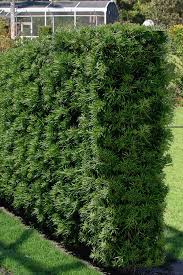
Buddhist Pine, Podocarpus macrophyllus, also commonly called Yew Pine, Japanese Yew, Southern Yew, Japanese Podocarp, Longleaf Podocarp, Kusamaki, Lo-han-sung, Inu-Maki, Pine Yew, and Yew Podocarpus, is an evergreen ornamental tree or shrub widely used in landscaping, hedges, screens, foundation plantings, bonsai, and decorative garden design. Because of its narrow leaves and yew-like appearance, it is often referred to by common names that include the word “yew,” which has created a great deal of confusion in pet-safety discussions.
That distinction matters. Buddhist Pine is a Podocarpus, not a true Taxus yew. True yews in the genus Taxus, such as English Yew, Japanese Yew, and related species, are infamous for taxine alkaloids and potentially sudden, severe, life-threatening cardiac poisoning. Buddhist Pine may be called Japanese Yew or Yew Pine in the nursery trade, but it should not be treated as toxicologically identical to true Taxus yew unless the plant is actually identified as a Taxus species.
Current ASPCA material lists Yew Pine, Podocarpus macrophylla, with “Buddhist pine” as an additional common name, as toxic to dogs, cats, and horses. However, ASPCA lists the toxic principle as unknown and the clinical signs as severe vomiting and diarrhea, rather than listing taxine or the classic sudden cardiac-collapse syndrome associated with true yews. Pet Poison Helpline likewise lists Buddhist Pine as toxic, rating toxicity as mild for dogs and cats and moderate for horses.
For that reason, the older blanket statement that Buddhist Pine is “yet another name for a member of the extremely deadly Yew family” should be softened. The plant is still toxic and should not be eaten by pets, but the better modern framing is that Buddhist Pine is a yew-like Podocarpus ornamental whose ingestion is expected to produce significant gastrointestinal upset, especially vomiting and diarrhea, while true yew or Taxus exposure remains a separate and more immediately life-threatening cardiac emergency.
There has been some dispute and confusion over the correct naming of the plant, and it can be found under a variety of aliases, including Yew Podocarpus, Yew Pine, Japanese Podocarp, Southern Yew, Longleaf Podocarp, Buddhist Pine, Disciples-of-Buddha Pine, Pine Yew, Japanese Yew, Kusa-maki, Lo-han-sung, and Inu-Maki. The spelling of the species name also appears inconsistently in older sources, with Podocarpus macrophyllus and Podocarpus macrophylla both appearing in plant and toxicology references.
Because the common names overlap with true yews, identification is important. A pet owner who says “my dog ate yew” may be describing a true Taxus yew, a Podocarpus yew pine, or another yew-like ornamental. Those are not interchangeable from a toxicology standpoint. When exposure occurs, a photo of the plant, leaves, berries or cones, plant tag, landscaping invoice, nursery label, or branch sample can be extremely useful to the veterinarian or poison-control professional.
The expected clinical concern with Buddhist Pine is primarily severe gastrointestinal upset. Vomiting and diarrhea can still become dangerous, particularly in small dogs, cats, puppies, kittens, elderly animals, medically fragile animals, or pets that ingest a large amount. Repeated vomiting and diarrhea may lead to dehydration, electrolyte imbalance, weakness, and the need for veterinary fluid support.
Even though current references do not frame Buddhist Pine in the same way as true taxine-containing yew, it should still be treated as unsafe for pets and horses. Animals should not be allowed to chew the foliage, stems, seeds, fruiting structures, clippings, or fallen plant material. Particular caution should be used after pruning, hedge trimming, storms, or landscape work, when fresh clippings and loose plant material may be more accessible than usual.
Immediate Response to Buddhist Pine Ingestion
- Remove the Source: Prevent further ingestion by removing the pet or horse from the Buddhist Pine, Yew Pine, Podocarpus hedge, clippings, leaves, stems, fruiting structures, or any fallen plant material.
- Confirm the Plant if Possible: Determine whether the plant is Podocarpus macrophyllus / Buddhist Pine / Yew Pine, or whether it may actually be a true Taxus yew. True yew exposure is a much more urgent cardiac-poisoning concern.
- Remove Plant Material from the Mouth: If ingestion was recent and it is safe to do so, remove visible plant material from the mouth and flush the mouth thoroughly with water.
- Watch for Gastrointestinal Signs: Monitor for vomiting, diarrhea, drooling, abdominal discomfort, reduced appetite, lethargy, depression, weakness, dehydration, or inability to keep water down.
- Contact Veterinary Help: Consult a veterinarian, emergency veterinary clinic, ASPCA Animal Poison Control, or Pet Poison Helpline if ingestion is suspected, if symptoms are present, if the amount is unknown, if a horse was exposed, or if there is any uncertainty that the plant may be a true Taxus yew.
Inducing Vomiting and Decontamination
- Getting Plant Material Out Matters: If a dog has recently swallowed Buddhist Pine plant material, removing remaining material from the stomach may reduce continued gastrointestinal irritation. In appropriate dog exposures, vomiting may be one of the least disruptive ways to remove recently ingested leaves or clippings before more plant material continues through the gastrointestinal tract.
- Inducing Vomiting in Dogs Only: If ingestion was recent and the dog is alert, breathing normally, able to swallow, and not showing weakness, collapse, repeated vomiting, severe depression, respiratory distress, neurologic signs, or signs of obstruction, a veterinarian or animal poison-control professional may recommend inducing vomiting with fresh 3% hydrogen peroxide.
- Cat Warning: Hydrogen peroxide should not be used to induce vomiting in cats unless a veterinarian specifically directs it. Cats are more prone to irritation and complications from hydrogen peroxide, and home vomiting attempts may create more risk than benefit.
- Do Not Induce Vomiting in an Unstable Animal: Vomiting should not be attempted in any animal that is weak, collapsed, sedated, having trouble breathing, unable to swallow normally, already vomiting repeatedly, showing neurologic signs, showing suspected obstruction signs, or otherwise unstable.
- Activated Charcoal: Activated charcoal slurry may be considered by a veterinarian or poison-control professional after significant ingestion, especially when exposure is recent and the animal can safely receive oral treatment.
- True Yew Warning: If there is any chance the plant is true Taxus yew rather than Podocarpus, treat the exposure as an emergency and seek immediate veterinary care rather than relying on home treatment.
Supportive Care and Treatment
- No Confirmed Taxine Treatment Framing: For Buddhist Pine / Podocarpus, current companion-animal references list the toxic principle as unknown and focus primarily on severe vomiting and diarrhea. Treatment is therefore generally symptomatic and supportive unless the plant is determined to be true yew.
- Hydration: Ensure the pet receives adequate fluids to reduce the risk of dehydration caused by vomiting or diarrhea.
- Fluid Therapy: Animals with repeated vomiting, persistent diarrhea, weakness, dehydration, or inability to keep water down may require veterinary fluid therapy and electrolyte support.
- Anti-Nausea and Gastrointestinal Support: A veterinarian may use anti-nausea medication, gastrointestinal protectants, activated charcoal, or other supportive care depending on the amount ingested and severity of symptoms.
- Horse Exposure: Horses exposed to Buddhist Pine should be evaluated more cautiously because current poison references rate horse toxicity higher than dogs and cats, and large-animal gastrointestinal illness can become serious quickly.
Prognosis and Recovery
- Most Podocarpus Exposures: Most Buddhist Pine exposures are expected to involve gastrointestinal upset rather than the sudden cardiac-collapse pattern associated with true Taxus yew.
- Expected Course: Pets with limited ingestion and signs restricted to vomiting or diarrhea generally have a good prognosis with prompt supportive care and prevention of further exposure.
- Higher-Risk Cases: Prognosis becomes more guarded if vomiting or diarrhea is severe, dehydration develops, a horse is exposed, the amount is large, or the plant may have been misidentified as Podocarpus when it is actually true yew.
- Prevention: Prevent further ingestion of the plant, remove clippings and fallen material after pruning, keep pets away from Podocarpus hedges and landscape debris, and consult a veterinarian promptly when exposure is suspected.