PAWS Pet Poison Plant Guide
Is Calla Lily Poisonous to Dogs, Cats, Horses, and Livestock?
Yes, Calla Lily, Zantedeschia aethiopica, is poisonous to dogs, cats, horses, livestock, birds, and other animals that chew it. Its tissues contain insoluble calcium oxalate raphides that penetrate the mouth and throat, producing immediate burning pain, drooling, pawing at the mouth, swelling, vomiting, and difficulty swallowing. Calla Lily is not a true Lilium lily and does not ordinarily cause the acute kidney failure associated with true-lily exposure in cats, but an unidentified “lily” in a cat’s environment must be treated urgently until its identity is confirmed.
About this guide: This page provides general pet-poisoning information and cannot diagnose or treat an individual animal. For any suspected exposure, contact a veterinarian or animal poison-control service immediately. Do not induce vomiting, give medication, or attempt home decontamination unless directed by a veterinary professional.
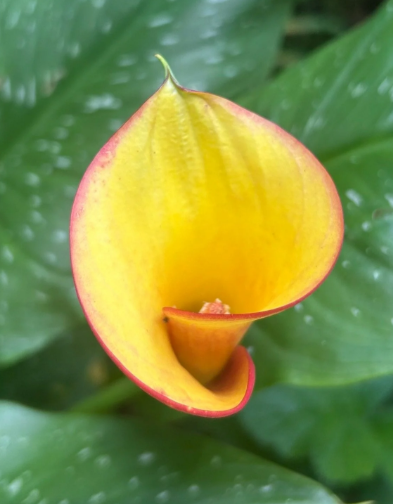
Calla Lily
Zantedeschia aethiopica (L.) Spreng.
Important botanical synonyms and historical names include:
Calla aethiopica L. — basionym
Arodes aethiopicum (L.) Kuntze
Calla moschata Moench — illegitimate name
Colocasia aethiopica (L.) Link
Otosma aethiopica (L.) Raf.
Richardia aethiopica (L.) Spreng.
Richardia africana Kunth — illegitimate superfluous name
Calla aethiopica var. nana Hovey
Calla ambigua Salisb.
Pseudohomalomena pastoensis A.D.Hawkes
Calla aethiopica is the basionym from which the currently accepted combination was formed.
The spelling Zantedeschia ethiopica, without the initial “a” in the species epithet, is a common misspelling rather than the accepted botanical name.
Araceae Juss. — Arum or Aroid Family
Calla Lily is an aroid related to other insoluble-calcium-oxalate ornamentals such as Caladium, Dieffenbachia, Philodendron, Peace Lily, Elephant Ear, and Arrowhead Vine. It is not a member of Liliaceae, the true-lily family.
Calla Lily, Arum Lily, Common Arum Lily, White Arum, White Arum Lily, Pig Lily, Pig’s Ear, Varkoor, Wit Varkoor, Trumpet Lily, Florist’s Calla, Garden Calla, Common Calla, Ethiopian Arum Lily, Altar Lily, Funeral Flower, Zantedeschia aethiopica, Calla aethiopica
“Lily of the Nile” is sometimes applied to Calla Lily in horticultural material, but it is also widely used for Agapanthus species and should not be relied upon for identification.
“Calla Lily,” “Arum Lily,” and “Trumpet Lily” do not make this plant a true lily. True lilies belong to Lilium, while daylilies belong to Hemerocallis; both groups present a much more serious kidney-poisoning risk to cats.
Insoluble Calcium Oxalate Is the Principal Established Hazard
Calla Lily is an insoluble calcium oxalate plant. Its principal established toxic structures are raphides: elongated needle-shaped calcium oxalate crystals held in bundles within specialized plant cells called crystal idioblasts.
The crystals normally remain enclosed while the plant tissue is intact. Chewing, biting, crushing, cutting, digging, or breaking the plant disrupts the crystal-containing cells and releases raphides into the surrounding sap and contacted animal tissue.
The resulting syndrome begins rapidly because the injury is primarily local and mechanical. Raphides penetrate moist epithelial surfaces of the lips, gums, tongue, inner cheeks, floor of the mouth, pharynx, and upper gastrointestinal tract rather than requiring widespread bloodstream absorption before signs appear.
Direct Exact-Species Leaf Evidence
Zantedeschia aethiopica was included in a direct microscopic investigation of calcium oxalate crystals in the leaves of fourteen Araceae species.
The researchers used chemical staining methods to identify and locate calcium-containing crystals within leaf cross-sections. Across the examined aroids, calcium oxalate occurred throughout the tissue layers of the leaf blade. Druses were observed more frequently within palisade mesophyll, while raphides occurred more often within spongy mesophyll.
Specialized spindle-shaped crystal idioblasts were identified within the spongy mesophyll of several studied species. The investigation also documented prismatic crystals and crystal sand within the broader group, although not every crystal morphology occurred identically in every species.
This study supplies direct evidence that Calla Lily leaves belong to the calcium-oxalate crystal system characteristic of many aroids. It does not establish a crystal count per leaf, compare every plant organ, or provide a toxic dose for dogs, cats, horses, cattle, sheep, goats, rabbits, birds, or other animals.
Raphides and Other Crystal Forms Should Not Be Confused
Calcium oxalate may occur in several plant-crystal forms. Raphides are elongated needles arranged in bundles, druses are rounded aggregates composed of many crystal faces, prisms are more block-like structures, and crystal sand consists of numerous very small particles.
Raphides are the most important structures for explaining immediate Calla Lily poisoning because their shape favors penetration of moist oral tissue. The presence of another crystal form does not establish an additional systemic toxin or prove that it produces the same injury as a raphide bundle.
The public toxicology description should therefore center on raphides while recognizing that aroid calcium oxalate anatomy is more complex than one uniform crystal type.
How Raphides Produce Immediate Pain
Describing raphides as microscopic needles is scientifically useful, but the resulting injury involves more than one superficial scratch. A released bundle can create numerous small epithelial punctures, and individual crystals may remain embedded after visible plant fragments have been removed.
Tissue trauma activates local pain and inflammatory pathways. Redness, edema, burning pain, hypersalivation, pawing at the mouth, repeated swallowing, gagging, vomiting, and appetite loss may therefore continue after the animal has stopped chewing.
The rapid unpleasant sensation often causes an animal to release the plant before swallowing a large amount. This self-limiting response is an important reason most ordinary companion-animal exposures remain localized and recover well.
The Idioblast Discharge Mechanism
Raphide-containing idioblasts are sometimes described as spring-loaded defensive cells. Damage to fresh tissue, hydration of disrupted cell contents, and mechanical pressure can promote rapid discharge of the crystal bundle.
The exact discharge behavior varies among plants and idioblast types. It should not be stated that every Calla Lily crystal is fired by one identical high-pressure mechanism.
The clinically important conclusion is that chewing and crushing make previously enclosed crystals immediately available to penetrate oral and pharyngeal tissue.
Possible Sap-Mediated Amplification
Mechanical crystal injury may allow additional sap constituents to reach damaged tissue more effectively. Proteins, enzymes, inflammatory mediators released by the animal, and other plant compounds have all been proposed as contributors to the intensity of aroid irritation.
Experimental research using purified raphides from another plant showed that needle-shaped crystals could greatly magnify the effect of a cysteine protease in an insect model. The result supports the broader biological concept that raphides can function as needle-assisted delivery structures.
That experiment did not use Zantedeschia aethiopica, did not identify a Calla Lily protease, and did not involve dogs, cats, horses, or livestock. A specific “protein-digesting Calla Lily enzyme” should therefore not be presented as a fully characterized second toxin.
The most defensible description is that Calla Lily has a proven insoluble-raphide hazard and may contain additional sap constituents that amplify local inflammation.
Direct Irritation and Allergic Contact Dermatitis
Fresh Calla Lily sap can irritate exposed skin directly. Redness, stinging, itching, swelling, or dermatitis may occur where cut stems, crushed leaves, rhizomes, or floral tissue contact the hands, muzzle, lips, paws, eyelids, or sparsely haired skin.
Direct irritation can occur without prior sensitization. Allergic contact dermatitis is a separate delayed immune reaction that develops only after a susceptible individual has become sensitized.
A published exact-species human case involved a woman who developed itching, redness, and hand swelling after cutting Zantedeschia aethiopica. Delayed patch testing with a stem fragment produced a strong positive reaction, while testing in healthy controls was negative.
This case confirms that Calla Lily can act as a contact allergen in a sensitized person. It does not establish how commonly allergic dermatitis occurs in dogs, cats, horses, or livestock, but it supports prompt washing and prevention of repeated sap exposure.
Insoluble and Soluble Oxalates Cause Different Syndromes
The calcium oxalate in Calla Lily is principally important as insoluble crystals that act where they contact tissue. This is different from poisoning by plants containing substantial quantities of soluble oxalate.
Soluble oxalate can be absorbed, bind circulating ionized calcium, and contribute to hypocalcemia, neuromuscular dysfunction, cardiac abnormalities, and calcium oxalate deposition within the kidneys.
Ordinary Calla Lily chewing instead produces immediate oral pain, salivation, dysphagia, localized swelling, vomiting, and gastrointestinal irritation.
Generalized tremors, tetany, seizures, major rhythm abnormalities, widespread calcium oxalate crystalluria, acute kidney injury, coma, or profound systemic depression are not expected consequences of an uncomplicated insoluble-raphide exposure.
Calla Lily Is Not a True-Lily Nephrotoxin
Calla Lily belongs to Araceae and is not a member of Lilium or Hemerocallis.
True lilies and daylilies can cause acute kidney injury in cats after very small exposures to leaves, petals, pollen, or vase water. Their feline nephrotoxic principle and clinical progression are distinct from the immediate raphide syndrome of Calla Lily.
An unidentified lily in a cat’s environment must nevertheless be treated as a potential true-lily emergency until every plant in the bouquet, container, or garden has been identified accurately.
Leaves and Petioles
Leaves and petioles are frequent exposure sources because they are accessible in gardens, containers, floral arrangements, and naturalized stands.
Direct exact-species anatomical evidence confirms calcium oxalate crystal structures within Calla Lily leaf tissue. Freshly broken petioles may also expose a large sap-covered surface that transfers plant residue readily to the mouth, skin, coat, or eyes.
A brief bite may cause immediate rejection, but this does not guarantee that no plant material reached the pharynx, esophagus, or stomach.
Spathe, Spadix, Flowers, and Fruit
The large white structure commonly called the Calla Lily flower is a spathe, which is a modified leaf or floral bract. The upright yellow structure inside it is the spadix, which bears numerous small true flowers.
Both structures should be treated as irritating. Developing yellow to orange fruits, seeds, aging floral stalks, fallen bouquet material, and vase debris should also remain inaccessible.
No controlled animal study has established a safe floral-tissue or fruit dose.
Rhizomes and Roots
Zantedeschia aethiopica grows from a thick underground rhizome rather than an ordinary bulb. Dogs may expose rhizomes by digging in pots, damp garden beds, naturalized colonies, divided plants, or seasonal storage material.
A rhizome may permit a larger and more persistent chewing exposure than one painful bite from a leaf because it resembles a root, tuber, stick, or portable object.
Exact comparative crystal measurements are not available for every rhizome, root, leaf, and reproductive structure. The absence of a comparative measurement does not make underground material safe.
Fresh, Wilted, and Dried Material
Calcium oxalate crystals are stable mineral structures. They do not disappear merely because a Calla Lily leaf wilts or a floral arrangement dries.
Loss of moisture may change sap flow, palatability, and ease of crystal discharge, but it does not chemically dissolve all calcium oxalate present within the tissue.
Wilted flowers, dried leaves, old floral arrangements, discarded rhizomes, garden clippings, compost, and naturalized dead material should therefore remain inaccessible.
Cooking Is Not an Animal-Safety Method
Prolonged boiling and processing have been used historically to reduce acridity in certain aroids consumed by people. That controlled preparation history does not establish that briefly cooked, frozen, wilted, or heated Calla Lily is suitable animal food.
Processing may reduce some free sap and alter crystal accessibility without guaranteeing complete removal of raphides or other irritating constituents.
No Calla Lily part should be deliberately prepared or offered to a pet or livestock animal.
Direct Animal-Exposure Evidence Is Sparse
Published species-confirmed veterinary case detail remains limited. A South African poison-information study recorded one dog exposed to Zantedeschia aethiopica; that dog remained asymptomatic.
The report did not establish how much was eaten, which plant part was involved, or whether the dog chewed and rejected the material before swallowing it.
One asymptomatic exposure does not establish a harmless dose. It does demonstrate that exposure does not inevitably produce severe disease and supports keeping the public description proportionate.
Why Profound Systemic Illness Requires Another Investigation
Most uncomplicated Calla Lily exposures remain local to the mouth and upper gastrointestinal tract. Secondary dehydration, electrolyte disturbance, aspiration, airway compromise, or anaphylaxis can make a case more serious.
Seizures, coma, severe hypocalcemia, acute kidney injury, major cardiac abnormalities, profound generalized weakness, or rapid unexplained collapse should trigger investigation for another toxin or disease.
Important alternatives include a true lily or daylily, ethylene glycol, soluble-oxalate plants, fertilizer, pesticides, medications, caustic chemicals, airway obstruction, hypoglycemia, severe dehydration, shock, and another poisonous plant in the same bouquet or container.
No Established Safe or Toxic Dose
No validated safe leaf count, petiole length, spathe quantity, rhizome weight, crystal concentration, or gram-per-kilogram toxic dose exists for dogs, cats, horses, cattle, sheep, goats, rabbits, birds, reptiles, or other animals.
Risk depends on animal size, plant part, amount chewed, duration of contact, ability to swallow, existing airway or gastrointestinal disease, and whether fertilizers, pesticides, floral preservatives, another plant, or foreign material were consumed simultaneously.
A brief taste that is immediately rejected is less concerning than prolonged rhizome chewing or ingestion of several leaves, but no numerical threshold can guarantee that an individual exposure will remain mild.
Immediate Oral Pain and Irritation
Calla Lily usually produces signs while the animal is chewing or within minutes afterward. A dog or cat may abruptly drop the plant, shake the head, lick the lips, rub the face, paw at the mouth, gag, retch, or begin salivating heavily. This rapid onset reflects direct penetration of oral tissue by raphides rather than delayed systemic absorption.
Oral pain may be intense. The lips, gums, tongue, floor of the mouth, and inner cheeks can become reddened, tender, or swollen, and small erosions may form where plant material was crushed. An affected animal may approach food but refuse to take it, drop partially chewed food, vocalize when attempting to eat, or repeatedly extend the neck because swallowing is painful.
Drooling is one of the most recognizable signs. Saliva may hang in strings or soak the chin, chest, and forelimbs. The animal may make repeated swallowing or chewing motions without food, gag intermittently, or develop a hoarse bark, weak meow, or altered vocalization when the pharynx or tissues surrounding the larynx are irritated.
Difficulty Swallowing and Upper-Airway Swelling
Dysphagia can range from mild reluctance to swallow food or water to an inability to manage saliva. Persistent gagging, coughing, regurgitation, repeated attempts to swallow, nasal discharge containing food or fluid, or material emerging from the nostrils raises concern for significant pharyngeal or esophageal injury and possible aspiration.
Difficulty swallowing also makes home treatment dangerous. Food, water, medication, dairy products, charcoal, or other substances forced into the mouth can enter the airway. An animal that cannot swallow saliva safely requires veterinary examination rather than continued oral treatment.
Upper-airway swelling is uncommon, but it is the most urgent recognized complication. Progressive enlargement of the tongue, floor of the mouth, lips, face, pharynx, or tissues surrounding the larynx may cause noisy breathing, an extended-neck posture, rapid shallow respirations, open-mouth breathing, panic, pale or blue mucous membranes, weakness, or collapse.
Vomiting, Diarrhea, and Secondary Dehydration
Vomiting may occur after plant material and crystals reach the stomach, and some animals may dry-heave or retch without producing much material. Nausea, appetite loss, abdominal discomfort, and diarrhea are also possible, particularly when more than a brief taste was swallowed or when an animal chewed a rhizome or substantial quantity of foliage.
The original toxic action remains primarily local, but repeated vomiting, diarrhea, heavy salivation, painful swallowing, and refusal to drink can cause important secondary complications. Dehydration, electrolyte abnormalities, weakness, reduced tissue perfusion, and hypovolemic shock may develop if gastrointestinal losses continue without adequate replacement.
Blood in vomit or dark tarry stool is not a routine sign and warrants evaluation for significant mucosal erosion, esophagitis, severe gastritis, a foreign body, another toxic substance, or unrelated gastrointestinal disease.
Skin and Eye Exposure
Sap contacting the skin can cause immediate stinging, redness, itching, swelling, or localized dermatitis. Contaminated fur may create a second oral exposure when the animal grooms, so symptoms can continue until the coat has been washed thoroughly.
Eye exposure may cause squinting, tearing, conjunctival redness, rubbing, light sensitivity, or obvious corneal pain. Persistent squinting, cloudiness, discharge, or inability to open the eye can indicate corneal erosion or ulceration rather than simple transient irritation.
Signs in Horses and Livestock
Horses may develop profuse salivation, head shaking, resistance to the bit, cautious chewing, feed refusal, lip or tongue swelling, abnormal swallowing, coughing, respiratory noise, colic, or diarrhea. Horses cannot vomit, so productive vomiting should not be expected. Feed or fluid at the nostrils, repeated coughing, choke-like signs, or increasing respiratory effort requires urgent examination.
Cattle, sheep, goats, and other livestock may encounter Calla Lily in ornamental plantings, naturalized wet areas, garden waste, or contaminated clippings. Possible signs include salivation, oral irritation, reduced feed intake, tongue swelling, diarrhea, depression, weakness, and respiratory difficulty after substantial exposure.
Published species-specific case evidence is limited, so a distinct Calla Lily syndrome should not be invented for each animal. The same raphide mechanism supports concern across species, while differences in mouth anatomy, feeding behavior, digestive physiology, body size, and the amount consumed influence the clinical presentation.
Expected Recovery and Signs of Another Poisoning
Most uncomplicated exposures begin improving within several hours after plant residue has been removed and local inflammation starts to subside. Drooling, oral sensitivity, and reduced appetite may continue intermittently for approximately 12–24 hours. Ulceration, esophagitis, aspiration injury, dermatitis, or eye damage may take longer to resolve.
Acute renal failure is not the expected progression of Calla Lily exposure. A cat that develops vomiting, profound depression, increased thirst or urination followed by reduced urine production, or worsening kidney values after contact with an unidentified “lily” must be evaluated for true Lilium or Hemerocallis exposure.
Convulsions, marked cardiac abnormalities, coma, severe generalized weakness, or sudden profound depression should likewise trigger investigation for airway-related hypoxia, severe dehydration, anaphylaxis, ethylene glycol, pesticide or fertilizer exposure, medication ingestion, another poisonous plant, hypoglycemia, electrolyte disturbance, or unrelated neurologic disease.
Emergency warning signs include inability to swallow saliva, rapidly progressive mouth or throat swelling, noisy or labored breathing, coughing after vomiting, repeated vomiting, blood in vomit, severe diarrhea, marked dehydration, weakness, abnormal mucous-membrane color, collapse, persistent eye pain, or failure to improve within the expected period.
Calla Lily Is an Aroid, Not a True Lily
Zantedeschia aethiopica belongs to Araceae, the arum or aroid family. Despite its common name and showy flower-like structure, it is unrelated to true lilies in Lilium and daylilies in Hemerocallis.
This distinction is especially important for cats. Calla Lily causes immediate oral and gastrointestinal irritation from insoluble calcium oxalate raphides. True lilies and daylilies can cause acute kidney injury after very small exposures to leaves, petals, pollen, or vase water. An unidentified lily in a bouquet should therefore be treated as a potential true-lily emergency until identification is certain.
Identification
Calla Lily is a robust rhizomatous perennial with large, upright, arrowhead-shaped or sagittate leaves on long fleshy petioles. The leaves are generally glossy dark green, although cultivated forms and related Zantedeschia species may have white spotting.
The conspicuous white “flower” is a spathe, a modified leaf that wraps around a central cylindrical spadix. The spadix bears numerous small true flowers and is usually yellow. The white spathe may become greener as it ages.
After pollination, the flower structure can develop a compact cluster of fleshy yellow to orange berries. The plant spreads through rhizomes beneath the soil and may form dense colonies where moisture is available.
Range, Habitat, and Naturalized Growth
Calla Lily is native to southern Africa. It grows naturally in damp grassland, marshy ground, along streams, beside ponds, and in other moist habitats. Depending on rainfall and local conditions, it may remain evergreen or become seasonally dormant.
The species is now cultivated throughout much of the world and has become naturalized or invasive in some mild, moist regions, including parts of California, Australia, and New Zealand. Animals may therefore encounter it as a florist plant, container ornamental, garden perennial, landscape planting, escaped roadside plant, or dense growth near waterways.
Common Pet and Livestock Exposures
Cats may chew leaves or flower arrangements, brush against broken stems, or drink from bouquet containers. Dogs may investigate dropped flowers, overturn pots, dig up rhizomes, chew discarded plant divisions, or gain access to garden debris.
Horses and livestock may encounter Calla Lily where ornamental plantings border paddocks, along wet fence lines, or when garden waste is dumped into a field. Cut material should never be placed in feed bunks, bedding, compost accessible to animals, or pasture waste piles.
Floral arrangements deserve special care because Calla Lily may be combined with true lilies. Pollen, leaves, petals, and vase water from Lilium or Hemerocallis are potentially nephrotoxic to cats even when the Calla Lily itself would primarily cause oral irritation.
All Parts Contain Irritating Material
Leaves, petioles, spathes, spadices, fruits, seeds, sap, roots, and rhizomes should all be considered unsafe to chew. The concentration and accessibility of raphides may vary between tissues, but there is no established harmless plant part.
Rhizomes create a practical exposure risk because they can remain in soil after visible foliage is removed. Dogs may uncover them while digging, and pets may gain access when the plants are divided, transplanted, or lifted for storage.
Why Immediate Pain Usually Limits the Dose
The rapid burning sensation is an effective plant defense. Most animals stop chewing after one or several bites, so severe ingestion is uncommon. The amount swallowed may be much smaller than the amount initially taken into the mouth.
This self-limiting effect does not make every exposure trivial. A small animal may still become dehydrated if pain prevents drinking, and a persistent chewer may consume more plant tissue before stopping. Rhizomes, bouquet material, or chopped garden waste may also permit a larger exposure than one bite of an intact leaf.
Diagnosis
There is no routine blood test that proves Calla Lily ingestion. Diagnosis generally depends on identifying the plant, observing compatible immediate oral signs, finding chewed plant material, and excluding other causes of oral pain, vomiting, dysphagia, or respiratory distress.
Save a complete plant sample or photograph showing the leaf, white spathe, yellow spadix, pot, nursery label, and surrounding bouquet. Tell the veterinarian whether true lilies, daylilies, fertilizers, pesticides, floral preservatives, or other plants were present.
Veterinary examination may include inspection of the lips, tongue, oral cavity, pharynx, and eyes; assessment of swallowing and respiratory effort; hydration and perfusion measurements; and blood testing when vomiting, diarrhea, weakness, or an unidentified lily exposure creates concern for systemic disease.
Important Look-Alikes and Naming Confusion
True Calla, Calla palustris, is a different aroid found in cool wetlands of the Northern Hemisphere. It also contains irritating calcium oxalate and should not be assumed safe merely because it belongs to a different genus.
Peace Lily, Spathiphyllum, is another insoluble-calcium-oxalate aroid. Lily of the Valley, Convallaria majalis, contains cardiac glycosides. Peruvian Lily, Alstroemeria, usually causes milder gastrointestinal or skin irritation. True lilies and daylilies present the greatest kidney danger to cats.
“Lily of the Nile” commonly refers to Agapanthus, while “Arum Lily” may be used for Zantedeschia aethiopica or for unrelated Arum species in some regions. The common name alone is not adequate for toxicological identification.
Prevention
Keep Calla Lily out of homes with animals that chew plants, particularly cats, rabbits, birds, puppies, and small mammals. Elevated shelves and hanging arrangements are not secure when leaves fall, stems trail, or cats can climb nearby furniture.
Wear gloves while cutting or dividing plants, collect every clipping and rhizome fragment, wash sap from tools, and prevent animals from entering the work area until debris has been removed. Wash sap-contaminated fur before the animal can groom it.
Do not place Calla Lilies in mixed bouquets in homes with cats unless every other flower has been positively identified as cat-safe. The simplest prevention is to exclude all true lilies, daylilies, and unidentified lily-like flowers from a cat’s environment.
Immediate Steps After Ingestion
- Stop further exposure. Move the animal away from the plant and collect fallen leaves, flowers, fruits, stems, rhizomes, soil-covered fragments, bouquet material, and vomited pieces before another animal can reach them.
- Remove only loose material that is safely visible. If the animal is calm and swallowing normally, take away fragments resting at the lips or front of the mouth. Do not reach blindly toward the throat, scrape the tongue, or force the jaws open.
- Gently wipe the mouth and muzzle. Use a soft cloth dampened with water to remove visible sap and loose debris from the lips, gums, tongue tip, and muzzle when this can be done safely. Avoid aggressive rubbing because crystals may already be embedded in the tissue.
- Permit voluntary water only when swallowing is normal. An alert animal that is breathing comfortably and not vomiting repeatedly may have access to fresh water. Do not syringe, pour, spray, or force liquid into the mouth.
- Confirm whether any true lily was present. Check the bouquet, garden, nursery label, discarded petals, pollen, and vase water for Lilium or Hemerocallis. Any possible true-lily or daylily exposure involving a cat requires immediate veterinary attention.
- Preserve identification evidence. Save photographs, a complete leafy stem, the white spathe and yellow spadix, the plant tag, bouquet wrapper, and the names of fertilizers, pesticides, or floral preservatives used nearby.
- Contact a veterinarian for significant or persistent signs. Prompt guidance is appropriate for substantial ingestion, continued drooling, painful swallowing, repeated vomiting or diarrhea, refusal to drink, facial swelling, or an exposure involving a small, elderly, pregnant, or medically fragile animal.
After Skin or Coat Exposure
Wear gloves before handling contaminated fur or plant sap. Wash the affected coat and skin gently with lukewarm water and a mild pet-safe cleanser, then rinse thoroughly. Avoid aggressive scrubbing because friction can intensify irritation.
Prevent licking and grooming until the coat is clean and dry. Wash collars, harnesses, bedding, towels, grooming tools, carriers, halters, tack, and other items that contacted the plant. Persistent redness, swelling, blistering, intense itching, facial involvement, or self-trauma warrants veterinary examination.
After Eye Exposure
Begin gentle irrigation with sterile saline or room-temperature water. Continue for approximately 15 minutes when this can be performed safely, directing the fluid across the eye rather than using a forceful stream.
Persistent squinting, tearing, cloudiness, discharge, light sensitivity, rubbing, or inability to open the eye requires prompt examination. The veterinarian may inspect beneath the eyelids and use fluorescein stain to identify corneal erosion or ulceration.
Veterinary treatment may include continued irrigation, lubricants, pain relief, and topical antimicrobials when the corneal surface has been injured. Ophthalmic corticosteroids should not be used until ulceration has been excluded because they can delay healing and worsen infection or corneal damage.
Do Not Attempt Unsupervised Home Treatment
- Do not induce vomiting. Hydrogen peroxide, salt, mustard, syrup of ipecac, and manual gagging can return irritating crystals across the esophagus, cause aspiration, injure the stomach, and delay appropriate treatment.
- Do not forcefully rinse or flush the mouth. Spraying or pouring water toward the throat can carry liquid and plant fragments into the lungs, particularly when the animal is gagging, drooling, frightened, weak, or swallowing abnormally.
- Do not give milk, yogurt, cheese, oil, butter, honey, or syrup as an antidote. These foods do not remove embedded raphides and may be aspirated when swallowing is painful or impaired.
- Do not administer activated charcoal routinely. Charcoal does not neutralize or reliably bind mineral calcium oxalate crystals and may be aspirated by an animal that is vomiting or dysphagic.
- Do not give Kapectolin, Kaopectate, bismuth, loperamide, or another anti-diarrheal medicine. These products do not remove raphides or correct dehydration and may obscure continuing illness or introduce additional medication risks.
- Do not give sucralfate or acid-reducing medicine automatically. These drugs may be appropriate for documented esophageal or gastric injury, but they are not universal antidotes for oral raphide exposure.
- Do not give antihistamines or corticosteroids preventively. Most swelling is caused by direct mechanical and inflammatory injury rather than an allergic reaction. These drugs cannot substitute for airway assessment.
- Do not give human pain medication or leftover veterinary prescriptions. Ibuprofen, naproxen, acetaminophen, aspirin, and other medications can cause a separate poisoning or worsen gastrointestinal injury.
When Emergency Examination Is Especially Important
- Abnormal swallowing: Inability to handle saliva, repeated gagging, painful swallowing, food or fluid emerging from the nostrils, or refusal of all water suggests significant oral, pharyngeal, or esophageal injury.
- Airway compromise: Progressive tongue, mouth, face, or throat swelling; noisy breathing; an extended-neck posture; open-mouth breathing; pale or blue mucous membranes; panic; or collapse requires immediate emergency care.
- Persistent gastrointestinal signs: Repeated vomiting, inability to retain water, profuse diarrhea, blood in vomit or stool, marked abdominal pain, or progressive dehydration requires examination.
- Possible true-lily exposure in a cat: Any uncertainty involving Lilium, Hemerocallis, pollen, fallen petals, leaves, or bouquet water should be treated as an urgent kidney-poisoning exposure even when the cat currently appears normal.
- Unexpected systemic signs: Severe weakness, tremors, marked ataxia, abnormal heart rate, seizures, stupor, coma, reduced urination, or collapse is not the ordinary Calla Lily syndrome and requires a broader toxicological investigation.
- Eye injury: Persistent squinting, cloudiness, discharge, or inability to open the eye after irrigation may indicate corneal damage.
- High-risk patient or large exposure: Puppies, kittens, birds, rabbits, small mammals, elderly animals, and patients with respiratory, cardiac, kidney, or gastrointestinal disease may tolerate pain, food refusal, and fluid loss poorly.
Veterinary Examination and Diagnostic Priorities
The veterinarian will assess oral and pharyngeal swelling, the animal’s ability to swallow, respiratory effort, airway noise, mucous-membrane color, hydration, abdominal discomfort, heart rate and rhythm, pulse quality, blood pressure, temperature, and neurologic status.
Careful examination may require sedation when oral pain or patient resistance prevents safe visualization. Sedation must be selected cautiously in an animal with possible pharyngeal swelling because relaxation can worsen an already narrow airway.
Mild cases may need no laboratory testing. Persistent vomiting, diarrhea, weakness, collapse, reduced urine production, or an unidentified lily exposure may justify a complete blood count, serum chemistry, glucose, electrolytes, kidney values, urinalysis, blood pressure, blood-gas assessment, electrocardiography, thoracic imaging, or abdominal imaging.
These tests do not prove Calla Lily ingestion. They identify dehydration, electrolyte disturbance, aspiration, kidney injury from another source, gastrointestinal complications, and alternative diagnoses.
Veterinary Decontamination
Removal of plant fragments and gentle wiping or rinsing of the oral cavity are the principal decontamination measures. The veterinarian may use suction, moistened gauze, controlled irrigation, and analgesia to remove loose material without directing fluid into the airway.
Induced vomiting is generally unnecessary and potentially counterproductive because signs begin rapidly, the dose is often self-limited by pain, and returning raphide-containing material through the esophagus can produce additional irritation. Emesis is especially contraindicated when the animal is already drooling, vomiting, dysphagic, weak, sedated, neurologically abnormal, or showing airway swelling.
Activated charcoal does not reliably bind insoluble mineral crystals and is not routinely indicated. It may be considered only when a mixed exposure includes another charcoal-bindable toxin and the airway can be protected safely.
Gastric lavage is rarely justified. It would be reserved for an extraordinary mixed or massive exposure under anesthesia with a protected airway when the expected benefit clearly exceeds the risk.
Pain Control and Oral Support
Analgesia may be necessary when oral pain prevents eating, drinking, or safe examination. The veterinarian may select an opioid or another species-appropriate analgesic based on pain severity, breathing, cardiovascular status, and concurrent disease.
Oral tissue should be reassessed for persistent swelling, erosions, ulceration, embedded plant debris, or secondary infection. Soft food may be introduced once swallowing is comfortable and aspiration risk has resolved. Nutritional support may be needed when a small animal, bird, rabbit, or cat refuses food for a clinically important period.
Topical oral anesthetics should not be applied casually. Loss of protective sensation can impair swallowing, increase aspiration risk, and permit the animal to traumatize numb tissue.
Vomiting, Esophagitis, and Gastrointestinal Injury
An antiemetic such as maropitant or ondansetron may be selected when vomiting persists after obstruction, foreign material, true-lily exposure, and other important causes have been considered. Antiemetics reduce continued fluid loss and additional exposure of the esophagus to gastric contents.
Sucralfate may be appropriate when painful swallowing, repeated vomiting, blood in vomit, suspected esophagitis, or erosive gastritis indicates damaged mucosa. It forms a protective barrier over injured tissue but does not neutralize calcium oxalate or remove embedded crystals. Because it can interfere with absorption of other drugs, administration may need to be separated from food and medication.
Omeprazole, pantoprazole, famotidine, or another acid-suppressing drug is not required for every Calla Lily exposure. Acid suppression may be selected when erosive esophagitis, gastritis, hematemesis, melena, or another acid-related complication is documented or strongly suspected.
Anti-diarrheal medication is not routine treatment. Fluid replacement, electrolyte correction, nutritional support, and investigation for gastrointestinal bleeding, infection, obstruction, another plant, or another toxin take priority when diarrhea is severe or persistent.
Fluid Therapy and Circulatory Support
Animals with repeated vomiting, diarrhea, heavy drooling, or refusal to drink may require subcutaneous or intravenous fluids according to the severity of dehydration and cardiovascular compromise.
Intravenous isotonic crystalloids are the initial fluid therapy when measured losses have produced poor perfusion or hypovolemic shock. Fluid amounts should be based on the dehydration deficit, maintenance needs, continuing losses, blood pressure, body weight, urine production, kidney function, and cardiopulmonary status rather than a fixed volume.
If hypotension persists after adequate volume replacement, the veterinarian should investigate continuing gastrointestinal losses, hemorrhage, anaphylaxis, sepsis, myocardial dysfunction, airway-related hypoxia, another toxin, or severe systemic disease. Veterinarian-directed vasopressor support may be required with continuous blood-pressure and perfusion monitoring.
Airway Swelling and Respiratory Support
An animal with progressive tongue, pharyngeal, or laryngeal swelling requires continuous airway observation. Supplemental oxygen may be provided while preparations are made for definitive airway management.
Severe obstruction may require sedation and endotracheal intubation before swelling prevents passage of a tube. If oral intubation is impossible, an emergency temporary tracheostomy may be necessary. Mechanical ventilation may be required when respiratory fatigue, aspiration, severe hypoxemia, or loss of consciousness develops.
Direct irritant swelling must be distinguished from true hypersensitivity. Antihistamines do not remove raphides and are not routine antidotes. A veterinarian may use an antihistamine or corticosteroid when examination supports a separate allergic or severe inflammatory component, but treatment must not delay airway protection.
True anaphylaxis is a different emergency. Sudden generalized hives or swelling accompanied by severe hypotension, weak pulses, respiratory distress, vomiting, diarrhea, or collapse may require epinephrine, oxygen, airway protection, intravenous crystalloids, and intensive cardiovascular monitoring.
Aspiration and Pulmonary Complications
Coughing, abnormal lung sounds, fever, increasing respiratory effort, or reduced oxygenation after vomiting or forced oral treatment raises concern for aspiration. Thoracic imaging may initially appear normal, so continued monitoring is appropriate when the exposure history and clinical signs are concerning.
Management may include oxygen, airway suction, nebulization, coupage, assisted ventilation, and antibiotics when bacterial aspiration pneumonia is established or strongly suspected. Antibiotics are not automatically required for every brief aspiration event.
Horses and Livestock
Remove horses, cattle, sheep, goats, and other grazing animals from Calla Lily plantings, naturalized wetland growth, clippings, rhizomes, contaminated hay, or landscaping waste. Preserve representative plants and identify all shared feed, water, fertilizer, and pesticide sources.
Horses cannot vomit. Veterinary management may include examination for oral injury and choke, nasogastric evaluation, monitoring for reflux, assessment of intestinal motility, pain control, fluid therapy, and investigation of colic, aspiration, respiratory noise, or another poisonous plant.
Ruminants with substantial exposure may require evaluation of oral swelling, rumen motility, hydration, abdominal distention, respiratory status, coordination, and group feed contamination. Rumen evacuation is not routine but may be considered after an extraordinary recent ingestion when retained material presents an ongoing risk and the animal is stable enough for the procedure.
Recovery and Prognosis
The prognosis is good to excellent for most ordinary exposures. Mild oral pain, drooling, gagging, and limited vomiting usually improve within several hours, with near-complete recovery commonly expected within approximately 12–24 hours.
Recovery may take longer when oral ulceration, esophagitis, repeated gastrointestinal losses, dehydration, eye injury, aspiration, or substantial swelling has developed. Improvement should include comfortable swallowing, decreasing drooling, voluntary drinking, return of appetite, normal breathing, and restored activity.
The prognosis becomes guarded when there is severe airway obstruction, aspiration pneumonia, prolonged hypotension, uncontrolled gastrointestinal hemorrhage, persistent seizures, coma, or an unidentified mixed exposure. Kidney failure should prompt urgent investigation for a true lily, ethylene glycol, severe shock, medication, or another nephrotoxin rather than being accepted as the ordinary progression of Calla Lily poisoning.
Frequently Asked Questions About Calla Lily and Animal Poisoning
Is Calla Lily poisonous to dogs and cats?
Yes. Chewing Calla Lily releases insoluble calcium oxalate raphides that penetrate the mouth and throat. Expected signs include immediate burning pain, pawing at the mouth, drooling, swelling, vomiting, and difficulty swallowing.
Is Calla Lily a true lily?
No. Calla Lily is Zantedeschia aethiopica in Araceae. True lilies belong to Lilium, and daylilies belong to Hemerocallis. The groups contain different toxic principles and create different veterinary emergencies.
Will Calla Lily cause kidney failure in a cat?
Calla Lily does not ordinarily cause the acute kidney failure associated with true lilies and daylilies. A cat exposed to an unidentified lily, mixed bouquet, pollen, or vase water should nevertheless receive urgent veterinary evaluation until Lilium and Hemerocallis exposure has been excluded.
Which parts of Calla Lily are poisonous?
Leaves, stems, spathes, spadices, fruits, seeds, sap, roots, and rhizomes should all be considered irritating. Rhizomes can be especially accessible to dogs that dig in pots or garden beds.
How quickly do Calla Lily symptoms begin?
Signs commonly begin during chewing or within minutes because the crystals injure tissue directly. Drooling, pawing at the mouth, head shaking, gagging, and painful swallowing are often noticed before gastrointestinal signs develop.
Can Calla Lily make a pet stop breathing?
Severe upper-airway swelling is rare but possible. Progressive tongue or throat swelling, noisy breathing, an extended-neck posture, open-mouth breathing, pale or blue mucous membranes, weakness, or collapse requires immediate emergency care.
Should I rinse my pet’s mouth after it chews Calla Lily?
Loose fragments may be removed and the lips or front of the mouth gently wiped with a damp cloth when the animal is calm and swallowing normally. Do not forcefully spray, pour, or syringe water into the mouth because fluid and plant material can enter the airway.
Should I give milk or yogurt after Calla Lily ingestion?
Do not force dairy or another food as a home antidote. Milk and yogurt do not remove embedded raphides and may be aspirated by an animal with painful or abnormal swallowing. An alert animal that swallows normally may have access to fresh water while veterinary guidance is obtained.
Should I make my dog vomit?
No. Returning raphide-containing plant material through the esophagus can cause additional irritation, and home hydrogen peroxide can injure the stomach or cause aspiration. Veterinary treatment generally emphasizes oral decontamination and supportive care rather than induced vomiting.
Does activated charcoal treat Calla Lily poisoning?
Activated charcoal does not reliably bind insoluble mineral calcium oxalate crystals and is not routinely indicated. It may be considered professionally only when another charcoal-bindable toxin was involved and the animal can protect its airway.
Can dried Calla Lily remain irritating?
Yes. Calcium oxalate raphides are stable mineral crystals. Wilted flowers, dried leaves, discarded rhizomes, compost, and old bouquet material should remain inaccessible to animals.
Is Calla Lily poisonous to horses and livestock?
Yes. Horses and livestock may develop salivation, oral pain, tongue swelling, feed refusal, abnormal swallowing, diarrhea, or respiratory difficulty after chewing the plant. Horses cannot vomit, so coughing, nasal discharge, choke-like signs, respiratory noise, and colic deserve particular attention.
How long does Calla Lily poisoning last?
Mild oral irritation often begins improving within several hours and may resolve within approximately 12–24 hours. Recovery takes longer when the exposure causes ulceration, esophagitis, repeated vomiting, dehydration, aspiration, eye injury, or substantial swelling.
What is the prognosis after Calla Lily ingestion?
The prognosis is usually good to excellent when signs remain limited to oral irritation, drooling, and mild gastrointestinal upset. It becomes more guarded with airway obstruction, aspiration pneumonia, severe dehydration, prolonged hypotension, or an unidentified true-lily or mixed poisoning.