PAWS Pet Poison Plant Guide
Is Climbing Nightshade Poisonous to Dogs, Cats, Horses, and Livestock?
Yes, Climbing Nightshade, Solanum dulcamara, is poisonous to dogs, cats, horses, livestock, and other animals that eat its berries, leaves, stems, roots, or contaminated forage. The plant contains a variable mixture of steroidal glycoalkaloids that can cause severe gastrointestinal irritation and, after a larger exposure, weakness, tremors, loss of coordination, abnormal heart rate or blood pressure, central nervous system depression, impaired breathing, seizures, collapse, and coma. Green berries and fresh young growth are generally the greatest concern, but ripe red berries and dried plant material should not be treated as safe.
About this guide: This page provides general pet-poisoning information and cannot diagnose or treat an individual animal. For any suspected exposure, contact a veterinarian or animal poison-control service immediately. Do not induce vomiting, give medication, or attempt home decontamination unless directed by a veterinary professional.
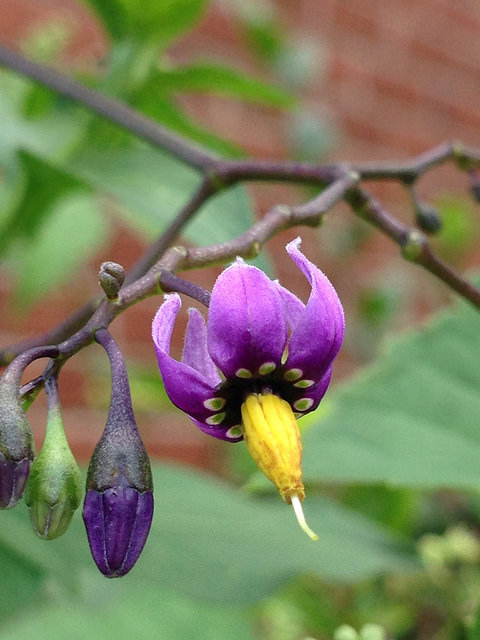
Climbing Nightshade
Solanum dulcamara L.
Important botanical synonyms, historical names, and nomenclatural variants include:
Dulcamara flexuosa Moench
Dulcamara lignosa Gilib.
Lycopersicon dulcamara (L.) Medik.
Solanum ruderale Salisb. — illegitimate superfluous name
Solanum scandens Neck. — illegitimate superfluous name
Solanum dulcamarum St.-Lag. — orthographic variant
Solanum persicum Willd.
Solanum pseudopersicum Pojark.
Solanum rupestre F.W.Schmidt
Solanum marinum (Bab.) Pojark.
The species has accumulated numerous named forms, varieties, and subspecies based on differences in leaf shape, hairiness, flower color, habitat, and geographic origin. These are generally included within the broadly variable accepted species Solanum dulcamara.
Solanaceae Juss. — Nightshade Family
Climbing Nightshade belongs to the order Solanales, subfamily Solanoideae, tribe Solaneae, and the Dulcamaroid lineage of Solanum.
Other Solanaceae include potato, tomato, eggplant, peppers, tobacco, petunia, black nightshades, deadly nightshade, henbane, and jimsonweed. Members of the family do not all contain the same toxins: Solanum species are principally associated with steroidal glycoalkaloids, whereas Atropa, Datura, and Hyoscyamus are better known for tropane alkaloids.
Climbing Nightshade, Bittersweet Nightshade, European Bittersweet, Bittersweet, Bitter Nightshade, Woody Nightshade, Trailing Nightshade, Trailing Bittersweet, Creeping Nightshade, Climbing Bittersweet, Poisonous Nightshade, Poisonberry, Poison Flower, Scarlet Berry, Snakeberry, Felonwort, Felonweed, Felonwood, Devil’s Apple, Blue Nightshade, Blue Bindweed, Blue Blindweed, Violet Bloom, Dulcamara, Amara Dulcis, Bitter-Sweet, Solanum dulcamara, Dulcamara flexuosa, Lycopersicon dulcamara
“Deadly Nightshade” is sometimes applied incorrectly to Solanum dulcamara in poison databases and common usage. True Deadly Nightshade is Atropa belladonna, a different plant containing atropine, hyoscyamine, and scopolamine.
“Bittersweet” is also used for American Bittersweet, Celastrus scandens, and Oriental Bittersweet, Celastrus orbiculatus. Those woody vines belong to Celastraceae and have different flowers, fruits, chemistry, and treatment concerns.
“Soda Apple” is an ambiguous name used more commonly for several other prickly Solanum species and should not be relied upon to identify Solanum dulcamara.
A Variable Mixture of Steroidal Glycoalkaloids
Climbing Nightshade contains steroidal glycoalkaloids rather than one chemically uniform toxin. “Solanine” is commonly used as a convenient poison-list label, but modern phytochemical work shows that Solanum dulcamara can produce several structurally different glycoalkaloids.
Reported compounds include α-solamarine, β-solamarine, solasonine, solamargine, soladulcine A, soladulcine B, and related glycosides built on aglycones such as soladulcidine, solasodine, tomatidenol, and 5,6-dehydrotomatidine. The relative abundance of these compounds can differ markedly among genetically distinct plants.
The plant therefore exists in different chemical forms, or chemotypes. Two Climbing Nightshade vines that appear botanically similar may not contain an identical glycoalkaloid mixture or produce an identical level of illness after the same apparent amount is eaten.
Solanine, Solanidine, and Solamarine Are Not Interchangeable Names
α-Solanine is a steroidal glycoalkaloid composed of the aglycone solanidine attached to a carbohydrate side chain. Solanidine is the nonsugar portion released when certain glycoalkaloids are hydrolyzed.
α- and β-solamarine are related glycoalkaloids documented in Solanum dulcamara. Soladulcidine-based compounds, including soladulcines, represent another chemical pattern found in some populations.
These names describe related but distinct molecules. A modern page should not present solanine, solanidine, dulcamarine, and soladulcidine as alternate names for one substance.
Gastrointestinal Membrane Injury
Steroidal glycoalkaloids can interact with cholesterol and other sterols in cell membranes. This disrupts membrane structure and permeability, particularly in the gastrointestinal epithelium.
The resulting local injury helps explain hypersalivation, nausea, vomiting, abdominal pain, diarrhea, ileus, and occasionally hemorrhagic gastrointestinal inflammation. Experimental administration of Solanum dulcamara plant material has produced gastric and small-intestinal mucosal necrosis in laboratory animals.
Glycoalkaloids are absorbed incompletely from the gastrointestinal tract. Poor absorption limits some exposures, but retained plant material can continue irritating the stomach and intestines while a smaller absorbed fraction produces systemic effects.
Neurologic and Cholinergic Effects
Absorbed steroidal glycoalkaloids and their aglycones can interfere with nervous-system function. Proposed actions include disruption of cell membranes, altered ion transport, and inhibition of acetylcholinesterase or related cholinergic signaling.
Acetylcholinesterase normally breaks down acetylcholine after nerve transmission. Inhibition can permit excessive or poorly regulated cholinergic activity, although spontaneous Climbing Nightshade poisoning does not always resemble a classic organophosphate syndrome.
Depression, confusion, weakness, tremors, incoordination, altered pupils, abnormal behavior, recumbency, seizures, and coma can occur after substantial absorption. Individual cases may show a mixture of depressed, tremorgenic, autonomic, and anticholinergic-like findings.
Cardiovascular and Respiratory Effects
Clinically important exposures can alter autonomic control, vascular tone, neuromuscular function, and central respiratory drive. Bradycardia and hypotension are described less commonly than gastrointestinal signs, while tachycardia may occur with stress, tremors, hyperthermia, dehydration, or a different autonomic response.
Respiratory compromise may result from central nervous system depression, respiratory-muscle weakness, aspiration after vomiting, severe metabolic disturbance, prolonged seizures, or cardiovascular collapse.
Climbing Nightshade is not a cardiac-glycoside plant like oleander or foxglove. Abnormal heart rate and blood pressure can still occur, but the mechanism and treatment are different.
Green Berries and Young Growth
Immature berries and actively growing foliage are generally considered the highest-risk plant parts. Green berries contain defensive chemistry intended to discourage consumption before the seeds mature.
A documented poisoned puppy vomited dried stems and unripe berries, demonstrating that both immature fruit and nonfruiting plant material can produce clinically meaningful exposure.
Leaves, young shoots, stems, flowers, roots, and green berries should all be treated as poisonous. The plant should not be managed as though only the fruit contains toxins.
Ripe Red Berries Are Lower Risk, Not Safe
Glycoalkaloid content and composition change as the fruit ripens. Experimental mice given ripe red berries in one study did not develop the behavioral or tissue injury produced by unripe fruit from the same investigation.
That result supports a decline in practical toxicity with ripening, but it does not establish universal safety. Modern analytical studies have detected α-solamarine in ripe as well as green Solanum dulcamara berries, and chemical profiles vary among populations.
Ripe berries should therefore remain inaccessible to pets and livestock. Their bright red color may make them more likely to be eaten even when their average toxin concentration is lower than that of green fruit.
Dried Plants and Contaminated Hay
Drying should not be assumed to detoxify Climbing Nightshade reliably. The documented dog case involved dried stems as well as unripe berries, and steroidal glycoalkaloids can persist in dried plant tissue.
Hay contamination is particularly important because drying may reduce the plant’s identifying odor and animals can no longer select around individual living vines. Chopped or baled material may be consumed incidentally with desirable forage.
Livestock should not be fed hay, silage, garden debris, or fence-line clippings containing identifiable Solanum dulcamara.
Dulcamarine and Saponin Terminology
“Dulcamarine” appears frequently in historical herbal and toxicological writing, but it has not always referred to one consistently characterized modern compound. Older preparations may have contained mixtures of steroidal glycoalkaloids, glycosides, bitter principles, and related plant constituents.
Steroidal glycoalkaloids can display saponin-like membrane activity because their sugar-bearing steroid structures interact with cell membranes. Listing “saponins” separately may therefore describe a biological property or additional steroidal glycosides rather than a distinct confirmed toxin responsible for a separate clinical syndrome.
No Reliable Safe Berry Count
No dependable safe or fatal berry count has been established for dogs, cats, horses, cattle, sheep, goats, poultry, rabbits, or other animals.
Risk depends on berry maturity, plant chemotype, plant part, quantity, chewing, animal size, gastrointestinal contents, age, underlying disease, and the interval before treatment. Historical berry-count estimates from human reports should not be used to decide whether an animal can remain untreated.
Onset and Early Gastrointestinal Signs
Clinical signs may develop within several hours of ingestion, although onset varies with the amount, plant part, berry maturity, stomach contents, animal species, and individual susceptibility.
Early findings commonly include lip licking, nausea, hypersalivation, drooling, appetite loss, vomiting, abdominal discomfort, diarrhea, quiet behavior, or depression. Some animals may initially appear restless because of nausea or abdominal pain before becoming drowsy.
Vomiting and Gastrointestinal Injury
Vomiting may be repeated and can contain leaves, stems, berry skins, seeds, or other plant material. Continued vomiting increases the risk of dehydration, electrolyte loss, esophagitis, and aspiration.
Experimental glycoalkaloid injury can involve degeneration or necrosis of the gastric and intestinal mucosa. Blood or coffee-ground material in vomit, black stool, fresh blood in diarrhea, or severe persistent abdominal pain indicates more than a minor stomach upset.
Diarrhea, Ileus, and Abdominal Pain
Diarrhea may be watery, mucus-filled, or bloody. Other animals may develop reduced gastrointestinal motility or ileus, producing abdominal distention, diminished bowel sounds, constipation, or delayed passage of plant material.
A hunched posture, repeated stretching, pacing, looking at the abdomen, kicking at the belly, or resistance to abdominal handling suggests clinically important pain.
Repeated unproductive vomiting, progressive distention, absent stool, or severe localized pain also raises concern for an unrelated foreign body, obstruction, intussusception, or another gastrointestinal emergency.
Drowsiness and Central Nervous System Depression
Drowsiness and depression are recognized systemic signs. An affected animal may become unusually quiet, difficult to arouse, weak, recumbent, confused, or poorly responsive.
Progressive central nervous system depression can impair swallowing, coughing, airway protection, and breathing. Vomiting in a profoundly drowsy animal creates a substantial aspiration risk.
Weakness, Ataxia, and Tremors
Muscular weakness may begin as reluctance to stand or an unsteady gait and progress to pronounced ataxia, rear-limb weakness, falling, recumbency, or apparent paralysis.
Generalized muscle tremors were a major sign in the documented Labrador retriever case. The tremors occurred with obtundation, rapid heart rate, rapid shallow breathing, mild hyperthermia, and impaired ventilation.
Tremors may worsen body temperature, oxygen demand, metabolic acidosis, and exhaustion. Severe weakness can also reflect dehydration, hypotension, hypoglycemia, electrolyte imbalance, or aspiration rather than one direct neuromuscular effect.
Behavioral and Pupil Changes
Confusion, unusual behavior, agitation, depression, altered awareness, or apparent visual disturbance may occur. Pupil dilation has been reported in broader Solanum toxicosis.
A published human Climbing Nightshade case produced an anticholinergic-like crisis even though laboratory examination did not detect atropine or hyoscyamine. This illustrates that glycoalkaloid poisoning can occasionally resemble tropane-alkaloid poisoning without the plant containing the classic Deadly Nightshade toxins.
Heart Rate, Blood Pressure, and Perfusion
Bradycardia and hypotension are reported less commonly than vomiting and diarrhea. Tachycardia may occur because of stress, pain, tremors, fever, dehydration, hypoxia, or the particular toxin profile involved.
Weak pulses, pale or gray mucous membranes, prolonged capillary refill, cool extremities, fainting, or collapse indicates inadequate circulation regardless of whether the measured heart rate is slow or fast.
An irregular pulse requires electrocardiographic identification. Climbing Nightshade should not be presumed to produce one predictable rhythm pattern.
Respiratory Depression and Aspiration
Breathing may become rapid and shallow early in serious poisoning. As neurologic depression or muscle weakness progresses, ventilation may become inadequate and carbon dioxide can accumulate.
Vomiting combined with obtundation can allow gastric material to enter the lungs. Coughing, nasal discharge, fever, abnormal lung sounds, falling oxygen saturation, or worsening respiratory effort may indicate aspiration pneumonitis or pneumonia.
Advanced poisoning can require airway protection, oxygen, manual ventilation, or mechanical ventilation.
Seizures, Collapse, and Coma
Seizures or convulsions may occur in severe poisoning but are not expected after every berry ingestion. They may result from direct neurotoxicity, profound hypoxia, hypoglycemia, electrolyte disturbance, hyperthermia, or cardiovascular compromise.
Collapse, coma, ineffective breathing, or cardiopulmonary arrest represents advanced, life-threatening disease.
Signs in Horses and Livestock
Horses may develop salivation, feed refusal, colic, diarrhea, depression, weakness, tremors, incoordination, abnormal heart rate, difficult breathing, recumbency, or collapse. Horses cannot vomit, so retained toxic plant material may remain in the gastrointestinal tract without emesis.
Cattle, sheep, goats, and other ruminants may show salivation, reduced rumen motility, abdominal discomfort, diarrhea, weakness, ataxia, tremors, recumbency, respiratory abnormalities, or death after substantial exposure.
Several animals becoming ill together should prompt immediate examination of hay, silage, pasture, water, fertilizers, pesticides, and every plant species present—not merely the most visible nightshade vine.
Expected Course and Emergency Warning Signs
A small exposure may remain limited to one or several episodes of vomiting or diarrhea and temporary lethargy. Moderate or severe poisoning can progress over hours from gastrointestinal illness into tremors, weakness, impaired ventilation, or circulatory compromise.
Emergency warning signs include repeated vomiting, bloody diarrhea, severe abdominal pain, inability to retain water, marked drowsiness, staggering, rear-limb weakness, generalized tremors, abnormal pupils with behavioral change, a weak or irregular pulse, low blood pressure, labored or shallow breathing, seizures, collapse, or loss of consciousness.
Plant Identity
Climbing Nightshade is a perennial scrambling vine or semi-woody shrub. It does not climb with tendrils or adhesive roots; instead, its flexible stems lean through and sprawl over neighboring vegetation, fences, brush, and other supports.
Stems may extend several feet and become woody near the base while remaining green and herbaceous toward the growing tips. Broken stems and crushed foliage may release a strong, unpleasant odor.
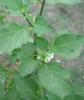
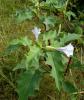
Leaves are alternate and variable. Many are simple, oval, or lance-shaped with a pointed tip, while upper leaves commonly develop one or two smaller lobes at the base, producing a spearhead or three-part appearance.
Flowers and Fruit
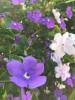
The flowers occur in loose, branching clusters. Each flower usually has five purple or violet petals that curve sharply backward around a prominent yellow cone of fused anthers.
The fruit is an oval berry that changes from green through yellow or orange to glossy red as it matures. Different ripening stages commonly occur within the same cluster at one time.
This mixture of purple star-shaped flowers, yellow anthers, lobed leaves, and multicolored berries is highly characteristic. The red berries may persist after parts of the vine begin to die back.
Native Range and Introduced Distribution
Solanum dulcamara is native across the Azores, much of temperate Europe and Asia, parts of northern Indochina, and northwestern Africa.
It has become naturalized extensively in North America and other regions. It is often treated as a weed or invasive plant outside its native range.
Common habitats include hedgerows, woodland margins, streambanks, wet thickets, marsh edges, drainage ditches, roadsides, fence lines, vacant land, gardens, disturbed soil, and vegetation around ponds or waterways.
Climbing Nightshade Versus Deadly Nightshade
True Deadly Nightshade, Atropa belladonna, is an upright herbaceous perennial rather than a scrambling vine. It produces solitary, nodding, bell-shaped brownish-purple flowers and shiny dark purple to black berries enclosed partly by a persistent green calyx.
Deadly Nightshade contains atropine, hyoscyamine, and scopolamine, producing a classic antimuscarinic syndrome characterized by dry mouth, dilated pupils, rapid heart rate, urinary retention, hyperthermia, delirium, agitation, and seizures.
Climbing Nightshade has purple reflexed star-shaped flowers and red berries. Its toxicity is driven primarily by steroidal glycoalkaloids and more often begins with vomiting and diarrhea.
The names should not be used interchangeably because the anticipated clinical pattern, decontamination considerations, monitoring priorities, and possible antidotal treatment differ.
Climbing Nightshade Versus American Bittersweet
American Bittersweet, Celastrus scandens, is a woody twining vine with alternate serrated leaves and orange capsules that split to reveal red arils. It does not produce purple nightshade flowers or soft red tomato-like berries.
Oriental Bittersweet, Celastrus orbiculatus, is another unrelated woody vine with yellow-orange capsules and red arils.
The shared word “bittersweet” causes frequent identification errors. A fruiting branch, flowers, leaves, and photographs of the whole plant should be preserved whenever an animal is exposed.
Climbing Nightshade Versus Black Nightshades
Black Nightshade is a broad name applied to several species in the Solanum nigrum complex. Those plants are usually upright herbs with clusters of white star-shaped flowers and berries that commonly mature black or dark purple.
Climbing Nightshade is a scrambling semi-woody vine with purple flowers and red mature berries. Chemical profiles and the edibility of fully ripe fruit vary among black-nightshade species and should not be transferred to Solanum dulcamara.
A claim that ripe fruit from one correctly identified black-nightshade species is eaten traditionally does not establish that ripe Climbing Nightshade berries are safe.
Chemotypes and Variable Toxicity
Research has identified genetically controlled glycoalkaloid chemotypes within Solanum dulcamara. Some plants are dominated by solasodine-based compounds, others by soladulcidine- or tomatidenol-related compounds, and some possess mixed profiles.
Plant age, tissue type, fruit development, genetics, herbivore pressure, and environmental conditions can influence the quantity and distribution of defensive compounds.
This variability helps explain why published poisonings do not produce one perfectly uniform symptom pattern and why a universal berry count is scientifically unreliable.
Ripe-Berry Evidence
A controlled mouse study compared unripe and ripe Solanum dulcamara fruit. Early-season unripe berries produced gastrointestinal tissue changes, and later unripe berries produced behavioral signs consistent with glycoalkaloid toxicity. The tested ripe fruit caused neither detectable behavioral signs nor histologic injury.
That study is useful evidence that toxicity can decline during ripening. It does not prove that every red berry from every plant is non-toxic, particularly because modern chemical imaging has demonstrated α-solamarine in both green and ripe berries.
Pet and livestock guidance should therefore avoid two opposite errors: claiming that red berries are always as dangerous as green berries, or claiming that ripe berries are harmless.
Documented Labrador Retriever Case
Kees, Beckel, and Sharp published “Successful Treatment of Solanum dulcamara Intoxication in a Labrador Retriever Puppy” in the Canadian Veterinary Journal in 2015.
The 10-week-old puppy developed acute weakness, ataxia, generalized muscle tremors, obtundation, recumbency, mild hyperthermia, tachycardia, rapid shallow breathing, and mild carbon-dioxide retention. The dog vomited dried stems and unripe berries later identified botanically as Solanum dulcamara.
Initial care included intravenous balanced fluids, oxygen, maropitant for vomiting, diazepam, methocarbamol, midazolam, phenobarbital, and propofol. Tremors responded incompletely to methocarbamol and benzodiazepine therapy but ceased with propofol-assisted anesthesia.
Because vomiting and profound central nervous system depression threatened the airway, the puppy was intubated and maintained under anesthesia with oxygen. Manual positive-pressure ventilation corrected hypoventilation. Prokinetic therapy was used for persistent gastrointestinal dysfunction.
The puppy developed aspiration pneumonia despite airway management but recovered and was discharged. The report demonstrates that Climbing Nightshade can produce genuine severe small-animal poisoning while also showing that aggressive supportive care can be successful.
Anticholinergic-Like Human Case
A separate report described a child who developed an acute anticholinergic-like syndrome after a large Solanum dulcamara berry ingestion. Detailed chemical analysis found no atropine or hyoscyamine but did identify sterols consistent with the plant’s glycoalkaloids.
The child improved after carefully monitored physostigmine treatment. This unusual case does not mean that every Climbing Nightshade exposure should be treated like Deadly Nightshade poisoning or that physostigmine is a routine veterinary antidote.
It shows that severe glycoalkaloid poisoning can produce complex autonomic findings and that treatment must be guided by the patient’s actual toxidrome, electrocardiogram, neurologic status, and confirmed plant identity.
Livestock and Hay Exposure
Fresh Climbing Nightshade is generally bitter and poorly palatable, so grazing animals often avoid it when adequate forage is available.
Risk rises when pasture is overgrazed, animals are hungry, vines grow through fences, desirable forage is scarce, or nightshade is accidentally harvested into hay or silage.
Dried material may be harder for animals to detect and avoid. The documented puppy case also confirms that dried stems are not automatically innocuous.
Diagnosis
No routine clinical test confirms Solanum dulcamara poisoning or measures every relevant glycoalkaloid. Diagnosis depends on accurate plant identification, exposure history, compatible gastrointestinal and neurologic signs, and exclusion of other causes.
Preserve a complete plant sample containing flowers, leaves, stems, and berries at different ripening stages when possible. Retain vomited plant material, contaminated hay, photographs of the growing vine, and any garden-product packaging.
Diagnostic evaluation may include a complete blood count, serum chemistry, glucose, electrolytes, acid-base status, blood gases, blood pressure, electrocardiography, oxygen saturation, urinalysis, abdominal imaging, thoracic imaging, and serial neurologic examinations.
Differential Diagnoses
Important plant differentials include Deadly Nightshade, Black Nightshade, Jimsonweed, Henbane, potato foliage or green tubers, tomato foliage, Jerusalem Cherry, horse nettle, silverleaf nightshade, and other Solanum species.
Other causes of tremors, weakness, and gastrointestinal illness include metaldehyde, tremorgenic mycotoxins, bromethalin, methylxanthines, strychnine, organophosphates, carbamates, amphetamines, serotonin-active medications, albuterol, toxic mushrooms, infectious gastroenteritis, hypoglycemia, and gastrointestinal foreign bodies.
Prevention
Remove Climbing Nightshade from dog runs, kennels, play yards, paddock fencing, barn margins, poultry runs, and other areas where berries or vines are accessible.
Wear gloves during removal, collect all cut stems and berries, and dispose of the material in a secured container. Do not leave pulled vines in open compost or brush piles accessible to animals.
Inspect hay and garden clippings before feeding livestock. Provide adequate forage and prevent hungry animals from browsing unidentified fence-line vegetation.
Immediate Steps After Climbing Nightshade Exposure
- Stop further ingestion immediately. Remove the animal from the vine, berries, leaves, stems, roots, clippings, contaminated hay, or other accessible plant material. Prevent every other animal from entering the area.
- Identify the plant and ripening stage. Determine whether the animal ate green, yellow, orange, or red berries; fresh foliage; dried stems; roots; hay; or an unknown mixture. Green berries and young growth deserve particular concern.
- Remove only loose visible fragments. If the animal is calm, alert, breathing normally, and swallowing normally, take away plant material resting at the lips or front of the mouth. Do not reach blindly toward the throat.
- Do not force an oral rinse. The mouth may be wiped gently with a water-dampened cloth when plant residue is visible. Do not spray, syringe, or pour water toward the throat.
- Preserve evidence. Save a complete flowering or fruiting section, berries at each color stage, photographs of the growing vine, vomited material, hay samples, and any other substances the animal could have reached.
- Record timing and clinical changes. Note when access occurred, the estimated quantity, berry color, whether the plant was fresh or dried, and when vomiting, diarrhea, drowsiness, tremors, weakness, or abnormal breathing began.
- Contact a veterinarian promptly. Professional guidance is appropriate after berry ingestion, an unknown amount, contaminated-hay exposure, or any developing gastrointestinal, cardiovascular, neurologic, or respiratory sign.
- Keep a symptomatic animal quiet. Restrict exercise and protect the animal from stairs, water, hard surfaces, and falls when weakness, incoordination, tremors, or altered awareness is present.
Do Not Attempt Unsupervised Home Treatment
- Do not induce vomiting at home. Hydrogen peroxide, salt, mustard, syrup of ipecac, and manual gagging can cause gastric injury, aspiration, electrolyte abnormalities, and dangerous delay.
- Do not force food or water. Drowsiness, tremors, weakness, repeated vomiting, or abnormal swallowing can allow material to enter the lungs.
- Do not administer activated charcoal without veterinary direction. Charcoal may be useful after a meaningful recent ingestion, but vomiting, ileus, dehydration, neurologic depression, and impaired airway protection can make administration dangerous.
- Do not give anti-diarrheal medication. Loperamide, bismuth, kaolin-pectin products, and similar remedies do not neutralize glycoalkaloids and may obscure ileus, hemorrhage, obstruction, or worsening gastrointestinal injury.
- Do not give milk, oil, bread, yogurt, or herbal remedies as antidotes. These substances do not inactivate steroidal glycoalkaloids and may worsen nausea or aspiration risk.
- Do not give atropine or physostigmine based on the plant name alone. Climbing Nightshade can produce mixed autonomic findings, and either medication can be dangerous when the rhythm, conduction system, toxidrome, or diagnosis is different from what was assumed.
- Do not give sedatives, muscle relaxants, anticonvulsants, or heart medication from another animal. Treatment must account for breathing, blood pressure, electrocardiogram, body temperature, neurologic status, and drug interactions.
- Do not give human pain relievers. Ibuprofen, naproxen, acetaminophen, aspirin, and similar medicines can create a separate and potentially more severe poisoning.
When Emergency Examination Is Especially Important
- Severe gastrointestinal illness: Repeated vomiting, bloody vomit, profuse or hemorrhagic diarrhea, severe abdominal pain, abdominal distention, absent stool, or inability to retain water requires prompt treatment.
- Neurologic signs: Marked drowsiness, confusion, generalized tremors, staggering, rear-limb weakness, repeated falling, seizures, stupor, or coma indicates systemic exposure.
- Respiratory compromise: Rapid shallow breathing, weak chest movement, coughing after vomiting, blue-gray mucous membranes, increasing carbon-dioxide retention, or loss of airway reflexes requires immediate respiratory support.
- Cardiovascular deterioration: A very slow, rapid, weak, or irregular pulse; low blood pressure; pale or gray gums; cold extremities; fainting; or collapse requires electrocardiography and perfusion support.
- Dehydration and poor perfusion: Dry gums, sunken eyes, reduced urination, weak pulses, prolonged capillary refill, or progressive weakness indicates clinically important fluid loss.
- Livestock group exposure: Illness in several horses, cattle, sheep, goats, or other animals sharing hay, silage, pasture, or fence-line vegetation requires immediate source isolation and group assessment.
Veterinary Examination and Diagnostic Priorities
The veterinarian will assess airway protection, breathing, oxygenation, ventilation, hydration, abdominal pain, gastrointestinal motility, neurologic function, body temperature, heart rhythm, blood pressure, perfusion, and urine output.
There is no rapid clinic assay that confirms the entire Climbing Nightshade glycoalkaloid mixture. Testing instead measures the severity of injury, identifies complications, and excludes other tremorgenic, cholinergic, anticholinergic, gastrointestinal, and metabolic conditions.
- Respiratory assessment: Respiratory rate and pattern, oxygen saturation, blood gases, carbon-dioxide monitoring, chest auscultation, airway reflexes, and thoracic imaging may be required.
- Neurologic assessment: Mentation, pupil responses, cranial nerves, gait, muscle tone, tremor severity, seizure activity, glucose, temperature, and serial neurologic examinations help track progression.
- Cardiovascular assessment: Electrocardiography, blood pressure, pulse quality, capillary refill, lactate, electrolytes, and repeated perfusion examinations identify bradycardia, tachycardia, conduction abnormalities, and shock.
- Gastrointestinal and hydration assessment: Body weight, packed cell volume, total solids, complete blood count, serum chemistry, electrolytes, acid-base status, abdominal palpation, and continuing losses guide fluid and gastrointestinal treatment.
- Imaging and complication screening: Abdominal radiographs or ultrasound may be needed for ileus, obstruction, or retained material. Thoracic imaging may be indicated after vomiting, coughing, fever, or declining oxygenation.
Professional Gastrointestinal Decontamination
Early removal of plant material can reduce continuing gastrointestinal exposure, but decontamination becomes dangerous once weakness, tremors, vomiting, respiratory depression, or altered awareness develops.
Clinic-induced vomiting may be considered after a very recent meaningful ingestion in an alert, asymptomatic dog or cat with normal breathing, normal swallowing, normal coordination, and no spontaneous vomiting or abdominal distention. A species-appropriate veterinary emetic should be used.
Emesis is contraindicated when the animal is already vomiting repeatedly, profoundly drowsy, ataxic, tremoring, seizing, collapsed, breathing abnormally, or unable to protect its airway.
Gastric lavage may be considered after an exceptional large recent ingestion when emesis is unsafe, unsuccessful, or unlikely to remove enough material. General anesthesia and a cuffed endotracheal tube are required to protect the airway.
Activated charcoal may be used after a substantial recent ingestion while swallowing, airway protection, hydration, and gastrointestinal motility remain adequate. Charcoal cannot reverse glycoalkaloids already absorbed or repair established gastrointestinal injury.
Repeated charcoal administration is not automatic. It may worsen dehydration, sodium abnormalities, constipation, ileus, vomiting, and aspiration risk. The decision should depend on the expected toxin kinetics and the individual patient’s condition.
Nausea, Vomiting, and Gastrointestinal Motility
A veterinarian may use an antiemetic such as maropitant or ondansetron after decontamination decisions and obstruction assessment have been completed.
Persistent ileus or delayed gastric emptying may require a prokinetic such as metoclopramide when obstruction, perforation, and severe inflammatory contraindications have been excluded.
The documented Labrador retriever received maropitant for vomiting and later prokinetic support. The authors noted that earlier management of gastrointestinal dysmotility might have reduced continuing vomiting and aspiration risk.
Anti-diarrheal drugs are generally not treatment priorities. Hydration, electrolyte replacement, gastrointestinal protection, nutrition, and monitoring for hemorrhage or ileus are more important than suppressing stool movement.
Gastrointestinal Protection and Pain Control
Sucralfate may be considered when hematemesis, melena, painful swallowing, esophagitis, gastric erosion, or hemorrhagic gastrointestinal injury is documented or strongly suspected. It creates a protective barrier over damaged mucosa rather than neutralizing glycoalkaloids.
Acid suppression with a proton-pump inhibitor or another veterinarian-selected agent may be appropriate when reflux esophagitis, erosive gastritis, hematemesis, or melena is present. It is not automatically required after every berry ingestion.
Significant abdominal pain may require opioid analgesia or another clinician-selected medication. Nonsteroidal anti-inflammatory drugs may worsen gastrointestinal bleeding and kidney risk in a dehydrated or hypotensive patient.
Fluid, Electrolyte, and Blood-Pressure Support
Intravenous balanced crystalloids may be required to correct dehydration, replace vomiting or diarrhea losses, restore perfusion, and maintain blood pressure.
Fluid treatment should be adjusted according to body weight, pulse quality, blood pressure, capillary refill, lactate, urine output, electrolyte values, kidney function, lung sounds, and continuing gastrointestinal losses.
Potassium, sodium, chloride, glucose, phosphorus, and acid-base abnormalities should be corrected according to measured values. Blind supplementation can be dangerous when urine production is reduced or cardiac rhythm is unstable.
Persistent hypotension after appropriate volume replacement requires reassessment for continuing losses, vasodilation, aspiration, sepsis, myocardial dysfunction, arrhythmia, or another toxin. A titrated vasopressor may be required with continuous monitoring.
Tremor and Seizure Management
Tremors increase oxygen consumption, body temperature, metabolic demand, aspiration risk, and exhaustion. The patient should be protected from injury and monitored continuously for ventilation and hyperthermia.
Methocarbamol may be considered for severe tremors, but response is not guaranteed. In the documented puppy, lower and higher methocarbamol treatment produced only limited improvement.
Benzodiazepines such as diazepam or midazolam may help some patients but were not reliably effective in the reported puppy. Midazolam appeared to worsen the observed tremors before it was discontinued.
Phenobarbital reduced the tremors further but increased sedation. Propofol stopped the tremors and permitted controlled airway management. Refractory activity may require anesthesia while oxygenation, ventilation, temperature, glucose, electrolytes, and blood pressure are supported.
Airway Protection, Oxygen, and Ventilation
An obtunded or heavily sedated animal that continues to vomit may require early endotracheal intubation to protect the airway. Waiting until profound respiratory failure develops can make stabilization more difficult.
Supplemental oxygen supports hypoxemia but does not correct inadequate ventilation by itself. Carbon-dioxide monitoring or blood-gas analysis helps determine whether the animal is moving enough air.
Manual positive-pressure ventilation may temporarily correct hypoventilation. Mechanical ventilation may be necessary when central depression, neuromuscular weakness, anesthesia, severe aspiration, or respiratory fatigue prevents adequate spontaneous breathing.
Airway protection reduces but does not eliminate aspiration risk. Cuff pressure, vomiting, regurgitation, suction, patient positioning, and the timing of extubation require close attention.
Aspiration Pneumonitis and Pneumonia
Coughing, fever, nasal discharge, abnormal lung sounds, increasing respiratory effort, declining oxygen saturation, or worsening lethargy after vomiting raises concern for aspiration.
Thoracic radiographs may initially be normal and may need to be repeated if clinical signs progress. Oxygen, airway suction, nebulization, coupage, and ventilation support may be selected according to severity.
Antimicrobial medication is appropriate when bacterial aspiration pneumonia is established or strongly suspected. It is not automatically required after every vomiting episode or noninfectious aspiration event.
Heart Rate and Rhythm Management
Bradycardia, tachycardia, conduction abnormalities, and irregular rhythms should be identified electrocardiographically before an antiarrhythmic or autonomic drug is selected.
Hydration, oxygenation, ventilation, electrolytes, acid-base status, body temperature, and blood pressure should be corrected because abnormalities in these variables can create or intensify dysrhythmias.
Atropine may be considered for symptomatic bradycardia associated with weak pulses, hypotension, or poor perfusion, but it should not be administered solely because the resting rate appears low.
Climbing Nightshade is not a cardiac-glycoside plant, so digoxin-specific antibody fragments are not a routine treatment.
Physostigmine Is a Specialized, Nonroutine Option
Physostigmine has reversed a documented human anticholinergic-like syndrome associated with a large Solanum dulcamara ingestion. The responsible berries did not contain detectable atropine or hyoscyamine.
This does not make physostigmine a standard Climbing Nightshade antidote. It may be considered only when a veterinarian or toxicologist identifies a convincing severe central anticholinergic syndrome and has excluded contraindications such as conduction abnormalities, significant bradycardia, seizure risk, or a toxin for which physostigmine could be dangerous.
Administration requires electrocardiographic monitoring, resuscitation capability, and immediate management of cholinergic adverse effects. It should never be attempted outside a hospital setting.
Horses and Livestock
Remove horses, cattle, sheep, goats, and other animals from contaminated pasture, hay, silage, fence-line vines, and garden waste. Isolate the suspect feed lot so no additional animals are exposed.
Horses cannot vomit. Early veterinary management may include nasogastric assessment, activated charcoal when appropriate, evaluation of reflux and intestinal motility, fluid and electrolyte support, colic treatment, neurologic monitoring, and respiratory care.
Ruminants require assessment of rumen motility, abdominal distention, manure production, hydration, coordination, breathing, and group exposure. Rumen evacuation, lavage, or rumenotomy may be considered after a recent substantial ingestion when retained material remains a continuing hazard.
Several animals developing signs together should trigger testing of hay, silage, water, fertilizers, pesticides, and all abundant weeds. Another Solanum species or an unrelated toxic plant may be present in the same forage.
Recovery and Prognosis
The prognosis is generally good when ingestion is recognized early and signs remain limited to mild vomiting, diarrhea, or temporary lethargy.
Improvement should include cessation of vomiting, decreasing diarrhea and abdominal pain, normal gastrointestinal motility, restored hydration and blood pressure, resolution of tremors, normal coordination, adequate breathing, voluntary eating and drinking, and normal urine production.
Recovery may require several days when the animal develops severe gastroenteritis, ileus, aspiration pneumonia, prolonged tremors, dehydration, or respiratory depression.
The prognosis becomes guarded to poor with hemorrhagic gastrointestinal necrosis, refractory hypotension, recurrent seizures, profound central nervous system depression, aspiration-related respiratory failure, prolonged coma, or cardiopulmonary arrest.
Frequently Asked Questions About Climbing Nightshade and Animal Poisoning
Is Climbing Nightshade poisonous to dogs and cats?
Yes. Ingestion can cause vomiting, diarrhea, abdominal pain, drowsiness, weakness, tremors, loss of coordination, abnormal heart rate or blood pressure, impaired breathing, seizures, and collapse.
Is Climbing Nightshade poisonous to horses and livestock?
Yes. Horses and livestock may develop salivation, colic, diarrhea, reduced rumen or intestinal motility, depression, weakness, tremors, ataxia, breathing abnormalities, recumbency, or collapse after a substantial exposure.
What toxins are in Solanum dulcamara?
The plant contains a variable mixture of steroidal glycoalkaloids. Reported compounds include α- and β-solamarine, solasonine, solamargine, soladulcine A and B, and glycosides based on soladulcidine, solasodine, and related aglycones.
Is solanine the only toxin?
No. “Solanine” is a convenient traditional label, but modern analysis shows that Climbing Nightshade produces several glycoalkaloids and that the dominant mixture varies among genetically different plants.
Are solanine and solanidine the same compound?
No. Solanine is a sugar-bearing steroidal glycoalkaloid. Solanidine is the nonsugar aglycone associated with solanine and certain related compounds.
Which parts of the plant are most dangerous?
Green berries and young foliage are generally the greatest concern, but leaves, stems, flowers, roots, ripe berries, dried stems, and contaminated forage should all be treated as potentially poisonous.
Are ripe red berries safe?
No. Experimental evidence suggests ripe berries are generally less toxic than unripe fruit, but modern analysis has still detected glycoalkaloids in ripe berries. Plant chemotypes vary, so red fruit should remain inaccessible to animals.
Can dried Climbing Nightshade in hay poison livestock?
Yes. Drying should not be assumed to destroy steroidal glycoalkaloids. Dried stems were recovered from a documented poisoned puppy, and hay contamination can prevent livestock from selecting around the plant.
Is Climbing Nightshade the same as Deadly Nightshade?
No. Climbing Nightshade is Solanum dulcamara and contains steroidal glycoalkaloids. True Deadly Nightshade is Atropa belladonna and contains the tropane alkaloids atropine, hyoscyamine, and scopolamine.
Is it the same as American Bittersweet?
No. American Bittersweet is Celastrus scandens, a woody vine with orange capsules that expose red arils. Climbing Nightshade has purple star-shaped flowers and soft berries that mature red.
How quickly do signs begin?
Signs may develop within several hours, although timing depends on the quantity, berry maturity, plant part, animal species, stomach contents, and individual susceptibility.
Can Climbing Nightshade cause bloody diarrhea?
Yes. Steroidal glycoalkaloids can injure gastrointestinal cell membranes, and a substantial exposure may cause severe or hemorrhagic gastroenteritis.
Can it cause rear-leg weakness or paralysis?
Severe glycoalkaloid poisoning can cause progressive weakness, incoordination, recumbency, or apparent paralysis. Dehydration, hypotension, electrolyte abnormalities, and central nervous system depression may contribute.
Has Climbing Nightshade poisoning been documented in a dog?
Yes. A 10-week-old Labrador retriever developed weakness, ataxia, generalized tremors, central nervous system depression, shallow breathing, vomiting, and aspiration pneumonia after ingesting dried stems and unripe berries. The puppy recovered with intensive supportive care.
Should I make my dog vomit after eating the berries?
Do not attempt home vomiting. A veterinarian may induce vomiting after a very recent ingestion in an alert, asymptomatic animal, but emesis becomes dangerous after vomiting, drowsiness, weakness, tremors, abnormal breathing, or impaired swallowing develops.
Does activated charcoal help?
Activated charcoal may be useful professionally after a meaningful recent ingestion when the animal can protect its airway and gastrointestinal motility remains adequate. It should not be forced into a vomiting, drowsy, weak, or dysphagic animal.
Is there a specific antidote?
No routine antidote reverses the full Climbing Nightshade glycoalkaloid syndrome. Treatment centers on decontamination, nausea control, fluids, gastrointestinal support, tremor or seizure management, blood-pressure support, airway protection, oxygen, and ventilation when needed.
Is physostigmine an antidote for Climbing Nightshade?
Physostigmine reversed one unusual anticholinergic-like human poisoning, but it is not a routine treatment. It may be considered only for a clearly identified severe central anticholinergic syndrome under continuous hospital monitoring.
What is the prognosis?
The prognosis is usually good after a small exposure recognized early. It becomes guarded with hemorrhagic gastrointestinal injury, profound weakness, recurrent seizures, aspiration pneumonia, respiratory depression, refractory hypotension, coma, or cardiopulmonary arrest.