Cyprus Ivy Toxicity, Saponin Gastroenteritis, and Contact Dermatitis
Is Cyprus Ivy Poisonous to Dogs, Cats, Horses, and Livestock?
Yes—Cyprus Ivy, Hedera cypria, should be managed as poisonous to dogs, cats, horses, and livestock. Direct chemical and veterinary studies of this Cyprus-endemic species are limited, but closely related true ivies contain membrane-active triterpene saponins and skin-sensitizing polyacetylenes. Chewing leaves, stems, vines, flowers, or berries may cause drooling, nausea, vomiting, abdominal discomfort, and diarrhea, while fresh sap may irritate the lips, skin, eyes, or other contacted tissue.
Most limited raw-plant exposures are expected to cause no signs or transient oral, gastrointestinal, or contact irritation. Severe weakness, marked incoordination, abnormal cardiovascular findings, tremors, seizures, profound depression, or collapse is not the established ordinary Cyprus Ivy syndrome and requires urgent treatment together with investigation for dehydration, a concentrated ivy product, pesticide, another poisonous plant, mixed clippings, or unrelated disease.
About this guide: This page provides general pet-poisoning information and cannot diagnose or treat an individual animal. For any suspected exposure, contact a veterinarian or animal poison-control service immediately. Do not induce vomiting, give medication, or attempt home decontamination unless directed by a veterinary professional.
Cyprus Ivy
Hedera cypria McAll.
Important alternative taxonomic treatment:
Hedera pastuchovii subsp. cypria (McAll.) Hand
Hedera cypria is accepted as a distinct species by current Kew and World Flora Online treatments. Some botanical, horticultural, and regional Cypriot references continue to classify it as a Cyprus-endemic subspecies of Hedera pastuchovii.
Araliaceae Juss. — Aralia, Ginseng, or Ivy Family
Cyprus Ivy belongs to the order Apiales and the genus Hedera. Other members of Araliaceae include English Ivy, Algerian Ivy, Persian Ivy, Fatsia, Schefflera, Aralia, and ginseng.
Cyprus Ivy, Cypriot Ivy, Cyprian Ivy, Cyprian Pastuchov Ivy, Cyprus Hedera, True Ivy, Hedera Ivy, Hedera cypria, Hedera pastuchovii subsp. cypria
‘Silver Arrow’ and ‘Coon Hollow’ are cultivated Cyprus-ivy selections associated with the alternative name Hedera pastuchovii subsp. cypria.
“Ivy” is highly ambiguous. English Ivy, Algerian Ivy, Persian Ivy, Boston Ivy, Swedish Ivy, Ground Ivy, Cape Ivy, and Poison Ivy are not all members of the same genus and do not share one identical toxin profile.
Evidence for Cyprus Ivy Toxicity
Direct phytochemical studies defining the complete toxin profile of Hedera cypria are limited. No controlled feeding study or well-documented veterinary case series has established a species-specific toxic dose or a unique Cyprus Ivy poisoning syndrome.
The practical risk assessment is based on the plant’s placement within the genus Hedera, its close relationship to other Eurasian ivies, and documented chemistry in species such as Hedera pastuchowii and Hedera helix.
This genus-level evidence supports treating Cyprus Ivy as potentially toxic and irritating. It does not justify claiming that every chemical identified in English Ivy or Pastuchov’s Ivy occurs at the same concentration in every Cyprus Ivy leaf, stem, or berry.
Triterpene Saponins in Related True Ivies
True ivies produce triterpene saponins built primarily on hederagenin, oleanolic acid, and related pentacyclic triterpene structures. These glycosides contain a lipid-compatible aglycone attached to water-soluble sugar groups, giving them membrane-active and surface-active properties.
Research on leaves of Hedera pastuchowii, the species under which Cyprus Ivy has sometimes been classified as a subspecies, isolated five previously undescribed compounds named pastuchosides A, B, C, D, and E. Their aglycones included hederagenin or oleanolic acid.
That close botanical and chemical context makes saponin production in Cyprus Ivy plausible, but the Hedera pastuchowii results cannot be converted into an exact Hedera cypria concentration or veterinary dose.
English Ivy Saponins Are Supporting, Not Species-Specific, Evidence
Hedera helix has been studied more extensively than Cyprus Ivy. Its leaves and fruits contain triterpene glycosides that include hederacosides, alpha-hederin, hederagenin derivatives, oleanolic-acid derivatives, helixosides, and related compounds.
These studies demonstrate that saponin production is well established within the genus. They do not prove that hederacoside C, alpha-hederin, helixoside A, helixoside B, or any other individual compound is present at an identical level in Cyprus Ivy.
The public toxicology should therefore refer to expected Hedera-type triterpene saponins rather than presenting the English Ivy chemical profile as though it had been measured directly in Hedera cypria.
Gastrointestinal Irritation
Saponins can interact with cholesterol and other components of cell membranes. Contact with the gastrointestinal lining may alter membrane permeability and irritate mucosal tissue.
The most defensible expected effects after raw ivy ingestion are drooling, nausea, vomiting, abdominal discomfort, diarrhea, appetite reduction, and temporary lethargy.
The bitter taste and irritating sap may limit continued chewing, but puppies, persistent plant-chewers, animals consuming pruning debris, and livestock with restricted forage may ingest a more substantial quantity.
Concentrated Extracts Are Different from Raw Vine Exposure
A concentrated medicinal syrup, standardized extract, tincture, powder, or laboratory preparation may deliver a much greater and more readily absorbed saponin dose than an animal receives from briefly chewing one raw leaf.
A published dog developed gastroenteritis after excessive, unsupervised administration of a human Hedera helix syrup. The dog improved after the product was discontinued and supportive treatment was provided.
That case supports the ability of concentrated ivy preparations to produce clinically important gastrointestinal illness. It does not establish the amount of raw Cyprus Ivy required to cause the same response.
Falcarinol-Type Polyacetylenes and Contact Dermatitis
Chemical and dermatologic research on Hedera helix identified falcarinol and didehydrofalcarinol as powerful direct irritants and moderate contact sensitizers. Polyacetylenes have also been isolated from English Ivy fruit.
These compounds can cause redness, itching, swelling, rash, or vesicular dermatitis after repeated or substantial skin contact. A previously sensitized individual may react more strongly during a later exposure.
Species-specific confirmation and quantitative measurements for falcarinol and didehydrofalcarinol in Hedera cypria are lacking. Contact dermatitis remains a credible genus-level concern rather than a chemically measured Cyprus Ivy dose-response relationship.
Oral and Mucous-Membrane Irritation
Fresh sap may irritate the lips, gums, tongue, inner cheeks, palate, and throat. An animal may lick its lips, drool, rub the muzzle, paw at the mouth, gag, cough, or become reluctant to eat.
This is not the immediate needle-like calcium-oxalate injury produced by aroids such as Dieffenbachia or Monstera. Ivy irritation is attributed primarily to saponins, polyacetylenes, and other sap constituents rather than insoluble raphides.
Marked blistering, extensive oral ulceration, progressive facial swelling, blood in the saliva, inability to swallow, or respiratory difficulty is not expected after an ordinary nibble and requires investigation for another caustic, mechanical, or allergic exposure.
Leaves, Stems, Flowers, and Berries
Leaves, petioles, juvenile vines, adult flowering stems, flowers, sap, and berries should all remain inaccessible to animals.
Research on English Ivy confirms that both leaves and fruits contain biologically active constituents. However, a dependable foliage-versus-berry toxicity comparison has not been established specifically for Cyprus Ivy.
Berries may be swallowed more readily than tough mature leaves and can accumulate beneath mature flowering vines. Bird consumption does not establish a safe mammalian dose.
Severe Systemic Effects Are Not Well Defined
Generalized ivy references have associated exceptionally large exposures with pronounced weakness, behavioral changes, ataxia, altered awareness, abnormal blood pressure or heart rate, tremors, seizures, and coma.
These findings are not established as the predictable progression of raw Hedera cypria ingestion. Severe vomiting or diarrhea may produce dehydration, electrolyte disturbance, acid-base abnormalities, hypotension, and secondary weakness or collapse.
Neurologic or cardiovascular abnormalities should also prompt investigation for pesticides, herbicides, another plant in a clipping pile, toxic mushrooms, medication, hypoglycemia, heat illness, or unrelated disease.
No Established Veterinary Toxic Dose
No dependable leaf count, berry count, vine length, plant weight, saponin concentration, polyacetylene dose, or gram-per-kilogram threshold has been established for dogs, cats, horses, cattle, sheep, goats, rabbits, poultry, or other animals.
Risk depends on the amount swallowed, tissue involved, plant maturity, repeated exposure, animal size, gastrointestinal losses, individual sensitivity, sap contact, and whether raw plant material or a concentrated preparation was involved.
A small raw-plant nibble is generally expected to be less concerning than sustained consumption of clippings, berries, or a concentrated ivy extract. Severe or progressive illness requires confirmation of the complete exposure rather than automatic attribution to Cyprus Ivy alone.
No Species-Specific Veterinary Syndrome Has Been Defined
Published veterinary cases involving authenticated Hedera cypria have not established a characteristic dose-dependent syndrome in dogs, cats, horses, or livestock.
The expected effects are inferred from other true ivies and are most likely to involve oral irritation, gastrointestinal upset, or sap-associated dermatitis. Severe systemic illness is possible after an unusually large, concentrated, or mixed exposure but should not be presented as the ordinary outcome of one Cyprus Ivy leaf nibble.
Oral Irritation and Drooling
An affected animal may develop lip licking, hypersalivation, foamy saliva, muzzle rubbing, pawing at the mouth, gagging, coughing, or reluctance to eat after chewing fresh vine material.
Mild redness may occur where sap contacts the lips or oral mucosa. Continuing oral pain, visible erosions, substantial swelling, blood in the saliva, persistent coughing, or difficulty swallowing warrants examination.
Vomiting, Diarrhea, and Abdominal Discomfort
Vomiting, abdominal discomfort, diarrhea, reduced appetite, and temporary lethargy are the most plausible effects of raw true-ivy ingestion.
Some animals may have one isolated episode, while a larger exposure can cause continuing gastrointestinal illness. Repeated vomiting or diarrhea can produce dehydration, electrolyte abnormalities, weakness, reduced urination, and impaired circulation.
Blood in vomit or stool, black tarry feces, severe abdominal pain, abdominal enlargement, or repeated unproductive retching is more serious than expected after a minor ivy exposure and requires investigation for mucosal injury, foreign material, obstruction, another plant, or unrelated disease.
Skin Irritation and Contact Sensitization
Fresh sap on the muzzle, paws, abdomen, eyelids, or damaged skin may produce redness, itching, swelling, rash, or small vesicles.
Repeated contact may result in allergic sensitization, allowing a later exposure to provoke more intense dermatitis than the first. Grooming can transfer sap from contaminated paws or coat to the mouth and face.
Persistent itching, spreading redness, blistering, open lesions, marked swelling, or self-trauma requires veterinary treatment and assessment for secondary infection or another contact irritant.
Eye Exposure
Sap or plant debris in an eye may cause tearing, blinking, squinting, conjunctival redness, eyelid swelling, discharge, or rubbing.
Persistent pain, cloudiness, light sensitivity, or inability to open the eye after irrigation raises concern for retained plant material or corneal injury.
Large or Concentrated Exposures
An animal consuming a substantial mass of leaves, vines, berries, or fresh clippings may develop repeated gastrointestinal signs, dehydration, weakness, depression, or poor coordination.
A concentrated ivy syrup, extract, tincture, or herbal preparation may cause more severe gastroenteritis than a limited raw-plant exposure because the active constituents are delivered in a different concentration and formulation.
The product container, ingredient panel, concentration, amount missing, and any additional active ingredients should be preserved.
Neurologic and Cardiovascular Signs Require Broader Investigation
Marked ataxia, tremors, seizures, profound depression, coma, persistent bradycardia, severe hypotension, major dysrhythmia, or collapse is not the established ordinary Cyprus Ivy syndrome.
These abnormalities may result from severe dehydration, electrolyte disturbance, hypoglycemia, shock, pesticide exposure, another toxic plant, medication, contaminated clippings, or an unrelated neurologic or cardiovascular disease.
Emergency stabilization should proceed while the entire exposure setting is reassessed.
Horses and Livestock
Horses may show salivation, feed refusal, colic, diarrhea, depression, weakness, or incoordination after consuming substantial ivy clippings. Horses cannot vomit.
Cattle, sheep, goats, and other livestock may browse ivy growing along walls, hedges, fences, trees, woodland margins, or damaged structures. Greater exposure can occur when cut vines are placed within reach or ordinary forage is limited.
Several animals becoming ill together suggests a shared clipping pile, feed source, contaminated water, pesticide, or mixed-plant exposure rather than proving that Cyprus Ivy was the only cause.
Expected Course and Warning Signs
Most limited exposures are expected to cause no signs or transient oral, gastrointestinal, or skin irritation. Mild findings commonly improve over several hours after access ends and hydration is maintained.
Veterinary care is warranted for repeated vomiting, inability to retain water, profuse or bloody diarrhea, significant oral pain, abnormal swallowing, substantial dermatitis, persistent eye pain, pronounced weakness, staggering, tremors, seizures, an abnormal pulse, collapse, or failure to improve normally.
Plant Identity and Native Range
Cyprus Ivy is an evergreen woody climber endemic to Cyprus. It is associated particularly with shaded, rocky, and wooded habitats in and around the Troodos Mountains.
The plant may creep over the ground when no support is available or climb trees, rock faces, walls, fences, and trellises by means of numerous short aerial rootlets.
Outside Cyprus, it is most likely to be encountered in specialty ivy collections, botanical gardens, ornamental landscapes, or through named cultivars rather than as a common mass-market houseplant.
Juvenile and Adult Growth Look Different
Like other true ivies, Cyprus Ivy has distinct juvenile and mature growth phases. Juvenile shoots creep or climb and produce the leaf form most commonly recognized as ivy.
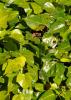
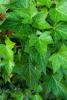
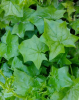
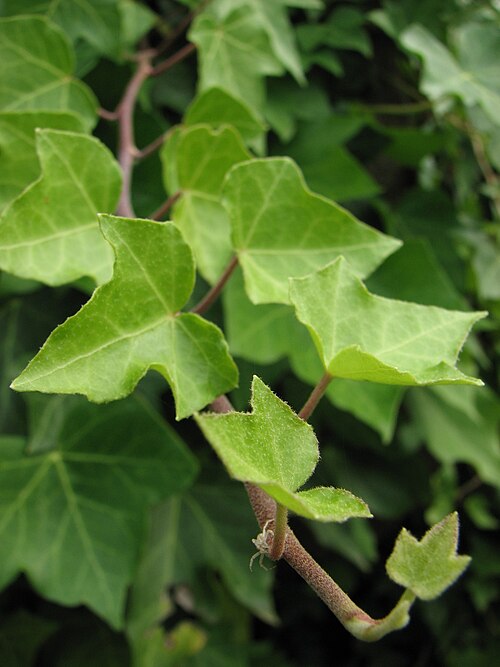
Cyprus Ivy juvenile foliage is notable for dark green leaves crossed by conspicuous pale, gray, or silvery veins. Young stems may show reddish coloration.
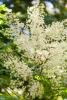
Once climbing growth matures in brighter conditions, flowering branches become woodier and develop less-lobed or unlobed leaves. These adult shoots produce clusters of small greenish flowers followed by dark berries.
How Dogs Encounter Cyprus Ivy
Dogs may chew low vines growing along fences, walls, tree bases, kennels, patios, or groundcover beds. Puppies may pull at flexible stems during play or carry freshly pruned vines like sticks.
The greatest household and landscape exposure often occurs during pruning or removal. Cut vines, leaves, berries, and root-bearing fragments become more accessible when piled on the ground than when attached high on a wall or tree.
A dog may also ingest ivy while investigating storm debris, landscape trailers, compost piles, yard-waste bags, or discarded container plants. Chewed leaves found in vomit may be the first indication that the animal reached the vine.
How Cats Encounter Cyprus Ivy
Cats may mouth trailing leaves from indoor containers, climb supports covered with ivy, or play with stems hanging from shelves, plant stands, walls, or trellises.
A cat may also contact fresh sap on the paws or coat while climbing through a recently cut vine. Grooming can then transfer the irritant to the lips, mouth, or eyes.
Repeated small bites can be difficult to detect within a dense vine. Unexplained drooling, vomiting, diarrhea, facial rubbing, or dermatitis in a plant-chewing cat should prompt inspection of reachable foliage and pruning debris.
Pruning, Removal, and Yard-Waste Exposure
Freshly cut ivy presents a concentrated exposure opportunity because many leaves and stems are brought down to ground level at once. Sap is also released more readily from cut or crushed tissue.
Pets should be confined away from the work area while vines are pruned, pulled, shredded, transported, or chipped. Gloves, tools, footwear, tarps, and clothing contaminated with sap should be cleaned before animals contact them.
Clippings should be placed directly into secure containers rather than left overnight in piles. Drying or wilting should not be relied upon to make the plant safe to eat.
Berries and Mature Flowering Vines
Mature flowering growth may produce clusters of dark berries. Birds can eat and disperse ivy fruits, but bird consumption does not establish a safe dose for mammals.
Fallen berries may be investigated by dogs, poultry, or other ground-foraging animals. They should be collected from kennels, runs, patios, paddocks, and animal-accessible walkways.
Livestock Exposure
Horses, cattle, sheep, and goats may browse ivy growing along woodland margins, old walls, hedgerows, fences, and abandoned structures. Significant ingestion is more likely when ordinary forage is limited or when large amounts of cut vine are placed within reach.
Landscape waste should never be dumped into a pasture merely because ivy remains green and appears forage-like. Mixed clipping piles may also contain yew, oleander, cherry laurel, rhododendron, or other plants more dangerous than ivy itself.
Historical Livestock Account
An older account in Poisonous Plants in Britain and Their Effects on Animals and Man by M. R. Cooper and A. W. Johnson described substantial English Ivy ingestion in cattle:
“Cattle that ingested large quantities of English ivy vine became ill and excitable, started staggering, and bellowed loudly. The odor of crushed ivy leaves was on the breath and in the milk. Recovery was quick and complete in three days.”
This account involved English Ivy rather than Hedera cypria, so it is not direct species-specific evidence for Cyprus Ivy. It is nevertheless useful genus-level evidence that unusually large ivy ingestion can produce more than routine vomiting or diarrhea while still allowing complete recovery with removal and supportive care.
Cyprus Ivy Versus English Ivy
English Ivy, Hedera helix, is far more common in North American landscapes and pet-poison databases. Cyprus Ivy is distinguished by its Cyprus origin, reddish young stems, scale-like leaf hairs, and conspicuous pale veining on juvenile foliage.
The two plants should not be treated as botanical synonyms. Their shared genus supports a similar prudent poisoning response, but the precise concentration of each saponin and polyacetylene may differ.
True Ivy Versus Unrelated “Ivies”
Boston Ivy is Parthenocissus tricuspidata, Poison Ivy is Toxicodendron radicans, Swedish Ivy is generally Plectranthus verticillatus, and Ground Ivy is Glechoma hederacea. None belongs to the genus Hedera.
Plant identification should use the complete vine, leaf arrangement, aerial rootlets, mature fruiting growth, nursery label, and scientific name rather than the word “ivy” alone.
Diagnosis
No routine veterinary test confirms Cyprus Ivy ingestion or measures its complete saponin mixture. Diagnosis depends on plant identification, access history, compatible gastrointestinal or contact signs, and exclusion of another cause when illness is severe.
Preserve photographs of the complete vine, juvenile and adult leaves, berries, stems, the plant label, and any fragments found in vomit. Also identify fertilizers, herbicides, insecticides, or other plants present in the clipping pile or container.
Prevention
Keep low vines, trailing container growth, and pruning debris away from plant-chewing pets. Ivy growing on kennel fences, cat enclosures, stable walls, or paddock boundaries should be removed or maintained beyond animal reach.
Collect fallen berries and cut material promptly. Do not place Cyprus Ivy in open compost, livestock feeding areas, rabbit pens, poultry runs, horse paddocks, or yard-waste piles accessible to animals.
Immediate Steps After Cyprus Ivy Exposure
- Stop further ingestion. Remove the animal from the vine, groundcover bed, berries, fallen leaves, clippings, compost, or mixed landscape debris.
- Remove only loose visible fragments. If the animal is calm, alert, and swallowing normally, take away leaves or stem pieces resting at the lips or front of the mouth. Do not reach blindly toward the throat.
- Gently clean the mouth and muzzle. Use a soft cloth dampened with water to wipe visible sap and plant residue from the lips, muzzle, tongue tip, and accessible gums. Do not forcefully flush the mouth.
- Wash contaminated skin and coat. Wear gloves and use lukewarm water with a mild pet-safe cleanser. Rinse thoroughly and prevent licking until the coat is clean.
- Irrigate exposed eyes. Use sterile saline or clean room-temperature water when sap may have entered an eye. Continuing pain or squinting requires veterinary examination.
- Allow voluntary water only when appropriate. An alert animal that swallows normally and is not vomiting repeatedly may drink fresh water on its own. Do not force liquid by syringe or bottle.
- Preserve identification material. Save photographs, a leafy stem, berries when present, the plant label, and information about pesticides or products applied to the vine.
Do Not Attempt Unsupervised Home Treatment
- Do not induce vomiting at home. Hydrogen peroxide, salt, mustard, syrup of ipecac, and manual gagging can cause gastric injury, aspiration, and unnecessary complications.
- Do not give activated charcoal routinely. Most exposures cause local irritation and gastrointestinal upset. Charcoal may be aspirated by a vomiting, weak, or poorly coordinated animal.
- Do not force food, milk, oil, yogurt, bread, honey, or another home remedy. These substances do not neutralize ivy saponins or remove contact allergens.
- Do not give anti-diarrheal medication automatically. Loperamide, bismuth, and kaolin-pectin products can interfere with assessment of bleeding, ileus, infection, foreign material, or another toxin.
- Do not apply alcohol, peroxide, bleach, essential oils, or human rash medication to the skin. These products may worsen irritation or be toxic when licked.
- Do not give antihistamines automatically. Contact irritation is not always histamine-mediated, and sedating medication may complicate evaluation of weakness or altered behavior.
- Do not give human pain relievers or leftover prescriptions. Ibuprofen, naproxen, acetaminophen, aspirin, and similar medications can cause a more serious secondary poisoning.
When Veterinary Examination Is Especially Important
- Persistent gastrointestinal illness: Repeated vomiting, inability to retain water, profuse or bloody diarrhea, severe abdominal pain, or continued appetite refusal requires treatment.
- Dehydration or poor circulation: Dry gums, reduced urination, weak pulses, cool extremities, pale mucous membranes, marked weakness, or collapse requires prompt assessment.
- Significant oral irritation: Visible erosions, blistering, blood in saliva, persistent coughing, abnormal swallowing, or inability to eat or drink warrants examination.
- Skin or eye injury: Spreading redness, severe itching, swelling, open lesions, persistent squinting, cloudiness, or eye discharge requires professional treatment.
- Neurologic or cardiovascular signs: Staggering, tremors, seizures, profound depression, a persistently abnormal pulse, fainting, or collapse is not expected after an ordinary nibble and requires emergency investigation.
- Mixed clipping exposure: Immediate evaluation is appropriate when the ivy was eaten from a pile containing unknown ornamental or woodland plants.
Veterinary Treatment
Most small Cyprus Ivy exposures require only removal of the plant, gentle decontamination, observation, and symptom-directed care. There is no specific antidote.
Persistent nausea or vomiting may be treated with a veterinarian-selected antiemetic such as maropitant or ondansetron after obstruction, foreign material, another plant, and pesticide exposure have been considered.
Oral, subcutaneous, or intravenous fluids may be used according to hydration, perfusion, gastrointestinal losses, electrolyte values, kidney function, urine output, and cardiopulmonary status.
Sucralfate or acid suppression may be considered when repeated vomiting produces painful swallowing, hematemesis, melena, esophagitis, or documented gastric erosion. These medications are not ivy antidotes and are unnecessary after every exposure.
Dermatitis may be managed with washing, prevention of licking or scratching, topical treatment selected for the lesion, and systemic medication when inflammation or allergic sensitization is substantial. Antibiotics are reserved for established secondary infection.
Persistent eye discomfort may require eyelid examination, removal of retained plant material, fluorescein staining, lubrication, pain control, and topical antimicrobial medication when corneal injury is present.
Activated charcoal or clinic-induced vomiting would be considered only after an exceptional large recent ingestion in a stable patient with normal swallowing and airway protection. Aggressive gastric decontamination is not routine for uncomplicated ivy exposure.
Unusual ataxia, tremors, seizures, hypotension, bradycardia, or collapse may require blood pressure measurement, electrocardiography, glucose and electrolyte testing, neurologic evaluation, oxygen, anticonvulsant treatment, and investigation for another toxin.
Horses, Livestock, and Prognosis
Remove horses and livestock from ivy-covered boundaries, storm-damaged vines, pruning piles, and mixed landscape waste. Provide uncontaminated forage and water while the exposure source is investigated.
Horses cannot vomit. Veterinary treatment may include colic assessment, oral examination, evaluation of intestinal motility, fluids, cardiovascular monitoring, and neurologic assessment after a large ingestion.
The prognosis is good to excellent for most limited exposures. Oral irritation, vomiting, diarrhea, and mild dermatitis generally improve after access ends and hydration is maintained.
Recovery may take longer after repeated vomiting, substantial diarrhea, contact dermatitis, eye injury, or a large-volume livestock exposure. A severe or progressive course should prompt confirmation of the plant identity and investigation for pesticides, concentrated extracts, mixed clippings, or underlying disease.
Frequently Asked Questions About Cyprus Ivy Identification and Exposure
Why is Cyprus Ivy treated as poisonous when direct toxicology studies are limited?
Cyprus Ivy belongs to the true-ivy genus Hedera. Closely related ivies contain triterpene saponins capable of causing gastrointestinal irritation and polyacetylenes capable of causing contact dermatitis. This makes a similar hazard biologically credible, but the exact chemicals, concentrations, and toxic doses have not been measured adequately in Hedera cypria.
Does the name Hedera pastuchovii subsp. cypria prove that both plants have identical chemistry?
No. Cyprus Ivy has been treated either as the distinct species Hedera cypria or as a subspecies of Hedera pastuchovii. Chemical research on H. pastuchowii supports the plausibility of related saponins, but taxonomic closeness does not prove identical compound concentrations in every tissue or cultivar.
How can Cyprus Ivy be distinguished from English Ivy?
Cyprus Ivy commonly has reddish young stems, scale-like hairs, and dark juvenile leaves marked by conspicuous pale or silvery veins. English Ivy is much more common in North American landscapes and varies widely among cultivars. Photographs of juvenile and adult leaves, lower leaf surfaces, stems, berries, growth habit, and the nursery label provide the best evidence.
Are ‘Silver Arrow’ and ‘Coon Hollow’ safer than ordinary Cyprus Ivy?
No animal-safety difference has been demonstrated for these cultivated selections. Their leaf size, shape, or silver veining does not establish absence of saponins or contact-irritating compounds. They should be kept away from plant-chewing animals like other Cyprus Ivy plants.
Why can pruning create more risk than the intact climbing vine?
Pruning moves large quantities of leaves and stems from a wall or tree to ground level, releases fresh sap, and creates piles that dogs or livestock can investigate. Tools, gloves, clothing, tarps, and footwear may also carry sap. Clippings should be placed directly into secure disposal containers rather than left where animals can chew or lie in them.
Do birds eating Cyprus Ivy berries prove that the fruit is safe for pets?
No. Birds and mammals differ in feeding behavior, digestion, body size, and tolerance of plant constituents. Fallen berries may be easier for a dog, poultry bird, or other ground-foraging animal to swallow than tough mature leaves, and no safe berry count has been established.
Why would seizures or profound collapse suggest a mixed exposure?
Severe neurologic or cardiovascular failure is not the well-defined ordinary response to raw Cyprus Ivy. A clipping pile may also contain yew, oleander, rhododendron, cherry laurel, pesticides, herbicides, mushrooms, or other hazards. Emergency treatment should continue while every plant and product in the exposure area is identified.
What should be preserved for identification?
Photograph the complete vine, juvenile and mature leaves, both leaf surfaces, stems, aerial rootlets, flowers or berries, nursery label, and the location where exposure occurred. Also document recent pruning, pesticides, fertilizers, and every other plant present in the same clipping or compost pile.