PAWS Pet Poison Plant Guide
Is Kaffir Lily Poisonous to Dogs, Cats, Horses, and Livestock?
Yes—when the historical common name Kaffir Lily refers to Clivia miniata, the plant is poisonous to dogs, cats, horses, livestock, and other animals that eat it. Clivia miniata contains lycorine, clivimine, haemanthamine, and numerous additional Amaryllidaceae alkaloids. The best-supported effects are drooling, nausea, vomiting, abdominal pain, diarrhea, appetite loss, depression, and lethargy. A substantial exposure also warrants concern for dehydration, low blood pressure, weakness, tremors, seizures, or an abnormal heart rhythm, although authenticated veterinary case reports defining the frequency of those severe effects are limited.
Kaffir Lily is an ambiguous historical name. It has also been applied to Hesperantha coccinea, formerly Schizostylis coccinea, an unrelated member of the Iris family. The Clivia alkaloid toxicology described on this page applies to Clivia miniata and must not be assigned automatically to Hesperantha coccinea without confirming the plant.
About this guide: This page provides general pet-poisoning information and cannot diagnose or treat an individual animal. For any suspected exposure, contact a veterinarian or animal poison-control service immediately. Do not induce vomiting, give medication, or attempt home decontamination unless directed by a veterinary professional.
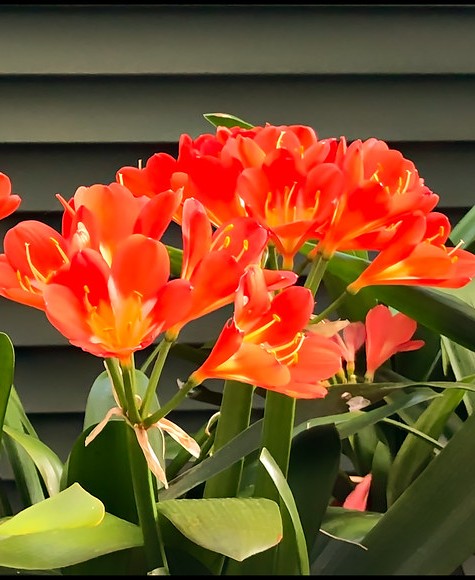
Kaffir Lily
Clivia miniata (Lindl.) Verschaff.
The accepted combination is also frequently cited in botanical and scientific literature as Clivia miniata (Lindl.) Bosse.
Important botanical synonyms and historical names include:
Vallota miniata Lindl.
Imantophyllum miniatum (Lindl.) Hook.
Imatophyllum miniatum (Lindl.) Groenland
Clivia sulphurea Laing
Imantophyllum barkeri C.J.Barker
Imatophyllum atrosanguineum B.S.Williams
Clivia miniata var. citrina W.Watson
Clivia miniata var. flava E.Phillips
Do not confuse this species with Hesperantha coccinea (Backh. & Harv.) Goldblatt & J.C.Manning, formerly Schizostylis coccinea Backh. & Harv. Hesperantha coccinea is an unrelated Iris-family plant that has also been called Kaffir Lily; it is not a synonym of Clivia miniata.
Amaryllidaceae — Amaryllis Family
This family applies to Clivia miniata, the plant covered by this page. Hesperantha coccinea, another unrelated plant historically called Kaffir Lily, belongs to Iridaceae.
Bush Lily; Natal Lily; Natal Bush Lily; Clivia Lily; Orange Clivia; Cape Clivia; Clivia; Clivies; Klivia; Umayime; Boslelie; Kafir Lily; Kaffir-Lily; Caffre Lily
Kaffir Lily, Kafir Lily, and Caffre Lily are historical common names containing or derived from a profoundly offensive racial term in South African English. They remain relevant when interpreting an old plant label, veterinary reference, horticultural publication, poison list, or search query, but modern public-facing usage generally favors Clivia Lily, Bush Lily, or Natal Lily.
The same historical common name has also been used for Hesperantha coccinea, formerly Schizostylis coccinea, an unrelated member of the Iris family. Hesperantha coccinea, Schizostylis coccinea, River Lily, Crimson Flag, Scarlet River Lily, and related names are identification-confusion terms, not botanical synonyms of Clivia miniata.
A Complex Mixture of Amaryllidaceae Alkaloids
Clivia Lily contains numerous Amaryllidaceae alkaloids rather than one chemically uniform toxin. Lycorine is the best-known compound and provides the strongest direct explanation for the nausea and vomiting associated with ingestion, but the plant’s complete toxicology cannot be reduced to lycorine alone.
A modern whole-plant investigation isolated eighteen known alkaloids and one newly described homolycorine-type alkaloid, clivimine B. Lycorine, clivimine, and haemanthamine were the major recovered alkaloids, while the remaining compounds occurred in lower or trace quantities.
The identified compounds included 1-O-acetylcaranine, clivimine, clivimine B, cliniatine C, 4′-O-demethylbelladine, caranine, tazettine, clivonine, galanthamine, haemanthamine, vittatine, haemanthidine, hippeastrine, nobilisitine B, 3-O-acetyl-8-O-demethylmaritidine, 11-hydroxyvittatine, sternbergine, 8-O-demethylmaritidine, and lycorine.
Earlier phytochemical literature also reported clivacetine, clivatine, clivonidine, cliviasine, clividine, miniatine, clivojuline, cliviahaksine, cliviaaline, crinidine, and related compounds. Differences between studies may reflect plant source, tissue selection, extraction method, compound degradation, analytical sensitivity, and changing chemical nomenclature.
Lycorine and Vomiting
Lycorine is a potent emetic Amaryllidaceae alkaloid. Controlled research using purified lycorine in beagle dogs demonstrated dose-dependent nausea and vomiting. That evidence supports lycorine as an important contributor to the vomiting caused by lycorine-containing plants.
The experimental lycorine was administered as a purified compound rather than through oral ingestion of Clivia leaves, roots, berries, or rhizomes. The study therefore confirms the emetic action of lycorine but does not establish a safe or toxic weight of raw Clivia miniata tissue.
Vomiting can limit continued ingestion, but it can also produce dehydration, electrolyte loss, esophageal irritation, aspiration, poor circulation, and weakness. Vomiting plant material does not prove that all absorbed alkaloid has been removed.
Protein-Synthesis and Cellular Effects
Lycorine can inhibit protein synthesis and has numerous experimentally demonstrated antiviral, cytotoxic, and antiproliferative effects. These laboratory activities help explain why the compound is biologically potent, but they do not establish that ordinary Clivia ingestion produces cancer treatment, organ failure, or another specific laboratory endpoint in an exposed pet.
The clinical importance of each additional Clivia alkaloid has not been defined. Isolation of a compound and demonstration of activity in a cell assay do not prove that an animal absorbs a comparable dose while chewing the plant.
Acetylcholinesterase Inhibition
Several isolated Clivia alkaloids and Clivia extracts have been evaluated for their ability to inhibit acetylcholinesterase or butyrylcholinesterase. Cliniatines and other compounds have shown measurable in-vitro activity, and one comparative investigation found stronger acetylcholinesterase inhibition from root extract than from material described as bulb or aerial tissue.
These findings establish biochemical activity but do not prove that spontaneous Clivia poisoning produces a consistent cholinergic syndrome. Salivation, vomiting, tremors, weakness, slow heart rate, or diarrhea may have several causes, including direct gastrointestinal irritation, fluid loss, pain, electrolyte disturbance, or mixed alkaloid effects.
The plant should not be treated automatically like an organophosphate or carbamate pesticide, and atropine should not be administered merely because salivation or a slow pulse is observed.
Rhizomes, Roots, and the Meaning of “Bulb”
Clivia does not grow from a true layered bulb. It develops a short, fleshy rhizome or underground stem with numerous thick fleshy roots and a compact basal leaf structure.
Poison references commonly call the underground portion a bulb and often identify it as the greatest practical hazard. The concern is reasonable because a dog may dig up and chew a large, dense portion of plant tissue in one exposure, and root extracts have demonstrated substantial biological activity.
Available research does not establish one universal alkaloid concentration proving that every rhizome or root contains more toxin than every leaf, flower, berry, or seed. The underground mass should be treated more cautiously because of the amount an animal can consume and the demonstrated alkaloid activity, not because a validated veterinary tissue ranking exists.
Published Alkaloid Amounts
An older chemical isolation recovered lycorine at approximately 0.043 percent of the processed plant mass. That figure represents the yield under one extraction procedure and should not be converted into a universal concentration for every Clivia plant or tissue.
The occasionally repeated figure of 0.43 percent appears to be a decimal-place error or an unsupported generalization in secondary plant references. Neither figure supplies a veterinary toxic dose because plant chemistry, tissue weight, chewing, absorption, animal size, and individual susceptibility remain unknown.
All Plant Parts Require Caution
Leaves, flower stalks, flowers, pollen-bearing structures, berries, seeds, roots, rhizomes, seedlings, sap-bearing tissue, and discarded plant material should all remain inaccessible to animals.
Direct exact-species research has examined whole plants, roots, material described as bulbs, and aerial parts. It has not produced a complete veterinary concentration map for every flower, berry, seed, leaf, and root developmental stage.
Bright berries create a realistic exposure for dogs, cats, birds, and children, while uprooted rhizomes and roots create the largest single pieces commonly available to digging or chewing animals.
Fresh, Wilted, and Dried Material
Wilting or drying does not establish that Clivia alkaloids have been destroyed. Detached leaves, flower heads, berries, seeds, roots, rhizome pieces, dried arrangements, market material, powders, decoctions, and discarded plants should continue to be treated as poisonous.
Concentrated extracts and traditional preparations may deliver a much less predictable dose than one exploratory bite of a leaf.
Uterotonic Activity and Pregnancy
Clivia preparations have a history of use to influence childbirth, and experimental extracts of Clivia miniata have produced uterotonic activity in laboratory bioassays.
That evidence does not establish that one leaf bite will cause pregnancy loss or premature labor in a dog, cat, horse, or livestock animal. It does support prompt veterinary consultation after meaningful ingestion by a pregnant animal, particularly when roots, rhizomes, extracts, or traditional preparations were involved.
Direct Veterinary Evidence Is Limited
Published veterinary literature confirms that Clivia miniata contains toxic phenanthridine and related Amaryllidaceae alkaloids and recognizes it as a potential houseplant poison. Direct clinical reports involving botanically authenticated Clivia ingestion in dogs, cats, horses, or livestock are nevertheless sparse.
The most defensible expected syndrome is gastrointestinal illness dominated by salivation, nausea, vomiting, abdominal discomfort, diarrhea, appetite loss, and depression. Tremors, convulsions, low blood pressure, and cardiac rhythm abnormalities are precautionary concerns after a substantial exposure, but their exact frequency and dose relationship have not been established specifically for this plant.
No Established Safe or Lethal Dose
No dependable leaf count, berry count, seed count, root weight, rhizome weight, plant weight, toxic dose, or lethal dose has been established for dogs, cats, horses, livestock, rabbits, birds, or other animals.
Risk depends on the plant part, amount swallowed, degree of chewing, individual plant chemistry, animal size, age, health, stomach contents, pregnancy status, and time before treatment.
A brief leaf taste is not equivalent to chewing a large underground plant mass or consuming a concentrated preparation, but an unknown or meaningful ingestion should still be assessed professionally.
Expected Gastrointestinal Signs
The best-supported effects of Clivia Lily ingestion involve the gastrointestinal tract. Signs may include lip licking, drooling, repeated swallowing, nausea, vomiting, abdominal discomfort, diarrhea, appetite reduction, depression, and lethargy.
Clinical signs may begin within minutes to several hours, although no exact onset period applies to every exposure. Timing depends on the plant part, amount consumed, chewing, stomach contents, alkaloid profile, and individual animal.
Plant fragments, leaf fibers, berry material, seeds, roots, or rhizome tissue may appear in vomit. Their presence confirms exposure but does not prove that all toxic material has been expelled.
Vomiting, Diarrhea, and Abdominal Pain
Lycorine has a directly demonstrated emetic effect in dogs. Vomiting may occur once or repeatedly and may be accompanied by hypersalivation, nausea, food refusal, or abdominal cramping.
Abdominal pain may cause restlessness, whining, repeated stretching, a hunched posture, tense abdominal muscles, flank watching, or reluctance to be handled.
Diarrhea may be mild or frequent. Bloody vomit, coffee-ground material, black stool, fresh blood in diarrhea, severe pain, or persistent gastrointestinal signs require examination for substantial mucosal injury, another poisonous plant, medication, pesticide, or foreign material.
Dehydration and Secondary Weakness
Repeated vomiting and diarrhea can cause tacky gums, sunken eyes, reduced urination, abnormal thirst, weakness, poor pulse quality, low blood pressure, electrolyte disturbance, and circulatory compromise.
Puppies, kittens, toy-breed dogs, elderly animals, and patients with kidney, heart, endocrine, or gastrointestinal disease may become unstable more quickly than a healthy adult animal.
Weakness after Clivia ingestion does not necessarily prove direct neurologic poisoning. Pain, reduced food intake, dehydration, hypoglycemia, electrolyte loss, hypotension, hypothermia, and aspiration may all contribute.
Tremors, Incoordination, and Seizures
Poison references list trembling, poor coordination, convulsions, or seizures after large Clivia or Amaryllidaceae exposures. These findings are biologically plausible in a mixed-alkaloid poisoning, but their frequency has not been defined through a series of authenticated Clivia miniata veterinary cases.
Any tremor, ataxia, repeated falling, seizure, profound depression, or reduced responsiveness should be treated as an emergency. The veterinarian must also investigate pesticides, medications, tremorgenic toxins, hypoglycemia, electrolyte abnormalities, another plant, and unrelated neurologic disease.
Blood Pressure and Heart Rhythm
Low blood pressure and slow, rapid, weak, or irregular heart rhythms are included in established poison-plant guidance for substantial Clivia ingestion. Exact-species clinical documentation remains limited.
Cardiovascular abnormalities may result from direct alkaloid activity, dehydration, electrolyte losses, pain, hypothermia, hypoxia, or shock. The actual rhythm must be identified by electrocardiography before cardiac medication is selected.
Pale or gray gums, cold extremities, weak pulses, prolonged capillary refill, fainting, inability to stand, or collapse indicates inadequate circulation regardless of the exact mechanism.
Respiratory Complications
Primary respiratory paralysis has not been established as the routine Clivia syndrome. Breathing difficulty can develop secondarily when severe weakness, seizures, central depression, aspiration after vomiting, cardiovascular collapse, or another simultaneous toxin is present.
Rapid or labored breathing, open-mouth breathing, blue-gray mucous membranes, weak chest movement, loss of airway reflexes, or unconsciousness requires immediate emergency treatment.
Signs in Cats
Cats may develop drooling, vomiting, diarrhea, appetite loss, hiding, quiet behavior, weakness, or abdominal discomfort after chewing leaves, flowers, berries, seeds, roots, or rhizome tissue.
Clivia does not cause the characteristic feline proximal renal tubular necrosis associated with true lilies in Lilium and Hemerocallis. Persistent vomiting or dehydration can still affect kidney perfusion secondarily, and a plant identified only as “lily” must be confirmed carefully.
Signs in Horses and Livestock
A specific naturally occurring Clivia poisoning syndrome has not been characterized well in horses or livestock. A meaningful exposure could produce salivation, feed refusal, colic, diarrhea, depression, weakness, tremors, abnormal coordination, or circulatory changes.
Horses cannot vomit. Colic, marked salivation, diarrhea, reduced intestinal motility, weakness, tremors, abnormal breathing, or collapse after access to uprooted plants or discarded landscaping material requires veterinary assessment.
Several animals becoming ill together should prompt examination of the complete clipping pile, feed, bedding, water, pesticides, fertilizers, and every plant present rather than attributing the outbreak automatically to Clivia.
Signs That Do Not Fit an Ordinary Exposure
Primary kidney failure, liver failure, severe hemolytic anemia, widespread bleeding, persistent paralysis, prolonged coma, or sudden death is not the expected result of a small Clivia taste.
Such findings require investigation for another plant, concentrated preparation, pesticide, medication, foreign body, infection, metabolic disorder, or mixed exposure.
Expected Course and Emergency Warning Signs
Many limited exposures are expected to remain gastrointestinal and improve over approximately one day with removal of access and appropriate supportive care. More substantial ingestion, continued vomiting, dehydration, aspiration, or another complication can extend recovery over several days.
Emergency warning signs include repeated vomiting, inability to retain water, blood in vomit or stool, severe abdominal pain, progressive weakness, tremors, loss of coordination, seizures, an abnormal pulse, pale or blue-gray gums, collapse, reduced responsiveness, or difficult breathing.
What “Kaffir Lily” Means on This Page
Kaffir Lily is an older common name rather than a unique botanical name, it refers specifically to Clivia miniata, the evergreen Amaryllis-family plant also called Clivia Lily, Bush Lily, Natal Lily, and Orange Clivia. The toxicology, poisonous-part discussion, clinical signs, and veterinary treatment on this page apply to that species.
The historical name has also been used for Hesperantha coccinea, formerly Schizostylis coccinea, an unrelated member of Iridaceae. These two plants do not become chemically or toxicologically interchangeable merely because horticultural publications and plant labels have used the same common name for both.
The word forming the first part of the historical common name is a profoundly offensive racial slur in South African English. Bush Lily, Natal Lily, or Clivia Lily are preferable modern names for Clivia miniata. The historical term remains relevant here because owners may encounter it on an old nursery label, inherited plant tag, poison list, book, veterinary record, or internet search.
Clivia Miniata and Hesperantha Coccinea Are Different Plants
Clivia miniata belongs to Amaryllidaceae. It is a substantial evergreen plant with broad, thick, glossy, dark-green strap-shaped leaves arranged in opposing ranks. A stout leafless stalk rises from the center and supports a rounded cluster of multiple orange, red, yellow, peach, cream, or selected multicolored trumpet-shaped flowers. Pollinated flowers develop into conspicuous fleshy berries that may mature to orange, red, yellow, or golden shades.
Hesperantha coccinea belongs to Iridaceae. It usually has much narrower, more obviously iris-like or sword-shaped leaves and produces flowers spaced along relatively slender stalks rather than in the dense rounded Clivia flower cluster. The flowers are commonly scarlet, red, pink, or white and have six spreading tepals. Its former scientific name, Schizostylis coccinea, remains common in older garden literature and plant commerce.
A plant described only as Kaffir Lily therefore has not been adequately identified. Photographs should include the whole plant, leaf arrangement, flower cluster or spike, fruit, base of the plant, roots, and any underground structure. The nursery label should be preserved even when it appears old or incomplete.
The Clivia Alkaloid Evidence Does Not Transfer Automatically
Direct chemical research on Clivia miniata confirms a diverse mixture of Amaryllidaceae alkaloids, including lycorine, clivimine, clivimine B, haemanthamine, galanthamine, caranine, tazettine, clivonine, haemanthidine, hippeastrine, vittatine, and numerous additional compounds. Separate investigations have isolated cliniatines and examined acetylcholinesterase or butyrylcholinesterase activity from selected compounds and extracts.
Those findings are exact-species evidence for Clivia miniata. They do not prove that Hesperantha coccinea contains the same compounds, concentrations, poisonous parts, or veterinary toxic dose. An unidentified plant should be treated cautiously, but uncertainty must not be converted into a false claim that the two species share identical chemistry.
Plant Identity and Natural Range
Clivia miniata is an evergreen, clump-forming perennial native to shaded forest and woodland habitats in southern Africa. It is now cultivated widely as a houseplant, conservatory specimen, office plant, patio container, and protected outdoor ornamental in climates where freezing temperatures do not destroy it.
Mature plants form dense fans of arching leaves. Their heavy foliage and root mass can make established container plants large and difficult to move. This creates exposure opportunities when plants are repotted, divided, moved indoors for winter, damaged, discarded, or left temporarily on a floor, patio, workbench, or driveway.
Clivia Does Not Have a True Bulb
Clivia miniata develops a short fleshy rhizome or underground stem, numerous thick fleshy roots, and a compact basal structure formed by overlapping leaf bases. It does not produce the familiar layered true bulb seen in onions, daffodils, or many plants sold as Amaryllis.
Poison lists and horticultural descriptions nevertheless frequently call the Clivia base a bulb. An owner reporting that a dog chewed a “Kaffir Lily bulb” may therefore be describing the rhizome, thick roots, compact basal mass, or an entire uprooted plant.
The distinction is botanically important but does not make the underground portion safe. A dog can dig up, carry, shred, and swallow a relatively large mass of compact plant tissue during one episode. The practical risk reflects the amount available and the biological activity demonstrated in underground extracts, not proof that every rhizome or root contains a higher alkaloid concentration than every leaf, flower, berry, or seed.
How Dogs Encounter the Plant
Dogs may chew leaf tips, tear flower stalks from the plant, swallow fallen berries, investigate potting material, or pull an entire plant from its container. Puppies and dogs that habitually carry sticks, roots, bulbs, or landscaping debris may be especially attracted to the firm, fleshy underground mass.
Repotting and plant division are major exposure periods. Roots and rhizome pieces may be left on a garage floor, potting bench, patio, tarp, compost pile, wheelbarrow, garden-waste heap, or inside an open trash bag. A dog that normally ignores an established plant may investigate it once the roots are exposed and soil odors are released.
Plastic pot fragments, ceramic shards, wire hangers, decorative foil, plant labels, fertilizer granules, systemic insecticides, water-retaining crystals, gravel, bark, and potting material may be swallowed with the plant. Continued vomiting, abdominal enlargement, reduced stool production, recurrent pain, or illness returning after temporary improvement may require diagnostic imaging for a foreign body.
How Cats Encounter the Plant
Cats may bite the long leaves, play with flowers, bat rolling berries across the floor, drink from a plant saucer, or ingest sap and pollen-like debris while grooming contaminated fur. Indoor cats may return repeatedly to the same plant, creating a cumulative exposure that is greater than the damage visible from one chewing episode.
The word “lily” creates a separate emergency identification problem. Clivia miniata is not a true lily and is not known to produce the characteristic feline proximal renal tubular necrosis associated with Lilium or Hemerocallis. An owner who reports only that a cat chewed a “lily,” however, may be describing several unrelated plants with substantially different toxic mechanisms. Plant identification should not be delayed merely because Clivia toxicity is usually dominated by gastrointestinal illness.
Horses and Livestock
Clivia miniata is more commonly encountered as an ornamental than as a pasture plant. Horse and livestock exposure is most plausible when landscaping material, uprooted plants, greenhouse waste, nursery debris, container plants, or garden clippings are discarded into a paddock, pen, barn aisle, feed area, or manure-and-compost pile accessible to animals.
Horses cannot vomit. Salivation, feed refusal, colic, diarrhea, reduced gastrointestinal motility, weakness, tremors, abnormal coordination, an abnormal pulse, or collapse after access to discarded Clivia plants requires veterinary assessment.
When several animals become ill, the investigation should include all plants, feed, hay, supplements, water, pesticides, fertilizer, medications, bedding, and waste material present. A shared common name or one visible ornamental should not end the search for another or mixed exposure.
Flowers, Berries, Seeds, Leaves, Roots, and Rhizomes
Leaves, flower stalks, flowers, berries, seeds, roots, rhizomes, seedlings, sap-bearing tissue, extracts, and discarded plant material should all remain inaccessible. No flower color, berry color, cultivar name, variegated leaf pattern, or nursery selection has been proven pet-safe.
Bright berries create a realistic exposure for dogs, cats, birds, and children. They may fall and roll under furniture, shelving, shrubs, outdoor containers, or landscape debris, remaining available after the visible fruit cluster has been removed.
Direct research has examined whole plants, roots, aerial portions, and material described by investigators as bulbs. It has not produced a complete veterinary concentration map comparing every leaf, flower, berry, seed, root, and rhizome at every stage of growth. All parts therefore require caution without inventing an unsupported universal ranking.
Fresh, Wilted, Dried, and Processed Material
Wilting or drying does not establish that Clivia alkaloids have been destroyed. Detached leaves, old flower heads, berries, seeds, root pieces, rhizome fragments, dried arrangements, plant-market material, powders, teas, decoctions, tinctures, and concentrated extracts should continue to be treated as potentially poisonous.
Concentrated traditional or homemade preparations may deliver a much less predictable exposure than an exploratory bite of a leaf. An animal that consumes an extract, powder, medicinal mixture, or unknown preparation requires prompt professional assessment even when the amount of visible plant material appears small.
Traditional Medicinal Use and Pregnancy
Roots, rhizomes, leaves, and whole-plant preparations of Clivia miniata have been used in southern African traditional medicine for urinary complaints, pain, fever, infertility, childbirth, cleansing, snakebite, and other purposes. Historical use demonstrates biological activity; it does not establish safety for pets or livestock.
Experimental work has demonstrated uterotonic activity from selected Clivia extracts and preparations. That evidence does not establish that one leaf bite will cause pregnancy loss or premature labor in a dog, cat, horse, or livestock animal. It does justify prompt veterinary consultation after meaningful ingestion by a pregnant animal, particularly when roots, rhizomes, extracts, powders, or traditional preparations were involved.
Diagnosis
No routine rapid blood test confirms Clivia ingestion. Diagnosis depends on botanical identification, exposure history, visible plant damage, plant fragments, clinical signs, and exclusion of other gastrointestinal, neurologic, cardiovascular, metabolic, infectious, medication-related, and toxic causes.
Preserve a complete specimen whenever possible. Useful identifying material includes the rhizome or basal mass, roots, leaves, flower stalk, flowers, berries, seeds, nursery tag, purchase receipt, pot, soil-product packaging, photographs, and vomited fragments. A close photograph of one orange flower may be insufficient to distinguish Clivia from another ornamental.
Persistent vomiting, diarrhea, weakness, tremors, collapse, or an abnormal pulse may justify blood testing for hydration, glucose, electrolytes, kidney and liver values, acid-base status, blood-pressure measurement, electrocardiography, and imaging for retained plant material or another foreign object. A normal initial result does not necessarily eliminate the need for observation after a substantial or uncertain ingestion.
Prognosis
The prognosis is generally good after a limited Clivia miniata exposure that produces short-lived gastrointestinal illness and receives appropriate supportive care. Direct veterinary case evidence defining the complete range of authenticated Clivia poisoning remains limited.
The outlook becomes more guarded when repeated vomiting or diarrhea causes dehydration and electrolyte disturbance, when a large underground plant mass or concentrated preparation was consumed, or when the animal develops hypotension, tremors, seizures, an abnormal rhythm, aspiration, reduced responsiveness, respiratory compromise, collapse, or shock.
When the plant was identified only by the ambiguous common name Kaffir Lily, prognosis also depends on confirming which species was involved and whether fertilizer, pesticide, medication, foreign material, or another poisonous plant was consumed at the same time.
Prevention
Keep Clivia miniata beyond the reach of dogs, cats, rabbits, birds, livestock, and plant-chewing children. A high shelf may reduce access by a dog but may not prevent access by a cat or protect against falling berries.
Place divided, uprooted, or discarded plants directly into a closed container. Do not leave roots or rhizomes on a potting bench, patio, driveway, open compost pile, paddock, poultry yard, barn aisle, or garden-waste heap.
Collect fallen flowers, berries, seeds, and leaves promptly. Wash plant residue from tools, floors, counters, gloves, footwear, and an animal’s coat before licking or grooming can transfer it to the mouth.
Replace old or ambiguous labels with the accepted scientific name. A label reading only Kaffir Lily should be updated to state either Clivia miniata or Hesperantha coccinea. Accurate scientific identification prevents the chemistry and emergency guidance for one plant from being assigned incorrectly to the other.
Immediate Response
- Stop Further Exposure: Remove access to the plant, rhizome, roots, leaves, flowers, berries, seeds, sap, discarded material, potting soil, and contaminated objects.
- Identify the Plant: Determine whether the animal encountered Clivia, Hesperantha, Amaryllis, Agapanthus, a true Lily, Daffodil, or another strap-leaved flowering plant.
- Preserve a Complete Sample: Save the rhizome, roots, leaves, flower stalk, flowers, berries, seeds, nursery label, packaging, and any vomited plant material.
- Estimate the Amount: Record whether the animal took one leaf bite, swallowed berries, chewed roots, or consumed part of the fleshy rhizome.
- Record the Time: Note the earliest and latest possible exposure and when vomiting, diarrhea, weakness, trembling, or other signs began.
- Contact a Veterinarian: Obtain prompt professional guidance after any rhizome ingestion, uncertain substantial exposure, or developing clinical signs.
Remove Plant Material from the Mouth
- Remove Loose Pieces Carefully: Take visible leaves, flowers, berries, seeds, roots, or rhizome pieces from the lips and front of the mouth when this can be done without being bitten.
- Use a Gentle Wipe: Wipe sap and residue from the lips, gums, tongue, and front of the mouth with a damp cloth in a fully alert animal.
- Rinse Gently When Appropriate: A gentle mouth rinse may be used only when the animal is fully alert, breathing normally, swallowing normally, and able to protect the airway.
- Do Not Force Liquids: Pouring water into the mouth can cause aspiration and does not neutralize lycorine or the other alkaloids.
- Do Not Reach Deeply: Blind finger sweeps can push plant material toward the throat or cause injury.
Do Not Automatically Induce Vomiting
- Expect Possible Spontaneous Vomiting: Lycorine has a strong emetic effect, and many animals begin vomiting without an administered emetic.
- Cats Must Never Receive Peroxide: Hydrogen peroxide is not a safe home emetic for cats and can cause severe stomach and esophageal injury.
- Dogs Require Direct Professional Direction: Vomiting may be considered only after a recent meaningful ingestion in a fully alert, stable, asymptomatic dog that is breathing normally, swallowing normally, and able to protect the airway.
- Never Induce Vomiting After Signs Begin: Do not attempt it in an animal that is already vomiting, weak, lethargic, trembling, uncoordinated, collapsed, seizuring, breathing abnormally, or swallowing poorly.
- Do Not Use Salt, Mustard, Oil, Syrup, or Fingers: These methods are unreliable and can cause additional poisoning, aspiration, or physical injury.
- Do Not Delay Transportation: Home decontamination must never postpone emergency care after a meaningful rhizome ingestion or developing systemic signs.
Activated Charcoal and Gastric Lavage
- Use Charcoal Only Under Veterinary Direction: Activated charcoal may reduce absorption after a recent substantial ingestion when the animal can protect its airway.
- Do Not Force Charcoal: A vomiting, weak, sedated, trembling, seizuring, or poorly swallowing animal can inhale charcoal into the lungs.
- Do Not Use Household Charcoal: Barbecue charcoal, fireplace ash, burned food, and homemade carbon are not medical activated charcoal.
- Gastric Lavage Is Veterinary-Only: Lavage may be considered after a major rhizome ingestion but requires anesthesia, endotracheal airway protection, cardiovascular monitoring, and direct professional assessment.
- Do Not Repeatedly Decontaminate at Home: Repeated vomiting or oral products can worsen dehydration, electrolyte loss, and aspiration risk.
Vomiting and Diarrhea
- Track Vomiting: Record the number of episodes and whether leaves, berries, seeds, roots, rhizome pieces, foam, blood, or other material is present.
- Track Diarrhea: Note frequency, amount, mucus, red blood, black stool, and whether normal urination continues.
- Save Plant Fragments: Place vomited plant material in a sealed disposable container for veterinary identification.
- Offer Water Carefully: Small amounts of fresh water may be offered when the animal is fully alert, swallowing normally, and not vomiting repeatedly.
- Do Not Force Water: Forced oral fluids can be aspirated and cannot replace controlled treatment for dehydration.
- Watch for Dehydration: Tacky gums, sunken eyes, reduced urination, weakness, rapid or weak pulse, and increasing lethargy require treatment.
- Report Blood Promptly: Bloody vomit, coffee-ground material, black stool, bloody diarrhea, pale gums, or collapse requires urgent examination.
Abdominal Pain and Possible Foreign Material
- Watch for Pain: Whining, restlessness, repeated stretching, a hunched posture, tense abdominal muscles, or reluctance to be touched requires assessment.
- Watch for Choking: Pawing at the mouth, repeated gagging, inability to inhale, blue-gray gums, or collapse is an emergency.
- Watch for Obstruction: Continued vomiting, abdominal enlargement, reduced stool, appetite loss, or illness returning after temporary improvement may indicate retained rhizome material or another foreign object.
- Consider Other Materials: Plastic pots, ceramic fragments, labels, decorative foil, fertilizer, insecticide, and potting material may have been swallowed with the plant.
Weakness and Low Blood Pressure
- Watch for Circulatory Weakness: Pale gums, cold extremities, weak pulse, severe lethargy, fainting, or collapse may indicate hypotension or shock.
- Keep the Animal Quiet: Minimize running, struggling, excitement, and unnecessary walking during transportation.
- Carry an Unstable Animal: Support the chest and hindquarters rather than forcing a weak pet to walk.
- Keep Comfortably Warm: Use dry blankets when the animal feels cold, but avoid intense direct heat and do not delay care.
- Do Not Give Stimulants: Caffeine, energy products, decongestants, and other stimulants can worsen cardiac instability.
Tremors and Seizures
- Clear the Area: Move hard or sharp objects away from an animal that is trembling or seizuring.
- Prevent Falls: Keep the animal away from stairs, pools, roads, and elevated surfaces.
- Do Not Restrain the Jaw: Animals do not swallow their tongues, and placing hands near the mouth can cause severe bites.
- Time the Episode: Record seizure duration and whether normal awareness returns between episodes.
- Seek Immediate Critical Care: Repeated seizures, prolonged seizure activity, collapse, or failure to regain awareness requires emergency airway and neurologic treatment.
Cardiac and Respiratory Signs
- Watch the Pulse: An unusually slow, rapid, weak, or irregular pulse may indicate direct alkaloid effects or severe electrolyte disturbance.
- Check Gum Color: Pale, gray, or blue gums indicate poor circulation or oxygenation.
- Watch Breathing: Rapid breathing, labored respiration, open-mouth breathing, gasping, or neck extension requires emergency care.
- Do Not Give Heart Medication: Atropine, antiarrhythmic drugs, blood-pressure medication, and stimulants require examination and monitored veterinary use.
- Do Not Give Anything by Mouth: A weak, collapsed, seizuring, or poorly swallowing animal can aspirate food, water, charcoal, or medication.
- Begin CPR When Appropriate: If the animal becomes unresponsive and is not breathing normally, begin pet CPR when trained and safe while emergency help is obtained.
Do Not Give Routine Home Medication
- Avoid Human Antidiarrheals: Do not give loperamide, bismuth products, kaolin mixtures, or other gastrointestinal drugs without veterinary direction.
- Avoid Human Pain Relievers: Ibuprofen, naproxen, acetaminophen, and aspirin can cause additional serious poisoning.
- Do Not Give Milk or Oil: These do not neutralize the alkaloids and may worsen vomiting or aspiration risk.
- Do Not Give Herbal Preparations: Tea, decoction, tincture, powder, essential oil, or traditional remedy made from Clivia can deliver a concentrated and unpredictable dose.
- Do Not Give Sedatives: Antihistamines, sleep aids, alcohol, cannabis products, tranquilizers, and leftover prescriptions can worsen weakness or breathing.
Skin and Eye Exposure
- Wear Gloves: Use gloves when handling damaged rhizomes, roots, sap, berries, vomit, or contaminated fur.
- Wash the Coat: Rinse sap and plant residue from the fur with lukewarm water and mild pet-safe shampoo.
- Prevent Grooming: Do not allow the animal to lick contaminated fur until cleanup is complete.
- Flush the Eyes: Rinse an exposed eye with sterile saline or clean lukewarm water for at least 15 to 20 minutes.
- Obtain Eye Care: Continued redness, squinting, tearing, swelling, cloudiness, or rubbing requires veterinary examination.
Veterinary Examination
- Assess Hydration: The veterinarian may evaluate gum moisture, pulse quality, body weight, temperature, blood pressure, and the extent of fluid loss.
- Check Electrolytes: Sodium, potassium, chloride, glucose, calcium, and acid-base abnormalities may follow prolonged vomiting and diarrhea.
- Check Kidney and Liver Values: Laboratory testing can identify secondary organ effects from dehydration, hypotension, shock, or another exposure.
- Monitor the Heart: Electrocardiography may be required for weakness, collapse, hypotension, or an abnormal pulse.
- Consider Imaging: Radiographs or ultrasound may be appropriate when a large rhizome piece, pot fragment, packaging, or another foreign object could remain in the gastrointestinal tract.
- Continue Observation: A substantial ingestion may justify hospitalization after vomiting slows because blood-pressure, cardiac, neurologic, or electrolyte abnormalities may persist.
Veterinary Treatment
- No Specific Antidote Exists: Treatment is directed at decontamination, gastrointestinal illness, hydration, circulation, neurologic signs, and cardiac abnormalities.
- Control Vomiting: Veterinarian-selected anti-nausea medication may be used after appropriate decontamination decisions have been made.
- Provide Fluid Therapy: Subcutaneous or intravenous fluids may correct dehydration, support blood pressure, and restore electrolyte balance.
- Protect the Gastrointestinal Tract: Persistent abdominal pain, irritation, or bloody discharge may require individualized gastroprotective treatment.
- Treat Hypotension: Fluid therapy, vasopressor support, warming, and correction of electrolyte abnormalities must be selected according to the animal’s monitored condition.
- Control Tremors or Seizures: Veterinarian-selected anticonvulsant or muscle-relaxant treatment may be required after a large exposure.
- Treat the Actual Heart Abnormality: Bradycardia, tachycardia, conduction disturbance, or another arrhythmia requires treatment based on electrocardiographic findings rather than a fixed drug plan.
- Support Breathing: Oxygen, airway protection, aspiration treatment, or mechanical ventilation may be required in a critical case.
Horse and Livestock Exposure
- Remove the Source: Prevent access to landscaping plants, uprooted rhizomes, discarded roots, clippings, berries, and contaminated feed or bedding.
- Watch for Colic: Pawing, flank watching, stretching, rolling, sweating, diarrhea, or refusal of feed requires veterinary assessment.
- Watch for Weakness: Trembling, poor coordination, low blood pressure, abnormal pulse, seizures, or collapse requires emergency treatment.
- Do Not Drench: Never force oil, charcoal, water, feed, or medication into a colicky, weak, seizuring, recumbent, or poorly swallowing animal.
- Preserve Plant Samples: Save roots, rhizome, leaves, flowers, berries, feed, and gastrointestinal material for identification.
- Assess Pregnant Animals: Prompt veterinary advice is warranted because Clivia preparations have a history of uterine use and no safe reproductive exposure has been established.
Prevention, Prognosis, and Recovery
- Keep Plants Inaccessible: Place indoor and outdoor Clivia where dogs, cats, children, rabbits, birds, and livestock cannot reach the leaves, berries, or underground portions.
- Secure Removed Rhizomes: Place divided, uprooted, or discarded plants directly into a closed container rather than an accessible compost or debris pile.
- Collect Fallen Berries: Remove orange, red, and yellow fruit from floors, soil, furniture, and areas beneath containers.
- Control Traditional Preparations: Keep medicinal plant material, powders, decoctions, and market-purchased rhizomes away from animals.
- Typical Prognosis: The outlook is generally good after a limited exposure that causes short-lived gastrointestinal illness.
- Guarded Prognosis: Major rhizome ingestion, prolonged vomiting, severe dehydration, hypotension, tremors, seizures, arrhythmias, respiratory compromise, collapse, or shock creates greater concern.
- Expected Recovery: Mild cases may improve within a day, while substantial exposures can require several days of fluids, blood-pressure support, laboratory monitoring, and supportive care.
Frequently Asked Questions About Kaffir Lily and Animal Poisoning
Which plant does this Kaffir Lily page cover?
This page covers Clivia miniata, the Amaryllis-family plant now more commonly called Clivia Lily, Bush Lily, or Natal Lily. Its broad glossy leaves, stout flower stalk, rounded cluster of trumpet-shaped flowers, fleshy berries, thick roots, and short rhizome distinguish it from the unrelated Iris-family plant that has also carried the historical common name.
Why is the name Kaffir Lily considered problematic?
The first word of the historical common name is a profoundly offensive racial slur in South African English. The name still appears on old labels and in horticultural, botanical, and veterinary references, so it remains important for identification and search purposes. Bush Lily, Natal Lily, or Clivia Lily are preferable modern public names for Clivia miniata.
Is Kaffir Lily always Clivia miniata?
No. The historical name has also been used for Hesperantha coccinea, formerly Schizostylis coccinea. Because the two plants belong to different families and have different botanical structures, a common name alone is not sufficient identification.
Is Hesperantha coccinea another name for Clivia miniata?
No. Hesperantha coccinea is an unrelated member of Iridaceae. Its former botanical name is Schizostylis coccinea. Neither name is a synonym of Clivia miniata. The plants merely share a historical common name.
How can I distinguish Clivia from Hesperantha?
Clivia miniata normally has broad, thick, glossy strap-shaped leaves arranged in opposing ranks and a stout leafless stalk topped by a dense rounded cluster of orange, red, yellow, or related trumpet-shaped flowers. It later produces fleshy berries. Hesperantha coccinea generally has narrower iris-like leaves and red, pink, or white flowers spaced along more slender stalks. Photographs of the whole plant, leaves, flower arrangement, fruit, roots, and base are more useful than a close photograph of one flower.
Can Clivia toxin research be applied to Hesperantha coccinea?
No. Direct research confirms numerous Amaryllidaceae alkaloids in Clivia miniata, including lycorine, clivimine, and haemanthamine. Those findings do not prove that Hesperantha coccinea contains the same compounds or produces the same veterinary syndrome. An unidentified plant should be treated cautiously while its identity is confirmed, but the chemistry of one species should not be assigned automatically to the other.
Is Clivia miniata poisonous to dogs and cats?
Yes. The best-supported signs include drooling, nausea, vomiting, abdominal pain, diarrhea, appetite loss, depression, and lethargy. A larger exposure may also create concern for dehydration, electrolyte disturbance, weakness, low blood pressure, tremors, seizures, or an abnormal heart rhythm, although authenticated veterinary case reports defining the frequency of severe effects are sparse.
Is Clivia miniata poisonous to horses and livestock?
It should be treated as poisonous. Exact naturally occurring horse and livestock cases have not been characterized well, but meaningful ingestion may cause salivation, feed refusal, colic, diarrhea, depression, weakness, tremors, abnormal coordination, or circulatory abnormalities. Horses cannot vomit and should never be given a home emetic.
What toxins are confirmed in Clivia miniata?
The plant contains a complex mixture of Amaryllidaceae alkaloids. Whole-plant research identified lycorine, clivimine, and haemanthamine as major recovered compounds together with clivimine B and numerous additional alkaloids. Earlier and separate studies reported further Clivia compounds, including cliniatines and several historically named alkaloids.
What does lycorine do?
Lycorine has a strong emetic effect. Controlled research using purified lycorine in beagle dogs demonstrated dose-dependent nausea and vomiting. The compound was administered experimentally rather than through ingestion of raw Clivia tissue, so the study does not establish a safe or toxic weight of leaves, berries, roots, or rhizome.
Which part of Clivia is most dangerous?
All parts should remain inaccessible. The thick roots, rhizome, and compact underground plant mass create particular practical concern because a digging dog may consume a substantial amount in one episode. Available research does not prove that every underground portion always contains more alkaloid than every leaf, flower, berry, or seed.
Does Clivia have a poisonous bulb?
Clivia does not have a true layered bulb. It develops a short fleshy rhizome or underground stem, thick fleshy roots, and overlapping basal leaf structures. Poison lists commonly call this mass a bulb, but rhizome, roots, or underground plant base are more accurate terms.
Are Clivia flowers, berries, and seeds poisonous?
They should all be treated as poisonous. Leaves, flower stalks, flowers, berries, seeds, seedlings, roots, rhizomes, sap-bearing tissue, and discarded material have no established pet-safe amount. Bright berries are especially accessible because they can fall and roll beneath furniture, containers, shrubs, or debris.
Is dried or wilted Clivia safe?
No. Wilting and drying do not prove that the alkaloids have been destroyed. Detached leaves, dried flowers, berries, seeds, roots, rhizome fragments, arrangements, powders, teas, decoctions, tinctures, and other preparations should remain inaccessible.
Is Clivia a true lily?
No. Clivia miniata belongs to Amaryllidaceae. It is not a Lilium true lily or a Hemerocallis Daylily and is not known to produce their characteristic acute renal syndrome in cats. Plant identification remains urgent whenever an owner reports exposure only to a “lily.”
How quickly can Clivia poisoning signs begin?
Drooling, nausea, vomiting, abdominal discomfort, or diarrhea may begin within minutes to several hours. Timing varies with the plant part, amount swallowed, degree of chewing, stomach contents, plant chemistry, animal size, and individual susceptibility.
Does spontaneous vomiting mean the animal is safe?
No. Vomiting may remove some plant material, but absorbed alkaloids may continue acting. Repeated vomiting can also cause dehydration, electrolyte loss, esophageal irritation, aspiration, weakness, and low blood pressure. Visible plant fragments in vomit do not prove that all material has been expelled.
Should I make my dog or cat vomit after eating Clivia?
Do not induce vomiting automatically. Hydrogen peroxide must never be used as a feline emetic. Any emesis decision for a dog requires direct veterinary guidance and depends on timing, amount, current symptoms, breathing, swallowing, and airway protection. Vomiting must not be attempted in an animal that is already vomiting, weak, trembling, uncoordinated, collapsed, seizuring, breathing abnormally, or unable to swallow normally.
Should I give activated charcoal at home?
No. A veterinarian may consider medical activated charcoal after a substantial recent ingestion when the animal can protect its airway and gastrointestinal function is adequate. Forcing charcoal into a vomiting, weak, sedated, trembling, seizuring, or poorly swallowing animal can cause life-threatening aspiration.
Is Clivia dangerous during pregnancy?
Selected Clivia extracts have demonstrated uterotonic activity in laboratory testing, and the plant has a history of traditional use involving childbirth. No dependable oral reproductive dose has been established for dogs, cats, horses, or livestock. Prompt veterinary advice is appropriate after meaningful exposure by a pregnant animal, especially when roots, rhizomes, powders, extracts, or traditional preparations were involved.
Is there an antidote for Clivia poisoning?
No specific antidote has been established. Veterinary care may include professional decontamination, anti-nausea medication, fluid therapy, electrolyte correction, gastrointestinal protection, blood-pressure support, electrocardiographic monitoring, treatment selected for the actual heart rhythm, seizure control, oxygen, airway protection, and management of aspiration or other complications.
What should I do when the label says only Kaffir Lily?
Preserve the entire plant, label, pot, roots, flowers, berries, and photographs. Stop further access and contact a veterinarian after a meaningful or uncertain ingestion. Do not assume the plant is Clivia or Hesperantha from the common name alone, and do not delay emergency care while trying to identify a plant when the animal is repeatedly vomiting, weak, trembling, collapsed, seizuring, poorly responsive, or breathing abnormally.
What is the prognosis after Clivia ingestion?
The prognosis is generally good after a limited exposure that causes short-lived gastrointestinal illness and receives appropriate care. It becomes more guarded after consumption of a large underground plant mass or concentrated preparation, prolonged vomiting, severe dehydration, low blood pressure, tremors, seizures, an abnormal rhythm, aspiration, respiratory compromise, collapse, or shock.