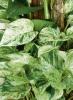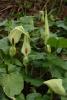
Malanga and Taro Calcium-Oxalate Raphides, Oral Injury, and Airway Swelling
Is Malanga or Taro Poisonous to Dogs, Cats, Horses, and Livestock?
Yes—raw Malanga or Taro, Colocasia esculenta, is poisonous to dogs, cats, horses, livestock, rabbits, guinea pigs, birds, reptiles, and other animals. Raw leaves, petioles, flowers, corms, cormels, roots, sap, and other tissues contain insoluble calcium-oxalate crystals arranged in microscopic needle-shaped bundles called raphides. Chewing ruptures specialized crystal-bearing cells and drives the raphides and associated plant material into the lips, tongue, gums, palate, throat, and other moist tissue, producing immediate burning, intense pain, drooling, mouth pawing, gagging, vomiting, swelling, and difficulty swallowing.
Raphides are the principal veterinary hazard, but the injury is not necessarily caused by bare mineral needles acting alone. Exact-species research has identified proteins associated with taro raphides, including profilins with potential allergenic activity, and earlier research found evidence for an unstable proteinaceous acridity factor carried on or around the crystal bundles. These findings support a combined mechanical and inflammatory mechanism without proving that one particular protease or allergen causes every exposure.
Most animals stop chewing quickly because the reaction is painful, and the prognosis is usually good after a limited bite. The situation becomes more serious when tongue, pharyngeal, or laryngeal swelling interferes with swallowing or breathing; when a dog gulps raw corm pieces before reacting; when repeated vomiting causes aspiration or dehydration; or when livestock consume contaminated forage or discarded plants. Large or repeated ingestion also deserves greater caution because raw taro contains measurable soluble oxalate in addition to its insoluble raphides.
Properly prepared human taro food is not equivalent to a raw ornamental-plant exposure. Soaking, boiling, steaming, fermentation, and other traditional methods can reduce acridity and oxalate content, but effectiveness varies with the cultivar, plant part, preparation, temperature, and duration. Partly cooked corms, leaves, flowers, kitchen scraps, and unfamiliar homemade preparations should not be assumed safe for animals.
About this guide: This page provides general pet-poisoning information and cannot diagnose or treat an individual animal. For any suspected exposure, contact a veterinarian or animal poison-control service immediately. Do not induce vomiting, give medication, or attempt home decontamination unless directed by a veterinary professional.
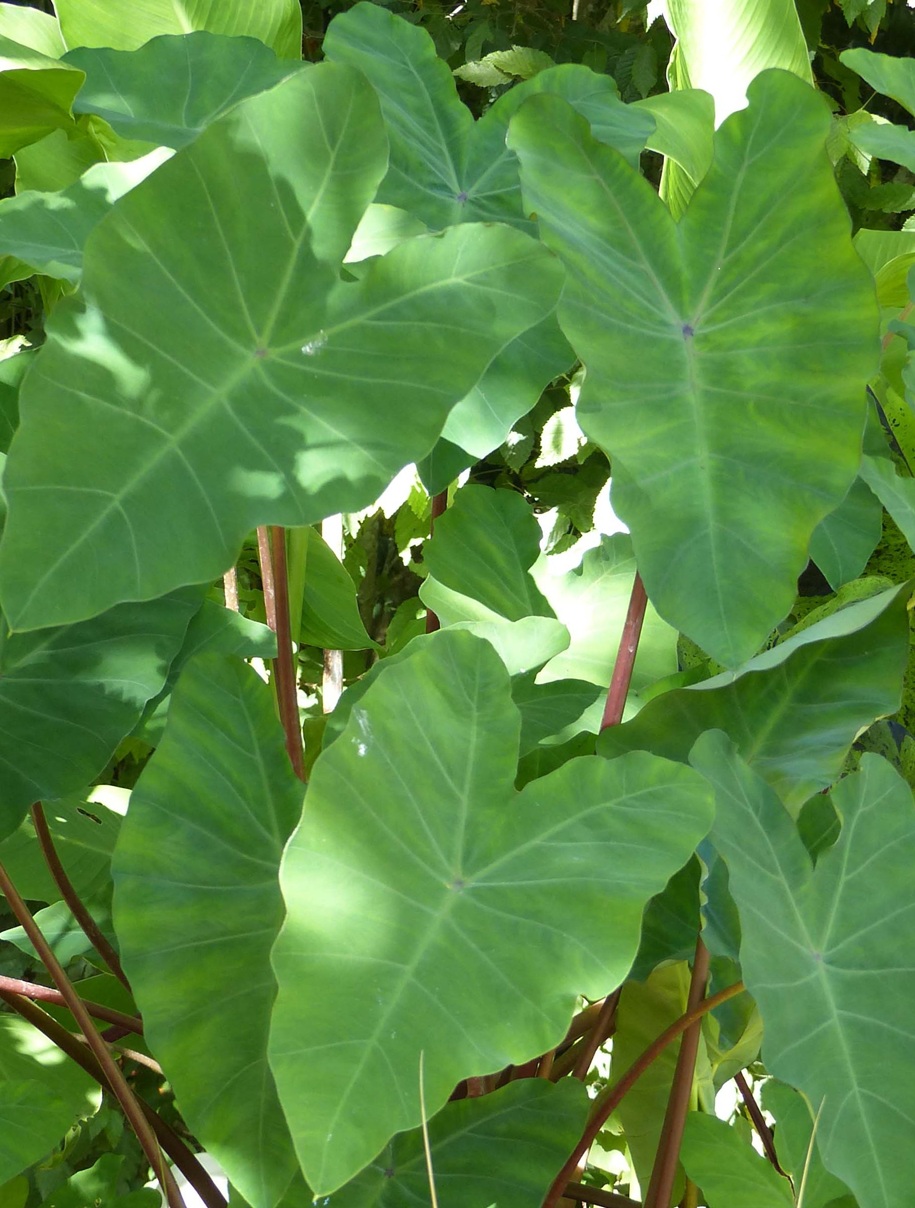
Malanga
Colocasia esculenta (L.) Schott
The basionym is Arum esculentum L., published by Carl Linnaeus in 1753. Heinrich Wilhelm Schott transferred the species to Colocasia in 1832, producing the accepted author combination Colocasia esculenta (L.) Schott.
Important historical, horticultural, and literature-search names include:
- Arum esculentum L.
- Caladium esculentum (L.) Vent.
- Colocasia antiquorum Schott
- Colocasia antiquorum var. esculenta (L.) Schott
- Leucocasia esculenta (L.) Nakai
- Colocasia colocasia (L.) Huth, a name not validly published
- Arum colocasia L.
- Caladium colocasia (L.) W.Wight, an illegitimate later homonym
- Colocasia acris (R.Br.) Schott
- Colocasia nymphaeifolia (Vent.) Kunth
- Colocasia peltata (Lam.) Samp.
- Colocasia vulgaris Raf.
The name Colocasia antiquorum appears in older toxicology, food-science, agricultural, and livestock literature and is generally treated as a synonym of Colocasia esculenta. True Caladium, Alocasia, and Xanthosoma species remain separate modern genera even though they share the Elephant Ear name and a similar insoluble-calcium-oxalate poisoning mechanism.
Araceae — Arum Family
Taro; Taro Root; Common Taro; True Taro; Green Taro; Elephant Ear; Elephant’s Ear; Elephant Ears; Dasheen; Dachine; Eddo; Eddoe; Edda; Kalo; Gabi; Gabi Root; Arbi; Arvi; Colocasia; Cocoyam; Coco Yam; Old Cocoyam; Poi Plant; Luau Leaf; Callaloo; Satoimo; Kolokasi; Kolokasia; Madumbi; Amadumbe; Idumbe; Malanga Isleña; Malanga Coco; Malanga de Coco
Historical scientific names and literature-search variations include Arum esculentum, Arum colocasia, Caladium esculentum, Colocasia antiquorum, Colocasia antiquorum var. esculenta, Leucocasia esculenta, and Colocasia colocasia.
“Malanga” is not a botanically precise common name. In many Caribbean, Central American, South American, and food-market settings it refers to Xanthosoma sagittifolium or another Xanthosoma species rather than to Taro. Raw plants from both genera contain irritating calcium-oxalate raphides, but they remain separate plants and should be identified scientifically when food processing, forage exposure, or veterinary interpretation depends on the exact species.
“Elephant Ear” is shared with species of Colocasia, Alocasia, Xanthosoma, and sometimes Caladium. “Caladium” should not be used as an unqualified modern synonym for Colocasia esculenta, even though older combinations placed Taro under Caladium. “Cocoyam” may refer either to Taro or to Xanthosoma, which is often distinguished as New Cocoyam or Tannia.
Insoluble Calcium-Oxalate Raphides
The principal veterinary toxic mechanism of raw Malanga or Taro is immediate local injury caused by insoluble calcium oxalate arranged in elongated needle-shaped crystals called raphides. These crystals occur in tightly packed bundles rather than as loose mineral grit. When raw tissue is bitten, cut, crushed, shredded, or ground, the crystal bundles and surrounding cellular material are released onto moist oral, ocular, dermal, esophageal, and gastrointestinal surfaces.
The rapid reaction distinguishes raphide injury from many absorbed poisons. An animal may begin head shaking, pawing at the mouth, drooling, gagging, vocalizing, or spitting out the plant within seconds or minutes because the damaging material acts at the point of contact. The poison does not need to pass through the intestine, enter the bloodstream, reach the liver, and undergo metabolic activation before the initial pain begins.
Calcium oxalate is poorly soluble once incorporated into these crystal structures. Activated charcoal does not remove crystals already driven into tissue, antihistamines do not dissolve them, and induced vomiting may scrape plant fragments and raphides across already injured oral and esophageal surfaces a second time. Veterinary treatment is therefore directed toward decontamination, pain, inflammation, swallowing, hydration, vomiting, aspiration, and airway protection rather than toward a conventional systemic antidote.
Idioblasts and Crystal Discharge
Raphide bundles are stored inside specialized plant cells called idioblasts. Research on taro corms has demonstrated both raphide and druse forms of calcium oxalate and mapped their distribution through the storage tissue. Idioblasts are developmentally and chemically distinct from the surrounding starch-rich cells and allow the plant to sequester large mineral crystals without injuring itself.
The idioblast contains the crystal bundle within a membrane-bound or vacuolar compartment surrounded by a carbohydrate-rich matrix. Damage to the plant cell exposes or discharges the needles, while chewing supplies pressure that pushes the crystals into tissue. Some raphides are sharply pointed at both ends, and their length, density, orientation, and associated material can influence the degree of irritation.
Environmental and genetic conditions can change the number of crystal-bearing idioblasts. Research involving different taro cultivars found that shading and soil moisture affected idioblast density within petioles. This variation prevents one leaf color, cultivar name, growing condition, or visual appearance from functioning as a dependable measure of pet safety.
Mechanical Injury and the Acridity Factor
The painful quality of raw taro is often called acridity. Raphides provide an efficient physical delivery system, but research indicates that the sensation may not result from bare calcium-oxalate needles alone. Purified taro raphides have been found in association with carbohydrates and proteins, and earlier investigations proposed that an unstable proteinaceous irritant carried on the crystal surface intensified the response.
A 1999 study found evidence for a protein of approximately 26 kilodaltons that was considered a possible cysteine proteinase, along with several other incompletely characterized protein bands. That work supported a model in which sharp crystals create microinjuries and carry an inflammatory substance deeper into exposed tissue. The study did not establish that one specific proteinase is the universal toxin in every cultivar, plant part, or animal exposure.
Later molecular research identified a broader collection of raphide-associated proteins and emphasized possible roles in crystal growth, structure, and allergy. The current evidence therefore supports a combined process involving crystal penetration, tissue disruption, associated proteins, and the animal’s inflammatory response. Insoluble calcium-oxalate raphides remain the correct principal veterinary toxic-principle description, but the mechanism should not be reduced to inert needles acting entirely alone.
Raphide-Associated Profilins and Potential Allergy
Profilins are small actin-binding plant proteins involved in cytoskeletal activity and can also function as allergens. Exact-species research identified several taro profilin genes, with predicted proteins showing substantial similarity to previously characterized profilins. One profilin included an amino-acid insertion associated with an increased predicted antigenic epitope peak.
These findings provide a biologically plausible allergic component to some taro reactions and may help explain why sensitivity differs among individuals and cultivars. They do not mean that every dog, cat, horse, or person exposed to raw Taro will develop IgE-mediated allergy, anaphylaxis, or asthma. Most veterinary exposures remain dominated by immediate local pain, salivation, swelling, and swallowing difficulty.
Rapid facial swelling, widespread hives, hypotension, bronchospasm, or collapse must still be treated as an emergency. A veterinarian may use allergy-directed treatment when the actual clinical reaction supports it, but an antihistamine should not be presented as an antidote for crystals embedded in oral or pharyngeal tissue.
Proteolytic Enzymes and Other Proposed Irritants
Proteolytic enzymes have long been proposed as contributors to aroid acridity because proteinases can intensify tissue damage after raphides puncture epithelial barriers. The sharp needles may permit irritant proteins to reach deeper layers than they could reach through intact mucosa. Comparable crystal-enzyme interactions have been demonstrated in other plant defense systems.
No single taro proteinase has been confirmed as the universal veterinary toxin in every Colocasia esculenta cultivar. The older 26-kilodalton candidate was based on partial characterization, and newer raphide-associated research identified multiple proteins rather than reducing the mechanism to one proven enzyme. Public safety language should therefore describe proteolytic activity as a possible secondary contributor rather than replacing raphides as the primary hazard.
Taro also contains many ordinary nutritional, structural, defensive, and storage proteins that are not equivalent toxicants. A complete protein inventory should not be converted mechanically into a list of poisons. The clinically relevant question is which substances remain associated with the raphide system and contribute materially to oral, ocular, dermal, or respiratory injury.
Local Oral, Pharyngeal, and Esophageal Injury
The lips, tongue, gums, palate, floor of the mouth, pharynx, and laryngeal region are the first major targets. Crystal penetration produces burning, stinging, itching, pain, redness, and edema. Salivary secretion increases as the animal attempts to dilute and remove the irritant, while mouth pawing, facial rubbing, head shaking, and refusal to continue chewing reflect the intensity of local discomfort.
Plant fragments may become lodged between teeth, beneath the tongue, around the tonsillar region, or farther back in the pharynx. Thick petiole fibers and raw corm fragments can produce additional mechanical abrasion. Repeated vomiting may return raphides, plant fiber, gastric acid, and food across injured tissue and prolong esophageal pain.
Severe laryngeal involvement is uncommon compared with mild oral irritation, but it is the most important life-threatening complication. Expanding edema, retained material, aspiration, or a superimposed allergic response can narrow the upper airway. The animal’s breathing and ability to swallow saliva therefore take priority over attempts to administer food, milk, charcoal, or oral medication.
Soluble Oxalates Versus Insoluble Raphides
Taro contains both insoluble and soluble oxalate. The insoluble fraction forms raphides and other crystals that primarily injure tissue locally. Soluble oxalate can be absorbed, bind circulating calcium, and under sufficiently large exposure conditions contribute to hypocalcemia, calcium-oxalate deposition, or renal injury.
The immediate dog-and-cat syndrome following one bite of a raw leaf is overwhelmingly consistent with local raphide injury rather than systemic soluble-oxalate toxicosis. Mouth pain begins too rapidly to require intestinal absorption, and most animals stop eating before receiving a large systemic dose. Clinically important hypocalcemia, generalized muscle tremors, dangerous arrhythmias, or acute oxalate nephrosis is not the routine expected outcome of a brief exploratory chew.
That distinction should not be converted into a claim that systemic oxalate effects are impossible. Food-science studies have measured substantial soluble oxalate in taro leaves and corms, with concentrations varying by cultivar, plant part, maturity, and preparation. A large raw-food ingestion, repeated access, concentrated plant material, contaminated forage, pre-existing renal disease, or an atypical clinical presentation justifies electrolyte and kidney assessment.
Druses and Other Crystal Forms
Taro tissues may contain calcium-oxalate druses as well as raphides. Druses are clustered or star-like aggregates rather than long needle bundles. Their distribution within corm tissue is botanically and physiologically important, but raphides are more directly associated with the rapid piercing and burning syndrome characteristic of raw aroid exposure.
The presence of several crystal forms helps explain why measuring total oxalate does not by itself predict oral acridity. Two cultivars could have similar total oxalate yet differ in crystal density, needle morphology, associated proteins, soluble fraction, tissue distribution, and perceived irritation. Veterinary risk cannot be calculated from one total-oxalate number without considering the physical form and actual plant material.
Leaves, Petioles, Flowers, and Sap
Raw leaves and petioles are common ornamental exposures because they are large, accessible, and easily torn. Petioles are sometimes called stems, but they are the thick stalks connecting each leaf blade to the underground corm. Research has demonstrated raphide-bearing idioblasts in taro petioles, and freshly broken petioles release sap and expose large internal surfaces.
Taro flowers consist of a central spadix surrounded by a spathe. Modern microscopic research confirmed needle-like calcium-oxalate crystals in taro flowers and demonstrated that prolonged steaming changed their quantity, size, and sharpness. Flowers, spathes, spadixes, pollen-bearing material, and associated sap should therefore remain inaccessible when raw.
Leaf color does not establish safety. Green, blue-green, black, purple, chartreuse, mottled, and variegated ornamental cultivars share the same general crystal-defense system. Nursery names such as ‘Black Magic’ or ‘Black Coral’ do not prove lower raphide density or reduced toxicity.
Corms, Cormels, Stolons, and Roots
The edible underground storage organ of Taro is a corm, not a conventional root, bulb, rhizome, or tuber. Smaller cormels may form around the parent corm, and stolons or runners may help produce additional plants. Raw corm and cormel tissue contains calcium-oxalate crystals and may cause immediate oral itching, burning, pain, and swelling.
Corm ingestion presents a different practical risk from one leaf bite. A dog may gulp a chunk with limited chewing, swallow a large relative dose, or retain a fibrous piece in the esophagus or stomach before pain becomes obvious. Dogs may find corms in grocery bags, pantry storage, garden beds, compost, planting containers, or seasonal plant-storage bins.
Direct anatomical research has mapped crystal idioblasts through taro corms, but distribution is not perfectly uniform. Outer and inner regions, cultivars, maturity, growing environment, and preparation can differ. No owner should use one visually smooth or non-acrid corm piece as proof that the remaining raw material is safe.
Fresh, Wilted, and Dried Plant Material
Wilting does not dissolve insoluble calcium-oxalate crystals. Partly dried leaves, dead petioles, uprooted ornamental plants, compost scraps, and stored corms may remain irritating. Drying can make tissue brittle and produce sharp plant fragments while leaving mineral crystals intact.
The intensity of acridity may change as associated proteins degrade or moisture content falls, but reduced immediate stinging is not a dependable safety test. Animals should not be used to determine whether old plant material has become edible. Raw or inadequately processed debris should be secured regardless of whether it is fresh, wilted, frozen, or dried.
Cooking, Soaking, Fermentation, and Food Processing
Taro is an important human food crop precisely because traditional processing can make selected cultivars and plant parts edible. Boiling, prolonged steaming, soaking, fermentation, peeling, cutting, grinding, and discarding cooking water may reduce soluble oxalate, alter crystal structure, denature associated proteins, or disperse irritating material. The result depends on the specific preparation rather than on the word cooked.
Studies of taro leaves found that soaking reduced soluble oxalate but left the insoluble fraction largely unchanged, while boiling produced greater reductions. Research on taro flowers found that longer steaming progressively reduced the number and sharpness of needle-like crystals. A corm study reported substantial reduction of measured oxalate after extended boiling, but residual oxalate remained.
No single household cooking time makes every cultivar, corm, leaf, petiole, flower, or preparation reliably safe for pets. Brief microwaving, baking, frying, blanching, or partial cooking may leave irritating crystals or soluble oxalate. Traditional human preparation should not be converted into an invitation to feed Taro to dogs, cats, horses, livestock, rabbits, or birds.
Prepared Foods and Taro-Flavored Products
Properly processed Poi, cooked corm, Luau leaves, Callaloo-style preparations, and commercial taro foods are chemically different from the raw plant. The raphide risk may be substantially reduced, but prepared dishes can contain onion, garlic, salt, oil, butter, coconut products, meat seasoning, hot spices, sweeteners, or other ingredients unsuitable for animals.
Taro chips may contain excessive fat, sodium, onion powder, garlic powder, or seasoning. Taro cakes, ice cream, pastries, candies, powders, and bubble-tea drinks may contain dairy, caffeine, chocolate, high sugar, artificial sweeteners, or little actual Taro. Packaging, plastic straws, cups, lids, and tapioca pearls introduce separate choking or foreign-body concerns.
Product assessment should use the complete ingredient label rather than the flavor name. A purple-colored taro drink may be primarily flavoring and sugar, while a homemade dish may contain substantial incompletely cooked plant material. Xylitol, caffeine, chocolate, onion, garlic, and swallowed packaging may require more urgent treatment than the Taro itself.
Toxic-Dose and Evidence Limitations
No validated natural toxic dose exists for dogs, cats, horses, cattle, sheep, goats, rabbits, guinea pigs, birds, reptiles, or other animals. Clinical intensity depends on the plant part, cultivar, amount chewed, degree of crushing, number and morphology of released raphides, soluble-oxalate fraction, animal size, swallowing ability, and individual inflammatory or allergic response.
Controlled bovine experiments using material reported under the historical name Colocasia antiquorum produced moderate poisoning in animals receiving measured amounts and documented the characteristic Araceae pattern of salivation and sublingual or submandibular edema. Those research amounts should not be converted into a household threshold or a prediction for dogs and cats. Natural livestock exposure, contaminated forage, and cultivar variation differ substantially from a controlled feeding trial.
Most limited pet exposures have a good prognosis because immediate pain limits continued intake. No safe bite count can be guaranteed, however, and the absence of a toxic-dose study prevents declaring a particular leaf, corm piece, or ornamental cultivar harmless. The actual airway, swallowing ability, hydration, and clinical progression determine urgency.
Immediate Onset and Typical Clinical Progression
Signs usually begin immediately or within minutes after an animal bites raw Malanga or Taro. The sudden onset reflects direct contact between released raphides, associated plant material, and moist oral tissue. A delayed systemic absorption period is not required before the characteristic pain, head shaking, drooling, mouth pawing, and gagging appear.
The animal often spits out the first mouthful and refuses to continue eating. Mild cases may peak quickly and improve as loose material is removed and salivation clears the mouth. More substantial exposures can progress from oral pain to tongue and throat swelling, vomiting, painful swallowing, dehydration, aspiration, or upper-airway obstruction.
Vomiting or gastrointestinal discomfort may begin after the first oral reaction, particularly when plant material was swallowed. Signs that begin only many hours later without an earlier painful oral response are less characteristic and should prompt consideration of another plant, food ingredient, foreign body, pesticide, or unrelated disease.
Early Behavioral Signs
Early behavior may include abrupt head shaking, violent pawing at the mouth, face rubbing, crying, yelping, agitation, backing away from food, repeated swallowing, gagging, and refusal to continue chewing. Dogs may run from the plant or rub the muzzle against furniture and carpet. Cats may retreat, hide, drool quietly, or repeatedly lick and paw at the lips.
A painful animal may bite unexpectedly when someone attempts to examine the mouth. Deep finger sweeps can push plant material backward or expose the owner to sap and crystals. Observation of breathing and swallowing should occur before prolonged restraint or oral handling.
Drooling and Oral Injury
Salivation may range from unusually wet lips to long strings of drool or thick foamy saliva. The lips, gums, tongue, palate, and floor of the mouth may appear red, swollen, painful, or abraded. Small puncture-like erosions, superficial ulcers, and blood-streaked saliva can occur after heavier exposure.
Drooling serves partly as a protective response that dilutes and carries irritant material away. It does not prove that every crystal has been removed or that the deeper throat is unaffected. Persistent profuse salivation, progressive swelling, or an inability to close the mouth requires veterinary examination.
Tongue, Pharyngeal, and Laryngeal Swelling
The tongue may enlarge, protrude, darken from congestion, or become too painful to retract normally. Swelling beneath the tongue, under the jaw, or around the throat may become visible or palpable. A weak or hoarse bark, meow, whinny, bleat, or vocalization can reflect throat pain, coughing, or deeper laryngeal inflammation.
Rapidly increasing tongue or throat swelling is an emergency because the same confined tissues required for swallowing also surround the upper airway. Noisy or high-pitched breathing, neck extension, flared nostrils, open-mouth breathing, panic, blue-gray gums, weakness, or collapse indicates potentially inadequate airflow. An animal with those signs should not receive food, water, milk, charcoal, or oral medication.
Difficulty Swallowing
Dysphagia may appear as repeated unsuccessful swallowing, dropping food, refusing water, extending the neck, gagging, coughing after drinking, or allowing saliva to run from the mouth. Pain may persist after visible swelling begins to improve because the mucosa remains punctured and inflamed. A retained petiole fiber, corm fragment, or other foreign material can prolong the problem.
Inability to swallow saliva is an emergency finding. Coughing whenever water is offered indicates that fluid may not be entering the esophagus safely. Forced water or food can produce aspiration when the animal cannot coordinate swallowing or protect the airway.
Vomiting, Diarrhea, and Abdominal Pain
Vomiting may occur after raw leaves, petioles, flowers, or corm material reaches the stomach. Vomit may contain recognizable leaf pieces, fibrous stalk strips, raw corm fragments, food, foam, bile, mucus, or occasionally blood. Each episode re-exposes injured oral and esophageal tissue to plant particles and gastric acid.
Diarrhea is possible after a larger ingestion but is less characteristic than the immediate oral syndrome. Abdominal discomfort may appear as restlessness, a hunched posture, guarding, repeated stretching, prayer position, vocalization, or reluctance to be handled. Persistent pain, abdominal enlargement, repeated retching, or reduced stool raises concern for a retained plant mass or another foreign body.
Repeated vomiting, diarrhea, painful swallowing, and poor intake can cause dehydration, electrolyte disturbance, weakness, reduced urination, and poor circulation. Blood-streaked vomit may result from irritation, but repeated fresh blood, clots, coffee-ground material, black stool, pale gums, or collapse requires urgent care.
Respiratory Complications and Aspiration
Coughing may result from direct throat irritation, plant fibers, laryngeal swelling, vomiting, or aspiration. Respiratory distress can occur immediately from upper-airway narrowing or later when vomit and saliva enter the lungs. These mechanisms require different treatment but can coexist.
Persistent coughing, fever, nasal discharge, rapid breathing, increased respiratory effort, low oxygen, or renewed lethargy after the original oral signs improve may indicate aspiration pneumonia. Open-mouth breathing in a cat, blue-gray gums, gasping, or collapse is an emergency regardless of the presumed mechanism.
Dogs
Dogs commonly show dramatic head shaking, mouth pawing, drooling, gagging, vomiting, and refusal to eat or drink. Puppies and destructive chewers may shred an entire leaf, pull up a plant, or play with an exposed corm before pain causes them to stop. A dog that gulps raw corm pieces with little chewing may swallow more material than the intensity of its initial mouth reaction suggests.
Repeated retching or continued vomiting after the oral pain subsides may indicate esophageal injury, gastric irritation, aspiration, or retained fibrous material. Dogs should also be evaluated for kitchen ingredients when exposure involved prepared Taro food rather than a plant.
Cats
Cats may bite a leaf tip, bat at moving foliage, climb into a planter, or groom sap from contaminated paws and fur. They may drool quietly, hide, repeatedly swallow, stop grooming, paw at the face, vomit, or refuse food. The damaged plant may provide the only obvious exposure evidence.
Open-mouth breathing, rapidly increasing tongue swelling, inability to swallow saliva, severe weakness, or collapse requires emergency treatment. Continued food refusal also matters after the immediate oral signs improve because prolonged inadequate intake can produce serious secondary metabolic disease in cats.
Horses
Horses may develop salivation, repeated swallowing, feed refusal, mouth pain, sublingual or facial swelling, coughing, respiratory noise, colic, or diarrhea after eating raw plants or contaminated vegetation. Horses cannot vomit, so plant material cannot be expelled through emesis and should never be managed with household vomiting remedies.
A symptomatic horse should not be drenched when salivating, coughing, weak, or swallowing abnormally. Respiratory noise, progressive tongue or throat swelling, severe colic, dehydration, or inability to eat and drink requires large-animal veterinary care.
Cattle, Sheep, and Goats
Ruminants may show profuse salivation, reduced grazing, repeated swallowing, regurgitation, oral pain, sublingual or submandibular edema, diarrhea, abdominal discomfort, weakness, or respiratory distress. Controlled cattle experiments with a plant reported as Colocasia antiquorum documented salivation and swelling and produced moderate poisoning without the predictable organ-failure syndrome associated with many systemic plant toxins.
Natural exposure may occur when raw plants are mixed with cut vegetation, forage is scarce, wetlands are grazed, or ornamental waste is discarded into an enclosure. Animals consuming the same contaminated batch may develop signs at different times and should be examined as a group.
Rabbits and Guinea Pigs
Small herbivores may drool, grind their teeth, refuse food, sit hunched, become quiet, develop abdominal discomfort, or produce fewer feces. They cannot vomit, and painful eating or swallowing can interrupt normal gastrointestinal motility. Even when the toxin does not cause systemic organ failure, appetite loss can become a serious secondary problem.
Raw Taro should never be offered as forage, bedding, nesting material, or chewing enrichment. Reduced fecal output, persistent drooling, respiratory noise, or refusal of all food requires prompt species-experienced veterinary guidance.
Birds and Reptiles
Pet birds may wipe the beak repeatedly, hold the mouth open, regurgitate, refuse food, rub the eyes, or develop respiratory distress after shredding raw leaves or petioles. Raphides can contact the beak, tongue, oral cavity, eyes, feet, and gastrointestinal tract. A small bird may receive a substantial relative exposure from a single strip of plant material.
Herbivorous reptiles and tortoises may show repeated mouth opening, excess oral mucus, face rubbing, food refusal, regurgitation, or respiratory distress. Raw ornamental Elephant Ear foliage should not be placed in reptile habitats or offered as greens.
Skin and Eye Exposure
Raw sap and crushed tissue may cause itching, burning, redness, swelling, or rash on exposed skin. Material trapped beneath a collar, harness, bandage, or dense coat can prolong contact. Grooming contaminated fur creates a second oral exposure and should be prevented until the coat is thoroughly washed.
Eye contact may cause immediate tearing, blinking, squinting, redness, eyelid swelling, light sensitivity, and rubbing. Crystals or plant particles can abrade the cornea or remain beneath an eyelid. Continued pain, cloudiness, discharge, visible surface injury, or inability to open the eye requires veterinary examination.
Soluble-Oxalate and Atypical Systemic Findings
A limited raw-leaf nibble is not expected to produce marked hypocalcemia, calcium-oxalate nephrosis, or primary renal failure. Those findings are associated more strongly with substantial absorbed soluble oxalate exposure than with the immediate local raphide syndrome. Nevertheless, Taro contains measurable soluble oxalate, so systemic effects should not be dismissed after a very large ingestion, repeated raw-food exposure, or atypical livestock event.
Muscle tremors, weakness out of proportion to oral pain, dangerous arrhythmias, marked calcium abnormalities, reduced urine production, or rising kidney values require broader laboratory investigation. Seizures, coma, permanent liver injury, dilated pupils, or systemic paralysis are not characteristic consequences of an ordinary Taro bite and may indicate hypoxia, another toxin, metabolic disease, shock, or mistaken identification.
Duration and Prognosis
Most limited oral exposures improve substantially within several hours after access ends, loose material is removed, and inflammation begins to subside. Mild mouth tenderness, reluctance to eat hard food, or reduced appetite may continue into the following day. Swelling should decrease rather than progress, and breathing should remain quiet and effortless.
Persistent drooling, painful swallowing, repeated vomiting, blood, coughing, food refusal, or signs lasting beyond the expected short course may indicate substantial mucosal injury, retained plant material, esophagitis, dehydration, aspiration, or another exposure. New episodes recurring over many days or weeks are not the expected course of uncomplicated raphide injury.
The prognosis is good to excellent after most limited exposures. It becomes more guarded when laryngeal swelling obstructs airflow, aspiration develops, delayed treatment permits severe dehydration, a large raw corm ingestion occurs, or another toxic substance is involved.
Plant Identity
Malanga on this page refers specifically to Taro, Colocasia esculenta, a large-leaved member of Araceae cultivated as both an important food crop and an ornamental Elephant Ear plant. It grows from a swollen underground corm and produces thick petioles that support broad shield-shaped to heart-shaped leaves. The raw plant is acrid and irritating even though properly selected and processed cultivars have been used as human food for thousands of years.
The name Malanga is regionally ambiguous. In many markets and communities it refers instead to Xanthosoma sagittifolium or another Xanthosoma species. Raw plants from both genera contain calcium-oxalate raphides and can produce a similar burning-mouth syndrome, but the exact scientific name remains important when interpreting food-processing studies, livestock evidence, cultivar information, and botanical identification.
Accepted Taxonomy and Historical Names
The accepted scientific name is Colocasia esculenta (L.) Schott. Linnaeus originally described the species as Arum esculentum, and Schott transferred it to Colocasia in 1832. Older publications may use Colocasia antiquorum, Caladium esculentum, Leucocasia esculenta, Arum colocasia, or another historical combination.
The extensive synonymy reflects a long cultivation history, great horticultural variation, and changing aroid classifications. The historical appearance of Caladium in Taro nomenclature does not make modern Caladium species botanical synonyms. Current poison assessment should separate accepted identity from old names that remain useful for literature searches.
Native and Introduced Range
The accepted native range extends from the Indian subcontinent through parts of southern China and Southeast Asia to Sumatra. Millennia of cultivation carried Taro through the Pacific Islands, Africa, the Caribbean, tropical America, and many other warm regions. It is now one of the most widely distributed cultivated aroids.
In suitable climates it may persist or escape along streams, canals, ponds, ditches, wetlands, springs, drainage channels, and other consistently moist sites. In colder regions it is commonly grown as a seasonal garden ornamental, patio container plant, greenhouse specimen, or indoor plant and may be stored as dormant corms during winter.
Growth Form
Colocasia esculenta is a herbaceous corm-forming geophyte rather than a woody shrub or tree. Leaves arise individually on thick petioles from the underground storage system. Mature plants can form dense clumps or colonies through cormels, stolons, and repeated vegetative growth.
Plant size varies enormously by cultivar and environment. Some ornamental selections remain manageable container plants, while others produce leaves and petioles large enough to tower over a dog or child. Size does not predict raphide concentration or safety.
Leaves and Peltate Attachment
The leaf blade is large, smooth, prominently veined, and generally heart-shaped, shield-shaped, or broadly arrow-shaped. A key feature is the peltate attachment: the petiole joins the underside of the blade inward from the basal margin rather than attaching only at the open notch. Major veins radiate from this internal attachment point.
Leaves commonly point outward or downward, and the tip may droop toward the ground. This is useful when distinguishing Taro from many Alocasia plants, whose leaves are often held more upright. Leaf angle alone is unreliable because age, light, wind, water, cultivar, and container conditions alter posture.
Leaves may be green, blue-green, chartreuse, purple, almost black, mottled, or variegated. Dark color, glossiness, unusual veining, and nursery branding do not indicate that the raw tissue lacks raphides.
Petioles
The long leaf stalks are petioles rather than true above-ground stems. They can be thick, fleshy, fibrous, and highly accessible to chewing animals. Cutting or breaking a petiole releases sap and exposes internal raphide-bearing tissue.
Petioles have been used in food preparations after specialized processing, but raw petiole exposure can produce the same oral pain, swelling, and salivation as raw leaves. Research has also shown that environmental conditions influence the density of raphide-containing idioblasts in petioles, reinforcing the limits of generalizing from one cultivar or growing site.
Flowers and Reproductive Structures
Taro produces a typical aroid inflorescence consisting of a central spadix surrounded by a spathe. The flower structure may remain partly hidden beneath the leaves and is often overlooked on ornamental plants. Raw spathes, spadixes, flowers, pollen-bearing material, fruit, and seeds should remain inaccessible.
Recent microscopic research confirmed needle-like calcium-oxalate crystals in edible taro flowers and examined how prolonged steaming changed their abundance and physical shape. The study reinforces that flowers are not automatically safe merely because they are eaten traditionally after extensive preparation.
Corms, Cormels, and Stolons
The main underground storage organ is a corm. It is a swollen stem base containing starch-rich tissue, rather than a true root, conventional tuber, rhizome, or bulb. Smaller cormels may develop around it, and some forms produce stolons that spread through wet soil.
Raw corm tissue is acrid and contains both insoluble crystal forms and measurable soluble oxalate. Dogs may reach grocery-store corms, kitchen scraps, compost, dug plants, or dormant ornamental stock. A dog that swallows a chunk without extensive chewing may receive a larger dose before the painful reaction limits further intake.
All Raw Parts Require Caution
Young leaves, mature leaves, petioles, sap, spathes, spadixes, flowers, fruit, seeds, corms, cormels, stolons, roots, fresh clippings, wilted growth, dried debris, raw peelings, and inadequately cooked food material should remain inaccessible. No raw portion should be offered as forage, bedding, chewing material, or enrichment.
The direct evidence is strongest for raphides throughout vegetative and storage tissues, while the relative proportions of soluble and insoluble oxalate vary. No dependable plant-part ranking applies to every cultivar, developmental stage, and preparation.
Ornamental Cultivars
Ornamental Colocasia esculenta cultivars include plants with nearly black, purple, blue-green, chartreuse, mottled, speckled, and variegated foliage. Cultivar names such as ‘Black Magic,’ ‘Black Coral,’ and other branding terms describe ornamental traits rather than verified reductions in calcium-oxalate crystals.
Hybrid origin and nursery mislabeling may also complicate identification. When a plant produces an immediate raphide-type reaction, initial first aid should address oral and airway injury even if the exact cultivar or aroid genus has not yet been resolved.
Where Dogs and Cats Encounter It
Dogs may bite low leaves, shred petioles, pull up a container plant, dig out a corm, raid compost, or consume raw kitchen scraps. Puppies may drag an uprooted plant around as a toy and repeatedly expose the mouth, skin, and eyes before the source is removed.
Cats may bite leaf tips, bat at hanging foliage, climb into large planters, or groom sap from contaminated paws and fur. Indoor plants placed beside furniture, windowsills, shelves, or walkways may remain accessible even when the owner considers them elevated.
Outdoor exposures occur around ornamental ponds, shaded patios, wet garden beds, greenhouses, drainage features, compost piles, and locations where plants have been divided or discarded. Freshly dug corms and piles of cut petioles create concentrated access.
Where Horses and Livestock Encounter It
Horses, cattle, sheep, and goats may encounter Taro along ponds, streams, canals, drainage ditches, wetlands, or naturalized stands. Exposure also occurs when ornamental clippings, uprooted plants, raw food-processing waste, or mixed vegetation are thrown into a pasture or enclosure.
The painful first bites usually limit consumption, but hungry animals, group competition, contaminated forage, chopped material, or limited alternative feed can increase intake. A chopped plant may be harder to recognize and may reduce the animal’s ability to avoid particular leaves or petioles.
Controlled Cattle Evidence
Controlled experiments involving ornamental plants included cattle fed material identified under the historical name Colocasia antiquorum. Moderate poisoning was documented in two cattle, and Araceae plants in the study produced salivation with sublingual and submandibular edema. Lethal systemic organ failure was not the typical outcome for the tested Colocasia material.
The experiment confirms that substantial livestock exposure can produce clinically meaningful disease and that Taro should not be dismissed as harmless forage. The administered research amounts are not owner-use thresholds, cannot be transferred directly to other species, and do not establish a safe amount for natural grazing conditions.
Raw Food-Crop Exposure
Taro’s status as a staple food does not make raw tissue safe. Dogs and cats may reach peelings, corm ends, leaves, petioles, uncooked cubes, preparation surfaces, trash, or compost. Grocery-store material can remain strongly irritating despite looking clean and edible.
Traditional food preparation developed specifically to reduce acridity and antinutritional compounds. Owners unfamiliar with a cultivar should not taste raw material as a safety test or use an animal’s willingness to eat it as proof that processing was adequate.
Cooking and Processing
Boiling can leach soluble oxalate into cooking water, while prolonged heat can alter associated proteins and reduce the physical sharpness or abundance of some crystals. Soaking may remove part of the soluble fraction but may leave insoluble calcium oxalate largely unchanged. Baking, steaming, fermentation, and combinations of methods produce different results.
Research has demonstrated substantial but incomplete oxalate reduction after extended cooking. Another study of taro flowers found progressive crystal changes with increasing steaming duration. These results support traditional processing while demonstrating why a brief microwave cycle, quick fry, superficial bake, or partially cooked center cannot be assumed safe.
Food safety methods intended for healthy adult humans are not feeding recommendations for pets. Even adequately processed Taro may be unnecessary or unsuitable for an animal because of gastrointestinal disease, renal disease, dietary imbalance, added ingredients, or the possibility that processing was incomplete.
Prepared Foods, Poi, and Taro Snacks
Traditional Poi is made from processed Taro and is not equivalent to raw leaf or corm tissue. Its risk depends on preparation, fermentation, spoilage, additional ingredients, and the animal’s medical condition. It should not be used as an antidote after raw-plant exposure.
Commercial chips, cakes, ice cream, candies, flavored powders, and drinks may contain little raw plant material but can introduce oil, salt, onion, garlic, caffeine, chocolate, dairy, high sugar, or artificial sweeteners. Taro bubble tea also presents packaging and choking concerns from straws, cups, lids, and tapioca pearls.
Malanga and Xanthosoma
In many regions, Malanga refers to Xanthosoma sagittifolium or another Xanthosoma rather than to Colocasia esculenta. Xanthosoma leaves generally attach at or near the basal sinus instead of at the more strongly peltate point on the underside of a typical Colocasia leaf.
Raw Xanthosoma also contains calcium-oxalate raphides and can produce severe oral irritation. Uncertainty between the two genera does not make the exposure safe, but the package, market name, leaf attachment, corm shape, photographs, and regional terminology should be preserved for accurate identification.
Taro and Alocasia
Alocasia includes many plants also sold as Elephant Ear. Their leaves are often held more upright, and the petiole commonly attaches at or near the basal sinus rather than farther inward beneath a peltate blade. Some Alocasia species closely resemble edible Taro and have caused serious human poisoning when mistakenly prepared as food.
Alocasia species contain insoluble calcium-oxalate raphides and can cause an overlapping syndrome that includes oral pain, vomiting, laryngeal edema, and potentially dangerous airway obstruction. Exact identification matters, but the initial airway and decontamination priorities remain similar.
Taro and Caladium
Modern Caladium species commonly produce thinner leaves with conspicuous white, pink, red, or green patterns. They are separate from Colocasia despite historical scientific names that once placed Taro under Caladium.
Both genera contain irritating calcium-oxalate crystals. A nursery label that simply says Caladium or Elephant Ear should be preserved rather than translated automatically into Colocasia esculenta.
Taro and Other Raphide-Bearing Aroids
Immediate mouth pain, drooling, swelling, gagging, and swallowing difficulty also occur after exposure to Dieffenbachia, Philodendron, Pothos, Monstera, Peace Lily, Calla Lily, Jack-in-the-Pulpit, Alocasia, Xanthosoma, and true Caladium. Shared symptoms reflect the calcium-oxalate raphide defense system rather than proof that all of these plants are the same species.
True Lilies in the genus Lilium and Daylilies in Hemerocallis are botanically and toxicologically different. They are especially dangerous to cats because small exposures can cause acute kidney failure without the dramatic immediate raphide-type mouth pain expected from Taro.
Skin Exposure
Raw sap and crushed tissue can cause itching, burning, redness, or rash, particularly on damaged skin. People preparing raw corms or pruning ornamental plants may also be affected. Gloves reduce direct contact and prevent transfer from the hands to the eyes or mouth.
Plant material trapped beneath collars, harnesses, bandages, feathers, scales, or dense fur prolongs exposure. Contaminated animals should be washed and prevented from grooming until sap and debris have been removed.
Eye Exposure
Raphides, sap, and plant fragments entering the eye can cause immediate pain, tearing, blinking, conjunctival redness, eyelid swelling, light sensitivity, and rubbing. The sharp material may remain beneath an eyelid or abrade the cornea.
Prompt irrigation reduces the amount of material on the ocular surface but does not exclude an abrasion. Persistent pain, cloudiness, discharge, visible injury, or inability to open the eye requires fluorescein examination and other veterinary assessment.
Diagnosis
Diagnosis usually relies on the rapid onset of painful oral irritation after contact with an identifiable aroid. Preserve a complete leaf and petiole, corm and cormel pieces, flower structures, nursery labels, produce packaging, photographs of the original plant, food scraps, recipes, and material recovered from vomit.
The veterinarian evaluates the mouth, tongue, floor of the mouth, pharynx, larynx, swallowing ability, breathing, hydration, eyes, skin, and abdomen. No routine blood test confirms that microscopic taro raphides caused the exposure.
Differential Diagnosis
Other raphide-bearing aroids can produce nearly identical immediate signs. Caustic cleaners, electrical burns, caterpillar hairs, insect stings, hooks, sticks, bones, dental disease, thermal burns, and oral foreign bodies can also cause sudden drooling, pain, and swelling.
Marked hypocalcemia, renal failure, dangerous arrhythmias, seizures, profound collapse, or persistent systemic disease requires investigation for substantial soluble-oxalate exposure, another poison, metabolic disease, hypoxia, shock, or mistaken botanical identification. The presence of an Elephant Ear plant should not prevent a broader workup when the clinical pattern does not fit.
Veterinary Evaluation
Airway and swallowing assessment take priority when tongue or throat swelling is present. Sedated oral examination, laryngoscopy, or endoscopy may be needed when respiratory noise, voice change, inability to swallow, or retained material suggests deeper injury. Oxygen saturation, respiratory effort, and circulation should be monitored closely.
Repeated vomiting or poor intake may justify electrolyte, glucose, kidney, acid-base, and hydration assessment. Marked weakness, muscle tremors, abnormal heart rhythm, or a large raw-food ingestion may justify calcium measurement, urinalysis, electrocardiography, and renal monitoring. Chest imaging is appropriate when aspiration is suspected.
Prognosis
The prognosis is good to excellent after most limited exposures because immediate pain discourages continued eating. Improvement should include decreasing drooling and swelling, comfortable breathing, safe swallowing, renewed interest in water and food, and return of ordinary behavior.
The outlook becomes more serious when laryngeal swelling progresses, airway treatment is delayed, aspiration occurs, swallowing remains painful, repeated vomiting causes dehydration, or a large raw corm or contaminated-forage exposure occurred. Prognosis may also be determined by another toxic ingredient in a prepared food or by incorrect plant identification.
Prevention
Keep ornamental Taro outside dog runs, cat-accessible rooms, rabbit and guinea-pig areas, bird rooms, reptile habitats, horse paddocks, and livestock enclosures. Prevent leaves from extending through fences and remove storm-damaged or frost-damaged material promptly.
Secure raw corms, cormels, leaves, petioles, peelings, kitchen scraps, compost, uprooted plants, pruning debris, grocery bags, and seasonal storage containers. Do not discard ornamental or food-processing waste into pastures or open compost piles accessible to animals.
People preparing Taro should use the appropriate cultivar-specific traditional method and prevent animals from entering the preparation area. A plant’s human food use after extensive processing does not make the raw ornamental or kitchen material a safe chew item.
Immediate Response
- Stop further exposure: Move the animal away from the raw plant, leaf, petiole, flower, corm, cormel, kitchen scraps, compost, prepared food, or contaminated enclosure.
- Preserve the material: Save a complete leaf and petiole, corm pieces, flowers, nursery labels, produce packaging, recipe information, photographs, and representative material recovered from vomit.
- Estimate the maximum amount: Report the greatest number of bites, leaves, petiole strips, flowers, or corm pieces that could be missing rather than only the amount witnessed.
- Record the time: Note when access occurred and when drooling, mouth pawing, gagging, vomiting, swelling, coughing, or difficulty swallowing began.
- Identify mixed exposures: Record pesticides, fertilizer, compost, onion, garlic, chocolate, caffeine, xylitol, packaging, or other plants that may also have been involved.
- Contact a professional: Obtain veterinary or animal poison-control guidance when more than a brief nibble occurred, raw corm was swallowed, signs persist, the amount is uncertain, or the species cannot be identified.
The immediate painful reaction often limits the amount consumed, but it does not guarantee that no plant material was swallowed or that deeper swelling will not develop. A dog may gulp corm pieces before reacting, while a cat may hide after the first signs. Airway and swallowing assessment must continue during plant identification and cleanup.
Assess the Airway First
- Check breathing: Noisy, high-pitched, rapid, labored, gasping, open-mouth, or weak breathing requires immediate emergency transportation.
- Check tongue and throat swelling: Rapid enlargement of the tongue, lips, floor of the mouth, jaw, or throat can narrow the airway.
- Check swallowing: Inability to swallow saliva, continuous choking, neck extension, or coughing whenever water is offered requires emergency care.
- Check gum color: Pale, gray, or blue-tinged gums can indicate inadequate oxygen delivery or circulation.
- Check mental status: Panic followed by weakness, confusion, collapse, or reduced responsiveness may indicate worsening oxygen deprivation.
- Prioritize stabilization: Airway, breathing, circulation, and severe weakness take priority over mouth rinsing, food, charcoal, or gastrointestinal treatment.
Severe upper-airway obstruction is not the most common outcome, but it is the complication that cannot safely be watched at home. Swelling may be inflammatory, mechanical, allergic, or a combination of these processes. Do not delay transportation while waiting for an antihistamine or household remedy to work.
Remove Loose Plant Material
- Wear gloves: Raw sap and raphides can irritate human skin and eyes, and a painful animal may bite unexpectedly.
- Remove visible pieces: Carefully take loose leaf, petiole, flower, or corm fragments from the lips and front of the mouth when this can be done safely.
- Avoid blind sweeps: Do not reach deeply into the throat or push plant material toward the airway or esophagus.
- Wipe accessible residue: Use a wet cloth to remove loose sap and plant debris from the lips and front of the mouth in a fully alert animal.
- Rinse only when safe: A gentle low-pressure rinse may be considered only when the animal is conscious, breathing normally, swallowing normally, and able to protect the airway.
- Stop after coughing or gagging: Difficulty handling a rinse indicates that further oral decontamination is unsafe without veterinary assessment.
Mouth cleaning removes loose material but cannot extract every microscopic crystal embedded in tissue. High-pressure spraying may drive debris backward, while prolonged restraint can worsen respiratory stress. A veterinarian may need sedation, suction, lighting, and airway equipment before examining the back of the mouth or larynx.
Do Not Induce Vomiting
- Do not give hydrogen peroxide: Vomiting re-exposes injured oral and esophageal tissue to sharp plant fragments and increases aspiration risk.
- Never give peroxide to a cat: Hydrogen peroxide can cause serious feline stomach and esophageal injury.
- Do not use salt or household emetics: Salt, mustard, ipecac, dish soap, oil, manual gagging, and fingers in the throat can cause additional poisoning or trauma.
- Do not induce vomiting after raw corm ingestion: Even when a substantial piece may have been swallowed, decontamination and obstruction decisions belong to a veterinarian who can assess the airway.
- Never induce vomiting after signs begin: Drooling, swelling, coughing, vomiting, weakness, sedation, abnormal breathing, or poor swallowing makes emesis especially dangerous.
- Do not assume spontaneous vomiting solved the exposure: Material may remain in the stomach, and esophageal injury, dehydration, or aspiration can still develop.
The principal toxin is not a freely absorbed compound that must routinely be removed through emesis. Returning fibrous, crystal-bearing material across swollen tissue can make the patient worse. Stabilization, oral examination, and airway protection are more important once clinical signs are present.
Activated Charcoal
- Do not give charcoal automatically: Activated charcoal has little value for insoluble crystals that injure tissue mechanically and locally.
- Use only under veterinary direction: A veterinarian may consider it when a pesticide, medication, another plant toxin, or mixed absorbable exposure is suspected.
- Never force charcoal: Do not administer it to a drooling, vomiting, swollen, coughing, weak, sedated, neurologically abnormal, or poorly swallowing animal.
- Protect the airway: Charcoal aspiration can cause severe and potentially fatal lung injury.
- Do not use household charcoal: Barbecue briquettes, fireplace ash, burned food, and homemade carbon are not medical activated charcoal.
- Do not give a cathartic at home: Sorbitol and other laxatives can worsen diarrhea, dehydration, and electrolyte abnormalities.
Charcoal cannot dissolve raphides, remove them from the tongue, reduce laryngeal swelling, or reverse pain already present. Its use should be based on another identified toxicant rather than on the Taro exposure alone.
Do Not Give Household Remedies
- Do not force milk or dairy: Milk, yogurt, cheese, cream, and ice cream should not be forced into an animal with oral pain, swelling, nausea, vomiting, or uncertain swallowing ability.
- Do not give oil: Cooking oil, coconut oil, mineral oil, and other fats do not remove embedded raphides and may be aspirated.
- Do not give honey or syrup: Thick liquids may be difficult to swallow and do not dissolve the crystals.
- Do not give acids or alkalis: Vinegar, lemon juice, baking soda, and improvised neutralizing mixtures can worsen tissue irritation.
- Do not give antacids: Human antacids do not remove raphides and may contain unsuitable ingredients.
- Do not give anti-diarrheal medication: Loperamide, bismuth products, kaolin mixtures, and similar owner-selected products may be inappropriate or obscure deterioration.
- Do not give human pain medication: Ibuprofen, naproxen, acetaminophen, aspirin, and similar drugs can cause serious additional poisoning.
Some traditional food-processing practices combine Taro with calcium-containing foods, but that nutritional context should not be converted into forced dairy first aid for an animal with a compromised airway. No household product functions as a reliable antidote once crystals are embedded in tissue.
Do Not Give Antihistamines or Corticosteroids Automatically
- Do not give diphenhydramine without direction: It does not remove crystals and may cause sedation that complicates observation of swallowing, awareness, and breathing.
- Do not treat every reaction as allergy: Direct crystal injury and inflammatory swelling occur without an IgE-mediated allergic response.
- Do not delay airway treatment: An oral antihistamine cannot be relied upon to reverse mechanically initiated laryngeal edema or retained plant material.
- Avoid combination products: Human allergy, cold, sleep, and sinus products may contain decongestants, acetaminophen, caffeine, alcohol, or xylitol.
- Do not give leftover corticosteroids: The drug, route, timing, and contraindications must be evaluated for the individual patient.
- Allow veterinary selection: A veterinarian may use an antihistamine, corticosteroid, or other anti-inflammatory treatment when the nature and location of swelling support it.
Raphide-associated profilins provide a plausible allergic component in some exposures, but they do not make antihistamines a universal antidote. Severe airway swelling may require oxygen, sedation, intubation, or another airway procedure regardless of whether allergy contributes.
Food and Water
- Do not force food: Chewing and swallowing may increase pain, and a swollen or poorly swallowing animal can aspirate.
- Offer water cautiously: Small amounts of cool water may remain available only when the animal is fully alert, breathing normally, swallowing normally, and not vomiting.
- Do not force fluids: Syringed or poured water can enter the lungs and cannot correct significant dehydration.
- Remove hard food: Dry kibble, bones, chews, and abrasive treats may worsen injured oral tissue.
- Prevent rapid drinking: Gulping a large volume after gagging or vomiting may trigger further vomiting or aspiration.
- Follow veterinary feeding instructions: Soft food may be reintroduced only after swallowing is comfortable and the animal can protect its airway.
Cats, rabbits, guinea pigs, and birds require particular attention when eating does not resume. Pain control and treatment of nausea may be necessary before feeding is safe or successful. Assisted feeding should not begin until airway, swallowing, and obstruction concerns have been evaluated.
Vomiting and Gastrointestinal Signs
- Track every episode: Record vomiting, retching, diarrhea, and the presence of leaves, petiole fibers, corm pieces, mucus, red blood, or dark material.
- Save representative fragments: Place plant or foreign material recovered from vomit or stool in a sealed disposable container.
- Watch for dehydration: Tacky gums, reduced urination, worsening weakness, sunken eyes, or inability to retain water requires veterinary care.
- Watch for aspiration: Coughing, fever, nasal discharge, rapid breathing, or renewed lethargy after vomiting may indicate material entered the lungs.
- Report persistent swallowing pain: Continued gagging, regurgitation, blood-streaked saliva, or refusal to drink may indicate pharyngeal or esophageal injury.
- Watch for obstruction: Repeated unproductive retching, abdominal enlargement, persistent vomiting, or reduced stool may indicate a swallowed plant mass.
One brief vomiting episode is different from progressive gastroenteritis. Repeated vomiting may require anti-nausea medication, intravenous fluids, electrolyte assessment, and respiratory monitoring. Persistent gastrointestinal disease should prompt reconsideration of soluble oxalate, another food ingredient, a foreign body, or another diagnosis.
Skin Exposure
- Wear gloves: Avoid transferring raw sap and crystals to your own skin, mouth, or eyes.
- Remove plant material: Pick visible leaf, petiole, flower, and corm debris from the coat without crushing it further.
- Wash the coat: Rinse affected fur and skin thoroughly with lukewarm water and mild pet-safe shampoo.
- Rinse repeatedly when needed: Dense coats may retain sap and particles near the skin.
- Prevent grooming: Stop the animal from licking contaminated fur until it is clean.
- Clean equipment: Wash collars, harnesses, bedding, carriers, gloves, tools, and contaminated surfaces.
- Obtain care for persistent injury: Continued redness, pain, swelling, blistering, open sores, or facial involvement requires veterinary examination.
Do not scrub inflamed skin aggressively or apply bleach, alcohol, solvents, essential oils, concentrated detergent, or human rash creams. Continued irritation may reflect retained plant material, chemical treatment applied to the plant, secondary infection, or a genuine allergic response.
Eye Exposure
- Begin irrigation immediately: Flush the affected eye with sterile saline or clean lukewarm water for at least fifteen to twenty minutes.
- Flush beneath the eyelids: Allow fluid to reach the inner and outer corners and beneath the lids without scraping the ocular surface.
- Prevent rubbing: Stop the animal from scratching the eye or rubbing it against furniture, carpet, or the ground.
- Do not use tools: Tweezers, cotton swabs, cloth, and fingernails can worsen corneal injury.
- Do not apply human eye medication: Redness drops, anesthetic drops, ointments, and leftover prescriptions may worsen injury or obscure examination findings.
- Obtain prompt examination: Continued squinting, redness, cloudiness, swelling, discharge, or inability to open the eye requires veterinary care.
Irrigation removes loose crystals and sap but cannot rule out a corneal abrasion or retained particle beneath an eyelid. Fluorescein staining, eyelid eversion, magnification, and additional ocular treatment may be necessary.
Recognize an Airway Emergency
- Listen for noise: Whistling, high-pitched inspiration, harsh breathing, or repeated choking may indicate narrowing of the upper airway.
- Watch body position: Neck extension, elbows held away from the chest, open-mouth breathing, flared nostrils, or refusal to lie down can indicate respiratory distress.
- Watch the tongue: A tongue that is rapidly swelling, darkening, protruding abnormally, or preventing closure of the mouth requires immediate care.
- Watch saliva handling: An animal unable to swallow its own saliva is at risk of aspiration and deeper airway involvement.
- Watch mental status: Panic followed by weakness, confusion, collapse, or reduced responsiveness may indicate inadequate oxygen.
- Transport immediately: Do not wait to determine whether significant throat swelling resolves without treatment.
Call the emergency facility before arrival so oxygen, suction, intubation supplies, and personnel can be prepared. Do not place a muzzle on an animal that is drooling, vomiting, or struggling to breathe.
Safe Transportation
- Keep the animal calm: Excitement and struggling increase oxygen demand and may worsen airway narrowing.
- Allow an airway-friendly position: Let the animal sit, stand, or lie in the posture that permits the easiest breathing.
- Do not compress the neck: Remove a tight collar and use a harness, carrier, stretcher, or other support when practical.
- Do not muzzle: A muzzle can interfere with open-mouth breathing, vomiting, and drainage of saliva.
- Prevent falls: Support weak animals and keep them away from stairs, water, traffic, and slippery surfaces.
- Maintain ventilation: Keep the vehicle comfortably cool without directing forceful air into a painful eye.
- Call ahead: Report suspected raw Taro or Elephant Ear exposure with possible tongue, pharyngeal, or laryngeal swelling.
Veterinary Examination
- Inspect the mouth: The veterinarian may assess the lips, gums, tongue, floor of the mouth, palate, pharynx, and visible plant fragments.
- Assess the larynx: Sedated examination, laryngoscopy, or endoscopy may be necessary when breathing noise, voice change, or inability to swallow suggests deeper swelling.
- Monitor oxygenation: Respiratory rate, effort, pulse oximetry, blood gases, and lung sounds help identify obstruction or aspiration.
- Assess hydration and circulation: Repeated vomiting and poor intake may require blood pressure, electrolyte, glucose, and fluid-loss evaluation.
- Evaluate the abdomen: Imaging may be needed when a large corm piece, fibrous plant mass, or another foreign object may have been swallowed.
- Assess the eyes and skin: Persistent pain may require fluorescein staining, eyelid examination, dermal decontamination, and wound treatment.
- Investigate atypical signs: Marked hypocalcemia, renal changes, arrhythmias, seizures, or profound collapse requires testing for substantial soluble oxalate or another cause.
No routine test detects every raphide embedded in tissue. Diagnosis combines exposure history, botanical identification, immediate clinical pattern, examination findings, and exclusion of caustic chemicals, foreign bodies, other aroids, and systemic toxins.
Veterinary Treatment
Veterinarian-selected analgesia may be required because oral and pharyngeal raphide injury can be intensely painful. Anti-nausea medication may reduce continued vomiting, discomfort, fluid loss, and aspiration risk. Intravenous fluids are used when vomiting, diarrhea, or painful swallowing causes clinically important dehydration or inadequate circulation.
Clinically important inflammation may be treated with veterinarian-selected anti-inflammatory medication according to the location, severity, airway status, and patient’s medical history. An antihistamine may be added when a genuine allergic component is suspected, but neither drug physically removes the crystals. Medication should never delay airway stabilization.
Oxygen, suctioning, sedation, endotracheal intubation, ventilation, or another airway procedure may be required when tongue or laryngeal swelling obstructs airflow. Persistent plant material may require careful removal under visualization. Severe obstruction must be managed according to the actual airway rather than by waiting for oral medication to take effect.
Prescription gastrointestinal or esophageal protection may be used when repeated vomiting, hematemesis, regurgitation, or persistent swallowing pain indicates deeper mucosal injury. Chest imaging, oxygen, airway support, and additional treatment may be required after aspiration. Endoscopy or surgery may be considered when a large corm piece or fibrous mass causes physical obstruction.
A large raw-food ingestion or atypical systemic illness may justify calcium measurement, serial electrolytes, electrocardiography, kidney values, urinalysis, urine-output monitoring, and individualized fluid therapy. Calcium or other electrolyte treatment should be based on documented abnormalities rather than administered automatically for every raphide exposure.
Horses and Livestock
- Remove the source: Prevent access to pond-edge plants, wetland growth, contaminated forage, garden clippings, raw corms, and uprooted plants.
- Do not attempt vomiting: Horses and ruminants should never receive household emetics.
- Do not drench a symptomatic animal: Salivating, coughing, regurgitating, swollen, weak, or poorly swallowing animals can aspirate water, oil, charcoal, or medication.
- Do not force exercise: An animal with respiratory distress, severe pain, or poor oxygenation may collapse when chased, driven, or loaded.
- Check the entire group: Other animals may have received the same forage and should be examined for salivation, feed refusal, swelling, diarrhea, or breathing difficulty.
- Retain samples: Preserve complete plants, corms, cut forage, feed, chemical labels, stomach or rumen material, and photographs of the exposure site.
- Obtain large-animal veterinary care: Airway management, fluid support, pain control, treatment of gastrointestinal signs, and respiratory monitoring may be required.
Controlled cattle research supports the ability of substantial Colocasia ingestion to cause moderate poisoning with salivation and sublingual or submandibular edema. The absence of immediate death does not make contaminated forage safe, and one apparently unaffected herd member does not prove that others received a harmless dose.
Rabbits, Guinea Pigs, Birds, and Reptiles
- Do not attempt vomiting: Rabbits, guinea pigs, birds, and reptiles must not receive household emetics.
- Monitor appetite immediately: Painful eating can lead to gastrointestinal stasis or metabolic complications before dramatic systemic signs appear.
- Monitor feces or droppings: Reduced output, diarrhea, abnormal droppings, or complete cessation requires species-appropriate advice.
- Watch the mouth and airway: Beak wiping, repeated mouth opening, excess mucus, regurgitation, or respiratory change requires prompt veterinary evaluation.
- Remove contaminated habitat material: Replace bedding, perches, dishes, substrate, and enclosure items carrying sap or plant fragments.
- Use a species-experienced veterinarian: Decontamination, restraint, analgesia, fluid support, and nutritional care differ substantially among these animals.
Monitoring and Recovery
- Monitor breathing closely: Swelling should not increase, and respiration should remain quiet and effortless.
- Monitor swallowing: The animal should be able to swallow saliva and small amounts of water without coughing, choking, gagging, or regurgitating.
- Monitor swelling: Tongue, lip, jaw, and throat enlargement should decrease rather than progress.
- Monitor eating: Continued food refusal may indicate persistent oral, pharyngeal, or esophageal pain.
- Monitor hydration: Normal drinking, urination, gum moisture, and activity should return as signs resolve.
- Watch for aspiration: Coughing, fever, rapid breathing, nasal discharge, or renewed lethargy may appear after the original oral signs improve.
- Report atypical progression: Tremors, arrhythmias, reduced urine, seizures, collapse, or continued illness requires immediate reassessment.
Recovery means more than reduced drooling. The animal should breathe comfortably, swallow normally, maintain water, resume appropriate eating, urinate and defecate normally, and return to ordinary behavior. Symptoms persisting or recurring beyond the expected short course should not be attributed indefinitely to uncomplicated raphide exposure.
Prevention and Prognosis
- Exclude raw plants from animal areas: Keep ornamental Taro outside dog runs, cat-accessible rooms, small-animal pens, bird rooms, reptile habitats, paddocks, and livestock enclosures.
- Secure food-preparation scraps: Place raw peelings, leaves, petioles, corm ends, and discarded material directly into a closed container.
- Secure stored corms: Prevent dogs from reaching grocery bags, pantries, planting corms, garages, basements, and seasonal plant-storage containers.
- Dispose of garden waste safely: Do not throw uprooted plants or clippings into pastures, compost piles, or open trash accessible to animals.
- Typical prognosis: Most limited exposures have a good-to-excellent prognosis and improve substantially within hours.
- Guarded circumstances: Severe laryngeal swelling, aspiration, extensive mucosal injury, persistent vomiting, major dehydration, systemic oxalate abnormalities, or delayed airway care creates a more serious outlook.
Frequently Asked Questions About Malanga, Taro, and Animal Poisoning
Is raw Malanga or Taro poisonous to dogs?
Yes. Raw Colocasia esculenta contains insoluble calcium-oxalate raphides that can cause immediate burning, mouth pawing, excessive drooling, gagging, vomiting, tongue swelling, and painful swallowing. Most dogs stop chewing quickly, but a dog that gulps raw corm pieces, shreds an entire plant, or develops progressive throat swelling can have a more serious exposure. Noisy breathing, inability to swallow saliva, repeated vomiting, blue-gray gums, severe weakness, or collapse requires immediate veterinary treatment.
Is raw Taro poisonous to cats?
Yes. Cats may drool, repeatedly swallow, paw at the face, hide, vomit, stop grooming, or refuse food after biting a leaf or grooming sap from their paws and coat. Open-mouth breathing, rapidly increasing tongue or throat swelling, inability to swallow saliva, or collapse is an emergency. Continued food refusal also deserves prompt attention because prolonged inadequate intake can produce serious secondary metabolic disease in cats.
Is Taro poisonous to horses, cattle, sheep, and goats?
Raw Taro should be treated as poisonous to horses and livestock. Salivation, mouth pain, sublingual or facial swelling, repeated swallowing, feed refusal, coughing, regurgitation, diarrhea, colic, or respiratory distress may occur after substantial ingestion. Controlled bovine research involving material reported as Colocasia antiquorum produced moderate poisoning with the characteristic Araceae pattern of salivation and sublingual or submandibular edema. Symptomatic animals should not be drenched because impaired swallowing can lead to aspiration.
Which parts of Taro are poisonous when raw?
Young and mature leaves, petioles, sap, spathes, spadixes, flowers, fruit, seeds, corms, cormels, stolons, roots, fresh clippings, wilted plants, dried debris, and raw food scraps should all remain inaccessible. Leaves and petioles are common ornamental exposures, while raw corm pieces can be swallowed during food preparation or digging. No plant part, leaf color, or ornamental cultivar has been demonstrated to be reliably safe for animals when raw.
What are calcium-oxalate raphides, and why do they hurt so quickly?
Raphides are microscopic needle-shaped calcium-oxalate crystals stored in specialized cells called idioblasts. Biting or crushing raw tissue ruptures these cells and releases bundles of sharp crystals that penetrate the lips, tongue, gums, palate, and throat. Taro raphides also carry associated proteins that may intensify inflammation or contribute to allergy in sensitive individuals. Because the injury occurs directly at the contact site, pain and drooling may begin within seconds or minutes rather than after a delayed absorption period.
Can Taro swelling block an animal’s airway?
Severe pharyngeal or laryngeal swelling is uncommon compared with mild oral irritation, but it is possible and can become life-threatening. Warning signs include high-pitched or harsh breathing, open-mouth breathing, neck extension, rapidly enlarging tongue or throat tissue, inability to swallow saliva, blue-gray gums, panic, weakness, or collapse. Do not attempt to give food, water, milk, charcoal, or oral medication to an animal showing those signs. Immediate transportation is required because oxygen, intubation, suction, or another airway procedure may be necessary.
How quickly do Taro-poisoning symptoms begin, and how long do they last?
The characteristic mouth pain, head shaking, drooling, pawing, and gagging usually begins immediately or within minutes. Vomiting, abdominal discomfort, or diarrhea may follow after plant material is swallowed. Most limited exposures improve substantially within several hours, although oral tenderness and reduced appetite may continue into the following day. Persistent swelling, painful swallowing, coughing, repeated vomiting, or symptoms recurring over many days is not the expected uncomplicated course and requires reassessment.
Can raw Taro cause kidney failure or low blood calcium?
A brief chew of a raw leaf primarily causes local insoluble-raphide injury and is not expected to produce the classic hypocalcemia or renal oxalosis associated with large soluble-oxalate exposures. Raw Taro does contain measurable soluble oxalate, however, especially in certain leaves, corms, cultivars, and preparations. A very large ingestion, repeated raw-food exposure, livestock consumption, reduced urine production, tremors, marked weakness, arrhythmias, or abnormal kidney values justifies electrolyte and renal assessment. The page should therefore distinguish the usual local syndrome without claiming that systemic oxalate complications are impossible under every exposure condition.
Why can people eat Taro if the raw plant is poisonous?
People eat selected Taro cultivars only after preparation methods developed to reduce acridity and antinutritional compounds. Boiling, prolonged steaming, soaking, fermentation, cutting, and discarding cooking water can reduce soluble oxalate, alter associated proteins, or decrease the number and sharpness of some crystals. Effectiveness varies substantially by plant part, cultivar, temperature, duration, and method, so one brief household cooking step cannot be treated as a universal safety standard. Human food use after processing does not make raw ornamental plants or kitchen scraps safe for animals.
Is cooked Taro, Poi, or a Taro-flavored food safe for pets?
Properly processed Taro presents less raphide risk than raw tissue, but it is not a necessary pet food and its safety depends on preparation and accompanying ingredients. Poi is different from raw plant material, while chips, curries, cakes, ice cream, and bubble-tea products may contain onion, garlic, salt, fat, caffeine, chocolate, dairy, sugar, xylitol, or other hazards. Partly cooked corms or leaves may remain irritating. Preserve the complete recipe or ingredient label rather than assessing the exposure from the word Taro alone.
Does boiling, baking, drying, or soaking make every Taro plant safe?
No single method makes every cultivar and plant part reliably safe. Research shows that boiling can reduce soluble oxalate more effectively than soaking alone, while prolonged steaming can reduce the abundance and sharpness of crystals in taro flowers. Insoluble oxalate may remain after soaking, and drying does not reliably destroy mineral crystals. Baking, microwaving, quick frying, blanching, or partial cooking should not be assumed to eliminate all irritating material.
Is Malanga always the same plant as Colocasia esculenta?
No. In some regions Malanga refers to Taro, while in many Caribbean and Latin American markets it refers to Xanthosoma sagittifolium or another Xanthosoma species. Raw plants from both genera contain irritating raphides and can cause a similar burning-mouth syndrome, so uncertainty does not make the exposure safe. Preserve the produce label, complete leaf, petiole attachment, corm, package, and regional market name so the plant can be identified accurately.
Is Taro the same as every plant called Elephant Ear?
No. Elephant Ear is a broad horticultural name used for Colocasia, Alocasia, Xanthosoma, and sometimes Caladium. These are separate genera, although raw members commonly share an insoluble-calcium-oxalate poisoning mechanism. Colocasia leaves are often downward-pointing and peltate, with the petiole attaching to the underside inward from the basal notch, while many Alocasia leaves are held more upright. Complete plant photographs and nursery labels are more dependable than the Elephant Ear name alone.
Are black, purple, chartreuse, or variegated Taro cultivars less poisonous?
No dependable toxicity difference has been established from leaf color or ornamental branding. Cultivars such as ‘Black Magic,’ ‘Black Coral,’ and other dark- or brightly colored selections retain the same general raphide defense system as green Taro. Growing conditions and genetics can influence idioblast density, but visual color does not provide a safe household measure of crystal concentration. Every raw ornamental cultivar should receive the same access restrictions.
What should I do if Taro sap or crystals get in my pet’s eye?
Begin flushing the eye immediately with sterile saline or clean lukewarm water for at least fifteen to twenty minutes. Allow the fluid to reach beneath the eyelids without using tweezers, cotton swabs, fingernails, or forceful pressure, and prevent the animal from rubbing the eye. Do not apply human redness drops, anesthetic drops, ointments, or leftover prescriptions. Continued squinting, cloudiness, redness, discharge, swelling, pain, or inability to open the eye requires veterinary examination for a retained particle or corneal injury.
Should I make my dog vomit or give activated charcoal after raw Taro ingestion?
No household emesis should be attempted. Vomiting can drag sharp plant material across injured tissue, worsen swelling and esophageal pain, and increase aspiration risk; hydrogen peroxide must never be used in cats. Activated charcoal has little value for insoluble crystals and can cause severe lung injury if forced into a drooling, swollen, vomiting, coughing, or poorly swallowing animal. A veterinarian may consider a decontamination procedure only when another absorbable toxin or mixed exposure changes the risk-benefit calculation.
Should I give milk, yogurt, oil, Benadryl, or another home remedy?
Do not force milk, yogurt, cheese, oil, honey, food, water, antacids, or medication into an animal with mouth pain, swelling, vomiting, or uncertain swallowing ability. These products do not remove crystals embedded in tissue and may be aspirated. Diphenhydramine does not neutralize raphides and cannot be relied upon to protect a narrowing airway, although a veterinarian may use allergy- or inflammation-directed medication for a specific reaction. Breathing and swallowing take priority over every oral remedy.
Is there an antidote, and what might a veterinarian do?
No specific antidote dissolves all raphides already embedded in tissue. Veterinary treatment may include careful oral examination, removal of retained material, pain control, anti-nausea medication, intravenous fluids, oxygen, anti-inflammatory or allergy-directed medication, and monitoring of swallowing and respiration. Progressive airway swelling may require suctioning, sedation, endotracheal intubation, ventilation, or another airway procedure. Persistent vomiting, aspiration, a swallowed corm mass, or atypical electrolyte and kidney abnormalities require additional diagnostics and treatment directed at those complications.
How much raw Taro is toxic?
No validated toxic dose exists for dogs, cats, horses, livestock, rabbits, birds, reptiles, or other animals. One quick bite often causes intense pain but no lasting illness, while a dog that gulps corm pieces or livestock consuming chopped plants can receive a much larger exposure. Risk depends on the cultivar, plant part, amount, degree of crushing, crystal density, soluble-oxalate content, animal size, swallowing ability, and individual inflammatory response. Urgency should be based on breathing, swelling, swallowing, vomiting, amount missing, and clinical progression rather than on a universal bite count.
What findings mean the exposure is more serious than an ordinary Taro bite?
Noisy or difficult breathing, inability to swallow saliva, rapidly increasing tongue or throat swelling, blue-gray gums, repeated vomiting, substantial blood, collapse, severe weakness, or reduced responsiveness requires immediate care. Marked hypocalcemia, dangerous arrhythmias, reduced urine production, acute kidney abnormalities, seizures, coma, or prolonged systemic illness is not the expected presentation after one uncomplicated leaf nibble. Those findings require investigation for a very large soluble-oxalate exposure, another aroid, pesticide, medication, caustic chemical, hypoxia, metabolic disease, foreign body, or incorrect plant identification. The visible Taro plant should not prevent a broader diagnostic workup when the clinical pattern does not fit.