Red-Marginated Dracaena Steroidal Saponins, Gastrointestinal Irritation, Feline Mydriasis, and Fibrous-Leaf Risk
Is Red-Marginated Dracaena Poisonous to Dogs, Cats, Horses, and Livestock?
Yes—Red-Marginated Dracaena, Dracaena reflexa var. angustifolia Baker, still widely sold as Dracaena marginata, is mildly to moderately poisonous to dogs and cats. The best-supported toxic concern is steroidal saponins and related glycosides that irritate the mouth, stomach, and intestines after chewing or swallowing plant material. Dogs and cats may develop drooling, nausea, vomiting, appetite loss, diarrhea, abdominal discomfort, depression, weakness, and sometimes an unsteady gait. Cats may also show dilated pupils, increased heart rate, abdominal pain, and abnormal behavior or poor coordination. Most exposures are not life-threatening, but repeated vomiting, dehydration, blood in vomit, marked weakness, abnormal gait, or persistent feline pupil dilation deserves veterinary care.
Red-Marginated Dracaena is not comparable to true lilies in cats, sago palm seeds in dogs, or oleander in susceptible animals. Uncomplicated chewing is not expected to cause primary kidney failure, liver failure, severe hemolytic anemia, seizures, coma, or fatal organ collapse. The practical risks are persistent gastrointestinal irritation, dehydration, aspiration after vomiting or forced home treatment, prolonged food refusal in cats or small herbivores, and mechanical problems from long fibrous leaves. Large-animal, rabbit, guinea pig, bird, reptile, and livestock evidence is limited, so the plant should not be offered as forage, browse, cage greens, terrarium vegetation, nesting material, or enrichment.
About this guide: This page provides general pet-poisoning information and cannot diagnose or treat an individual animal. For any suspected exposure, contact a veterinarian or animal poison-control service immediately. Do not induce vomiting, give medication, or attempt home decontamination unless directed by a veterinary professional.
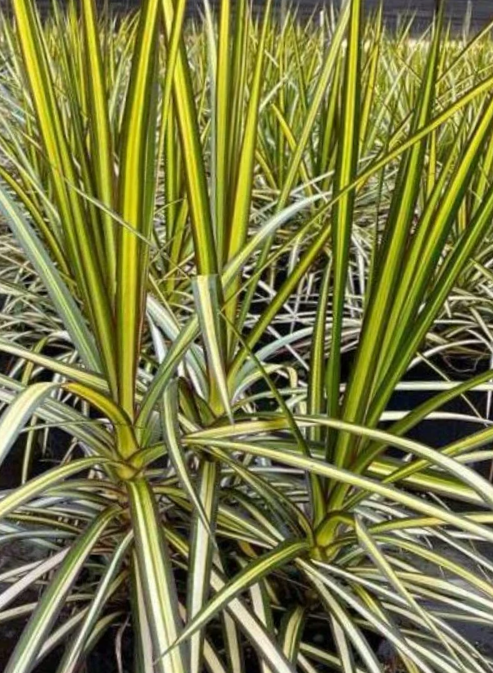
Red-Marginated Dracaena
Dracaena reflexa var. angustifolia Baker
Dracaena marginata Lam. is a widely used former scientific name that remains standard in the nursery trade, houseplant labels, plant-identification applications, and many veterinary poison-plant references. The name change does not represent a new plant or a change in the poisoning syndrome; both names refer to the familiar narrow-leaved Madagascar dragon tree with red-edged foliage.
- Cordyline marginata (Lam.) Endl. — historical combination
- Dracaena gracilis Salisb. — historical synonym
- Dracaena madagascariensis W.Bull — historical horticultural synonym
- Dracaena marginata Lam. — former scientific name and current nursery-trade name
- Dracaena tessellata Willd. — historical synonym
- Draco marginata (Lam.) Kuntze — historical combination
- Pleomele marginata (Lam.) N.E.Br. — historical combination
Asparagaceae — Asparagus Family
Agavaceae, Dracaenaceae, and Ruscaceae are older family placements that may still appear in horticultural and veterinary references.
Red-Marginated Dracaena; Red-Margined Dracaena; Red-Edged Dracaena; Straight-Margined Dracaena; Straight-Marginated Dracaena; Madagascar Dragon Tree; Madagascar Dracaena; Dragon Tree; Red-Stemmed Dracaena; Narrow-Leaved Dracaena; Narrowleaf Dracaena; Malaysian Dracaena; Pleomele; Dracaena marginata.
Common cultivated forms and nursery names include Dracaena marginata ‘Bicolor’, ‘Colorama’, ‘Magenta’, ‘Tarzan’, and ‘Tricolor’. These forms differ in leaf width, density, striping, and red, pink, cream, green, or magenta coloration, but they should retain the same general saponin-related pet-poisoning warning. Variegation does not establish that one cultivar is safe for chewing animals.
“Dragon Tree” is ambiguous and may also refer to Dracaena draco or other Dracaena species. “Corn Plant” usually refers to Dracaena fragrans, and “Lucky Bamboo” refers to Dracaena sanderiana; both are related but separate houseplants. Red-margined dracaena can also be confused with cordyline, ti plant, narrow-leaved yucca, and plants sold loosely as indoor palms. Correct identification should use the whole plant, cane stems, leaf attachment, narrow red-edged leaves, lower trunk, and nursery label rather than a detached leaf or common name alone.
Steroidal Saponins and Related Glycosides
Red-Marginated Dracaena contains steroidal saponins and related glycosides rather than an unidentified alkaloid poison, insoluble calcium oxalate raphides, cardiac glycosides, soluble oxalates, or a true-lily nephrotoxin. Chemical investigation of plant material identified as Dracaena marginata isolated numerous steroidal saponins from bark and roots. Veterinary poison references and houseplant toxicology reviews associate Dracaena leaves and stems with the characteristic dog and cat syndrome of salivation, vomiting, diarrhea, appetite loss, depression, weakness, ataxia, and, in cats, possible mydriasis and tachycardia.
The exact concentrations in every leaf, cane, bark layer, root, cultivar, age class, and growth stage have not been mapped well enough to declare one part harmless. All accessible plant material should be treated as potentially irritating, including leaves, stems, cane pieces, bark, roots, flowers, berries, cuttings, propagation pieces, pruning waste, and dried debris. Indoor plants rarely flower or fruit, so most companion-animal exposures involve the narrow leaves, fallen foliage, freshly cut cane sections, or discarded pruning material.
How Saponins Irritate the Gastrointestinal Tract
Saponins are plant-defense compounds named for their soap-like ability to foam in water. Their molecular structure includes a fat-soluble steroidal or triterpenoid portion joined to sugar groups, which allows them to interact with cholesterol and other lipids in biological membranes. After plant material is chewed and swallowed, this detergent-like membrane activity can irritate the lining of the mouth, esophagus, stomach, and intestines. That irritation explains drooling, repeated swallowing, nausea, vomiting, appetite loss, abdominal discomfort, and diarrhea.
Because saponins can produce foam, saliva or vomit may appear unusually frothy. Foaming does not by itself prove a caustic burn, airway obstruction, or life-threatening poisoning. It does, however, confirm that the animal is actively salivating or vomiting and may be at risk for dehydration or aspiration if signs continue. A weak, poorly coordinated, repeatedly vomiting, or poorly swallowing animal should not be forced to drink, eat, swallow charcoal, or receive home medication.
Laboratory Hemolysis Versus Real-World Pet Poisoning
Some saponins can disrupt red-cell membranes under laboratory conditions, especially when purified compounds are placed in direct contact with blood or artificial membrane systems. That broad biochemical property should not be converted into a claim that Red-Marginated Dracaena commonly causes severe hemolytic anemia in dogs or cats after ordinary chewing. The natural companion-animal syndrome is dominated by gastrointestinal irritation and, in cats, possible pupil and coordination abnormalities.
Clinically important red-cell destruction, kidney failure, liver failure, seizures, coma, and multiorgan injury are not established features of uncomplicated Red-Marginated Dracaena ingestion. If those findings occur, the veterinarian should investigate dehydration from repeated vomiting, another toxic plant, medication exposure, acetaminophen, onions or garlic, zinc, copper, pesticides, fertilizers, tremorgenic mold, potting-soil additives, foreign material, or unrelated disease rather than attributing everything to dracaena saponins.
Feline Mydriasis, Tachycardia, Weakness, and Ataxia
Cats appear to develop a somewhat broader clinical syndrome than dogs after Dracaena exposure. In addition to gastrointestinal irritation, affected cats have been reported with dilated pupils, increased heart rate, weakness, abdominal discomfort, and an unsteady or poorly coordinated gait. Those signs are clinically important, but the exact biochemical pathway has not been defined. They should not be labeled as a proven anticholinergic toxidrome or a specific neurologic receptor syndrome without direct evidence.
Pupil dilation must be interpreted in context. Stress, lighting, pain, medications, cannabis, stimulants, insecticides, neurologic disease, eye disease, hypertension, and other toxins can also change pupil size or behavior. A cat with dilated pupils plus vomiting, weakness, tachycardia, confusion, collapse, abnormal gait, persistent food refusal, or signs that do not improve should be examined rather than observed indefinitely because “Dracaena causes big pupils.”
Fibrous Leaves and Mechanical Injury
The long, narrow, fibrous leaves can contribute mechanically to illness. A dog or cat may shred a leaf into strips, swallow long strands, or vomit partially digested leaf fragments. These strips may irritate the throat, stomach, or esophagus, provoke gagging and retching, or rarely create a foreign-body concern. This mechanical risk is separate from the saponin toxicity and becomes more relevant when a puppy, habitual plant chewer, rabbit, guinea pig, bird, or dog with pica consumes a substantial quantity.
Persistent vomiting, abdominal pain, repeated unproductive retching, abdominal distension, failure to pass stool, continued anorexia, or repeated return of leaf strips in vomit should prompt assessment for retained fibrous plant material or another swallowed object. A tipped plant can also expose an animal to bark chunks, perlite, decorative stones, plastic, broken ceramic, fertilizer prills, rooting products, pesticide-treated soil, or water-retaining crystals. The entire container incident matters, not only the leaf chemistry.
Dried, Fallen, Cut, and Propagated Material
Drying should not be assumed to remove steroidal saponins or make fallen leaves safe. Dried leaves may contain less fresh sap, but they remain plant material and may be attractive to cats, puppies, rabbits, guinea pigs, and birds because they move easily, crinkle, or resemble grass. Dry leaves are also fibrous and can provoke gagging, vomiting, or foreign-body concern if swallowed in long strips.
Pruning and propagation create concentrated exposure opportunities. Freshly cut cane sections, discarded leaf clusters, rooted cuttings, and dried trimmings may be left on floors, counters, plant benches, trash cans, greenhouse shelves, or patios where animals can reach them. Propagation water may contain plant debris, fertilizer, rooting hormone, algae, bacteria, or stagnant organic material. The rooting setup should remain inaccessible rather than treated as a harmless water jar.
No Reliable Toxic Dose
No reliable toxic dose has been established for dogs, cats, horses, rabbits, guinea pigs, birds, reptiles, or livestock. A brief nibble may cause no visible signs, while repeated grazing, shredding multiple leaves, eating an entire leaf rosette, swallowing fibrous strips, or accessing potting products can produce more substantial illness. Body size, age, stomach contents, individual sensitivity, hydration status, prior disease, and whether the animal continues eating or vomiting all influence risk.
The plant is best classified as a low-severity but genuine pet toxin. Most cases resolve with minimal intervention or basic veterinary support, but the potential for dehydration, aspiration, prolonged appetite loss, abnormal feline neurologic signs, and mechanical obstruction makes unrestricted access inappropriate. “Mildly toxic” should mean “usually not an organ-failure plant,” not “safe to chew.”
Onset and Early Progression
Clinical signs generally begin within several hours of chewing or swallowing Red-Marginated Dracaena, although the exact timing depends on the amount eaten, whether the animal swallowed whole leaf strips, stomach contents, individual sensitivity, and whether the exposure was witnessed accurately. A small nibble may cause no visible illness or only brief drooling and nausea. A larger or repeated ingestion is more likely to progress into vomiting, appetite loss, depression, weakness, diarrhea, dehydration, or abnormal coordination.
Early illness usually combines gastrointestinal signs with a change in behavior. The animal may lick its lips, swallow repeatedly, drool, become quiet, refuse food, hide, pace, appear uncomfortable, or vomit plant fragments and stomach contents. Cats may also develop dilated pupils, an increased heart rate, abdominal discomfort, weakness, or an unsteady gait. These early signs are usually less explosive than insoluble-oxalate aroid mouth burning and less delayed than some systemic plant poisonings, but they still deserve attention when they are repeated, worsening, or accompanied by dehydration or neurologic changes.
An animal that appears normal after one tiny bite can often be monitored after the plant is removed, but meaningful ingestion should not be ignored. Puppies, kittens, small dogs, older pets, animals with kidney, heart, endocrine, or gastrointestinal disease, and cats that stop eating have less margin for repeated vomiting or poor intake. Continued signs beyond the expected short course should not be blamed indefinitely on “mild dracaena poisoning.”
Vomiting, Drooling, Diarrhea, and Appetite Loss
Vomiting is the most consistently reported sign and may occur more than once. Vomit may contain narrow leaf strips, chewed fragments, frothy saliva, food, bile, or stomach contents. Occasional blood has been described in vomit, most likely from substantial irritation of the stomach or esophagus or from repeated retching rather than from a systemic bleeding disorder. Any blood deserves veterinary guidance, and repeated blood, coffee-ground material, black stool, pale gums, or weakness should be examined promptly.
Drooling may reflect nausea, unpleasant taste, mild oral irritation, or repeated attempts to clear the mouth. Diarrhea and abdominal discomfort can occur but are less consistently reported than vomiting, salivation, and appetite loss. A dog or cat may approach food but refuse it, eat only a few bites, or drink less because nausea persists. Persistent food refusal is especially important in cats because dehydration and secondary hepatic lipidosis can become more dangerous than the original low-severity plant exposure.
Weakness, Depression, Incoordination, and Feline Pupil Changes
Depression, weakness, reluctance to move, and a wobbly gait may accompany the gastrointestinal signs, particularly after repeated vomiting or poor fluid intake. Incoordination may reflect direct plant effects, dehydration, electrolyte disturbance, weakness, discomfort, or a mixed exposure. It should not be dismissed when it is pronounced, worsening, or combined with abnormal heart rate, collapse, tremors, seizures, or unusual mentation.
Cats may develop dilated pupils, increased heart rate, abdominal pain, hypersalivation, weakness, and incoordination. A cat with wide pupils may appear frightened, disoriented, unusually sensitive to light, or difficult to settle. Pupil enlargement alone does not prove severe poisoning, but it should be interpreted with the cat’s lighting conditions, stress level, hydration, heart rate, neurologic exam, medication access, and possible exposure to cannabis, stimulants, insecticides, antidepressants, or other neurologic toxins.
Dehydration, Electrolyte Loss, and Aspiration Risk
Persistent vomiting can produce dehydration and electrolyte abnormalities, especially in kittens, puppies, toy-breed dogs, small pets, older animals, and patients with kidney, heart, endocrine, or gastrointestinal disease. Warning signs include dry or tacky gums, worsening lethargy, sunken eyes, inability to retain water, reduced urination, rapid heart rate, progressive weakness, collapse, or continued food refusal. These signs justify veterinary assessment even when the original plant is considered low-severity.
Aspiration risk rises when an animal is weak, vomiting repeatedly, poorly coordinated, sedated, gagging, or unable to swallow normally. Forced water, forced food, forced milk, oil, charcoal, or syringed home remedies can enter the lungs and create a more serious emergency than the plant itself. Coughing, nasal discharge, fever, rapid breathing, or renewed lethargy after vomiting may indicate aspiration pneumonia.
Fibrous-Leaf and Foreign-Body Signs
The long narrow leaves can be swallowed as strips. Most chewed fragments pass or are vomited without lasting injury, but larger fibrous pieces can irritate the throat or stomach and occasionally raise concern for retained plant material. Continued vomiting, repeated unproductive retching, abdominal pain, abdominal swelling, constipation, failure to pass stool, or persistent food refusal after the expected nausea phase should prompt evaluation for a foreign body.
The pot or container incident may matter more than the leaf in some animals. A dog that knocked over the plant may have swallowed potting soil, perlite, decorative stones, bark, mulch, plastic, broken ceramic, fertilizer prills, water-retaining crystals, systemic insecticide granules, rooting products, or a second plant. Severe tremors, seizures, extreme salivation, collapse, profound neurologic signs, abnormal kidney or liver values, or organ abnormalities should trigger investigation beyond dracaena saponins.
Dogs
Dogs most commonly develop drooling, vomiting, reduced appetite, depression, weakness, and occasionally incoordination. Puppies may consume more plant material than adult dogs because they shred leaves during play instead of stopping after one taste. Dogs with pica, boredom, anxiety, dietary indiscretion, or access to fallen leaves behind furniture may repeatedly consume material over time, making the total exposure difficult to estimate.
Long strips of leaf can create a mechanical gastrointestinal concern. Continued vomiting, abdominal pain, absence of normal stool, or repeated unproductive retching warrants evaluation for retained fibrous material or another swallowed object. Dogs that dig in the pot or chew the container also need assessment for fertilizer, pesticide, decorative stone, bark, perlite, and foreign-material ingestion.
Cats
Cats may show the same gastrointestinal signs as dogs but are additionally associated with dilated pupils, abdominal discomfort, increased heart rate, weakness, and an unsteady gait. These findings are reported clinically, although the exact biochemical mechanism producing them remains uncertain. A cat may repeatedly return to the plant because the narrow leaves resemble grass or move in air currents. Preventing renewed access is therefore important even after the first episode seems mild.
Food refusal deserves particular attention in cats. Red-Marginated Dracaena is not a primary liver toxin, but prolonged anorexia can lead to dehydration and secondary hepatic lipidosis, especially in overweight cats. A cat that keeps vomiting, refuses food, shows persistent mydriasis with abnormal behavior, becomes weak, or walks poorly should be examined and evaluated for other neurologic or gastrointestinal causes as well as Dracaena exposure.
Horses, Livestock, and Camelids
There is little species-specific veterinary evidence describing Red-Marginated Dracaena poisoning in horses, cattle, sheep, goats, camelids, or pigs. The plant is normally grown indoors, in offices, on patios, or in tropical landscapes and does not create the repeated pasture exposure associated with major livestock poison plants. That evidence gap should not be converted into a recommendation to feed the plant or discard ornamental waste into animal enclosures.
A large ingestion could produce gastrointestinal irritation, salivation, feed refusal, diarrhea, weakness, or mechanical problems from fibrous leaves. Horses cannot vomit. Salivation, colic, repeated swallowing, nasal discharge containing feed, coughing, choking behavior, or inability to eat after exposure requires examination for choke, oral injury, retained fibrous material, or another plant mixed with the debris. Mixed ornamental waste can contain far more dangerous plants than Dracaena, including yew, oleander, rhododendron, azalea, sago palm, bulbs, pesticide-treated material, or hardware.
Rabbits, Guinea Pigs, Birds, Reptiles, and Other Exotics
Reliable dose and outcome information for rabbits, guinea pigs, pet birds, reptiles, and other exotics is limited. A European poison-centre review mentioned a fatal rabbit case associated with Dracaena, but the available summary did not establish the exact species, amount, clinical course, or diagnostic certainty. That report supports caution without proving that this exact plant has a predictable lethal dose for every rabbit.
Rabbits and guinea pigs cannot vomit, so gastrointestinal irritation may appear as reduced appetite, abdominal discomfort, fewer or smaller feces, weakness, quiet behavior, tooth grinding, or gastrointestinal stasis. Birds may shred leaves and expose themselves to sap and saponins; drooling is difficult to recognize, so regurgitation, repeated beak wiping, reduced eating, lethargy, poor perching, or abnormal coordination requires avian veterinary advice. Herbivorous reptiles and tortoises should not be offered Dracaena as browse, terrarium vegetation, or enrichment because exact species-specific safety data are lacking and fibrous plant material may complicate digestion.
Atypical Signs and Prognosis
Severe disease is uncommon after confirmed Red-Marginated Dracaena ingestion. Seizures, coma, jaundice, profound anemia, primary kidney failure, primary liver failure, respiratory collapse, or persistent severe neurologic signs are not part of the usual syndrome. Those signs should prompt investigation for another toxin, medication, pesticide, contaminated potting material, fertilizer, foreign body, mushroom, cannabis, nicotine, tremorgenic mold, metabolic disease, or unrelated illness.
Most uncomplicated cases improve within several hours to one or two days after access to the plant ends. Continuing vomiting, food refusal, abdominal pain, weakness, abnormal gait, dilated pupils, dehydration, or signs beyond the expected short course warrants veterinary reassessment. The prognosis is good to excellent when illness remains limited to gastrointestinal irritation and hydration is maintained.
The Accepted Name and the Familiar Nursery Name
Red-Marginated Dracaena is accepted botanically as Dracaena reflexa var. angustifolia. The name Dracaena marginata remains so deeply established in the houseplant trade that it continues to appear on nursery labels, veterinary poison lists, plant-identification applications, office-plant inventories, product listings, and older horticultural references. The scientific-name update does not represent a newly discovered plant or a change in toxicity. Both names refer to the narrow-leaved Madagascar dragon tree commonly grown in homes and offices.
The currently accepted family is Asparagaceae. Agavaceae, Ruscaceae, and Dracaenaceae reflect older classification systems and may still appear in otherwise reliable sources. Including those older family names helps connect current taxonomy with older veterinary and horticultural references, but the public page should not present them as the current primary placement.
Native Range and Growth Form
The accepted variety is native to Madagascar and other islands of the western Indian Ocean. It grows as a shrub or tree in wet tropical environments and has become widely cultivated as an indoor, office, patio, and tropical landscape plant. Its tolerance of indoor conditions, irregular watering, and relatively low light has made it one of the most common cane-form houseplants.
Indoors, the plant forms slender, woody, cane-like stems topped by dense rosettes of long, narrow, flexible leaves. Older lower leaves eventually drop, leaving horizontal scars around the exposed stems. Pruning a cane commonly encourages two or more new branches to form below the cut, producing the multiple tufted heads often seen on mature indoor specimens. Outdoor plants in tropical climates can become shrubs or small trees, while indoor plants are usually maintained at several feet tall.
How to Recognize Red-Marginated Dracaena
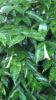
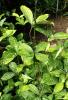
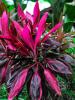
The leaves are long, narrow, flexible, and taper gradually to sharp-looking points. The standard form is deep green with thin dark-red, burgundy, or reddish-purple margins. The leaves cluster at the ends of slender canes rather than forming a dense ground-level clump like many snake plants or broad rosettes like some agaves and yuccas. The cane stems, narrow red-edged leaves, and tufted heads together are more useful for identification than one detached leaf.
Tiny pale flowers and orange or yellow berries may develop on mature outdoor specimens but are uncommon in ordinary household conditions. Flowers and berries should still remain inaccessible because they are plant tissue and have not been established as safe animal food. Most practical pet exposures involve live leaves, fallen leaves, pruned canes, rooted cuttings, dried trimmings, or fragments left after repotting.
Important Cultivars and Nursery Forms
The standard form has green leaves with narrow reddish margins. ‘Bicolor’ generally adds gray-green coloration with pink or red edging, while ‘Tricolor’ combines green, cream or yellow striping, and reddish margins. ‘Colorama’ has more extensive pink, red, cream, and green striping. ‘Magenta’ usually has broad dark-red or magenta margins, and ‘Tarzan’ produces denser heads of broader, tougher leaves.
These color and growth differences do not establish that one cultivar is safe for pets. Variegation may alter appearance, vigor, and household placement, but it does not remove the general steroidal-saponin concern from the plant. Every form sold as Dracaena marginata, Madagascar Dragon Tree, or Red-Margined Dracaena should be kept out of reach of animals that chew plants.
Confusion With Other Dracaena Species
Corn Plant, Dracaena fragrans, has broader strap-shaped leaves and thicker cane stems. Lucky Bamboo, Dracaena sanderiana, has shorter leaves and is commonly grown with segmented green stems in water. Song of India forms of Dracaena reflexa generally have wider leaves with yellow or cream margins. Snake Plant or Mother-in-Law’s Tongue is now treated in Dracaena by modern taxonomy but is still widely sold under Sansevieria names.
These related plants also contain saponins and can cause similar gastrointestinal signs in dogs and cats. Exact species identification may not change the immediate first aid after a mild chew exposure, but it remains important for accurate plant records, cultivar-specific prevention, and exclusion of unrelated plants with different toxins. A plant labeled only “Dracaena” should be photographed rather than assumed to be Red-Marginated Dracaena.
Confusion With Cordyline, Ti Plant, Yucca, and Indoor Palms
Red-Marginated Dracaena can resemble cordyline, ti plant, and narrow-leaved yucca. Cordyline species may have red, purple, pink, or green leaves emerging from cane-like stems, while yuccas usually have stiffer, more rigid leaves and a different growth form. Common names such as dragon tree, palm, palm lily, Spanish dagger, and cabbage palm are used inconsistently in commerce.
Some look-alikes also contain saponins, while others create different mechanical or toxic hazards. Yucca-type plants may have stiff leaves and sharper tips. Cordyline and palm-lily pages may involve related saponin gastrointestinal irritation but different taxonomy and exposure settings. A full-plant photograph showing the container, cane, lower trunk, leaf attachment, leaf width, and label is more useful than a detached leaf alone.
Household, Office, and Greenhouse Exposure Pathways
Most pet exposures occur indoors. Fallen leaves may collect behind furniture, a cat may reach a leaf cluster from a shelf, or a dog may overturn the pot and chew the plant while investigating the soil. Cats may repeatedly bite the narrow leaf tips because they resemble grass or move in air currents. Puppies may shred an entire rosette during exploratory chewing. Elevating the pot does not eliminate risk when leaves arch downward, lower canes are accessible, or dropped leaves remain on the floor.
Pruning and propagation create additional opportunities. Freshly cut cane sections, discarded leaf clusters, rooted cuttings, and dried trimmings may be left temporarily on floors, counters, plant benches, office desks, or trash cans. Propagation containers may contain rooting water, fertilizer, plant fragments, algae, bacteria, rooting hormone, perlite, broken glass, or stagnant organic material. The entire propagation setup should remain inaccessible rather than only the leafy cutting.
Outdoor, Patio, Landscape, and Livestock Exposure
In tropical and subtropical climates, Red-Marginated Dracaena may be used outdoors as a patio plant, container specimen, office-complex planting, poolside accent, hedge-like screen, or small landscape tree. Storm-damaged canes, pruning piles, fallen leaves, and discarded container plants can place more material at ground level than ordinary growth would. Roaming dogs, goats, poultry, tortoises, or other browsing animals may encounter the plant where it is not normally treated as pasture forage.
Houseplant and landscape waste should never be thrown into horse paddocks, goat pens, cattle areas, poultry yards, rabbit runs, aviaries, tortoise enclosures, or compost piles accessible to animals. The Red-Marginated Dracaena itself may cause gastrointestinal irritation, but mixed ornamental waste may contain much more dangerous plants, pesticides, fertilizers, wire, plastic, or foreign material. A large-animal case after ornamental waste exposure should be investigated as a mixed exposure until the entire load is identified.
Dogs and Cats
Dogs most commonly develop drooling, vomiting, reduced appetite, depression, weakness, and occasionally incoordination. Puppies may consume more plant material than adult dogs because they shred leaves during play. Dogs that pull over the pot may also swallow soil, decorative stones, bark, mulch, fertilizer prills, perlite, plastic, or broken ceramic. Continued vomiting, abdominal pain, absence of normal stool, or repeated unproductive retching warrants evaluation for retained fibrous material or another swallowed object.
Cats may show the same gastrointestinal signs as dogs but are additionally associated with dilated pupils, abdominal discomfort, increased heart rate, and unsteady gait. These findings are reported clinically, although the exact biochemical mechanism remains uncertain. Preventing renewed access is important because some cats repeatedly return to grass-like foliage. Continued food refusal is especially important in cats because Red-Marginated Dracaena is not a liver toxin, but prolonged anorexia can lead to dehydration and secondary hepatic lipidosis.
Horses, Livestock, Rabbits, Guinea Pigs, Birds, and Reptiles
Horse- and livestock-specific evidence is limited because the plant is principally a houseplant or ornamental landscape plant rather than a common pasture weed. It should still not be fed or discarded into enclosures. Salivation, feed refusal, diarrhea, colic-like discomfort, weakness, coughing, repeated swallowing, or nasal discharge after exposure should prompt veterinary assessment and investigation for choke, oral injury, fibrous material, potting products, or other plants in the debris.
Rabbits and guinea pigs should not be allowed to test the plant. Vomiting cannot occur in these species, so gastrointestinal irritation may instead appear as reduced appetite, abdominal discomfort, reduced fecal output, weakness, or gastrointestinal stasis. Birds may shred leaves and expose themselves to sap and saponins; regurgitation, beak wiping, reduced eating, lethargy, poor coordination, or abnormal droppings deserves avian veterinary guidance. Reptiles and tortoises should not be offered Dracaena leaves as browse, cage decoration, or terrarium vegetation because species-specific toxic-dose evidence is lacking.
Potting Soil, Fertilizer, Pesticide, and Foreign-Material Exposures
A tipped plant may expose the animal to more than leaves. Potting soil can contain fertilizer pellets, systemic insecticides, fungicides, mold, compost, cocoa mulch, perlite, bark, water-retaining crystals, decorative stones, plastic labels, or broken container pieces. Severe neurologic signs, marked tremors, seizures, extreme salivation, persistent rapid heart rate, collapse, respiratory distress, or organ abnormalities may reflect one of these additional exposures rather than the Dracaena itself.
Bring fertilizer, pesticide, rooting-product, leaf-shine, and soil-amendment labels to the veterinarian whenever the pot or soil was disturbed. Tell the clinic whether the animal dug in the pot, drank drainage water, chewed the container, swallowed decorative material, or had access to recently treated foliage. The complete incident history often explains why one animal shows only vomiting while another shows signs that do not fit ordinary saponin irritation.
Diagnosis, Veterinary Evaluation, Prognosis, and Prevention
Diagnosis is usually based on witnessed chewing, recognizable leaf fragments in vomit, plant identification, and compatible gastrointestinal or feline neurologic signs. There is no routine blood or urine test that confirms Dracaena saponin exposure or measures an absorbed steroidal-saponin concentration. Most mildly affected animals do not require extensive laboratory testing, but bloodwork, electrolyte measurement, urinalysis, imaging, or other diagnostics may be appropriate when vomiting is repeated, dehydration is present, the animal is weak or uncoordinated, the amount eaten was substantial, or the clinical course does not match a mild plant irritant.
Important alternatives include foreign-body ingestion, dietary indiscretion, toxic mushrooms, medications, cannabis, nicotine, pesticides, fertilizers, tremorgenic mold, kidney disease, pancreatitis, infectious disease, and other toxic plants. There is no specific antidote. Treatment is directed at nausea, vomiting, hydration, electrolyte balance, discomfort, and any neurologic abnormalities. Many animals need only plant removal and observation, while persistent cases may require antiemetic medication, fluid therapy, selected gastrointestinal support, or imaging for fibrous plant material.
The prognosis is good to excellent in most confirmed cases. Animals generally recover after gastrointestinal irritation subsides and fluid balance is restored. A prolonged or worsening illness should trigger reassessment for a retained leaf fragment, potting-soil exposure, another poison, or unrelated disease. Prevention is straightforward: keep the plant in a room inaccessible to pets rather than relying on height alone, collect dropped leaves and pruning scraps promptly, secure pots against tipping, keep propagation cuttings and rooting water out of reach, and offer veterinarian-approved cat grass or enrichment separately for animals that repeatedly chew grass-like foliage.
Immediate Steps After Exposure
Remove the plant and loose debris from the animal’s reach. Red-Marginated Dracaena is usually a low-severity gastrointestinal irritant, but additional chewing, repeated vomiting, swallowed fibrous leaves, and potting-product exposure can make the case more complicated. Prevent other animals from reaching fallen leaves, cuttings, vomit, soil, fertilizer, decorative material, or plant water.
- Secure the source: Remove live leaves, fallen leaves, cane pieces, bark, roots, cuttings, dried debris, propagation jars, and pruning scraps.
- Check the container: Determine whether the animal also reached potting soil, fertilizer pellets, pesticide granules, decorative stones, bark, perlite, mulch, water crystals, plastic labels, rooting solution, or another plant.
- Save identification evidence: Keep the plant label and photograph the whole plant, narrow red-edged leaves, cane stems, pot, soil surface, and products used in or on the container.
- Record the timeline: Note the animal’s species, weight, estimated quantity, earliest possible ingestion time, vomiting, stool changes, coordination, pupil size, heart rate if known, and underlying medical conditions.
- Preserve vomited material when useful: Leaf strips in vomit can help confirm exposure and show whether long fibrous pieces were swallowed.
Clear the Mouth and Offer Water Only When Safe
If the animal is alert, breathing normally, and swallowing normally, remove loose plant fragments from the front of the mouth. Do not reach deeply into the throat, force the mouth open in a distressed animal, scrape tissue, or pull on plant material that appears lodged. Red-Marginated Dracaena does not usually cause the immediate needle-like mouth burning of raphide aroids, but loose leaf strips may still gag or irritate the animal.
- Remove only visible loose material: Clear leaf fragments from the lips and front of the mouth if this can be done safely.
- Allow voluntary water: An alert animal that swallows normally may drink fresh water on its own.
- Do not force liquids: Do not syringe water, milk, oil, broth, or other fluids into a vomiting, weak, poorly coordinated, sedated, or poorly swallowing animal.
- Stop if coughing or choking occurs: Coughing, gagging, noisy breathing, neck extension, or swallowing difficulty raises concern for aspiration or retained fibrous material.
Skin, Coat, Eye, and Plant-Sap Exposure
Fresh sap and leaf residue can irritate sensitive skin or be transferred during grooming. Wear gloves when handling fresh cuttings, vomited material, or contaminated fur. Remove contaminated collars, harnesses, clothing, bedding, or blankets until they can be washed.
- Wash contaminated fur: Use lukewarm water and a mild animal-safe cleanser, then rinse thoroughly.
- Prevent grooming: Keep the animal from licking sap, fertilizer, pesticide residue, or soil from the coat or paws.
- Flush exposed eyes: Use sterile saline or clean lukewarm water if sap, soil, fertilizer, or plant debris entered the eye.
- Seek care for eye signs: Continued squinting, redness, cloudiness, discharge, swelling, rubbing, or inability to open the eye requires veterinary examination.
Do Not Attempt Unsupervised Home Treatment
Do not induce vomiting unless a veterinarian or animal poison-control professional specifically directs it for this animal. Red-Marginated Dracaena frequently causes spontaneous vomiting, and additional forced vomiting can worsen stomach irritation, esophageal irritation, dehydration, and aspiration risk. Cats should never receive home peroxide as an emetic.
- Do not give hydrogen peroxide: It can cause severe stomach irritation, prolonged vomiting, esophageal injury, and aspiration.
- Do not use salt, mustard, ipecac, dish soap, detergent, oil, or manual gagging: These can create a second poisoning or airway injury.
- Do not give activated charcoal automatically: Dracaena poisoning is primarily an irritant syndrome, and charcoal may be unnecessary or aspirated by a vomiting or poorly coordinated animal.
- Do not force milk, food, oil, or water: Forced material can enter the lungs or worsen vomiting and abdominal discomfort.
- Do not give human medication: Antidiarrheals, pain relievers, antacids, antihistamines, sedatives, and leftover anti-nausea medication may be inappropriate or toxic.
- Do not ignore the potting soil: Fertilizers, pesticides, cocoa mulch, moisture crystals, mold, stones, or container fragments may present a greater hazard than the plant itself.
When Emergency Examination Is Especially Important
- Repeated vomiting: Multiple episodes, blood in vomit, coffee-ground material, unproductive retching, or inability to retain water can lead to dehydration or indicate retained fibrous material.
- Marked weakness or incoordination: Stumbling, falling, inability to stand, severe depression, poor coordination, or unusual behavior requires prompt evaluation.
- Abnormal cardiovascular signs: A very rapid, slow, or irregular heartbeat, pale gums, collapse, or profound weakness should not be managed through home observation.
- Progressive dehydration: Dry gums, sunken eyes, reduced urination, worsening lethargy, or persistent food refusal may require fluid therapy.
- Breathing or swallowing difficulty: Coughing, choking, noisy breathing, neck extension, or trouble swallowing raises concern for aspiration or retained fibrous plant material.
- Feline pupil changes with other signs: Dilated pupils plus weakness, rapid heart rate, confusion, abnormal behavior, or poor coordination deserves veterinary assessment.
- Very young, elderly, or medically fragile animal: Small fluid losses can become important more quickly in these patients.
- Possible fertilizer or pesticide ingestion: Bring the product packaging and seek advice without waiting for the expected mild Dracaena signs.
Veterinary Examination and Treatment
Veterinary assessment focuses on hydration, heart rate, abdominal comfort, neurologic function, pupil size, ability to swallow, and the frequency and severity of vomiting. Mild cases may require no treatment beyond removal of the plant and observation. More persistent cases may need antiemetic medication, oral or intravenous fluids, electrolyte correction, and selected gastrointestinal support when irritation or blood in vomit is present.
Professionally induced vomiting may be considered in an appropriate dog after a recent substantial ingestion, but it is not routine because Dracaena frequently causes spontaneous vomiting and is generally a low-severity toxin. Emesis is avoided in cats without appropriate veterinary medication and in any weak, sedated, neurologically abnormal, repeatedly vomiting, or poorly swallowing patient. Activated charcoal is unlikely to be necessary in most uncomplicated cases. It may be considered only when another absorbable toxin is suspected or the veterinarian believes the circumstances justify it.
Bloodwork and electrolyte testing may be recommended for persistent vomiting, dehydration, weakness, abnormal heart rate, prolonged food refusal, or signs that do not fit the expected plant syndrome. Imaging may be needed when long fibrous leaves, pot fragments, decorative stones, bark, plastic, or other foreign material could have been swallowed. Severe neurologic, cardiovascular, renal, hepatic, or hematologic abnormalities should trigger investigation for another toxin or illness rather than being attributed automatically to Red-Marginated Dracaena.
Dogs and Cats
Dogs should be monitored for vomiting frequency, appetite, stool production, abdominal pain, hydration, energy, and passage of fibrous material. Puppies and dogs with pica are more likely to shred large amounts and swallow long leaf strips. Persistent retching, painful posture, abdominal distension, or failure to pass stool requires examination for foreign material.
Cats should be monitored for vomiting, appetite, hydration, pupil size, heart rate if known, strength, and coordination. A cat that refuses food beyond a brief period should be evaluated because dehydration and secondary hepatic lipidosis can become serious. Persistent mydriasis, abnormal behavior, collapse, or poor coordination also deserves reassessment for other neurologic toxins, medications, pesticides, or metabolic disease.
Horses, Livestock, Rabbits, Guinea Pigs, Birds, and Reptiles
Horses and livestock should be removed from discarded houseplants, landscape waste, greenhouse debris, and mixed ornamental clippings. Horses cannot vomit, so salivation, feed refusal, colic, repeated swallowing, coughing, nasal discharge containing feed, or inability to eat may indicate choke, oral injury, fibrous material, or another plant mixed into the debris. Do not adapt dog-and-cat emesis advice to horses, ruminants, camelids, pigs, or poultry.
Rabbits and guinea pigs require close monitoring of appetite, fecal output, hydration, posture, and activity. Reduced eating or fewer droppings requires prompt veterinary care because gastrointestinal stasis can become the main danger. Birds with regurgitation, beak wiping, reduced eating, poor perching, weakness, abnormal droppings, or coordination changes need avian veterinary guidance. Reptile and tortoise cases should include review of temperature, hydration, enclosure substrate, pesticides, fertilizers, and all plants present.
Recovery and Prognosis
Most dogs and cats recover completely within several hours to one or two days. A small nibble may produce no signs, and even symptomatic animals often improve once vomiting is controlled and hydration is maintained. The prognosis remains favorable when feline pupil dilation, weakness, or mild incoordination is temporary and the animal continues to improve.
Long-term kidney or liver injury is not expected after an uncomplicated exposure. Persistent or worsening neurologic signs, continued vomiting, prolonged food refusal, severe dehydration, collapse, or signs outside the expected pattern require further investigation. Continued illness should not be attributed indefinitely to Dracaena without checking for dehydration, a retained leaf fragment, potting-soil exposure, another toxic product, or unrelated disease.
Prevention After the Incident
Keep the plant in a room inaccessible to pets rather than relying on height alone. Cats can jump onto shelves, and falling leaves may remain available beneath the plant. Collect dropped leaves and pruning scraps promptly, secure pots against tipping, and keep propagation cuttings, rooting water, fertilizers, and plant-treatment products out of reach.
For cats that repeatedly chew grass-like foliage, provide veterinarian-approved cat grass in a separate area and block access to Dracaena rather than assuming the cat will choose the safer plant every time. Do not discard Red-Marginated Dracaena, other Dracaena species, cordyline, yucca, or mixed ornamental clippings into animal enclosures, compost piles, paddocks, poultry runs, rabbit areas, aviaries, or tortoise pens.
Frequently Asked Questions About Red-Marginated Dracaena and Animal Poisoning
How toxic is Red-Marginated Dracaena in real life?
Red-Marginated Dracaena is a genuine but generally low-severity pet toxin. A small nibble may cause no visible illness, while a larger ingestion can cause drooling, vomiting, appetite loss, depression, weakness, diarrhea, and poor coordination. It is not ordinarily associated with the devastating organ failure caused by true lilies, sago palms, or oleander, but “low severity” should not be confused with harmless. Repeated vomiting, dehydration, blood in vomit, significant weakness, persistent food refusal, or abnormal feline neurologic signs can still require veterinary treatment.
What is the correct scientific name?
The accepted botanical name is Dracaena reflexa var. angustifolia Baker. The former name Dracaena marginata Lam. remains widely used on nursery labels, plant tags, office-plant inventories, and veterinary poison references. Both names refer to the familiar narrow-leaved Madagascar dragon tree with slender cane stems and red-edged foliage. Searching both names is useful because the trade name has not disappeared from real-world plant labels.
What makes Red-Marginated Dracaena poisonous?
The plant contains steroidal saponins and related glycosides. These detergent-like compounds can interact with biological membranes and irritate the gastrointestinal lining, leading primarily to salivation, nausea, vomiting, appetite loss, abdominal discomfort, and diarrhea. Chemical work on plant material identified as Dracaena marginata has isolated multiple steroidal saponins from bark and roots, supporting the saponin-based toxicology rather than an alkaloid or oxalate explanation. The full mechanism behind dilated pupils and coordination problems reported in cats has not been established.
What symptoms occur in dogs?
Dogs most often develop drooling, vomiting, reduced appetite, depression, weakness, and occasionally an unsteady gait. The severity usually depends on the amount chewed, the dog’s size, whether long fibrous leaves were swallowed, and whether vomiting continues long enough to cause dehydration. Puppies may consume more material than adult dogs because they shred leaves during play. Persistent retching, abdominal pain, abdominal swelling, or failure to pass stool may indicate that a long strip of fibrous leaf or container material was swallowed.
Why can cats develop dilated pupils and a wobbly gait?
Dilated pupils, increased heart rate, weakness, and incoordination have been reported more often in cats than in dogs after Dracaena ingestion. The exact toxicologic pathway has not been defined, so these signs should not be labeled as a proven anticholinergic syndrome. A cat with pronounced pupil dilation, abnormal behavior, rapid heart rate, weakness, or difficulty walking should be examined, especially when vomiting or food refusal is also present. Other neurologic toxins, medications, cannabis, pesticides, eye disease, hypertension, and metabolic disorders may need to be ruled out.
Can Red-Marginated Dracaena kill a dog or cat?
Death from an uncomplicated dog or cat ingestion appears to be extremely uncommon, and the usual prognosis is excellent. Serious complications are more likely to arise from uncontrolled vomiting, aspiration, severe dehydration, a swallowed leaf foreign body, or another substance in the pot than from direct systemic saponin toxicity. Collapse, breathing difficulty, profound weakness, persistent neurologic signs, severe dehydration, or signs that worsen instead of improving should not be treated as an expected mild reaction.
Can it cause kidney failure, liver failure, or anemia?
Primary kidney failure, liver failure, and clinically important hemolytic anemia are not established features of ordinary Red-Marginated Dracaena poisoning. Some saponins can disrupt red-cell membranes under laboratory conditions, but direct laboratory hemolysis is not the same as a routine clinical syndrome after a pet chews a leaf. Abnormal kidney or liver values, anemia, jaundice, dark urine, collapse, or severe systemic illness should prompt evaluation for dehydration, medication exposure, onions or garlic, acetaminophen, zinc, copper, another toxic plant, fertilizer, pesticide, or underlying disease.
How soon do symptoms appear, and how long do they last?
Signs generally begin within several hours of chewing or swallowing the plant, although timing depends on the amount eaten, whether fibrous material was swallowed, stomach contents, and whether the exposure was witnessed accurately. Most uncomplicated cases improve within several hours to one or two days after access ends. Symptoms that are delayed, continue to worsen, involve marked weakness or abnormal coordination, or persist beyond the expected short course deserve veterinary reassessment rather than being attributed indefinitely to mild Dracaena irritation.
Are every part and every cultivar toxic?
All accessible plant material should be treated as potentially irritating, including leaves, stems, bark, roots, flowers, berries, cuttings, and dried debris. Indoor plants rarely produce flowers or berries, so most exposures involve the narrow leaves or pruned stems. Variegated cultivars such as ‘Tricolor’, ‘Colorama’, ‘Bicolor’, ‘Magenta’, and ‘Tarzan’ should not be considered safer because their leaf colors differ. No cultivar has been established as safe chewing material for pets.
Are dried or fallen leaves still a concern?
Yes. Drying does not guarantee removal of steroidal saponins, and fallen leaves may remain attractive to a cat, puppy, rabbit, guinea pig, or bird. Dry leaves are also fibrous and can provoke gagging, vomiting, or a foreign-body concern if swallowed in long strips. Fallen leaves behind furniture are a common hidden exposure source because an owner may not notice the plant was chewed until vomiting begins.
What should I do immediately after my pet chews the plant?
Remove the plant and loose fragments, check whether fertilizer, pesticide, soil, stones, mulch, or another plant was also accessible, and allow an alert pet to drink fresh water voluntarily if it is swallowing normally. Save the label and take photographs of the whole plant, red-edged leaves, cane stems, pot, and any products used in the soil. Contact a veterinarian or animal poison-control service when more than a small nibble was eaten or when vomiting, weakness, pupil dilation, abnormal gait, rapid heart rate, food refusal, or incoordination develops.
Should I make my pet vomit or give activated charcoal?
Do not induce vomiting at home. Hydrogen peroxide can worsen stomach irritation, cause prolonged vomiting, and create aspiration risk, and it is particularly inappropriate for cats. Activated charcoal is not routinely necessary for this primarily gastrointestinal irritant and can be dangerous in an animal that is vomiting, weak, sedated, or poorly coordinated. A veterinarian may consider decontamination only after evaluating the species, timing, amount, symptoms, airway risk, and whether another absorbable toxin was involved.
When does an exposed pet need veterinary treatment?
Veterinary care is advisable for repeated vomiting, blood in vomit, inability to retain water, pronounced weakness, stumbling, persistent food refusal, abnormal heart rate, collapse, breathing difficulty, or signs lasting longer than expected. Young, elderly, very small, or medically fragile animals should be evaluated sooner because dehydration and electrolyte changes can develop more quickly. Cats with dilated pupils plus weakness, tachycardia, abnormal behavior, or poor coordination should not be observed indefinitely at home.
Is Red-Marginated Dracaena safe around horses and livestock?
A well-defined poisoning syndrome has not been established in horses or livestock, and routine exposure is uncommon because the plant is primarily grown indoors or as an ornamental. It should still not be fed or discarded into enclosures. A large ingestion could cause salivation, gastrointestinal irritation, feed refusal, diarrhea, weakness, or mechanical problems from fibrous leaves. Horses cannot vomit, so salivation, repeated swallowing, nasal discharge containing feed, coughing, colic, or inability to eat should be evaluated for choke, oral injury, or mixed ornamental debris.
What is known about rabbits, guinea pigs, and pet birds?
Species-specific evidence is limited. A poison-centre review mentioned a fatal rabbit case associated with Dracaena, but the summary did not provide enough information to establish a predictable lethal risk from this exact plant. Rabbits and guinea pigs cannot vomit, so gastrointestinal irritation may appear as reduced appetite, fewer droppings, abdominal discomfort, weakness, or gastrointestinal stasis. Birds may shred leaves quickly and should be monitored for regurgitation, beak wiping, reduced eating, lethargy, poor perching, or abnormal coordination.
How can I distinguish it from similar houseplants?
Red-Marginated Dracaena has slender woody canes topped by rosettes of long, narrow green leaves with thin reddish, burgundy, or purple-red margins. Corn Plant has much broader leaves, Lucky Bamboo has segmented green stems and shorter foliage, and many cordylines have broader or more extensively colored leaves. Yuccas often have stiffer, more rigid leaves. A full-plant photograph and nursery label are more reliable than a single detached leaf, especially when the common name is only “dragon tree” or “Dracaena.”
What should veterinarians rule out when signs are more severe than expected?
Severe, prolonged, or atypical signs should trigger a broader differential diagnosis. Important alternatives include gastrointestinal foreign body from fibrous leaves or container material, fertilizer ingestion, systemic insecticide exposure, tremorgenic mold, toxic mushrooms, cannabis, nicotine, medications, pancreatitis, kidney disease, liver disease, infectious gastroenteritis, and other toxic plants in the same room or pot. Seizures, coma, profound anemia, jaundice, primary kidney failure, liver failure, or respiratory collapse should not be attributed to uncomplicated Red-Marginated Dracaena without supporting evidence.
Is there a diagnostic test for Dracaena saponin poisoning?
There is no routine clinical blood or urine test that confirms Dracaena saponin ingestion or measures an absorbed steroidal-saponin concentration. Diagnosis is usually based on plant identification, documented access, leaf fragments in vomit, compatible gastrointestinal signs, and exclusion of more dangerous causes when the course is severe or atypical. Bloodwork, electrolytes, urinalysis, abdominal imaging, and toxicology testing are selected according to dehydration, vomiting frequency, weakness, abnormal pupils, possible foreign material, and access to soil products or other toxins.
What evidence supports steroidal saponins as the main toxic principle?
Direct phytochemical work on material identified as Dracaena marginata isolated multiple steroidal saponins from bark and roots, and broader Dracaena and Sansevieria chemistry literature shows the genera are rich in steroidal saponins. Veterinary houseplant reviews describe Dracaena poisoning as a saponin-associated syndrome with gastrointestinal irritation and feline mydriasis or tachycardia possible. The evidence supports saponins as the best current explanation for ordinary cases, while still leaving uncertainty about exact tissue concentrations, cultivar variation, and the mechanism behind feline neurologic signs.
What are the main research gaps for Red-Marginated Dracaena poisoning?
The major gaps are species-specific case documentation, toxic-dose information, cultivar and tissue concentration data, and mechanism studies for feline mydriasis, tachycardia, weakness, and ataxia. More work is also needed on rabbits, guinea pigs, birds, reptiles, and livestock because current advice is largely extrapolated from saponin chemistry, companion-animal poison summaries, and limited poison-centre reports. The plant is common enough that better prospective exposure data would help separate ordinary self-limiting vomiting from rare complications or mixed-container exposures.
What is the usual prognosis after ingestion?
The prognosis is good to excellent for most dogs and cats. Mild signs often resolve once access ends, and symptomatic animals generally recover with anti-nausea treatment and fluids when needed. A prolonged course suggests substantial dehydration, swallowed fibrous material, exposure to something in the pot, another toxic plant, or an unrelated diagnosis rather than ordinary Dracaena irritation alone. Long-term kidney or liver injury is not expected after an uncomplicated exposure.