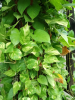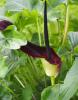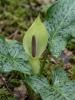
Red Princess Philodendron Insoluble Calcium Oxalate Raphides, Oral Pain, Airway Risk, and Eye Exposure
Is Red Princess Poisonous to Dogs, Cats, Horses, and Livestock?
Yes—Red Princess, usually sold as Philodendron ‘Red Princess’ and often associated horticulturally with Philodendron erubescens, is poisonous and strongly irritating to dogs, cats, horses, livestock, birds, rabbits, guinea pigs, and other animals that chew it. Its leaves, stems, petioles, roots, aerial roots, flowers, sap, and cuttings contain water-insoluble calcium oxalate crystals called raphides. These microscopic needles cause immediate burning mouth pain, drooling, head shaking, pawing at the face, gagging, vomiting, swelling, and difficulty swallowing.
Red Princess produces the typical philodendron insoluble-oxalate syndrome: painful local injury where the crystals contact tissue. Most exposures are dramatic but self-limiting because the pain begins almost immediately and causes many animals to stop chewing. Serious airway swelling is uncommon, but it can become life-threatening when inflammation involves the tongue, pharynx, or tissue around the larynx. Eye exposure can also be more serious than a small oral taste because crystal-containing sap or debris may abrade the cornea.
Uncomplicated Red Princess ingestion is not expected to cause the feline kidney failure associated with true lilies, the systemic hypocalcemia and renal mineral deposition associated with soluble oxalates, or the delayed multiorgan disease caused by unrelated poisonous plants. If an animal develops seizures, coma, jaundice, reduced urination, profound weakness, persistent heart abnormalities, or illness beginning hours later without immediate mouth pain, the plant identity or diagnosis should be rechecked.
About this guide: This page provides general pet-poisoning information and cannot diagnose or treat an individual animal. For any suspected exposure, contact a veterinarian or animal poison-control service immediately. Do not induce vomiting, give medication, or attempt home decontamination unless directed by a veterinary professional.
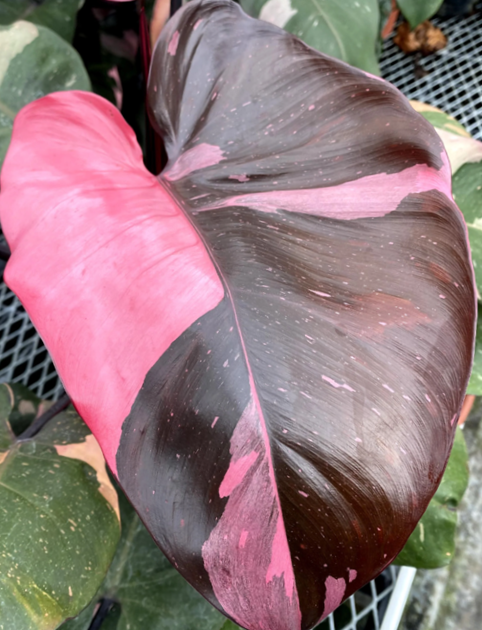
Red Princess
Philodendron ‘Red Princess’
- Often sold as Philodendron erubescens ‘Red Princess’ or described as an erubescens-type philodendron.
- Philodendron erubescens K.Koch & Augustin is an accepted Colombian climbing species and is the botanical species or horticultural group most often associated with many red-stemmed philodendron cultivars.
- The exact parentage, registration history, and formal cultivar status of Red Princess are not consistently documented in major botanical and horticultural references, so Philodendron ‘Red Princess’ is the safest public identification.
- Red Princess should not be treated as an exact synonym of Pink Princess, Black Cardinal, Red Emerald, Imperial Red, McColley’s Finale, Golden Erubescens, White Princess, Green Princess, Horsehead Philodendron, Panda Plant, Heartleaf Philodendron, or Split-Leaf Philodendron.
Araceae — Arum or Aroid Family
Red Princess; Red Princess Philodendron; Philodendron Red Princess; Philodendron ‘Red Princess’; Philodendron erubescens ‘Red Princess’; Red-Leaf Philodendron Red Princess; Blushing Philodendron Red Princess; erubescens-type Red Princess Philodendron
Related but non-identical red-stemmed or red-toned philodendron names include Blushing Philodendron, Red-Leaf Philodendron, Red Emerald, Pink Princess, Black Cardinal, Imperial Red, McColley’s Finale, Rojo Congo, Golden Erubescens, White Princess, and Green Princess. These names may appear near Red Princess in the plant trade, but they should not be treated as exact synonyms unless the actual plant identity has been verified.
Red Princess is also confused with unrelated or loosely named aroids in retail, social-media, and plant-swap settings. “Red Emerald” can refer to a different philodendron or to an unrelated Aglaonema cultivar. “Panda Plant” usually means the fuzzy succulent Kalanchoe tomentosa, not a philodendron. “Split-Leaf Philodendron” and “Fruit Salad Plant” often refer to Monstera deliciosa. For poisoning purposes, a confirmed philodendron exposure supports insoluble-calcium-oxalate first aid, but accurate labels still matter when symptoms do not fit the expected syndrome.
Insoluble Calcium Oxalate Raphides
The confirmed toxic principle in Red Princess philodendron is water-insoluble calcium oxalate arranged in microscopic needle-shaped crystals called raphides. These crystals are stored in specialized plant cells called idioblasts and occur throughout philodendron tissues. Leaves, stems, petioles, aerial roots, underground roots, flowers, sap, freshly cut material, and dried plant debris should therefore all be treated as irritating.
When an animal bites, tears, shreds, or crushes the plant, damaged idioblasts release bundles of raphides into surrounding tissue and saliva. The sharp crystals penetrate the lips, gums, tongue, palate, throat, and sometimes the esophagus. Pain begins almost immediately because this is direct mechanical injury at the point of contact rather than a toxin that must first circulate through the bloodstream.
Raphide penetration produces numerous microscopic wounds and a strong local inflammatory response. The affected tissues become painful, reddened, and swollen, while salivation increases in an attempt to dilute and clear the irritant. Repeated chewing releases additional crystals and exposes a larger surface area, but the immediate burning sensation normally causes an animal to stop before consuming a large amount.
Insoluble Oxalate Is Not Soluble Oxalate Poisoning
Red Princess produces an insoluble-oxalate syndrome and should not be confused with soluble-oxalate poisoning. Soluble oxalates can enter the bloodstream, bind circulating calcium, contribute to hypocalcemia, and promote renal tubular mineral deposition after sufficiently large exposures. Philodendron raphides act primarily within contacted tissues and are not expected to cause systemic calcium depletion, kidney failure, liver failure, seizures, coma, or widespread oxalate deposition.
This distinction matters because old poison-plant summaries sometimes lump calcium oxalate plants together too broadly. A philodendron bite is usually a local oral, throat, skin, eye, or upper-gastrointestinal injury. If laboratory evidence shows hypocalcemia, kidney injury, severe metabolic derangement, or delayed systemic disease, the veterinarian should look for soluble-oxalate plants, true lilies, ethylene glycol, medications, another toxin, dehydration, obstruction, or unrelated disease rather than blaming ordinary Red Princess raphide exposure alone.
Uncomplicated Red Princess ingestion should also not be confused with the feline renal syndrome caused by true lilies and daylilies. Philodendron raphides do not behave like the unidentified water-soluble nephrotoxin in Lilium or Hemerocallis. A cat that chews Red Princess may drool dramatically, vomit, hide, or refuse food because its mouth hurts, but acute renal tubular necrosis is not the expected direct syndrome.
Possible Needle-Effect Co-Irritants
Some raphide-containing plants also possess proteins or proteolytic substances that may intensify tissue damage after the crystals puncture the mucosa. This proposed interaction is often called the “needle effect” because raphides can mechanically breach tissue and potentially help other plant substances enter damaged surfaces. The concept is biologically plausible and experimentally supported in some plant systems.
No specific clinically important proteinase has been demonstrated in Red Princess, however. Public toxicology should not list a named proteinase, enzyme, alkaloid, glycoside, or separate systemic toxin as confirmed for this cultivar without direct evidence. Insoluble calcium oxalate raphides remain the established veterinary toxic principle.
The practical treatment does not change because of this evidence boundary. Remove plant material, reduce continued contact, protect the airway, manage pain, evaluate swallowing, and treat eye exposure promptly. Do not turn a theoretical co-irritant into a claim of delayed organ failure or systemic poisoning.
Sap, Skin, and Eye Irritation
Fresh sap can irritate skin, especially where skin is thin, damaged, repeatedly exposed, or sparsely haired. In people, philodendron-related allergic contact dermatitis has been associated with resorcinol compounds in some species. Companion-animal dermatitis after Red Princess contact is usually discussed more cautiously as localized irritation unless repeated exposure, sensitive skin, or a clear allergic pattern is documented.
Sap or crystal-containing debris transferred into an eye can cause immediate pain, tearing, conjunctival inflammation, corneal abrasion, edema, ulceration, or a cloudy corneal appearance. An animal may contaminate its own eyes by rubbing its face with a paw that touched a broken stem, cut leaf, propagation jar, or pruning scrap. Eye exposure deserves more respect than a small taste because retained plant debris under an eyelid can continue abrading the cornea.
Skin and coat contamination can also become an oral exposure later. Dogs, cats, rabbits, birds, and other animals may groom sap from paws, fur, feathers, whiskers, or muzzle hair. Washing exposed surfaces reduces continued contact and prevents transfer into the mouth or eyes.
Dry Material, Propagation Water, and Household Debris
Drying does not dissolve calcium oxalate crystals. Fallen leaves, old stems, dried aerial roots, dead petioles, pruning scraps, and plant debris in compost can remain irritating when chewed. Dried material may fragment more readily than fresh tissue and can create a separate foreign-body or choking concern, especially when mixed with moss poles, plant ties, clips, wire, bark, coir, sphagnum, or potting debris.
Propagation creates a recurring exposure pathway. Fresh cuttings release sap, jars place stems and aerial roots at pet drinking height, and newly cut leaves may be left on counters, sinks, plant shelves, or floors. Propagation water is not known to create the same feline kidney hazard as true-lily vase water, but it may contain sap, detached plant cells, fertilizer, rooting products, bacteria, mold, and mineral crystals from plant tissue.
There is no established toxic dose for Red Princess because even a small bite may be painful while severe systemic poisoning is not expected. The main uncommon emergency is swelling near the pharynx or larynx severe enough to interfere with breathing. The main underrecognized non-oral emergency is eye exposure with corneal injury.
Immediate Oral Pain and Early Progression
Signs usually begin while an animal is chewing Red Princess or within minutes afterward. A dog, cat, rabbit, bird, horse, or other animal may suddenly release the leaf, shake the head, paw at the muzzle, rub the face, vocalize, spit out plant pieces, or retreat from the plant. This immediate response is characteristic of insoluble calcium oxalate injury and often limits the amount swallowed.
The first visible sign is often a behavior change caused by sudden mouth pain. Dogs may pace, whine, rub the muzzle on the floor, paw repeatedly, gag, or produce a temporarily hoarse bark. Cats may crouch, hide, drool in long strings, lick continuously, approach food and then withdraw, or become unusually defensive when the mouth is touched. Birds may wipe the beak, shake the head, hold the mouth open, alter vocalization, or stop eating. Rabbits and guinea pigs may suddenly stop chewing and then reduce food intake.
That immediate onset is why Red Princess does not need a delayed “wait and see” symptom window like cumulative myotoxins, seed toxins, or true-lily nephrotoxins. Pain begins at contact. If the animal has no early oral irritation but develops delayed neurologic, urinary, cardiac, or systemic signs hours later, another diagnosis or mistaken plant identification should be considered.
Oral, Throat, and Swallowing Signs
The most common signs are intense oral discomfort, excessive drooling, lip licking, redness, and swelling of the lips, tongue, gums, palate, or oral lining. Repeated swallowing, gagging, retching, coughing, and reluctance to eat or drink may occur when crystals contact the back of the mouth or throat. The animal may resist oral examination because even gentle pressure on injured tissue increases pain.
Swallowed plant material can irritate the esophagus and stomach. Vomiting can follow gagging, swallowed plant fragments, upper gastrointestinal irritation, or stress. Mild diarrhea and abdominal discomfort are possible but are usually less prominent than mouth pain and salivation. Repeated vomiting, inability to retain water, marked lethargy, dehydration, or blood in vomit is not routine for a mild exposure and warrants veterinary assessment.
Most oral swelling remains limited and does not obstruct breathing. The animal may look miserable and drool dramatically while still having a localized injury with a good prognosis. Improvement should be steady over several hours once access stops, loose material is removed, and inflammation begins to subside.
Airway Warning Signs
Rarely, edema involving the pharynx or laryngeal region produces noisy breathing, rapid respiratory effort, open-mouth breathing, neck extension, panic, blue-gray mucous membranes, weakness, or collapse. An animal unable to swallow its own saliva or showing rapidly increasing tongue, throat, facial, or tissue-under-the-jaw swelling requires emergency treatment rather than home observation.
Airway risk is not predicted by the number of bite marks alone. A relatively small exposure near the back of the mouth or throat may be more dangerous than a larger exposure limited to the lips. Coughing after drinking, repeated choking motions, inability to swallow saliva, hoarse breathing, or persistent gagging may indicate deeper injury, retained plant material, aspiration, or another foreign body.
Large animals require special caution because mouth and throat pain can be mistaken for choke, dental disease, feed refusal, or respiratory illness. Horses cannot vomit. Salivation, tongue swelling, coughing, repeated attempts to swallow, feed material from the nose, or abnormal respiratory noise after chewing houseplant trimmings requires prompt examination.
Eye and Skin Signs
Eye exposure can cause immediate tearing, blinking, squinting, redness, conjunctival swelling, rubbing, light sensitivity, or a cloudy appearance to the cornea. Persistent eye pain after irrigation may indicate retained plant material beneath an eyelid, corneal abrasion, edema, or ulceration. Eye signs should not be dismissed as simple mouth irritation.
Skin contact may cause localized redness, itching, burning, swelling, or dermatitis. Sap on paws, muzzle hair, feathers, or fur can later be transferred into the eyes or mouth during grooming. A pet that rubs its face after chewing a plant may injure the eye with contaminated paws even if the original bite was only oral.
Repeated skin exposure may be more important for groomers, plant handlers, curious cats, rabbits, birds, or animals that walk through spilled propagation water or pruning debris. Washing contaminated skin, coat, paws, and feathers reduces continued contact and prevents grooming-related ingestion.
Dogs, Cats, Birds, Rabbits, and Small Animals
Dogs commonly shake the head, paw at the muzzle, drool, gag, vomit, or refuse food after chewing a philodendron. Puppies may keep shredding a leaf despite discomfort and develop more extensive irritation than an adult dog that stops after one bite. A temporarily hoarse bark can result from pharyngeal or laryngeal irritation, but persistent coughing, noisy breathing, or difficulty swallowing water deserves examination.
Cats may develop striking hypersalivation, repeated swallowing, lip licking, hiding, vomiting, and refusal to eat. Red Princess does not cause the acute renal failure associated with true lilies. However, prolonged food refusal in cats can become medically important because dehydration and hepatic lipidosis may develop as secondary complications. Continued anorexia should not be ignored simply because the plant itself is not a liver toxin.
Parrots and other birds can efficiently shred leaves and stems, releasing large numbers of crystals against the tongue, choana, and oral lining. Repeated beak wiping, mouth opening, altered vocalization, regurgitation, food refusal, or breathing changes require avian veterinary attention. Rabbits, guinea pigs, chinchillas, and other small herbivores may stop eating after oral pain, and reduced fecal production or complete anorexia requires prompt care because gastrointestinal hypomotility can become a secondary emergency.
Horses and Livestock
Horses, cattle, sheep, goats, pigs, camelids, and other livestock can experience the same direct oral irritation if they chew Red Princess. Exposure is uncommon because the plant is primarily grown indoors, but houseplant and landscape trimmings are sometimes discarded into paddocks, pens, runs, or accessible compost. A single discarded cutting may be enough to cause dramatic oral pain.
Horses cannot vomit and may show salivation, tongue movement, feed refusal, repeated swallowing, coughing, nasal discharge containing feed, or abnormal respiratory noise. These findings may represent pharyngeal injury, choke, aspiration, retained plant material, or another foreign body. A horse that chewed philodendron trimmings and then cannot swallow normally needs examination rather than forced water or feed.
Ruminants may stop chewing cud, drool, rub the muzzle, refuse contaminated feed, or show tongue and oral swelling. The expected syndrome is local irritation rather than the soluble-oxalate hypocalcemia and renal injury associated with heavy ingestion of certain pasture plants. If a cow, goat, or sheep develops tremors, profound weakness, hypocalcemia, renal failure, or delayed systemic disease, another plant or illness should be investigated.
Signs That Do Not Fit Red Princess
Most uncomplicated cases improve substantially within several hours and resolve within approximately one day, although more extensive oral inflammation can interfere with eating for several days. Kidney failure, liver failure, profound hypocalcemia, convulsions, coma, and delayed multiorgan disease do not fit the expected Red Princess syndrome.
Signs that are severe, prolonged, neurologic, urinary, cardiac, or delayed should prompt investigation for mistaken plant identification, true lily exposure, soluble-oxalate plants, Kalanchoe, pesticides, caustic household products, electrical-cord burns, oral foreign bodies, dental disease, esophageal obstruction, aspiration, heat injury, medication exposure, or unrelated illness. The presence of a chewed philodendron does not prove it explains every sign.
Routine kidney or liver monitoring is unnecessary after a minor, clearly identified philodendron ingestion with the expected rapid oral irritation pattern. Laboratory testing becomes more appropriate when signs persist, do not fit, involve systemic illness, include reduced urination or jaundice, or when the plant identity is uncertain.
The Red Princess Name Is Not Botanically Precise
Red Princess is a horticultural philodendron name rather than a recognized wild species. It is frequently sold as Philodendron erubescens ‘Red Princess’ or described as belonging to the red-stemmed P. erubescens group, but its exact parentage is not consistently documented. The safest public identification is therefore Philodendron ‘Red Princess’.
The association with P. erubescens remains useful because that accepted Colombian species contributed to, resembles, or is used as the horticultural frame for many cultivated philodendrons with reddish stems, petioles, cataphylls, and new foliage. This naming uncertainty does not create uncertainty about the immediate poisoning risk. Cultivated philodendrons contain insoluble calcium oxalate raphides and produce the same characteristic oral-irritation syndrome when chewed.
For poisoning treatment, a confirmed philodendron or aroid identification is usually enough to begin proper first aid. Exact cultivar identification matters more for maintaining accurate plant records, preventing duplicate pages, distinguishing Red Princess from Red Emerald or Pink Princess, and recognizing when an animal may have actually chewed an unrelated plant with different toxins.
Why Nursery Labels Can Be Confusing
Philodendron trade names are frequently reused, shortened, translated, misspelled, or attached to visually similar plants. A specimen labeled Red Princess in one nursery may not be genetically identical to a plant sold under the same name elsewhere. Retail plants may also be mislabeled as Red Emerald, Imperial Red, McColley’s Finale, Pink Princess, Black Cardinal, Rojo Congo, or another red-toned cultivar.
Color alone is unreliable because leaf coloration changes with plant age, light exposure, growing conditions, nutrition, tissue-culture production, stress, and maturity. Young leaves may emerge bronze, burgundy, red, copper, or dark green and later harden to a different shade. Petiole color, cataphyll color, internode length, growth habit, leaf shape, leaf underside, and the original label are more useful than one red leaf.
For veterinary purposes, the first question is whether the plant is a philodendron or another raphide-containing aroid. The second question is whether another plant with a different toxin was involved. The exact trade cultivar is helpful but should not delay urgent care for airway signs, eye injury, or severe swallowing difficulty.
Relationship to Philodendron erubescens
Philodendron erubescens, commonly called Blushing Philodendron or Red-Leaf Philodendron, is a tropical climbing species native to Colombia. The wild species develops glossy heart-shaped leaves, reddish-purple petioles, red-toned stems, and a climbing or spreading growth habit. Mature plants can attach to supports with aerial roots and produce progressively larger foliage as they climb.
The inflorescence consists of a spadix surrounded by a reddish, burgundy, or colored spathe, although indoor flowering is uncommon. Red Princess may display some of these general traits, but a trade-labeled plant should not be assumed to match every feature of the wild species. Some commercial red philodendrons are compact or self-heading hybrids rather than vigorous climbers.
Because Red Princess is a horticultural selection or trade plant, the page should avoid overpromising wild-species precision. It can accurately say the plant is associated with the P. erubescens group while keeping Philodendron ‘Red Princess’ as the safest name.
Red Princess Versus Pink Princess
Pink Princess is a distinct cultivated philodendron recognized for irregular pink, cream, or pale variegation against dark green to purplish foliage. Its coloration occurs in patches, streaks, sectors, or occasionally nearly entire leaves. Red Princess should not be used as an alternative name for Pink Princess merely because young leaves or stems appear red.
A plant without stable pink variegation is not accurately identified as Pink Princess, and a reverted Pink Princess remains a cultivar with a different horticultural history. Both plants contain insoluble calcium oxalate and require the same immediate response after chewing. The distinction is botanical and horticultural rather than a difference in the expected poisoning mechanism.
Red Princess Versus Black Cardinal
Black Cardinal is a separately recognized philodendron cultivar with a compact, self-heading habit and broad leaves that mature through dark red, burgundy, and near-black tones. It should not be listed as another name for Red Princess. The two may be confused when a young Red Princess has dark foliage or when a retailer uses red or black color terms loosely.
Growth habit, internode length, leaf shape, mature coloration, and a trustworthy nursery label provide better identification than color alone. Both can irritate animals through raphide exposure, but the plant records should remain separate when the actual cultivar is known.
Red Princess Versus Red Emerald and Golden Erubescens
Red Emerald is commonly treated as a climbing selection associated with Philodendron erubescens. It typically develops heart-shaped green leaves, conspicuous red petioles and stems, and lighter lime-green new growth. Red Princess is a less consistently standardized trade name, so the two names should not be merged automatically, even when the plants look similar.
Golden Erubescens generally refers to a yellow, chartreuse, or golden-foliaged selection associated with the P. erubescens group. It is not an exact synonym for Red Princess. Its lighter foliage may make it visually distinct, but the underlying insoluble-calcium-oxalate risk remains similar because color mutations and variegation do not remove raphides from plant tissue.
Photographs of the whole plant, nodes, petioles, cataphylls, leaf undersides, aerial roots, growth habit, and original label are useful when determining whether separate records refer to the same cultivated plant. For immediate poisoning care, however, all of these red-stemmed philodendrons should be managed as irritating aroids unless another plant identity is confirmed.
Other Names and Plants That Commonly Cause Confusion
Heartleaf Philodendron usually refers to Philodendron hederaceum, a trailing or climbing species with smaller simple heart-shaped leaves. Panda Plant, Horsehead Philodendron, Fiddleleaf Philodendron, and Saddle Leaf usually refer to Philodendron bipennifolium or to other unrelated trade usage. Split-Leaf Philodendron and Fruit Salad Plant commonly refer to Monstera deliciosa, which is not a true Philodendron.
Red Emerald is also a cultivar name used in the unrelated aroid genus Aglaonema. An Aglaonema Red Emerald has a compact, nonclimbing growth habit and patterned lance-shaped leaves rather than climbing philodendron foliage. Both contain irritating raphides, but they should not share a scientific name.
“Panda Plant” is especially dangerous as a loose synonym because it most commonly means the fuzzy succulent Kalanchoe tomentosa. Kalanchoe species are associated with bufadienolide-type cardiac glycosides, a different toxicology problem. A fuzzy succulent exposure should not be managed solely as philodendron mouth irritation.
Where Animal Exposures Occur
Most Red Princess exposures occur indoors. The plant may be kept on a floor stand, desk, shelf, windowsill, plant wall, or decorative planter. Lower leaves, petioles, aerial roots, fallen foliage, support ties, and trailing stems can remain within reach even when the main canopy appears elevated.
Cats may climb furniture, chew moving leaves, investigate aerial roots, drink from water-propagation containers, or paw at dangling stems. Dogs may knock over the pot, shred a lower leaf, chew a support pole, or find stems discarded after pruning. Puppies and kittens are especially likely to investigate unfamiliar vegetation with their mouths.
Freshly propagated cuttings create a concentrated exposure opportunity because severed stems release sap and are often placed at pet height in jars. Plant debris may adhere to scissors, gloves, counters, sinks, plant shelves, towels, floors, or the person handling the plant. Sap on paws or fur can later be transferred to the mouth or eyes during grooming.
In tropical and subtropical climates, cultivated philodendrons may grow outdoors on trees, fences, walls, patios, and shaded landscape beds. Landscape cuttings should never be thrown into horse paddocks, goat pens, cattle pastures, pig enclosures, rabbit runs, tortoise pens, aviaries, chicken yards, or compost areas accessible to animals.
Why the Immediate Pain Usually Limits the Dose
Red Princess is not palatable in the ordinary sense. Once a tooth ruptures the plant cells, raphides penetrate the mouth and produce burning pain almost immediately. Most animals release the plant before swallowing a large quantity.
This defensive effect explains why philodendron poison-control calls are common while life-threatening outcomes are rare. The visible response may be intense, with profuse drooling and frantic pawing, but dramatic appearance does not automatically mean systemic organ poisoning.
Location still matters. A relatively small exposure near the back of the mouth may create more concern than a larger amount that contacts only the lips. Airway assessment is based on swelling, swallowing, voice or breathing changes, and respiratory effort rather than the number of bite marks alone.
Dogs, Cats, Birds, Rabbits, and Other Companion Animals
Dogs commonly shake the head, paw at the muzzle, drool, gag, vomit, or refuse food after chewing a philodendron. Young dogs may continue shredding a leaf despite discomfort and develop more extensive irritation than an adult dog that stops after one bite. Persistent coughing, noisy breathing, or difficulty swallowing water requires examination because those findings raise concern for deeper swelling, aspiration, or retained plant material.
Cats may develop striking hypersalivation, repeated swallowing, lip licking, hiding, vomiting, and refusal to eat. Some cats transfer sap into an eye while rubbing the face or grooming a contaminated paw. Philodendron does not cause the acute renal failure associated with true lilies; however, prolonged food refusal can still become medically important in cats because dehydration and hepatic lipidosis may develop as secondary complications.
Parrots and other birds can efficiently shred leaves and stems, releasing large numbers of crystals against the tongue and oral lining. Repeated beak wiping, mouth opening, altered vocalization, regurgitation, food refusal, or breathing changes require avian veterinary attention. Rabbits, guinea pigs, chinchillas, and other small herbivores may stop eating after oral exposure, and prolonged food refusal can lead to dangerous gastrointestinal hypomotility.
Horses and Livestock
Horses, cattle, sheep, goats, pigs, camelids, and other livestock can experience the same direct oral irritation if they chew Red Princess. Exposure is uncommon because the plant is primarily grown indoors, but houseplant and landscape trimmings are sometimes discarded into paddocks, pens, runs, or accessible compost. This is a preventable exposure.
Horses cannot vomit. Salivation, tongue swelling, coughing, repeated attempts to swallow, feed refusal, nasal discharge containing feed, or abnormal respiratory noise may indicate pharyngeal injury, choke, aspiration, or retained plant material and requires prompt examination.
Ruminants may stop chewing cud, drool, rub the muzzle, or refuse contaminated feed. The expected syndrome is local irritation rather than soluble-oxalate hypocalcemia and renal injury. Severe systemic signs should prompt a broader pasture, feed, and toxic-plant investigation.
Eye and Skin Exposure
Eye exposure can occur when a broken stem sprays sap, plant material falls from above, propagation water splashes, or an animal rubs its face with a contaminated paw. Raphides can abrade the corneal surface and remain trapped beneath an eyelid. Immediate irrigation reduces continued surface contact, but persistent squinting, tearing, redness, cloudiness, or light sensitivity requires fluorescein staining and examination for retained debris or ulceration.
Skin reactions are usually localized. Sap should be washed from the coat, paws, feathers, and skin because an animal may later transfer it into the eyes or mouth while grooming. Thin skin, damaged skin, sparsely haired areas, and repeated exposure may be more reactive.
Diagnosis, Treatment Principles, and Prognosis
Diagnosis is generally based on immediate oral signs following witnessed chewing and identification of the plant as a philodendron or closely related aroid. Bring photographs showing the entire plant, leaf shape, growth habit, petioles, stems, nodes, aerial roots, support pole, cuttings, propagation jar, and original nursery label.
The veterinarian may examine beneath the tongue, around the teeth, along the palate, and at the back of the mouth for retained fibers, swelling, ulceration, string, splinters, electrical burns, dental disease, or another foreign body. Delayed neurologic illness, severe weakness, reduced urination, jaundice, or persistent cardiac abnormalities are not explained adequately by ordinary philodendron raphide exposure and justify laboratory testing and investigation for another toxin or disease.
There is no antidote because the principal injury is mechanical crystal penetration. Treatment removes accessible plant material, reduces pain and inflammation, controls vomiting, maintains hydration, and monitors breathing and swallowing. Veterinary care may include oral rinsing, analgesia, antiemetic treatment, fluids for dehydration, selected anti-inflammatory therapy, oxygen, intubation, ventilation, airway procedures, eye irrigation, fluorescein staining, corneal treatment, or ophthalmology referral when needed.
The prognosis is good to excellent for most exposures. Routine kidney or liver monitoring is unnecessary after a minor, clearly identified philodendron ingestion unless the clinical course becomes inconsistent with localized irritation. Persistent appetite loss, worsening swelling, continued vomiting, respiratory signs, eye pain, or signs lasting longer than expected should be reassessed rather than attributed indefinitely to the plant.
Prevention
Keep the entire plant structure beyond the animal’s reach, including lower leaves, aerial roots, support poles, descending stems, and propagation jars. A high pot does not prevent exposure when a cat can climb to it, a vine grows downward, a leaf drops, or a cutting is left on a counter.
Collect every cutting, fallen leaf, aerial root, and pruned stem immediately. Clean sap from tools, hands, counters, floors, sinks, shelves, and plant stands. Do not place propagation jars beside pet water bowls or within reach of birds, cats, rabbits, or puppies.
Dispose of plant waste in a closed container rather than an accessible compost pile. Never discard philodendron trimmings into livestock enclosures, aviaries, rabbit runs, tortoise pens, chicken yards, or areas where dogs can investigate them.
Immediate Steps After Exposure
Remove access to the plant immediately. Move the animal away from the pot, fallen leaves, propagation cuttings, aerial roots, support pole, pruning debris, contaminated compost, or sap-contaminated surfaces. Red Princess injury begins at contact, so first aid focuses on reducing continued exposure and protecting swallowing, breathing, eyes, and hydration.
- Clear only loose material: If the animal is alert and breathing normally, gently remove visible plant pieces from the front of the mouth. Do not reach deeply into the throat.
- Wipe or gently rinse the mouth: Use a damp cloth or gentle flow of clean lukewarm water, allowing fluid to drain outward. Stop if the animal coughs, struggles, cannot swallow, or develops breathing difficulty.
- Wash sap from coat, paws, and feathers: Wear gloves and use lukewarm water with a mild animal-safe cleanser. Prevent grooming until residue has been removed.
- Flush exposed eyes: Irrigate with sterile saline or clean lukewarm water for 15 to 20 minutes when this can be done safely.
- Preserve identification evidence: Keep the plant label, photographs, chewed leaves, cuttings, support material, and vomited plant fragments away from animals and bring them for review.
- Contact a veterinarian for persistent signs: Report the plant name, amount chewed, time of exposure, vomiting, swelling, breathing, swallowing, appetite, eye contact, and any unusual signs.
A small voluntary drink of water may help rinse the mouth only when the animal is fully alert, breathing normally, and swallowing comfortably. Nothing should be forced. An animal that is gagging, coughing, swollen, weak, vomiting, or unable to swallow needs examination instead of oral home remedies.
Do Not Attempt Unsupervised Home Treatment
Most unsafe home treatments miss the problem: Red Princess causes crystal injury embedded in contacted tissue. The goal is not to purge a systemic poison. The goal is to remove loose plant material, avoid aspiration, protect the airway, manage pain, and identify complications.
- Do not induce vomiting: Vomiting cannot remove crystals embedded in the mouth and can expose the throat again. Do not use hydrogen peroxide, salt, mustard, dish soap, detergent, fingers, or manual gagging.
- Do not administer activated charcoal: Charcoal does not remove mineral needles from tissue and may be aspirated by a drooling, vomiting, swollen, or poorly swallowing animal.
- Do not force food, milk, yogurt, oil, or water: Forced material may enter the lungs when swallowing is painful or impaired.
- Do not give diphenhydramine automatically: Antihistamines do not remove raphides or guarantee control of airway swelling, and sedation may complicate evaluation.
- Do not give Kaopectate, loperamide, sucralfate, antacids, steroids, antibiotics, or human pain medication: These products do not treat the oral crystal injury and may be inappropriate or toxic for the animal.
- Do not apply numbing gels: Human oral anesthetics can be toxic, interfere with swallowing, and increase aspiration risk.
- Do not assume kidney or liver failure is from Red Princess: Reduced urination, jaundice, seizures, coma, or delayed systemic illness requires investigation for another cause.
Emergency Findings Requiring Immediate Examination
- Breathing difficulty: Noisy breathing, open-mouth breathing, neck extension, rapid respiratory effort, blue or pale mucous membranes, panic, weakness, or collapse requires immediate emergency care.
- Inability to swallow: Continuous drooling, coughing after drinking, repeated choking motions, gagging, or inability to swallow saliva suggests significant pharyngeal injury.
- Rapidly increasing swelling: Enlargement of the tongue, lips, face, throat, or tissue beneath the jaw can threaten the airway.
- Persistent vomiting: Repeated vomiting, blood, severe lethargy, abdominal pain, or inability to retain water warrants examination.
- Eye abnormalities: Continued squinting, rubbing, redness, cloudiness, discharge, or light sensitivity may indicate corneal injury or retained debris.
- Prolonged food refusal: Cats, birds, rabbits, guinea pigs, very young animals, and animals with existing disease should be examined promptly when mouth pain prevents eating.
- Signs outside the expected syndrome: Seizures, coma, jaundice, reduced urination, profound weakness, persistent cardiac abnormalities, or delayed systemic illness requires investigation for another cause.
Veterinary Treatment
Veterinary care begins with assessment of the airway, tongue, mouth, pharynx, pain level, hydration, and ability to swallow. Accessible plant material may be removed and the oral cavity gently irrigated. The veterinarian may look beneath the tongue, around the teeth, along the palate, and at the back of the throat for retained fibers, swelling, ulceration, splinters, string, plant support material, electrical burns, dental disease, or another foreign body.
Appropriate analgesic and anti-inflammatory treatment may be provided for painful stomatitis or substantial swelling. Veterinary antiemetics can control continued vomiting, and fluid therapy may be used when poor intake or gastrointestinal losses have caused dehydration. Medication choice depends on species, age, hydration, pregnancy status, airway condition, and coexisting disease.
An animal with laryngeal swelling or respiratory distress may require oxygen, sedation, intubation, ventilation, or another airway procedure. Medication should never delay securing a narrowing airway. Large animals with pharyngeal swelling, choke-like signs, or aspiration risk may need careful oral and pharyngeal examination, airway assessment, and feeding precautions.
Eye exposure is treated with thorough irrigation, examination beneath the eyelids, and corneal testing. Lubrication, pain control, removal of retained debris, antimicrobial treatment for ulceration, or referral to a veterinary ophthalmologist may be necessary. Steroid-containing eye medication is not appropriate without confirming whether the cornea is ulcerated.
Laboratory testing is not routinely necessary after a straightforward mild philodendron exposure. It becomes appropriate when signs are delayed, severe, systemic, prolonged, neurologic, urinary, cardiac, or inconsistent with immediate local raphide injury. In those cases, the clinician should investigate other toxins, caustic substances, electrical injury, foreign bodies, dehydration, true-lily exposure, soluble oxalate exposure, or unrelated illness.
Species-Specific Support
Dogs and cats usually need oral pain control, monitoring for swelling, and support until they can drink and eat comfortably. Cats deserve special attention if they refuse food for an extended period, because dehydration and hepatic lipidosis can become secondary problems even though Red Princess is not a primary liver toxin.
Birds require avian-appropriate handling and oral examination because beak shredding can release a large crystal load. Food refusal, altered vocalization, regurgitation, or breathing changes should not be watched casually. Rabbits, guinea pigs, and other small herbivores require prompt attention when oral pain reduces eating or fecal output because gastrointestinal hypomotility can become serious.
Horses and livestock may require examination for pharyngeal swelling, choke, aspiration, feed refusal, and retained plant material. Do not force water or feed into a horse, goat, cow, sheep, or camelid that is drooling, coughing, or swallowing abnormally. Discarded houseplant trimmings should be removed from all pens and compost areas.
Recovery and Prognosis
Most dogs and cats recover fully after limited oral exposure. Drooling and obvious discomfort often decrease over several hours once loose material has been removed and inflammation begins to subside. Many uncomplicated cases resolve within approximately one day.
- Monitor breathing: Respiratory effort and noise should remain normal.
- Monitor swallowing: The animal should progressively regain the ability to eat and drink comfortably.
- Monitor drooling: Salivation should steadily decrease rather than continue or worsen.
- Monitor hydration: Normal gum moisture, drinking, urination, fecal output, and activity should return.
- Monitor eyes: Squinting, rubbing, discharge, cloudiness, or light sensitivity after irrigation requires reassessment.
- Monitor species at secondary risk: Cats, birds, rabbits, guinea pigs, and very young animals should not go long without eating.
More extensive oral injury may interfere with eating for several days. Persistent appetite loss, worsening swelling, continued vomiting, breathing changes, eye pain, or signs lasting longer than expected should be reassessed rather than attributed indefinitely to the plant. Permanent kidney or liver damage is not expected from uncomplicated Red Princess ingestion, and the prognosis remains favorable when uncommon airway or eye complications are recognized and treated promptly.
Frequently Asked Questions About Red Princess and Animal Poisoning
What is the correct scientific name for Red Princess?
The safest horticultural name is Philodendron ‘Red Princess’. It is frequently sold as Philodendron erubescens ‘Red Princess’, but its exact parentage and formal cultivar status are not documented consistently enough to present that species attribution as certain. The erubescens association is useful context, not a reason to overstate the cultivar’s pedigree.
Is Red Princess the same as Blushing Philodendron?
Blushing Philodendron is a common name for the accepted Colombian species Philodendron erubescens. Red Princess is a cultivated trade plant commonly associated with that species group, but the names are not necessarily exact botanical synonyms. For poisoning first aid, both are managed as irritating philodendrons unless another plant identity is confirmed.
Is Red Princess the same as Pink Princess?
No. Pink Princess is a distinct cultivar with irregular pink variegation on dark foliage. Red Princess should not be used as another name for Pink Princess merely because its stems or young leaves appear reddish. Both plants contain insoluble calcium oxalate raphides and can cause the same immediate mouth-irritation syndrome, but the plant records should remain separate.
Is Red Princess the same as Black Cardinal?
No. Black Cardinal is a separately recognized compact philodendron cultivar with broad, very dark red to near-black mature foliage. It should not be included as an exact Red Princess synonym. Color alone is not reliable because lighting, maturity, stress, and nursery labeling can make different red-toned philodendrons look similar.
Is Red Princess the same as Red Emerald?
Not necessarily. Red Emerald is generally treated as a climbing P. erubescens selection with heart-shaped green leaves and conspicuous red petioles. Red Princess is a less consistently standardized trade name, so the two should not be merged without confirming the actual plant. Photographs of the whole plant, petioles, nodes, leaf undersides, and label are useful.
Is Golden Erubescens another name for Red Princess?
No. Golden Erubescens refers to a yellow, chartreuse, or golden-foliaged selection associated with the P. erubescens group. It is a separate horticultural plant even though its poisoning mechanism is similar. Leaf color changes do not remove raphides from philodendron tissue.
Is Red Princess poisonous to dogs?
Yes. Chewing releases calcium oxalate raphides that cause immediate mouth pain, drooling, head shaking, pawing, gagging, vomiting, swelling, and temporary food refusal. Most dogs recover fully, but noisy breathing, inability to swallow, repeated vomiting, severe lethargy, or rapidly increasing tongue or throat swelling requires emergency care.
Is Red Princess poisonous to cats?
Yes. Cats may develop profuse drooling, oral pain, repeated licking, pawing at the face, vomiting, hiding, and reluctance to eat. The plant does not cause the acute kidney failure associated with true lilies, but prolonged food refusal can still become a secondary medical problem in cats.
Can Red Princess harm horses or livestock?
Yes, if they chew it. Exposure is uncommon because Red Princess is principally a houseplant, but discarded trimmings can cause oral pain, drooling, tongue swelling, coughing, and feed refusal. Horses cannot vomit, so choke-like signs, nasal discharge containing feed, abnormal swallowing, or abnormal breathing after exposure should be examined promptly.
Can Red Princess harm birds, rabbits, or guinea pigs?
Yes. Birds can shred leaves and stems efficiently, releasing raphides against the tongue and oral lining. Rabbits and guinea pigs may stop eating after mouth pain, and reduced food intake or fecal output can become a secondary emergency. These species should not be given philodendron leaves, stems, aerial roots, or cuttings as browse or enrichment.
What toxin does Red Princess contain?
The confirmed toxic material is insoluble calcium oxalate in the form of microscopic needle-shaped raphides. These crystals are stored in specialized cells called idioblasts and released when the plant is bitten, crushed, shredded, or cut. The injury is immediate because the crystals act directly on the contacted tissue.
Does Red Princess contain a proteinase toxin?
Some raphide-containing plants may contain proteins or enzymes that intensify tissue injury after crystals puncture the surface. That “needle effect” is biologically plausible, but no specific clinically important proteinase has been demonstrated in Red Princess. Insoluble calcium oxalate remains the confirmed veterinary toxic principle for this plant.
Can Red Princess cause kidney failure?
Uncomplicated Red Princess ingestion is not expected to cause kidney failure. Its insoluble oxalate crystals act locally in contacted tissue rather than producing the systemic renal syndrome associated with soluble oxalates or true lilies. Kidney abnormalities after a supposed Red Princess exposure should prompt investigation for another toxin, dehydration, obstruction, or incorrect plant identification.
Can it cause liver damage, seizures, coma, or death?
These are not characteristic direct effects of a correctly identified Red Princess exposure. Death would be extraordinarily unusual and would most plausibly involve severe airway obstruction, aspiration, or a different toxin. Neurologic signs, jaundice, reduced urination, organ failure, or delayed systemic disease require investigation beyond philodendron exposure.
How quickly do symptoms begin?
Signs usually begin immediately or within minutes because the crystals injure the mouth as soon as the plant is bitten. A dog or cat may suddenly drop the leaf, drool, paw at the mouth, gag, or hide. Illness beginning many hours later without early oral pain is less typical and may have another cause.
How long do symptoms usually last?
Many mild cases improve within several hours and resolve within approximately one day. More extensive oral inflammation can interfere with eating for several days. A routine two-week illness is not expected after uncomplicated philodendron exposure and warrants re-evaluation for retained material, eye injury, aspiration, dehydration, obstruction, another plant, or another disease.
Can one bite be dangerous?
One bite can produce immediate and dramatic pain, but life-threatening systemic poisoning is not expected. The main concern is whether crystals contact the back of the mouth, throat, or airway, or whether sap or debris enters an eye. A small bite in the wrong location can matter more than a larger bite limited to the lips.
Are dried leaves and pruning scraps still irritating?
Yes. Calcium oxalate crystals remain in dry plant tissue. Fallen leaves, dried stems, aerial roots, and pruning debris should be kept away from pets and livestock. Dried material may also fragment more easily or become mixed with support-pole fibers, plant ties, potting media, or compost debris.
Can Red Princess sap injure the eyes?
Yes. Sap and crystal-containing debris can cause pain, tearing, conjunctival swelling, corneal abrasion, or ulceration. Flush the eye immediately with sterile saline or clean lukewarm water and seek veterinary care for persistent squinting, redness, cloudiness, rubbing, discharge, or light sensitivity.
Can the sap irritate skin?
Yes. Fresh sap can cause localized redness, burning, itching, swelling, or dermatitis, especially on thin, damaged, or repeatedly exposed skin. Wash exposed skin, paws, fur, or feathers promptly and prevent grooming until residue has been removed. Repeated or spreading dermatitis should be evaluated because allergy, infection, or another contact irritant may be involved.
Should I make my dog or cat vomit?
No. Vomiting will not remove crystals already embedded in the mouth and may expose the throat again. Hydrogen peroxide, salt, mustard, dish soap, and manual gagging can cause additional injury and aspiration. Veterinary decontamination decisions depend on airway, swallowing, plant identity, and whether another toxin is possible.
Will activated charcoal help?
Activated charcoal is generally not useful because the injury comes from mineral crystals penetrating tissue rather than absorption of a toxin charcoal can bind. It also creates an aspiration hazard in a drooling, vomiting, swollen, or poorly swallowing animal. Charcoal may be considered only if another absorbable toxin is suspected and the airway is safe.
Should I give Benadryl for swelling?
Do not administer diphenhydramine automatically. It does not remove raphides or guarantee control of laryngeal swelling, and sedation can complicate monitoring of swallowing and breathing. Rapid swelling or breathing difficulty requires emergency airway assessment rather than reliance on a home antihistamine.
Does milk neutralize calcium oxalate raphides?
Milk is not an antidote. A veterinarian may permit a small voluntary amount of water or suitable soft food for an alert animal that is breathing and swallowing normally, but nothing should be forced into an animal that is gagging, vomiting, weak, swollen, or coughing. Forced liquids can be aspirated.
Can propagation water poison a pet?
Propagation water is not known to create the same feline kidney hazard as water holding true lilies or daylilies. It may still contain sap, detached plant cells, fertilizer, rooting products, bacteria, mold, and plant debris. Drinking it or walking through a spill can create oral, skin, eye, or grooming exposure, so propagation containers should be inaccessible.
What should I do immediately after exposure?
Remove the plant, carefully clear loose pieces from the front of the mouth, and gently wipe or rinse the mouth only if breathing and swallowing are normal. Wash sap from the paws and coat, flush any exposed eye, and seek advice for persistent pain, vomiting, swelling, appetite loss, breathing changes, eye signs, or uncertain plant identity.
What is the usual prognosis?
The prognosis is good to excellent for most oral exposures. Signs often look severe because drooling and mouth pain are immediate, but the injury is usually localized and self-limiting. Prompt treatment is important when uncommon airway obstruction, aspiration, dehydration, prolonged appetite loss, or corneal injury develops.
How is Red Princess exposure distinguished from soluble oxalate poisoning?
Red Princess causes immediate local pain where insoluble crystals contact the mouth, throat, skin, or eyes. Soluble oxalate poisoning is a systemic problem that may involve hypocalcemia, weakness, tremors, renal tubular mineral deposition, and kidney injury after enough toxin is absorbed. Abnormal calcium values, kidney injury, or delayed systemic illness should trigger a search for another plant or diagnosis.
When is laboratory testing useful after a philodendron exposure?
Routine labwork is usually unnecessary after a mild, clearly identified philodendron bite with immediate oral pain and rapid improvement. Testing becomes useful when signs are severe, prolonged, delayed, neurologic, urinary, cardiac, or inconsistent with local raphide injury. Reduced urination, jaundice, profound weakness, persistent vomiting, dehydration, or possible mixed exposure changes the workup.
What findings suggest the plant was misidentified?
Delayed kidney failure, seizures, coma, jaundice, severe heart rhythm problems, profound hypocalcemia, bloody diarrhea, or illness without early mouth pain does not fit ordinary Red Princess poisoning. The animal may have encountered true lilies, soluble-oxalate plants, Kalanchoe, pesticides, caustics, electrical cords, foreign bodies, or another disease. A photograph of the whole plant and label is often more useful than the common name.
What is the evidence limit for Red Princess specifically?
Red Princess is a horticultural trade plant, and detailed cultivar-specific toxicology studies are not available. The risk assessment is based on its identity as a philodendron-type aroid and the well-established insoluble-calcium-oxalate raphide syndrome in philodendrons and related aroids. That is enough for first aid, but not enough to claim a unique Red-Princess-specific systemic toxin.
What evidence supports the “needle effect”?
Experimental plant-defense research supports the idea that raphides can work with proteolytic substances in some plants, increasing irritation after crystals puncture tissue. That does not prove the same enzyme system is clinically important in Red Princess. The correct wording is that co-irritants are plausible in some aroids, while insoluble calcium oxalate raphides remain the confirmed hazard here.
Why does Red Princess cause such dramatic drooling if it is usually not fatal?
The mouth, tongue, and throat are highly sensitive, and raphides create many microscopic punctures at once. Salivation is the body’s attempt to dilute and clear the irritant, so the drooling can look extreme even when the injury remains localized. Severity is judged by breathing, swallowing, swelling, eye involvement, hydration, and progression—not drool volume alone.
What are the biggest unresolved questions about philodendron cultivar toxicity?
The main gaps are cultivar-level crystal distribution, whether particular philodendron selections contain clinically meaningful co-irritants beyond raphides, how much sap chemistry varies among cultivars, and how often eye or airway complications occur in real animal cases. Most practical veterinary guidance still comes from the broader philodendron and insoluble-calcium-oxalate syndrome rather than controlled studies of each trade cultivar.