Variegated Philodendron, Misidentified “Philodendron imbe,” Aroid Raphides, Oral-Pharyngeal Swelling, and Cat Anorexia Risk
Is Variegated Philodendron Poisonous to Dogs, Cats, Horses, and Livestock?
Yes—Variegated Philodendron sold or identified as Philodendron imbe is poisonous to dogs, cats, horses, livestock, rabbits, birds, reptiles, and other animals. The true species, Philodendron imbe Schott ex Kunth, is a rare or possibly extinct Atlantic Forest climbing philodendron from Rio de Janeiro, Brazil, and many commercial plants sold as “Philodendron imbe,” “imbe variegata,” “variegated imbe,” “Philodendron imbe Ginny,” or similar names are probably another philodendron, cultivar, hybrid, Rhaphidophora, Monstera, Scindapsus, Epipremnum, or other aroid. That naming confusion does not make the exposure safe. Philodendrons and many similar ornamental aroids contain water-insoluble calcium oxalate crystals that can injure the mouth and throat when chewed.
The main hazard is local raphide injury rather than classic absorbed systemic poisoning. Needle-like calcium oxalate crystals are released from damaged plant tissue and penetrate the lips, tongue, gums, cheeks, palate, pharynx, and sometimes the esophagus, stomach, eyes, or skin. Exposure commonly causes immediate burning pain, violent head shaking, pawing at the mouth, excessive drooling, gagging, retching, food refusal, vomiting, diarrhea, and swelling of the lips, tongue, or throat. Most limited exposures remain painful but localized and improve with supportive care, but severe tongue, pharyngeal, or laryngeal swelling can interfere with swallowing or breathing. Cats that stop eating after mouth pain also deserve special attention because prolonged anorexia can trigger serious secondary illness, including hepatic lipidosis, even when the plant itself is not proven to be a direct liver poison.
About this guide: This page provides general pet-poisoning information and cannot diagnose or treat an individual animal. For any suspected exposure, contact a veterinarian or animal poison-control service immediately. Do not induce vomiting, give medication, or attempt home decontamination unless directed by a veterinary professional.
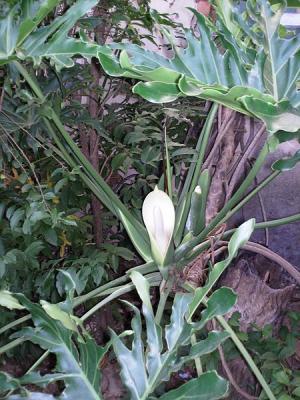
Variegated Philodendron
Philodendron imbe Schott ex Kunth
Recognized botanical synonyms and synonym-linked historical names include:
- Caladium imbe Kunth
- Calostigma imbe Schott
- Philodendron callifolium Engl.
- Philodendron sellowianum Kunth
Important identification and evidence-boundary note:
- The true Philodendron imbe is a rare or possibly extinct climbing species historically associated with wet Atlantic Forest in Rio de Janeiro, Brazil.
- The name Philodendron imbe has been misapplied in herbaria, horticulture, and the collector trade to multiple other climbing philodendrons.
- A plant sold as “Philodendron imbe,” “Philodendron imbe Variegata,” “variegated imbe,” “imbe variegated,” or “variegated Philodendron imbe” may be another Philodendron species, a cultivar, a hybrid, or another ornamental aroid.
Important non-synonym confusion names:
- Philodendron acutatum Schott — one species involved in historical or horticultural confusion with P. imbe
- Philodendron appendiculatum Nadruz & Mayo — another Brazilian climbing species involved in P. imbe interpretation and misidentification history
- Philodendron burle-marxii G.M.Barroso — Burle Marx Philodendron; frequently confused in trade discussions but not a synonym of P. imbe
- Philodendron ‘Jose Buono’ / ‘José Buono’ — cultivated collector plant often associated with “imbe” searches but not a verified synonym of true P. imbe
- Rhaphidophora tetrasperma Hook.f. — Mini Monstera, Philodendron Ginny, or Philodendron imbe Ginny in trade; not a Philodendron
- Monstera deliciosa Liebm. and variegated Monstera cultivars — separate genus; similar calcium-oxalate oral-irritant hazard but not Philodendron imbe
- Epipremnum aureum (Linden & André) G.S.Bunting — Pothos or Devil’s Ivy; another aroid often confused with philodendrons
- Scindapsus pictus Hassk. — Satin Pothos or Silver Philodendron in trade; separate aroid genus
Araceae
Commonly called the Arum or Aroid family.
Variegated Philodendron; Variegated Imbe; Imbe Philodendron; Philodendron Imbe; Philodendron imbe; Philodendron imbe Variegata; Philodendron imbe Variegated; Imbé; Imbe; Variegated Aroid; Variegated Climbing Philodendron; Birdsnest Philodendron; Bird’s-Nest Philodendron; Caladium imbe; Calostigma imbe; Philodendron callifolium; Philodendron sellowianum.
Common nursery, collector, and search-name confusion includes Philodendron imbe variegata, variegated imbe philodendron, imbe variegata, imbe marble, imbe yellow variegated, imbe white variegated, Philodendron imbe Ginny, Philodendron Ginny, Mini Monstera, Variegated Monstera, Variegated Monsteras, Burle Marx Philodendron, Variegated Burle Marx, Philodendron Jose Buono, Philodendron José Buono, Wend-imbe, and “split-leaf philodendron” listings. These are not all botanical synonyms and should not be collapsed into one verified species identity.
“Imbé” is an ambiguous Brazilian vernacular name applied to multiple climbing aroids and does not confirm Philodendron imbe. “Variegated Monstera” and the misspelling “Variegated Monsteras” are misapplied nursery or search names rather than botanical synonyms. “Mini Monstera,” “Philodendron Ginny,” and “Philodendron imbe Ginny” commonly refer to Rhaphidophora tetrasperma, not true Philodendron imbe. Exact identification may require mature growth, stem and petiole characters, cataphyll behavior, an inflorescence with spathe and spadix, provenance, and expert aroid examination. For first aid, however, a chewed variegated philodendron-type aroid should be treated as an insoluble-calcium-oxalate exposure while the name is being resolved.
Insoluble Calcium Oxalate Crystals Are the Core Hazard
Variegated Philodendron poisoning is caused principally by water-insoluble calcium oxalate crystals embedded throughout living aroid tissues. In Philodendron, calcium oxalate can occur in several forms, including long needle-shaped raphides, star-like druses, elongated styloids, and individual prisms. Raphides are the form most directly associated with the sudden burning pain that occurs when an animal bites a leaf, petiole, climbing stem, aerial root, cataphyll, inflorescence, cutting, or other living tissue.
The crystals develop inside specialized plant cells called idioblasts. An idioblast differs from surrounding cells because it stores a distinctive substance such as mineral crystals, oil, resin, pigment, latex, tannin, or mucilage. Raphide idioblasts are often elongated cells containing bundles of calcium oxalate needles suspended within a gelatinous or mucilaginous matrix. Philodendron anatomy is more varied than the old simplified image of every crystal cell acting as an identical microscopic syringe, but chewing, tearing, pruning, crushing, or propagating the plant clearly ruptures crystal-bearing cells and releases their contents into nearby tissue.
Once released, the sharp crystals penetrate the lips, tongue, gums, inner cheeks, palate, pharynx, and other soft tissues. The injury starts during chewing, not after a toxin has been absorbed through the bloodstream. This explains the dramatic speed of the reaction: an exposed animal may drop the leaf, shake its head, cry out, gag, paw at the mouth, salivate heavily, or refuse water within seconds to minutes. The crystals are insoluble; they do not simply dissolve because the animal drinks water, milk, or broth.
The punctures also allow plant sap and inflammatory mediators to intensify the injury. Damaged tissue releases histamine, kinins, prostaglandins, and other mediators that stimulate pain receptors, dilate local blood vessels, and increase leakage of fluid into the tissue. The result is not just “tiny needles.” It is mechanical penetration plus biologic inflammation, producing burning, redness, edema, gagging, painful swallowing, and sometimes enough tongue or throat swelling to threaten the airway.
Philodendron Crystal Diversity and the Limits of Species-Specific Evidence
An anatomical study of nineteen Philodendron taxa documented raphides, druses, styloids, prisms, and multiple raphide-containing cell forms in leaf blades, midribs, and petioles. That work supports a genus-level crystal mechanism. It also warns against overclaiming direct species evidence. True Philodendron imbe was not necessarily the same thing as every commercial “variegated imbe” in circulation, and many nursery plants sold under that name are likely misidentified.
This matters because the public page must serve two audiences at once. A botanist or serious collector needs to know that true P. imbe has a complicated typification and identification history. A pet owner needs to know what to do when a dog or cat chews the plant in front of them. Those two goals are compatible: the exact label may be wrong, but philodendron-type aroids commonly share the insoluble calcium oxalate oral-irritant hazard. First aid should not wait for expert identification of a rare Atlantic Forest species.
Possible Proteases and Why the Claim Must Stay Qualified
Proteolytic enzymes are often mentioned in aroid poisoning because experimental work with some raphide-containing plants suggests that crystals and protein-degrading enzymes can act together. The raphides create thousands of microscopic entry points, while an enzyme or proteinaceous irritant can deepen inflammation and tissue injury. This mechanism is biologically plausible for aroids and helps explain why some exposures feel more severe than mechanical scratching alone might predict.
It should not be overstated for this page. A specific protease has not been isolated and established as the principal toxin of true Philodendron imbe. The safer wording is that insoluble calcium oxalate crystals are the best-supported toxic principle, and proteinaceous sap components or proteolytic activity may contribute in some aroids or some philodendron-type exposures. Public first aid does not change: remove access, remove loose residue only when safe, prevent grooming, watch the airway, and seek veterinary care when swallowing or breathing is affected.
Insoluble Oxalate Is Not the Same as Soluble Oxalate Poisoning
Insoluble calcium oxalate must be distinguished from soluble oxalate salts. Soluble oxalates can dissolve, enter the circulation, bind free calcium, cause hypocalcemia, disturb muscular and cardiac function, and precipitate within the kidneys. Those soluble-oxalate plants create systemic mineral and renal concerns that are different from the ordinary philodendron syndrome.
Philodendron raphides are already bound as poorly soluble calcium oxalate and act predominantly at the point of contact. Ordinary philodendron chewing is therefore not expected to produce the classic soluble-oxalate syndrome, direct oxalate-associated kidney failure, or predictable systemic hypocalcemia. If an animal develops reduced urination, abnormal kidney values, seizures, severe depression, collapse, or profound systemic illness after a philodendron exposure, the veterinarian should consider dehydration, shock, hypoxia, prolonged anorexia, plant misidentification, pesticide or fertilizer exposure, medication ingestion, caustic injury, true lily exposure in cats, urinary disease, or another unrelated problem.
All Living Plant Parts Should Be Treated as Irritating
Every living part of a philodendron-type aroid should be treated as potentially irritating. Leaves create the most common household exposure because they hang at animal height and are visually obvious, but petioles, climbing stems, aerial roots, underground roots, sap, cataphylls, inflorescences, unripe fruit, propagation nodes, fresh cuttings, and plant fragments can all release crystals. Moss poles and coir poles can become contaminated with sap and plant residue after pruning or chewing.
Aerial roots deserve special mention because owners often move the leafy canopy out of reach but leave the dangling roots accessible. A dog may chew aerial roots protruding from a pot or climbing pole. A cat may bat and chew a hanging root. Rabbits, birds, reptiles, or small mammals may chew propagation pieces placed on a shelf, in a trash can, or near an enclosure. Cut stem nodes and discarded cataphylls are small but still living plant tissue capable of causing mouth irritation.
Variegated white, cream, yellow, mint, or pale-green tissue should not be assumed safer than green tissue. Variegation changes chlorophyll distribution and appearance; it does not prove the absence of idioblasts, raphides, sap irritants, or inflammatory plant constituents. Highly variegated plants may grow more slowly and command higher prices, but rarity and color do not reduce the pet-poisoning mechanism.
Why Severe Ingestion Is Usually Limited but Not Impossible
The first bite usually hurts. That immediate pain discourages continued chewing, which is why many philodendron exposures remain limited. An animal often drops the leaf before swallowing much tissue. This self-limiting feature helps explain why dramatic fatalities are not characteristic of ordinary philodendron ingestion.
That deterrent is not absolute. Puppies, kittens, rabbits, guinea pigs, birds, reptiles, compulsive plant chewers, bored indoor pets, and animals with access to shredded fragments may continue chewing or return repeatedly. A pet can also transfer sap from the mouth to paws, coat, eyelids, and then groom more material after the original bite. A dog that pulls down a vine may swallow leaves, stem sections, potting mix, fertilizer, moss-pole fiber, plant ties, or plastic clips along with the plant.
Commercial Misidentification Does Not Change the First Response
The marketed identity of the plant does not materially change the initial toxicologic response. A specimen sold as variegated Philodendron imbe may actually be another philodendron, a hybrid, Rhaphidophora tetrasperma, Scindapsus, Epipremnum, or a variegated Monstera. These closely related ornamental aroids commonly contain insoluble calcium oxalate crystals and produce a similar oral-pain syndrome.
Accurate identification remains important for botanical records, plant value, conservation claims, unusual clinical signs, and prevention. It matters whether a seller is misusing the name of a rare or possibly extinct Brazilian species. It does not justify delaying care while an animal is gagging, drooling, or developing throat swelling. Treat the exposure as an aroid raphide injury first; resolve the exact plant name second.
What the 2026 Cat Case Does and Does Not Prove
A 2026 case report described a cat with anorexia, lethargy, jaundice, increased liver-enzyme activities, and hyperbilirubinemia after suspected chewing of an unidentified Philodendron species. The cat recovered fully over approximately two months with supportive gastrointestinal and hepatic care. The case is useful because it shows that a cat that stops eating after plant-associated mouth or gastrointestinal irritation may develop a serious secondary clinical course.
The report does not establish direct, predictable hepatotoxicity from Philodendron imbe. The plant was not identified to species, additional diagnostics such as biopsy were not performed, and the authors considered secondary hepatic lipidosis after anorexia as a plausible explanation. This distinction belongs in the public page because it prevents two errors at once: dismissing prolonged feline anorexia as “just mouth irritation,” and overstating philodendron as a proven routine liver poison.
Immediate Oral Pain Is the Classic Pattern
Clinical signs usually begin immediately or within minutes because the main injury occurs while the animal is biting and crushing the plant. The animal may abruptly drop the leaf, shake its head, rub its muzzle, paw frantically at its mouth, lick its lips, cough, gag, retch, or vocalize. Profuse drooling develops as the oral tissues become painful and swallowing becomes difficult.
The lips, gums, tongue, inner cheeks, palate, and pharynx may become red, swollen, tender, blistered, or superficially ulcerated. The mouth may look crowded if the tongue enlarges. The animal may repeatedly approach food or water but then pull away because swallowing hurts. Owners sometimes mistake this for choking, nausea, dental pain, a bee sting, or something stuck in the throat.
The speed of onset is an important clue. A systemic poison usually needs absorption time before signs appear. Philodendron raphides injure tissue directly during chewing, so signs can begin while the leaf is still in the mouth.
Swallowing Trouble and Airway Warning Signs
Inflammation can extend into the pharynx and, less commonly, the laryngeal region. An affected animal may hold its mouth partly open, repeatedly attempt to swallow, stretch the neck, drool continuously, cough while trying to drink, or sound hoarse. A dog’s bark may become weak or rough. A cat’s meow may become altered or disappear temporarily.
Most philodendron exposures do not obstruct the airway, but severe tongue, pharyngeal, or laryngeal edema can make breathing difficult. Warning signs include stridor, wheezing, open-mouth breathing, rapid shallow gasps, exaggerated chest or abdominal effort, panic, blue-gray gums, weakness, and collapse. These findings require emergency treatment rather than home observation or waiting to see whether an antihistamine helps.
Short-nosed dogs and cats, animals with laryngeal disease, collapsing trachea, asthma-like airway disease, brachycephalic airway syndrome, prior throat surgery, heart disease, or aspiration history may tolerate even moderate swelling poorly. A small amount of swelling in the wrong anatomic location can matter more than the amount of leaf swallowed.
Gastrointestinal Signs After Swallowing Plant Tissue
Swallowed plant tissue can irritate the esophagus, stomach, and intestine. Nausea, vomiting, dry heaving, appetite loss, abdominal discomfort, depression, and diarrhea may follow the initial mouth reaction. Vomit may contain leaf fragments, stem pieces, aerial root pieces, potting medium, moss-pole fiber, plant ties, or sap-coated material. Seeing plant fragments in vomit does not prove the mouth, throat, or stomach is no longer irritated.
Most gastrointestinal signs are mild. Persistent vomiting can nevertheless cause dehydration and repeatedly expose the esophagus and mouth to irritating plant material. Diarrhea may be secondary to swallowed sap, plant fiber, stress, diet change, co-ingested potting material, or another exposure. Blood in vomit or stool is not expected after a minor bite and suggests more substantial mucosal injury or a separate gastrointestinal problem requiring veterinary evaluation.
Repeated vomiting or diarrhea can cause dehydration, electrolyte imbalance, weakness, and poor circulation. Tacky gums, sunken eyes, reduced urination, collapse, inability to keep water down, or worsening lethargy means the case has moved beyond a simple mouth-burn event.
Eye, Skin, and Grooming-Related Signs
Skin and eye exposure may occur when sap contacts the muzzle, paws, eyelids, or coat. Local skin signs can include burning, redness, itching, swelling, dermatitis, small erosions, or hair loss from licking. A pet that paws at its painful mouth and then rubs an eye may transfer crystal-bearing sap directly onto the corneal surface.
Eye exposure can cause intense pain, blinking, tearing, conjunctival redness, eyelid swelling, corneal abrasion, ulceration, or persistent cloudiness. Continued rubbing can deepen the injury. Eye pain after a philodendron exposure deserves veterinary examination, not just oral-poisoning advice.
Grooming can prolong exposure. A cat may initially bite a leaf, then groom sap from its paws and coat for hours afterward. A dog may smear sap across the muzzle and front legs. Birds may wipe the beak against perches. Rabbits or guinea pigs may continue contacting contaminated bedding. Decontamination is not just cosmetic; it prevents repeated ingestion and spread to eyes or damaged skin.
Systemic Signs That Are Not Typical of an Uncomplicated Exposure
Convulsions, coma, direct renal failure, and permanent liver damage are not characteristic consequences of uncomplicated insoluble calcium oxalate exposure. Seizures or coma could occur secondarily after severe hypoxia, shock, aspiration, extreme electrolyte disturbance, or another toxin. Reduced urination may reflect dehydration or poor renal perfusion rather than crystals accumulating directly in the kidneys.
Jaundice, sustained liver-enzyme elevations, marked weakness, collapse, seizures, coma, major behavior change, severe tremors, or abnormal urination should widen the investigation. The animal may have eaten a different plant, chewed a pesticide-treated plant, swallowed fertilizer, licked a medication, inhaled vomit, developed dehydration, or have unrelated disease. The plant label should not be allowed to stop the diagnostic work.
Cats and the Anorexia-Hepatic Lipidosis Boundary
Cats may nibble leaf tips, climb through vines, rub against damaged tissue, walk through sap during pruning, or groom residue from paws and coat. Drooling, oral pain, vomiting, hiding, and food refusal are principal concerns. A cat that stops eating after mouth pain is not automatically safe because the oral swelling appears to be improving.
The 2026 suspected Philodendron case involved a cat with anorexia, lethargy, jaundice, increased liver enzymes, and hyperbilirubinemia. The report did not prove direct plant hepatotoxicity, and secondary hepatic lipidosis from prolonged anorexia was considered plausible. That is the key owner lesson: a cat that refuses food beyond the immediate painful period should be treated actively, not watched for several days because the plant is “only an oral irritant.”
Warning signs in cats include persistent drooling, hiding, repeated vomiting, no meaningful food intake, weakness, yellow gums or eyes, dark urine, reduced urination, or failure to resume drinking. Home vomiting attempts are unsafe for cats, and force-feeding a painful or gagging cat can worsen aspiration risk.
Dogs
Dogs may bite hanging leaves, pull down climbing vines, chew aerial roots, dig in the pot, eat propagation cuttings, or shred plant material during play. Puppies and dogs that mouth household objects are at highest risk. A dog may also swallow moss-pole material, coir fiber, sphagnum, perlite, potting mix, fertilizer, systemic insecticide granules, plastic clips, plant ties, or labels during the same incident.
Typical signs include immediate mouth pain, drooling, head shaking, pawing, gagging, retching, vomiting, food refusal, and swelling of the lips or tongue. Large dogs often stop after one painful bite, but small dogs and puppies may become dehydrated more quickly if vomiting continues. Any breathing change, severe tongue swelling, inability to swallow water, repeated vomiting, collapse, or persistent abdominal pain requires prompt examination.
Horses, Cattle, Sheep, Goats, Pigs, and Camelids
Horses may encounter philodendron through discarded houseplants, tropical landscape trimmings, greenhouse waste, or barn-office plants thrown into a manure or brush pile. Horses cannot vomit. Possible signs include heavy salivation, head tossing, muzzle rubbing, feed refusal, repeated swallowing, coughing, tongue swelling, nasal reflux, diarrhea, and colic-like behavior. Respiratory noise or inability to swallow requires immediate equine assessment.
Livestock are unlikely to continue eating a plant that causes immediate mouth pain when normal forage is available. Exposure becomes more plausible when ornamental cuttings are thrown into an enclosure, mixed with yard waste, placed in open compost, or offered during forage shortage. Cattle, sheep, goats, pigs, alpacas, and llamas may show salivation, repeated mouth movements, tongue swelling, reduced intake, ruminal discomfort, diarrhea, bloat, depression, or breathing difficulty. Goats and pigs may be especially likely to investigate cuttings and potting debris.
A group exposure should prompt removal of the complete plant source and inspection for pesticides, fertilizer, systemic insecticides, other discarded ornamentals, toxic bulbs, spoiled compost, plastic, metal plant stakes, or foreign material. Do not assume every sign is from calcium oxalate if livestock were exposed to a mixed landscaping pile.
Rabbits, Guinea Pigs, Birds, Reptiles, and Other Small Animals
Rabbits and guinea pigs cannot vomit. They may show drooling, food refusal, tooth grinding, pawing at the mouth, diarrhea, soft stool, abdominal discomfort, reduced fecal output, lethargy, or weakness. In these species, gastrointestinal slowing and appetite loss can become more serious than the initial mouth injury. Philodendron leaves, vines, aerial roots, and cuttings should never be used as browse, bedding, enclosure décor, or enrichment.
Birds may chew leaves, stems, aerial roots, or climbing-pole material and then wipe sap on the beak, feathers, or eyes. Possible signs include beak rubbing, drooling-like oral wetness, regurgitation, reduced appetite, watery droppings, fluffed posture, poor perching, weakness, or eye irritation. Reptiles and tortoises may show reduced appetite, abnormal stool, inactivity, dehydration, oral irritation, or eye signs rather than the dog-and-cat pattern of vomiting and drooling. Species-specific safe doses are not established.
Duration, Recovery, and When the Course Is No Longer Routine
Most limited exposures improve substantially within several hours and resolve within approximately one to three days. Deeper oral ulceration, esophageal inflammation, significant tongue edema, corneal injury, or prolonged food refusal may require several days or longer to heal. Symptoms continuing for close to two weeks are possible after substantial tissue injury, but that is not the expected course after one brief taste of a philodendron leaf.
Recovery should be steady: drooling decreases, swallowing improves, appetite returns, vomiting stops, hydration remains normal, and breathing stays quiet. Worsening swelling, repeated gagging, inability to swallow, persistent vomiting, dehydration, eye pain, jaundice, reduced urination, seizures, coma, or marked weakness requires reassessment for airway compromise, aspiration, secondary anorexia, foreign material, caustic exposure, true lily exposure in cats, pesticide or fertilizer poisoning, or another disease process.
The Name Philodendron imbe Has Been Widely Misapplied
The scientific name attached to this page belongs to a real species, but it has one of the more complicated identification histories in ornamental philodendrons. Botanists, herbarium workers, nurseries, collectors, and online sellers have applied the name Philodendron imbe to several different climbing aroids. A plant label or online listing is therefore not strong proof that the plant in the home is the true species.
A detailed taxonomic investigation found that the name had been used for multiple medium-sized hemiepiphytic philodendrons from Brazil’s Atlantic Forest, including material now interpreted as other species. The true species was reinterpreted from nineteenth-century descriptions and an illustration based on material collected near Rio de Janeiro. Modern botanical treatment accepts the name, but its living status is uncertain and Kew currently marks it extinct in southeastern Brazil.
That uncertainty has practical consequences. A seller’s claim that a plant is rare variegated P. imbe deserves scrutiny. A genuine variegated clone of a rare or extinct Atlantic Forest species would require credible provenance and expert identification, not just resemblance to a climbing philodendron. For pet poisoning, however, the immediate treatment category is still clear: a chewed philodendron-type aroid with drooling and mouth pain should be managed as an insoluble calcium oxalate exposure while exact identification is sorted out.
Why This Page Retains the Variegated Philodendron Title
Variegated Philodendron is a long-established pet-poison, nursery, and owner search term. It describes the exposure owners are likely to report when a cream, white, yellow, or mint-variegated climbing aroid is sold as a philodendron. The page title should not be read as proof that every variegated philodendron is true P. imbe.
The common title identifies a practical ornamental-plant risk category. The scientific discussion explains the naming problem. That combination is stronger than pretending every commercial “imbe” is botanically verified or, on the other hand, removing a search term owners actually use during emergencies.
Accepted Name, Botanical Synonyms, and Conservation Context
The accepted scientific name is Philodendron imbe Schott ex Kunth. Kew recognizes Caladium imbe, Calostigma imbe, Philodendron callifolium, and Philodendron sellowianum within its synonymy or synonym-linked history. Some of these names were never validly published under modern nomenclatural rules but remain useful for tracing older botanical literature and herbarium labels.
The true species is associated with wet Atlantic Forest in the state of Rio de Janeiro, Brazil. It is a climbing aroid rather than a naturally occurring Asian, African, Australian, or Central American species. Kew’s extinct marker and the typification literature do not prove that every plant in cultivation is gone or every nursery plant is false, but they make casual trade identification unreliable.
Growth Form of True Philodendron imbe
Botanical descriptions characterize the species as a scandent or climbing plant. The stem is green or rusty purple, with relatively slender internodes and linear-lanceolate cataphylls protecting emerging leaves. The petioles are long and somewhat flattened along the front. Leaf blades are parchment-like and oblong-sagittate or ovate-sagittate, especially in juvenile growth, with a deep basal sinus, backward-pointing posterior lobes, and a longer anterior portion tapering toward a short pointed tip.
The documented wild species is not defined by white, cream, yellow, or mint variegation. A plant sold as “variegated imbe” may be a selected sport, a propagated clone historically placed under that name, a hybrid, or a completely different species. Without a mature inflorescence and provenance, juvenile foliage alone is a weak basis for certainty.
Inflorescence and Why Mature Characters Matter
Like other philodendrons, true P. imbe produces a spadix surrounded by a modified leaf called a spathe. Published descriptions describe a green lower spathe tube with reddish interior and a blade that is dirty pale yellow. Inflorescence structure provides more reliable taxonomic evidence than juvenile leaves because many unrelated climbing aroids develop superficially similar green arrow-shaped foliage indoors.
Most houseplants never flower under ordinary indoor conditions. Juvenile leaves, variegation, climbing habit, and sales labels are therefore often all the owner has. That is enough for emergency triage but not for serious botanical certainty. A veterinarian does not need to prove the exact species before treating oral raphide injury; a collector should not claim a rare taxon based on juvenile leaf shape alone.
Philodendron and Monstera Are Separate Genera
Philodendron and Monstera both belong to Araceae, but they are separate botanical genera. A plant cannot be both a philodendron and a monstera at the same time. Mature Monstera leaves often develop internal holes, called fenestrations, as well as divisions reaching the margin. Philodendron leaves can be entire, lobed, divided, or pinnate, but their inflorescence, floral details, leaf development, and stem anatomy differ.
The trade phrases “Monstera philodendron,” “split-leaf philodendron,” and “variegated monstera philodendron” reflect horticultural history and visual resemblance rather than precise modern taxonomy. “Variegated Monstreras” combines a misspelling of Monstera with an inaccurate association between two genera. The naming error may not change the first-aid response because variegated Monstera also contains insoluble calcium oxalate crystals, but it does matter for accurate identification and prevention.
Mini Monstera and Rhaphidophora tetrasperma
Plants sold as Mini Monstera, Philodendron Ginny, Philodendron Piccolo, Philodendron imbe Ginny, or “Ginny Philodendron” frequently belong to Rhaphidophora tetrasperma. This is another climbing aroid, native to Southeast Asia, with compact leaves that develop divisions resembling a miniature Monstera. It is neither Philodendron nor Monstera.
The first-aid issue remains similar because Rhaphidophora is also an aroid with irritating calcium oxalate crystals. The label mistake matters for plant records, but a pet that chews “Philodendron Ginny” should still be kept away from the plant, have loose mouth material removed only when safe, and be monitored for drooling, mouth pain, vomiting, and swallowing or breathing difficulty.
Other Plants Sold as “Philodendron imbe”
The name has been applied horticulturally to plants called Burle Marx Philodendron, José Buono, variegated José Buono, variegated Burle Marx, and several unnamed collector clones. Some listings also use “Wend-imbe” for a hybrid attributed to Philodendron wendlandii and a plant historically called P. imbe. These names should not be collapsed into one accepted botanical species.
The exact parentage and identification may differ, but all philodendron-type aroids should be treated as oral irritants unless dependable species-specific evidence establishes otherwise. A nursery price tag, rarity claim, or variegated-leaf photograph does not prove animal safety.
Variegation Does Not Reduce Toxicity
Variegation occurs when portions of the leaf contain less chlorophyll or lack it entirely. White, cream, yellow, pale green, sectoral, marbled, or speckled patterns may result from genetic chimerism, mutations, cultivar selection, or other plant-development processes. The pale tissue may be visually dramatic, but it remains living plant tissue.
The absence of chlorophyll does not prove the absence of calcium oxalate idioblasts. Green and variegated sections remain capable of containing crystals and inflammatory sap. Highly variegated plants may grow more slowly and produce thinner or more delicate tissue, but they should not be considered less poisonous or safe for pets to chew.
The Philodendron Genus and Aerial Roots
Philodendron is one of the largest genera in Araceae, containing hundreds of accepted species native to tropical regions of the Americas. The plants range from compact terrestrial herbs to large climbers, epiphytes, hemiepiphytes, and massive self-supporting forms. Many climb tree trunks using aerial roots. Some begin on the forest floor and grow toward a support, then shift growth as light, rooting, and support conditions change.
Aerial roots are not inert ropes. They are plant tissue and should be treated as potentially irritating. Pets may chew exposed aerial roots even when the leaves are placed out of reach. Cut aerial roots, stem nodes, and propagation pieces can remain accessible on work surfaces, floors, shelves, trash bags, compost, or shipping material. A small discarded cutting may create a more realistic household exposure than the intact plant on a tall shelf.
The Araceae Family and Related Poisoning Confusion
Araceae contains thousands of species, including philodendrons, monsteras, pothos, peace lilies, calla lilies, dumb canes, elephant ears, arrowhead vines, anthuriums, jack-in-the-pulpits, taro, and many other ornamentals and food plants. Many aroids form insoluble calcium oxalate crystals as part of mineral regulation and herbivore defense. Similar chemistry creates overlapping poisoning signs even when the plants belong to different genera.
The family resemblance explains why owners may misidentify one aroid as another. It does not eliminate the need to distinguish a philodendron exposure from a true lily exposure in cats, a cardiac-glycoside plant, a soluble-oxalate plant, a caustic cleaner, an insect sting, or a physical foreign body. Similar mouth signs can have very different emergency priorities.
Calcium Oxalate Crystal Forms in Philodendrons
An anatomical study of nineteen Philodendron taxa found raphides, druses, styloids, and simple prisms distributed through leaf blades, midribs, and petioles. The researchers documented several distinctive forms of raphide-containing cells, including spindle-shaped or tubular forms, wide cells containing bundles, overlapping crystals, and other crystal arrangements. Crystal type and distribution varied among species and plant tissues.
True P. imbe was not the central verified subject of every modern houseplant sold under that name. The research still strongly supports a genus-wide mechanism. It also explains why different aroid bites may vary in severity even when owners use the same common word “philodendron.” Leaf age, tissue type, species, hybrid background, amount chewed, and degree of crushing all matter.
How Raphides Cause Pain
A raphide is an elongated, needle-like crystal. Numerous raphides are stored together inside specialized cells. Chewing breaks the cells and compresses the surrounding tissue, releasing crystals into the mouth. Each penetration stimulates local pain receptors and creates a small wound.
The combined effect of thousands of microscopic injuries produces a disproportionately intense reaction from what may appear to be one small bite of a leaf. The animal is not “being dramatic” when it drools, paws, and refuses water after only a nibble. The mouth and throat can be genuinely painful even when the swallowed dose is small.
Inflammation Magnifies the Mechanical Injury
The body responds to crystal penetration by releasing inflammatory mediators. Blood vessels dilate, tissue becomes red, and fluid leaks into the injured area. This edema can enlarge the tongue, lips, and throat. The reaction may continue to worsen for a period after the plant has been removed because embedded crystals and tissue damage remain.
Not every swollen animal is experiencing a classic allergic reaction. Direct raphide injury alone can produce dramatic edema without prior sensitization. That is why diphenhydramine is not a substitute for airway monitoring. Antihistamines may have a role in selected cases, but an animal with progressive throat swelling needs veterinary airway assessment, not a home medication trial.
Oral, Esophageal, and Gastrointestinal Injury
The lips, tongue, gums, palate, and pharynx are the first tissues affected. The animal may salivate heavily, shake the head, paw at the mouth, and refuse food or water. Tongue swelling can make the mouth appear crowded. Pharyngeal inflammation can cause repeated swallowing, coughing, gagging, or a changed voice. Severe laryngeal edema is uncommon but can interfere with airflow.
Plant pieces swallowed despite the oral pain can carry crystals and sap into the esophagus and stomach. Vomiting, abdominal discomfort, appetite loss, and diarrhea may follow. Most gastrointestinal signs are mild. Persistent vomiting can nevertheless cause dehydration and repeatedly expose injured tissues to irritating plant material. Repeated vomiting, bloody diarrhea, abdominal enlargement, or failure to retain water requires examination for more substantial mucosal injury, aspiration, foreign material, or another diagnosis.
Skin and Eye Exposure
Sap and crushed tissue can irritate the lips, muzzle, paws, eyelids, and damaged or sparsely haired skin. Redness, burning, itching, and local swelling may occur. An animal may spread the irritant by pawing at its mouth, rubbing its face, or grooming contaminated fur. Washing the coat and preventing continued licking are therefore important parts of exposure control.
Raphides or sap entering the eye can abrade the corneal surface and cause severe pain, blinking, tearing, redness, and eyelid swelling. Continued rubbing can deepen the injury. Immediate gentle irrigation is appropriate when it can be done safely, but persistent squinting, cloudiness, discharge, swelling, or apparent vision difficulty requires veterinary examination and corneal staining.
The 2026 Suspected Feline Hepatopathy Case
Sérgio G. Afonso, Sara Bacelar, and Joana C. Prata described a six-year-old spayed female cat that developed anorexia, lethargy, jaundice, increased liver-enzyme activities, and hyperbilirubinemia after suspected chewing of an unidentified Philodendron plant. The cat received supportive gastrointestinal and hepatic treatment. Jaundice resolved, liver values gradually normalized, and complete recovery was documented by day 55.
The report did not identify the plant to species or confirm direct hepatotoxicity. Ultrasound, biopsy, and several additional diagnostic investigations were not performed. The authors concluded that the presentation was unlikely to be explained directly by the plant’s established toxicity and that prolonged anorexia may have triggered secondary hepatic lipidosis.
This case is useful because it shows that a cat refusing food after oral irritation may develop a serious secondary problem. It does not establish permanent liver damage as a predictable effect of P. imbe or other philodendrons. The practical rule is to take feline anorexia seriously without rewriting philodendron toxicology as a proven direct liver-poison syndrome.
Comparative Feline Feeding Evidence
An earlier toxicologic assessment exposed cats orally to minced leaves of Heartleaf Philodendron, identified in older usage as Philodendron oxycardium and now generally associated with Philodendron hederaceum, at reported quantities up to 9.1 grams per kilogram. The study did not produce acute clinical signs or lesions. That result supports the idea that systemic absorption and internal organ toxicity may be limited in some philodendron exposures.
That finding should not be stretched too far. The study involved another philodendron rather than true P. imbe. Experimental dosing conditions may not capture immediate oral pain, airway edema, eye exposure, sap on fur, potting-material ingestion, or the clinical reality of a cat that stops eating. It helps calibrate risk; it does not make philodendrons safe.
Dogs
Dogs may bite hanging leaves, pull down vines, chew aerial roots, dig in the pot, investigate a moss pole, or eat propagation cuttings. Puppies and dogs that habitually mouth household objects are at greatest risk. Typical signs include immediate mouth pain, drooling, head shaking, pawing, gagging, vomiting, food refusal, and swelling of the lips or tongue.
Large dogs may stop after a brief bite, but puppies and small dogs can become dehydrated quickly if vomiting continues. A dog that swallowed potting mix, fertilizer, systemic insecticide granules, perlite, plant clips, or moss-pole material needs a broader assessment than “philodendron leaf.” Any change in breathing or swallowing requires prompt examination.
Cats
Cats may nibble leaf tips, climb through vines, rub against damaged tissue, or walk through sap during pruning. Residue on the paws and coat may be swallowed repeatedly during grooming. Drooling, oral pain, vomiting, hiding, and food refusal are principal concerns.
Continued anorexia should not be dismissed after the mouth appears better because cats can develop hepatic lipidosis when they fail to eat for an extended period. A cat that refuses food beyond the immediate painful period, becomes jaundiced, vomits repeatedly, hides continuously, or urinates less needs veterinary care and nutritional support planning.
Horses and Livestock
Horses may encounter philodendron through discarded houseplants, tropical landscape trimmings, greenhouse cleanup, or barn-office plants thrown into a manure pile. They cannot vomit. Possible signs include heavy salivation, head tossing, muzzle rubbing, feed refusal, repeated swallowing, coughing, tongue swelling, nasal reflux, diarrhea, and colic. Respiratory noise or inability to swallow requires immediate equine assessment.
Cattle, sheep, goats, pigs, alpacas, and llamas are unlikely to keep eating a painful plant when normal forage is available, but exposure becomes realistic when ornamental cuttings are thrown into an enclosure, mixed with yard waste, placed in open compost, or offered during forage shortage. Salivation, feed refusal, repeated mouth movements, tongue swelling, ruminal discomfort, diarrhea, bloat, and breathing difficulty are possible. The entire plant pile should be removed, and co-exposures such as pesticides, fertilizer, plastic ties, or other ornamentals should be investigated.
Rabbits, Birds, Reptiles, and Other Small Animals
Rabbits and guinea pigs cannot vomit. After philodendron exposure they may show drooling, food refusal, tooth grinding, diarrhea, soft stool, abdominal discomfort, reduced fecal output, lethargy, or weakness. Gastrointestinal slowing and anorexia can become secondary emergencies. Philodendron leaves, stems, aerial roots, and cuttings should not be used as browse or enrichment.
Birds may chew leaves, aerial roots, cuttings, or moss-pole material and may develop beak irritation, regurgitation, watery droppings, poor perching, eye irritation, or reduced intake. Reptiles and tortoises may show reduced appetite, abnormal stool, oral irritation, eye irritation, inactivity, dehydration, or weakness rather than the dog-and-cat pattern. Species-specific safe doses are not established.
Diagnosis
Diagnosis generally rests on a credible exposure, immediate onset of oral pain, and identification of the plant as a philodendron or similar raphide-containing aroid. Save the plant label and photograph the entire specimen, climbing stem, aerial roots, petioles, upper and lower leaf surfaces, variegation pattern, moss pole, potting medium, and any inflorescence. A mature spathe and spadix can be particularly valuable for expert identification.
A veterinarian evaluates the mouth, tongue, pharynx, airway, swallowing, hydration, abdomen, skin, and eyes. Blood testing is usually unnecessary after mild localized irritation but may be appropriate when vomiting persists, the animal becomes weak, food refusal continues, urination changes, jaundice appears, or liver, kidney, metabolic, infectious, or co-exposure disease is suspected.
Important Differential Diagnoses
Other calcium oxalate aroids include Monstera, Rhaphidophora, Scindapsus, pothos, peace lily, calla lily, Dieffenbachia, Syngonium, Caladium, Alocasia, Colocasia, Anthurium, jack-in-the-pulpit, and related houseplants. They can create very similar drooling, mouth pain, swelling, and vomiting.
Caustic cleaners, batteries, electrical burns, insect stings, caterpillar hairs, bones, sticks, fishhooks, dental disease, oral ulcers, and esophageal foreign bodies can also cause sudden drooling, gagging, mouth pain, and difficulty swallowing. Kidney failure in a cat raises concern for true lilies, ethylene glycol, medication, urinary obstruction, severe dehydration, or another renal disease rather than ordinary philodendron raphide injury. Seizures, coma, jaundice, or profound systemic illness require investigation for another toxicant or complication.
Veterinary Treatment and Prognosis
There is no specific antidote. Treatment focuses on stopping additional exposure, removing accessible plant residue, relieving pain, controlling vomiting, maintaining hydration, protecting the airway, and treating eye or skin injury. A veterinarian may gently cleanse the mouth, administer analgesia and antiemetic medication, provide fluids when vomiting or inability to drink causes dehydration, and select gastrointestinal protection when esophageal or gastric injury is suspected.
Antihistamines may be used when hypersensitivity or histamine-mediated inflammation appears clinically important, but they do not remove crystals and cannot substitute for airway management. Corticosteroids may be considered in selected severe inflammatory cases after risks and benefits are assessed. Progressive tongue, pharyngeal, or laryngeal edema may require oxygen, sedation, endotracheal intubation, or another airway procedure. Medication should not delay physical airway support when airflow is deteriorating.
Induced vomiting is generally undesirable after a raphide exposure because irritating crystals will pass across the esophagus and mouth again. Activated charcoal does not remove mineral needles embedded in tissue and is not routine treatment for uncomplicated philodendron poisoning. The prognosis is excellent for most limited exposures, but it becomes more guarded with progressive airway swelling, aspiration, severe dehydration, corneal injury, persistent food refusal, jaundice, or signs inconsistent with ordinary raphide irritation.
Prevention
Keep climbing philodendrons entirely outside the reach of pets. A tall shelf is not sufficient when vines hang downward, aerial roots extend from the pot, or cats can climb the supporting furniture. Move the whole plant, not just the prettiest leaves. Secure moss poles, trailing vines, water reservoirs, plant clips, and propagation jars.
Wear gloves while cutting or propagating the plant and remove every leaf, stem section, aerial root, cataphyll, paper towel, and sap-contaminated surface used for cleanup. Wash sap from tools, floors, counters, shelves, shipping material, and animal-accessible surfaces. Do not throw plant cuttings into livestock enclosures, rabbit runs, bird cages, reptile enclosures, open compost piles, or outdoor areas accessible to pets. Preserve the nursery label, but do not rely on it as proof of exact species identity.
Immediate Steps After Exposure
Stop further exposure immediately. Remove the animal from the plant, hanging leaves, climbing stems, aerial roots, moss pole, propagation cuttings, cataphylls, stem nodes, potting medium, water reservoir, sap-contaminated tools, and contaminated surfaces. Secure plant fragments so another animal cannot chew them while care is being arranged.
- Contact professional help: Call a veterinarian, emergency veterinary hospital, or animal poison-control service. Report the animal’s species, weight, estimated amount, plant part, time of exposure, and any change in breathing, swallowing, voice, appetite, vomiting, eye comfort, or behavior.
- Remove loose material carefully: If the animal is alert, cooperative, breathing normally, and swallowing normally, clear visible plant pieces from the lips and front of the mouth without reaching deeply toward the throat.
- Gently remove visible residue: Wipe accessible lips, gums, tongue, muzzle, paws, coat, feathers, scales, or skin with a damp cloth. A gentle mouth rinse is appropriate only when the animal is breathing and swallowing normally.
- Prevent grooming and rubbing: Sap on paws, muzzle, coat, eyelids, feathers, or scales can be spread into the mouth and eyes. Quiet confinement, a cone, a towel barrier, or supervised separation may be needed while care is arranged.
- Preserve identification evidence: Bring or photograph the plant label, online listing name, whole specimen, upper and lower leaf surfaces, variegation, petioles, aerial roots, stem nodes, moss pole, any spathe or spadix, and any recognizable material found in vomit.
- Preserve co-exposure evidence: Save fertilizer labels, pesticide products, systemic insecticide granules, potting mix bags, moss-pole materials, plant clips, ties, propagation chemicals, or other plants accessible at the same time.
Do not wait for the exact plant name to be settled. A plant sold as Philodendron imbe may be another aroid, but the immediate mouth-pain syndrome is managed the same way: stop exposure, remove residue safely, protect swallowing and breathing, and get veterinary help when signs are more than mild.
Do Not Attempt Unsupervised Home Treatment
- Do not induce vomiting: Hydrogen peroxide, salt, mustard, oil, syrup of ipecac, dish soap, detergent, and manual gagging can worsen irritation and cause aspiration.
- Do not force water into the mouth: A gagging, coughing, heavily drooling, or poorly swallowing animal may inhale the liquid.
- Do not automatically give milk, yogurt, cheese, bread, oil, or other food: Dairy and food do not remove crystals embedded in tissue and may be aspirated when the tongue or throat is swollen.
- Do not give diphenhydramine without veterinary direction: Direct crystal injury can cause severe edema without a classic allergic reaction, and an antihistamine cannot secure a narrowing airway.
- Do not force activated charcoal: Charcoal does not remove insoluble calcium oxalate needles and presents an aspiration risk in a drooling, vomiting, gagging, or poorly swallowing animal.
- Do not administer Kapectolin, Kaopectate, bismuth, sucralfate, antacids, pain relievers, corticosteroids, antibiotics, eye medication, or antidiarrheal medication without veterinary direction: Treatment depends on species, airway safety, swallowing ability, hydration, eye injury, and extent of tissue damage.
- Do not wait for collapse: Hoarseness, increasing tongue swelling, repeated gagging, stridor, open-mouth breathing, or worsening difficulty swallowing may precede serious airway obstruction.
Skin and Eye Decontamination
Wear gloves and wash sap from the paws, coat, muzzle, feathers, scales, and skin with lukewarm water and a mild pet-safe cleanser. Rinse well and prevent licking until the material has been removed. Clean collars, harnesses, bedding, grooming tools, floors, counters, carriers, shelves, and other contaminated surfaces.
If sap or plant tissue enters an eye, begin gentle irrigation with sterile saline or clean lukewarm water when this can be done safely. Do not rub the eye, scrape the eye surface, apply leftover medication, or use human redness drops. Persistent squinting, tearing, redness, swelling, cloudiness, discharge, pawing, or apparent vision difficulty requires veterinary examination and corneal staining.
Skin irritation may worsen if the animal keeps licking or scratching. Redness, swelling, raw areas, crusting, face rubbing, paw chewing, eyelid involvement, or signs of infection should be assessed. Owner-selected antihistamines or steroids are not a substitute for determining whether the problem is irritation, allergy, corneal injury, infection, or another exposure.
When Emergency Examination Is Especially Important
- Breathing becomes noisy or difficult: Stridor, wheezing, open-mouth breathing, rapid shallow gasps, exaggerated respiratory effort, blue-gray gums, weakness, or collapse may indicate airway compromise.
- Tongue or throat swelling is increasing: Progressive edema can impair swallowing and narrow the airway after chewing has stopped.
- Swallowing or vocalization changes: Continuous drooling, repeated gagging, coughing with water, neck extension, nasal reflux, hoarse bark, weakened meow, or inability to swallow requires assessment.
- Vomiting or diarrhea is persistent: Inability to retain water, tacky gums, weakness, reduced urination, or collapse indicates clinically important dehydration.
- The eye remains painful: Severe squinting, cloudiness, eyelid swelling, discharge, or inability to open the eye may indicate corneal injury.
- A cat refuses food beyond the immediate painful period: Continued anorexia can contribute to hepatic lipidosis and should not be managed by waiting several days.
- Jaundice, dark urine, markedly reduced urination, seizures, coma, or profound weakness develops: These are not expected uncomplicated signs and require investigation for secondary illness, another toxicant, or unrelated disease.
- A horse develops swallowing difficulty or colic: Heavy salivation, repeated swallowing, nasal reflux, coughing, feed refusal, rolling, sweating, abdominal distention, or reduced manure requires immediate equine care.
- Small mammals, birds, or reptiles stop eating: Rabbits, guinea pigs, birds, reptiles, and other small animals can deteriorate from anorexia, dehydration, or gastrointestinal slowing after an irritant exposure.
Veterinary Treatment
The veterinarian may examine the mouth, tongue, pharynx, larynx, respiratory effort, hydration, abdomen, skin, and eyes. Treatment can include careful oral cleansing, analgesia, antiemetic medication, fluids, gastrointestinal protection, oxygen, eye irrigation, corneal staining, topical eye treatment, and skin care. The veterinarian’s first priority is not neutralizing a swallowed poison; it is making sure the patient can breathe, swallow, maintain hydration, and avoid ongoing tissue injury.
Significant upper-airway edema may require continued observation, oxygen, sedation, endotracheal intubation, or another emergency airway procedure. Medication should not delay physical airway support when airflow is deteriorating. A dog or cat with severe swelling may need monitoring until breathing and swallowing are clearly normal, not simply a quick rinse and discharge.
Persistent vomiting, food refusal, jaundice, weakness, abnormal urination, or prolonged clinical course may justify blood chemistry, electrolytes, complete blood count, urinalysis, imaging, and repeated monitoring. A cat that will not resume eating may require appetite support or active nutritional support before secondary hepatic lipidosis develops or worsens. If the exposure involved pesticide, fertilizer, systemic insecticide, caustic cleaner, another plant, or foreign material, treatment priorities may change.
Dogs and Cats
Dogs should be monitored for drooling, pawing at the mouth, head shaking, gagging, vomiting, diarrhea, abdominal pain, appetite loss, tongue swelling, voice change, breathing effort, hydration, urination, and eye irritation. A dog that pulled down a plant may have swallowed potting mix, perlite, moss-pole fiber, plant ties, fertilizer, or plastic clips in addition to leaf tissue.
Cats should be monitored for drooling, hiding, vomiting, food refusal, pawing, eye irritation, grooming of sap from the coat, and hydration. Home vomiting attempts are unsafe for cats. Continued refusal to eat is a meaningful warning sign even if mouth swelling improves. Cats that do not resume food intake need veterinary follow-up and may need active nutritional planning.
Horses and Livestock
Horses, ponies, and donkeys should be removed from discarded philodendron plants, vines, tropical landscape trimmings, greenhouse waste, barn-office plant debris, and contaminated compost. They cannot vomit. Salivation, muzzle rubbing, feed refusal, repeated swallowing, coughing, nasal reflux, tongue swelling, diarrhea, or colic requires equine veterinary guidance. Do not force water, oil, charcoal, or feed into a horse with mouth pain or swallowing trouble.
Cattle, sheep, goats, pigs, alpacas, llamas, and other livestock should be removed from all cuttings, yard waste, compost, greenhouse trimmings, and mixed ornamental plant piles. Preserve the plant material and any co-exposures for inspection. Group access should be treated as a group exposure even if only the smallest, hungriest, or most curious animal is sick first.
Birds, Rabbits, Guinea Pigs, Reptiles, and Small Pets
Birds with beak rubbing, regurgitation, watery droppings, poor perching, weakness, fluffed posture, eye irritation, or reduced food intake need avian veterinary guidance. Minimize handling stress and do not force food or water. Remove all plant fragments from the cage, perch, food dish, and water dish.
Rabbits and guinea pigs cannot vomit. Drooling, food refusal, tooth grinding, diarrhea, reduced fecal output, abdominal discomfort, lethargy, or weakness after exposure requires species-specific care. Reptiles and tortoises should be kept within their appropriate temperature range and evaluated by an exotic-animal veterinarian if ingestion was meaningful or signs develop.
Recovery and Prognosis
Most animals with limited exposure improve within several hours and recover fully within approximately one to three days. More substantial tongue, esophageal, gastric, skin, or eye injury may require several days or longer to heal. Improvement should be steady: drooling decreases, swallowing improves, breathing remains quiet, appetite returns, vomiting stops, and eye comfort improves.
An animal with significant tongue or throat swelling should remain under professional observation until normal breathing and swallowing are clearly restored. Continued anorexia, vomiting, jaundice, eye pain, systemic weakness, dark urine, reduced urination, or neurologic signs requires reassessment rather than repeated household medication. Permanent liver or kidney damage is not expected after an uncomplicated raphide exposure, so persistent organ abnormalities require investigation for secondary anorexia, dehydration, hypoxia, another plant, pesticide contamination, medication, or underlying disease.
Prevention After the Incident
Keep the entire vine beyond animal reach. A high shelf is not enough when stems trail down, aerial roots hang from the pot, or cats can climb the furniture. Secure propagation jars, moss poles, plant cabinets, grow tents, shipping boxes, cuttings, and pruning debris. Remove fallen leaves, cataphylls, and aerial-root pieces promptly.
Wear gloves while pruning or propagating. Clean sap from tools, floors, counters, plant stands, shelves, and sinks. Dispose of cuttings in closed animal-inaccessible trash. Do not throw philodendron material into livestock pens, horse paddocks, rabbit runs, bird cages, reptile enclosures, open compost, or dog-accessible yard waste. Keep the plant label for identification, but do not rely on the label as proof that the plant is true Philodendron imbe.
Frequently Asked Questions About Variegated Philodendron and Animal Poisoning
Is the houseplant sold as Philodendron imbe always the true species?
No. The name has been applied historically and commercially to several different climbing philodendrons and other aroids. True Philodendron imbe is a rare or possibly extinct Atlantic Forest species from Rio de Janeiro, Brazil. Many plants sold as variegated imbe are likely another species, cultivar, hybrid, or misidentified aroid. That uncertainty matters botanically, but it does not make the plant safe to chew.
Is Variegated Philodendron poisonous to dogs?
Yes. Dogs that chew a variegated philodendron-type aroid may develop immediate mouth pain, head shaking, pawing at the mouth, drooling, gagging, vomiting, diarrhea, appetite loss, and swelling of the lips or tongue. Most limited exposures improve with supportive care, but breathing difficulty, inability to swallow, repeated vomiting, collapse, or severe swelling requires emergency veterinary attention.
Is Variegated Philodendron poisonous to cats?
Yes. Cats may develop drooling, mouth pain, vomiting, hiding, food refusal, and grooming-related sap exposure. The immediate danger is usually oral irritation and swelling, not classic absorbed systemic poisoning. A cat that refuses food beyond the immediate painful period needs veterinary follow-up because prolonged anorexia can contribute to hepatic lipidosis and other secondary illness.
Is Variegated Philodendron the same as Variegated Monstera?
No. Philodendron and Monstera are separate genera. Nursery labels sometimes combine or interchange the names because the plants are related and can look similar. Both groups can contain insoluble calcium oxalate crystals and cause comparable oral irritation, so the first-aid response may be similar even when the label is wrong.
Is Mini Monstera a form of Philodendron imbe?
Usually not. Mini Monstera, Philodendron Ginny, Philodendron Piccolo, and Philodendron imbe Ginny commonly refer to Rhaphidophora tetrasperma. It belongs to another aroid genus but still contains irritating calcium oxalate crystals. Do not treat it as pet-safe because it is small or mislabeled.
Which parts of Variegated Philodendron are poisonous?
Leaves, petioles, climbing stems, aerial roots, underground roots, sap, cataphylls, inflorescences, unripe fruit, propagation cuttings, and stem nodes should all be treated as potentially irritating. White, cream, mint, or yellow variegated tissue is not known to be safer than green tissue. Aerial roots and discarded cuttings are common overlooked exposure sources.
How do the calcium oxalate crystals cause poisoning?
Needle-shaped raphides are stored inside specialized cells called idioblasts. Chewing ruptures those cells and releases the crystals into the mouth. The needles puncture soft tissue, while local inflammation causes burning pain, drooling, redness, and swelling. The injury begins during chewing, which is why signs can appear almost immediately.
Does Philodendron imbe contain a proteinase toxin?
Proteases can intensify raphide injury in some aroids, and the mechanism is biologically plausible for philodendrons. No particular proteolytic enzyme has been confirmed as a principal toxin of true P. imbe. Insoluble calcium oxalate remains the best-supported toxic principle, with possible sap or proteinaceous irritants treated as contributing factors rather than proven species-specific primary toxins.
Can Philodendron swelling block an animal’s airway?
Severe airway obstruction is uncommon but possible. Increasing tongue or throat swelling, hoarse voice, stridor, open-mouth breathing, gasping, blue-gray gums, weakness, or collapse requires immediate emergency treatment. An antihistamine at home cannot secure a narrowing airway or remove crystals embedded in tissue.
Can Variegated Philodendron cause kidney failure?
Direct kidney failure is not expected from ordinary insoluble calcium oxalate exposure. Philodendron raphides act mainly where they contact tissue and are not the same as soluble oxalate salts that enter the bloodstream and damage kidneys. Kidney abnormalities after exposure should prompt evaluation for dehydration, shock, another plant, true lily exposure in cats, medication, urinary disease, or another toxin.
Can Variegated Philodendron cause permanent liver damage?
Permanent direct liver damage is not an expected effect of uncomplicated philodendron raphide exposure. A 2026 cat case described reversible hepatopathy after suspected Philodendron chewing, but direct plant causation was not established and secondary hepatic lipidosis from prolonged anorexia was considered possible. The key practical warning is that a cat that stops eating needs care.
How long do Philodendron poisoning symptoms last?
Most limited exposures improve within hours and resolve within approximately one to three days. Significant tongue swelling, oral ulceration, esophageal irritation, stomach inflammation, dermatitis, or eye injury may take longer. Persistent vomiting, swelling, food refusal, eye pain, jaundice, weakness, or breathing difficulty requires veterinary reassessment.
Should the mouth be flushed after a Philodendron bite?
Loose residue may be gently wiped away, and a gentle rinse may be appropriate only when the animal is alert, breathing normally, and swallowing normally. Do not force water toward the throat. A gagging, coughing, heavily drooling, or poorly swallowing animal may aspirate liquid, making the situation worse.
Should milk, yogurt, or cheese be given?
Do not automatically give dairy. Dairy does not pull embedded crystals out of tissue and can be aspirated if the tongue or throat is swollen. Some veterinary references discuss calcium-containing foods for selected mild insoluble-oxalate exposures, but the animal must be able to swallow safely and a veterinarian should guide that decision.
Should diphenhydramine be used after Philodendron exposure?
Not without veterinary direction. Direct raphide injury can cause swelling without a classic allergic reaction, and diphenhydramine cannot remove crystals or protect an obstructed airway. Antihistamines may be selected for some patients, but progressive tongue or throat swelling requires airway assessment first.
Should hydrogen peroxide be used to make a dog vomit?
No. Induced vomiting is generally undesirable after a raphide exposure because irritating crystals and sap would pass across the esophagus and mouth again. Hydrogen peroxide can also cause significant stomach and esophageal irritation, prolonged vomiting, bleeding, and aspiration. Veterinary guidance is required before any decontamination attempt.
Should activated charcoal be used?
Do not force activated charcoal at home. Charcoal does not remove insoluble calcium oxalate needles embedded in tissue and presents an aspiration risk in a drooling, vomiting, gagging, or poorly swallowing animal. It is not routine treatment for uncomplicated philodendron poisoning.
What should I do if sap gets in my pet’s eye?
Begin gentle irrigation with sterile saline or clean lukewarm water if this can be done safely. Do not rub the eye or try to scrape away crystals. Persistent squinting, tearing, redness, swelling, cloudiness, discharge, or apparent vision difficulty requires veterinary examination and corneal staining because raphides can injure the corneal surface.
Can sap on paws or fur cause more poisoning?
Yes. Sap on paws, muzzle, coat, feathers, or scales can be spread to the mouth and eyes during grooming or rubbing. Wipe or wash visible residue with lukewarm water and a mild pet-safe cleanser when the animal is stable enough. Prevent licking until residue is removed.
Is Variegated Philodendron poisonous to horses?
It should be treated as poisonous or inappropriate forage. Horses may develop salivation, mouth pain, tongue swelling, feed refusal, repeated swallowing, coughing, nasal reflux, diarrhea, or colic after chewing philodendron cuttings. Horses cannot vomit, and forced oral fluids are unsafe when swallowing or choke is a concern.
Is Variegated Philodendron poisonous to cattle, sheep, goats, and pigs?
Yes, it should be kept out of livestock feed and enclosures. Cattle, sheep, goats, pigs, alpacas, and llamas may show salivation, mouth pain, reduced intake, tongue swelling, ruminal discomfort, diarrhea, bloat, or breathing difficulty after unusual access. Landscape cuttings and houseplant waste should never be dumped where livestock can browse them.
Is Variegated Philodendron safe for rabbits or guinea pigs?
No. Rabbits and guinea pigs should not be offered philodendron leaves, vines, aerial roots, or cuttings. They cannot vomit, and mouth pain or gut irritation can lead to food refusal, reduced fecal output, diarrhea, tooth grinding, lethargy, and gastrointestinal slowing. Species-specific veterinary care is needed if signs develop.
Is Variegated Philodendron safe for birds or reptiles?
No. Philodendron material should not be used as bird enrichment, cage greenery, tortoise forage, reptile browse, or enclosure décor. Birds may develop beak irritation, regurgitation, watery droppings, weakness, poor perching, or eye irritation. Reptiles may show reduced appetite, abnormal stool, inactivity, dehydration, or oral and eye signs.
How do veterinarians diagnose Variegated Philodendron poisoning?
Diagnosis usually relies on known access, immediate oral pain, and identification of the plant as a philodendron or similar aroid. Useful evidence includes the plant label, online seller name, photos of the entire plant, variegation, petiole, stem, aerial roots, inflorescence, propagation pieces, and vomited fragments. Bloodwork is not routine for every mild mouth exposure but may be needed for persistent vomiting, weakness, jaundice, reduced urination, or prolonged food refusal.
What differentials matter most?
Important differentials include other aroids, caustic cleaners, batteries, electrical burns, insect stings, caterpillar hairs, bones, sticks, fishhooks, dental disease, oral ulcers, esophageal foreign bodies, true lilies in cats, soluble-oxalate plants, pesticides, fertilizers, medications, urinary obstruction, and unrelated liver or kidney disease. Severe systemic signs should not be blamed automatically on a mild philodendron bite.
How do veterinarians treat Variegated Philodendron poisoning?
Treatment is supportive and focused on oral cleansing, pain relief, vomiting control, hydration, airway protection, and skin or eye care. Severe throat swelling may require oxygen, sedation, intubation, or another airway procedure. Cats that will not resume eating may need active appetite or nutritional support. There is no specific antidote that neutralizes embedded calcium oxalate crystals.
What is the prognosis?
The prognosis is excellent for most limited exposures. Immediate pain usually stops continued chewing, and oral and gastrointestinal signs commonly improve within hours to a few days. The outlook becomes more guarded with progressive airway swelling, aspiration, severe dehydration, corneal injury, persistent food refusal, jaundice, or signs inconsistent with ordinary raphide irritation.
How can Variegated Philodendron poisoning be prevented?
Keep the entire vine, hanging leaves, aerial roots, climbing pole, propagation cuttings, and discarded plant pieces beyond animal reach. Wear gloves while pruning, clean sap from tools and surfaces, and secure every fragment. Do not throw cuttings into livestock enclosures, rabbit runs, bird cages, reptile enclosures, open compost, or dog-accessible yard waste. Preserve the nursery label but do not assume it proves exact species identity.