PAWS Pet Poison Plant Guide
Is American Holly Poisonous to Dogs, Cats, Horses, and Livestock?
Yes—American Holly, Ilex opaca, is poisonous to dogs, cats, horses, livestock, and other animals that eat it, although it is considered a low-severity poisonous plant rather than a commonly life-threatening poison. Saponins and related plant compounds in the red fruit and foliage can irritate the stomach and intestines, causing excessive drooling, nausea, vomiting, abdominal discomfort, diarrhea, reduced appetite, lethargy, and depression. The stiff, spine-tipped evergreen leaves create a separate physical hazard because they can cut or puncture the lips, gums, tongue, palate, throat, eyes, paws, and skin. Most limited exposures resolve with monitoring or basic supportive care, but numerous fruits, repeated vomiting, dehydration, a lodged leaf or woody branch, or ingestion of wire, ribbon, floral foam, preservatives, artificial snow, or another poisonous holiday plant may require veterinary treatment.
About this guide: This page provides general pet-poisoning information and cannot diagnose or treat an individual animal. For any suspected exposure, contact a veterinarian or animal poison-control service immediately. Do not induce vomiting, give medication, or attempt home decontamination unless directed by a veterinary professional.
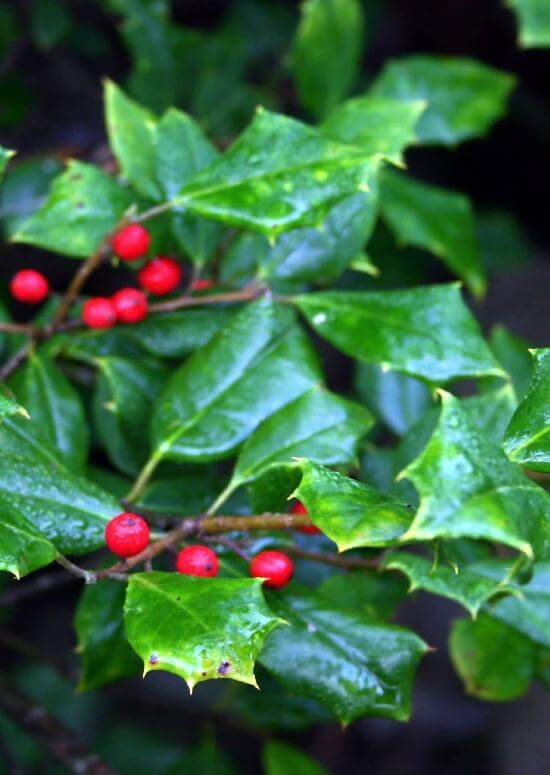
American Holly
Ilex opaca Aiton
Recognized botanical synonyms and historical names include:
Ageria opaca (Aiton) Raf.
Ilex aquifolium var. opaca (Aiton) Laurentius
Ilex americana Lam.
Ilex canadensis Marshall
Ilex laxiflora Lam.
Ilex quercifolia Meerb.
Ilex opaca var. acuminata Raf.
Ilex opaca var. floribunda Demcker
Ilex opaca var. globosa Raf.
Ilex opaca var. integra Alph.Wood
Ilex opaca var. latifolia Raf.
Ilex opaca var. laxiflora (Lam.) Nutt.
Ilex opaca var. macrodon Raf.
Ilex opaca f. subintegra Weath.
Ilex opaca var. subintegra (Weath.) Rehder
Ilex opaca f. xanthocarpa Rehder
The Florida plant historically called Ilex opaca var. arenicola is now commonly treated as the separate accepted species Ilex arenicola Ashe. Dune Holly, Hummock Holly, and Scrub Holly should therefore not be used automatically as exact synonyms for typical Ilex opaca.
Aquifoliaceae Bercht. & J.Presl — Holly Family
Order: Aquifoliales
American Holly, American-Holly, White Holly, Prickly Holly, Evergreen Holly, Christmas Holly, Christmas-Holly, American Christmas Holly, Yule Holly, Yule-Holly, Native Holly, Ilex opaca, Ageria opaca, Ilex americana, Ilex canadensis, Ilex laxiflora, Ilex quercifolia
Dune Holly, Hummock Holly, and Scrub Holly were historically applied to coastal Florida plants classified as Ilex opaca var. arenicola. Those plants are now commonly treated as the separate species Ilex arenicola rather than as regional forms of American Holly.
English Holly, European Holly, Common Holly, and Oregon Holly generally refer to Ilex aquifolium, a separate Eurasian and North African species that has naturalized in portions of western North America.
Inkberry is Ilex glabra. Winterberry is Ilex verticillata. Possumhaw is Ilex decidua. Dahoon Holly is Ilex cassine. Yaupon Holly is Ilex vomitoria. These are related hollies but are not botanical synonyms for American Holly.
False Holly or Holly Osmanthus is generally Osmanthus heterophyllus. Oregon Grape Holly is Mahonia aquifolium. Sea Holly refers to Eryngium, Holly Fern to Cyrtomium, and Hollyhock to Alcea rosea. These unrelated plants should not be identified as Ilex opaca from the word “holly” alone.
Triterpenoid Saponins and Gastrointestinal Irritation
Saponins are the best-supported toxic principles in American Holly. These plant-defense glycosides contain a water-attracting sugar portion joined to a fat-attracting triterpenoid structure. Their detergent-like interaction with cell membranes can irritate the lining of the mouth, stomach, and intestines.
After an animal swallows enough fruit or foliage, that irritation may cause excessive salivation, nausea, vomiting, abdominal cramping, diarrhea, appetite reduction, lethargy, and depression. Most limited exposures remain mild because the fruit is small, the foliage is tough and unpalatable, and the saponin concentration is not usually sufficient to cause major systemic poisoning.
The amount required to cause visible illness varies. One or two fruits may produce no signs in a healthy medium or large dog, while the same amount represents a greater relative exposure for a kitten, puppy, toy-breed dog, rabbit, or small bird. Repeated access and ingestion of a complete fruiting cluster create more concern than one isolated fruit.
Saponins may increase membrane permeability and stimulate gastrointestinal secretion and movement. They do not ordinarily produce the delayed kidney failure, severe liver failure, bone-marrow suppression, or predictable lethal arrhythmias associated with more dangerous holiday plants.
Fruit Pulp, Phenolic Defenses, and Hard Stones
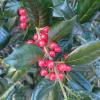
The round red structures commonly called Holly berries are botanically drupes rather than true berries. Each consists of fruit pulp surrounding several hard seed-bearing stones. A dog or cat that eats the fruit usually swallows the skin, pulp, defensive compounds, and stones together.
American Holly fruit pulp contains saponins and phenolic compounds as important classes of secondary metabolites. The fruit also contains pigments, sugars, structural sclereids, flavonoids, phenolic acids, and other compounds involved in color, defense, maturation, and wildlife dispersal.
The concentration and balance of these compounds change as the fruit develops. Green immature fruit and fully red winter fruit are not chemically identical, but maturity does not make the fruit pet-safe. The persistent red display remains the plant part most likely to attract an animal and the part most consistently emphasized in poisoning warnings.
The hard stones commonly pass through after a small exposure, but numerous fruits can add indigestible material to an already irritated gastrointestinal tract. Risk of obstruction rises when fruit is swallowed with woody stems, ribbon, wire, florist foam, plastic fruit, hooks, or other decorative material.
Triterpenes, Phenolics, and the Limits of Chemical Lists
American Holly contains a broader mixture of pentacyclic triterpenes and related compounds. Oleanane-, ursane-, and amyrin-related structures occur widely in the genus Ilex, and oleanolic-acid-, ursolic-acid-, sterol-, flavonoid-, and anthocyanin-related compounds have been discussed in chemical literature.
The presence of a molecule in a laboratory extract does not establish that it causes an acute poisoning syndrome in a dog or cat. Concentrated solvent extracts may reveal compounds that occur in very small amounts in intact fruit or foliage and that contribute little to an ordinary exposure.
The most accurate clinical description remains saponin-driven gastrointestinal irritation supported by a complex background of phenolic and triterpenoid plant defenses. Individual compounds should not be presented as though each has a known veterinary toxic dose or contributes equally to vomiting and diarrhea.
Ilicin or illicin is an older term applied inconsistently to a bitter Holly glycoside, fraction, or poorly defined mixture. It is useful as historical chemistry but should not be presented as one purified modern toxin responsible for every American Holly case.
Caffeine and Theobromine Are Not the Expected Toxins
Theobromine should not be described as the primary American Holly toxin. Caffeine and related methylxanthines are well established in particular beverage-producing hollies, especially Yaupon Holly, Yerba Mate, and Guayusa, but chemistry varies substantially among Ilex species.
American Holly ingestion does not ordinarily produce the stimulant syndrome associated with chocolate, coffee, caffeine tablets, energy products, concentrated tea, or Yaupon and Yerba Mate extracts. Marked agitation, continuous pacing, pronounced tachycardia, hyperthermia, severe tremors, seizures, or a dangerous cardiac rhythm should not be blamed automatically on Ilex opaca.
Those findings require investigation for chocolate, coffee, tea, medications, decongestants, supplements, another Holly species, pesticide, or a mixed holiday exposure.
Cyanide Is Not the Expected American Holly Hazard
Cyanogenic and nitrile compounds have appeared in discussions of other members of the large Holly genus, and older references sometimes carried those claims across species without adequate separation.
A clinically important cyanide-releasing compound has not been established as the defining poison in American Holly. Rapid respiratory collapse, severe oxygen deprivation, seizures, brilliant-red blood, or sudden death is not the expected result of an ordinary fruit or leaf ingestion.
Such signs require immediate investigation for another plant, industrial or agricultural chemical, smoke exposure, medication, fertilizer, contaminated water, or another rapidly acting toxin.
Sharp Leaves, Woody Stems, and Holiday Materials
The rigid evergreen leaves create a separate mechanical hazard independent of the saponins. Many leaves have several spine-tipped teeth along the margins and a sharp terminal point capable of cutting or puncturing the lips, gums, tongue, palate, pharynx, eyes, paws, or exposed skin.
A leaf may become lodged across the roof of the mouth, behind the canine teeth, beneath the tongue, or farther back in the throat. A woody twig can splinter, become trapped in the esophagus, or pass into the stomach and intestines as a foreign body.
Holiday arrangements add risks that do not come from the plant itself. Wire, staples, pins, hooks, ribbon, string, florist foam, glue, plastic fruit, glitter, paint, artificial snow, preservatives, flame retardants, light cords, batteries, Yew, Mistletoe, Bittersweet, Boxwood, Ivy, and other greenery may accompany American Holly.
Severe illness after chewing a wreath or centerpiece may therefore reflect a lodged object, another poisonous plant, electrical injury, battery exposure, or a chemical coating rather than unusually severe saponin poisoning.
No Dependable Safe or Toxic Dose
No universal safe fruit count, leaf weight, saponin dose, stone count, or lethal amount has been established for an individual dog, cat, horse, livestock animal, rabbit, bird, or other pet.
Risk depends on the animal’s size, age, medical condition, plant part, amount swallowed, maturity of the fruit, duration of access, stomach contents, and whether vomiting or diarrhea prevents normal hydration.
A healthy animal that swallowed one isolated fruit and remains normal does not present the same risk as a five-pound puppy that ate an entire cluster or a cat that swallowed foliage, ribbon, and florist wire from an arrangement.
Drying, freezing, pruning, storage, or holiday use does not make fruit, foliage, or branches predictably safe. Dried fruit may fall more readily, and dried leaves and twigs may become more brittle and mechanically hazardous.
Early Gastrointestinal Signs
The most likely signs are gastrointestinal and generally begin within several hours. An affected dog or cat may lick the lips, swallow repeatedly, drool, appear nauseated, vomit, develop abdominal discomfort, pass soft or watery diarrhea, refuse food, or become unusually quiet.
A dog may pace, eat grass, stretch repeatedly, assume a hunched posture, whine, or resist abdominal handling. A cat may hide, crouch, stop grooming, withdraw from normal interaction, or approach food and then turn away.
Some animals remain completely normal after eating one or two fruits. American Holly is a genuine gastrointestinal irritant, but it is not ordinarily a highly lethal plant. The absence of immediate signs does not prove safety after a large or uncertain ingestion, particularly when other decoration materials may also be missing.
Vomiting, Diarrhea, and Abdominal Pain
Vomiting may occur once after a limited exposure or recur after ingestion of numerous fruits, leaves, or an arrangement. Vomit may contain red fruit pulp, stones, leaf fragments, woody material, foam, food, or clear fluid.
Diarrhea may be soft or watery and may include mucus, urgency, straining, or cramping. Repeated defecation can be accompanied by restlessness, repeated requests to go outside, or discomfort when the abdomen is handled.
A small red streak in saliva or vomit may come from a leaf-spine cut or irritation caused by repeated retching. Repeated bloody vomiting, coffee-ground material, black stool, substantial bloody diarrhea, severe abdominal enlargement, or marked focal pain is not expected after an uncomplicated minor exposure.
Those findings may indicate deeper mechanical injury, erosive gastrointestinal disease, another poisonous plant, medication, obstruction, infection, pancreatitis, or another illness.
Dehydration, Weakness, and Appetite Loss
Repeated vomiting and diarrhea can cause dehydration even when the original poison is considered low severity. Dry or tacky gums, sunken eyes, reduced skin elasticity, increased thirst, reduced urination, rapid heart rate, cool extremities, worsening lethargy, weak pulses, or collapse indicates meaningful fluid loss.
Electrolyte disturbances may follow prolonged gastrointestinal losses and contribute to muscle weakness, trembling, abnormal heart rate, decreased gastrointestinal movement, or reduced responsiveness.
Depression and lethargy usually reflect nausea, abdominal discomfort, reduced food intake, or dehydration rather than a direct sedative toxin. Marked weakness, inability to stand, pale gums, or collapse is more serious than ordinary mild stomach upset.
Continued appetite refusal is particularly important in cats, rabbits, and guinea pigs. These animals may develop serious secondary metabolic or gastrointestinal complications when food intake remains inadequate.
Mouth, Throat, and Esophageal Injury
Sharp leaves and woody branches can produce signs that are not caused by saponins. Head shaking, pawing at the mouth, sudden crying, gagging, repeated coughing, painful swallowing, food refusal, blood-tinged saliva, or a changed bark or meow may indicate a cut or retained object.
A rigid leaf can lodge across the palate, behind the teeth, beneath the tongue, or in the pharynx. A twig, florist wire, hook, or other decoration component may become caught in the mouth or esophagus.
Persistent drooling, repeated unsuccessful swallowing, regurgitation, neck extension, coughing after drinking, or inability to handle saliva requires direct examination. A pet that cannot swallow normally should not be forced to drink, eat, or take medication.
Frantic pawing, inability to inhale, blue-gray gums, gasping, or collapse indicates choking or airway obstruction and requires immediate emergency care.
Eye and Skin Injuries
A pointed leaf, twig, wire, or decoration fragment can scratch or puncture the eyelid, conjunctiva, or cornea. Eye signs include sudden tearing, blinking, squinting, redness, eyelid swelling, discharge, cloudiness, blood, light sensitivity, or inability to keep the eye open.
Plant debris, glitter, artificial snow, paint, or preservative may become trapped beneath the eyelids and worsen the injury. A corneal scratch may be painful despite being too small to see without staining and magnification.
American Holly is not primarily a chemical contact-dermatitis plant. Most external injuries result from physical scratching or puncture by the leaf spines or branches. Continued licking, swelling, pain, discharge, or failure of a wound to heal may indicate infection or retained material.
Horses, Livestock, and Small Animals
Horses cannot vomit and may instead develop salivation, feed refusal, depression, mild colic, loose manure, diarrhea, or weakness after substantial ingestion. The stiff leaves may also injure the lips, gums, tongue, or palate.
Cattle, sheep, and goats may develop reduced appetite, gastrointestinal discomfort, diarrhea, ruminal slowing, depression, or weakness after consuming substantial foliage or landscape clippings. Severe livestock poisoning appears uncommon, but no safe browse quantity has been established.
Rabbits and guinea pigs may show appetite loss, fewer droppings, tooth grinding, abdominal distention, diarrhea, lethargy, or gastrointestinal stasis. Companion birds may develop regurgitation, altered droppings, appetite reduction, fluffed posture, weakness, tremors, or loss of balance.
Wildlife consumption does not establish a safe amount for captive animals. Native birds may consume fruit gradually, metabolize its compounds differently, or select it only during periods when other food is scarce.
Atypical Signs and Expected Course
Marked agitation, pronounced tachycardia, continuous tremors, severe incoordination, seizures, coma, respiratory failure, jaundice, kidney failure, uncontrolled bleeding, or sudden death is not the expected response to an ordinary American Holly exposure.
These signs require immediate investigation for Yew, Mistletoe, Nandina, Bittersweet, Nightshade, chocolate, caffeine, medication, pesticide, battery contents, electrical injury, another holiday plant, or unrelated disease.
Most uncomplicated cases improve within several hours to approximately one or two days. Continued vomiting, inability to retain water, bloody diarrhea, severe pain, progressive weakness, persistent appetite loss, breathing difficulty, or illness extending beyond the expected period warrants veterinary reassessment.
Plant Identity, Taxonomy, and Native Range
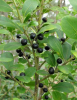
American Holly, Ilex opaca, is a broadleaf evergreen tree in the Holly Family, Aquifoliaceae. It is native to the central and eastern United States and is especially characteristic of the humid Southeast.
Its natural range extends from coastal Massachusetts and portions of southern New England south through the Atlantic Coastal Plain, Piedmont, Appalachians, Southeast, and Florida, and west through the lower Mississippi region to eastern Texas, Oklahoma, Arkansas, and southern Missouri.
The accepted species should be distinguished from the Florida scrub plant historically called Ilex opaca var. arenicola. Modern southeastern treatments commonly recognize that plant as the separate species Ilex arenicola, or Scrub Holly.
American Holly occurs in moist mixed forests, hardwood understories, pine-hardwood woods, bottomlands, stream margins, hammocks, swamp edges, maritime forests, sandy coastal sites, rocky slopes, and well-drained acidic soils. It is highly shade tolerant and may persist as an understory tree for many years.
Growth Form, Bark, Leaves, and Mechanical Risk
American Holly is a slow-growing evergreen tree that commonly reaches approximately twenty-five to sixty feet, although exceptional trees may become larger. Open-grown specimens often develop a dense conical, pyramidal, or rounded crown with branches close to the ground.
Forest-grown trees may remain narrower and carry fewer lower branches because of competition for light. Storms, pruning, land clearing, and holiday cutting can suddenly place large quantities of foliage and fruit at ground level.
The bark is thin, pale gray to gray-white, and often becomes slightly warty or irregular with age. Young branchlets may be green and finely hairy before becoming smooth and brown.
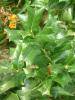
The alternate leaves are thick, leathery, and evergreen. They are generally oval, elliptic, or oblong, dull dark green above, and paler beneath. The comparatively matte surface is reflected in the species name opaca, meaning dull or opaque.
Many leaves have several stiff spine-tipped marginal teeth and a sharp terminal point. Spininess varies among seedlings, cultivars, branches, leaf age, and position within the crown. Some mature leaves may have fewer teeth or almost smooth margins, so one unarmed leaf does not rule out American Holly.
Leaves may remain attached for more than one growing season. Fallen leaves remain rigid and pointed after drying, creating a continuing mouth, eye, paw, and skin hazard beneath the tree or around discarded decorations.
Flowers, Male and Female Trees, Fruit, and Cultivars
American Holly produces small white, cream, or greenish-white flowers during spring. Flowering begins earlier in the southern part of the range and later near the northern limit.
The species is generally dioecious, meaning male and female flowers occur on separate trees. A female tree normally requires compatible pollen from a male flowering at approximately the same time to produce a full fruit crop.
A male tree without fruit still carries saponin-containing foliage and potentially sharp leaves. The absence of red fruit reduces the most attractive ingestion hazard but does not make chewing the tree appropriate.
Pollination is performed by insects, including bees, wasps, ants, and moths. After pollination, the female flowers develop into rounded drupes containing several hard stones.
The fruit usually ripens to bright red between early autumn and winter, although orange- and yellow-fruited forms exist. Fruit may remain on the tree through much of the winter until birds and mammals remove it.
Many American Holly cultivars have been selected for fruit abundance, fruit color, leaf shape, reduced or increased spininess, cold tolerance, compact growth, narrow crowns, and other ornamental traits. Cultivar status and unusual fruit color do not make the plant pet-safe.
American Holly and Similar Holly Species
English Holly, Ilex aquifolium, is a separate species native to Europe, western Asia, and northern Africa. It usually has darker, glossier foliage with more strongly undulating margins. It has naturalized invasively in portions of western North America, where it may be called Oregon Holly.
Inkberry, Ilex glabra, is an evergreen eastern North American shrub with relatively small, mostly spineless leaves and dark purple-black fruit. Winterberry, Ilex verticillata, is a deciduous shrub whose red, orange, or yellow fruit remains visible on bare branches after leaf fall.
Possumhaw, Ilex decidua, is another deciduous Holly with persistent winter fruit. Dahoon Holly, Ilex cassine, has narrower and less prominently spiny leaves and favors southeastern wetlands.
American Holly can hybridize with Dahoon Holly where their ranges overlap, producing plants classified as Ilex × attenuata. Foster-type hollies and other cultivated hybrids should also be treated as potentially saponin-containing ornamental hollies.
Yaupon Holly, Ilex vomitoria, is chemically important because its leaves contain caffeine and have been used as a beverage. Yerba Mate, Ilex paraguariensis, is another caffeine-containing Holly. Their methylxanthine chemistry should not be transferred automatically to American Holly.
False Holly, Osmanthus heterophyllus, is an unrelated member of the olive family with stiff spiny leaves. Oregon Grape Holly, Mahonia aquifolium, Sea Holly, Holly Fern, and Hollyhock are also unrelated plants whose common names do not establish American Holly toxicology.
Wildlife Food, Habitat, and Historical Uses
American Holly fruit is an important late-autumn and winter food for many songbirds, mourning doves, wild turkeys, northern bobwhite, squirrels, deer, and other wildlife. Birds and small mammals disperse the seeds.
The dense evergreen crown provides shelter, nesting cover, and protection from wind, storms, snow, predators, and winter exposure. Cavities in older trees can provide additional wildlife habitat.
Wildlife use does not establish safety for dogs, cats, horses, rabbits, livestock, poultry, or companion birds. Species differ in digestive physiology, metabolism, body size, feeding pattern, and natural adaptation to seasonal fruit.
American Holly has a long record of cultural, medicinal, decorative, and material use. Different Indigenous communities used selected plant parts for particular cultural and medicinal purposes, while the evergreen branches later became commercially important for winter decorations.
The pale, dense, close-grained wood has been used for carving, cabinetry, inlay, handles, engraving blocks, scientific instruments, and items intended to resemble ivory or ebony after staining.
Historical or cultural use does not establish that raw fruit, foliage, bark, roots, homemade tea, tinctures, or extracts are safe for an animal. Preparation, dose, purpose, and species knowledge matter, and concentrated preparations can create an exposure unlike casual contact with the living tree.
Seasonal, Household, and Holiday Exposure
Outdoor fruit exposure is greatest from autumn through winter, when the drupes are mature and conspicuous. Fallen fruit may accumulate beneath female trees, along patios, within dog yards, or near poultry and livestock areas.
Dogs may eat fallen fruit, chew lower branches, carry pruned Holly sticks, or investigate storm debris. Cats may bat loose fruit, chew leaves, climb into arrangements, or swallow residue while grooming.
Indoor exposure increases during the holiday season when fruiting branches are incorporated into wreaths, garlands, swags, centerpieces, fireplace decorations, church greenery, floral displays, and gift arrangements.
Cut branches may shed fruit as they dry. Individual drupes can roll beneath furniture or remain unnoticed on floors. Dried foliage may become brittle and produce sharper fragments.
Mixed arrangements may contain Yew, Mistletoe, Ivy, Boxwood, Bittersweet, Nandina, pine, cedar, artificial berries, floral foam, wire, staples, hooks, ribbon, artificial snow, glitter, paint, preservatives, flame retardants, light cords, and batteries.
Artificial Holly eliminates natural saponins but can still contain detachable plastic or foam fruit, wire stems, staples, small ornaments, and coatings capable of causing choking, puncture injury, or gastrointestinal obstruction.
Animals Most Likely to Be Exposed
Dogs are most likely to consume American Holly while eating fallen fruit, chewing lower branches, carrying pruning debris, or investigating holiday decorations. Puppies, food-motivated dogs, and habitual plant-chewers may swallow numerous fruits before the exposure is discovered.
Cats may chew leaves, play with fruit, climb to reach wreaths or centerpieces, or ingest plant residue from the coat. Continued feline food refusal requires attention because prolonged fasting can lead to secondary metabolic disease.
Horses may browse low branches, consume fallen fruit, or encounter trimmings discarded in a paddock. The poor palatability and sharp leaves usually discourage heavy consumption when adequate forage is available, but they are not reliable safeguards.
Cattle, sheep, and goats may consume Holly when desirable browse is scarce or when branches are cut and left in an enclosure. Holly should not be deliberately supplied as winter browse.
Rabbits and guinea pigs should not receive leaves, fruits, or branches as forage or chewing material. Companion birds should not be offered fruit merely because wild birds consume it.
Diagnosis, Prognosis, and Prevention
No routine blood or urine test confirms American Holly ingestion or measures its saponins. Diagnosis depends on credible access, accurate plant identification, the material and amount missing, compatible gastrointestinal signs, and examination for mechanical or mixed-decoration hazards.
Useful evidence includes leaves, fruit, bark, branches, photographs of the complete tree, nursery labels, the entire arrangement, florist packaging, vomited material, and information about coatings, preservatives, pesticides, wire, ribbon, foam, hooks, batteries, or other plants.
Bloodwork and electrolyte testing may be appropriate after persistent vomiting, diarrhea, dehydration, weakness, or an atypical presentation. Imaging or endoscopy may be required when a leaf, twig, wire, ribbon, hook, foam, or other foreign material may have been swallowed.
The prognosis is good to excellent after most limited exposures. Brief drooling, vomiting, loose stool, or lethargy often improves within several hours, while more substantial gastrointestinal irritation may take one or two days to resolve.
Persistent illness suggests dehydration, oral or esophageal injury, corneal damage, obstruction, another toxic plant, a chemical coating, or mistaken identification.
Prevent exposure by collecting fallen fruit, blocking access to low branches, keeping decorations beyond realistic climbing range, checking frequently for dropped drupes, and placing all trimmings and arrangement debris directly into a secured waste container.
Immediate Steps After American Holly Exposure
- Stop further access. Move the animal away from the tree, fallen fruit, leaves, branches, hedge clippings, storm debris, wreaths, garlands, centerpieces, arrangement water, and discarded greenery.
- Preserve identification evidence. Save representative leaves, fruit, branches, bark, nursery labels, photographs, florist packaging, and any material found in vomit.
- Determine what was eaten. Establish whether the animal swallowed one fruit, numerous fruits, leaves, hard stones, a woody branch, or an unknown portion of a decoration.
- Estimate the amount and timing. Count missing fruit when possible and record the animal’s weight, earliest and latest possible exposure time, current symptoms, and relevant medical conditions.
- Inspect every decoration component. Check for missing wire, staples, pins, hooks, ribbon, string, florist foam, glue, artificial fruit, glitter, paint, artificial snow, preservative, lights, batteries, or other plants.
- Remove only loose visible material. Carefully lift fruit, leaves, or fragments resting at the lips or front of the mouth when this can be done without forcing material deeper or being bitten.
- Check for injury. Look for cuts, punctures, blood, embedded leaf points, wood fragments, painful areas, or material lodged across the roof of the mouth.
- Contact veterinary help when warranted. Obtain guidance after numerous fruits, an uncertain amount, continuing symptoms, a very small or medically fragile animal, mouth or eye injury, or possible foreign-material or mixed-plant ingestion.
Do Not Attempt Unsupervised Home Treatment
- Do not induce vomiting at home. American Holly is usually a low-severity gastrointestinal irritant, and vomiting may drag sharp leaves, stiff twigs, wire, hooks, or plastic back through the throat.
- Do not give hydrogen peroxide, salt, mustard, syrup of ipecac, detergent, oil, or use manual gagging. These methods can cause gastric injury, aspiration, sodium poisoning, or airway trauma.
- Never use hydrogen peroxide as a feline emetic. It can severely injure a cat’s stomach and esophagus.
- Never attempt to induce vomiting in a horse. Horses cannot vomit.
- Do not administer activated charcoal routinely. It is generally unnecessary after a minor exposure and may be inhaled by a vomiting, weak, sedated, gagging, or poorly swallowing animal.
- Do not force milk, oil, bread, food, water, or electrolyte products. These substances do not neutralize saponins and may be aspirated.
- Do not give diphenhydramine, antidiarrheals, antacids, bismuth products, pain relievers, sucralfate, acid suppressants, heart medication, caffeine, or leftover prescriptions automatically. These products are not Holly antidotes and may be unsafe or obscure another diagnosis.
- Do not pull string-like or deeply lodged material. Ribbon, string, wire, plant fiber, or a twig protruding from the mouth or rectum may be anchored internally and can damage tissue if pulled.
Mouth, Throat, Choking, and Eye Injuries
Head shaking, pawing at the mouth, sudden crying, blood-tinged saliva, food refusal, repeated swallowing, gagging, coughing, regurgitation, or a changed bark or meow may indicate a cut or lodged object.
A rigid leaf may become trapped across the palate, behind the teeth, beneath the tongue, or farther back in the throat. A twig, florist wire, pin, or hook may require controlled removal under direct visualization.
Do not perform a blind finger sweep or probe deeply into the mouth. Remove only material resting freely at the front. Give nothing by mouth when the animal cannot swallow normally, is repeatedly gagging, or has abnormal breathing.
If loose plant debris, glitter, artificial snow, preservative, or dust enters an eye, irrigate gently with sterile saline or clean lukewarm water. Do not remove an object that appears to penetrate the eye.
Prevent rubbing and do not use tweezers, cotton swabs, human redness drops, or leftover eye medication. Persistent squinting, tearing, cloudiness, swelling, discharge, bleeding, or apparent visual difficulty requires veterinary examination.
When Emergency Examination Is Required
- Airway or swallowing difficulty: Continuous gagging, inability to swallow saliva, choking behavior, noisy breathing, open-mouth breathing in a cat, blue-gray gums, gasping, or collapse requires immediate care.
- Persistent gastrointestinal illness: Repeated vomiting, inability to retain water, frequent watery diarrhea, blood, black stool, or severe abdominal pain requires examination.
- Dehydration or circulatory weakness: Dry or tacky gums, sunken eyes, reduced urination, rapid heart rate, pale gums, cool extremities, profound weakness, inability to stand, or collapse requires fluid and circulation assessment.
- Eye injury: Continuing pain, squinting, cloudiness, bleeding, swelling, discharge, or vision difficulty requires prompt treatment.
- Possible obstruction: Persistent vomiting, abdominal enlargement, reduced stool, straining, worsening pain, or symptoms returning after initial improvement may indicate swallowed plant or decoration material.
- Atypical systemic signs: Marked agitation, severe tremors, seizures, abnormal heart rhythm, respiratory failure, coma, jaundice, kidney abnormalities, uncontrolled bleeding, or rapid deterioration suggests another or additional exposure.
- Mixed holiday exposure: Any possibility of Yew, Mistletoe, Bittersweet, Nandina, chocolate, caffeine, medication, battery contents, or chemical coatings warrants individualized assessment.
Gastrointestinal and Hydration Monitoring
Record the frequency and appearance of vomiting and diarrhea. Note fruit pulp, stones, leaves, wood, blood, coffee-ground material, black stool, wire, ribbon, foam, plastic, or another plant.
Fresh water may remain available when the animal is fully alert, swallowing normally, and not vomiting repeatedly. Do not syringe, pour, or force water into the mouth.
Monitor gum moisture, activity, appetite, abdominal comfort, urination, breathing, and the ability to stand. A healthy animal with a truly minor exposure and no symptoms may remain normal, but continued access must be prevented.
An animal that repeatedly vomits after drinking may require injectable nausea control and subcutaneous or intravenous fluids. Continued appetite refusal is especially important in cats, rabbits, guinea pigs, and small or medically fragile animals.
Veterinary Examination and Decontamination
The veterinarian will assess plant identity, the amount and material involved, hydration, abdominal pain, mental status, swallowing, breathing, mouth and eye injuries, and the possibility of foreign material or another toxin.
Professional emesis is rarely necessary for ordinary American Holly exposure. It may be considered only after an unusually large, very recent fruit ingestion in a fully alert, stable, asymptomatic dog that can protect its airway and did not swallow pointed leaves, woody stems, wire, hooks, ribbon, batteries, or other dangerous material.
Emesis is inappropriate once vomiting, weakness, tremors, collapse, seizures, abnormal breathing, or impaired swallowing begins.
Activated charcoal is not an automatic treatment because the expected toxin is a local gastrointestinal irritant and the aspiration risk may outweigh the benefit. It may be considered when another absorbable toxin or a substantial mixed exposure is suspected and the patient can protect its airway.
The mouth and pharynx may require examination under sedation to locate an embedded leaf point, twig, wire, hook, or other object. Radiographs, ultrasound, contrast imaging, or endoscopy may be appropriate when a swallowed foreign body is possible.
Veterinary Supportive Treatment
No specific antidote exists for American Holly saponins. Treatment is selected according to the animal’s actual gastrointestinal, hydration, mechanical-injury, and mixed-exposure findings.
Veterinarian-selected antiemetics such as maropitant or ondansetron may control continuing nausea and vomiting. Subcutaneous or intravenous fluids may replace losses and support circulation.
Electrolytes, glucose, kidney values, acid-base status, blood pressure, urine production, and body weight may require monitoring after persistent vomiting, diarrhea, weakness, or collapse.
Sucralfate may be considered when repeated vomiting, hematemesis, painful swallowing, esophagitis, erosive gastritis, or documented mucosal injury indicates a need for barrier protection. It is not a Holly antidote and can interfere with absorption of other medications.
Acid suppression may be selected when there is evidence of erosive gastritis, esophagitis, gastrointestinal bleeding, or another acid-related complication. It is not required automatically after a minor fruit exposure.
Mouth injuries may require removal of embedded material, prescription analgesia, wound care, or treatment of infection. Corneal injury may require fluorescein staining, removal of debris, lubrication, topical antimicrobial treatment, pain control, and follow-up examinations.
Woody stems, wire, hooks, ribbon, foam, batteries, or plastic may require endoscopic or surgical removal. Treatment for Yew, Mistletoe, chocolate, caffeine, pesticide, or another mixed exposure must address that specific hazard rather than the Holly alone.
Horses, Livestock, Small Herbivores, and Birds
Remove horses and livestock from low branches, fallen fruit, hedge clippings, storm debris, discarded arrangements, and contaminated forage. Provide safe hay, feed, and clean water.
Do not drench or force oil, charcoal, feed, water, or medication into a weak, colicky, coughing, bloated, recumbent, seizing, or poorly swallowing animal.
Large-animal evaluation may include oral examination, hydration and electrolyte assessment, abdominal examination, rumen or intestinal monitoring, fluid therapy, pain control, and investigation of every plant and chemical available to the group.
Rabbits and guinea pigs cannot vomit. Reduced eating, fewer droppings, tooth grinding, abdominal enlargement, diarrhea, weakness, or unusual quietness requires prompt veterinary care because gastrointestinal stasis can become more serious than the original plant irritation.
Companion birds and other exotic animals require species-specific advice. Dog and cat emesis, charcoal, fluid, or medication plans should never be improvised for another species.
Prognosis, Recovery, and Prevention
The prognosis is good to excellent after most limited American Holly exposures. Brief drooling, nausea, vomiting, loose stool, or lethargy often improves within several hours, while more substantial gastrointestinal irritation may require one or two days.
Recovery may take longer after significant dehydration, a corneal abrasion, deep throat injury, aspiration, or foreign-body removal. Persistent or worsening signs require reassessment rather than continued attribution to a minor Holly exposure.
Collect fallen fruit from pet-accessible yards and patios, prevent chewing of lower branches, and remove storm or pruning debris promptly.
Keep wreaths, garlands, and centerpieces beyond realistic climbing and jumping range. Inspect beneath decorations frequently for dropped fruit, leaves, wire, ribbon, hooks, foam, and other materials.
Place all discarded Holly, arrangement water, preservatives, fruit, foliage, branches, and decorative debris directly into a secured waste container rather than an accessible porch, floor, curb, compost pile, paddock, kennel, rabbit enclosure, or poultry run.
Frequently Asked Questions About American Holly and Animal Poisoning
How poisonous is American Holly to dogs and cats?
American Holly is genuinely poisonous but generally low in acute toxicity. Saponins in the fruit and foliage can cause drooling, nausea, vomiting, abdominal discomfort, diarrhea, appetite loss, lethargy, and depression. Most limited exposures resolve without lasting injury. The event becomes more concerning when numerous fruits were swallowed, vomiting or diarrhea persists, dehydration develops, a sharp leaf or branch becomes lodged, or a holiday arrangement contained another plant or foreign material.
What toxins are present in American Holly?
Triterpenoid saponins are the best-supported toxic principles. American Holly fruit also contains phenolic compounds, pigments, structural sclereids, triterpenes, flavonoids, and other defensive metabolites. Those additional compounds are chemically relevant, but they have not each been proved to cause an independent veterinary syndrome. Saponin-driven gastrointestinal irritation remains the most accurate clinical explanation.
Does American Holly contain caffeine, theobromine, or cyanide?
Those should not be presented as the defining American Holly toxins. Caffeine and related methylxanthines are established in particular species such as Yaupon and Yerba Mate, not automatically in every Holly. A clinically important cyanide-releasing toxin has not been established as the principal hazard in Ilex opaca. Severe stimulant signs or rapid respiratory collapse requires investigation for another exposure.
Which part of American Holly is most dangerous?
The red fruit is the principal practical chemical hazard because it is brightly colored, persistent, and easily swallowed. Leaves may also cause gastrointestinal irritation, but their sharp spines create an additional mechanical risk. Woody stems, fruit stones, florist wire, ribbon, hooks, foam, and artificial decorations may cause choking or obstruction independently of the plant toxins.
Are American Holly berries really berries?
Botanically, they are drupes rather than true berries. Each fruit contains fleshy pulp surrounding several hard seed-bearing stones. The distinction does not make them safer; a pet usually swallows the pulp, defensive compounds, and stones together.
Can one American Holly fruit poison a dog?
One fruit is unlikely to cause serious illness in a healthy medium or large dog, and many animals remain normal after a very small exposure. No universal safe number exists, however. A fruit represents a much larger relative exposure for a kitten, puppy, toy-breed dog, rabbit, or bird, and repeated access can turn an initially minor incident into a meaningful ingestion.
How many American Holly fruits are toxic?
No dependable toxic fruit count has been established. Risk depends on animal size, age, health, number consumed, maturity of the fruit, amount retained, and whether stems or decorative material were swallowed. Numerous missing fruits, an uncertain amount, or development of vomiting, diarrhea, abdominal pain, weakness, or dehydration warrants veterinary guidance.
How quickly do symptoms begin, and how long do they last?
Drooling, nausea, vomiting, abdominal discomfort, diarrhea, appetite loss, or lethargy may begin within several hours. Mild cases often improve later the same day. More substantial gastrointestinal irritation may require approximately one or two days. Continued or worsening signs beyond that period suggests dehydration, mechanical injury, obstruction, another plant, or another diagnosis.
Can the spiny leaves injure a pet’s mouth, throat, or eyes?
Yes. Leaf points may cut or puncture the lips, gums, tongue, palate, pharynx, eyelids, cornea, paws, or skin. A rigid leaf can lodge across the roof of the mouth or behind the teeth. Persistent pawing, bleeding, gagging, coughing, painful swallowing, squinting, cloudiness, or inability to open an eye requires examination.
Can branches or holiday decorations cause an obstruction?
Yes. Woody stems, hard fruit stones, wire, ribbon, string, hooks, florist foam, plastic fruit, batteries, and other materials may lodge in the mouth or esophagus or obstruct the stomach and intestines. Persistent vomiting, abdominal enlargement, reduced stool, repeated regurgitation, worsening pain, or symptoms returning after initial improvement may require imaging, endoscopy, or surgery.
Is American Holly the same as English or Oregon Holly?
No. American Holly is Ilex opaca, native to the central and eastern United States. English or European Holly is Ilex aquifolium, native to Europe, western Asia, and northern Africa. Oregon Holly is commonly a regional name for English Holly naturalized in western North America. Both species contain irritating saponins, but they are botanically separate.
Are Dune Holly, Hummock Holly, and Scrub Holly forms of American Holly?
Those names were historically associated with the Florida plant called Ilex opaca var. arenicola. Modern southeastern taxonomy commonly treats it as the separate species Ilex arenicola. It should not automatically be listed as a regional form or exact synonym of typical American Holly.
How is American Holly different from Winterberry, Inkberry, Yaupon, and Possumhaw?
Winterberry and Possumhaw are deciduous hollies that display fruit on bare branches. Inkberry is an evergreen shrub with relatively smooth leaves and dark fruit. Yaupon has smaller leaves and naturally contains caffeine. American Holly is usually a larger pyramidal evergreen tree with duller, often sharply spined leaves and predominantly red fruit.
Why does an American Holly tree have no red fruit?
The tree may be male, immature, poorly pollinated, or growing without a compatible male nearby. American Holly is generally dioecious, so male and female flowers occur on separate trees. Only female trees normally produce fruit. A fruitless male tree still carries potentially irritating foliage and sharp leaves.
Can American Holly have yellow or orange fruit?
Yes. Bright red is typical, but naturally occurring forms and selected cultivars may produce orange or yellow fruit. Unusual color does not establish another species or make the fruit safe for pets.
Why can wild birds eat American Holly fruit?
Wild birds differ from dogs, cats, horses, livestock, and captive birds in metabolism, digestive physiology, body size, seed handling, natural diet, and feeding pattern. They often consume fruit gradually during winter rather than swallowing an entire decorative cluster. Wildlife use does not establish a safe amount for another species.
Is American Holly poisonous to horses, livestock, rabbits, and birds?
It should not be used as forage. Horses may develop salivation, appetite loss, mild colic, loose manure, diarrhea, depression, or weakness. Cattle, sheep, and goats may develop gastrointestinal disturbance after substantial browsing. Rabbits and guinea pigs may stop eating and develop gastrointestinal stasis, while companion birds may develop regurgitation, altered droppings, weakness, or appetite loss.
Should I induce vomiting or give activated charcoal?
Do not induce vomiting at home. American Holly usually causes limited irritation, while spiny leaves, twigs, wire, hooks, or plastic may injure the throat during vomiting. Activated charcoal is generally unnecessary after a minor exposure and may be aspirated. A veterinarian should decide whether professional decontamination is justified after evaluating the amount, timing, patient, and materials involved.
How is American Holly poisoning diagnosed and treated?
Diagnosis depends on identifying the plant, determining what and how much was swallowed, evaluating vomiting, diarrhea, hydration, and abdominal pain, and examining the mouth, throat, and eyes for injury. There is no specific antidote. Treatment may include anti-nausea medication, fluids, electrolyte correction, gastrointestinal protection when clinically indicated, pain control, eye treatment, and endoscopic or surgical removal of foreign material.
What is the prognosis, and how can exposure be prevented?
The prognosis is good to excellent after most limited exposures. Risk increases with persistent gastrointestinal losses, dehydration, choking, corneal injury, esophageal trauma, obstruction, or a more dangerous plant or chemical in a mixed decoration. Collect fallen fruit, prevent branch chewing, secure holiday greenery, inspect arrangements for wire and loose parts, and place all trimmings and decorations in closed waste containers.