European Spindle Toxicity and Cardenolide–Alkaloid Poisoning
Is European Spindle Tree Poisonous to Dogs, Cats, Horses, and Livestock?
Yes, European Spindle Tree or Burning Bush, Euonymus europaeus, is poisonous to dogs, cats, horses, livestock, and other animals. Its seeds, fruit capsules, leaves, bark, stems, and other tissues contain strongly purgative compounds, sesquiterpene pyridine alkaloids, and cardenolide-type cardiac glycosides. Most pet exposures initially cause drooling, vomiting, diarrhea, abdominal pain, weakness, and dehydration. A substantial ingestion, especially involving numerous seeds, may also disturb heart rate and rhythm and lead to collapse or other life-threatening systemic signs.
About this guide: This page provides general pet-poisoning information and cannot diagnose or treat an individual animal. For any suspected exposure, contact a veterinarian or animal poison-control service immediately. Do not induce vomiting, give medication, or attempt home decontamination unless directed by a veterinary professional.
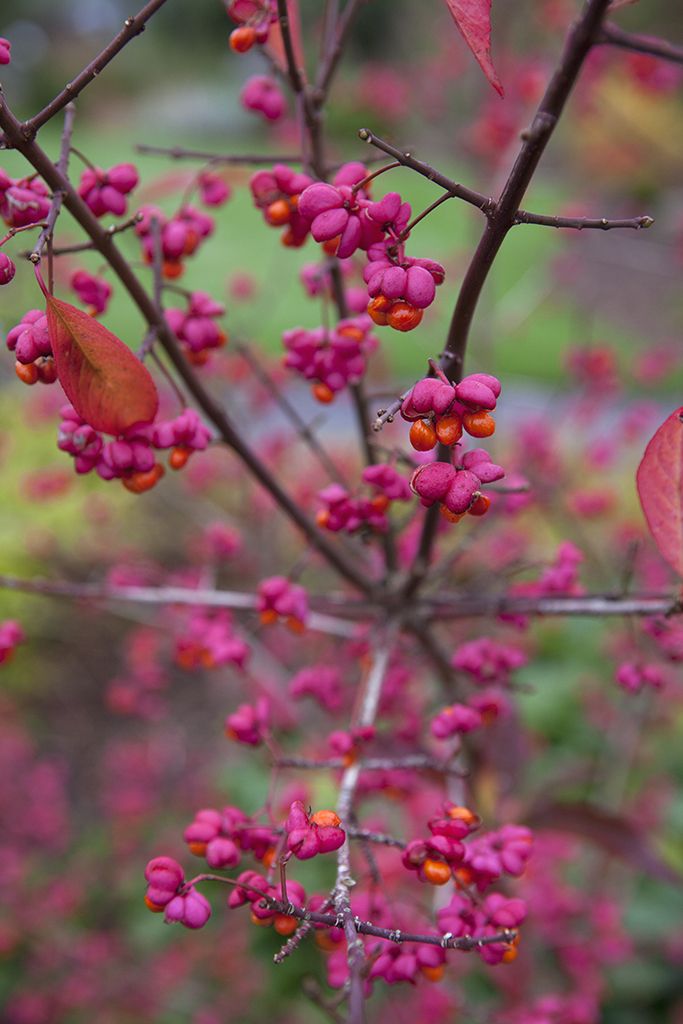
Burning Bush / European Spindle Tree
Euonymus europaeus L.
Relevant botanical synonyms and historical names include:
Euonymus vulgaris Mill.
Euonymus medius Kit.
Euonymus multiflorus Opiz
Euonymus floribundus Steven
Euonymus moldavicus Klokov
Euonymus medirossicus Klokov
Euonymus odessanus Klokov
Euonymus suberosus Klokov
Euonymus quadrigonus Gueldenst. ex Ledeb.
Euonymus bulgaricus Velen.
Euonymus fibrillifer Fisch. & C.A.Mey.
Euonymus europaeus subsp. tenuifolius (L.) Ehrh.
Euonymus europaeus subsp. moldavicus (Klokov) Grosset
Euonymus europaeus var. suberosus (Klokov) Tzvelev
Euonymus europaeus var. aldenhamensis (Gibbs) Bean
Euonymus alatus, the Winged Burning Bush commonly sold in North America, and Euonymus atropurpureus, the Eastern Wahoo or American Burning Bush, are separate species rather than synonyms of Euonymus europaeus.
Celastraceae — Staff-Vine, Bittersweet, or Spindle-Tree Family
Euonymus europaeus belongs to the order Celastrales.
European Spindle Tree, European Spindletree, European Spindle, Common Spindle, Common Spindle Tree, Spindle Tree, Spindletree, Spindle, Spindleberry, Spindle Berry, European Euonymus, Burning Bush, Common Burning Bush, Prickwood, Prick Timber, Pegwood, Skewerwood, Euonymus, Euonymus europaeus
“Burning Bush” more commonly refers in North American landscaping to Euonymus alatus, the Winged Burning Bush. “Wahoo” and “Eastern Wahoo” more properly refer to Euonymus atropurpureus. These related species have overlapping toxicology but are not botanical synonyms of Euonymus europaeus.
European Spindle Tree contains a mixture of biologically active compounds rather than one simple, uniformly distributed toxin. The principal toxicological concerns are strongly purgative constituents, sesquiterpene pyridine alkaloids, dihydroagarofuran derivatives, and cardenolide-type cardiac glycosides reported within Euonymus. Their proportions vary between seeds, fruit capsules, bark, leaves, stems, roots, and individual plants.
Veterinary references commonly group Euonymus among cardenolide-containing ornamentals. Cardenolides are cardiac glycosides composed of a steroid-like aglycone joined to one or more sugars. When absorbed in sufficient quantity, these compounds inhibit sodium-potassium ATPase, an enzyme required to maintain normal sodium and potassium movement across cell membranes.
Inhibition of sodium-potassium ATPase increases intracellular sodium and calcium while allowing extracellular potassium to accumulate. In cardiac tissue, the result can be stronger but slower contractions, impaired electrical conduction, bradycardia, tachycardia, premature complexes, conduction block, ventricular arrhythmias, hypotension, or cardiac arrest. Gastrointestinal cells are also affected, which helps explain why nausea, vomiting, abdominal pain, and diarrhea often appear before obvious cardiac abnormalities.
Named glycosides frequently copied into Burning Bush descriptions include evobioside, evomonoside, and evonoside. Evomonoside has a digitoxigenin-related aglycone and belongs to the digitalis-like cardiac-glycoside group. However, those three compounds are especially associated in older literature with American Wahoo, Euonymus atropurpureus, or with Euonymus at the genus level. Their presence should not be described as equally and conclusively established in every tissue sample of Euonymus europaeus.
European Spindle itself contains sesquiterpene pyridine alkaloids. Evonine and related compounds, including isoevonine-type chemistry, have been isolated from the species. These complex molecules are built around highly oxygenated dihydroagarofuran sesquiterpene skeletons joined to pyridine-containing components and multiple ester groups.
The direct contribution of evonine-type alkaloids to natural dog, cat, or horse poisoning remains incompletely defined. Laboratory work has demonstrated insecticidal and other biological activity within this compound family, but the exact dose-response relationship in domestic animals has not been established. They may contribute to gastrointestinal irritation, weakness, altered mentation, or other systemic effects alongside the cardenolides and additional plant constituents.
European Spindle seeds contain substantial oil together with sesquiterpene esters, alkaloids, terpenoid compounds, and other secondary metabolites. The seed chemistry is consistent with the plant’s historical reputation as a purgative and emetic. “Purgative” does not mean that the plant cleanses the body safely; it means that it can provoke forceful vomiting, cramping, and intestinal evacuation severe enough to cause dehydration and shock.
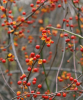
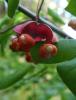
The bright orange material surrounding each seed is an aril, while the pink outer structure is a lobed capsule rather than a true berry. Animals that chew the entire fruiting structure may ingest capsule tissue, aril, and the enclosed seed together. Seeds deserve particular caution because they contain concentrated defensive chemistry and may be swallowed in multiples from fallen fruit.
Leaves, young shoots, bark, stems, roots, flowers, capsules, arils, seeds, and hedge clippings should all be considered unsafe. The seeds and fruiting structures create the greatest seasonal attraction, but browsing livestock may consume foliage or bark in quantity, especially when ordinary forage is limited.
Drying, wilting, pruning, freezing, or storage should not be relied upon to make the plant safe. Hedge trimmings and storm-damaged branches may present a greater practical hazard than an intact shrub because loose material is easier for horses, goats, cattle, and curious dogs to consume.
No reliable toxic seed count, leaf count, or gram-per-kilogram dose has been established for dogs, cats, horses, or livestock. The amount of cardenolide and alkaloid chemistry can differ by plant part, season, geographic population, maturity, and individual shrub. A small taste may cause only transient gastrointestinal upset, while a large ingestion can produce severe purging and systemic illness.
European Spindle should also not be confused toxicologically with every other plant called Burning Bush. Euonymus alatus, E. atropurpureus, E. japonicus, and E. fortunei are separate species with overlapping but not necessarily identical chemistry. Evidence from one species can support caution across the genus but cannot establish an identical toxin concentration or lethal dose for another.
Most symptomatic European Spindle exposures begin with gastrointestinal illness. An affected dog or cat may lick the lips, swallow repeatedly, drool, appear nauseated, refuse food, retch, vomit, or develop diarrhea after chewing leaves, capsules, arils, or seeds. The time to onset varies with the amount eaten, the plant part, degree of chewing, stomach contents, and individual susceptibility.
Vomiting and diarrhea may occur once or become forceful and repetitive. The traditional description of the plant as an emetic and purgative reflects this ability to provoke substantial gastrointestinal evacuation. Vomit or stool may contain pink capsule fragments, orange aril tissue, dark or pale seeds, leaves, or recognizable pieces of twig.
Abdominal discomfort may appear as pacing, repeated stretching, a hunched posture, whining, guarding of the abdomen, or reluctance to lie down. Cramping can be severe in a substantial exposure. Horses may paw, look at the flank, sweat, roll, become restless, or refuse feed as colic develops.
Repeated purging can cause rapid fluid and electrolyte loss. Dry or tacky gums, sunken eyes, reduced skin elasticity, increasing lethargy, weakness, reduced urination, cold extremities, or inability to retain water indicates clinically important dehydration. Bloody diarrhea or black tarry stool suggests significant gastrointestinal injury and requires veterinary examination.
Weakness and depression can result from the plant’s direct effects, dehydration, low blood pressure, abnormal potassium or magnesium concentrations, or impaired cardiac output. Some severely affected animals may instead appear restless, disoriented, unusually reactive, or mentally altered before becoming depressed or recumbent.
Cardiac abnormalities are considered uncommon after an ordinary nibble but possible after a large ingestion, especially when numerous seeds or leaves are consumed. The pulse may become unusually slow, rapid, weak, irregular, or difficult to detect. The animal may develop exercise intolerance, pale mucous membranes, fainting, sudden weakness, or collapse.
Cardenolide-type poisoning can produce a wide range of rhythms because sodium-potassium ATPase inhibition affects automaticity, conduction, and myocardial excitability. Possible abnormalities include sinus bradycardia, tachycardia, atrioventricular block, premature ventricular complexes, ventricular tachycardia, or other dysrhythmias. One specific rhythm should not be expected in every case.
Hyperkalemia can accompany substantial cardiac-glycoside poisoning because potassium is no longer moved normally into cells. Severe hyperkalemia can worsen conduction abnormalities, weakness, and the risk of cardiac arrest. Potassium cannot be estimated from outward appearance and must be measured through blood testing.
Tremors, convulsions, coma, hallucination-like behavior, or severe abnormal mentation appear in some historical accounts of major Spindle poisoning but are not the defining signs of a routine companion-animal exposure. When they occur, the veterinarian must also consider hypoglycemia, electrolyte disturbance, shock, another toxic plant, pesticide exposure, or primary neurologic disease.
Liver and kidney abnormalities have also been described in broad historical warnings. They are not established as the consistent primary organ targets in ordinary pet exposures. Kidney values may worsen secondarily from dehydration, low blood pressure, or pigment injury, while liver abnormalities can reflect shock or another concurrent problem.
Horses and grazing animals may develop feed refusal, salivation, severe colic, diarrhea, cramping, weakness, depression, incoordination, or collapse after substantial browsing. A documented horse with pasture access to Euonymus europaeus developed severe colic and cramps and ultimately had to be euthanized, demonstrating that large-animal exposure should not be dismissed as minor shrub ingestion.
Many small exposures remain limited to gastrointestinal upset and resolve with timely supportive care. The prognosis becomes more guarded when purging causes severe dehydration, blood appears in vomit or manure, the animal becomes weak or collapsed, potassium rises, or electrocardiography confirms significant conduction or rhythm abnormalities.
Plant Identity and Accepted Taxonomy
Euonymus europaeus is an accepted deciduous shrub or small tree in Celastraceae. Its native range extends across most of Europe through the Caucasus, and it has been introduced into parts of Canada, the United States, Central Asia, Australia, and New Zealand.
Older botanical literature may identify the same species as Euonymus vulgaris, E. medius, E. multiflorus, E. moldavicus, E. suberosus, or one of numerous named varieties and forms. These names remain useful when reviewing historical horticultural, medicinal, or poisoning records.
The Burning Bush Name Is Ambiguous
European Spindle is sometimes called Burning Bush because of its vivid autumn foliage and bright fruit. In North American nursery use, however, Burning Bush most commonly means Euonymus alatus, the Winged Burning Bush.
American Wahoo or Eastern Wahoo is Euonymus atropurpureus, another separate species historically associated with cardiac glycosides. Wintercreeper is Euonymus fortunei, while Japanese Euonymus is Euonymus japonicus. Common names alone are therefore not enough to determine the exact plant or apply a species-specific toxin statement.
How to Recognize European Spindle
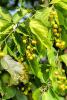
European Spindle usually grows as a multi-stemmed shrub or small tree. Young shoots are green and often appear four-angled because narrow corky ridges develop along the stem. Older bark becomes gray-brown and may fissure with age.
The leaves occur in opposite pairs. They are oval to lance-shaped, finely toothed, and pointed at the tip. Summer foliage is green, while autumn color may shift through yellow, pink, orange, red, or purple.
The flowers are small, inconspicuous, and generally greenish yellow. They usually have four petals and appear in loose clusters. Their modest appearance contrasts sharply with the brightly colored fruit that develops later.
The mature fruit is a pink, red, or purple four-lobed capsule often compared to a bishop’s or cardinal’s cap. Each lobe opens to display an orange aril surrounding a seed. The capsule and aril can make the structure resemble a berry even though it is botanically a dry splitting fruit.
Where Animals Encounter It
European Spindle grows naturally in hedgerows, woodland edges, open scrub, clearings, stream margins, and base-rich or limestone soils. It is also planted as an ornamental shrub, informal hedge, wildlife planting, screen, or small landscape tree.
Dogs may investigate fallen fruit, chew stems, or eat seeds beneath the shrub. Horses, cattle, sheep, and goats may browse foliage where the plant grows along a fence line, pasture edge, woodland margin, or hedgerow.
Pruning and hedge removal create a concentrated exposure. Cut branches should never be thrown into paddocks, livestock pens, rabbit runs, poultry yards, kennels, or open compost piles accessible to animals.
Fruits, Arils, and Seeds
The bright pink outer structure is a capsule, not a berry. When ripe, it divides into four sections and exposes orange arils containing seeds. Birds may eat or carry the arils and disperse the seeds without proving that the same material is safe for mammals.
The seed is generally considered the most concerning part of the fruiting structure because it contains concentrated alkaloid and sesquiterpene chemistry. A dog swallowing several complete capsules may therefore receive both irritating capsule tissue and multiple seeds.
No safe seed count has been established. The risk depends on the animal’s size, the number of seeds, whether they were crushed, the chemistry of the individual plant, and the amount of foliage or bark consumed with them.
Toxic Parts and Seasonal Risk
Seeds, arils, capsules, leaves, stems, bark, roots, flowers, seedlings, and hedge clippings should all be considered unsafe. The colorful fruit creates the greatest attraction during autumn, but grazing animals may browse foliage at other times of year.
Risk increases when forage is limited, shrubs grow through fencing, branches fall during storms, or pruning debris is offered accidentally as browse. Wilted material should not be assumed safe merely because it has dried or changed color.
Historical Medicinal Use
European Spindle and related Euonymus plants were historically used as emetics, purgatives, diuretics, stimulants, tonics, expectorants, and treatments for constipation, dropsy, parasites, and other conditions. Bark, seeds, fruit, and prepared extracts all appear in older medicinal accounts.
Those uses depended upon forcing a strong physiologic response. A plant used to cause vomiting or intestinal evacuation can produce uncontrolled fluid loss, electrolyte disturbance, weakness, shock, or cardiac complications when the dose is not standardized.
Historical use does not support administering European Spindle to an animal as a laxative, dewormer, tonic, fly repellent, or herbal medicine. There is no safe home preparation or veterinary dose established for raw plant material.
Animal Evidence and Its Limitations
Detailed peer-reviewed dog and cat case reports involving botanically confirmed Euonymus europaeus are limited. Much of the companion-animal guidance combines poison-exposure experience across the genus and laboratory knowledge of cardenolide toxicology.
That evidence supports a proportionate conclusion: gastrointestinal illness is the common expected problem, while heart-rhythm abnormalities and collapse become concerns after a massive exposure. The plant should neither be described as harmless nor treated as though one seed inevitably produces fatal digitalis poisoning.
Large-animal evidence includes a severe horse exposure involving colic and cramps after pasture access. Horses cannot vomit, and grazing animals may consume a much larger amount of foliage than a dog investigating one fallen capsule.
Diagnosis
There is no routine veterinary test that identifies every European Spindle toxin or confirms the plant as the cause immediately. Diagnosis depends on plant identification, exposure history, gastrointestinal and cardiovascular findings, and exclusion of other diseases or toxicants.
Owners should preserve a complete branch showing opposite leaves, angular green stems, capsules, arils, and seeds. Photographs of the full shrub, the location, nursery tags, hedge records, vomit, manure, or recovered seeds can also be useful.
Possible alternative diagnoses include another Euonymus species, oleander, foxglove, lily of the valley, kalanchoe, yew, pesticides, medications, mold toxins, infectious gastroenteritis, pancreatitis, intestinal obstruction, and primary cardiac disease.
A commercial digoxin immunoassay may cross-react with some plant cardenolides, but the degree of cross-reactivity varies. A positive result may support cardiac-glycoside exposure, while a negative result does not reliably exclude European Spindle poisoning.
Prevention
Collect fallen capsules and seeds regularly during the fruiting season, particularly in yards used by puppies or dogs that forage beneath shrubs. Inspect the ground repeatedly because fruit can fall over several weeks.
Keep the shrub outside browsing distance of horses and livestock. Remove suckers and seedlings from pastures, clean up storm debris, and place pruning material directly into closed waste.
Retain accurate plant labels and distinguish European Spindle from Winged Burning Bush and American Wahoo. Correct identification improves both the toxicological assessment and the veterinarian’s ability to interpret available evidence.
Immediate Steps After European Spindle Exposure
- Stop further exposure. Remove the animal from the shrub, hedge, fallen capsules, orange arils, seeds, leaves, bark, stems, roots, seedlings, clippings, contaminated hay, or discarded ornamental material.
- Search for additional seeds. Several seeds may be swallowed during one exposure. Inspect the surrounding ground, bedding, feed, water, and accessible fruiting branches.
- Identify the exact plant. Determine whether the exposure involved European Spindle, Euonymus europaeus, Winged Burning Bush, Euonymus alatus, American Wahoo, Euonymus atropurpureus, or another Euonymus species.
- Determine what was eaten. Record whether the animal consumed pink capsules, orange arils, seeds, leaves, bark, roots, woody stems, dried material, hedge clippings, or contaminated forage.
- Remove only loose visible material. If the animal is calm, alert, breathing normally, and swallowing normally, lift away seeds, capsule pieces, leaves, or stems resting at the lips or front of the mouth. Do not force the jaws open or reach blindly toward the throat.
- Do not force food or water. An alert animal that handles saliva normally and is not vomiting repeatedly may drink fresh water voluntarily. Do not syringe, pour, or spray liquid into the mouth.
- Keep the animal quiet. Restrict running, excitement, and unnecessary exertion while veterinary guidance is obtained because dehydration, low blood pressure, electrolyte abnormalities, or a developing cardiac rhythm disturbance may make activity unsafe.
- Preserve identification evidence. Save a complete branch showing opposite leaves, angular stems, capsules, arils, and seeds. Preserve nursery labels, photographs, safely collected vomit, manure containing plant material, hay samples, and any recovered seeds.
- Contact a veterinarian promptly. Professional assessment is warranted after seed ingestion, a substantial or unknown exposure, exposure involving a horse or livestock animal, or the development of vomiting, diarrhea, abdominal pain, weakness, an abnormal pulse, tremors, collapse, or altered awareness.
Do Not Attempt Unsupervised Home Treatment
- Do not induce vomiting at home. Hydrogen peroxide, salt, mustard, syrup of ipecac, and manual gagging can cause severe gastric injury, aspiration, uncontrolled vomiting, electrolyte disturbances, and treatment delay.
- Do not forcefully rinse the mouth. Pouring or spraying water toward the throat can enter the lungs when an animal is nauseated, drooling, weak, sedated, vomiting, or swallowing abnormally.
- Do not administer activated charcoal yourself. Charcoal can be inhaled into the lungs and may worsen dehydration, sodium abnormalities, constipation, or intestinal dysfunction. Its use depends on airway safety, hydration, gastrointestinal movement, and the significance of the ingestion.
- Do not give laxatives or cathartics. Sorbitol, magnesium salts, mineral oil, or another purgative can intensify the vomiting, cramping, diarrhea, dehydration, and electrolyte loss already caused by European Spindle.
- Do not give anti-diarrheal medication automatically. Loperamide, diphenoxylate, bismuth products, kaolin-pectin preparations, and similar products do not treat cardiac-glycoside effects and may obscure bleeding, ileus, obstruction, or worsening systemic illness.
- Do not give stomach medication automatically. Sucralfate, antacids, acid suppressants, or other gastrointestinal drugs may be appropriate for documented mucosal injury but do not neutralize cardenolides, sesquiterpene alkaloids, or the plant’s purgative constituents.
- Do not give heart or blood-pressure medication from another prescription. Atropine, beta-blockers, calcium-channel blockers, lidocaine, digoxin, and other cardiovascular drugs can worsen the wrong rhythm and require electrocardiographic and blood-pressure guidance.
- Do not give human pain relievers. Ibuprofen, naproxen, acetaminophen, aspirin, and similar medications can create a second poisoning, particularly in a dehydrated animal or one with gastrointestinal bleeding.
When Emergency Examination Is Especially Important
- Numerous capsules or seeds were eaten. Seeds contain concentrated cardioactive glycosides, alkaloids, and sesquiterpene derivatives, and no safe seed count has been established.
- Vomiting is repeated or water cannot be retained. Continuing emesis can rapidly cause dehydration, electrolyte abnormalities, esophageal irritation, aspiration, weakness, and poor circulation.
- Diarrhea is profuse, bloody, or black. These findings suggest substantial intestinal injury, bleeding, or severe purgation rather than minor transient irritation.
- Severe abdominal pain or colic develops. Persistent cramping, guarding, abdominal enlargement, pawing, rolling, sweating, repeated flank watching, or inability to become comfortable requires urgent assessment.
- Weakness or shock is developing. Pale or gray gums, cold extremities, delayed capillary refill, weak pulses, fainting, reduced awareness, inability to stand, or collapse indicates impaired circulation.
- The pulse is slow, rapid, weak, or irregular. Any pulse abnormality may reflect cardenolide activity, electrolyte disruption, dehydration, shock, pain, or another cardiac emergency.
- Neurologic abnormalities appear. Tremors, convulsions, profound confusion, abnormal behavior, severe depression, recumbency, coma, or altered awareness is not expected after a trivial nibble.
- Breathing becomes abnormal. Rapid, shallow, labored, weak, or irregular respiration may indicate aspiration, shock, acid-base disturbance, cardiac dysfunction, or severe systemic illness.
- A horse or livestock animal consumed the plant. Grazing animals may ingest a much larger quantity before the exposure is discovered and cannot necessarily eliminate the material through vomiting.
- Several animals become ill together. Remove the entire group from the hedge, clipping pile, pasture, hay, bedding, feed, or water source and preserve representative samples for investigation.
Veterinary Examination and Diagnostic Priorities
The veterinarian will determine whether the exposure remains limited to gastrointestinal irritation or has progressed to severe dehydration, electrolyte disruption, cardiovascular toxicity, shock, neurologic dysfunction, aspiration, or another disorder.
The examination may include hydration, abdominal pain, mucous-membrane color, capillary refill, pulse quality, heart rate and rhythm, blood pressure, respiratory function, temperature, coordination, strength, and level of awareness.
No rapid veterinary test identifies the complete mixture of European Spindle compounds. Diagnostic testing instead measures the physiologic consequences and helps distinguish cardenolide-type poisoning from ordinary gastroenteritis, obstruction, infection, pesticide exposure, or primary cardiac disease.
Testing may include a complete blood count, serum chemistry, glucose, sodium, potassium, chloride, magnesium, calcium, kidney and liver values, total protein, creatine kinase, blood gases, acid-base measurements, urinalysis, electrocardiography, repeated blood-pressure measurements, pulse oximetry, and continuous rhythm observation.
A commercial digoxin immunoassay may cross-react with certain plant cardenolides. A positive result may support cardiac-glycoside exposure, but the degree of cross-reactivity with individual European Spindle glycosides is uncertain, and a negative result does not reliably exclude poisoning.
Thoracic imaging may be needed after suspected aspiration. Abdominal radiographs, ultrasound, or another imaging method may be appropriate when severe pain, persistent vomiting, ileus, retained plant material, or obstruction cannot be excluded.
Professional Gastrointestinal Decontamination
Professional decontamination is most useful when a meaningful ingestion occurred recently and the animal remains alert, neurologically normal, cardiovascularly stable, not already vomiting repeatedly, and able to protect its airway.
A veterinarian may induce vomiting in an appropriate dog or cat before substantial material leaves the stomach. Emesis should not be attempted after weakness, collapse, shock, an abnormal rhythm, respiratory distress, severe depression, repeated vomiting, tremors, convulsions, or impaired swallowing develops.
Gastric lavage may be considered after an unusually large and recent seed or foliage ingestion when the patient is anesthetized, intubated, and continuously monitored. It is not justified after every minor chewing exposure and carries risks from anesthesia, aspiration, trauma, hypotension, and electrolyte disturbance.
Activated charcoal may bind some cardenolides, alkaloids, and other organic constituents. A veterinarian may consider it after a substantial exposure when the animal can receive it safely.
Additional charcoal treatment may be considered in selected serious cardiac-glycoside exposures because some glycosides undergo enterohepatic recirculation. That recycling has not been characterized for every European Spindle constituent, so repeated treatment requires individual toxicologic judgment and monitoring of hydration, sodium, bowel function, and aspiration risk.
Vomiting, Diarrhea, and Gastrointestinal Injury
Persistent vomiting may be treated with a veterinarian-selected antiemetic such as maropitant or ondansetron after useful decontamination has been completed and obstruction or retained plant material has been considered.
Continuing vomiting worsens dehydration, electrolyte loss, abdominal discomfort, esophageal inflammation, gastrointestinal bleeding, and aspiration risk.
Sucralfate may be considered when repeated vomiting, painful swallowing, hematemesis, melena, esophagitis, or documented erosive gastritis indicates mucosal injury. It creates a temporary protective barrier rather than neutralizing the plant’s toxins.
Acid suppression with a proton-pump inhibitor or H2-receptor antagonist is not automatically necessary. It may be selected when esophagitis, erosive gastritis, gastrointestinal bleeding, or another acid-related complication is documented or strongly suspected.
Diarrhea management prioritizes hydration, electrolyte balance, pain control, nutrition, and exclusion of obstruction, infection, hemorrhagic disease, or another toxin. Antimotility medication may be counterproductive when intestinal clearance of irritating plant material remains desirable.
Food may be reintroduced gradually after vomiting is controlled, swallowing is normal, circulation is stable, and the animal shows voluntary interest. Force-feeding a nauseated, weak, sedated, painful, dysphagic, or repeatedly vomiting animal creates aspiration risk.
Fluid and Electrolyte Support
Fluid therapy should replace measured dehydration, maintenance needs, and continuing losses from vomiting and diarrhea. Poor perfusion, severe purging, collapse, or important electrolyte abnormalities generally require intravenous balanced crystalloids.
Fluid selection and administration must account for blood pressure, heart rhythm, kidney function, urine production, body weight, continuing gastrointestinal losses, and any evidence of fluid overload.
Sodium, potassium, chloride, magnesium, calcium, glucose, acid-base status, kidney values, body weight, urine production, heart rate, and blood pressure may require serial reassessment.
Hyperkalemia may accompany substantial cardiac-glycoside poisoning and can worsen weakness, conduction block, arrhythmias, and cardiac-arrest risk. Treatment may include veterinarian-directed glucose and insulin therapy, correction of acid-base abnormalities, and other emergency measures selected according to ECG findings and repeated potassium measurements.
Cardiovascular Monitoring and Treatment
Any animal with a substantial seed or foliage ingestion, weakness, collapse, an abnormal pulse, significant potassium disturbance, or poor perfusion may require continuous electrocardiographic monitoring.
Treatment must follow the rhythm actually present. European Spindle exposure can potentially produce slow rhythms, rapid rhythms, conduction block, premature complexes, or ventricular arrhythmias, and one medication is not appropriate for every pattern.
Atropine may be considered for clinically important bradycardia or selected conduction disturbances when the ECG, blood pressure, and perfusion findings support its use. Cardenolide-associated heart block may respond incompletely.
Lidocaine or another antiarrhythmic may be selected for clinically significant ventricular arrhythmias in an appropriate patient. Species, rhythm origin, blood pressure, cardiac function, and response to treatment determine whether it is suitable.
Persistent hypotension requires reassessment of circulating volume, temperature, rhythm, electrolytes, acid-base status, hemorrhage, and other causes of shock. A veterinarian-selected vasopressor may be needed when pressure remains inadequate after appropriate fluid correction.
Electrical cardioversion and empirically selected antiarrhythmic drugs can worsen some digitalis-like rhythms. Treatment should be guided by continuous ECG interpretation, repeated blood-pressure assessment, electrolyte results, and perfusion.
Digoxin-Specific Antibody Fragments
Digoxin-specific antibody fragments may be considered in a life-threatening cardenolide-type syndrome involving severe arrhythmias, progressive hyperkalemia, shock, high-grade conduction block, or other evidence of major cardiac-glycoside poisoning.
These antibody fragments are not a proven European Spindle-specific antidote. Their binding affinity for evonoside, evobioside, evomonoside, evonoloside, and other individual plant glycosides is not predictable from the plant name alone.
Specialist toxicology or emergency consultation is important because treatment selection, antibody quantity, interpretation of subsequent digoxin-assay results, and monitoring differ from ordinary pharmaceutical digoxin overdose.
Tremors, Convulsions, and Altered Awareness
Tremors may require methocarbamol or another veterinarian-selected muscle relaxant. Convulsions may require benzodiazepines and additional anticonvulsant medication according to their severity and response.
Glucose, sodium, calcium, magnesium, temperature, oxygenation, acid-base status, blood pressure, and renal function should be evaluated because metabolic and circulatory complications can contribute to neurologic deterioration.
Quiet padded confinement, protection from falls, temperature control, and repeated neurologic assessment are important during recovery.
Respiratory and Aspiration Support
Repeated vomiting, weakness, neurologic depression, convulsions, forceful home treatment, and anesthesia increase aspiration risk.
Coughing, nasal discharge, fever, abnormal lung sounds, falling oxygen levels, or worsening respiratory effort after vomiting may require thoracic imaging and respiratory support.
Treatment may include oxygen, airway suction, nebulization, endotracheal intubation, and mechanical ventilation when spontaneous breathing or airway protection is inadequate.
Antimicrobial treatment is appropriate when bacterial aspiration pneumonia is established or strongly suspected rather than automatically after every vomiting episode.
Horses and Livestock
Remove horses, cattle, sheep, goats, pigs, and other grazing animals immediately from the shrub, hedge, pasture edge, fallen branches, seedlings, clippings, and contaminated forage.
Horses cannot vomit, and ruminants may retain leaves and seeds within the forestomachs. Large-animal treatment therefore differs from management in dogs and cats.
Veterinary assessment may include nasogastric evaluation in horses, rumen examination in cattle and other ruminants, gastrointestinal-motility monitoring, manure assessment, fluid and electrolyte therapy, pain management, neurologic examination, and continuous cardiac monitoring when weakness or an abnormal pulse develops.
Activated charcoal, rumen evacuation, or another professional decontamination procedure may be considered after a substantial recent ingestion when the animal is stable and the anticipated benefit exceeds the procedural risk.
Several affected animals require a broader field investigation. Preserve leaves, stems, capsules, seeds, hay, feed, water, manure, and stomach or rumen material when available.
Prognosis and Recovery
Dogs and cats with a small exposure and signs confined to mild vomiting, diarrhea, or abdominal discomfort generally have a good prognosis when the source is removed and hydration is maintained.
Recovery may take longer when purging is severe, blood appears in vomit or stool, aspiration develops, or potassium and other electrolytes remain abnormal. Cardiac patients require observation until rhythm, blood pressure, perfusion, and electrolytes remain stable without escalating treatment.
Before routine home monitoring or discharge is appropriate, the animal should be able to retain water, eat voluntarily, urinate normally, pass improving stool, walk without weakness, breathe normally, and remain free of recurrent collapse or rhythm abnormalities.
The prognosis becomes guarded to poor with severe hyperkalemia, high-grade heart block, sustained ventricular arrhythmias, shock, cardiac arrest, coma, uncontrolled convulsions, aspiration pneumonia, or prolonged severe gastrointestinal losses.
Substantial horse and livestock exposures carry a more guarded outlook because grazing animals may consume a large quantity and cannot necessarily eliminate the plant through vomiting.
Frequently Asked Questions About European Spindle Tree and Animal Poisoning
Is European Spindle Tree poisonous to dogs and cats?
Yes. Dogs and cats most commonly develop drooling, vomiting, diarrhea, abdominal cramping, appetite loss, weakness, and dehydration. A substantial ingestion, particularly one involving numerous seeds, can also produce an abnormal heart rate or rhythm, collapse, severe weakness, or other systemic signs.
Is European Spindle the same plant as Winged Burning Bush?
No. European Spindle is Euonymus europaeus. Winged Burning Bush is Euonymus alatus, a separate Asian species recognizable by corky wings along many of its branches. The name Burning Bush is used for both plants, which creates identification and toxicology confusion.
Is European Spindle the same as Wahoo?
No. Wahoo or Eastern Wahoo generally refers to Euonymus atropurpureus, a North American species. Older toxin lists involving evobioside, evomonoside, and evonoside often refer specifically to Wahoo or broadly to the genus rather than exclusively to European Spindle.
Which parts of European Spindle are poisonous?
Seeds, orange arils, pink fruit capsules, leaves, stems, bark, roots, flowers, seedlings, and hedge clippings should all be considered poisonous. The seeds and fruiting structures deserve particular caution because they are colorful, fall to the ground, and may be eaten in multiples.
Are the pink and orange structures berries?
Not botanically. The pink outer structure is a four-lobed capsule that splits open to reveal orange arils surrounding the seeds. Pets commonly consume the whole structure, so distinguishing capsule, aril, and seed does not make the fruit safe.
What toxins are in Euonymus europaeus?
European Spindle contains a mixture of sesquiterpene pyridine alkaloids, evonine-related compounds, dihydroagarofuran derivatives, strongly purgative constituents, and cardenolide-type cardiac glycosides reported within Euonymus. The exact mixture and concentration vary by plant part and individual shrub.
Does European Spindle contain evobioside, evomonoside, and evonoside?
Those glycoside names are repeatedly associated with Euonymus, especially American Wahoo, Euonymus atropurpureus. Evobioside has also been attributed to European Spindle in botanical literature, but the complete three-compound list should not be treated as equally proven in every E. europaeus tissue sample.
How common are heart problems after a pet eats European Spindle?
Gastrointestinal signs are much more common. Veterinary references describe heart-rhythm abnormalities and collapse primarily after a massive ingestion. An abnormal pulse, fainting, severe weakness, or collapse should nevertheless be treated as an emergency because the amount and glycoside concentration are rarely known.
Is European Spindle poisonous to horses and livestock?
Yes. Grazing animals may consume a larger quantity of foliage than household pets. Severe colic and cramps have been documented in a horse after pasture access to European Spindle, and the animal ultimately had to be euthanized.
Does historical medicinal use mean the plant is safe in small doses?
No. European Spindle was used historically as an emetic, purgative, diuretic, tonic, and parasite treatment precisely because it forces strong physiologic effects. Raw plant material has no established safe veterinary dose and should never be given as a laxative, dewormer, or herbal remedy.
Should I make my dog vomit after it eats Spindle seeds?
Do not induce vomiting at home. A veterinarian may consider clinic-induced emesis soon after a significant ingestion in an alert, stable dog, but hydrogen peroxide and other home methods can cause gastric injury or aspiration. Vomiting is unsafe once weakness, collapse, repeated emesis, an abnormal rhythm, tremors, or impaired swallowing develops.
How is severe European Spindle poisoning treated?
Treatment may include professional decontamination, activated charcoal, anti-nausea medication, intravenous fluids, electrolyte correction, gastrointestinal protection, continuous electrocardiography, blood-pressure monitoring, and rhythm-specific medication. Digoxin-specific antibody fragments may be considered in life-threatening cardenolide-type poisoning, although their binding to the exact European Spindle compounds is not predictable.
What is the prognosis after European Spindle ingestion?
The prognosis is generally good when exposure is limited and signs remain confined to mild gastrointestinal irritation. It becomes more guarded with bloody diarrhea, severe dehydration, hyperkalemia, heart block, ventricular arrhythmias, shock, collapse, coma, or substantial horse and livestock exposure.