PAWS Pet Poison Plant Guide
Is Carnation Poisonous to Dogs, Cats, Horses, and Livestock?
Yes, Carnation, Dianthus caryophyllus, is considered mildly poisonous to dogs, cats, horses, and other animals that chew or swallow it. The exact irritant responsible has not been established. Expected effects are usually limited to drooling, nausea, vomiting, diarrhea, reduced appetite, abdominal discomfort, or mild irritation of the mouth or skin. Serious systemic poisoning is not expected from ordinary carnation exposure, but persistent gastrointestinal signs, dehydration, marked swelling, breathing difficulty, or illness after access to a mixed bouquet requires veterinary evaluation.
About this guide: This page provides general pet-poisoning information and cannot diagnose or treat an individual animal. For any suspected exposure, contact a veterinarian or animal poison-control service immediately. Do not induce vomiting, give medication, or attempt home decontamination unless directed by a veterinary professional.
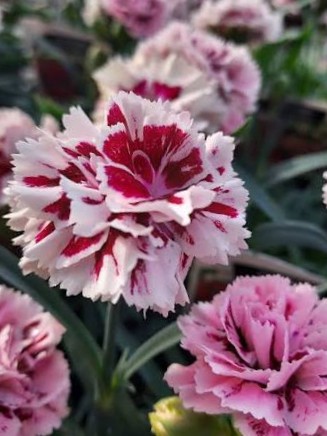
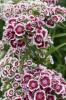
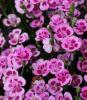
Carnation
Dianthus caryophyllus L.
Important botanical synonyms and historical names include:
Tunica caryophyllus (L.) Scop.
Silene caryophylla (L.) E.H.L.Krause
Caryophyllus tunica Garsault
Dianthus acinifolius Schur
Dianthus arbuscula Lindl.
Dianthus arrectus Dumort.
Dianthus binatus Schur
Dianthus calyculatus Laun.
Dianthus caryophyllus var. coronarius L.
Dianthus caryophyllus subsp. coronarius (L.) Bonnier
Dianthus coronarius (L.) Burm.f.
Dianthus corsicus Link ex Spreng.
Dianthus lignosus Laun.
Dianthus longicaulis Costa
Dianthus morrisii Hance
Dianthus multinervis Vis.
Tunica morrisii (Hance) Walp.
Many florist and border carnations are cultivated selections or hybrids involving Dianthus caryophyllus. A cultivar name alone may not establish that a plant represents the unhybridized botanical species.
Caryophyllaceae Juss. — Pink or Carnation Family
Carnation belongs to the order Caryophyllales. Other members of Caryophyllaceae include Agrostemma, Cerastium, Gypsophila, Lychnis, Saponaria, Silene, and Stellaria.
Carnation, Common Carnation, Garden Carnation, Border Carnation, Florist’s Carnation, Perpetual-Flowering Carnation, Clove Pink, Clove Gillyflower, Gillyflower, Wild Carnation, Pink, Pinks, Grenadin Carnation, Grenadin Pink, Dianthus caryophyllus, Dianthus coronarius, Tunica caryophyllus
“Pinks” is a broad horticultural name applied to numerous Dianthus species and hybrids rather than a precise synonym for Dianthus caryophyllus.
“Sweet William” properly refers to Dianthus barbatus, a separate species. It is frequently grouped with carnations in bouquets, garden centers, and poison-plant lists, but the names should not be treated as botanically interchangeable.
‘Gina Porto’ and ‘Red Rocket’ are names associated with cultivated carnations. ‘Helen’ and ‘Laced Romeo’ are horticultural hybrid pinks and should not be treated as botanical synonyms for pure Dianthus caryophyllus.
The Veterinary Toxic Principle Remains Unconfirmed
The precise substance responsible for ordinary Carnation poisoning has not been established. Veterinary toxicology references continue to describe Dianthus caryophyllus as containing an unknown irritant and associate exposure primarily with mild gastrointestinal upset and occasional localized dermatitis.
This uncertainty should be stated directly. Carnation contains numerous biologically active compounds, but detecting a chemical in the plant does not prove that it causes vomiting, diarrhea, oral discomfort, or skin inflammation in a naturally exposed dog, cat, horse, or other animal.
No controlled veterinary study has reproduced the ordinary Carnation syndrome with one purified compound or established a direct relationship between a measured plant concentration and clinical severity.
Exact-Species Saponins Have Been Identified
Direct phytochemical research on the aerial portions of a cultivated remontant Carnation identified three triterpenoid saponins. The compounds were glycosides of gypsogenic acid:
- Gypsogenic acid 3-O-glucopyranoside
- Gypsogenic acid 3,28-di-O-glucopyranoside
- Gypsogenic acid 3-O-glucopyranosyl-28-O-[glucopyranosyl-(1→6)-glucopyranoside]
This is direct evidence that cultivated Dianthus caryophyllus can contain gypsogenic-acid saponins. Saponins therefore should not be dismissed merely because the veterinary irritant has not been identified conclusively.
The tested material was a horticultural remontant Carnation rather than every modern florist cultivar, garden hybrid, border pink, or wild population. Plant genetics, tissue, age, growing conditions, season, and cultivation may alter the detected chemical profile.
What the Saponin Study Does Not Prove
The isolated saponins were evaluated for effects on a fungus and on seedling-root growth. The study did not feed Carnation to dogs, cats, horses, livestock, birds, rabbits, or laboratory mammals.
It did not establish intestinal absorption, oral bioavailability, a toxic petal count, a gram-per-kilogram dose, or a relationship between the isolated compounds and the mild veterinary syndrome.
The presence of gypsogenic-acid glycosides therefore supports a plausible irritant contribution but does not justify describing Carnation as a severe systemic saponin poison.
In particular, ordinary Carnation ingestion has not been shown to cause the major hemolysis, liver failure, kidney failure, cardiac collapse, or neurologic disease associated with more consequential plant toxins.
How Mild Gastrointestinal Irritation May Develop
Saponins possess water-compatible and lipid-compatible portions that can interact with biological membranes. At sufficient local concentrations, this property can contribute to irritation of the mouth, stomach, and intestinal lining.
Chewed petals, leaves, stems, calyces, and sap-bearing tissue may therefore contribute to salivation, nausea, vomiting, abdominal discomfort, loose stool, diarrhea, and temporary appetite loss.
The degree to which the directly identified Carnation saponins produce these signs during natural pet exposure has not been measured. Physical irritation from coarse stems, fibrous leaves, and a large mass of plant material may contribute at the same time.
Plant Fiber and Bouquet Material Can Add to the Illness
A pet that consumes a substantial wad of flowers and stems may develop gastrointestinal upset partly from the physical burden of indigestible plant fiber.
Ribbon, string, floral tape, wire, wooden picks, plastic wrapping, decorative mesh, and floral foam may be swallowed with the plant. These materials can produce choking, oral injury, esophageal obstruction, gastric irritation, or intestinal foreign-body disease unrelated to Carnation chemistry.
Persistent vomiting, localized abdominal pain, reduced stool production, abdominal distention, or continued illness after an apparently mild plant exposure warrants investigation for swallowed arrangement material.
Other Carnation Constituents Are Not Established Pet Toxins
Phytochemical studies have identified flavonoids, phenolic acids, pigments, volatile compounds, sterols, proteins, and numerous other metabolites in Carnation roots, stems, leaves, and flowers.
These findings demonstrate complex plant chemistry but do not establish that rutin, anthocyanins, fragrance compounds, phenolic acids, or another individually named constituent causes the ordinary veterinary syndrome.
Laboratory antimicrobial, antioxidant, cytotoxic, insecticidal, or plant-growth effects also should not be converted into claims of pet toxicity without relevant animal-exposure evidence.
Contact Irritation
Veterinary reports recognize mild dermatitis after Carnation contact. Sap, crushed petals, leaves, stems, pollen-bearing material, or florist residue may cause temporary redness, itching, or irritation on the lips, muzzle, paws, sparsely haired abdomen, or other exposed tissue.
Direct irritation does not require a previous allergy. Friction, wet plant material trapped against the skin, floral chemicals, repeated licking, and individual sensitivity may all influence the reaction.
Plant residue on the coat can prolong exposure because the animal later transfers it to the mouth, eyes, and other skin surfaces while grooming.
Occupational Allergy and Sensitization
Human occupational studies have documented IgE-mediated respiratory and skin allergy among some workers repeatedly exposed to Carnations in indoor cultivation and floral work.
Reported manifestations have included rhinitis, conjunctival symptoms, asthma, contact urticaria, and dermatitis. Laboratory testing in affected workers demonstrated immune recognition of Carnation proteins, supporting genuine sensitization rather than irritation alone.
Separate reports document occupational contact dermatitis associated with handling Carnations. Some workplace investigations have also identified simultaneous sensitization to the two-spotted spider mite, Tetranychus urticae, which commonly infests cultivated flowers.
These studies demonstrate that prolonged or repeated exposure can produce allergy in susceptible people. They do not establish how frequently dogs, cats, horses, or other animals become sensitized or prove that a casual pet exposure will cause a severe allergic reaction.
Direct Irritation and Allergy Should Not Be Confused
Mild localized redness after contact with fresh plant material may be a direct irritant reaction. Allergic sensitization is an immune response that develops after previous exposure and may produce a stronger reaction during later contact.
Localized redness or itching should not automatically be labeled anaphylaxis. Conversely, rapidly progressive facial swelling, generalized hives, breathing difficulty, weak pulses, or collapse requires emergency treatment regardless of whether the initial trigger was Carnation, another flower, an insect, or a florist product.
Flowers, Leaves, Stems, and Sap
Petals, complete flowers, calyces, leaves, stems, sap, roots, and other fresh tissues should all be treated as possible irritants.
The flowers create the most frequent household exposure because they are used extensively in bouquets and may drop within reach of pets. Leaves and stems may provide a greater quantity of coarse plant tissue when an animal pulls apart an arrangement or chews a garden plant.
No comparative veterinary study establishes that one Carnation organ is consistently more toxic than another.
Wilted and Dried Carnations
Wilting or drying should not be assumed to make Carnation material harmless. Stable plant constituents and coarse fibrous tissue remain present after moisture is lost.
Wilted bouquets, dried floral crafts, funeral arrangements, wedding decorations, compost, greenhouse waste, and discarded garden plants may remain capable of causing gastrointestinal irritation or foreign-body exposure.
Dry material may be more accessible than a living plant because it is placed on floors, tables, waste piles, or open compost rather than remaining rooted in a protected planting bed.
Florist Chemicals and Vase Water
Illness after chewing a florist Carnation may not be caused by the plant alone.
Possible additional exposures include pesticide residue, fungicide, floral preservative, sugar and acidifier mixtures, antimicrobial agents, leaf-shine products, artificial dye, paint, glitter, glue, artificial snow, and bacterial growth within vase water.
The preservative packet, bouquet label, receipts, photographs, and packaging should be retained when an animal develops more than mild, short-lived signs.
Mixed Bouquets Are the Greater Safety Concern
Carnation is frequently arranged with plants that present substantially greater hazards.
True lilies and daylilies can cause acute kidney injury in cats. Other arrangements may contain oleander, foxglove, autumn crocus, cycad foliage, eucalyptus, hydrangea, chrysanthemums, tulips, daffodils, or unidentified decorative greenery.
Every flower and foliage component must be identified before vomiting or lethargy is attributed solely to Carnation. This is particularly urgent when a cat has contacted an unidentified lily, pollen, fallen petals, leaves, or vase water.
No Established Safe or Toxic Dose
No validated safe petal count, flower count, stem length, fresh weight, dried weight, saponin concentration, or gram-per-kilogram toxic dose exists for dogs, cats, horses, cattle, sheep, goats, rabbits, birds, or other animals.
A pet that mouths one fallen petal may show no signs. An animal that consumes several flowers, stems, leaves, or an entire arrangement may develop more substantial gastrointestinal illness or swallow dangerous nonplant material.
Risk depends on body size, amount consumed, plant tissue, individual sensitivity, existing disease, repeated access, florist treatments, and every other substance present in the arrangement.
Severe Systemic Illness Is Not Expected from Carnation Alone
Seizures, profound ataxia, coma, respiratory paralysis, major cardiac abnormalities, liver failure, kidney failure, uncontrolled bleeding, or prolonged shock are not expected consequences of an uncomplicated Carnation exposure.
Such findings require urgent investigation for another bouquet plant, medication, pesticide, floral chemical, foreign body, anaphylaxis, infection, metabolic disease, or an incorrect plant identification.
Repeated vomiting and diarrhea can still cause clinically significant dehydration and electrolyte loss, particularly in very young, very small, elderly, or medically fragile animals.
Mild Gastrointestinal Irritation
Most symptomatic Carnation exposures produce mild gastrointestinal signs. An affected dog or cat may drool, lick the lips, appear nauseated, vomit once or several times, develop soft stool or diarrhea, show mild abdominal discomfort, or temporarily refuse food.
The onset may occur within the first several hours after chewing the plant. No dependable exposure-to-onset interval has been established, and the timing may vary with the amount swallowed, stomach contents, plant part, individual sensitivity, and whether floral products or another plant were also ingested.
Oral Discomfort and Reduced Appetite
Some animals may paw at the mouth, chew abnormally, swallow repeatedly, or seem reluctant to eat after contact with fresh sap or coarse plant material. Visible severe oral ulceration is not expected from an uncomplicated Carnation exposure.
Marked tongue swelling, inability to swallow saliva, severe mouth pain, extensive ulceration, or rapidly progressive facial swelling should prompt investigation for another plant, caustic chemical, foreign material, insect sting, or genuine hypersensitivity reaction.
Skin and Coat Reactions
Contact with petals, leaves, stems, or sap may cause mild localized redness, itching, or dermatitis in a sensitive animal. The muzzle, lips, paws, sparsely haired abdomen, and areas that contact bouquet residue are the most likely sites.
Plant material trapped in the coat may prolong exposure when the animal grooms. Repeated contact could produce a stronger response in an already sensitized animal, although severe dermatologic reactions are not the ordinary course.
Secondary Dehydration
Carnation does not ordinarily cause a severe systemic poisoning syndrome. Nevertheless, repeated vomiting or diarrhea can lead to dehydration, especially in a kitten, puppy, toy-breed dog, elderly animal, or patient with kidney, heart, endocrine, or gastrointestinal disease.
Dry or tacky gums, reduced urination, weakness, sunken eyes, persistent lethargy, poor appetite, or inability to retain water indicates that the consequences of the gastrointestinal illness are becoming more important than the plant’s inherent toxicity.
Signs Suggesting Another Exposure
Seizures, marked ataxia, profound depression, coma, severe cardiac abnormalities, kidney failure, liver injury, uncontrolled bleeding, or respiratory paralysis are not expected from ordinary Carnation ingestion. Their presence should trigger immediate investigation for another plant, medication, pesticide, floral preservative, foreign body, or unrelated disease.
In a cat exposed to a mixed bouquet, vomiting followed by profound lethargy, increased thirst or urination, or reduced urine production raises particular concern for an unidentified true lily or daylily rather than Carnation.
Signs in Horses and Other Animals
Horses may develop mild salivation, reduced appetite, soft manure, diarrhea, or abdominal discomfort after eating Carnation plant material. Horses cannot vomit, so productive vomiting should not be attributed to this exposure.
Published species-specific evidence for livestock, rabbits, birds, and small mammals is limited. Food refusal and diarrhea can become clinically important more quickly in small animals even when the plant itself has low inherent toxicity.
Expected Course and Warning Signs
Most uncomplicated exposures are short-lived and improve after access to the plant ends. Mild nausea, vomiting, loose stool, or localized skin irritation may resolve without intensive treatment.
Veterinary evaluation is warranted for repeated vomiting, inability to retain water, profuse or bloody diarrhea, significant abdominal pain, marked weakness, dehydration, continuing food refusal, progressive swelling, breathing difficulty, persistent eye pain, ingestion of floral foam or wire, or illness inconsistent with a mild irritant exposure.
Plant Identity
Carnation, Dianthus caryophyllus, is a short-lived perennial or subshrub in Caryophyllaceae. Modern cultivated carnations are commonly grown as garden plants, container ornamentals, greenhouse crops, and cut flowers.
The plant has narrow, opposite, blue-green to gray-green leaves and swollen stem nodes. The flowers may be single or densely double, with petals that have irregularly toothed, fringed, or “pinked” edges. Cultivation has produced white, yellow, orange, green, pink, red, purple, striped, and multicolored flowers.
Native Range and Cultivated Distribution
The accepted wild species is native to the Balkan Peninsula, including Albania, Greece, and the northwestern Balkans. Long cultivation and widespread hybridization have caused older references to describe a much broader or uncertain Mediterranean origin.
For animal exposure, the cultivated distribution is more important than the original native range. Carnations are encountered worldwide in homes, florist shops, greenhouses, wedding displays, funeral arrangements, holiday bouquets, gardens, patios, and discarded floral waste.
Carnation, Pinks, and Sweet William
The name “Carnation” is most properly applied to Dianthus caryophyllus and cultivated carnations derived from it. “Pinks” is a broad name for numerous Dianthus species and hybrids, including Cottage Pink, Cheddar Pink, Maiden Pink, China Pink, and hybrid border pinks.
Sweet William is Dianthus barbatus, a separate species that commonly produces dense, flat-topped flower clusters. It is often grouped with Carnation in commercial and poison-reference naming, but a Sweet William plant should not be recorded automatically as D. caryophyllus.
These plants share a general low-severity irritant concern, but correct identification remains useful because different Dianthus species and hybrids do not necessarily contain identical chemical mixtures.
Common Exposure Settings
Cats may chew petals, leaves, or bouquet stems, drink vase water, or contact pollen and sap while walking around an arrangement. Dogs may pull apart bouquets, eat dropped petals, chew garden plants, or swallow ribbon, floral foam, plastic wrap, or wire along with the flowers.
Horses and livestock are unlikely to encounter Carnation as a normal pasture plant but may gain access to greenhouse waste, garden clippings, floral-event debris, compost, or discarded arrangements. Florist waste should not be placed in paddocks or livestock feeding areas.
The Bouquet May Be More Dangerous Than the Carnation
Carnation itself is expected to cause only mild gastrointestinal or skin irritation. A mixed arrangement may contain a true lily, daylily, oleander, foxglove, autumn crocus, cycad foliage, or another substantially more dangerous plant.
Vase water may contain plant sap, bacterial growth, commercial preservative, sugar, acidifiers, or biocides. Decorative arrangements may also include floral foam, wire, wooden picks, ribbon, glue, artificial dye, glitter, or pesticide residue.
When an animal becomes seriously ill after accessing a Carnation bouquet, the complete arrangement and every nonplant component should be examined rather than assuming the mild Carnation exposure explains the entire syndrome.
Diagnosis
There is no routine laboratory test that confirms Carnation ingestion. Diagnosis usually depends on identifying the plant, documenting access, observing compatible mild gastrointestinal or dermatologic signs, and excluding more consequential exposures.
Preserve flowers, stems, leaves, the bouquet label, photographs, floral-preservative packaging, and any vomited fragments. When a cat has accessed a mixed bouquet, photograph the anthers, pollen, leaves, and unopened flowers so true lilies and daylilies can be excluded promptly.
Persistent vomiting, abdominal pain, dehydration, bloody stool, kidney abnormalities, neurologic signs, or respiratory difficulty may justify blood testing, urinalysis, imaging, blood-pressure measurement, or other diagnostics based on the suspected alternative cause.
Prevention
Keep Carnations and mixed bouquets in rooms inaccessible to plant-chewing animals. A high table is not dependable protection from a cat, and fallen petals or leaves may remain accessible even when the vase itself is out of reach.
Remove wilted flowers, spilled vase water, floral foam, ribbons, wire, and discarded stems promptly. Do not allow animals to investigate florist waste, wedding cleanup, funeral arrangements, greenhouse debris, or open compost containing cut flowers.
Choose arrangements that contain only positively identified pet-safe plants when possible. In homes with cats, exclude true lilies and daylilies completely rather than relying on placement above the animal’s reach.
Immediate Steps After Carnation Exposure
- Remove the source. Take away the Carnation, bouquet, garden plant, loose petals, leaves, stems, vase water, floral foam, ribbon, wire, and other arrangement material before the animal can ingest more.
- Identify the complete arrangement. Determine whether the exposure involved Carnation alone or a mixed bouquet. Photograph every flower, leaf, pollen-bearing structure, label, preservative packet, and decorative component.
- Remove loose material from the mouth. If the animal is calm and swallowing normally, remove petals or stem fragments resting at the lips or front of the mouth. Do not reach blindly toward the throat.
- Wipe away sap or residue. Use a soft cloth dampened with water to wipe the lips, muzzle, tongue tip, and accessible gums. Do not scrub irritated tissue or force water toward the throat.
- Allow voluntary water when appropriate. An alert animal that is breathing normally, swallowing comfortably, and not vomiting repeatedly may have access to fresh water. Do not syringe or pour water into the mouth.
- Observe the animal and record any signs. Note vomiting, diarrhea, drooling, appetite, water intake, abdominal discomfort, skin irritation, urination, activity, and whether symptoms are improving or recurring.
- Seek veterinary guidance when the exposure is not clearly minor. Contact a veterinarian when a large amount was swallowed, the bouquet contains unidentified plants, vomiting or diarrhea repeats, the animal cannot keep water down, or the patient is very young, elderly, small, pregnant, or medically fragile.
Skin and Coat Exposure
Wash sap or crushed plant residue from the skin and coat with lukewarm water and a mild pet-safe cleanser, then rinse thoroughly. Avoid aggressive scrubbing because friction can worsen an irritant reaction.
Prevent grooming until the coat is clean and dry. Wash collars, harnesses, bedding, towels, grooming tools, carriers, and other items that contacted the flowers or sap.
Persistent redness, itching, swelling, blistering, facial involvement, or self-trauma warrants veterinary examination. Recurrent reactions after repeated contact may indicate sensitization rather than simple transient irritation.
Eye Exposure
If sap, pollen, dye, preservative, or plant debris enters the eye, irrigate gently with sterile saline or room-temperature water. Direct the fluid across the eye rather than using a high-pressure stream.
Persistent squinting, tearing, redness, cloudiness, discharge, rubbing, light sensitivity, or inability to open the eye requires veterinary examination. Fluorescein staining may be used to identify corneal erosion or ulceration.
Ophthalmic corticosteroids should not be used until a corneal ulcer has been excluded because they can delay healing, worsen infection, and contribute to corneal deterioration.
Do Not Attempt Unsupervised Home Treatment
- Do not induce vomiting. Hydrogen peroxide, salt, mustard, syrup of ipecac, and manual gagging can cause gastric injury, aspiration, electrolyte disturbance, or unnecessary distress after an exposure that is ordinarily mild.
- Do not forcefully flush the mouth. Spraying or pouring water toward the throat can carry liquid and plant material into the lungs, particularly when the animal is gagging, frightened, weak, or swallowing abnormally.
- Do not give activated charcoal routinely. The Carnation irritant has not been identified as a charcoal-responsive toxin, and charcoal can cause vomiting, dehydration, sodium disturbance, constipation, or aspiration.
- Do not give milk, yogurt, oil, butter, bread, honey, or another coating remedy. These substances do not neutralize the unknown irritant and may worsen nausea or aspiration risk.
- Do not give Kapectolin, Kaopectate, bismuth, loperamide, or another anti-diarrheal product without veterinary direction. Formulations vary, some products contain salicylates, and reducing intestinal movement may be inappropriate when obstruction, foreign material, hemorrhage, or another exposure has not been excluded.
- Do not give antihistamines automatically. Mild redness may represent direct irritation rather than histamine-mediated allergy. Antihistamines can cause sedation, excitement, urinary effects, or drug interactions and do not treat dehydration or a swallowed foreign body.
- Do not administer sucralfate or acid-reducing medicine automatically. These drugs may be useful for documented esophageal or gastric injury but are not Carnation antidotes and are unnecessary for most minor exposures.
- Do not give human pain medication or leftover prescriptions. Ibuprofen, naproxen, acetaminophen, aspirin, and other medications may produce a second and more serious poisoning.
When Veterinary Examination Is Important
- Continuing gastrointestinal illness: Repeated vomiting, inability to retain water, profuse diarrhea, blood in vomit or stool, marked abdominal pain, or persistent food refusal requires evaluation for dehydration, gastrointestinal injury, obstruction, or another toxin.
- Dehydration or weakness: Dry or tacky gums, sunken eyes, reduced urination, marked lethargy, weakness, cool extremities, or collapse indicates more than a brief mild stomach upset.
- Swelling or breathing changes: Progressive facial, tongue, mouth, or throat swelling; abnormal swallowing; noisy breathing; open-mouth breathing; or collapse may represent a serious allergic reaction or a different exposure.
- Eye injury: Persistent squinting, cloudiness, discharge, rubbing, or inability to open the eye after irrigation may indicate corneal damage.
- Mixed bouquet or foreign material: Access to true lilies, daylilies, floral preservative, pesticide, floral foam, wire, ribbon, glass, plastic, or another unidentified plant changes the risk and may require immediate treatment.
- Unexpected systemic signs: Tremors, seizures, severe ataxia, coma, abnormal heart rhythm, jaundice, or kidney abnormalities are inconsistent with uncomplicated Carnation irritation and require a broader diagnostic investigation.
Veterinary Examination and Diagnostic Priorities
The veterinarian will assess hydration, abdominal comfort, swallowing, oral tissue, skin, eyes, respiratory effort, temperature, perfusion, and the possibility of another plant, chemical, medication, or swallowed object. Most uncomplicated Carnation exposures require limited testing.
Repeated vomiting, diarrhea, weakness, abdominal pain, blood loss, or inability to retain water may justify blood testing for hydration, glucose, electrolytes, kidney values, and other abnormalities. Urinalysis may be especially important when a cat accessed an unidentified lily-containing bouquet.
Abdominal radiographs or ultrasound may be considered when floral foam, wire, ribbon, plastic, a wooden pick, or a large mass of stems may have been swallowed. Eye exposure may require eyelid examination and fluorescein staining.
Professional Decontamination
Gentle removal of visible plant material and washing of contaminated skin or coat are usually sufficient. The low expected severity of Carnation poisoning means that aggressive gastrointestinal decontamination generally presents more risk than benefit.
Clinic-induced vomiting is not routinely warranted after an ordinary Carnation exposure. A veterinarian may consider it only after an exceptional recent ingestion involving a large mass of plant material or a more concerning unidentified substance in an alert, asymptomatic dog with normal breathing and swallowing.
Emesis is contraindicated when the animal is already vomiting repeatedly, weak, sedated, dysphagic, neurologically abnormal, unable to protect its airway, or suspected of swallowing sharp wire, caustic preservative, or another material that should not be returned through the esophagus.
Activated charcoal does not have an established role for the unknown Carnation irritant and is not routinely indicated. It may be considered only when the mixed exposure includes another charcoal-bindable toxin and the animal can protect its airway.
Gastric lavage is not appropriate for routine Carnation ingestion. It would be reserved for an extraordinary mixed ingestion under anesthesia with a protected airway when a veterinarian determines that removal of retained material provides a clear benefit.
Vomiting, Diarrhea, and Hydration
Treatment is primarily supportive. Persistent nausea or vomiting may be treated with a veterinarian-selected antiemetic such as maropitant or ondansetron after obstruction, foreign material, and a more dangerous toxin have been considered.
Fluid support depends on the animal’s measured dehydration, perfusion, continuing losses, body weight, kidney function, electrolytes, urine production, and cardiopulmonary condition. Voluntary oral water may be adequate for a mildly affected animal that swallows normally, while continuing losses may require subcutaneous or intravenous fluids.
Anti-diarrheal medication is not routinely necessary. Hydration, electrolyte correction, a suitable diet, and investigation of persistent or bloody diarrhea are more important than suppressing intestinal movement.
Food can be reintroduced in small, digestible portions once vomiting has stopped and the animal is comfortable drinking. Force-feeding a nauseated, dysphagic, sedated, or actively vomiting patient increases aspiration risk.
Gastrointestinal Protection
Sucralfate may be considered when repeated vomiting has produced painful swallowing, hematemesis, suspected esophagitis, or erosive gastritis. It adheres to injured tissue and forms a protective barrier; it does not neutralize Carnation’s unknown irritant.
Because sucralfate can interfere with absorption of other oral drugs, its administration may need to be separated from food and medication. It is not warranted automatically for one episode of vomiting or uncomplicated loose stool.
Omeprazole, pantoprazole, famotidine, or another acid-reducing medication may be selected when there is evidence of reflux esophagitis, erosive gastritis, hematemesis, melena, or another acid-related complication. Direct mild plant irritation alone is not an indication for routine acid suppression.
Dermatitis, Swelling, and Allergic Reactions
Localized irritant dermatitis is managed by removing plant residue, washing the skin and coat, preventing licking or scratching, and treating secondary skin injury when present.
A veterinarian may use an antihistamine when generalized itching, hives, or another histamine-mediated component is evident. Corticosteroids may be considered for selected significant allergic or inflammatory reactions after infection, gastrointestinal injury, diabetes, corneal ulceration, and other contraindications have been assessed.
True anaphylaxis is a separate emergency. Sudden generalized swelling or hives accompanied by severe vomiting or diarrhea, weak pulses, hypotension, respiratory distress, altered awareness, or collapse may require epinephrine, oxygen, airway protection, intravenous fluids, and cardiovascular monitoring.
Horses and Other Grazing Animals
Remove horses and livestock from discarded bouquets, greenhouse waste, garden trimmings, floral-event debris, and compost containing Carnations. Isolate any shared feed or waste source when several animals are affected.
Horses cannot vomit. Veterinary management may include oral examination, assessment of hydration and intestinal motility, colic evaluation, fluid support, and investigation of floral wire, ribbon, pesticides, or another poisonous plant.
Substantial group illness is not consistent with the usual low-severity Carnation exposure. Shared hay, feed, water, pesticides, mold toxins, other toxic plants, and infectious causes should be investigated.
Recovery and Prognosis
The prognosis is good to excellent for uncomplicated Carnation exposure. Mild drooling, nausea, vomiting, diarrhea, appetite reduction, or localized skin irritation is generally expected to be short-lived.
Improvement should include cessation of vomiting, decreasing diarrhea, voluntary drinking, return of appetite, normal urination, comfortable breathing, and restoration of normal activity.
Recovery may take longer when repeated gastrointestinal losses cause dehydration, a sensitive animal develops substantial dermatitis, the eye is injured, or floral foam, wire, ribbon, preservative, another plant, or another toxin was also ingested.
A guarded prognosis would be unusual for Carnation alone and should prompt investigation for a mixed exposure, serious foreign body, anaphylaxis, underlying disease, or an incorrect plant identification.
Frequently Asked Questions About Carnation and Animal Poisoning
Are Carnations poisonous to dogs and cats?
Yes, but the toxicity is generally mild. Expected signs include drooling, nausea, vomiting, diarrhea, reduced appetite, abdominal discomfort, and mild skin irritation.
What toxin is in Carnations?
The specific veterinary toxic principle has not been established. Major poison references describe it as an unknown irritant. Triterpenoid saponins are sometimes attributed broadly to Dianthus, but they have not been conclusively established as the cause of ordinary Dianthus caryophyllus poisoning.
Can a Carnation kill a pet?
Life-threatening systemic poisoning is not expected from ordinary Carnation ingestion. Serious illness after access to a Carnation arrangement should raise concern for dehydration, anaphylaxis, a foreign body, floral chemicals, another poisonous plant, or an unrelated condition.
Are Carnations dangerous to cats in the same way as lilies?
No. Carnations usually cause mild gastrointestinal or skin irritation. True lilies in Lilium and daylilies in Hemerocallis can cause fatal acute kidney injury in cats. A mixed bouquet must be checked carefully for those plants.
Is Sweet William the same plant as Carnation?
No. Sweet William is Dianthus barbatus, while Carnation is Dianthus caryophyllus. They belong to the same genus and are often grouped together commercially, but they are separate botanical species.
Are Carnation petals poisonous?
Petals should be considered mildly irritating, although one fallen petal is unlikely to cause serious poisoning. Eating several flowers or a substantial amount of stems and leaves may cause vomiting or diarrhea.
Can Carnations cause a skin rash?
Yes. Contact with sap or plant material may cause mild redness, itching, or dermatitis in a sensitive animal. Repeated exposure may produce a stronger reaction in an animal that has become sensitized.
Should I make my dog vomit after eating a Carnation?
No home vomiting attempt should be made. Carnation poisoning is usually mild, and hydrogen peroxide or another emetic can cause more gastrointestinal injury and aspiration risk than the plant itself.
Does activated charcoal treat Carnation poisoning?
Activated charcoal is not routinely indicated because the irritant has not been identified as a charcoal-responsive toxin. It may be considered professionally only when another charcoal-bindable substance was also ingested.
Can the water in a Carnation vase make a pet sick?
Yes. Vase water may contain plant residue, bacteria, sugar, acidifiers, biocides, or commercial floral preservative. Mixed bouquets may also contaminate the water with material from more dangerous plants.
How long does Carnation poisoning last?
Mild signs are generally short-lived and should improve after the plant is removed. Repeated vomiting, continuing diarrhea, inability to drink, marked lethargy, or failure to improve warrants veterinary evaluation.
What is the prognosis after Carnation ingestion?
The prognosis is usually good to excellent. A poor or unexpectedly complicated course should prompt investigation for another plant, floral chemical, swallowed arrangement material, an allergic reaction, or underlying disease.