Himalayan Ivy Toxicity and Triterpenoid-Saponin Irritation
Is Himalayan Ivy Poisonous to Dogs, Cats, Horses, and Livestock?
Yes—Himalayan Ivy, Hedera nepalensis, should be treated as poisonous to dogs and cats and unsafe for horses, livestock, rabbits, birds, and other animals. Its leaves contain substantial quantities of triterpenoid saponins, including hederacoside C and α-hederin, together with numerous related oleanane glycosides. Chewing or swallowing the vine may irritate the mouth, esophagus, stomach, and intestines and cause excessive drooling, lip licking, repeated swallowing, nausea, vomiting, abdominal discomfort, diarrhea, appetite loss, lethargy, or depression.
Most limited foliage exposures are expected to remain recoverable, but persistent vomiting or diarrhea can cause dehydration and electrolyte abnormalities. Sap and crushed plant material may irritate the skin and eyes, while long vines, woody stems, and root bundles can cause gagging, choking, esophageal obstruction, or a gastrointestinal foreign body. Concentrated extracts and mixed herbal products can deliver a much greater and less predictable exposure than one small bite of the living vine.
About this guide: This page provides general pet-poisoning information and cannot diagnose or treat an individual animal. For any suspected exposure, contact a veterinarian or animal poison-control service immediately. Do not induce vomiting, give medication, or attempt home decontamination unless directed by a veterinary professional.
Himalayan Ivy
Hedera nepalensis K.Koch
The accepted scientific name is Hedera nepalensis K.Koch.
Recognized botanical synonyms include:
- Hedera cinerea (Hibberd) Bean
- Hedera helix var. chrysocarpa DC.
- Hedera helix var. cinerea Hibberd
- Hedera helix var. himalaica Hibberd
- Hedera himalaica Tobler
- Hedera himalaica (Hibberd) Carrière
- Cissus wallichiana Turcz.
Chinese Ivy is currently accepted as the separate species Hedera sinensis (Tobler) Hand.-Mazz. The former name Hedera nepalensis var. sinensis is now placed within the synonymy of Hedera sinensis, so older Chinese research using that varietal name may not describe Himalayan Ivy in the modern narrow sense.
English Ivy is Hedera helix L. It is a related but separate species and should not be used as the primary scientific identity of Himalayan Ivy.
Araliaceae
Himalayan Ivy; Himalayan-Ivy; Nepal Ivy; Nepalese Ivy; Nepalese-Ivy; Himalayan Creeper; Himalayan Ivy Creeper; Himalayan English Ivy; Himalayan Hedera; Hedera nepalensis; Hedera cinerea; Hedera helix var. chrysocarpa; Hedera helix var. cinerea; Hedera helix var. himalaica; Hedera himalaica; Cissus wallichiana
“Himalayan English Ivy” is a horticultural comparison rather than an exact botanical identity. English Ivy is the separate species Hedera helix.
Chinese Ivy should not be treated as an exact synonym. Plants formerly classified as Hedera nepalensis var. sinensis are now generally accepted as Hedera sinensis.
Persian Ivy, Colchis Ivy, Algerian Ivy, Canary Island Ivy, Irish Ivy, Japanese Ivy, and English Ivy identify other Hedera species or horticultural groups rather than Himalayan Ivy.
Boston Ivy is Parthenocissus tricuspidata in the grape family and is not a true Hedera ivy.
Poison Ivy is Toxicodendron radicans in the cashew family and is unrelated to Himalayan Ivy. Poison Ivy dermatitis is caused by urushiol through a different toxic mechanism.
Complex Triterpenoid-Saponin Chemistry
The best-confirmed ingestion hazards in Himalayan Ivy are triterpenoid saponins based on hederagenin, oleanolic acid, and related pentacyclic triterpene structures. Exact-species research has shown that the leaves contain a complex mixture rather than one isolated toxin.
An early investigation of Nepalese crude-drug material isolated several saponins from Hedera nepalensis. Subsequent high-resolution studies have expanded the known profile substantially and identified dozens of oleanane and 30-noroleanane triterpene glycosides.
These studies were designed for structural identification, pharmaceutical analysis, antimicrobial testing, and other laboratory purposes rather than veterinary dose-response assessment. They confirm a meaningful chemical burden but do not establish a safe leaf count or assign one specific pet symptom to each named saponin.
Hederacoside C and α-Hederin
Hederacoside C is a directly confirmed major Himalayan Ivy leaf saponin. It is a large bisdesmosidic glycoside in which a pentacyclic triterpene core is attached to sugar chains at two positions.
α-Hederin is a related monodesmosidic saponin with a different sugar arrangement and biological activity. It may occur naturally within the leaf and may also increase when larger saponins undergo partial hydrolysis during harvesting, drying, extraction, storage, digestion, or metabolism.
In leaves collected from three mountainous Vietnamese regions, hederacoside C ranged from approximately 0.40% to 4.01% of dry mass, while α-hederin ranged from approximately 0.21% to 0.54%. The regional variation demonstrates why one plant, population, or extract should not be assumed chemically identical to another.
Additional Exact-Species Saponins
High-resolution mass-spectrometry research identified numerous additional saponins in Himalayan Ivy leaves, including previously unreported oleanane and 30-noroleanane structures. A separate isolation study obtained hederagenin 3-O-α-L-arabinopyranoside and pulsatilla saponin A from an ethanol extract.
The pharmacological or cytotoxic activity of a purified compound in cultured cells does not prove that the compound produces the same effect after a pet chews one leaf. Whole-plant exposure involves a mixture of glycosides, sap, phenolics, fiber, waxes, and other constituents, most of which have limited oral absorption.
How Saponins Can Cause Oral and Gastrointestinal Illness
Saponins contain both water-compatible and lipid-compatible regions. This amphipathic structure allows them to interact with cell membranes and gives many concentrated saponin preparations detergent-like or foaming properties.
Chewed Himalayan Ivy exposes the lips, tongue, oral mucosa, esophagus, stomach, and intestines directly to the plant mixture. Irritation may produce burning or discomfort, excessive drooling, lip licking, repeated swallowing, gagging, nausea, vomiting, abdominal cramping, diarrhea, appetite loss, lethargy, or depression.
Saponins can disrupt red blood cells in laboratory systems where concentrated compounds are placed in direct contact with blood. Large ivy saponins are generally absorbed poorly through an intact gastrointestinal tract, so clinically important hemolysis should not be presented as the expected consequence of one limited foliage ingestion.
Leaf Concentration and Population Variation
Leaf research from several Himalayan and Vietnamese populations found substantial variation in total saponin composition and in the proportions of hederacoside C, α-hederin, and related compounds.
Species genetics, local population, altitude, weather, soil, growth stage, plant age, tissue condition, collection season, drying method, and extraction procedure may all influence the measured profile.
This variation does not make some visibly similar plants safe. It means that foliage color, leaf size, mountain of origin, nursery source, or one previous harmless exposure cannot provide a dependable dose estimate.
Contact Irritation and Evidence for Polyacetylenes
True ivies are associated with irritant and allergic contact dermatitis, and polyacetylene compounds are important contact allergens in some Araliaceae. Falcarinol and didehydrofalcarinol are especially well documented in English Ivy.
Himalayan Ivy should be handled with gloves because sap, crushed foliage, saponins, mechanical abrasion, potting material, and potentially related polyacetylenes can irritate exposed skin. However, direct primary research defining falcarinol concentration or proving it as the principal allergen in modern, narrowly defined Hedera nepalensis remains insufficient.
Skin reactions may therefore reflect direct irritation, individual hypersensitivity, another compound, pesticide residue, fertilizer, or a combination of exposures. Repeated contact may allow a later reaction to become more pronounced, but this has not been quantified in companion animals for Himalayan Ivy.
Phenolic and Other Secondary Compounds
Himalayan Ivy extracts also contain flavonoids and phenolic compounds, including rutin, caffeic-acid derivatives, chlorogenic-acid-related compounds, and other metabolites. Volatile and nonvolatile fractions differ according to the extraction method and plant source.
These compounds contribute to the plant’s broader pharmacological profile but should not each be classified automatically as an independent veterinary toxin. Their detection in an antioxidant or medicinal-plant study does not establish that they cause the recognizable drooling, vomiting, and diarrhea associated with whole-plant exposure.
Emetine Is Not an Established Himalayan Ivy Toxin
Emetine has appeared in broad ivy or poisonous-plant summaries, but convincing evidence does not establish it as a dependable clinically important constituent of Hedera nepalensis.
It should not be used to predict the prolonged vomiting, cardiac effects, or systemic toxicity associated with concentrated ipecac alkaloids. Severe cardiac or neurologic illness after a small Himalayan Ivy exposure requires evaluation for another cause.
Plant Parts and Evidence Boundaries
Direct chemical evidence is strongest for the leaves and for extracts prepared from aerial plant material. Some research has also isolated glycosides from inflorescences, but a complete quantitative comparison of juvenile leaves, adult leaves, petioles, stems, aerial roots, terrestrial roots, flowers, fruit, seeds, and sap is not available.
No unstudied plant part should be declared harmless. Animals may swallow several tissues together, and vines or roots create physical hazards independently of their saponin concentration.
Species-specific veterinary research has not established that Himalayan Ivy fruit is more toxic than its foliage. Leaves are the better-characterized and more practical household exposure, while fruit remains unsafe because its composition and animal dose-response have not been adequately compared.
Concentrated Extracts and Mixed Products
Traditional remedies, powders, tinctures, ethanol extracts, concentrated saponin preparations, and experimental products can deliver far more chemical material than one exploratory bite of the living vine.
A product labeled only “ivy” may contain English Ivy, Himalayan Ivy, Chinese Ivy, another Hedera species, or a mixture. It may also contain alcohol, xylitol, essential oils, flavorings, preservatives, sweeteners, sedatives, or medications.
The complete formulation must be evaluated. A human cough syrup or herbal product should never be given to an animal merely because ivy extracts have been studied for human respiratory conditions.
Mechanical Hazards
Long fibrous vines, woody stems, aerial-root mats, terrestrial roots, and compact masses of foliage can cause choking, persistent gagging, pharyngeal or esophageal obstruction, gastric retention, or an intestinal foreign body.
A plant fiber protruding from the mouth or rectum may extend farther into the digestive tract and should not be pulled blindly. Mechanical obstruction can continue causing vomiting after the initial chemical irritation should have begun improving.
No Established Veterinary Toxic Dose
No dependable number of leaves, fruits, vine length, plant weight, extract concentration, or gram-per-kilogram dose has been established as safe or toxic for dogs, cats, horses, livestock, rabbits, birds, or other animals.
Risk depends on the exact plant identity, tissue, saponin concentration, amount swallowed, degree of chewing, patient size, previous exposure, underlying disease, product formulation, and whether a foreign body or plant-care chemical was involved.
Early Oral Irritation
Signs may begin while the animal is chewing or during the following hours. Possible early findings include lip licking, repeated swallowing, excessive drooling, head shaking, pawing or rubbing at the mouth, gagging, retching, coughing, or reluctance to continue eating.
The lips, tongue, gums, oral mucosa, and throat may become red, tender, or mildly swollen after substantial chewing. Severe blistering or extensive ulceration is not expected after every small exposure and warrants investigation for a concentrated product, caustic chemical, another plant, or an allergic reaction.
Painful oral or esophageal irritation may cause the animal to approach food or water and then pull away. Continued drooling with repeated unsuccessful swallowing can also indicate a plant fragment or vine lodged in the mouth, pharynx, or esophagus.
Gastrointestinal Signs
The most likely systemic response is gastrointestinal irritation. Possible signs include nausea, vomiting, abdominal discomfort, intestinal cramping, diarrhea, reduced appetite, complete appetite refusal, lethargy, depression, or weakness.
One small bite may produce no visible illness or only brief salivation. Repeated chewing, several leaves, a mass of vine material, dried plant matter, or a concentrated extract can produce more persistent symptoms.
Vomiting or diarrhea may occasionally contain red blood when substantial irritation or forceful retching injures the esophagus, stomach, or intestine. Repeated fresh blood, coffee-ground material, black stool, or substantial bloody diarrhea requires prompt examination.
Dehydration and Electrolyte Disturbance
Repeated vomiting and diarrhea can cause dehydration, dry or tacky gums, sunken eyes, reduced urination, weakness, rapid heart rate, electrolyte abnormalities, and worsening depression.
Puppies, kittens, toy-breed dogs, elderly animals, and patients with kidney, heart, endocrine, or gastrointestinal disease may tolerate fluid losses poorly.
Cats require particular attention when nausea or oral pain causes prolonged food refusal. Continued fasting can produce additional metabolic complications even after vomiting has stopped.
Skin Irritation and Delayed Dermatitis
Contact with sap, crushed leaves, cut vines, contaminated tools, or plant debris may cause localized redness, itching, burning, warmth, swelling, papules, vesicle-like lesions, or a weeping rash.
Areas commonly exposed include the paws, muzzle, lips, lower legs, sparsely haired abdomen, groin, and skin beneath contaminated collars or harnesses.
A delayed reaction may not become obvious until several hours after pruning, rolling in cut vines, or grooming sap-contaminated fur. Persistent licking, scratching, or rubbing can produce hair loss, erosions, moist dermatitis, and secondary infection.
Facial Swelling and Hypersensitivity
Rapid muzzle, lip, eyelid, tongue, or throat swelling; widespread hives; sudden intense itching; coughing; wheezing; vomiting; weakness; or collapse may indicate a serious hypersensitivity reaction.
Anaphylaxis has not been characterized through a Himalayan Ivy companion-animal case series, but any combination of airway swelling, abnormal breathing, hives, gastrointestinal signs, and circulatory weakness requires emergency treatment regardless of the suspected trigger.
Eye Exposure
Sap, leaf particles, soil, dust, or material transferred from a contaminated paw may cause tearing, blinking, squinting, conjunctival redness, eyelid swelling, pain, or persistent rubbing.
Plant fragments can remain beneath the eyelids or abrade the cornea. Cloudiness, inability to keep the eye open, discharge, marked light sensitivity, blood, or apparent visual difficulty requires irrigation followed by veterinary examination.
Concentrated Extract and Mixed-Product Exposure
A concentrated Himalayan Ivy extract or mislabeled commercial product may produce more pronounced vomiting, diarrhea, weakness, altered behavior, or cardiovascular changes than the living plant.
These findings are not specific to Himalayan Ivy. Alcohol, xylitol, essential oils, human medication, sweeteners, preservatives, or another ivy species may substantially alter the syndrome.
Profound sedation, severe incoordination, tremors, seizures, marked bradycardia, hypotension, respiratory depression, coma, or progressive organ failure is atypical after one limited foliage exposure and requires evaluation for a concentrate, mixed product, pesticide, medication, aspiration, another plant, or unrelated disease.
Foreign-Body and Choking Signs
Persistent coughing, gagging, repeated swallowing, regurgitation, neck extension, pawing at the mouth, or unproductive retching may indicate a vine, woody stem, root fiber, or leaf mass lodged in the mouth, throat, or esophagus.
Continuing vomiting, abdominal enlargement, progressive pain, inability to retain water, reduced stool production, or worsening depression raises concern for retained material in the stomach or intestine.
A vine or fiber protruding from the mouth or rectum should not be pulled without veterinary direction because traction may injure the esophagus or intestine.
Horses, Livestock, and Other Animals
Species-specific Himalayan Ivy livestock reports are limited. Horses and grazing animals may develop salivation, reduced appetite, abdominal discomfort, diarrhea, weakness, or depression after substantial ingestion.
Horses cannot vomit, so oral discomfort, dropped feed, colic, diarrhea, depression, or abnormal swallowing may be the principal signs. Cut vines and uprooted roots should not be discarded where grazing animals can reach them.
Rabbits and guinea pigs may develop food refusal, reduced fecal production, abdominal discomfort, diarrhea, or gastrointestinal stasis. Birds and other small animals may receive a medically significant exposure from an amount that appears minor to a person.
Atypical Findings
Persistent seizures, jaundice, primary kidney failure, severe anemia, progressive paralysis, or prolonged coma is not the established uncomplicated Himalayan Ivy syndrome.
Such signs require investigation for another toxicant, plant-care chemical, medication, aspiration, obstruction, trauma, infection, or unrelated disease.
Expected Course and Prognosis
Mild salivation, nausea, vomiting, diarrhea, or localized skin irritation may improve within several hours after exposure ends. More substantial gastrointestinal illness or dermatitis may continue into the following day and require treatment.
Most limited exposures have a good prognosis. Recovery may take longer when oral pain prevents eating, vomiting causes dehydration, dermatitis becomes extensive, an eye is injured, or swallowed plant material causes obstruction.
Persistent or worsening illness should not be accepted as the normal course. Continued vomiting, inability to drink, cough, recurrent swelling, eye pain, severe weakness, or symptoms lasting more than one or two days warrants reassessment.
Accepted Identity and Range
Himalayan Ivy is Hedera nepalensis K.Koch, an evergreen woody liana in the Araliaceae. It is a true ivy and a distinct accepted species rather than merely an Asian variety of English Ivy.
Its accepted native range extends from Afghanistan through Pakistan, Nepal, the western and eastern Himalaya, Assam, Myanmar, and Thailand. It grows primarily in temperate mountain environments.
The species occurs in forests, ravines, woodland margins, rocky slopes, cliffs, and disturbed mountain habitats. It may creep over the ground or climb trees and rock faces when suitable support is available.
Juvenile and Adult Growth
Like other true ivies, Himalayan Ivy has distinct juvenile vegetative and adult fertile phases. The phases differ in stem behavior, leaf shape, rootlet production, and reproductive development.
Juvenile shoots creep or climb and produce numerous aerial attachment rootlets along the side facing the support. These rootlets adhere to bark, stone, masonry, and wood but do not normally parasitize a living tree or remove its sap.
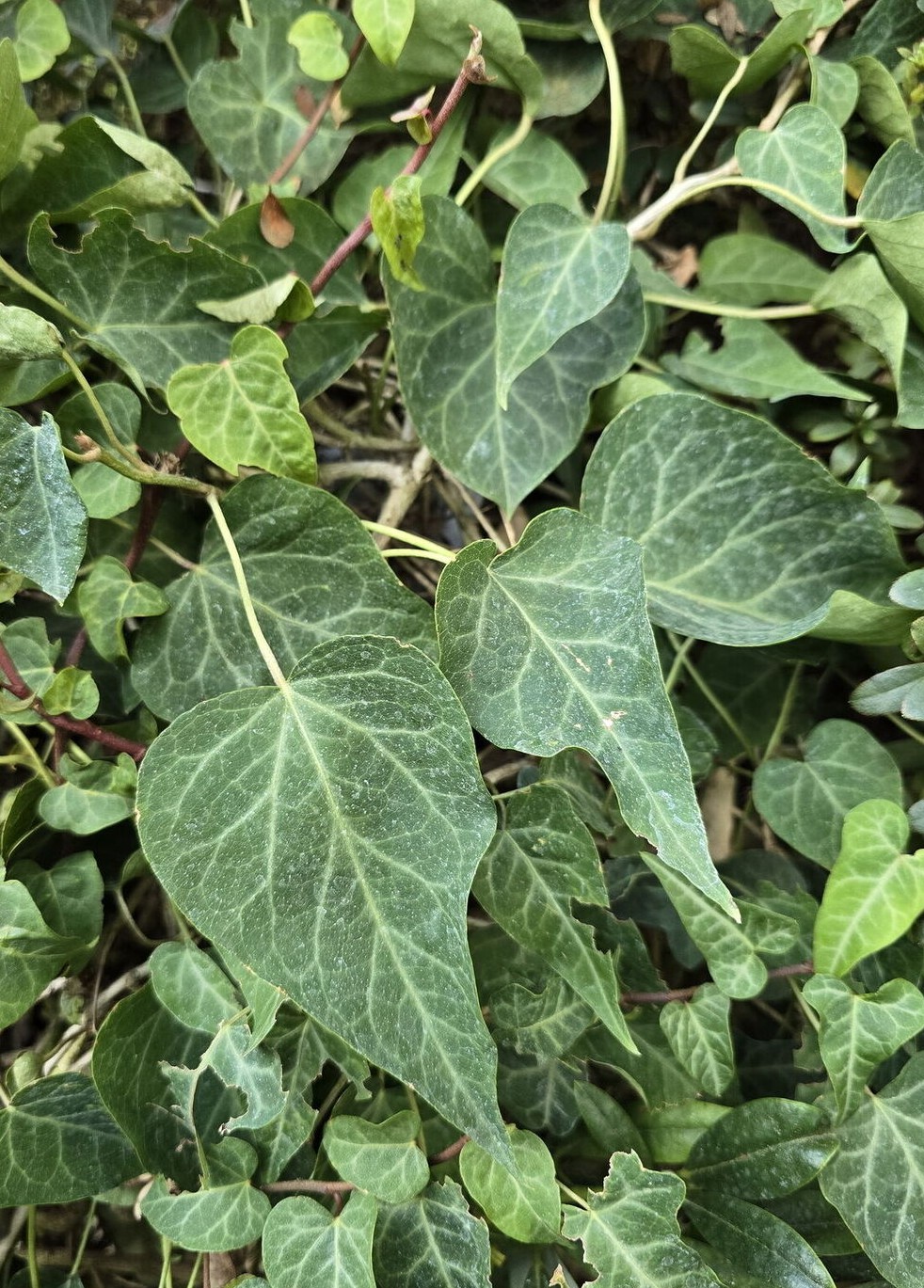
Juvenile leaves are generally triangular, ovate, or lance-shaped and often display pale conspicuous veins, blunt basal lobes, and shallow teeth or lobules. Leaf shape varies with region, genetics, light, age, and vigor.
Adult fertile shoots become thicker, more self-supporting, and less likely to produce clinging rootlets. Their leaves become unlobed or only weakly lobed and can look sufficiently different that a flowering branch may be mistaken for another plant growing through the ivy.
Scale-Like Hairs and Identification
Young Himalayan Ivy stems, petioles, and inflorescence structures bear small scale-like hairs. This character helps distinguish it from English Ivy, which more commonly has star-shaped or stellate hairs.
Microscopic hair structure is not practical during an emergency, so photographs should include the complete leaf, stem, aerial rootlets, flower or fruit structures, and nursery label whenever available.
Flowers and Fruit
Adult shoots produce small greenish or yellowish flowers in rounded umbels arranged on branching inflorescences. Flowering occurs only after the vine reaches its mature fertile phase.
The flowers attract insects, including bees, flies, and wasps. Animals investigating flowering vines may therefore encounter stinging insects in addition to the plant itself.
The fruits mature in clusters and may become yellowish, orange, reddish, or darker depending on regional material and maturity. Wildlife consumption does not establish safety for domestic animals.
No species-specific veterinary study provides a dependable comparison between Himalayan Ivy leaf and fruit toxicity. The foliage is chemically better characterized, while fruit and seeds should remain inaccessible until comparative evidence establishes otherwise.
Himalayan Ivy and Chinese Ivy
Older taxonomic treatments included Chinese populations under Hedera nepalensis var. sinensis. Current treatment accepts those plants as Hedera sinensis, a separate species native from China to northern Indochina.
This distinction matters when interpreting older chemical and medicinal papers. A result obtained from material identified as “H. nepalensis var. sinensis” may represent Chinese Ivy rather than modern narrowly defined Himalayan Ivy.
Himalayan Ivy and English Ivy
English Ivy is Hedera helix, a separate species native from Europe and the Mediterranean region eastward toward Iran. It has a much larger veterinary, pharmaceutical, and contact-dermatitis literature.
Both species contain triterpenoid saponins, including hederagenin-related compounds, but they should not be assumed to have identical concentrations, allergen profiles, fruit chemistry, or veterinary dose responses.
English Ivy evidence may help explain plausible ivy mechanisms, but exact Himalayan Ivy studies should take priority whenever they are available.
Direct Himalayan Ivy Saponin Research
Research beginning with a 1985 Nepalese crude-drug study established that Himalayan Ivy contains multiple triterpenoid saponins. Modern chromatography and high-resolution mass spectrometry have greatly expanded the number of recognized compounds.
One study identified 42 saponins in leaves collected from four mountainous regions of northern Vietnam, including oleanane and 30-noroleanane structures not previously reported from the species.
Another investigation quantified hederacoside C and α-hederin in separate regional collections. Hederacoside C varied approximately tenfold among samples, while α-hederin also differed measurably.
This variation demonstrates why an extract, nursery plant, or wild population cannot be assigned one universal chemical concentration.
Raw Plant and Extracts Are Different Exposures
A fresh leaf contains water, fiber, waxes, saponins, phenolics, and other compounds within intact plant tissue. Drying, grinding, alcohol extraction, subcritical-fluid extraction, and purification can concentrate selected chemical fractions.
Laboratory studies have produced saponin-rich extracts with measurable antimicrobial and cell-culture activity. These preparations do not establish a safe veterinary medicinal dose and should not be recreated as homemade teas, tinctures, powders, or syrups.
A commercial product labeled “ivy” may contain a different Hedera species or additional ingredients. The scientific name and complete ingredient panel are essential during poisoning assessment.
Contact Dermatitis and Evidence Limits
English Ivy is a well-established cause of irritant and allergic contact dermatitis associated with falcarinol-related polyacetylenes. Similar practical caution is appropriate when handling Himalayan Ivy, particularly during cutting, pulling, repotting, or processing.
The exact contact-allergen profile of narrowly defined Hedera nepalensis is not as thoroughly documented. Public advice should therefore recommend protection and decontamination without stating that every Himalayan Ivy rash has been proven to result from falcarinol.
Gloves, long sleeves, eye protection, and prompt washing reduce exposure to sap, saponins, plant dust, soil, fertilizer, pesticide, and any unidentified irritant compounds.
Mechanical and Foreign-Body Hazards
Himalayan Ivy is a long-lived woody vine. Mature stems, fibrous roots, aerial-root mats, and compact leaf masses can cause physical injury independently of chemical toxicity.
A swallowed vine may lodge in the throat or esophagus. Woody or fibrous material may remain within the stomach or intestine and cause persistent vomiting, abdominal pain, or obstruction.
Plant fibers may not be clearly visible on every routine radiograph. Ultrasound, contrast imaging, oral examination, or endoscopy may be required when clinical signs continue.
Propagation and Household Exposure
Stem sections containing viable nodes can remain alive and root after cutting. Propagation material may be more accessible than an established vine and retains the species’ saponin chemistry.
Water containing cuttings may also contain sap, decaying tissue, fertilizer, algae, or bacteria. It should not be used as animal drinking water.
A container placed high on a shelf may become accessible when trailing stems reach the floor, furniture, cages, aquariums, kennels, or cat trees. Fallen leaves, cut vines, and root fragments should be collected promptly.
Plant-Care Chemical Exposure
Commercial vines may have been treated with systemic insecticides, fungicides, fertilizer, growth regulators, or leaf-shine products. Potting media may contain fertilizer granules, wetting agents, bark, compost, mold, or decorative stones.
Seizures, major cardiovascular abnormalities, jaundice, kidney failure, caustic oral injury, or profound collapse after a small plant exposure may result from one of these additional hazards rather than Himalayan Ivy alone.
Diagnosis
No routine veterinary blood or urine test confirms Himalayan Ivy ingestion. Diagnosis relies on plant identification, missing material, exposure history, compatible gastrointestinal or contact signs, and exclusion of other causes.
Useful evidence includes the nursery label, photographs of juvenile and adult foliage, stems, aerial rootlets, flowers or fruit, representative plant material, vomited fragments, and packaging for extracts or plant-care chemicals.
Bloodwork may be appropriate after repeated vomiting, diarrhea, dehydration, weakness, blood, or concentrated-product ingestion. Imaging or endoscopy may be required when a vine, woody stem, or root bundle may have been swallowed.
Prevention and Prognosis
Trim trailing stems before they enter animal areas, stabilize containers and supports, collect fallen material, secure cuttings, and keep plant waste out of paddocks, poultry yards, rabbit enclosures, kennels, and accessible compost.
Most limited foliage exposures have a good prognosis. Risk increases with persistent gastrointestinal losses, oral injury, extensive dermatitis, eye damage, aspiration, concentrated extracts, mixed ingredients, or mechanical obstruction.
Immediate Steps After Himalayan Ivy Exposure
- Stop further access. Move the animal away from leaves, vines, stems, aerial roots, terrestrial roots, flowers, fruit, seeds, cuttings, sap, propagation water, and discarded plant material.
- Identify the plant. Preserve labels using Hedera nepalensis, Himalayan Ivy, Nepal Ivy, or Nepalese Ivy.
- Check for mistaken identity. Photograph the complete leaves, stems, attachment rootlets, flowers, fruit, and growing habit because English Ivy, Chinese Ivy, Persian Ivy, Boston Ivy, and Poison Ivy may be confused with Himalayan Ivy.
- Remove only loose visible material. When the animal is calm and breathing normally, lift away plant fragments resting at the lips or front of the mouth.
- Do not reach into the throat. Deep examination of a gagging, painful, frightened, or struggling animal can worsen obstruction and expose the handler to a defensive bite.
- Gently clear surface residue. Wipe the lips and front of the mouth with a clean damp cloth. Do not pour fluid toward the throat.
- Preserve evidence. Save representative plant material, photographs, vomited fragments, product packaging, ingredient panels, pesticide labels, and fertilizer information.
- Contact a veterinarian. Report the plant or product, estimated amount, time, symptoms, swallowing ability, medications, and whether a long vine or root bundle may have been swallowed.
Do Not Attempt Unsupervised Home Treatment
Do not automatically induce vomiting. Himalayan Ivy commonly causes oral and gastrointestinal irritation, and additional vomiting can worsen esophageal injury or result in aspiration.
- Do not use hydrogen peroxide, salt, mustard, ipecac, detergent, dish soap, manual gagging, or fingers in the throat.
- Never use hydrogen peroxide as a feline emetic.
- Do not induce vomiting in horses, rabbits, guinea pigs, birds, or other species incapable of safe emesis.
- Do not induce vomiting in a symptomatic animal. Vomiting, weakness, facial swelling, abnormal breathing, poor coordination, seizures, collapse, or impaired swallowing creates aspiration risk.
- Do not force activated charcoal. It may be aspirated and is generally unnecessary after one small foliage exposure.
- Do not give milk, oil, bread, salt, herbs, vitamins, household charcoal, antacids, calcium products, or another supposed antidote.
- Do not administer owner-selected antihistamines, corticosteroids, antidiarrheals, pain medication, anti-nausea medication, or leftover veterinary drugs.
A veterinarian or animal poison-control professional may consider professional emesis after a substantial, very recent dog ingestion only while the dog remains fully alert, neurologically normal, stable, breathing normally, swallowing safely, and completely free of clinical signs.
When Emergency Examination Is Especially Important
- Facial or throat swelling: Increasing muzzle, lip, eyelid, tongue, or throat swelling may compromise the airway.
- Abnormal breathing: Wheezing, noisy inhalation, open-mouth breathing, rapid effort, blue-gray gums, or collapse requires immediate treatment.
- Repeated gastrointestinal signs: Continued vomiting or diarrhea can cause dehydration and electrolyte abnormalities.
- Blood: Repeated fresh blood, coffee-ground vomit, black stool, substantial bloody diarrhea, pale gums, or increasing weakness requires prompt assessment.
- Failed swallowing: Persistent drooling, gagging, regurgitation, or inability to retain water may indicate serious inflammation or obstruction.
- Marked weakness or incoordination: These findings are atypical after a minor exposure and may indicate a concentrate, mixed product, another toxin, or severe dehydration.
- Eye pain: Continued squinting, cloudiness, blood, discharge, or apparent visual difficulty requires examination.
Allergic-Reaction and Airway Care
Keep an animal with facial swelling, hives, abnormal breathing, weakness, or collapse quiet and transport it immediately. Give nothing by mouth when throat swelling or impaired swallowing is possible.
Veterinary treatment of a serious hypersensitivity reaction may include injectable epinephrine, oxygen, intravenous access, fluid support, airway management, bronchodilators, antihistamines, corticosteroids, vasopressors, and continuous cardiovascular and respiratory monitoring.
An oral antihistamine does not replace epinephrine, airway support, or treatment of shock.
Gastrointestinal Monitoring
- Track drooling and gagging. Record lip licking, repeated swallowing, coughing, retching, or pawing at the mouth.
- Track vomiting. Note the number of episodes and whether leaves, vine material, foam, fresh blood, or coffee-ground material appears.
- Track diarrhea. Record frequency, volume, mucus, red blood, or black coloration.
- Monitor water intake. An alert animal that is swallowing normally and no longer vomiting may take small voluntary amounts of fresh water.
- Do not force food or fluid. Forced intake may provoke vomiting or aspiration.
- Monitor hydration. Dry or tacky gums, sunken eyes, reduced urination, rapid heart rate, worsening lethargy, or weakness requires veterinary care.
- Monitor appetite. Continued food refusal is particularly important in cats, rabbits, guinea pigs, young animals, and patients with existing disease.
Skin and Coat Decontamination
Wear waterproof gloves and long sleeves when handling cut vines, sap-covered fur, contaminated bedding, tools, or clothing.
Remove collars, harnesses, blankets, or other equipment holding plant material against the skin. Prevent grooming until decontamination is complete.
Wash exposed paws, skin, and fur thoroughly with lukewarm water and mild soap or pet-safe shampoo. Rinse completely without aggressive scrubbing.
Do not apply peroxide, alcohol, bleach, solvents, concentrated vinegar, essential oils, fragranced products, or harsh disinfectants. Persistent redness, swelling, blisters, open lesions, pain, or discharge requires veterinary guidance.
Eye Exposure
Flush an exposed eye immediately with sterile saline or clean lukewarm water for at least 15 to 20 minutes. Allow the fluid to carry sap, dust, soil, and plant particles away from the eye.
- Do not rub or wipe the cornea.
- Prevent pawing. Use safe restraint or an Elizabethan collar when available.
- Seek veterinary care. Continued squinting, tearing, redness, discharge, cloudiness, eyelid swelling, or visual uncertainty requires examination.
- Do not use leftover eye medication. Human redness drops and old veterinary products may be inappropriate, particularly before corneal ulceration has been excluded.
Veterinary examination may include eyelid eversion, fluorescein staining, removal of retained debris, corneal magnification, lubrication, pain control, and treatment of an abrasion or ulcer.
Foreign-Body and Choking Concerns
Persistent gagging, repeated swallowing, coughing, regurgitation, vomiting, neck extension, abdominal enlargement, pain, reduced fecal production, or inability to retain water may indicate a retained vine, stem, root bundle, or leaf mass.
Do not pull plant fiber protruding from the mouth or rectum unless a veterinarian has determined that traction is safe.
Radiographs, ultrasound, contrast imaging, oral examination, or endoscopy may be needed. Fibrous or plant-based material may not be clearly visible on every routine radiograph.
Endoscopy may permit removal from the pharynx, esophagus, or stomach. Intestinal obstruction may require surgery.
Concentrated Extracts and Herbal Products
Bring the exact bottle, wrapper, ingredient panel, concentration, dropper, capsule, or recipe to the clinic. Do not assess an extract by comparing its volume with the number of fresh leaves consumed.
Determine whether the product contains alcohol, xylitol, essential oils, sedatives, sweeteners, preservatives, medications, or another ivy species.
Do not give a human ivy cough medicine or traditional preparation to an animal. Veterinary respiratory disease requires diagnosis, and the product may contain ingredients more dangerous than the plant extract.
Veterinary Gastrointestinal Treatment
Persistent vomiting may require a veterinarian-selected antiemetic such as maropitant or ondansetron. Intravenous or subcutaneous fluids may be used when vomiting, diarrhea, oral pain, or poor intake causes dehydration.
Gastrointestinal protectants such as sucralfate or an acid-reducing medication may be considered when repeated vomiting, blood, painful swallowing, or suspected esophageal and gastric irritation is present.
Blood testing may assess hydration, electrolytes, glucose, blood-cell measurements, kidney and liver values, blood proteins, and abnormalities related to another ingredient or medical condition.
Activated charcoal is generally unnecessary after one small foliage ingestion. A veterinarian may consider it after a selected substantial recent ingestion or concentrated-product exposure only when potential benefit outweighs aspiration risk and the animal can protect its airway.
Dermatitis Treatment
Localized irritant or allergic dermatitis may require gentle cleansing, prevention of licking and scratching, and veterinarian-selected topical or systemic treatment.
Prescription analgesia and anti-inflammatory medication may be needed for painful or extensive lesions. Antihistamines or corticosteroids may be used in selected hypersensitivity cases but do not remove plant residue and do not replace epinephrine during anaphylaxis.
Antibiotics are reserved for secondary infection rather than every red or itchy lesion. Cytology or culture may be appropriate when skin is moist, crusted, foul-smelling, spreading, or poorly responsive.
Neurologic, Cardiovascular, or Respiratory Signs
Profound weakness, severe ataxia, tremors, seizures, stupor, coma, abnormal heart rate, low blood pressure, or respiratory depression is not the expected response to one small foliage exposure.
The veterinarian should investigate a concentrated extract, mixed product, pesticide, fertilizer, medication, another plant, aspiration, oxygen deprivation, metabolic disease, or unrelated neurologic disorder.
Treatment may include oxygen, airway support, intravenous fluids, electrocardiographic and blood-pressure monitoring, seizure control, glucose and electrolyte correction, temperature management, and treatment directed at any identified co-toxin.
Horses, Livestock, and Other Animals
Remove horses and livestock from standing ivy, cut vines, uprooted roots, fruiting branches, hedge waste, and contaminated forage. Supply clean uncontaminated feed and water without forcing intake.
Horses cannot vomit. Monitor for salivation, dropped feed, abdominal discomfort, diarrhea, depression, weakness, abnormal swallowing, or incoordination.
Do not force drenches, oil, charcoal, medication, or large amounts of water into a weak, neurologically abnormal, or poorly swallowing animal.
Rabbits, guinea pigs, birds, reptiles, and other species require species-specific veterinary advice. Do not apply dog or cat emesis instructions or medications to another animal.
Recovery and Prognosis
Most limited foliage exposures have a good to excellent prognosis. Mild drooling, nausea, vomiting, diarrhea, or skin irritation may improve within several hours.
Repeated gastrointestinal disease, dehydration, painful oral injury, or dermatitis may require one or more days of treatment.
Prognosis becomes more guarded with anaphylaxis, respiratory compromise, aspiration, severe dehydration, eye injury, a concentrated mixed product, or gastrointestinal obstruction.
Frequently Asked Questions About Himalayan Ivy and Animal Poisoning
How strong is the evidence that Himalayan Ivy contains toxic saponins?
The chemical evidence is direct and species-specific. Researchers have isolated Himalayan Ivy saponins since at least 1985. Modern studies measured hederacoside C at approximately 0.40% to 4.01% of leaf dry mass and α-hederin at approximately 0.21% to 0.54%. High-resolution analysis has identified dozens of additional oleanane and 30-noroleanane glycosides. Veterinary dose-response data remain limited, but the relevant chemical burden is well established.
Why can two Himalayan Ivy plants cause different exposures?
Saponin concentrations differed substantially among regional leaf collections. Genetics, altitude, weather, soil, plant age, growth stage, season, drying, and storage may alter the proportions of hederacoside C, α-hederin, and related compounds. Leaf color, size, nursery source, or one earlier harmless exposure cannot establish that a later ingestion will be equally mild.
Are hederacoside C and α-hederin the same toxin?
No. They are related triterpenoid saponins with different sugar arrangements and biological properties. Hederacoside C is a larger bisdesmosidic glycoside, while α-hederin is a monodesmosidic compound. Partial hydrolysis of larger saponins during processing, digestion, or metabolism can alter the proportion of α-hederin in an extract or exposure.
Is Himalayan Ivy as toxic as English Ivy?
No controlled veterinary study provides a dependable potency comparison. Both species contain hederagenin-related saponins, but they are separate plants with different ranges and potentially different concentrations and allergen profiles. English Ivy has the larger veterinary and contact-dermatitis literature. Himalayan Ivy should remain inaccessible without assuming that every English Ivy finding applies identically.
Does Himalayan Ivy definitely contain falcarinol?
Polyacetylenes have been attributed to Himalayan Ivy in secondary phytochemical literature, but direct primary evidence defining falcarinol concentration and proving it as the principal allergen in modern narrowly defined Hedera nepalensis is limited. Falcarinol dermatitis is much more firmly established for English Ivy. Gloves and prompt washing remain appropriate because sap, saponins, mechanical abrasion, soil, and plant-care chemicals can all irritate skin.
Is Chinese Ivy another name for Himalayan Ivy?
Not under current taxonomy. Chinese plants formerly called Hedera nepalensis var. sinensis are now accepted as the separate species Hedera sinensis. Older chemical or medicinal research using the varietal name must be interpreted carefully because the tested material may not represent modern narrowly defined Himalayan Ivy.
Are Himalayan Ivy fruits more poisonous than the leaves?
No species-specific veterinary comparison establishes that ranking. Leaves are better studied and contain a substantial documented saponin burden. Fruit and seeds have not been shown to be safe, but claims that the fruit is always more toxic would exceed the available Himalayan Ivy evidence.
Can a pet become severely ill from one small bite?
One small exploratory bite is more likely to cause no signs or temporary drooling, nausea, vomiting, or loose stool than profound systemic poisoning. Risk rises with repeated chewing, several leaves, concentrated extract, a very small patient, underlying disease, another ingredient, or a swallowed vine. Severe weakness, seizures, respiratory distress, or collapse after a small exposure requires investigation for another toxin or complication.
Why can a swallowed vine be dangerous even when the chemical exposure is mild?
Long woody or fibrous material can lodge in the mouth, throat, or esophagus or remain as a foreign body in the stomach or intestine. Persistent gagging, regurgitation, continued vomiting, abdominal enlargement, inability to retain water, or reduced fecal production requires examination. A fiber protruding from the mouth or rectum should not be pulled blindly.
Why is a concentrated ivy extract different from chewing a leaf?
Extraction removes water and fiber and may concentrate selected saponins into a small volume. Alcohol, solvents, heat, storage, and hydrolysis can also change the proportions of hederacoside C and α-hederin. Commercial or traditional products may contain another ivy species, alcohol, xylitol, essential oils, sweeteners, preservatives, or medication, so the complete formulation must be assessed.
When is home monitoring inappropriate?
Direct veterinary examination is warranted for repeated vomiting or diarrhea, blood, dehydration, prolonged food refusal, marked oral pain, failed swallowing, persistent gagging, facial swelling, hives, breathing changes, eye pain, severe weakness, abnormal walking, collapse, concentrated-extract exposure, or possible ingestion of a long vine or root bundle.