Jonquil Toxicity, Amaryllidaceae Alkaloids, and Severe Gastrointestinal Poisoning
Is Jonquil Poisonous to Dogs, Cats, Horses, and Livestock?
Yes—Jonquil, Narcissus jonquilla, is poisonous to dogs, cats, horses, livestock, rabbits, birds, and people. Exact-species studies confirm a chemically diverse mixture of Amaryllidaceae alkaloids, including lycorine, galanthamine, haemanthamine, tazettine, narwedine, lycoramine, lycoraminone, anhydrolycorine, epimacronine, jonquailine, and related compounds. These alkaloids can produce intense gastrointestinal irritation and vomiting, while larger exposures may disturb neurologic, autonomic, cardiovascular, temperature, and circulatory function.
Every part should be treated as poisonous, including the bulb, bulb scales, basal plate, roots, leaves, flower stalk, buds, flowers, pollen-bearing structures, seed capsules, seeds, sap, cut stems, vase water, wilted foliage, dried stalks, and discarded plant debris. The bulb presents the greatest practical hazard because it is a compact mass of alkaloid-containing tissue that a dog may dig up, chew repeatedly, or swallow with soil, packaging, or other bulbs.
Common signs include salivation, lip licking, nausea, repeated vomiting, diarrhea, abdominal pain, appetite loss, depression, and lethargy. Severe vomiting can cause dehydration, sodium, potassium, and chloride abnormalities, hypotension, hypothermia, weakness, poor circulation, abnormal heart rhythms, collapse, and shock. Tremors or seizures are possible after a substantial exposure but are not expected after every small bite.
About this guide: This page provides general pet-poisoning information and cannot diagnose or treat an individual animal. For any suspected exposure, contact a veterinarian or animal poison-control service immediately. Do not induce vomiting, give medication, or attempt home decontamination unless directed by a veterinary professional.
Jonquil
Narcissus jonquilla L.
Accepted infraspecific taxa include:
- Narcissus jonquilla subsp. jonquilla
- Narcissus jonquilla subsp. cerrolazae (Ureña) Barra, Díez Domínguez & Ureña — an accepted Spanish subspecies
Important homotypic synonyms and former combinations include:
- Hermione jonquilla (L.) Haw.
- Jonquilla juncifolia Fourr.
- Queltia jonquilla (L.) Herb.
- Hermione juncifolia Salisb. ex Haw. — an illegitimate superfluous name
- Jonquilla odora Raf. — an illegitimate superfluous name
- Narcissus juncifolius Salisb. — an illegitimate superfluous name
- Queltia juncifolia (Salisb.) Herb. — a superfluous name
- Tityrus jonquilla (L.) Salisb. — not validly published
Important botanical and horticultural distinctions:
- True Jonquil is the species Narcissus jonquilla, characterized by narrow rush-like leaves and usually several fragrant yellow flowers on one stem.
- Jonquilla Daffodils are a horticultural division containing cultivars and hybrids influenced by Narcissus jonquilla. They should also be treated as poisonous.
- Paperwhite generally refers to Narcissus papyraceus or related members of the Tazetta group, not Narcissus jonquilla.
- Common Daffodil or Lent Lily is usually Narcissus pseudonarcissus, a separate species with broader foliage and commonly one larger flower per stem.
- Jonquil is not a true lily in the genus Lilium and does not cause the characteristic feline renal-tubular syndrome associated with true lilies.
Amaryllidaceae — Amaryllis Family
Jonquil; Common Jonquil; True Jonquil; Jonquil Daffodil; Jonquilla Daffodil; Rush Daffodil; Rush-Leaved Daffodil; Rushleaf Daffodil; Species Jonquil; Sweet-Scented Jonquil; Fragrant Jonquil; Lily of Mary; Narcissus jonquilla; Hermione jonquilla; Jonquilla juncifolia; Queltia jonquilla
Daffodil and Narcissus are broad names used for numerous species, cultivars, and hybrids in the genus Narcissus. They are not exclusive alternate names for Narcissus jonquilla.
Jonquilla Daffodils form a horticultural division whose members have Jonquil ancestry or Jonquil-like traits. A cultivar in that division may be a hybrid rather than the wild species, but it should still be treated as poisonous.
Paperwhite usually refers to Narcissus papyraceus or a related Tazetta Daffodil. Paperwhites commonly bear clusters of strongly fragrant white flowers and have broader strap-like foliage. They are separate from true Jonquil but contain related Amaryllidaceae alkaloids.
Common Daffodil, Trumpet Daffodil, Lent Lily, and Wild Daffodil often refer to Narcissus pseudonarcissus or horticultural hybrids rather than Narcissus jonquilla.
Lily of Mary is a traditional common name rather than evidence that the plant belongs to the true-lily genus Lilium. Jonquil belongs to Amaryllidaceae and causes a predominantly gastrointestinal and systemic alkaloid syndrome, not the characteristic feline acute kidney injury caused by true lilies and daylilies.
A Chemically Diverse Amaryllidaceae Alkaloid Mixture
Jonquil contains numerous Amaryllidaceae alkaloids rather than one isolated toxin. These nitrogen-containing compounds arise from norbelladine-related biosynthetic pathways and occur in several structural families with different pharmacologic and cellular effects.
Exact-species research on authenticated Narcissus jonquilla has documented alkaloids belonging to the lycorine, galanthamine, haemanthamine, pretazettine, narciclasine, and related structural groups. A recent analysis of Spanish Jonquil leaves quantified anhydrolycorine, lycorine, galanthamine, lycoraminone, lycoramine, narwedine, haemanthamine, tazettine, epimacronine, 5,6-dihydrobicolorine, ismine, galanthindole, and additional unidentified alkaloids.
Earlier investigation of the cultivar ‘Quail’ identified galanthamine and haemanthamine as major bulb alkaloids. The same cultivar yielded jonquailine, a previously undescribed pretazettine-type alkaloid, along with related compounds. Historical work on Jonquil cultivars also established that different cultivated selections can produce substantially different alkaloid combinations and proportions.
This chemical diversity is important because the clinical syndrome cannot be assigned confidently to one compound acting alone. Lycorine is strongly associated with vomiting and gastrointestinal illness across Narcissus, but galanthamine-type, haemanthamine-type, pretazettine-type, and other alkaloids may modify neurologic, autonomic, cardiovascular, or cellular effects after a larger exposure.
Lycorine and the Severe Vomiting Syndrome
Lycorine is the principal alkaloid traditionally associated with the intense nausea and vomiting that follow ingestion of Daffodils and Jonquils. It is found widely within Amaryllidaceae and has substantial emetic and biologic activity.
The exact receptor-level pathway responsible for vomiting in a naturally poisoned dog or cat has not been defined completely. Lycorine and the crude alkaloid mixture can irritate the gastrointestinal tract, activate emetic pathways, and produce repeated forceful vomiting.
Vomiting may remove some plant material but can quickly become one of the principal medical dangers. Repeated losses of water, sodium, potassium, chloride, hydrogen ions, and other solutes can cause dehydration, hypokalemia, hyponatremia, hypochloremia, acid-base disturbance, weakness, low blood pressure, reduced organ perfusion, hypothermia, and shock.
Spontaneous vomiting does not prove that the stomach is empty. Dense bulb fragments, fibrous scales, soil, packaging, or another swallowed object may remain, while alkaloids already absorbed continue to affect the animal.
Galanthamine-Type Alkaloids and Cholinesterase Inhibition
Galanthamine inhibits acetylcholinesterase, the enzyme responsible for breaking down acetylcholine at neural junctions. By delaying acetylcholine breakdown, purified galanthamine can increase cholinergic signaling.
Exact-species Jonquil leaf extracts have demonstrated notable inhibition of both acetylcholinesterase and butyrylcholinesterase. Galanthamine, lycoramine, narwedine, and related structures contribute to that laboratory activity, potentially together with synergistic effects from other alkaloids.
This evidence does not mean that every Jonquil-poisoned animal develops a classic cholinergic toxidrome. The crude plant contains emetic, cytotoxic, enzyme-inhibiting, and otherwise biologically active constituents in variable amounts. Vomiting, depression, dehydration, weakness, hypotension, and hypothermia remain more consistently documented than a uniform combination of pinpoint pupils, bronchial secretions, urination, diarrhea, and muscle weakness.
Pharmaceutical galantamine is manufactured, purified, and accurately dosed for specific human medical uses. Its clinical value does not make raw Jonquil bulbs, leaves, flowers, teas, extracts, or homemade preparations safe.
Haemanthamine, Tazettine, Jonquailine, and Other Alkaloids
Haemanthamine was a major alkaloid in studied bulbs of the Jonquil cultivar ‘Quail’. Haemanthamine-type compounds have demonstrated protein-synthesis inhibition, cytotoxicity, and other experimental effects, but their precise contribution to acute natural pet poisoning has not been resolved.
Tazettine and epimacronine belong to the pretazettine or tazettine-related chemical group. Tazettine may be formed partly through rearrangement during isolation, making interpretation of laboratory extracts more complicated than simply listing it as a pre-existing toxin at one fixed concentration in the living plant.
Jonquailine was isolated from dried bulbs of the cultivar ‘Quail’ and later underwent detailed stereochemical analysis. Laboratory testing identified activity against several drug-resistant cancer cell lines. Those findings establish an interesting exact-species molecule but do not prove that jonquailine causes vomiting, bradycardia, or shock in a dog or cat.
Narciclasine-related structures and other nonroutine alkaloids may inhibit protein synthesis or cell growth in laboratory systems. They should be acknowledged as part of the genus’s chemical complexity without presenting them as the established cause of the ordinary acute veterinary syndrome.
The Bulb Is the Greatest Practical Exposure
The Jonquil bulb is an underground storage organ composed of overlapping fleshy scales attached to a shortened basal plate. Roots emerge from the basal plate, while leaves and the flowering shoot arise from the upper portion.
Exact-species bulb studies confirm substantial and diverse alkaloid chemistry. No dependable organ-by-organ evidence proves that every Jonquil bulb always contains a higher numerical concentration of each toxin than every leaf or flower. The bulb nevertheless presents the greatest practical risk because it is a compact mass of plant tissue that can be excavated, chewed repeatedly, or swallowed in a large piece.
A dog may consume one bulb, several bulbs from an open package, or a mixture of bulb scales, roots, potting soil, fertilizer, mesh, labels, and plastic. A small dog can receive a substantial plant dose from one ordinary bulb.
Dormancy does not make bulbs safe. Loose bulbs remain poisonous when stored, bagged, dried, refrigerated, transported, uprooted, discarded, divided, or separated from all visible foliage and flowers.
Leaves, Flowers, Seeds, Sap, and Vase Water
Leaves contain a demonstrable mixture of lycorine-, galanthamine-, haemanthamine-, pretazettine-, and other alkaloid types. Narrow foliage should never be offered as grass, forage, or enrichment.
Flowers, buds, tepals, corona tissue, stamens, pollen-bearing anthers, pistils, ovaries, seed capsules, seeds, and flower stems are also parts of the poisonous plant. A flower exposure may deliver less total tissue than a bulb exposure but can still cause vomiting and gastrointestinal illness.
Cut stems release sap and soluble plant material into vase water. Decaying leaves, flowers, pollen, preservatives, bacteria, mold, and other plants in a mixed bouquet can add further hazards. No safe sip of Jonquil vase water has been established.
Removing flowers after they fade does not eliminate the exposure if leaves, cut stem ends, sap, vase water, fallen pieces, or contaminated wrapping remain accessible.
Dried and Dead Material Remains Dangerous
Drying changes water content and may alter the concentration or stability of individual compounds, but it does not establish detoxification. Dried stalks, dead leaves, old bouquets, dormant bulbs, broken scales, pressed flowers, and brittle garden debris should remain inaccessible.
A documented cat developed severe prolonged illness after chewing dried Narcissus stems. The case was not authenticated specifically as Narcissus jonquilla, but it directly disproves the assumption that dead Daffodil material is harmless.
Dried pieces may be easier to break into swallowable fragments and may be transported into garages, sheds, homes, compost piles, kennels, stables, rabbit areas, or feed storage during seasonal cleanup.
Calcium Oxalate and Sap Irritation
Calcium oxalate crystals occur in the sap of Daffodils and contribute, together with alkaloids and mechanical handling, to occupational irritant dermatitis known as Daffodil itch or Daffodil pickers’ rash.
Exact crystal abundance and distribution have not been characterized specifically enough in Narcissus jonquilla to assign calcium oxalate an equal role with the alkaloid mixture in ordinary pet poisoning.
Sap or chewed tissue may irritate the lips, tongue, mouth, skin, and eyes. The expected syndrome is generally less dominated by immediate severe oral pain than poisoning from raphide-rich aroids such as Dieffenbachia, Philodendron, or Calla Lily.
Repeated forceful vomiting, hypotension, hypothermia, or cardiac abnormalities after Jonquil ingestion should not be explained solely by microscopic crystals.
Scillitoxin Is Not the Best-Supported Jonquil Toxin
Scillaine or scillitoxin is associated historically with Squill and related plants and is not the best-supported primary toxin description for Narcissus jonquilla.
Jonquil poisoning should be described through its demonstrated Amaryllidaceae alkaloids—particularly lycorine and the exact-species galanthamine-, haemanthamine-, pretazettine-, and related alkaloid mixture—rather than assigning it an unsupported Squill toxin.
No Established Safe or Lethal Dose
No dependable pet-safe bulb fraction, bulb weight, leaf count, flower count, stem length, seed amount, vase-water volume, alkaloid dose, toxic dose, or lethal dose has been established for an individual dog or cat.
Risk depends on the exact plant or hybrid, organ, alkaloid profile, amount, degree of chewing, animal species, body size, age, health, stomach contents, co-ingested materials, and time before treatment.
A limited nibble may cause no signs or brief gastrointestinal illness. A bulb or uncertain substantial ingestion requires greater concern because concentration cannot be estimated accurately from appearance alone.
Onset and Early Gastrointestinal Signs
Clinical signs may begin within minutes to several hours. The timing depends on the plant part, amount, chewing, stomach contents, individual sensitivity, and whether a bulb fragment remains in the stomach.
Early nausea may appear as lip licking, repeated swallowing, drooling, grass eating, restlessness, hiding, approaching food and then turning away, or an unsettled posture.
Vomiting is the characteristic sign and may be forceful or repeated. Vomit can contain bulb scales, roots, leaves, flower pieces, fibrous stalk material, soil, foam, food, or yellow fluid.
Diarrhea, abdominal pain, appetite reduction, and depression may accompany or follow the vomiting. One brief episode may resolve uneventfully, while a substantial bulb exposure can produce continued illness and circulatory instability.
Abdominal Pain and Gastrointestinal Injury
Abdominal discomfort may cause whining, repeated stretching, prayer posture, hunching, tense abdominal muscles, restlessness, reluctance to lie down, guarding, or resistance when the abdomen is touched.
Repeated vomiting can inflame the stomach and esophagus. Small fresh blood streaks may follow forceful retching, but repeated red blood, coffee-ground material, substantial bloody diarrhea, or black tarry stool requires urgent examination.
Persistent vomiting, abdominal enlargement, reduced stool, repeated unproductive retching, or illness returning after temporary improvement may indicate retained bulb tissue, compacted fibrous material, packaging, a plant label, plastic, wire, mesh, or another foreign body.
Dehydration and Electrolyte Abnormalities
Prolonged vomiting and diarrhea can remove large amounts of water, sodium, potassium, chloride, and acid. Tacky gums, sunken eyes, reduced skin elasticity, reduced urination, rapid or weak pulse, lethargy, and weakness indicate clinically important dehydration.
Hypokalemia can worsen generalized weakness, intestinal dysfunction, and heart-rhythm instability. Sodium, chloride, glucose, and acid-base abnormalities may also develop according to the duration and composition of fluid losses.
Puppies, kittens, toy-breed dogs, elderly animals, and patients with kidney, heart, endocrine, or gastrointestinal disease have less reserve and may become unstable more quickly.
Depression, Weakness, and Loss of Appetite
Depression and lethargy may persist after vomiting slows. An affected animal may hide, sleep excessively, stop grooming, resist movement, refuse food, or respond weakly to familiar people.
These signs can reflect continuing alkaloid effects, dehydration, electrolyte disturbance, hypoglycemia, abdominal pain, low body temperature, hypotension, or poor organ perfusion.
A cat that continues refusing food requires particular attention because prolonged anorexia can lead to serious secondary metabolic disease even after the original toxin is being eliminated.
Hypothermia, Hypotension, and Shock
Severe dehydration and circulatory compromise may produce cold paws or ears, pale mucous membranes, weak peripheral pulses, low blood pressure, profound lethargy, recumbency, and hypothermia.
The documented feline Daffodil case involved severe hypothermia, bradycardia, hypotension, major electrolyte abnormalities, and weakness after several days of vomiting and anorexia.
Hypothermia may further slow heart rate, gastrointestinal function, drug metabolism, and recovery. A profoundly cold animal may be too weak to move away from excessive external heat and can be burned by unsupervised heating devices.
Collapse, cold limbs, pale or gray gums, weak pulses, or reduced responsiveness indicates shock and requires immediate controlled warming, circulatory support, laboratory testing, and monitoring.
Heart-Rate and Rhythm Abnormalities
Severe poisoning may produce an unusually slow, rapid, weak, or irregular pulse. Bradycardia was prominent in the published feline case and may reflect alkaloid effects, hypothermia, electrolyte disturbance, altered autonomic signaling, or combined circulatory compromise.
Tachycardia may develop with pain, stress, dehydration, hypotension, or shock. Arrhythmias can result from direct alkaloid activity, potassium disturbance, acid-base abnormalities, hypothermia, poor perfusion, or another co-exposure.
The outward pulse alone cannot identify the mechanism. Electrocardiography, blood pressure, temperature, electrolyte values, hydration, and perfusion must be assessed together.
Tremors, Poor Coordination, and Seizures
Large or severe exposures may cause shivering, muscle tremors, weakness, poor coordination, convulsions, or seizures. These findings are possible but are much less consistently documented than vomiting and depression.
Neurologic signs may result from direct alkaloid activity, severe electrolyte disturbance, hypoglycemia, hypothermia, hypotension, shock, or inadequate oxygen delivery.
Tremors or seizures after a minor apparent exposure require investigation for another bulb, pesticide, medication, mushroom, metabolic disease, or unrelated neurologic disorder.
Kidney and Liver Abnormalities
Primary irreversible kidney failure is not the defining Jonquil syndrome. Blood urea and creatinine may rise temporarily when dehydration and hypotension reduce renal perfusion.
Reduced urine production can reflect dehydration, shock, acute kidney injury, urinary obstruction, or severe systemic illness. Continued inability to urinate requires prompt investigation rather than attribution to the plant alone.
Liver-enzyme abnormalities may develop during hypoperfusion, severe gastrointestinal illness, another toxin, or pre-existing disease. Jaundice is not a routine Jonquil finding.
Dogs
Dogs account for many bulb exposures because they dig, carry unfamiliar objects, chew roots, raid planting bags, and investigate freshly disturbed soil.
A dog may swallow one bulb whole, shred several bulbs, or ingest bulb tissue with soil, fertilizer, bone meal, mesh packaging, plant labels, plastic pots, or another bulb species.
Repeated vomiting, abdominal pain, depression, diarrhea, weakness, dehydration, abnormal pulse, and collapse are the principal concerns. Mechanical obstruction or choking can coexist with alkaloid poisoning.
Cats
Cats may repeatedly chew narrow leaves, investigate fragrant flowers, drink vase water, or contact dried stems during household or garden cleanup.
Early illness can be mistaken for hairball vomiting or ordinary appetite fluctuation. Continued anorexia, quiet behavior, cold extremities, weakness, an unusually slow pulse, or dehydration should not be dismissed.
Forced oral treatment is particularly dangerous in a weak, hypothermic, vomiting, or poorly swallowing cat. Hydrogen peroxide must never be used as a feline emetic.
Horses and Livestock
Horses and livestock may encounter Jonquils in naturalized fields, ornamental beds, fence lines, uprooted garden material, discarded bouquets, loose bulbs, or contaminated forage.
Horses cannot vomit. Poisoning may instead cause salivation, appetite loss, colic, diarrhea, depression, trembling, weakness, low blood pressure, abnormal heart rhythm, seizures, or collapse.
Cattle, sheep, goats, pigs, poultry, rabbits, and other animals should not receive bulbs, foliage, flowers, clippings, or bouquet waste as feed or enrichment. Species-specific dose data are inadequate.
Expected Course and Emergency Findings
Mild gastrointestinal illness may improve within several hours to approximately one day. Substantial bulb ingestion, repeated vomiting, severe dehydration, hypothermia, hypotension, electrolyte disturbance, aspiration, or arrhythmia can require several days of hospitalization.
Temporary improvement after vomiting does not prove that all bulb material has left the stomach or that electrolyte and circulatory abnormalities have resolved.
Emergency findings include repeated vomiting, inability to retain water, bloody gastrointestinal discharge, black stool, marked abdominal pain or enlargement, pale or gray gums, cold extremities, profound weakness, abnormal pulse, tremors, seizures, difficult breathing, collapse, or reduced responsiveness.
Accepted Identity and Native Range
Jonquil is Narcissus jonquilla, a bulb-forming perennial geophyte in Amaryllidaceae. It is one particular species within the much larger and horticulturally complex genus Narcissus.
The accepted native range extends from southern and eastern Portugal through central and southern Spain. Wild populations occur in temperate Iberian habitats, including seasonally moist grasslands, stream-associated ground, open fields, meadow margins, and other places where the bulb can survive summer dormancy below the soil.
The species has been introduced and naturalized far outside its native range through centuries of cultivation. Dogs and cats are more likely to encounter it in residential gardens, parks, cemeteries, school grounds, public beds, abandoned home sites, containers, roadside plantings, naturalized fields, florist arrangements, or stored bulb packages than in undisturbed Iberian habitat.
Accepted Subspecies and Historical Names
Current treatment recognizes the widespread typical subspecies, Narcissus jonquilla subsp. jonquilla, and subsp. cerrolazae, an accepted taxon from Spain.
The species has passed through several historical generic placements, including Hermione, Jonquilla, Queltia, and Tityrus. These names remain useful when searching older botanical, horticultural, and chemical literature.
Alternative historical varieties and garden forms may not correspond cleanly to current accepted subspecies. Old labels must not be interpreted as identifying a toxin-free form.
Bulb, Roots, Leaves, and Seasonal Growth
The underground bulb consists of overlapping fleshy storage scales attached to a basal plate. True roots arise from the lower basal plate, while leaves and flowering shoots emerge above.
Leaves arise in a basal cluster and are long, narrow, smooth, dark green, and rush-like. They may be cylindrical, semicylindrical, or deeply channelled rather than broad and flat.
The foliage often emerges before flowering and remains afterward while photosynthesis replenishes the bulb. It later yellows and dies back, leaving the dormant bulb below the soil.
Dormancy does not eliminate the hazard. A dog may uncover the bulb after all visible foliage has disappeared, and loose bulbs may remain accessible in garages, sheds, basements, boxes, bags, refrigerators, potting areas, or discarded soil.
Flowers and Jonquil Identification
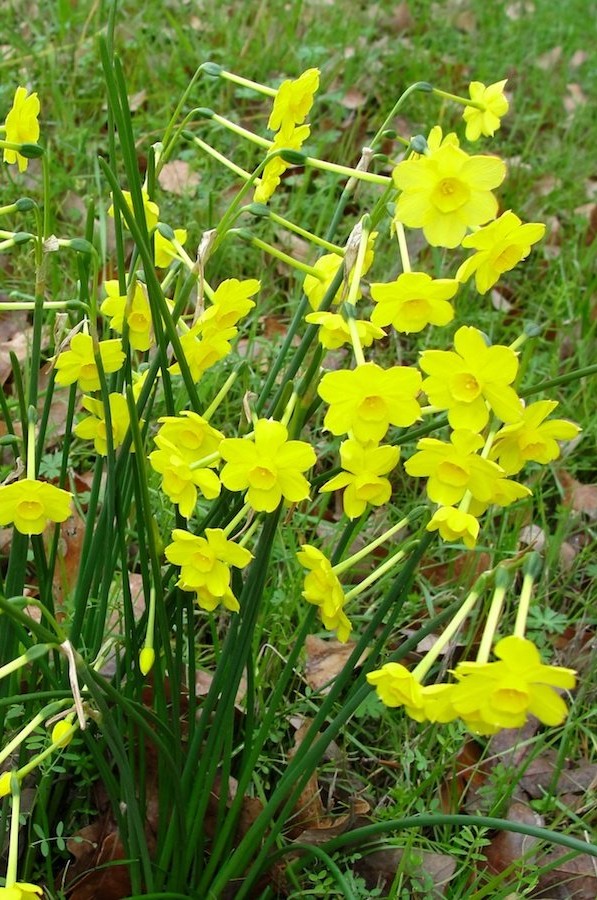
True Jonquil usually produces several small strongly fragrant flowers on one leafless stem. Each flower has six spreading yellow tepals surrounding a relatively short cup-shaped or funnel-shaped corona.
The combination of narrow rush-like leaves, multiple fragrant golden-yellow flowers, and a short corona helps distinguish true Jonquil from many large trumpet Daffodils.
Flower count, color, fragrance, or corona length does not establish safety. Jonquil hybrids may bear cream, white, orange, yellow, or multicolored flowers and remain poisonous.
Jonquil, Daffodil, and Narcissus
Every true Jonquil belongs to the genus Narcissus and may be called a Daffodil, but not every Daffodil is Narcissus jonquilla.
Common or Lent Daffodil, Narcissus pseudonarcissus, typically has broader flat leaves and one larger flower with a prominent trumpet. Paperwhite, Narcissus papyraceus, bears clusters of white flowers and broader strap-like foliage.
Jonquilla Daffodils form a horticultural division rather than one wild species. They commonly show Jonquil ancestry, narrow foliage, fragrance, and multiple flowers per stem.
All genuine Narcissus species and hybrids should be treated as poisonous after animal ingestion. Exact species identification improves scientific accuracy but should not delay veterinary advice.
Jonquil Is Not a True Lily
The traditional name Lily of Mary does not place Jonquil in the genus Lilium. Jonquil belongs to Amaryllidaceae, whereas true lilies belong to Liliaceae.
True lilies and daylilies can cause rapidly progressive acute kidney injury in cats after very small exposures. Jonquil instead produces a predominantly gastrointestinal alkaloid syndrome with possible dehydration, hypothermia, hypotension, neurologic effects, and rhythm abnormalities.
A mixed bouquet may contain both types of plant. The complete arrangement and florist label should accompany the patient because a cat exposed to a true lily requires a different level of renal emergency management.
Bulbs Can Be Mistaken for Onions
Jonquil bulbs can resemble small onions because both have fleshy layered storage tissue and dry outer coverings. Visual resemblance is not sufficient for identification.
Jonquil bulbs lack the characteristic sulfurous onion or garlic odor released when an Allium is cut. An unidentified bulb should never be tasted to test the distinction.
Jonquil and edible onions should not be stored together. After an animal exposure, preserve the packaging, label, bulb, roots, and any cut or vomited material.
The distinction affects diagnosis: Jonquil primarily causes gastrointestinal and systemic alkaloid poisoning, while onion and garlic can cause oxidative red-cell injury and delayed anemia in susceptible animals.
Tulip, Hyacinth, Autumn Crocus, and Other Bulbs
Tulip and Hyacinth bulbs may be stored or planted beside Jonquil bulbs and can look similar after labels are lost. They contain different irritant glycosides and often produce prominent oral and gastrointestinal irritation.
Autumn Crocus contains colchicine-type toxins capable of severe gastrointestinal injury, bone-marrow suppression, shock, and multiple-organ failure. Death Camas contains potent steroidal alkaloids and can cause serious cardiovascular and neurologic poisoning.
Ordinary Crocus, Iris, Snowdrop, Amaryllis, and other bulbs also have distinct toxicologic profiles. Bring every bulb type from the package or planting bed when identification is uncertain.
Cut Flowers and Vase Water
Cut Jonquils remain poisonous. Cats may bite narrow leaves or stems, while dogs may retrieve fallen flowers, bouquet wrapping, ribbon, floral foam, or plant material from a wastebasket.
Sap and soluble plant compounds can enter vase water through cut stem ends, bruised foliage, decaying flowers, and fallen pollen or fragments. Commercial preservative and bacterial growth may add further irritants.
Mixed bouquets can contain true lilies, Tulips, Hyacinths, Irises, or other poisonous flowers. Preserve the complete arrangement, wrapping, florist card, and photographs rather than bringing only one detached stem.
Dried Material and Dormant Bulbs
Dried leaves, dead flower stems, brittle stalks, old bouquets, dormant bulbs, loose scales, and discarded plant debris remain unsuitable for pets and livestock.
Drying does not establish destruction of lycorine, galanthamine-type compounds, haemanthamine, or the broader alkaloid mixture. The documented feline case demonstrates that dried Narcissus stems can remain clinically dangerous.
Dried debris may be transported into homes, garages, kennels, barns, paddocks, compost piles, or animal bedding during seasonal cleanup.
Documented Veterinary Case: Severe Daffodil Poisoning in a Cat
Dried or dead Narcissus material remains capable of causing severe poisoning. A detailed case report published in the March 2004 issue of the Canadian Veterinary Journal, titled “Daffodil Toxicosis in an Adult Cat” by Dr. Sharon Saxon-Buri, documented prolonged vomiting, anorexia, severe dehydration, hypothermia, bradycardia, hypotension, electrolyte abnormalities, and weakness after a cat chewed dried daffodil stems.
The plant was identified at the genus level as Narcissus rather than authenticated specifically as Narcissus jonquilla. The complete clinical account is preserved because it provides rare direct veterinary documentation of the severity possible after dried Daffodil exposure:
“A domestic longhair cat with a 3-day history of lethargy and vomiting after ingesting dried daffodil stems (Narcissus spp.) was severely hypothermic (33.0°C), with bradycardia (78 beats/min) and hypotension. Treatment with atropine, dexamethasone, fluid therapy, and supportive care resulted in a complete recovery by 6 days after exposure.
“A 2-year old, neutered, male domestic longhair was presented with a history of lethargy and vomiting of 3 d duration. Four days earlier (day 1), the cat had expelled a hairball, but this was not considered unusual. Subsequently, on day 2, the cat had vomited food and yellow fluid several times and had displayed a marked decrease in appetite, with polydipsia and polyuria. No vomiting occurred on day 3, but the cat was lethargic and anorexic. The owners attributed these changes to hairballs and treated the cat with a teaspoon of a hairball remedy on the morning of day 4. On further questioning, the owner reported seeing the cat chewing on dried daffodil stalks, which had been removed from the flower garden for disposal on the morning of day 2, and recalled seeing plant material in the vomitus that day.
“When examined, the cat was sternally recumbent, quiet, in thin body condition, and conscious, but only weakly responsive. The extremities were cool to the touch and the rectal temperature averaged 33.5°C for 3 readings. Pale oral mucous membranes were noted, and auscultation of the heart revealed bradycardia (84 beats/min (bpm); reference range, 120 to 140 bpm). Respiratory rate was normal (22 breaths/min). Dehydration was estimated at 10%, and peripheral pulses were weak. The severity of the cat’s condition was discussed with the owner, who agreed to emergency therapy for possible daffodil toxicosis.
“The cat was wrapped in warm towels and catheterization of the left cephalic vein was attempted but was not possible, probably because of hypotension. Accordingly, 180 mL of lactated Ringer’s solution (Baxter; Toronto, Ontario) was administered SC. During this procedure, the rectal temperature of the cat dropped to 33.0°C. Accordingly, the cat was immersed in a water bath at 40°C for approximately 15 min, removed, and immediately dried with warm towels and a hair dryer. Subsequently, the cat was rewrapped in dry towels with warm oat bags and placed under a heat lamp. After 15 min, the body temperature had risen to 36.0°C, and it was possible to catheterize the right cephalic vein. A 2-mL blood sample was drawn for a complete blood cell (CBC) count (QBC VetAutoread Hematology Analyzer; Idexx Laboratories, Toronto, Ontario) and serum biochemical profile (VetTest Chemistry Analyzer; Idexx Laboratories). Warmed lactated Ringer’s solution was administered, IV, at shock rate (45 mL/kg bodyweight (BW)/h). The heart rate had dropped to 78 bpm, and atropine, 0.02 mg/kg BW, IM, and dexamethasone (Vétoquinol, Lavaltrie, Quebec), 2 mg/kg BW, IV, were also administered. Detoxification procedures, such as induction of emesis, administration of activated charcoal, or gastric lavage, were not elected because more than 48 h had elapsed since the time of exposure to the daffodil stalks. The cat was monitored continuously and the rectal temperature was taken 4 times/h. Thirty minutes after warming and atropine administration, the heart rate had increased to 120 bpm and the rectal temperature had increased to 37.5°C; however, 30 min later, rectal temperature had dropped to 35.1°C. The described warming protocol was repeated with similar results. Oral mucous membranes remained a normal pink color.
“The CBC counts were within normal range; however, the biochemical profile results revealed elevated urea (42.62 mmol/L; reference range, 5.71 to 12.85 mmol/L), hyperglycemia (glucose 25.14 mmol/L; reference range, 4.22 to 8.06 mmol/L), hyponatremia (sodium 137.2 mmol/L; reference range, 150.0 to 165.0 mmol/L), hypokalemia (potassium 2.35 mmol/L; reference range, 3.5 to 5.8 mmol/L), and hypochloremia (chloride 75.5 mmol/L; reference range, 112.0 to 129.0 mmol/L). The urinary bladder was not palpable, so it was not possible to collect urine either by cystocentesis or digital compression. Because of the difficulty in maintaining normothermia for more than 30 min and to ensure metabolic stability overnight, the cat was transferred to an emergency clinic for continuous observation and warming.
“The cat was returned from the emergency clinic to the admitting clinic on the morning of day 5. With the use of warm towels, oat bags, and warm IV fluids, average rectal temperature had reached 38.0°C. The average heart rate, measured hourly, was 120 bpm and oral mucous membranes remained pink. A serum biochemical profile revealed a return to normal ranges for urea (11.45 mmol/L), sodium (153 mmol/L), and potassium (3.8 mmol/L). Chloride remained slightly low (110 mmol/L); glucose had decreased (10.08 mmol/L) but remained above the reference range. A free-flow clear yellow urine sample (specific gravity 1.015; pH 8.5) contained trace blood and protein.
“On day 6, the cat began sitting up and walking periodically. Crackles were noted in the ventral lung fields bilaterally. The IV fluid rate was decreased to maintenance rate and furosemide (Apo-Furosemide; Apotex, Toronto), 2 mg/kg BW, IM, was administered. The cat remained quiet, alert, and responsive, urine output increased during the 3 h following diuretic administration, and lung sounds returned to normal 4 h after diuretic administration. During the next 8 h, in the absence of exogenous heat sources, rectal temperature, taken hourly, averaged 38.4°C, and the cat consumed 30 mL of Prescription Diet Canine/Feline a/d (Hill’s Pet Nutrition Canada, Mississauga, Ontario).
“On day 7, with a body temperature of 38.9°C, normal hydration, and a normal CBC count and serum biochemical profile, the cat remained quiet. Fluid therapy was discontinued and the cat remained stable. On day 8, the cat was bright and energetic, with a normal appetite. A complete physical examination was unremarkable and the cat was discharged.”
— Sharon Saxon-Buri, “Daffodil Toxicosis in an Adult Cat,” Canadian Veterinary Journal, March 2004; 45(3): 248–250. PMCID: PMC548613.
This case involved one individual cat treated under continuous veterinary supervision. The medications, doses, fluid rates, warming methods, monitoring schedule, and later adjustment of fluid therapy were selected in response to that cat’s changing temperature, heart rate, blood pressure, hydration, laboratory results, urine production, and lung sounds. The report is valuable clinical documentation, but it is not a treatment formula to copy at home or apply automatically to another dog or cat.
Exact-Species Alkaloid Research
Historical chemical studies examined several cultivated Jonquils and established that the species can produce multiple structural classes of Amaryllidaceae alkaloids.
Analysis of the cultivar ‘Quail’ identified galanthamine and haemanthamine as prominent bulb constituents. Later work isolated jonquailine, a pretazettine-type compound named for that cultivar.
A modern study of authenticated wild Spanish Narcissus jonquilla leaves quantified multiple galanthamine-, lycorine-, haemanthamine-, pretazettine-, ismine-, and related structures. It also showed that the leaf extract contained a substantial total alkaloid yield.
These studies demonstrate that foliage is chemically active and that Jonquil cannot be reduced to “a bulb containing lycorine.” They do not provide a veterinary toxic dose for each compound.
Cholinesterase Inhibition and Its Clinical Limits
Exact Jonquil leaf extract produced substantial acetylcholinesterase and butyrylcholinesterase inhibition in laboratory testing. Among fifteen Spanish species studied, Jonquil had the strongest butyrylcholinesterase inhibition and also noteworthy acetylcholinesterase inhibition.
The result is compatible with its galanthamine, lycoramine, narwedine, and related alkaloids. It does not establish that a dog eating one leaf will display a pure pharmacologic galantamine overdose.
Natural exposure combines numerous alkaloids, plant fiber, sap, oxalate crystals, stomach contents, vomiting, dehydration, and individual metabolism. Treatment must follow the patient’s actual gastrointestinal, cardiovascular, neurologic, temperature, and circulatory abnormalities.
Jonquailine and Experimental Anticancer Research
Jonquailine was isolated from dried bulbs of the cultivar ‘Quail’ and demonstrated laboratory activity against several drug-resistant cancer cell lines. Later research established its absolute stereochemical configuration.
This work is scientifically important because it expands the known exact-species chemistry. It does not make Jonquil a safe cancer remedy for animals or identify jonquailine as the principal acute veterinary toxin.
Crude bulb extracts, homemade powders, teas, tinctures, or supplements provide uncontrolled mixtures and should never be administered to a pet.
Daffodil Itch and Sap Exposure
Daffodils are an important cause of occupational irritant dermatitis among growers, pickers, and florists. Repeated exposure to sap, calcium oxalate crystals, alkaloids, friction, and moisture can produce fissuring, scaling, erythema, and painful sores on the hands and forearms.
A dog or cat contacting one cut stem is unlikely to reproduce a worker’s chronic occupational exposure, but sap can irritate sensitive skin, lips, and eyes. Contaminated fur also creates an oral exposure during grooming.
Diagnosis
No routine rapid blood test specifically confirms Jonquil alkaloids in a veterinary patient. Diagnosis depends on exposure history, botanical identification, plant part, amount, timing, clinical course, vomited material, and exclusion of other diseases or poisons.
Useful evidence includes the complete bulb, roots, basal plate, leaves, flowers, cut stems, packaging, florist or nursery label, photographs, vase water, vomited fragments, and every other bulb or flower available in the same area.
Blood testing can evaluate hydration, sodium, potassium, chloride, glucose, kidney and liver values, acid-base status, and other consequences of prolonged vomiting or shock.
Electrocardiography and blood-pressure monitoring may be appropriate when the pulse is slow, rapid, weak, or irregular. Body temperature requires repeated measurement in a weak or cold patient.
Radiographs, ultrasound, contrast studies, or endoscopy may be required when an intact bulb, dense fragments, packaging, wire, mesh, pot material, or another foreign body could remain in the digestive tract.
Prognosis and Prevention
The prognosis is generally good after a limited leaf or flower exposure producing brief gastrointestinal illness. Prompt control of vomiting and correction of dehydration usually allow complete recovery.
The outlook becomes more guarded after one or more bulbs, prolonged vomiting, major electrolyte disturbance, hypothermia, hypotension, seizures, aspiration, arrhythmia, obstruction, collapse, or shock.
Keep loose and packaged bulbs in closed containers. Collect every bulb and scale exposed by digging, erosion, transplanting, construction, garden removal, or landscape renovation.
Keep bouquets, vase water, fallen flowers, cut stems, wrapping, and discarded plant material away from pets. Dried stems and dormant bulbs remain poisonous.
Never throw Jonquil bulbs, clippings, or bouquet waste into a paddock, kennel, rabbit enclosure, poultry run, feed pile, bedding area, or open compost accessible to animals.
Immediate Response
- Stop further exposure: Remove access to bulbs, loose scales, roots, leaves, flowers, stems, dried stalks, vase water, planting bags, packaging, soil, and discarded debris.
- Identify every plant involved: Determine whether the exposure involved true Jonquil, another Narcissus, Tulip, Hyacinth, Autumn Crocus, Death Camas, Onion, true Lily, or a mixed bouquet or bulb package.
- Preserve a complete sample: Save the bulb, roots, basal plate, leaves, flower stem, flowers, labels, wrapping, packaging, and any vomited plant material.
- Estimate the exposure: Record whether the animal chewed foliage, swallowed a flower, drank vase water, ate part of one bulb, or had access to several bulbs.
- Record the time: Note the earliest and latest possible exposure and when vomiting, diarrhea, lethargy, weakness, or another sign began.
- Contact a veterinarian: Bulb ingestion, an uncertain amount, or any symptomatic exposure deserves prompt professional assessment.
Remove Loose Material from the Mouth
When the animal is fully alert, breathing normally, swallowing normally, and unlikely to bite, remove visible leaves, flower pieces, bulb scales, or stem fragments resting at the lips or front of the mouth.
Use a damp disposable cloth to wipe sap and residue from accessible lips, gums, tongue, and front oral surfaces.
A gentle rinse with cool or lukewarm water may be used only when swallowing is completely normal. Allow liquid to drain outward rather than directing it toward the throat.
Do not reach blindly into the back of the mouth. A bulb fragment can be pushed farther toward the pharynx, and a frightened or painful animal may bite.
Do Not Automatically Induce Vomiting
Lycorine is strongly emetic, and many animals begin vomiting without an administered emetic. Adding another irritant can worsen gastrointestinal injury and aspiration risk.
Hydrogen peroxide must never be used as a feline emetic. It can cause serious gastric and esophageal injury and is not a safe method for cats.
Do not give hydrogen peroxide automatically to a dog. A veterinarian or animal poison-control specialist may consider professional or specifically directed emesis after a recent major bulb ingestion only when the dog is fully alert, stable, asymptomatic, breathing normally, swallowing normally, and able to protect the airway.
Never attempt vomiting after vomiting, weakness, lethargy, trembling, hypothermia, collapse, seizures, abnormal breathing, or poor swallowing begins.
Do not use salt, mustard, ipecac, dish soap, detergent, oil, syrup, fingers, tools, or physical gagging.
Activated Charcoal and Veterinary Decontamination
Activated charcoal is not a proven Jonquil-specific antidote. A veterinarian may consider medical charcoal after a substantial recent ingestion when plant material may remain in the gastrointestinal tract and the patient can protect the airway.
Do not force charcoal into a vomiting, weak, sedated, hypothermic, seizuring, collapsed, or poorly swallowing animal. Aspiration can cause severe lung injury.
Barbecue charcoal, fireplace ash, burned food, and homemade carbon are not medical activated charcoal.
Gastric lavage is a veterinary procedure requiring anesthesia, endotracheal airway protection, cardiovascular monitoring, and a determination that the amount remaining justifies the risks.
Endoscopic retrieval may be considered when a large intact bulb, dense bulb pieces, mesh, wire, plastic, labels, or another object remains in the esophagus or stomach.
Vomiting and Diarrhea
- Track every episode: Record the timing and appearance of vomit and stool, including bulb scales, leaves, flowers, dried stems, foam, blood, black material, soil, mesh, or plastic.
- Save plant fragments: Place recognizable material in a sealed disposable container for veterinary identification.
- Offer water only when safe: An alert animal that is swallowing normally and not vomiting repeatedly may have voluntary access to small amounts of fresh water.
- Never force water: Syringed or poured fluids can enter the lungs and cannot replace controlled treatment for dehydration.
- Monitor urination: Reduced urine may indicate dehydration, poor circulation, kidney injury, or obstruction.
- Report blood promptly: Bloody vomit, coffee-ground material, black stool, substantial bloody diarrhea, pale gums, or collapse requires urgent examination.
Abdominal Pain, Choking, and Obstruction
Whining, repeated stretching, prayer posture, hunching, tense abdominal muscles, guarding, restlessness, or reluctance to lie down suggests clinically important abdominal pain.
Pawing at the mouth, repeated gagging, ineffective breathing, blue-gray gums, panic, weakness, or collapse may indicate choking.
Remove only an object clearly visible and safely accessible at the front of the mouth. Do not push food, water, oil, or bread into the throat.
Continued vomiting, abdominal enlargement, repeated unproductive retching, reduced stool, or renewed illness after temporary improvement may indicate retained bulb material or another foreign body.
Weakness, Hypothermia, and Poor Circulation
Cold paws, ears, or limbs combined with lethargy, pale gums, weak pulses, or reduced responsiveness may indicate hypothermia, hypotension, dehydration, or shock.
Wrap the animal in dry blankets during transportation. Provide gentle ambient warmth without delaying veterinary care.
Do not place an electric heating pad, hot-water bottle, heat lamp, or other intense heat source directly against a weak or sedated animal. It may be unable to move away and can sustain burns.
Carry or support an unstable animal rather than forcing it to walk.
Tremors, Seizures, and Collapse
- Clear the area: Move hard or sharp objects away from an animal that is trembling or seizuring.
- Prevent falls: Keep the animal away from stairs, pools, roads, and elevated surfaces.
- Do not restrain the jaw: Animals do not swallow their tongues, and hands near the mouth can be bitten severely.
- Time each episode: Record seizure duration and whether awareness returns between events.
- Seek critical care: Repeated seizures, collapse, inability to stand, or reduced responsiveness requires immediate airway, cardiovascular, metabolic, and neurologic support.
Heart and Breathing Abnormalities
An unusually slow, rapid, weak, or irregular pulse may reflect direct alkaloid effects, hypothermia, dehydration, electrolyte disturbance, hypotension, or shock.
Rapid breathing, labored respiration, open-mouth breathing, gasping, neck extension, coughing after vomiting, or blue-gray gums requires emergency care.
Do not give atropine, antiarrhythmic medication, blood-pressure drugs, stimulants, or other heart medication at home. Treatment depends on the actual electrocardiogram, blood pressure, temperature, hydration, and electrolyte values.
When an animal becomes unresponsive and is not breathing normally, begin pet cardiopulmonary resuscitation if trained and able to do so safely while emergency help is obtained.
Do Not Give Routine Home Medication
- Avoid antidiarrheal drugs: Do not give loperamide, bismuth products, kaolin mixtures, or another gastrointestinal medication without veterinary direction.
- Avoid human pain relievers: Ibuprofen, naproxen, acetaminophen, aspirin, and similar drugs can create a separate serious poisoning.
- Do not give milk, oil, or extra food: These products do not neutralize lycorine or the broader alkaloid mixture and may worsen vomiting or aspiration risk.
- Do not give hairball remedies: Petroleum-based products do not treat Jonquil poisoning and may complicate aspiration in a weak or vomiting animal.
- Do not copy a case-report treatment: The medication, warming, fluid, and diuretic decisions in the published cat were based on continuous examination and changing laboratory and cardiopulmonary findings.
Skin and Coat Exposure
Wear gloves when handling cut stems, damaged bulbs, sap, vomit, or contaminated fur.
Brush loose plant debris from the coat before wetting it. Remove contaminated collars, harnesses, clothing, and bedding.
Wash exposed skin and fur with lukewarm water and a mild pet-safe cleanser, rinse thoroughly, and prevent grooming until cleanup is complete.
Persistent redness, swelling, blistering, pain, or dermatitis requires veterinary assessment and consideration of pesticide, fertilizer, or another irritant exposure.
Eye Exposure
Flush an exposed eye immediately with sterile saline or clean lukewarm water for at least 15 to 20 minutes. Direct a gentle stream across the eye and beneath the eyelids.
Prevent rubbing with the paws or against furniture and bedding.
Do not apply redness-relief drops, numbing medication, corticosteroid drops, antibiotic ointment, milk, oil, or leftover prescriptions.
Continued squinting, tearing, redness, swelling, cloudiness, discharge, unequal pupils, or apparent visual impairment requires prompt examination.
Veterinary Examination
The veterinarian may evaluate hydration, body weight, abdominal pain, temperature, heart rate and rhythm, pulse quality, blood pressure, breathing, mental status, coordination, and evidence of retained plant or foreign material.
Blood testing may assess sodium, potassium, chloride, glucose, kidney and liver values, blood count, acid-base status, lactate, and other consequences of prolonged vomiting, dehydration, hypothermia, or shock.
Electrocardiography is appropriate when bradycardia, tachycardia, weakness, collapse, or an irregular pulse is present. Blood-pressure and temperature measurements may need to be repeated frequently.
Radiographs, ultrasound, contrast imaging, or endoscopy may be needed when an intact bulb, fibrous plant mass, packaging, wire, mesh, plastic, or another foreign body could remain.
Veterinary Treatment
There is no universal Jonquil-specific antidote. Treatment is directed at gastrointestinal illness, dehydration, electrolyte abnormalities, temperature, blood pressure, perfusion, heart rhythm, neurologic signs, aspiration, and obstruction.
Veterinarian-selected anti-nausea medication may be used after decontamination decisions are complete. Gastrointestinal protectants may be selected when repeated vomiting, esophagitis, gastric irritation, or blood is present.
Subcutaneous or intravenous crystalloids may correct dehydration, support circulation, and restore electrolyte balance. Fluid choice and volume must account for body weight, cardiovascular function, kidney function, urine production, and ongoing losses.
Hypothermic patients require measured and controlled warming with repeated temperature monitoring. Warmed fluids, circulating warm-air systems, blankets, or other professional methods may be used according to severity.
Clinically important bradycardia may justify atropine in a selected monitored patient, but atropine is not an antidote to the complete plant mixture and should not be administered automatically.
Hypotension may require additional fluid assessment and veterinarian-selected vasopressor or inotropic support. Arrhythmia treatment must follow the actual electrocardiographic abnormality and electrolyte status.
Tremors or seizures may require injectable anticonvulsants or muscle-relaxant medication. Oxygen, airway protection, aspiration treatment, or mechanical ventilation may be required in critical cases.
Fluid Overload and Continuing Reassessment
A severely dehydrated animal may initially require substantial fluid support, but treatment must change as hydration, urine output, body weight, lung sounds, blood pressure, and laboratory values improve.
The documented cat later developed pulmonary crackles, prompting reduction of fluid delivery and additional monitored treatment. That development illustrates why fluid therapy cannot be copied as one fixed rate or duration.
Coughing, increased respiratory rate, crackles, edema, weight gain, or worsening breathing during treatment requires immediate reassessment for fluid overload, aspiration, cardiac dysfunction, or another pulmonary complication.
Horses and Livestock
- Remove the source: Prevent access to bulbs, naturalized plants, clippings, uprooted material, discarded bouquets, and contaminated forage.
- Inspect the entire group: More than one animal may have eaten the same bulbs or plant debris.
- Watch for colic: Pawing, flank watching, stretching, rolling, sweating, diarrhea, reduced manure, or refusal of feed requires veterinary assessment.
- Monitor cardiovascular function: Weakness, low blood pressure, irregular pulse, trembling, seizures, or collapse requires emergency treatment.
- Do not drench: Never force oil, charcoal, water, feed, or medication into a colicky, weak, seizuring, recumbent, or poorly swallowing animal.
- Preserve samples: Save complete plants, bulbs, clippings, hay, feed, and gastrointestinal material for identification.
Recovery and Prognosis
The outlook is generally good after a limited exposure that causes short-lived vomiting or diarrhea and receives appropriate supportive care.
Recovery should include cessation of vomiting, comfortable abdominal movement, normal hydration, normal temperature, stable blood pressure and heart rhythm, adequate urination, return of appetite, and ordinary activity.
Major bulb ingestion, prolonged vomiting, severe dehydration, electrolyte disturbance, hypothermia, hypotension, seizures, aspiration, arrhythmia, obstruction, collapse, or shock creates a more guarded prognosis.
Renewed vomiting, weakness, appetite loss, reduced urination, cold extremities, abnormal pulse, coughing, or breathing difficulty after apparent improvement requires immediate reassessment.
Prevention
Keep loose and packaged bulbs in closed containers inaccessible to animals and children.
Collect exposed bulbs after digging, erosion, transplanting, construction work, garden removal, or landscape renovation.
Keep cut flowers, vase water, fallen blooms, clipped stems, and bouquet waste away from pets.
Remove dried stalks, dead foliage, dormant bulbs, and brittle debris from kennels, paddocks, compost piles, garages, sheds, and animal areas.
Frequently Asked Questions About Jonquil and Animal Poisoning
Is lycorine the only toxin in Jonquil?
No. Lycorine is strongly associated with the vomiting syndrome, but exact-species research has also identified galanthamine, haemanthamine, tazettine, narwedine, lycoramine, lycoraminone, anhydrolycorine, epimacronine, ismine, galanthindole, jonquailine, and additional compounds.
Which alkaloids were found directly in wild Narcissus jonquilla?
A modern analysis of authenticated Spanish leaves quantified anhydrolycorine, lycorine, galanthamine, lycoraminone, lycoramine, narwedine, haemanthamine, tazettine, epimacronine, 5,6-dihydrobicolorine, ismine, galanthindole, and two unidentified alkaloid structures.
What is jonquailine?
Jonquailine is a pretazettine-type alkaloid isolated from bulbs of the Jonquil cultivar ‘Quail’. It displayed anticancer activity in laboratory cell studies. It has not been established as the principal cause of acute pet poisoning or as a safe animal treatment.
Does Jonquil inhibit acetylcholinesterase?
Exact-species leaf extracts produced substantial acetylcholinesterase and butyrylcholinesterase inhibition in laboratory testing. That activity is consistent with galanthamine-type alkaloids but does not mean every natural exposure creates a pure cholinergic toxidrome.
Does Jonquil contain scillitoxin?
Scillaine or scillitoxin is not a well-supported primary toxin description for Narcissus jonquilla. Lycorine and the species’ demonstrated Amaryllidaceae alkaloid mixture provide the more accurate explanation.
Is the bulb proven to contain the highest toxin concentration?
No study proves that every Jonquil bulb always contains a higher concentration of every alkaloid than every leaf or flower. The bulb remains the greatest practical exposure because it is a dense chemically active storage organ that may be swallowed in a large amount.
Can one Jonquil bulb poison a dog?
Yes. One bulb can represent a substantial exposure, especially for a small dog. No dependable safe bulb weight or fraction has been established.
Are Jonquil leaves poisonous even though bulb studies receive more attention?
Yes. Exact-species leaf research identified numerous alkaloids and strong cholinesterase-inhibiting activity. Narrow foliage should not be treated as harmless grass.
Are dried stems still poisonous?
Yes. A documented cat developed prolonged vomiting, severe dehydration, hypothermia, bradycardia, hypotension, and electrolyte abnormalities after chewing dried Narcissus stems.
Was the published cat exposed specifically to Narcissus jonquilla?
No. The case identified the plant as Narcissus species rather than authenticated Jonquil. It remains direct veterinary evidence that dried Daffodil stems can cause severe poisoning, but it should not be described as an exact-species Jonquil case.
Why does Jonquil cause so much vomiting?
Lycorine and the broader alkaloid mixture have strong emetic and gastrointestinal effects. Repeated vomiting can become medically dangerous by causing dehydration, electrolyte loss, hypotension, hypothermia, poor circulation, and shock.
Can Jonquil cause a slow heart rate?
Yes. Bradycardia occurred in the documented feline case. It may reflect alkaloid activity, hypothermia, electrolyte abnormalities, altered autonomic signaling, hypotension, or several factors acting together.
Can Jonquil cause seizures?
Tremors, convulsions, and seizures are possible after a large or severe exposure. They are not expected after every small bite and may also reflect electrolyte disturbance, hypoglycemia, shock, or another toxin.
Can Jonquil cause kidney failure?
Primary irreversible kidney failure is not the defining syndrome. Dehydration, hypotension, and shock can reduce kidney perfusion and cause secondary laboratory abnormalities or acute kidney injury.
Is Jonquil dangerous to a cat in the same way as a true lily?
No. Jonquil causes a predominantly gastrointestinal and systemic alkaloid syndrome. True lilies and daylilies can cause acute renal tubular injury in cats. Both exposures require veterinary attention, but the mechanisms differ.
Is Jonquil the same as Paperwhite?
No. Paperwhite generally refers to Narcissus papyraceus or related Tazetta Daffodils. Paperwhites are separate plants but contain related toxic alkaloids and remain unsafe for pets.
Is every Jonquilla Daffodil the wild species Narcissus jonquilla?
No. Jonquilla Daffodils are a horticultural group containing cultivars and hybrids with Jonquil ancestry or Jonquil-like characteristics. The entire group should still be treated as poisonous.
Can Jonquil bulbs be mistaken for onions?
Yes. Both have layered storage tissues and dry outer coverings. Jonquil lacks the characteristic sulfurous onion odor, but tasting an unidentified bulb is unsafe. Preserve the label and sample for identification.
Is vase water poisonous?
It may contain sap, soluble alkaloids, decaying plant material, pollen, preservatives, bacteria, and compounds from other flowers in a mixed arrangement. Dogs and cats should not drink it.
Should a dog be made to vomit after eating a bulb?
Not automatically. Lycorine often causes spontaneous vomiting, and home emesis can worsen gastrointestinal injury or aspiration. A veterinarian may consider it only after a recent ingestion in a fully alert, stable, asymptomatic dog with normal breathing and swallowing.
Can hydrogen peroxide be given to a cat?
No. Hydrogen peroxide is not a safe feline emetic and can cause severe stomach and esophageal injury.
Does activated charcoal cure Jonquil poisoning?
No. A veterinarian may consider it after a substantial recent ingestion, but charcoal cannot reverse absorbed alkaloids and can cause severe aspiration when forced into a vomiting, weak, hypothermic, or poorly swallowing animal.
Should atropine be given because one published cat received it?
Not automatically. Atropine was selected for one monitored cat with clinically important bradycardia. Another patient may have a different rhythm, temperature, electrolyte pattern, or cause of weakness. It is not a universal Jonquil antidote.
What is the expected prognosis?
The prognosis is generally good after a limited exposure and prompt supportive care. Major bulb ingestion, prolonged vomiting, severe dehydration, hypothermia, hypotension, electrolyte disturbance, aspiration, seizures, arrhythmia, obstruction, collapse, or shock creates a more guarded outlook.