Lambkill Grayanotoxin Poisoning and Cardiovascular Collapse
Is Lambkill Poisonous to Dogs, Cats, Horses, and Livestock?
Yes—Lambkill, Kalmia angustifolia, is a poisonous grayanotoxin-containing shrub that can cause dangerous gastrointestinal, neurologic, respiratory, and cardiovascular illness in dogs, cats, horses, cattle, sheep, goats, and other animals. Its common names—Sheep Laurel, Lamb-Kill, Sheepkill, Calfkill, and Kill-Kid—reflect a long history of livestock poisoning when hungry animals browsed the evergreen foliage.
Grayanotoxins interfere with voltage-gated sodium channels in nerves, skeletal muscle, smooth muscle, and the cardiac conduction system. Exposure may begin with excessive salivation, nausea, vomiting or regurgitation, diarrhea, abdominal discomfort, depression, weakness, or loss of coordination. More serious poisoning can cause a very slow or irregular heart rhythm, atrioventricular block, low blood pressure, fainting, tremors, recumbency, seizures, aspiration, respiratory failure, shock, coma, and death.
No dependable safe leaf count, flower count, branch size, or plant weight has been established for a dog or cat. Historical livestock experiments also produced inconsistent responses at similar body-weight percentages. Any meaningful or uncertain ingestion deserves immediate professional assessment, particularly when foliage, flowers, a cut branch, concentrated plant liquid, or questionable locally produced honey was consumed.
About this guide: This page provides general pet-poisoning information and cannot diagnose or treat an individual animal. For any suspected exposure, contact a veterinarian or animal poison-control service immediately. Do not induce vomiting, give medication, or attempt home decontamination unless directed by a veterinary professional.
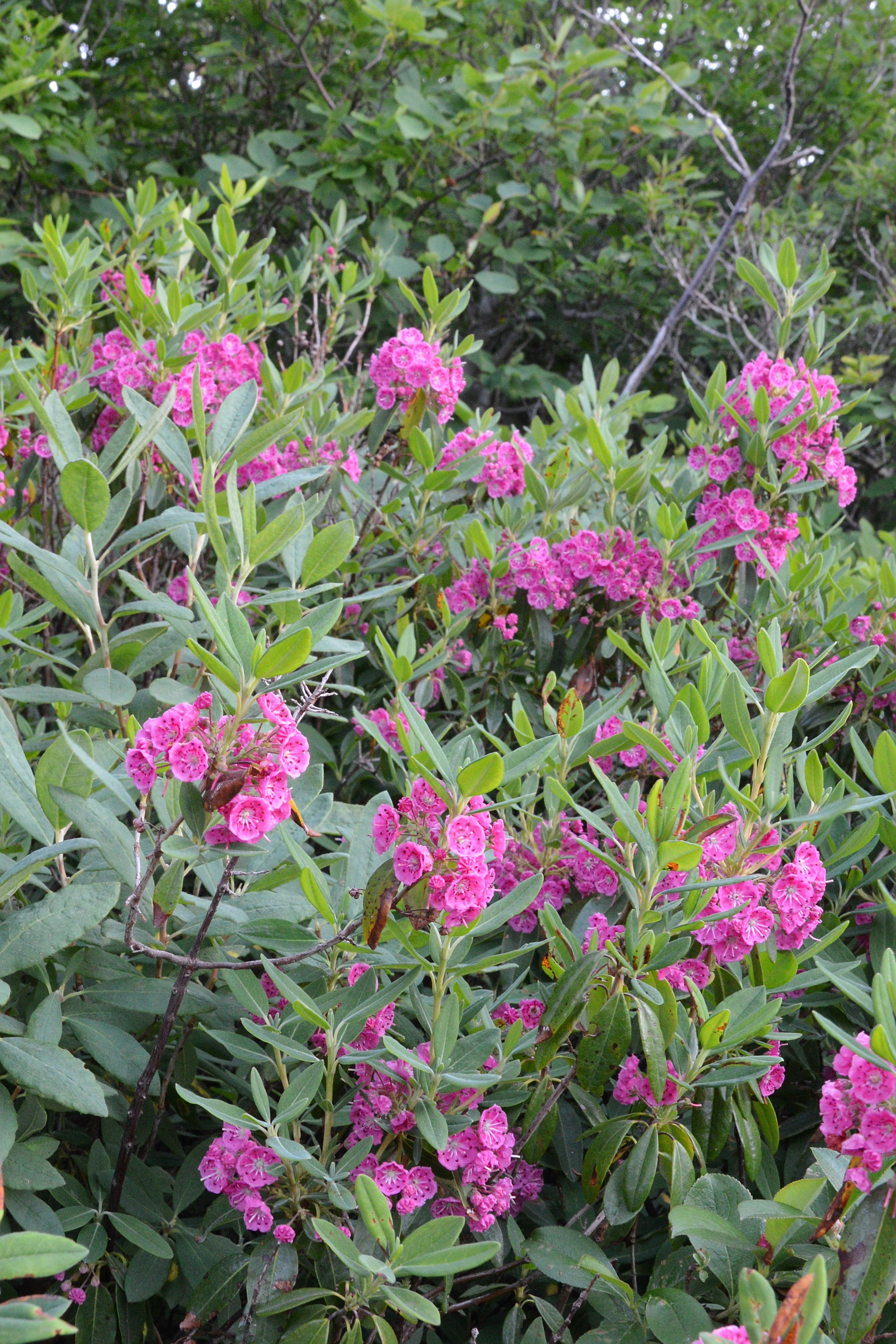
Lambkill
Kalmia angustifolia L.
The accepted species was published by Carl Linnaeus in 1753. Under a current broad taxonomic treatment, the recognized infraspecific taxa are:
- Kalmia angustifolia subsp. angustifolia
- Kalmia angustifolia subsp. carolina (Small) A.Haines
Important synonyms and alternative treatments for the southeastern taxon include:
- Kalmia carolina Small
- Kalmia angustifolia var. carolina (Small) Fernald
- Kalmia angustifolia var. caroliniana (Small) Fernald, an orthographic form encountered in botanical and chemical literature
Some southeastern regional floras recognize Kalmia carolina as a distinct species because of its largely separate range, leaf pubescence, cytology, and limited evidence of natural intergradation. Major global botanical resources instead accept it within Kalmia angustifolia as subsp. carolina. Both treatments are scientifically defensible and useful during plant identification.
The exact-species chemical study identifying grayanotoxins I, IV, and XIV used plant material reported as Kalmia angustifolia var. caroliniana, corresponding to the southern taxon. Those compounds establish grayanotoxin chemistry within the broadly defined species but do not prove that every northern and southern population contains an identical concentration or mixture.
An additional historical combination is Chamaedaphne angustifolia (L.) Kuntze. The misspelling Kalmia augustifolia appears in older poison-plant records, scanned literature, websites, and search indexes; the correct species epithet is angustifolia, meaning narrow-leaved.
Ericaceae — Heath Family
Lambkill; Lamb-Kill; Lamb Kill; Sheep Laurel; Sheep-Laurel; Sheeplaurel; Sheepkill; Sheep-Kill; Sheep Kill; Northern Sheep Laurel; Northern Sheepkill; Calfkill; Calf-Kill; Calf Kill; Kill-Kid; Kill Kid; Sheep Poison; Sheep-Poison; Pig Laurel; Pig-Laurel; Narrow-Leaved Laurel; Narrowleaf Laurel; Narrow-Leaf Laurel; Dwarf Laurel; Dwarf Sheep Laurel; Low Laurel; Wicky; Lambkill Kalmia; Kalmia angustifolia; Chamaedaphne angustifolia
Southern Sheepkill, Carolina Wicky, Carolina Bog Myrtle, and Carolina Laurel may refer to the southeastern taxon treated either as Kalmia angustifolia subsp. carolina or as the separate species Kalmia carolina. Nursery labels and regional floras do not always use the same rank.
The word “kid” in Kill-Kid refers to a young goat. Lambkill, Sheepkill, Calfkill, and Sheep Poison preserve the plant’s historical association with illness in sheep, lambs, goats, calves, and other browsing livestock.
“Laurel” is an especially ambiguous common name. Lambkill is not Bay Laurel, Laurus nobilis; Cherry Laurel, species of Prunus; California Laurel, Umbellularia californica; Spurge Laurel, Daphne laureola; or Mountain Laurel, Kalmia latifolia. These plants differ botanically and may contain entirely different toxins.
Lambkill is closely related to Mountain Laurel and more distantly related to rhododendrons, azaleas, Japanese Pieris, fetterbushes, and staggerbushes within Ericaceae. Several of those plants also contain grayanotoxins and can cause a similar vomiting, weakness, bradycardia, hypotension, and heart-block syndrome.
Exact-Species Grayanotoxin Evidence
Lambkill contains grayanoid diterpenes known as grayanotoxins. An exact-species chemical investigation isolated grayanotoxins I, IV, and XIV from aerial material identified as Kalmia angustifolia var. caroliniana, a historical name associated with the southeastern taxon now treated by major global authorities as Kalmia angustifolia subsp. carolina.
That study provides direct evidence that Lambkill chemistry includes several structurally related grayanotoxins rather than one generic substance called “laurel poison.” It does not establish that every population, subspecies, individual shrub, season, leaf, flower, root, or seed contains those compounds in identical proportions.
Grayanotoxin I is commonly associated in older literature with names such as andromedotoxin, acetylandromedol, and rhodotoxin. Historical grayanoid terminology is inconsistent, and terms such as asebotoxin, andromedol, and andromedenol may refer to related compounds rather than universally interchangeable names. The original source and chemical structure should be checked before treating two historical names as exact synonyms.
The plant’s toxicity varies enough that visual appearance cannot identify a low-potency specimen. Flower color, leaf size, northern or southern origin, ornamental cultivation, winter exposure, and prior uneventful browsing do not establish safety.
How Grayanotoxins Alter Voltage-Gated Sodium Channels
Voltage-gated sodium channels initiate electrical activity in nerves and muscles. A normal channel opens briefly when the cell membrane reaches an appropriate voltage, permits sodium to enter, and then inactivates rapidly so the membrane can repolarize and prepare for the next impulse.
Grayanotoxins bind preferentially to activated sodium channels, shift channel opening toward more negative membrane potentials, and interfere with fast inactivation. Sodium continues entering when the channel should have closed, leaving the cell abnormally depolarized.
This prolonged depolarization disrupts the orderly signaling required for autonomic regulation, skeletal movement, gastrointestinal motility, vascular tone, respiration, and cardiac conduction. Affected tissues may become excessively active at first and then function poorly because they cannot reset normally.
The mechanism explains apparently contradictory findings. An animal may drool, vomit, twitch, or tremble while simultaneously becoming weak, depressed, hypotensive, and unable to stand. The heart may beat very slowly, develop atrioventricular block, switch to an escape rhythm, or occasionally develop a faster or irregular rhythm.
Vagal Effects, Bradycardia, and Hypotension
Grayanotoxin exposure increases parasympathetic or vagal influence and alters excitable cardiac tissue directly. The sinoatrial node may discharge slowly, conduction through the atrioventricular node may be delayed or blocked, and lower pacemakers may assume control of the rhythm.
Possible findings include sinus bradycardia, sinus pauses, junctional or nodal rhythms, first-degree atrioventricular block, second-degree block, complete heart block, ventricular escape rhythms, premature complexes, or other changing conduction patterns.
Slow rate alone is not the entire problem. Cardiac output may fall further because of low vascular tone, vomiting, diarrhea, dehydration, impaired myocardial function, or an ineffective escape rhythm. The result can be weak pulses, pale mucous membranes, cold extremities, profound weakness, fainting, shock, or collapse.
A normal pulse early after ingestion does not exclude later deterioration. A home pulse count also cannot identify atrioventricular block, pulse deficits, intermittent pauses, or the relationship between heart rate and blood pressure.
Plant Parts, Exposure Form, and Dose Uncertainty
The strongest exact-species poisoning evidence concerns foliage. Historical feeding studies used fresh Lambkill leaves or foliage, while the grayanotoxin-isolation study used aerial plant material. Leaves and young shoots therefore represent the most clearly established practical hazard.
Flowers, stems, bark, fruit capsules, seeds, roots, rhizomes, sap-bearing cuttings, and contaminated debris should also remain inaccessible. The absence of modern comparative concentration data for every tissue is not evidence that those tissues are safe.
Evergreen leaves create a particular winter hazard because they may remain exposed above shallow snow when grass and broadleaf forage are buried, dormant, or depleted. A hungry sheep, goat, calf, horse, or cow may consume a plant it normally avoids when adequate forage is available.
Cut branches can create greater access than a standing shrub. Brush dumped over a fence, native-plant trimmings, storm debris, holiday greenery, floral material, firewood bundles, uprooted rhizomes, and plants left after land clearing can all place toxic foliage directly in front of animals.
Detached, wilted, frozen, or dried material should not be assumed harmless. Historical poisoning literature includes dry preparations, and no dependable household process has been established that neutralizes Lambkill grayanotoxins.
No safe number of leaves, flowers, seeds, or bites has been established for dogs or cats. Historical livestock percentages describe specific experimental animals and plant collections, not universal thresholds.
Arbutin and Other Plant Constituents
Arbutin, or 4-hydroxyphenyl beta-D-glucopyranoside, has been identified among the major compounds in modern Kalmia angustifolia extract research. It is a hydroquinone glucoside found in several plants of Ericaceae.
Arbutin is biologically active, but available evidence does not establish it as the principal cause of the rapid salivation, vomiting, bradycardia, hypotension, heart block, weakness, and collapse associated with Lambkill. Emergency treatment is therefore directed primarily toward grayanotoxin neurocardiovascular effects and their complications.
Modern extracts have also contained phenolic acids, flavonoids, and related compounds studied for antioxidant or anti-inflammatory activity. Detection in a laboratory extract does not convert these compounds into equally important acute veterinary toxins and does not make a tea, tincture, supplement, cosmetic preparation, or traditional remedy safe to ingest.
Nectar, Pollen, Honey, and Concentrated Preparations
Grayanotoxins can pass from toxic Ericaceae nectar into honey when bees forage heavily on species such as certain rhododendrons or Kalmia. The resulting exposure is commonly called mad-honey poisoning.
Exact toxin concentration in honey depends on the plant species, flowering density, weather, bee range, hive location, harvest timing, dilution with nontoxic nectar, storage, and blending. Ordinary commercial honey is not automatically dangerous because Lambkill grows somewhere in the region, but small-batch honey or honeycomb produced beside dense toxic Ericaceae can be less predictable.
Direct modern quantification of Lambkill-derived honey is limited compared with Rhododendron honey. Sheep Laurel nectar and locally dominated honey should nevertheless be treated as potential grayanotoxin sources rather than presumed safe from taste, color, bitterness, or a prior uneventful serving.
Teas, decoctions, tinctures, concentrated extracts, homeopathic products, herbal mixtures, and water in which plant material has soaked can deliver a different dose from one leaf bite. These preparations should never be administered to an animal as a home remedy.
Related-Species Evidence and Its Limits
Mountain Laurel, rhododendrons, azaleas, Japanese Pieris, fetterbush, and staggerbush can produce a similar grayanotoxin syndrome. Veterinary cases involving those plants provide useful evidence about ECG abnormalities, aspiration, atropine response, fluid support, toxin detection, and recovery.
A laboratory-confirmed case involving Pieris japonica detected grayanotoxin I in ingested plant material, gastric contents, blood, bile, liver, kidney, urine, lung, and skeletal muscle of a poisoned miniature pig. That case confirms systemic distribution of a related plant grayanotoxin but does not define a Lambkill dose for dogs, cats, or livestock.
A 2026 systematic review found that animal reports remain concentrated in livestock, especially sheep and goats, with comparatively few dogs, cats, rabbits, tortoises, pigs, or other companion animals. Exact-species dog and cat case evidence for Lambkill remains limited, so pet risk is based on confirmed Lambkill chemistry, historical mammalian susceptibility, and the broader grayanotoxin syndrome rather than a claimed pet-specific toxic dose.
Onset and Early Gastrointestinal Signs
Signs may begin within minutes or several hours after ingestion, but a dependable exact-species onset window has not been established for dogs or cats. Historical livestock experiments included animals that became ill relatively quickly and others whose first recorded abnormalities were delayed until many hours after feeding.
Early findings may include lip licking, repeated swallowing, excessive salivation, watery eyes, nasal discharge, nausea, retching, vomiting or regurgitation, abdominal discomfort, soft feces, or diarrhea. An unpleasant, tingling, or irritating oral sensation may cause some animals to stop eating, but hunger and lack of alternative forage can overcome that deterrent.
Dogs and cats may initially appear to have an ordinary stomach upset. The development of unusual quietness, weakness, staggering, a weak pulse, cold extremities, or fainting indicates that the illness is no longer limited to gastrointestinal irritation.
Horses cannot vomit, and ruminants may regurgitate rather than produce the forceful emesis familiar in dogs. Salivation, repeated swallowing, teeth grinding, colic-like discomfort, reduced rumen activity, bloat, or feed refusal may be the first visible large-animal signs.
Bradycardia, Heart Block, and Low Blood Pressure
Cardiovascular dysfunction is central to serious grayanotoxin poisoning. Heart rate may become abnormally slow, pulse strength may fall, and conduction between the atria and ventricles may become delayed or interrupted.
Possible rhythms include sinus bradycardia, sinus pauses, junctional rhythm, atrioventricular block, ventricular escape rhythms, premature beats, and changing pacemaker activity. Although bradycardia is characteristic, tachycardia or other irregular rhythms can occur, particularly during stress, hypoxia, treatment, or severe toxicosis.
Hypotension can be profound even while the animal remains conscious. Weak pulses, pale or gray mucous membranes, delayed capillary refill, cold paws or ears, low body temperature, inability to remain standing, fainting, and collapse suggest inadequate cardiac output or vascular tone.
An animal lying quietly after vomiting may be experiencing poor cerebral perfusion rather than resting. Heart rate, ECG rhythm, blood pressure, pulse quality, temperature, gum color, and mental status must be interpreted together.
Neurologic and Neuromuscular Progression
Depression, lethargy, apparent dizziness, confusion, disorientation, reluctance to stand, and unusual responses to touch may follow the early gastrointestinal signs. Dogs may sway, misjudge stairs, develop a wide-based stance, stumble, or fall. Cats may hide, fail to jump normally, crouch, or become unexpectedly motionless.
Neuromuscular findings can include fasciculations, twitching, shivering, generalized tremors, stiffness, progressive weakness, ataxia, recumbency, paralysis, or inability to rise. Persistent sodium-channel depolarization can produce muscular activity and functional weakness during the same period.
Seizures may occur after a major exposure. They can reflect direct neurologic effects, cerebral hypoperfusion from bradycardia or hypotension, hypoxia, electrolyte abnormalities, or another toxin consumed with the plant.
Stupor, coma, or markedly reduced responsiveness indicates severe poisoning, poor cerebral circulation, respiratory compromise, or a complication requiring immediate critical care.
Respiratory Distress, Aspiration, and Ruminant Bloat
Breathing may become rapid, shallow, irregular, labored, or progressively weak. Respiratory abnormalities can result from hypotension, skeletal-muscle weakness, central depression, aspiration of vomit or regurgitated feed, pulmonary edema, seizure complications, or cardiovascular collapse.
Coughing, gagging, nasal discharge, wet breathing, fever, falling oxygen saturation, or increasing respiratory effort after vomiting or regurgitation may indicate aspiration injury. Respiratory signs can appear after heart rate and gastrointestinal illness begin improving.
Ruminants may develop bloat when weakness, recumbency, reduced motility, or impaired eructation prevents normal removal of rumen gas. Progressive left-sided abdominal distension, respiratory distress, repeated attempts to rise, or collapse requires immediate large-animal veterinary treatment.
Blue-gray mucous membranes, gasping, weak respiratory effort, or inability to protect the airway is an immediate emergency.
Species-Specific Exposure Patterns
Dogs may chew low branches, carry cut stems as sticks, pull up rhizomes, browse flowers, investigate native landscaping, or eat leaves mixed with grass. Puppies and habitual plant chewers face greater access, but a large adult dog can also swallow a meaningful amount while shredding one branch.
Cats may nibble foliage in a native-plant garden, contact branches brought indoors, or groom plant residue from the coat. Vomiting, hiding, weakness, wobbling, reduced responsiveness, or inability to jump normally may be the first recognized signs.
Sheep and goats are strongly associated with historical poisoning because evergreen Lambkill becomes accessible during winter or forage shortage. Cattle may consume it after brush disposal, storm damage, overgrazing, land clearing, or movement into unfamiliar pasture.
Horses may be exposed when cut branches are thrown into a paddock or when hunger, snow cover, drought, or depleted pasture reduces forage choice. Salivation, repeated swallowing, weakness, bradycardia, ataxia, collapse, and abnormal gut activity may occur without vomiting.
Duration, Complications, and Emergency Findings
Mild grayanotoxin poisoning may improve within several hours as absorption ends and the toxin is metabolized and excreted. Many adequately supported patients recover within approximately a day, but there is no exact Lambkill-specific recovery clock.
Severe hypotension, high-grade heart block, recurrent arrhythmia, prolonged recumbency, seizures, aspiration pneumonia, bloat, shock, or respiratory failure can extend illness for several days and substantially worsen prognosis.
Emergency warning signs include repeated vomiting or regurgitation, profound weakness, inability to stand, fainting, a markedly slow, weak, irregular, or intermittently absent pulse, pale or gray mucous membranes, cold extremities, progressive abdominal distension in a ruminant, breathing difficulty, tremors, seizures, collapse, coma, or reduced responsiveness.
A dog or cat that ate only a small fragment may develop limited gastrointestinal illness, but the owner cannot reliably exclude bradycardia or hypotension by observing behavior alone. Any meaningful or uncertain ingestion should be discussed immediately with a veterinarian or animal poison-control service.
Plant Identity and Current Taxonomy
Lambkill is a low evergreen shrub in Ericaceae, the Heath family. Its accepted scientific name is Kalmia angustifolia L. Major global taxonomy recognizes the northern autonymic subspecies and the southeastern Kalmia angustifolia subsp. carolina.
The southeastern plant is also treated by some regional botanists as the separate species Kalmia carolina. It differs in distribution, chromosome number, and the dense short hairs often present on the lower leaf surface. For poisoning purposes, both treatments identify a potentially grayanotoxic sheep-laurel plant.
The exact chemical study identifying grayanotoxins I, IV, and XIV examined material assigned historically to Kalmia angustifolia var. caroliniana. That nomenclatural detail should remain attached to the evidence rather than being erased when the plant is discussed under the broader accepted species.
Range, Habitat, Growth Form, and Rhizomes
Northern Lambkill is native across a broad portion of northeastern North America, including eastern Canada and the northeastern United States. The southern taxon extends through parts of Virginia, the Carolinas, Tennessee, and Georgia under either subspecies or species treatment.
The plant occurs in acidic bogs, peatlands, barrens, wet heaths, pocosin margins, open conifer forest, pine woodland, disturbed ground, roadsides, and lowbush-blueberry land. It can tolerate sites that are wet during part of the year and comparatively dry later.
Lambkill is generally a low, spreading shrub approximately one to three feet tall, although local forms may become larger. Numerous stems arise from an extensive underground rhizome network, allowing broad colonies to persist after cutting, fire, mowing, or surface disturbance.
Removing visible branches does not necessarily eliminate the plant. New shoots can emerge from surviving rhizomes, while uprooted roots and rhizome sections remain accessible toxic plant material.
Leaves, Flowers, Fruit, and Identification
The leaves are narrow, leathery, evergreen, and generally lance-shaped to oblong. They commonly occur opposite one another or in whorls of three. The upper surface is dark green, while the lower surface is paler or bluish-green; the southern taxon may have conspicuous fine hairs beneath.
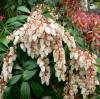
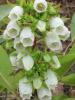
The flowers are usually deep pink, rose, crimson-pink, or occasionally paler. Five fused lobes form a shallow cup or saucer, often with darker internal markings. Ten stamens are held under tension in small corolla pockets and spring upward when disturbed by a pollinator.
One of the most useful field characters is flower position. Lambkill commonly carries its flower clusters below the newest leafy branch tips. Mountain Laurel, Kalmia latifolia, generally has broader leaves and larger terminal flower clusters at the ends of the branches.
The fruit is a small dry rounded capsule divided into five sections. Mature brown capsules may persist on the plant and contain numerous tiny seeds. Lambkill does not produce a fleshy berry.
Look-Alikes and Misleading Laurel Names
Mountain Laurel is Kalmia latifolia, a larger shrub with broader leaves and usually terminal flower clusters. It also contains grayanotoxins and can cause a similar syndrome, so confusion does not make an exposure safe.
Bog Laurel, Kalmia polifolia, is another grayanotoxic Kalmia associated primarily with bog habitat. Its flowers are usually terminal rather than positioned below a leafy shoot, and its leaf margins tend to roll downward.
Bay Laurel, Laurus nobilis, is the culinary bay plant and belongs to Lauraceae. Cherry Laurel belongs to Prunus and presents a cyanogenic-glycoside hazard. Spurge Laurel belongs to Daphne and contains irritant diterpenes. California Laurel belongs to Umbellularia. These unrelated plants require different toxicologic interpretation.
Rhododendrons, azaleas, Japanese Pieris, fetterbushes, and staggerbushes are not Lambkill but may contain the same toxin family. Preserve all accessible plants when the animal had access to mixed heath-family landscaping.
Household, Landscape, Honey, and Livestock Exposure
Dogs may encounter Lambkill in woodland, bog margins, blueberry fields, native gardens, botanical collections, nursery stock, landscaping debris, firewood piles, cut decorative branches, or sticks carried from a clearing. A low branch can be swallowed while the owner believes the dog is merely carrying it.
Cats may nibble garden foliage, climb through shrubs, contact sap or fragments during pruning, or investigate cut material brought indoors. Because cats hide cardiovascular weakness, apparently mild quietness after vomiting deserves attention.
Livestock poisoning is most likely during winter, drought, overgrazing, transport, feed interruption, snow cover, storm damage, land clearing, or sudden turnout into shrub-dominated land. Cut foliage thrown over a fence can defeat the animal’s usual avoidance of a standing shrub.
Honey creates a separate possible route. Bees foraging heavily on toxic Kalmia or Rhododendron flowers can produce grayanotoxin-containing honey. Ordinary grocery-store honey is not presumed toxic, but questionable small-batch honey, honeycomb, herbal honey, or material marketed as mad honey should not be given to pets.
Historical USDA Feeding Investigation
C. Dwight Marsh, A. B. Clawson, and Hadleigh Marsh published Mountain-Laurel (Kalmia latifolia) and Sheep-Laurel (Kalmia angustifolia) as Stock-Poisoning Plants as United States Department of Agriculture Technical Bulletin No. 219 in 1930. The investigators performed controlled feedings in sheep, goats, and cattle and compared the two Kalmia species.
For Lambkill, the lowest tested amount associated with illness in individual experiments was fresh plant material equal to approximately 0.15% of body weight in sheep, 0.20% in cattle, and 0.25% in a goat. Those values are experimental observations, not dependable clinical thresholds.
Individual responses varied sharply. Some sheep showed no effect at 0.15% or 0.20%, while other sheep became ill at 0.15%. One sheep received material equal to 1.2% of body weight and recovered. Cattle were tested as high as 0.8% and became sick but survived. The investigators could not establish a reliable lethal dose for Lambkill.
Clinical findings included depression, salivation, nausea, vomiting or regurgitation, teeth grinding, weak pulse, soft feces, severe muscular weakness, staggering, inability to stand, irregular or jerky respiration, and prolonged recumbency. Goats could vomit profusely. Pulmonary lesions in one animal were attributed to regurgitated material entering the lungs.
The figures demonstrate substantial variability caused by plant material, animal susceptibility, retained dose, and experimental conditions. They cannot be converted safely into a number of leaves for a dog, cat, horse, sheep, goat, or cow.
Historical Grayanotoxin Account: Xenophon’s Anabasis
One of the earliest detailed descriptions consistent with grayanotoxin poisoning appears in Xenophon’s account of the Ten Thousand near the Black Sea in 401 BC. The implicated honey is associated historically with toxic Rhododendron species rather than North American Lambkill, but the episode illustrates the characteristic grayanotoxin combination of vomiting, purging, altered awareness, weakness, and inability to stand.
“The number of bee hives was extraordinary, and all of the soldiers that ate of the honey combs lost their senses, vomited and were affected with purging, and none of them was able to stand upright; such as had eaten only a little were like men greatly intoxicated, and such as had eaten much were like mad men and some like persons at the point of death.
“They lay upon the ground, in consequence, in great numbers, as if there had been a defeat; and there was general dejection. The next day, no one of them was found dead; and they recovered their senses about the same hour they had lost them on the preceding day.”
Modern understanding identifies grayanoid diterpenes as the relevant toxin family. The historical narrative should not be used to predict a uniformly rapid or complete recovery in a poisoned animal, because plant ingestion, toxin dose, species susceptibility, aspiration, and cardiovascular complications can produce fatal outcomes.
Diagnosis and Differential Diagnoses
There is no routine rapid blood or urine test that confirms an ordinary Lambkill exposure in most veterinary hospitals. Diagnosis relies on credible access, botanical identification, missing foliage, plant fragments in vomit or gastrointestinal contents, and the combination of gastrointestinal, neurologic, and cardiovascular findings.
Specialized liquid chromatography-tandem mass spectrometry can identify grayanotoxins in rumen contents, feces, urine, blood, tissues, and other biological samples. Such testing is generally performed by specialized toxicology laboratories and may not return soon enough to guide initial emergency stabilization.
Veterinary evaluation may include continuous ECG, repeated blood pressure, pulse quality, temperature, blood glucose, electrolytes, kidney and liver values, blood gases, lactate, acid-base status, oxygenation, urinalysis, and chest imaging when aspiration is suspected.
Differential diagnoses include beta-blockers, calcium-channel blockers, digoxin or plant cardiac glycosides, clonidine, sedatives, opioids, nicotine products, organophosphate or carbamate insecticides, certain mushrooms, cannabis, hypoglycemia, hyperkalemia, primary heart disease, vagal disease, and other grayanotoxin-containing plants.
Cherry Laurel and other cyanogenic plants may share the word laurel but typically produce a different rapid hypoxic syndrome. Identification should use the complete plant rather than the common name alone.
Prognosis and Prevention
The prognosis is generally favorable when a small exposure is recognized early, vomiting is controlled, heart rhythm and blood pressure remain stable, and aspiration does not occur. Grayanotoxin effects often diminish as the compounds are metabolized and eliminated.
The outlook becomes guarded with profound hypotension, high-grade atrioventricular block, an ineffective escape rhythm, recurrent arrhythmia, repeated collapse, prolonged recumbency, seizures, aspiration pneumonia, respiratory failure, bloat, shock, or coma.
Remove Lambkill from dog runs, cat enclosures, paddocks, and accessible livestock pasture when practical. Follow-up control is necessary because the shrub spreads through rhizomes and can regrow after cutting or burning.
Never throw branches, flowers, roots, or landscaping waste into animal areas. Feed livestock before movement into unfamiliar land, maintain adequate winter forage, inspect acidic wetlands and blueberry acreage, and prevent pets from chewing unidentified native shrubs during walks.
Immediate Steps After Exposure
- Stop further access: Move the animal away from the living shrub, flowers, fallen foliage, branches, roots, rhizomes, cuttings, questionable honey, herbal preparations, vomit, contaminated feed, and bedding.
- Treat the exposure as urgent: Contact a veterinarian or animal poison-control service immediately after a meaningful or uncertain ingestion rather than waiting for weakness, bradycardia, or collapse.
- Keep the animal quiet: Limit excitement, running, barking, struggling, and unnecessary walking because hypotension or an unstable rhythm can make exertion dangerous.
- Preserve identification evidence: Save representative leaves, flowers, stems, fruit capsules, roots, rhizomes, complete-plant photographs, and nursery or landscape labels.
- Record the maximum exposure: Note the largest amount that may be missing, earliest and latest possible ingestion, whether material was fresh or dried, and whether vomiting or regurgitation occurred.
- Preserve secondary products: Save honey, honeycomb, tea, tincture, supplement, extract, or packaging when the animal did not eat the intact plant.
Do Not Attempt Unsupervised Home Treatment
Do not give atropine. Atropine may be appropriate for clinically important grayanotoxin-associated bradycardia or conduction delay, but it requires veterinary selection based on ECG rhythm, blood pressure, perfusion, species, and response.
Do not give caffeine, decongestants, stimulant products, beta-agonists, antiarrhythmics, blood-pressure medication, beta blockers, calcium-channel blockers, digoxin, electrolyte supplements, or leftover heart medication. A drug that increases rate in one rhythm can worsen another rhythm or raise myocardial oxygen demand.
Do not give ibuprofen, naproxen, acetaminophen, aspirin, antihistamines, corticosteroids, gastrointestinal medication, antidiarrheals, oral numbing agents, herbal remedies, or essential oils.
Do not force food, water, milk, yogurt, bread, cooking oil, mineral oil, electrolyte drinks, or honey. These products do not neutralize grayanotoxins and can be aspirated by a vomiting, weak, or poorly swallowing animal.
Vomiting and Activated Charcoal
Do not induce vomiting automatically. Lambkill poisoning can progress to weakness, low blood pressure, altered consciousness, tremors, seizures, and impaired airway protection.
Hydrogen peroxide must never be given to a cat. It should not be given to a dog without direct professional instruction.
Never attempt vomiting in an animal that is already vomiting, depressed, weak, trembling, uncoordinated, fainting, collapsed, seizuring, breathing abnormally, or swallowing poorly. Do not use salt, mustard, ipecac, detergent, oil, syrup, fingers, or manual gagging.
A veterinarian may consider inducing vomiting after a recent ingestion only when a dog remains fully alert, asymptomatic, cardiovascularly stable, breathing normally, and able to protect the airway.
Veterinary activated charcoal may be considered after an appropriate recent ingestion, but it is not an owner-administered antidote. Do not force charcoal into a vomiting, sedated, weak, collapsed, neurologically abnormal, or poorly swallowing animal.
Barbecue charcoal, fireplace ash, burned food, and homemade carbon are not medical activated charcoal. Repeated charcoal is not routine and can worsen dehydration, sodium abnormalities, constipation, and aspiration risk.
Cardiovascular and Respiratory Emergency Signs
- Watch for profound weakness: Inability to stand, fainting, collapse, cold extremities, or unusual unresponsiveness can indicate severe hypotension or poor cardiac output.
- Observe mucous membranes: Pale, gray, or blue-tinged gums require immediate emergency care.
- Note an abnormal pulse: A markedly slow, weak, irregular, or intermittently absent pulse requires urgent ECG and blood-pressure assessment.
- Watch breathing: Rapid, shallow, irregular, labored, gasping, or progressively weaker breathing can indicate aspiration, shock, muscular weakness, or respiratory failure.
- Give nothing by mouth: An animal with collapse, abnormal breathing, reduced consciousness, seizures, or impaired swallowing can aspirate any oral substance.
- Call ahead: Tell the emergency hospital that grayanotoxin poisoning with possible bradycardia, hypotension, or heart block is suspected.
Safe Handling, Vomiting, Aspiration, and Seizures
Carry a small weak animal in a secure carrier when possible. Use a blanket, rigid board, stretcher, or other low-stress method for a larger animal rather than forcing it to walk.
Do not muzzle an animal that is vomiting, regurgitating, gagging, or breathing abnormally. A muzzle can obstruct airflow or prevent material from leaving the mouth.
Record the number of vomiting or diarrhea episodes and whether leaves, flowers, stems, blood, foam, feed, or another object is present. Save representative plant material in a sealed disposable container.
Watch for coughing, nasal discharge, wet breathing, fever, worsening respiratory effort, or delayed lethargy after vomiting or regurgitation. These signs may indicate aspiration.
During a seizure, remove nearby hard objects, prevent falls, keep hands away from the mouth, and do not restrain the jaw or pin the animal down. Time the episode and record briefly when doing so does not delay emergency transport.
Position a poorly responsive vomiting animal so fluid can drain from the mouth without compressing the throat or chest. Begin species-appropriate CPR only when the animal is unresponsive and not breathing normally and when doing so does not delay emergency help.
Veterinary Examination and Decontamination
The veterinary team may evaluate heart rate, ECG rhythm, pulse deficits, blood pressure, perfusion, temperature, hydration, neurologic status, swallowing, respiratory effort, oxygenation, lung sounds, and urine production.
Laboratory testing may include blood glucose, electrolytes, kidney and liver values, blood gases, acid-base status, lactate, packed cell volume, urinalysis, and testing directed toward competing medication, pesticide, or plant exposures.
Continuous ECG is preferable in a clinically affected patient because sinus bradycardia, junctional rhythm, atrioventricular block, pauses, ventricular escape activity, or intermittent arrhythmias may be missed during one brief examination.
Veterinary emesis may be used only before neurologic or cardiovascular signs make it unsafe. Gastric lavage is reserved for carefully selected major exposures and requires anesthesia, endotracheal airway protection, ECG monitoring, blood-pressure support, and direct assessment of risk.
Specialized grayanotoxin analysis may be possible through a veterinary toxicology laboratory, but treatment should not be delayed while awaiting confirmation.
Veterinary Cardiovascular and Supportive Treatment
Carefully selected intravenous fluids may correct dehydration and support circulating volume after vomiting or diarrhea. Fluid therapy must be adjusted to blood pressure, cardiac rhythm, kidney function, lung status, and risk of fluid overload.
Veterinarian-administered atropine may improve clinically important vagally mediated bradycardia or atrioventricular conduction disturbance. Response is not guaranteed, and repeated administration without ECG and blood-pressure monitoring can be inappropriate.
Persistent hypotension should first prompt evaluation and correction of inadequate circulating volume when present. Vasopressors may be considered when clinically important hypotension continues after appropriate volume resuscitation, with caution in patients with severe arrhythmia or cardiac dysfunction.
Each arrhythmia requires individual treatment. An antiarrhythmic helpful for ventricular ectopy may be inappropriate for profound bradycardia or complete heart block. Temporary cardiac pacing may be considered in rare refractory cases when an ineffective slow rhythm does not respond adequately to medical support.
Veterinarian-selected anti-nausea medication may reduce continuing fluid loss after decontamination decisions have been completed. Oxygen, suction, intubation, mechanical ventilation, and aspiration treatment may be necessary in a patient with respiratory compromise or loss of airway protection.
Tremors or seizures may require veterinarian-selected muscle relaxants, anticonvulsants, or anesthetic support while circulation, oxygenation, glucose, temperature, and electrolytes are corrected.
Horse and Livestock Response
- Remove the herd or flock calmly: Prevent further browsing without chasing, crowding, or forcing weak animals to travel far.
- Provide known safe forage: Move animals to uncontaminated feed and water under veterinary guidance.
- Examine every exposed animal: Different animals may become ill at different times according to the amount consumed and individual susceptibility.
- Watch for bloat: A weak or recumbent ruminant with progressive left-sided distension or breathing difficulty requires immediate treatment.
- Do not drench: Never force water, oil, charcoal, feed, medication, or other liquid into a weak, vomiting, regurgitating, dyspneic, recumbent, or poorly swallowing animal.
- Prevent aspiration: Position the head and neck to permit drainage when a ruminant is regurgitating and follow the attending veterinarian’s instructions.
- Preserve samples: Collect browsed and intact branches, roots, flowers, nearby look-alikes, feed, vomit, regurgitated material, and requested postmortem specimens.
Observation, Recovery, and Prevention
Continue cardiac and blood-pressure monitoring until heart rate, rhythm, perfusion, strength, and coordination remain stable without rescue medication. Apparent improvement in vomiting does not prove that conduction and blood pressure have normalized.
Monitor for delayed coughing, fever, rapid breathing, food refusal, weakness, fainting, wobbling, tremors, or collapse after discharge. Aspiration complications may emerge after the primary grayanotoxin effects begin resolving.
Mild cases may improve within hours, while serious cardiovascular poisoning, aspiration, seizures, bloat, or respiratory failure may require several days of hospitalization and follow-up.
Remove accessible Lambkill plants and monitor for regrowth from surviving rhizomes. Place leaves, flowers, branches, capsules, roots, and landscaping debris directly into closed containers or disposal areas inaccessible to animals.
Maintain adequate winter forage, feed hungry livestock before movement, inspect unfamiliar acidic pasture and blueberry acreage, and do not give pets questionable locally produced honey, honeycomb, tea, tincture, or Kalmia-derived preparation.
Frequently Asked Questions About Lambkill and Animal Poisoning
My dog bit a Lambkill branch but dropped it immediately. How much risk remains?
A brief bite that was immediately abandoned is less concerning than swallowing several leaves or shredding an entire branch, but it does not prove that no foliage or sap-bearing tissue was swallowed. Inspect the branch for missing leaf tips, bite marks, crushed flowers, and fragments on the ground.
Contact a veterinarian or animal poison-control service with the dog’s weight, the largest amount that might be missing, and the time of exposure. Monitor for drooling, vomiting, unusual quietness, weakness, wobbling, fainting, or an abnormal pulse. Do not induce vomiting or give charcoal without direct instruction.
My pet vomited leaves and now appears normal. Did vomiting remove the toxin?
Vomiting may remove some unabsorbed material, but it cannot show how much grayanotoxin was absorbed first or whether plant material remains in the stomach. Cardiovascular effects may become apparent after the initial gastrointestinal episode.
Save representative fragments, record the vomiting time, and continue with professional assessment. A normal appearance at home does not exclude bradycardia, intermittent heart block, or low blood pressure.
Can I use a smartwatch or feel the pulse to decide whether the heart is normal?
A home pulse count may detect a grossly slow rate, but it cannot identify the electrical rhythm. Premature beats may not produce a palpable pulse, intermittent atrioventricular block may occur between checks, and a slow escape rhythm can appear deceptively regular.
Consumer heart devices are not validated to exclude veterinary grayanotoxin poisoning. ECG rhythm, blood pressure, pulse quality, perfusion, and mental status must be evaluated together.
The heart rate is normal, but my dog is weak and cold. Could Lambkill still be affecting circulation?
Yes. Normal rate does not guarantee normal blood pressure or effective cardiac output. Vomiting, low vascular tone, dehydration, an abnormal rhythm with pulse deficits, or poor myocardial performance can reduce circulation despite an apparently acceptable rate.
Cold extremities, pale gums, weak pulses, fainting, profound lethargy, or inability to stand requires immediate examination even when the owner’s heart-rate count seems normal.
Does pre-existing heart disease or heart medication make an exposure more dangerous?
It can. An animal with conduction disease, cardiomyopathy, low blood pressure, kidney disease, or limited cardiovascular reserve may tolerate bradycardia and vomiting poorly. Beta blockers, calcium-channel blockers, digoxin, antiarrhythmics, sedatives, or blood-pressure medication may also alter the presentation or treatment response.
Bring every medication container and report the last administered dose. Do not skip, repeat, or change cardiac medication without instructions from the treating veterinarian.
Why is atropine sometimes used but unsafe to give at home?
Atropine can reduce excessive vagal influence and improve some cases of clinically important bradycardia or atrioventricular conduction delay. It does not remove grayanotoxin, correct every rhythm, or guarantee restoration of blood pressure.
An animal may have a rhythm for which increasing the heart rate is ineffective or undesirable. Veterinary use requires ECG identification, blood-pressure measurement, species-appropriate administration, and reassessment of the response.
Could activated charcoal still help several hours after ingestion?
Possibly in a carefully selected patient, but the benefit becomes less certain as material leaves the stomach and clinical signs develop. Vomiting, weakness, sedation, poor swallowing, or cardiovascular instability can make oral charcoal more dangerous than useful.
A veterinarian must balance timing, estimated amount, airway protection, gastrointestinal motility, hydration, sodium status, and the possibility of another toxin. Charcoal should never be forced at home.
How long should an apparently normal animal be observed?
There is no universal exact-species observation period. Historical Lambkill experiments and broader grayanotoxin reports show variable onset, ranging from relatively rapid illness to signs first documented many hours after feeding.
The veterinarian will consider the amount, plant form, vomiting, elapsed time, ECG, blood pressure, symptoms, underlying disease, and reliability of home observation. An uncertain substantial ingestion may justify monitored clinical observation even before signs appear.
Can a blood test prove Lambkill poisoning?
Routine blood chemistry does not confirm the exposure. It is used to identify dehydration, glucose or electrolyte abnormalities, kidney and liver stress, acid-base changes, and competing diagnoses.
Specialized laboratories can detect selected grayanotoxins by liquid chromatography-tandem mass spectrometry in biological material. Testing availability, sample type, timing, and turnaround vary, so emergency treatment is based on the exposure and clinical syndrome rather than delayed for a toxin result.
Is Southern Sheepkill the same plant as Lambkill?
It depends on the taxonomic authority. Major global resources treat Southern Sheepkill as Kalmia angustifolia subsp. carolina. Several southeastern floras recognize it as the distinct species Kalmia carolina.
The southern taxon is especially important because grayanotoxins I, IV, and XIV were isolated from material identified under its historical varietal name. Either classification warrants the same urgent poisoning response after ingestion.
How can I distinguish Lambkill from Mountain Laurel when neither plant is flowering?
Lambkill is generally lower and more spreading, with narrower leaves often arranged opposite one another or in whorls of three. Mountain Laurel usually forms a larger shrub and has broader, more elliptic leaves.
Identification from one detached leaf can still be unreliable. Photograph the entire plant, branching pattern, leaf undersides, old flower stalks, fruit capsules, surrounding habitat, and any nursery label. Both plants contain grayanotoxins, so identification should not delay treatment.
Does Lambkill cause the same mouth injury as Philodendron?
No. Philodendron and similar aroids release insoluble calcium oxalate raphides that puncture the mouth and cause immediate severe local pain. Lambkill contains grayanotoxins that alter sodium-channel activity after ingestion.
Some grayanotoxin exposures are associated with tingling, burning, or an unpleasant oral sensation, but the principal danger is systemic gastrointestinal, cardiovascular, and neurologic poisoning rather than raphide injury.
Can dried branches in a wreath, brush pile, or firewood bundle remain poisonous?
Yes. Cutting, wilting, freezing, or drying should not be relied upon to neutralize grayanotoxins. Decorative branches and brush may become more accessible than a rooted shrub and can be mistaken for ordinary chew sticks.
Remove all foliage and fragments from animal areas and dispose of them in closed containers. Do not burn toxic brush where animals can investigate ash, partially burned branches, or discarded material.
Could locally produced honey poison a dog or cat?
Potentially, when bees collected a substantial proportion of nectar from grayanotoxin-containing Kalmia or Rhododendron flowers. The concentration in any individual batch is unpredictable.
Ordinary commercial honey is not presumed toxic because Lambkill grows in the region. Greater caution is appropriate with unverified small-batch honey, honeycomb from a hive beside dense toxic Ericaceae, imported mad honey, or honey marketed for medicinal effects. Preserve the container and contact a veterinarian after exposure.
Only one sheep is sick. Should the entire flock be removed from the pasture?
Yes. Individual animals can consume different amounts and develop signs at different times. Remove the group calmly, prevent further browsing, and supply known safe forage under veterinary guidance.
Do not chase weak animals or force them to travel far. Examine the flock for salivation, regurgitation, teeth grinding, weakness, slow pulse, bloat, staggering, or recumbency, and preserve browsed and intact plant specimens.
Why is Lambkill especially dangerous during winter?
Its evergreen foliage can remain available above shallow snow while grasses and many broadleaf plants are buried or dormant. Hunger and lack of alternatives can overcome the shrub’s limited palatability.
Feed livestock adequately before movement, prevent access to dense patches, and do not assume that supplying hay after turnout immediately removes the risk. Animals may already have consumed foliage before reaching the hay.
I cut the shrub to ground level. Why is it growing back?
Lambkill spreads through extensive underground rhizomes. Cutting removes visible stems but may stimulate or permit new shoots from surviving underground buds.
Continue inspecting the site and remove accessible regrowth. Uprooted rhizomes and roots should be collected immediately rather than left where dogs, horses, or livestock can chew them.
Can wildlife browsing Lambkill prove that my livestock can eat it safely?
No. Wildlife species differ in digestive physiology, detoxification, feeding rate, tissue selection, seasonal adaptation, and the amount consumed at one time. A grouse, caribou, or browsing wild animal does not provide a toxicity test for sheep, goats, cattle, horses, dogs, or cats.
Historical controlled experiments also showed wide variation among domestic animals receiving similar amounts. Observed wildlife use cannot establish a safe pasture concentration.
What information should I bring to the emergency hospital?
Bring secured samples or clear photographs of the complete shrub, leaves, leaf undersides, flower position, flowers, capsules, roots, and the damaged branch. Include nursery labels and photographs of nearby Mountain Laurel, rhododendron, azalea, Pieris, Cherry Laurel, or other possible plants.
Record the earliest and latest access, maximum amount missing, vomiting or regurgitation, stool changes, pulse concerns, weakness, collapse, medication history, underlying heart disease, and every home product already given. Bring honey, tea, tincture, supplement, or herbal-product packaging when relevant.