PAWS Pet Poison Plant Guide
Is Black Laurel Poisonous to Dogs, Cats, Horses, and Livestock?
Yes—Black Laurel or Sierra Laurel, Leucothoe davisiae, is poisonous to dogs, cats, horses, livestock, rabbits, and other animals that eat it. Sierra Laurel is treated as a grayanotoxin-containing member of the heath family. Grayanotoxins disrupt voltage-gated sodium channels in nerves, skeletal muscle, the gastrointestinal tract, blood vessels, and the heart. Exposure may cause drooling, retching or vomiting, diarrhea, abdominal pain, weakness, incoordination, tremors, profound low blood pressure, an abnormally slow or irregular heartbeat, breathing difficulty, recumbency, collapse, and potentially death.
Leaves and cut foliage create the most realistic pet and livestock exposure. Flowers and other tissues should also remain inaccessible because the toxin distribution of authenticated Sierra Laurel has not been mapped adequately by modern analytical research. Grayanotoxin-contaminated honey is a well-documented hazard when bees forage heavily on certain Rhododendron and other Ericaceae, but direct Sierra Laurel honey poisoning has not been demonstrated as the usual exposure route.
About this guide: This page provides general pet-poisoning information and cannot diagnose or treat an individual animal. For any suspected exposure, contact a veterinarian or animal poison-control service immediately. Do not induce vomiting, give medication, or attempt home decontamination unless directed by a veterinary professional.
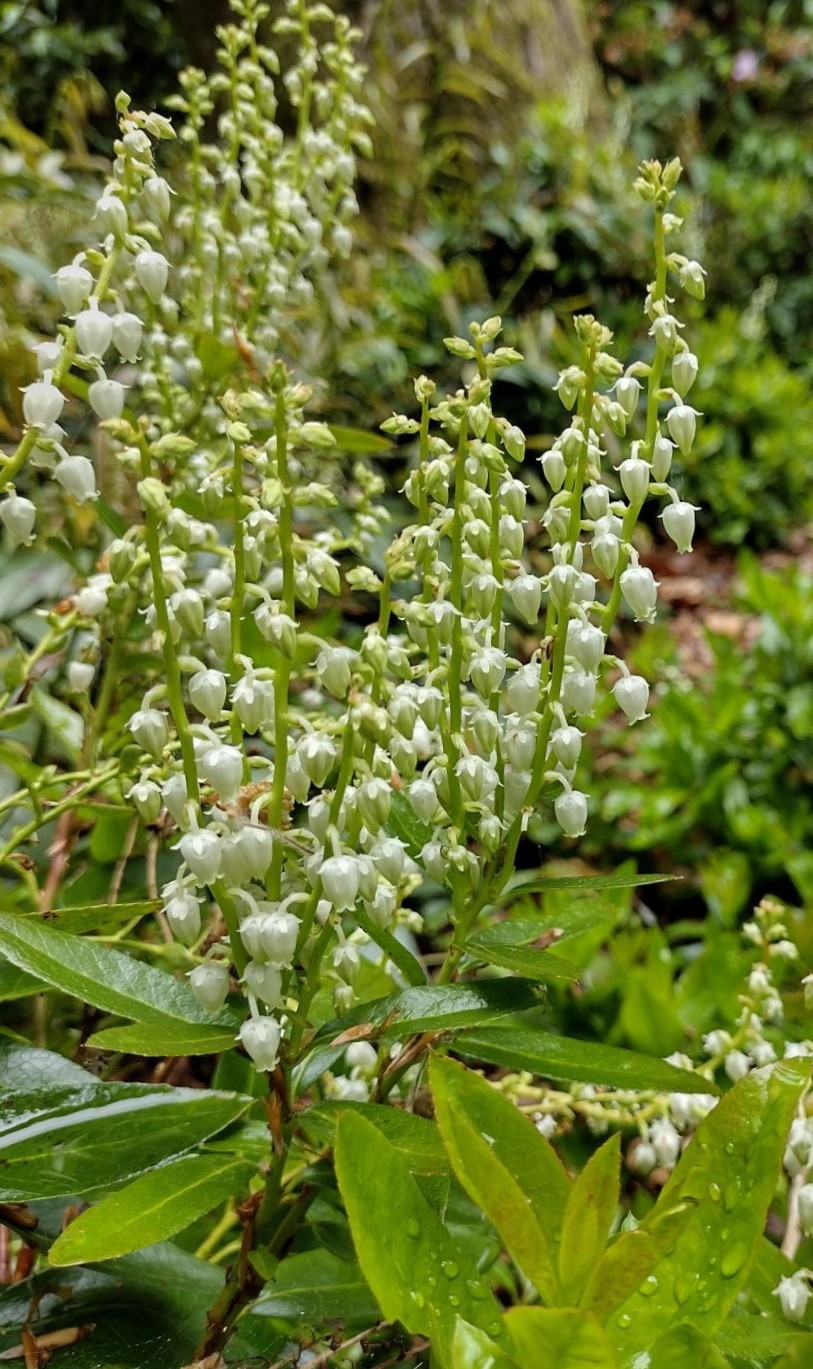
Black Laurel, Sierra Laurel
Leucothoe davisiae Torr.
Relevant botanical synonyms:
Andromeda davisiae (Torr.) C.K.Schneid.
Oreocallis davisiae (Torr.) Small
Andromeda lobbii Dippel
Leucothoe cusickii M.E.Jones
Ericaceae
Black Laurel, Black-Laurel, Sierra Laurel, Sierra-Leucothoe, Sierra Leucothoe, Western Leucothoe, Western-Leucothoe, Sierra Doghobble, Sierra Dog-Hobble, Mountain Leucothoe, Leucothoe davisiae, Andromeda davisiae, Oreocallis davisiae, Andromeda lobbii, Leucothoe cusickii
“Doghobble,” “Dog Hobble,” “Dog Laurel,” and “Fetterbush” are broad common names applied to several Leucothoe species and should not be treated as unique names for Leucothoe davisiae. “Mountain Laurel” properly refers to Kalmia latifolia, although the name has occasionally been applied loosely to Sierra Laurel. “Leucothoe spp.” means the genus as a whole and is not an exact synonym. The historical scientific names Andromeda davisiae, Oreocallis davisiae, Andromeda lobbii, and Leucothoe cusickii refer to the species now accepted as Leucothoe davisiae.el.
Grayanotoxins Are the Principal Toxic Agents
The principal toxins associated with Black Laurel are grayanotoxins, a group of non-nitrogenous polyhydroxylated diterpenes produced by several members of Ericaceae. Grayanotoxic plants occur in Leucothoe, Rhododendron, Pieris, Kalmia, Agarista, Lyonia, and several related genera.
Grayanotoxins act simultaneously on nerves, autonomic pathways, skeletal muscle, gastrointestinal smooth muscle, blood vessels, and the heart. This broad action explains why one exposure can produce salivation, retching, vomiting, diarrhea, abnormal sensation, muscle weakness, tremors, incoordination, hypotension, bradycardia, conduction abnormalities, respiratory compromise, and collapse.
Grayanotoxins are diterpenes rather than alkaloids. They contain no nitrogen and should not be confused chemically with aconitine or Veratrum alkaloids even though all three toxin groups can alter voltage-gated sodium-channel function and produce overlapping cardiovascular and neurologic signs.
The Exact Sierra Laurel Toxin Profile Has Not Been Mapped
Sierra Laurel has long been classified as a grayanotoxic range plant, and the genus Leucothoe is firmly associated with grayanotoxin chemistry. However, no modern peer-reviewed analytical study was located that identifies and quantifies each grayanotoxin isoform in authenticated Leucothoe davisiae leaves, flowers, nectar, stems, fruits, seeds, roots, or dried material.
This limitation matters. It is appropriate to identify the expected syndrome as grayanotoxin poisoning, but it is not appropriate to claim that grayanotoxin I has been chemically confirmed as the sole or dominant toxin in every Sierra Laurel population.
Exact-species concentration may vary with genetics, tissue, season, plant age, weather, elevation, moisture, and geographic population. A leaf from one mountain site cannot be assumed to contain the same toxin mixture as a leaf collected elsewhere.
Historical Names for the Toxins
Older medical, veterinary, and botanical literature uses the names andromedotoxin, acetylandromedol, rhodotoxin, and asebotoxin. These names have frequently been associated with grayanotoxin I or with preparations containing closely related grayanotoxins.
They should not be used as though every name identifies a completely separate toxic principle or as though every Ericaceae plant contains the same isoform. Numerous grayanotoxin structures exist, and different species may contain different combinations.
“Andromedotoxin poisoning” and “grayanotoxin poisoning” may describe the same general sodium-channel toxidrome in historical reports, but modern writing should use the broader term grayanotoxins unless a particular compound was identified analytically.
How Grayanotoxins Alter Voltage-Gated Sodium Channels
Voltage-gated sodium channels open briefly when an excitable cell receives an appropriate electrical stimulus. Sodium enters, the cell membrane depolarizes, and the channel normally inactivates rapidly so the cell can repolarize and prepare for the next impulse.
Grayanotoxins preferentially interact with activated sodium channels and prevent normal inactivation. Experimental work demonstrated that grayanotoxin can reach its binding site from the intracellular side of the sodium channel.
The affected channel remains active longer than normal, sodium continues entering the cell, and the membrane remains persistently depolarized. The nerve or muscle cell cannot reset and transmit normal coordinated electrical signals.
This prolonged depolarization disrupts sensory nerves, autonomic pathways, skeletal muscle, cardiac muscle, and vascular regulation. The resulting clinical picture can combine abnormal sensation, salivation, gastrointestinal hyperactivity, muscle weakness, tremors, bradycardia, conduction block, hypotension, and respiratory impairment.
Preserved Historical Mechanism Description
An earlier government toxicology handbook described the mechanism as follows:
“Grayanotoxins work by binding to sodium channels in cell membranes. The binding unit is the group II receptor site, localized on a region of the sodium channel that is involved in the voltage-dependent activation and inactivation. These compounds prevent inactivation; thus, excitable cells (nerve and muscle) are maintained in a state of depolarization, during which entry of calcium into the cells may be facilitated. This action is similar to that exerted by the alkaloids of veratrum and aconite. All of the observed responses of skeletal and heart muscles, nerves, and the central nervous system are related to the membrane effects.”
Modern channel descriptions use more detailed structural terminology, but the central conclusion remains sound: grayanotoxins interfere with sodium-channel inactivation, prolong depolarization, and prevent excitable tissues from resetting normally.
Vagal Activity, Bradycardia, and Hypotension
The characteristic slow heart rate is not caused solely by direct damage to cardiac muscle. Experimental research supports an important autonomic component involving increased parasympathetic or vagal activity.
Enhanced vagal influence can slow the sinoatrial node, suppress atrioventricular conduction, and produce sinus bradycardia, junctional rhythms, varying degrees of atrioventricular block, or profound slowing approaching asystole.
Grayanotoxin effects on vascular tone and cardiac output can also cause marked hypotension. An affected animal may have cold extremities, pale mucous membranes, weak pulses, altered awareness, fainting, recumbency, or collapse.
The combination of bradycardia and vasodilation can reduce blood flow to the brain, kidneys, gastrointestinal tract, and skeletal muscle even when the animal remains conscious.
Why a Rapid or Irregular Heartbeat Can Also Occur
Bradycardia is especially characteristic, but it is not the only possible cardiovascular response. Stress, vomiting, pain, hypovolemia, hypotension, or compensatory sympathetic activation may increase the heart rate.
Persistent membrane depolarization can also create abnormal impulse formation and conduction. Junctional rhythms, premature complexes, atrioventricular block, tachyarrhythmias, and alternating slow and rapid rhythms have been described within the broader grayanotoxin literature.
One animal may therefore have a slow pulse while another has tachycardia, and the same patient may change rhythms during the illness. A home pulse check cannot determine reliably whether conduction is normal.
Direct Veterinary Evidence from Other Ericaceae
A 2026 systematic review identified 31 published records involving 111 livestock and 11 companion animals poisoned after consuming grayanotoxic Ericaceae. Sheep and goats were most frequently represented. Dogs, cats, rabbits, tortoises, pigs, cattle, alpacas, and other animals also appeared in the published record.
The most frequently implicated plants were Rhododendron species and Pieris japonica, not Sierra Laurel. Those cases provide valuable clinical and treatment evidence for the toxin class but must not be presented as exact Leucothoe davisiae cases.
Retching, regurgitation, vomiting, hypersalivation, weakness, ataxia, tremors, recumbency, altered cardiac activity, and death occurred across the animal literature. The review also emphasized that veterinary case reporting remains incomplete and that plant identification and toxin confirmation are often inadequate.
Goat Poisoning Studies and Case Reports
Published goat cases have documented grayanotoxin poisoning after consumption of rhododendron and Japanese pieris. Goats developed severe salivation, gastrointestinal disturbance, weakness, cardiovascular abnormalities, and recumbency.
The goat record is clinically useful because goats are browsing animals commonly exposed to woody Ericaceae. It demonstrates that bitter foliage does not reliably prevent ingestion, particularly when clippings are newly available or other forage is limited.
These reports support immediate removal from the plant, cardiovascular monitoring, treatment of gastrointestinal losses, and close observation for rapid deterioration. They do not establish a Sierra Laurel leaf count or exact sheep, goat, or cattle dose.
Analytically Confirmed Grayanotoxin I in Pet Pigs
A detailed veterinary pathology report described two miniature pigs poisoned after eating Pieris japonica. The pigs developed pale oral mucous membranes, tachycardia, tachypnea, hypersalivation, tremors, ataxia, and progression to lateral recumbency.
Grayanotoxin I was confirmed by high-performance liquid chromatography and tandem mass spectrometry in the ingested plant, gastric contents, blood, liver, bile, kidney, urine, lung, and skeletal muscle.
This case is important because it demonstrates systemic absorption and broad tissue distribution of a grayanotoxin after natural animal ingestion. It involved Japanese pieris rather than Sierra Laurel, so it supports mechanism and diagnosis without defining the exact toxin profile of L. davisiae.
Alpaca Evidence
Recent detailed alpaca reports involving rhododendron and Japanese pieris describe salivation, regurgitation, abdominal discomfort, ataxia, paresis, recumbency, cardiovascular abnormalities, and prolonged clinical management.
These cases demonstrate that camelids can develop clinically important poisoning and that regurgitation, aspiration, rumen-compartment dysfunction, and prolonged inability to stand may complicate recovery.
The cases also reinforce the practical danger of ornamental clippings discarded into animal areas. An animal does not need access to a native stand when a toxic garden shrub is placed directly into a pen or paddock.
Leaves Are the Most Realistic Exposure
Leaves are the plant part most likely to be consumed by grazing and browsing animals and are the basis of most Sierra Laurel warnings. Evergreen foliage may remain available during winter and early spring when desirable vegetation is sparse or snow-covered.
Dogs may chew reachable foliage during hiking or investigate cut branches. Goats, sheep, cattle, horses, llamas, and alpacas may consume foliage where the shrub grows near wet pastures, springs, seeps, forest edges, or fence lines.
The strongest practical evidence concerns foliage, but exact grayanotoxin concentrations in authenticated Sierra Laurel leaves have not been published adequately. The absence of a chemical concentration does not make the leaves safe; it prevents false dose precision.
Flowers, Nectar, Pollen, Stems, Fruits, Seeds, and Roots
Flowers, pollen, nectar, stems, fruit capsules, seeds, and roots should remain inaccessible because grayanotoxins can occur broadly within grayanotoxic Ericaceae and the distribution within Sierra Laurel has not been mapped completely.
It is important to distinguish precaution from direct evidence. The statement that every Sierra Laurel organ contains a measured toxic concentration is not supported by a modern exact-species analytical study.
Until detailed tissue analysis is available, no raw part should be offered as browse, food, bedding, nesting material, decoration, or enrichment.
Arbutin Is Not the Principal Acute Toxin
Arbutin and related phenolic glycosides occur in several members of Ericaceae and appear in some older toxic-plant lists near references to andromedotoxin.
Arbutin is not established as the principal cause of the characteristic Sierra Laurel syndrome of salivation, weakness, bradycardia, conduction disturbance, hypotension, ataxia, tremors, and collapse.
The acute multi-system toxidrome is far better explained by grayanotoxin effects on voltage-gated sodium channels and autonomic cardiovascular regulation.
Nectar, Honey, and the Limits of the Sierra Laurel Evidence
Grayanotoxins can enter honey when bees collect nectar and pollen from certain toxic Ericaceae. The most thoroughly documented mad-honey poisonings involve Rhododendron ponticum, Rhododendron luteum, and related plants in the Black Sea region and parts of Asia.
No direct case series was located demonstrating that Leucothoe davisiae commonly produces clinically important contaminated honey. Honey should therefore remain a secondary and source-dependent exposure concern rather than being described as the usual Sierra Laurel poisoning route.
A dog or other animal that develops salivation, vomiting, weakness, bradycardia, hypotension, or collapse after consuming concentrated local honey from a region dominated by toxic Ericaceae still requires emergency assessment.
Preserved Historical Honey Account
Xenophon wrote in Anabasis:
“The number of bee hives was extraordinary, and all of the soldiers that ate of the honey combs lost their senses, vomited and were affected with purging, and none of them was able to stand upright; such as had eaten only a little were like men greatly intoxicated, and such as had eaten much were like mad men and some like persons at the point of death. They lay upon the ground, in consequence, in great numbers, as if there had been a defeat; and there was general dejection. The next day, no one of them was found dead; and they recovered their senses about the same hour they had lost them on the preceding day.”
This passage remains a vivid historical account of the grayanotoxin syndrome, including vomiting, diarrhea, altered awareness, profound incoordination, inability to stand, and eventual recovery. It involved honey associated with Black Sea-region rhododendrons rather than Sierra Laurel and should not be treated as evidence that ordinary commercial honey contains L. davisiae toxins.
Conflicting Toxic-Dose Estimates
A recent systematic veterinary review summarized an estimated toxic exposure near 0.1 percent of body weight in fresh grayanotoxic foliage for ruminants. Older generalized veterinary and range references have frequently cited approximately 0.2 percent.
Applied mathematically, 0.2 percent of a sixty-pound dog is approximately 1.9 ounces. That calculation has not been validated for dogs, does not account for species or plant variation, and must not be used as a safe threshold.
A separate western field-guide statement claims that approximately twenty-five grams, slightly less than one ounce, of Sierra Laurel leaves may be lethal to a sheep. A controlled exact-species experimental source supporting that precise claim was not located.
These estimates conflict because they derive from different plants, animals, source quality, and assumptions. They belong on the page as evidence of uncertainty, not as competing instructions for owners to calculate risk at home.
No Dependable Safe Leaf Count or Animal Dose
No dependable safe or lethal leaf count has been established for a dog, cat, horse, cow, sheep, goat, alpaca, llama, rabbit, pig, bird, reptile, or other animal eating authenticated Leucothoe davisiae.
Risk depends on the amount actually swallowed, plant chemistry, animal species, body size, rate of ingestion, stomach contents, hydration, cardiovascular health, concurrent medication, and how rapidly treatment begins.
A small animal may receive a proportionally important exposure from a limited amount. A grazing animal may consume a much larger mass before an owner discovers the source. Every known ingestion deserves prompt professional assessment.
Fresh and Dried Material
Fresh foliage is the most likely natural exposure, but drying should not be assumed to destroy grayanotoxins. These diterpenes are not neutralized reliably by ordinary wilting, air drying, hay curing, or seasonal browning.
Dried clippings or plant fragments mixed into hay may be harder for grazing animals to recognize and avoid. Cut branches can remain hazardous after they no longer look fresh.
No exact Sierra Laurel drying study was located that establishes a safe storage period or processing method. Dried material should therefore remain inaccessible.
Early Gastrointestinal and Oral Signs
Clinical signs may begin within minutes to several hours after ingestion. Early effects commonly include lip licking, repeated swallowing, drooling, foaming at the mouth, nausea, retching, regurgitation, vomiting, abdominal discomfort, diarrhea, and loss of appetite.
Some animals paw at the muzzle, shake the head, rub the face, lick repeatedly, or appear distressed around the mouth. These behaviors may reflect nausea, excess salivation, or abnormal sensory signaling rather than direct corrosive injury.
Retching, regurgitation, and vomiting are especially prominent across the animal grayanotoxin literature and can provide an important early clue when several animals suddenly become ill after access to an Ericaceae shrub.
Vomiting, Regurgitation, and Aspiration
Vomiting may be forceful and repetitive. Vomit can contain food, foam, bile, leaves, flowers, stems, or other plant material.
Regurgitation must be distinguished from vomiting. Regurgitation is a more passive return of esophageal contents and may occur when neuromuscular coordination or swallowing is impaired.
Continuing vomiting or regurgitation creates a risk of dehydration, electrolyte disturbance, esophageal irritation, and aspiration. Weak or recumbent animals are especially vulnerable to inhaling plant material or stomach contents.
Coughing during or after vomiting, fever, nasal discharge, abnormal lung sounds, increasing respiratory effort, or worsening lethargy may indicate aspiration pneumonitis or pneumonia.
Diarrhea and Abdominal Pain
Diarrhea may range from soft manure or stool to repeated watery output. It can accompany cramping, urgency, intestinal noise, straining, or reduced appetite.
Abdominal discomfort may appear as pacing, stretching, looking toward the flank, kicking at the abdomen, vocalization, a hunched posture, repeated lying down and rising, or reluctance to be handled.
Severe abdominal distension, unproductive retching, persistent colic, absent fecal output, or focal abdominal pain requires evaluation for bloat, obstruction, impaction, gastric dilation, or another emergency.
Abnormal Sensation and Paresthesia
Human grayanotoxin poisoning can produce burning, tingling, prickling, or numb sensations around the mouth and extremities. Animals cannot describe paresthesia, so outward signs are indirect.
Head shaking, repeated licking, unexplained pawing, rubbing, agitation, sensitivity to touch, an unusual gait, or reluctance to bear weight may reflect altered sensory-nerve activity.
These behaviors are nonspecific and can also result from nausea, pain, pesticide exposure, another toxic plant, neurologic disease, or trauma.
Weakness and Loss of Coordination
Weakness and ataxia are important signs of clinically significant poisoning. An affected animal may sway, stumble, stand with the limbs spread apart, drag the feet, tremble, lie down repeatedly, or become unable to rise.
Weakness may result from persistent depolarization of skeletal muscle and motor nerves, profound hypotension, bradycardia, reduced cardiac output, dehydration, or a combination of these effects.
Progression to lateral recumbency can occur while the animal remains conscious. An animal that cannot stand requires immediate protection from aspiration, pressure injury, bloat, trauma, and exposure to heat or cold.
Tremors, Fasciculations, and Seizures
Muscle twitching, fasciculations, trembling, or generalized tremors may occur as normal neuromuscular signaling becomes disrupted.
Convulsions and seizures are possible during severe poisoning but are less common than gastrointestinal signs, weakness, ataxia, bradycardia, and hypotension.
Seizure-like activity can also result from fainting with involuntary movements, severe hypotension, hypoglycemia, electrolyte abnormalities, another toxin, or primary neurologic disease.
Bradycardia
Grayanotoxins commonly cause an abnormally slow heart rate through enhanced vagal activity and disruption of cardiac electrical signaling.
Sinus bradycardia may produce profound lethargy, exercise intolerance, cold extremities, pale mucous membranes, weak pulses, altered awareness, fainting, or collapse.
The significance of the heart rate depends on blood pressure and perfusion. A moderately slow rate in an alert animal with adequate circulation differs substantially from the same rate in a recumbent, hypotensive patient.
Atrioventricular Block and Junctional Rhythms
Electrical conduction through the atrioventricular node may slow or fail intermittently. First-, second-, or complete atrioventricular block can occur within the broader grayanotoxin syndrome.
When the normal pacemaker signal fails, a slower junctional or ventricular escape rhythm may temporarily maintain circulation. These rhythms can be unstable and may deteriorate as poisoning progresses.
Conduction block cannot be diagnosed accurately by feeling the pulse. Electrocardiography is required to distinguish sinus bradycardia, junctional rhythm, atrioventricular block, premature beats, and other abnormalities.
Rapid or Irregular Rhythms
Some animals develop tachycardia because of stress, pain, dehydration, hypotension, or compensatory sympathetic activation. Premature beats and other abnormal rhythms are also possible.
A pulse may alternate between slow and rapid periods, feel irregular, or contain pauses. Some electrical beats may fail to produce a palpable arterial pulse, creating a pulse deficit.
A brief normal pulse at home does not rule out intermittent conduction disease or an evolving arrhythmia.
Hypotension and Poor Perfusion
Low blood pressure is one of the most clinically important effects. It may result from bradycardia, reduced cardiac output, altered vascular tone, dehydration, or several mechanisms acting together.
Possible signs include pale or gray mucous membranes, delayed capillary refill, cold ears or feet, weak pulses, mental dullness, reduced urine production, fainting, and collapse.
Profound hypotension can reduce blood flow to the brain, kidneys, muscles, and gastrointestinal tract. An animal may appear blind, confused, profoundly weak, or unresponsive even without permanent neurologic injury.
Visual and Awareness Changes
Blurred or double vision, abnormal eye movements, dilated pupils, and visual disturbance occur in human grayanotoxin poisoning. Animals may collide with objects, appear disoriented, hesitate to walk, or fail to track movement.
These findings may reflect altered neural signaling, cerebral hypoperfusion, weakness, or dizziness rather than primary permanent eye damage.
Sudden apparent blindness, abnormal pupils, severe disorientation, or altered awareness requires immediate examination.
Respiratory Signs
Rapid, shallow, labored, irregular, or reduced breathing may develop from neuromuscular weakness, poor perfusion, severe hypotension, aspiration, seizure activity, or another complication.
Ruminant bloat can compress the diaphragm and worsen breathing. A recumbent large animal with abdominal distension and respiratory effort requires urgent decompression and cardiovascular support.
Blue-gray mucous membranes, gasping, reduced responsiveness, inability to maintain posture, or progressive respiratory fatigue requires emergency airway and ventilation support.
Dogs
Dogs may chew reachable foliage during hiking, camping, hunting, or outdoor work in the plant’s native range. They may also investigate branches cut during trail maintenance, landscaping, habitat work, or garden cleanup.
Possible signs include drooling, vomiting, diarrhea, weakness, ataxia, tremors, bradycardia, hypotension, fainting, recumbency, and collapse.
A dog may initially vomit and then appear temporarily improved while blood pressure or conduction abnormalities continue. Gastrointestinal improvement does not prove that cardiovascular risk has ended.
Cats
Cats are less likely than browsing livestock to consume a large foliage mass, but they remain susceptible to sodium-channel effects. A limited quantity may represent a proportionally important exposure in a small cat.
Possible signs include drooling, vomiting, diarrhea, hiding, food refusal, weakness, an unsteady gait, tremors, abnormal pupils, collapse, or unusual breathing.
Continued food refusal also creates a separate risk of metabolic complications in cats and should not be ignored after the acute toxin signs begin resolving.
Horses
Horses cannot vomit. They may show salivation, repeated swallowing, feed refusal, colic, diarrhea, weakness, sweating, an abnormal pulse, ataxia, recumbency, or collapse.
Dried clippings mixed with hay or branches thrown into a paddock can create greater risk than an intact bitter shrub surrounded by adequate forage.
Persistent salivation, neck extension, coughing, nasal discharge containing feed or saliva, or repeated swallowing also raises concern for choke or aspiration in addition to grayanotoxin poisoning.
Sheep and Goats
Sheep and goats are strongly represented in published Ericaceae poisonings because they browse woody vegetation and may consume freshly available clippings.
Signs can include salivation, retching, regurgitation, vomiting in goats, abdominal pain, diarrhea, bloat, weakness, ataxia, tremors, bradycardia, hypotension, recumbency, and death.
Regurgitated plant material and rumen contents can be aspirated. Recumbent animals should be positioned and monitored to protect breathing and reduce bloat risk.
Cattle, Llamas, and Alpacas
Cattle may eat Sierra Laurel near wet mountain pastures, seeps, springs, and forest margins when desirable forage is limited. Llamas and alpacas may encounter wild shrubs or discarded ornamental Ericaceae.
Possible findings include salivation, regurgitation, colic, reduced rumen motility, bloat, weakness, abnormal posture, ataxia, tachycardia or bradycardia, recumbency, and respiratory distress.
Recent alpaca reports involving other grayanotoxic plants demonstrate that illness may be prolonged and that aspiration, paresis, and gastrointestinal dysfunction can complicate recovery.
Pigs
Miniature pigs have developed analytically confirmed grayanotoxin I poisoning after eating Japanese pieris. Reported signs included pale oral mucous membranes, tachycardia, tachypnea, hypersalivation, tremors, ataxia, and lateral recumbency.
This confirms that pigs are susceptible to systemic grayanotoxin absorption. The case involved Pieris japonica, not Sierra Laurel, but supports strict exclusion of all grayanotoxic shrub material from pig enclosures.
Rabbits and Guinea Pigs
Rabbits and guinea pigs cannot vomit. They may instead show drooling, reduced appetite, abnormal swallowing, abdominal discomfort, diarrhea, reduced fecal output, weakness, tremors, or collapse.
Appetite loss and reduced fecal production can lead to gastrointestinal stasis, dehydration, altered intestinal flora, and metabolic deterioration.
No Sierra Laurel toxic dose has been established for these species. No part should be offered as browse or enrichment.
Tortoises, Birds, and Other Exotic Animals
Grayanotoxic Pieris poisoning has been reported in an African spurred tortoise, demonstrating that reptiles are not necessarily resistant.
Birds and other small exotics may show reduced appetite, regurgitation, altered droppings, weakness, poor balance, tremors, abnormal breathing, or collapse.
Species-specific Sierra Laurel evidence remains sparse, so all exposed exotic animals should be evaluated according to their actual clinical condition rather than assumed to tolerate the plant.
Onset and Expected Course
Signs may begin within minutes to several hours depending on the amount, stomach contents, animal species, and rate of ingestion.
Many mildly affected patients begin improving within several hours as grayanotoxins are metabolized and eliminated. Recovery within approximately one day is common in adequately supported poisonings involving other Ericaceae.
No exact Sierra Laurel recovery interval has been established. Severe hypotension, conduction block, aspiration, bloat, prolonged recumbency, or neurologic weakness can require several days of monitoring and treatment.
Signs Requiring Immediate Emergency Care
Repeated vomiting or regurgitation, bloat, inability to stand, tremors, an abnormally slow or irregular pulse, pale gums, cold extremities, fainting, abnormal breathing, seizures, profound unresponsiveness, or collapse requires emergency care.
Several animals becoming ill after access to the same shrub, clippings, hay, or feed should be treated as a potential group poisoning. Remove the source immediately and preserve representative samples.
Accepted Identity and Scientific Synonyms
Black Laurel or Sierra Laurel is Leucothoe davisiae Torr., an evergreen shrub in Ericaceae.
The relevant homotypic scientific synonyms are Andromeda davisiae (Torr.) C.K.Schneid. and Oreocallis davisiae (Torr.) Small. These represent older transfers of the same original species name into other genera.
The relevant heterotypic synonyms are Andromeda lobbii Dippel and Leucothoe cusickii M.E.Jones. Modern taxonomic revision places these names within Leucothoe davisiae.
Older floras, herbarium sheets, historic garden records, or field notes may therefore use one of these names without referring to a different toxic species.
Native Range
Sierra Laurel is native from southwestern Oregon into central California. Its range includes wet mountain regions associated with the Klamath Mountains, southern Cascades, Sierra Nevada, and adjoining uplands.
It is a western North American native rather than an eastern doghobble or true laurel. Its natural distribution is comparatively restricted even though the common names are broad.
Natural Habitat
The shrub grows primarily in cool, acidic, consistently moist mountain habitats. Typical sites include bogs, fens, seeps, springs, stream margins, wet meadows, swampy forest openings, and other montane wetlands.
It may spread through underground stems and form colonies in favorable wet soil. Dense stands can place many evergreen leaves within reach of browsing animals.
Its association with water does not make the plant safe. Springs and wet grazing areas may attract animals directly into Sierra Laurel habitat.
Common-Name Confusion
“Black Laurel” and “Sierra Laurel” do not indicate membership in Lauraceae, the true laurel family. Sierra Laurel belongs to Ericaceae.
Mountain Laurel properly refers to Kalmia latifolia, an eastern North American grayanotoxic shrub. Sheep Laurel is Kalmia angustifolia. California Laurel is Umbellularia californica, an unrelated aromatic tree.
Doghobble, dog laurel, and fetterbush are broad names applied to multiple Leucothoe species. Eastern doghobble usually refers to Leucothoe fontanesiana or Leucothoe axillaris.
Scientific identification is necessary because related common names may involve different plants, ranges, growth habits, and evidence bases even when several contain grayanotoxins.
How to Recognize Sierra Laurel
Sierra Laurel is a stiffly upright evergreen shrub commonly approximately one to five feet tall. It may appear as an individual plant or as part of a colony spreading through underground stems.
The branches are firm, erect, and generally smooth. The leaves are alternate, leathery, glossy, oval to oblong, and usually approximately one to slightly more than two inches long.
Leaf margins are finely and evenly toothed. The foliage remains through winter, creating potential exposure when deciduous forage has disappeared.
Small white fragrant flowers are urn-shaped and occur in erect terminal racemes. This upright flower arrangement differs from the drooping clusters of some eastern Leucothoe species.
The fruit is a small dry rounded capsule containing numerous seeds. The fruit is not a fleshy berry.
How Dogs and Cats Encounter It
Dogs may encounter Sierra Laurel while hiking, camping, hunting, working, or roaming near mountain wetlands and stream margins in southwestern Oregon and California.
They may bite foliage directly, carry broken branches, or investigate clippings produced during trail work, vegetation clearing, wetland management, or landscaping.
Outdoor cats are less likely to ingest a large woody-plant mass but may chew reachable leaves or contact branches brought into a yard or campsite.
Household exposure is less common than exposure to ornamental azaleas, rhododendrons, or Japanese pieris, but cut wild material can bring the same toxin class into an animal-accessible area.
How Horses and Livestock Encounter It
Horses, sheep, goats, cattle, llamas, and alpacas may encounter Sierra Laurel near springs, wet mountain pastures, bogs, stream margins, fence lines, woodland openings, and seasonal grazing areas.
Risk increases during drought, snow cover, overgrazing, transport, crowding, poor forage availability, or any situation that leaves animals hungry near woody browse.
Goats may investigate branches readily because they browse shrubs. Sheep and cattle can consume foliage when it is mixed with other vegetation. Horses may eat dried material or clippings despite avoiding a standing bitter shrub.
Clippings and Habitat-Management Waste
Branches cut during road, trail, fence, fire-management, wetland, or landscape work should be removed immediately from animal-accessible areas.
Freshly cut branches may be more attractive than established shrubs because they are placed at ground level and are easy to reach.
Never throw Ericaceae clippings into paddocks, pens, goat yards, rabbit runs, kennels, poultry enclosures, livestock trailers, stalls, or open compost piles.
Poisonous Parts and Evidence Limits
Leaves are the best-recognized Sierra Laurel poisoning hazard and the most realistic grazing exposure. All other raw tissues should also remain inaccessible.
Flowers, pollen, nectar, stems, capsules, seeds, roots, and underground stems are treated cautiously because grayanotoxins occur broadly among toxic Ericaceae and exact Sierra Laurel tissue distribution has not been quantified.
This precaution should not be rewritten as a claim that every tissue has been tested and shown to contain an identical grayanotoxin concentration.
Evergreen and Winter Exposure
Because Sierra Laurel retains foliage through winter, it can remain available when grasses and deciduous browse are dormant, buried, or nutritionally poor.
Hungry livestock may eat plants normally rejected during the growing season. Evergreen foliage can also contaminate winter feed areas when branches are cut or broken.
Dried Material and Hay
Dried Sierra Laurel should be treated as poisonous. No validated hay-curing, wilting, or storage process has been shown to neutralize its grayanotoxins reliably.
Dry leaves mixed into hay may lose the visual appearance and bitter cues that help an animal avoid a living shrub.
Suspect forage should be stopped immediately. Samples should be taken from several areas of the bale, feeder, stack, or lot because contamination can be distributed unevenly.
Honey Exposure
Mad-honey poisoning is a genuine grayanotoxin syndrome, but the best documented sources are certain Rhododendron species rather than Sierra Laurel.
Direct evidence that Leucothoe davisiae commonly produces toxic honey is lacking. Ordinary commercial honey should not be blamed simply because Sierra Laurel grows somewhere in the region.
Concern is greater with concentrated local or single-source honey produced where toxic Ericaceae dominate flowering. Packaging and product source should be preserved if an animal becomes ill after consuming such honey.
Why the Published Dose Estimates Cannot Be Used at Home
The recent systematic animal review summarized a generalized ruminant estimate near 0.1 percent of body weight in fresh foliage. Older sources frequently used 0.2 percent.
A field-guide claim that approximately twenty-five grams of Sierra Laurel leaves might be lethal to a sheep is substantially lower than those generalized percentages for many adult sheep.
These figures cannot all describe one uniform biological threshold. They likely reflect different plant species, toxin concentrations, animals, source methods, and degrees of verification.
No amount should be declared safe based on body-weight arithmetic. Treatment decisions should follow the exposure history and the animal’s gastrointestinal, neurologic, electrocardiographic, and blood-pressure findings.
Diagnosis
There is no routine clinic test that immediately confirms Sierra Laurel ingestion or measures a treatment-guiding grayanotoxin concentration.
Diagnosis depends on plant identification, access history, early gastrointestinal signs, weakness or ataxia, heart rate, electrocardiogram, blood pressure, and exclusion of other diseases and toxicants.
Owners should preserve clear photographs and a representative branch showing leaves, flowers, or fruit. The complete site and surrounding plants should also be photographed.
In livestock incidents, representative pasture, clipping, hay, rumen-content, feed, and stomach-content samples may be needed. A single clean handful of hay does not exclude contamination elsewhere.
Specialized Grayanotoxin Analysis
Grayanotoxins can be identified by specialized chromatographic and mass-spectrometric methods. Grayanotoxin I has been confirmed in plant material, gastrointestinal contents, blood, urine, bile, organs, and other tissues in veterinary research involving Japanese pieris.
Such testing is not available rapidly in most clinical settings and commonly returns too late to guide initial stabilization.
Sample collection should not delay oxygen, fluid resuscitation, ECG monitoring, bloat treatment, seizure control, or treatment of clinically significant bradycardia and hypotension.
Differential Diagnoses
Potential alternatives include organophosphate or carbamate pesticides, ionophores, yew, oleander, foxglove, aconite, Veratrum, nicotine, medications that slow the heart, primary conduction disease, severe gastroenteritis, sepsis, hypoglycemia, electrolyte disturbances, and neurologic disorders.
Ruminants with salivation, regurgitation, bloat, tremors, and recumbency also require evaluation for grain overload, choke, toxic feed, plant material other than Sierra Laurel, and infectious disease.
Several affected animals strengthen suspicion of a shared exposure but do not identify the source automatically.
Prognosis
The prognosis is generally good when exposure is recognized promptly and gastrointestinal, cardiovascular, and respiratory abnormalities respond to treatment.
Many grayanotoxin-poisoned animals improve within several hours and recover within approximately one day, but that time course comes primarily from other Ericaceae and cannot be guaranteed for Sierra Laurel.
The prognosis becomes guarded with profound hypotension, complete atrioventricular block, unstable arrhythmias, aspiration pneumonia, persistent bloat, prolonged recumbency, seizures, respiratory failure, or cardiovascular collapse.
Exposure Prevention
Prevent livestock from browsing Sierra Laurel, especially during snow cover, drought, overgrazing, or forage shortage.
Remove all cut branches and inspect hay or feed after brush-clearing operations. Never assume that wilted or dried material is safe.
Keep pets away from unidentified Ericaceae shrubs and preserve plant labels for cultivated specimens. Do not use toxic shrub branches as browse, enrichment, bedding, or decorative material in animal areas.
Immediate Steps After Exposure
- Stop further ingestion: Remove the animal from the shrub, clippings, pasture, hay, feed, flowers, or suspected honey product and secure the source from every other animal.
- Keep the animal calm: Restrict running, exercise, excitement, and unnecessary handling because severe hypotension or an unstable rhythm may already be developing.
- Remove only loose visible material: If the animal is calm and this can be done safely, remove pieces resting at the lips or front of the mouth. Do not reach blindly toward the throat.
- Allow only voluntary water intake: An alert animal that is swallowing normally may have access to fresh water. Do not pour, spray, syringe, or force fluids into the mouth.
- Preserve identification evidence: Save photographs, a representative branch with leaves and flowers or fruit, hay samples, feed labels, suspected honey packaging, and safely collected vomited or regurgitated material.
- Contact a veterinarian immediately: Do not wait for collapse. Bradycardia, conduction block, and hypotension may be clinically important before they are obvious without monitoring.
After Skin or Coat Contact
Black Laurel is principally an ingestion hazard. If sap or plant residue is present on the coat, prevent grooming and gently wash the affected area with lukewarm water and a mild species-appropriate cleanser.
Rinse thoroughly and clean contaminated collars, harnesses, blankets, brushes, carriers, tack, or equipment.
Persistent redness, pain, swelling, discharge, or self-trauma warrants veterinary guidance and consideration of another irritant or pesticide exposure.
Eye Exposure
If loose debris or sap entered an eye and no object appears embedded, begin gentle irrigation with sterile saline or clean lukewarm water when the animal tolerates this safely.
Do not rub the eye or use tweezers, cotton swabs, human redness-relief drops, topical anesthetics, leftover antibiotics, or corticosteroid-containing eye medication.
Continuing squinting, tearing, cloudiness, redness, swelling, discharge, or pawing at the face requires veterinary examination.
Do Not Attempt Unsupervised Home Treatment
- Do not induce vomiting: Hydrogen peroxide, salt, mustard, syrup of ipecac, detergent, oil, manual gagging, and fingers in the throat can cause aspiration, repeated vomiting, gastrointestinal injury, or dangerous delay.
- Never give hydrogen peroxide to a cat: It can cause severe esophageal and gastric inflammation, ulceration, and bleeding.
- Never attempt vomiting in horses, rabbits, or guinea pigs: These animals cannot vomit.
- Do not force mouth flushing: Water may enter the lungs when the animal is drooling, vomiting, regurgitating, weak, uncoordinated, recumbent, or swallowing abnormally.
- Do not give activated charcoal at home: A vomiting, hypotensive, recumbent, trembling, or neurologically impaired animal may aspirate charcoal.
- Do not give atropine or other heart medication: Atropine, isoproterenol, beta blockers, calcium-channel blockers, lidocaine, quinidine, or another cardiovascular drug can be dangerous without ECG and blood-pressure assessment.
- Do not give vasopressors or blood-pressure medication: These require intravenous access, monitored fluid resuscitation, and continuous cardiovascular assessment.
- Do not give electrolyte products: Potassium, calcium, magnesium, salt mixtures, or sports drinks may worsen an unmeasured electrolyte or cardiac abnormality.
- Do not give stomach or diarrhea medication automatically: Antacids, bismuth products, loperamide, sucralfate, antihistamines, pain relievers, and leftover prescriptions do not neutralize grayanotoxins.
- Do not rely on a home pulse check: Conduction block, intermittent arrhythmia, and pulse deficits may be missed without electrocardiography.
When Emergency Examination Is Especially Important
- Any known foliage ingestion: No safe leaf count has been established, and small animals may receive a meaningful dose from limited plant material.
- Repeated vomiting, retching, or regurgitation: Fluid loss, aspiration, and worsening hypotension may develop.
- Bloat or marked abdominal distension: Ruminant breathing and circulation may become compromised rapidly.
- Weakness, stumbling, tremors, or inability to stand: These signs indicate significant neuromuscular or circulatory involvement.
- A slow, rapid, weak, or irregular pulse: Any suspected rhythm abnormality requires immediate ECG and blood-pressure assessment.
- Pale or gray gums, cold extremities, fainting, or collapse: Severe hypotension or inadequate cardiac output may be present.
- Rapid, shallow, labored, irregular, or reduced breathing: Respiratory weakness, aspiration, bloat, shock, or another complication may be developing.
- Apparent blindness, abnormal pupils, or altered awareness: Severe hypotension or neurologic dysfunction may be present.
- Seizures, coma, or profound unresponsiveness: These are immediately life-threatening signs.
- Coughing or worsening breathing after vomiting: Aspiration injury may have developed.
- Several animals are affected: Stop the pasture, clippings, hay, feed, or honey source and preserve representative samples.
Veterinary Assessment and Monitoring
The veterinarian will assess the source and amount, time since ingestion, salivation, vomiting or regurgitation, hydration, abdominal distension, heart rate and rhythm, pulse quality, blood pressure, perfusion, breathing, neurologic function, and ability to stand and swallow.
Continuous electrocardiography may be required because the rhythm can change during the illness. Blood pressure should be measured repeatedly rather than inferred from the pulse alone.
Testing may include blood glucose, sodium, potassium, chloride, calcium, magnesium, kidney values, packed cell volume, total solids, blood-gas or acid-base measurements, lactate, and other tests selected for the patient.
Professional Gastrointestinal Decontamination
A veterinarian may consider medically induced vomiting after a substantial recent ingestion when a dog or cat remains fully alert, cardiovascularly stable, neurologically normal, breathing normally, swallowing safely, and capable of protecting its airway.
Emesis is inappropriate when the animal is already vomiting, bradycardic, hypotensive, weak, ataxic, trembling, collapsed, sedated, breathing abnormally, or unable to swallow normally.
Horses, rabbits, and guinea pigs cannot vomit and must not undergo attempted emesis.
Activated Charcoal
A veterinarian may consider activated charcoal in a selected stable patient after a recent substantial ingestion. The expected benefit must be weighed against spontaneous vomiting, impaired swallowing, recumbency, dehydration, and aspiration risk.
Repeated charcoal has not been validated specifically for Sierra Laurel poisoning and is not routine merely because the plant contains grayanotoxins.
Cathartic-containing charcoal can worsen diarrhea, dehydration, and electrolyte loss and requires particular caution.
Anti-Nausea and Gastrointestinal Support
Veterinarian-selected antiemetic treatment may be used after decontamination decisions have been completed. Injectable medication may be needed when vomiting is persistent or swallowing is unsafe.
Gastrointestinal protectants may be selected when repeated vomiting has produced esophageal or gastric irritation, but they do not neutralize grayanotoxins.
Nutritional support should begin only after vomiting or regurgitation is controlled and swallowing is safe.
Intravenous Fluid Therapy
Intravenous crystalloids are a central treatment when dehydration or reduced circulating volume contributes to hypotension and poor perfusion.
Fluid therapy must be tailored to body size, hydration, cardiac function, urine production, blood pressure, and continuing losses. An automatic large-volume approach can be harmful in a patient with cardiac dysfunction or impaired urine production.
Blood pressure, lung sounds, respiratory effort, urine output, and cardiovascular response should be reassessed frequently.
Treatment of Bradycardia
Atropine may be used by a veterinarian for clinically significant vagally mediated bradycardia, especially when the slow rate is accompanied by hypotension, weakness, fainting, or poor perfusion.
Atropine is not needed in every exposed animal and should not be given by an owner. It may produce excessive tachycardia, fail to correct severe conduction disease, or complicate another rhythm.
Temporary cardiac pacing or another advanced intervention may be considered when life-threatening bradycardia or complete atrioventricular block does not respond adequately to medical treatment.
Blood-Pressure Support
Hypovolemia should be addressed with appropriate intravenous crystalloid resuscitation before vasopressors are treated as the primary solution.
When clinically important hypotension persists after appropriate volume correction and rhythm management, a veterinarian may add a vasopressor or inotropic agent selected for the animal’s cardiovascular findings.
Continuous blood-pressure and ECG monitoring is required because a drug that raises vascular tone or heart rate can worsen an unstable rhythm or increase myocardial workload.
Treatment of Other Arrhythmias
Premature beats, tachyarrhythmias, or complex conduction abnormalities require treatment directed by the actual electrocardiographic pattern.
A veterinarian may correct potassium, magnesium, glucose, oxygenation, acid-base status, or perfusion before or alongside rhythm-specific medication.
No antiarrhythmic is universally appropriate for grayanotoxin poisoning. A medication that slows conduction may worsen atrioventricular block, while a drug that accelerates the heart may worsen myocardial instability or hypotension.
Intravenous Lipid Emulsion
Intravenous lipid emulsion has been reported as an adjunctive treatment in goats after severe Pieris ingestion. Grayanotoxins are lipophilic, creating a theoretical rationale for lipid therapy.
The available evidence is limited to case-level experience and does not establish intravenous lipid emulsion as a routine or specific antidote for Sierra Laurel.
Lipid therapy can complicate laboratory testing, produce lipemia, interfere with other treatment, and create metabolic or infusion-related adverse effects. It should be considered only by experienced clinicians or veterinary toxicologists when conventional stabilization is insufficient.
Ruminant Bloat and Rumen Management
Cattle, sheep, goats, llamas, and alpacas should be assessed for rumen motility, abdominal distension, regurgitation, aspiration, and the amount of plant material remaining in the forestomachs.
A stomach tube, controlled decompression, trocarization, rumen lavage, or rumenotomy may be considered according to the degree of bloat, respiratory compromise, timing, and toxin burden.
These procedures are veterinary interventions. Drenching or tubing an uncoordinated, recumbent, or poorly swallowing animal outside professional care can cause fatal aspiration or esophageal injury.
Respiratory and Airway Support
Oxygen is appropriate for respiratory distress, severe hypotension, aspiration, prolonged seizures, or poor perfusion.
An animal with reduced consciousness, respiratory fatigue, severe aspiration, or inability to protect the airway may require endotracheal intubation and assisted ventilation.
Recumbent large animals must be positioned and monitored to reduce aspiration, bloat, pressure damage, and compression of the dependent lung.
Tremor and Seizure Treatment
Severe tremors may require veterinarian-selected muscle-relaxant or sedative treatment. True seizures require anticonvulsant medication, glucose and electrolyte assessment, oxygen, temperature management, and airway protection.
Excessive sedation can worsen hypotension and respiratory weakness, so treatment must be titrated to the individual patient.
Aspiration Treatment
Coughing, fever, hypoxemia, abnormal lung sounds, or worsening respiratory effort after vomiting or regurgitation may justify chest imaging, oxygen, airway suctioning, nebulization, physiotherapy, and other supportive measures.
Antibiotics are selected when bacterial aspiration pneumonia is suspected or documented, not automatically after every vomiting episode.
Rabbits, Guinea Pigs, Birds, and Other Small Animals
Do not force food or water into a weak, regurgitating, respiratory-compromised, or poorly swallowing small animal.
Rabbits and guinea pigs require monitoring and treatment for gastrointestinal stasis, dehydration, pain, hypothermia, and reduced fecal production.
Birds and reptiles may require species-specific thermal support, oxygen, assisted feeding after swallowing is safe, and careful fluid management.
Recovery and Prognosis
Animals with limited gastrointestinal illness, stable blood pressure, normal or improving ECG findings, and preserved ability to stand and swallow generally have a good prognosis.
Improvement should include cessation of vomiting or regurgitation, stronger pulses, normal blood pressure, improved coordination, return of appetite, normal rumen or gastrointestinal activity, and sustained cardiovascular stability.
The prognosis becomes guarded with severe hypotension, complete heart block, unstable arrhythmias, persistent bloat, aspiration pneumonia, seizures, coma, respiratory failure, or cardiovascular collapse.
Monitoring may need to continue after the animal appears brighter because hypotension and rhythm abnormalities can recur before the toxin is fully eliminated.
Frequently Asked Questions About Black Laurel and Animal Poisoning
Is Black Laurel poisonous to dogs and cats?
Yes. Black Laurel or Sierra Laurel, Leucothoe davisiae, is treated as a grayanotoxin-containing Ericaceae shrub. Ingestion may cause salivation, vomiting, diarrhea, weakness, ataxia, tremors, bradycardia, conduction abnormalities, profound hypotension, respiratory difficulty, recumbency, collapse, and potentially death. No safe canine or feline dose has been established.
What is the accepted scientific name?
The accepted name is Leucothoe davisiae Torr. It is an evergreen western North American member of Ericaceae.
What scientific synonyms may appear in older records?
Relevant synonyms are Andromeda davisiae (Torr.) C.K.Schneid., Oreocallis davisiae (Torr.) Small, Andromeda lobbii Dippel, and Leucothoe cusickii M.E.Jones. These names may appear in older floras, herbarium records, field notes, and botanical literature.
Is Sierra Laurel the same plant as Mountain Laurel?
No. Sierra Laurel is Leucothoe davisiae. Mountain Laurel is Kalmia latifolia. Both belong to Ericaceae and may produce a grayanotoxin syndrome, but they are distinct species with different ranges and appearances.
Are doghobble, dog laurel, and fetterbush exact names for this species?
Not reliably. Those names are applied to several Leucothoe species, particularly eastern doghobbles such as Leucothoe fontanesiana and Leucothoe axillaris. Sierra Laurel and Western Leucothoe are more specific names for L. davisiae.
Where does Sierra Laurel grow naturally?
It is native from southwestern Oregon into central California. It grows mainly in cool wet mountain habitats such as bogs, fens, seeps, springs, moist meadows, stream margins, and forested wetlands.
How can I recognize Sierra Laurel?
It is a stiffly upright evergreen shrub with glossy, leathery, oval to oblong leaves that have finely toothed margins. Small white urn-shaped fragrant flowers occur in erect terminal clusters. The fruit is a small dry capsule rather than a fleshy berry.
What are grayanotoxins?
Grayanotoxins are polyhydroxylated diterpenes that interfere with voltage-gated sodium channels. They prevent normal channel inactivation, prolong depolarization, and disrupt electrical signaling in nerves, skeletal muscle, blood vessels, the gastrointestinal system, and the heart.
Are grayanotoxins alkaloids?
No. Grayanotoxins are non-nitrogenous diterpenes. Older papers occasionally used imprecise terminology, but they are chemically distinct from alkaloids such as aconitine and the steroidal alkaloids in Veratrum.
Are andromedotoxin, acetylandromedol, rhodotoxin, and grayanotoxin the same?
Those older names have often been associated with grayanotoxin I or preparations containing related grayanotoxins. They should not be treated as exact synonyms for every grayanotoxin isoform or as separate toxins proven to occur at fixed concentrations in every Ericaceae plant.
Has grayanotoxin I been chemically confirmed in Sierra Laurel?
No modern peer-reviewed exact-species analysis was located that identifies grayanotoxin I as the sole or dominant compound in authenticated Leucothoe davisiae. The plant is recognized as grayanotoxic, but its individual isoform profile and tissue concentrations remain inadequately mapped.
Does that evidence gap mean Sierra Laurel is safe?
No. Veterinary and range-plant evidence consistently treats Sierra Laurel as poisonous, and the expected clinical syndrome matches grayanotoxin toxicity. The gap means that precise isoform, tissue-concentration, and dose claims should not be invented.
How do grayanotoxins keep sodium channels open?
They interact preferentially with activated sodium channels and interfere with normal inactivation. Sodium continues entering the cell, the membrane remains depolarized, and the nerve or muscle cell cannot reset normally for the next electrical impulse.
Why do grayanotoxins slow the heart?
They increase vagal or parasympathetic influence and disrupt cardiac electrical conduction. The result may be sinus bradycardia, junctional rhythm, or varying degrees of atrioventricular block, often accompanied by low blood pressure.
Can they also cause a rapid or irregular heartbeat?
Yes. Stress, dehydration, hypotension, and abnormal impulse formation can produce tachycardia, premature beats, or alternating slow and rapid rhythms. The exact rhythm must be identified by electrocardiography before medication is selected.
Can a normal home pulse rule out poisoning?
No. Conduction abnormalities may be intermittent, and some electrical heartbeats may be too weak to produce a palpable peripheral pulse. Continuous or repeated ECG and blood-pressure monitoring are much more reliable.
Which part of Black Laurel is poisonous?
Leaves are the best-recognized and most realistic exposure. Flowers and other raw tissues should also remain inaccessible because exact toxin distribution within authenticated Sierra Laurel has not been quantified sufficiently to declare any part safe.
Are the flowers poisonous?
They should be treated as poisonous. Grayanotoxins occur in flowers of several toxic Ericaceae, but exact Sierra Laurel flower concentrations have not been mapped by a modern analytical study.
Are the roots, stems, capsules, and seeds poisonous?
They should remain inaccessible because the complete tissue distribution in Sierra Laurel is unknown. The page should not claim that every tissue contains an identical measured concentration, but absence of data is not evidence of safety.
Is dried Black Laurel still poisonous?
It should be treated as poisonous. Ordinary wilting, air drying, and hay curing have not been shown to eliminate Sierra Laurel grayanotoxins reliably. Dried fragments mixed into hay may also be harder for animals to recognize and avoid.
Can Black Laurel contaminate honey?
Grayanotoxin-contaminated honey is biologically possible when bees forage on toxic Ericaceae, but the best documented mad-honey sources are certain Rhododendron species. Direct Sierra Laurel honey poisoning is not well documented and should not be described as the ordinary exposure route.
What does Xenophon’s honey account have to do with this plant?
Xenophon described vomiting, diarrhea, altered awareness, profound incoordination, and inability to stand after soldiers ate toxic honey in the Black Sea region. It is a classic description of the grayanotoxin syndrome, but the honey was associated with regional rhododendrons rather than Sierra Laurel.
How many leaves can poison a dog or cat?
No dependable leaf count has been established. Plant chemistry and animal susceptibility vary, and the amount apparently missing may not equal the amount swallowed. Every known ingestion deserves prompt veterinary consultation.
What does the 0.1 percent body-weight estimate mean?
A 2026 veterinary review summarized an estimated toxic exposure near 0.1 percent of body weight in fresh foliage for ruminants across published Ericaceae cases. It is not a safe threshold, was not established specifically for Sierra Laurel, and should not be applied to dogs, cats, or individual livestock without clinical assessment.
Why do some older sources use 0.2 percent?
Older generalized references frequently repeated approximately 0.2 percent of body weight. Differences in plant species, toxin concentrations, animal species, study quality, and source repetition explain why the figures conflict. Neither number is a dependable exact Sierra Laurel dose.
Can approximately twenty-five grams of Sierra Laurel kill a sheep?
That figure appears in western field-guide material, but a controlled exact-species experiment supporting the precise amount was not located. It should be treated as a historical warning rather than a validated lethal threshold.
How quickly do symptoms begin?
Signs may begin within minutes to several hours. Salivation, retching, vomiting, diarrhea, weakness, ataxia, tremors, bradycardia, hypotension, and recumbency can develop during that period.
Why are vomiting and regurgitation important warning signs?
They are among the most frequent findings in published animal grayanotoxin cases. Repeated episodes cause dehydration and increase aspiration risk, especially when weakness, ataxia, or recumbency develops.
Can Black Laurel cause tingling or numbness?
Human patients report paresthesia around the mouth and extremities. Animals cannot describe the sensation, but head shaking, licking, rubbing, agitation, unusual sensitivity, or abnormal limb use may reflect altered sensory signaling.
Is Black Laurel poisonous to horses?
Yes. Horses may develop salivation, feed refusal, colic, diarrhea, weakness, an abnormal pulse, ataxia, recumbency, or collapse. Horses cannot vomit, and dried clippings or contaminated hay may remove some of the natural avoidance of the living shrub.
Why are sheep and goats at particular risk?
They browse woody vegetation and are strongly represented in published Ericaceae poisoning reports. Fresh clippings placed at ground level or limited forage can lead to substantial ingestion despite the shrub’s bitter taste.
Can cattle, llamas, and alpacas be poisoned?
Yes. Possible signs include salivation, regurgitation, abdominal pain, bloat, reduced rumen activity, ataxia, paresis, recumbency, and cardiovascular abnormalities. Recent alpaca reports involving related grayanotoxic plants document significant and sometimes prolonged illness.
Can pigs be poisoned?
Yes. Grayanotoxin I was analytically confirmed in two miniature pigs after Pieris japonica ingestion. They developed hypersalivation, tremors, ataxia, pale mucous membranes, tachycardia, tachypnea, and lateral recumbency. No Sierra Laurel dose has been established for pigs.
What about rabbits and guinea pigs?
No safe dose is known. They cannot vomit and may show drooling, appetite loss, diarrhea, reduced fecal output, weakness, tremors, or collapse. Appetite loss can lead to gastrointestinal stasis and requires prompt care.
Can tortoises, birds, and other exotic animals be poisoned?
Yes. A grayanotoxic Pieris poisoning has been reported in an African spurred tortoise, and the newer animal review includes several companion species. No part should be offered as browse, food, bedding, cage decoration, or enrichment.
Should I make my dog or cat vomit?
No home vomiting method should be used. Grayanotoxin poisoning may already cause vomiting, hypotension, weakness, ataxia, or impaired swallowing, greatly increasing aspiration risk. A veterinarian must decide whether professional emesis is safe.
Should I give activated charcoal?
Do not give charcoal at home. A veterinarian may consider it in a selected stable patient after a recent ingestion, but spontaneous vomiting, recumbency, impaired swallowing, and hypotension can make charcoal dangerous.
Is atropine an antidote?
Atropine is not a toxin-binding antidote, but it may reverse clinically important vagally mediated bradycardia. It should be administered only after professional assessment because it is unnecessary in some patients and can complicate other rhythms.
Is there a specific grayanotoxin antidote?
No routinely available toxin-specific antidote exists. Treatment focuses on gastrointestinal decontamination when safe, intravenous fluids, atropine for selected bradycardia, blood-pressure support, oxygen, rhythm-directed treatment, bloat management, aspiration care, and neurologic support.
Can intravenous lipid emulsion be used?
It has been reported as an adjunct in goats after severe Japanese pieris ingestion. Evidence remains limited, and it is not established as routine Sierra Laurel treatment. It should be considered only by experienced clinicians when conventional stabilization is insufficient.
How is severe low blood pressure treated?
Appropriate intravenous crystalloid resuscitation is used when dehydration or reduced circulating volume contributes. If clinically important hypotension persists after appropriate volume correction and rhythm management, a veterinarian may add a monitored vasopressor or inotropic drug.
How is bloat treated in affected ruminants?
Treatment depends on severity and may include passage of a stomach tube, controlled decompression, trocarization, rumen lavage, or rumenotomy. These are veterinary procedures because weak or uncoordinated animals can aspirate or be injured during improper tubing or drenching.
When is emergency veterinary care needed?
Emergency care is warranted after any known ingestion and especially for repeated vomiting or regurgitation, bloat, marked weakness, ataxia, tremors, an abnormal pulse, pale gums, fainting, respiratory difficulty, seizures, recumbency, or collapse.
What is the prognosis?
The prognosis is generally good when exposure is identified promptly and blood pressure, heart rhythm, breathing, and gastrointestinal complications respond to treatment. It becomes guarded with complete heart block, profound hypotension, aspiration pneumonia, persistent bloat, seizures, respiratory failure, or cardiovascular collapse.
How can future exposure be prevented?
Keep animals away from Sierra Laurel stands, provide adequate forage, remove every cut branch, inspect hay after clearing operations, and never discard wild or ornamental Ericaceae into paddocks, pens, kennels, rabbit runs, poultry areas, or open compost.