Leek Oxidative Hemolysis and Delayed Red-Blood-Cell Destruction
Is Leek Poisonous to Dogs, Cats, Horses, and Livestock?
Yes—Leek, Allium porrum, is poisonous to dogs and cats and can also cause oxidative hemolytic anemia in horses, cattle, sheep, goats, and other susceptible animals after a sufficiently large or repeated exposure. Leek contains sulfur-rich precursors that form reactive organosulfur compounds after the plant is cut, crushed, chewed, cooked, digested, or metabolized. These oxidants damage hemoglobin and red-cell membranes, producing Heinz bodies, eccentrocytes, methemoglobin, and premature destruction of circulating red blood cells.
Gastrointestinal signs such as drooling, nausea, vomiting, diarrhea, abdominal discomfort, or appetite loss may begin within hours. Dangerous anemia is often delayed. A dog or cat can appear normal or seem to recover from vomiting while red-cell damage continues over the next several days. Progressive weakness, pale or jaundiced gums, rapid breathing, a racing heartbeat, dark red or brown urine, collapse, kidney injury, seizures, coma, or death may follow.
Cats are particularly vulnerable to oxidative red-cell injury. Powdered, dehydrated, cooked, blended, fermented, or concentrated Leek remains hazardous. Broth, soup, sauce, gravy, seasoning, meat juices, baby food, supplements, compost, and leftovers can cause exposure even when no recognizable Leek pieces remain.
About this guide: This page provides general pet-poisoning information and cannot diagnose or treat an individual animal. For any suspected exposure, contact a veterinarian or animal poison-control service immediately. Do not induce vomiting, give medication, or attempt home decontamination unless directed by a veterinary professional.
Leek
Allium porrum L.
Allium porrum is the accepted scientific name for the cultivated vegetable Leek under major current global botanical treatments.
Important historical, agricultural, and horticultural names include:
- Allium ampeloprasum var. porrum
- Allium ampeloprasum Porrum Group
- Allium ampeloprasum Leek Group
- Porrum commune
- Porrum sativum
Older crop literature frequently places Leek within a broadly defined Allium ampeloprasum complex. Modern global taxonomy accepts both Allium porrum and Allium ampeloprasum as species, while genetic and crop-diversity literature continues to discuss cultivated Leek as one of the horticultural groups derived from or associated with the Allium ampeloprasum complex.
Elephant Garlic is generally assigned to Allium ampeloprasum, sometimes under the cultivated name Allium ampeloprasum var. holmense or a Great-Headed Garlic group. It is closely related to Leek and should receive the same veterinary Allium precautions, but it is not the accepted scientific name or a direct common-name synonym for cultivated Allium porrum.
Ramps or North American Wild Leeks are usually Allium tricoccum and related species. Wild Onion and Wild Garlic are broad names applied to numerous other Allium species. These plants are botanically distinct from Allium porrum but can share the organosulfur-associated oxidative hemolysis hazard.
Amaryllidaceae — Amaryllis Family; historically classified in Alliaceae or Liliaceae
Garden Leek; Common Leek; Cultivated Leek; European Leek; Domestic Leek; Large Leek; Broad-Leaved Cultivated Leek; Porrum; Poireau; Poireau Cultivé; Porro; Puerro; Prasa; Pırasa; Prei; Purjolök; Lauch; Porree; Allium Leek; Allium porrum; Allium ampeloprasum var. porrum; Allium ampeloprasum Porrum Group; Allium ampeloprasum Leek Group
Elephant Garlic, Great-Headed Garlic, Giant Garlic, and Aglione usually refer to cultivated forms of Allium ampeloprasum, not to the accepted Leek species Allium porrum. Elephant Garlic is included in this page’s exposure discussion because it is closely related, contains reactive sulfur compounds, and should not be fed to dogs, cats, horses, or livestock.
Broadleaf Wild Leek, Wild Leek, and Vine-Leek are commonly used for wild or naturalized Allium ampeloprasum. They should not be treated as exact aliases for cultivated Allium porrum.
Ramps and North American Wild Leeks generally refer to Allium tricoccum or related North American species. Wild Onion and Wild Garlic may refer to Allium canadense, Allium vineale, Allium cernuum, Allium textile, and many other species.
Green Onion, Scallion, Spring Onion, Shallot, Chive, Garlic, and Onion are other cultivated Alliums rather than synonyms for Leek. They share enough organosulfur chemistry that each should remain excluded from food offered to dogs or cats.
“Leek” is also used inconsistently for unrelated or only distantly related plants. Death Camas may resemble a wild onion or leek before flowering but belongs to different genera and contains steroidal alkaloids rather than the characteristic Allium oxidants. A complete specimen should be preserved after any uncertain wild-plant exposure.
Exact Leek Chemistry and the Evidence Boundary
Leek contains a complex and variable collection of sulfur-containing precursors rather than one isolated veterinary toxin. Exact-leek analytical research identifies S-alk(en)yl-L-cysteine sulfoxides as central components of its chemistry. These compounds are commonly abbreviated ACSOs.
Isoalliin, chemically S-(trans-1-propenyl)-L-cysteine sulfoxide, is usually the dominant ACSO measured in cultivated Leek. Methiin, or S-methyl-L-cysteine sulfoxide, is also consistently present. Propiin and alliin may occur in smaller quantities or traces depending on cultivar, tissue, growing conditions, analytical method, and harvest date.
One Leek study found isoalliin representing most of the measured ACSO pool, with methiin forming the smaller principal fraction. Cultivar, white shaft, green leaf tissue, and harvest period all changed the measured concentrations. A Leek’s appearance, size, mildness, sweetness, or culinary quality therefore cannot reveal its oxidant potential.
Direct veterinary poisoning experiments specific to Allium porrum are limited. The detailed Heinz-body, eccentrocyte, methemoglobin, and hemolysis mechanisms are supported chiefly by onion, garlic, wild-Allium, and related Allium studies. These findings are biologically relevant to Leek because the plants share sulfur-precursor chemistry, but onion dose figures must not be converted into a Leek-safe amount.
Formation of Reactive Sulfur Compounds
Intact Allium cells keep sulfur precursors and activating enzymes separated within different cellular compartments. Cutting, crushing, chewing, blending, grinding, freezing, thawing, cooking, bacterial spoilage, and digestion disrupt that separation.
Enzymatic and nonenzymatic reactions then generate thiosulfinates, thiosulfonates, sulfides, disulfides, trisulfides, and other reactive sulfur products. The mixture changes quickly after tissue disruption, and some compounds become precursors of additional metabolites after absorption.
Leek volatile research has identified a strongly propyl-dominant profile, including abundant dipropyl disulfide and related propenyl-propyl compounds. This differs from common garlic, whose volatile profile is often dominated by allyl-containing compounds.
The compound most responsible for one Allium’s odor is not automatically the compound most responsible for its animal toxicity. Odor, tear production, flavor intensity, and red-cell oxidant potential are related through sulfur chemistry but are not interchangeable measurements.
Elephant Garlic Is Related but Chemically Distinct
Elephant Garlic belongs to the Allium ampeloprasum complex rather than to true garlic, Allium sativum. It grows as a large cloved bulb and is milder in flavor than common garlic, but mild flavor does not establish animal safety.
Chemical studies show that Elephant Garlic can produce a mixed volatile profile. Tested material contained substantial diallyl disulfide and other allyl-containing compounds more characteristic of garlic, while separate direct-mass-spectrometry research detected the onion- and Leek-associated lachrymatory factor propanethial S-oxide.
Geographic and genetic variation can shift Elephant Garlic chemistry. One analyzed cultivar clustered chemically closer to garlic than to Leek despite its botanical placement within the broad wild-leek complex.
Elephant Garlic therefore should not be assigned one uniform “milder Leek” chemistry. Its cloves, leaves, flower stalk, bulbils, roots, cooking liquid, powder, and processed products should all remain inaccessible to animals.
Oxidative Injury to Hemoglobin and Red-Cell Membranes
Reactive Allium sulfur compounds or their metabolites enter red blood cells and oxidize vulnerable sulfhydryl groups within hemoglobin and membrane proteins. Normal antioxidant systems can repair limited oxidative stress, but a sufficiently large or repeated exposure overwhelms those defenses.
Oxidized hemoglobin becomes unstable, cross-links, precipitates, and attaches to the internal surface of the red-cell membrane. The resulting inclusions are called Heinz bodies.
Heinz bodies deform the cell and reduce flexibility. The spleen may remove the damaged portion, creating a “bite cell,” or remove the complete erythrocyte from circulation. This produces extravascular hemolysis within the spleen and liver.
Oxidative membrane injury can also cause opposite portions of the erythrocyte membrane to adhere together. Hemoglobin is displaced to one side, leaving a clear crescent or area at the opposite margin. These damaged cells are called eccentrocytes.
Eccentrocytes may rupture while circulating or be removed prematurely. Their appearance is particularly useful evidence of oxidant injury in dogs, although they are not exclusive to Allium poisoning.
Methemoglobin, Intravascular Hemolysis, and Kidney Injury
Oxidation can convert heme iron from its oxygen-carrying ferrous state to the ferric state, producing methemoglobin. Methemoglobin cannot transport oxygen normally.
Substantial methemoglobinemia may cause brown blood, muddy brown or blue-gray mucous membranes, rapid breathing, weakness, altered awareness, and tissue hypoxia before the full fall in red-cell mass becomes apparent.
Fragile erythrocytes may rupture within the bloodstream, producing intravascular hemolysis. Free hemoglobin can turn plasma pink or red and urine orange, red, reddish brown, tea-colored, or dark chocolate.
Filtered hemoglobin can injure renal tubular cells and form pigment casts. Dehydration, hypotension, aciduria, pre-existing kidney disease, and prolonged hypoxia can increase the risk of pigment nephropathy and acute kidney injury.
Other erythrocytes are removed outside the circulation by the spleen and liver. This extravascular hemolysis increases bilirubin and can produce yellow plasma, yellow mucous membranes, and visible jaundice.
Repeated Exposure, Processing, and Dose Uncertainty
Allium injury can follow one large ingestion or repeated smaller servings. Red cells damaged on successive days may be destroyed faster than bone marrow can replace them. A small amount of Leek-containing broth, meat, gravy, or leftovers given repeatedly can therefore become more serious than one isolated taste.
Raw, boiled, sautéed, roasted, grilled, baked, fried, caramelized, fermented, freeze-dried, dehydrated, powdered, spoiled, or blended Leek remains potentially hazardous. Cooking changes the sulfur mixture but does not reliably eliminate oxidative toxicity.
Powders and dried flakes are concentrated because water has been removed. A modest quantity of dry soup mix, gravy powder, seasoning, bouillon, dehydrated vegetables, or meat rub may represent much more fresh plant than its volume suggests.
Broth, cooking water, sauce, gravy, pan drippings, blended soup, stuffing, and meat juices may contain dissolved reaction products and microscopic plant particles after visible pieces are removed.
No Leek-specific safe dose has been established for dogs, cats, horses, cattle, sheep, goats, rabbits, or other animals. Published onion amounts cannot be used as a Leek calculator because ACSO concentrations, downstream products, food processing, animal susceptibility, and the amount actually absorbed differ.
A Two-Phase and Often Delayed Clinical Course
Leek and other Allium exposures can produce an early gastrointestinal phase followed by delayed oxidative red-cell destruction. Nausea, drooling, lip licking, repeated swallowing, vomiting, abdominal discomfort, diarrhea, reduced appetite, or depression may begin within several hours.
Heinz bodies, eccentrocytes, and methemoglobin can begin developing during the first day while the animal still appears active. The hematocrit may continue declining for several days after the plant or food has left the stomach.
This delay creates a dangerous false recovery. A dog or cat may stop vomiting, eat again, and seem normal before progressive weakness, rapid breathing, pale gums, jaundice, dark urine, or collapse becomes visible.
Repeated exposure can blur the two phases. An animal receiving seasoned leftovers on consecutive days may develop gastrointestinal signs and anemia simultaneously or may appear gradually less active without one obvious poisoning event.
Progressive Hemolytic Anemia
As circulating red-cell mass falls, the animal loses the ability to deliver adequate oxygen during ordinary activity. Early findings include lethargy, weakness, cold sensitivity, unusual sleepiness, reluctance to exercise, repeated lying down, reduced play, and difficulty climbing stairs or jumping.
Dogs may stop during a walk, pant after minimal activity, or collapse when excited. Cats may hide, remain crouched, stop jumping onto furniture, refuse food, or become unusually motionless.
The heart rate commonly increases in an attempt to maintain oxygen delivery. Tachycardia, weak or bounding pulses, low blood pressure, fainting, and cardiovascular collapse can develop as anemia, dehydration, or shock progresses.
Rapid breathing, panting at rest, neck extension, labored breathing, and open-mouth breathing in a cat are emergency findings. The lungs may be structurally normal while the blood lacks sufficient functional hemoglobin.
Mucous-Membrane, Blood, Plasma, and Urine Changes
Mucous membranes may become pale from anemia, yellow from bilirubin accumulation, muddy brown from methemoglobinemia, or blue-gray from inadequate oxygen delivery. More than one color change may occur during the same case.
Blood may appear brown when methemoglobin is increased. Plasma can become pink or red from hemoglobinemia or yellow from hyperbilirubinemia.
Urine may turn orange, red, port-wine colored, reddish brown, tea-colored, or dark chocolate as free hemoglobin is filtered by the kidneys. Hemoglobinuria may resemble bleeding from the urinary tract, but the source is destroyed circulating erythrocytes rather than necessarily a bladder lesion.
Reduced urine production, failure to urinate, rising kidney values, vomiting, dehydration, or worsening depression may indicate shock, pigment-associated tubular injury, or another renal complication.
Neurologic and Systemic Complications
Severe anemia and methemoglobinemia can deprive the brain and other organs of oxygen. Ataxia, confusion, staggering, collapse, reduced responsiveness, seizures, coma, hepatic injury, myocardial stress, or death may follow.
These advanced signs do not require Leek to contain a primary neurotoxin. They arise because oxygen delivery has become inadequate or because shock, electrolyte abnormalities, kidney injury, aspiration, or another food ingredient is contributing.
Persistent vomiting and diarrhea can worsen dehydration and reduce renal perfusion. Fatty Leek-containing food may cause pancreatitis, while bones, dough, packaging, skewers, or corn cobs can create obstruction or perforation.
Dogs and Cats
Cats are especially susceptible to oxidative erythrocyte injury. Their hemoglobin and red-cell physiology make Heinz-body formation more readily apparent, and feline illness may become serious after an exposure that produces less obvious injury in a similarly sized dog.
Cats also form small numbers of Heinz bodies with several unrelated diseases or oxidant exposures. Blood-smear findings must therefore be interpreted with the food history, hematocrit trend, reticulocyte response, bilirubin, urine findings, and other laboratory results.
Akitas, Shiba Inus, and some related Japanese dogs may carry erythrocyte characteristics associated with increased susceptibility to onion-induced oxidative damage. Breed can increase concern but never establishes safety in another dog.
Puppies, kittens, elderly animals, pregnant animals, and patients with pre-existing anemia, heart disease, lung disease, kidney disease, liver disease, cancer, malnutrition, or another oxidant exposure have less reserve and may decompensate sooner.
Horses, Cattle, Sheep, and Goats
Horses exposed to large stands of wild Allium, discarded vegetables, garden waste, or contaminated feed may develop reduced appetite, depression, weakness, staggering, pale or jaundiced mucous membranes, rapid heart and respiratory rates, dark urine, exercise intolerance, recumbency, or collapse.
Cattle and water buffalo can develop severe disease when onion or related processing waste becomes a major ration component or is dumped into a pasture. Possible findings include reduced production, anorexia, weakness, tachycardia, rapid breathing, jaundice, hemoglobinuria, recumbency, abortion, and death.
Sheep and goats are often more resistant than dogs, cats, horses, or cattle, but resistance is incomplete. Large quantities, abrupt feeding, repeated exposure, poor nutrition, a particularly potent Allium source, or another oxidant can still produce Heinz bodies, anemia, and dark urine.
Several animals can develop signs at different times after consuming the same pasture, vegetable waste, or ration. The entire exposed group requires assessment rather than only the first visibly ill animal.
Emergency Warning Signs and Recovery
Emergency warning signs include progressive weakness, inability to stand, rapid or labored breathing, open-mouth breathing in a cat, pale, yellow, blue-gray, or brown gums, a racing or weak pulse, dark urine, reduced urination, collapse, seizures, coma, or reduced responsiveness.
An animal that remains outwardly normal may still require scheduled blood testing. The lowest hematocrit can occur several days after exposure, and one reassuring early measurement does not guarantee that hemolysis has ended.
Surviving animals generally develop a regenerative bone-marrow response. Reticulocytes enter circulation as the marrow replaces destroyed erythrocytes. Recovery may take days to weeks depending on the red-cell loss, ongoing hemolysis, kidney function, nutritional status, complications, and whether transfusion was necessary.
Plant Identity and Taxonomic Separation from Elephant Garlic
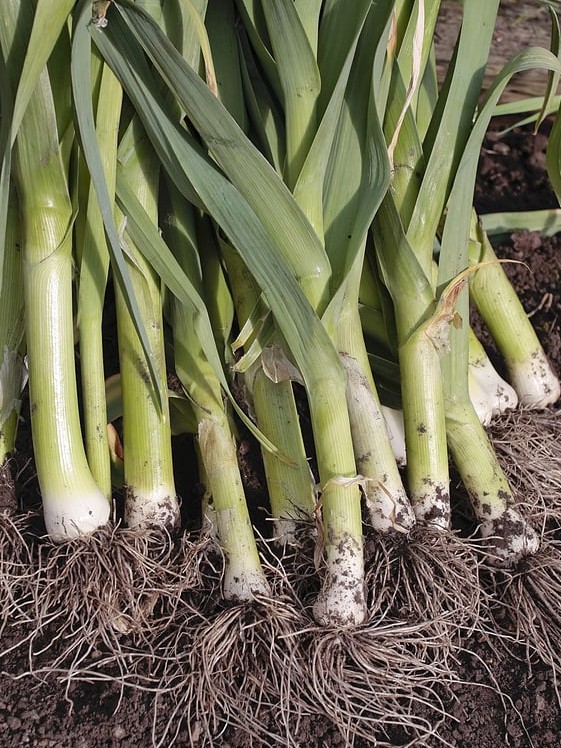
Cultivated Leek is currently accepted as Allium porrum. It is a bulbous geophyte grown as an annual or biennial vegetable for its long white and pale-green pseudostem and broad flat leaves.
Older and agricultural treatments often place Leek within the broader Allium ampeloprasum complex as var. porrum, Porrum Group, or Leek Group. These names remain common in crop-science literature and should be included in a poisoning investigation.
Allium ampeloprasum itself remains an accepted species with wild and cultivated forms distributed originally from Macaronesia and the Mediterranean region toward western and central Asia. Elephant Garlic belongs within this complex and is commonly classified as var. holmense or a Great-Headed Garlic group.
Elephant Garlic develops large cloves and resembles common garlic in the kitchen. Leek develops overlapping leaf bases rather than the familiar divided garlic bulb. Both are Alliums and should remain inaccessible to pets.
Growth Form, Leaves, Flowers, and Household Identification
Leek produces broad, flat, strap-shaped leaves arranged in two opposing ranks. The leaf bases overlap tightly and form the cylindrical white and pale-green structure commonly called the stalk or stem, although botanically it is a pseudostem.
The white portion is produced or lengthened by blanching the lower plant with soil or another covering. The green tops and the white pseudostem both contain sulfur precursors and neither is an appropriate animal treat.
When allowed to mature, Leek produces a tall solid scape topped by a rounded umbel of numerous small white, pink, lavender, or purple flowers. Flowers, bulbils, seeds, flower stalks, roots, and bolted garden plants should remain inaccessible.
The roots and lower plant may carry fertilizer, herbicide, pesticide, compost, treated mulch, wire, or soil contaminants when pulled from a garden. These create potential mixed exposure beyond the Allium itself.
Where Dogs and Cats Encounter Leek
Dogs commonly encounter Leek in grocery bags, garden beds, kitchen scraps, soup pots, casseroles, restaurant leftovers, garbage, compost, prepared meat, gravy, stuffing, pastry, quiche, sauces, and discarded green tops.
Cats may consume smaller but more concentrated exposures from baby food, meat puree, broth, gravy, supplements, owner-prepared diets, or food offered to stimulate appetite. The plant may be hidden completely within a blended or strained product.
Ingredient labels may list Leek, dried Leek, Leek powder, vegetable powder, dehydrated vegetables, vegetable solids, natural flavor, broth base, seasoning, Allium extract, onion solids, garlic solids, or spice blend.
A vague label does not prove that a dangerous dose was present, but the original package allows a veterinarian or poison specialist to contact the manufacturer or calculate the maximum plausible exposure.
Raw, Cooked, Powdered, and Liquid Exposures
Cooking does not reliably prevent Allium-associated oxidative hemolysis. Boiling, frying, baking, roasting, grilling, sautéing, caramelizing, slow cooking, and incorporation into a sauce may change the chemical profile without eliminating red-cell oxidants.
Cooked Leek may be easier to swallow because it becomes soft, sweet, and coated with fat or meat juices. A dog can consume a large serving before the owner recognizes the vegetable.
Dehydration concentrates plant solids. Powdered Leek, soup mix, bouillon, gravy mix, freeze-dried food, seasoning, and supplements may deliver a meaningful quantity in a small volume.
Removing visible pieces does not clear soup, stock, gravy, sauce, pan drippings, cooking water, or blended food. Sulfur compounds, reaction products, and microscopic plant material can remain distributed throughout the liquid.
Compost and spoiled food remain hazardous. Decomposition may change the sulfur mixture but does not provide a dependable detoxification process. Compost also commonly contains mold toxins, coffee grounds, grapes, medications, pesticides, and foreign objects.
Experimental Dog Evidence and the Delayed Nadir
J. W. Harvey and D. Rackear published “Experimental Onion-Induced Hemolytic Anemia in Dogs” in Veterinary Pathology in 1985. Dogs given a single oral exposure to dehydrated onion developed large numbers of Heinz bodies within one day.
Heinz-body percentages reached their maximum at approximately the third day. Eccentrocytes also appeared, demonstrating oxidative membrane injury in addition to precipitated hemoglobin.
The most severely affected dogs developed evidence of intravascular hemolysis. Red-cell values continued declining after the initial appearance of microscopic damage, while the reticulocyte response increased later as bone marrow attempted to replace the lost cells.
X. Tang, Z. Xia, and J. Yu published a cooked-onion dog experiment in 2008. Six clinically normal adult Pekingese dogs received cooked onion over two days. The experimental intake was 30 g/kg per day and is not a feeding recommendation, diagnostic threshold, or Leek dose.
Heinz bodies increased dramatically during the first day and peaked around the third day. Red-cell count, hemoglobin, and hematocrit fell and were most significantly reduced around the fifth day. Bilirubin, urinary urobilinogen, oxidative-stress markers, and regenerative blood findings changed during the subsequent observation period.
The study directly demonstrates that cooking did not prevent red-cell oxidation and that the clinically important anemia continued developing after onion feeding ended. Because it involved onion rather than Leek, its numerical exposure must not be transferred to Allium porrum.
Feline Susceptibility and Published Cat Evidence
Cats are particularly prone to Heinz-body formation because their erythrocytes are highly susceptible to oxidative denaturation. Small endogenous Heinz bodies can occur with several feline diseases, but extensive inclusions accompanied by falling red-cell values after an Allium exposure indicate clinically important oxidant injury.
A prospective study evaluated 42 healthy adult cats fed baby foods containing different amounts of onion powder. The study demonstrated a relationship between dietary onion-powder exposure and Heinz-body formation, showing that ordinary prepared foods can create oxidative injury without recognizable onion pieces.
In 2025, a published feline case described severe hemolytic anemia after onion ingestion with unusually large Heinz bodies and numerous ghost cells representing lysed erythrocytes. The case reinforces that feline Allium poisoning can progress beyond a mild microscopic abnormality to severe, potentially fatal anemia.
A cat may be exposed when an owner uses onion- or Leek-containing baby food, broth, or meat puree to encourage eating during another illness. Concurrent disease, fasting, malnutrition, propylene glycol, acetaminophen, benzocaine, or another oxidant can increase the clinical concern.
Horses and the Wild-Onion Outbreak
K. R. Pierce, J. R. Joyce, R. B. England, and L. P. Jones published “Acute Hemolytic Anemia Caused by Wild Onion Poisoning in Horses” in 1972.
Nine horses were kept on a small, overgrazed pasture heavily populated with wild onions. The report established that naturally grazed Allium plants can cause acute oxidative hemolytic anemia in horses rather than the syndrome being limited to kitchen onion waste.
The report concerns wild onion rather than cultivated Leek. Its value for this page is mechanistic and diagnostic: unexplained equine weakness, pale or jaundiced mucous membranes, rapid breathing, and dark urine should prompt inspection for wild Allium and discarded cultivated vegetables.
A strong onion or garlic odor may be detectable in breath, feces, urine, or feed, but odor can disappear and is not required for diagnosis.
Cattle, Water Buffalo, Sheep, and Goats
Cattle poisoning has followed access to cull onions, processing waste, discarded vegetables, and rations containing excessive onion material. A food crop can become a poison when it dominates intake or is introduced abruptly.
In the 2009 water-buffalo outbreak reported by Vanessa Borelli and colleagues, approximately two tons of discarded onions were deposited in a paddock. The buffalo preferentially consumed the onions rather than the available pasture grass.
Clinical signs began approximately eight days later and included pale mucous membranes, lethargy, vocalization, straining, weakness, difficult breathing, dark urine, and onion odor on the breath. Five adult buffalo died.
Necropsy findings included dark-brown kidneys and urine, poorly coagulating blood, onion fragments within the rumen, and onion odor in tissues. Microscopic examination documented hemoglobinuric renal tubular injury and centrilobular hepatic necrosis compatible with severe hemolysis and hypoxia.
Sheep and goats generally tolerate more onion byproduct than several other domestic species, but controlled feeding and field reports demonstrate that resistance has limits. Diet composition, abrupt exposure, sulfur concentration, nutritional status, adaptation, and the amount consumed all affect risk.
Elephant Garlic or Leek processing waste should not be added to livestock rations merely by copying an onion-byproduct percentage from another farm or study. Professional ration formulation and observation of the complete herd remain necessary.
Diagnosis and Important Differentials
Diagnosis combines a credible Leek or other Allium exposure with gastrointestinal illness, delayed anemia, Heinz bodies, eccentrocytes, reticulocytosis, hyperbilirubinemia, methemoglobinemia, hemoglobinemia, and hemoglobinuria.
Useful testing includes serial complete blood counts, packed-cell volume or hematocrit, hemoglobin, blood-smear examination with an appropriate supravital stain, reticulocyte count, bilirubin, methemoglobin, blood gases, lactate, kidney and liver values, electrolytes, urinalysis, urine pigment evaluation, blood typing, and crossmatching when transfusion is possible.
One early normal hematocrit does not exclude poisoning. Serial measurements are important because microscopic oxidative changes can precede substantial red-cell loss.
Differential diagnoses include immune-mediated hemolytic anemia, blood parasites, transfusion reactions, zinc, acetaminophen, benzocaine, naphthalene, propylene glycol, certain sulfonamides, vitamin K compounds, mechanical hemolysis, copper poisoning, liver disease, inherited erythrocyte abnormalities, and internal bleeding.
In horses, Red Maple can cause severe oxidative hemolysis and methemoglobinemia. In livestock, Brassica plants, copper, nitrates, and other oxidants must be considered. True-lily exposure in cats produces a different emergency centered on acute kidney injury and must not be dismissed because Leek was present in the same food or bouquet.
Prognosis and Prevention
The prognosis is generally good when the exposure is recognized early, hemolysis remains limited, and recommended serial blood testing is completed.
The outlook becomes guarded with profound anemia, severe methemoglobinemia, respiratory distress, cardiovascular collapse, persistent hemoglobinuria, shock, acute kidney injury, seizures, delayed transfusion, or serious pre-existing disease.
Do not feed Leek, Elephant Garlic, onion, garlic, chives, scallions, shallots, ramps, or unidentified wild Allium to dogs or cats. Mild flavor, dilution, cooking, fermentation, or removal of visible pieces does not establish safety.
Store vegetables, powders, seasoning packets, supplements, baby foods, leftovers, garbage, and compost securely. Fence garden beds when necessary and collect roots, leaves, flower stalks, and trimmings promptly.
Livestock should be protected from processing waste, cull vegetables, overgrazed wild-Allium pasture, and professionally unevaluated Allium byproducts.
Immediate Steps After Exposure
- Stop further access: Remove the animal from the Leek, Elephant Garlic, prepared food, soup, broth, seasoning, supplement, garden, compost, garbage, pasture, or contaminated feed.
- Contact a veterinarian promptly: Obtain veterinary or animal poison-control guidance after a known, meaningful, repeated, concentrated, or uncertain exposure because serious anemia may be delayed.
- Preserve all evidence: Save the plant, food, leftovers, recipe, ingredient list, seasoning packet, supplement container, grocery label, photographs, and recognizable material found in vomit.
- Estimate the maximum exposure: Report the largest amount that could be missing, animal’s weight, time of ingestion, product form, and whether similar food was eaten on previous days.
- Report every ingredient: Identify onion, garlic, chives, scallions, shallots, powders, salt, fat, bones, dough, grapes, raisins, xylitol, chocolate, alcohol, medications, and other possible hazards in the same meal.
Do Not Wait for Visible Anemia
Heinz bodies, eccentrocytes, and methemoglobin may develop before weakness, pale gums, jaundice, or dark urine becomes visible. The hematocrit may continue falling for several days.
Do not assume that vomiting removed the risk. Sulfur compounds already absorbed can continue damaging erythrocytes after the stomach is empty.
A veterinarian may recommend an initial examination and blood count followed by repeated testing. Complete every recommended follow-up measurement even when the animal appears brighter at home.
Monitor normal activity closely. Reluctance to walk, repeated lying down, hiding, inability to jump, rapid breathing after minimal movement, unusual cold sensitivity, or food refusal may be early evidence of clinically important anemia.
Do Not Attempt Unsupervised Home Decontamination
Do not induce vomiting automatically. The decision depends on the animal species, time since ingestion, product form, amount, symptoms, medical history, and aspiration risk.
Hydrogen peroxide must never be used as a feline emetic. Do not give it to a dog without direct professional instruction.
Never attempt vomiting in an animal that is already vomiting, weak, lethargic, breathing abnormally, collapsed, seizuring, neurologically impaired, or swallowing poorly. Do not use salt, mustard, oil, syrup, soap, fingers, or manual gagging.
Do not force activated charcoal. Its ability to adsorb the relevant sulfur precursors and prevent toxic metabolite formation is uncertain, and aspiration can be life-threatening.
Barbecue charcoal, fireplace ash, burned food, and homemade carbon are not veterinary activated charcoal. Repeated charcoal is not routine Allium treatment and can worsen dehydration, constipation, electrolyte disturbance, and aspiration risk.
Do Not Give Home Antidotes, Vitamins, or Anemia Products
Do not give iron. Allium poisoning destroys existing erythrocytes and is not ordinarily an iron-deficiency anemia. Excess iron can cause severe gastrointestinal, hepatic, metabolic, and cardiovascular toxicity.
Do not give methylene blue. It is itself an oxidizing compound and can worsen Heinz-body injury, particularly in cats. Any consideration of its use for life-threatening methemoglobinemia requires specialist veterinary judgment.
Do not give vitamin C, vitamin E, N-acetylcysteine, glutathione products, herbal antioxidants, or supplements in owner-selected amounts. These products have not been shown to reverse established Allium hemolysis and cannot replace serial blood testing, oxygen, transfusion, or renal support.
Do not give acetaminophen, aspirin, ibuprofen, naproxen, antidiarrheals, antacids, antibiotics, corticosteroids, or other human medication. Several drugs can cause additional oxidative injury or complicate diagnosis.
Milk, yogurt, cheese, bread, butter, cooking oil, and mineral oil do not neutralize Allium compounds.
Recognize an Anemia or Methemoglobin Emergency
- Watch strength and coordination: Profound lethargy, repeated lying down, inability to stand, staggering, fainting, or collapse requires emergency care.
- Watch breathing: Rapid breathing at rest, panting without heat or exercise, labored breathing, neck extension, weak respiratory movement, or open-mouth breathing in a cat is an emergency.
- Check mucous membranes: Pale, yellow, muddy brown, blue-gray, or rapidly changing gum color requires immediate assessment.
- Watch the pulse: A racing, weak, irregular, or difficult-to-detect pulse can accompany severe anemia, hypoxia, dehydration, or shock.
- Watch urine: Orange, red, port-wine, tea-colored, or dark-brown urine can indicate intravascular hemolysis and renal risk.
- Watch mental status: Confusion, reduced responsiveness, seizures, coma, or collapse may indicate critically inadequate oxygen delivery.
Food, Water, and Safe Transportation
Do not force food into a nauseated, weak, dyspneic, or poorly responsive animal. Forced feeding can cause vomiting and aspiration.
Fresh water may remain available in small amounts only when the animal is fully alert, swallowing normally, and not vomiting repeatedly. Do not force water or electrolyte drinks.
Carry or support a weak animal rather than making it walk. Exercise raises oxygen demand when circulating red-cell mass or hemoglobin function is reduced.
Keep the animal calm, cool, and protected from excitement, struggling, stairs, pools, traffic, and hard obstacles. Avoid compressing the chest during transportation.
Call the emergency hospital while traveling and report suspected Allium-associated oxidative hemolytic anemia so oxygen, serial blood testing, typing, crossmatching, and transfusion preparation can begin promptly.
Veterinary Decontamination and Initial Evaluation
A veterinarian may induce vomiting after a recent substantial ingestion when the animal remains fully alert, asymptomatic, cardiovascularly stable, breathing normally, and able to protect the airway.
Veterinary emetics are species-specific. Cats and dogs require different agents and monitoring.
Gastric lavage may be considered after an unusually large recent concentrated exposure when the expected benefit outweighs anesthesia and aspiration risk. It requires endotracheal airway protection and direct cardiovascular monitoring.
An unstable, profoundly anemic, hypoxic, collapsed, or poorly perfused patient must be stabilized before gastrointestinal procedures are considered.
Veterinary Diagnosis and Serial Blood Testing
A complete blood count establishes the current red-cell number, hemoglobin, hematocrit, indices, white cells, and platelets. One initial measurement is not sufficient when the exposure was recent.
Blood-smear examination may identify Heinz bodies, eccentrocytes, bite cells, ghost cells, polychromasia, reticulocytes, spherocytes, blood parasites, or other changes that refine the diagnosis.
Supravital staining can make Heinz bodies more visible than an ordinary routinely stained smear. The percentage of affected cells should be interpreted with species, timing, anemia severity, and concurrent disease.
Additional testing may include reticulocyte count, methemoglobin, bilirubin, plasma color, blood gases, lactate, electrolytes, glucose, kidney and liver values, coagulation testing, urinalysis, urine pigment assessment, and urine-output measurement.
Blood typing and crossmatching should begin early when red-cell values are falling rapidly or transfusion may become necessary. Cats require particular attention to blood compatibility, even before a first known transfusion.
Veterinary Stabilization and Treatment
Supplemental oxygen increases the amount of oxygen available to the remaining functional hemoglobin and dissolved in plasma. It does not replace lost erythrocytes but can support the patient while definitive treatment is prepared.
Carefully selected intravenous fluids may correct dehydration, maintain circulation, and support renal perfusion during hemoglobinuria. Fluid therapy must be adjusted to anemia severity, heart function, kidney function, urine production, blood pressure, and pulmonary status.
Packed red blood cells or whole blood may be required when anemia is profound, progressing rapidly, or causing respiratory distress, cardiovascular compromise, collapse, severe weakness, or inadequate tissue oxygenation.
The transfusion decision is based on the complete patient rather than one universal hematocrit number. Clinical signs, rate of decline, ongoing hemolysis, heart rate, breathing, lactate, underlying disease, and available compatible blood all matter.
Veterinarian-selected anti-nausea medication may reduce continued fluid loss and aspiration risk. Gastrointestinal protectants, analgesia, nutritional support, and treatment for pancreatitis or another food ingredient may be necessary after stabilization.
Shock may require individualized cardiovascular support. Seizures require correction of hypoxia, glucose, electrolytes, temperature, and circulation in addition to veterinarian-selected anticonvulsants.
Kidney Protection and Treatment of Complications
Persistent hemoglobinuria, dehydration, hypotension, reduced urine output, or rising kidney values requires continued hospitalization and renal monitoring.
Fluid selection and rate must be adjusted carefully. Excessive fluid can be harmful when urine production is poor, cardiac reserve is limited, or pulmonary complications are present.
Urinary catheterization and measured urine output may be needed in critical cases. Electrolytes, acid-base status, body weight, hydration, and blood pressure may require repeated assessment.
Aspiration, pancreatitis, gastrointestinal obstruction, liver injury, severe methemoglobinemia, transfusion reactions, and mixed food toxicities require separate treatment.
Immune-mediated hemolytic anemia should not be assumed merely because anemia and jaundice are present. Conversely, an Allium exposure does not exclude a simultaneous immune-mediated or infectious process.
Horses and Livestock
- Remove the source: Stop access to Leek, Elephant Garlic, onion, wild Allium, vegetable-processing waste, pasture, hay, or contaminated ration.
- Do not force exercise: Anemic animals have limited oxygen-carrying capacity and may collapse when driven, loaded, chased, or worked.
- Examine the complete group: Herd mates may have consumed the same material and can develop delayed signs on different days.
- Preserve representative material: Save vegetables, pasture plants, hay, ration ingredients, water, feed tags, processing-waste records, and photographs.
- Monitor pregnant animals: Severe maternal anemia and hypoxia can threaten pregnancy even when reproductive loss is not specific to Leek.
- Obtain large-animal veterinary care: Serial blood counts, oxygen, fluids, transfusion, renal monitoring, and ration management may be required.
Recovery and Prevention
Continue serial blood counts until red-cell values are stable or rising and evidence of active hemolysis is resolving. Do not cancel testing solely because appetite or energy has improved.
Reticulocytosis indicates that bone marrow is responding, but replacement of destroyed cells takes time. Restrict activity until breathing, heart rate, strength, mucous-membrane color, urine, and laboratory values have recovered.
Return immediately for renewed weakness, rapid breathing, pale or yellow gums, dark urine, vomiting, food refusal, reduced urination, collapse, or seizures.
Read ingredient labels before offering broth, baby food, meat, gravy, soup, supplements, or prepared meals. Exclude every form of Leek, onion, garlic, chive, scallion, shallot, ramp, Elephant Garlic, and Allium powder from food intended for dogs or cats.
Secure gardens, groceries, seasonings, cooking liquids, scraps, compost, and garbage. Prevent livestock access to vegetable waste, dense wild-Allium pasture, and Allium byproducts that have not been evaluated and incorporated into a professionally formulated ration.
Frequently Asked Questions About Leek and Allium Poisoning
Why does the scientific name sometimes appear as Allium porrum and sometimes as Allium ampeloprasum var. porrum?
Cultivated Leek is currently accepted as Allium porrum by major global botanical resources. Agricultural and crop-diversity literature has also treated it as a horticultural form within the broader Allium ampeloprasum complex.
Both names may appear legitimately in scientific, seed, agricultural, and food records. Preserve the exact name printed on the plant, seed packet, or product, but treat either identification as a potentially toxic Allium exposure.
Is Elephant Garlic actually the same plant as Leek?
No. Elephant Garlic is generally classified within Allium ampeloprasum, while the accepted cultivated Leek species is Allium porrum. The plants are close relatives and have been grouped together historically.
Elephant Garlic produces large cloves and has a mixed sulfur profile that can resemble garlic chemically. Its mild flavor does not establish safety, and it should receive the same urgent Allium precautions after animal ingestion.
My dog ate one small piece of raw Leek and still looks normal. Is severe anemia likely?
One tiny piece is less concerning than an entire Leek, concentrated powder, repeated leftovers, or a large dish containing several Alliums. However, no Leek-specific safe amount has been established, and visible normality immediately after ingestion does not exclude developing oxidative injury.
Contact a veterinarian or poison specialist with the dog’s weight, estimated amount, preparation, exposure time, breed, health conditions, and other ingredients. Follow any recommendation for delayed blood testing.
My cat licked Leek soup but did not eat a visible vegetable piece. Does that count as exposure?
Yes. Soup, broth, sauce, and blended food may contain dissolved sulfur products and microscopic plant particles. Cats are also especially susceptible to Heinz-body formation.
Preserve the complete ingredient list and estimate the amount licked. Open-mouth breathing, weakness, pale or brown gums, dark urine, or collapse requires emergency care, but professional guidance should be obtained before those signs develop.
Why can a pet’s first blood count be normal after eating Leek?
Oxidative damage may begin before enough erythrocytes have been destroyed to lower the measured hematocrit substantially. Heinz bodies and eccentrocytes can appear during the first day, while the lowest red-cell value may occur several days later.
An early normal result is a baseline, not a final clearance. Repeat testing allows the veterinarian to identify a falling trend before severe respiratory or cardiovascular signs develop.
The pet vomited the food and now feels better. Can anemia still develop?
Yes. Vomiting may remove some unabsorbed food but cannot remove sulfur compounds that have already entered the bloodstream or red cells.
Do not use temporary gastrointestinal improvement to cancel recommended monitoring. Weakness, pale gums, jaundice, rapid breathing, or dark urine can emerge after vomiting has stopped.
Can repeated small servings be more dangerous than one accidental taste?
Yes. New oxidative damage may occur before bone marrow has replaced cells destroyed by earlier servings. Daily broth, seasoned meat, gravy, supplements, or leftovers can produce cumulative anemia without one obvious large exposure.
Provide the veterinarian with the complete feeding history for the preceding several days rather than reporting only the most recent meal.
Why are Leek powder and seasoning mixes difficult to assess?
Dehydration concentrates plant solids, and powders are distributed throughout the food. A small spoonful can represent considerably more fresh plant than its volume suggests.
Products may also contain onion, garlic, chive, salt, fat, xylitol, or another hazard. Bring the original package, lot information, serving size, and complete ingredient list.
Is meat safe after the visible Leek pieces are removed?
Not necessarily. Sulfur compounds, cooking products, and small particles can remain in meat juices, sauce, gravy, stuffing, or broth. Removing the visible vegetable does not reverse that contamination.
The food may also be fatty, salty, boned, skewered, or seasoned with several Alliums. It should not be offered to the pet.
Why are cats considered particularly susceptible?
Feline erythrocytes and hemoglobin are unusually vulnerable to oxidative denaturation and Heinz-body formation. Cats can also have small Heinz-body numbers from unrelated disease, making clinical interpretation more complex.
Confirmed or uncertain feline Allium ingestion deserves prompt assessment. Hiding, food refusal, inability to jump, rapid breathing, open-mouth breathing, pale or yellow gums, or dark urine should not be attributed merely to stomach upset.
Does an Akita or Shiba Inu require different concern after Leek exposure?
Some Japanese dogs carry erythrocyte traits associated with increased susceptibility to onion-induced oxidative hemolysis. That history may lower the veterinarian’s threshold for examination and serial testing.
The trait is not confined reliably to every member of one breed, and all dogs remain susceptible. Breed should never be used to clear another dog as safe.
How can I tell whether dark urine is blood from the bladder or hemoglobin from destroyed red cells?
Color alone cannot establish the source. Hemoglobinuria, intact red blood cells, myoglobin, bilirubin, medication pigments, and concentrated urine can produce overlapping appearances.
Urinalysis, sediment examination, plasma color, blood count, muscle values, bilirubin, and other testing help distinguish hemolysis from urinary bleeding or muscle injury. Red-brown urine after an Allium exposure requires urgent evaluation.
Can a normal pulse-oximeter reading rule out Allium poisoning?
No. Pulse oximeters can be misleading during methemoglobinemia and do not measure red-cell quantity. A patient can have substantial anemia despite an apparently acceptable saturation reading.
Breathing, mucous-membrane color, hematocrit, hemoglobin, methemoglobin, blood gases, pulse quality, lactate, and clinical condition must be assessed together.
Why should methylene blue not be given at home for brown blood or gums?
Methylene blue is itself capable of oxidative erythrocyte injury and Heinz-body formation. Cats are especially vulnerable, and an incorrect indication or amount can worsen the problem.
Brown mucous membranes after Allium exposure require emergency diagnosis, oxygen support, and specialist treatment decisions rather than owner administration of an oxidizing drug.
Do vitamin C, vitamin E, or N-acetylcysteine prevent the need for a transfusion?
No. Antioxidants have been discussed as possible adjuncts, but they do not remove damaged erythrocytes, replace lost cells, or guarantee that hemolysis will stop.
A veterinarian may consider selected adjunctive therapy for an individual patient, but serial blood counts, oxygen delivery, renal support, and timely compatible transfusion remain more important when anemia is progressing.
How does the veterinarian decide whether a transfusion is needed?
The decision is not based on one universal hematocrit value. The rate of decline, breathing, heart rate, weakness, collapse, lactate, ongoing hemolysis, underlying heart or lung disease, and ability to compensate all matter.
An animal with a moderately low value and severe respiratory distress may need transfusion more urgently than a stable patient with a similar laboratory number. Typing and crossmatching should begin before a crisis when values are falling rapidly.
What if the meal also contained grapes, raisins, xylitol, bones, or fatty meat?
Report every ingredient. Grapes and raisins can create kidney risk, xylitol can cause hypoglycemia and liver injury, bones or packaging can obstruct or perforate the gastrointestinal tract, and fatty food can trigger pancreatitis.
The veterinary plan may need to address several emergencies with different onset periods. Do not focus on Leek to the exclusion of the complete meal.
Is a flowering Leek or Elephant Garlic plant safer than the harvested vegetable?
No. Leaves, overlapping bases, cloves, roots, scapes, flowers, bulbils, seeds, sap, and trimmings should all remain inaccessible.
Bolting changes plant structure and chemistry but does not establish an animal-safe stage. Flowering plants may also attract pets that ignored the harvested vegetable.
Could a cat exposed to Leek also have true-lily poisoning?
Yes, particularly when the exposure involved a mixed bouquet, garden, compost pile, or prepared food near floral material. True Lilies and Daylilies can cause catastrophic acute kidney injury in cats through a different mechanism.
Preserve and identify every plant. The presence of Leek does not explain away pollen, petals, leaves, or vase water from a true Lily.
One cow or horse is sick, but the other animals look normal. Should the source still be removed?
Yes. Animals consume different quantities and may develop delayed anemia on different days. Remove the entire group from the suspected pasture, vegetable waste, or ration and contact the veterinarian.
Preserve representative plants, feed, waste vegetables, and ration information. Serial examination may be necessary for animals that remain outwardly normal.
What should I bring to the veterinary hospital?
Bring the Leek or related plant, food container, recipe, ingredient label, seasoning packet, supplement bottle, restaurant information, photographs, and recognizable plant pieces from vomit when available.
Record the animal’s weight, maximum amount eaten, earliest and latest exposure, repeated servings, vomiting, urine color, activity changes, breathing, gum color, medications, supplements, existing disease, and every other ingredient in the meal.