Ridderstjerne and Holiday Amaryllis Lycorine, Amaryllidaceae Alkaloids, Bulb Poisoning, and True-Lily Confusion
Is Ridderstjerne Poisonous to Dogs, Cats, Horses, and Livestock?
Yes—Ridderstjerne, the cultivated holiday amaryllis group sold as Hippeastrum species and hybrids, is poisonous to dogs, cats, horses, livestock, birds, rabbits, guinea pigs, reptiles, and other animals when eaten. The plant contains lycorine and a variable mixture of related Amaryllidaceae alkaloids. The bulb is the most concentrated and dangerous part because it stores a large mass of alkaloid-containing tissue, but leaves, flower stalks, flowers, roots, bulb scales, offsets, sap, cut stems, vase debris, wax-coated bulbs, and dried plant waste should also be kept away from animals. Typical signs include drooling, nausea, vomiting in animals capable of vomiting, diarrhea, abdominal pain, appetite loss, depression, and weakness.
Large or uncertain bulb ingestions deserve prompt veterinary triage because severe cases may progress beyond stomach upset into dehydration, electrolyte disturbance, low blood pressure, tremors, poor coordination, seizures, abnormal heart rhythms, collapse, aspiration, and potentially death. Ridderstjerne is not a true lily in the genus Lilium and is not expected to cause the characteristic acute kidney-failure syndrome seen in cats after true-lily or daylily exposure. That distinction matters, but it does not make Hippeastrum safe; it means the main treatment priorities are alkaloid-related gastrointestinal, neurologic, cardiovascular, hydration, and foreign-material complications rather than automatic true-lily renal protocols.
About this guide: This page provides general pet-poisoning information and cannot diagnose or treat an individual animal. For any suspected exposure, contact a veterinarian or animal poison-control service immediately. Do not induce vomiting, give medication, or attempt home decontamination unless directed by a veterinary professional.
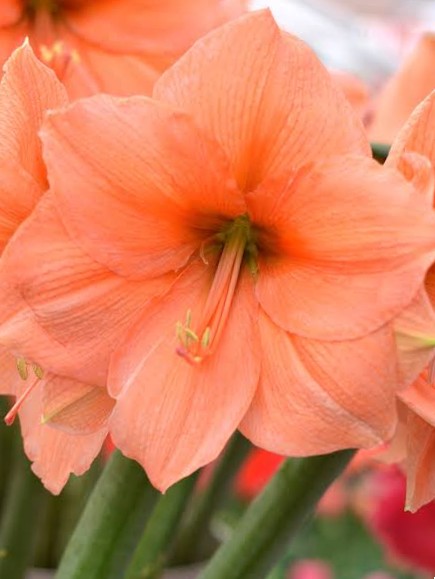
Ridderstjerne
Hippeastrum spp. and cultivated Hippeastrum hybrids
Most commercial plants sold as indoor amaryllis, holiday amaryllis, florist amaryllis, or Ridderstjerne are cultivated Hippeastrum species, selections, and complex hybrids rather than one single botanical species. A genus-level field is therefore more accurate for this page than assigning every plant to Hippeastrum puniceum or another named species.
- Hippeastrum puniceum (Lam.) Voss — accepted South American species associated with common names such as Barbados Lily, Common Amaryllis, and Lily of the Palace; relevant to search and identification, but not the identity of every cultivated holiday bulb
- Hippeastrum × hybridum hort. — horticultural hybrid-group style used for cultivated indoor amaryllis in chemical and horticultural literature
- Amaryllis belladonna L. — true Amaryllis or Naked Lady, a separate South African genus and species; toxicologically related through Amaryllidaceae alkaloids but not the same plant record
- Lilium longiflorum Thunb. — Easter Lily, a true lily and separate feline kidney-toxicity emergency; not a synonym of Hippeastrum
- Gloriosa superba L. — Flame Lily or Glory Lily, an unrelated colchicine-containing plant; not a synonym of Hippeastrum
- Clivia miniata (Lindl.) Bosse, Cyrtanthus spp., and Scadoxus multiflorus (Martyn) Raf. — unrelated or separate Amaryllidaceae plants that may also be called fire lily in some regions
Amaryllidaceae — Amaryllis Family
Ridderstjerne; Knight’s Star; Hippeastrum; Hippeastrum Amaryllis; Amaryllis; Indoor Amaryllis; Florist Amaryllis; Holiday Amaryllis; Christmas Amaryllis; Winter Amaryllis; Dutch Amaryllis; Potted Amaryllis; Waxed Amaryllis; Wax-Coated Amaryllis; Common Amaryllis; Barbados Lily; Barbados Amaryllis; Lily of the Palace.
Taxonomic and horticultural search variations include Hippeastrum spp., cultivated Hippeastrum hybrids, Hippeastrum × hybridum hort., and Hippeastrum puniceum (Lam.) Voss. These names should not be collapsed into one exact species identity because most commercial holiday bulbs are complex cultivated selections or hybrids.
“Amaryllis” is the principal horticultural name for cultivated Hippeastrum, but true Amaryllis is a separate South African genus that includes Amaryllis belladonna. “Easter Lily” should not be used for Hippeastrum; Easter Lily normally means Lilium longiflorum, a true lily capable of causing acute kidney failure in cats. “Fire Lily” is highly ambiguous and may refer to Hippeastrum, Clivia, Cyrtanthus, Scadoxus, Gloriosa, or other unrelated plants. Because several of those plants have different and potentially more severe toxic syndromes, a plant identified only as “fire lily” should be photographed and identified botanically before its risk is judged.
Amaryllidaceae Alkaloids and the Variable Hippeastrum Mixture
Ridderstjerne contains Amaryllidaceae alkaloids, a chemically diverse group of nitrogen-containing plant-defense compounds characteristic of the amaryllis family. Lycorine is the best-established clinically important constituent and provides the strongest explanation for the plant’s vomiting and nausea syndrome. The genus can also produce haemanthamine-, homolycorine-, tazettine-, galanthamine-, montanine-, crinine-, vittatine-, hippeastrine-, and related alkaloid types. The exact profile differs among species, cultivated hybrids, plant parts, seasons, bulb maturity, and growing conditions.
This variability is important because the page covers a horticultural category rather than one chemically tested clone. Most Ridderstjerne or holiday amaryllis bulbs sold for indoor flowering are cultivated Hippeastrum selections or hybrids. A long chemical list should not be presented as if every commercial bulb contains every reported Hippeastrum alkaloid at a toxic dose. The medically honest statement is that cultivated Hippeastrum plants contain a variable Amaryllidaceae-alkaloid mixture, with lycorine providing the best-supported explanation for the common gastrointestinal syndrome and other alkaloids plausibly contributing to severe neurologic or cardiovascular findings after larger ingestions.
Lycorine and the Vomiting Syndrome
Lycorine has a pronounced emetic effect, meaning it can stimulate nausea and vomiting after exposure. Controlled experimental work in beagle dogs supports lycorine as a major contributor to the nausea and emesis associated with Amaryllidaceae plant ingestion. Follow-up research found that neurokinin NK1 pathways are especially important in lycorine-induced emesis, with serotonin 5-HT3 pathways contributing to nausea. This provides a useful mechanistic basis for veterinarian-selected antiemetic treatment, hydration support, and electrolyte monitoring.
Those studies involved purified lycorine administered under experimental conditions. They should not be converted into a public toxic-dose calculator for whole bulbs, leaves, flowers, or commercial hybrids. A dog chewing a bulb receives an unmeasured mixture of alkaloids, plant fibers, sap, potting medium, wax coating, and sometimes fertilizer or decorative material. The clinical response therefore depends on the plant part, amount chewed, degree of swallowing, animal size, species, hydration, stomach contents, individual sensitivity, and how quickly veterinary treatment is started.
Other Alkaloids, Cholinesterase Activity, and Systemic Signs
Other Hippeastrum alkaloids may matter most after a substantial bulb ingestion. Galanthamine-type compounds inhibit acetylcholinesterase, while haemanthamine-, crinine-, montanine-, tazettine-, vittatine-, and related alkaloids have additional biological activities in experimental systems. Modern chemical studies of Hippeastrum species and hybrids demonstrate that the genus can be chemically rich and pharmacologically interesting. That does not mean a pet poisoning page should assign every clinical sign to one purified compound or claim that every cultivar contains identical amounts.
Weakness, tremors, poor coordination, low blood pressure, abnormal heart rhythm, seizures, profound depression, collapse, or respiratory depression after a bulb exposure may reflect a combination of alkaloid effects, dehydration, electrolyte derangement, pain, shock, aspiration, hypoglycemia, or another exposure. The presence of galanthamine-like or haemanthamine-like chemistry in the genus supports professional monitoring of neurologic and cardiovascular function after large ingestions, but it does not justify owner-administered heart drugs, anticonvulsants, atropine, supplements, or other improvised treatment.
The Bulb Is the Highest Practical Risk
The bulb is the most important toxic part because it stores a concentrated reserve of alkaloid-containing tissue and provides a large edible mass in one object. Dogs are particularly likely to dig outdoor bulbs, find loose bulbs awaiting planting, raid storage bags, chew bulb offsets, or attack a potted bulb exposed above the soil. A holiday display may place the most toxic part directly at nose level, especially when the bulb is mounted in wax or planted shallowly for decorative effect.
Bulb scales, offsets, basal plates, roots, and cut or divided pieces deserve the same caution as the intact bulb. Planting, digging, slicing, repotting, dividing, or discarding bulbs can leave small scales on the floor, in potting soil, in garage storage, or in garden debris where pets can swallow them quickly. One bite into a bulb may remove far more toxic material than several exploratory bites of a flower, so “only one bite” is not automatically reassuring when the bite was from bulb tissue.
Leaves, Flowers, Stalks, Sap, Cut Stems, and Dried Debris
Leaves, flower stalks, flowers, roots, bulb scales, offsets, sap, cut stems, vase debris, and dried plant material should all be considered unsafe. These tissues may contain less alkaloid than the bulb, but a small animal can still develop drooling, vomiting, diarrhea, abdominal pain, or appetite loss after chewing them. Cats are more likely than dogs to chew leaves and flowers, while dogs are more likely to reach bulbs and pot contents.
Drying should not be assumed to make the material safe. Dead leaves, post-bloom stalks, discarded flowers, dried bulb scales, and old holiday display debris can still be chewed. Dried material may also become fibrous and contribute to gagging, vomiting, or foreign-material concerns. Cut-flower arrangements can drop tepals, anthers, pollen, and stem pieces onto tables or floors, and vase water may contain plant sap, decay products, flower preservatives, bacteria, or other bouquet materials.
Waxed Bulbs, Decorative Displays, and Mixed Exposures
Commercial Ridderstjerne bulbs may be sold bare, potted, forced in glass, wrapped in moss, mounted in wax, coated in glitter, or supported by wire, sticks, stones, ceramic, plastic, metal, or decorative containers. A wax-coated bulb is still poisonous if an animal chews through the coating. The wax, dye, glitter, glue, wire, metal stake, decorative moss, stones, broken glass, or container fragments may create additional gastrointestinal or foreign-body hazards.
Potting medium may contain fertilizer, fungicide, insecticide, perlite, bark, peat, compost, mold, water-retaining crystals, decorative moss, or broken ceramic. Severe or atypical signs should not be attributed automatically to lycorine alone when the animal destroyed an entire holiday display. The complete exposure includes every missing bulb piece, leaf, flower, wax fragment, stone, fertilizer packet, floral preservative, potting material, and nearby plant.
No Validated Toxic Dose
No dependable toxic dose has been established for dogs, cats, horses, livestock, rabbits, guinea pigs, birds, reptiles, or other pets. The amount of alkaloid in one bulb can differ from another, and commercial Hippeastrum plants are often complex hybrids whose chemistry has not been studied individually. Risk should therefore be judged from the plant part eaten, amount missing, animal size, species, time since exposure, current signs, and whether the case involves bulb tissue, wax, fertilizer, potting medium, another bulb, or another toxic plant.
A small leaf or flower nibble is less concerning than ingestion of a whole bulb or several scales, but no universal safe bite count exists. A tiny animal may receive a proportionally larger dose from a small amount, and a dog chewing a stored bulb can consume a high dose quickly. The practical classification is moderate but real: most limited exposures recover with supportive care, but bulb ingestion and systemic signs deserve prompt veterinary assessment.
Not a True-Lily Kidney Poisoning Syndrome
Ridderstjerne should not be confused toxicologically with true lilies. Hippeastrum does not contain the unidentified feline nephrotoxin associated with Lilium and Hemerocallis, and uncomplicated Ridderstjerne ingestion is not expected to cause the characteristic acute kidney failure seen after true-lily exposure in cats. Kidney values can still become abnormal secondarily if severe vomiting, dehydration, hypotension, shock, or another toxin is present, but that is different from primary true-lily renal tubular injury.
This distinction is especially important when a plant is called Easter lily, fire lily, amaryllis lily, or simply lily. A cat exposed to a true Lilium or Hemerocallis flower, pollen, leaf, stem, or vase water requires a different emergency renal-protection protocol, often before symptoms are obvious. A plant identified only by a lily-like flower should be photographed and identified rather than managed from the common name alone.
Onset and Early Progression
Clinical signs usually begin within a few hours after ingestion, although irritation may appear sooner and recognition may be delayed when the exposure was not witnessed. The timing depends on the plant part, amount eaten, degree of chewing, stomach contents, animal size, species, hydration, alkaloid profile, and whether bulb tissue or only leaves and flowers were involved. An animal may appear normal briefly after a meaningful bulb exposure, so lack of immediate vomiting does not prove the exposure was harmless.
Early illness usually combines gastrointestinal signs with a change in behavior. Dogs and cats may drool, lick their lips, gag, retch, vomit, develop diarrhea, refuse food, appear painful through the abdomen, become quiet, hide, pace, or seem weak and depressed. Plant fragments may appear in vomit, but that does not prove the entire exposure has been eliminated. A dog may vomit part of a bulb while retaining additional scales, wax, potting material, or decorative objects.
The clinical course after a small leaf or flower nibble may stop with brief nausea or one episode of vomiting. The course after a bulb ingestion can progress into repeated vomiting, diarrhea, dehydration, electrolyte disturbance, low blood pressure, tremors, poor coordination, abnormal heart rhythm, collapse, seizures, aspiration, or shock. The first hours are therefore used to identify the plant, estimate the missing amount, and decide whether professional decontamination and monitoring are needed before the animal deteriorates.
Gastrointestinal Signs: Vomiting, Diarrhea, and Abdominal Pain
Vomiting is the most characteristic sign in dogs and cats capable of vomiting. It may begin within a few hours and can be repeated, forceful, or prolonged after a substantial bulb ingestion. Drooling, lip licking, retching, abdominal discomfort, diarrhea, appetite loss, and depression commonly accompany nausea. Bulb scales, leaf pieces, flower tissue, potting medium, or wax fragments may be visible in vomit.
The intensity of gastrointestinal illness depends on the plant part, amount eaten, alkaloid concentration, and individual animal. Chewing one flower or leaf may cause no visible signs or a short episode of vomiting. Eating bulb scales, a large portion of the bulb, offsets, or a wax-coated bulb can produce prolonged vomiting, diarrhea, abdominal pain, marked appetite loss, and dehydration. Blood may occasionally appear in vomit after severe irritation or repeated retching, but bloody vomiting also warrants investigation for a foreign body, ulceration, medication exposure, another toxin, or swallowed decorative material.
Dehydration, Electrolyte Loss, and Shock
Repeated vomiting and diarrhea can cause dehydration and electrolyte abnormalities, particularly in puppies, kittens, toy-breed dogs, birds, rabbits, small mammals, elderly animals, and patients with preexisting kidney, heart, endocrine, or gastrointestinal disease. Warning signs include dry or tacky gums, sunken eyes, worsening lethargy, rapid heart rate, weakness, inability to retain water, reduced urination, pale gums, cold extremities, and collapse.
Severe fluid and electrolyte losses can contribute to low blood pressure, poor perfusion, weakness, abnormal heart rhythm, kidney-value changes, and shock. These secondary problems can become more dangerous than the original amount of plant material. An animal that is weak, trembling, repeatedly vomiting, or poorly coordinated should not be forced to drink or given home charcoal because aspiration risk rises when swallowing and alertness are impaired.
Neurologic and Cardiovascular Signs After Larger Exposures
Large ingestions may produce low blood pressure, lethargy, muscle weakness, tremors, poor coordination, and abnormal heart rhythms. Convulsions, paralysis-like weakness, profound depression, respiratory depression, and collapse are possible severe effects, but they are uncommon compared with vomiting and diarrhea. Severe neurologic or cardiovascular signs should never be dismissed because the plant is often described as only “moderately toxic.”
These signs may reflect alkaloid effects, dehydration, electrolyte abnormalities, hypoglycemia, shock, aspiration, pain, or another exposure. A pet that destroyed a potted holiday bulb may also have swallowed wax, potting soil, fertilizer, moss, decorative stones, glass, or another plant. Tremors, seizures, collapse, abnormal heart rate, pale gums, or severe weakness should therefore trigger broad evaluation, not a narrow assumption that lycorine alone explains everything.
Dogs
Dogs account for many practical bulb exposures because they dig, carry, and chew objects. A dog may consume an entire stored bulb, several offsets, or a wax-coated display before the strong vomiting response limits further ingestion. Expected signs include drooling, vomiting, diarrhea, abdominal pain, poor appetite, depression, and weakness. Larger bulb exposures increase concern for hypotension, tremors, seizures, arrhythmias, aspiration, and collapse.
Pieces of fibrous bulb, wax coating, decorative moss, plastic, wire, stones, or pot fragments may also create mechanical gastrointestinal problems. Continued vomiting, repeated unproductive retching, abdominal distention, abdominal pain, failure to pass stool, or persistent signs after the initial toxic episode improves may justify imaging for retained material. A dog that dug bulbs from a garden bed should also be evaluated for other bulbs in the same area, including daffodil, tulip, hyacinth, onion, autumn crocus, or gloriosa.
Cats
Cats are more likely to chew leaves, flowers, dropped petals, pollen-covered surfaces, or exposed bulb scales than to consume an entire bulb, but bulb access still matters. Drooling, vomiting, diarrhea, abdominal pain, appetite loss, and lethargy are the primary concerns. Prolonged food refusal deserves prompt attention because Hippeastrum is not a direct feline liver toxin, but sustained anorexia can contribute to dehydration and secondary hepatic lipidosis, especially in overweight cats.
Owners should verify that the plant is truly Hippeastrum. A true Lilium or Hemerocallis flower in the same bouquet, room, or trash container requires a much more urgent feline kidney-protection protocol even when the cat has no symptoms. Vomiting after chewing a Ridderstjerne leaf is not the same risk category as licking pollen from an Easter lily or drinking true-lily vase water.
Horses, Livestock, and Camelids
Horses cannot vomit. An exposed horse may instead develop salivation, feed refusal, colic, diarrhea, depression, trembling, weakness, abnormal heart rate, or collapse. Nasal discharge containing feed or fluid suggests choke, reflux, or impaired swallowing rather than ordinary vomiting and requires immediate veterinary assessment. Bulb pieces, fibrous plant material, wax coating, potting medium, or mixed garden waste may complicate the case.
Ruminants, pigs, camelids, and other livestock may develop salivation, reduced appetite, abdominal discomfort, diarrhea, weakness, reduced rumination, altered cardiovascular function, or collapse after eating discarded bulbs, greenhouse waste, or garden debris. Herd-level poisoning is uncommon because Hippeastrum is primarily ornamental, but several bulbs discarded into a pen can create a concentrated exposure. Mixed garden waste should be assumed to contain additional hazards until every plant and product is identified.
Birds, Rabbits, Guinea Pigs, Reptiles, and Other Small Animals
Species-specific evidence for birds, rabbits, guinea pigs, reptiles, and other small pets is limited, so a safe dose cannot be assigned. Their small body size means that a few bulb scales, a chewed flower stalk, or a section of leaf may represent a proportionally important exposure. Birds may shred leaves, flower stalks, or exposed bulb tissue and may show regurgitation, beak wiping, reduced appetite, fluffed posture, weakness, tremors, altered coordination, or breathing changes.
Rabbits and guinea pigs cannot vomit. They may instead develop salivation, abdominal pain, diarrhea, reduced appetite, decreased fecal production, weakness, tooth grinding, or gastrointestinal stasis. A rabbit or guinea pig that stops eating or producing normal feces after exposure needs prompt veterinary care, even if the same amount might cause only vomiting in a dog. Herbivorous reptiles and tortoises should not be offered Ridderstjerne leaves, flowers, bulbs, or post-bloom debris as browse or enclosure greenery.
Atypical Signs, True-Lily Confusion, and Prognosis
Most animals recover fully after a limited exposure and prompt supportive care. Kidney failure, permanent liver injury, or the acute feline renal syndrome associated with true lilies is not expected from uncomplicated Ridderstjerne ingestion. Reduced urination, persistent kidney-value abnormalities, jaundice, profound anemia, neurologic deterioration, or worsening illness should prompt evaluation for severe dehydration, shock, another bulb, true lily exposure, autumn crocus, gloriosa, onion or garlic, fertilizer, pesticide, contaminated potting material, foreign body, or unrelated disease.
The prognosis is good to excellent for most limited leaf or flower exposures and for many bulb exposures treated before severe dehydration or systemic signs develop. It becomes more guarded when vomiting is prolonged or accompanied by hypotension, arrhythmias, tremors, seizures, aspiration, or collapse. Recovery may take more than one initial visit when dehydration, electrolyte abnormalities, foreign material, or neurologic and cardiovascular signs are present.
Ridderstjerne Is the Scandinavian Name for Cultivated Hippeastrum
Ridderstjerne, literally associated with the idea of a knight’s star, is used in parts of Scandinavia for the large-flowered bulb commonly sold elsewhere as amaryllis. Most plants carrying this name are cultivated Hippeastrum species, selections, or complex hybrids. The genus is native to Central and tropical South America, and breeding has produced thousands of cultivars with red, orange, pink, salmon, white, green, striped, picotee, double, miniature, giant, and narrow-petaled flowers.
This diversity makes a genus-level poisoning page more accurate than assigning every Ridderstjerne plant to Hippeastrum puniceum. Flower color, bulb size, label language, and holiday packaging rarely identify the plant to species. For veterinary purposes, the important practical facts are that the plant is a cultivated Hippeastrum in Amaryllidaceae, the bulb is the most concentrated part, and all parts should be kept away from animals.
Hippeastrum Is Not True Amaryllis
The name amaryllis creates persistent botanical confusion. The large bulbs sold for indoor Christmas, winter, and holiday bloom are normally Hippeastrum. True Amaryllis, including Amaryllis belladonna, is a separate South African genus commonly called Naked Lady, Belladonna Lily, or Jersey Lily. Both genera belong to Amaryllidaceae and contain lycorine and related alkaloids, so immediate veterinary management can be similar after ingestion, but the records should remain separate because identity, native range, growth cycle, flower structure, and search intent differ.
Hippeastrum typically produces a large layered bulb, broad strap-shaped leaves, and one or more thick, hollow, leafless flower stalks carrying large trumpet- or funnel-shaped blooms. True Amaryllis belladonna has a different seasonal pattern and South African identity. A damaged bulb or a photograph of the whole plant is often more useful than the retail word “amaryllis.”
Do Not Confuse Ridderstjerne With a True Lily
Hippeastrum flowers are often called lilies because they are large and trumpet-shaped, but the plant does not belong to the true-lily genus Lilium. This distinction is especially important in cat households. True lilies such as Easter, tiger, Asiatic, Oriental, and stargazer lilies, and daylilies in Hemerocallis, can cause acute kidney failure in cats after very small exposures. Ridderstjerne causes an alkaloid-related gastrointestinal syndrome instead, with possible neurologic and cardiovascular effects after larger ingestions.
“Easter Lily” should never be used as a routine synonym for Hippeastrum or Hippeastrum puniceum. Easter Lily normally means Lilium longiflorum. Confusing the two can lead an owner to underestimate a true-lily emergency or to apply the wrong monitoring priorities to a Hippeastrum exposure. When any cat is involved and the plant identity is uncertain, preserve the plant, label, and bouquet materials and treat true-lily exposure as a serious possibility until ruled out.
Fire Lily Is an Ambiguous Name
Fire Lily is used for several unrelated plants. It may refer to a red or orange Hippeastrum, but it is also applied to Clivia miniata, Cyrtanthus species, Scadoxus multiflorus, and Gloriosa superba. These plants are not interchangeable. Some are Amaryllidaceae alkaloid plants with overlapping gastrointestinal signs, while Gloriosa contains colchicine-related alkaloids capable of causing severe gastrointestinal injury, bone-marrow suppression, neurologic abnormalities, and multiorgan failure.
A plant identified only as Fire Lily should therefore be photographed and identified botanically before its risk is judged. Useful photographs include the bulb or root system, leaves, flower stalk, flower close-up, whole plant, pot label, and any packaging. A common name alone is not enough when the possible syndromes range from vomiting to severe colchicine-type poisoning.
How to Recognize Cultivated Hippeastrum
Ridderstjerne grows from a large, layered bulb that often protrudes partly above the potting soil. The bulb has a basal plate underneath, fleshy scales within, and a papery brown or tan outer covering. Roots emerge from the base rather than from all sides. The leaves are broad, smooth, strap-shaped, and usually deep green. They arise directly from the bulb rather than along a leafy stem. Depending on the cultivar and growing cycle, leaves may appear before, with, or after flowering.
One or more thick, hollow, leafless flower stalks rise from the bulb. Each stalk commonly carries two to six large trumpet- or funnel-shaped flowers. The flower consists of six petal-like tepals surrounding prominent stamens and a central style. Commercial bulbs may be sold bare, planted in ordinary potting mix, forced in glass, mounted in wax, wrapped in moss, displayed in holiday containers, or included in gift kits. Every display style remains unsafe for chewing animals when the bulb, leaves, flowers, wax, potting mix, or accessories are accessible.
Hippeastrum puniceum, Barbados Lily, and Common Amaryllis
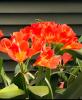
Hippeastrum puniceum is an accepted South American species. It typically produces orange-red or scarlet flowers with paler areas near the throat and has been widely cultivated and naturalized in warm regions. The names Barbados Lily, Lily of the Palace, Common Amaryllis, and Fire Lily are often associated with this species in plant and poison databases.
Those common names are also used loosely for cultivated hybrids and other Amaryllidaceae plants. The Ridderstjerne page should therefore acknowledge H. puniceum without reducing the entire horticultural category to that species. Most holiday bulbs have complex breeding histories and cannot be identified accurately from flower color alone.
Why the Bulb Creates the Greatest Risk
The bulb stores nutrients and defensive alkaloids needed for dormancy and regrowth. It also provides a much larger mass of plant tissue than one leaf or flower, allowing a dog to receive a substantial exposure in a short period. Bulbs become accessible during planting, repotting, storage, division, forcing, holiday display, and seasonal cleanup. Dogs may dig them from garden beds, chew a loose bulb as though it were a toy or vegetable, or gnaw a potted bulb exposed above the soil.
Small offsets and discarded bulb scales can be swallowed before an owner notices that the main bulb was disturbed. Potted plants can expose the upper bulb above the soil, and decorative containers placed on floors or low tables may put the most toxic part directly at a dog’s nose level. Wax-coated bulbs are still bulbs; the wax does not neutralize the alkaloids and may add a foreign-material concern.
Leaves, Flowers, Cut Stems, Vase Debris, and Dried Waste
Although the bulb is most hazardous, aboveground portions are not safe. Cats may chew the long leaves, while dogs may investigate fallen flowers, broken stalks, or dropped tepals. Cut-flower arrangements can shed tepals, anthers, pollen, and stem pieces onto tables or floors. Chewing a leaf or flower usually delivers less alkaloid than eating bulb tissue, but vomiting, drooling, diarrhea, and appetite loss can still occur.
Repeated grazing of leaves can create a larger cumulative ingestion than one exploratory bite. Dried leaves, post-bloom stalks, discarded flowers, old bulb scales, and holiday waste should not be treated as harmless because drying does not prove that alkaloids are destroyed. Vase water and forcing containers may also contain plant sap, floral preservative, fertilizer, bacterial growth, decaying tissue, or material from other flowers.
Dogs and Cats
Dogs account for many practical bulb exposures because they dig, carry, and chew objects. A dog may consume an entire stored bulb or several offsets before vomiting limits further ingestion. Expected signs include drooling, vomiting, diarrhea, abdominal pain, poor appetite, depression, and weakness. Larger bulb exposures increase concern for hypotension, tremors, seizures, arrhythmias, aspiration, and collapse. Pieces of fibrous bulb, wax coating, decorative moss, stones, or pot fragments may also create mechanical gastrointestinal problems.
Cats are more likely to chew leaves and flowers than to consume a whole bulb, but exposed bulb scales and offsets can still be investigated. Drooling, vomiting, diarrhea, abdominal pain, appetite loss, and lethargy are the primary concerns. Prolonged food refusal deserves prompt attention because Hippeastrum is not a direct feline liver toxin, but sustained anorexia can contribute to dehydration and secondary hepatic lipidosis, particularly in overweight cats. Owners should also verify that the plant is truly Hippeastrum; true Lilium or Hemerocallis material in the same setting changes the emergency response.
Horses, Livestock, Birds, Rabbits, Guinea Pigs, and Reptiles
Hippeastrum is not a common pasture plant, so large-animal exposure generally occurs when bulbs, potted plants, greenhouse waste, or landscaping debris are discarded into an enclosure. Hungry goats and pigs may investigate bulbs readily, while horses or cattle may consume leaves mixed with other plant waste. Horses cannot vomit, making feed refusal, salivation, colic, diarrhea, depression, tremors, weakness, and cardiovascular abnormalities more relevant signs. Ruminants may show gastrointestinal distress, diarrhea, reduced rumination, weakness, or collapse after a substantial ingestion.
Species-specific evidence for birds, rabbits, guinea pigs, reptiles, and other small pets is limited, so a safe dose cannot be assigned. A few bulb scales may represent a proportionally important exposure in a small animal. Rabbits and guinea pigs cannot vomit and may instead develop salivation, abdominal pain, diarrhea, reduced appetite, decreased fecal production, weakness, or gastrointestinal stasis. Birds may shred leaves, flower stalks, or exposed bulb tissue. Regurgitation, repeated beak wiping, reduced appetite, fluffed posture, weakness, tremors, altered coordination, or breathing changes warrants avian veterinary consultation. Reptiles and tortoises should not be offered Ridderstjerne as enclosure greenery or browse.
Alkaloid Profiles Differ Between Species and Hybrids
Phytochemical research has identified dozens of structurally defined alkaloids across the genus. Lycorine is widespread, while galanthamine, tazettine, haemanthamine, hippeastrine, vittatine, montanine, and other compounds occur in various combinations. This diversity means a long chemical list should not be presented as though every Ridderstjerne bulb contains the same mixture or concentration.
One species may be rich in lycorine-type alkaloids, while another contains proportionally more galanthamine-, homolycorine-, haemanthamine-, or tazettine-type compounds. Commercial hybrids generally have not undergone veterinary dose-response testing. Treatment must therefore respond to the animal’s actual signs and the amount and part ingested rather than relying on a cultivar’s flower color, size, retail name, or country of origin.
Medicinal Research Does Not Make the Plant Safe
Several Hippeastrum alkaloids have been investigated for acetylcholinesterase inhibition, antiparasitic effects, anticancer activity, anti-inflammatory effects, and other pharmaceutical properties. Galanthamine itself has legitimate medical applications when purified, standardized, prescribed, and administered at controlled doses. Unmeasured plant material is entirely different.
A medicinally interesting compound can still be poisonous in an unmeasured bulb, leaf, extract, tea, poultice, or homemade remedy. Bulb extracts, traditional remedies, or experimental preparations should not be given to animals because the alkaloid concentration, absorbed dose, route of exposure, and interaction between compounds are unknown. Pharmacologic research belongs in the evidence discussion, not in home treatment.
Diagnosis and Differential Diagnoses
Diagnosis usually depends on witnessed ingestion, damage to the bulb or plant, compatible gastrointestinal signs, and botanical identification. Bring the remaining bulb, plant label, photographs, packaging, wax covering, fertilizer information, and any vomited fragments to the veterinary clinic. There is no routine clinical test that confirms Hippeastrum alkaloids in a live animal. Bloodwork may be used to evaluate hydration, electrolytes, glucose, kidney and liver values, acid-base status, and the consequences of prolonged vomiting rather than to detect lycorine directly.
Electrocardiography and blood-pressure measurement may be appropriate after a substantial bulb ingestion or when weakness, collapse, slow or rapid heart rate, or an irregular rhythm develops. Imaging may be needed if bulb pieces, wax coating, decorative stones, pot fragments, moss, or potting material could remain in the digestive tract.
Important differentials include other Amaryllidaceae bulbs such as daffodils, narcissus, snowdrops, clivia, and true amaryllis; tulip and hyacinth bulbs; autumn crocus; gloriosa; onions and garlic; true lilies in cats; fertilizer; fungicide; pesticide; wax coatings; decorative moss; mold; potting soil; and foreign material. Severe or atypical signs should not be attributed automatically to lycorine without considering these additional exposures.
Veterinary Treatment, Prognosis, and Prevention
There is no specific antidote. Treatment focuses on limiting further absorption when appropriate, controlling vomiting, replacing fluid and electrolyte losses, relieving abdominal discomfort, and monitoring neurologic and cardiovascular function after a large ingestion. A veterinarian may induce vomiting after a recent substantial ingestion in an alert dog or cat able to protect its airway. This decision is individualized because lycorine frequently causes spontaneous vomiting and additional emesis may worsen irritation or aspiration risk.
Activated charcoal may be considered after a significant recent ingestion when the animal can swallow safely. It is not a universal home treatment and is avoided or administered cautiously in animals that are already vomiting, depressed, tremoring, seizing, or poorly coordinated. Most animals with uncomplicated gastrointestinal signs recover fully with antiemetic medication, rest, and fluid support when needed. Prognosis becomes more guarded when prolonged vomiting causes shock or when tremors, seizures, hypotension, arrhythmias, aspiration, or collapse develop.
Store unplanted bulbs, offsets, and bulb fertilizer in closed cabinets or pet-proof containers. During planting or repotting, account for every bulb scale and remove spilled soil and debris immediately. Place potted Ridderstjerne in a room inaccessible to animals rather than relying solely on a high shelf. Heavy flower stalks can topple pots, and dropped leaves or flowers may remain available after the plant itself is moved. Do not discard bulbs or potted plants in livestock pens, rabbit runs, aviaries, tortoise enclosures, accessible compost piles, open trash, poultry yards, or pet water areas. Wax-coated holiday bulbs and dead plants remain unsuitable for chewing even after flowering has ended.
Immediate Steps After Exposure
Remove access immediately to the entire plant and display. The bulb is the highest-risk part, but leaves, flowers, stalks, bulb scales, roots, offsets, wax coating, potting material, fertilizer, decorative moss, stones, and packaging can all matter. Prevent other animals from reaching the same plant, vomit, spilled soil, or discarded material.
- Secure the source: Move the animal away from the bulb, leaves, flowers, pot, wax coating, plant food, loose scales, offsets, vase debris, soil, and decorations.
- Clear visible material carefully: Remove loose plant pieces from the front of the mouth if the animal is alert, breathing normally, swallowing normally, and cooperative.
- Do not reach deeply into the throat: A frightened, painful, or nauseated animal may bite, aspirate, or gag; lodged material should be handled by a veterinarian.
- Contact a veterinarian or animal poison-control service: Bulb ingestion deserves prompt consultation even before signs develop because the bulb contains the greatest practical alkaloid concentration.
- Save the plant and packaging: Bring the bulb, label, nursery tag, photographs, wax covering, fertilizer information, pot contents, and any vomited fragments for identification.
- Record clinical details: Note vomiting, diarrhea, abdominal discomfort, alertness, coordination, tremors, breathing, gum color, and any slow, fast, or irregular heartbeat.
- Offer only normal access to fresh water: An alert animal swallowing normally may drink voluntarily. Do not force fluids into an animal that is vomiting, weak, trembling, sedated, or unable to swallow normally.
Do Not Attempt Unsupervised Home Treatment
Do not try to manage a bulb exposure with household vomiting, charcoal, milk, oil, food, or leftover medication. Lycorine commonly causes spontaneous vomiting, and forced home treatment can worsen irritation, dehydration, aspiration, or neurologic risk. The safest first-aid action is removal of access, preservation of evidence, and prompt professional triage.
- Do not induce vomiting at home: Hydrogen peroxide can cause prolonged vomiting, gastric injury, esophageal inflammation, dehydration, and aspiration, and it should not be given to cats.
- Do not administer activated charcoal yourself: Charcoal can be aspirated by an animal that is vomiting, depressed, trembling, seizing, weak, or poorly coordinated.
- Do not force milk, oil, food, or water: These substances do not neutralize lycorine or related alkaloids and may worsen vomiting or enter the lungs.
- Do not give human medication: Antidiarrheals, pain relievers, antacids, heart drugs, anticonvulsants, sedatives, supplements, and leftover anti-nausea medication may be inappropriate or toxic.
- Do not assume spontaneous vomiting ended the risk: Plant material, alkaloids, wax, bulb fragments, soil, or decorative material may remain in the gastrointestinal tract.
- Do not treat horses or small herbivores as vomiting species: Horses, rabbits, guinea pigs, ruminants, camelids, rodents, and birds require species-appropriate care.
When Emergency Examination Is Especially Important
- Bulb ingestion: A whole bulb, several bulb scales, offsets, wax-coated bulb damage, or an uncertain amount warrants prompt professional assessment.
- Repeated or bloody vomiting: Multiple episodes, coffee-ground material, fresh blood, inability to retain water, or continued retching can lead to dehydration, shock, or aspiration.
- Neurologic abnormalities: Tremors, poor coordination, severe weakness, seizures, paralysis-like signs, collapse, or profound depression require urgent care.
- Cardiovascular signs: Pale gums, weak pulses, cold extremities, collapse, an unusually slow, rapid, or irregular heartbeat, or signs of low blood pressure are concerning after bulb ingestion.
- Severe abdominal signs: Marked pain, distention, repeated unproductive retching, absent stool, or continued vomiting may indicate retained bulb material, wax, stones, or another foreign body.
- High-risk patient: Puppies, kittens, birds, rabbits, guinea pigs, very small animals, elderly patients, and animals with heart, kidney, liver, neurologic, endocrine, or gastrointestinal disease should be evaluated sooner.
- Uncertain bulb identity: Autumn crocus, gloriosa, daffodil, tulip, hyacinth, onion, and true lilies can produce different syndromes and may require different monitoring.
- Mixed holiday display exposure: Wax, glitter, wire, moss, fertilizer, floral preservative, broken glass, stones, pot fragments, and other plants may change the treatment plan.
Veterinary Decontamination
A veterinarian may induce vomiting when a recent substantial ingestion occurred and the dog or cat remains alert, neurologically normal, breathing normally, swallowing normally, and able to protect its airway. Emesis is avoided when spontaneous vomiting is already severe or the animal is weak, trembling, seizing, collapsed, sedated, or unable to swallow safely. Horses, rabbits, guinea pigs, ruminants, camelids, rodents, and birds should not be managed as vomiting species.
Activated charcoal may be considered after a significant recent exposure, particularly when bulb material may remain in the stomach and the animal can swallow safely. Its use depends on time elapsed, amount ingested, current vomiting, neurologic status, aspiration risk, and whether another absorbable toxin was involved. It is not required for every chewed flower or leaf and should not be forced at home.
Gastric lavage, endoscopic retrieval, or imaging-guided management is not routine for every case, but may be considered when a large amount of bulb, wax, stones, pot fragments, or other foreign material may remain and the patient can be managed safely. Foreign-material treatment is separate from alkaloid treatment.
Veterinary Treatment and Monitoring
Veterinary antiemetics can control continued vomiting after decontamination decisions have been completed. Oral, subcutaneous, or intravenous fluids may be used to correct dehydration, maintain circulation, and replace electrolyte losses. The veterinarian may monitor blood glucose, electrolytes, acid-base balance, kidney values, liver values, body temperature, hydration, perfusion, blood pressure, heart rhythm, neurologic status, and urine production after a large bulb ingestion or when systemic signs develop.
Tremors or seizures are treated with veterinarian-selected medication. Abnormal heart rhythms are managed according to the rhythm identified on electrocardiography rather than with owner-selected heart medication. Low blood pressure, shock, and severe dehydration require measured fluid and cardiovascular support. Animals with aspiration risk may need respiratory monitoring, oxygen, chest imaging, or antibiotics only when clinical findings justify them.
Gastrointestinal protectants or pain control may be selected when severe irritation, blood in vomit, esophagitis, abdominal discomfort, or prolonged vomiting is present. Nonsteroidal anti-inflammatory drugs and other pain medications must be used cautiously or avoided when dehydration, kidney stress, vomiting, or shock is present. Treatment should be adjusted to the patient’s measured findings rather than to a one-size-fits-all amaryllis protocol.
Dogs and Cats
Dogs should be monitored for vomiting frequency, hydration, abdominal pain, tremors, weakness, coordination, stool passage, and any evidence that bulb pieces, wax, stones, or pot contents were swallowed. Puppies and dogs that dig, chew toys, or raid holiday displays may consume more than owners first estimate. Continued retching, abdominal distention, painful posture, or failure to pass stool requires evaluation for foreign material.
Cats should be monitored for vomiting, appetite, hydration, lethargy, abdominal pain, and possible exposure to true lilies in the same bouquet or home. A cat that refuses food beyond a brief period should be evaluated because dehydration and secondary hepatic lipidosis can become serious. When the plant identity is uncertain, the possibility of Lilium or Hemerocallis exposure must be addressed immediately because true lilies require different kidney-focused care.
Horses, Livestock, Birds, Rabbits, Guinea Pigs, and Reptiles
Horses and livestock should be removed from discarded bulbs, greenhouse waste, holiday plants, potted plants, and mixed garden debris. Horses cannot vomit, so salivation, feed refusal, colic, diarrhea, weakness, tremors, abnormal heart rate, nasal discharge containing feed, or inability to eat deserves large-animal evaluation. Ruminants, pigs, goats, camelids, and cattle should be assessed for gastrointestinal distress, diarrhea, reduced rumination, weakness, cardiovascular abnormalities, and additional poisonous plants in the waste.
Rabbits and guinea pigs require monitoring of appetite, fecal output, hydration, posture, and activity. Reduced eating or fewer droppings requires prompt care because gastrointestinal stasis can become the main danger. Birds with regurgitation, beak wiping, reduced eating, poor perching, fluffed posture, tremors, weakness, or coordination changes need avian veterinary guidance. Reptile and tortoise cases should include review of temperature, hydration, substrate, bulb material, fertilizers, pesticides, and all plants present.
Recovery and Prognosis
The prognosis is good to excellent for most limited leaf or flower ingestions and for many bulb exposures treated before severe dehydration or systemic signs develop. Gastrointestinal signs generally improve as the alkaloids are eliminated and fluid balance is restored. Some animals require hospitalization for repeated vomiting, dehydration, electrolyte abnormalities, tremors, blood-pressure changes, arrhythmias, or foreign-material concerns.
The prognosis becomes guarded when vomiting is prolonged or accompanied by hypotension, arrhythmias, tremors, seizures, aspiration, severe dehydration, or collapse. Long-term kidney or liver injury is not expected after an uncomplicated Ridderstjerne exposure. Persistent laboratory abnormalities or continuing illness should prompt investigation for dehydration, another bulb, true lily exposure, fertilizer, pesticide, retained plant material, foreign body, or unrelated disease.
Prevention After the Incident
Store unplanted bulbs, offsets, bulb fertilizer, waxed bulbs, and holiday kits in closed cabinets or pet-proof containers. During planting, forcing, dividing, or repotting, account for every bulb scale and remove spilled soil and debris immediately. Place potted Ridderstjerne in a room inaccessible to animals rather than relying only on height. Heavy flower stalks can topple pots, and dropped leaves or flowers may remain available after the plant itself is moved.
Do not discard bulbs, wax-coated holiday bulbs, dead plants, spent flower stalks, or potted displays in livestock pens, rabbit runs, aviaries, tortoise enclosures, accessible compost piles, poultry yards, open trash, or pet water areas. Keep floral arrangements containing unknown lilies away from cats until every plant has been identified. After flowering ends, dispose of the bulb securely rather than leaving it where a dog can chew it as a dried or waxed object.
Frequently Asked Questions About Ridderstjerne and Animal Poisoning
Is Ridderstjerne the same plant as amaryllis?
Ridderstjerne is the Scandinavian name commonly used for cultivated Hippeastrum, the large-flowered bulb sold internationally as indoor or holiday amaryllis. Botanically, true Amaryllis is a separate South African genus. Both Hippeastrum and true Amaryllis belong to Amaryllidaceae and contain lycorine and related alkaloids, so their immediate veterinary management can overlap, but they are not the same plant and should remain separate records.
Is Ridderstjerne the same as an Easter lily?
No. Easter Lily normally refers to Lilium longiflorum, a true lily capable of causing acute kidney failure in cats. Ridderstjerne is a Hippeastrum and primarily causes gastrointestinal illness, with possible neurologic and cardiovascular effects after larger ingestions. Calling Hippeastrum an Easter lily can create a dangerous toxicologic misunderstanding because true-lily exposure in a cat requires a different kidney-focused emergency response.
Why is the name Fire Lily unreliable?
Fire Lily is applied to several unrelated plants, including Hippeastrum, Clivia, Cyrtanthus, Scadoxus, and Gloriosa. These plants do not all contain the same toxins. Gloriosa, for example, contains colchicine-related alkaloids capable of causing severe gastrointestinal injury, bone-marrow suppression, neurologic abnormalities, and multiorgan disease. A plant identified only as Fire Lily should be confirmed from photographs, the bulb or root system, leaves, flower, and botanical label before risk is judged.
Which part of Ridderstjerne is most poisonous?
The bulb is the most important toxic part because it contains a concentrated reserve of lycorine and related alkaloids and provides a large amount of tissue in one object. Leaves, flowers, stalks, roots, bulb scales, offsets, sap, and dried plant debris are also unsafe, but serious exposures are more likely when a dog chews a stored, planted, discarded, or wax-coated bulb. Small bulb scales and offsets can matter in small animals because they may be swallowed quickly before the owner notices the bulb was disturbed.
What toxins are present in Hippeastrum?
Lycorine is the best-established clinically important alkaloid and is strongly associated with nausea and vomiting. Different Hippeastrum species and hybrids may also contain haemanthamine-, homolycorine-, tazettine-, galanthamine-, montanine-, crinine-, vittatine-, and hippeastrine-type alkaloids. Their concentrations vary by species, hybrid, plant part, and growth stage, so a long chemical list should not be interpreted as proof that every commercial holiday bulb contains every compound at a toxic dose.
What symptoms usually follow a leaf or flower ingestion?
A small leaf or flower exposure may cause no illness or temporary drooling, lip licking, vomiting, diarrhea, abdominal discomfort, appetite loss, and lethargy. Most uncomplicated aboveground-tissue exposures resolve with observation or supportive treatment. Continued vomiting, food refusal, weakness, blood in vomit, severe abdominal pain, or signs lasting longer than expected requires veterinary advice because dehydration and gastrointestinal injury can become more important than the original small exposure.
What signs can follow a large bulb ingestion?
A substantial bulb ingestion can cause repeated vomiting, severe diarrhea, abdominal pain, dehydration, weakness, and low blood pressure. Tremors, poor coordination, seizures, abnormal heart rhythms, profound depression, respiratory depression, and collapse are possible in severe cases. These systemic effects are less common than gastrointestinal illness, but they justify urgent examination when a bulb has been destroyed, a waxed bulb was chewed, several scales are missing, or the amount is uncertain.
Can Ridderstjerne cause kidney failure in cats?
Ridderstjerne is not expected to cause the acute renal tubular necrosis associated with true lilies and daylilies. Its characteristic problem is Amaryllidaceae-alkaloid poisoning, dominated by vomiting and gastrointestinal distress. Kidney values may become abnormal secondarily after severe dehydration, hypotension, or shock, but that is different from the specific feline nephrotoxicity caused by Lilium and Hemerocallis. Any possible true-lily exposure in the same setting should be treated as a separate emergency.
Can one bite make a dog or cat seriously ill?
One small bite from a leaf or flower is less likely to cause severe disease than chewing the bulb, but no universal safe amount exists. A tiny animal can receive a proportionally larger dose, and one bite into a bulb may remove much more toxic material than several bites of foliage. The plant part, amount missing, animal’s size, time since exposure, and developing signs all matter. A bulb bite should be taken more seriously than a small flower nibble.
Should I make my pet vomit after it eats an amaryllis bulb?
Do not induce vomiting at home. Lycorine commonly causes spontaneous vomiting, and hydrogen peroxide can add gastric injury, prolonged emesis, esophageal irritation, dehydration, and aspiration. A veterinarian may induce vomiting after a recent ingestion when the patient is alert, stable, neurologically normal, and able to protect its airway, but that decision must be made before weakness, tremors, seizures, uncontrolled vomiting, or swallowing problems develop. Cats should not receive household peroxide emesis attempts.
Is activated charcoal useful after Hippeastrum ingestion?
A veterinarian may consider activated charcoal after a significant recent bulb ingestion, but it is not required for every chewed leaf or flower and should not be given at home. An animal that is vomiting, depressed, trembling, seizing, or poorly coordinated can inhale charcoal into the lungs. Timing, amount, current signs, swallowing ability, and whether another absorbable toxin was involved determine whether its possible benefit outweighs the aspiration risk.
Are wax-coated holiday amaryllis bulbs still poisonous?
Yes. The wax changes the display but does not remove alkaloids from the bulb. A dog that chews through the coating can ingest both toxic bulb tissue and pieces of wax or decorative material. Save the product packaging because dyes, glitter, glue, metal supports, decorative moss, stones, and other components may create additional concerns. A missing wax chunk or swallowed support wire may need different evaluation from the alkaloid exposure itself.
What should be checked when a pet destroys a potted Ridderstjerne?
Determine how much bulb, leaf, flower, stalk, wax, potting soil, fertilizer, moss, floral preservative, decorative stone, wire, and container material is missing. Look for broken glass or ceramic and preserve every label. Persistent vomiting or abdominal pain may result from alkaloid irritation, but swallowed stones, pot fragments, wax, bulb pieces, fertilizer, pesticide, or another plant can require different diagnostics and treatment. A photograph of the entire destroyed display is often more useful than a detached flower.
Can horses or livestock be poisoned by Ridderstjerne?
Yes, although exposure is uncommon because Hippeastrum is an ornamental rather than a pasture plant. Poisoning may occur when bulbs, greenhouse waste, florist waste, or potted plants are discarded into an enclosure. Horses cannot vomit and may show salivation, feed refusal, colic, diarrhea, depression, weakness, tremors, or cardiac abnormalities instead. Mixed garden waste should be checked for other, more dangerous plants such as daffodil, autumn crocus, oleander, yew, sago palm, true lilies, or Gloriosa.
Is Ridderstjerne dangerous for rabbits, guinea pigs, birds, or reptiles?
Species-specific evidence is limited, so a safe dose cannot be assigned. Rabbits and guinea pigs cannot vomit and may instead develop drooling, abdominal pain, diarrhea, reduced appetite, fewer feces, weakness, or gastrointestinal stasis. Birds may shred leaves, stalks, or exposed bulb tissue and may show regurgitation, beak wiping, fluffed posture, weakness, tremors, or poor coordination. Reptiles and tortoises should not be offered Ridderstjerne as enclosure greenery or browse because exact safety data are lacking and bulb alkaloids are not appropriate forage.
How quickly do symptoms begin, and how long do they last?
Drooling, nausea, vomiting, abdominal discomfort, or diarrhea often begins within a few hours, though timing varies with the plant part, amount eaten, stomach contents, species, and individual alkaloid profile. Many limited exposures improve within a day once vomiting is controlled and hydration is maintained. Larger bulb ingestions may require longer monitoring because dehydration, electrolyte changes, tremors, blood-pressure abnormalities, arrhythmias, aspiration, or foreign material can develop after the first vomiting episode.
Can dried or post-bloom Ridderstjerne still cause poisoning?
Yes. Drying, fading, or finishing bloom does not prove the alkaloids are gone. Dead leaves, spent flower stalks, dried bulb scales, old offsets, and waxed holiday bulbs remain unsuitable for chewing. Post-bloom cleanup is a common exposure point because owners may move plants to garages, sheds, compost, open trash, or porches where dogs, cats, rabbits, birds, or livestock can reach material that was previously displayed indoors.
Does medicinal research on Hippeastrum alkaloids make the plant safer?
No. Several Hippeastrum alkaloids are pharmacologically interesting, and galanthamine-type compounds are important in controlled medical contexts. That does not make a bulb, tea, extract, poultice, or homemade remedy safe for animals. A medicinal compound in purified, measured form is different from an unmeasured plant mixture containing variable alkaloids, fibers, sap, potting material, and possible contaminants. Medicinal research belongs in the evidence discussion, not in home treatment.
What should veterinarians monitor after a substantial bulb ingestion?
Monitoring may include hydration, perfusion, blood pressure, heart rate and rhythm, electrocardiography, electrolytes, glucose, acid-base status, kidney values, liver values, body temperature, neurologic status, vomiting frequency, abdominal pain, and urine production. Imaging may be needed when bulb pieces, wax, stones, pot fragments, moss, or other foreign material may remain in the gastrointestinal tract. Serial reassessment matters because vomiting, dehydration, and cardiovascular or neurologic signs can evolve after the initial presentation.
Is there a laboratory test that confirms Hippeastrum alkaloid exposure?
There is no routine rapid clinical test that confirms lycorine or total Hippeastrum alkaloids in a live animal. Diagnosis usually relies on exposure history, plant identification, missing plant material, compatible signs, and exclusion of more dangerous look-alikes or mixed exposures. Bloodwork and urinalysis are used to evaluate dehydration, electrolytes, glucose, organ values, acid-base status, and complications rather than to prove the plant toxin directly.
What evidence supports lycorine as the main vomiting alkaloid?
Controlled dog studies with purified lycorine demonstrated dose-related nausea and vomiting, supporting lycorine as a major contributor to the characteristic Amaryllidaceae gastrointestinal syndrome. A follow-up mechanism study found that NK1 pathways were primarily involved and 5-HT3 pathways contributed. These studies help veterinarians understand antiemetic and supportive-care logic, but they do not establish a safe or toxic dose for a dog chewing a whole holiday bulb or a cat eating leaves from a commercial hybrid.
What are the main research gaps for Ridderstjerne poisoning?
The biggest gaps are veterinary case series, cultivar-specific alkaloid profiles, bulb-versus-leaf dose-response data, species-specific susceptibility in cats, horses, rabbits, birds, reptiles, and livestock, and clinical outcome data after waxed-bulb or mixed holiday-display exposures. The genus is chemically well documented in pharmacognosy research, but commercial hybrids are not all chemically or clinically tested. Better case documentation would help separate ordinary vomiting from rare neurologic, cardiovascular, aspiration, and foreign-body complications.
What is the usual prognosis after ingestion?
The prognosis is generally good when the exposure is limited and vomiting, diarrhea, and dehydration are treated promptly. Animals that develop hypotension, arrhythmias, tremors, seizures, aspiration, severe dehydration, or collapse require intensive care and have a more guarded outlook. Persistent organ abnormalities are not expected after an uncomplicated recovery and should prompt investigation for dehydration, another bulb, true lily exposure, fertilizer, pesticide, retained plant material, foreign body, or unrelated disease.
How can Ridderstjerne poisoning be prevented?
Store unplanted bulbs, offsets, waxed bulbs, and bulb kits in closed cabinets or pet-proof containers. During planting, repotting, or cleanup, account for every bulb scale and remove spilled soil and debris immediately. Keep potted plants in rooms animals cannot enter rather than relying only on high shelves, because heavy stalks can topple pots and dropped flowers remain accessible. Do not discard bulbs, dead plants, or wax-coated displays in open trash, compost, livestock pens, rabbit runs, aviaries, poultry yards, or tortoise enclosures.