Maleberry Grayanotoxin Risk, Bradycardia, Hypotension, and Neuromuscular Weakness
Is Maleberry Poisonous to Dogs, Cats, Horses, and Livestock?
Yes—Maleberry, Lyonia ligustrina, should be treated as poisonous to dogs, cats, horses, cattle, sheep, goats, rabbits, guinea pigs, birds, reptiles, and other animals. The shrub has long been reported as an andromedotoxin- or grayanotoxin-bearing member of the heath family. Grayanotoxins disrupt voltage-gated sodium-channel function in nerves, skeletal muscle, smooth muscle, and the heart and can produce drooling, vomiting or regurgitation, diarrhea, abdominal discomfort, weakness, staggering, tremors, slow heart rate, low blood pressure, abnormal cardiac conduction, collapse, seizures, coma, or death after a substantial exposure.
Modern exact-species chemistry is limited. Named grayanotoxins have not been comprehensively isolated and quantified across the leaves, flowers, nectar, bark, stems, roots, capsules, and seeds of Lyonia ligustrina, and no controlled toxic-dose study defines a safe or dangerous amount for dogs or cats. Closely related Lyonia species do contain grayanane diterpenoids, while veterinary cases involving Rhododendrons, Azaleas, Pieris, and other Ericaceae establish the expected sodium-channel poisoning syndrome.
Maleberry does not produce the soft edible fruit associated with blueberries and huckleberries. Its flowers mature into small hard woody capsules that split along five seams and may remain on the branches through the following growing season. Leaves, flowers, nectar, stems, bark, sap, buds, capsules, seeds, roots, fresh clippings, wilted branches, and dried plant material should all remain inaccessible.
Gastrointestinal signs may appear first, but cardiovascular deterioration can follow. An animal that initially drools or vomits may later become weak, cold, uncoordinated, recumbent, hypotensive, or difficult to awaken as heart rate and circulation decline. A brief nibble does not guarantee severe poisoning, but the absence of an exact Maleberry dose prevents declaring any number of leaves safe.
About this guide: This page provides general pet-poisoning information and cannot diagnose or treat an individual animal. For any suspected exposure, contact a veterinarian or animal poison-control service immediately. Do not induce vomiting, give medication, or attempt home decontamination unless directed by a veterinary professional.
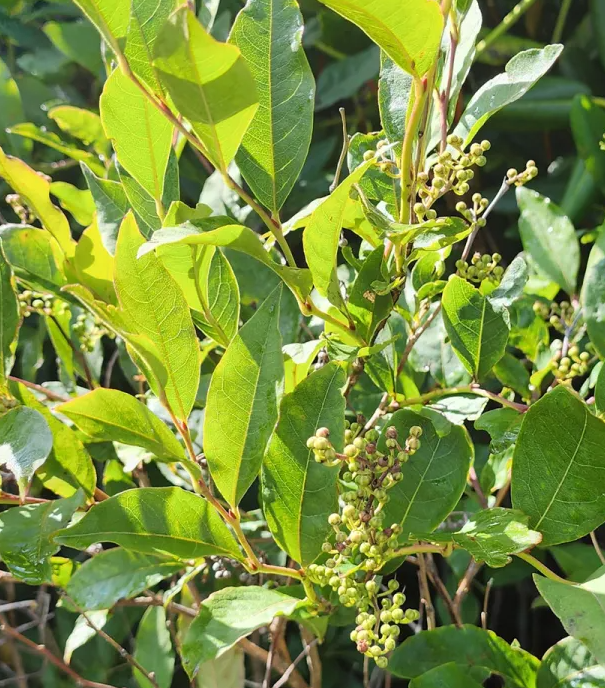
Maleberry
Lyonia ligustrina (L.) DC.
Carl Linnaeus originally published the species as Vaccinium ligustrinum L. in 1753. Augustin Pyramus de Candolle transferred it to Lyonia in 1839, producing the accepted combination Lyonia ligustrina (L.) DC.
Accepted infraspecific taxa are:
- Lyonia ligustrina var. ligustrina
- Lyonia ligustrina var. foliosiflora (Michx.) Fernald
The southern variety, var. foliosiflora, generally has conspicuous leaf-like bracts within the flowering cluster and is widespread across the southeastern Coastal Plain, Piedmont, and adjacent regions. The typical variety generally lacks conspicuous foliaceous bracts and is distributed primarily through the northern and Appalachian portions of the species’ range. Morphologically intermediate plants occur where the two varieties overlap.
Important historical and taxonomic search names include:
- Vaccinium ligustrinum L., the basionym
- Xolisma ligustrina (L.) Britton
- Arsenococcus ligustrinus (L.) Small
The name Lyonia sp. is not a complete species identification. The genus contains several toxicologically relevant shrubs, including plants commonly called Staggerbush and Fetterbush, and those species may differ in morphology, geographic range, evergreen or deciduous habit, and chemical profile.
Ericaceae — Heath, Blueberry, and Rhododendron Family
Maleberry; Male Berry; Male-Berry; Northern Maleberry; Northern Male-Berry; Southern Maleberry; Southern Male-Berry; He-Huckleberry; He Huckleberry; Male Huckleberry; Male-Blueberry; Male Blueberry; Maleberry Lyonia; Lyonia
Historical and taxonomic search names include Vaccinium ligustrinum, Xolisma ligustrina, and Arsenococcus ligustrinus. The accepted varieties are Lyonia ligustrina var. ligustrina and Lyonia ligustrina var. foliosiflora.
“Staggerbush” most often refers to Lyonia mariana, although it may be applied loosely to other poisonous Lyonia shrubs. “Fetterbush” generally refers to Lyonia lucida or to toxic species of Leucothoe. Those common names should not be treated as exact synonyms for Lyonia ligustrina without botanical confirmation.
“He-Huckleberry” and “Male-Blueberry” reflect the plant’s resemblance to edible blueberry and huckleberry shrubs, not an edible fruit. Maleberry produces small hard woody capsules rather than soft fleshy blue, black, purple, or red berries.
Exact-Species Evidence and the Grayanotoxin Evidence Boundary
Maleberry has long been reported as a poisonous, andromedotoxin-containing member of Ericaceae. Veterinary toxicology references consequently place Lyonia ligustrina among the shrubs capable of producing the gastrointestinal, cardiovascular, muscular, and neurologic syndrome associated with grayanotoxins. The practical safety conclusion is that the shrub should not be browsed or ingested by animals.
The exact chemical evidence is less complete than the clinical warning may suggest. Modern research has not comprehensively isolated and quantified individual grayanotoxins from every tissue, population, variety, and season of Lyonia ligustrina. Historical botanical sources generally report andromedotoxin without providing the modern analytical confirmation, tissue comparison, chromatographic profile, or concentration data expected from a current phytochemical study.
Direct research on the related Asian species Lyonia ovalifolia has isolated multiple grayanane diterpenoids from twigs and leaves, and older research identified lyoniatoxin and related grayanoids from that species. These findings establish that the genus is capable of producing biologically active grayanane chemistry. They do not prove that North American Maleberry contains the same compounds at the same concentrations.
The public toxicology conclusion therefore requires two statements at the same time: Maleberry should be treated as a potential grayanotoxin plant, but named compounds and doses measured in Lyonia ovalifolia, Rhododendron, Azalea, Pieris, Kalmia, Leucothoe, or Agarista should not be represented as direct quantitative assays of Lyonia ligustrina.
Grayanotoxins and Grayanane Diterpenoids
Grayanotoxins are highly oxygenated polycyclic diterpenoids built on a grayanane or related grayanoid carbon skeleton. More than one grayanotoxin structure exists, and differences in hydroxylation, acetylation, stereochemistry, and other substitutions can change potency, sodium-channel activity, tissue effects, and acute toxicity.
Grayanotoxin I and grayanotoxin III are among the compounds most frequently investigated in toxicology. Experimental studies demonstrate that different grayanotoxins and related ericaceous diterpenes do not possess identical acute toxicity. The term grayanotoxin therefore describes a chemical class rather than one uniform substance occurring at one dependable concentration in every toxic heath-family plant.
Maleberry’s exact inventory has not been defined sufficiently to state that one particular grayanotoxin is the exclusive or dominant toxin. Its risk assessment must instead use the reported species association, direct evidence from related Lyonia, well-established family chemistry, and the animal’s compatible clinical findings.
Andromedotoxin, Acetylandromedol, Rhodotoxin, and Asebotoxin
Andromedotoxin, acetylandromedol, and rhodotoxin are older names historically applied primarily to the toxic diterpene now commonly called grayanotoxin I. Their simultaneous appearance in an old plant list can make one compound appear to be several independent toxins. Modern copy should consolidate those terms under the grayanotoxin class while retaining them as literature-search synonyms.
Asebotoxin terminology is more complicated. Asebotoxins are related grayanoid diterpenes originally described in ericaceous plants and should not automatically be treated as interchangeable names for every grayanotoxin structure. The occurrence of the word asebotoxin in older literature does not prove that a named asebotoxin has been isolated directly from Maleberry.
Historical terminology also varied among pharmacology, botany, veterinary medicine, and honey-toxicology literature. The most accurate public description is that Maleberry is associated with grayanotoxin-type diterpenes historically called andromedotoxin, acetylandromedol, or rhodotoxin, while its complete exact-species chemical profile remains insufficiently characterized.
Voltage-Gated Sodium-Channel Activation
Voltage-gated sodium channels are membrane proteins required for the initiation and propagation of electrical signals in nerves and muscles. Under normal conditions, a channel opens briefly in response to a change in membrane voltage and then inactivates so that the cell can repolarize and prepare for the next electrical event.
Grayanotoxin binds to sodium channels and alters their gating. Experimental electrophysiology shows that affected channels activate at abnormal membrane potentials and fail to inactivate normally, allowing prolonged sodium movement and persistent depolarization. The toxin does not merely stimulate an intact nervous system in the ordinary sense; it disrupts the timing and recovery of the electrical machinery itself.
Persistent depolarization can initially increase activity and then impair normal conduction as excitable cells lose the ability to generate coordinated electrical responses. This helps explain why exposed animals may progress from salivation, gastrointestinal hyperactivity, restlessness, or tremors to weakness, ataxia, recumbency, depressed responsiveness, or respiratory compromise.
The interaction is reversible rather than a permanent destruction of every sodium channel. Surviving patients may recover as toxin concentration falls and channel function normalizes, although secondary aspiration, shock, bloat, trauma, dehydration, or organ hypoperfusion can prolong illness beyond the direct toxin effect.
Autonomic and Vagal Effects
The autonomic nervous system regulates heart rate, vascular tone, salivation, gastrointestinal motility, and other functions that are not controlled consciously. Grayanotoxin poisoning commonly produces a strong parasympathetic or vagal pattern, particularly after clinically important exposure.
Increased vagal influence contributes to hypersalivation, nausea, vomiting, increased bowel activity, bradycardia, and atrioventricular conduction delay. Experimental mad-honey research in animals demonstrated that atropine-sensitive muscarinic mechanisms play an important role in the cardiovascular response. This provides the physiologic basis for veterinarian-administered atropine when clinically important bradycardia causes hypotension or poor perfusion.
The autonomic presentation is not identical in every case. Pain, fear, dehydration, hypoxia, shock, or another toxin may cause a rapid heart rate, while some animal cases involving related plants have included tachycardia. A fast pulse does not rule out an Ericaceae exposure, but marked bradycardia and conduction block are more characteristic of the classic grayanotoxin syndrome.
Cardiac Conduction and Myocardial Effects
Cardiac sodium-channel disruption affects impulse formation, conduction, excitability, and contraction. Grayanotoxins can slow the sinoatrial rate, delay transmission through the atrioventricular node, and produce sinus bradycardia, varying degrees of atrioventricular block, nodal rhythms, pauses, or other dysrhythmias.
Experimental studies in isolated cardiac tissue show direct depolarizing and inotropic effects, while clinical poisoning commonly produces bradycardia and hypotension. The final heart rate reflects the interaction among direct myocardial effects, autonomic tone, dose, species, stage of poisoning, circulating volume, oxygenation, and other physiologic responses.
A slow heart rate becomes clinically important when it reduces cardiac output and blood pressure. Weak pulses, pale or gray gums, prolonged capillary refill, output cold extremities, collapse, reduced urine production, altered awareness, and recumbency indicate that blood and oxygen delivery may be inadequate.
No owner should attempt to correct an abnormal pulse with atropine, beta blockers, antiarrhythmics, decongestants, caffeine, or human blood-pressure medication. The rhythm must be identified through examination and electrocardiography because drugs that help one conduction disturbance can worsen another.
Hypotension and Tissue Perfusion
Low blood pressure may result from bradycardia, reduced cardiac output, abnormal vascular regulation, vomiting, diarrhea, dehydration, and impaired autonomic control. Profound hypotension can deprive the brain, kidneys, gastrointestinal tract, and other organs of adequate blood flow.
Animals may become profoundly weak, reluctant to move, cold, mentally dull, faint, or collapsed. Reduced urine production can reflect poor renal perfusion rather than direct kidney toxicity. Persistent hypotension can create secondary organ injury even though grayanotoxin is not primarily classified as a nephrotoxin or hepatotoxin.
Fluid therapy is commonly used to correct dehydration and support circulating volume. When hypotension persists after appropriate volume assessment and correction, veterinarian-selected vasopressors may be required. Excessive indiscriminate fluids can be harmful in animals with cardiac, pulmonary, or renal disease, so treatment must be individualized.
Gastrointestinal Effects
Drooling, nausea, vomiting, regurgitation, abdominal discomfort, diarrhea, tenesmus, and appetite loss are among the earliest and most frequent signs reported after grayanotoxin-containing plant ingestion. These effects arise through autonomic stimulation, altered gastrointestinal motility, local plant irritation, and central nausea pathways.
Dogs and cats may vomit recognizable leaves, flowers, bark, capsule fragments, food, foam, bile, or mucus. Repeated vomiting increases fluid loss and aspiration risk and can produce esophageal irritation or blood-streaked material. A pet that initially removes some leaves through vomiting may still retain enough toxin to develop cardiovascular or neurologic signs.
Horses cannot vomit. Ruminants may retch or regurgitate and can develop ruminal disturbance or bloat. A recumbent or neurologically impaired ruminant has an especially high aspiration risk because regurgitated material may enter the lungs.
Neurologic and Skeletal-Muscle Effects
Disrupted sodium-channel function can impair sensory processing, motor control, muscle strength, and coordination. Affected animals may appear intoxicated, sway, cross their feet, stumble, knuckle, fall, become reluctant to walk, or progress to recumbency.
Fine tremors, twitching, shivering, head weaving, generalized trembling, and exaggerated or depressed responses may occur. Human patients report dizziness, blurred vision, numbness, tingling, burning sensations, and altered perception, but animals cannot describe these experiences. Observable behavior such as unusual face rubbing, paw lifting, abnormal footing, disorientation, or apparent visual difficulty must be interpreted cautiously.
Seizures, profound central depression, coma, and respiratory paralysis are severe findings associated with major poisoning rather than the expected result of every small nibble. They also require evaluation for pesticides, Aconite, Yew, medications, cannabis, hypoglycemia, electrolyte disorders, hypoxia, trauma, and other causes.
Respiratory Effects and Aspiration
Respiratory compromise may result from profound muscular weakness, central nervous system depression, seizures, poor perfusion, bloat, aspiration, or a combination of these problems. Breathing may become rapid and shallow, labored, irregular, gasping, or unusually weak.
Vomiting and regurgitation create an additional hazard. Coughing, fever, nasal discharge, increased respiratory effort, abnormal lung sounds, low oxygen, or renewed depression after gastrointestinal signs improve may indicate aspiration pneumonia.
Severely bloated cattle, sheep, or goats may have restricted diaphragmatic movement because the enlarged rumen compresses the lungs. Respiratory distress in a bloated ruminant may require emergency decompression in addition to toxicologic treatment.
Arbutin and Other Reported Constituents
Arbutin is a hydroquinone glucoside found in many members of Ericaceae and has been reported in connection with Maleberry. The expression “arbutin glucoside” is redundant because arbutin is itself a glucoside. Hydrolysis of arbutin can release hydroquinone under appropriate biologic conditions.
Arbutin has not been demonstrated as the principal cause of the rapid Maleberry syndrome characterized by vomiting, bradycardia, hypotension, conduction disturbance, ataxia, and collapse. Those findings fit grayanotoxin pharmacology far more closely. Arbutin should therefore remain part of the broader reported phytochemical discussion rather than be presented as an equally established acute toxin.
Maleberry also contains ordinary flavonoids, phenolic compounds, structural carbohydrates, proteins, pigments, and other metabolites. A plant’s complete chemical inventory is not equivalent to its clinically important toxin list.
Leaves, Flowers, Nectar, Stems, and Bark
Leaves and young stems are the most practical browsing hazards because they are abundant and accessible. Flowers and nectar deserve equal caution because grayanotoxins may occur in reproductive tissues of toxic Ericaceae and can enter honey when bees collect sufficient contaminated nectar.
Branches carried as sticks or cut for native floral arrangements may place leaves, bark, and buds within reach of dogs, cats, rabbits, birds, or livestock. Bark stripping and repeated chewing can produce a larger exposure than a single swallowed leaf.
No exact-species tissue comparison establishes that Maleberry flowers, leaves, stems, and bark contain equal toxin concentrations. The absence of comparative measurement is not evidence that one tissue is safe.
Woody Capsules and Seeds
Maleberry flowers mature into small round woody capsules rather than fleshy berries. The capsules split along five seams to release small seeds and may remain attached long after flowering. Their persistent brown appearance is one of the best field-identification features.
No evidence establishes the capsules or seeds as edible or toxin-free. Animals should not be permitted to chew fruiting branches, and the common name Maleberry must not be interpreted as meaning that the shrub produces safe berries.
Wildlife use does not establish domestic-animal safety. Wild species may consume different tissues, receive smaller exposures, possess different physiologic tolerances, or use the shrub primarily for cover and insects rather than as food.
Fresh, Wilted, Frost-Damaged, and Dried Material
Cutting, wilting, frost injury, storm damage, and drying should not be assumed to destroy grayanotoxins. Fallen branches and pruning debris may be more dangerous than an intact shrub because many leaves and twigs become concentrated at ground level or mixed into forage.
Dried browse, wreaths, native arrangements, pressed specimens, brush piles, hay contamination, and compost material should remain inaccessible. Dry material can retain chemical toxicity while becoming easier to shred or mix invisibly with other feed.
Composting conditions may reduce some plant toxins over time, but an open compost pile is not a controlled detoxification process and should never be used as an animal feeding area. Recently discarded Maleberry branches must be treated as poisonous.
Grayanotoxin-Contaminated Honey
Bees visiting sufficient numbers of grayanotoxin-producing flowers can produce toxic honey commonly called mad honey. Confirmed human cases are most strongly associated with Rhododendron nectar in the Black Sea region and parts of Asia. Honey exposure can produce nausea, vomiting, dizziness, bradycardia, hypotension, conduction abnormalities, syncope, and altered consciousness.
Maleberry flowers are visited by bees and the shrub has been described as a honey plant, but poisoning from honey chemically proven to derive exclusively from Lyonia ligustrina has not been established. Honey collected from habitat containing Rhododendron, Kalmia, Pieris, Leucothoe, Agarista, and Lyonia may represent mixed nectar sources.
Ordinary commercial honey is not automatically a Maleberry hazard. Unlabeled, imported, medicinal, artisanal, wild, or locally collected honey associated with compatible cardiovascular signs should be preserved in its original container for toxicologic investigation.
Toxic-Dose and Case-Evidence Limitations
No validated toxic dose exists specifically for Maleberry in dogs, cats, horses, cattle, sheep, goats, rabbits, birds, reptiles, or other animals. No leaf count, percentage of body weight, branch length, or amount of dried browse can be advertised as a dependable threshold.
Recent evaluation of animal grayanotoxin reports found that most cases involved livestock, especially sheep and goats, and that Rhododendron and Pieris were the most frequently identified plants. Companion-animal reports include dogs, cats, rabbits, tortoises, and pet pigs, but exact-species Maleberry cases remain absent or poorly documented.
Generalized ruminant estimates derived from other Ericaceae should not be converted into a Maleberry dose for pets. Risk depends on plant identity, toxin profile, amount, plant part, season, animal size, species, stomach contents, existing heart disease, concurrent medication, and how much material is removed through vomiting or regurgitation.
No specific antidote chemically neutralizes the grayanotoxin class. Successful treatment supports circulation, heart rate, rhythm, respiration, hydration, gastrointestinal function, neurologic status, temperature, and airway safety while the toxin is eliminated.
Expected Onset and Evidence Limits
Clinical signs may begin within minutes to several hours after Maleberry or another suspected grayanotoxin-containing shrub is eaten. The onset depends on the amount consumed, plant part, toxin concentration, stomach contents, animal species, body size, health status, and whether vomiting or regurgitation removes part of the exposure.
No large clinical series defines an exact onset period for botanically confirmed Lyonia ligustrina. The expected progression is inferred from its reported toxicology and from better-documented Rhododendron, Azalea, Pieris, and other Ericaceae exposures. Gastrointestinal signs may precede the cardiovascular and neuromuscular findings that make the poisoning dangerous.
A currently alert animal that has only begun drooling or vomiting cannot be assumed to have reached peak severity. Heart rate, blood pressure, coordination, circulation, respiration, and awareness may worsen as toxin absorption continues.
Early Gastrointestinal Findings
Early signs may include lip licking, repeated swallowing, excessive salivation, nausea, vomiting, regurgitation, diarrhea, tenesmus, abdominal discomfort, appetite loss, restlessness, and depression. Vomit or regurgitated material may contain leaves, flowers, bark, capsule pieces, foam, food, bile, or mucus.
Repeated vomiting causes dehydration, electrolyte disturbance, esophageal irritation, weakness, and aspiration risk. A small bright-red streak may follow forceful retching, but repeated blood, clots, coffee-ground material, black stool, pale gums, or collapse requires urgent evaluation.
Horses cannot vomit. Ruminants may retch and regurgitate, and weakened animals may inhale rumen contents. Diarrhea, abdominal pain, and altered rumen movement may accompany the neurologic and cardiovascular syndrome.
Weakness and Progressive Incoordination
Weakness may initially appear as reduced activity, reluctance to walk, lowered head carriage, trembling, or repeated attempts to lie down. As poisoning progresses, the animal may sway, stumble, cross its feet, knuckle, fall, appear intoxicated, or become unable to stand.
Poor coordination can reflect direct neuromuscular effects, reduced cerebral perfusion from hypotension, or both. A recumbent animal is at risk of pressure injury, trauma, hypothermia, bloat, aspiration, and inability to reach water.
Profound weakness should not be dismissed as fatigue after vomiting. It may indicate clinically important bradycardia or shock and requires cardiovascular assessment.
Tremors and Other Neurologic Findings
Fine muscle tremors, twitching, shivering, head weaving, generalized trembling, altered responses, disorientation, and progressive muscular weakness may occur. Human patients sometimes report tingling, numbness, dizziness, blurred vision, or burning sensations, but animals cannot communicate those subjective symptoms.
Face rubbing, paw lifting, unusual footing, apparent visual difficulty, reluctance to move, or abnormal reactions to touch may be observable but nonspecific. Moisture on the nose or paw pads is not a dependable diagnostic sign of grayanotoxin poisoning.
Seizures, stupor, coma, and loss of protective reflexes are severe late findings rather than the expected result of every small exposure. They require immediate emergency treatment and investigation for other toxins or metabolic disorders as well.
Bradycardia
Bradycardia is one of the most important and characteristic manifestations of grayanotoxin poisoning. The pulse may become unusually slow, weak, difficult to detect, or intermittently irregular. A slow rate becomes dangerous when it reduces cardiac output and blood delivery to the brain and other organs.
Associated signs may include profound lethargy, pale or gray gums, delayed capillary refill, cold ears or extremities, fainting, collapse, reduced responsiveness, reduced urine production, and inability to stand. Owners unfamiliar with pulse assessment should not delay transport while attempting to count the heart rate.
A veterinarian must interpret the rate in relation to the species, body size, temperature, blood pressure, rhythm, medication history, and clinical condition. A heart rate normal for a horse would be abnormally slow for many small dogs or cats.
Heart Block and Other Dysrhythmias
Grayanotoxins may delay electrical conduction through the atrioventricular node and produce first-, second-, or third-degree atrioventricular block, nodal rhythms, pauses, or other dysrhythmias. The pulse may feel irregular because not every electrical impulse produces an effective contraction.
Tachycardia is less typical than bradycardia but can occur through fear, pain, dehydration, hypoxia, shock, another toxin, or a secondary rhythm disturbance. Pet pigs with confirmed grayanotoxin I exposure from Pieris developed tachycardia, demonstrating that one stereotyped pulse pattern should not be imposed on every species and exposure.
Any markedly slow, rapid, weak, or irregular heartbeat requires examination and electrocardiographic monitoring. The rhythm cannot be treated safely by selecting a human heart drug at home.
Hypotension and Shock
Low blood pressure may result from slowed heart rate, conduction disturbance, altered vascular control, fluid loss, and reduced cardiac output. The animal may become cold, weak, mentally dull, pale, recumbent, faint, or collapsed.
Prolonged hypotension can impair kidney function and other organs through inadequate perfusion. Reduced urine output during severe poisoning does not necessarily mean that Maleberry directly destroyed the kidneys, but it is an important marker of circulation and hydration.
Severe hypotension requires controlled fluid therapy and may require vasopressor support when adequate circulating volume has been restored but blood pressure remains low. The response must be monitored because excessive fluid can worsen pulmonary or cardiac disease.
Respiratory Findings
Breathing may become rapid, shallow, labored, irregular, gasping, or weak. Respiratory compromise may result from profound muscle weakness, central nervous system depression, seizures, shock, aspiration, or bloat rather than from one single pulmonary toxin mechanism.
Coughing, nasal discharge, fever, increased respiratory effort, abnormal lung sounds, or renewed depression after vomiting or regurgitation may indicate aspiration pneumonia. An animal that cannot maintain its airway or oxygenation may require oxygen, suctioning, intubation, ventilation, and treatment of aspirated material.
Blue-gray gums, gasping, collapse, or markedly weak respiration is an immediate emergency. Oral food, water, charcoal, and medication should not be attempted.
Dogs
Dogs may drool, vomit, develop diarrhea or abdominal pain, become depressed, wobble, tremble, or collapse. A dog that strips leaves from branches, carries sticks, raids brush piles, or chews native floral material may ingest more than the owner witnessed.
Persistent weakness, repeated vomiting, pale gums, a slow or irregular pulse, coughing, tremors, or altered awareness requires prompt examination. Severe ataxia should not automatically be attributed to cannabis, vestibular disease, or fatigue when a toxic heath-family shrub is accessible.
Cats
Cats may hide, drool quietly, vomit, refuse food, stop grooming, become weak or uncoordinated, develop an abnormal heart rate, or collapse. The damaged plant or vomited leaf fragments may be the only initial evidence of exposure.
Continued appetite loss remains important after cardiovascular signs begin improving because prolonged inadequate intake can produce serious secondary metabolic disease in cats. Open-mouth breathing, profound weakness, tremors, inability to stand, or reduced responsiveness requires emergency care.
Horses
Horses may develop hypersalivation, feed refusal, colic, diarrhea, weakness, trembling, incoordination, an abnormal pulse, low blood pressure, respiratory distress, or recumbency. Exposure may occur in wooded paddocks, wet pasture margins, streambanks, trail-riding areas, cut brush, or contaminated hay.
Because horses cannot vomit, gastrointestinal plant material cannot be removed through emesis. A salivating, weak, recumbent, or poorly swallowing horse should not be drenched because oral fluid, oil, charcoal, or medication may enter the lungs.
Cattle, Sheep, and Goats
Ruminants may exhibit excessive salivation, repeated swallowing, retching, regurgitation, diarrhea, reduced rumen movement, abdominal discomfort, bloat, depression, head weaving, tremors, staggering, weakness, and recumbency. Goats are particularly vulnerable to discarded toxic browse because they readily investigate leaves and woody branches.
Regurgitation and impaired coordination create a major aspiration risk. Progressive enlargement of the left abdomen, respiratory distress, repeated attempts to belch, or collapse may indicate severe bloat requiring emergency decompression.
Clinical signs may vary among animals exposed to the same brush or forage because each individual consumes a different amount. Apparently normal herd mates should still be removed from the source and monitored.
Rabbits and Guinea Pigs
Small herbivores may show salivation, appetite refusal, diarrhea, reduced fecal output, weakness, tremors, impaired coordination, or reduced responsiveness. They cannot vomit, and interruption of eating can create gastrointestinal stasis independently of the cardiovascular toxin effect.
Maleberry should never be supplied as browse, forage, bedding, nesting material, or chewing enrichment. A rabbit or guinea pig that stops eating or producing normal feces requires prompt species-experienced veterinary care.
Birds
Pet birds may regurgitate, develop abnormal droppings, become weak, tremble, lose balance, refuse food, or show reduced responsiveness after chewing leaves, flowers, capsules, seeds, or branches. A small bird may receive a substantial exposure relative to body weight from material that appears trivial to a person.
Maleberry branches should not be used as perches, enclosure decorations, or natural chewing material. Respiratory change, recumbency, seizures, or inability to perch requires emergency avian care.
Reptiles and Tortoises
Herbivorous reptiles and tortoises may regurgitate, refuse food, move abnormally, tremble, become weak, show reduced responsiveness, or develop respiratory difficulty. Reptilian onset and progression may be affected by body temperature and metabolic rate, and mammalian timelines should not be applied mechanically.
Maleberry and unidentified Ericaceae should not be planted within grazing enclosures or offered as browse. Affected reptiles require species-appropriate thermal support and veterinary toxicologic assessment rather than forced oral remedies.
Severe and Atypical Findings
Large exposures may cause severe bradycardia, profound hypotension, advanced heart block, respiratory compromise, inability to stand, seizures, coma, and death. Aspiration, severe bloat, hypothermia, trauma from falling, and shock can become as important as the primary toxin.
Marked pupil changes, persistent high fever, jaundice, progressive paralysis, major bleeding, severe renal failure, or prolonged illness is not specific for uncomplicated grayanotoxin poisoning. These findings require investigation for Yew, Oleander, Aconite, Veratrum, pesticides, medications, cannabis, metabolic disease, infection, and other toxic plants.
Duration and Prognosis
Mildly affected animals may improve within several hours as vomiting settles and normal heart rate, blood pressure, coordination, and strength return. Human and experimental evidence demonstrates that direct grayanotoxin effects can reverse relatively quickly, but recovery time cannot be predicted from the plant name alone.
Severe cardiovascular, aspiration, bloat, seizure, or recumbency complications can extend hospitalization and monitoring. Improvement should be progressive rather than alternating repeatedly between apparent recovery and collapse.
The prognosis is generally good to excellent when exposure is limited and cardiovascular and neurologic abnormalities do not develop. Profound hypotension, advanced heart block, aspiration, severe bloat, seizures, coma, and delayed treatment create a guarded or potentially grave situation.
Plant Identity
Maleberry, Lyonia ligustrina, is a woody shrub in Ericaceae, the same family that includes blueberries, huckleberries, cranberries, Rhododendrons, Azaleas, Mountain Laurel, Pieris, Fetterbush, and Staggerbush. It produces multiple upright stems from an underground rhizomatous system and may form broad colonies that appear to contain numerous separate shrubs.
The page should not use Lyonia sp. as the final identification when Maleberry is intended. The genus contains numerous species with different geographic ranges and botanical features. Several may share grayanane chemistry, but one species should not be used automatically as a chemical or dose substitute for another.
Accepted Taxonomy
The accepted scientific name is Lyonia ligustrina (L.) DC. Linnaeus originally described it as Vaccinium ligustrinum, reflecting its superficial resemblance to blueberry relatives. De Candolle later transferred it to Lyonia.
Two varieties are accepted. Lyonia ligustrina var. ligustrina is associated primarily with the northern and Appalachian range, while var. foliosiflora is widespread through the Southeast and is distinguished in part by conspicuous leaf-like bracts within its flower clusters. Intermediates occur where their distributions meet.
Xolisma ligustrina and Arsenococcus ligustrinus are historical combinations for the same species. They remain useful when searching older botanical, toxicologic, ecological, and herbarium records.
Systematic Placement Within the Lyonia Group
Modern systematic research supports Lyonia ligustrina as the sole North American representative of the section historically called Arsenococcus. Molecular and morphological studies place it within the broader Lyonia group of Ericaceae and distinguish it from the lepidote species and other sectional lineages within the genus.
This placement is relevant to toxicology because chemical findings from another section or from an Asian species remain comparative evidence rather than exact-species proof. Evolutionary relationship supports a shared capacity for certain metabolite pathways but does not establish identical concentrations.
Native Range
Maleberry is native across much of the eastern United States, extending from New England south through Florida and west to eastern Texas and Oklahoma. Its distribution includes both northern Appalachian and southeastern Coastal Plain populations.
A highly isolated native population occurs in southernmost Nova Scotia. That Canadian population is separated by a substantial geographic gap from the nearest known populations in Maine and represents a disjunct component of Atlantic Coastal Plain flora.
Habitat
Maleberry commonly grows in bogs, shrub swamps, pocosins, wet thickets, moist woods, pine barrens, heath balds, bottomlands, and along lakes, ponds, streams, rivers, drainage channels, and wetland margins. It may also occur in drier woods, old fields, powerline corridors, forest edges, exposed ridges, roadside ditches, and transitional habitats.
Dogs walking near bogs, marshes, ponds, wooded wetlands, and streambanks are among the companion animals most likely to encounter naturally growing shrubs. Horses and livestock may encounter it along wet pasture margins, wooded paddocks, fence lines, trail corridors, and areas where native brush has been cut.
Growth Form and Rhizomes
Maleberry is generally a multi-stemmed shrub and may reach approximately four meters in height, although many plants remain substantially smaller. Long branching rhizomes produce new upright stems at a distance from the parent crown and allow the shrub to form patches.
Repeated fire, cutting, browsing, or storm damage may remove above-ground growth without killing the underground system. New stems can emerge from protected rhizomes. Clearing visible branches without controlling access to the resprouting patch may therefore provide only temporary prevention.
Stems and Bark
The woody stems may be upright, branching, and longitudinally furrowed with age. Bark and twig characteristics help separate Maleberry from nearby blueberry, huckleberry, Alder, Sweet Pepperbush, and other wetland shrubs.
Dogs that carry sticks may strip leaves and bark from cut branches even when the living shrub stands outside the yard. Clippings should be collected immediately rather than placed in an open brush pile accessible to animals.
Leaves
Leaves are alternate and range from elliptic or oval to obovate. They generally narrow toward both the base and tip, although shape varies among populations and varieties. The margins may be smooth or finely toothed.
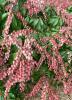
Leaves are green and often somewhat glossy during the growing season and may turn orange, red, burgundy, or reddish purple before falling. Northern plants are generally deciduous, while southern forms may retain foliage longer under mild conditions.
Variation in pubescence, leaf dimensions, margin, and inflorescence has resulted historically in numerous proposed varieties. One detached leaf is therefore less reliable than a complete branch containing leaves, flowers, persistent capsules, bark, and habitat information.
Flowers
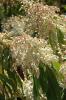
The flowers are small, white, and urn-shaped or vase-shaped, with fused petals ending in five short lobes. They occur in relatively narrow clusters on growth produced during the previous season.
Maleberry flowers are less conspicuous than the large blossoms of many Rhododendrons and Azaleas. Their shape nevertheless reflects the characteristic ericaceous floral form, with pollen adapted to specialized bee visitation.
Flowers and nectar should be treated as potentially poisonous. No direct exact-species tissue analysis establishes a safe flower or nectar concentration, and animals should not be allowed to browse flowering branches.
Woody Capsules Rather Than Berries
Maleberry does not produce the soft edible blue or black fruit expected from blueberries and huckleberries. Each fertilized flower develops into a small round hard woody capsule that splits open along five prominent seams.
The capsules become brown and may remain attached through the following growing season. Persistent clusters of round capsules are among the most useful identification features when flowers are absent.
The common names Maleberry, Male-Blueberry, and He-Huckleberry refer historically to this production of dry capsules rather than juicy fruit. They do not indicate that the capsules are a male form of an edible blueberry or that fruiting branches are safe.
All Parts Should Be Treated as Poisonous
Leaves, flowers, nectar, buds, stems, bark, sap, capsules, seeds, roots, rhizomes, fresh clippings, wilted branches, frost-damaged material, dried arrangements, and contaminated forage should remain inaccessible. Leaves, flowers, and young shoots are the most likely browsing exposures.
No comprehensive exact-species analysis has established that every part contains equal toxin concentrations. The correct response to that uncertainty is not to designate untested tissues as edible.
Maleberry and Staggerbush
Staggerbush generally refers to Lyonia mariana. It commonly produces larger, more elongated leaves and larger white to pinkish bell-shaped flowers than Maleberry. Its capsules also differ in proportion and appearance.
The common name reflects the staggering and weakness historically associated with livestock browsing toxic Lyonia or related heath-family shrubs. Maleberry and Staggerbush should both be treated as potential grayanotoxin hazards, but they are not the same species.
Maleberry and Fetterbush
Fetterbush most commonly refers to Lyonia lucida, an evergreen southeastern shrub with glossy leaves and pinkish-white urn-shaped flowers. Its dense arching growth may physically impede movement through a thicket, providing the origin of the common name.
Fetterbush is also applied to species of Leucothoe, several of which contain grayanotoxins. The common name alone cannot establish the genus or exact expected chemical profile.
Maleberry and Blueberries
True blueberries belong primarily to Vaccinium and produce fleshy fruit. Maleberry may resemble blueberry in leaf form, flower shape, acidic habitat, and family relationship, but its mature fruit remains a dry woody capsule.
An owner who sees blueberry-like foliage should inspect the fruiting structure before assuming the shrub is edible. Persistent round brown capsules with thick pale sutures strongly support Maleberry rather than a fruiting blueberry.
Maleberry and Huckleberries
Huckleberries commonly belong to Gaylussacia and related genera and produce fleshy berries. Maleberry’s He-Huckleberry name reflects resemblance rather than taxonomic or culinary identity.
Habitat overlap can place Maleberry beside edible berry shrubs. Animals should not be permitted to browse an unidentified ericaceous shrub merely because edible fruit plants grow nearby.
Maleberry and Mountain Laurel
Mountain Laurel is Kalmia latifolia, an evergreen grayanotoxin-containing shrub with broader leathery leaves and conspicuous clusters of open cup-shaped flowers. It frequently occupies acidic forests, slopes, and heath communities.
Both Mountain Laurel and Maleberry should be treated as poisonous. Uncertainty between them does not reduce emergency concern, although complete branches and flowers help botanical confirmation.
Maleberry and Rhododendron or Azalea
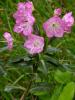
Rhododendrons and Azaleas belong to Rhododendron and are the best-documented sources of plant- and honey-associated grayanotoxin poisoning. Their flowers are generally much larger and more conspicuous than Maleberry flowers.
Most veterinary case reports and toxic-dose discussions concern Rhododendron rather than Maleberry. Their evidence can guide recognition and supportive treatment of the sodium-channel syndrome but should not be presented as a direct Maleberry dose-response study.
Maleberry and Pieris
Pieris species are evergreen ornamental shrubs that often produce dense, drooping clusters of white urn-shaped flowers and brightly colored new growth. They contain potent grayanotoxins and have caused confirmed poisoning in companion animals and livestock.
Maleberry is more often encountered as a native wetland or woodland shrub, whereas Pieris is frequently planted near houses and landscaped animal areas. Both require prompt professional assessment after ingestion.
Where Dogs Encounter Maleberry
Dogs may bite leaves while exploring wetland trails, pond margins, wooded properties, native landscapes, brush piles, or fence lines. Stick-carrying dogs may chew branches brought down during storms or landscaping work.
A branch extending through a fence can allow repeated browsing while leaving the main shrub outside the enclosure. Leaf damage should be assessed from the maximum amount that could be missing rather than only the portion seen in the dog’s mouth.
Where Cats Encounter Maleberry
Outdoor cats may encounter lower branches in wooded, wetland, or native landscape areas. Indoor exposure is less common but may occur when branches, flowers, wreaths, pressed specimens, or native floral arrangements are brought inside.
Cats may chew the plant directly or groom sap and leaf fragments from their coat. Continued food refusal, weakness, or hiding after exposure requires close attention because cats may conceal significant illness.
Horses and Livestock Exposure
Horses, cattle, sheep, and goats may browse Maleberry during forage scarcity, after snow or frost limits preferred vegetation, when branches fall into an enclosure, or when people discard cut brush into a pasture. Hay or mechanically cut vegetation can conceal toxic shrub fragments and prevent selective avoidance.
Goats’ willingness to browse woody material does not make every shrub safe. A single load of ornamental or native clippings can expose several animals and should never be used as free browse unless every species has been identified as safe.
Rabbits, Guinea Pigs, Birds, and Reptiles
Maleberry should not be offered as forage, browse, bedding, enrichment, nesting material, a bird perch, or reptile vegetation. Small animals can receive a large dose relative to body weight and may become critically ill before a person recognizes an abnormal heart rate.
Plant material should also be excluded from mixed wild-food collections. A bundle containing safe grasses or leaves can become dangerous when one unidentified heath-family branch is included.
Mad Honey and Maleberry Nectar
Mad honey poisoning occurs when honey contains clinically important grayanotoxins from nectar-producing Ericaceae. The best-confirmed cases involve particular Rhododendron species from the Black Sea region, Nepal, and neighboring areas.
Maleberry is visited by bees, and its flowers contribute nectar and pollen to local insect communities. A poisoning event caused specifically by honey chemically demonstrated to originate exclusively from Lyonia ligustrina has not been established.
Wild honey collected where several toxic Ericaceae flower together may contain mixed nectar. Preserve the honey, label, place of collection, harvest date, and container after a compatible exposure.
Historical Grayanotoxin Poisoning
One of the best-known ancient accounts of grayanotoxin poisoning appears in Xenophon’s description of Greek soldiers who consumed toxic honey near the Black Sea:
“The number of bee hives was extraordinary, and all of the soldiers that ate of the honey combs lost their senses, vomited and were affected with purging, and none of them was able to stand upright; such as had eaten only a little were like men greatly intoxicated, and such as had eaten much were like mad men and some like persons at the point of death. They lay upon the ground, in consequence, in great numbers, as if there had been a defeat; and there was general dejection. The next day, no one of them was found dead; and they recovered their senses about the same hour they had lost them on the preceding day.”
The account is associated with Rhododendron-derived honey in the Black Sea region, not with a confirmed North American Maleberry exposure. Its clinical progression nevertheless illustrates vomiting, diarrhea, altered awareness, inability to stand, dose-dependent severity, and recovery as the toxin effect subsided.
Diagnosis
Diagnosis uses plant identification, the greatest amount that could have been eaten, exposure timing, gastrointestinal findings, heart rate, rhythm, blood pressure, coordination, neurologic status, and exclusion of other poisons and diseases. No routine rapid blood test proves that Maleberry caused the illness.
Preserve branches containing leaves, flowers, capsules, buds, and bark. Photographs should show the full shrub, growth habit, habitat, leaf arrangement, flower clusters, persistent capsules, and nearby toxic plants.
Vomited or regurgitated fragments may support identification but do not prove that every toxin has been removed. A compatible plant plus bradycardia, hypotension, gastrointestinal illness, and weakness substantially strengthens the diagnosis.
Veterinary Evaluation
The veterinarian may evaluate heart rate and rhythm, blood pressure, pulse quality, gum color, capillary refill, temperature, hydration, respiratory function, gastrointestinal motility, abdominal distention, neurologic status, and ability to stand.
Electrocardiography may identify sinus bradycardia, atrioventricular block, nodal rhythm, pauses, tachyarrhythmia, or other abnormalities. Serial tracing can determine whether conduction improves or deteriorates.
Testing may include glucose, electrolytes, complete blood count, serum chemistry, acid-base status, blood gases, urinalysis, chest imaging, abdominal imaging, or toxicology testing directed toward alternative exposures. No single Maleberry toxin screen is routinely available in veterinary practice.
Differential Diagnosis
Similar gastrointestinal, cardiovascular, and neurologic signs may result from Rhododendron, Azalea, Mountain Laurel, Pieris, Leucothoe, Agarista, Aconite, Veratrum, Yew, Oleander, cardiac medication, sedatives, pesticides, cannabis, mushrooms, nicotine, and other toxicants.
Bradycardia and collapse may also result from heart disease, hypothermia, electrolyte disorders, severe gastrointestinal disease, neurologic injury, or shock. Ataxia and tremors alone do not establish grayanotoxin poisoning.
Ruminant bloat, regurgitation, weakness, and tremors can also result from grain overload, organophosphate exposure, hypocalcemia, hypomagnesemia, toxic feed, ruminal acidosis, and neurologic disease. Feed and pasture samples should be preserved.
Prognosis
Animals with limited gastrointestinal signs and no cardiovascular, respiratory, or neurologic abnormalities generally have a good-to-excellent prognosis. Improvement should include cessation of vomiting or regurgitation, normal pulse and blood pressure, return of strength and coordination, renewed appetite, and normal gastrointestinal function.
Profound bradycardia, advanced heart block, persistent hypotension, severe bloat, aspiration, recumbency, seizures, coma, or delayed treatment creates a guarded clinical situation. Secondary complications may determine the final outcome even after direct toxin activity declines.
Prevention
Prevent animals from browsing Maleberry and unidentified Ericaceae. Inspect wet pasture margins, wooded paddocks, trails, fence lines, native landscaping, hay, cut browse, newly cleared land, and storm-damaged areas.
Do not throw pruning debris, brush, wreaths, native floral material, or fallen branches into paddocks, kennels, rabbit areas, goat pens, bird enclosures, or livestock pastures. Place all material directly into a closed or otherwise inaccessible disposal area.
Teach property owners, landscapers, barn workers, and neighbors not to provide unidentified clippings as animal browse. Many poisonings occur because a toxic ornamental or native shrub is placed directly where hungry animals can reach it.
Immediate Response
- Stop further exposure: Move the animal away from the shrub, fallen branches, clippings, contaminated forage, wreath, native floral material, honey, herbal preparation, or brush pile.
- Preserve the plant: Save complete branches containing leaves, flowers, woody capsules, buds, bark, and any vomited or regurgitated fragments.
- Photograph the shrub: Photograph the entire plant, colony growth, habitat, leaf arrangement, flowers, persistent capsules, bark, and surrounding shrubs before material is removed.
- Estimate the maximum amount: Report the greatest number of leaves, flowers, branch tips, capsules, or amount of honey or herbal material that could have been consumed.
- Record the exposure window: Note the earliest and latest possible access and when salivation, vomiting, regurgitation, diarrhea, weakness, wobbling, or pulse changes began.
- Record patient information: Provide species, current weight, age, medical conditions, heart disease, medications, pregnancy status, and recent food intake.
- Contact a professional promptly: Call a veterinarian or animal poison-control service because cardiovascular deterioration may follow apparently limited gastrointestinal signs.
A normal-looking animal can deteriorate after the initial call while toxin remains in the gastrointestinal tract. The decision between home observation, examination, controlled decontamination, and immediate stabilization depends on the amount, timing, species, clinical condition, and confidence of identification.
Assess the Animal Before Doing Anything Orally
- Check responsiveness: Profound weakness, confusion, collapse, recumbency, or difficulty awakening the animal requires immediate emergency transport.
- Check breathing: Rapid, shallow, labored, gasping, weak, irregular, or noisy breathing requires emergency care.
- Check coordination: Staggering, falling, tremors, inability to stand, or progressive muscular weakness requires prompt treatment.
- Check gum color: Pale, gray, blue, or very dark-red gums may indicate poor perfusion, inadequate oxygen, shock, or another critical complication.
- Check the pulse only when familiar and safe: An unusually slow, weak, irregular, or intermittently absent pulse may indicate grayanotoxin-related cardiovascular effects.
- Do not delay for home measurements: Lack of a stethoscope, blood-pressure machine, thermometer, or accurate pulse count should never delay transportation.
An animal that is weak, vomiting, regurgitating, ataxic, tremoring, recumbent, or poorly responsive should receive nothing by mouth. Airway, breathing, circulation, safe positioning, and transport take priority over decontamination.
Remove Loose Plant Material
- Wear gloves: Protect yourself from sap, saliva, vomit, regurgitated material, and accidental bites from a distressed animal.
- Remove visible pieces: Carefully remove loose leaves, flowers, and capsule fragments from the lips and front of the mouth when this can be done safely.
- Avoid blind sweeps: Do not reach deeply into the throat or push plant material toward the airway or esophagus.
- Do not force rinsing: Pouring or syringing water into a weak, vomiting, regurgitating, sedated, or poorly swallowing animal can cause aspiration.
- Preserve recovered material: Place representative plant pieces in a sealed disposable container for identification.
Removing loose material does not reverse toxin already swallowed. Repeated oral handling may increase stress and may be unsafe in an animal with altered awareness or cardiovascular instability.
Do Not Induce Vomiting at Home
- Do not give hydrogen peroxide automatically: Grayanotoxin can cause spontaneous vomiting, weakness, hypotension, abnormal heart rhythm, and impaired airway protection.
- Never give peroxide to a cat: Hydrogen peroxide can cause serious feline gastric and esophageal injury.
- Never induce vomiting after signs begin: Do not attempt emesis in an animal that is drooling, vomiting, weak, ataxic, trembling, collapsed, sedated, breathing abnormally, or swallowing poorly.
- Do not use household emetics: Salt, mustard, ipecac, dish soap, oil, syrup, manual gagging, and fingers in the throat are unsafe.
- Do not attempt emesis in horses, rabbits, guinea pigs, or symptomatic livestock: These species either cannot vomit or face substantial aspiration risk.
- Reserve controlled emesis for professional direction: A veterinarian or poison-control specialist may consider it only in an appropriate dog after a recent significant ingestion while the patient remains fully alert, asymptomatic, cardiovascularly stable, breathing normally, swallowing normally, and able to protect the airway.
The appearance of weakness, vomiting, low blood pressure, tremors, or rhythm disturbance changes the priority from stomach emptying to stabilization. Do not delay examination while attempting repeated home decontamination.
Activated Charcoal
- Do not give charcoal at home: Vomiting, regurgitation, weakness, tremors, hypotension, altered awareness, and poor swallowing create a substantial aspiration risk.
- Allow veterinarian-controlled administration: A veterinarian may use activated charcoal after a clinically important recent ingestion when the airway and circulation can be protected.
- Do not repeat charcoal yourself: Additional administration requires assessment of hydration, gastrointestinal motility, electrolytes, bowel sounds, and aspiration risk.
- Never force charcoal: Do not administer it to a vomiting, regurgitating, bloated, weak, recumbent, sedated, seizing, or poorly swallowing animal.
- Do not use household charcoal: Barbecue briquettes, fireplace ash, burned food, and homemade carbon are not medical activated charcoal.
- Do not add a cathartic at home: Sorbitol and other laxatives can worsen diarrhea, dehydration, sodium abnormalities, and hypotension.
Professional charcoal use depends on exposure timing, dose, species, clinical stability, and gastrointestinal function. A recumbent patient may require intubation before oral decontamination can be considered safely.
Do Not Give Household Remedies or Owner-Selected Medication
- Do not give milk or dairy: Milk, yogurt, cheese, cream, and ice cream do not neutralize grayanotoxins.
- Do not give oil: Cooking oil, coconut oil, mineral oil, and other fats do not bind the toxin reliably and may be aspirated.
- Do not give salt: Salt can create an additional and potentially fatal poisoning.
- Do not give caffeine or stimulants: Coffee, tea, energy products, nicotine, decongestants, and stimulant medication can worsen cardiac instability.
- Do not give human heart medication: Atropine, beta blockers, antiarrhythmics, digoxin, and blood-pressure drugs must not be owner-administered.
- Do not give antihistamines automatically: Diphenhydramine does not neutralize grayanotoxins and may cause sedation that complicates neurologic monitoring.
- Do not give antacids or anti-diarrheal medication: Human gastrointestinal products do not reverse sodium-channel toxicity and may contain unsuitable ingredients.
- Do not give human pain or fever medication: Ibuprofen, naproxen, acetaminophen, aspirin, and similar drugs can cause additional poisoning.
- Do not give leftover veterinary medication: Antiemetics, anticonvulsants, sedatives, steroids, cardiac medication, and antibiotics must be selected for the current patient.
There is no kitchen antidote for grayanotoxin poisoning. Adding oral products to a nauseated, hypotensive, weak, or poorly coordinated animal can cause aspiration and delay effective cardiovascular treatment.
Food and Water
- Do not force food: A nauseated, weak, vomiting, regurgitating, recumbent, or poorly coordinated animal may aspirate.
- Offer water cautiously: Small amounts may remain available only when the animal is fully alert, standing normally, swallowing normally, and not vomiting or regurgitating.
- Do not force fluids: Syringed, poured, or drenched fluids can enter the lungs and cannot correct significant hypotension or dehydration.
- Remove feed from symptomatic livestock: Prevent continued ingestion while awaiting veterinary instructions.
- Do not encourage rapid drinking: Gulping a large amount can trigger vomiting, regurgitation, or aspiration.
- Follow veterinary feeding instructions: Food should be reintroduced according to cardiovascular stability, gastrointestinal function, species, awareness, and aspiration risk.
Cats, rabbits, guinea pigs, and birds need close appetite monitoring during recovery. Assisted feeding should not begin until nausea, cardiovascular stability, swallowing, and airway safety have been evaluated.
Recognize Bradycardia and Poor Circulation
- Watch for sudden weakness: A slowing heart rate and falling blood pressure may cause sitting, stumbling, lying down, fainting, or collapse.
- Watch gum color: Pale or gray gums may indicate poor perfusion, while blue-gray gums indicate inadequate oxygenation.
- Watch capillary refill when familiar: Delayed return of color after gentle gum pressure may reflect poor circulation.
- Watch temperature and extremities: Cold ears, paws, limbs, or body surface may accompany shock.
- Watch urine production: Reduced urination can accompany dehydration and poor kidney perfusion.
- Seek immediate care: Collapse, fainting, severe lethargy, a weak pulse, an irregular heartbeat, or reduced responsiveness requires urgent treatment.
Do not try to stimulate the heart with caffeine or select a cardiac drug based on a home pulse count. The veterinarian must identify the rhythm and determine whether bradycardia, heart block, dehydration, or another abnormality is reducing circulation.
Tremors, Seizures, and Collapse
- Clear the area: Move furniture, tools, buckets, fencing, and other objects away from a trembling or seizing animal.
- Do not put anything in the mouth: Keep hands, spoons, cloth, food, water, and medication away during a seizure.
- Do not restrain the limbs: Protect the animal from impact without pinning it down.
- Reduce stimulation: Lower noise and light while arranging immediate transportation.
- Time the episode: Record when tremors or seizures begin and end and whether awareness returns.
- Prevent falls: Keep weak or ataxic animals away from stairs, pools, traffic, steep terrain, and hard edges.
Seizures and coma indicate severe poisoning or another critical diagnosis. Veterinary anticonvulsants, airway support, oxygen, glucose assessment, temperature control, and cardiovascular stabilization may all be required.
Vomiting, Regurgitation, and Diarrhea
- Track every episode: Record vomiting, retching, regurgitation, diarrhea, and the presence of leaves, flowers, capsules, bark, mucus, blood, or dark material.
- Save representative fragments: Preserve plant material recovered from vomit, rumen contents, or stool.
- Watch for dehydration: Tacky gums, sunken eyes, reduced urination, worsening weakness, or inability to retain water requires care.
- Watch for blood: Repeated fresh blood, clots, coffee-ground material, black stool, pale gums, or collapse requires urgent examination.
- Watch for aspiration: Coughing, nasal discharge, fever, rapid breathing, or renewed depression after vomiting or regurgitation may indicate aspiration pneumonia.
- Do not muzzle a vomiting animal: A muzzle can prevent vomit from leaving the mouth and increase aspiration risk.
Repeated gastrointestinal fluid loss can worsen grayanotoxin-related hypotension. Anti-nausea treatment and intravenous fluids may therefore improve both comfort and circulation while reducing aspiration risk.
Ruminant Regurgitation and Bloat
- Watch the left abdomen: Progressive enlargement or tightness high on the left side may indicate ruminal bloat.
- Watch breathing: Severe bloat can compress the lungs and produce rapid or labored respiration.
- Do not drench: Regurgitating, weak, bloated, recumbent, or poorly swallowing cattle, sheep, and goats can inhale oral fluids, oil, charcoal, or medication.
- Keep the animal quiet: Do not chase or force a severely weak or bloated animal to walk long distances.
- Position safely: A recumbent ruminant may require veterinary guidance to reduce aspiration, pressure injury, and worsening bloat.
- Obtain immediate large-animal care: Severe bloat may require emergency decompression in addition to toxicologic treatment.
Rumen decompression and tube placement are veterinary procedures in a weak, poisoned animal. Improvised puncture, tubing, or oral treatment can cause fatal injury or aspiration.
Safe Transportation
- Keep the animal quiet: Activity increases oxygen demand and may worsen weakness, hypotension, dysrhythmia, and collapse.
- Prevent falls: Use a padded carrier, crate, stretcher, rigid board, sling, or blanket when coordination is impaired.
- Allow easy breathing: Position the animal so the chest and neck are not compressed.
- Protect against aspiration: Keep the head positioned so saliva, vomit, or regurgitated material can drain from the mouth when possible.
- Do not muzzle: A muzzle can obstruct drainage and interfere with breathing.
- Maintain warmth without overheating: Hypotensive animals may become cold, but excessive heat can worsen stress and oxygen demand.
- Call ahead: Tell the clinic that suspected Maleberry or grayanotoxin exposure with possible bradycardia, hypotension, regurgitation, and neurologic weakness is involved.
Veterinary Examination and Diagnostics
- Monitor the ECG: Continuous or repeated electrocardiography may identify sinus bradycardia, atrioventricular block, nodal rhythm, pauses, tachyarrhythmia, or another conduction disturbance.
- Measure blood pressure: Hypotension may require fluid resuscitation and additional cardiovascular support.
- Assess perfusion: Pulse quality, capillary refill, gum color, temperature, awareness, and urine output help determine circulatory severity.
- Assess hydration: Vomiting, diarrhea, regurgitation, and poor intake can worsen hypotension and electrolyte imbalance.
- Assess respiration: Lung sounds, oxygen saturation, blood gases, and chest imaging may identify aspiration or respiratory weakness.
- Assess neurologic function: Tremors, ataxia, recumbency, seizures, awareness, and protective reflexes help establish severity and airway risk.
- Check laboratory values: Glucose, electrolytes, complete blood count, serum chemistry, acid-base status, and urinalysis may identify complications or competing diagnoses.
- Confirm the plant when possible: Complete branches, photographs, habitat, capsules, flowers, and expert botanical review improve identification.
No routine clinical blood test confirms Maleberry grayanotoxin exposure. Specialized analysis may detect individual grayanotoxins in selected samples, but emergency treatment should not wait for analytical confirmation when the exposure history and clinical syndrome are compatible.
Veterinary Decontamination
A veterinarian may induce vomiting in a recently exposed, fully conscious, asymptomatic dog when the expected benefit outweighs aspiration and cardiovascular risk. Once weakness, spontaneous vomiting, bradycardia, hypotension, ataxia, tremors, or altered awareness develops, stabilization and airway protection take priority.
Activated charcoal may be administered after a significant recent ingestion when the patient can protect the airway or has been intubated. Repeat administration is not automatic and requires reassessment of hydration, electrolytes, bowel function, and aspiration risk.
Gastric lavage is not routine and carries significant risk in a cardiovascularly unstable or poorly protected patient. It may be considered only under anesthesia with a secured airway in selected severe exposures.
Veterinary Cardiovascular Treatment
Intravenous fluids may correct dehydration, support circulating volume, improve blood pressure, and maintain organ perfusion. Fluid selection and volume must account for cardiac rhythm, pulmonary status, kidney function, species, vomiting, diarrhea, and the degree of hypotension.
Veterinarian-administered atropine may be used when clinically important bradycardia or vagally mediated conduction disturbance causes hypotension, weakness, syncope, or poor perfusion. The decision depends on the ECG and hemodynamic response rather than on the presence of a slow pulse alone.
Additional antiarrhythmic or pacing support may be required for a severe or persistent conduction disturbance, although many grayanotoxin-associated rhythms improve as the toxin is eliminated. Continuous monitoring is important because heart rate and conduction can change during treatment.
When hypotension persists after appropriate circulating volume has been restored, veterinarian-selected vasopressors may be used. Vasopressors should not replace correction of major fluid deficits, and blood pressure must be monitored closely.
Veterinary Gastrointestinal, Respiratory, and Neurologic Treatment
Veterinarian-selected anti-nausea medication can reduce vomiting, fluid loss, discomfort, and aspiration risk. Gastrointestinal protection may be considered when repeated vomiting, hematemesis, regurgitation, or esophageal injury is present.
Oxygen, airway suctioning, intubation, ventilation, chest imaging, and treatment of aspiration pneumonia may be required when respiration or airway protection is impaired. Recumbent patients need careful positioning and frequent reassessment.
Veterinarian-selected anticonvulsants are used when seizures occur. Temperature, blood glucose, electrolytes, oxygenation, blood pressure, and acid-base status should be corrected because secondary abnormalities may perpetuate tremors or seizures.
Ruminant bloat may require passage of an orogastric tube, decompression, rumen-specific treatment, and management of aspiration or recumbency. These procedures must be adapted to the animal’s swallowing ability and cardiovascular stability.
Horses and Livestock
- Remove the source: Prevent access to wetland shrubs, wooded pasture margins, brush piles, contaminated hay, cut branches, and native clippings.
- Do not attempt vomiting: Horses and ruminants should never receive household emetics.
- Do not drench symptomatic animals: Salivating, regurgitating, coughing, weak, ataxic, recumbent, or poorly swallowing animals can aspirate.
- Check the entire group: Other animals may have consumed the same material and may develop signs at different times.
- Remove contaminated feed: Retain representative hay, browse, silage, brush, and water samples rather than discarding all evidence.
- Retain complete plants: Preserve leaves, flowers, capsules, branches, roots, and photographs of the exposure area.
- Obtain large-animal veterinary care: ECG monitoring, fluids, atropine, respiratory support, rumen treatment, seizure control, and recumbency management may be required.
Rabbits, Guinea Pigs, Birds, and Reptiles
- Do not induce vomiting: Household emesis is inappropriate and dangerous in these species.
- Monitor appetite immediately: Food refusal can create serious secondary gastrointestinal or metabolic problems.
- Monitor feces or droppings: Reduced output, diarrhea, abnormal droppings, or cessation requires species-specific advice.
- Watch balance and strength: Inability to perch, abnormal gait, tremors, weakness, or recumbency requires prompt care.
- Watch respiration: Open-mouth breathing, gasping, abnormal effort, or reduced responsiveness is an emergency.
- Remove contaminated enclosure material: Replace browse, perches, bedding, nesting material, dishes, and substrate carrying leaves or sap.
- Use a species-experienced veterinarian: Restraint, fluid therapy, warming, oxygen, nutrition, and medication differ substantially among these animals.
Monitoring and Recovery
- Monitor heart rate and rhythm: The pulse should return toward normal without recurrent bradycardia, pauses, or conduction block.
- Monitor blood pressure and perfusion: Gum color, warmth, awareness, urine output, and strength should improve as circulation returns.
- Monitor coordination: Tremors, wobbling, and weakness should lessen rather than progress.
- Monitor gastrointestinal function: Vomiting, regurgitation, diarrhea, bloat, and abdominal discomfort should resolve.
- Monitor respiration: Coughing, fever, nasal discharge, rapid breathing, or renewed lethargy may signal delayed aspiration.
- Monitor appetite: Continued refusal may indicate persistent nausea, esophageal injury, aspiration, or another diagnosis.
- Report failure to improve: Persistent cardiovascular, respiratory, neurologic, or gastrointestinal abnormalities require reassessment.
Recovery means more than cessation of vomiting. Heart rate, rhythm, blood pressure, strength, coordination, breathing, appetite, urination, defecation, and ordinary behavior should all return toward normal.
Prevention and Prognosis
- Restrict access: Keep animals away from Maleberry, Staggerbush, Fetterbush, Rhododendron, Azalea, Mountain Laurel, Pieris, Leucothoe, Agarista, and unidentified heath-family shrubs.
- Secure clippings: Place branches, flowers, capsules, roots, and storm debris directly into an animal-inaccessible container or disposal area.
- Inspect forage and browse: Do not feed hay, brush, silage, or cut vegetation contaminated with unidentified shrubs.
- Inspect fence lines and wet margins: Prevent branches from extending into paddocks, runs, pens, or trails used by animals.
- Typical prognosis: Mild gastrointestinal cases without cardiovascular, respiratory, or neurologic abnormalities generally have a good-to-excellent outlook.
- Guarded circumstances: Severe bradycardia, hypotension, heart block, bloat, aspiration, recumbency, seizures, coma, or delayed treatment creates a guarded or grave clinical situation.
Frequently Asked Questions About Maleberry and Animal Poisoning
Is Maleberry poisonous to dogs?
Yes. Maleberry should be treated as a potential grayanotoxin-containing shrub capable of causing drooling, vomiting, diarrhea, abdominal discomfort, weakness, wobbling, tremors, slow or abnormal heart rhythm, low blood pressure, collapse, seizures, or reduced responsiveness. Gastrointestinal signs may appear before cardiovascular deterioration, so a dog that initially only vomits should continue to be observed closely. Repeated vomiting, marked weakness, pale gums, an abnormal pulse, coughing, collapse, or neurologic change requires prompt veterinary examination.
Is Maleberry poisonous to cats?
Yes. Cats may drool, vomit, hide, stop grooming, refuse food, become weak or uncoordinated, develop an abnormal heart rate, or collapse after ingestion. They may conceal illness until circulation or strength has deteriorated significantly. Continued food refusal also deserves attention after the acute poisoning improves because prolonged inadequate intake can cause serious secondary metabolic disease. Open-mouth breathing, tremors, inability to stand, collapse, or reduced responsiveness is an emergency.
Is Maleberry poisonous to horses, cattle, sheep, and goats?
Yes. Horses and livestock may develop salivation, feed refusal, colic, diarrhea, retching or regurgitation, bloat, weakness, trembling, staggering, an abnormal pulse, low blood pressure, respiratory distress, or recumbency. Horses cannot vomit, while weakened ruminants face substantial aspiration risk when they regurgitate. Symptomatic animals should not be drenched with water, oil, charcoal, or medication. Affected groups require removal of the source, preservation of plant and forage samples, and prompt large-animal veterinary assessment.
Have grayanotoxins been confirmed directly in Lyonia ligustrina?
Maleberry has long been reported in botanical and veterinary literature as an andromedotoxin- or grayanotoxin-bearing plant, but modern exact-species analytical evidence remains limited. I am not aware of a comprehensive current study that isolated and quantified named grayanotoxins from each Maleberry tissue or variety. Direct research on the related species Lyonia ovalifolia has isolated multiple grayanane diterpenoids, establishing that the genus can produce this chemical class. Maleberry should therefore be treated as poisonous without pretending that its exact compound profile or concentration has been fully measured.
Are andromedotoxin, acetylandromedol, and rhodotoxin different Maleberry poisons?
Andromedotoxin, acetylandromedol, and rhodotoxin are historical names used primarily for the compound now called grayanotoxin I. Listing all three as unrelated toxins artificially inflates the apparent chemical inventory. Asebotoxin names refer to related grayanoid diterpenes but should not automatically be treated as synonyms for every grayanotoxin structure. None of these historical terms establishes that the named compound has been quantified directly in every Lyonia ligustrina plant.
How do grayanotoxins affect an animal?
Grayanotoxins bind to voltage-gated sodium channels in nerve, muscle, and cardiac-cell membranes and interfere with normal channel inactivation. Affected cells remain depolarized longer than they should, disrupting coordinated electrical signaling. The resulting autonomic, cardiac, gastrointestinal, muscular, and neurologic effects can include vomiting, diarrhea, bradycardia, heart block, hypotension, tremors, weakness, ataxia, and collapse. The interaction is reversible, but aspiration, bloat, shock, or prolonged poor circulation can cause secondary complications.
Which parts of Maleberry are poisonous?
Leaves, flowers, nectar, buds, young shoots, stems, bark, sap, woody capsules, seeds, roots, rhizomes, fresh clippings, wilted branches, and dried material should all remain inaccessible. Leaves and flowering branch tips are among the most likely browsing exposures, but no exact-species study has established another part as reliably safe. Cutting or storm damage can concentrate many leaves at ground level, and dried material may become mixed invisibly into hay or browse. The lack of equal tissue measurements should not be mistaken for proof that untested parts are edible.
Does Maleberry produce edible berries?
No. Maleberry produces small hard woody capsules that split along five seams rather than soft fleshy blueberries or huckleberries. The capsules often remain on the branches after the flowers and leaves have disappeared and are a useful identification feature. The names Maleberry, Male-Blueberry, and He-Huckleberry describe resemblance and the absence of juicy fruit, not an edible berry. Capsules, seeds, and fruiting branches should remain inaccessible to animals.
How quickly do Maleberry-poisoning symptoms begin?
Compatible signs may begin within minutes to several hours, but no precise onset range has been established specifically for confirmed Lyonia ligustrina cases. Drooling, nausea, vomiting, regurgitation, diarrhea, and abdominal discomfort may appear before weakness, tremors, abnormal coordination, bradycardia, hypotension, or collapse. The true exposure time may be uncertain when an animal browsed repeatedly or when branches were mixed with forage. A normal examination immediately after access does not guarantee that cardiovascular effects will not develop.
Why can Maleberry cause a slow heart rate and heart block?
Grayanotoxin sodium-channel effects alter autonomic control and cardiac electrical conduction. Increased vagal activity can slow the sinoatrial rate and delay impulses passing through the atrioventricular node, producing bradycardia, pauses, nodal rhythms, or varying degrees of heart block. When the resulting heart rate is too slow to maintain circulation, the animal may become pale, cold, weak, faint, recumbent, or unresponsive. Electrocardiography and blood-pressure monitoring are required because not every abnormal pulse should receive the same treatment.
Can one Maleberry leaf poison a dog or cat?
One leaf may cause no signs or only limited gastrointestinal illness, but no safe number of leaves has been established. Grayanotoxin concentrations can vary among species, individual shrubs, tissues, seasons, and growing conditions, and animals differ in body size and sensitivity. A pet may also strip several leaves while leaving the branch attached, causing the visible damage to underestimate ingestion. Risk should be assessed from the maximum amount that could be missing and the animal’s actual clinical condition.
Is wilted or dried Maleberry still poisonous?
Yes. Wilting, frost damage, cutting, and ordinary drying should not be assumed to destroy grayanotoxins. Fallen branches, pruning piles, wreaths, dried native arrangements, hay contamination, and brush mixed with livestock feed may remain hazardous. Cut material can be especially dangerous because a large number of leaves becomes concentrated where animals can reach it easily. Place branches and clippings directly into an inaccessible disposal area.
Is Maleberry the same as Staggerbush or Fetterbush?
No. Staggerbush generally refers to Lyonia mariana, while Fetterbush most commonly refers to Lyonia lucida or certain poisonous Leucothoe species. These shrubs are related or toxicologically similar but remain separate botanical species with different leaves, flowers, growth habits, and distributions. The common names may be used loosely, so complete branches and photographs should be preserved. Uncertainty among them does not make an ingestion safe because each may present a grayanotoxin hazard.
How can Maleberry be distinguished from an edible blueberry or huckleberry?
Maleberry is a multi-stemmed shrub with alternate oval to obovate leaves, small white urn-shaped flowers, and persistent round woody capsules. Blueberries and huckleberries produce fleshy fruit rather than dry capsules splitting along five prominent sutures. Habitat and foliage can overlap, so one detached leaf may be misleading. A complete branch showing the fruiting structures, flower clusters, bark, and leaf arrangement provides a much more reliable identification.
Can honey made from Maleberry flowers be poisonous?
Bees can transfer grayanotoxins from toxic Ericaceae nectar into honey, producing the syndrome commonly called mad-honey poisoning. Maleberry is visited by bees, but poisoning from honey analytically proven to derive exclusively from Lyonia ligustrina has not been established. Wild honey collected where Rhododendron, Kalmia, Pieris, Leucothoe, Agarista, and Lyonia flower together may represent several nectar sources. Preserve the original honey and collection information if nausea, bradycardia, hypotension, fainting, or altered awareness follows ingestion.
Is there a blood test or antidote for Maleberry poisoning?
No routine rapid veterinary blood test confirms Maleberry exposure, and no specific antidote chemically neutralizes all grayanotoxins. Diagnosis relies on plant identification, exposure history, compatible gastrointestinal signs, heart rate, blood pressure, ECG findings, coordination, and exclusion of other toxins. Specialized laboratories may detect selected grayanotoxins in plant, honey, blood, or urine samples, but treatment should not wait for analytical confirmation. Veterinary care supports circulation, rhythm, respiration, hydration, gastrointestinal function, and neurologic status while toxin activity declines.
What treatment might a veterinarian use?
Treatment may include controlled decontamination, activated charcoal when the airway can be protected, anti-nausea medication, intravenous fluids, ECG and blood-pressure monitoring, oxygen, aspiration treatment, seizure control, and species-specific supportive care. Veterinarian-administered atropine may be used when clinically important bradycardia or vagally mediated conduction disturbance causes hypotension or poor perfusion. Persistent hypotension after appropriate volume correction may require vasopressor support, while advanced conduction abnormalities may require additional cardiac intervention. Ruminants may also require emergency treatment for bloat and regurgitation-related aspiration risk.
Should I make my dog vomit or give activated charcoal?
Do not induce vomiting or administer charcoal unless a veterinarian or animal poison-control professional specifically directs it. Grayanotoxin exposure can cause spontaneous vomiting, weakness, low blood pressure, tremors, abnormal heart rhythm, and loss of airway protection, making unsupervised decontamination dangerous. Hydrogen peroxide must never be used in cats, and salt, mustard, ipecac, oil, dish soap, and manual gagging are unsafe in every species. Professional decontamination may be considered early in a stable dog, but stabilization takes priority once any signs begin.
What findings require immediate emergency care?
Repeated vomiting or regurgitation, severe bloat, marked weakness, inability to stand, staggering, generalized tremors, an unusually slow or irregular pulse, pale or blue-gray gums, breathing difficulty, collapse, seizures, or reduced responsiveness requires immediate care. Do not delay transport while attempting food, water, milk, oil, charcoal, caffeine, antihistamines, or heart medication. Keep the animal quiet, prevent falls, allow vomit or saliva to drain safely, and bring complete plant samples and photographs. Severe bradycardia, hypotension, aspiration, heart block, bloat, and neurologic depression can become life-threatening even when the initial sign was only vomiting.
How long does Maleberry poisoning last, and what is the prognosis?
Mild cases may improve within several hours as vomiting settles and normal heart rate, blood pressure, strength, and coordination return. Severe cardiovascular, aspiration, bloat, seizure, or recumbency complications may require longer treatment and monitoring. The prognosis is generally good to excellent when exposure is limited and cardiovascular or neurologic abnormalities do not develop. Profound hypotension, advanced heart block, respiratory compromise, severe bloat, seizures, coma, or delayed treatment creates a guarded or potentially grave outlook.