Moroccan Ivy Saponin Irritation, Fresh-Plant Dermatitis, and Pruning-Debris Exposure
Is Moroccan Ivy Poisonous to Dogs, Cats, Horses, and Livestock?
Yes—Moroccan Ivy, Hedera maroccana, should be treated as poisonous or potentially irritating to dogs, cats, horses, livestock, rabbits, guinea pigs, rodents, birds, reptiles, and other animals. Exact veterinary toxicology for this species is limited, but Moroccan Ivy is a true member of the ivy genus Hedera. Closely related ivies contain triterpenoid saponins capable of irritating the mouth, stomach, and intestines, together with fresh-plant polyacetylenes capable of causing irritant or allergic contact dermatitis.
Chewing leaves, stems, aerial roots, ordinary roots, flowers, berries, or fresh cuttings may cause lip licking, drooling, coughing, repeated swallowing, nausea, vomiting, abdominal discomfort, diarrhea, appetite loss, depression, or temporary lethargy. Sap, crushed foliage, and freshly cut vines may cause localized redness, itching, swelling, papules, weeping dermatitis, or blisters in a susceptible animal. Repeated contact can be more important than one brief encounter because allergic sensitization may develop over time.
Most limited natural-plant exposures are expected to produce no visible signs or temporary gastrointestinal or skin irritation. Marked staggering, profound weakness, bradycardia, hypotension, tremors, seizures, coma, or collapse is disproportionate to an ordinary nibble and requires immediate investigation for a massive ingestion, concentrated ivy preparation, pesticide or herbicide, another poisonous plant, severe dehydration, hypersensitivity, aspiration, or an unrelated medical emergency.
About this guide: This page provides general pet-poisoning information and cannot diagnose or treat an individual animal. For any suspected exposure, contact a veterinarian or animal poison-control service immediately. Do not induce vomiting, give medication, or attempt home decontamination unless directed by a veterinary professional.
Moroccan Ivy
Hedera maroccana McAll.
Hugh McAllister formally published Hedera maroccana in 1993 from Moroccan botanical material. The species is accepted under that name and belongs to the true ivy genus Hedera in Araliaceae.
The accepted homotypic synonym is:
- Hedera helix subsp. maroccana (McAll.) Fennane
The subspecies name represents an alternate treatment that placed Moroccan Ivy beneath the broader English Ivy complex. Current global treatment accepts Hedera maroccana as a distinct species native to northwestern Africa.
Moroccan Ivy belongs to a closely related polyploid complex that includes English Ivy, Irish Ivy, Canary Ivy, Algerian Ivy, Madeira Ivy, Iberian Ivy, and other regional species. Their similar juvenile and adult growth phases have encouraged repeated horticultural mislabelling and taxonomic reassignment.
Nursery material labelled only “North African Ivy,” “Canary Ivy,” “Algerian Ivy,” “Spanish Canary,” or “large-leaved ivy” may not be identified reliably to species. Preserve the original label and a complete branch containing mature leaves, young stem growth, hairs or scales from the shoot tips, and fruit or flowers when available.
Araliaceae — Ginseng or Ivy Family
Moroccan Ivy; Morocco Ivy; Moroccan Hedera; North African Ivy; Northwest African Ivy; Lierre du Maroc; Hiedra Marroquí; Hera-Marroquina; Marokkanischer Efeu; Marokkaanse Klimop; Moroccan Large-Leaved Ivy
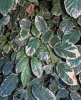
‘Spanish Canary’ is a recognized cultivated Moroccan Ivy with reddish stems and large glossy pale-green juvenile leaves that darken with age. It may also be sold under the nursery synonym Hedera ‘Spanish Hotel’.
Historical or alternate botanical usage includes Hedera helix subsp. maroccana (McAll.) Fennane. Older labels may place Moroccan Ivy within a broad Hedera helix concept or confuse it with Hedera canariensis and Hedera algeriensis.
“Ivy” alone is highly ambiguous. The name is also applied to Poison Ivy, Boston Ivy, Devil’s Ivy, Swedish Ivy, Ground Ivy, German Ivy, Cape Ivy, Ivy Geranium, Grape Ivy, Kenilworth Ivy, and other botanically unrelated plants. Toxicity must be assigned from the scientific identity rather than the word ivy.
Exact-Species Evidence and the True-Ivy Precaution
Moroccan Ivy toxicology is defined partly by an important evidence gap. The species is accepted botanically and is a close relative of English, Canary, Algerian, Irish, Madeira, and Iberian ivies, but its complete saponin and polyacetylene profile has not been studied as thoroughly as that of English Ivy. No controlled study establishes a toxic dose in dogs, cats, horses, livestock, birds, rabbits, or reptiles.
The plant should nevertheless be treated as poisonous or irritating. Triterpenoid saponins are characteristic constituents of the genus, and closely related ivy material contains compounds capable of irritating gastrointestinal mucosa. Fresh English and Canary Ivy material also contains potent contact irritants and sensitizers. Until direct Moroccan Ivy measurements demonstrate otherwise, equivalent ingestion and handling precautions are justified.
This evidence boundary matters. It is scientifically stronger to state that Moroccan Ivy is expected to share clinically relevant true-ivy hazards than to claim that every named English Ivy compound has already been quantified in Hedera maroccana.
Triterpenoid Saponins
Saponins are glycosides composed of a lipid-soluble aglycone attached to one or more water-soluble sugar chains. Their amphiphilic structure gives them detergent-like properties, allows many of them to form persistent foam, and enables interaction with cholesterol and other membrane components.
English Ivy leaves and fruits contain numerous hederagenin-derived triterpenoid saponins. Important examples include hederacoside C, also called hederasaponin C; hederacoside or hederasaponin B; α-hederin; β-hederin; hederagenin; and additional glycosides. Fruit research has identified several structurally distinct saponins rather than one universal “ivy toxin.”
The comparable compounds in Moroccan Ivy have not been mapped comprehensively. Botanical relationship makes similar chemistry likely, but exact concentrations may differ with species, plant population, juvenile or adult growth, organ, season, light, water stress, cultivar, and extraction method.
Hederacoside C
Hederacoside C is commonly the dominant saponin measured in standardized English Ivy leaf extracts. It is a large bidesmosidic glycoside derived from hederagenin and bearing several sugar units.
Loss of terminal sugar groups can convert hederacoside C into α-hederin. Plant metabolism, microbial activity, extraction, digestion, and laboratory processing can influence the relationship between the precursor and its smaller products.
Hederacoside C is useful as an analytical and pharmaceutical marker for English Ivy preparations. Its prominence in that species does not prove that it is the dominant compound in every Moroccan Ivy specimen.
Alpha-Hederin, Beta-Hederin, and Hederagenin
α-Hederin is a monodesmosidic saponin with greater direct membrane activity than the larger hederacoside C molecule in several experimental systems. β-Hederin is a related glycoside with a different sugar configuration. Hederagenin is the non-sugar triterpene aglycone from which many ivy saponins are derived.
Purified α-hederin alters cell membranes and receptor behavior under laboratory conditions. Those findings explain biological activity but do not predict that one Moroccan Ivy leaf will cause systemic membrane destruction in an animal.
The clinical syndrome after chewing raw ivy reflects a variable plant mixture, gastrointestinal exposure, incomplete absorption, metabolism, and the quantity consumed. It cannot be reduced to the activity of a purified compound placed directly onto cultured cells.
How Saponins Produce Gastrointestinal Illness
Chewed plant material releases saponins into saliva and gastrointestinal fluid. Contact with the mouth and stomach can produce an unpleasant sensation, salivation, repeated swallowing, coughing, nausea, vomiting, abdominal cramping, diarrhea, and appetite loss.
Saponins may also stimulate gastrointestinal smooth muscle. Experiments using English Ivy extract and selected saponins found direct effects on isolated stomach tissue, supporting a credible mechanism for cramping and altered motility.
Oral absorption of many triterpenoid saponins is limited. This helps explain why a small natural-plant exposure usually remains a local gastrointestinal problem rather than producing widespread organ failure. Large quantities, concentrates, vulnerable patients, and severe fluid loss can produce a more significant illness.
Laboratory Hemolysis and Why It Should Not Be Overstated
Some saponins can disrupt red-cell membranes when mixed directly with blood or introduced by routes that bypass the gastrointestinal tract. This laboratory property is often described as hemolytic activity.
Routine hemolytic anemia is not an established clinical feature of an ordinary true-ivy nibble. The digestive barrier, incomplete absorption, metabolism, dose, and molecular structure all affect whether a laboratory effect has veterinary relevance.
Pale gums, yellow tissue, dark urine, rapid breathing, profound weakness, or collapse requires investigation for bleeding, immune-mediated hemolysis, onion or garlic exposure, zinc, acetaminophen, infectious disease, shock, or another toxin rather than automatic attribution to ivy saponins.
Falcarinol and Didehydrofalcarinol
Fresh English Ivy contains falcarinol and didehydrofalcarinol, reactive C17 polyacetylenes that act as powerful irritants and moderate contact sensitizers. The same two compounds were demonstrated in plant material historically classified as Hedera helix subsp. canariensis.
Falcarinol can penetrate the outer skin barrier and react with proteins, producing local irritation and initiating delayed immune sensitization. Very low test concentrations have produced strong patch-test reactions in sensitized people.
Direct chemical measurement in Moroccan Ivy is sparse. Its close relationship to the North African and Macaronesian ivies makes a similar contact hazard plausible, but the page should not claim one exact falcarinol concentration or guarantee that every rash is caused by that molecule.
Irritant Versus Allergic Contact Dermatitis
Irritant dermatitis occurs when fresh plant tissue, sap, friction, or another substance directly injures the skin. It may begin soon after contact and is often concentrated where crushed leaves or cut stems touched the body.
Allergic contact dermatitis requires sensitization. The first exposure may cause little visible reaction, while later contact produces itching, redness, swelling, papules, vesicles, weeping eczema, or blistering. Symptoms may not become obvious until hours or days after the contact occurred.
Both mechanisms may occur together. Pesticides, herbicides, fertilizer, mites, mold, bacteria, grooming products, and another plant can produce similar lesions and should be investigated when disease is severe, recurrent, or poorly localized.
Emetine Is Not an Established Moroccan Ivy Toxin
An older study isolated the ipecac alkaloid emetine from several English Ivy samples collected in Egypt. Later investigators did not consistently confirm its presence, and modern ivy standardization focuses primarily on triterpenoid saponins rather than emetine.
No evidence establishes emetine as a characteristic Moroccan Ivy constituent. It should remain an historical phytochemical report rather than the explanation for routine vomiting, diarrhea, staggering, or cardiovascular abnormalities after Moroccan Ivy exposure.
Phenolic and Other Constituents
English Ivy studies have identified rutin, chlorogenic acid, caffeic-acid derivatives, dicaffeoylquinic acids, flavonoids, sterols, and additional metabolites. These compounds contribute to the plant’s overall pharmacology and antioxidant activity.
They are not regarded as the primary explanation for the expected acute veterinary syndrome. Naming every detected phenolic compound as a toxin would confuse chemical presence with clinical causation.
Leaves, Stems, Roots, Flowers, and Berries
No Moroccan Ivy organ has been established as pet-safe. Juvenile leaves, adult flowering leaves, stems, bark, sap, aerial rootlets, underground roots, flowers, berries, seeds, cuttings, and dried debris should remain inaccessible.
English Ivy foliage is often described as containing more saponin than ripe fruit, but equivalent quantitative comparison has not been demonstrated for Moroccan Ivy. Berries should not be advertised as less toxic or safe merely because birds eat them.
Roots and aerial rootlets are living vascular tissues rather than inert fibers. They should not be used as rabbit forage, rodent chewing material, bird perches, reptile décor, wreath bases, or animal bedding.
Bird Consumption Does Not Establish Mammalian Safety
Ivy fruit is an important seasonal food for several wild birds. Bird species may swallow berries whole, pass seeds rapidly, select fruit by ripeness, or possess gastrointestinal and metabolic traits different from those of mammals.
A dog, horse, rabbit, or livestock animal may chew fruit together with leaves, stems, mulch, mold, pesticide residue, and large quantities of plant material. Wild-bird use is an ecological observation, not a veterinary feeding trial.
Dried Ivy and Decorative Material
Drying does not establish that the plant’s saponins have disappeared. Dead vines, dried leaves, wreaths, floral arrangements, craft material, discarded climbing stems, and old berries should not be offered as animal enrichment.
Dried material creates additional mechanical concerns. Brittle stems and leaf fragments can irritate or obstruct the mouth, throat, crop, gastrointestinal tract, or airway. Dust may contaminate eyes, feathers, fur, food, water, cages, and bedding.
Medicinal Ivy Extracts and Cough Syrups
Standardized English Ivy leaf extracts are used in human cough medicines because of investigated expectorant, secretolytic, and smooth-muscle effects. These preparations are manufactured to particular extraction and concentration standards and are not equivalent to chewing fresh Moroccan Ivy.
Concentrated extract can deliver far more saponin than a leaf nibble. A published dog case described severe gastroenteritis after excessive administration of a human English Ivy syrup. The report supports concern about concentrated products without proving that a small natural-plant bite produces the same severity.
Human syrups may contain alcohol, xylitol, acetaminophen, decongestants, antihistamines, flavorings, sweeteners, preservatives, or other active ingredients. Product assessment must use the complete formulation.
Pesticides, Herbicides, and Landscape Chemicals
Outdoor ivy may be treated with systemic insecticides, foliar insecticides, fungicides, herbicides, fertilizer, slug bait, growth regulators, surfactants, or cleaning chemicals. Chemical residue can create signs unlike ordinary saponin irritation.
Tremors, seizures, excessive secretions, pinpoint pupils, profound weakness, abnormal heart rhythm, respiratory distress, severe agitation, or collapse should increase concern for a co-exposure or incorrect plant identification.
No Validated Dose or Specific Antidote
No validated toxic dose exists for dogs, cats, horses, cattle, sheep, goats, pigs, camelids, rabbits, guinea pigs, rodents, birds, reptiles, or other animals. Risk depends on the actual species, amount, plant organ, fresh or dried condition, chewing, extract concentration, animal size, prior sensitization, hydration, medical history, and accompanying chemicals.
There is no specific antidote. Treatment removes the source, controls vomiting and diarrhea, replaces fluid losses, cleans exposed skin and eyes, treats hypersensitivity or secondary infection, and investigates other toxins when the illness exceeds the expected ivy syndrome.
Expected Timing and Clinical Pattern
Oral and gastrointestinal signs may begin within several hours, although no exact onset has been established for Moroccan Ivy. A small exploratory bite may cause no visible illness, while repeated chewing or a large quantity may produce drooling, nausea, vomiting, abdominal discomfort, diarrhea, appetite loss, depression, or temporary lethargy.
Skin disease follows a different timeline. Direct irritation may begin relatively quickly, while allergic contact dermatitis may not become visible until later the same day or over the following several days.
Most natural-plant exposures are expected to remain mild to moderate. Severe neurologic, cardiovascular, or respiratory illness requires a broader investigation rather than automatic attribution to one ivy leaf.
Mouth and Throat Irritation
An exposed animal may lick its lips, drool, swallow repeatedly, cough, gag, rub its face, paw at its muzzle, refuse hard food, or vocalize while chewing. These findings may result from saponins, fresh sap, a lodged stem, or physical abrasion.
True ivy does not produce the characteristic needle-like injury caused by insoluble calcium-oxalate crystals in Pothos, Philodendron, Monstera, Dieffenbachia, or Schefflera. Immediate extreme pain, marked tongue enlargement, extensive oral ulceration, or inability to swallow saliva is therefore atypical.
Severe swelling or obstruction requires examination for hypersensitivity, a calcium-oxalate plant, insect sting, caustic chemical, electrical injury, bone, stick, thorn, string, or another foreign object.
Vomiting, Diarrhea, and Abdominal Pain
Gastrointestinal irritation is the most credible and consistently expected syndrome. Vomit or stool may contain leaves, stems, berries, aerial roots, mulch, soil, plastic, or pesticide residue.
Abdominal discomfort may appear as restlessness, a hunched posture, repeated stretching, guarding, vocalization, flank watching, or reluctance to lie down. Mild discomfort should improve as the irritation resolves.
Persistent vomiting, repeated unproductive retching, progressive distension, severe pain, failure to pass stool, or renewed vomiting after apparent improvement raises concern for swallowed woody stems, mulch, string, plastic, obstruction, pancreatitis, or another disease.
Dehydration and Secondary Weakness
Repeated vomiting and diarrhea can cause tacky gums, sunken eyes, reduced skin elasticity, thirst, weak pulses, reduced activity, low blood pressure, and decreased urination. Small, young, geriatric, or medically fragile animals can become unstable more quickly.
Mild lethargy may accompany nausea. Marked weakness, inability to stand, collapse, or reduced responsiveness is disproportionate to a minor nibble and requires evaluation for severe dehydration, shock, pesticide exposure, another poisonous plant, metabolic disease, or neurologic illness.
Contact Dermatitis
Fresh sap, crushed foliage, pruning debris, aerial rootlets, and treated leaves may cause redness, itching, warmth, swelling, papules, scaling, crusting, weeping lesions, or blisters. The muzzle, lips, eyelids, ears, feet, lower legs, abdomen, groin, and other thinly haired areas are especially vulnerable.
The distribution often reflects direct contact. A dog that ran through freshly cut groundcover may develop lesions on the feet and abdomen, while a cat climbing a pruned wall may be affected around the paws, face, and ears.
Continued licking and scratching can transform mild inflammation into erosions, ulcers, hair loss, bacterial infection, or yeast overgrowth. Skin disease that persists after the plant is removed may require cytology, culture, parasite testing, fungal evaluation, or investigation of another allergen.
Delayed Allergic Reactions
Allergic contact dermatitis may develop after previous exposures that appeared uneventful. Once sensitized, an animal may react to a smaller amount of fresh plant material than was required initially.
Delayed disease can make the connection difficult to recognize. The rash may become obvious after the animal has left the garden, after clippings were removed, or after contaminated collars, bedding, grooming tools, or work clothes continue to transfer residue.
Facial Swelling and Anaphylaxis
Rapid swelling of the lips, muzzle, eyelids, tongue, or throat; widespread hives; wheezing; difficult breathing; pale or blue-gray gums; weakness; vomiting with collapse; or reduced responsiveness may indicate a severe hypersensitivity reaction.
Documented exact-species anaphylaxis is lacking, and another plant, insect sting, pesticide, medication, or environmental allergen may be responsible. The cause does not reduce the urgency. Airway compromise and shock require immediate veterinary treatment.
Eye Exposure
Plant sap, dust, hairs, and small fragments may cause tearing, blinking, squinting, redness, eyelid swelling, discharge, light sensitivity, and persistent face rubbing. Mechanical abrasion can occur independently of chemical irritation.
Cloudiness, inability to open the eye, continued pain after irrigation, visible material beneath the eyelid, or reduced vision requires prompt examination and corneal staining.
Dogs
Dogs may chew groundcover, pull vines from walls or tree trunks, carry pruning debris, eat berries from mulch, or investigate wreaths and dried decorations. Likely signs include salivation, vomiting, diarrhea, abdominal discomfort, appetite loss, coughing, and lethargy.
A dog may also swallow long fibrous stems, bark, plastic ties, landscape fabric, fertilizer, or mulch. Persistent gastrointestinal signs should not be assumed to result from saponins alone.
Cats
Cats may bite hanging leaves, climb through the vine, play with cuttings, or groom plant residue from their paws and coat. They may drool quietly, vomit, hide, stop eating, develop diarrhea, or become less active.
Continued food refusal requires attention even when the initial plant toxicity appears low. Persistent nausea, mouth discomfort, dehydration, pancreatitis, kidney disease, foreign material, or another toxin may be present.
Horses and Livestock
Horses and livestock are most likely to encounter Moroccan Ivy when ivy-covered branches, hedge trimmings, uprooted groundcover, wreaths, or mixed landscaping waste are thrown into an enclosure.
Possible findings include salivation, feed refusal, abdominal discomfort, diarrhea, depression, coughing, and temporary weakness. Horses cannot vomit and may show colic, reduced appetite, loose manure, or depression instead.
A historical English Ivy account described excitement, staggering, and loud bellowing after cattle consumed a large quantity. That report supports taking a substantial true-ivy ingestion seriously but does not prove that every Moroccan Ivy exposure will cause neurologic disease.
Rabbits, Guinea Pigs, and Rodents
Moroccan Ivy should not be offered as forage, browse, bedding, nesting material, or chewing enrichment. Possible signs include drooling, reduced appetite, abdominal discomfort, diarrhea, lethargy, and reduced fecal production.
These animals cannot vomit. Even mild oral or gastric discomfort can interrupt normal feeding and lead to gastrointestinal stasis or other secondary complications.
Birds
Birds may shred leaves, berries, stems, or fresh-cut branches used mistakenly as perches or cage decoration. Possible signs include beak wiping, regurgitation, altered droppings, reduced appetite, weakness, skin irritation, eye irritation, or abnormal balance.
Reliable Moroccan Ivy bird data are lacking. Small body size, efficient chewing, and possible pesticide residue justify prompt avian veterinary consultation after a meaningful ingestion.
Reptiles and Other Exotics
Moroccan Ivy should not be planted as browse or live enclosure vegetation for tortoises and other herbivorous reptiles. Sap, pesticide residue, berries, and indigestible stems create uncertain risk.
Food refusal, regurgitation, diarrhea, weakness, abnormal movement, eye irritation, or reduced responsiveness warrants species-experienced veterinary advice. Environmental temperature may affect the speed and visibility of illness.
Severe Findings That Require Another Explanation
Stupor, pronounced ataxia, profound muscular weakness, bradycardia, hypotension, major arrhythmias, tremors, seizures, coma, respiratory paralysis, liver failure, or kidney failure is not the expected syndrome after a minor Moroccan Ivy ingestion.
These findings require investigation for pesticide or herbicide, medication, cannabis, mushrooms, tremorgenic mold toxins, metabolic disease, head trauma, severe dehydration, hypoglycemia, another poisonous plant, or a concentrated ivy extract.
Duration and Prognosis
Mild oral and gastrointestinal signs should improve progressively after access stops and hydration remains adequate. Some animals recover within several hours, while continued vomiting, diarrhea, or appetite loss may require one or more days of treatment.
Dermatitis can last longer and may recur after renewed contact or continued environmental contamination. Secondary infection can prolong disease even after the plant has been removed.
The prognosis is good to excellent for most limited natural-plant exposures. It becomes more serious with severe dehydration, anaphylaxis, aspiration, extensive dermatitis, ocular injury, foreign-body ingestion, concentrated extract, pesticides, or incorrect plant identification.
Accepted Identity and Range
Moroccan Ivy is Hedera maroccana, an evergreen woody climber in Araliaceae. It was formally published as a distinct species in 1993 and is currently accepted under that name.
Its native range is northwestern Africa, specifically Algeria and Morocco. It has been introduced into the Canary Islands and Spain and is cultivated elsewhere as a vigorous wall climber, groundcover, specimen vine, and landscape plant.
The alternate name Hedera helix subsp. maroccana reflects a narrower taxonomic interpretation that placed Moroccan Ivy beneath English Ivy. Current treatment recognizes it at species rank while acknowledging its close relationship to other Atlantic and Mediterranean ivies.
A Distinct Species Within a Difficult Ivy Complex
True ivies form a polyploid complex in which closely related species share many physical characteristics and genetic lineages. English, Irish, Canary, Algerian, Moroccan, Madeira, and Iberian ivies can be difficult to separate from one leaf or a nursery trade name.
Microscopic leaf and bud hairs, chromosome number, geography, juvenile morphology, adult foliage, and molecular evidence have all contributed to modern classification. This complexity explains why older labels may identify Moroccan Ivy as English, Canary, or Algerian Ivy.
Taxonomic uncertainty does not remove the exposure concern. Every uncertain true Hedera should be treated as capable of causing gastrointestinal irritation and fresh-plant dermatitis.
Growth Form
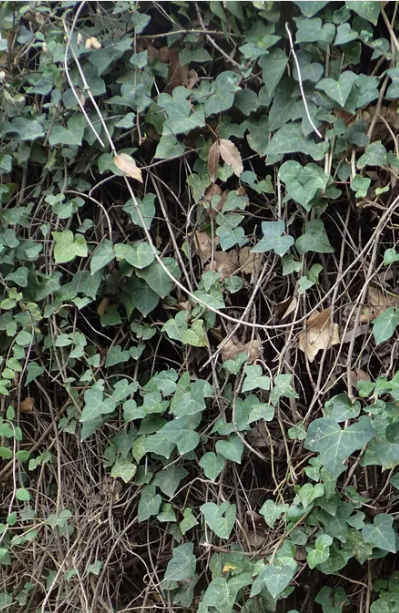
Moroccan Ivy is a woody evergreen vine capable of creeping across the ground or climbing trees, cliffs, walls, masonry, fences, and other supports. Climbing shoots attach through numerous short aerial rootlets.
On open ground, the plant can form dense mats. When a vertical support is available, juvenile stems climb toward stronger light and may eventually reach a mature reproductive position.
Long established vines can develop thick woody trunks and extensive branching. The older wood remains living plant tissue and may conceal fresh shoots, berries, bird nests, insects, pesticide residue, and accumulated debris.
Juvenile Climbing Phase
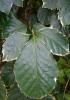
Juvenile stems produce aerial rootlets and the familiar lobed ivy leaves. Moroccan Ivy juvenile leaves are generally large, leathery, glossy, and divided into three to five pointed lobes.
Young stems may be green, reddish, or purple-tinged before becoming woody. The aerial rootlets emerge primarily on the surface facing the climbing substrate and attach the stem tightly to bark, stone, concrete, stucco, or wood.
Juvenile stems can root when they contact moist soil. A loose clipping may therefore remain fresh for an extended period and establish a new plant if discarded rather than contained.
Adult Reproductive Phase
Mature reproductive shoots differ dramatically from juvenile climbing growth. They become outward-growing rather than tightly attached, stop producing abundant clinging rootlets, and develop broader leaves that are weakly lobed or entirely unlobed.
This change can cause an owner to believe that two plant species are growing together. Adult and juvenile branches may remain connected to the same trunk and root system.
Maturity is influenced by plant age, light, position, and developmental programming. Simply touching a support does not instantaneously transform a juvenile shoot into flowering adult growth.
Flowers and Pollinators
Small greenish or yellow-green flowers occur in rounded umbels on adult shoots. Individual flowers are inconspicuous, but large mature vines may produce numerous clusters.
Flowering can provide an important late-season nectar and pollen source for insects. Bees, wasps, flies, and other visitors may create a separate sting risk for animals investigating flowering ivy.
The flowers have not been demonstrated to be safe animal food. Fallen clusters should be removed from kennels, patios, aviaries, rabbit runs, and livestock-accessible ground.
Fruit and Seeds
After pollination, Moroccan Ivy produces rounded fruits that ripen to dark purple or black. Fruiting occurs on mature reproductive branches rather than ordinary juvenile groundcover.
Wild birds may eat and disperse the fruit. Fallen berries can accumulate beneath walls, trees, hedges, balconies, and roosting areas where dogs, poultry, rabbits, or livestock can reach them.
English Ivy fruit contains several triterpenoid saponins, but direct Moroccan Ivy fruit analysis is incomplete. Berries and seeds should therefore remain inaccessible without claiming a precise leaf-to-fruit toxicity ratio.
The ‘Spanish Canary’ Cultivar
Hedera maroccana ‘Spanish Canary’ is a vigorous cultivated form with reddish stems and large, glossy, pale-green five-lobed juvenile leaves that darken with age. It may reach several meters when allowed to climb.
Small greenish flower umbels and black fruit can form on mature growth. The cultivar has also been sold under the nursery synonym Hedera ‘Spanish Hotel’.
Its lighter foliage, nursery name, and selected ornamental characteristics do not establish that saponins or contact allergens have been removed.
Moroccan Ivy Versus English Ivy
English Ivy is Hedera helix, native across much of Europe and from the Mediterranean region toward western Asia. Moroccan Ivy has its natural center in northwestern Africa and often produces larger, more substantial foliage.
Both display juvenile lobed climbing leaves, aerial rootlets, adult unlobed flowering shoots, rounded umbels, and dark fruit. Both warrant ingestion and fresh-plant contact precautions.
Most chemical and veterinary data available for true ivy involve English Ivy. Those studies provide the closest evidence base for Moroccan Ivy but should remain clearly identified as related-species evidence.
Moroccan Ivy Versus Algerian and Canary Ivy
Algerian Ivy, Hedera algeriensis, and Canary Ivy, Hedera canariensis, are large-leaved regional ivies frequently confused with Moroccan Ivy in nursery trade. Labels such as Algerian, Canary, North African, and Spanish Ivy have been used inconsistently.
Canary Ivy material was included in research that demonstrated falcarinol and didehydrofalcarinol. The study supports fresh-plant handling precautions across closely related ivies but does not quantify Moroccan Ivy directly.
Preserve mature and juvenile growth, shoot-tip hairs, fruit, flowers, labels, and geographic information when species-level identification matters.
Moroccan Ivy Versus Poison Ivy
Poison Ivy belongs to Toxicodendron in Anacardiaceae and contains urushiol. It commonly has compound leaves consisting of three separate leaflets.
Moroccan Ivy has simple leaves that may be divided into lobes but remain one continuous leaf blade. It climbs with numerous short aerial rootlets rather than through the same growth pattern as Poison Ivy.
Falcarinol and urushiol are different allergens. Sensitization to one does not establish cross-reactivity with the other, and the plants require separate handling and exposure assessments.
Moroccan Ivy Versus Boston Ivy
Boston Ivy is Parthenocissus tricuspidata in the Grape family. It climbs by branched tendrils ending in adhesive discs rather than by dense aerial rootlets emerging directly along the stem.
Boston Ivy foliage often turns red in autumn, while Moroccan Ivy remains evergreen. The two plants differ in chemistry despite sharing a climbing habit and ivy name.
Moroccan Ivy Versus Devil’s Ivy
Devil’s Ivy or Pothos is Epipremnum aureum, a tropical aroid houseplant containing insoluble calcium-oxalate raphides. Chewing it usually causes immediate intense oral pain, drooling, mouth pawing, and swallowing difficulty.
Moroccan Ivy lacks the characteristic aroid crystal syndrome. Its expected signs are gastrointestinal irritation and possible contact dermatitis. Severe immediate oral burning suggests Pothos or another crystal-containing plant rather than ordinary true ivy.
Moroccan Ivy Versus Ground Ivy and Ivy Geranium
Ground Ivy, Glechoma hederacea, is an aromatic creeping member of the Mint family with opposite scalloped leaves and purple flowers. It does not attach to walls with ivy rootlets.
Ivy Geranium is Pelargonium peltatum, a trailing flowering plant with succulent stems and rounded or lobed leaves. It is unrelated to true ivy and has a different irritant profile.
Common-name similarity is not sufficient to transfer toxin descriptions among these plants.
Where Dogs Encounter Moroccan Ivy
Dogs may chew groundcover, pull vines from walls, carry cut branches, dig at exposed roots, eat fallen berries, investigate wreaths, or raid pruning piles. Puppies may shred long stems as toys before an unpleasant taste discourages them.
Outdoor exposure may also involve mulch, slug bait, fertilizer, pesticides, landscape fabric, wire, plastic ties, and decomposing organic material. Preserve the entire scene rather than presenting the veterinarian with one leaf and assuming it explains every sign.
Where Cats Encounter Moroccan Ivy
Cats may climb through vines, bite hanging foliage, hide within dense groundcover, play with cuttings, or groom sap and fragments from their paws and coat.
A high wall does not guarantee inaccessibility. Climbing cats may reach mature flowering branches and fruit, while fallen material brings the plant back to ground level.
Horses and Livestock
Moroccan Ivy is not normal forage. Most large-animal exposure is created when an owner, landscaper, contractor, or neighbor throws ivy-covered branches, hedge clippings, wreaths, or uprooted groundcover into an enclosure.
A historical report involving the related English Ivy stated:
“Cattle that ingested large quantities of English ivy vine became ill and excitable, started staggering, and bellowed loudly. The odor of crushed ivy leaves was on the breath and in the milk. Recovery was quick and complete in three days.”
This account supports the possibility that a very large true-ivy ingestion can produce more than mild diarrhea. It involved English Ivy rather than confirmed Moroccan Ivy and should not be used as a species-specific dose or prediction.
Mixed landscape waste deserves particular caution because Oleander, Yew, Rhododendron, Cherry Laurel, Privet, Lantana, and other serious poisons may be discarded with the ivy.
Rabbits, Guinea Pigs, Rodents, and Other Small Herbivores
Moroccan Ivy should not be used as forage, browse, bedding, nesting material, or chewing enrichment. Small herbivores may consume substantial plant material before discomfort becomes apparent.
Drooling, food refusal, diarrhea, abdominal discomfort, reduced fecal production, or lethargy can become serious through gastrointestinal stasis, dehydration, and disruption of normal microbial fermentation.
Birds
True ivy should not be used as cage foliage, perches, nesting material, or shredding enrichment. Birds may strip the bark, crush leaves and fruit, and spread sap or pesticide residue onto the beak, feet, feathers, food, and water.
Wild birds eating ripe berries does not establish safety for a companion bird receiving access to an entire branch. Species, quantity, chewing, maturity, and digestive physiology differ.
Reptiles and Tortoises
Moroccan Ivy should not be planted as edible enclosure vegetation. Dense ivy can also conceal mold, pesticides, insects, sharp debris, and escape routes.
Tortoises and herbivorous lizards should receive identified, nutritionally appropriate browse rather than ornamental vines with uncertain saponin concentrations.
Pruning, Removal, and Landscape Work
Pruning creates extensive fresh cut surfaces and crushes leaves against gloves, arms, clothing, equipment, and animal coats. Mechanical removal from masonry can release dust, old berries, insects, soil, mold, and brittle stem fragments.
Animals should remain outside the work zone. Wear gloves, long sleeves, and eye protection; clean tools and hard surfaces; launder contaminated clothing; and collect every clipping before access resumes.
Do not leave piles to wilt where animals can investigate them. Wilting may change texture and palatability without proving that saponins or allergens have disappeared.
Contact Dermatitis and Environmental Persistence
A dermatitis outbreak may continue after the vine is removed because contaminated collars, harnesses, bedding, brushes, vehicle upholstery, garden gloves, and pruning tools retain plant residue.
Repeated lesions in the same body areas can reflect recontact rather than failure of medication. Cleaning the animal without cleaning the environment may produce apparent recurrence.
Delayed allergic dermatitis also means that visible lesions may emerge after the original gardening event is forgotten. A timeline of pruning, walking routes, yard access, and new landscaping helps identify the source.
Medicinal English Ivy Products
Standardized English Ivy extracts appear in human cough syrups, drops, lozenges, and herbal combinations. Their pharmacology is based primarily on English Ivy leaf preparations rather than Moroccan Ivy.
Human therapeutic use does not justify giving raw leaves or a human product to an animal. Extract concentration, sweeteners, alcohol, preservatives, other drugs, and body-size differences can transform an apparently botanical product into a substantial poisoning.
A dog with severe vomiting and diarrhea after ivy syrup requires evaluation of the entire formulation and amount, not only the word ivy.
The Historical Emetine Report
Emetine was isolated from English Ivy samples in a 1975 study. Later sources reported that its occurrence could not be confirmed consistently.
The finding is historically important but does not establish emetine in Moroccan Ivy or justify presenting the plant as an ipecac-like emetic. The better-supported true-ivy concerns are triterpenoid saponins and fresh-plant contact allergens.
Fatality Claims and Physical Airway Obstruction
Occasional secondary sources imply that ordinary ivy ingestion routinely causes death. The evidence is much weaker than that statement suggests, especially for Moroccan Ivy.
One unusual human English Ivy death involved an enormous quantity of leaves physically obstructing the mouth and throat. Analytical work was performed to investigate saponins, but the immediate cause was suffocation rather than demonstrated lethal systemic absorption.
Animals can likewise choke on long stems, compacted leaves, wreath material, or vomit. Mechanical obstruction and aspiration remain legitimate emergencies even when systemic saponin toxicity is expected to be mild.
Diagnosis
Diagnosis begins by confirming Hedera maroccana or at least a true Hedera. The veterinarian evaluates the amount, plant organ, fresh or dried condition, sap exposure, skin distribution, time course, gastrointestinal losses, hydration, respiratory status, and possible chemicals.
Preserve juvenile and adult branches, flowers or berries when available, shoot-tip photographs, nursery labels, pesticide records, mulch or compost samples, and material recovered from vomit or stool.
No rapid blood or urine test confirms Moroccan Ivy ingestion. Laboratory testing is selected to assess dehydration, electrolytes, kidney perfusion, inflammation, organ function, hypersensitivity, or a suspected co-exposure.
Differential Diagnosis
Vomiting and diarrhea may result from spoiled food, parasites, infection, pancreatitis, medications, garbage, pesticides, fertilizer, another toxic plant, or gastrointestinal obstruction.
Severe oral burning suggests a calcium-oxalate plant. Marked neurologic disease requires consideration of cannabis, medications, pesticides, mushrooms, tremorgenic mold toxins, head trauma, metabolic disease, and additional poisonous plants.
Facial swelling and hives may result from an insect sting, vaccine, food, medication, chemical, or environmental allergen rather than ivy alone.
Prognosis and Prevention
The prognosis is generally good to excellent after a limited natural-plant exposure. Mild vomiting, diarrhea, salivation, or skin irritation usually responds to removal of the source and appropriate supportive care.
Prevent exposure by keeping Moroccan Ivy outside animal enclosures, collecting fruit and fallen leaves, supervising landscape work, securing trimmings immediately, and refusing to use ivy as forage, bedding, perches, wreath material, or enrichment.
The outlook becomes more serious with repeated fluid loss, anaphylaxis, aspiration, extensive dermatitis, ocular injury, foreign material, concentrated extracts, pesticide exposure, or misidentified plant material.
Immediate Response
- Stop further exposure: Move the animal away from the vine, fallen leaves, flowers, berries, stems, aerial roots, wreaths, sap, mulch, and pruning debris.
- Preserve a complete specimen: Save juvenile and adult leaves when available, stems, flowers, berries, roots, nursery labels, and photographs of the entire vine.
- Estimate the maximum amount: Determine whether the animal took one bite, chewed repeatedly, swallowed berries, consumed long stems, or accessed a concentrated ivy product.
- Identify chemical treatments: Preserve every herbicide, insecticide, fertilizer, fungicide, slug-bait, and landscape-product label used near the plant.
- Record the timeline: Note when ingestion or skin contact occurred and when drooling, vomiting, diarrhea, coughing, rash, swelling, or lethargy began.
- Contact a professional: Call a veterinarian or animal poison-control service for more than a minor nibble, repeated signs, concentrated products, chemical treatment, extensive dermatitis, eye exposure, or uncertain plant identification.
Assess the Animal
- Check responsiveness: Marked lethargy, confusion, stupor, collapse, or reduced responsiveness requires urgent veterinary care.
- Check breathing: Wheezing, noisy breathing, rapid shallow breaths, gasping, open-mouth breathing, or marked effort is an emergency.
- Check the face: Rapid swelling of the lips, muzzle, eyelids, tongue, or throat may indicate serious hypersensitivity.
- Check coordination: Staggering, repeated falling, inability to stand, tremors, or seizures is not expected after a minor nibble and requires immediate assessment.
- Check hydration: Tacky gums, sunken eyes, worsening weakness, reduced urination, or inability to retain water may indicate significant fluid loss.
- Check for foreign material: Determine whether long stems, mulch, wire, plastic ties, landscape fabric, stones, or wreath components were swallowed.
Remove Loose Material from the Mouth
- Wear gloves: Fresh true ivy can irritate or sensitize human skin, and a nauseated or painful animal may bite unexpectedly.
- Remove only visible loose pieces: Carefully take accessible leaves, stems, berries, and plant fragments from the lips and front of the mouth.
- Avoid blind sweeps: Do not reach deeply into the throat or push a long stem or leaf mass toward the airway.
- Do not pull fixed material: String, wire, vine, or another object extending from the mouth may be anchored internally and requires veterinary removal.
- Wipe visible sap: Use a damp cloth on the lips and front of the mouth in a fully alert animal.
- Rinse only when safe: A gentle low-pressure rinse may be considered only when the animal is conscious, breathing normally, swallowing normally, and able to protect the airway.
- Stop if coughing or gagging begins: Further oral cleaning becomes unsafe when swallowing is impaired.
Do Not Induce Vomiting at Home
- Do not give hydrogen peroxide automatically: Ivy can cause spontaneous vomiting, drooling, coughing, weakness, and altered swallowing, increasing aspiration risk.
- Never give peroxide to a cat: Hydrogen peroxide can cause serious feline gastric and esophageal injury.
- Never induce vomiting after signs begin: Do not attempt emesis in an animal that is vomiting, drooling heavily, coughing, swollen, weak, staggering, sedated, trembling, collapsed, or swallowing poorly.
- Do not induce vomiting after long or sharp material: Woody stems, wire, plastic, wreath frames, and similar objects may damage the esophagus on return.
- Do not use household emetics: Salt, mustard, ipecac, dish soap, oil, syrup, fingers in the throat, and manual gagging are unsafe.
- Do not induce vomiting in horses, livestock, rabbits, guinea pigs, birds, or reptiles: Household emesis is inappropriate or physiologically impossible in these species.
- Allow professional selection: A veterinarian or poison-control professional may consider controlled emesis after a substantial recent mixed exposure in an appropriate fully alert, stable, asymptomatic dog.
Activated Charcoal
- Do not give charcoal routinely: Most natural ivy cases involve local or gastrointestinal irritation for which owner-administered charcoal has no established routine benefit.
- Use only for a justified absorbable co-toxin: A veterinarian may consider charcoal after pesticide, medication, concentrated extract, or another toxic substance was swallowed.
- Never force charcoal: Do not administer it to a vomiting, coughing, weak, swollen, sedated, trembling, recumbent, or poorly swallowing animal.
- Do not repeat doses without direction: Repeated charcoal can cause dehydration, electrolyte abnormalities, constipation, high blood sodium, obstruction, or aspiration.
- Do not use household charcoal: Barbecue briquettes, fireplace ash, burned food, and homemade carbon are not medical activated charcoal.
Do Not Give Household Remedies or Owner-Selected Medication
- Do not give milk or dairy: Milk, yogurt, cheese, and cream do not neutralize ivy saponins and may worsen nausea or diarrhea.
- Do not give oil: Cooking oil, coconut oil, and mineral oil do not protect gastrointestinal tissue and may be aspirated.
- Do not give anti-diarrheal medication: Loperamide, bismuth products, kaolin mixtures, and similar remedies should not be owner-selected.
- Do not give antacids: Human antacids do not reverse the plant’s chemistry and may contain inappropriate ingredients.
- Do not give sucralfate without direction: Its indication and administration must be determined by a veterinarian.
- Do not give human pain medication: Ibuprofen, naproxen, acetaminophen, aspirin, and similar drugs can create an additional poisoning.
- Do not give herbal antidotes: Teas, extracts, essential oils, charcoal foods, and other plant remedies can complicate the original exposure.
Antihistamines, Swelling, and Breathing Difficulty
- Do not give diphenhydramine automatically: The correct treatment depends on the species, medical history, medication, signs, and whether the reaction is allergic, irritant, chemical, or caused by another plant.
- Do not delay emergency care: An owner-given antihistamine cannot be relied upon to reverse throat swelling, difficult breathing, low blood pressure, or anaphylactic shock.
- Avoid combination products: Human allergy, cold, sinus, and sleep products may contain decongestants, acetaminophen, alcohol, caffeine, or xylitol.
- Give nothing by mouth when swallowing is impaired: Food, water, medication, milk, oil, and charcoal can enter the lungs.
- Allow veterinary treatment: A veterinarian may select epinephrine, oxygen, airway support, intravenous fluids, antihistamines, corticosteroids, or additional treatment according to severity.
Food and Water
- Do not force food: A nauseated, vomiting, painful, weak, swollen, or poorly swallowing animal may choke or aspirate.
- Offer water cautiously: Small amounts may remain available only when the animal is fully alert, swallowing normally, breathing normally, and not vomiting repeatedly.
- Do not force fluids: Syringed, poured, or drenched water can enter the lungs.
- Avoid human electrolyte drinks: Sports drinks may contain excessive sugar, sodium, caffeine, artificial sweeteners, or xylitol.
- Monitor intake: Continued refusal of food or water may indicate nausea, mouth pain, dehydration, obstruction, or another disease.
- Follow veterinary feeding instructions: Food can be reintroduced appropriately once vomiting is controlled and swallowing is comfortable.
Vomiting, Diarrhea, and Possible Obstruction
- Track every episode: Record the frequency and appearance of vomit and stool.
- Save representative material: Preserve leaves, berries, stems, mulch, wire, plastic, blood, or unusual fragments.
- Watch for dehydration: Tacky gums, sunken eyes, worsening weakness, reduced urination, or inability to retain water requires veterinary care.
- Watch for blood: Red vomit, coffee-ground material, bloody diarrhea, or black stool is not expected from a minor nibble.
- Watch for obstruction: Persistent vomiting, repeated unproductive retching, abdominal enlargement, severe pain, or failure to pass stool may indicate swallowed stems or landscape material.
- Watch for aspiration: Coughing, nasal discharge, fever, rapid breathing, or renewed lethargy after vomiting may indicate lung injury.
- Do not muzzle a vomiting animal: A muzzle can trap vomit and interfere with breathing.
Skin and Coat Exposure
- Prevent grooming: Stop the animal from licking sap, leaf fragments, pesticide residue, and plant dust from the coat and feet.
- Wear protective gloves: Fresh ivy polyacetylenes can irritate and sensitize human skin.
- Remove contaminated equipment: Take off collars, harnesses, clothing, blankets, boots, bandages, and saddles holding plant material against the body.
- Pick out plant debris: Remove leaves, berries, bark, aerial roots, and stem fragments without crushing them farther into the coat.
- Wash thoroughly: Bathe affected fur and skin with lukewarm water and mild pet-safe shampoo, then rinse completely.
- Clean the environment: Wash grooming tools, carriers, bedding, floors, vehicle surfaces, pruning equipment, and clothing that can cause re-exposure.
- Obtain care for persistent lesions: Spreading redness, blisters, ulcers, marked swelling, intense itching, discharge, or open wounds requires examination.
Do not apply alcohol, bleach, vinegar, solvents, concentrated detergent, essential oils, human rash cream, calamine, topical anesthetic, antibiotic cream, or steroid medication without veterinary direction.
Eye Exposure
- Begin irrigation immediately: Flush the affected eye with sterile saline or clean lukewarm water for at least fifteen to twenty minutes.
- Use a gentle continuous flow: Allow fluid to move across the eye without scraping the surface or forcing debris beneath the eyelids.
- Prevent rubbing: Stop the animal from pawing at the eye or rubbing against furniture, fencing, carpet, walls, perches, or the ground.
- Do not use tools: Tweezers, cotton swabs, cloth, and fingernails can worsen corneal injury.
- Do not apply human eye medication: Redness relievers, anesthetic drops, ointments, and leftover prescriptions may worsen or conceal injury.
- Obtain prompt examination: Continued squinting, cloudiness, discharge, swelling, light sensitivity, visible material, or inability to open the eye requires veterinary care.
Pesticide, Herbicide, and Fertilizer Exposure
- Find every product label: Preserve insecticide, herbicide, fungicide, fertilizer, slug-bait, surfactant, moss-control, and cleaning-product packaging.
- Report the application date: Tell the veterinarian when and how the ivy or surrounding soil was sprayed, treated systemically, fertilized, or cleaned.
- Check neighboring plants: Mixed clippings may include a much more dangerous ornamental.
- Watch for disproportionate signs: Tremors, seizures, extreme weakness, abnormal pupils, excessive secretions, agitation, major rhythm changes, or breathing difficulty suggests more than ordinary ivy irritation.
- Do not mix a neutralizer: Vinegar, baking soda, bleach, soap, oil, and other chemical combinations can worsen exposure.
- Contact a professional promptly: A chemical coating can change a low-severity plant incident into a significant poisoning.
Safe Transportation
- Call ahead: Tell the clinic that Moroccan Ivy, another true Hedera, fresh sap, pesticide-treated vines, or concentrated ivy extract is involved.
- Keep the airway clear: Position a vomiting or weak animal so saliva and stomach contents can drain from the mouth.
- Do not muzzle: A muzzle can interfere with vomiting and breathing.
- Prevent falls: Use a padded carrier, stretcher, rigid board, sling, or blanket for a weak or uncoordinated animal.
- Allow the easiest breathing position: Do not compress the neck, chest, or abdomen.
- Bring all evidence: Take the plant, labels, chemical containers, photographs, berries, extracts, and recovered plant or landscape material.
Veterinary Evaluation
- Confirm the plant: Distinguish true ivy from Poison Ivy, Pothos, Boston Ivy, Ground Ivy, Ivy Geranium, and other plants sharing the name.
- Assess hydration: Repeated vomiting or diarrhea may require electrolyte, kidney, glucose, and circulation evaluation.
- Examine the mouth and throat: Severe pain, ulcers, blisters, swelling, or coughing may indicate another plant, chemical injury, sting, or foreign material.
- Evaluate the abdomen: Imaging may be required when long stems, wire, plastic, mulch, stones, or wreath components were swallowed.
- Examine skin and eyes: Corneal staining, cytology, culture, parasite testing, or fungal evaluation may be needed.
- Investigate unexpected systemic signs: Tremors, seizures, arrhythmias, hypotension, profound weakness, or respiratory failure requires a broader toxicologic and medical assessment.
Veterinary Treatment
Veterinarian-selected anti-nausea medication may reduce vomiting, discomfort, fluid loss, and aspiration risk. Subcutaneous or intravenous fluids may be used according to hydration, circulation, kidney function, cardiovascular status, species, and continuing losses.
Measured electrolyte abnormalities should be corrected according to laboratory results rather than with an automatic household replacement plan. Persistent abdominal pain, vomiting, or lack of stool may require radiographs, ultrasound, endoscopy, or surgery when foreign material is suspected.
Dermatitis may require bathing, itch control, anti-inflammatory medication, protective barriers, wound care, and treatment of secondary bacterial or yeast infection. Immediate hypersensitivity may require epinephrine, oxygen, airway support, intravenous access, fluids, antihistamines, corticosteroids, and cardiovascular monitoring.
Pesticides, herbicides, fertilizer, concentrated cough syrup, xylitol, alcohol, medication, and another discarded plant require toxin-specific treatment. The usually limited plant syndrome must not delay care for a more dangerous co-exposure.
Horses and Livestock
- Remove every animal from the source: Prevent access to ivy-covered branches, hedge clippings, berries, roots, wreaths, and mixed landscaping waste.
- Preserve the entire waste pile: Another poisonous ornamental may be mixed with the ivy.
- Examine the group: Animals sharing the same debris may consume different quantities and develop signs at different times.
- Provide known-safe forage: Hungry animals are more likely to investigate bitter or irritating vegetation.
- Do not induce vomiting: Household emesis is inappropriate in horses and ruminants.
- Do not drench affected animals: Salivating, coughing, weak, uncoordinated, or poorly swallowing livestock may inhale oral fluids and medication.
- Seek large-animal care: Persistent diarrhea, excitement, staggering, weakness, abnormal vocalization, respiratory signs, or collapse requires veterinary evaluation.
Rabbits, Guinea Pigs, Rodents, Birds, and Reptiles
- Do not attempt vomiting: Household emesis is inappropriate and dangerous in these species.
- Monitor appetite immediately: Continued food refusal can become a serious gastrointestinal or metabolic emergency.
- Monitor feces or droppings: Diarrhea, reduced output, abnormal color, blood, or cessation requires species-specific advice.
- Do not force feed before assessment: Poor swallowing, obstruction, regurgitation, abdominal distension, or neurologic dysfunction must be excluded.
- Remove contaminated habitat material: Replace food, water, bedding, substrate, perches, toys, and decorations exposed to ivy or chemicals.
- Maintain species-appropriate temperature: Avoid overheating or chilling a weak exotic animal during transport.
- Use a species-experienced veterinarian: Fluids, nutrition, restraint, and medication differ substantially among species.
Monitoring and Recovery
- Monitor vomiting and diarrhea: Frequency and volume should decline rather than remain constant or worsen.
- Monitor hydration: Gum moisture, drinking, circulation, activity, and urine production should return toward normal.
- Monitor appetite: Continued food refusal may indicate persistent nausea, oral pain, obstruction, pancreatitis, or another illness.
- Monitor the skin: Redness, itching, swelling, crusts, and moist lesions should contract rather than spread or become infected.
- Monitor breathing: Facial swelling, wheezing, coughing, or respiratory effort must not develop or worsen.
- Watch for aspiration: Coughing, fever, nasal discharge, rapid breathing, or renewed lethargy after vomiting requires reassessment.
- Attend rechecks: Persistent gastrointestinal, kidney, electrolyte, dermatologic, ocular, respiratory, or chemical-exposure abnormalities may require repeat testing.
Prevention and Prognosis
- Separate ivy from animal areas: Keep Moroccan Ivy away from kennels, dog runs, paddocks, feed areas, aviaries, rabbit pens, and tortoise enclosures.
- Collect fallen material: Remove leaves, flowers, berries, seeds, and broken stems before animals investigate them.
- Secure pruning waste immediately: Use a closed animal-inaccessible container rather than an open pile or compost area.
- Clean after landscape work: Wash tools, gloves, work surfaces, footwear, clothing, floors, and animal equipment.
- Typical prognosis: Limited natural-plant gastrointestinal or contact exposures generally carry a good-to-excellent prognosis.
- Guarded circumstances: Severe dehydration, anaphylaxis, aspiration, extensive dermatitis, ocular injury, obstruction, concentrated extract, pesticide exposure, or incorrect plant identification creates a more serious outlook.
Frequently Asked Questions About Moroccan Ivy and Animal Poisoning
Is Moroccan Ivy definitely poisonous even though species-specific studies are limited?
It should be treated as poisonous or potentially irritating. Moroccan Ivy is a true Hedera closely related to ivies with well-documented triterpenoid saponins and contact allergens. No controlled study defines its toxic dose in pets, and its complete chemistry has not been mapped as thoroughly as English Ivy. The scientifically defensible approach is to apply true-ivy ingestion and contact precautions while acknowledging that the expected natural-plant syndrome is usually gastrointestinal or dermatologic rather than lethal systemic poisoning.
Can every English Ivy toxin be assumed to occur in Moroccan Ivy?
No. Hederacoside C, α-hederin, β-hederin, hederagenin, falcarinol, and didehydrofalcarinol are documented most clearly in English Ivy or related Canary Ivy material. Botanical relationship makes comparable chemistry plausible, but it does not establish the exact compound list or concentration in every Moroccan Ivy leaf, berry, or cultivar. Public guidance should distinguish direct evidence from genus-level inference rather than presenting borrowed chemistry as an exact-species analysis.
What are the most likely signs after a dog or cat chews Moroccan Ivy?
The most credible signs are lip licking, drooling, coughing, nausea, vomiting, abdominal discomfort, diarrhea, appetite loss, depression, and temporary lethargy. Fresh sap or crushed foliage may also cause localized itching, redness, swelling, papules, or blistering. Profound weakness, seizures, coma, major arrhythmias, or collapse is not the expected result of a small nibble and requires investigation for another toxin, a concentrated product, severe dehydration, hypersensitivity, or incorrect plant identification.
Are Moroccan Ivy berries safe because wild birds eat them?
No. Wild-bird consumption does not establish safety for mammals or companion birds. Birds may swallow berries whole, select particular stages of ripeness, and process seeds differently. A dog, horse, rabbit, or livestock animal may chew numerous berries together with leaves, stems, mold, mulch, fertilizer, or pesticide residue. Direct comparative measurements of Moroccan Ivy fruit and leaf toxicity are lacking, so both should remain inaccessible.
Can fresh Moroccan Ivy cause delayed dermatitis?
Yes. True ivy can cause immediate irritant dermatitis and delayed allergic contact dermatitis. Falcarinol and didehydrofalcarinol are proven sensitizers in related ivy material, although exact Moroccan Ivy concentrations have not been established. An animal may handle the vine repeatedly without an obvious reaction and later develop itching, redness, papules, weeping lesions, or blisters after renewed exposure. Contaminated collars, bedding, tools, and clothing can perpetuate contact after pruning ends.
Is Moroccan Ivy the same as Poison Ivy?
No. Moroccan Ivy is Hedera maroccana in Araliaceae and is associated with saponin irritation and ivy polyacetylene contact allergy. Poison Ivy belongs to Toxicodendron in Anacardiaceae and contains urushiol. Moroccan Ivy has one simple leaf that may be divided into lobes, while Poison Ivy generally has three separate leaflets. The allergens and plants are different, and sensitivity to one does not establish sensitivity to the other.
Is ‘Spanish Canary’ actually Moroccan Ivy?
Yes. ‘Spanish Canary’ is a cultivated form of Hedera maroccana with reddish stems and large glossy pale-green juvenile leaves that darken with age. It may also be sold as Hedera ‘Spanish Hotel’. The cultivar name creates understandable confusion with Canary Ivy, but current horticultural treatment places it under Moroccan Ivy. Its selected foliage does not establish reduced saponin or allergen content.
Why are some Moroccan Ivy leaves lobed while others are unlobed?
True ivies undergo a developmental phase change. Juvenile creeping or climbing shoots produce aerial rootlets and lobed leaves. Mature reproductive branches grow outward, stop clinging strongly, and produce broader weakly lobed or unlobed leaves together with flowers and fruit. Both forms can occur on the same plant and should not be mistaken automatically for separate species.
Can a large true-ivy ingestion cause staggering or unusual behavior in livestock?
A historical English Ivy report described cattle becoming excitable, staggering, and bellowing after consuming a large quantity, followed by complete recovery. That account shows that very substantial true-ivy ingestion may produce more than diarrhea. It does not establish that ordinary Moroccan Ivy exposure routinely causes neurologic disease. Staggering livestock must also be evaluated for pesticides, other discarded plants, metabolic disease, and toxic feed.
Does Moroccan Ivy contain emetine?
Emetine was isolated from several English Ivy samples in an older study, but later work did not confirm its presence consistently. No evidence establishes it as a characteristic Moroccan Ivy constituent. It should not be listed as a principal toxin or used to explain the routine syndrome. Triterpenoid saponins and fresh-plant contact allergens have much stronger support across true ivy.
Can dried Moroccan Ivy still cause problems?
Yes. Drying does not prove that saponins have disappeared, and dried vines remain unsuitable as forage, bedding, perches, wreath material, or chewing enrichment. Brittle stems and leaf fragments can also abrade or obstruct the mouth, throat, crop, gastrointestinal tract, or airway. Dust and old pesticide residue may contaminate eyes, feathers, fur, food, and water.
Are human ivy cough medicines safe for pets?
Do not give a human ivy preparation without veterinary authorization. Standardized cough products usually contain concentrated English Ivy extract rather than Moroccan Ivy and may deliver substantially more saponin than a leaf nibble. Products may also contain alcohol, xylitol, acetaminophen, decongestants, antihistamines, sweeteners, or other active ingredients. Severe gastroenteritis has been reported in a dog after excessive administration of a human English Ivy syrup.
Can Moroccan Ivy kill a dog or cat?
Fatal systemic poisoning from an ordinary natural-plant exposure appears extremely uncommon, and no confirmed Moroccan Ivy lethal dose has been established. A serious outcome can still occur through anaphylaxis, aspiration, severe dehydration, gastrointestinal obstruction, pesticide exposure, concentrated extract, or misidentification of the plant. Long stems and compacted leaves can also create a physical choking hazard independent of systemic toxicity.
Should I make my dog vomit after it eats Moroccan Ivy?
Do not induce vomiting unless a veterinarian or animal poison-control professional specifically directs it while the dog remains fully alert, stable, asymptomatic, breathing normally, swallowing normally, and able to protect its airway. Ivy may cause spontaneous vomiting, coughing, weakness, and impaired swallowing. Hydrogen peroxide must never be used in cats, and salt, mustard, oil, dish soap, ipecac, syrup, or manual gagging is unsafe.
Does activated charcoal help?
Activated charcoal is not routinely required after an uncomplicated natural-plant ivy exposure and does not treat dermatitis or eye injury. A veterinarian may consider it when pesticide, medication, concentrated extract, or another absorbable toxicant was swallowed. It must never be forced into a vomiting, coughing, weak, swollen, sedated, trembling, recumbent, or poorly swallowing animal because aspiration can cause severe lung injury.
What should I do after sap or crushed ivy contacts my animal’s skin?
Wear gloves, prevent grooming, remove contaminated collars or equipment, pick out plant debris, and wash the coat and skin thoroughly with lukewarm water and mild pet-safe shampoo. Clean bedding, brushes, tools, floors, and work clothing so they do not cause re-exposure. Spreading redness, marked swelling, blisters, ulcers, weeping lesions, severe itching, or signs of infection requires veterinary examination.
When does Moroccan Ivy exposure require emergency care?
Repeated vomiting or diarrhea, inability to retain water, severe abdominal pain, abdominal distension, facial or throat swelling, widespread hives, difficult breathing, extensive blistering, marked weakness, staggering, tremors, seizures, collapse, or reduced responsiveness requires immediate veterinary assessment. Suspected pesticide, herbicide, concentrated extract, long-stem obstruction, or mixed landscaping-waste exposure also warrants prompt guidance before every sign appears.