Wild Coffee Saponin Irritation, Geranium-Leaf Aralia Dermatitis, Falcarinol Contact Risk, and True Coffee Name Confusion
Is Wild Coffee Poisonous to Dogs, Cats, Horses, and Livestock?
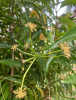
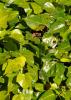
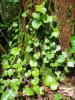
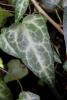
Yes—Wild Coffee, when the name refers to Polyscias guilfoylei, is poisonous to dogs, cats, horses, and potentially other animals. This ornamental shrub is also called Coffee Tree, Geranium-Leaf Aralia, Geranium Aralia, Hedge Panax, False Coffee, Variegated Aralia, and Wild Coffee Panax. It is not true coffee, not Coffea, and not the Florida wild coffee shrub Psychotria nervosa. Accurate identification matters because those unrelated plants belong to the coffee family, Rubiaceae, while Polyscias guilfoylei belongs to Araliaceae, the ginseng and ivy family.
The principal recognized veterinary toxic principle is saponin, and species-specific chemical studies confirm that Polyscias guilfoylei contains multiple oleanane-type triterpenoid saponins rather than one simple standardized poison. These compounds can irritate the lips, mouth, throat, stomach, and intestines. Chewing or swallowing leaves, stems, sap, roots, flowers, fruits, or pruning debris may cause mouth irritation, drooling, nausea, vomiting in species capable of vomiting, diarrhea, abdominal discomfort, appetite loss, depression, and lethargy.
The leaves also contain a falcarinol-bearing essential-oil fraction, which provides a plant-specific explanation for contact dermatitis risk. Sap or crushed plant tissue may cause redness, itching, scaling, swelling, or blister-like lesions on the lips, muzzle, eyelids, paws, belly, or other sensitive skin. Most limited exposures are expected to be low severity and localized to the mouth, skin, or gastrointestinal tract, but repeated vomiting, marked oral pain, dehydration, eye exposure, increasing facial or tongue swelling, difficulty swallowing, noisy breathing, collapse, or signs inconsistent with ordinary irritation require prompt veterinary care.
About this guide: This page provides general pet-poisoning information and cannot diagnose or treat an individual animal. For any suspected exposure, contact a veterinarian or animal poison-control service immediately. Do not induce vomiting, give medication, or attempt home decontamination unless directed by a veterinary professional.
Wild Coffee
Polyscias guilfoylei (W.Bull) L.H.Bailey
Important botanical synonyms include:
- Aralia guilfoylei W.Bull
- Nothopanax guilfoylei (W.Bull) Merr.
- Panax guilfoylei (W.Bull) Cogn. & Marchal
- Aralia laciniata (Rob.) Rafarin
- Aralia maculata W.Bull
- Aralia monstrosa B.S.Williams
- Nothopanax fruticosus var. victoriae (W.Bull) Merr.
- Panax laciniatus Rob.
- Panax victoriae W.Bull
Historical horticultural names include:
- Polyscias guilfoylei var. laciniata (Rob.) L.H.Bailey
- Polyscias guilfoylei var. monstrosa (B.S.Williams) L.H.Bailey
- Polyscias guilfoylei var. victoriae (W.Bull) L.H.Bailey
Important non-synonym confusion names:
- Psychotria nervosa Sw. — Florida wild coffee; separate Rubiaceae shrub and not a synonym for Polyscias guilfoylei
- Psychotria tenuifolia Sw. — velvet-leaved wild coffee; separate Rubiaceae shrub
- Coffea arabica L. — Arabian coffee; true coffee plant with caffeine-containing seeds and a different toxicologic profile
- Coffea canephora Pierre ex A.Froehner — robusta coffee; true coffee plant, not Geranium-Leaf Aralia
- Polyscias fruticosa (L.) Harms — Ming aralia; related but separate species from which polysciosides A–H were originally isolated
- Polyscias scutellaria (Burm.f.) Fosberg — shield aralia or dinner-plate aralia; related but separate ornamental species
- Heptapleurum arboricola Hayata — dwarf umbrella tree, formerly Schefflera arboricola; separate Araliaceae plant with overlapping dermatitis/saponin concerns
- Hedera helix L. — English ivy; separate Araliaceae plant with falcarinol/falcarinol-related dermatitis concerns
Araliaceae — Ginseng, Ivy, Aralia, and Schefflera Family
Araliaceae includes Polyscias, ivy, ginseng relatives, schefflera-type plants, fatsia, and many ornamental shrubs or houseplants. The family placement matters because several Araliaceae plants contain triterpenoid saponins, falcarinol or related polyacetylenes, and sap-associated contact irritants. Family chemistry can help explain overlapping oral irritation, vomiting, dermatitis, and eye exposure, but it should not be used to copy the exact toxin list of English ivy, Ming aralia, schefflera, or ginseng onto Polyscias guilfoylei without species-specific evidence.
Wild Coffee; Coffee Tree; False Coffee; Geranium-Leaf Aralia; Geranium Leaf Aralia; Geranium Aralia; Aralia; Hedge Panax; Wild Coffee Panax; Lace Aralia; Variegated Aralia; Panax Aralia; Black Aralia; Papuang-Laparan; Polyscias guilfoylei; Aralia guilfoylei; Nothopanax guilfoylei; Panax guilfoylei.
Historical and horticultural search variations include Aralia laciniata, Aralia maculata, Aralia monstrosa, Panax laciniatus, Panax victoriae, Nothopanax fruticosus var. victoriae, Polyscias guilfoylei var. laciniata, Polyscias guilfoylei var. monstrosa, and Polyscias guilfoylei var. victoriae.
Cultivars and horticultural forms include Victoriae, Laciniata, Monstrosa, Blackie, Black Aralia, Variegata, and variegated Geranium-Leaf Aralia forms.
“Wild coffee” is highly ambiguous. In Florida, the Caribbean, Mexico, and Central America it commonly refers to Psychotria nervosa, a shrub in Rubiaceae. True commercial coffee plants belong to Coffea and may expose animals to caffeine. Neither Psychotria nervosa nor Coffea species is botanically identical to Polyscias guilfoylei. During a poisoning event, use the scientific name, nursery tag, or clear photographs rather than the common name alone.
Oleanane-Type Triterpenoid Saponins
Polyscias guilfoylei contains multiple oleanane-type triterpenoid saponins rather than one simple poison. Saponins are glycosides in which one or more sugar chains are attached to a non-sugar triterpenoid or steroidal core called an aglycone or sapogenin. The combination gives the molecule both water-soluble and fat-interacting properties, allowing many saponins to foam in water and interact with biological membranes.
Species-specific chemical studies confirm substantial saponin diversity in P. guilfoylei. Researchers isolated three previously undescribed oleanane saponins together with four known saponins from the aerial portions of the plant. Their aglycones included oleanane structures related to oleanolic acid, hederagenin, and echinocystic acid, while their attached sugar chains contained combinations of glucose, arabinose, rhamnose, glucuronic acid, and related sugar units.
A separate study also documented oleanane saponins from P. guilfoylei. These findings support the veterinary description of “saponin” as the toxic principle, but they also show why the plant should not be described as containing one standardized toxin at one predictable concentration. Leaf age, cultivar, growing conditions, plant part, extraction method, pruning status, and individual plant chemistry can all influence which compounds are present and how much sap an animal contacts.
Polysciosides A–H Are a Correction, Not a Direct Wild Coffee Toxin List
Older toxin lists sometimes name polysciosides A through H. Those eight named oleanolic-acid saponins are genuine compounds, but they were originally isolated from the leaves and roots of Polyscias fruticosa, the Ming aralia, not from Polyscias guilfoylei. The two plants belong to the same genus and share related triterpenoid chemistry, but evidence from one species should not be transferred automatically to the other.
For this page, polysciosides A–H are best handled as a scientific correction. They help show that Polyscias species can be rich in oleanane saponins, but they should not be presented as though every one of those named molecules has been confirmed directly in Wild Coffee / Geranium-Leaf Aralia. P. guilfoylei has its own documented mixture of oleanane saponins.
How Saponins Irritate the Mouth and Digestive Tract
Saponins can irritate the lips, oral mucosa, esophagus, stomach, and intestines. Their amphipathic structure allows them to associate with membrane cholesterol and alter cell-membrane permeability. Direct contact can stimulate local inflammation and discomfort, while gastrointestinal exposure can cause nausea, vomiting, diarrhea, abdominal pain, appetite loss, depression, and lethargy.
The irritating taste and mouth feel often limit intake. Many animals stop chewing after sap contacts the mouth. That deterrence is helpful but not dependable. A puppy may shred leaves repeatedly, a cat may groom sap from the coat, a horse may mouth discarded hedge clippings, and a small pet may receive a relatively large dose from only a few pieces.
Some saponins can rupture red blood cells in laboratory systems, but oral absorption is often limited and hemolytic potency differs dramatically among compounds. Clinically important hemolysis has not been established as the expected syndrome after ordinary P. guilfoylei ingestion. The principal recognized veterinary problems remain local irritation, contact dermatitis, vomiting, appetite loss, and depression.
Falcarinol-Containing Leaf Oil and Contact Dermatitis
The leaves of P. guilfoylei contain falcarinol, a C17 polyacetylene or polyacetylenic alcohol found in several members of Araliaceae and Apiaceae. A chemical analysis of P. guilfoylei leaf essential oil identified approximately 50 volatile constituents. Beta-selinene represented a large portion of the isolated oil fraction, alpha-selinene was also abundant, and Z-falcarinol was present as a significant measured component.
That essential-oil percentage must be interpreted carefully. A laboratory essential-oil fraction is a concentrated extract, not the same thing as an intact leaf. The reported falcarinol proportion does not mean that more than one-tenth of a fresh leaf is falcarinol. Converting that laboratory percentage into a pet dose or predicting the falcarinol content of sap from a chewed houseplant would be scientifically invalid.
Falcarinol is a potent contact irritant and contact allergen in several plants of the ginseng and ivy family. It can bind with cellular proteins and has been associated with direct irritant dermatitis and delayed allergic contact dermatitis. Repeated skin exposure may sensitize a susceptible individual so that a later, smaller contact produces redness, itching, swelling, scaling, fissuring, vesicles, or blister-like lesions.
Other Volatile Compounds and Mixed Irritant Effects
The leaf-oil analysis identified a complex volatile profile rather than falcarinol alone. Beta-selinene, alpha-selinene, Z-falcarinol, and many smaller constituents may contribute to odor, irritation, or biological activity in extracts. The presence of falcarinol provides a credible plant-specific explanation for contact dermatitis risk, but direct veterinary challenge studies have not established that falcarinol alone causes every rash, oral lesion, or gastrointestinal sign associated with the plant.
Saponins, falcarinol, other volatile compounds, and still-unidentified irritants may act together. Broken stems and crushed leaves are therefore more concerning than an intact plant sitting undisturbed on a shelf. Pruning, hedge clipping, chewing, pulling leaves, or breaking stems increases access to sap-bearing tissue.
Plant Parts of Concern
All parts should be treated as potentially irritating. Veterinary and extension references include leaves, stems, sap, flowers, fruits, and roots among the poisonous portions. Leaves and stems create the most likely household exposure because they are readily chewed and release sap when broken. Roots and woody stem pieces can add a physical foreign-body risk if swallowed in large fragments.
Flowers and fruits are uncommon on indoor specimens but should not be regarded as safe when present. Outdoor tropical hedges may produce more plant material than indoor houseplants, and pruning debris can create a sudden pile of accessible leaves and stems for dogs, horses, goats, chickens, or other animals.
Not Caffeine Poisoning
Wild Coffee on this page is not true coffee. Commercial coffee plants belong to Coffea in Rubiaceae and can expose animals to caffeine. Caffeine poisoning can cause restlessness, rapid heart rate, tremors, hyperthermia, arrhythmias, seizures, and death. Those stimulant signs should not be copied onto Polyscias guilfoylei merely because both plants have been called coffee.
If an animal has tremors, marked agitation, very rapid heart rate, severe hyperthermia, seizures, or arrhythmias after a “coffee” exposure, the veterinarian should investigate true coffee beans, grounds, caffeine tablets, energy products, chocolate-covered coffee beans, medications, or another stimulant. Those signs are not the expected uncomplicated profile of Geranium-Leaf Aralia ingestion.
No Validated Toxic Dose Exists
No validated toxic dose exists for dogs, cats, horses, cattle, sheep, goats, pigs, rabbits, birds, reptiles, or other animals. Risk depends on the amount chewed, plant part, cultivar, sap concentration, duration of contact, body size, whether the animal swallowed woody pieces, and whether the patient has existing oral, skin, gastrointestinal, airway, kidney, or allergic disease.
Most limited exposures are expected to produce mild to moderate irritation rather than life-threatening systemic poisoning. A dramatic presentation should prompt investigation for a large concentrated exposure, aspiration, anaphylaxis, another plant, pesticide or fertilizer contamination, moldy potting soil, an esophageal foreign body, gastrointestinal obstruction, true caffeine exposure, or an unrelated medical emergency.
Typical Oral and Gastrointestinal Signs
The best-documented veterinary signs of Wild Coffee / Geranium-Leaf Aralia poisoning are contact dermatitis, vomiting, appetite loss, and depression. Extension and poison-plant sources also describe mouth irritation, nausea, and broader gastrointestinal upset. Direct species-specific animal case reports are limited, so the symptom discussion should distinguish well-supported signs from biologically plausible but less frequently documented complications.
After chewing a leaf or stem, an animal may develop an unpleasant, bitter, burning, or irritating sensation in the mouth. It may stop chewing suddenly, shake or rub its head, paw at the mouth, lick its lips repeatedly, drool, or seek water. The lips, gums, tongue, and oral surfaces may appear red or visibly irritated, especially where sap and crushed tissue remained in contact.
Nausea and vomiting are among the principal ingestion signs in dogs and cats. The animal may also develop diarrhea, abdominal discomfort, loss of appetite, depression, or lethargy. Repeated vomiting and diarrhea can cause dehydration and electrolyte disturbance, especially in small animals, young pets, older animals, and patients with existing gastrointestinal or kidney disease.
Mouth, Throat, and Swallowing Concerns
More substantial irritation can cause obvious mouth pain, reluctance to eat, difficulty chewing, repeated swallowing, gagging, coughing, or altered vocalization. A dog’s bark or a cat’s meow may sound hoarse or weak when irritation extends toward the pharynx or larynx. Those signs are compatible with mucosal inflammation but have not been documented as a uniform syndrome in every exposed animal.
Swelling of the lips, tongue, muzzle, face, or throat is biologically possible after significant irritation or a hypersensitivity reaction. Severe airway obstruction is not recognized as a typical outcome in the available veterinary plant databases, but increasing swelling, noisy breathing, open-mouth breathing, inability to swallow, blue-gray mucous membranes, or collapse must be treated as an emergency regardless of how rarely it occurs.
Contact Dermatitis and Skin Signs
Direct sap contact can produce redness, itching, scaling, swelling, and vesicular or blister-like dermatitis. Hairless or sparsely haired areas such as the lips, nose, eyelids, inner ears, groin, abdomen, paw edges, and areas of damaged skin may be more visibly affected. An animal may lick, chew, rub, or scratch the area, converting a limited contact reaction into a larger region of self-trauma.
Allergic contact dermatitis is generally delayed because prior sensitization and immune recognition are involved. A previously exposed animal or person may react more strongly after later contact. Direct irritant effects can begin sooner after sap contacts damaged skin, mucous membranes, or the eyes. The two patterns can overlap in real life, especially after repeated pruning, grooming, or plant handling.
Eye Exposure
Sap in the eye may cause pain, blinking, tearing, redness, conjunctival swelling, and rubbing. Rubbing can create or worsen corneal trauma. Persistent squinting, discharge, cloudiness, swelling, or apparent visual difficulty should be treated as more than a simple stomach-plant exposure and requires veterinary examination.
Human or leftover animal eye drops should not be applied without examination. Products containing corticosteroids can worsen an ulcerated or infected cornea. A painful eye needs flushing when safe, then proper assessment, staining, and species-appropriate medication.
Dogs and Cats
Dogs may chew leaves, woody stems, exposed roots of a potted plant, or freshly cut hedge material. Typical signs include mouth irritation, drooling, nausea, vomiting, diarrhea, abdominal discomfort, appetite loss, depression, and lethargy. A dog may paw at the mouth, shake its head, seek water, lick excessively, or refuse hard food because chewing is uncomfortable.
Large pieces of woody stem or root can create a physical obstruction independent of the plant’s chemistry. Persistent vomiting, abdominal enlargement, severe pain, reduced stool production, or repeated unproductive retching warrants imaging for retained plant material or another foreign body.
Cats may hide, drool, lick the lips, vomit, stop eating, or resist mouth examination. Sap on the paws or coat can be carried to the mouth and eyes during grooming. Because cats can become clinically dehydrated and develop metabolic complications after prolonged food refusal, continued anorexia deserves attention even when the original plant exposure appeared minor.
Horses and Livestock
The plant is listed as toxic to horses. Direct equine case detail is sparse, and no reliable toxic or lethal dose has been established. Possible signs include salivation, oral irritation, feed refusal, depression, abdominal discomfort, soft manure, and diarrhea. Horses cannot vomit, so vomiting should not be listed as an expected equine sign.
Repeated swallowing, coughing, feed or saliva from the nostrils, or neck extension requires examination for pharyngeal irritation, choke, or another swallowing disorder. Hedge cuttings should never be dumped into a paddock merely because the plant is generally categorized as low-severity.
Published evidence in cattle, sheep, goats, pigs, poultry, rabbits, reptiles, and other animals is limited. The plant should not be considered proven safe for livestock or exotics simply because it is not a common pasture weed. A large quantity of ornamental clippings, restricted forage, curious browsing, or a small animal chewing multiple leaves could create a more meaningful exposure than a single nibble.
Expected Severity and Red Flags
The plant is generally categorized as causing low-severity poisoning, and most limited exposures are expected to remain localized or gastrointestinal. Serious systemic intoxication and fatalities are not characteristic of the documented profile. Many uncomplicated patients improve after access ends and supportive care is provided.
A dramatic presentation should prompt investigation for a large exposure, aspiration, another plant, pesticide or fertilizer contamination, moldy potting soil, anaphylaxis, an esophageal foreign body, obstruction, caffeine exposure, or an unrelated emergency. Collapse, seizures, severe respiratory failure, major organ abnormalities, profound weakness, persistent vomiting, severe abdominal distention, or prolonged coma are not expected mild signs of ordinary P. guilfoylei exposure.
Wild Coffee on This Page Means Polyscias guilfoylei
The name Wild Coffee on this page refers specifically to Polyscias guilfoylei, the ornamental shrub also known as Geranium-Leaf Aralia, Coffee Tree, Hedge Panax, and False Coffee. It is a member of Araliaceae and is not a true coffee plant.
This is the same scientific species covered by pages titled Geranium-Leaf Aralia or Coffee Tree. The Wild Coffee title is useful because nurseries, landscapers, plant labels, poison databases, and pet owners may encounter that name first. The page must nevertheless make the naming confusion explicit so the toxicity of one plant is not assigned to every shrub called wild coffee.
Do Not Confuse It with True Coffee
Commercial coffee plants belong to Coffea in Rubiaceae. Their opposite simple leaves, white flowers, and coffee cherries differ botanically from the pinnately compound leaves of Polyscias guilfoylei. Their seeds and some other plant material can expose animals to caffeine.
Caffeine poisoning is a different syndrome. It may cause restlessness, hyperactivity, rapid heart rate, tremors, vomiting, elevated temperature, abnormal rhythms, seizures, and death. Those stimulant effects should not be copied onto a Polyscias guilfoylei page merely because both plants have been called coffee.
Florida Wild Coffee Is Also a Different Plant
In Florida, the Caribbean, Mexico, and Central America, wild coffee commonly refers to Psychotria nervosa, a native or regional shrub in Rubiaceae. It has opposite simple leaves with strongly impressed veins and produces clusters of red fruits.
Psychotria nervosa is not a synonym for Polyscias guilfoylei. The two plants belong to different families, have different leaf structures, different fruits, and different chemistry. Photographs or a scientific name are essential when an owner reports that an animal ate “wild coffee.”
Accepted Name, Synonyms, and Horticultural Forms
The accepted name is Polyscias guilfoylei (W.Bull) L.H.Bailey. William Bull originally described the plant as Aralia guilfoylei, and later botanists placed it under names including Panax guilfoylei and Nothopanax guilfoylei.
Several strongly divided, variegated, or ornamental forms were once treated as varieties or separate species. Names such as Aralia laciniata, Aralia monstrosa, Panax victoriae, and Polyscias guilfoylei var. victoriae remain relevant when searching old nursery catalogs, herbarium labels, plant lists, and horticultural literature.
Native Range and Introduced Distribution
The species is best treated as a cultigen from eastern Malesia through the southwestern Pacific, including Maluku, New Guinea, the Bismarck Archipelago, Santa Cruz Islands, Vanuatu, and New Caledonia. It grows as a shrub or tree in wet tropical conditions.
Human cultivation has spread the plant widely through tropical and subtropical regions. It has been introduced to places such as Florida, the Bahamas, Puerto Rico, Haiti, the Dominican Republic, Trinidad and Tobago, parts of Southeast Asia, Pacific islands, and tropical African locations. Presence in those regions does not make it indigenous to each one.
Growth Form and Identification
Polyscias guilfoylei is an erect, slow-growing evergreen shrub or small tree. It is commonly maintained at approximately six to eight feet as a houseplant, patio plant, or clipped hedge. In frost-free tropical landscapes, an unpruned specimen may grow into a substantially taller shrub or small tree.
The plant naturally forms dense foliage and responds well to pruning. Landscapers use it as a privacy screen, living fence, foundation shrub, container specimen, or tropical accent. Regular clipping produces large quantities of sap-bearing leaves and stems that can become accessible to pets if the cuttings are left on the ground.
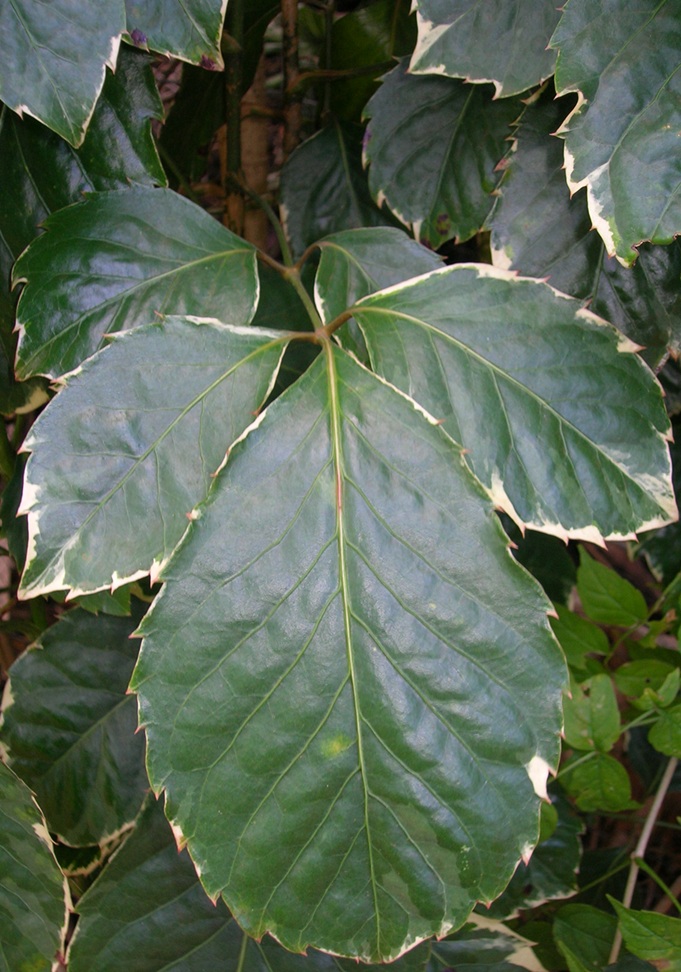
The leaves are long and pinnately compound. Each leaf carries several paired or nearly opposite leaflets along a central rachis. Individual leaflets are commonly oval, elliptical, or broadly lance-shaped and may have entire, toothed, deeply cut, or irregularly lacerated margins.
Variegated cultivars display cream, white, or yellow margins, patches, or streaks. Other forms are entirely green, nearly black-green, curled, crinkled, or deeply dissected. Leaf shape varies so dramatically among cultivars that one decorative form may look like a different species from another. Older stems become woody. Indoor plants flower rarely, while outdoor tropical specimens may produce inconspicuous greenish or pale flowers in branched clusters followed by small fruits.
Where Animals Encounter It
Dogs and cats most often encounter Wild Coffee as a houseplant, patio container, hedge, privacy screen, or discarded pruning. Puppies and chewing dogs may bite the woody stems or pull leaves from a low hedge. Cats may nibble foliage, rub against damaged stems, or transfer sap to the mouth and eyes while grooming.
Horses may reach over fencing into landscape beds or encounter hedge trimmings thrown into a paddock. Because the plant is mainly ornamental, ordinary pasture poisoning is less likely than deliberate access to landscaping or careless disposal of clippings.
Small mammals, birds, reptiles, and other exotics may also encounter houseplant material, but species-specific toxic-dose data are absent. Their smaller body size means that even a limited quantity may represent a meaningful exposure, and irritation can interfere quickly with eating and hydration.
Species-Specific Saponin Chemistry
The aerial parts of P. guilfoylei have yielded multiple oleanane triterpenoid saponins. In one detailed isolation study, three previously undescribed saponins and four known compounds were characterized through nuclear magnetic resonance, mass spectrometry, and chemical analysis.
The molecules were based on oleanane aglycones such as oleanolic-acid-, hederagenin-, and echinocystic-acid-related structures attached to complex sugar chains. The precise arrangement of glucose, arabinose, rhamnose, glucuronic acid, and other sugars changes solubility, membrane activity, absorption, and biological potency.
A second investigation isolated additional oleanane saponins from P. guilfoylei. Collectively, the work establishes that the plant’s saponin chemistry is more complicated than a label containing only the word “saponin.” It also means that one purified compound cannot automatically be identified as the sole veterinary toxin.
Polysciosides A–H Belong to a Different Polyscias
The detailed legacy toxin list included polysciosides A through H. Those are real oleanolic-acid saponins, and their chemistry is relevant to understanding the genus. However, they were isolated from the leaves and roots of Polyscias fruticosa, commonly called Ming aralia.
Polyscias fruticosa and P. guilfoylei are related but separate species. A scientifically accurate page should preserve the polyscioside discussion as an important correction rather than either deleting it or presenting the compounds as though they were all confirmed directly in Wild Coffee.
How Saponins Irritate Tissue
Saponins have both water-attracting sugar chains and fat-interacting aglycones. This structure allows them to associate with cell membranes and membrane sterols. At sufficient concentration, the interaction increases membrane permeability and irritates epithelial surfaces.
In the mouth and throat, this can produce burning, redness, drooling, discomfort, and reluctance to swallow. In the stomach and intestine, it can stimulate nausea, vomiting, diarrhea, cramping, and appetite loss. The bitter or irritating sensation often limits the amount an animal continues to eat.
Laboratory hemolysis is a recognized property of some saponins, but it varies greatly among molecules and routes of exposure. Poor gastrointestinal absorption limits the systemic effects of many plant saponins. There is no strong evidence that routine P. guilfoylei ingestion causes a hemolytic-anemia syndrome.
Falcarinol and Contact Dermatitis
Falcarinol is a reactive polyacetylene found in several Araliaceae, including ivy, schefflera-type plants, ginseng relatives, and P. guilfoylei. It is capable of causing direct irritation and of acting as a contact allergen after binding with proteins in the skin.
The chemical analysis of P. guilfoylei leaf essential oil found Z-falcarinol as a significant component of the oil fraction, with beta-selinene and alpha-selinene more abundant. These laboratory measurements establish plant-specific presence but do not provide a toxic dose for a dog, cat, horse, or person handling a fresh leaf.
Falcarinol-associated dermatitis may appear as itching, redness, swelling, scaling, fissuring, papules, vesicles, or small blister-like lesions. A delayed response after repeated exposure is consistent with allergic sensitization, while rapid burning after sap contact may represent direct irritation.
Why One Animal May React More Strongly
The severity of an exposure depends on the amount chewed, plant part, cultivar, concentration of sap, whether tissue was crushed, duration of skin contact, and the animal’s body size. Existing oral ulcers, dermatitis, allergies, gastrointestinal disease, kidney disease, impaired swallowing, or airway problems may intensify the clinical effect.
A previously sensitized animal may develop a stronger skin reaction after a later exposure. Conversely, another animal may chew a small leaf and show only brief nausea. The absence of severe signs in one pet cannot establish a safe dose for another.
Dogs
Dogs may chew the leaves, woody stems, roots of a potted plant, or freshly cut hedge material. Typical signs include mouth irritation, drooling, nausea, vomiting, diarrhea, abdominal discomfort, appetite loss, depression, and lethargy.
A dog may paw at its mouth, shake its head, seek water, lick excessively, or refuse hard food because chewing is uncomfortable. Continued vomiting, inability to keep water down, worsening depression, or visible facial swelling requires veterinary evaluation.
Large pieces of woody stem or root can create a physical obstruction independent of the plant’s chemistry. Persistent vomiting, abdominal enlargement, severe pain, reduced stool production, or repeated unproductive retching warrants imaging for retained plant material or another foreign body.
Cats
Cats are listed as susceptible to the plant’s saponins. Vomiting, appetite loss, depression, oral irritation, and contact dermatitis are the principal concerns. A cat may hide, stop eating, lick its lips, drool, or resist having its mouth examined.
Sap on the paws or coat can be carried to the mouth and eyes during grooming. Because cats can become clinically dehydrated and develop metabolic complications after prolonged food refusal, continued anorexia deserves attention even when the original plant exposure appeared minor.
Horses and Livestock
The plant is listed as toxic to horses. Direct equine case detail is sparse, and no reliable toxic or lethal dose has been established. Possible signs include salivation, oral irritation, feed refusal, depression, abdominal discomfort, and diarrhea.
Horses cannot vomit. Repeated swallowing, coughing, feed or saliva from the nostrils, or neck extension requires examination for pharyngeal irritation or choke. Hedge cuttings should never be dumped into a paddock merely because the plant usually causes low-severity poisoning.
Published evidence in cattle, sheep, goats, pigs, and other livestock is limited. The plant should not be considered proven safe for livestock simply because it is not a common pasture weed. A large quantity of ornamental clippings, restricted forage, or unusual browsing could create a much greater exposure than the companion-animal cases represented in poison databases.
Skin and Eye Exposure
Sap and crushed foliage should be washed from the skin and coat promptly. Continued licking, rubbing, and scratching can deepen irritation and introduce bacterial infection. Clippers, gloves, bedding, collars, and grooming tools contaminated with sap may prolong exposure.
People pruning the hedge should wear gloves, long sleeves, and eye protection when substantial cutting is planned. Hands should be washed before touching the face, handling contact lenses, preparing food, or treating an animal.
Sap in the eye may cause pain, blinking, tearing, redness, and conjunctival swelling. An animal may rub the eye and cause additional corneal trauma. Immediate gentle irrigation is appropriate, but persistent squinting, cloudiness, discharge, or apparent vision loss requires veterinary examination and corneal staining.
Diagnosis
Diagnosis usually rests on a witnessed exposure, identification of the plant, and compatible oral, gastrointestinal, skin, or eye signs. Photographs should show the whole plant, leaf arrangement, individual leaflets, variegation, stems, container, nursery tag, pruning debris, and any chewed material.
Most uncomplicated cases do not have a distinctive laboratory pattern. Persistent vomiting, dehydration, weakness, prolonged appetite loss, abnormal urination, or systemic signs may justify blood chemistry, electrolytes, urinalysis, abdominal imaging, and evaluation for a foreign body or another toxin.
Dermatitis may require differentiation between direct irritation, allergic contact dermatitis, insect bites, infection, chemical exposure, and an unrelated allergy. Ocular signs require examination for sap irritation, corneal abrasion, ulceration, or retained plant material.
Important Differential Diagnoses
True coffee or caffeine exposure produces a different stimulant syndrome involving restlessness, rapid heart rate, tremors, hyperthermia, arrhythmias, and seizures. Those findings would be unusual for uncomplicated P. guilfoylei ingestion and should prompt investigation of coffee beans, grounds, caffeine pills, energy products, chocolate-covered coffee beans, medications, or another stimulant.
Araliaceae relatives such as English ivy, schefflera-type plants, Ming aralia, and other Polyscias species can produce overlapping saponin and dermatitis syndromes. Insoluble calcium-oxalate plants such as Dieffenbachia, Philodendron, pothos, peace lily, and elephant ear can cause more dramatic immediate oral pain and swelling through a different needle-crystal mechanism.
Caustic cleaners, batteries, electrical burns, insect stings, anaphylaxis, foreign bodies, bone fragments, pesticides, fertilizer, moldy potting soil, and gastrointestinal obstruction can mimic or complicate a plant exposure.
Veterinary Treatment, Prognosis, and Prevention
There is no specific antidote. Treatment is directed toward removing continuing exposure, controlling vomiting and pain, maintaining hydration, protecting irritated skin and eyes, and monitoring the airway when swelling is present.
A veterinarian may rinse or wipe the mouth, administer an antiemetic, provide fluid therapy, use species-appropriate gastrointestinal protectants, and treat dermatitis with carefully selected topical or systemic medication. Antihistamines or corticosteroids may be considered for clinically important hypersensitivity or swelling, but they do not neutralize saponins or remove falcarinol from tissue.
Gastric lavage is rarely required for the expected low-severity syndrome and carries anesthesia and aspiration risks. Activated charcoal has uncertain value for a predominantly irritating plant and should not be forced into an animal that is vomiting, drooling heavily, depressed, or unable to swallow normally.
The prognosis is generally good to excellent when the exposure is limited and signs remain confined to transient mouth irritation, vomiting, diarrhea, appetite loss, or localized dermatitis. Recovery may take longer when vomiting causes dehydration, a cat refuses food for an extended period, dermatitis becomes infected, sap injures the eye, woody plant material creates an obstruction, or substantial swelling affects swallowing or breathing.
Keep houseplants and patio containers beyond the reach of pets rather than relying on the plant’s bitter or irritating taste. Collect fallen leaves and remove pruning debris immediately. Do not throw hedge cuttings into horse or livestock enclosures. Label the plant with both the scientific name and the common name Geranium-Leaf Aralia because Wild Coffee also refers to unrelated shrubs.
Immediate Steps After Exposure
Stop further ingestion. Remove the animal from the houseplant, hedge, pruning pile, fallen leaves, roots, container soil, or chewed material and secure the remaining plant from other animals.
- Clear loose plant material carefully: If the animal is alert and cooperative, remove visible pieces from the front of the mouth. Do not reach deeply into the throat or risk being bitten.
- Rinse or wipe the mouth gently: Use water to remove sap and plant residue without forcing liquid toward the throat. Allow voluntary small drinks only when swallowing is completely normal.
- Contact a veterinarian or animal poison-control service: Report the species, body weight, plant part, estimated quantity, time of exposure, and current oral, gastrointestinal, skin, eye, or respiratory signs.
- Preserve identification evidence: Save the nursery label, photographs, chewed leaves, stems, and the complete plant name. “Wild coffee” alone is not enough because the name refers to several unrelated plants.
- Remove sap from skin and coat: Wash exposed paws, muzzle, coat, collars, bedding, and grooming tools so the animal does not continue licking sap residue.
Do Not Attempt Unsupervised Home Treatment
- Do not induce vomiting: Hydrogen peroxide, salt, mustard, and manual gagging can worsen irritation or cause aspiration. Horses and several other species cannot vomit.
- Do not force water, milk, yogurt, oil, or food: An animal with oral pain, gagging, vomiting, or throat swelling may be unable to protect its airway.
- Do not give activated charcoal automatically: Its benefit for an irritating saponin-containing plant is uncertain, and it can be aspirated by a drooling, vomiting, weak, or poorly swallowing animal.
- Do not administer Kapectolin, Kaopectate, sucralfate, antacids, bismuth, loperamide, or antidiarrheal medication without veterinary direction: Doses depend on species, weight, hydration, other medications, and the actual cause of the signs.
- Do not give antihistamines or corticosteroids automatically: Contact irritation is not necessarily an allergic reaction, and medication can delay recognition of worsening airway or gastrointestinal disease.
- Do not assume spontaneous vomiting removed everything: Woody stem or root pieces may remain and create continuing irritation or obstruction.
- Do not treat this as caffeine poisoning unless true coffee is involved: Tremors, severe agitation, abnormal heart rhythm, hyperthermia, or seizures should prompt investigation for Coffea, caffeine products, medications, or another toxin.
When Emergency Examination Is Especially Important
- Facial, tongue, or throat swelling is increasing: Difficulty swallowing, noisy breathing, open-mouth breathing, or blue-gray mucous membranes may indicate airway compromise.
- Vomiting is repeated or severe: Inability to keep water down, tacky gums, weakness, or reduced urination suggests dehydration.
- Abdominal pain or distention persists: A tense abdomen, repeated retching, lack of stool, or continuing appetite loss can indicate retained plant material, obstruction, bloat, or another problem.
- The animal cannot eat or swallow normally: Dropped food, coughing, gagging, repeated swallowing, neck extension, or material from the nostrils requires examination.
- The eyes are affected: Persistent squinting, tearing, redness, cloudiness, discharge, swelling, or apparent vision loss may indicate corneal injury.
- Depression becomes profound: Collapse, marked weakness, tremors, seizures, abnormal heart rhythm, or abnormal breathing patterns are not expected mild signs and require urgent investigation.
- A cat stops eating: Continued refusal to eat after the exposure deserves veterinary attention even if the original plant injury seemed minor.
Skin and Eye Decontamination
Wear gloves and wash sap from the animal’s skin or coat with lukewarm water and a mild pet-safe cleanser when this can be done without delaying emergency care. Prevent licking until the area has been rinsed. Wash collars, bedding, crates, grooming equipment, pruning tools, and other objects that may carry sap.
If sap enters an eye, begin gentle irrigation with sterile saline or clean lukewarm water when this can be done safely. Do not rub the eye or attempt to remove embedded material with tweezers. Continued pain, squinting, swelling, discharge, cloudiness, or visual difficulty requires veterinary examination.
Veterinary Treatment
The veterinarian may assess hydration, oral and pharyngeal swelling, abdominal pain, respiratory effort, skin lesions, eye injury, and the possibility of a foreign body. Treatment may include antiemetics, pain control, carefully selected fluids, gastrointestinal support, bathing, topical skin care, and ophthalmic treatment after examination.
Medication for dermatitis or swelling is selected according to whether the reaction appears irritant, allergic, infected, or self-traumatized. Progressive upper-airway swelling may require oxygen, sedation, endotracheal intubation, or other emergency airway support.
Persistent vomiting, abdominal pain, or reduced stool production may require radiographs, ultrasound, or endoscopy to identify retained woody material. Gastric lavage and activated charcoal are considered only when their potential benefit exceeds the anesthesia and aspiration risks.
Dogs, Cats, Horses, Livestock, and Exotics
Dogs with mild mouth irritation or vomiting may recover with supportive care, but repeated vomiting, abdominal distention, weakness, swelling, or exposure to large woody pieces needs examination. Preserve the plant label and chewed material.
Cats should be monitored closely for appetite. A cat that continues hiding, drooling, vomiting, or refusing food after the initial exposure should be examined because dehydration and metabolic complications can develop from prolonged anorexia.
Horses and livestock should not receive hedge trimmings. Horses cannot vomit, and signs may look like feed refusal, drooling, colic, soft manure, repeated swallowing, or choke-like behavior. Goats, sheep, pigs, poultry, rabbits, birds, reptiles, and small mammals should not be assumed safe because specific dose data are sparse.
Recovery and Prognosis
Most animals with limited exposure recover completely within several hours to a few days. Appetite may return more slowly when the mouth or stomach remains sore, while contact dermatitis may take longer to resolve after continued licking or scratching.
The prognosis remains favorable when breathing and swallowing are normal and dehydration is corrected promptly. Recovery is more complicated when the exposure produces severe swelling, eye injury, secondary skin infection, aspiration, or a gastrointestinal obstruction.
Prevention After the Incident
Keep potted plants beyond the reach of pets, collect fallen leaves, and remove hedge trimmings immediately. Do not throw hedge cuttings into horse, goat, sheep, pig, poultry, rabbit, tortoise, or livestock enclosures.
Wear gloves while pruning and wash sap from hands, tools, and animal-accessible surfaces. Label the plant with its scientific name, Polyscias guilfoylei, and the practical name Geranium-Leaf Aralia so it is not confused with true coffee or unrelated Florida wild coffee during an emergency.
Frequently Asked Questions About Wild Coffee and Animal Poisoning
Are Wild Coffee and Geranium-Leaf Aralia the same plant?
Yes, when the scientific name is Polyscias guilfoylei. Wild Coffee, Coffee Tree, Geranium-Leaf Aralia, Geranium Aralia, Hedge Panax, and False Coffee are all names applied to this ornamental shrub. The scientific name is essential because “wild coffee” also refers to unrelated plants.
Is this Wild Coffee the same as a true coffee plant?
No. True coffee plants belong to Coffea in Rubiaceae and can expose animals to caffeine. Polyscias guilfoylei belongs to Araliaceae and causes principally saponin-related gastrointestinal irritation and contact dermatitis rather than the stimulant syndrome of caffeine poisoning.
Is it the same as Florida wild coffee?
Usually not. Florida wild coffee generally refers to Psychotria nervosa, an unrelated native or regional shrub with opposite simple leaves and red fruits. The plant covered here has pinnately compound leaves and is an ornamental Polyscias. A photograph or scientific name should be obtained before assigning toxicity.
What toxins are confirmed in Polyscias guilfoylei?
The plant contains multiple oleanane-type triterpenoid saponins and a complex leaf oil that includes Z-falcarinol. Saponins explain much of the oral and gastrointestinal irritation, while falcarinol provides a credible explanation for contact irritation and allergic dermatitis. Other plant constituents may also contribute.
Does Wild Coffee contain polysciosides A through H?
Polysciosides A through H were isolated from Polyscias fruticosa, the Ming aralia, rather than from Polyscias guilfoylei. Wild Coffee does contain several confirmed oleanane saponins of its own. The genus-level similarity is scientifically relevant, but the compound lists should not be treated as interchangeable.
Which parts of Wild Coffee are poisonous?
Leaves, stems, sap, roots, flowers, and fruits should all be considered potentially irritating. Leaves and stems create the most common exposure because they are accessible and release sap when chewed or cut. Indoor specimens rarely flower, but uncommon flowers or fruits are not established as safe.
What symptoms occur in dogs and cats?
Typical signs include mouth irritation, drooling, nausea, vomiting, diarrhea, abdominal discomfort, appetite loss, depression, and lethargy. Contact with sap may cause redness, itching, or dermatitis. Repeated vomiting, prolonged refusal to eat, visible swelling, or any breathing difficulty requires veterinary care.
Can the sap cause a rash or blisters?
Yes. The plant is associated with contact dermatitis, and its falcarinol-containing oil can act as an irritant and contact sensitizer. Redness, itching, scaling, small vesicles, or blister-like lesions may develop, especially after prolonged or repeated contact with damaged leaves and stems.
Can Wild Coffee cause dangerous throat swelling?
Significant oral or facial swelling is biologically possible after substantial irritation or hypersensitivity but is not the usual documented outcome. Increasing tongue or throat swelling, altered breathing, inability to swallow, blue-gray mucous membranes, or collapse is an emergency regardless of the cause.
Is Wild Coffee poisonous to horses?
Yes. Polyscias guilfoylei is listed as toxic to horses. Possible signs include salivation, oral irritation, feed refusal, depression, abdominal discomfort, soft manure, and diarrhea. Horses cannot vomit, so repeated swallowing, nasal discharge containing feed or saliva, neck extension, or coughing requires examination for choke or pharyngeal irritation.
Is Wild Coffee poisonous to cattle, sheep, goats, pigs, or poultry?
Detailed livestock cases and toxic doses are sparse, but the plant should not be considered proven safe. Large amounts of hedge clippings, restricted forage, or curious browsing could cause oral irritation, digestive upset, appetite loss, or dermatitis. Ornamental clippings should never be fed or discarded into livestock enclosures.
Can rabbits, guinea pigs, birds, reptiles, or tortoises eat Wild Coffee?
No. Wild Coffee should not be offered as forage, browse, enrichment, cage greenery, nesting material, or tortoise food. Safe doses are not established for many small animals and exotics, and mouth or stomach irritation can interfere quickly with eating and hydration.
How much Wild Coffee is poisonous?
No validated toxic dose exists for dogs, cats, horses, or livestock. Risk depends on the plant part, cultivar, amount chewed, concentration of sap, body size, and individual sensitivity. A small bite generally presents less risk than eating multiple leaves, stems, roots, or a large quantity of hedge clippings.
Can Wild Coffee cause hemolytic anemia?
Clinically important hemolysis is not the expected syndrome after ordinary Polyscias guilfoylei ingestion. Some saponins can rupture red blood cells in laboratory systems, but oral absorption and hemolytic potency vary widely. The principal recognized problems are irritation, vomiting, appetite loss, depression, and contact dermatitis.
Can Wild Coffee cause caffeine poisoning?
Not when the plant is correctly identified as Polyscias guilfoylei. Caffeine poisoning belongs to true coffee, caffeine products, chocolate-covered coffee beans, medications, or similar stimulant exposures. Severe agitation, rapid heart rate, tremors, hyperthermia, arrhythmias, or seizures should prompt investigation for another source.
Should vomiting or activated charcoal be used?
Do not induce vomiting or administer charcoal at home. Hydrogen peroxide can worsen gastrointestinal irritation, while charcoal can be aspirated by a vomiting, drooling, weak, or poorly swallowing animal. A veterinarian will decide whether any decontamination is useful based on the amount, timing, and clinical condition.
Should antihistamines or steroids be given for swelling or rash?
Not automatically. Contact irritation is not always an allergic reaction, and medication can delay recognition of worsening airway, eye, or gastrointestinal disease. A veterinarian may choose antihistamines, corticosteroids, topical medication, or other treatment after examining the animal and determining whether the reaction is irritant, allergic, infected, or self-traumatized.
What should be done if sap enters an animal’s eye?
Gently rinse the eye with sterile saline or clean lukewarm water and prevent rubbing. Persistent squinting, tearing, redness, swelling, cloudiness, discharge, or apparent visual difficulty requires veterinary examination because sap irritation and self-trauma can damage the cornea.
Can an animal recover from Wild Coffee poisoning?
Yes. The prognosis is generally good to excellent for limited exposures causing only temporary mouth irritation, vomiting, diarrhea, appetite loss, or localized dermatitis. Recovery becomes more complicated when dehydration, eye injury, severe swelling, aspiration, skin infection, prolonged feline anorexia, or gastrointestinal obstruction develops.
How can Wild Coffee poisoning be prevented?
Keep potted plants beyond the reach of pets, collect fallen leaves, and remove hedge trimmings immediately. Wear gloves while pruning and wash sap from hands, tools, and animal-accessible surfaces. Label the plant with its scientific name so it is not confused with true coffee or unrelated Florida wild coffee during an emergency.