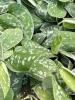
Skunk Cabbage Raphide Injury, Mouth and Throat Swelling, Wetland Exposure, Airway Risk, and Aroid Identification
Is Skunk Cabbage Poisonous to Dogs, Cats, Horses, and Livestock?
Yes—Eastern Skunk Cabbage, Symplocarpus foetidus (L.) Salisb. ex W.P.C.Barton, is poisonous to dogs, cats, horses, livestock, birds, rabbits, guinea pigs, and other animals that chew it because its tissues contain insoluble calcium oxalate crystals capable of producing immediate mechanical injury to the mouth, throat, and upper gastrointestinal tract. Leaves, spathes, spadices, flowers, stems, roots, fruits, seeds, sap, underground crowns, and other tissues should all be treated as irritating when chewed.
The usual poisoning pattern is immediate local pain rather than delayed systemic organ failure. Affected animals may shake the head, drool heavily, paw at the mouth, gag, retch, vomit if physically capable of vomiting, refuse food, drop food, have difficulty swallowing, develop swollen lips or tongue, or show hoarse vocalization and throat discomfort. Most exposures recover well, but swelling of the tongue, pharynx, or larynx can threaten swallowing or breathing and requires urgent veterinary attention.
Skunk Cabbage raphides must be distinguished from soluble oxalate poisoning. Insoluble raphides injure tissue where they touch and are not expected to cause the hypocalcemia, calcium-oxalate kidney deposition, or renal failure associated with soluble-oxalate plants or ethylene glycol poisoning. Seizures, coma, kidney failure, liver failure, severe cardiac signs, collapse, or prolonged systemic illness after a suspected Skunk Cabbage exposure should prompt investigation for another plant, chemical contamination, dehydration, aspiration, oxygen deprivation, infection, or an unrelated emergency.
About this guide: This page provides general pet-poisoning information and cannot diagnose or treat an individual animal. For any suspected exposure, contact a veterinarian or animal poison-control service immediately. Do not induce vomiting, give medication, or attempt home decontamination unless directed by a veterinary professional.
Skunk Cabbage
Symplocarpus foetidus (L.) Salisb. ex W.P.C.Barton
Historical synonyms include:
- Dracontium foetidum L.
- Ictodes foetidus (L.) Bigelow
- Pothos foetidus (L.) Aiton
- Spathyema foetida (L.) Baill.
- Pothos putorii Barton
- Spathyema angusta Raf.
- Spathyema lanceolata Raf.
- Spathyema latifolia Raf.
Important non-synonym confusion names:
- Epipremnum aureum (Linden & André) G.S.Bunting — Golden Pothos or tropical Pothos houseplant; separate Araceae species, not Symplocarpus foetidus
- Lysichiton americanus Hultén & H.St.John — Western Skunk Cabbage; separate Pacific-coast Araceae species
- Lysichiton camtschatcensis (L.) Schott — Asian White Skunk Cabbage; separate Araceae species
- Symplocarpus renifolius Schott ex Tzvelev — East Asian Skunk Cabbage; separate species historically confused with or treated near Symplocarpus foetidus
- Arisaema triphyllum (L.) Schott — Jack-in-the-Pulpit; separate insoluble-calcium-oxalate aroid that may grow in similar eastern woodland habitats
- Veratrum viride Aiton — False Hellebore; unrelated Melanthiaceae wetland plant with steroidal alkaloids and a much more systemic poisoning profile
Araceae — Arum Family
Skunk Cabbage; Eastern Skunk Cabbage; Eastern Skunkcabbage; Skunk Weed; Polecat Weed; Meadow Cabbage; Swamp Cabbage; Clumpfoot Cabbage; Clubfoot Cabbage; Foetid Pothos; Fetid Pothos; Fetid Skunk Cabbage; Symplocarpus foetidus; Dracontium foetidum; Ictodes foetidus; Pothos foetidus; Pothos putorii; Spathyema foetida; Spathyema angusta; Spathyema lanceolata; Spathyema latifolia
“Foetid Pothos” and “Fetid Pothos” reflect the historical botanical name Pothos foetidus. Eastern Skunk Cabbage is not the tropical climbing Pothos houseplant now classified as Epipremnum aureum, although both are Araceae plants capable of causing insoluble-calcium-oxalate mouth irritation.
“Swamp Cabbage” is ambiguous and may refer to edible palm hearts, regional wetland greens, or unrelated plants. Western Skunk Cabbage is Lysichiton americanus, a separate Pacific-coast Araceae species with a large yellow spathe. Asian skunk cabbages include separate Symplocarpus and Lysichiton species, including Symplocarpus renifolius and Lysichiton camtschatcensis.
Insoluble Calcium Oxalate Raphides
The principal established toxic structures in Eastern Skunk Cabbage are insoluble calcium oxalate crystals, especially microscopic needle-shaped crystals called raphides. These crystals are held in specialized plant cells known as idioblasts. Idioblasts differ from surrounding cells because they accumulate unusual materials such as mineral crystals, oils, gums, pigments, resins, or other defensive substances. In Skunk Cabbage and many other members of Araceae, crystal-bearing idioblasts form a physical defense against animals that attempt to chew the plant.
When leaves, spathes, spadices, flowers, stems, roots, fruits, or underground tissues are crushed between the teeth, the idioblasts are damaged and raphides are released into saliva and plant sap. The crystals penetrate the lips, gums, tongue, palate, throat, and upper esophagus like microscopic splinters. The legacy comparison to millions of tiny needles lodged in the mouth and throat is clinically appropriate because the dominant injury is mechanical penetration rather than absorption of a conventional circulating poison.
Raphides are commonly sharp at one or both ends and can produce countless microscopic punctures. Those injuries trigger immediate pain, redness, swelling, salivation, and inflammation. Crystal bundles may remain embedded temporarily, and continued tongue movement, swallowing, pawing, rubbing, or gagging can push them through additional tissue and prolong discomfort.
Mechanical Injury, Inflammation, and Possible Co-Irritants
The damaged surfaces created by raphides may also allow plant sap and other defensive compounds to enter tissues more readily. Research in other plants has shown that raphides may work synergistically with defensive proteins and proteolytic enzymes. The raphides create access through epithelial barriers, while accompanying proteins or enzymes can intensify pain and tissue injury.
Araceae toxicology has also discussed histamine release, kinin formation, saponins, protein-like irritants, and other tissue responses. These mechanisms help explain why a raphide exposure can feel more severe than inert mineral splinters alone. They also explain why swelling may continue after the animal stops chewing and why embedded crystals may remain painful after loose fragments are removed.
This mechanism should remain evidence-bounded. A particular proteinase, irritant protein, or second chemical toxin has not been isolated and proven as the defining veterinary toxin of Symplocarpus foetidus. For this species, insoluble calcium oxalate raphides remain the confirmed toxic principle, while additional irritants remain plausible but not species-proven.
Insoluble Raphides Are Not Soluble Oxalate Poisoning
These insoluble crystals must be distinguished from soluble oxalates. Soluble sodium or potassium oxalate salts can enter the bloodstream, bind circulating calcium, produce hypocalcemia, and form calcium-oxalate crystals in the kidneys. Those plants can produce tremors, weakness, systemic calcium disturbances, and renal tubular injury after substantial ingestion.
Insoluble raphides act primarily at the site where they touch tissue. They are not normally absorbed in a quantity capable of producing the systemic calcium depletion and renal injury associated with soluble-oxalate plants or ethylene glycol poisoning. Merely seeing “calcium oxalate” in a toxin description does not mean the plant has a kidney-failure syndrome.
Renal failure following a suspected Skunk Cabbage exposure should prompt investigation for severe dehydration, ethylene glycol, grapes or raisins, medication toxicity, infection, another oxalate plant, urinary disease, preexisting kidney disease, or an incorrectly identified plant. Permanent liver damage is likewise not an established routine consequence of Symplocarpus foetidus ingestion.
All Plant Parts Should Be Treated as Irritating
Every part of Eastern Skunk Cabbage should be treated as irritating and potentially poisonous when chewed. Established plant-hazard listings include the flowers, fruit, leaves, roots, sap, seeds, stems, spathe, spadix, and underground tissues. No raw part should be intentionally offered to dogs, cats, horses, livestock, rabbits, guinea pigs, birds, reptiles, or zoo animals.
Young leaves may be less acrid in some circumstances, and historical food preparation relied on extensive drying, leaching, or cooking, but those observations do not create a safe raw part for animals. Traditional human food preparation cannot be translated into a pet-safe recipe, a livestock feed recommendation, or a backyard experiment.
Rootstock and excavated crowns deserve special attention. The underground stem and roots can be exposed during ditch clearing, pond work, stream-bank repair, wetland trail construction, or landscaping. Freshly cut or dug plant material may be more accessible to dogs and livestock than the intact plant growing in mud.
Why the Plant Usually Limits Its Own Dose
The plant’s powerful odor and immediate oral pain usually limit the quantity consumed. A dog may bite once and retreat, a cat may stop after mouthing a leaf, and grazing animals may reject it in favor of other forage. That self-limiting effect helps explain why severe cases are uncommon.
Self-limiting taste is not absolute protection. Puppies, indiscriminate chewers, hungry livestock, animals with pica, parrots that shred vegetation, rabbits or guinea pigs offered cut material, or animals presented with chopped plant waste may sustain a greater exposure before stopping. Chopped or pulverized plant material can bypass some of the normal odor-based avoidance and distribute raphides over a larger surface.
No dependable toxic dose has been established for dogs, cats, horses, cattle, sheep, goats, birds, rabbits, or other animals. Risk depends less on a precisely absorbed dose than on the amount of tissue crushed, the number of raphides released, the location of contact, whether the animal can swallow normally, and whether swelling approaches the larynx.
Drying, Cutting, and Thermogenesis Do Not Make the Plant Safe
Drying, cutting, wilting, or letting a plant fragment sit after excavation does not reliably remove mineral crystals. Raphides are calcium oxalate structures and may persist in wilted leaves, cut spathes, dug crowns, root fragments, dried debris, and discarded wetland vegetation. Animals should not be allowed to chew plant waste simply because it is no longer fresh.
Skunk Cabbage is famous for thermogenesis, but the warmth generated by the flowering spadix is a living metabolic process and does not cook or detoxify the rest of the plant. A spathe emerging through melted snow should not be treated as safer than a summer leaf merely because the plant generated heat around its flower structure.
Concentrated extracts, homemade preparations, cooked experiments, dried herbal material, or plant fragments mixed into feed should be evaluated separately from one fresh bite. There is no veterinary reason to use Skunk Cabbage as animal food, medicine, enrichment, cage greenery, or topical treatment.
Onset and Early Progression
Clinical signs ordinarily begin immediately or within minutes of chewing Skunk Cabbage. The animal may jerk its head away, shake the head violently, paw or rub at the mouth, lick the lips repeatedly, gag, retch, cough, or vocalize. Dogs may whine, yelp, bark hoarsely, drool heavily, or refuse to close the mouth. Cats may drool, hide, paw at the face, gag, or become unwilling to eat.
The rapid onset is an important diagnostic clue because raphides begin damaging tissue as soon as they are released. A delayed systemic illness hours later without obvious mouth pain is less typical and should prompt reconsideration of the plant identification, chemical contamination, another plant, foreign material, or unrelated disease.
Oral pain may be accompanied by redness and swelling of the lips, gums, tongue, palate, and back of the throat. Saliva can become ropey or profuse because swallowing is painful. The animal may approach food or water but pull away, drop food, chew abnormally, or appear unable to move material toward the throat.
Swallowing Difficulty, Voice Changes, and Airway Risk
Difficulty swallowing is called dysphagia; painful swallowing is called odynophagia. A swollen tongue, pharynx, or area near the larynx may alter the voice, bark, meow, whinny, or respiratory sound. A hoarse bark or altered meow is not automatically airway obstruction, but it becomes more concerning when accompanied by worsening swelling, gagging, choking, neck extension, open-mouth breathing, stridor, or rapid shallow respirations.
The most urgent complication is swelling near the larynx. Noisy inhalation, stridor, open-mouth breathing, neck extension, rapid shallow breathing, blue-gray mucous membranes, panic, or increasing effort to pull air past the throat can indicate airway obstruction. Severe airway compromise is uncommon, but it can progress rapidly and may require oxygen, sedation, endotracheal intubation, or an emergency surgical airway.
Inability to swallow normally also creates aspiration risk. Continuous drooling, fluid returning from the mouth or nostrils, coughing after drinking, repeated gagging, or choking on saliva or water requires prompt veterinary evaluation. Forced oral treatment in this setting can be dangerous.
Vomiting and Gastrointestinal Signs
Vomiting can occur in dogs, cats, pigs, and other species capable of vomiting. Swallowed plant fragments and crystals may irritate the upper gastrointestinal tract, producing nausea-like behavior, retching, vomiting, appetite loss, abdominal discomfort, diarrhea, or depression. Severe lower gastrointestinal disease is less common than the immediate oral syndrome.
Horses, rabbits, guinea pigs, rats, and several other animals cannot vomit. Gagging, retching motions, coughing, or repeated swallowing in those species should not be mistaken for successful emptying of the stomach. Absence of vomiting does not mean absence of exposure.
Repeated vomiting, inability to drink, or refusal of all food can cause dehydration and electrolyte imbalance. Dry gums, weakness, sunken eyes, reduced urination, worsening lethargy, persistent vomiting, or diarrhea lasting beyond the initial irritation requires veterinary attention.
Dogs and Cats
Dogs may bite Skunk Cabbage while exploring streams, wetlands, drainage areas, muddy woodland, or ditch edges. Puppies may pull at an emerging spathe or dig into the thick rootstock. Immediate head shaking, drooling, pawing, gagging, vomiting, refusal of food, swollen lips, or swollen tongue are expected signs.
Cats may encounter the plant outdoors in wet woods, and indoor exposure can occur if leaves, spathes, or flowering structures are collected and brought inside. Drooling, pawing at the mouth, hiding, vomiting, appetite loss, or difficulty swallowing requires prompt attention. Continued food refusal is particularly important in cats because prolonged anorexia can lead to secondary metabolic disease.
Open-mouth breathing in a cat after a plant exposure is an emergency. Cats are not small dogs in airway cases, and hiding after the initial mouth pain can make worsening respiratory effort harder to notice.
Horses, Ponies, and Donkeys
Horses may contact Skunk Cabbage along shaded streams, swampy pasture margins, wetlands, low fence lines, or drainage areas. The plant’s odor and immediate acridity usually discourage sustained feeding, but hungry animals or those presented with cut vegetation may consume more.
Horses cannot vomit. Drooling, repeated swallowing, head shaking, mouth pain, feed refusal, tongue swelling, coughing, dysphagia, colic, diarrhea, or abnormal respiratory noise may occur. A horse with throat swelling or impaired swallowing should not be drenched or offered loose feed because aspiration and choke become additional concerns.
Persistent colic, repeated rolling, sweating, abdominal distention, reduced manure, weakness, abnormal heart rate, or respiratory distress requires examination. Those findings may indicate complications or another pasture or feed hazard rather than uncomplicated raphide irritation.
Cattle, Sheep, Goats, and Camelids
Ruminants and camelids are unlikely to prefer the plant when ordinary forage is available. Exposure may occur after ditch clearing, wetland mowing, storm damage, stream-bank work, pond maintenance, or placement of uprooted vegetation in a pasture. Cut or chopped material may be more accessible and less avoidable than an intact plant in wet soil.
Salivation, mouth pain, feed refusal, tongue swelling, repeated swallowing, rumen or forestomach disturbance, diarrhea, and respiratory noise should be evaluated promptly. Several animals affected at once raises concern for a shared exposure such as mixed wetland vegetation, chemical contamination, toxic weeds, moldy feed, or contaminated water.
Plant fragments mixed into chopped forage can bypass some normal odor-based avoidance and expose multiple animals. Livestock owners should identify all vegetation in a pile rather than assuming Skunk Cabbage is the only plant present.
Birds, Rabbits, Guinea Pigs, and Small Herbivores
Parrots and other pet birds can shred plant tissue efficiently and may release numerous raphides even if little material is swallowed. Small body size also makes tongue and throat swelling proportionally important. Head shaking, repeated beak wiping, salivation where visible, regurgitation, refusal to eat, open-mouth breathing, voice change, inability to perch, or facial swelling requires immediate avian veterinary care.
Rabbits and guinea pigs cannot vomit. Their signs may include salivation, mouth rubbing, refusal of food, painful chewing, reduced fecal output, diarrhea, tooth grinding, hunched posture, or gastrointestinal stasis. An animal that stops eating because its mouth hurts can develop serious secondary gastrointestinal disease even when the original toxin remains localized.
Skunk Cabbage should not be used as rabbit browse, guinea-pig greens, bird cage greenery, reptile enclosure decoration, tortoise forage, enrichment material, or bedding. Wetland plant status does not make it safe for small animals.
Eye and Skin Exposure
Sap or crushed tissue entering the eye can cause immediate pain, tearing, blinking, redness, swelling, light sensitivity, squinting, and corneal injury. Raphides may become embedded in conjunctival or corneal tissues. Continued squinting, cloudiness, discharge, visible swelling, or reluctance to open the eye after rinsing requires veterinary examination and corneal staining.
Intact skin is less vulnerable than the mouth or eye, and many people or animals may brush against leaves without obvious reaction. Crushed sap can nevertheless irritate damaged, thin, or sensitive skin. Plant material should be washed from paws, muzzle, coat, feathers, and human hands before it can be transferred to the eyes or swallowed during grooming.
Expected Duration, Complications, and Prognosis
Most minor exposures begin improving after plant material is removed and the mouth is rinsed or wiped. Pain, drooling, and appetite reduction often diminish over several hours, with substantial or complete recovery within approximately 12–24 hours. More extensive mucosal injury can produce ulcers, persistent tongue pain, dysphagia, or hoarseness lasting several days.
Prolonged raphide injury is biologically possible. A two-week course has been documented in a human outbreak involving other raphide-containing plant material, and comparative Alocasia cases show that severe aroid raphide exposure can produce prolonged mouth or airway signs. Those reports do not establish two weeks as the normal or species-specific duration of ordinary Skunk Cabbage poisoning in animals.
Convulsions, coma, acute kidney failure, permanent liver damage, severe cardiac abnormalities, or death are not established as routine direct effects of insoluble calcium oxalate raphides from Symplocarpus foetidus. Such findings require investigation for prolonged oxygen deprivation, shock, severe dehydration, pesticide contamination, another poisonous plant, soluble oxalates, ethylene glycol, infection, or incorrect plant identification.
Eastern Skunk Cabbage Is a Native Wetland Aroid
Eastern Skunk Cabbage is a perennial member of the Arum Family native to eastern Canada and the north-central and eastern United States. It grows in wet woods, forested seeps, fens, swamps, marsh margins, stream banks, spring runs, ditch edges, shaded creek crossings, and moist wooded slopes. Its habitat directly affects animal exposure because the plant is usually encountered in wet, muddy, low-lying areas rather than in dry lawns.
Dogs may encounter it while walking along woodland streams, investigating wetland edges, digging in muddy soil, or exploring drainage areas. Horses and livestock may reach it in swampy pasture margins, shaded creek crossings, wet fence lines, drainage ditches, or piles of vegetation removed during ditch and stream maintenance.
The plant’s unpleasant odor helps discourage many animals, but odor should not be treated as a guarantee of safety. Curious puppies, bored dogs, birds that shred plants, hungry livestock, or animals given cut material may chew enough tissue to develop significant oral injury.
Historical Names Explain Foetid Pothos
The accepted name is Symplocarpus foetidus, but the plant was historically classified as Dracontium foetidum, Pothos foetidus, Ictodes foetidus, Pothos putorii, and several Spathyema names. The old name Pothos foetidus produced the common name Foetid Pothos or Fetid Pothos.
Eastern Skunk Cabbage is not the climbing tropical houseplant currently sold as Pothos, usually Epipremnum aureum. Both belong to Araceae and both can cause insoluble-calcium-oxalate mouth irritation, but they are botanically, ecologically, and visually different plants. A wetland plant with a mottled ground-level spathe is not the same as a trailing indoor vine.
Eastern and Western Skunk Cabbage Are Different Plants
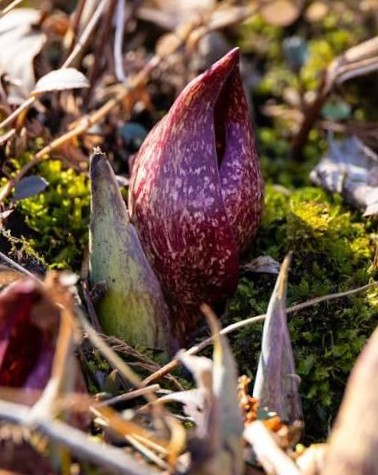
Eastern Skunk Cabbage is Symplocarpus foetidus. It produces a short, hood-shaped, mottled maroon, purple-brown, green, and yellow-green spathe close to the ground before its leaves unfold. The spathe encloses a short spadix carrying many tiny flowers.
Western Skunk Cabbage is Lysichiton americanus. It occurs primarily in the Pacific Northwest and produces a large bright-yellow spathe around an elongated spadix. Both are wetland aroids, both release a strong odor, and both should be treated as insoluble-oxalate hazards.
Identification still matters because range, flower form, growing habit, and duplicate page content differ. A yellow Pacific-coast plant should not be described as Symplocarpus foetidus, and a mottled eastern plant should not be entered as Western Skunk Cabbage.
Asian Skunk Cabbages
Older references sometimes treated Asian skunk-cabbage populations as forms, varieties, or broad concepts near Symplocarpus foetidus. Current taxonomy recognizes several Asian species separately, including Symplocarpus renifolius, Symplocarpus nipponicus, Symplocarpus koreanus, Symplocarpus nabekuraensis, and others.
Research involving Asian skunk cabbage may be useful for understanding thermogenesis, reproductive physiology, or Araceae biology, but it should not automatically be presented as a chemical or toxicological study of the North American species. The public animal-poisoning page should keep the accepted North American name clear.
How to Recognize the Flowering Structure
Skunk Cabbage is often visible before most surrounding plants begin spring growth. A thick, hood-shaped structure called the spathe emerges at or near the soil surface in late winter or early spring. The spathe is commonly mottled with maroon, purple-brown, green, and yellow-green.
The spathe encloses a short rounded or slightly elongated structure called the spadix, which carries numerous tightly packed, very small flowers. The spathe is not one giant flower. It is a modified bract protecting the many individual flowers on the spadix.
Animals may investigate the emerging spathe because it appears when few other plants are visible. A dog pawing through mud or snow can expose the structure, bite it, and release raphides before the large leaves have developed.
The Leaves Appear After Flowering
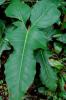
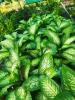
Large leaves unfold after the flowering structure emerges. Mature leaves are broad, deeply ribbed or veined, ovate to heart-shaped, and commonly reach approximately 1–2 feet in length. The leaves form expanding clumps in wet ground and may reach several feet across under favorable conditions.
Leaves usually wither and disappear by late summer, leaving the underground structures alive below the soil. This seasonal disappearance can make the plant seem gone while crowns and roots remain present. Digging, stream work, or ditch cleaning can expose irritating underground material even after the leaves decline.
Crushing or tearing the leaves releases the characteristic pungent odor and the calcium-oxalate-containing sap and cells. Large leaves may also be cut or discarded during property maintenance, creating exposure to dogs, livestock, poultry, or small animals that would not normally enter the wetland.
Contractile Roots Pull the Plant Deeper
Eastern Skunk Cabbage develops a massive underground stem and an extensive system of contractile roots. As the roots shorten, they pull the growing point deeper into wet soil. Older plants may become extremely difficult to dig out.
Cutting the leaves repeatedly without removing the buried growing point may not eliminate the plant. Root fragments and excavated crowns should be collected immediately during pond, drainage, or landscaping work so animals do not chew them.
Dogs may be especially attracted to disturbed rootstock because it is exposed, muddy, odorous, and chewable. Livestock may encounter crowns when wetland vegetation is dumped into pens or pastures after clearing work.
Thermogenesis
Skunk Cabbage is one of the best-known thermogenic plants. Its spadix generates metabolic heat during flowering and can maintain a warm internal environment even when surrounding air is much colder. Research has shown that the spadix can regulate its temperature and may produce temperature oscillations with a cycle of approximately one hour when conditions trigger the response.
The heat protects developing flowers, can melt or loosen surrounding snow and ice, and helps volatilize the plant’s odor. This allows the inflorescence to function during late winter, when relatively few other native plants are flowering and pollinating insects are limited.
Thermogenesis is botanically important but does not reduce the poisoning risk. The warmth generated by the spadix is not a cooking process, does not destroy raphides, and does not make the spathe, spadix, leaves, roots, sap, fruit, or seeds safe for animals to chew.
Odor and Pollination
Damaged leaves and flowering structures produce an odor often compared with skunk spray, garlic, mustard, carrion, or decaying organic matter. The smell helps attract early-season insects, including flies, beetles, and other small arthropods. Heat from the spadix assists in dispersing volatile scent and may provide a temporary sheltered microenvironment for insects during cold weather.
The unpleasant odor discourages many mammals from feeding, but individual animals differ. Odor does not neutralize calcium oxalate crystals. A hungry animal, an animal with pica, or a bird that shreds vegetation may still chew enough material to develop a significant reaction.
All Plant Parts Should Be Considered Irritating
Established poison-plant references include the flowers, fruit, leaves, roots, sap, seeds, stems, spathe, spadix, and underground tissues. No raw part should be intentionally offered to an animal. Pet, livestock, exotic, and zoo-animal guidance should treat the entire plant as an insoluble-raphide hazard.
Leaves or roots described historically as edible after elaborate drying, leaching, or cooking remain inappropriate pet food. Processing methods used by people under particular cultural traditions cannot be translated into a safe preparation for dogs, cats, horses, livestock, rabbits, guinea pigs, birds, reptiles, or other animals under human care.
Idioblasts and Raphide Bundles
Raphides develop in specialized idioblast cells that differ anatomically and chemically from neighboring plant cells. The cell provides space and conditions for large numbers of crystals to form and remain bundled together. The bundles are held until the plant tissue is damaged.
When an animal crushes the tissue, bundles break apart or are expelled and spread across the wet surfaces of the mouth. Tongue and jaw movement distribute the crystals further. The crystals do not need to enter the bloodstream to cause severe pain; their primary effect resembles extensive microscopic puncture injury.
Some aroids have specialized raphide-discharge cells that can release crystals forcefully, while in other cases chewing and tissue rupture are enough to distribute the needles. The exact discharge mechanics should not be overclaimed for Symplocarpus foetidus, but the practical result is the same: chewing releases painful raphides.
Why Swelling Occurs
The punctures damage epithelial cells and activate the body’s normal inflammatory response. Blood vessels dilate, fluid enters the tissue, pain receptors are stimulated, and the lips, tongue, and throat may swell. In most animals this produces pain and drooling; in a severe or badly located exposure it can threaten swallowing or airflow.
Other plant constituents may travel through raphide-created channels and intensify inflammation. Proteolytic enzymes, histamine- or kinin-related mechanisms, and other irritant responses have been proposed for several Araceae, although their exact contribution varies by species.
This explains why the clinical response can be more intense than would be expected from inert mineral splinters alone. It also explains why antihistamines are not a simple universal antidote: the crystals remain present and the injury is not purely allergic.
Proteinases and Other Irritants
The legacy record appropriately noted that some Araceae may contain proteinases. Experimental research outside Symplocarpus has demonstrated that raphides and defensive proteins can act synergistically. The crystals damage and open the tissue, allowing accompanying proteins or enzymes to penetrate.
Proteolytic enzymes may then promote additional inflammation, pain, kinin activity, and histamine-related responses. That mechanism is important because it keeps the discussion more complete than a simple “tiny needles only” explanation.
No particular Skunk Cabbage proteinase has been conclusively identified as a veterinary toxin. It should therefore be described as a plausible contributing mechanism rather than a confirmed second toxic principle.
Insoluble and Soluble Oxalates Are Not the Same Hazard
Insoluble calcium oxalate raphides remain physically embedded at the contact site and produce local mechanical injury. Their most important dangers are pain, swelling, dysphagia, airway obstruction, vomiting, eye injury, food refusal, dehydration, and secondary aspiration.
Soluble sodium or potassium oxalates can be absorbed, bind circulating calcium, and form calcium-oxalate crystals in the kidneys. Those plants can produce hypocalcemia, tremors, seizures, weakness, and renal failure. Confusing the two syndromes leads to exaggerated claims that every calcium-oxalate plant causes kidney failure.
Eastern Skunk Cabbage belongs primarily to the insoluble-raphide group. Kidney failure or marked systemic metabolic illness after a suspected exposure should trigger a broader diagnosis rather than being assigned automatically to Skunk Cabbage.
The Scientific Basis for the Two-Week Statement
A foodborne outbreak investigation involving plant material containing raphides documented oral stinging and burning in ten people, with eight reporting difficulty swallowing. One patient was admitted to intensive care because severe edema threatened the airway, and four of the ten affected people still reported symptoms two weeks later.
The plant material in that outbreak was not confirmed as Eastern Skunk Cabbage, and the exposure involved prepared food rather than a pet taking one bite of a leaf. The study demonstrates that raphide injury can occasionally be prolonged and medically serious, but it does not establish two weeks as the normal duration of Skunk Cabbage poisoning in animals.
Comparative Alocasia Case Data
Human reports involving raw Alocasia odora, another aroid, describe severe tongue pain, oral numbness, hoarseness, dysphagia, and upper-airway swelling. One person required endotracheal intubation after biting rootstock and spitting it out. Other reports involving related Alocasia species describe oral numbness or discomfort persisting longer than the initial exposure.
These cases are valuable evidence of what extensive Araceae raphide injury can do. They should remain clearly labeled as comparative evidence rather than represented as documented animal cases caused by Symplocarpus foetidus.
Dogs
Dogs may bite Skunk Cabbage while exploring streams, wetlands, drainage areas, wet woods, muddy trails, or low pasture edges. Puppies may pull at an emerging spathe, chew broad leaves, or dig into the thick rootstock. Immediate head shaking, drooling, pawing, gagging, vomiting, refusal of food, or swollen lips and tongue are expected signs.
Severe respiratory noise, weakness, blue-gray gums, progressive tongue swelling, inability to swallow, or repeated gagging indicates an emergency. A dog that seems better but later develops coughing, fever, rapid breathing, or worsening lethargy should be evaluated for aspiration or another complication.
Cats
Outdoor cats may encounter the plant in wet woods, while indoor exposure can occur if leaves or flowering structures are collected and brought inside. Cats may drool heavily, paw at the mouth, hide, vomit, refuse food, or resist oral examination after chewing plant material.
Continued food refusal is particularly important in cats because prolonged anorexia can lead to secondary metabolic disease. Open-mouth breathing, tongue swelling, inability to swallow, or eye pain after plant exposure requires urgent care.
Horses, Ponies, and Donkeys
Horses may contact Skunk Cabbage along shaded streams, swampy pasture margins, wooded wetlands, or drainage ditches. The plant’s odor and immediate acridity usually discourage sustained feeding, but hungry animals or those presented with cut vegetation may consume more.
Horses cannot vomit. Drooling, repeated swallowing, head shaking, mouth pain, feed refusal, tongue swelling, coughing, dysphagia, colic, or diarrhea may occur. A horse with throat swelling or impaired swallowing should not be drenched or offered loose feed because aspiration and choke become additional concerns.
Cattle, Sheep, Goats, and Camelids
Ruminants and camelids are unlikely to prefer the plant when ordinary forage is available. Exposure may occur after ditch clearing, wetland mowing, storm damage, or placement of uprooted vegetation in a pasture. Chopped plant fragments can bypass normal avoidance and expose several animals at once.
Salivation, mouth pain, feed refusal, tongue swelling, repeated swallowing, rumen or forestomach disturbance, diarrhea, and respiratory noise should be evaluated promptly. Severe group illness should also prompt investigation for mixed plants, chemicals, contaminated water, moldy feed, or infectious disease.
Birds
Parrots and other pet birds can shred plant tissue efficiently and may release numerous raphides even if little material is swallowed. Small body size also makes tongue and throat swelling proportionally important.
Head shaking, repeated beak wiping, salivation where visible, regurgitation, refusal to eat, open-mouth breathing, voice change, inability to perch, or facial swelling requires immediate avian veterinary care. Skunk Cabbage should not be used as cage greenery or enrichment.
Rabbits, Guinea Pigs, and Small Herbivores
Rabbits and guinea pigs cannot vomit. Their signs may include salivation, mouth rubbing, refusal of food, painful chewing, reduced fecal output, diarrhea, tooth grinding, hunched posture, or gastrointestinal stasis. An animal that stops eating because its mouth hurts can develop serious secondary gastrointestinal disease even when the original toxin remains localized.
Skunk Cabbage should not be offered as browse, greens, forage, hay substitute, enrichment, or bedding. Wetland origin does not make it safe for herbivorous pets.
Eye Exposure
Sap or crushed tissue entering the eye can cause immediate pain, tearing, blinking, redness, swelling, light sensitivity, and corneal injury. Raphides may become embedded in conjunctival or corneal tissues.
The eye should be irrigated immediately with sterile saline or clean lukewarm water when this can be done safely. Continued squinting, cloudiness, discharge, visible swelling, or reluctance to open the eye requires veterinary examination and corneal staining.
Skin Exposure
Intact skin is less vulnerable than the mouth or eye, and many people or animals may touch leaves without developing a reaction. Crushed sap can nevertheless irritate damaged, thin, or sensitive skin. Plant material should be washed from paws, muzzle, coat, feathers, and human hands before it can be transferred to the eyes or swallowed during grooming.
Diagnosis
Diagnosis is usually based on immediate oral pain after chewing a correctly identified plant. The rapid onset, visible plant fragments, drooling, pawing, swelling, hoarseness, and dysphagia strongly support a raphide exposure. Useful photographs should show the entire wetland clump, broad ribbed leaves, mottled spathe, spadix, rootstock if already disturbed, and the location where the plant grew.
No routine blood test detects Skunk Cabbage raphides. Bloodwork may be used to evaluate dehydration, electrolyte abnormalities, another toxin, infection, kidney values, or complications when signs are severe or prolonged. Imaging or airway examination may be appropriate when choking, aspiration, obstruction, or swelling is suspected.
Important Look-Alikes and Naming Confusion
Western Skunk Cabbage has a bright-yellow spathe and belongs to Lysichiton americanus. Jack-in-the-Pulpit, Arisaema triphyllum, has a striped hooded spathe and produces a cluster of red berries later in the year. It is also an insoluble-oxalate aroid.
False Hellebore, Veratrum viride, may grow in wet areas and has large pleated leaves. It contains steroidal alkaloids capable of causing severe bradycardia, hypotension, vomiting, weakness, and death, which is a very different systemic syndrome. “Swamp Cabbage” can also refer to the edible heart of certain palms or unrelated wetland plants. A common name alone is not sufficient for treatment decisions.
Veterinary Treatment and Prognosis
Treatment is primarily supportive. Remaining plant material is removed, the mouth is gently rinsed or wiped, pain and nausea are treated, hydration is assessed, and the airway is monitored. An alert animal that swallows normally may sometimes be offered a small veterinarian-approved amount of milk, yogurt, or another calcium-containing food to help clear crystals and soothe the mouth. Nothing should be forced into an animal with marked swelling, choking, gagging, or impaired swallowing.
Severe edema may require oxygen, injectable medication, sedation, endotracheal intubation, or an emergency airway. Veterinary analgesics, antiemetics, and fluid therapy may be used as needed. Eye exposure may require irrigation, topical pain control, fluorescein staining, removal of retained material, and treatment of corneal or conjunctival injury.
Most animals recover completely, often within several hours to one day. Persistent dysphagia, oral ulcers, inability to eat or drink, aspiration pneumonia, or airway swelling can extend treatment and hospitalization.
Prevention
Keep dogs on a leash near wetland colonies when they habitually chew plants. Prevent horses and livestock from reaching vegetation removed during ditch, pond, stream, or wetland maintenance. Do not throw wetland clippings or dug crowns into animal enclosures, paddocks, goat pens, rabbit areas, bird enclosures, compost piles accessible to animals, or chicken runs.
Wear gloves and eye protection when cutting or excavating plants. Collect roots, leaves, spathes, and fragments immediately, and dispose of them where animals cannot investigate the pile. Do not bring Skunk Cabbage indoors as a curiosity or floral specimen when cats, birds, rabbits, or other animals can reach it.
Immediate Steps After Exposure
Remove access to the plant. Prevent further chewing and collect loose leaves, spathes, flowers, roots, fruits, stems, and other plant fragments. The immediate priorities are stopping further raphide contact, protecting the airway, and determining whether the animal can swallow normally.
- Clear visible material carefully: If the animal is alert and cooperative, remove fragments from the front of the mouth without reaching deeply into the throat or risking a bite.
- Rinse or wipe the mouth: Use cool water or a clean wet cloth to remove loose crystals and plant sap. Do not direct a forceful stream toward the throat.
- Prevent grooming: Wash sap and crushed plant material from the muzzle, paws, coat, or feathers so it is not transferred into the mouth or eyes.
- Assess swallowing: Watch for repeated gagging, water falling from the mouth, fluid returning from the nostrils, coughing after drinking, or inability to handle saliva.
- Assess breathing: Listen for stridor, noisy inhalation, hoarse vocalization, open-mouth breathing, neck extension, or rapid shallow respirations.
- Bring identification evidence: Take photographs or a sealed plant sample showing the leaves, spathe, spadix, rootstock when available, and wetland location.
Do Not Attempt Unsupervised Home Treatment
Home treatment can make a raphide exposure worse when the mouth and throat are already swollen or painful. The goal is to remove loose material and get veterinary guidance, not to force products into an animal that may not swallow safely.
- Do not induce vomiting: Hydrogen peroxide, salt, mustard, dish soap, detergent, syrup of ipecac, and manual gagging can re-expose injured tissues, worsen swelling, and cause aspiration.
- Do not administer activated charcoal: Charcoal does not remove raphides embedded in the mouth and may be inhaled by a drooling, gagging, vomiting, or poorly swallowing animal.
- Do not perform gastric lavage: Lavage is an invasive veterinary procedure and is not routine treatment for mechanically irritating insoluble crystals.
- Do not force milk, yogurt, food, or water: Small soothing amounts may sometimes be appropriate for an alert animal, but forcing anything into a swollen or dysphagic patient can cause choking and aspiration.
- Do not give diphenhydramine automatically: Raphide injury is primarily mechanical, and antihistamines do not reliably reverse tongue or laryngeal edema. A veterinarian should decide whether any anti-inflammatory or antihistamine treatment is appropriate.
- Do not give stomach medication, antidiarrheals, human pain medication, sedatives, or leftover prescriptions: Species, dose, swallowing ability, airway status, and the actual cause of the signs must be considered.
- Do not drench horses or livestock: Oral drenching can cause aspiration when swallowing is impaired, and horses cannot vomit.
When Emergency Examination Is Especially Important
- Noisy or difficult breathing: Stridor, open-mouth breathing, neck extension, gasping, blue-gray gums, or increasing respiratory effort can indicate laryngeal swelling.
- Progressive tongue or facial swelling: Rapidly increasing edema can interfere with both swallowing and airflow.
- Inability to swallow: Continuous drooling, choking on water, repeated gagging, coughing after drinking, or fluid returning from the mouth or nostrils creates an aspiration risk.
- Persistent vomiting or diarrhea: Continued fluid loss can lead to dehydration and may suggest a larger exposure or another toxin.
- Voice or sound changes: A hoarse bark, altered meow, abnormal whinny, weak vocalization, or new respiratory noise may indicate pharyngeal or laryngeal injury.
- Eye exposure: Continued squinting, tearing, redness, cloudiness, or visible pain after irrigation requires an eye examination.
- Food refusal in small herbivores: Rabbits, guinea pigs, and chinchillas that stop eating or produce fewer feces need prompt care.
- Systemic abnormalities: Collapse, seizures, coma, marked weakness, abnormal urination, jaundice, or severe cardiac signs are not expected from a simple raphide exposure and require investigation for another emergency.
Veterinary Treatment
The veterinarian removes remaining plant fragments, assesses the lips, tongue, mouth, pharynx, swallowing reflex, breathing, hydration, and airway, and provides pain relief. The mouth may be flushed carefully while protecting the airway from aspiration.
Veterinary antiemetic medication may be used for persistent vomiting. Oral, subcutaneous, or intravenous fluids may be provided when the animal cannot drink normally or has become dehydrated. Analgesics may be needed when oral pain prevents eating or drinking.
Animals with significant pharyngeal or laryngeal swelling require oxygen and close respiratory observation. Endotracheal intubation or an emergency surgical airway may be necessary if swelling obstructs airflow. Airway protection should not be delayed while waiting for home remedies or oral medication to work.
Antihistamines or corticosteroids may be considered by the veterinarian in selected cases, but studies involving other Araceae have produced mixed or incomplete evidence. These drugs do not physically remove crystals and should never replace airway assessment.
Eye exposure may require prolonged irrigation, topical pain control, fluorescein staining, removal of retained material, and treatment of corneal or conjunctival injury. Persistent eye pain should not be watched at home.
Species-Specific Support
Dogs and cats usually need monitoring for mouth pain, swallowing, vomiting, hydration, airway signs, and appetite. Cats that hide after exposure should be checked carefully because worsening respiratory effort or food refusal can be missed.
Horses, ponies, and donkeys require attention to swallowing, choke risk, aspiration risk, colic, hydration, and manure production. A horse with dysphagia should not be drenched, and loose feed should be managed carefully until swallowing is normal.
Cattle, sheep, goats, and camelids exposed through wetland clearing or chopped plant material should be evaluated as a group if more than one animal is affected. Birds require rapid avian care for voice change, open-mouth breathing, beak wiping, or reduced perching. Rabbits, guinea pigs, and chinchillas require prompt care if oral pain leads to reduced food intake or fecal output.
Recovery and Prognosis
Most minor exposures have a good to excellent prognosis. Pain, drooling, and appetite reduction commonly improve within several hours, and full recovery is often expected within approximately 12–24 hours. More extensive oral injury can remain painful for several days.
- Monitor breathing: Noisy breathing, open-mouth breathing, neck extension, or blue-gray gums requires emergency care.
- Monitor swallowing: The animal should be able to handle saliva, drink normally, and eat as comfort returns.
- Monitor vomiting and hydration: Persistent vomiting, dry gums, weakness, or reduced urination requires reassessment.
- Monitor appetite: Cats, rabbits, guinea pigs, birds, and very small animals should not go long without eating.
- Monitor eyes: Squinting, cloudiness, tearing, or discharge after rinsing should be examined.
- Monitor for wrong-pattern signs: Seizures, coma, jaundice, kidney abnormalities, severe cardiac signs, or collapse require a broader diagnosis.
Prolonged symptoms approaching one or two weeks have been documented after substantial exposure to other raphide-containing plant material, but this is not the expected course of an ordinary Skunk Cabbage bite. The prognosis becomes more guarded when severe airway edema, aspiration pneumonia, prolonged inability to eat or drink, corneal injury, or an incorrectly identified co-exposure complicates the case.
Frequently Asked Questions About Skunk Cabbage and Animal Poisoning
What is the accepted scientific name for Eastern Skunk Cabbage?
The accepted name is Symplocarpus foetidus (L.) Salisb. ex W.P.C.Barton. Historical names include Dracontium foetidum, Ictodes foetidus, Pothos foetidus, Pothos putorii, and several Spathyema names. The former name Pothos foetidus explains the old common name Foetid Pothos, but Eastern Skunk Cabbage is not the tropical Pothos houseplant.
Is Eastern Skunk Cabbage the same as Western Skunk Cabbage?
No. Eastern Skunk Cabbage is Symplocarpus foetidus and has a short mottled maroon, purple-brown, green, or yellow-green spathe close to the ground. Western Skunk Cabbage is Lysichiton americanus and usually has a large bright-yellow spathe. Both are wetland members of Araceae and should be treated as insoluble-calcium-oxalate hazards, but they are separate species.
Is Foetid Pothos the same as the Pothos houseplant?
No. Foetid Pothos is an old common name tied to the historical name Pothos foetidus for Eastern Skunk Cabbage. The common indoor Pothos or Golden Pothos is usually Epipremnum aureum. Both are aroids and can cause raphide-related mouth irritation, but they are not the same plant.
Which parts of Skunk Cabbage are poisonous?
All parts should be treated as irritating when chewed, including the leaves, spathe, spadix, flowers, compound fruit, seeds, stems, sap, roots, and underground crown. Young or processed material described historically as food does not establish a raw part that is safe for animals. Dug crowns and root fragments are especially important after ditch, pond, or wetland clearing.
How do calcium oxalate raphides injure the mouth?
The crystals are stored in specialized cells called idioblasts. Chewing damages those cells and releases bundles of microscopic needle-shaped crystals. The raphides penetrate the lips, tongue, gums, throat, and upper esophagus, producing countless small wounds and an immediate inflammatory response. This is why signs begin so quickly after the plant is chewed.
Do the idioblasts actually shoot the crystals into the tissue?
Some raphide-containing cells in aroids can discharge crystals forcefully when their structure is crushed or opened, and pressure or swelling within the cell may contribute. Mechanical chewing is sufficient to scatter and embed the crystals even when they are not literally projected like darts. The exact discharge mechanism varies among plant species and has not been fully characterized specifically in Eastern Skunk Cabbage.
Does Skunk Cabbage also contain proteinase enzymes?
Proteolytic enzymes and other defensive proteins have been proposed or demonstrated as contributing irritants in several plants, including other Araceae. Raphides can create microscopic wounds that allow those compounds to penetrate. A specific proteinase has not been conclusively established as a Skunk Cabbage toxin, so insoluble calcium oxalate remains the confirmed principle while additional irritants remain possible.
Can Skunk Cabbage cause kidney failure?
Kidney failure is not the expected syndrome. Skunk Cabbage contains insoluble calcium oxalate raphides that primarily injure tissues at the point of contact. They differ from soluble oxalates capable of being absorbed, lowering blood calcium, and forming crystals in the kidneys. Kidney abnormalities after a suspected exposure require investigation for dehydration, another plant, antifreeze, medication, infection, urinary disease, or preexisting kidney disease.
Can Skunk Cabbage cause permanent liver damage?
Permanent liver damage has not been established as a routine consequence of Symplocarpus foetidus ingestion. Severe dehydration, shock, oxygen deprivation, pesticide contamination, or another toxin could affect internal organs, but the defining Skunk Cabbage syndrome is painful local irritation and swelling rather than primary liver failure.
How quickly do symptoms begin?
Signs usually begin immediately or within minutes because the crystals injure tissue as soon as the plant is chewed. Head shaking, pawing, drooling, gagging, mouth pain, and refusal to eat commonly appear before lower gastrointestinal signs. Delayed onset of severe systemic illness should prompt reconsideration of the plant identification or another exposure.
Can symptoms really last for two weeks?
Prolonged raphide injury is possible but uncommon. In a human foodborne outbreak involving unidentified raphide-containing plant material, four of ten patients still had symptoms two weeks later. Other Araceae reports describe oral numbness or pain lasting more than a week. These were substantial human exposures to other plant material, not proof that a dog biting one Skunk Cabbage leaf will remain ill for two weeks.
Can Skunk Cabbage block an animal’s airway?
Yes, although severe airway obstruction is uncommon. Swelling of the tongue, pharynx, or larynx can narrow the airway and produce stridor, open-mouth breathing, neck extension, gasping, panic, or blue-gray mucous membranes. Any breathing change after exposure requires immediate emergency treatment.
Should vomiting be induced after a dog or cat eats the plant?
No. Induced vomiting can re-expose already injured oral and esophageal tissue and increases the risk of aspiration. The immediate priority is removing loose plant matter, gently rinsing or wiping the mouth when safe, assessing swallowing and breathing, and obtaining veterinary advice. Cats should never receive hydrogen peroxide as a home emetic.
Is activated charcoal helpful?
Activated charcoal does not remove insoluble crystals embedded in the mouth and throat and is not routinely useful. A drooling, gagging, swollen, vomiting, or poorly swallowing animal can inhale charcoal into the lungs. It should not be given at home.
Should milk or yogurt be given?
A small amount may sometimes soothe the mouth and help clear insoluble oxalate when the animal is fully alert, breathing comfortably, and swallowing normally. Do not force dairy, food, or water into an animal with marked drooling, gagging, tongue swelling, coughing, or dysphagia. Veterinary guidance is preferable, especially for cats, lactose-sensitive animals, and patients with airway concerns.
Should Benadryl be given for the swelling?
Do not give diphenhydramine automatically. Much of the swelling results from direct mechanical tissue injury rather than a simple allergic reaction, and evidence from other Araceae exposures does not make antihistamines a reliable antidote. A veterinarian should determine whether medication is appropriate while making airway protection the priority.
Why does Skunk Cabbage produce heat?
The flowering spadix uses intense respiration to generate heat and regulate its temperature during late winter. The warmth protects the flowers, helps the plant emerge through snow and frozen surface material, and assists in dispersing odor that attracts pollinating insects. Thermogenesis does not neutralize the calcium oxalate crystals.
Can horses and livestock be poisoned?
Yes. The odor and immediate acridity usually discourage sustained feeding, but hungry animals or livestock given cut wetland vegetation may chew enough to develop oral pain, drooling, tongue swelling, feed refusal, dysphagia, and gastrointestinal irritation. Horses cannot vomit and should not be drenched when swallowing is impaired.
Is Skunk Cabbage dangerous to birds?
Yes. Parrots and other birds can shred plant tissue and release raphides even if little material is swallowed. Beak wiping, head shaking, regurgitation, voice change, open-mouth breathing, facial swelling, or refusal to eat requires avian veterinary care. Skunk Cabbage should not be used as cage greenery, browse, nesting material, or enrichment.
Is Skunk Cabbage dangerous to rabbits and guinea pigs?
Yes. Rabbits, guinea pigs, and similar small herbivores cannot vomit and may show drooling, painful chewing, food refusal, reduced fecal output, tooth grinding, diarrhea, or gastrointestinal stasis. Reduced appetite after mouth pain can become medically serious even when the original injury is local. Skunk Cabbage should not be offered as forage or browse.
What if sap gets in an animal’s eye?
Flush the eye gently with sterile saline or clean lukewarm water and prevent rubbing. Persistent squinting, tearing, redness, cloudiness, discharge, visible pain, or light sensitivity requires prompt veterinary examination because raphides can injure the corneal surface. Eye exposure should be treated more urgently than ordinary skin contact.
What plants are commonly confused with Skunk Cabbage?
Western Skunk Cabbage, Jack-in-the-Pulpit, and other aroids may produce similar insoluble-calcium-oxalate irritation. False Hellebore may grow in wet areas and has large pleated leaves, but it contains steroidal alkaloids and can cause severe systemic poisoning. “Swamp Cabbage” is also ambiguous and may refer to unrelated edible or non-edible wetland plants. Identification should use the whole plant, not just a common name.
What signs suggest something other than ordinary Skunk Cabbage raphide exposure?
Seizures, coma, jaundice, kidney failure, severe cardiac signs, profound collapse, black stool, bloody vomiting, prolonged systemic illness, or sudden death does not fit an uncomplicated insoluble-raphide exposure. Those signs require emergency investigation for another plant, chemical contamination, medication, ethylene glycol, soluble oxalates, infection, severe dehydration, oxygen deprivation, or unrelated disease.
What is the prognosis after Skunk Cabbage ingestion?
The prognosis is good to excellent in most cases, with improvement commonly beginning within hours and full recovery often expected within approximately one day. Severe airway swelling, prolonged inability to eat or drink, aspiration pneumonia, corneal injury, or exposure to another unidentified toxin makes the prognosis more guarded.