Snake Plant Steroidal Saponins, Gastrointestinal Irritation, Dracaena/Sansevieria Taxonomy, and Houseplant Clipping Risk
Is Snake Plant Poisonous to Dogs, Cats, Horses, and Livestock?
Yes—Snake Plant, Dracaena trifasciata (Prain) Mabb., formerly Sansevieria trifasciata Prain, is poisonous to dogs and cats and should be kept away from horses, livestock, rabbits, guinea pigs, birds, reptiles, and other animals. The principal confirmed toxins are steroidal saponins, a chemically diverse group of glycosides that can irritate the stomach and intestines. Most exposures cause nausea-like behavior, lip licking, drooling, vomiting, diarrhea, abdominal discomfort, reduced appetite, depression, or temporary lethargy.
Most snake-plant exposures are mild to moderate and recover with appropriate supportive care, but the plant is not safe to chew. Repeated vomiting, bloody vomit, bloody stool, severe diarrhea, dehydration, marked weakness, collapse, prolonged food refusal, eye exposure, or signs lasting beyond the usual short course require veterinary attention. Snake Plant is not an insoluble-calcium-oxalate aroid, not a cardiac-glycoside plant, and not a plant expected to cause routine kidney failure, liver failure, seizures, coma, or sudden death after an uncomplicated bite. Those severe or atypical signs should trigger investigation for another plant, pesticide, fertilizer, medication, foreign object, profound dehydration, aspiration, or unrelated disease.
About this guide: This page provides general pet-poisoning information and cannot diagnose or treat an individual animal. For any suspected exposure, contact a veterinarian or animal poison-control service immediately. Do not induce vomiting, give medication, or attempt home decontamination unless directed by a veterinary professional.
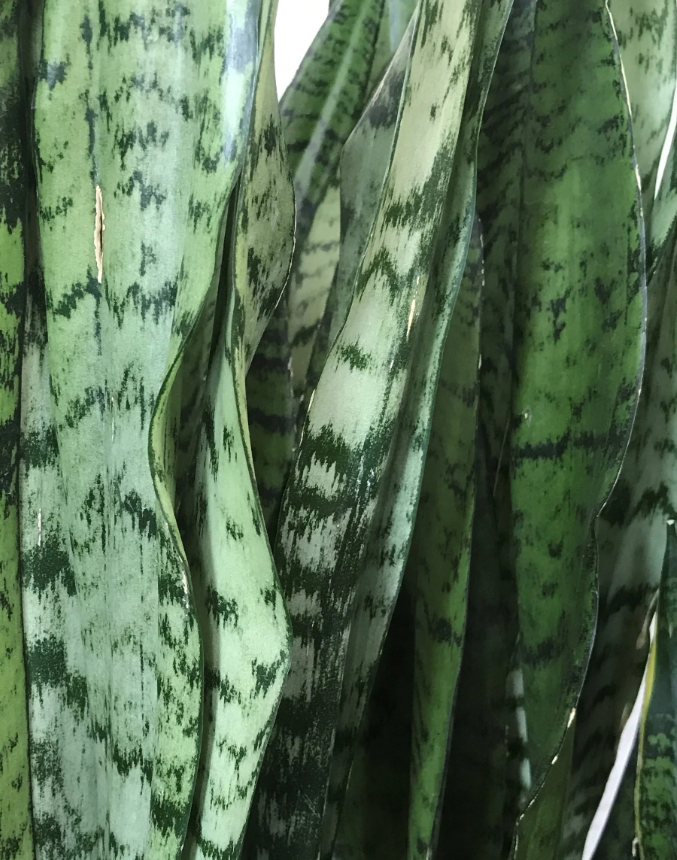
Snake Plant
Dracaena trifasciata (Prain) Mabb.
Former scientific name and essential search synonym:
- Sansevieria trifasciata Prain
Accepted infraspecific names include:
- Dracaena trifasciata subsp. trifasciata
- Dracaena trifasciata subsp. sikawae (R.H.Webb & Yinger) Takaw.-Ny. & Thiede
Important cultivar and historical horticultural names:
- Sansevieria trifasciata var. laurentii — historical horticultural name for the familiar yellow-edged form, now treated within Dracaena trifasciata subsp. trifasciata
- Dracaena trifasciata ‘Laurentii’ — yellow-margined cultivated form often sold as Goldband, Gold-Edged, Magic Sword, or Variegated Snake Plant
- Dracaena trifasciata ‘Hahnii’ — compact bird’s-nest form
- Dracaena trifasciata ‘Golden Hahnii’ — compact yellow-variegated bird’s-nest form
Important non-synonym confusion names:
- Dracaena angolensis (Welw. ex Carrière) Byng & Christenh., formerly Sansevieria cylindrica Bojer ex Hook. — African Spear or cylindrical snake plant; separate species with cylindrical leaves
- Dracaena hyacinthoides (L.) Mabb. — separate species that may also share common names such as Mother-in-Law’s Tongue in some regions
- Dracaena zeylanica (L.) Mabb., formerly Sansevieria zeylanica (L.) Willd. — separate species sometimes confused in commerce with non-variegated snake plant
- Cordyline fruticosa (L.) A.Chev. — Ti Plant or Good Luck Plant; unrelated ornamental that may share the common name Good Luck Plant
- Dieffenbachia, Philodendron, Epipremnum, and other aroids — unrelated insoluble-calcium-oxalate plants with a different oral-irritation syndrome
Asparagaceae
Current classifications place the species in the Asparagus Family, commonly within the subfamily Nolinoideae. Agavaceae is the older family placement still used by some veterinary and horticultural references. Dracaenaceae and Ruscaceae may also appear in historical classifications.
Snake Plant; Mother-in-Law’s Tongue; Mother-in-Law Tongue; Mother-in-Law Plant; Viper’s Bowstring Hemp; Viper’s Bow-String Hemp; Bowstring Hemp; Bow-String Hemp; Saint George’s Sword; St. George’s Sword; Devil’s Tongue; Snake Tongue; Good Luck Plant; Sansevieria; Striped Sansevieria; Striped Snake Plant; African Bowstring Hemp.
Scientific and botanical search names include Dracaena trifasciata (Prain) Mabb. and Sansevieria trifasciata Prain. The accepted scientific name is now Dracaena trifasciata, but the former name Sansevieria trifasciata remains extremely common in nurseries, veterinary poison lists, scientific publications, plant labels, extension pages, houseplant books, and owner searches.
Golden Bird’s Nest, Golden Birds Nest, Golden Hahnii, and Bird’s Nest Snake Plant refer more precisely to compact bird’s-nest cultivars such as Dracaena trifasciata ‘Golden Hahnii’ or ‘Hahnii,’ rather than to every plant of the species. Magic Sword, Goldband Sansevieria, Gold-Banded Snake Plant, Gold-Edged Snake Plant, Variegated Snake Plant, and Laurentii Snake Plant are most closely associated with the yellow-margined cultivar ‘Laurentii.’ “African Spear” more commonly refers to cylindrical snake plants such as Dracaena angolensis, formerly Sansevieria cylindrica. “Good Luck Plant” is highly ambiguous and is also used for Cordyline fruticosa and other unrelated ornamentals. During a poisoning case, use the scientific name, leaf shape, growth form, cultivar label, and whole-plant photographs rather than the common name alone.
Steroidal Saponins Are the Principal Confirmed Toxins
The principal confirmed toxins in Snake Plant are steroidal saponins. Saponins are glycosides composed of a lipid-compatible steroidal or triterpenoid aglycone attached to one or more water-compatible sugar chains. This dual chemical character makes them surface-active compounds capable of interacting with biological membranes and forming persistent foam when shaken in water. The word saponin does not identify one single chemical; it describes a broad class of related molecules.
Dracaena trifasciata contains a complex mixture of structurally related steroidal glycosides. In 1996, Yutaka Mimaki and colleagues extracted the whole plant, then known as Sansevieria trifasciata, with methanol and isolated 12 steroidal saponins, 10 of which were newly described constituents. That work provided direct chemical support for the saponin classification long used in veterinary poison-plant references.
Trifasciatosides and Species-Specific Chemistry
Later work expanded the known chemistry considerably. Researchers studying an n-butanol-soluble fraction of a methanol extract isolated four newly described steroidal saponins called trifasciatosides A–D and three pairs of additional previously undescribed steroidal saponins called trifasciatosides E–J. Twelve previously known compounds were recovered during the same investigation. The isolated molecules included spirostane- and furostane-related steroidal glycosides with complex sugar chains.
Additional analysis of the aerial portions identified the dihydrochalcone derivative trifasciatine C, four additional steroidal saponins described as two pairs of inseparable regioisomers, trifasciatosides K/L and M/N, together with aconitic acid, 1-methyl aconitic acid, and other compounds. Root analysis of the yellow-edged cultivar ‘Laurentii’ has also recovered previously reported spirostane- and furostane-type saponins. The plant’s toxicology therefore reflects a chemically diverse mixture rather than one universal molecule present at a fixed concentration.
Extraction Method and Dose Boundaries
The laboratory extraction method matters. Methanol, n-butanol, chromatographic separation, and purified-compound testing concentrate constituents from a large amount of plant material. An animal biting one intact leaf is not receiving the same preparation or dose used in phytochemical isolation, antimicrobial screening, cancer-cell assays, molecular docking, or experimental pharmacology. These studies confirm the presence and structure of plant constituents; they do not establish a canine, feline, equine, livestock, rabbit, bird, or reptile toxic dose.
This evidence boundary should be kept clear in public text. Purified trifasciatosides may have measurable activity in cell culture, and extracts may show pharmacologic or antimicrobial effects in laboratory studies. That does not mean chewing the plant treats cancer, causes cancer, causes predictable tissue necrosis, or produces the same systemic effect in a pet. Veterinary risk is built around ingestion of the plant as encountered in homes, landscaping, propagation waste, and discarded clippings.
How Saponins Irritate the Digestive Tract
Saponins can irritate the lining of the stomach and intestines by interacting with membrane lipids and altering membrane permeability. In an exposed animal, that irritation can stimulate nausea-like behavior, vomiting, abdominal discomfort, diarrhea, salivation, food refusal, and depression. The effect is usually centered on the gastrointestinal tract because many plant saponins are absorbed poorly through an intact digestive lining.
The stiff leaves are bitter and fibrous, and saponins themselves often have a bitter or acrid taste. These characteristics discourage many animals from consuming a large quantity. The deterrent effect reduces risk but does not make the plant safe. A persistent chewer, teething puppy, curious cat, browsing goat, shredding bird, or animal given chopped houseplant waste may continue ingesting it despite taste and texture.
Laboratory Hemolysis Does Not Equal Clinical Hemolysis
Some purified saponins can damage red blood cells in laboratory preparations by interacting with membrane cholesterol, a property described as hemolytic activity. That chemical property is real, but it should not be converted into a claim that ordinary snake-plant ingestion routinely causes clinical hemolysis. A swallowed compound must survive digestion, cross the intestinal barrier, reach the bloodstream, and achieve sufficient concentration before laboratory hemolysis becomes clinically relevant.
Snake-plant poisoning in dogs and cats is not characterized by a routine syndrome of anemia, red urine, jaundice, widespread red-cell destruction, or circulatory collapse. Pale gums, jaundice, red or brown urine, severe weakness, collapse, or abnormal bloodwork after suspected exposure requires investigation for another toxin or disease rather than automatic attribution to the plant’s saponins.
Antiproliferative and Pharmacologic Findings Do Not Define Pet Poisoning
Several isolated trifasciatosides have shown weak or moderate antiproliferative effects against cultured human cancer cells. Such testing concerns concentrated purified compounds placed directly in laboratory cell cultures. It does not indicate that chewing the plant has anticancer effects, causes anticancer drug-like toxicity, kills tissue, cures disease, or produces comparable systemic exposure in an animal.
The same caution applies to traditional medicinal claims and modern extract studies. Snake Plant has been studied and used in human ethnomedicine, but that does not establish a safe pet dose, a safe extract, or a veterinary treatment. Leaves, roots, rhizomes, sap, cuttings, and extracts should not be administered to pets as remedies for inflammation, skin disease, asthma, cough, urinary disease, diarrhea, snakebite, or any other condition.
Plant Parts That Should Be Treated as Toxic
No dependable study establishes a nontoxic plant part. Leaves are involved most often because they are large, persistent, and accessible, but rhizomes, roots, stems, sap, flowers, and berries are also listed as potentially toxic. Rhizomes and roots may contain a chemical profile different from the leaves, and whole-plant or aerial-part solvent studies cannot be converted into a precise safe-versus-toxic tissue ranking.
Wilted or dried material should not be assumed safe. Steroidal saponins are chemical constituents rather than a living defense that disappears immediately when the leaf is cut. Fallen leaves, broken tips, propagation sections, divided rhizomes, root fragments, discarded pot material, dead plants, and nursery waste should all be kept away from animals.
Sap, Skin, and Eye Exposure
The sap may produce brief skin irritation in susceptible individuals, but Snake Plant is not primarily recognized as a severe contact poison. Broken leaves expose more sap than intact foliage. An animal may lick, scratch, or rub an exposed area, and a person handling cut leaves may notice brief redness or discomfort.
Eye exposure deserves greater caution. Sap transferred from a paw, hand, cutting tool, or broken leaf may cause tearing, blinking, squinting, redness, or pain. Even a relatively low-severity plant irritant can inflame the conjunctiva or corneal surface. Persistent eye signs require veterinary examination because an eye injury cannot be judged safely from the plant’s low general toxicity rating.
Not an Insoluble-Oxalate or Cardiac-Glycoside Plant
Snake Plant must be distinguished from insoluble-calcium-oxalate plants. It is not expected to produce the immediate needlelike oral pain, dramatic tongue swelling, and intense pharyngeal burning typical of Dieffenbachia, Pothos, Philodendron, Peace Lily, Calla Lily, or other raphide-containing aroids. Drooling after Snake Plant exposure is more likely related to nausea, bitter taste, local mild irritation, or impending vomiting than to embedded mineral needles.
Snake-plant saponins must also be distinguished from cardiac glycosides. Both chemical groups contain a non-sugar component attached to sugars, but Snake Plant does not have a recognized digitalis-like poisoning syndrome. Dangerous bradycardia, atrioventricular block, hyperkalemia, and sudden cardiac death are not expected effects of an uncomplicated Dracaena trifasciata exposure.
No Reliable Toxic Dose
No reliable toxic dose has been established for dogs, cats, horses, cattle, sheep, goats, pigs, camelids, rabbits, guinea pigs, birds, reptiles, or other animals. Risk depends on amount swallowed, plant part, cultivar, animal size, species, age, health, whether the plant was fresh or dried, whether the tissue was chopped or swallowed whole, and whether fertilizer, pesticide, potting material, other houseplants, or foreign objects were also accessible.
A small bite may cause no signs or brief stomach upset, while a larger or repeated ingestion can cause persistent vomiting, diarrhea, dehydration, and prolonged food refusal. Dose estimates should not be invented from studies using methanol extracts, purified saponins, cancer-cell assays, antimicrobial tests, or laboratory hemolysis systems.
Onset and Early Progression
Snake-plant poisoning most often produces gastrointestinal irritation. Early signs may include lip licking, repeated swallowing, salivation, food refusal, restlessness, grass eating, hiding, or an animal approaching food and then turning away. “Nausea” is frequently listed in poison references, but nausea is a subjective sensation; in animals it must be inferred from these observable behaviors.
Most uncomplicated cases begin within several hours of ingestion because the gastrointestinal lining responds after the plant material reaches the stomach and intestines. A precise onset interval and toxic dose have not been established for Dracaena trifasciata. The absence of immediate signs does not justify encouraging the animal to eat or drink large amounts or assuming that no illness will develop.
Vomiting, Diarrhea, Drooling, and Appetite Loss
Vomiting and diarrhea are the principal documented signs in dogs and cats. Vomit may contain chewed green leaf fragments, mucus, partially digested food, or yellow bile. Occasional bloody vomiting has been included in veterinary plant references, but it is not the expected result of a small exposure. Blood may indicate more substantial irritation, repeated forceful vomiting, another toxicant, or unrelated gastrointestinal disease and deserves veterinary attention.
Drooling or hypersalivation can accompany nausea, bitter plant material, irritation of the mouth, or impending vomiting. Depression, lethargy, weakness, and inappetence may follow gastrointestinal discomfort or fluid loss. A mildly affected animal may simply become quiet and skip one meal. More pronounced depression, inability to stand, collapse, abnormal body temperature, or continuing weakness does not fit a trivial stomach upset and should prompt examination.
Dehydration and Secondary Complications
Repeated vomiting and diarrhea may cause dehydration, electrolyte abnormalities, weakness, or reduced kidney perfusion. These are secondary consequences of fluid loss, not evidence that snake-plant saponins directly destroy the kidneys. Small animals, juveniles, seniors, and animals with kidney disease, diabetes, gastrointestinal disease, endocrine disease, or another medical condition may dehydrate more quickly.
Dry or tacky gums, sunken eyes, reduced urination, weakness, inability to retain water, repeated retching, bloody vomit, black stool, bloody diarrhea, or worsening lethargy requires veterinary care. Persistent gastrointestinal signs should not be minimized because the plant is often described as low-severity; fluid loss and aspiration risk can still become clinically important.
Dogs
Dogs may chew low leaves, recently divided rhizomes, broken leaf sections, or pieces left after repotting. Puppies may target the stiff leaves during teething or play. Typical signs include lip licking, drooling, vomiting, diarrhea, reduced appetite, temporary lethargy, or abdominal discomfort. A dog may vomit plant fragments and then improve, or signs may continue if a larger amount was swallowed.
Bloody vomit, repeated vomiting, severe diarrhea, abdominal guarding, collapse, trembling, seizures, abnormal heart rhythm, breathing difficulty, or prolonged illness should not be attributed casually to a routine snake-plant bite. Those findings may involve another houseplant, fertilizer, pesticide, potting material, foreign-body ingestion, pancreatitis, infection, medication exposure, or another disease.
Cats
Cats may bite leaf tips, rub against blades, dig in the pot, or pull on compact bird’s-nest cultivars. A plant placed on a high shelf may still shed broken tips or be knocked to the floor. Cats most often show vomiting, diarrhea, drooling, reduced appetite, hiding, depression, or temporary lethargy after chewing the plant.
Cats have been reported to develop dilated pupils after exposure to Dracaena plants, including Snake Plant in some veterinary reference material. Mydriasis is less consistently reported than vomiting and diarrhea and should not be treated as a defining or species-specific diagnostic sign. Pupil dilation may also occur because of stress, pain, medications, neurologic disease, or exposure to another toxicant. A cat that refuses food persistently after exposure needs veterinary attention because prolonged anorexia can create secondary complications.
Horses, Ponies, and Donkeys
Snake Plant is not an ordinary temperate pasture weed, so horse exposure is more likely through greenhouse waste, stable office plants, subtropical landscaping, discarded houseplants, or dumped container debris. Horses cannot vomit. A horse exposed to snake-plant clippings might instead show salivation, reduced appetite, abdominal discomfort, altered manure, diarrhea, depression, or colic-like behavior.
Direct equine case documentation is sparse, so severe colic, sweating, repeated rolling, abdominal distention, abnormal heart rate, neurologic abnormalities, incoordination, or collapse should not be attributed automatically to Snake Plant without investigating other plants, feed contaminants, medications, sand, intestinal disease, moldy material, or foreign objects. No snake-plant waste should be thrown into paddocks, stalls, or turnout areas.
Goats, Sheep, Cattle, Camelids, and Pigs
Goats, sheep, cattle, camelids, pigs, and other livestock may encounter Snake Plant through greenhouse waste, landscaping, botanical displays, subtropical outdoor plantings, or discarded houseplant containers. Expected effects would center on gastrointestinal irritation and food refusal, but species-specific toxic doses and case series are not available. Goats and pigs may be especially willing to sample stiff ornamental foliage that dogs or horses ignore.
Nonvomiting or less readily vomiting species may show reduced appetite, salivation, diarrhea, abdominal discomfort, teeth grinding, depression, altered fecal output, or colic-like behavior instead of obvious vomiting. Severe bloat, collapse, neurologic signs, sudden death, major herd illness, or persistent systemic disease should prompt investigation for another plant, contaminated clipping pile, mold, pesticides, toxic feed, or infectious disease.
Rabbits, Guinea Pigs, Rats, and Other Small Mammals
Rabbits, guinea pigs, rats, and several other small mammals cannot vomit. In these species, exposure may appear as appetite loss, tooth grinding, abdominal discomfort, diarrhea, depression, or reduced fecal output. Reduced eating and reduced fecal production may progress to gastrointestinal hypomotility or stasis, becoming more dangerous than the original plant exposure.
Prompt veterinary advice is important when a rabbit or guinea pig stops eating after chewing Snake Plant. Waiting for vomiting is inappropriate because vomiting will not occur in these species. Small body size also means that a leaf section, rhizome piece, or propagation cutting can represent a proportionally meaningful exposure.
Birds
Birds may shred snake-plant leaves with the beak, especially if the plant is placed near a cage or accessible during supervised flight. Possible signs include beak wiping, regurgitation, diarrhea, reduced appetite, altered droppings, lethargy, or quiet behavior. Species-specific avian toxic doses have not been established.
Because birds often hide illness and have small body mass, any food refusal, weakness, persistent regurgitation, abnormal droppings, poor perching, breathing change, or unusual quietness after plant shredding should receive avian veterinary guidance. Snake Plant should not be placed where a bird can reach it through cage bars or from a play stand.
Skin and Eye Signs
Skin contact with sap may cause transient redness, itching, or irritation. This is more likely after contact with freshly cut, broken, or crushed leaves than with intact foliage. An animal may lick, scratch, or rub an exposed area, spreading sap to the mouth or eyes.
Eye exposure may produce tearing, blinking, squinting, redness, or discomfort. Persistent eye pain, cloudiness, light sensitivity, discharge, swelling, or inability to open the eye requires veterinary examination rather than routine home observation. Eye injury cannot be judged safely from the plant’s low general toxicity rating.
Atypical or Severe Signs
Convulsions, coma, liver failure, kidney failure, respiratory paralysis, dangerous arrhythmias, and sudden death are not recognized features of ordinary snake-plant poisoning. Severe systemic signs should trigger investigation for a misidentified plant, pesticide or fertilizer contamination, another toxic substance, intestinal obstruction, aspiration, profound dehydration, or unrelated disease.
Permanent liver or kidney damage is not expected from an uncomplicated snake-plant exposure. Abnormal organ values, prolonged systemic illness, seizures, severe cardiac abnormalities, or neurologic decline should not be explained away by the presence of Snake Plant alone. Mixed houseplant exposures are common, and some plants kept near Snake Plant are far more dangerous.
Duration and Prognosis
Most mildly affected dogs and cats recover within approximately one to two days, often sooner. Recovery time depends on the amount eaten, the frequency of vomiting or diarrhea, hydration, underlying health, and whether another substance was involved. Appetite and normal energy may return gradually after vomiting and diarrhea stop.
Persistent symptoms, bloody vomit or stool, worsening abdominal pain, inability to retain water, prolonged food refusal, dehydration, or continuing depression requires reassessment rather than continued reliance on a general recovery estimate. A low-severity plant can still create a clinically important case when fluid loss, aspiration, small body size, or underlying illness is present.
The Accepted Name Is Dracaena trifasciata
Snake Plant is now botanically recognized as Dracaena trifasciata (Prain) Mabb. For more than a century, it was widely known as Sansevieria trifasciata Prain, and that former name remains deeply established in horticulture, toxicology, interior landscaping, nursery labeling, scientific literature, and the houseplant trade. The name change does not make old toxicology information invalid when the plant was identified correctly.
The transfer reflects a broader understanding that plants traditionally called sansevierias belong within Dracaena. The public page should use the accepted scientific name while retaining Sansevieria trifasciata as an essential synonym. Owners, veterinarians, plant apps, poison references, and nursery labels may use either name during an exposure.
Current and Former Family Placements
Current classifications place Snake Plant in Asparagaceae, the Asparagus Family, commonly within subfamily Nolinoideae. Depending on the reference and date, the same plant may appear under Agavaceae, Dracaenaceae, or Ruscaceae. Veterinary databases frequently retain Agavaceae because their records were created under an older classification.
These family changes are taxonomic rather than toxicological. The presence of steroidal saponins remains documented regardless of whether an older source files the species under Agavaceae, Dracaenaceae, or Ruscaceae. The page should not imply that a family-name update changed the plant’s poisoning syndrome.
Native and Introduced Range
Dracaena trifasciata is native from southern Nigeria through Cameroon, Equatorial Guinea, Gabon, the Central African Republic, the Republic of the Congo, and the Democratic Republic of the Congo, with an additional native distribution in Tanzania. It is adapted primarily to seasonally dry tropical environments and grows as a rhizomatous perennial rather than as a woody shrub or tree.
The plant has been introduced widely through cultivation. Established or escaped populations occur in Florida, the Caribbean, Central America, tropical islands, parts of South and Southeast Asia, northeastern Australia, and numerous Pacific and Indian Ocean islands. In colder regions, exposure occurs mainly indoors. In subtropical and tropical climates, the plant may be grown outside in foundation beds, borders, containers, commercial landscapes, or dense groundcover-like stands.
Growth Form and Identification
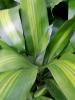
Snake Plant is an evergreen rhizomatous perennial that forms dense clumps. Thick creeping rhizomes spread below or partly above the soil and produce new rosettes a short distance from the parent growth. The familiar leaves grow upright from the base without a conspicuous aboveground stem. They are stiff, fleshy, leathery, linear to lance-shaped, and sharply pointed.
Mature leaves commonly reach two to four feet in height and approximately two to four inches in width, although dimensions vary substantially among cultivars and growing conditions. Wild-type foliage is dark green with irregular pale gray-green or silvery transverse bands. The markings run across the width of the blade rather than lengthwise. Contrary to the common explanation that the name refers to twisting leaves, many ordinary snake-plant leaves remain relatively straight; the snake association is more closely linked to their banded pattern and upright, serpentine appearance.
Small fragrant flowers may appear on an upright raceme, usually on mature or environmentally stressed plants. They are greenish white, cream, or pale yellow-green and may produce sticky nectar. Orange berries can follow successful pollination, but flowers and fruit are uncommon on ordinary indoor plants. Flowers and berries should still be treated as potentially toxic plant material.
Cultivars Are Not All Identical
The tall green and gray-banded form is only one of many cultivated selections. ‘Laurentii’ is the familiar upright plant with broad yellow margins. It is frequently sold under names such as Magic Sword, Goldband Sansevieria, Gold-Edged Snake Plant, or Variegated Mother-in-Law’s Tongue. ‘Hahnii’ forms a compact, low bird’s-nest rosette rather than tall vertical blades. ‘Golden Hahnii’ adds yellow or cream variegation and is the form most accurately called Golden Bird’s Nest.
Other cultivated forms include ‘Moonshine,’ ‘Black Gold,’ ‘Futura Robusta,’ ‘Bantel’s Sensation,’ ‘Whitney,’ ‘Silver Queen,’ ‘Futura Superba,’ and numerous modern trade selections. Leaf height, width, banding, edge color, and rosette shape vary, but no cultivar has been proved safe for animals. Variegation, dwarf habit, silvery color, yellow edges, or bird’s-nest growth should not be used as a toxicity ranking.
Common-Name Confusion
Mother-in-Law’s Tongue and Snake Plant are widely recognized names for this species, but both may also be applied to other former Sansevieria species. Saint George’s Sword, Viper’s Bowstring Hemp, and Bowstring Hemp also have broad regional use. African Spear more often identifies Dracaena angolensis, formerly Sansevieria cylindrica, which produces cylindrical rather than flat leaves.
Good Luck Plant can refer to Snake Plant but also to Cordyline fruticosa and other culturally significant ornamentals. In a poisoning case, a photograph of the whole plant, leaves, base, rhizome, label, and cultivar pattern is more useful than a common name alone. The accepted name and former name should remain together on the label whenever possible.
Where Dogs and Cats Encounter Snake Plant
Snake Plant is among the most common floor and tabletop houseplants because it tolerates indoor conditions and irregular care. Dogs may chew low leaves, recently divided rhizomes, or broken pieces left after repotting. Puppies may target the stiff leaves during teething or play. A dog can also pull down a long leaf, shred it, and swallow more material than the owner first notices.
Cats may bite leaf tips, rub against the blades, dig in the pot, or pull on low-growing bird’s-nest cultivars. A plant placed on a high shelf may still shed broken tips or be knocked to the floor. Propagation and repotting create concentrated access: cut leaf sections, divided rhizomes, roots, discarded soil, and damaged leaves may remain on floors or work surfaces after the main pot has been moved.
Horses and Livestock Encounter It Differently
Snake Plant is not an ordinary temperate pasture weed, so horses and production livestock are unlikely to graze it under normal conditions. Exposure is more plausible in subtropical landscaping, greenhouse operations, botanical displays, stable offices, nursery waste, or through discarded houseplant and container debris. Chopped or wilted plant material mixed with grass clippings is harder for an animal to avoid.
Goats and other browsers may eat stiff ornamental foliage that dogs or horses ignore. Pigs may root through discarded pots, soil, and rhizomes. Camelids, sheep, cattle, and poultry may be exposed when mixed ornamental waste is dumped into pens, runs, or compost areas. No snake-plant waste should be discarded into paddocks, stalls, goat pens, livestock pastures, rabbit enclosures, aviaries, poultry runs, tortoise enclosures, or accessible compost piles.
Every Accessible Part Should Be Treated as Toxic
Leaves cause most household exposures because they are large, persistent, and accessible. However, toxicology references also identify roots, rhizomes, stems, sap, flowers, and fruits as potentially toxic. No reliable study defines a harmless tissue or compares the veterinary potency of every plant part. Rhizomes and roots may contain a chemical profile different from the leaves, and solvent studies of whole plants or aerial parts cannot be converted into a precise tissue ranking.
Wilted or dried material should not be assumed safe. Steroidal saponins are chemical constituents rather than a living defense that vanishes immediately when the leaf is cut. Fallen leaves, dead plants, propagation cuttings, rhizome pieces, roots, and discarded pot material should all be kept away from animals.
Species-Specific Saponin Research
In 1996, researchers investigated a methanol extract of the whole plant then known as Sansevieria trifasciata. Twelve steroidal saponins were isolated, ten of which were new to science at the time. The work established that the plant contains numerous structurally distinct glycosides rather than one generic substance called saponin.
Further work on plants collected in Cameroon produced trifasciatosides A–J. Four newly described individual saponins and three pairs of newly described compounds were isolated along with 12 known constituents. Their structures were determined using nuclear magnetic resonance spectroscopy, mass spectrometry, chemical degradation, and related analytical methods. Trifasciatosides B, D, I, and J demonstrated weak-to-moderate antiproliferative activity against cultured HeLa cells in the assay. These measurements concern purified laboratory compounds and must not be interpreted as an animal toxic dose.
A subsequent investigation identified trifasciatosides K–N from the aerial portions along with trifasciatine C, a newly described dihydrochalcone derivative. Root analysis of the ‘Laurentii’ cultivar has also recovered previously reported spirostane- and furostane-type saponins. These studies add plant-specific depth to the page, but they do not show which compound causes vomiting in a dog or whether one cultivar is more toxic than another. Veterinary effects may result from several saponins acting together with fibrous plant material and other constituents.
How Saponins Cause Gastrointestinal Irritation
Saponins contain a lipid-compatible aglycone attached to water-compatible sugars. This amphipathic structure allows them to associate with cell membranes and other lipid surfaces. In sufficient concentration, they can increase membrane permeability and irritate mucosal tissue. After ingestion, the stomach and intestinal lining are the tissues most directly exposed.
Irritation activates nausea and vomiting pathways, increases intestinal secretion and movement, and may produce abdominal discomfort or diarrhea. Many saponins have limited absorption through a healthy gastrointestinal tract, which helps explain why the usual veterinary syndrome remains localized and self-limiting. Damage to the digestive lining, very high experimental concentrations, or unusual saponins may change absorption, but these possibilities do not establish severe systemic poisoning from an ordinary leaf bite.
Laboratory Hemolysis Does Not Equal Clinical Hemolysis
Certain saponins can bind membrane cholesterol and rupture red blood cells when mixed directly with them in a laboratory preparation. This hemolytic property is often used to characterize saponins chemically. Oral exposure is different. A swallowed compound must survive digestion, cross the intestinal barrier, reach the circulation, and achieve a sufficient concentration before laboratory hemolysis becomes clinically relevant.
Snake-plant poisoning in dogs and cats is not characterized routinely by anemia, red urine, jaundice, or circulatory collapse. Claims of blood-cell destruction, liver failure, kidney failure, coma, or death should not be added to the page merely because some purified saponins have strong in vitro effects.
The Bitter Taste Limits but Does Not Prevent Exposure
Saponins commonly taste bitter or acrid, while the mature leaves are tough and fibrous. An animal that takes one bite may spit out the plant or stop chewing after irritation or nausea develops. This self-limiting behavior reduces the likelihood of a very large ingestion but does not guarantee safety.
Young animals, habitual plant chewers, birds that shred leaves, goats that browse ornamentals, or animals given chopped clippings may consume more before taste discourages them. A low-severity general classification does not establish a safe amount for a dog, cat, horse, rabbit, bird, goat, or child.
Dogs and Cats
Dogs and cats most often develop vomiting, diarrhea, drooling, reduced appetite, depression, or lethargy. One animal may remain normal after biting a leaf, while another may vomit repeatedly after a similar-looking exposure. Amount swallowed, body size, chewing behavior, hydration, underlying illness, and whether another exposure occurred all matter.
Cats are sometimes reported to develop dilated pupils after Dracaena ingestion. This finding is less consistent than gastrointestinal signs and may reflect pain, stress, or an incompletely understood effect of the plant’s chemistry. Blood in vomit is uncommon but possible after substantial or repeated gastrointestinal irritation. It should never be dismissed as harmless, particularly when vomiting continues or the animal becomes weak.
Horses, Rabbits, Guinea Pigs, Birds, and Other Animals
Snake Plant appears in some equine poison lists, but detailed horse-specific case evidence is limited. Because horses cannot vomit, likely signs would include reduced appetite, salivation, abdominal discomfort, altered manure, diarrhea, depression, or colic-like behavior. Severe colic, sweating, repeated rolling, abdominal distention, abnormal heart rate, incoordination, or collapse requires immediate veterinary assessment.
Rabbits, guinea pigs, rats, and several other small mammals cannot vomit. In these species, poisoning may appear as appetite loss, tooth grinding, abdominal discomfort, diarrhea, depression, or reduced fecal output. A rabbit or guinea pig that stops eating can develop gastrointestinal hypomotility or stasis. Birds may shred snake-plant leaves with the beak; regurgitation, repeated beak wiping, diarrhea, food refusal, lethargy, or altered droppings may follow. Species-specific avian toxic doses have not been established.
Diagnosis and Differential Diagnosis
Diagnosis is based primarily on credible exposure, compatible gastrointestinal signs, and accurate identification. Photographs should show the entire plant, leaf pattern, leaf margins, growth form, pot label, rhizome, roots, and any chewed material. A veterinarian may ask when the plant was eaten, how much appears missing, whether the animal has vomited, whether blood was present, whether other plants or chemicals were accessible, and whether pesticides or fertilizers had been applied.
Many houseplants cause gastrointestinal illness through different mechanisms. Aloe contains anthraquinone glycosides, cycads contain severe hepatotoxins, Kalanchoes contain cardiac glycosides, and insoluble-calcium-oxalate aroids cause immediate oral pain and swelling. Snake Plant should not produce the intense mouth burning and tongue swelling typical of pothos or dieffenbachia. It also should not produce the renal failure associated with true lilies in cats, the cardiac arrhythmias of oleander, or the hepatic failure of sago palm. Repeated vomiting, seizures, jaundice, marked pupil abnormalities, abnormal heart rhythm, kidney changes, or profound weakness requires reconsideration of the identification and the possibility of mixed plants, medications, pesticides, fertilizer, spoiled food, intestinal obstruction, or another disease.
Veterinary Treatment, Prognosis, and Prevention
No specific antidote is recognized. Treatment is supportive and proportionate to the signs. A mildly affected animal may need only removal from the source, professional consultation, and observation. Veterinary care may include antiemetic medication, fluid therapy, electrolyte correction, gastrointestinal support, and monitoring of appetite and hydration. An animal with blood in vomit, abdominal pain, repeated diarrhea, or prolonged food refusal may need diagnostic testing and more intensive treatment.
Activated charcoal is not automatically indicated for a plant that usually produces local gastrointestinal irritation and may worsen vomiting or create an aspiration risk. Gastric lavage is not routine. Veterinarian-induced vomiting may be considered only in an appropriate patient after a case-specific assessment and should not be attempted automatically at home.
The prognosis is generally good. Most exposed dogs and cats recover completely within several hours to one or two days when the amount eaten is limited and dehydration does not develop. The prognosis becomes less straightforward when vomiting is persistent, blood is present, diarrhea is severe, the animal cannot retain water, aspiration is suspected, or an underlying illness is present. Permanent liver or kidney damage is not an expected consequence of uncomplicated snake-plant ingestion. Abnormal organ values or prolonged systemic illness should prompt investigation for another diagnosis or additional exposure.
Place snake plants in rooms animals cannot enter or in secure plant enclosures. A tall stand is not sufficient when a cat can jump onto it or when long leaves can be pulled downward. Collect every leaf tip, cutting, rhizome fragment, root section, and broken piece after pruning, division, or repotting. Do not leave propagation sections on windowsills or counters accessible to pets. Never discard snake-plant material into horse paddocks, goat pens, livestock pasture, rabbit areas, aviaries, poultry runs, tortoise enclosures, or accessible compost piles. Label the container with both Dracaena trifasciata and Sansevieria trifasciata.
Immediate Steps After Exposure
Stop further ingestion first. Move the animal away from the plant and collect every fallen leaf, cutting, rhizome fragment, root piece, chewed section, potting fragment, or discarded propagation material before another animal reaches it. Snake Plant usually causes gastrointestinal irritation, but repeated vomiting and diarrhea can still create dehydration, aspiration risk, and prolonged food refusal.
- Remove loose mouth material carefully: If the animal is alert and cooperative, take visible plant fragments from the lips and front of the mouth. Do not reach deeply into the throat or place your fingers near the teeth of a frightened or nauseated animal.
- Preserve identification evidence: Photograph the entire plant, leaf markings, margins, growth form, base, rhizome, pot label, cultivar name, and chewed material. Save a representative sample in a secure bag.
- Check for additional exposures: Determine whether the animal could also have reached fertilizer, pesticide, potting additives, other houseplants, medications, food waste, floral foam, mulch, or foreign objects.
- Contact a veterinarian or animal poison-control service: Report the animal’s species, weight, amount eaten, time of exposure, number of vomiting or diarrhea episodes, appetite, behavior, and whether blood is present.
- Monitor small animals closely: Rabbits, guinea pigs, birds, reptiles, and very small pets may show food refusal or abnormal droppings rather than obvious vomiting.
Skin or Eye Contact
Rinse sap from the coat or skin with lukewarm water to remove visible residue and prevent the animal from grooming until the area is clean. A mild pet-safe shampoo may be used when sap or soil is present. Do not apply alcohol, peroxide, essential oils, topical anesthetics, steroid creams, antibiotic ointments, or human anti-itch products unless a veterinarian directs it.
Flush an exposed eye gently with sterile saline or clean lukewarm water. Allow the fluid to flow across the eye without rubbing or applying pressure. Persistent squinting, tearing, redness, cloudiness, pain, swelling, discharge, or reluctance to open the eye requires veterinary evaluation. Do not use leftover eye drops, human redness drops, steroid drops, herbal rinses, or essential oils without veterinary direction.
Do Not Attempt Unsupervised Home Treatment
- Do not induce vomiting automatically: Do not give hydrogen peroxide, salt, mustard, syrup of ipecac, or use manual gagging unless a veterinarian specifically directs treatment for that animal.
- Do not give activated charcoal on your own: Charcoal is not a universal antidote and may worsen vomiting, contribute to dehydration, or enter the lungs of an impaired animal.
- Do not force food or fluids: Forced water, milk, oil, broth, or food may trigger more vomiting or be aspirated by a weak, nauseated, or poorly coordinated animal.
- Do not give Kapectolin, Kaopectate, sucralfate, antidiarrheal medication, antiemetics, or human pain medication: These products must be selected and dosed for the animal’s species, weight, medical history, and clinical condition.
- Do not drench horses or livestock: Forced oral treatment can cause aspiration, particularly in a weak, coughing, regurgitating, or poorly coordinated animal. Horses cannot vomit.
- Do not rely on plant extracts or folk remedies: Traditional or laboratory use of Snake Plant compounds does not establish a safe pet treatment.
When Emergency Examination Is Especially Important
- Vomiting is repeated or water will not stay down: Continuing losses can cause dehydration and electrolyte disturbance.
- Blood appears in vomit or stool: Blood is not the expected result of a minor exposure and may indicate substantial irritation, repeated retching, another toxin, or another gastrointestinal disorder.
- Diarrhea is severe or persistent: Profuse diarrhea, weakness, tacky gums, sunken eyes, or reduced urination requires veterinary care.
- The animal becomes markedly depressed: Inability to stand, collapse, severe weakness, tremors, seizures, or abnormal responsiveness does not fit a routine mild case.
- Abdominal pain is significant: A tense abdomen, repeated stretching, crying, restlessness, guarding, or colic behavior may indicate another plant, obstruction, pancreatitis, or more serious gastrointestinal disease.
- A rabbit, guinea pig, bird, reptile, or other small animal stops eating: Food refusal and reduced fecal output can create important secondary complications.
- The plant identity is uncertain: More dangerous species may be sold in the same houseplant display or discarded in the same clipping pile.
Veterinary Treatment
Veterinary treatment is primarily symptomatic and supportive. The veterinarian will assess hydration, abdominal comfort, mental status, vomiting frequency, stool quality, appetite, eye exposure, and the likelihood of another exposure. Mild cases may need only monitoring after professional consultation, while animals with repeated signs may require treatment.
Antiemetic medication may be given to control continuing vomiting. Fluid therapy can replace losses and correct dehydration or electrolyte abnormalities. Additional gastrointestinal support is selected according to the examination rather than administered automatically to every animal. Blood testing, urinalysis, fecal testing, abdominal imaging, or hospitalization may be appropriate when signs are severe, blood is present, the animal has an underlying disease, or the clinical pattern does not fit mild saponin irritation.
Activated charcoal, gastric lavage, and veterinarian-induced vomiting are case-specific decontamination decisions rather than routine snake-plant treatment. Once vomiting has begun, further emesis may increase dehydration and aspiration risk without providing meaningful benefit. A vomiting, weak, sedated, seizuring, or poorly swallowing animal should not receive forced oral products.
Dogs and Cats
Dogs should be monitored for vomiting, diarrhea, drooling, appetite, abdominal pain, hydration, urination, energy, and whether plant fragments, potting soil, fertilizer pellets, plastic labels, decorative stones, or other houseplants were also ingested. A puppy may chew more leaves, roots, and pot material than the owner first sees.
Cats should be monitored for hiding, vomiting, diarrhea, drooling, pupil changes, appetite loss, water intake, urination, and energy. A cat that does not resume eating after the initial stomach upset needs veterinary guidance because prolonged anorexia can cause secondary complications. Never give hydrogen peroxide to a cat as a home emetic.
Horses and Livestock
Horses, goats, sheep, cattle, camelids, pigs, and other livestock should be removed from greenhouse waste, stable-office plants, subtropical landscape beds, discarded pots, and mixed ornamental clippings. Provide safe forage and clean water so animals are not forced to browse unfamiliar plants. Save representative samples from the entire debris pile because other plants may be present.
Do not drench affected animals. Oil, water, charcoal, electrolyte mixtures, milk, or medication can be aspirated when an animal is weak, coughing, gagging, regurgitating, bloated, or poorly coordinated. Horses cannot vomit, so gastrointestinal discomfort may appear as appetite loss, salivation, diarrhea, depression, or colic-like behavior. Severe colic, abdominal distention, abnormal heart rate, collapse, or neurologic signs warrants urgent large-animal evaluation.
Rabbits, Guinea Pigs, Birds, Reptiles, and Small Pets
Rabbits and guinea pigs cannot vomit. Appetite loss, reduced fecal output, tooth grinding, abdominal discomfort, diarrhea, depression, or quiet behavior after exposure requires prompt veterinary guidance because gastrointestinal hypomotility or stasis can become serious. Do not offer Snake Plant as hay, browse, bedding, chew material, or enrichment.
Birds with beak wiping, regurgitation, diarrhea, altered droppings, food refusal, weakness, poor perching, or abnormal quietness need avian veterinary advice. Reptiles and tortoises should not be offered Snake Plant as enclosure greenery or browse. Anorexia, diarrhea, weakness, abnormal posture, or respiratory change after exposure should be handled by a veterinarian familiar with the species.
Recovery and Prognosis
Most mildly affected dogs and cats recover fully within several hours to one or two days. Appetite and normal energy may return gradually after vomiting and diarrhea stop. Continue monitoring until the animal is eating, drinking, urinating, passing normal stool, and behaving normally.
Persistent food refusal, recurring vomiting, bloody stool, abdominal pain, weakness, dehydration, eye pain, or signs that recur after apparent improvement requires reassessment. Permanent liver or kidney damage is not expected from an uncomplicated snake-plant exposure. Evidence of organ injury, seizures, coma, severe cardiac abnormalities, or prolonged systemic illness suggests another diagnosis or additional toxic exposure.
Prevention After the Incident
Keep Snake Plant in a room animals cannot enter or in a secure plant enclosure. A tall stand is not enough when a cat can jump onto it or when long leaves can be pulled downward. Collect every broken leaf, cutting, root, and rhizome fragment after propagation, pruning, division, or repotting. Do not leave propagation sections on windowsills, counters, potting benches, trash bags, or floors accessible to pets.
Never discard Snake Plant material in horse paddocks, goat pens, livestock pastures, rabbit areas, aviaries, poultry runs, tortoise enclosures, dog yards, or accessible compost. Mixed houseplant waste may contain substantially more dangerous species. Label the pot with both Dracaena trifasciata and Sansevieria trifasciata for reliable identification during an emergency.
Frequently Asked Questions About Snake Plant and Animal Poisoning
Is Snake Plant poisonous to dogs and cats?
Yes. Snake Plant contains steroidal saponins that can irritate the stomach and intestines. Dogs and cats may develop vomiting, diarrhea, drooling, reduced appetite, depression, or lethargy after chewing it. Most cases are mild, but repeated vomiting, blood, dehydration, severe abdominal pain, collapse, or prolonged food refusal requires veterinary care.
What is the correct scientific name for Snake Plant?
The currently accepted name is Dracaena trifasciata (Prain) Mabb. The former name Sansevieria trifasciata Prain remains extremely common in veterinary references, nursery labels, scientific publications, and the houseplant trade. Both names identify the same species when the plant has been correctly identified.
Why was Sansevieria trifasciata renamed?
Botanical research supported placing sansevierias within the genus Dracaena. The change reflects evolutionary relationships rather than any alteration in the plant or its toxicity. Older Sansevieria poisoning information remains relevant when it clearly refers to this same species.
What family does Snake Plant belong to?
Current classifications place it in Asparagaceae. Agavaceae is the older family placement still used by several veterinary databases, while Dracaenaceae and Ruscaceae may appear in historical literature. These different family names do not describe different snake plants and do not change the plant’s steroidal-saponin risk.
Is Golden Bird’s Nest the same as every Snake Plant?
No. Golden Bird’s Nest refers more precisely to the compact yellow-variegated cultivar ‘Golden Hahnii.’ It belongs to Dracaena trifasciata, but its short nest-shaped rosette differs from the tall upright form normally pictured as Snake Plant. It should still be treated as toxic to pets.
What plant is called Magic Sword?
Magic Sword is most often associated with the yellow-edged cultivar ‘Laurentii.’ It is a trade or cultivar-related name rather than a universal synonym for every Dracaena trifasciata. The name may be used inconsistently in the nursery trade, so the label and foliage should be checked during identification.
Are variegated snake plants also poisonous?
Yes. ‘Laurentii,’ ‘Golden Hahnii,’ ‘Black Gold,’ ‘Moonshine,’ ‘Bantel’s Sensation,’ ‘Whitney,’ and other cultivated forms should all be treated as toxic to pets. No evidence establishes a green, yellow-edged, silver, dwarf, or bird’s-nest cultivar as free of steroidal saponins.
What toxins are found in Snake Plant?
The principal confirmed toxins are steroidal saponins. Exact-species studies have isolated numerous compounds, including trifasciatosides A–N and several previously known steroidal glycosides. The plant contains a mixture of related substances rather than one single universal Snake Plant toxin.
What are trifasciatosides?
Trifasciatosides are steroidal saponins isolated from Sansevieria trifasciata, now Dracaena trifasciata. Research has described trifasciatosides A–J from a methanol extract fraction and later trifasciatosides K–N from aerial parts. These findings confirm plant-specific saponin chemistry but do not establish a pet toxic dose or prove that purified-compound cell-culture effects occur after a leaf bite.
How do snake-plant saponins cause illness?
Saponins can interact with lipids in gastrointestinal cell membranes and irritate the stomach and intestinal lining. This promotes nausea-like behavior, vomiting, abdominal discomfort, diarrhea, food refusal, and depression. Poor absorption of many saponins helps keep most ordinary exposures localized to the digestive tract.
Do snake-plant saponins destroy red blood cells?
Some purified saponins can rupture red blood cells when mixed directly with them in laboratory experiments. Ordinary oral snake-plant exposure is not characterized by a routine hemolytic-anemia syndrome. Pale gums, jaundice, red urine, or collapse requires investigation for another disease, toxin, or severe dehydration rather than automatic attribution to Snake Plant.
Does Snake Plant cause the same mouth swelling as pothos or dieffenbachia?
No. Snake Plant is not an insoluble-calcium-oxalate aroid. It is not expected to cause the immediate needlelike oral pain, dramatic tongue swelling, and intense pharyngeal burning typical of pothos, dieffenbachia, philodendron, or peace lily. Drooling after Snake Plant exposure is more likely related to nausea, bitter taste, mild irritation, or impending vomiting.
Is Snake Plant a cardiac-glycoside plant?
No. Snake Plant contains steroidal saponins, not a recognized digitalis-like cardiac-glycoside toxin. Dangerous bradycardia, atrioventricular block, hyperkalemia, and sudden cardiac death are not expected effects of uncomplicated Dracaena trifasciata ingestion. Severe cardiac findings should prompt investigation for another plant, medication, or disease.
Which parts of Snake Plant are toxic?
Leaves, roots, rhizomes, sap, flowers, fruits, and other tissues should all be treated as potentially toxic. Leaves cause most pet exposures because they are large and accessible. No reliable study establishes a harmless plant part, and propagation pieces or rhizome fragments should not be left where animals can chew them.
How much Snake Plant is dangerous?
No dependable dog, cat, horse, livestock, bird, rabbit, or reptile toxic dose has been established. A small bite may cause no sign or brief stomach upset, while a larger or repeated ingestion can cause persistent vomiting and diarrhea. Dose estimates should not be invented from studies using concentrated plant extracts or purified saponins.
How quickly do symptoms begin?
Gastrointestinal signs usually develop within several hours, although an exact onset interval has not been established. Lip licking, salivation, food refusal, vomiting, and diarrhea are common early observations. Severe delayed systemic poisoning is not the expected pattern after an uncomplicated Snake Plant exposure.
Can a Snake Plant make a cat’s pupils dilate?
Dilated pupils have been reported in cats after Dracaena exposure and are included in some snake-plant toxicity references. They are not as consistent as vomiting, diarrhea, or appetite loss. Stress, pain, medications, neurologic disease, and other toxins can also dilate the pupils, so mydriasis should not be treated as a defining diagnostic sign.
Can Snake Plant cause bloody vomiting?
Occasional blood in vomit has been reported in veterinary plant references, but it is not expected after a minor exposure. Repeated retching can irritate the esophagus or stomach, and another gastrointestinal disorder may be present. Blood in vomit or stool warrants veterinary advice.
Can Snake Plant cause kidney or liver failure?
Kidney and liver failure are not recognized direct effects of uncomplicated snake-plant poisoning. Severe vomiting and diarrhea can cause dehydration and temporarily reduce kidney perfusion, but that is a secondary fluid-loss problem. Abnormal organ values require investigation for another cause or additional exposure.
Can Snake Plant cause seizures, coma, or death?
These are not established features of ordinary snake-plant ingestion. A severely dehydrated animal or one exposed to another toxin could develop serious systemic complications, but that would exceed the expected saponin syndrome. Seizures, coma, collapse, or breathing difficulty requires emergency evaluation.
Is Snake Plant poisonous to horses?
Snake Plant appears in equine poison lists, but detailed horse-specific cases and toxic doses are limited. Horses should not be allowed to eat the plant or its clippings. Because horses cannot vomit, gastrointestinal illness may appear as appetite loss, salivation, diarrhea, depression, or colic.
Is Snake Plant poisonous to goats, sheep, or cattle?
Detailed production-livestock evidence is sparse because Snake Plant is not a normal pasture species. Its saponins make discarded plants and nursery waste unsuitable as feed. Goats and other browsing animals may be particularly likely to sample landscaping clippings, greenhouse waste, or discarded houseplants.
Is Snake Plant dangerous to rabbits or guinea pigs?
It should be kept away from them. Rabbits and guinea pigs cannot vomit, so exposure may produce food refusal, abdominal discomfort, diarrhea, depression, or reduced fecal output. Loss of appetite can lead to gastrointestinal stasis and requires prompt veterinary advice.
Is Snake Plant poisonous to birds?
Bird-specific dose information is limited, but birds can expose themselves by shredding the leaves. Possible signs include beak wiping, regurgitation, diarrhea, reduced appetite, altered droppings, or lethargy. Snake Plant should not be placed where a bird can reach it through cage bars or during supervised flight.
Should I make my dog or cat vomit?
No, not unless a veterinarian or animal poison-control specialist specifically directs it. Hydrogen peroxide can cause gastrointestinal injury, prolonged vomiting, and aspiration. Cats should never receive hydrogen peroxide as a home emetic. Vomiting decisions must consider species, timing, symptoms, airway safety, and whether another toxin may be involved.
Should I give activated charcoal?
Not automatically. Activated charcoal may provide little benefit for a mild gastrointestinal irritant and can worsen vomiting or be aspirated. A veterinarian must determine whether it is appropriate for the particular exposure and patient. Charcoal is not a universal antidote for Snake Plant.
Should I give Kapectolin, Kaopectate, or sucralfate?
Do not give these products without veterinary direction. Their ingredients, indications, interactions, and safe doses differ among species and individual animals. Persistent vomiting or diarrhea requires assessment rather than automatic stomach-coating or antidiarrheal medication.
How long does snake-plant poisoning last?
Most mild cases improve within several hours and recover within approximately one or two days. Continuing vomiting, diarrhea, food refusal, depression, dehydration, or blood in vomit or stool is not a reason to keep waiting for the general timeline to expire. The animal should be reassessed.
Are dried or wilted snake-plant leaves safe?
No. Drying does not reliably eliminate the steroidal saponins. Fallen leaves, dead plants, propagation cuttings, rhizome pieces, roots, and discarded pot material should all be kept away from animals. Dried pieces may also be mixed with potting material, fertilizer, mold, or other plants.
Can snake-plant sap irritate the skin or eyes?
The sap may cause brief skin irritation, especially after contact with freshly cut leaves. Eye exposure may cause tearing, redness, pain, or squinting and should be rinsed gently. Persistent eye signs require veterinary examination because corneal injury or retained debris cannot be ruled out safely at home.
What should veterinarians consider when signs are severe or atypical?
Seizures, coma, liver failure, kidney failure, dangerous arrhythmias, severe respiratory signs, and sudden death do not fit ordinary snake-plant ingestion. Important alternatives include true lilies in cats, sago palm, oleander, Kalanchoe, aloe, insoluble-oxalate aroids, pesticides, fertilizer, medications, spoiled food, foreign-body ingestion, intestinal obstruction, pancreatitis, infection, or another disease.
What research gaps remain for Snake Plant poisoning?
The main gaps are controlled veterinary case series, species-specific dose-response data, cultivar comparisons, tissue-by-tissue saponin quantification, and better evidence for horses, livestock, rabbits, birds, reptiles, and other nontraditional pets. Exact-species chemistry is strong, but chemical isolation studies do not define the amount needed to make an individual animal sick.
How can snake-plant poisoning be prevented?
Keep the plant in a room animals cannot enter or in a secure plant enclosure, and collect every broken leaf, cutting, root, and rhizome fragment after propagation or repotting. Never discard snake-plant material in livestock pens, rabbit areas, aviaries, tortoise enclosures, poultry runs, or accessible compost. Label the pot with both Dracaena trifasciata and Sansevieria trifasciata for reliable identification.