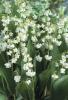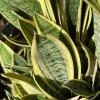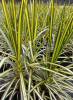
Palm Lily Steroidal Saponins, Gastrointestinal Irritation, Dehydration, and Fibrous-Leaf Hazards
Is Palm Lily Poisonous to Dogs, Cats, Horses, and Livestock?
Yes—Palm Lily, Cordyline australis (G.Forst.) Endl., is poisonous to dogs and cats and should not be fed to horses, cattle, sheep, goats, pigs, rabbits, guinea pigs, birds, reptiles, or other animals. Exact-species chemical studies confirm steroidal sapogenins and steroidal glycosides in its leaves, stems, and fruit. Leaves are the most frequent practical exposure source, but flowers, berries, seeds, shoots, roots, trunks, fallen foliage, and pruning waste should also remain inaccessible.
Poisoning most often causes excessive drooling, nausea, vomiting, diarrhea, abdominal discomfort, appetite loss, depression, and weakness. Vomit may occasionally contain streaks of blood after substantial irritation or repeated retching. Cats may develop dilated pupils and sometimes an increased heart rate, but neither finding occurs in every case or proves a specific neurologic toxin.
Serious systemic poisoning appears uncommon after ordinary oral exposure, but repeated vomiting and diarrhea can cause dehydration, electrolyte abnormalities, poor circulation, aspiration, and marked weakness. Long, tough leaf strips may also become caught around the teeth, beneath the tongue, or near the throat. A swallowed wad of fibrous foliage can remain in the stomach or obstruct the intestine independently of the plant’s chemical effects.
Exact horse, livestock, rabbit, bird, and reptile poisoning evidence is limited. Significant illness in those animals requires investigation of the entire exposure, especially when Palm Lily was mixed with landscaping waste, fertilizer, pesticide, mold, potting products, or more dangerous ornamental plants. The absence of a well-defined syndrome in a particular species does not make the plant suitable forage or enrichment.
About this guide: This page provides general pet-poisoning information and cannot diagnose or treat an individual animal. For any suspected exposure, contact a veterinarian or animal poison-control service immediately. Do not induce vomiting, give medication, or attempt home decontamination unless directed by a veterinary professional.
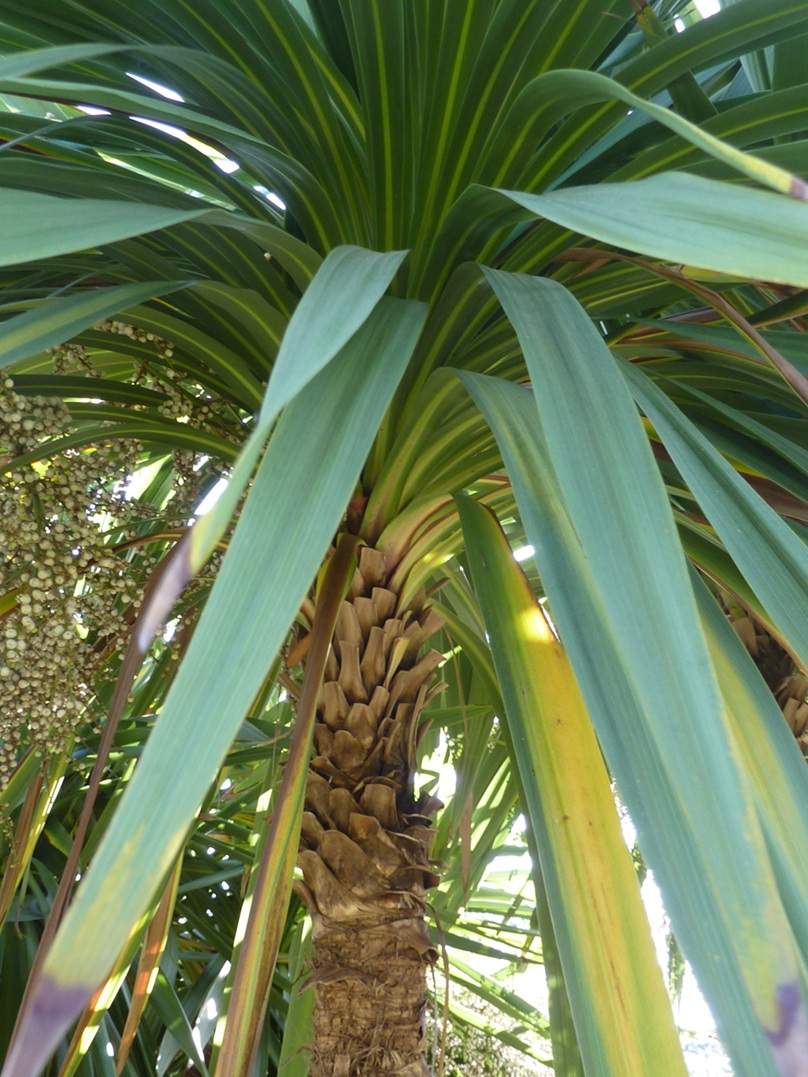
Palm Lily
Cordyline australis (G.Forst.) Endl.
- Dracaena australis G.Forst. — basionym and the principal name in the earliest botanical literature
- Charlwoodia australis (G.Forst.) G.Don — homotypic historical combination
- Dracaenopsis australis (G.Forst.) Planch. — homotypic historical combination
- Terminalis australis (G.Forst.) Kuntze — homotypic historical combination
- Cordyline calocoma (H.Wendl.) Baker — historical heterotypic synonym
- Cordyline forsteri F.Muell. — historical heterotypic synonym
- Cordyline kirkii F.Haage & E.Schmidt — historical horticultural synonym
- Cordyline lentiginosa (Rob.) Linden & André — historical horticultural synonym
- Cordyline lineata K.Koch — historical horticultural synonym
- Cordyline nutans (H.Jaeger) K.Koch — historical horticultural synonym
- Cordyline sturmii Colenso — historical New Zealand synonym
- Cordyline superbiens K.Koch — historical horticultural synonym
- Cordyline indivisa Regel — illegitimate later homonym historically applied to cultivated C. australis; not the accepted mountain cabbage tree Cordyline indivisa (G.Forst.) Endl.
Asparagaceae — Asparagus Family; subfamily Lomandroideae
Older botanical, horticultural, veterinary, and nursery references may place Cordyline australis in Agavaceae, Laxmanniaceae, or Lomandraceae.
Palm Lily; Grass Palm; Grass Tree; Giant Dracaena; Fountain Dracaena; Cabbage Tree; New Zealand Cabbage Tree; New Zealand Cabbage Palm; Cabbage Palm; Cabbage-Palm; Cornish Palm; Torbay Palm; Torquay Palm; Tī Kōuka; Ti Kouka; Tī Rākau; Ti Rakau; Tī; Ti
Historical and taxonomic search variations include Dracaena australis G.Forst., Charlwoodia australis (G.Forst.) G.Don, Dracaenopsis australis (G.Forst.) Planch., Terminalis australis (G.Forst.) Kuntze, Cordyline calocoma (H.Wendl.) Baker, Cordyline forsteri F.Muell., Cordyline kirkii F.Haage & E.Schmidt, Cordyline lentiginosa (Rob.) Linden & André, Cordyline lineata K.Koch, Cordyline nutans (H.Jaeger) K.Koch, Cordyline sturmii Colenso, Cordyline superbiens K.Koch, and Cordyline indivisa Regel as an illegitimate historical horticultural name.
Palm Lily, Cabbage Palm, Grass Palm, Cornish Palm, Torbay Palm, and Torquay Palm are appearance-based names and do not make Cordyline australis a true palm or true lily. Ti Plant usually refers to Cordyline fruticosa, Red Palm Lily usually refers to Cordyline rubra, Mountain Cabbage Tree is Cordyline indivisa, and Cabbage Palm may refer to true palms such as Sabal palmetto. The scientific name, repeatedly branching woody trunk, crowns of long narrow leaves, large fragrant white flower panicles, whitish berries, nursery label, and complete growth form should be used for identification.
Steroidal Saponins Are the Supported Toxic Principle
Palm Lily contains steroidal saponins and related steroidal glycosides. Exact-species research has isolated spirostanol glycosides from fresh, dried, and senescent leaves and from dried stems. Earlier work also identified several steroidal sapogenins in leaves, while fruit research isolated australigenin and additional related sapogenins.
The plant does not contain one established veterinary toxin that explains every reported sign. “Saponins” describes a chemically diverse group of glycosides rather than one uniform substance. Individual compounds differ in sugar chains, steroidal cores, solubility, membrane effects, gastrointestinal absorption, and biological activity.
The familiar poison-control syndrome in dogs and cats is consistent with oral exposure to bitter gastrointestinally irritating saponins. Exact-species controlled dosing studies and peer-reviewed canine or feline case series defining which compound produces vomiting, pupil dilation, weakness, or tachycardia were not located. Clinical descriptions should therefore remain evidence-bound rather than attributing every sign to australigenin or another isolated molecule.
Exact Leaf and Stem Glycosides
Chemical investigation of Cordyline australis isolated several spirostanol glycosides from leaf and stem extracts. Fresh leaves, dried leaves, and naturally senescent leaves did not yield an identical profile, demonstrating that plant age and condition can affect the compounds recovered. Known glycosides such as prosapogenin A of dioscin, trillin, and β-sitosterol glucoside were also reported.
These findings demonstrate that fresh and old foliage both retain steroidal chemistry. They do not establish that a dry brown leaf contains the same concentration as a green leaf or that every isolated compound contributes equally to animal illness. Drying should not be used as proof of safety.
Steroidal Sapogenins
Sapogenins are the nonsugar steroidal cores obtained from saponins or related glycosides. Research on Palm Lily leaves has identified or tentatively identified compounds including tigogenin or sarsasapogenin, neotigogenin or smilagenin, diosgenin, yamogenin, and brisbagenin. Analytical certainty differed among the compounds because some early identifications relied primarily on thin-layer chromatography and infrared methods.
A sapogenin identified after laboratory extraction or hydrolysis should not be treated as though it occurs freely at the same concentration in a chewed leaf. Digestion, plant-cell disruption, gastrointestinal microorganisms, and animal metabolism may change the glycosides after ingestion. The clinical importance of each exact constituent remains unresolved.
Australigenin and Fruit Chemistry
Australigenin is a steroidal sapogenin first isolated and characterized from Cordyline australis fruit. The same investigation identified numerous additional steroidal sapogenins. This provides direct support for treating the whitish berries as chemically active plant material rather than harmless bird fruit.
Australigenin has not been established as the sole or principal cause of dog or cat Palm Lily poisoning. Its identification proves presence, not a veterinary toxic dose or a specific clinical syndrome. Fallen berries and seeds should remain inaccessible because their chemistry and swallowed quantity can differ from ordinary leaf chewing.
How Saponins Interact with Biological Membranes
Saponins contain a water-attracting sugar portion and a fat-attracting steroidal or triterpenoid portion. This amphipathic structure allows some saponins to associate with cholesterol and other membrane components. Biological effects vary greatly with the compound, concentration, exposure route, cell type, and animal.
Within the gastrointestinal tract, this chemistry can irritate epithelial surfaces and promote salivation, nausea, vomiting, abdominal discomfort, appetite loss, and diarrhea. Bitter taste may stop many animals after a few bites, but puppies, persistent plant-chewing cats, and animals playing with moving leaves may continue chewing.
Laboratory Cytotoxicity Is Not the Same as Oral Pet Poisoning
Some isolated Palm Lily glycosides or extracts have shown antifungal, antiviral, or cell-culture cytotoxic activity. Those experiments expose microorganisms or cultured cells directly to prepared extracts or purified compounds. They do not reproduce chewing, digestion, absorption, metabolism, distribution, and elimination in a living dog, cat, horse, or rabbit.
Cell-culture injury should not be translated into claims of predictable liver necrosis, kidney failure, neurologic destruction, or widespread tissue death after ordinary oral ingestion. The strongest clinical expectation remains gastrointestinal irritation with secondary complications when fluid loss, aspiration, or foreign material becomes important.
Hemolysis Requires Careful Interpretation
Many saponins can damage red-blood-cell membranes when placed directly in contact with blood under laboratory conditions. This property has historically been used to compare or detect saponins. The gastrointestinal barrier, limited absorption of many glycosides, protein binding, metabolism, and dilution make oral exposure fundamentally different.
Palm Lily ingestion is not recognized as a routine cause of clinically important hemolytic anemia. Pale gums, jaundice, dark urine, severe weakness, rapid breathing, or a falling red-cell count requires investigation for another toxin, immune-mediated disease, bleeding, oxidative injury, parasites, or another medical condition. Laboratory hemolysis alone is not sufficient to predict an in-vivo syndrome.
Leaves Are the Principal Practical Exposure
Leaves are abundant, flexible, and often hang within reach of dogs and cats. Indoor air movement can make the narrow tips attractive to cats, while dried leaves may be carried or shredded by dogs. Each bite exposes the animal to plant sap, fibrous tissue, and steroidal glycosides.
Green, bronze, burgundy, purple, cream-striped, yellow-striped, or pink-edged cultivars should all be treated as potentially toxic. No cultivar has been demonstrated to be free of the relevant steroidal chemistry. Color variation reflects horticultural selection rather than proven detoxification.
Flowers, Fruit, Seeds, Shoots, Trunks, and Roots
Flowers, developing fruit, ripe berries, seeds, young shoots, bark-like trunk tissue, underground stems, and roots should not be treated as animal food. Exact concentrations have not been mapped across every tissue and season. The fruit has direct steroidal-sapogenin evidence, while leaf and stem glycosides have also been characterized.
Trunk cutting and root disturbance may expose fresh tissue that was previously inaccessible. Dogs may chew cut sections, and livestock may encounter uprooted plants or landscaping debris. A woody appearance does not establish that the tissue is chemically inactive.
Fresh, Senescent, and Dried Material
Exact-species research recovered steroidal glycosides from both fresh and senescent leaves. Drying, browning, frost damage, weathering, or storage should therefore not be assumed to eliminate the plant chemistry. Old leaves also retain their long tough fibers.
Fallen leaves should be collected rather than repurposed as dog toys, rabbit bedding, bird enrichment, livestock roughage, or compost accessible to animals. A dried strip can cause gagging or obstruction even if its chemical irritation has diminished.
Gastrointestinal Fluid Loss
Repeated vomiting and diarrhea may become more medically important than the initial membrane irritation. Water, sodium, potassium, chloride, and acid-base losses can produce tacky gums, sunken eyes, weakness, reduced urine production, poor pulses, increasing depression, or collapse.
Young animals, small pets, seniors, and patients with kidney, heart, endocrine, or gastrointestinal disease have less reserve. An exposure expected to be self-limiting can therefore become clinically important when the animal cannot retain water or continues losing fluid.
Blood in Vomit
Blood may occasionally appear after repeated retching or significant irritation of the esophagus and stomach. Small bright-red streaks may reflect superficial abrasion, while coffee-ground material can indicate partially digested blood. Neither finding should be treated as a normal harmless stage.
Blood in vomit does not establish that Palm Lily produces a systemic clotting disorder. Profuse bleeding, black stool, pale gums, worsening weakness, bruising, or bleeding from other sites requires evaluation for ulceration, foreign material, medication, anticoagulant exposure, liver disease, platelet disorders, or another cause.
Feline Mydriasis and Increased Heart Rate
Dilated pupils are specifically reported in cats after Cordyline exposure, and an increased heart rate may occur in some patients. The mechanism has not been established. Stress, pain, dehydration, lighting, medication, fear, blood pressure, and another toxicant can all influence pupil size and heart rate.
Mydriasis should not be labeled a proven anticholinergic syndrome. Dry mucous membranes, urinary retention, severe agitation, hyperthermia, hallucination-like behavior, or marked tachycardia would broaden the differential to medication, plant alkaloids, pesticides, or neurologic disease.
Neurologic Signs Are Not Well Defined
Weakness, wobbliness, and ataxia appear in some secondary veterinary descriptions of Cordyline poisoning. They may reflect substantial nausea, dehydration, electrolyte imbalance, hypotension, weakness after repeated vomiting, or another exposure. Direct exact-species evidence for a defined neurotoxic compound is lacking.
Tremors, seizures, progressive paralysis, coma, or profound neurologic depression do not fit the usual uncomplicated Palm Lily syndrome. Such signs require immediate investigation for pesticides, medications, cannabis products, tremorgenic mold, metaldehyde, toxic mushrooms, metabolic disease, or another plant.
No Validated Toxic Dose
No safe number of leaves, leaf length, fruit count, root weight, plant mass, or body-weight dose has been established for dogs, cats, horses, livestock, rabbits, birds, or reptiles. A small bite may produce no visible illness, while repeated chewing or a larger ingestion can cause clinically important gastrointestinal signs.
Risk depends on the exact plant, tissue, age, cultivar, amount, chewing, stomach contents, animal size, health, repeated access, and associated foreign material. The lack of a validated dose should lead to case-specific assessment rather than the claim that one leaf is always fatal or always harmless.
Expected Clinical Pattern
Palm Lily poisoning most often produces gastrointestinal illness in dogs and cats. Salivation, nausea, vomiting, appetite loss, diarrhea, abdominal discomfort, depression, and weakness are the principal expected signs. Cats may also develop dilated pupils and sometimes an increased heart rate.
Exact onset has not been established through a controlled canine or feline dose study. Signs may begin within the first several hours, but timing depends on the amount, plant part, chewing, stomach contents, repeated access, and individual animal. A normal appearance immediately after ingestion does not guarantee that vomiting will not develop later.
Drooling and Nausea
Early signs may include lip licking, repeated swallowing, excessive salivation, gulping, grass-seeking behavior, restlessness, or an inability to settle. Saliva may become foamy or stringy. These findings can reflect an unpleasant taste, nausea, oral contact, esophageal irritation, or a leaf strip caught near the back of the mouth.
Persistent drooling after the plant has been removed deserves oral examination. Fibers may wrap around teeth, lodge beneath the tongue, or remain near the pharynx. Dental disease, caustic substances, other irritating plants, and foreign bodies can produce a similar presentation.
Vomiting
Vomiting is one of the most consistently reported signs in dogs and cats. The material may contain food, fluid, foam, mucus, bile, or recognizable long strips of leaf. Repeated retching increases esophageal irritation and aspiration risk.
One brief episode in an otherwise alert animal differs from frequent vomiting, inability to retain water, unproductive retching, progressive weakness, or abdominal enlargement. Persistent vomiting requires treatment and investigation for dehydration, retained plant material, obstruction, pancreatitis, another toxin, or unrelated disease.
Blood in Vomit or Stool
Small streaks of fresh blood may appear after substantial irritation or repeated forceful vomiting. Coffee-ground material suggests blood exposed to stomach acid, while black tarry stool can indicate digested gastrointestinal blood. These findings are not expected in every exposure.
Any blood warrants veterinary guidance. Profuse bleeding, pale gums, collapse, abdominal pain, bruising, or bleeding from multiple sites requires urgent investigation for more serious gastrointestinal injury, a sharp foreign body, ulcerogenic medication, anticoagulant exposure, liver disease, or another diagnosis.
Diarrhea and Abdominal Discomfort
Stool may become soft or watery and may occur with gas, cramping, urgency, straining, or repeated attempts to defecate. Dogs may adopt a prayer posture, stretch repeatedly, pace, whine, or guard the abdomen. Cats may hide, crouch, resist handling, or sit tensely.
Severe pain, abdominal enlargement, repeated unproductive retching, absent stool, or pain that returns after apparent improvement is not routine mild irritation. Those findings raise concern for a wad of fibrous leaves, another swallowed object, pancreatitis, bloat, or another gastrointestinal emergency.
Appetite Loss
Nausea commonly reduces appetite. An animal may approach food, sniff it, lick briefly, and walk away. Food refusal may continue while vomiting and abdominal discomfort remain active.
Continued anorexia is particularly important in cats, rabbits, guinea pigs, birds, young animals, and patients with underlying disease. Prolonged fasting can create secondary metabolic or gastrointestinal complications. Forced feeding is unsafe until vomiting, obstruction, swallowing, and abdominal pain have been assessed.
Depression, Weakness, and Ataxia
Mildly affected animals may remain responsive but prefer to rest. More significant depression can accompany persistent nausea, dehydration, electrolyte disturbance, abdominal pain, or reduced circulation. Weakness may become apparent when the animal stands or walks.
An unsteady gait or ataxia has been described in broader Cordyline poisoning summaries but is not supported by a clearly defined exact-species neurotoxic mechanism. Staggering, falling, confusion, tremors, or progressive weakness requires veterinary assessment and consideration of another toxin or metabolic disorder.
Dilated Pupils in Cats
Cats may develop mydriasis after Cordyline ingestion. Both pupils may appear unusually large under ordinary lighting. The cat may also appear anxious, depressed, weak, or poorly coordinated.
Pupil dilation is nonspecific and can occur with fear, pain, low light, hypertension, retinal disease, neurologic disease, medication, or numerous toxins. Unequal pupils, blindness, abnormal eye movement, severe agitation, or reduced responsiveness requires broader neurologic and ophthalmic evaluation.
Heart-Rate Changes
Some descriptions include an increased heart rate in affected cats. Tachycardia may result from stress, nausea, pain, dehydration, reduced circulating volume, or a separate exposure. A characteristic Palm Lily arrhythmia has not been established.
A very rapid, slow, weak, or irregular pulse accompanied by pale gums, collapse, breathing difficulty, or altered awareness is an emergency. Primary heart disease, electrolyte abnormalities, medication, and cardiotoxic plants must remain in the differential.
Dehydration
Repeated vomiting and diarrhea can produce tacky gums, reduced skin elasticity, sunken eyes, weight loss, reduced urination, weak pulses, cool extremities, and increasing lethargy. Small animals may deteriorate quickly. Drinking water does not guarantee that ongoing losses are being replaced.
An animal that vomits after drinking, refuses water, or becomes progressively weaker may require injectable antiemetic medication and intravenous or subcutaneous fluids. Fluid treatment should reflect the patient’s hydration, cardiovascular health, electrolytes, kidney function, and ongoing losses.
Fibers Lodged in the Mouth
Long leaf strips can wrap around teeth, lodge beneath the tongue, become wedged across the palate, or remain near the pharynx. Signs include persistent drooling, pawing at the mouth, gagging, coughing, repeated swallowing, neck extension, food refusal, or sudden discomfort while chewing.
Deeply lodged fibers should not be removed blindly. Pain, panic, poor visibility, and the position near the throat create bite and airway risks. Sedation may be needed for safe examination and retrieval.
Esophageal Lodging
A long folded strip or bundle may lodge in the esophagus. Excessive saliva, repeated swallowing, regurgitation, neck extension, coughing, and inability to keep food or water down are important findings. Dogs may repeatedly attempt to eat and then immediately bring material back up.
Esophageal obstruction requires prompt examination and often imaging or endoscopy. Forcing food or water can worsen impaction and aspiration. Continued esophageal injury can lead to inflammation, ulceration, narrowing, or perforation.
Gastric or Intestinal Foreign Body
A swallowed wad of long tough leaves may remain in the stomach or pass into the intestine and lodge. Recurrent vomiting, abdominal pain, appetite loss, enlargement, reduced stool, straining, or inability to retain water may develop after the initial irritant phase.
Plant material is not always clearly visible on routine radiographs. Ultrasound, contrast studies, endoscopy, serial examinations, or surgery may be required. Improvement in drooling does not prove that swallowed fibers have passed.
Aspiration
Vomit, saliva, and plant material can enter the airway, especially when the animal is depressed, weak, poorly coordinated, or repeatedly vomiting. Coughing immediately after an episode raises concern. Aspiration pneumonia may become apparent later.
Rapid breathing, increased effort, fever, nasal discharge, crackles, blue-gray gums, or renewed lethargy after apparent gastrointestinal improvement requires urgent reassessment. Thoracic imaging, oxygen, airway support, and additional treatment may be necessary.
Dogs
Dogs may chew live leaves, shred dried foliage, raid pruning piles, dig around roots, or pull a mixed planter onto the floor. Puppies and habitual object eaters are at particular risk. Expected signs include drooling, nausea, vomiting, diarrhea, abdominal discomfort, appetite loss, depression, and weakness.
The long foliage also creates a mechanical risk not captured by a simple poison listing. Persistent gagging, recurrent vomiting, abdominal enlargement, reduced stool, or continued illness after nausea should prompt investigation for a retained fiber bundle or another planter component.
Cats
Cats may repeatedly bite moving leaf tips or chew young container plants sold as seasonal “spikes.” Vomiting, salivation, appetite loss, depression, dilated pupils, weakness, an increased heart rate, or poor coordination may occur. The exact mechanism of mydriasis remains unclear.
Continued food refusal deserves prompt attention. A cat with marked pupil dilation, ataxia, tremors, confusion, an abnormal pulse, or severe depression requires evaluation for medications, cannabis, pesticides, neurologic disease, and other plants in addition to Palm Lily.
Horses
Horse-specific Palm Lily poisoning evidence is limited. Horses may encounter ornamental clippings, storm debris, greenhouse waste, or trees growing beside paddocks. Possible signs include salivation, feed refusal, diarrhea, mild colic, depression, reduced manure, weakness, or discomfort while chewing and swallowing.
Horses cannot vomit. Repeated swallowing, coughing, feed material from the nostrils, respiratory noise, severe colic, recumbency, or marked depression requires urgent examination. Mixed ornamental waste may contain Oleander, yew, rhododendron, azalea, cherry, or other more dangerous plants.
Cattle, Sheep, Goats, Pigs, and Camelids
These animals should not receive Palm Lily as browse or feed. Exposure is most likely through landscaping clippings, storm debris, nursery waste, or mixed ornamental material. Salivation, feed refusal, diarrhea, abdominal discomfort, or depression may occur.
Several affected animals indicate a shared source and require examination of every plant, chemical, feed component, and water source involved. Sudden death, severe neurologic disease, major arrhythmia, jaundice, or progressive paralysis does not fit the expected uncomplicated Palm Lily syndrome.
Rabbits and Guinea Pigs
Exact species-specific evidence is sparse, but Palm Lily should not be offered as forage. Gastrointestinal discomfort may cause appetite loss, reduced fecal production, abnormal posture, tooth grinding, abdominal enlargement, diarrhea, or weakness. These animals cannot vomit.
Reduced normal fiber intake may promote gastrointestinal stasis. Force-feeding is unsafe until obstruction, bloat, severe pain, and swallowing problems have been excluded. Prompt exotic-animal veterinary care is appropriate for continued food refusal or reduced feces.
Birds
Companion birds may shred the long fibrous leaves and swallow small pieces repeatedly. Possible findings include regurgitation, diarrhea, reduced eating, depression, weakness, poor balance, or breathing abnormalities. Exact avian toxicity and dose information are limited.
Crop or gastrointestinal impaction is a separate concern when fibrous strips are swallowed. Inability to perch, repeated regurgitation, crop enlargement, marked weakness, or respiratory distress requires avian veterinary evaluation. Pesticide, fertilizer, and mixed-plant exposure should also be investigated.
Reptiles and Other Exotics
Herbivorous reptiles may chew Palm Lily placed in landscaping, tortoise yards, or mixed enclosures. Exact reptile evidence is lacking. Appetite loss, regurgitation, abnormal stool, weakness, altered posture, or breathing changes requires species-experienced veterinary care.
Husbandry temperature, dehydration, substrate ingestion, pesticide residue, and another plant may affect the clinical picture. The absence of a defined mammalian syndrome should not be used to declare the plant safe.
Signs That Do Not Fit Uncomplicated Palm Lily Ingestion
Seizures, coma, progressive paralysis, acute kidney failure, liver failure, severe anemia, jaundice, profound cardiovascular collapse, or widespread bleeding are not expected direct effects of an ordinary correctly identified exposure. Severe secondary dehydration or aspiration can still become life-threatening.
Unexpected findings require investigation for a different plant, pesticide, medication, mold, gastrointestinal obstruction, metabolic disease, infection, or another toxicant. The presence of Palm Lily should not end the diagnostic investigation when the syndrome does not fit.
Duration and Prognosis
Mild uncomplicated cases often improve as nausea resolves and the plant material passes. Vomiting and diarrhea should become less frequent rather than continue or worsen. Appetite and activity should return progressively.
Continued vomiting, depression, weakness, food refusal, or diarrhea beyond approximately one to two days requires reassessment. The prognosis becomes more serious with gastrointestinal bleeding, substantial dehydration, aspiration pneumonia, esophageal injury, or obstruction by fibrous leaves.
Exact Botanical Identity, Classification, and Nomenclature
Palm Lily is Cordyline australis (G.Forst.) Endl., an evergreen woody monocot native to New Zealand. Georg Forster first published the species as Dracaena australis in 1786, and Stephan Endlicher transferred it to Cordyline in 1833. The original Dracaena placement explains the enduring common name Giant Dracaena and why young plants are still mislabeled or loosely sold as dracaenas in parts of the nursery trade.
Modern botanical classification places Cordyline australis in Asparagaceae, subfamily Lomandroideae. Older systems placed Cordyline in Agavaceae, Laxmanniaceae, or Lomandraceae, and all of those family names may still appear in horticultural, veterinary, ethnobotanical, and nursery references. Those changes reflect evolving plant classification rather than a change in the species’ chemistry or animal-poisoning risk.
Modern taxonomy keeps Cordyline and Dracaena as separate genera even though they share a superficially similar form and both include species containing steroidal saponins. Historical names such as Charlwoodia australis, Dracaenopsis australis, and Terminalis australis represent earlier generic placements rather than separate modern species. The accepted scientific name should therefore control identification whenever a nursery tag, veterinary source, historical paper, or poison record uses older terminology.
Native Range, Habitat, and Ecological Adaptability
Cordyline australis is native to New Zealand’s North and South Islands and is one of the country’s most recognizable native trees. It occurs across a broad range of latitude, elevation, rainfall, and soil conditions rather than being limited to one narrow ecological zone. The species has also been introduced widely as an ornamental in Great Britain, Ireland, continental Europe, Tasmania, North America, and other temperate or subtropical regions.
Natural populations occur along forest margins, river terraces, wetlands, swamps, lake margins, coastal areas, open valleys, farmland, scrub, disturbed ground, and sites subject to periodic flooding. Palm Lily tolerates wet soil better than many landscape trees but can also survive periods of comparative dryness after establishment. Its ability to withstand wind, coastal exposure, variable moisture, and human disturbance helps explain its popularity in streetscapes, public parks, commercial landscapes, coastal gardens, and large containers.
Habitat can influence plant size, leaf dimensions, branching, flowering, and overall appearance. A tree growing in a wet lowland site may look substantially different from a wind-exposed coastal specimen or a compact container plant, yet all may be the same species. Geographic or environmental variation should therefore not be mistaken automatically for a different Cordyline species or a supposedly safer ornamental form.
Growth Form and Development from Juvenile Plant to Mature Tree
Young Palm Lilies begin as dense fountains or rosettes of long narrow leaves and may resemble oversized ornamental grass, New Zealand Flax, or a seasonal container “spike.” The stem may remain short and unbranched for several years, especially in a container or cool climate. This juvenile form looks so different from a mature tree that owners may not realize they purchased a young woody species rather than a temporary annual accent plant.
As the plant matures, the stem lengthens into a stout trunk and the crown rises above ground level. Flowering commonly stimulates division of the growing point, causing the trunk or branch to split into several new crowns. Repeated cycles of flowering and branching eventually produce the familiar candelabra-like silhouette with numerous leaf clusters held above one or more substantial trunks.
Mature trees commonly reach approximately 12–20 meters under favorable conditions, although container plants and specimens in marginal climates may remain much smaller. Old trees can develop massive trunks, several major branches, and broad crowns that shed large volumes of foliage, flowers, and fruit. A plant that was harmlessly out of reach when young may later overhang kennels, patios, paddocks, poultry runs, walkways, or neighboring yards.
Trunk, Bark, Regrowth, and Freshly Cut Material
The trunk becomes stout, corky, rough, and strongly marked by old leaf bases and scars. Older plants may form several trunks, produce basal shoots, or sprout again after frost, storm injury, pruning, or partial removal. The apparently woody exterior can conceal moist living tissue that remains chemically active and attractive to dogs that chew branches or freshly cut wood.
Cut trunk sections, fresh stumps, newly exposed shoots, and broken branches should remain inaccessible during pruning or removal. Dogs may carry woody sections as toys, while livestock may browse succulent regrowth emerging near the base. The absence of ordinary green leaves does not establish that a trunk piece, shoot, or cut surface is safe.
Regrowth also matters during long-term prevention. Cutting the visible trunk without addressing the root system may produce new shoots within the same animal-accessible area. Owners should continue inspecting the site after removal rather than assuming that one cutting operation permanently eliminated the exposure.
Leaves, Leaf Variation, and the Mechanical Hazard of Fibrous Foliage
Palm Lily leaves are long, narrow, tough, sword-shaped, and densely clustered at the ends of branches. They commonly measure approximately 30–100 centimeters long and about 3–6 centimeters wide, although dimensions vary with plant age, habitat, cultivar, and growing conditions. The leaves contain many fine parallel veins and often lack the sharply defined central midrib seen in some related plants.
Leaves may arch, droop, twist, or move conspicuously in air currents, which can make them particularly attractive to cats. Older foliage frequently hangs beneath the crown before falling and may form a persistent skirt around the trunk or branches. Dogs may retrieve fallen leaves as toys, shred them into strips, or swallow pieces while playing.
The tough fibers create a physical hazard in addition to the plant’s steroidal-saponin chemistry. Long strips can wrap around teeth, lodge beneath the tongue, become caught near the back of the mouth, or remain partly swallowed while one end is still visible. A compacted bundle may remain in the stomach or obstruct the intestine, so persistent gagging, recurrent vomiting, abdominal pain, reduced stool, or renewed illness after apparent improvement must not be dismissed as simple plant irritation.
Wild populations vary in leaf width, length, stiffness, color, and overall crown form in response to geography and environment. Cultivars add bronze, burgundy, purple, cream, yellow, pink, or striped foliage, and some selections remain comparatively compact. Leaf color and plant size do not establish lower toxicity, and no cultivar has been demonstrated to lack the relevant steroidal glycosides.
Flowers, Branching Panicles, Fruit, and Seeds
Mature Palm Lilies produce large, openly branched flower clusters called panicles. These structures may reach approximately 60–150 centimeters and contain many small creamy-white flowers with a strong sweet fragrance. Flowering occurs primarily during spring or early summer in New Zealand, although timing changes with hemisphere, climate, elevation, and cultivation.
Flowering is not merely decorative because it contributes directly to the tree’s branching pattern. After a flowering event, the growing point may divide and create several new branches or crowns, gradually increasing canopy width and the amount of material shed beneath the tree. Fallen flowers and cut panicles should be removed from animal areas rather than offered as browse or enrichment.
The flowers develop into small rounded whitish or bluish-white berries containing several dark seeds. Birds may consume the fruit and disperse the seeds, but wildlife use does not establish safety for dogs, cats, rabbits, poultry, or livestock. The quantity eaten by a wild bird, its digestive physiology, and the portions discarded may differ substantially from a pet swallowing several intact berries.
Exact phytochemical research isolated australigenin and numerous additional steroidal sapogenins from Palm Lily fruit. That evidence confirms that the berries are chemically active tissues rather than inert decorative structures. Fallen fruit should therefore be collected from kennels, paddocks, poultry areas, patios, and yards, particularly when the number consumed cannot be estimated.
Roots, Underground Storage Structures, and Exposure During Removal
Palm Lily develops substantial underground tissues and roots that anchor the tree and store carbohydrate reserves, including fructans. These reserves support regrowth after fire, cutting, frost, storm injury, or damage to the visible trunk. Digging, transplanting, stump grinding, and tree removal can expose large quantities of fresh tissue that were previously unavailable to animals.
Dogs may chew root sections, investigate freshly disturbed soil, or drink water that collects in excavation holes and removal containers. Roots and surrounding soil may also carry fertilizer, pesticide, herbicide, mold, landscape chemicals, sharp stakes, metal, plastic, or water-retaining products. A gastrointestinal or neurologic illness after root exposure may therefore involve more than the plant’s saponins.
Discarded roots and trunk bases should be moved directly into a secure disposal area rather than left in temporary piles. Large underground pieces may remain moist and capable of sprouting for a considerable period. Follow-up inspection is necessary because new shoots can reappear from material left in the ground.
Tī Kōuka, Historical Uses, and Why Human Use Does Not Establish Animal Safety
Tī kōuka is the principal Māori name for Cordyline australis, and shortened forms such as tī or tī rākau also appear in cultural and historical records. The plant has longstanding uses involving food, fiber, medicine, construction, cordage, and other materials. Strong leaf fibers were valuable for practical applications, while selected young shoots or carbohydrate-rich underground tissues were prepared for food in particular contexts.
Those uses involved specific tissues, maturity stages, harvesting methods, preparation techniques, quantities, and cultural knowledge. Raw ornamental leaves chewed by a dog or cat are not equivalent to carefully selected and processed human food material. Human physiology, customary preparation, dose, and purpose differ too greatly for historical use to serve as evidence of pet or livestock safety.
The same caution applies to modern foraging or ethnobotanical descriptions. A statement that people used part of the plant does not establish that every plant part, cultivar, raw preparation, or quantity is safe for animals. Public pet guidance should respect the cultural record while clearly rejecting casual feeding of raw ornamental material.
Why the Names Cabbage Tree, Palm Lily, and Cabbage Palm Cause Confusion
The name Cabbage Tree is associated with the appearance or historical use of tender central growth, but Palm Lily is not a member of Brassicaceae and is not ordinary culinary cabbage. Mature leaves are fibrous, structurally tough, and chemically distinct from cabbage leaves. An owner searching for “cabbage tree poisoning” may nevertheless be referring to this same species.
Palm Lily is also not a true lily. True lilies belong to Lilium and can cause fatal acute kidney injury in cats after very small exposures, whereas Palm Lily is expected primarily to cause gastrointestinal irritation and mechanical problems from fibrous foliage. A label containing only the word “lily” is therefore inadequate for poison assessment, and possible true-lily or daylily exposure in a cat requires immediate renal-emergency treatment.
Palm Lily is not a true palm either. True palms belong to Arecaceae, while Cordyline australis belongs to Asparagaceae and merely develops a palm-like crown above a woody trunk. Common names such as Grass Palm, Cabbage Palm, Cornish Palm, Torbay Palm, and Torquay Palm describe appearance or regional horticultural use rather than botanical relationship.
Cabbage Palm is especially ambiguous because it is applied to true palms such as Sabal palmetto and to several unrelated plants in different regions. True palms vary widely in fruit, seed, spine, and animal-safety concerns. The complete scientific name and entire plant should always control the poisoning assessment.
Distinguishing Palm Lily from Other Cordyline Species
Ti Plant usually refers to Cordyline fruticosa, a tropical species native from Papuasia through parts of the western Pacific. It commonly has broader leaves and is often cultivated in bright red, pink, purple, green, or strongly variegated forms. Both species appear on dog-and-cat toxic-plant lists, but Ti Plant cases and chemical studies should not be relabeled as exact Palm Lily evidence.
Red Palm Lily generally refers to Cordyline rubra, an Australian species, rather than a red-leaved cultivar of C. australis. Nursery naming creates confusion because burgundy or purple Palm Lily cultivars may be sold under decorative names that include “red palm” or “red spike.” A red plant is therefore not identified reliably by foliage color alone.
Mountain Cabbage Tree is Cordyline indivisa, a separate New Zealand species associated more strongly with cooler upland habitats. It typically has broader blue-green leaves, a more conspicuous reddish or orange midrib, and a less repeatedly branched form. Historical horticulture also used an illegitimate Cordyline indivisa name for material now included in C. australis, so old catalogues and labels require careful interpretation.
Closely related Cordyline species may share steroidal-saponin chemistry, but their exact compound profiles, morphology, native ranges, and evidence bases differ. Uncertainty between them still justifies removing access and seeking veterinary guidance when signs develop. It does not justify copying every exact-species claim from one Cordyline page onto another.
Distinguishing Palm Lily from Dracaena, Yucca, and New Zealand Flax
Dracaena includes many popular houseplants with cane-like stems and crowns of strap-shaped leaves. Several Dracaena species are also associated with vomiting, salivation, appetite loss, depression, weakness, and feline mydriasis after ingestion. Similar symptoms and the former name Dracaena australis explain frequent confusion, but a plant labeled only Dracaena may belong to an entirely different modern species.
Yucca species also form crowns of sword-shaped leaves and may develop woody trunks. Many yuccas have stiffer leaves ending in a sharp terminal point and produce large clusters of bell-shaped flowers, while Palm Lily generally has more flexible foliage and highly branched panicles of small flowers. Yuccas contain their own steroidal saponins and can cause gastrointestinal illness, but their rigid leaves and sharp tips may create different mechanical injuries.
New Zealand Flax belongs to Phormium and forms large fans of tough strap-like leaves from ground-level clumps. It sends up tall flowering stalks but does not normally develop Palm Lily’s repeatedly branching woody trunk and elevated crowns. Young trunkless Cordyline plants, Phormium, ornamental grasses, and seasonal “spike” plants can appear similar, so identification should include the leaf base, stem development, inflorescence, fruit, and nursery label.
Cultivars, Trade Names, and Seasonal Container Plants
Cultivated Palm Lilies include green, bronze, burgundy, red, purple, cream-striped, yellow-striped, and pink-edged selections. Trade names may include ‘Red Star’, ‘Red Sensation’, ‘Sundance’, ‘Torbay Dazzler’, and many locally marketed forms. Proprietary labels sometimes emphasize color or landscape use while omitting the accepted species name.
Young specimens are frequently sold as central “spikes” in mixed annual containers. An animal overturning such a planter may encounter Palm Lily roots, leaves, fertilizer granules, systemic insecticide, decorative stone, water-retaining polymers, potting additives, and several other ornamental species at the same time. The entire container must therefore be preserved and evaluated rather than assuming that every sign came from one visible leaf.
Compact growth, colored foliage, and nursery selection do not establish reduced toxicity. Exact steroidal-glycoside concentrations may vary among cultivars, tissues, seasons, and plant ages, but no marketed selection has been demonstrated to be pet-safe. Every cultivar identified as Cordyline australis should remain inaccessible to animals.
Indoor, Office, Greenhouse, and Floral-Trade Exposure
Juvenile Palm Lilies may be kept indoors on floors, desks, counters, plant stands, office lobbies, conservatories, greenhouse benches, or enclosed patios. Long arching leaves can project far beyond the pot and remain accessible even when the container itself appears elevated. Cats may repeatedly chew moving tips, while dogs may pull the entire plant down while investigating the foliage or soil.
Fallen pieces can collect beneath furniture, plant racks, desks, or neighboring pots. Drainage saucers may contain fertilizer, bacteria, mold, decomposing roots, or pesticide residue, creating a mixed ingestion when an animal drinks the water. A vomiting pet found beside a disturbed pot should therefore be evaluated for the plant, soil, drainage water, chemical treatments, and swallowed container material.
Greenhouse and nursery waste creates another exposure route for livestock, rabbits, birds, and outdoor pets. Unsold plants, trimmed leaves, root balls, and mixed ornamentals may be placed temporarily in open bins or compost piles. A waste load containing Palm Lily may also contain Oleander, yew, azalea, rhododendron, Sago Palm, bulbs, pesticide, fertilizer, wire, plastic, or other far more dangerous material.
Outdoor Landscape, Storm, and Pruning Exposure
In suitable climates, Palm Lily is planted beside patios, pools, walkways, commercial buildings, roads, parks, coastal homes, barns, kennels, paddocks, and animal facilities. Ordinarily elevated foliage may become accessible after wind, frost, branch failure, landscaping work, or tree removal. Windblown leaves can also enter neighboring yards, poultry runs, drainage areas, and fenced animal spaces.
Pruning a mature tree can create a large pile containing fresh leaves, dry leaves, flower panicles, berries, shoots, trunk sections, and roots. Temporary piles remain hazardous even when a contractor intends to remove them later. Dogs may carry dried leaves, livestock may browse fresh shoots, and birds or small mammals may investigate berries and seed material.
Debris should be moved directly into a closed or otherwise animal-inaccessible disposal area. It should not be thrown into pastures, used as bedding, offered as browse, placed in open compost, or left beside kennels and barns. Tools, trailers, mowers, and cleanup equipment should be checked before entering feed-storage or animal areas because fragments can be transported beyond the original tree.
Dogs and the Combined Chemical and Foreign-Body Risk
Dogs may chew low foliage, pull apart young container plants, carry dry leaves, raid pruning piles, dig around roots, or swallow pieces while playing. Puppies, dogs with pica, and animals that routinely shred vegetation have the greatest risk of consuming a substantial fibrous mass. The amount missing should be estimated from leaf length and width whenever possible, not merely from the number of visible bite marks.
Expected chemical signs include salivation, nausea, vomiting, diarrhea, abdominal discomfort, appetite loss, depression, and weakness. Repeated vomiting can cause dehydration, electrolyte imbalance, esophageal irritation, and aspiration. Blood may occasionally appear after forceful retching or significant gastrointestinal irritation, but profuse bleeding or black stool requires investigation beyond routine mild exposure.
Mechanical complications may persist after the initial nausea begins improving. A dog may vomit one strip while additional material remains in the stomach or intestine, and plant fibers may not be clearly visible on ordinary radiographs. Recurrent vomiting, abdominal enlargement, reduced stool, inability to retain water, or renewed pain warrants ultrasound, endoscopy, contrast imaging, serial examination, or surgery when indicated.
Cats, Repeated Leaf Chewing, and Mydriasis
Cats may repeatedly bite narrow leaves that move in drafts or project from a pot. A small exposure can be difficult to detect because only the leaf tip or edge may be damaged. Sap and fragments may also be transferred from the paws or coat to the mouth during grooming after a planter is overturned.
Vomiting, salivation, appetite loss, depression, weakness, dilated pupils, an increased heart rate, or poor coordination may occur. Mydriasis is reported in Cordyline exposures, but its mechanism has not been established and it does not define severity by itself. Lighting, fear, pain, dehydration, medication, blood pressure, retinal disease, neurologic disease, or another toxin may also affect pupil size.
Continued vomiting or food refusal deserves prompt attention because cats are vulnerable to dehydration and prolonged anorexia. Marked pupil dilation accompanied by ataxia, tremors, confusion, blindness, severe tachycardia, or profound depression requires a broader investigation for medication, cannabis, pesticides, toxic mushrooms, neurologic disease, and other plants. A label reading only Dracaena, Ti, Palm, or Spike should be refined to the exact species whenever possible.
Horses, Cattle, Sheep, Goats, Pigs, and Camelids
Palm Lily is not appropriate forage for horses or livestock. Exposure may occur through overhanging ornamental foliage, landscaping around barns, storm debris, greenhouse waste, roadside trimmings, or mixed pruning material dumped into a paddock. Horse- and livestock-specific clinical documentation is limited, so significant illness demands a broad environmental and feed investigation.
Possible signs include salivation, feed refusal, diarrhea, mild colic, abdominal discomfort, depression, weakness, reduced manure, or difficulty chewing and swallowing. Horses cannot vomit, and a long fibrous strip may contribute to choke or other mechanical difficulty. Repeated swallowing, coughing, feed material from the nostrils, respiratory noise, severe colic, recumbency, or marked depression requires immediate large-animal veterinary care.
Several affected animals strongly suggest a shared source. Remove the entire group from the material, preserve plants from multiple parts of the waste pile or feed, and examine every species present. Sudden death, severe neurologic disease, progressive paralysis, major arrhythmia, jaundice, photosensitization, or widespread bleeding does not fit the expected uncomplicated Palm Lily syndrome and may indicate a more dangerous co-contaminant.
Rabbits, Guinea Pigs, Birds, Reptiles, and Other Exotics
Palm Lily should not be used as rabbit or guinea-pig browse, cage greens, chewing material, bedding, or nesting substrate. Gastrointestinal discomfort may reduce normal hay intake and fecal production even when the direct chemical exposure is limited. These animals cannot vomit, so food refusal, tooth grinding, abnormal posture, diarrhea, abdominal enlargement, reduced feces, or weakness requires prompt species-experienced care.
Companion birds may shred the fibrous leaves efficiently and swallow small pieces repeatedly. Possible signs include regurgitation, diarrhea, reduced eating, depression, weakness, poor balance, crop enlargement, inability to perch, or abnormal breathing. Fibrous material may create crop or gastrointestinal impaction independently of the plant’s chemical irritation.
Herbivorous reptiles may encounter Palm Lily in tortoise yards, landscaped enclosures, or mixed terrarium plantings. Exact reptile toxicology is not established, and husbandry temperature, dehydration, substrate ingestion, pesticide residue, and another plant may alter the presentation. Appetite loss, regurgitation, abnormal stool, weakness, altered posture, or breathing changes requires specialized veterinary evaluation rather than direct transfer of dog-and-cat treatment assumptions.
Diagnosis and Evidence Collection
Diagnosis usually relies on exact plant identification, credible access, the clinical pattern, and exclusion of other causes of gastrointestinal illness. No routine clinical test confirms Palm Lily saponin ingestion or measures the concentration of an absorbed steroidal glycoside. The presence of the plant near a vomiting animal is supportive only when the plant is damaged, fragments are recovered, or the exposure history is otherwise credible.
Bring the complete plant, nursery label, live and dry leaves, flowers, fruit, seeds, roots, photographs, vomited fragments, regurgitated material, stool, and information about potting products or landscape chemicals. Clean botanical specimens should be kept separate from biological samples. Photographs should show the entire growth form, trunk, crowns, leaf bases, flowers, fruit, container, and exposure site rather than one detached leaf.
The possible amount and form of ingestion are clinically important. A few chewed tips present a different mechanical risk from a missing meter-long leaf, compacted wad, root mass, or woody section. Owners should also report repeated access over several days because cumulative gastrointestinal irritation and dehydration may be missed when attention focuses only on the most recent chewing episode.
Veterinary Testing and Imaging
A mild, brief exposure in an otherwise healthy animal may not require extensive laboratory testing. Repeated vomiting, blood, depression, weakness, dehydration, prolonged anorexia, abnormal pupils, or poor coordination may justify a complete blood count, serum chemistry panel, electrolyte measurements, glucose, acid-base assessment, urinalysis, body-weight monitoring, and evaluation of perfusion. These tests help identify dehydration and complications while also revealing kidney disease, liver disease, anemia, pancreatitis, infection, endocrine disease, or another problem.
Abdominal radiographs may be appropriate when a large fibrous mass or another planter component could have been swallowed. Plant material is often poorly radiopaque, so the veterinarian may rely on stomach distension, abnormal gas patterns, intestinal dilation, fluid accumulation, or delayed transit rather than seeing the leaves directly. Ultrasound can provide additional information about stomach contents, intestinal movement, wall thickness, obstruction, and surrounding abdominal tissues.
Persistent gagging, regurgitation, or difficulty swallowing may require sedated oral examination, neck imaging, or endoscopy. A strip lodged beneath the tongue or around the teeth may be missed during a brief awake examination. Endoscopy can sometimes identify and remove esophageal or gastric material before surgery becomes necessary.
Differential Diagnosis and When the Syndrome Does Not Fit
Vomiting, salivation, depression, dilated pupils, weakness, and ataxia overlap with exposure to Dracaena, Ti Plant, Yucca, cycads, medications, cannabis, pesticides, toxic mushrooms, spoiled food, gastrointestinal obstruction, pancreatitis, kidney disease, liver disease, and infectious illness. Potting soil may contain fertilizer, insecticide, fungicide, mold, foreign objects, or water-retaining chemicals. Mixed landscape waste can contain several plants with completely different toxic mechanisms.
Seizures, coma, progressive paralysis, acute kidney failure, liver failure, jaundice, severe anemia, major arrhythmia, profound cardiovascular collapse, or widespread bleeding is not expected from an ordinary uncomplicated Palm Lily ingestion. Severe secondary dehydration, electrolyte disturbance, aspiration, or obstruction can still become life-threatening, but those complications should be demonstrated rather than assumed. Atypical signs require continued investigation even when Palm Lily access is confirmed.
Plant identity itself may also be wrong. A plant called Palm Lily, Cabbage Palm, Dracaena, Ti, Spike Plant, or New Zealand Flax may belong to another genus or contain a second species within the same container. Treatment and prognosis should follow the actual syndrome and complete exposure rather than the common name alone.
Veterinary Treatment
There is no specific antidote for Palm Lily poisoning. Treatment is symptomatic and supportive while gastrointestinal irritation resolves, hydration is restored, and retained plant material is excluded or removed. Stabilization takes priority once the animal develops repeated vomiting, weakness, dehydration, abnormal breathing, impaired swallowing, or altered responsiveness.
Veterinary care may include careful oral examination, removal of accessible fibers, antiemetic medication, subcutaneous or intravenous fluids, electrolyte correction, veterinarian-selected gastrointestinal protection, analgesia, nutritional support, and monitoring. Fluid type and route depend on dehydration, ongoing losses, cardiovascular health, kidney function, age, and species. Owner-administered remedies cannot substitute for measured correction of fluid and electrolyte abnormalities.
A lodged oral or esophageal fiber may require sedation and endoscopic retrieval. A large leaf bundle retained in the stomach may sometimes be removed endoscopically before it passes into the intestine. Surgery may be necessary when material cannot be retrieved safely, causes complete obstruction, damages the gastrointestinal wall, or fails to progress.
Aspiration pneumonia requires treatment separate from the original plant irritation. Oxygen, airway support, thoracic imaging, nebulization, physiotherapy, hospitalization, and antimicrobial treatment may be considered according to the clinical findings. Coughing, fever, nasal discharge, rapid breathing, or renewed lethargy after vomiting should prompt immediate reassessment.
Prognosis
The prognosis is generally good to excellent after a small uncomplicated exposure. Most animals recover as vomiting and diarrhea stop, hydration is maintained or restored, abdominal discomfort resolves, and appetite returns. Chronic organ injury is not expected from an ordinary self-limited case without major complications.
The outlook becomes more serious when vomiting remains frequent, blood loss is substantial, dehydration becomes severe, the patient cannot retain water, or aspiration develops. Esophageal injury and gastrointestinal obstruction can prolong illness even after the direct chemical irritation has subsided. Atypical neurologic, cardiac, renal, hepatic, or hematologic illness depends on the actual additional toxin or disease rather than Palm Lily alone.
Recovery should be progressive. Vomiting and diarrhea should become less frequent, hydration and urination should normalize, strength should improve, and appetite should return. Continued illness beyond approximately one to two days, recurrence after apparent improvement, or any worsening sign requires reassessment rather than indefinite attribution to a mild plant exposure.
Prevention
Keep young container plants where animals cannot reach the full arch of the foliage or overturn the pot. A high shelf or plant stand may still leave long leaves hanging within reach, and cats may climb to elevated plants. Closed rooms, physical barriers, or removal from the animal household provide more reliable protection.
Collect fallen green leaves, dry leaves, flowers, fruit, seeds, and broken stems promptly. Secure pruning, storm, and removal waste immediately rather than leaving temporary piles. Palm Lily foliage should never be used as dog toys, rabbit or guinea-pig bedding, bird enrichment, livestock browse, open compost material, or decorative vegetation in reptile enclosures.
Inspect mixed planters, nursery purchases, and landscaping loads before they enter an animal area. Record the complete scientific name and retain the label because Palm Lily, Ti Plant, Red Palm Lily, Dracaena, Yucca, Cabbage Palm, and New Zealand Flax may refer to different species. Providing safe veterinarian-approved grasses, chew items, toys, and enrichment can also reduce repeated plant chewing without relying solely on removal.
Immediate Steps After Exposure
- Remove access: Move the animal away from the live plant, fallen leaves, flowers, berries, roots, container soil, dried foliage, and pruning debris.
- Preserve the plant: Save the nursery label, complete plant, clear photographs, and any chewed, vomited, regurgitated, or stool fragments.
- Estimate the maximum amount: Record how much foliage is missing, whether berries or roots were involved, the animal’s weight, and the earliest possible exposure time.
- Check for repeated exposure: Determine whether the animal has been chewing the plant over several days rather than during one witnessed event.
- Contact a professional: Call a veterinarian or animal poison-control service when more than a trivial amount may have been swallowed or any symptoms have begun.
Inspect the Mouth Safely
- Remove only loose visible pieces: Carefully clear accessible leaf strips from the lips and front of the mouth when this can be done without causing a bite.
- Do not reach blindly into the throat: Deep probing may push fibrous material farther inward or injure the animal and handler.
- Check around visible teeth: Long fibers may wrap around teeth or remain across the front of the tongue.
- Do not pull material that appears anchored deeply: A strip extending toward the throat or beneath the tongue may require sedation and professional removal.
- Preserve removed material: Place it in a closed container for identification and comparison with missing foliage.
Do Not Induce Vomiting at Home
- Do not give hydrogen peroxide automatically: Palm Lily already causes vomiting and gastrointestinal irritation, and additional vomiting can worsen injury or aspiration risk.
- Never give hydrogen peroxide to a cat: It can seriously damage the feline stomach and esophagus.
- Do not use salt, mustard, oil, detergent, syrup, fingers, or manual gagging: These methods may cause another poisoning, injury, or aspiration.
- Do not induce vomiting after signs begin: Depression, weakness, ataxia, repeated vomiting, abnormal breathing, or impaired swallowing makes emesis unsafe.
- Do not attempt emesis in horses, rabbits, guinea pigs, birds, or ruminants: These species cannot vomit effectively or face substantial aspiration and handling risks.
Do Not Give Unsupervised Medication or Home Remedies
- Do not force activated charcoal: Charcoal is not an automatic treatment for Palm Lily and may be aspirated by a vomiting, depressed, or poorly swallowing animal.
- Do not give anti-diarrheal products: Loperamide, bismuth products, and similar formulations may be inappropriate and do not neutralize saponins.
- Do not give sucralfate without direction: It is a prescription medication selected according to the actual gastrointestinal injury.
- Do not give human pain medication: Ibuprofen, naproxen, aspirin, acetaminophen, and similar products can cause a second poisoning.
- Do not give milk, oil, food, or herbs as antidotes: They do not neutralize steroidal saponins or remove a retained leaf bundle.
- Do not use leftover veterinary medication: A drug prescribed for a previous illness may be unsafe during vomiting, dehydration, or obstruction.
Water and Feeding
- Allow small voluntary drinks only when safe: Fresh water may remain available to an alert animal swallowing normally and not vomiting repeatedly.
- Prevent rapid gulping: Drinking a large amount immediately after vomiting may trigger another episode.
- Do not syringe or force water: Liquid can enter the lungs when an animal is nauseated, weak, gagging, or depressed.
- Do not force food: Continued vomiting, abdominal pain, or a possible foreign body must be assessed first.
- Follow veterinary feeding instructions: Appropriate timing and diet depend on the species, vomiting frequency, hydration, age, and existing disease.
Repeated Vomiting
- Record each episode: Note time, frequency, volume, leaf fragments, foam, bile, mucus, blood, and whether water remains down.
- Preserve recognizable plant material: Keep it in a sealed disposable container.
- Watch for unproductive retching: Repeated attempts without producing material can indicate obstruction, severe nausea, or another emergency.
- Watch for weakness: Increasing depression or inability to stand can reflect dehydration or electrolyte disturbance.
- Do not muzzle a vomiting animal: Vomit and saliva must drain freely.
Blood in Vomit or Stool
- Report any blood: Bright-red streaks, clots, coffee-ground material, black stool, or bloody diarrhea deserves veterinary guidance.
- Seek prompt care for repeated bleeding: Continued blood may indicate significant irritation, ulceration, sharp material, or another toxin.
- Check gum color: Pale gums with weakness or rapid breathing is an emergency.
- Do not give bismuth or aspirin-containing products: They may complicate bleeding and obscure stool interpretation.
- Preserve photographs or samples: They may help distinguish fresh from digested blood.
Diarrhea and Dehydration
- Track stool frequency: Note watery stool, mucus, blood, straining, and whether diarrhea occurs with vomiting.
- Watch gum moisture: Tacky or dry gums can indicate dehydration.
- Watch urination: Reduced urine may reflect inadequate circulating volume.
- Watch activity and strength: Worsening lethargy, weakness, sunken eyes, or collapse requires fluid assessment.
- Seek care when water will not stay down: Oral replacement is inadequate when vomiting continues.
Dilated Pupils, Weakness, or Ataxia
- Observe both pupils: Record whether dilation is equal and whether the pupils respond to light.
- Check gait: Swaying, stumbling, falling, or inability to walk normally requires examination.
- Report every possible exposure: Medication, cannabis, pesticide, mushroom, mold, and another plant may produce overlapping signs.
- Prevent falls: Keep the animal away from stairs, pools, furniture edges, roads, and hard obstacles.
- Seek emergency care for progression: Tremors, seizures, collapse, confusion, or reduced responsiveness does not fit a routine mild exposure.
Possible Mouth or Throat Foreign Material
- Watch for persistent gagging: Repeated swallowing, coughing, neck stretching, or pawing at the mouth may indicate lodged fibers.
- Do not perform a blind sweep: Plant material may be pushed deeper or the animal may bite.
- Do not force food or water: This can worsen an esophageal obstruction or cause aspiration.
- Call ahead: Tell the clinic that long fibrous plant material may be lodged.
- Expect sedation or endoscopy: Professional visualization may be required for safe removal.
Possible Gastrointestinal Obstruction
- Watch for recurrent vomiting: Vomiting that returns after temporary improvement may indicate retained foliage.
- Watch for abdominal pain: Hunching, stretching, guarding, whining, restlessness, or a tense abdomen requires assessment.
- Watch stool production: Reduced or absent stool, straining, or small amounts of liquid stool may occur with obstruction.
- Do not assume leaves dissolved: Long tough fibers may remain intact.
- Expect imaging or endoscopy: Ultrasound, radiographs, contrast studies, or direct visualization may be required.
- Expect surgery when necessary: A mass that cannot pass or be removed endoscopically may require surgical retrieval.
Aspiration Warning
- Watch for coughing after vomiting: Immediate coughing may indicate material entering the airway.
- Monitor breathing: Rapid, shallow, noisy, or labored respiration requires urgent care.
- Watch for delayed signs: Fever, nasal discharge, increasing lethargy, or respiratory effort may appear later.
- Give nothing by mouth when swallowing is impaired: Food, water, charcoal, and medication can worsen aspiration.
- Seek emergency care for blue-gray gums: Abnormal gum color indicates inadequate oxygenation or circulation.
Safe Transportation
- Call ahead: Tell the clinic that Cordyline australis ingestion and possible fibrous foreign material are suspected.
- Use a secure carrier or stretcher: Do not force a weak or unsteady animal to walk.
- Position the head for drainage: Allow saliva and vomit to leave the mouth rather than flow toward the airway.
- Keep the animal quiet: Reduce unnecessary stress and movement.
- Bring identification material: Transport the label, complete leaf samples, photographs, and safely contained vomited material.
Veterinary Decontamination
Decontamination decisions depend on the amount, elapsed time, species, symptoms, and ability to protect the airway. A veterinarian may consider controlled emesis after a recent substantial exposure in an alert, asymptomatic dog or cat. Once vomiting, depression, weakness, ataxia, gagging, or breathing abnormalities have begun, stabilization usually takes priority.
- Controlled emesis: Species-appropriate medication may be selected only for a suitable stable patient.
- Activated charcoal: It may be considered in selected cases but is not automatically necessary for every Palm Lily ingestion.
- Airway safety: Charcoal should not be administered to a vomiting, depressed, sedated, or poorly swallowing patient without airway protection.
- Foreign-body assessment: Decontamination cannot remove a fiber bundle lodged in the mouth, esophagus, stomach, or intestine.
Veterinary Evaluation
- Assess hydration: Body weight, gum moisture, pulse quality, skin elasticity, urine production, and circulation help determine fluid needs.
- Examine the mouth and throat: Long fibers may be lodged around teeth, beneath the tongue, or toward the pharynx.
- Evaluate the abdomen: Pain, enlargement, recurrent vomiting, or reduced stool may justify radiographs or ultrasound.
- Check blood values when needed: Electrolytes, kidney values, liver values, glucose, blood-cell counts, and acid-base measurements help identify complications or another disease.
- Assess the lungs: Coughing, fever, or breathing changes after vomiting may require chest imaging and oxygen assessment.
- Expand the toxin investigation: Severe or atypical signs require review of all medications, chemicals, plants, food, and environmental access.
Veterinary Treatment
There is no specific antidote. Treatment supports the animal until gastrointestinal irritation resolves and normal hydration, appetite, and activity return. Veterinarian-selected antiemetic medication may reduce fluid loss and aspiration risk.
Subcutaneous or intravenous fluids may be required for dehydration. Electrolyte and acid-base abnormalities should be corrected from measured values rather than with owner-selected supplements. Gastrointestinal protectants and analgesia may be used when blood, esophageal injury, abdominal pain, or substantial irritation is suspected.
Endoscopy or surgery may be necessary when fibrous material cannot pass safely. Aspiration pneumonia may require oxygen, airway support, thoracic imaging, hospitalization, and antimicrobial treatment when indicated by the clinical findings.
Dogs and Cats
- Monitor vomiting and water retention: Repeated episodes or inability to drink requires examination.
- Monitor appetite: Continued food refusal is particularly important in cats.
- Monitor pupil size and gait: Marked mydriasis, staggering, weakness, or confusion broadens the differential diagnosis.
- Report potting products: Fertilizer, pesticide, mold, decorative stone, and water-retaining crystals may alter treatment.
- Do not assume all foliage passed: Continued signs can indicate retained fibers.
Horses and Livestock
- Remove the entire group: Prevent access to ornamental clippings, fallen leaves, greenhouse waste, and contaminated feed.
- Inspect for other plants: Mixed landscape waste may contain substantially more dangerous species.
- Do not force-drench affected animals: Salivation, depression, colic, weakness, or poor swallowing increases aspiration risk.
- Preserve representative samples: Collect complete branches and material from several locations within the waste or feed.
- Seek large-animal guidance: Species-specific evidence is limited, so significant illness requires broad diagnostic evaluation.
Rabbits, Guinea Pigs, Birds, and Other Exotics
- Do not attempt vomiting: Household emesis is unsafe or impossible in these species.
- Monitor eating and feces: Reduced intake or output can become a secondary emergency.
- Do not force-feed before assessment: Obstruction, bloat, regurgitation, weakness, or abnormal swallowing must be considered first.
- Monitor balance and breathing: Poor coordination, inability to perch, abnormal posture, or respiratory distress requires immediate care.
- Preserve the exact plant: Species-specific evidence is limited and correct identification matters.
Monitoring and Recovery
- Monitor vomiting and stool: Episodes should steadily decrease rather than become more frequent or bloody.
- Monitor hydration: Normal gum moisture, drinking, urination, and activity should return.
- Monitor appetite: Continued food refusal requires reassessment, particularly in cats and small herbivores.
- Monitor strength and gait: Weakness or ataxia should improve rather than progress.
- Watch for delayed coughing: Respiratory signs after vomiting may indicate aspiration.
- Watch for obstruction: Recurrent vomiting, pain, or reduced stool may emerge after the initial nausea improves.
Prevention and Prognosis
- Expected prognosis: Small uncomplicated exposures generally have a good to excellent prognosis.
- More serious complications: Gastrointestinal bleeding, major dehydration, aspiration pneumonia, esophageal injury, or obstruction worsens the outlook.
- Keep long leaves out of reach: Foliage may extend well beyond a shelf, container, or garden bed.
- Collect fallen material: Remove fresh and dried leaves, flowers, berries, and broken stems promptly.
- Secure pruning waste: Place cut material directly into a closed animal-inaccessible container.
- Provide safe alternatives: Redirect plant-chewing pets toward veterinarian-approved grasses, toys, and enrichment.
Frequently Asked Questions About Palm Lily and Animal Poisoning
Is Palm Lily poisonous to dogs and cats?
Yes. Cordyline australis contains steroidal saponins and glycosides capable of causing gastrointestinal irritation. Dogs and cats may develop salivation, nausea, vomiting, diarrhea, abdominal discomfort, appetite loss, depression, weakness, and dehydration. Cats may also develop dilated pupils and sometimes an increased heart rate.
How strong is the exact-species veterinary evidence?
Exact-species phytochemical evidence is strong: steroidal sapogenins and glycosides have been isolated from Palm Lily leaves, stems, and fruit. Published dog-and-cat case series defining dose, laboratory findings, toxicokinetics, and outcome are sparse or absent. Much of the clinical listing comes from poison-control experience and broader Cordyline toxicology. The plant should remain classified as poisonous, but the evidence boundary should be stated openly.
Which steroidal compounds have been found in Palm Lily?
Leaf studies have reported steroidal sapogenins including tigogenin- or sarsasapogenin-type compounds, neotigogenin- or smilagenin-type compounds, diosgenin, yamogenin, and brisbagenin. Exact-species research has also isolated several steroidal glycosides from fresh, dried, and senescent leaves and stems. Australigenin and other sapogenins have been identified in fruit. None has been proved to be the sole veterinary toxin.
Is australigenin the toxin that makes dogs and cats vomit?
That has not been established. Australigenin is a steroidal sapogenin isolated from Palm Lily fruit, demonstrating that the berries contain biologically relevant steroidal chemistry. No controlled veterinary study has shown that australigenin alone produces the familiar dog-and-cat syndrome. Natural exposure probably involves a mixture whose composition depends on the plant tissue.
Can Palm Lily make a pet vomit blood?
Blood may occasionally appear after substantial gastrointestinal irritation or repeated forceful retching. A small bright-red streak differs from profuse bleeding, coffee-ground material, or black tarry stool, but any blood deserves veterinary guidance. Blood does not prove a predictable systemic clotting disorder. Persistent or substantial bleeding requires investigation for ulceration, sharp material, medication, or another toxin.
Can Palm Lily cause hemolytic anemia because saponins rupture red blood cells?
Some saponins can rupture red blood cells when placed directly in contact with blood in laboratory tests. Ordinary oral Palm Lily exposure is not recognized as a routine cause of hemolytic anemia because absorption, metabolism, dilution, and gastrointestinal barriers differ from an in-vitro experiment. Pale gums, jaundice, dark urine, or a falling red-cell count requires investigation for another cause. Laboratory hemolysis should not be converted automatically into an oral poisoning prediction.
Why do some cats develop dilated pupils?
Mydriasis is a recognized finding in cats after Cordyline exposure, but the mechanism has not been established. Pain, stress, lighting, dehydration, blood pressure, medication, and another toxin can also dilate the pupils. It does not prove that Palm Lily produces a classic anticholinergic syndrome. Unequal pupils, blindness, confusion, tremors, or severe ataxia requires broader evaluation.
How quickly do signs begin?
Drooling, nausea, vomiting, appetite loss, or diarrhea may begin during the first several hours. No exact onset interval has been validated for every animal. Timing depends on the amount, plant part, chewing, stomach contents, and repeated access. Continued normal behavior immediately after ingestion does not rule out later gastrointestinal signs.
How much Palm Lily is toxic?
No validated safe leaf count, fruit count, plant weight, or body-weight dose has been established. One small bite may cause no visible illness or only brief nausea, while repeated chewing can produce vomiting, diarrhea, dehydration, and weakness. A large wad of leaves also creates a separate foreign-body risk. Assessment should use the animal’s size, health, amount, tissue, symptoms, and repeated access.
Are the berries poisonous?
They should be treated as poisonous plant material. Direct research isolated australigenin and numerous additional steroidal sapogenins from Palm Lily fruit. No safe number of berries has been established for pets or livestock. Wildlife consumption does not establish safety for another species.
Are dried brown leaves still dangerous?
Drying should not be treated as detoxification. Steroidal glycosides have been recovered from dried and senescent Palm Lily leaves, although concentration can differ from fresh foliage. Long dry fibers can also become caught in the mouth or swallowed as a bundle. Fallen leaves should be collected rather than used as toys, bedding, browse, or enrichment.
Can Palm Lily leaves become stuck in a pet’s mouth?
Yes. Long strips may wrap around teeth, lodge beneath the tongue, or remain near the back of the throat. Persistent drooling, pawing, gagging, coughing, repeated swallowing, or food refusal can result. Do not reach blindly or pull deeply anchored material. Sedation may be needed for safe examination and removal.
Can a bundle of leaves obstruct the intestine?
Yes. Tough fibrous foliage may remain in the stomach or lodge farther along the gastrointestinal tract. Recurrent vomiting, abdominal pain, enlargement, reduced stool, straining, inability to retain water, or recurrence after initial improvement requires imaging. Ultrasound, endoscopy, contrast studies, or surgery may be needed because plant material is not always obvious on plain radiographs.
Why might a dog improve and then begin vomiting again?
Initial chemical irritation may improve while a retained bundle remains in the stomach or intestine. Recurrent signs can also result from dehydration, pancreatitis, aspiration, or another swallowed object from the planter. Renewed vomiting should not be attributed indefinitely to mild saponin irritation. The dog requires reassessment for a mechanical complication.
Is Palm Lily poisonous to horses and livestock?
It should not be fed to horses, cattle, sheep, goats, pigs, or camelids. Exact large-animal case evidence is limited, but the steroidal chemistry is present. Salivation, feed refusal, diarrhea, colic-like discomfort, depression, or weakness after exposure requires veterinary assessment. Mixed ornamental waste must be examined for plants with more severe cardiac, neurologic, or systemic toxins.
Is Palm Lily a true lily?
No. Palm Lily belongs to Cordyline in Asparagaceae, whereas true lilies belong to Lilium. Palm Lily typically causes gastrointestinal irritation, while true lilies can cause fatal acute kidney injury in cats after very small exposures. A vague label containing only “lily” is not adequate for poison assessment.
Is Palm Lily a true palm?
No. True palms belong to Arecaceae. Palm Lily resembles a palm because long leaves form crowns above a woody trunk. Grass Palm, Cabbage Palm, Cornish Palm, Torbay Palm, and Torquay Palm are appearance-based common names. The scientific name must control the poisoning assessment.
Why is Palm Lily called Giant Dracaena?
The species was originally published as Dracaena australis. It was later transferred to Cordyline, but Giant Dracaena remained in nursery and poison-reference use. Modern Dracaena species are separate plants, even though several contain saponins and produce similar gastrointestinal signs. A label using only Dracaena should be identified more precisely.
Is Palm Lily the same as Ti Plant?
No. Palm Lily is Cordyline australis, while Ti Plant generally refers to Cordyline fruticosa. Ti Plant is a tropical species with broader and frequently more colorful leaves. Both appear on dog-and-cat toxic-plant lists, but their exact chemical evidence should not be merged. Uncertainty between them is not a reason to wait for symptoms.
Is Palm Lily the same as Red Palm Lily?
No. Red Palm Lily generally refers to Cordyline rubra, an Australian species. Palm Lily cultivars can also have burgundy or purple leaves, creating nursery confusion. A red plant is not identified reliably by foliage color alone. The full scientific label and growth form should be preserved.
Are red or variegated Palm Lily cultivars safer?
No cultivar has been demonstrated to be free of the relevant steroidal chemistry. Green, bronze, burgundy, purple, cream-striped, yellow-striped, and pink-edged selections should all remain inaccessible. Cultivar color does not prove a lower saponin concentration. Proprietary trade names may also omit the species.
Does traditional Māori food use mean the plant is safe for animals?
No. Cultural use involved particular tissues, maturity stages, preparation methods, quantities, and human contexts. Raw landscape leaves are not equivalent to carefully selected and processed food material. Human tolerance and animal susceptibility also differ. Historical use should not be converted into a pet-feeding or livestock-browse recommendation.
Should I make my dog or cat vomit?
Do not induce vomiting unless a veterinarian or animal poison-control professional specifically directs it. Palm Lily already irritates the gastrointestinal tract, and hydrogen peroxide can worsen injury or aspiration risk. It must never be used as a feline emetic. Controlled veterinary emesis may be considered only for a suitable recent exposure in an alert, asymptomatic patient.
Should I give activated charcoal?
Not automatically. The benefit for an ordinary Palm Lily exposure is not well defined, and charcoal can be aspirated by a vomiting, depressed, or poorly swallowing animal. It also cannot remove a long leaf bundle lodged in the gastrointestinal tract. A veterinarian should decide whether it offers useful benefit in the individual case.
Should I give Kaopectate, loperamide, or sucralfate?
Do not administer these products without veterinary direction. Anti-diarrheal products can be inappropriate when infection, obstruction, bleeding, or another toxin remains possible. Sucralfate is a prescription medication selected according to the actual gastrointestinal injury. None neutralizes steroidal saponins or removes retained plant material.
How do veterinarians treat Palm Lily poisoning?
There is no specific antidote. Treatment may include oral examination, antiemetic medication, fluids, electrolyte correction, gastrointestinal protection, pain control, nutritional support, and monitoring. Imaging or endoscopy may be required when fibrous leaves could be lodged. Aspiration pneumonia and obstruction require their own treatment.
What findings suggest aspiration pneumonia?
Coughing during or after vomiting is an early warning. Rapid or labored breathing, fever, nasal discharge, blue-gray gums, reduced appetite, or renewed lethargy may develop later. A normal period after vomiting does not completely exclude aspiration. Respiratory signs require prompt veterinary reassessment and often thoracic imaging.
What findings do not fit ordinary Palm Lily poisoning?
Seizures, coma, progressive paralysis, kidney failure, liver failure, jaundice, severe anemia, major arrhythmia, or profound cardiovascular collapse does not fit the expected uncomplicated gastrointestinal syndrome. Severe dehydration or aspiration can still produce life-threatening illness. Atypical findings should trigger investigation for another plant, chemical, medication, obstruction, or medical disease.
What is the expected prognosis?
The prognosis is generally good to excellent after a small uncomplicated exposure. Most animals recover as vomiting and diarrhea stop, hydration is restored, and appetite returns. The outlook becomes more serious with bleeding, major dehydration, aspiration, esophageal injury, or gastrointestinal obstruction. Severe atypical illness depends on the actual additional diagnosis.
What research is still needed?
Authenticated Cordyline australis cultivars should be analyzed across leaves, flowers, fruit, seeds, shoots, stems, and roots for intact steroidal glycosides and changes caused by age, drying, season, and cultivation. Prospective veterinary cases should document exact plant identity, dose, clinical progression, pupil findings, laboratory values, treatment, and outcome. Controlled toxicokinetic work is needed to determine which compounds cause gastrointestinal signs and whether meaningful species differences exist.