Split Leaf Philodendron Raphide Injury, Saddle Leaf Identification, Houseplant Exposure, Name Confusion, and Aroid Airway Risk
Is Split Leaf Philodendron Poisonous to Dogs, Cats, Horses, and Livestock?
Yes—Split Leaf Philodendron or Saddle Leaf, Philodendron bipennifolium Schott, is poisonous to dogs, cats, horses, livestock, birds, rabbits, guinea pigs, and other animals that chew it because its tissues contain insoluble calcium oxalate crystals, especially bundles of needle-shaped raphides that injure the mouth, throat, and upper gastrointestinal tract. Leaves, petioles, stems, aerial roots, sap, cuttings, inflorescences, fruits, and discarded plant fragments should all be treated as potentially irritating.
The usual poisoning pattern is immediate local pain rather than delayed systemic organ failure. Affected animals may drop the leaf, shake the head, drool heavily, foam at the mouth, paw at the face, gag, retch, vomit if physically capable of vomiting, refuse food, drop food, or have difficulty swallowing. Most exposures remain localized and improve with supportive care, but swelling of the tongue, pharynx, or larynx can interfere with swallowing or breathing and requires urgent veterinary attention.
The name “Split Leaf Philodendron” is highly ambiguous. It may also refer to Monstera deliciosa or to the tree-form aroid sold as Philodendron bipinnatifidum or Thaumatophyllum bipinnatifidum. These plants are related aroids and may cause similar insoluble-calcium-oxalate irritation, but they are not Philodendron bipennifolium. Severe neurologic signs, kidney failure, liver failure, collapse, abnormal heartbeat, jaundice, or prolonged systemic illness after a suspected exposure should prompt investigation for wrong-plant identification, aspiration, dehydration, oxygen deprivation, soluble oxalates, pesticide contamination, another toxin, or unrelated disease.
About this guide: This page provides general pet-poisoning information and cannot diagnose or treat an individual animal. For any suspected exposure, contact a veterinarian or animal poison-control service immediately. Do not induce vomiting, give medication, or attempt home decontamination unless directed by a veterinary professional.
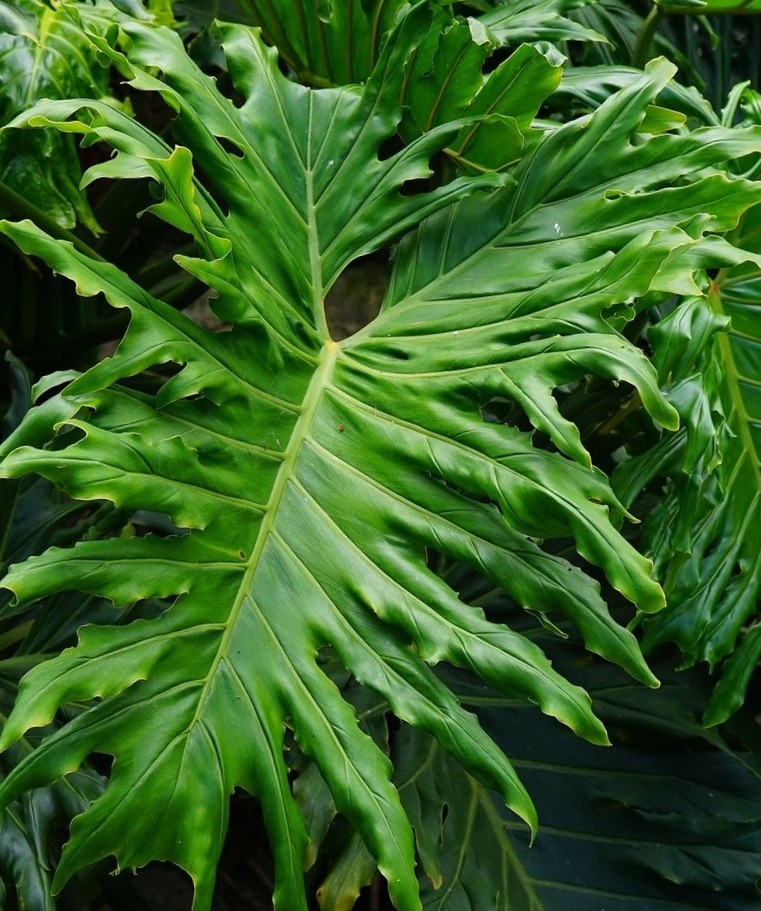
Split Leaf Philodendron
Philodendron bipennifolium Schott
Botanical synonym:
- Philodendron wayombense A.M.E.Jonker & Jonker
Important non-synonym confusion names:
- Monstera deliciosa Liebm. — Swiss Cheese Plant, Ceriman, Mexican Breadfruit, or Fruit Salad Plant; separate aroid often sold as Split-Leaf Philodendron
- Philodendron bipinnatifidum Schott ex Endl. — Tree Philodendron, Selloum, or Lacy Tree Philodendron; separate tree-form aroid commonly confused through the split-leaf name
- Thaumatophyllum bipinnatifidum (Schott ex Endl.) Sakur., Calazans & Mayo — modern segregate-name usage for the tree philodendron group; not Philodendron bipennifolium
- Philodendron cordatum Kunth ex Schott — separate species; “Cordatum” should not be used as an exact synonym for Philodendron bipennifolium
- Philodendron hederaceum (Jacq.) Schott — Heartleaf Philodendron; separate climbing philodendron, not Saddle Leaf
- Philodendron erubescens K.Koch & Augustin and related cultivated philodendrons — source of several red-stemmed horticultural names; not exact synonyms of Philodendron bipennifolium
- Kalanchoe tomentosa Baker — Panda Plant; unrelated Crassulaceae succulent commonly using the Panda Plant name
Araceae
Commonly called the Arum or Aroid Family.
Split Leaf Philodendron; Split-Leaf Philodendron; Saddle Leaf; Saddle-Leaf Philodendron; Saddleleaf Philodendron; Horsehead Philodendron; Horse-Head Philodendron; Fiddle-Leaf Philodendron; Fiddleleaf Philodendron; Fiddle Leaf Philodendron; Violin-Leaf Philodendron; Violin Leaf Philodendron; Philodendron bipennifolium; Philodendron wayombense
“Split Leaf Philodendron” is highly ambiguous. It is also widely used for Monstera deliciosa and for the tree-form aroid sold under the names Philodendron bipinnatifidum or Thaumatophyllum bipinnatifidum. Those plants are related aroids with a similar insoluble-calcium-oxalate hazard, but they are not Philodendron bipennifolium.
“Cordatum” may refer to the separate species Philodendron cordatum, while Heartleaf Philodendron normally refers to Philodendron hederaceum. Fruit Salad Plant usually refers to Monstera deliciosa. Red Emerald and Red Princess are cultivated philodendron names rather than exact synonyms for Philodendron bipennifolium. Panda Plant is an ambiguous nursery name more commonly used for the unrelated succulent Kalanchoe tomentosa and should not be relied upon to identify this species.
Insoluble Calcium Oxalate Raphides
The confirmed toxic structures in Split Leaf Philodendron are water-insoluble calcium oxalate crystals contained within the plant’s tissues. The most clinically important forms are raphides: long, narrow mineral needles arranged in dense bundles inside specialized cells called crystal idioblasts. When a dog, cat, horse, bird, rabbit, goat, or other animal bites through a leaf, petiole, stem, aerial root, cutting, or other tissue, mechanical pressure ruptures or compresses those cells and releases crystals into sap, saliva, and surrounding soft tissue.
Once released, raphides penetrate and abrade the lips, gums, tongue, palate, pharynx, and esophagus. Their effect is primarily physical and local rather than a conventional absorbed poison circulating throughout the body. The animal’s attempts to lick, swallow, paw at the mouth, or rub the face may distribute crystal-bearing plant material over a larger surface. Continued movement of an inflamed tongue and throat can drive residual crystals against additional tissue even after chewing has stopped.
The crystals do not need to be absorbed into the bloodstream to hurt the animal. They act where plant tissue contacts wet, sensitive surfaces. That is why signs usually begin during chewing or within minutes and why mouth pain, drooling, gagging, swelling, and difficulty swallowing dominate the clinical picture.
Direct Calcium-Oxalate Evidence in This Species
The calcium-oxalate warning for Philodendron bipennifolium is not based only on the reputation of the genus. Anatomical research on mature leaves from multiple Philodendron taxa included this exact species and documented calcium oxalate crystal-containing tissues in the petiole, blade, and midrib.
Across the studied philodendrons, calcium oxalate appeared as raphides, druses, styloids, and prisms. Raphides were held in several idioblast forms, ranging from modified spindle-shaped cells to wider cells containing broad bundles and ordinary-looking cells containing individual needles or clusters.
Among the plants examined, Philodendron bipennifolium had the largest measured raphide packet in that comparison, approximately 131.8 micrometers long and 24.5 micrometers wide. Those dimensions describe a microscopic crystal-bearing structure, not the amount required to poison an animal and not proof that this species is clinically more dangerous than every other philodendron.
Insoluble Raphides Are Different From Soluble Oxalate Poisoning
Calcium oxalate raphides must be distinguished from soluble oxalates. Soluble oxalate salts can be absorbed through the gastrointestinal tract, bind circulating calcium, cause hypocalcemia, and contribute to crystal deposition and renal-tubular injury. Those plants can produce systemic weakness, tremors, seizures, calcium disturbances, and kidney injury after substantial exposure.
The insoluble crystals in philodendron act principally where plant tissue makes contact. Kidney failure, widespread calcium depletion, and systemic oxalosis are therefore not expected consequences of an ordinary Philodendron bipennifolium exposure. Merely seeing the word oxalate does not make this the same syndrome as soluble-oxalate plants, ethylene glycol poisoning, or urinary calcium oxalate stone disease.
Kidney or liver abnormalities after a suspected Split Leaf Philodendron exposure should prompt investigation for severe dehydration, oxygen deprivation, aspiration complications, ethylene glycol, medication toxicity, pesticide exposure, another plant, preexisting disease, or incorrect identification. The plant should not be blamed automatically for signs outside the established local raphide pattern.
Inflammation Amplifies the Mechanical Injury
Damage caused by the crystals activates sensory nerves and the animal’s inflammatory response. Local cells and immune pathways release mediators that increase pain, blood-vessel dilation, tissue permeability, redness, and edema. The result can look dramatic even when only a small amount of plant was swallowed.
Histamine and kinins may participate in that response, but they are produced by the injured animal and are not proof that the plant contains histamine. The reaction also is not purely histamine-driven, which is why an antihistamine does not function as a universal antidote or physically remove embedded crystals.
This distinction matters during first aid. Diphenhydramine may be considered by a veterinarian in selected cases, but it should not delay airway assessment, pain control, careful mouth management, or treatment of vomiting, dehydration, eye injury, or aspiration risk.
The Proteinase Theory Requires Qualification
Proteolytic enzymes and other defensive compounds may intensify raphide injury in some plants. Experimental work using purified raphides and cysteine protease demonstrated a strong synergistic “needle effect”: sharp crystals appeared to create microscopic pathways that allowed a second defensive substance to penetrate biological barriers more effectively.
That finding provides a plausible explanation for why equally visible raphides can be far more irritating in one plant than another. It also supports the possibility that other plant constituents can move through raphide-created wounds and intensify local inflammation.
No study has established a specific clinically important proteinase in Philodendron bipennifolium. Proteinase should therefore be described as a possible additional factor in some raphide-containing plants, not placed beside calcium oxalate as an equally confirmed toxin of this species.
All Accessible Plant Parts Should Be Treated as Irritating
No dependable analysis establishes one harmless part of Split Leaf Philodendron. Leaves and petioles receive the most attention because they are broad, accessible, and most likely to be chewed, but stems, aerial roots, sap, inflorescences, immature fruits, mature fruits, propagation cuttings, and other tissues should also be treated as potentially irritating.
A cutting, wilted leaf, broken stem, or dried piece may still contain mineral crystals because raphides do not disappear merely when plant tissue loses water. Propagation material is especially important because cut stems are often left in jars, trays, damp media, or work areas where cats, dogs, birds, and small pets can reach them.
The bitter, acrid, and immediately painful exposure usually limits the amount swallowed. Most animals stop chewing, spit out the plant, or retreat after the first bite. That self-limiting response is one reason severe poisoning is uncommon, but it does not make the plant safe. Persistent chewers, teething puppies, plant-eating cats, parrots shredding foliage, browsing goats, or animals given chopped plant material may receive a larger exposure before stopping.
Skin and Eye Irritation
Philodendrons can also cause skin and eye irritation. Crystal-bearing sap may inflame broken or sensitive skin. Members of the genus have caused allergic contact dermatitis associated with alkenyl-resorcinol compounds, although the exact allergen profile of Philodendron bipennifolium has not been fully characterized.
Allergic dermatitis should not be assumed after every contact. Simple sap irritation, mechanical irritation, another plant, household cleaners, mites, fleas, pollen allergy, yeast, bacterial infection, or a contact chemical may also explain redness or itching.
Eye exposure remains a distinct concern because sap and microscopic crystals can produce severe pain, conjunctival inflammation, corneal abrasion, or ulceration. An animal that paws at its mouth may transfer sap and crystals to the eyelids or corneal surface.
Immediate Oral Pain and Early Progression
Clinical signs commonly begin while the animal is chewing Split Leaf Philodendron or within minutes afterward. Dogs and cats may abruptly drop the leaf, jerk or shake the head, paw at the mouth, rub the face, lick repeatedly, drool in long strings, foam at the mouth, gag, retch, or run away from the plant. The animal may vocalize, hide, resist examination of the mouth, or approach food and water and then withdraw because tongue movement and swallowing are painful.
The lips, gums, tongue, palate, and other oral tissues may become red, tender, and swollen. Observable veterinary findings include hypersalivation, oral erythema, edema, painful swallowing, repeated swallowing attempts, reduced appetite, and reluctance to drink. Human patients exposed to raphide-containing plants describe burning, stinging, prickling, or the sensation of embedded needles, but those subjective sensations cannot be reported directly by an animal and must be inferred from behavior and examination.
The amount missing from the plant may be small because the animal spits out shredded pieces after the first painful bite. A small amount can still produce pronounced discomfort when crystals contact the tongue, throat, or back of the mouth. Severity is judged by breathing, swallowing, progression of swelling, hydration, eye involvement, and the animal’s overall condition rather than by leaf area alone.
Swallowing Difficulty, Voice Changes, and Airway Risk
Inflammation near the pharynx or larynx may alter the animal’s voice. A dog’s bark can become weak or hoarse, and a cat may produce an unusual or quieter meow. Hoarseness alone does not prove airway obstruction, but it becomes more concerning when combined with worsening tongue or throat swelling, repeated choking, neck extension, open-mouth breathing, stridor, or rapid shallow respirations.
Life-threatening airway compromise is uncommon but possible. Progressive pharyngeal or laryngeal edema can narrow airflow and make swallowing unsafe. Warning signs include noisy inspiration, pronounced respiratory effort, panic, inability to swallow saliva, saliva pooling in the mouth, water falling from the lips, fluid or food material returning from the nostrils, blue or gray mucous membranes, weakness, or collapse.
An animal with these signs should not be given food, water, milk, charcoal, pills, liquid medication, or oral home remedies because aspiration and further airway obstruction are immediate risks. Airway assessment is more important than trying to coat the stomach or force the animal to swallow.
Vomiting and Gastrointestinal Signs
Vomiting may occur in dogs, cats, pigs, and other animals physiologically capable of vomiting when crystals and plant material irritate the pharynx, esophagus, or stomach. Mild diarrhea, food refusal, lethargy, and abdominal discomfort are possible after material is swallowed.
Severe hemorrhagic gastroenteritis is not the expected syndrome. Repeated vomiting, bloody vomit, bloody diarrhea, pronounced abdominal pain, abdominal distention, inability to retain water, fever, or worsening weakness should prompt evaluation for a larger exposure, another plant, a foreign body, pancreatitis, infection, medication ingestion, or another disease.
Vomiting can also worsen the original injury by bringing crystal-bearing material back across the already inflamed esophagus and mouth. This is one reason home-induced vomiting is not appropriate for a typical raphide exposure.
Dogs and Cats
Dogs and cats typically develop immediate oral pain, drooling, pawing, face rubbing, gagging, food refusal, and sometimes vomiting. Thick strings of saliva or foam may look dramatic but often result from local irritation rather than a seizure or systemic neurologic crisis.
Dogs may chew low leaves, stems trained around floor-level supports, recently pruned material, or pots knocked from stands. Puppies may shred the plant more aggressively because of teething or exploratory chewing. Cats may reach climbing poles, hanging vines, wall planters, shelves, plant cabinets left open, or aerial roots that trail from a supposedly safe shelf.
Repeated exposure may indicate more than curiosity. A cat or dog that returns to irritating plants may have pica, dental pain, gastrointestinal disease, stress, boredom, nutritional problems, or another behavioral or medical issue. The plant still needs to be secured, but the repeat-chewing pattern may need its own evaluation.
Horses and Other Large Animals
Horses cannot vomit. A horse that chews philodendron may instead show salivation, repeated chewing motions, muzzle rubbing, head shaking, feed refusal, coughing, painful swallowing, or respiratory noise. Water or feed material coming from the nostrils, repeated neck extension, inability to swallow, or marked distress requires urgent examination for choke, aspiration, pharyngeal injury, or airway swelling.
Exact horse-specific case data for Philodendron bipennifolium remain limited, so other causes of dysphagia, colic, and respiratory distress must also be considered. Tropical ornamental clippings, greenhouse waste, or discarded houseplants in a paddock can contain more than one plant species.
Weak, coughing, gagging, choking, or dysphagic livestock must not be drenched. Forced water, milk, oil, charcoal, or medication can enter the lungs when normal swallowing is impaired.
Cattle, Sheep, Goats, Pigs, and Camelids
Direct pasture exposure is unusual because Philodendron bipennifolium is a tropical forest climber and houseplant rather than a temperate forage species. Livestock may nevertheless reach greenhouse waste, tropical landscaping, discarded houseplants, botanical displays, or mixed ornamental clippings.
Goats and other browsers may investigate thick leaves and stems that cattle or horses ignore. Chopped or wilted plant material mixed with grass clippings is harder to identify and avoid. Salivation, mouth discomfort, feed refusal, repeated swallowing, coughing, choking, diarrhea, or respiratory noise after access to tropical plant waste should be evaluated.
Several animals affected at once raises concern for a shared exposure such as mixed clippings, chemical contamination, treated plants, moldy waste, or another more dangerous ornamental plant. No philodendron waste should be placed in a paddock, pen, stall, goat area, pig enclosure, aviary, rabbit area, or compost pile accessible to animals.
Birds, Rabbits, and Other Small Pets
Parrots and other birds may shred a leaf rather than swallow it whole, repeatedly exposing the beak, tongue, and oral lining to crystal-bearing sap. Beak wiping, tongue manipulation, regurgitation, food refusal, oral redness, voice change, facial swelling, and respiratory noise are possible warning signs. Open-mouth breathing or inability to perch after plant exposure is urgent.
Rabbits, guinea pigs, chinchillas, rats, and several other small mammals cannot vomit. Oral pain may appear as drooling, tooth grinding, facial rubbing, reluctance to chew, food refusal, or reduced fecal production. Loss of appetite is particularly important in rabbits and guinea pigs because gastrointestinal hypomotility or stasis can become a serious secondary complication even after the original mouth irritation begins to improve.
Small animals should not be offered philodendron leaves, stems, aerial roots, cuttings, dried pieces, cage greenery, enrichment, bedding, or forage. The absence of vomiting in these species is not reassuring because they are not built to vomit.
Skin and Eye Exposure
Sap from broken leaves or stems may irritate damaged or sensitive skin. Redness, licking, rubbing, itchiness, or localized swelling may occur after contact with sap, crushed leaf tissue, or contaminated paws. Allergic contact dermatitis is possible in the genus but should not be assumed for every P. bipennifolium contact.
Eye exposure can cause intense pain, tearing, blinking, conjunctival swelling, light sensitivity, corneal abrasion, or ulceration. An animal that paws at its mouth may transfer sap and crystals to the eyelids or corneal surface. Continued squinting, redness, cloudiness, discharge, or reluctance to open the eye after rinsing requires prompt veterinary examination.
Expected Duration, Complications, and Prognosis
Most uncomplicated cases improve substantially within several hours and recover within approximately 12–24 hours, although mouth soreness and reduced appetite may persist longer after a substantial exposure. Prolonged raphide injury is biologically possible: a human foodborne outbreak involving unidentified raphide-containing plant material left some patients symptomatic two weeks later. That experience does not establish a routine two-week course for pets exposed to Philodendron bipennifolium.
Convulsions, coma, primary liver failure, renal failure, dangerous cardiac abnormalities, and permanent organ damage are not established expected effects of ordinary Split Leaf Philodendron ingestion. Older reports describe neurologic abnormalities and temporary kidney changes in cats after unspecified philodendron exposures, but the plants and mechanisms were not established clearly enough to assign those findings to this species.
Severe systemic signs require emergency care and investigation for oxygen deprivation, aspiration, dehydration, soluble oxalates, pesticides, another toxic plant, medication exposure, foreign body, infection, or an unrelated medical disorder. The expected P. bipennifolium pattern is painful local raphide injury, not a predictable systemic organ-destroying syndrome.
Split Leaf Philodendron and Saddle Leaf Are the Same Species
Split Leaf Philodendron and Saddle Leaf are alternate public names for Philodendron bipennifolium. Horsehead Philodendron and Fiddle-Leaf Philodendron also refer to this same climbing species. The names describe the mature leaf outline, which may resemble a horse’s head, violin, fiddle, or saddle depending on the specimen and the viewer.
The Split Leaf title is maintained because it appears in longstanding veterinary poison databases and remains a real search term used by pet owners. It is not the clearest botanical description of the plant, however, because the mature leaf is characteristically lobed or constricted rather than divided into the numerous deep segments associated with tree philodendrons or perforated like a mature monstera.
For this record, the scientific name Philodendron bipennifolium should control the identification. Common names are useful for search, but they are not reliable enough for a poisoning case.
Why the “Split Leaf” Name Causes Identification Errors
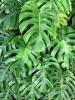
Several common houseplants are sold as Split Leaf Philodendron. Monstera deliciosa develops large leaves with deep edge splits and internal holes called fenestrations. It is also called Swiss Cheese Plant, Ceriman, Mexican Breadfruit, and Fruit Salad Plant.
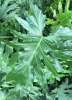
The large self-supporting or tree-form aroid commonly called Lacy Tree Philodendron, Selloum, or Split-Leaf Philodendron is a different species sold under the names Philodendron bipinnatifidum and Thaumatophyllum bipinnatifidum. Its mature leaves divide into numerous long, narrow lobes and arise from a thick trunk-like stem rather than from the more open climbing vine of P. bipennifolium.
All three plants belong to Araceae and can produce a similar insoluble-calcium-oxalate syndrome, so the immediate first-response advice overlaps. Exact identification still matters for accurate records, exposure reconstruction, preventive removal, and avoiding unsupported claims about one species based on research involving another.
The Supplied Alternate-Name List Combines Several Plants
Horsehead Philodendron, Fiddle-Leaf Philodendron, Violin-Leaf Philodendron, and Saddle Leaf are appropriate names for Philodendron bipennifolium. Cordatum is not a dependable synonym. Philodendron cordatum is a separately accepted Brazilian species, and the name also has been used loosely in the houseplant trade for heart-shaped climbing philodendrons.
Heartleaf Philodendron normally refers to Philodendron hederaceum, including plants historically sold under names such as Philodendron oxycardium or Philodendron scandens. Its ordinary juvenile leaves are much more consistently heart-shaped and lack the horsehead or saddle-like mature outline of P. bipennifolium.
Fruit Salad Plant is usually Monstera deliciosa. Red Emerald is associated with red-stemmed cultivated philodendrons commonly placed near Philodendron erubescens, while Red Princess is another horticultural cultivar or hybrid name. Neither is an exact synonym for P. bipennifolium. Panda Plant commonly identifies the felted succulent Kalanchoe tomentosa and may occasionally be reused as an informal nursery name for other ornamentals. It is not a reliable identification for this philodendron.
Current Taxonomy and Botanical Synonym
The accepted name is Philodendron bipennifolium Schott, first published in 1855. The botanical synonym currently recognized by Kew is Philodendron wayombense A.M.E.Jonker & Jonker.
The species name bipennifolium should not be confused with bipinnatifidum. The difference is more than spelling. Philodendron bipinnatifidum identifies a separate large tree-form plant with much more deeply divided foliage.
Native Range and Forest Habitat
Philodendron bipennifolium is native from southern Venezuela through Suriname and into northern, northeastern, and southeastern Brazil. It grows primarily in wet tropical forest. The plant is a climber that uses other vegetation for physical support without parasitizing the supporting tree.
Thick stems ascend trunks and other structures while aerial roots help anchor the plant and obtain moisture. In cultivation, the same growth habit appears when the vine climbs a tree, post, moss pole, wall, slab, greenhouse frame, or other support.
Outside its native range, animal exposure occurs mainly through houseplants, greenhouse collections, tropical landscaping, botanical displays, plant swaps, shipping boxes, propagation stations, and discarded horticultural material rather than through ordinary pasture vegetation.
How to Identify Philodendron bipennifolium
The plant produces thick climbing stems with conspicuous nodes, aerial roots, and long leaf stalks. Stems may appear light brown, gray-brown, or greenish depending on age and growing conditions. Unsupported plants can sprawl, trail, climb, or hang over the edge of a container.
Mature leaf blades are large, glossy to semiglossy, leathery, and usually olive green to deep green. University horticultural descriptions place commonly cultivated leaves at approximately 18 inches long, although mature plants under tropical conditions can produce larger foliage.
The mature blade usually has a broad central section and pronounced basal or side lobes that create a violin-, saddle-, or horsehead-shaped outline. Leaf shape may vary substantially with plant age, climbing support, light, genetics, and growing conditions. Juvenile leaves may be less dramatically lobed and can be mistaken for another climbing philodendron.
The Inflorescence
The inflorescence follows the typical aroid form: numerous tiny flowers are carried on a fleshy spadix enclosed partly by a modified bract called a spathe. Flowering is uncommon on ordinary indoor specimens. Lack of flowers therefore does not prevent identification when the mature leaf shape, stem, nodes, petioles, and aerial roots are visible.
Inflorescences and fruits should still be treated as potentially irritating if they are present. No reliable study establishes that reproductive structures lack raphides or are safe for animals to chew.
Where Pets Encounter the Plant
Cats may reach leaves and aerial roots from climbing poles, hanging vines, wall planters, shelves, plant cabinets left open, or pots positioned beside furniture. A plant that appears safely elevated may still send a stem downward or drop a damaged leaf onto the floor.
Dogs and puppies may chew low leaves, stems trained around floor-level supports, recently pruned material, or pots knocked from stands. Teething, boredom, habitual plant chewing, gastrointestinal illness, and insufficient environmental enrichment can contribute to repeated exposure.
Propagation creates additional risk. Fresh stem cuttings are commonly placed in water or damp growing media, where they may remain on counters, windowsills, worktables, grow shelves, or plant-room floors. A cutting contains the same crystal-bearing tissues as the parent plant and should not be treated as harmless because it has not yet developed roots.
How Horses and Livestock May Be Exposed
Direct pasture exposure is unusual because P. bipennifolium is a tropical forest climber and houseplant rather than a temperate forage species. Horses, goats, sheep, cattle, camelids, pigs, and other animals may nevertheless reach greenhouse waste, tropical landscaping, discarded houseplants, botanical displays, or mixed ornamental clippings.
Goats and other browsers may investigate thick leaves and stems that cattle or horses ignore. Chopped or wilted plant material mixed with grass clippings is harder to identify and avoid. No philodendron waste should be placed in a paddock, pen, stall, aviary, rabbit area, poultry run, goat yard, or compost pile accessible to animals.
Direct Evidence of Calcium Oxalate in This Species
The calcium-oxalate warning for P. bipennifolium is not based solely on the reputation of the genus. Anatomical research on mature leaves included this exact species and documented crystal-containing tissues in the petiole, blade, and midrib.
Across the studied philodendrons, calcium oxalate appeared as raphides, druses, styloids, and prisms. Raphides were held in several idioblast forms, ranging from modified spindle-shaped cells to wider cells containing broad bundles and ordinary-looking cells containing individual needles or clusters.
The measured raphide packet in P. bipennifolium was approximately 131.8 micrometers long and 24.5 micrometers wide, the largest packet reported among the species in that particular comparison. The measurement illustrates how many microscopic needles can be stored within a specialized cell, but it does not establish that this species is clinically more poisonous than every philodendron with smaller packets.
What Happens When the Plant Is Chewed
Teeth and jaw pressure tear the crystal-bearing cells. Raphides and other crystals are released into plant sap and saliva, placing them directly against soft oral tissue. Some crystal-bearing cells in aroids possess specialized structures that can enhance release, but the exact force and discharge behavior differ among plants and cell types.
The former description of every idioblast violently firing crystals should therefore be treated as a simplified general model rather than a proven description of every cell in this species. Mechanical rupture alone is sufficient to explain exposure: chewing opens the cells, frees the needles, and presses them into sensitive tissue.
Once embedded, raphides cause microscopic punctures and abrasions. Salivation, licking, gagging, and swallowing may redistribute the crystals, while retained pieces of leaf or stem can release additional material. Removing visible fragments helps but cannot instantly reverse inflammation that already has begun.
Inflammation Amplifies the Mechanical Injury
Crystal penetration activates sensory nerves, producing immediate pain and protective behaviors. Damaged tissue releases inflammatory mediators that increase local blood flow and vascular permeability, causing redness and edema.
Histamine can contribute to swelling, but the injury is not simply an allergic reaction. Mechanical damage, other inflammatory pathways, and possible plant constituents remain active even when histamine is blocked. This is why diphenhydramine is not a stand-alone antidote and should not replace airway assessment, pain control, careful rinsing, or veterinary monitoring when swelling affects swallowing or breathing.
The Proteinase Theory Requires Qualification
Raphides may do more than act as inert needles. In experimental work with plant raphides and protease, the crystal shape enabled a protease to penetrate biological barriers more effectively, producing greater injury than either component caused alone. This “needle effect” is important comparative toxicology because it explains why crystal-bearing plants differ in acridity and clinical severity.
The concept also supports the possibility that other defensive chemicals can enter tissue through microscopic raphide wounds. No study has established a specific clinically important proteinase in Philodendron bipennifolium. Proteinase should therefore be described as a possible additional factor in some raphide-containing plants, not a confirmed toxin of this species.
Skin and Eye Contact
Sap from broken leaves or stems may irritate damaged or sensitive skin. Philodendrons also have documented potential to produce allergic contact dermatitis through alkenyl-resorcinol compounds, although the exact allergen profile of P. bipennifolium has not been characterized fully.
An animal that paws at its mouth may transfer sap and crystals to the eyelids or corneal surface. Eye exposure can cause intense pain, tearing, blinking, conjunctival swelling, light sensitivity, corneal abrasion, or ulceration. Persistent squinting or cloudiness after rinsing requires prompt veterinary examination.
Dogs and Cats
Dogs and cats typically develop immediate oral pain, drooling, pawing, face rubbing, gagging, food refusal, and sometimes vomiting. Thick strings of saliva or foam may look dramatic but often result from local irritation rather than a seizure or systemic neurologic crisis.
A small amount of crystal-bearing sap contacting the tongue or back of the mouth can produce dramatic signs even when little plant material was swallowed. Breathing effort, swallowing ability, progression of swelling, alertness, hydration, eye exposure, and persistence of vomiting are more important measures of severity than foaming alone.
Repeated exposure may indicate more than curiosity. A cat or dog that returns to irritating plants may have pica, dental pain, gastrointestinal disease, stress, boredom, nutritional problems, or another behavioral or medical issue. Preventing access remains essential, but the reason for repeated chewing may also need to be addressed.
Horses and Other Large Animals
Exact horse and livestock case reports involving P. bipennifolium are limited, but the crystal mechanism can injure any animal that crushes the tissue. Likely signs include salivation, mouth discomfort, feed refusal, repeated chewing motions, coughing, and difficulty swallowing.
Horses cannot vomit. Nasal reflux, feed or water at the nostrils, neck extension, repeated swallowing attempts, respiratory noise, or distress requires urgent evaluation for choke, aspiration, pharyngeal injury, or airway swelling. Weak, coughing, gagging, choking, or dysphagic livestock must not be drenched.
Birds, Rabbits, and Other Small Pets
Parrots and other birds may shred a leaf rather than swallow it whole, repeatedly exposing the beak, tongue, and oral lining to crystal-bearing sap. Beak wiping, tongue manipulation, regurgitation, food refusal, oral redness, facial swelling, voice change, and respiratory noise are possible warning signs.
Rabbits and guinea pigs cannot vomit and may show drooling, tooth grinding, facial rubbing, reluctance to chew, reduced appetite, or diminished fecal production. Because these species depend on continuous food intake, prolonged oral pain can lead to gastrointestinal stasis and requires prompt professional advice.
Why Kidney and Liver Failure Are Not Expected
The word oxalate often creates confusion with antifreeze poisoning, soluble-oxalate plants, and calcium oxalate kidney stones. Those conditions involve absorbed oxalate, systemic calcium binding, metabolism, or crystal deposition within the urinary tract.
Philodendron raphides are insoluble mineral needles that primarily damage tissue by direct contact. They do not ordinarily dissolve, enter the circulation in a large systemic dose, and deposit in the kidneys after a small plant exposure.
Older publications describe severe neurologic signs and temporary kidney abnormalities in cats after unspecified philodendron ingestion. Those reports remain relevant historical evidence but were not tied convincingly to P. bipennifolium or to a clearly defined raphide mechanism. Kidney or liver abnormalities after exposure require investigation for dehydration, hypoxia, another toxin, another plant, medication exposure, or underlying disease.
Diagnosis
Diagnosis usually depends on witnessed chewing, rapid development of compatible signs, and accurate plant identification. Useful photographs show the whole vine, mature and juvenile leaves, upper and lower leaf surfaces, petioles, stem nodes, aerial roots, climbing support, pot label, and chewed material.
The veterinarian will assess the lips, tongue, mouth, pharynx, breathing, swallowing, hydration, pain, eye exposure, and ability to eat. A complete oral examination may require sedation, but airway status must be considered carefully before sedating a patient with substantial swelling.
Routine laboratory testing may be unnecessary in a mild, rapidly improving case. Blood testing, imaging, airway evaluation, or hospitalization may be appropriate when signs are severe, prolonged, inconsistent with local irritation, or complicated by dehydration, aspiration, eye injury, or uncertain plant identification.
Important Differential Diagnoses
Other insoluble-oxalate aroids—including pothos, monstera, dieffenbachia, peace lily, syngonium, aglaonema, anthurium, caladium, calla lily, alocasia, colocasia, xanthosoma, and other philodendrons—can produce a similar oral syndrome. The initial priorities of clearing loose material, protecting the airway, and avoiding unsafe oral treatment remain similar.
Caustic cleaning products, electrical-cord burns, foreign material lodged in the mouth, insect stings, snakebite, allergic reactions, dental disease, choke, and chemical-contaminated plant material can also cause drooling, pain, swelling, or difficulty swallowing.
Soluble-oxalate poisoning and ethylene glycol intoxication are different systemic disorders capable of producing hypocalcemia, neurologic signs, and kidney injury. Seizures, coma, profound weakness, abnormal heart rhythm, jaundice, or progressive renal abnormalities should not be attributed automatically to Split Leaf Philodendron.
Veterinary Treatment
No antidote instantly dissolves or removes raphides already embedded in tissue. Treatment begins with preventing further exposure, removing loose plant fragments, gently wiping or rinsing the mouth when safe, controlling pain and vomiting, and monitoring the airway.
An alert animal that is breathing comfortably and swallowing normally may be allowed a small amount of water or may receive a veterinarian-approved small amount of milk, yogurt, or another calcium-containing food to help clear residual crystals from the mouth and esophagus. Nothing should be forced into a gagging, choking, vomiting, weak, sedated, or dysphagic animal.
Veterinary treatment may include analgesics, antiemetic medication, fluid therapy, gastrointestinal support, and treatment of skin or eye inflammation. Marked pharyngeal or laryngeal edema may require oxygen, injectable medication, continuous monitoring, endotracheal intubation, or an emergency surgical airway. Activated charcoal generally provides little benefit for mineral crystals acting through local mechanical injury and can be aspirated by a drooling or dysphagic animal.
Prognosis
The prognosis is good to excellent for most limited exposures. Marked improvement often occurs within several hours, and uncomplicated cases commonly resolve within approximately 12–24 hours.
The outlook becomes more guarded when swelling threatens the airway, the eye is injured, repeated vomiting causes dehydration, plant material is aspirated, or a rabbit, guinea pig, bird, cat, or other small animal stops eating long enough to develop secondary complications.
Persistent symptoms deserve reassessment. Prolonged raphide-associated injury has been documented in people after substantial exposure to raphide-containing plant material, but a two-week illness is not the normal course of a pet biting one leaf of P. bipennifolium.
Prevention
Keep the plant in a room animals cannot enter or inside a secure plant enclosure. A high shelf alone may not protect a cat when stems, leaves, or aerial roots trail downward. Secure climbing supports, trim accessible growth, collect every cutting and fallen leaf, and keep propagation containers behind closed doors.
Sap-bearing tools and work surfaces should be cleaned before an animal can lick them. Never discard philodendron trimmings into horse paddocks, livestock pens, rabbit areas, aviaries, chicken runs, goat yards, or accessible compost.
Label the plant with Philodendron bipennifolium and its exact common names so it can be distinguished from monstera, heartleaf philodendron, tree philodendron, and other plants sold as Split Leaf Philodendron.
Immediate Steps After Exposure
Stop further chewing. Move the animal away from the plant and collect every fallen leaf, stem, aerial root, cutting, or chewed fragment before another animal reaches it. The first priorities are stopping additional raphide contact, protecting swallowing, and watching for airway signs.
- Remove loose fragments carefully: If the animal is alert and cooperative, take visible plant pieces from the lips and front of the mouth. Do not reach deeply into the throat or place your fingers near the teeth of a frightened or painful animal.
- Gently clear the mouth when safe: Wipe the lips and front of the mouth with a damp cloth or allow a small amount of clean water to rinse loose residue only when the animal is breathing comfortably and swallowing normally. Do not force water into the mouth.
- Prevent face rubbing: Keep the animal from transferring sap and crystals from its mouth or paws into the eyes.
- Preserve identification evidence: Photograph the entire vine, mature and juvenile leaves, stem nodes, aerial roots, climbing support, pot label, and chewed material. Save a representative sample in a secure bag.
- Check propagation areas: Look for cuttings in jars, trays, damp media, plant-room floors, worktables, or discarded pruning piles.
- Contact a veterinarian or animal poison-control service: Report the species, weight, amount chewed, time of exposure, current breathing and swallowing, vomiting, eye contact, and whether the plant identity is certain.
Skin or Eye Exposure
Rinse sap from the skin or coat with lukewarm water to remove visible residue and prevent grooming until the contaminated area is clean. Wash paws, muzzle, feathers, and human hands because plant sap can be transferred to the eyes or mouth.
Flush an exposed eye promptly with sterile saline or clean lukewarm water and allow it to flow gently across the eye. Do not rub the eye or attempt to remove material with tweezers. Continued squinting, tearing, redness, cloudiness, light sensitivity, or refusal to open the eye may indicate corneal injury and requires veterinary examination.
Do Not Attempt Unsupervised Home Treatment
Home treatment can make a raphide exposure worse when the mouth and throat are already painful or swollen. The correct early response is removal, gentle clearing, identification, and professional guidance—not forcing products into an animal that may not swallow safely.
- Do not induce vomiting: Hydrogen peroxide, salt, mustard, syrup of ipecac, dish soap, detergent, and manual gagging can cause additional injury or aspiration. Horses, rabbits, guinea pigs, rats, and several other animals cannot vomit.
- Do not force milk, yogurt, cheese, food, or water: A veterinarian may sometimes recommend a small amount for an alert animal that swallows normally, but forced material can enter the lungs when the mouth or throat is swollen.
- Do not give diphenhydramine automatically: An antihistamine does not remove embedded crystals, and the swelling is not caused solely by histamine. Sedation can complicate assessment of an animal with impaired swallowing or breathing.
- Do not give activated charcoal: Charcoal does not extract raphides from oral tissue and creates an aspiration risk in a drooling, gagging, vomiting, or dysphagic patient.
- Do not give stomach medication, antidiarrheals, antiemetics, sucralfate, human pain relievers, sedatives, antibiotics, or leftover prescriptions: Medication must be selected for the animal’s species, weight, medical history, and current clinical condition.
- Do not drench horses or livestock: Never force water, oil, milk, charcoal, or medication into an animal that is coughing, choking, gagging, regurgitating, weak, or unable to swallow normally.
- Do not assume plant waste is harmless: Cuttings, wilted leaves, dried fragments, aerial roots, and propagation pieces can still contain mineral crystals.
When Emergency Examination Is Especially Important
- Breathing becomes noisy or difficult: Stridor, open-mouth breathing, neck extension, rapid shallow gasps, blue or gray gums, or increasing respiratory effort may indicate airway swelling.
- The animal cannot swallow normally: Repeated swallowing attempts, choking, gagging, coughing, saliva pooling in the mouth, water falling from the lips, or nasal discharge after drinking requires urgent assessment.
- Swelling is increasing: Progressive tongue, lip, facial, pharyngeal, or throat swelling can become more dangerous after chewing has stopped.
- Vomiting is repeated: Persistent vomiting may worsen oral and esophageal irritation and lead to dehydration or aspiration.
- The eye may have been exposed: Significant pain, cloudiness, marked redness, discharge, or continued squinting requires prompt corneal examination.
- A rabbit, guinea pig, bird, cat, or other small animal stops eating: Food refusal can lead to gastrointestinal stasis, dehydration, weakness, and other secondary complications.
- Severe systemic signs appear: Seizures, collapse, coma, marked weakness, jaundice, kidney abnormalities, or an abnormal heart rhythm do not fit an uncomplicated raphide exposure and require immediate investigation.
Veterinary Treatment
The veterinarian will assess the lips, tongue, oral cavity, pharynx, breathing, and swallowing while minimizing stress. Loose plant material may be removed, and the mouth may be gently wiped or rinsed. Pain control is often more useful than aggressive gastrointestinal decontamination.
An alert patient that can swallow normally may receive a small veterinarian-approved amount of water, milk, yogurt, or another calcium-containing food to help clear residual insoluble oxalate from the mouth and esophagus. This is avoided when swelling, gagging, vomiting, weakness, sedation, or impaired swallowing creates an aspiration risk.
Veterinary care may include analgesics, antiemetic medication, fluid therapy, gastrointestinal support, and monitoring of food and water intake. Eye exposure may require topical anesthetic for examination, prolonged irrigation, fluorescein staining, pain control, and treatment for corneal abrasion or ulceration.
Substantial pharyngeal or laryngeal edema may require oxygen, injectable veterinarian-selected medication, continuous airway monitoring, endotracheal intubation, or an emergency surgical airway. Treatment is based on examination findings rather than an automatic home dose of diphenhydramine.
Activated charcoal and gastric lavage are not routine treatments because the principal injury occurs when crystals contact the mouth and throat. Veterinarian-induced vomiting is also generally unnecessary after obvious oral irritation and may bring plant material back across already injured tissue.
Species-Specific Support
Dogs and cats usually need monitoring for mouth pain, drooling, swelling, swallowing, vomiting, hydration, eye exposure, airway signs, and appetite. Cats that hide after exposure should be checked carefully because worsening respiratory effort or continued anorexia can be missed.
Horses, ponies, donkeys, and livestock require attention to swallowing, choke risk, aspiration risk, feed refusal, respiratory noise, hydration, and manure production. A horse or ruminant with dysphagia should not be drenched, and loose feed should be managed carefully until swallowing is normal.
Birds require rapid avian care for voice change, open-mouth breathing, beak wiping, facial swelling, regurgitation, or reduced perching. Rabbits, guinea pigs, and chinchillas require prompt care if oral pain leads to reduced food intake or fecal output.
Recovery and Prognosis
Most animals recover completely after a limited exposure. Marked improvement often occurs within several hours, and uncomplicated cases commonly resolve within approximately 12–24 hours.
- Monitor breathing: Noisy breathing, open-mouth breathing, neck extension, or blue-gray gums requires emergency care.
- Monitor swallowing: The animal should be able to handle saliva, drink normally, and eat as comfort returns.
- Monitor vomiting and hydration: Persistent vomiting, dry gums, weakness, reduced urination, or inability to retain water requires reassessment.
- Monitor appetite: Cats, rabbits, guinea pigs, birds, and very small animals should not go long without eating.
- Monitor eyes: Squinting, cloudiness, tearing, redness, or discharge after rinsing should be examined.
- Monitor for wrong-pattern signs: Seizures, coma, jaundice, kidney abnormalities, severe cardiac signs, profound collapse, or prolonged systemic illness requires a broader diagnosis.
Continuing mouth pain, food refusal, vomiting, coughing, swallowing difficulty, respiratory noise, or eye pain deserves reassessment. Permanent liver and kidney damage is not expected from insoluble calcium oxalate raphides. Evidence of systemic organ injury, seizures, coma, or severe cardiovascular abnormalities should prompt investigation for another plant, soluble oxalates, ethylene glycol, chemical contamination, aspiration, oxygen deprivation, or an unrelated medical disorder.
Frequently Asked Questions About Split Leaf Philodendron and Animal Poisoning
Are Split Leaf Philodendron and Saddle Leaf the same poisonous plant?
On this page, both names refer to Philodendron bipennifolium. Horsehead Philodendron, Fiddle-Leaf Philodendron, and Violin-Leaf Philodendron are additional names for the same species. The alternate titles describe the mature leaf’s horsehead-, fiddle-, violin-, or saddle-like outline, but they do not identify separate toxic plants.
Why is the name Split Leaf Philodendron confusing?
The name is applied to several different aroids. It may refer to Philodendron bipennifolium, the fenestrated Swiss Cheese Plant Monstera deliciosa, or the deeply divided tree philodendron sold as Philodendron bipinnatifidum or Thaumatophyllum bipinnatifidum. All can cause insoluble-calcium-oxalate irritation, but they are botanically distinct and should not be treated as exact synonyms.
Are Cordatum and Heartleaf Philodendron other names for this species?
Not reliably. Philodendron cordatum is a separately accepted species, while Heartleaf Philodendron normally refers to Philodendron hederaceum. These plants belong to the same genus and may produce a similar raphide syndrome, but their names should not be used as exact substitutes for Philodendron bipennifolium.
Are Fruit Salad Plant, Red Emerald, Red Princess, and Panda Plant exact synonyms?
No. Fruit Salad Plant usually identifies Monstera deliciosa. Red Emerald and Red Princess are cultivated philodendron names associated with other horticultural plants, and Panda Plant commonly refers to the unrelated succulent Kalanchoe tomentosa. Their inclusion in older poison lists reflects broad common-name overlap rather than dependable botanical synonymy.
What is the confirmed toxin in Philodendron bipennifolium?
The confirmed toxic structures are insoluble calcium oxalate crystals, especially bundles of needle-shaped raphides held inside specialized idioblasts. Chewing releases the crystals into the mouth, where they penetrate and abrade soft tissue. The resulting pain and inflammation cause drooling, pawing, gagging, swelling, food refusal, and difficulty swallowing.
Has calcium oxalate been documented in this exact philodendron species?
Yes. A microscopic study of mature leaves included Philodendron bipennifolium and documented calcium oxalate crystals in its tissues. Its measured raphide packet was approximately 131.8 micrometers long and 24.5 micrometers wide, the largest packet reported among the philodendrons in that particular study. The measurement confirms the crystal-bearing anatomy but is not an animal toxic dose or proof that this species is more dangerous than every other philodendron.
Does Split Leaf Philodendron contain a proteinase?
A clinically important proteinase has not been confirmed in Philodendron bipennifolium. Experimental work with plant raphides and protease showed that raphides can act synergistically by opening microscopic pathways through biological barriers. That “needle effect” is useful comparative evidence but should not be converted into proof of a particular philodendron enzyme.
Which parts of the plant are poisonous?
Leaves, petioles, stems, aerial roots, sap, inflorescences, fruits, cuttings, wilted pieces, and other tissues should all be treated as potentially irritating. Leaves and stems cause most household exposures because they are broad and accessible. No reliable study has established a safe part, and cut or wilted material can still contain mineral crystals.
How quickly do signs begin, and how long do they last?
Signs commonly begin immediately or within minutes because the crystals injure tissue as the plant is chewed. Most uncomplicated cases improve over several hours and resolve within approximately 12–24 hours. Prolonged raphide injury lasting days or even two weeks has been documented in substantial human foodborne exposure to raphide-containing plant material, but that is not the expected course of an ordinary pet exposure to this species.
Can Split Leaf Philodendron cause kidney or liver failure?
Kidney and liver failure are not expected direct effects of insoluble calcium oxalate raphides. These crystals cause primarily local mechanical injury and differ from soluble oxalates and ethylene glycol metabolites that can damage the kidneys. Organ abnormalities after a philodendron exposure require investigation for severe dehydration, hypoxia, another plant, chemical contamination, another toxin, or unrelated disease.
Can a small bite still cause dramatic drooling or foaming?
Yes. A small amount of crystal-bearing sap contacting the tongue or back of the mouth can stimulate intense salivation. Air mixed with saliva may create thick foam even when the animal swallowed very little. Breathing effort, swallowing ability, progression of swelling, alertness, hydration, and eye exposure are more important measures of severity than foaming alone.
Is Split Leaf Philodendron dangerous to horses and livestock?
Direct species-specific case reports are limited, but any animal that crushes the plant can expose its oral tissues to raphides. Horses may salivate, refuse feed, cough, or have difficulty swallowing; they cannot vomit. Goats and other browsers may be more likely to chew discarded tropical foliage, so plant clippings should never be placed in an animal enclosure.
What are the concerns for rabbits, guinea pigs, and birds?
Rabbits and guinea pigs cannot vomit and may show drooling, tooth grinding, food refusal, facial rubbing, or reduced fecal output. Prolonged food refusal can lead to gastrointestinal stasis. Birds may shred leaves with the beak and develop beak wiping, oral irritation, regurgitation, food refusal, voice change, facial swelling, or respiratory noise.
Should I make my dog or cat vomit after chewing the plant?
No, not unless a veterinarian specifically directs it after evaluating the case. Vomiting may bring crystal-bearing plant material back across the already injured esophagus and mouth, while hydrogen peroxide can cause additional gastrointestinal injury or aspiration. Cats should never receive hydrogen peroxide as a home emetic.
Should I give milk or yogurt?
Do not force food or liquid. A veterinarian may sometimes recommend a small amount of milk, yogurt, or another calcium-containing food for an alert animal that is breathing comfortably and swallowing normally because it may help clear residual insoluble oxalate from the mouth and esophagus. It is unsafe when the animal is gagging, choking, weak, vomiting, sedated, or unable to swallow.
Are diphenhydramine or activated charcoal useful?
Neither is an automatic home treatment. Diphenhydramine does not remove embedded crystals, and the inflammatory reaction is not caused solely by histamine. Activated charcoal does not extract raphides from oral tissue and can be aspirated by a drooling, gagging, vomiting, or dysphagic animal.
What signs make the exposure an emergency?
Noisy or difficult breathing, increasing tongue or throat swelling, inability to swallow saliva, repeated choking, open-mouth breathing, blue or gray gums, profound weakness, or collapse requires immediate emergency treatment. Significant eye pain or cloudiness also requires prompt examination. Seizures, coma, jaundice, kidney abnormalities, or severe cardiac signs suggest a complication or another exposure rather than uncomplicated raphide irritation.
Can propagation cuttings poison pets?
Yes. A stem cutting contains the same crystal-bearing tissues as the parent plant. Cuttings in water, damp media, propagation trays, shipping boxes, plant-room floors, or worktables should be kept away from pets, birds, rabbits, livestock, and other animals. A cutting is not harmless just because it has not yet rooted.
Can dried or wilted Split Leaf Philodendron still irritate the mouth?
Yes. Wilting or drying does not reliably remove mineral crystals. Dried, wilted, or discarded plant fragments may still contain raphides and should not be placed in animal enclosures, compost piles accessible to pets, rabbit areas, aviaries, goat pens, livestock paddocks, or poultry runs.
What if sap gets into an animal’s eye?
Flush the eye gently with sterile saline or clean lukewarm water and prevent rubbing. Persistent squinting, tearing, redness, cloudiness, discharge, visible pain, or light sensitivity requires prompt veterinary examination because raphides and sap can injure the corneal surface. Eye exposure should be treated more urgently than ordinary skin contact.
What other problems can look like philodendron poisoning?
Other aroids, caustic cleaners, electrical-cord burns, oral foreign bodies, insect stings, snakebite, allergic reactions, dental disease, choke, and chemical-contaminated plant material can cause drooling, mouth pain, swelling, or difficulty swallowing. Seizures, coma, jaundice, kidney injury, or severe cardiac signs should trigger investigation for another toxin or disease.
How can repeat exposure be prevented?
Keep the vine in a room animals cannot enter or inside a secure plant enclosure, and account for leaves and aerial roots that grow beyond the pot. Collect every pruning fragment and propagation cutting, clean sap from tools and surfaces, and never place plant waste in livestock, rabbit, bird, poultry, or goat enclosures. Label the plant with the scientific name Philodendron bipennifolium so it is not confused with monstera, heartleaf philodendron, or tree philodendron during an emergency.