Tree Philodendron Insoluble Oxalate Raphides, Oral Needle Injury, Airway Swelling, and Aroid Misidentification Risk
Is Tree Philodendron Poisonous to Dogs, Cats, Horses, and Livestock?
Yes—Tree Philodendron, Philodendron bipinnatifidum, is poisonous to dogs, cats, horses, livestock, birds, rabbits, guinea pigs, reptiles, and other animals that chew it. This large self-heading aroid, also widely searched as Thaumatophyllum bipinnatifidum, Philodendron Selloum, Selloum Philodendron, Lacy Tree Philodendron, and Split-Leaf Philodendron, contains insoluble calcium oxalate crystals. Chewing leaves, petioles, trunk tissue, aerial roots, sap, spathes, spadices, fruiting structures, offsets, or pruning debris releases microscopic needle-like raphides that physically injure the lips, tongue, mouth, throat, esophagus, skin, and eyes.
Most brief exposures are intensely painful rather than systemically poisonous, because the crystals act mainly at the point of contact instead of being absorbed like soluble oxalates. The practical emergency risk is local tissue injury: heavy drooling, mouth pain, gagging, vomiting in species that can vomit, refusal to eat, eye pain, and swelling of the tongue, pharynx, glottis, or larynx. Progressive throat swelling, noisy breathing, inability to swallow saliva, repeated choking, aspiration, severe eye exposure, or food refusal in rabbits, guinea pigs, birds, or other small animals requires urgent veterinary care.
About this guide: This page provides general pet-poisoning information and cannot diagnose or treat an individual animal. For any suspected exposure, contact a veterinarian or animal poison-control service immediately. Do not induce vomiting, give medication, or attempt home decontamination unless directed by a veterinary professional.
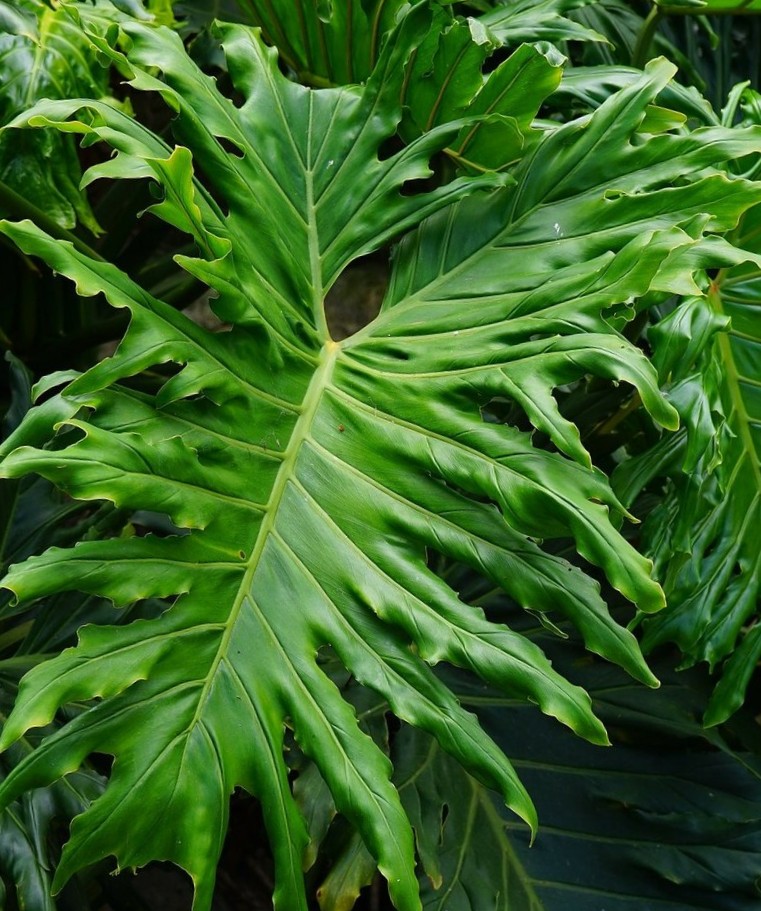
Tree Philodendron
Philodendron bipinnatifidum Schott ex Endl.
Important botanical synonyms include:
- Thaumatophyllum bipinnatifidum (Schott ex Endl.) Sakur., Calazans & Mayo
- Arum pinnatifidum Vell.
- Philodendron pygmaeum Chodat & Vischer
- Philodendron selloum K.Koch
- Philodendron sellowii André
Invalid, horticultural, and search-use names include:
- Sphincterostigma bipinnatifidum Schott — not validly published, but historically associated with the species
- Thaumatophyllum selloum — horticultural and collector search name based on the older Selloum label
- Philodendron subgenus Meconostigma — former sectional/subgeneric placement for the self-heading tree philodendrons
Important non-synonym confusion names:
- Monstera deliciosa Liebm. — separate climbing aroid often called Split-Leaf Philodendron or Cutleaf Philodendron; mature leaves usually develop natural interior holes as well as marginal splits
- Philodendron xanadu Croat, Mayo & J.Boos, also searched as Thaumatophyllum xanadu — smaller self-heading species or trade plant, not mature Tree Philodendron
- Philodendron hederaceum (Jacq.) Schott and related vining philodendrons — separate trailing or climbing houseplants with different growth form and exposure patterns
Araceae — Arum Family
Tree Philodendron is an aroid. This family placement matters clinically because many common houseplant and landscape aroids contain insoluble calcium oxalate crystals that cause immediate contact injury to the mouth, throat, skin, and eyes when chewed or crushed.
Tree Philodendron; Lacy Tree Philodendron; Lacy-Leaf Philodendron; Lacy Philodendron; Cut-Leaf Philodendron; Cutleaf Philodendron; Split-Leaf Philodendron; Selloum; Philodendron Selloum; Selloum Philodendron; Horsehead Philodendron; Fiddle-Leaf Philodendron; Self-Heading Philodendron; Self-Header; Tree-Like Philodendron; Tree Philodendron Selloum.
Historical and taxonomic search variations include Philodendron bipinnatifidum, Thaumatophyllum bipinnatifidum, Philodendron selloum, Philodendron sellowii, Philodendron pygmaeum, Arum pinnatifidum, Sphincterostigma bipinnatifidum, Thaumatophyllum selloum, and former Philodendron subgenus Meconostigma.
The names “Split-Leaf Philodendron” and “Cutleaf Philodendron” are highly ambiguous. They may refer to Tree Philodendron, but they are also commonly and incorrectly applied to Monstera deliciosa, a separate climbing aroid. “Xanadu Philodendron” usually refers to the smaller Philodendron xanadu or Thaumatophyllum xanadu, not mature Tree Philodendron. Exact identification still matters for exposure assessment, even though these aroids share the same broad insoluble-oxalate first-aid category.
Insoluble Calcium Oxalate Raphides Are the Confirmed Hazard
The confirmed toxic structures in Tree Philodendron are water-insoluble calcium oxalate crystals. These crystals occur in specialized plant cells called idioblasts and may appear in several forms, including needle-shaped raphides, druses, styloids, prisms, and other crystal bodies. For animal poisoning, the raphides matter most because they behave like microscopic needles when plant tissue is chewed, crushed, or smeared into sensitive tissue.
Direct research on Philodendron leaves has documented calcium oxalate crystal forms in several species, including Philodendron bipinnatifidum. Separate Araceae floral research also included P. bipinnatifidum among studied aroids. That makes the calcium-oxalate framing stronger than a generic family-level assumption, although exact tissue concentrations, cultivar differences, and dose-response thresholds for pets and livestock remain unestablished.
How Chewing Turns a Plant Cell Into a Needle Exposure
When an animal bites through a leaf blade, petiole, trunk surface, aerial root, root, flower, spathe, spadix, offset, or living piece of pruning debris, the crystal-bearing cells rupture. Sap, saliva, and crushed tissue then carry the crystals across the lips, gums, tongue, palate, throat, esophagus, skin, or eye surface. The animal’s own chewing pressure, tongue movement, pawing, gagging, swallowing, and attempts to spit out the plant can push crystals into a wider tissue area.
The injury starts at contact. It does not require digestion, liver metabolism, bacterial conversion, or absorption into the bloodstream. That is why many animals react while the plant is still in the mouth. Sudden head shaking, drooling, pawing, vocalizing, foaming, gagging, and refusal to continue eating are not behavioral exaggeration; they are the expected response to sharp mineral crystals embedded in moist tissue.
Mechanical Injury and Inflammatory Swelling
Raphide punctures activate pain receptors and damage the surface of the mucosa. Local blood vessels dilate, vascular permeability increases, and inflammatory mediators contribute to redness, burning pain, tenderness, and swelling. The visible injury may look like a chemical burn, but the primary confirmed mechanism is physical penetration by insoluble mineral crystals followed by inflammation.
This distinction matters for treatment. An antihistamine does not remove crystals. A corticosteroid does not dissolve raphides. Activated charcoal does not pull needles out of the tongue or throat. Milk, yogurt, cheese, oil, bread, and other household “coating” attempts do not extract embedded crystals and may be dangerous when swallowing is painful or airway swelling is progressing.
Idioblast Discharge and the “Dart Gun” Explanation
Older aroid descriptions often compare idioblasts to tiny pressure-powered dart guns that forcibly eject raphides when water or saliva enters a damaged cell. That model is useful for explaining why the reaction can be immediate, but it should not be treated as one identical mechanism in every aroid tissue. Idioblast structure, crystal shape, cell pressure, and discharge behavior vary among plants and tissues.
For Tree Philodendron poisoning, the practical clinical point is simpler and more defensible: crushing releases large numbers of sharp crystals from specialized cells and places them directly against vulnerable tissue. Whether every idioblast “fires” or simply ruptures under chewing pressure, the result for the animal is direct crystal contact with the mouth, throat, skin, or eyes.
Possible Proteinaceous Co-Irritants Are Comparative Evidence
Some plants with raphides also contain proteins or enzymes that can intensify the injury. Experimental work in other species has shown that raphides and a protease can act together through a “needle effect,” where crystals create microscopic entry channels that allow another defensive factor to reach tissue more effectively. This supports the broader concept that raphide injury may be more than inert mineral scratching in some plants.
That evidence should not be overstated for Tree Philodendron. A clinically important protease has not been characterized well enough in Philodendron bipinnatifidum to list “proteinase” as a confirmed equal toxin beside calcium oxalate. The most accurate wording is that insoluble calcium oxalate raphides are the confirmed principal toxic structures, with possible accompanying sap proteins or irritants that remain less well defined for this exact species.
Insoluble Oxalate Is Not the Same as Soluble Oxalate Poisoning
The word “oxalate” causes a common medical error. Tree Philodendron’s insoluble calcium oxalate raphides are not the same hazard as soluble oxalate salts in certain range plants or oxalic acid generated during ethylene glycol poisoning. Soluble oxalates can be absorbed, bind circulating calcium, contribute to hypocalcemia, and deposit calcium oxalate in renal tubules. Tree Philodendron’s insoluble raphides act mainly where they physically contact tissue.
Primary kidney failure, systemic hypocalcemia, widespread oxalate deposition, and permanent liver damage are not expected after an uncomplicated Tree Philodendron bite. Severe dehydration from prolonged vomiting, diarrhea, reduced water intake, or shock can secondarily alter kidney values, but that is a complication of fluid loss or systemic illness rather than direct insoluble-raphide nephrotoxicity. Seizures, coma, renal failure, or marked cardiovascular instability should trigger investigation for another poison, mixed exposure, oxygen deprivation, severe dehydration, or an unrelated disease.
All Living Parts Should Be Treated as Irritating
The enormous leaves and thick petioles create the most obvious pet exposures, but they are not the only hazardous parts. The trunk-like aroid stem, sap, ordinary roots, aerial roots, inflorescences, spathes, spadices, fruiting structures, seeds, offsets, and pruning debris should all be treated as potentially irritating. A mature Tree Philodendron may shed large leaves and produce rope-like aerial roots that look more like sticks or cords than “plant leaves,” making them especially attractive to puppies, rabbits, guinea pigs, parrots, tortoises, and other chewing animals.
Flowers and fruiting structures are not safe pet food. Some botanical discussions of aroid fruit edibility in humans can confuse owners, but that is not a veterinary feeding recommendation. Any fleshy, colorful, or fragrant part of Tree Philodendron can still carry crystal-bearing tissue, sap, and mechanical choking or foreign-body hazards.
Fresh, Wilted, and Dried Material
Freshly broken tissue usually creates the strongest sap-and-crystal exposure because the plant is moist and easily smeared across the mouth or eyes. Wilted material can still injure tissue because calcium oxalate is a mineral crystal, not a volatile toxin that disappears when the leaf droops. Dried debris may contain less free sap, but chewing can still release crystal-containing tissue.
Pruning piles, storm-damaged leaves, dried petioles, dead aerial roots, greenhouse sweepings, compost access, landscaping waste, and discarded houseplants should not be offered to animals or left in pens. Dryness may reduce palatability and sap transfer, but it does not transform the plant into safe browse, bedding, enrichment material, or rabbit and guinea pig chew material.
No Reliable Toxic Dose Has Been Established
No dependable toxic dose has been established for dogs, cats, horses, cattle, sheep, goats, rabbits, guinea pigs, birds, reptiles, or other animals. Immediate pain usually limits ingestion, which is why many exposures are self-limiting. That natural deterrent reduces the likelihood of massive intake, but it does not make the plant harmless.
Risk depends on the species, body size, mouth anatomy, amount chewed, plant part, freshness, sap contact, eye exposure, swallowing ability, airway swelling, vomiting, hydration, and whether the animal continues chewing despite pain. A single exploratory bite from a leaf edge is very different from a puppy shredding a petiole, a parrot working through an aerial root, a rabbit chewing a root mass, or livestock eating a pile of discarded tropical landscaping debris.
Onset Is Usually Immediate
Clinical signs usually begin while the animal is chewing Tree Philodendron or within minutes afterward. The reason is mechanical contact injury: the crystals irritate the mouth and throat as soon as tissue is crushed. A dog or cat may suddenly release the leaf, shake the head, paw at the mouth, rub the muzzle, drool heavily, foam at the lips, vocalize, gag, retch, or appear frantic.
The speed of onset helps distinguish aroid raphide injury from many absorbed poisons. The animal does not need to digest the plant before feeling pain. Swelling may continue after chewing stops, however, because the embedded crystals and tissue injury trigger ongoing inflammation. A pet that initially seems only irritated should still be watched for worsening swallowing or breathing.
Oral Pain, Drooling, and Swallowing Difficulty
The lips, gums, tongue, palate, cheeks, and oral lining may become red, tender, swollen, or painful. Affected animals often approach food or water and then pull away because tongue movement and swallowing hurt. Saliva may pool or run from the mouth when the animal is reluctant or unable to swallow normally.
Repeated swallowing, gagging, retching, choking motions, or neck stretching can develop when crystals and plant fragments reach the back of the mouth, pharynx, or upper esophagus. A dog’s bark, a cat’s meow, or a livestock animal’s vocalization may sound hoarse or weak if irritation extends toward the laryngeal area. Voice change combined with increasing swelling, noisy breathing, or inability to swallow saliva deserves more concern than drooling alone.
Vomiting, Diarrhea, and Gastrointestinal Discomfort
Dogs, cats, pigs, and other species capable of vomiting may vomit after the plant irritates the back of the throat, esophagus, stomach, or upper intestinal tract. Vomiting does not prove that the danger has passed. It may drag irritating material back across the esophagus and mouth, and repeated vomiting can lead to dehydration, electrolyte disturbance, aspiration risk, and continued distress.
More substantial ingestion can produce appetite loss, abdominal discomfort, depression, diarrhea, or continued nausea. These signs are usually secondary to local irritation and gastrointestinal upset rather than systemic oxalate poisoning. Severe, bloody, persistent, or worsening gastrointestinal signs should prompt veterinary evaluation and investigation for dehydration, aspiration, another plant, pesticide exposure, foreign material, or a different disease process.
Airway Swelling Is the Main Emergency Concern
Progressive tongue, pharyngeal, glottic, or laryngeal swelling is uncommon after a brief bite, but it is the most immediately dangerous recognized complication. Warning signs include increasing drooling, repeated choking, inability to swallow saliva, noisy inspiration, open-mouth breathing, neck extension, rapid shallow respiratory effort, blue-gray gums, weakness, collapse, or panic associated with breathing difficulty.
Airway risk is especially important in small animals, brachycephalic dogs, cats with open-mouth breathing, animals that chewed a large amount, and any patient with preexisting respiratory disease. A drooling animal that cannot swallow normally should not be forced to drink, eat, swallow charcoal, or take medication at home. Those actions can worsen aspiration risk and delay airway assessment.
Eye, Skin, and Grooming-Transfer Signs
Sap or crushed plant debris transferred into an eye can cause sudden tearing, blinking, squinting, redness, pawing at the face, light sensitivity, and pain. Persistent cloudiness, refusal to open the eye, marked redness, or continuing discomfort after gentle irrigation may indicate corneal injury and needs prompt veterinary examination.
Sap on skin can cause localized burning, itching, redness, or swelling, especially on abraded or sensitive areas. Cats and other grooming animals may transfer crystals from paws or fur to the mouth or eyes after walking through sap or broken plant tissue. Preventing grooming can be as important as removing the plant from the room.
Dogs and Cats
Dogs commonly chew fallen leaves, thick petioles, aerial roots, offsets, or entire houseplants during play, boredom, teething, or destructive investigation. Signs may include sudden mouth pain, drooling, foaming, pawing, gagging, vomiting, refusal to eat, facial rubbing, tongue swelling, hoarse barking, and reluctance to drink. Puppies and small dogs may create a larger exposure by shredding plant parts rather than taking one bite.
Cats may sample leaf margins, rub against broken stems, walk through sap, or lick contaminated paws. Drooling, hiding, repeated swallowing, pawing at the mouth, vomiting, dilated pupils from stress or pain, refusal to eat, or open-mouth breathing after exposure should be taken seriously. Open-mouth breathing in a cat is an emergency sign, not a normal response to a bad-tasting plant.
Horses, Livestock, and Camelids
Horses and livestock are more likely to encounter Tree Philodendron through tropical landscaping, greenhouse waste, storm debris, discarded houseplants, or pruning piles than by browsing an indoor pot. Horses may show salivation, muzzle rubbing, repeated chewing motions, feed refusal, coughing, painful swallowing, oral redness, diarrhea, depression, or abnormal respiratory noise. Water, feed, or saliva coming from the nostrils raises concern for impaired swallowing, choke, or aspiration.
Cattle, sheep, goats, pigs, camelids, and other livestock may drool, reject feed, cough, show oral irritation, develop diarrhea, or appear dull after eating discarded plant material. Group exposure should prompt immediate removal of the entire clipping pile or feed source and evaluation for other hazards mixed with the plant material, including pesticides, sharp stems, plastic ties, wire, fertilizer, moldy waste, and additional toxic plants.
Rabbits, Guinea Pigs, Birds, Reptiles, and Other Small Animals
Rabbits and guinea pigs cannot vomit. They may drool, grind their teeth, rub the face, refuse food, become quiet, produce fewer fecal pellets, or develop gastrointestinal hypomotility after oral pain. Even when the initial injury is localized, food refusal can become a separate emergency in these species.
Birds may shred leaves, petioles, and aerial roots with the beak, producing prolonged crystal contact with the tongue and oral lining. Signs may include beak wiping, head shaking, drooling or wet feathers around the beak, regurgitation, refusal to eat, poor perching, respiratory distress, or weakness. Reptiles and tortoises may show reduced appetite, oral irritation, rubbing, abnormal swallowing, or lethargy after being offered contaminated greens or enclosure material. Species-specific safe doses are not established.
Expected Course and Prognosis
Most limited exposures improve substantially within several hours and resolve within about 12 to 24 hours. A pet that drools briefly, rejects the plant, then resumes normal swallowing, breathing, appetite, and behavior usually has a good prognosis. Mild mouth tenderness may still make eating uncomfortable for part of the day.
The prognosis becomes more guarded when swelling progresses, breathing becomes noisy or difficult, the animal cannot swallow saliva, vomiting or diarrhea persists, aspiration occurs, eye injury develops, or a small herbivore stops eating. Extensive oral ulceration, esophageal irritation, dehydration, aspiration pneumonia, corneal injury, or prolonged food refusal can extend recovery beyond the first day.
Signs That Suggest Another Problem
Convulsions, coma, primary kidney failure, permanent liver damage, profound weakness, marked cardiovascular instability, sudden death, or severe neurologic disease is not the expected pattern of an uncomplicated Tree Philodendron raphide exposure. Those findings should trigger investigation for another toxin, pesticide contamination, medication exposure, soluble oxalate plants, ethylene glycol, hypoxia from airway compromise, severe dehydration, foreign-body obstruction, or unrelated illness.
Finding a chewed Tree Philodendron does not exclude mixed exposure. Potting media, fertilizer granules, plant labels, plastic clips, wire, moss poles, coir, pesticides, moldy debris, companion plants, and discarded landscaping material can all change the clinical picture. Veterinary assessment should match the whole exposure, not just the plant name.
This Page Covers Tree Philodendron
Tree Philodendron is the large self-heading aroid traditionally known as Philodendron bipinnatifidum, Philodendron selloum, Selloum, Lacy Tree Philodendron, Cut-Leaf Philodendron, or Split-Leaf Philodendron. The accepted name used here is Philodendron bipinnatifidum Schott ex Endl. The name Thaumatophyllum bipinnatifidum remains important because many nurseries, collectors, plant labels, and online sources adopted it after the former tree-philodendron group was separated as Thaumatophyllum.
For pet-poisoning purposes, both names point to the same major hazard: insoluble calcium oxalate raphides that injure the mouth, throat, skin, and eyes. The page title should remain Tree Philodendron because that is the owner-facing search name. The scientific-name field carries the taxonomy and synonym history needed for veterinarians, plant collectors, landscapers, and poison-control searches.
Taxonomy, Native Range, and Growth Form
Tree Philodendron belongs to Araceae, the Arum Family. It is native from eastern Bolivia through southeastern and southern Brazil into northeastern Argentina and nearby regions, where it grows primarily in seasonally dry tropical habitats. It is widely cultivated in warm landscapes, conservatories, greenhouses, atriums, offices, hotels, and homes.
Despite the common name, it is not a woody tree in the usual sense. It is a massive aroid with a thick, trunk-like stem supported by ordinary and aerial roots. Older specimens can become several feet tall and wide, lean under their own weight, creep, or root again where the stem contacts soil. That size matters for prevention because mature plants are often too large for a shelf, plant stand, or casual barrier to keep animals away.
How to Identify Tree Philodendron
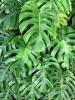
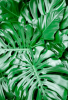
Mature Tree Philodendron has enormous glossy green leaves divided into many deep, wavy, irregular lobes. The cuts extend inward from the leaf margin toward the central vein, but the blade does not usually develop the natural interior holes that characterize mature Monstera deliciosa. Each leaf is carried on a long, sturdy petiole arising from a crown or upper trunk, creating a broad rosette-like canopy rather than a trailing vine.
Older plants develop a thick stem marked with circular, oval, or eye-shaped leaf scars where old leaves detached. Thick brown or tan aerial roots may emerge from the trunk and grow toward the soil, pot edge, wall, or nearby support. These roots are one of the clearest clues that the plant is a mature tree philodendron rather than a small vining philodendron or a Monstera climbing a moss pole.
Self-Heading Does Not Mean Non-Toxic
The nursery terms “self-heading,” “self-header,” and “non-vining philodendron” describe a growth habit, not a safety category. Young plants may look like large ground-level rosettes because the trunk is still hidden beneath tightly packed petiole bases. As the plant ages, the stem elongates and the old leaf scars become obvious.
Animals may be attracted to different parts as the plant matures. A kitten may chew a leaf edge on a young plant, while a puppy may tug a fallen petiole, a rabbit may gnaw an aerial root, and a parrot may shred the fibrous crown or root tissue. Every stage remains an insoluble-oxalate contact hazard.
Flowers, Spathes, Spadices, and Fruiting Structures
Mature plants may produce the characteristic aroid inflorescence: a fleshy spadix enclosed by a thick spathe. The outside of the spathe may be green, while the interior can show cream, red, purple, or other tones depending on stage and plant form. The small flowers are arranged along zones of the spadix rather than appearing as separate petaled blossoms.
Indoor plants often do not flower because flowering requires maturity, size, warmth, light, and stored energy. When flowering or fruiting structures occur, they should not be treated as pet food or wildlife-safe browse. A colorful, fleshy, or unusual aroid structure can still contain crystal-bearing tissue, sap, and choking or foreign-body hazards.
Tree Philodendron Is Not Monstera deliciosa
Tree Philodendron and Monstera deliciosa are frequently confused because both are large ornamental aroids and both are loosely called Split-Leaf Philodendron. The confusion matters because owners may photograph or name the wrong plant during an emergency. Both plants can cause insoluble-calcium-oxalate mouth injury, but their growth forms, fruit context, support-material hazards, and identification features differ.
Mature Monstera is a climbing hemiepiphytic vine with long internodes, attachment roots, and mature leaves that usually develop natural holes or fenestrations inside the blade. Tree Philodendron forms a self-supporting crown on a thick scarred stem and has deeply lobed leaves that are cut from the margin rather than perforated with Monstera-like holes. A plant growing up a moss pole with windowed leaves is more likely to be Monstera; a broad rosette with a scarred trunk and rope-like aerial roots is more likely to be Tree Philodendron.
Tree Philodendron Is Not Xanadu
Xanadu is a smaller related self-heading aroid commonly sold as Philodendron xanadu or searched as Thaumatophyllum xanadu. It forms compact clumps with smaller, more regular divided leaves and generally lacks the massive trunk and broad canopy of mature Tree Philodendron.
Both plants contain insoluble calcium oxalate and require similar first aid after chewing. Exact identification still matters because Tree Philodendron produces larger leaves, thicker petioles, heavier pruning debris, and larger aerial roots. A mature Tree Philodendron can create a larger chewing exposure and more substantial landscaping-waste hazard than a compact Xanadu houseplant.
How Dogs and Cats Encounter Tree Philodendron
Dogs may chew fallen leaves, petioles, aerial roots, offsets, or pot debris, especially during teething, boredom, destructive play, or confinement in a room with a large plant. A dog may also drag a fallen leaf across the floor, shred a pruning pile, chew a root at the soil surface, or investigate a discarded houseplant placed near the trash or compost.
Cats may nibble leaf margins, rub against broken tissue, walk through sap, or transfer crystals to the mouth and eyes while grooming. The immediate pain usually limits the amount swallowed, but even a small exposure can cause heavy drooling, mouth pawing, food refusal, vomiting, or eye irritation. A cat with open-mouth breathing, progressive swelling, or inability to swallow needs emergency care.
Horses, Livestock, Poultry, and Camelids
Horses, cattle, sheep, goats, camelids, pigs, and poultry are most likely to encounter Tree Philodendron through tropical landscaping, greenhouse waste, storm-damaged plant material, discarded indoor plants, or clippings dumped into an enclosure. The plant should never be treated as browse, forage, bedding, enrichment, or a harmless addition to a brush pile.
Horses and many livestock species cannot vomit or will not show the same early signs as dogs. Salivation, painful chewing, feed refusal, coughing, material from the nostrils, diarrhea, depression, or abnormal respiratory noise may be the visible warning. When several animals share the same clipping pile or bedding source, remove all suspect material and preserve samples for identification.
Rabbits, Guinea Pigs, Birds, Reptiles, and Exotic Pets
Rabbits and guinea pigs may chew aerial roots, leaf stalks, dried petioles, or fallen plant pieces. Their inability to vomit makes food refusal, drooling, tooth grinding, reduced fecal output, and lethargy especially important. Pain-induced anorexia can progress into gastrointestinal hypomotility or stasis even when the original mouth injury is localized.
Parrots and other birds can methodically shred fibrous plant parts with the beak, creating prolonged contact with the tongue and oral lining. Reptiles and tortoises should not be offered Tree Philodendron leaves, flowers, fruiting structures, aerial roots, or contaminated greens as browse. Safe doses are not established for these animals, and the plant has no role as enclosure vegetation for species that may mouth or consume it.
Household and Landscape Mixed Exposures
A Tree Philodendron exposure may involve more than plant tissue. Large indoor specimens may be supported by pots, stakes, clips, wire, decorative stones, fertilizer spikes, systemic insecticide granules, moss, coir, plant labels, plastic ties, or treated potting media. Outdoor landscaping and greenhouse waste may include pesticides, herbicides, moldy compost, sharp stems, mulch, or other toxic plants.
Mixed exposures change the veterinary plan. Bring photographs of the whole setup, the chewed tissue, the pot, any support materials, and product labels. If an animal vomits or passes plant material, preserve a sample. Do not assume that severe neurologic signs, kidney injury, collapse, or marked cardiovascular instability came from Tree Philodendron alone without checking for other hazards.
Diagnosis and Veterinary Evaluation
Diagnosis usually depends on a witnessed exposure, compatible immediate signs, and accurate plant identification. Helpful photographs show the whole plant, leaf shape, trunk scars, aerial roots, pot label, and exact chewed part. If the plant was discarded or came from landscaping waste, preserve a representative sample with leaves, petioles, roots, and any flowers or fruiting structures present.
The veterinarian will evaluate the lips, tongue, oral cavity, pharynx, swallowing, breathing, hydration, vomiting, abdominal comfort, and eyes. A painful or frightened animal may resist oral examination, and sedation may be needed in selected cases, but airway stability must be considered first when swelling is progressing. Persistent signs, dehydration, coughing, respiratory distress, or findings inconsistent with localized irritation may justify bloodwork, imaging, oxygen assessment, or investigation for another toxin.
Treatment Principles and Prognosis
No antidote removes calcium oxalate raphides already embedded in tissue. Treatment focuses on removing loose plant material, reducing pain, protecting the airway, treating vomiting or dehydration, managing eye injury, and supporting nutrition until swallowing is comfortable again. Most limited exposures have a good to excellent prognosis when breathing remains normal and the animal resumes eating and drinking.
The prognosis becomes more guarded with airway swelling, aspiration, severe eye injury, extensive oral ulceration, esophageal irritation, severe dehydration, or prolonged food refusal. Small herbivores may need nutritional and gastrointestinal support even after mouth pain begins to improve. Primary kidney failure and permanent liver damage are not expected from uncomplicated Tree Philodendron raphide injury and should prompt a broader diagnostic search.
Prevention
Tree Philodendron can become too large for ordinary houseplant precautions. A high shelf may work for a juvenile plant but not for a mature specimen with arching leaves, fallen petioles, trunk-level aerial roots, and a broad footprint. Keep the plant in a room, office, atrium, greenhouse, or landscape area animals cannot access.
Collect fallen leaves, cut petioles, aerial roots, offsets, flowers, fruiting structures, and pruning debris immediately. Do not compost or dump clippings where pets, livestock, poultry, rabbits, guinea pigs, tortoises, or wildlife can investigate them. Wash sap from tools and surfaces, keep animals away during pruning or repotting, and label the plant clearly so an emergency photograph or sample can be identified quickly.
Immediate Steps After Exposure
Stop further chewing and separate the animal from the plant, fallen leaf, cut petiole, aerial root, offset, flower, fruiting structure, pot debris, or pruning pile. Secure the plant so no other animal can reach it. Check whether the animal is breathing normally, swallowing normally, and alert enough to be handled safely.
- Remove only loose visible pieces: If the animal is calm, alert, and safe to handle, remove plant fragments from the lips and very front of the mouth. Do not reach deeply into the throat or place fingers near the teeth of a painful or frightened animal.
- Gently wipe the front of the mouth: A clean damp cloth may help remove loose residue from the lips and outer mouth. Do not scrub injured tissue.
- Prevent eye transfer: Stop the animal from rubbing sap-covered paws, muzzle, or feathers into the eyes.
- Preserve identification evidence: Photograph the whole plant, deeply lobed leaves, scarred trunk, aerial roots, label, and chewed tissue. Save a plant sample in a sealed bag.
- Call for veterinary guidance: Report the animal’s species, weight, plant part, amount chewed, time of exposure, drooling, vomiting, swallowing, breathing, eye contact, and any other possible hazards in the pot or clipping pile.
Brief drooling after a single bite may improve quickly, but the first minutes do not always show the final severity. Progressive swelling, repeated gagging, inability to swallow, eye pain, vomiting, respiratory noise, or food refusal in small herbivores changes the situation from a simple mouth irritation to a veterinary problem.
Rinsing, Skin Contact, and Eye Contact
If sap is on the coat, paws, muzzle, feathers, or skin, prevent grooming and gently remove visible contamination with lukewarm water and a mild cleanser when the animal is stable enough. Wear gloves if you are handling a large amount of sap, pruning waste, or contaminated fur. Avoid hot water and vigorous scrubbing because irritated skin may become more painful.
If sap or plant debris enters an eye, flush gently with sterile saline or clean lukewarm water if this can be done without delaying emergency transport or causing injury. Persistent squinting, tearing, redness, cloudiness, light sensitivity, pawing at the eye, or refusal to open the eye requires prompt veterinary examination because raphides and debris may injure the corneal surface.
Do Not Attempt Unsupervised Home Treatment
- Do not induce vomiting: Hydrogen peroxide, salt, mustard, syrup of ipecac, and manual gagging can worsen pain, cause aspiration, and drag irritating material back across the mouth and esophagus.
- Do not force water: Forced water may enter the lungs when swallowing is painful, the throat is swollen, or the animal is gagging.
- Do not give milk, yogurt, cheese, oil, bread, or food as an antidote: These do not remove embedded crystals and can be dangerous when the animal cannot swallow normally.
- Do not administer activated charcoal at home: Charcoal does not pull insoluble crystals from tissue and can be aspirated by a drooling, gagging, vomiting, weak, sedated, or poorly swallowing animal.
- Do not give diphenhydramine automatically: Antihistamines do not dissolve raphides, and sedation can complicate assessment of swallowing, weakness, and airway function.
- Do not give corticosteroids, antidiarrheal medication, antacids, antibiotics, sucralfate, antiemetics, human pain medication, or leftover veterinary medication: Treatment must be selected for the species, symptoms, airway status, eye involvement, hydration, and medical history.
- Do not drench horses or livestock: Never force water, oil, milk, charcoal, electrolyte solution, or medication into an animal that is coughing, choking, salivating heavily, weak, recumbent, bloated, or unable to swallow normally.
When Emergency Examination Is Especially Important
- Breathing is noisy or difficult: Stridor, open-mouth breathing, neck extension, rapid respiratory effort, blue-gray gums, or increasing distress may indicate airway swelling.
- The animal cannot swallow normally: Saliva pooling, repeated choking, water falling from the mouth, or material coming from the nostrils requires urgent assessment.
- Swelling is increasing: Progressive tongue, facial, pharyngeal, or throat swelling can worsen after chewing has stopped.
- Vomiting or diarrhea persists: Continuing fluid loss increases dehydration, electrolyte, and aspiration risks.
- The eye may be injured: Marked pain, cloudiness, redness, light sensitivity, or persistent squinting needs corneal examination.
- Severe systemic signs appear: Tremors, seizures, collapse, coma, abnormal heart rhythm, profound weakness, or organ injury does not fit a simple raphide exposure and requires investigation.
- A rabbit, guinea pig, bird, reptile, or other small animal stops eating: Food refusal can become a separate emergency even when the original mouth injury is localized.
Veterinary Examination and Decontamination
The veterinarian will examine the lips, tongue, oral cavity, pharynx, swallowing, breathing, hydration, abdomen, and eyes. Loose plant fragments may be removed, and the mouth may be gently wiped or rinsed under controlled conditions. Pain relief and airway assessment are usually more important than aggressive gastrointestinal decontamination.
Veterinary induction of vomiting is rarely useful for classic insoluble-raphide injury because the damage occurs at contact and vomiting can re-expose the mouth and esophagus to irritating material. Activated charcoal is not a routine antidote for embedded crystals. If another toxin, pesticide, medication, or mixed exposure is suspected, decontamination decisions change and must be made by the veterinarian or poison-control professional.
Airway, Pain, and Fluid Support
Airway monitoring is central when swelling extends toward the pharynx or larynx. Oxygen, anti-inflammatory treatment selected by the veterinarian, endotracheal intubation, or emergency airway intervention may be needed in severe cases. Sedation and pain control may be necessary for examination and comfort, but drug choice must consider breathing, swallowing, species, and airway stability.
Supportive care may include veterinarian-selected analgesics, antiemetic medication, intravenous or subcutaneous fluids, electrolyte correction, nutritional support, and monitoring for aspiration. Dehydrated animals, animals with repeated vomiting, and small herbivores that stop eating may need more than a quick mouth rinse.
Dogs and Cats
Dogs should be watched for drooling, mouth pawing, vomiting, repeated swallowing, facial rubbing, tongue swelling, hoarse barking, refusal to eat, choking, and breathing changes. Bring photographs and a plant sample rather than relying on the name “split-leaf philodendron,” because that name may also refer to Monstera.
Cats should be monitored for drooling, hiding, pawing at the mouth, repeated swallowing, vomiting, refusal to eat, eye pain, and open-mouth breathing. Cats should not receive hydrogen peroxide as a home emetic. Open-mouth breathing, worsening swelling, or inability to swallow saliva after aroid exposure is an emergency.
Horses, Livestock, and Camelids
Move horses, cattle, sheep, goats, pigs, camelids, and poultry away from the plant, clipping pile, greenhouse waste, storm debris, or discarded houseplant. Provide safe feed and clean water, but do not force oral intake. Save samples of the plant and any mixed waste, bedding, hay, or feed involved.
Horses cannot vomit, so salivation, feed refusal, coughing, painful swallowing, water or feed from the nostrils, diarrhea, depression, or abnormal respiratory noise may replace the vomiting seen in dogs and cats. Drenching a horse or livestock animal with oil, milk, water, charcoal, or medication can cause aspiration when swallowing is impaired.
Rabbits, Guinea Pigs, Birds, Reptiles, and Other Small Pets
Rabbits and guinea pigs that drool, grind their teeth, refuse food, produce fewer fecal pellets, become quiet, or show abdominal discomfort after chewing Tree Philodendron need prompt veterinary guidance. Their inability to vomit does not make the exposure safer. Pain-induced anorexia and gut slowdown can become serious quickly.
Birds with beak wiping, regurgitation, wet feathers around the beak, oral irritation, poor perching, respiratory distress, or food refusal need avian veterinary care. Reptiles and tortoises should be assessed if they were offered Tree Philodendron or contaminated greens and then develop reduced appetite, abnormal swallowing, oral irritation, lethargy, or breathing changes.
Recovery and Prognosis
Most animals recover completely after a limited exposure. Marked improvement often occurs within several hours, and uncomplicated cases commonly resolve within about 12 to 24 hours. The animal should be able to breathe normally, swallow saliva, drink voluntarily, eat comfortably, and behave normally before the incident is considered resolved.
Continuing mouth pain, food refusal, vomiting, coughing, swallowing difficulty, respiratory noise, reduced fecal output, or eye pain deserves reassessment. Primary kidney failure and permanent liver damage are not expected from uncomplicated Tree Philodendron raphide injury. Evidence of organ injury, seizures, coma, or cardiovascular instability should prompt investigation for another toxin, severe secondary complication, or unrelated disease.
Prevention After the Incident
Move the plant to a room, enclosure, greenhouse, office area, or landscape bed animals cannot access. Remove fallen leaves, cut petioles, aerial roots, offsets, flowers, fruiting structures, and pruning debris immediately. Do not leave clippings in stalls, paddocks, poultry areas, rabbit runs, tortoise enclosures, compost piles, or trash where animals can reach them.
Inspect the pot and surrounding area for plant labels, wire, clips, stakes, fertilizer, pesticide granules, decorative stones, moss, coir, and other non-plant hazards that may also have been chewed. Label the plant clearly as Tree Philodendron / Philodendron bipinnatifidum so future exposure calls are not confused with Monstera, Xanadu, or another aroid.
Frequently Asked Questions About Tree Philodendron Poisoning
Is Tree Philodendron poisonous to pets?
Yes. Tree Philodendron is poisonous to animals that chew or crush it because the plant contains insoluble calcium oxalate crystals, especially needle-shaped raphides. These crystals injure the lips, tongue, mouth, throat, skin, and eyes at the point of contact. Most brief exposures are painful rather than fatal, but progressive throat swelling, inability to swallow saliva, breathing difficulty, severe eye pain, or food refusal in small herbivores requires veterinary care.
Is the correct name Philodendron bipinnatifidum or Thaumatophyllum bipinnatifidum?
Both names identify the same plant in common use. Thaumatophyllum bipinnatifidum was published when the self-heading tree philodendrons were separated from Philodendron, and many nurseries and collectors adopted that name. Current POWO treatment accepts Philodendron bipinnatifidum and treats Thaumatophyllum bipinnatifidum as a synonym. A poison page should keep both names because plant labels, veterinary records, and owner searches may use either one.
Is Philodendron Selloum a different plant?
No. Philodendron Selloum, Selloum Philodendron, and Philodendron selloum are historical and horticultural names associated with Tree Philodendron. They remain common on older nursery labels, landscaping plans, plant databases, and owner descriptions. For poisoning purposes, Selloum should be treated as Tree Philodendron unless the actual plant photograph shows a different aroid.
What toxin makes Tree Philodendron poisonous?
The confirmed toxic structures are insoluble calcium oxalate crystals. The most clinically important form is the raphide, a microscopic needle-shaped crystal stored in specialized plant cells called idioblasts. Chewing releases those crystals and drives them into sensitive tissue, causing immediate burning pain, drooling, swelling, gagging, vomiting in species that can vomit, and difficulty swallowing.
Does Tree Philodendron contain a proteinase toxin?
Some raphide-containing plants use proteins or enzymes that intensify crystal injury, and experimental work in other species supports a real “needle effect” between raphides and proteases. That does not prove the same clinically important protease has been identified in Tree Philodendron. The most defensible description is insoluble calcium oxalate raphide injury, with possible accompanying sap irritants that are not characterized well enough in this exact species to list as a separate confirmed principal toxin.
Which parts of Tree Philodendron are poisonous?
Leaves, petioles, trunk tissue, sap, ordinary roots, aerial roots, spathes, spadices, flowers, fruiting structures, seeds, offsets, and pruning debris should all be treated as potentially irritating. The large leaves cause many exposures, but rope-like aerial roots and thick petioles are also common chewing targets. Dried or wilted material is not automatically safe because calcium oxalate crystals can persist after tissue loses moisture.
Is Tree Philodendron the same as Monstera deliciosa?
No. Both are large aroids and both may be called Split-Leaf Philodendron, but they are different plants. Mature Monstera usually has natural interior holes or fenestrations in the leaves and grows as a climbing vine. Tree Philodendron has deeply lobed leaves without typical Monstera holes and develops a thick scarred trunk with many aerial roots. Both can cause insoluble-oxalate mouth injury, but correct identification helps assess the whole exposure.
Is Tree Philodendron the same as Xanadu?
No. Xanadu usually refers to the smaller self-heading aroid Philodendron xanadu or Thaumatophyllum xanadu. It forms compact clumps with smaller divided leaves rather than the massive trunk, broad canopy, and large aerial roots of mature Tree Philodendron. Both are insoluble-oxalate aroids, so first aid after chewing is similar, but exposure amount and identification details differ.
How quickly do symptoms appear after chewing Tree Philodendron?
Signs usually begin immediately or within minutes because the crystals injure tissue as soon as the plant is chewed. An animal may suddenly release the plant, shake the head, paw at the mouth, drool, gag, retch, or refuse food and water. Swelling can continue after chewing stops, so worsening swallowing or breathing should not be ignored.
Can Tree Philodendron block an animal’s airway?
Severe airway obstruction is uncommon, but it is possible if swelling involves the tongue, pharynx, glottis, or larynx. Noisy breathing, open-mouth breathing, neck extension, inability to swallow saliva, blue-gray gums, weakness, or collapse requires immediate emergency care. Do not force water, food, charcoal, or medication into an animal with possible throat swelling.
Can Tree Philodendron cause kidney or liver failure?
Primary kidney failure and permanent liver damage are not expected from an uncomplicated Tree Philodendron exposure. Its insoluble raphides act mainly at the point of contact rather than behaving like soluble oxalates that enter the bloodstream and deposit in the kidneys. Abnormal kidney or liver values should prompt investigation for dehydration, another toxin, mixed exposure, or unrelated disease.
Should milk, yogurt, or cheese be given after Tree Philodendron ingestion?
No. Dairy products do not remove calcium oxalate crystals already embedded in tissue. Forcing milk, yogurt, cheese, food, or water can be dangerous when the animal is gagging, drooling heavily, vomiting, or unable to swallow normally. A veterinarian may recommend specific oral care only after the airway and swallowing are safe.
Should I make my pet vomit after chewing Tree Philodendron?
No. Do not use hydrogen peroxide, salt, mustard, ipecac, or manual gagging. Vomiting can drag irritating plant material back across the mouth and esophagus and can be aspirated if swelling, gagging, weakness, or poor swallowing is present. Cats should never be given hydrogen peroxide as a home emetic.
Is activated charcoal useful for Tree Philodendron?
Activated charcoal is not a home antidote for Tree Philodendron. It does not pull insoluble crystals out of the tongue, throat, or eye surface. In selected mixed exposures a veterinarian may consider charcoal for another swallowed toxin, but it can be aspirated by a drooling, gagging, vomiting, weak, sedated, or poorly swallowing animal.
Should diphenhydramine or another antihistamine be given?
Do not give diphenhydramine automatically. Tree Philodendron poisoning is primarily crystal contact injury, not a simple allergy. Antihistamines do not dissolve raphides, and sedation can make it harder to judge swallowing, airway status, and worsening weakness. A veterinarian may choose medication for a specific patient, but it should not be improvised at home.
What should be done if Tree Philodendron sap gets in an eye?
Flush the eye gently with sterile saline or clean lukewarm water if this can be done safely, and prevent rubbing. Persistent squinting, tearing, redness, cloudiness, light sensitivity, or refusal to open the eye needs prompt veterinary examination. Raphides and plant debris can injure the corneal surface.
Is Tree Philodendron poisonous to dogs?
Yes. Dogs may chew leaves, thick petioles, aerial roots, offsets, fallen plant material, or pruning debris. Signs may include sudden mouth pain, drooling, foaming, pawing at the mouth, gagging, vomiting, refusal to eat, tongue swelling, hoarse barking, choking, or breathing difficulty. Puppies and destructive chewers can create larger exposures by shredding the plant rather than taking one bite.
Is Tree Philodendron poisonous to cats?
Yes. Cats may chew leaf edges, rub against broken stems, step in sap, or transfer crystals to the mouth and eyes while grooming. Drooling, hiding, repeated swallowing, pawing at the mouth, vomiting, food refusal, eye pain, or open-mouth breathing after exposure needs attention. Open-mouth breathing in a cat is an emergency sign.
Is Tree Philodendron poisonous to horses and livestock?
Yes. Horses, cattle, sheep, goats, pigs, camelids, and poultry may be exposed through tropical landscaping, greenhouse waste, storm debris, discarded indoor plants, or pruning piles. Horses and many livestock species will not vomit, so signs may include salivation, feed refusal, painful chewing, coughing, material from the nostrils, diarrhea, depression, or abnormal breathing. Do not drench an affected animal.
Is Tree Philodendron dangerous to rabbits and guinea pigs?
Yes. Rabbits and guinea pigs may chew aerial roots, petioles, fallen leaves, or dried debris. They cannot vomit, so drooling, tooth grinding, face rubbing, food refusal, reduced fecal output, lethargy, or abdominal discomfort may be the first signs. Food refusal can lead to gastrointestinal hypomotility or stasis and should be handled promptly.
Can birds be poisoned by Tree Philodendron?
Yes. Parrots and other birds can shred leaves, petioles, and aerial roots with the beak, causing prolonged crystal contact with the tongue and oral lining. Beak wiping, wet feathers around the mouth, regurgitation, refusal to eat, poor perching, respiratory distress, or weakness after exposure requires avian veterinary guidance.
Can reptiles or tortoises eat Tree Philodendron leaves?
No. Tree Philodendron should not be used as browse, enclosure vegetation, or enrichment for reptiles or tortoises that may mouth or eat plants. Oral irritation, abnormal swallowing, reduced appetite, lethargy, or breathing changes after exposure should be discussed with a reptile veterinarian. Species-specific safe doses are not established.
Can dried Tree Philodendron leaves or aerial roots still irritate animals?
Yes. Drying may reduce sap, but calcium oxalate crystals are mineral structures and can persist in dried tissue. Dried leaves, petioles, aerial roots, and pruning debris should not be left as chew material for pets, rabbits, guinea pigs, birds, livestock, or tortoises.
What signs do not fit a simple Tree Philodendron exposure?
Seizures, coma, primary kidney failure, permanent liver damage, sudden death, severe cardiovascular instability, or profound neurologic depression does not fit an uncomplicated insoluble-raphide exposure. Those signs require immediate veterinary care and investigation for another toxin, pesticide, medication, soluble oxalate plant, foreign body, oxygen deprivation, severe dehydration, or unrelated disease.
What is the usual prognosis after Tree Philodendron poisoning?
The prognosis is good to excellent after most limited exposures. Pain, drooling, and food refusal often improve within several hours, with uncomplicated recovery in about 12 to 24 hours. Airway swelling, aspiration, serious eye injury, extensive oral ulceration, dehydration, or prolonged food refusal makes the case more complicated.
How can Tree Philodendron poisoning be prevented?
Keep the plant in a room, office, greenhouse, atrium, or landscape area animals cannot access. Remove fallen leaves, cut petioles, aerial roots, offsets, flowers, fruiting structures, and pruning debris immediately. Do not place clippings in pens, stalls, rabbit runs, poultry areas, tortoise enclosures, compost piles, or trash containers animals can reach.