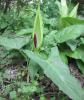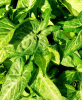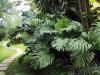
Variable Dieffenbachia Raphides, Dumb Cane Idioblast Discharge, Proteolytic Sap Injury, Eye Exposure, and Rare Airway Obstruction
Is Variable Dieffenbachia Poisonous to Dogs, Cats, Horses, and Livestock?
Yes—Variable Dieffenbachia, Dieffenbachia seguine, is poisonous to dogs, cats, horses, livestock, birds, rabbits, guinea pigs, reptiles, and other animals that chew or crush it. This plant is still widely searched and reported under older names such as Dieffenbachia picta, Dieffenbachia maculata, Dieffenbachia amoena, Handsome Dumb Cane, Painted Dumb Cane, Spotted Dumb Cane, Giant Dumb Cane, and Dumb Cane. Its leaves, petioles, thick cane-like stems, roots, sap, cuttings, inflorescences, fruiting structures, and pruning debris contain bundles of insoluble calcium oxalate raphides inside specialized idioblast cells, along with irritating sap and Dieffenbachia-associated proteinaceous material that can intensify tissue injury.
Poisoning begins at the point of contact. Chewing bends, tears, and compresses the plant tissue, releasing or forcibly discharging microscopic needle-shaped crystals into the lips, gums, tongue, palate, throat, esophagus, skin, or eyes. Signs often begin immediately and may include violent head shaking, mouth pawing, drooling, foaming, gagging, coughing, retching, vomiting in species that can vomit, refusal to eat or drink, hoarse vocalization, oral swelling, tongue injury, skin irritation, and eye pain after sap transfer.
Most limited exposures are painful rather than fatal because the immediate burning sensation usually makes an animal stop chewing. That natural deterrent is not absolute. Intense chewing of a thick cane can squeeze a large volume of sap directly into the mouth and throat, and severe glottic or laryngeal swelling has caused rare fatal airway obstruction in a dog. Progressive tongue or throat swelling, noisy breathing, open-mouth breathing, inability to swallow saliva, blue-gray gums, collapse, severe eye pain, persistent vomiting, or signs that do not fit a localized raphide exposure require urgent veterinary care.
About this guide: This page provides general pet-poisoning information and cannot diagnose or treat an individual animal. For any suspected exposure, contact a veterinarian or animal poison-control service immediately. Do not induce vomiting, give medication, or attempt home decontamination unless directed by a veterinary professional.
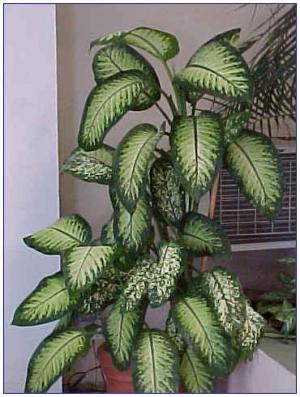
Variable Dieffenbachia
Dieffenbachia seguine (Jacq.) Schott
Important botanical synonyms and former scientific names include:
- Arum seguine Jacq.
- Caladium seguine (Jacq.) Vent.
- Arum maculatum Lodd.
- Caladium maculatum Lodd.
- Dieffenbachia picta Schott
- Dieffenbachia amoena W.Bull
- Dieffenbachia maculata (Lodd.) G.Don
- Dieffenbachia picturata L.Linden & Rodigas
- Dieffenbachia plumieri Schott
- Dieffenbachia poeppigii Schott
- Dieffenbachia regina W.Bull ex T.Moore & Mast.
- Dieffenbachia rex W.Bull
- Dieffenbachia robusta K.Koch
- Dieffenbachia seguine var. maculata (Lodd.) Engl.
- Seguinum maculatum (Lodd.) Raf.
- Spathiphyllum pictum W.Bull
Important cultivar, trade-name, and non-synonym confusion notes:
- Dieffenbachia ‘Exotica’, ‘Exotica Perfection’, ‘Perfection’, ‘Camille’, ‘Superba’, ‘Rudolph Roehrs’, ‘Tropic Marianne’, and ‘Tropic Snow’ — cultivated dumb cane selections or trade plants often grouped under broad Dieffenbachia toxicity, but not always exact synonyms for every Variable Dieffenbachia specimen
- Dieffenbachia oerstedii Schott and other Dieffenbachia species — related dumb cane plants with overlapping raphide hazards, not necessarily the same botanical entity as D. seguine
- Dracaena trifasciata (Prain) Mabb. — the plant now most commonly called Mother-in-Law’s Tongue or Snake Plant; unrelated to Dieffenbachia and not the plant covered on this page
- Iris domestica (L.) Goldblatt & Mabb. and other plants called Leopard Lily — unrelated spotted plants that should not be confused with Dieffenbachia
- Spathiphyllum, Philodendron, Epipremnum, Monstera, Aglaonema, Syngonium, and other variegated aroids — related or visually confused houseplants with overlapping insoluble-oxalate concerns but different page identities
Araceae — Arum or Aroid Family
Variable Dieffenbachia is an aroid. That family placement matters because many popular houseplants in Araceae contain insoluble calcium oxalate crystals, but Dieffenbachia deserves special treatment because its idioblast discharge behavior, raphide density, proteolytic-enzyme history, severe oral injury, ocular injury, and rare airway-obstruction cases are better documented than the generic “irritating houseplant” label suggests.
Variable Dieffenbachia; Variable Dumb Cane; Handsome Dumb Cane; Handsome Dieffenbachia; Painted Dumb Cane; Painted Dieffenbachia; Spotted Dumb Cane; Spotted Dieffenbachia; Gold Dieffenbachia; Charming Dieffenbachia; Giant Dumb Cane; Dumb Cane; Dumbcane; Leopard Lily; Mother-in-Law’s Tongue; Mother-in-Law Plant; Exotica; Exotica Perfection; Perfection; Camille; Superba; Rudolph Roehrs; Tropic Marianne; Tropic Snow; Dieffenbachia.
Historical and taxonomic search variations include Dieffenbachia seguine, Dieffenbachia picta, Dieffenbachia maculata, Dieffenbachia amoena, Dieffenbachia picturata, Dieffenbachia plumieri, Dieffenbachia poeppigii, Dieffenbachia regina, Dieffenbachia rex, Dieffenbachia robusta, Arum seguine, Caladium seguine, Caladium maculatum, Seguinum maculatum, and Spathiphyllum pictum.
“Mother-in-Law’s Tongue” has occasionally been applied to Dieffenbachia because oral exposure can temporarily impair speech, but that name is now much more commonly used for Snake Plant, Dracaena trifasciata. “Leopard Lily” is also used for several unrelated spotted plants. “Dumb cane” and “Dieffenbachia” are broad trade and emergency-search names covering many species, hybrids, and cultivars, so photographs of the whole plant, cane-like stem, leaf pattern, and label are more reliable than a common name alone.
Dieffenbachia Uses a Mechanical and Biochemical Defense System
Variable Dieffenbachia causes poisoning through a combined mechanical and biochemical contact-injury system rather than through one ordinary dissolved poison circulating through the bloodstream. Its best-established toxic structures are bundles of needle-shaped, water-insoluble calcium oxalate crystals called raphides. These crystals are stored inside specialized idioblast cells in leaves, petioles, thick cane-like stems, roots, sap-bearing tissues, inflorescences, and fruiting structures.
When an animal bites or crushes the plant, the tissue bends, tears, compresses, and ruptures. Crystal-bearing idioblasts open or discharge. Sap, saliva, chewing pressure, and tongue movement spread the raphides across the lips, gums, tongue, palate, inner cheeks, pharynx, and esophagus. If sap reaches the eyes or skin, the same crystal-and-sap exposure can occur on the ocular surface, eyelids, paws, muzzle, or sparsely haired areas.
This is why signs can begin before an animal has swallowed much of anything. Dieffenbachia does not need to be digested first. The plant can hurt while it is still in the mouth. A dog that bites through a cane, a cat that nibbles a leaf edge, a parrot that shreds a petiole, or a rabbit that chews a discarded cutting can receive a direct tissue exposure immediately.
Idioblasts, Raphides, and the “Microscopic Needle” Injury
Idioblasts are plant cells that differ from surrounding tissue because they accumulate unusual structures or chemicals. Depending on the plant, idioblasts may hold oils, pigments, tannins, latex, mucilage, silica, calcium carbonate, calcium oxalate, or other defensive material. In Dieffenbachia, the medically important idioblasts contain long, narrow raphides bundled parallel to one another inside a gelatinous or mucilaginous matrix.
The individual crystals are tiny, but their combined effect is not tiny. A bite can release large numbers of sharp contact points over a wet, mobile, highly sensitive surface. The sensation is reasonably compared to having countless microscopic needles embedded in the mouth and throat. Because calcium oxalate raphides are insoluble, they do not simply dissolve when an animal drinks water or licks the lips. They remain irritating until diluted, dislodged, swallowed, removed, or gradually cleared from the contacted tissue.
Rauber’s work on Dieffenbachia idioblasts supports a discharge mechanism beyond simple passive crystal storage. Some specialized cells can forcibly shoot raphides after tissue damage. That does not mean every idioblast acts as an identical spring-loaded syringe, and it does not eliminate the importance of ordinary chewing pressure. The animal is crushing tissue, squeezing sap, breaking cells, and pressing released crystals into the mouth. But the documented ability of some Dieffenbachia cells to eject raphides helps explain why this genus can be so intensely irritating.
Thick cane sections deserve special attention. Leaves are the most common household exposure because they hang within reach, but a cane can release more sap and crystal-bearing material under pressure. A dog or puppy that gnaws the cane as if it were a stick may create a deeper and longer exposure than an animal that briefly bites a leaf and immediately stops.
Proteolytic Enzyme History, Dumbain, and Evidence Boundaries
Calcium oxalate crystals alone do not explain every feature of Dieffenbachia injury. Historical chemical work on D. seguine, D. amoena, and D. picta reported L-asparagine, proteolytic enzyme activity, and long sharp calcium oxalate raphides. Older and later discussions have referred to a proteolytic enzyme called “dumbain,” and some modern medical summaries discuss L-asparaginase or related proteinaceous constituents as possible contributors.
The mechanism is plausible and clinically important. Proteases break protein bonds. When raphides puncture the surface of the mouth or throat, they may create microscopic entry channels for sap constituents that otherwise would not penetrate as effectively. The crystals provide the injury pathway; proteinaceous irritants may intensify pain, inflammation, and swelling through that pathway. This combined mechanism is why Dieffenbachia deserves more than a generic “bad taste and drooling” explanation.
The evidence still needs boundaries. The exact enzyme mixture, concentration, and relative importance may vary by species name, cultivar, tissue, plant age, and growing condition. “Dumbain” should not be presented as one fully settled, exclusive, perfectly quantified toxin that explains every reaction. The strongest public wording is that Dieffenbachia contains insoluble calcium oxalate raphides and has published evidence for proteinaceous or proteolytic irritants that can contribute to the injury, while raphides remain the most visually and clinically established structure.
Inflammatory Mediators and Why Swelling Can Worsen After Chewing Stops
Raphide punctures and sap irritation damage living tissue. Damaged cells and local immune responses can release kinins, histamine, prostaglandins, and other inflammatory mediators. These substances stimulate pain receptors, increase blood flow, increase vascular permeability, and draw fluid into the injured area. The result is burning pain, redness, excessive salivation, swelling, and sometimes ulceration.
The inflammatory response can continue after the animal has dropped the plant. That is why an exposure may appear to start as drooling, then progress to tongue swelling or hoarse vocalization. In most cases the swelling remains local and self-limiting. In severe cases, edema involving the tongue base, pharynx, glottis, or larynx can interfere with swallowing and breathing.
This is also why owner-selected antihistamines are not reliable antidotes. Histamine may participate in the inflammatory cascade, but the plant injury is not simply an allergy. Diphenhydramine does not remove raphides, does not neutralize proteolytic sap, and does not secure a narrowing airway. Corticosteroids, antihistamines, pain medication, antiemetics, and airway procedures may all have a place in veterinary care, but they must be chosen for the individual patient, species, airway status, and clinical findings.
Free Oxalic Acid, Cyanogenic Claims, and the Soluble-Oxalate Boundary
Older chemical investigations reported free oxalic acid in several Dieffenbachia forms, including plants identified as D. picta, D. seguine, and D. amoena. Free acid and other acrid constituents may add to local irritation. Some reports have also mentioned cyanogenic material in certain Dieffenbachia species or contexts. Those findings should not be converted into a claim that Variable Dieffenbachia normally causes cyanide poisoning or the classic systemic soluble-oxalate syndrome.
The key clinical distinction is insoluble versus soluble oxalate. Insoluble calcium oxalate raphides are already bound as crystals. They act mainly where they contact tissue. Soluble oxalates can be absorbed, bind circulating calcium, contribute to hypocalcemia, alter muscle and cardiac function, and deposit calcium oxalate in renal tubules. Those are different toxicological models.
Direct kidney failure, permanent liver damage, systemic hypocalcemia, and widespread renal oxalate deposition are not expected after an uncomplicated Dieffenbachia bite. Reduced urine output, abnormal kidney values, seizures, coma, profound weakness, or organ dysfunction after a Dieffenbachia incident should prompt a broader investigation: dehydration, shock, hypoxia from airway compromise, aspiration, medication exposure, pesticides, caustic chemicals, soluble-oxalate plants, true-lily exposure in cats, another toxic plant, or unrelated disease.
All Plant Parts, Propagation Pieces, and Dried Material
Every part of Variable Dieffenbachia should be treated as capable of causing injury. Leaves, petioles, thick cane-like stems, roots, sap, inflorescences, fruiting structures, and cuttings may contain crystal-bearing tissue and irritating sap. The leaves create many exposures because they are large and accessible. The stems create the highest airway concern when an animal chews hard enough to express sap directly into the back of the mouth and throat.
Propagation is a common hidden risk. Dieffenbachia cuttings may be placed on counters, in jars, in water, in potting trays, in trash cans, or on greenhouse benches. A cut cane section can look like a chew object to a dog, a shredding toy to a parrot, or a fibrous plant snack to a rabbit or guinea pig. Propagation water is not the same as a proven dissolved systemic poison, but it may contain sap, plant fragments, bacteria, fertilizer residue, rooting products, or other contaminants and should not be accessible to animals.
Dried or wilted material should not be assumed safe. Calcium oxalate crystals are mineral structures and can persist after plant tissue loses water. Drying may reduce free sap and may alter enzyme activity, but dried leaves, cane fragments, roots, sweeping debris, and old pruning waste can still irritate the mouth, skin, or eyes if chewed or rubbed into tissue.
No Reliable Toxic Dose Exists
No reliable toxic dose has been established for dogs, cats, horses, cattle, sheep, goats, pigs, birds, rabbits, guinea pigs, reptiles, or other animals. The immediate burning sensation often limits intake, which explains why most Dieffenbachia exposures are not fatal. That natural deterrent is useful, but it is not a guarantee.
Risk depends on species, body size, mouth anatomy, chewing style, plant part, tissue freshness, sap amount, duration of contact, eye transfer, ability to vomit, swallowing function, airway reserve, and whether other materials were involved. A single leaf-edge bite from a large dog is not the same as a puppy gnawing a cane, a cat grooming sap from the paws, a bird shredding a cutting, a rabbit stopping food intake, or a horse exposed to discarded houseplant material mixed with forage.
Immediate Oral Signs
Signs usually begin immediately or within minutes because the main injury happens where the plant touches the body. An animal may suddenly drop the leaf or cane, shake the head violently, paw at the mouth, lick repeatedly, gag, cough, retch, cry out, hide, or refuse to continue chewing. Heavy drooling develops as the mouth becomes painful and swallowing becomes uncomfortable.
The lips, gums, tongue, inner cheeks, and palate may become red, swollen, blistered, eroded, or ulcerated. Saliva may foam around the mouth or run down the muzzle and lower jaw. Plant fibers may remain stuck between teeth, along the gums, or near the front of the mouth. The animal may approach water, attempt to drink, then pull away because moving the tongue and swallowing hurt.
The common name “dumb cane” reflects this functional mouth and throat injury. In people, speech may become temporarily difficult after oral exposure. In animals, the equivalent may appear as a hoarse bark, weak meow, abnormal call, repeated gagging, reluctance to vocalize, or inability to swallow normally. Vocal change is not the most common sign, but when it occurs with swelling or respiratory noise it deserves close attention.
Throat Swelling, Dysphagia, and Rare Airway Obstruction
Inflammation may extend from the tongue into the pharynx, glottis, and laryngeal area. Dysphagia may appear as repeated swallowing, neck extension, drooling with saliva pooling, coughing with water, food or water falling from the mouth, refusal to eat, inability to drink, or nasal reflux in horses and livestock. These signs indicate that the problem is no longer just a painful lip or leaf taste.
Most animals continue to breathe normally, but severe tongue, glottic, or laryngeal edema can narrow or close the airway. Warning signs include noisy inspiration, stridor, open-mouth breathing, rapid shallow gasps, exaggerated chest or abdominal effort, panic, blue-gray mucous membranes, weakness, or collapse. Airway deterioration can develop after the first dramatic mouth signs seem to settle.
The fatal poodle case matters because it sets the emergency boundary. That dog intensely chewed a thick Dieffenbachia picta stem, developed severe erosive and ulcerative glossitis with acute respiratory distress, and died from asphyxiation when glottic edema occluded the laryngeal airway. The case was rare, and most dogs recover with supportive care, but it proves that progressive airway swelling after Dieffenbachia is not theoretical.
Other veterinary and human airway reports support the same caution. Successful treatment has required airway-focused veterinary care in a dog, and human cases have required intubation, tracheostomy, or mechanical ventilation. The practical rule is simple: drooling that improves is one category; hoarseness, stridor, open-mouth breathing, cyanotic gums, collapse, or inability to swallow saliva is an emergency.
Vomiting, Gastrointestinal Irritation, and Dehydration
Swallowed crystals and sap can irritate the esophagus, stomach, and intestine. Dogs, cats, pigs, and other species capable of vomiting may vomit, dry heave, gag, or show nausea after the oral signs. Appetite loss, abdominal pain, depression, and diarrhea may follow. Repeated vomiting can bring irritating material back across the mouth and esophagus, prolonging discomfort and increasing aspiration risk.
Most gastrointestinal signs are mild to moderate when the exposure is small. More severe exposures can produce persistent vomiting, abdominal pain, diarrhea, dehydration, electrolyte abnormalities, and weakness. A severe feline case has been associated with extensive gastric ulceration after Dieffenbachia intoxication, so the stomach should not be ignored when vomiting, hematemesis, melena, severe dehydration, or continuing anorexia occurs.
Fluid loss can create secondary problems. Dehydration can reduce kidney perfusion. Electrolyte and acid-base disturbances can worsen weakness and mental status. Aspiration of vomit can cause respiratory disease. These complications do not mean the plant is behaving like a soluble-oxalate kidney poison; they mean the local and gastrointestinal injury has become severe enough to affect the whole patient.
Eye and Skin Exposure
Sap on the lips, muzzle, paws, coat, eyelids, or sparsely haired skin can cause burning, redness, swelling, dermatitis, vesicles, erosions, or ulceration. Skin injury may occur without a large ingestion. A dog chewing the plant may smear sap across the muzzle. A cat may walk through sap during pruning and later groom it. A parrot may rub sap from the beak onto the face. A horse or goat may rub the mouth on fencing or bedding.
Eye exposure can be severe. An animal may transfer sap after pawing at a painful mouth, or sap may splash directly into the eye during chewing, pruning, or repotting. Signs include blinking, tearing, squinting, conjunctival swelling, eyelid edema, redness, cloudiness, discharge, and apparent visual discomfort. Dieffenbachia sap has been associated with crystalline deposits in the cornea in human reports, and animals with persistent eye pain need veterinary examination rather than leftover drops.
Eye injury can worsen through rubbing. The animal should be prevented from pawing or rubbing the face while being transported or monitored. Steroid-containing ophthalmic medication should not be used casually because a corneal ulcer must be ruled out first.
Dogs and Cats
Dogs commonly bite large leaves, tug petioles, or chew the thick cane-like stem. Puppies, bored dogs, and animals that habitually mouth household objects are at greatest risk. Typical signs include head shaking, mouth pawing, drooling, gagging, vomiting, food refusal, swollen lips, tongue swelling, hoarse barking, and reluctance to drink. Intense cane chewing creates greater concern than a quick leaf taste because it may express more sap into the mouth and throat.
Cats may nibble leaves, rub against broken stems, walk through sap during pruning, or groom contaminated paws and fur. Drooling, hiding, pawing at the mouth, vomiting, food refusal, eye pain, and open-mouth breathing are major concerns. A cat that remains anorexic after the initial mouth pain should be examined because prolonged food refusal can create secondary metabolic illness.
Both dogs and cats may have mixed exposures when a pot is destroyed. Potting media, fertilizer granules, plant labels, moss poles, plastic clips, pesticides, decorative stones, broken ceramic, or other houseplants may be chewed at the same time. Seizures, coma, kidney failure, profound weakness, or severe systemic illness should prompt a broader investigation rather than automatic attribution to uncomplicated Dieffenbachia raphides.
Horses, Livestock, Birds, Rabbits, Guinea Pigs, and Reptiles
Horses may encounter Dieffenbachia through discarded houseplants, greenhouse waste, warm-climate landscaping, or cut stems thrown into a paddock. Horses cannot vomit. Signs may include salivation, head tossing, mouth rubbing, feed refusal, repeated swallowing, coughing, tongue swelling, nasal reflux, diarrhea, colic, and abnormal respiratory noise. Severe pharyngeal inflammation may resemble choke, and nasal reflux or coughing with water deserves prompt equine evaluation.
Cattle, sheep, goats, pigs, camelids, and poultry usually avoid Dieffenbachia because the first bite is painful, but exposure can occur when houseplants or landscape cuttings are discarded into pens or mixed with other vegetation. Possible signs include salivation, feed refusal, repeated mouth movements, tongue swelling, ruminal discomfort, diarrhea, and respiratory distress. An animal unable to swallow can become dehydrated even without extensive diarrhea.
Birds may shred leaves and cane sections with the beak, producing prolonged contact with the tongue and oral lining. Rabbits and guinea pigs may chew discarded leaves, roots, or cuttings and then stop eating because of mouth pain. Reptiles and tortoises should not be offered Dieffenbachia as browse or enclosure vegetation. Food refusal, reduced fecal output, beak wiping, oral irritation, poor perching, abnormal swallowing, lethargy, or respiratory change after exposure warrants species-appropriate veterinary guidance.
Expected Course and Signs That Do Not Fit a Simple Exposure
Mild oral pain, drooling, and swelling often improve within several hours. Many limited exposures resolve within one to three days. More severe tongue injury, esophagitis, gastric ulceration, corneal injury, aspiration, or prolonged contact can require several days or longer. A universal two-week duration should not be assigned to every exposure, but substantial mucosal or ocular injury can outlast the first drooling episode.
Convulsions, coma, direct kidney failure, permanent liver damage, profound neurologic depression, and severe cardiovascular instability are not characteristic direct effects of ordinary insoluble-raphide exposure. Seizures or coma could occur secondarily after profound hypoxia, respiratory arrest, shock, severe electrolyte disturbance, or another toxin. Reduced urine production may reflect dehydration or poor renal perfusion rather than direct oxalate deposition.
Any severe systemic sign should trigger investigation for complications or another exposure: caustic cleaning products, batteries, electrical burns, sticks, bones, fishhooks, needles, insect stings, caterpillar hairs, pesticides, medications, soluble oxalate plants, true lilies in cats, foreign bodies, aspiration, heat illness, metabolic disease, or another plant. A chewed Dieffenbachia may explain immediate oral pain; it does not explain every possible emergency sign by itself.
Variable Dieffenbachia Is Now Treated Within Dieffenbachia seguine
The plant long known as Variable Dieffenbachia or Dieffenbachia picta is currently treated botanically as part of Dieffenbachia seguine. The older name remains essential because it continues to appear in veterinary poison databases, case reports, nursery catalogs, plant labels, gardening books, greenhouse inventories, and owner searches. A page that deletes D. picta would become harder to use in a real poisoning emergency.
This page preserves the established title Variable Dieffenbachia while identifying the accepted species clearly. It is especially relevant to plants sold or described as Handsome Dumb Cane, Painted Dumb Cane, Spotted Dumb Cane, Gold Dieffenbachia, Charming Dieffenbachia, Giant Dumb Cane, and variegated dumb cane. Some cultivar names such as Exotica, Exotica Perfection, Camille, Perfection, Superba, Rudolph Roehrs, Tropic Marianne, and Tropic Snow may be used loosely in trade, in older references, or in broad toxicity lists. They should support search and identification, not erase the page’s focus on the variable D. seguine / D. picta complex.
Native Range, Cultivation, and Where Animals Encounter It
Dieffenbachia seguine is native from the Caribbean through tropical South America. Its accepted native distribution includes multiple Caribbean islands and tropical mainland regions, and it grows primarily in wet tropical habitats. Cultivation has carried it far beyond that range into homes, offices, hotels, schools, greenhouses, conservatories, shopping centers, tropical landscapes, and interiorscapes around the world.
In temperate PAWS reader settings, Variable Dieffenbachia is usually a houseplant or greenhouse plant. Dogs and cats encounter it at floor level, near windows, in offices, in lobbies, in plant rooms, or during pruning and repotting. Birds may reach it from stands or flight areas. Rabbits, guinea pigs, reptiles, and tortoises may be exposed when owners use houseplant clippings as “greenery” or leave plants in exercise areas. Horses and livestock are more likely to encounter it when houseplants, greenhouse waste, or warm-climate landscape cuttings are discarded into pens or pastures.
Maintenance creates many exposures. Cut leaves, cane sections, roots, paper towels, pruning shears, sap on counters, propagation jars, and potting trays may remain hazardous after the main plant is moved. A plant does not need to be growing in the pot at the moment of exposure. A discarded cane in the trash can be the most dangerous piece in the room.
Growth Form and Identification
Variable Dieffenbachia is an erect, broadleaf evergreen perennial. In containers it commonly grows as a cane-forming houseplant with large leaves clustered along or near a thick stem. Older plants develop a stout, fleshy, cane-like trunk ringed by leaf scars where lower leaves have fallen. Under tropical outdoor conditions, plants may become larger than typical indoor specimens.
The leaves are alternate, simple, glossy, and broad, with shapes ranging from oblong and elliptical to lance-shaped or somewhat heart-shaped at the base. Prominent lateral veins extend from the midrib toward the margin. The variegation is highly variable. A leaf may show cream, ivory, white, pale yellow, pale green, silver, or multiple green tones in spots, streaks, central patches, brush-like markings, or broad pale areas with green margins. This visible variability is the reason names such as Variable Dieffenbachia and Painted Dumb Cane became attached to the plant.
The inflorescence follows the aroid pattern. Small flowers are arranged along a fleshy spadix partly enclosed by a pale green or whitish spathe. Indoor plants flower infrequently, and the inflorescence is usually less noticeable than the foliage. If fruit develops, it may appear as clustered berry-like structures that ripen toward red. Flowers and fruit should be treated as toxic even though leaves and cane sections create most household exposures.
Why It Is Called Dumb Cane
The name Dumb Cane refers to temporary inability or difficulty speaking after oral exposure in people. “Dumb” is used in the older sense of being unable to speak, not as a judgment about the plant or the person. Severe oral pain, tongue swelling, pharyngeal inflammation, and impaired tongue movement can make speech difficult.
Animals show the same functional injury in different ways. A dog may have a hoarse bark or refuse to bark. A cat’s meow may become weak or abnormal. Horses and livestock may vocalize differently or show repeated swallowing and nasal reflux. Birds may wipe the beak, change voice, or stop vocalizing. The name therefore describes a real toxic effect, not a harmless numbing sensation or folklore exaggeration.
The historical name can mislead owners in two directions. Some panic because they think every bite is fatal. Others dismiss the name as old-fashioned and wait too long when swelling progresses. The accurate middle position is that most limited exposures recover, but severe upper-airway swelling is rare and real.
Dieffenbachia Is an Aroid, but It Is Not Just Another Aroid
Araceae contains many familiar pet-poisoning plants: dumb cane, philodendron, pothos, peace lily, calla lily, elephant ear, taro, caladium, monstera, anthurium, arrowhead vine, and others. Many produce immediate oral burning, drooling, swelling, gagging, vomiting, and swallowing difficulty because of insoluble calcium oxalate raphides.
Dieffenbachia deserves more developed treatment because the genus has been studied in unusual detail. Its idioblasts can forcibly discharge raphides. Chemical work on D. seguine, D. amoena, and D. picta reported proteolytic enzyme activity and L-asparagine along with raphides. Case literature documents rare fatal airway obstruction in a dog, successful treatment of canine airway obstruction, severe human upper-airway compromise, eye injury with crystalline keratopathy, and feline gastric ulceration. A generic “causes mouth irritation” paragraph is not enough.
At the same time, aroid overlap matters for differential diagnosis. Peace lily, calla lily, philodendron, pothos, monstera, caladium, elephant ear, anthurium, syngonium, and aglaonema can produce similar early signs. Correct plant identification helps determine whether the exposure is a Dieffenbachia cane-chewing risk, a true-lily cat-kidney emergency, a soluble-oxalate plant, a caustic chemical, or something else entirely.
Idioblast Anatomy and Crystal Discharge
Dieffenbachia idioblasts are specialized defensive cells containing raphide bundles. Coté’s work on D. seguine supports a more complex crystal anatomy than one uniform “bag of needles.” Different tissues may contain different crystal forms, sizes, and locations. Leaves, petioles, stems, roots, reproductive tissues, and other parts should therefore not be casually ranked safe or unsafe from appearance alone.
Rauber’s idioblast work is central to this page because it supports forcible raphide discharge. When the cell tip is damaged and tissue is exposed to fluid and pressure changes, the crystal bundle can be expelled. Chewing also tears cells apart and mechanically presses sap into tissue. In a living animal, both processes can operate together: active discharge from some idioblasts and ordinary crushing of plant tissue by the teeth.
That mechanism explains the clinical speed. The animal reacts while chewing, not hours later. It also explains why a gentle drink does not solve the problem. Water may dilute loose sap, but it does not magically remove embedded raphides or reverse swelling. If swallowing is impaired, forced water can enter the airway and make the case worse.
Proteolytic Enzymes, Dumbain, and L-Asparaginase Discussion
Walter and Khanna’s chemical work remains one of the most important Dieffenbachia sources because it directly included D. seguine, D. amoena, and D. picta. Their findings support the older PAWS language that Dieffenbachia injury involves raphides plus proteinaceous activity rather than crystals alone. Historical sources used the name dumbain for a proteolytic enzyme, and later discussions have proposed L-asparaginase or related proteinaceous constituents as contributors.
For public veterinary writing, the safest wording is not to make one enzyme carry the whole page. The exact protein mixture and its concentration are not settled across every plant, cultivar, tissue, and exposure. But it is also too weak to say the enzyme issue is merely imaginary. The evidence supports a combined injury: raphides puncture tissue and plant sap or proteinaceous irritants intensify inflammation through those punctures.
This helps explain why Dieffenbachia can cause more than mild drooling. A strong exposure can produce oral erosions, ulceration, pharyngeal swelling, laryngeal edema, eye injury, and gastrointestinal irritation. The plant is painful because of its physical needles, but the clinical response is amplified by living tissue inflammation.
Fatal and Severe Airway Cases
The most important veterinary case on this page is the fatal poodle exposure to Dieffenbachia picta. The dog intensely chewed a thick stem from a tall potted plant, developed severe erosive and ulcerative tongue injury, acute respiratory distress, and fatal asphyxiation when glottic edema occluded the laryngeal airway. The diagnosis was based on observed access, chewing history, clinical signs, and the characteristic Dieffenbachia syndrome; no necropsy was authorized.
The case should not be used to scare owners into thinking every Dieffenbachia bite is fatal. The authors specifically compared it with the usual pattern and recognized that most poisoned dogs recover uneventfully with conservative care. The value of the case is that it proves the severe end of the spectrum: intense cane chewing can produce enough swelling to close the airway.
A later veterinary report described successful treatment of airway obstruction in a dog after Dieffenbachia ingestion, and human case literature includes rapidly progressive oropharyngeal edema requiring airway intervention. Together, these reports support a firm emergency line. Do not wait for blue gums or collapse. Hoarseness, stridor, open-mouth breathing, progressive tongue swelling, continuous gagging, or inability to swallow saliva deserves urgent assessment.
Gastric, Ocular, and Skin Injury
Dieffenbachia injury does not always stop at the mouth. Swallowed plant material can irritate the esophagus and stomach. A published feline case associated Dieffenbachia intoxication with extensive gastric ulceration. That does not make gastric ulceration the expected outcome of every exposure, but it supports taking persistent vomiting, hematemesis, melena, severe dehydration, abdominal pain, and ongoing anorexia seriously.
Eye exposure is also well documented. Dieffenbachia sap can cause intense ocular pain, conjunctival inflammation, eyelid swelling, corneal abrasion, ulceration, and crystalline keratopathy. An animal may expose its own eye after pawing at a painful mouth or grooming contaminated paws. A person pruning the plant may do the same by touching the eye after handling sap.
Skin exposure is usually less dangerous than airway or eye exposure, but it can still be painful. Sap can irritate the muzzle, lips, paws, eyelids, groin, abdomen, and damaged skin. Vesicles, dermatitis, erosions, or ulcerations may develop where sap remains in contact or where the animal rubs and licks repeatedly. Clean the animal, but also clean the environment: tools, counters, floors, collars, bedding, gloves, paper towels, and propagation containers can retain sap.
Dogs, Cats, and Indoor Exposure Pathways
Dogs often encounter Variable Dieffenbachia by biting leaves, tugging at petioles, chewing the cane, raiding trash after pruning, or investigating a plant knocked over during play. Puppies and bored dogs are high-risk because they may continue working at a cane even after the first painful bite. Intense cane chewing is the exposure most associated with severe sap delivery into the mouth and throat.
Cats may nibble leaves, brush against broken stems, walk through sap, or groom residue from paws and fur. Cats often hide when painful or nauseated, so monitoring can be harder. Drooling, vomiting, food refusal, eye pain, open-mouth breathing, or continued anorexia should not be minimized. A cat that stops eating because of mouth pain can develop secondary metabolic problems.
Birds, especially parrots, can shred fibrous plant parts repeatedly with the beak, producing longer direct contact than the quick bite seen in many dogs. Rabbits and guinea pigs may chew leaves or cuttings and then stop eating from oral pain. Reptiles and tortoises should not have Dieffenbachia in enclosures where they may mouth leaves or contaminated substrate. For exotic pets, there is no validated safe dose.
Horses, Livestock, and Discarded Plant Waste
Horses, cattle, sheep, goats, pigs, camelids, and poultry usually encounter Dieffenbachia through human disposal rather than pasture growth in most settings. A houseplant may be thrown into a paddock. Greenhouse waste may be dumped near pens. Warm-climate landscape cuttings may be mixed with other browse. A goat or pig may investigate the pile. A horse may chew a stem because it is in the hay area or along a fence line.
Horses cannot vomit, so expected signs differ from dogs and cats. Salivation, head tossing, mouth rubbing, feed refusal, repeated swallowing, coughing, nasal reflux, tongue swelling, diarrhea, and colic are more relevant than waiting for vomiting. Nasal reflux, coughing with water, or inability to swallow can resemble choke and needs prompt veterinary evaluation.
Group exposures should be managed as facility events. Remove all suspect plant material, inspect the entire pile for other toxic plants or chemicals, and preserve samples. Dieffenbachia may not be the only hazard in discarded houseplant or greenhouse waste. Fertilizer, pesticide, potting media, plastic clips, floral wire, mold, and other ornamental plants can change the clinical picture.
Diagnosis and Important Differentials
Diagnosis usually depends on a known exposure, immediate oral-pain signs, and accurate plant identification. Save the nursery label and photograph the whole plant, leaf pattern, cane-like stem, pot, chewed tissue, and any propagation pieces. If the animal vomits recognizable plant material, preserve it safely.
The veterinarian may examine the lips, tongue, gums, oral cavity, pharynx, larynx, respiratory effort, swallowing ability, hydration, abdomen, skin, and eyes. Sedation may be needed to examine painful tissue, but airway stability must be considered before sedating an animal with pharyngeal or laryngeal swelling. Blood testing is often unnecessary after a mild localized exposure, but it may be appropriate when vomiting persists, dehydration develops, breathing is abnormal, urination changes, weakness is profound, or another toxin is possible.
Differentials include other raphide-containing aroids, caustic cleaning products, batteries, electrical burns, bones, sticks, sewing needles, fishhooks, insect stings, caterpillar hairs, esophageal foreign bodies, true-lily exposure in cats, soluble-oxalate plants, ethylene glycol, pesticides, medications, heat stress, and unrelated airway or gastrointestinal disease. The immediate mouth signs may point toward Dieffenbachia, but severe systemic signs still require broad thinking.
Prevention
Keep Variable Dieffenbachia completely outside animal access. A high plant stand is not enough when cats climb, leaves hang over the edge, dogs knock pots over, birds fly, rabbits roam, or fallen leaves land on the floor. Closed rooms, secure plant cabinets, greenhouse barriers, or removal from animal areas are more reliable than hoping the plant tastes bad.
Wear gloves and eye protection while pruning, propagating, or repotting. Keep animals out of the work area. Clean sap from tools, counters, floors, pots, and containers. Secure every cane section, leaf, root fragment, cutting, paper towel, and contaminated cloth. Do not discard Dieffenbachia into open compost, livestock enclosures, poultry runs, rabbit areas, tortoise pens, or trash that animals can access.
Label the plant with both Dieffenbachia seguine and the familiar synonym Dieffenbachia picta. That dual label helps veterinarians and poison specialists connect modern taxonomy with older case reports and poison-control records during an emergency.
Immediate Steps After Exposure
Stop further exposure and remove the animal from the plant, fallen leaves, cane sections, roots, propagation cuttings, flowers, fruit, sap, pot debris, and pruning waste. Secure the plant so no other animal can reach it. Check whether the animal is alert, breathing normally, swallowing normally, and safe to handle before touching the mouth. A painful animal may bite, scratch, panic, cough, or aspirate if handled forcefully.
- Contact a veterinarian or animal poison-control service: Report the species, weight, plant part, estimated amount, duration of chewing, whether a thick cane was chewed, and whether breathing, swallowing, vocalization, eye comfort, or behavior has changed.
- Remove only loose visible fragments: If the animal is cooperative and swallowing normally, clear visible plant pieces from the lips and very front of the mouth. Do not reach deeply into the throat.
- Gently wipe sap and residue: Use a damp cloth on accessible lips, gums, tongue surface, muzzle, paws, and coat. Do not scrub ulcerated tissue.
- Prevent rubbing and grooming: Sap on paws, muzzle, coat, eyelids, feathers, or skin can be spread into the eyes or swallowed again during grooming.
- Preserve identification evidence: Save the nursery label and photograph the whole plant, leaf pattern, cane-like stem, damaged area, cuttings, and any recognizable material found in vomit.
A mild exposure that is already improving can still be discussed with a veterinarian because the plant causes real tissue injury. A cane-chewing exposure, hoarse vocalization, progressive swelling, coughing with water, eye pain, or any breathing abnormality should be treated with more urgency.
Do Not Attempt Unsupervised Home Treatment
- Do not induce vomiting: Hydrogen peroxide, salt, mustard, oil, syrup of ipecac, and manual gagging can worsen mucosal injury and cause aspiration.
- Do not force water: An animal with tongue or throat swelling, gagging, coughing, or dysphagia may inhale the liquid.
- Do not force milk, yogurt, cheese, oil, bread, or food: Dairy or soft food does not remove raphides already embedded in tissue and may be aspirated when swallowing is impaired.
- Do not give diphenhydramine or another antihistamine automatically: Direct raphide injury can cause severe swelling without a simple allergy, and an antihistamine cannot secure a narrowing airway.
- Do not administer activated charcoal at home: Charcoal does not remove embedded calcium oxalate needles and creates aspiration risk in a drooling, vomiting, gagging, weak, sedated, or poorly swallowing animal.
- Do not give Kapectolin, Kaopectate, sucralfate, antacids, antidiarrheal medication, pain medication, corticosteroids, antibiotics, or leftover veterinary drugs without direction: Treatment depends on species, severity, swallowing ability, hydration, eye involvement, ulceration, and airway status.
- Do not wait for blue gums or collapse: Hoarseness, progressive tongue swelling, stridor, noisy inspiration, or increasing difficulty swallowing can precede complete airway obstruction.
The home-remedy problem is mechanical. The crystals are already in the tissue. Pulling them back through the mouth by vomiting, forcing liquid across a swollen throat, or giving sedating medication without an airway plan can make the case worse. Veterinary care focuses on comfort, hydration, airway protection, eye care, nausea control, and monitoring for complications.
Skin, Coat, Paw, and Eye Decontamination
Wear gloves and wash sap from the paws, coat, muzzle, feathers, and skin with lukewarm water and a mild pet-safe cleanser when the animal is stable enough. Rinse thoroughly and prevent licking until residue has been removed. Clean collars, bedding, grooming cloths, tools, floors, counters, propagation containers, and other contaminated surfaces.
If sap or plant tissue enters an eye, begin gentle irrigation with sterile saline or clean lukewarm water if this can be done safely. Do not rub the eye or attempt to scrape away crystals. Do not apply leftover eye drops, steroid-containing ophthalmic medication, antibiotic ointment, herbal rinses, or human eye products unless a veterinarian directs it. Persistent squinting, tearing, redness, swelling, cloudiness, discharge, eyelid closure, or apparent vision difficulty requires veterinary examination.
Do not delay emergency transport trying to bathe or rinse perfectly if the animal is choking, breathing abnormally, collapsing, or unable to swallow. Basic decontamination is useful; airway and breathing come first.
When Emergency Examination Is Especially Important
- Breathing becomes noisy or difficult: Stridor, wheezing, open-mouth breathing, gasping, exaggerated respiratory effort, blue-gray mucous membranes, weakness, or collapse may indicate airway obstruction.
- Tongue or throat swelling is increasing: Progressive edema can narrow the airway even after chewing has stopped.
- Swallowing or vocalization changes: Continuous drooling, repeated gagging, coughing with water, neck extension, nasal reflux, hoarse bark, weak meow, or abnormal call requires assessment.
- The animal chewed a thick cane: Intense cane chewing can release a large volume of sap directly into the mouth and throat.
- Vomiting or diarrhea is persistent: Repeated fluid loss can cause dehydration, electrolyte disturbance, shock, aspiration, and secondary organ abnormalities.
- The mouth appears ulcerated: Extensive erosions, bleeding, severe tongue injury, or continued inability to eat may require analgesia, hydration, and nutritional support.
- The eye is painful: Inability to open the eye, severe squinting, cloudiness, swelling, discharge, or apparent vision change may indicate corneal injury or crystalline keratopathy.
- Seizures, coma, profound weakness, or reduced urination develops: These are not expected uncomplicated signs and require investigation for hypoxia, shock, severe dehydration, another toxin, or underlying disease.
- A rabbit, guinea pig, bird, reptile, or other small animal stops eating: Food refusal or reduced fecal output can become a separate emergency in these species.
Veterinary Examination and Treatment
The veterinarian may examine the mouth, tongue, gums, pharynx, larynx, respiratory effort, swallowing ability, hydration, abdomen, skin, and eyes. Pain may make examination difficult. Sedation may be needed in selected cases, but airway stability must be considered first when throat swelling is progressing.
Treatment may include careful oral cleansing, removal of loose plant material, analgesia, antiemetic medication, intravenous or subcutaneous fluids, electrolyte correction, gastrointestinal protection when esophageal or gastric injury is suspected, oxygen, and ophthalmic care. Eye exposure may require irrigation, fluorescein staining, topical medication, and protection from rubbing.
Significant upper-airway swelling changes the plan. Observation, oxygen, endotracheal intubation, temporary tracheostomy, or mechanical ventilation may be necessary when airflow is deteriorating. Medication alone should not delay physical airway support when the airway is narrowing.
Induced vomiting is generally undesirable once oral pain, swelling, gagging, or dysphagia is present because plant material and crystals will contact the mouth and esophagus again. Activated charcoal binds some dissolved organic compounds but does not remove embedded mineral needles and is not routine treatment for uncomplicated Dieffenbachia exposure. If another toxin was swallowed at the same time, decontamination decisions may change and must be made professionally.
Dogs, Cats, Horses, Livestock, and Exotic Pets
Dogs should be monitored for head shaking, pawing, drooling, gagging, vomiting, food refusal, tongue swelling, hoarse bark, coughing with water, and breathing changes. Bring the chewed cane or leaf if safe. A dog that chewed the thick stem deserves more concern than a dog that took one brief leaf nibble and improved quickly.
Cats should be monitored for drooling, hiding, vomiting, pawing at the mouth, grooming of contaminated paws, eye pain, refusal to eat, and open-mouth breathing. Cats should not receive hydrogen peroxide as a home emetic. Continued anorexia after oral pain should be addressed because cats can develop secondary illness when they stop eating.
Horses and livestock should be moved away from the plant, cuttings, or discarded waste. Provide safe forage and clean water, but do not force oral intake. Horses cannot vomit, so salivation, feed refusal, coughing, repeated swallowing, nasal reflux, colic, diarrhea, and abnormal breathing are important signs. Do not drench affected animals.
Birds, rabbits, guinea pigs, reptiles, and other small animals need a lower threshold for veterinary advice. A parrot may have prolonged beak and tongue contact while shredding a cutting. A rabbit or guinea pig that stops eating can develop gastrointestinal hypomotility. Reptiles and tortoises may show reduced appetite, abnormal swallowing, oral irritation, lethargy, or breathing change rather than obvious mammal-style drooling.
Recovery, Monitoring, and Prevention After the Incident
Most animals with limited exposure improve within several hours and recover fully within one to three days. More severe tongue, esophageal, gastric, skin, or eye injury may require several days or longer. Recovery should mean that breathing is quiet, swallowing is normal, salivation is decreasing, eye pain is absent or treated, and voluntary eating and drinking are returning.
An animal with significant tongue or throat swelling should remain under professional observation until normal breathing and swallowing are clearly restored. Fatal airway obstruction is rare but documented, making early recognition of progressive edema essential. Persistent organ abnormalities, seizures, coma, severe weakness, or reduced urination should prompt investigation for dehydration, hypoxia, shock, another toxin, or unrelated disease.
After the incident, move the plant to a truly inaccessible area or remove it from animal spaces. Secure every leaf, cane section, root fragment, cutting, and contaminated cleanup item. Wear gloves and eye protection during pruning and propagation. Label the plant with both Dieffenbachia seguine and the familiar synonym Dieffenbachia picta so future identification is faster.
Frequently Asked Questions About Variable Dieffenbachia and Animal Poisoning
Is Variable Dieffenbachia poisonous to dogs and cats?
Yes. Variable Dieffenbachia is poisonous to dogs, cats, and other animals that chew or crush it. The plant releases insoluble calcium oxalate raphides and irritating sap that can cause immediate mouth pain, drooling, head shaking, mouth pawing, gagging, vomiting, difficulty swallowing, and swelling of the lips, tongue, mouth, or throat.
Is Dieffenbachia picta still the accepted scientific name?
No. Current botanical treatment places Dieffenbachia picta within the accepted species Dieffenbachia seguine. The older name remains important because it still appears in veterinary poison databases, nursery catalogs, plant labels, and case reports, including the fatal dog airway-obstruction report.
Why are Dieffenbachia plants called Dumb Cane?
The name refers to temporary inability or difficulty speaking after oral exposure in people. The plant can cause intense mouth pain, tongue swelling, and pharyngeal inflammation. In animals, the same effect may appear as hoarse barking, weak meowing, abnormal vocalization, repeated gagging, drooling, or difficulty swallowing.
Which parts of Variable Dieffenbachia are toxic?
Leaves, petioles, thick cane-like stems, roots, sap, flowers, fruit, propagation cuttings, and pruning debris should all be treated as toxic. Thick cane sections are especially important because intense chewing can squeeze a large volume of sap directly into the mouth and throat, increasing the risk of severe swelling.
How do the calcium oxalate raphides work?
Raphides are microscopic needle-shaped calcium oxalate crystals stored inside specialized cells called idioblasts. Chewing ruptures or opens those cells and can forcibly expel crystal bundles. The needles penetrate the mouth and throat while sap and proteinaceous irritants enter the injured tissue, producing pain, swelling, drooling, and inflammation.
Does Variable Dieffenbachia contain a proteinase?
Proteolytic activity has been reported in Dieffenbachia, and older work used the name dumbain for a proteolytic enzyme. L-asparaginase and other proteinaceous constituents have also been discussed. The exact mixture is not fully settled, but the best-supported clinical description is raphide puncture injury intensified by irritating sap and proteinaceous material.
Can Dieffenbachia block an animal’s airway?
Yes, although severe airway obstruction is rare. Swelling of the tongue, pharynx, glottis, or larynx can interfere with breathing. Hoarseness, stridor, noisy inspiration, open-mouth breathing, gasping, blue-gray gums, weakness, or collapse requires immediate emergency care.
Has Variable Dieffenbachia ever caused a documented dog death?
Yes. A nine-year-old female poodle intensely chewed a thick Dieffenbachia picta stem, developed severe ulcerative tongue injury and respiratory distress, and died from asphyxiation after glottic edema closed the laryngeal airway. This was exceptional; most dogs recover with supportive care, but the case proves that severe airway swelling is possible.
Can Dieffenbachia cause kidney failure?
Direct kidney failure is not expected from an uncomplicated Dieffenbachia exposure. Its insoluble calcium oxalate crystals act mainly where they contact tissue, unlike soluble oxalates that can enter the bloodstream and affect calcium and kidneys. Kidney abnormalities after exposure require investigation for dehydration, shock, hypoxia, another toxin, true-lily exposure in cats, medication, or unrelated kidney disease.
Can symptoms last for two weeks?
Most limited exposures improve within hours and resolve within one to three days. Severe tongue injury, esophagitis, gastric ulceration, corneal injury, aspiration, or prolonged sap contact can remain painful for several days or occasionally longer. A two-week illness is not the usual course of a small bite and should be rechecked.
Should the mouth be flushed with water?
Loose material may be gently wiped or lightly rinsed away only when the animal is alert, breathing normally, and swallowing normally. Do not force water into a gagging, coughing, heavily drooling, weak, or poorly swallowing animal because it may enter the lungs.
Should milk, yogurt, or cheese be given?
Do not force dairy products. Some veterinary protocols may allow a small amount of liquid or soothing material when an animal is fully alert and swallowing normally, but dairy does not remove crystals already embedded in tissue. It can be aspirated when oral or throat swelling interferes with swallowing.
Should diphenhydramine be given for the swelling?
Only under veterinary direction. Histamine may contribute to inflammation, but much of the swelling results from crystal penetration and sap-associated tissue injury. Diphenhydramine cannot remove raphides or protect an airway that is becoming obstructed, and sedation can complicate assessment.
Should vomiting be induced?
No. Vomiting can bring sharp crystals and irritating sap back across the esophagus and mouth and increases aspiration risk when swallowing is impaired. Hydrogen peroxide can also cause severe gastric and esophageal injury. Vomiting should not be induced at home after Dieffenbachia exposure.
Should activated charcoal be given?
Activated charcoal is not a routine home treatment for uncomplicated Dieffenbachia exposure. It does not remove embedded calcium oxalate needles from the mouth or throat and can be aspirated by a drooling, gagging, vomiting, weak, or poorly swallowing animal. Use it only if a veterinarian directs it for a specific mixed exposure.
Can the sap damage an animal’s eyes?
Yes. Dieffenbachia sap can cause severe ocular pain, tearing, blinking, conjunctival inflammation, eyelid swelling, corneal abrasion, ulceration, and crystalline keratopathy. Begin gentle irrigation with sterile saline or clean lukewarm water if safe, and seek veterinary care if squinting, cloudiness, swelling, discharge, or pain persists.
Can Dieffenbachia cause stomach ulcers?
It can, although this is not the routine outcome of every bite. Swallowed plant material can irritate the esophagus, stomach, and intestine, and a severe feline case has been associated with extensive gastric ulceration. Persistent vomiting, blood in vomit or stool, severe dehydration, abdominal pain, or continuing anorexia deserves veterinary evaluation.
Is Variable Dieffenbachia poisonous to horses and livestock?
Yes. Horses and livestock may develop salivation, mouth pain, tongue swelling, feed refusal, difficulty swallowing, diarrhea, colic, or respiratory distress. Exposure is most likely when discarded houseplants, greenhouse waste, or cut stems are placed in a pen or mixed with forage. Horses cannot vomit, so nasal reflux, coughing with water, or choke-like signs require prompt care.
Is Variable Dieffenbachia dangerous to birds?
Yes. Parrots and other birds can shred leaves, petioles, and cane sections with the beak, producing prolonged contact with the tongue, oral lining, and eyes. Beak wiping, wet feathers around the mouth, regurgitation, refusal to eat, poor perching, voice change, weakness, or breathing difficulty after exposure requires avian veterinary guidance.
Is Variable Dieffenbachia dangerous to rabbits and guinea pigs?
Yes. Rabbits and guinea pigs may chew leaves, roots, or cuttings and then stop eating because of mouth pain. They cannot vomit, so drooling, tooth grinding, food refusal, reduced fecal output, lethargy, or abdominal discomfort may be the key signs. Food refusal can become a gastrointestinal emergency.
Can reptiles or tortoises eat Dieffenbachia?
No. Dieffenbachia should not be used as reptile browse, tortoise food, humidity cover, or enclosure decoration in any habitat where the animal may mouth or eat plants. Reduced appetite, abnormal swallowing, mouth rubbing, lethargy, or breathing changes after exposure should be discussed with a reptile veterinarian.
Is dried or wilted Dieffenbachia safe?
No. Drying may reduce free sap, but calcium oxalate crystals can persist in plant tissue. Dried leaves, cane sections, roots, and pruning debris should not be left where animals can chew them. Old cuttings and trash from pruning should be secured just like the living plant.
What signs do not fit an uncomplicated Dieffenbachia exposure?
Seizures, coma, direct kidney failure, permanent liver damage, profound weakness, severe cardiovascular instability, or major neurologic disease does not fit a simple localized raphide exposure. Those signs require emergency investigation for hypoxia, shock, dehydration, aspiration, caustic chemicals, medications, pesticides, soluble oxalates, true lilies in cats, another toxic plant, or unrelated disease.
What is the usual prognosis?
The prognosis is good to excellent for most limited exposures. Many animals improve within several hours and recover within one to three days. The prognosis becomes guarded with progressive laryngeal swelling, respiratory distress, aspiration, severe gastric ulceration, shock, serious eye injury, or inability to eat and drink normally.
How can Variable Dieffenbachia poisoning be prevented?
Keep the plant completely beyond animal reach, including fallen leaves and cuttings. Wear gloves and eye protection while pruning or propagating, clean sap from tools and surfaces, and secure all leaves, cane sections, roots, and paper towels used during cleanup. Label the plant with both Dieffenbachia seguine and Dieffenbachia picta for faster emergency identification.