Warneckei Dracaena Saponins, Dracaena fragrans Taxonomy, Feline Mydriasis, Vomiting, and Houseplant-Cutting Exposure
Is Warneckei Dracaena Poisonous to Dogs, Cats, Horses, and Livestock?
Yes—Warneckei Dracaena, Dracaena fragrans (Deremensis Group) ‘Warneckei’, is poisonous to dogs and cats and should be treated as unsafe for horses, livestock, rabbits, guinea pigs, birds, reptiles, and other animals that chew it. This striped cane houseplant was long sold as Dracaena deremensis ‘Warneckei’ or ‘Warneckii’, and many poison-control, nursery, and owner references still use those older names. The taxonomy has changed, not the animal-safety problem. The accepted species, D. fragrans, contains steroidal saponins and related steroidal glycosides documented from bark, roots, and leaves in exact-species chemical research.
Most exposures cause drooling, nausea, vomiting, appetite loss, abdominal discomfort, diarrhea, depression, and weakness. Cats may also develop dilated pupils, an unusually rapid heart rate, and loss of coordination or a wobbly gait. Severe or fatal poisoning is unusual after a limited houseplant bite, but repeated vomiting, dehydration, blood in vomit, prolonged food refusal, marked weakness, stumbling, tremors, collapse, abnormal responsiveness, or signs that do not fit the expected Dracaena pattern require veterinary attention. Leaves and canes are the most common exposure sources, but roots, sap, flowers, berries, cuttings, rooting water, and pruning debris should also be kept away from animals.
About this guide: This page provides general pet-poisoning information and cannot diagnose or treat an individual animal. For any suspected exposure, contact a veterinarian or animal poison-control service immediately. Do not induce vomiting, give medication, or attempt home decontamination unless directed by a veterinary professional.
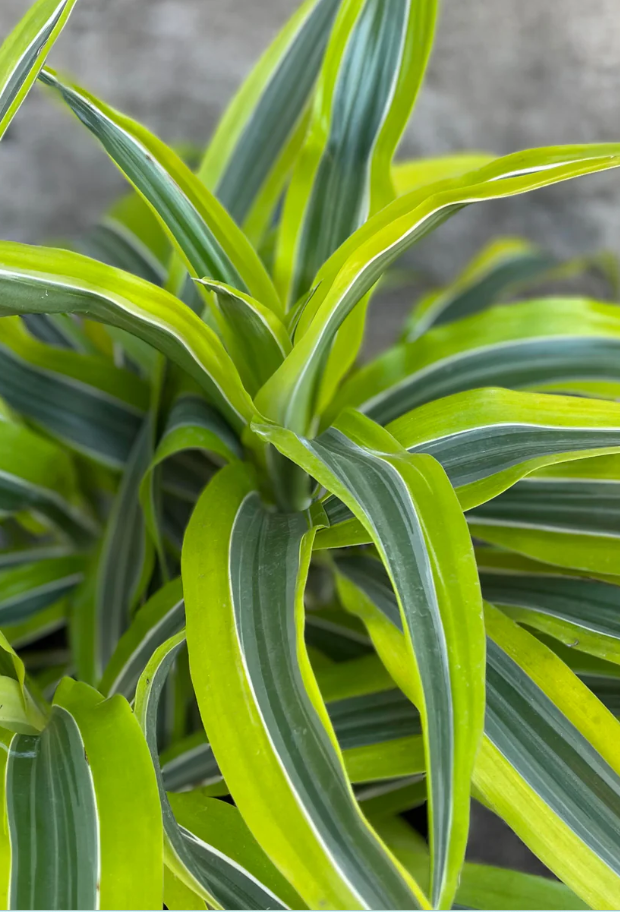
Warneckei Dracaena
Dracaena fragrans (Deremensis Group) ‘Warneckei’
Important former, horticultural, and label names include:
- Dracaena deremensis ‘Warneckei’
- Dracaena deremensis ‘Warneckii’
- Dracaena fragrans ‘Warneckei’
- Dracaena deremensis var. warneckei
Important taxonomy and search-note context:
- Dracaena fragrans (L.) Ker Gawl. is the accepted species.
- Dracaena deremensis is now treated within Dracaena fragrans rather than as the accepted species for this cultivar.
- “Deremensis Group” preserves the familiar horticultural grouping for striped and cane-type houseplants formerly filed under D. deremensis.
- ‘Warneckei’ and ‘Warneckii’ are spelling variants used across nursery, horticultural, and poison-reference material; they do not identify two different toxicology profiles.
Important non-synonym cultivar and common-name confusion:
- Dracaena fragrans ‘Janet Craig’ — separate predominantly solid-green cultivar or cultivar group, not an exact synonym of Warneckei
- Dracaena fragrans ‘Compacta’ — compact Janet Craig-type cultivar, not Warneckei
- Dracaena fragrans ‘Lemon Lime’ — separate striped cultivar with lime and yellow-green banding
- Dracaena fragrans ‘White Jewel’ — separate white-striped cultivar or trade plant
- Dracaena fragrans ‘Jade Jewel’ — separate cultivar or trade plant with different variegation
- Dracaena fragrans ‘Massangeana’ — Corn Plant or Mass Cane, separate broad-leaved cane cultivar with yellow central striping
- Dracaena reflexa, Dracaena marginata, Dracaena sanderiana, and Dracaena trifasciata — different Dracaena species or former Sansevieria-type plants with related saponin concerns but not Warneckei
Asparagaceae
Modern botanical classification places Dracaena in Asparagaceae, commonly within the dracaenoid/nolinoid group of Asparagales. Older references may place Dracaena in Agavaceae, Dracaenaceae, Ruscaceae, or related historical family treatments. Those older family names are useful for searching older horticultural and poison-reference material, but Asparagaceae is the current family placement for this page.
Warneckei Dracaena; Warneckii Dracaena; Warneckei; Warneckii; Striped Dracaena; White-Striped Dracaena; White Stripe Dracaena; Deremensis Dracaena; Cane Dracaena; Striped Corn Plant; Variegated Dracaena; Dracaena Warneckei; Dracaena Warneckii; Dracaena fragrans Warneckei; Dracaena fragrans Warneckii; Dracaena deremensis Warneckei; Dracaena deremensis Warneckii.
Former and horticultural scientific names include Dracaena deremensis ‘Warneckei’, Dracaena deremensis ‘Warneckii’, Dracaena fragrans ‘Warneckei’, and Dracaena deremensis var. warneckei. Current horticultural treatment commonly places the cultivar under Dracaena fragrans (Deremensis Group) ‘Warneckei’.
Naming caution: Janet Craig is a separate predominantly solid-green Dracaena fragrans cultivar or cultivar group, not an exact synonym for Warneckei. Lemon Lime, White Jewel, Jade Jewel, Compacta, Massangeana, Janet Craig, Hawaiian Sunshine, and other cane dracaenas are separate cultivars or trade plants with different leaf patterns. Poison-control listings may group these names because they share similar Dracaena-type saponin toxicology, but the plant-identification field should preserve the specific Warneckei / Warneckii identity.
Steroidal Saponins Are the Best-Supported Toxic Principles
The established toxic principles in Warneckei Dracaena are steroidal saponins and related steroidal glycosides. The precise compound or combination responsible for every dog, cat, rabbit, bird, or livestock sign has not been identified specifically in the ‘Warneckei’ cultivar, but exact-species research on Dracaena fragrans confirms that the accepted species contains spirostane-type steroidal glycosides in major plant tissues. That is a stronger evidence base than older explanations that treated Dracaena toxicity as “unknown,” “possible alkaloidal content,” or simple indigestible fiber.
Rezgui and colleagues isolated spirostane-type steroidal glycosides from the bark of Dracaena fragrans ‘Yellow Coast’ and another from roots and leaves. Quang, Hoang, and Nguyen later isolated and structurally characterized a new spirostane glycoside from D. fragrans leaves. Those studies were not feeding trials in pets and did not establish a toxic dose for Warneckei. They do, however, directly document steroidal saponin chemistry in the same accepted species that contains the Warneckei cultivar.
What Saponins Are and Why They Irritate the Gut
Saponins are glycosides built from a fat-soluble steroidal or triterpenoid aglycone attached to one or more water-soluble sugar chains. This two-sided structure gives many saponins soap-like or detergent-like properties. When shaken in water, many saponin-containing extracts form persistent foam, which is the source of the name.
The same amphiphilic structure allows saponins to interact with cholesterol and other sterols in animal cell membranes. At sufficient concentrations they can increase membrane permeability and irritate tissues. In the mouth, stomach, and intestines this can contribute to nausea, hypersalivation, vomiting, diarrhea, abdominal discomfort, appetite loss, depression, and occasionally blood-streaked vomit after more pronounced irritation or repeated forceful vomiting.
The gastrointestinal syndrome is not just “the pet ate rough grass.” Fibrous leaves can mechanically irritate the stomach, and animals sometimes vomit after eating ordinary non-toxic plant material. Warneckei Dracaena’s repeatable pattern—drooling, vomiting, appetite loss, depression, feline pupil dilation, weakness, and incoordination—requires biologically active plant chemistry as part of the explanation. Steroidal saponins are the strongest evidence-based toxic principle currently available.
Why Oral Exposure Usually Causes GI Signs Rather Than Massive Hemolysis
Saponins can rupture red blood cells when purified compounds contact them directly in laboratory systems. That property matters scientifically, but oral houseplant chewing is not the same as injecting purified saponin into the bloodstream. Many saponins are poorly absorbed from an intact gastrointestinal tract, and the stomach and intestines receive the highest local exposure.
The expected result of chewing Warneckei Dracaena is therefore gastrointestinal irritation and transient systemic signs rather than routine massive hemolytic anemia. Pale gums, collapse, dark urine, profound weakness, or abnormal bloodwork should still be taken seriously, but those signs should not be presented as the ordinary predictable outcome of one leaf bite. They should prompt veterinary evaluation for dehydration, shock, blood loss, another toxin, medication exposure, preexisting disease, or an unusually severe ingestion.
Feline Mydriasis, Ataxia, and Autonomic Signs
Cats are particularly important because veterinary poison references repeatedly associate Dracaena ingestion with dilated pupils, a wobbly gait, weakness, and sometimes an increased heart rate. Dilated pupils, known medically as mydriasis, may persist even in a reasonably bright room. A cat may appear light-sensitive, disoriented, hesitant to jump, unsteady, or unusually quiet.
The exact mechanism behind feline mydriasis and ataxia has not been completely established. Possible contributors include species-specific metabolism, absorbed steroidal glycosides, autonomic nervous-system effects, nausea, pain, dehydration, weakness, or a combination of factors. The signs should not be dismissed merely because the molecular pathway is incomplete. They are recognized enough to be part of Dracaena triage.
At the same time, dilated pupils and incoordination are not diagnostic by themselves. Cats can develop mydriasis, wobbliness, tremors, agitation, or collapse from medications, cannabis, pyrethroids, organophosphates, stimulants, hypoglycemia, neurologic disease, eye disease, pain, severe dehydration, or other poisonous plants. A cat that ate Warneckei and is also stumbling or abnormal should receive a broad exposure review, not a one-plant assumption.
Alkaloids, Older Sources, and Why the Explanation Changed
Older public plant-safety sources sometimes described Dracaena as non-toxic or listed only “possible alkaloidal content.” Those summaries reflected the limited chemical documentation available at the time and the generally mild nature of many houseplant exposures. They should remain part of the page’s research history because they explain why older lists and owner discussions may conflict.
Modern veterinary poison references classify Dracaena as toxic to dogs and cats, identify saponins as the toxic principles, and describe a consistent clinical syndrome. Exact-species phytochemistry has also demonstrated spirostane-type glycosides in D. fragrans. Alkaloids may occur in some Dracaena-related phytochemical screens or older genus discussions, but they are not the best-supported explanation for the Warneckei poisoning syndrome. The evidence now belongs mainly with steroidal saponins and related glycosides.
All Plant Parts Should Be Treated as Unsafe
All parts of Warneckei Dracaena should be considered unsafe to chew. Leaves and canes create the most common household exposures because they are accessible, fibrous, and attractive to cats and dogs that chew plant material. Roots, sap, cut stems, cane sections, flowers, berries, pruning debris, propagation pieces, and potting waste may also contain steroidal glycosides or plant residue.
Water used to root cuttings or rinse freshly cut stems should not be used as drinking water for animals. A propagation jar may look harmless, but it can contain dissolved plant sap, decaying tissue, fertilizer residue, bacteria, or mold. Birds, cats, dogs, rabbits, reptiles, and small mammals may investigate rooting jars or spilled water if those are left on counters, shelves, or windowsills.
Commercial Plant Treatments and Mixed Exposures
Houseplants are often exposed to fertilizers, systemic insecticides, topical pesticides, leaf-shine products, rooting hormone, potting media, perlite, bark, decorative stones, and cleaning chemicals. A sick animal that chewed Warneckei may have swallowed more than Dracaena tissue. This is especially important when signs are severe, prolonged, neurologic, respiratory, bloody, or inconsistent with the ordinary saponin pattern.
Potting material can cause separate problems. Dogs may eat soil, decorative gravel, expanded clay balls, plastic plant tags, moss poles, or fertilizer granules while shredding a plant. Cats may groom sap or soil from paws. Birds may shred leaves and potting debris repeatedly. Rabbits and guinea pigs may chew both leaves and cane fibers. Good triage preserves the whole exposure scene, not just a leaf fragment.
No Validated Safe Dose
No reliable toxic dose has been established for Warneckei Dracaena in dogs, cats, horses, cattle, sheep, goats, pigs, rabbits, guinea pigs, birds, reptiles, or people. Most animals stop after a small amount because the leaves are fibrous and the saponins are bitter, but bitterness and spontaneous vomiting are not dependable safety mechanisms.
A single exploratory nibble from a healthy adult dog is different from a kitten shredding leaves repeatedly, a cat eating plant material during several unsupervised hours, a bird stripping leaves daily, a rabbit chewing cane pieces, or a dog consuming an entire fallen plant. Dose, species, body size, plant part, repeated exposure, medical status, hydration, and co-exposures all matter. There is no safe leaf-count or cane-length rule.
Vomiting, Nausea, and Drooling
Vomiting is the most commonly recognized sign after Warneckei Dracaena ingestion. It may occur once or repeatedly and can be accompanied by nausea, lip licking, repeated swallowing, salivation, abdominal discomfort, or refusal of food. Vomit may contain recognizable striped leaf pieces, cane fibers, potting material, or plant fragments. Blood in vomit is uncommon but recognized after more pronounced gastrointestinal irritation or repeated forceful vomiting.
Hypersalivation is particularly noticeable in cats. An affected cat may drool, foam around the mouth, lick repeatedly, or allow saliva to drip from the chin. Drooling may result from nausea, the bitter taste of saponins, irritation of the mouth and stomach, or all three. Dogs may lick the lips, swallow repeatedly, retch, eat grass, pace, or seek water without keeping it down.
Vomiting is not automatically protective. Repeated vomiting can cause dehydration, electrolyte loss, esophageal irritation, aspiration, weakness, and worsening depression. Small animals, kittens, puppies, elderly patients, and animals with kidney, heart, endocrine, or gastrointestinal disease can deteriorate faster than a healthy adult dog after the same plant exposure.
Diarrhea, Abdominal Pain, Appetite Loss, and Weakness
Diarrhea and abdominal pain are possible, although vomiting is reported more consistently. A dog or cat may adopt a tense posture, stretch repeatedly, guard the abdomen, appear restless, hide, or resist handling. Soft stool, watery diarrhea, urgency, or repeated attempts to defecate may follow swallowed plant material and gut irritation.
Appetite loss, depression, lethargy, and weakness commonly follow the gastrointestinal signs. A pet may sleep more than usual, ignore food, avoid play, resist movement, or show little interest in normal activity. Weakness can be intensified by continuing vomiting, diarrhea, reduced food intake, dehydration, and electrolyte imbalance.
Blood-streaked vomit, repeated vomiting after drinking, persistent diarrhea, abdominal distention, severe pain, black stool, collapse, or inability to keep water down should not be dismissed as routine Dracaena stomach upset. Those findings may require fluids, antiemetic treatment, gastrointestinal protection, bloodwork, imaging, or investigation for another toxin or foreign material.
Cat-Specific Signs: Dilated Pupils and Wobbly Gait
Cats may develop dilated pupils, known medically as mydriasis. The pupils may remain large even in a reasonably bright room, and the cat may appear unusually sensitive to light, hesitant, disoriented, or withdrawn. Mydriasis is one of the more distinctive signs associated with Dracaena exposure in cats, but it is not proof of the diagnosis by itself.
Loss of coordination may appear as swaying, stumbling, misjudging a jump, crossing the limbs, leaning, slipping from a perch or counter, or having difficulty standing. Veterinary poison references describe a wobbly gait specifically in cats. Pronounced incoordination should not be treated as nothing more than an upset stomach because it can also occur with medications, cannabis, pesticides, neurologic disease, hypoglycemia, vestibular disease, or another poisonous plant.
An increased heart rate and apparent agitation have also been described in cats after significant Dracaena exposure. The heart-rate change may accompany stress, pain, dehydration, autonomic effects, or a more direct plant-related effect. A sustained rapid heartbeat combined with weakness, collapse, pale gums, abnormal breathing, or reduced responsiveness requires examination.
Signs That Are Not Expected in Ordinary Warneckei Exposure
Most dogs and cats remain conscious and recover with supportive care. Seizures, coma, primary liver failure, primary kidney failure, respiratory paralysis, severe heart block, and sudden death are not characteristic effects of ordinary limited Warneckei ingestion. If those signs occur, the veterinarian should investigate major dehydration, aspiration, pesticide or fertilizer exposure, medication ingestion, another toxic plant, intestinal obstruction, pancreatitis, neurologic disease, metabolic disease, or an unrelated emergency.
Reduced urination may follow dehydration from vomiting or diarrhea, but direct kidney failure is not the expected Dracaena mechanism. Jaundice, severe anemia, persistent neurologic signs, severe tremors, collapse, or respiratory distress should widen the diagnostic search. A plant label helps, but it should not lock the case into a mild Dracaena explanation when the signs are severe or inconsistent.
Dogs
Dogs may pull the plant over, shred leaves during play, chew discarded canes, eat fallen leaf pieces, or consume potting material along with the plant. Puppies and dogs prone to eating houseplants can ingest substantially more than one casual bite. A dog may also chew newly cut cane sections because they look like sticks.
Typical dog signs include vomiting, nausea, drooling, appetite loss, diarrhea, abdominal discomfort, depression, and weakness. Dogs do not classically develop the same recognizable mydriasis pattern emphasized in cats, but any dog with stumbling, tremors, collapse, repeated vomiting, blood in vomit, or inability to retain water needs veterinary evaluation. A dog that ate potting soil, fertilizer granules, decorative stones, or plant tags needs a broader assessment than “Dracaena leaf.”
Cats
Cats are commonly exposed by chewing the long grass-like leaves. A leaf tip may remain within reach even when the pot is placed on a table, shelf, or plant stand. Cats can also reach sap or plant fragments while grooming after walking through pruning debris or spilled propagation water.
Common cat signs include drooling, vomiting, appetite loss, hiding, depression, weakness, dilated pupils, and a wobbly gait. Continued refusal to eat matters because cats can develop serious secondary problems when anorexia persists. Home vomiting attempts are unsafe for cats, and force-feeding or force-watering a nauseated, weak, or poorly coordinated cat can cause aspiration.
Horses, Cattle, Sheep, Goats, Pigs, and Camelids
Warneckei is not normally a pasture plant, so large-animal exposure usually involves discarded houseplants, greenhouse waste, office-plant disposal, landscaping debris, or clippings placed in an enclosure. Horses cannot vomit. Possible equine signs include salivation, feed refusal, diarrhea, colic-like discomfort, depression, weakness, and dehydration. Significant colic, reduced manure, sweating, recumbency, or abnormal swallowing requires equine veterinary care.
Cattle, sheep, goats, pigs, alpacas, and llamas may develop salivation, reduced intake, diarrhea, abdominal discomfort, depression, weakness, or dehydration if they consume discarded plants or greenhouse waste. Group illness should raise concern for pesticides, fertilizer, mold, other toxic houseplants, spoiled compost, or mixed ornamental waste. Remove the entire source from the group even if only one animal appears sick first.
Rabbits, Guinea Pigs, Birds, Reptiles, and Other Small Animals
Rabbits and guinea pigs cannot vomit. Warneckei exposure may appear as drooling, reduced appetite, tooth grinding, diarrhea, soft stool, reduced fecal output, abdominal discomfort, lethargy, or weakness. Any small herbivore that stops eating requires attention because gastrointestinal slowing can become more dangerous than the initial plant irritation.
Birds may repeatedly shred the fibrous leaves and can receive a substantial exposure relative to body weight. Possible signs include regurgitation, watery droppings, reduced appetite, fluffed posture, poor perching, weakness, or abnormal behavior. Reptiles and tortoises may show reduced appetite, abnormal stool, inactivity, dehydration, weakness, or collapse rather than the dog-and-cat vomiting pattern. Species-specific safe doses are not established.
Duration and Prognosis
Most limited exposures improve within several hours and resolve over approximately one or two days. Appetite and activity should improve as nausea and stomach irritation settle. Mild diarrhea may take slightly longer to normalize, especially if diet is changed during recovery.
Repeated vomiting, blood in vomit, continuing food refusal, marked weakness, dilated pupils, abnormal gait, reduced urination, tremors, collapse, or failure to improve requires veterinary reassessment. The prognosis is generally good to excellent, but persistent or unusually severe illness should prompt investigation for fertilizer, pesticides, another poisonous plant, medication exposure, intestinal obstruction, pancreatitis, aspiration, dehydration, or unrelated disease.
Warneckei Now Belongs Under Dracaena fragrans
The long-used scientific name for this plant was Dracaena deremensis ‘Warneckei’ or Dracaena deremensis ‘Warneckii’. Current botanical and horticultural treatment places D. deremensis within the accepted species Dracaena fragrans. The Royal Horticultural Society presents the cultivar as Dracaena fragrans (Deremensis Group) ‘Warneckei’. “Deremensis Group” preserves the familiar horticultural grouping without continuing to treat D. deremensis as the accepted species.
This change matters for accuracy, but it should not erase owner search behavior. Many plant tags, poison-control lists, nursery invoices, office-plant service records, and older houseplant books still say Dracaena deremensis or Warneckii. A pet owner may report “striped dracaena,” “Warneckii,” “Deremensis,” or simply “Dracaena.” The page should connect those names clearly while keeping the accepted scientific name current.
The Scientific-Name Field Uses One Clean Name
The accepted page format is one scientific name in the Scientific Name field. Former scientific names, spelling variants, cultivar names, taxonomic history, and plant-label confusion belong in Also Known As and Additional Information. For this plant, the Scientific Name field is therefore limited to Dracaena fragrans (Deremensis Group) ‘Warneckei’.
The former D. deremensis names remain fully documented elsewhere on the page rather than being stacked into that field. That approach keeps the Drupal field clean while preserving the search value and emergency-identification value of older labels.
Family Placement: Asparagaceae, Not Agavaceae
Modern botanical classification places Dracaena in Asparagaceae. Older references may place the genus in Agavaceae, Dracaenaceae, Ruscaceae, or related historical family treatments. These older placements appear in horticultural books, nursery databases, poison-control pages, and older scientific papers because the family-level classification of dracaenoid plants changed as monocot phylogeny improved.
The family-name update does not alter the plant, its appearance, or its veterinary risk. A Warneckei Dracaena labeled Agavaceae and one labeled Asparagaceae are the same practical houseplant exposure if the cultivar identity is correct. For the PAWS page, the family field should be Asparagaceae, with older family names handled as search and literature context rather than current classification.
Warneckei and Warneckii
Both ‘Warneckei’ and ‘Warneckii’ appear throughout the nursery trade. The older botanical varietal name was published as Dracaena deremensis var. warneckei, while many modern plant labels and poison references use ‘Warneckii’. The spelling difference does not identify two toxicologically different plants.
Both names usually refer to the white-, cream-, or silvery-striped Deremensis-group cultivar now placed under D. fragrans. For pet-safety purposes, Warneckei and Warneckii should be treated together. For plant-identification accuracy, the page should preserve both spellings so owners and veterinarians do not miss the match during an emergency search.
How to Identify Warneckei Dracaena
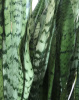
Warneckei is an upright evergreen cane plant. It produces clusters or rosettes of arching, sword-shaped leaves from the tops and sides of ringed, woody-looking stems. Indoor specimens are often sold as several cut canes planted together at different heights, producing a tiered office-plant appearance.
The leaves are narrower and stiffer than the broad leaves of the Massangeana Corn Plant. They are gray-green to dark green with longitudinal white, cream, silver, or pale-green striping, especially toward the margins. The Royal Horticultural Society describes the leaves as reaching approximately 60 centimeters in length and being gray-green with narrow white edges. Mature plants can become tall, sparsely branched shrubs, although container plants are usually kept much smaller through pot size, pruning, and indoor conditions.
The cane structure matters for exposure. Dogs may chew cut canes like sticks. Cats may reach arching leaf tips even when the pot is elevated. Birds may shred leaf edges repeatedly. Rabbits or guinea pigs may chew fallen leaves or cane sections if a discarded plant is placed near an enclosure.
Janet Craig Is Not the Same Cultivar
Janet Craig has often been placed beside Warneckei in poison lists because both were historically filed under Dracaena deremensis and both contain Dracaena-type saponin concerns. That does not make them the same cultivated plant. Janet Craig generally has glossy, predominantly solid dark-green leaves, while Warneckei has conspicuous longitudinal pale striping. ‘Compacta’ is a shorter, denser form commonly associated with the Janet Craig group.
Keeping the distinction matters for plant identification and search accuracy even though the immediate poisoning response is substantially the same. “Dracaena” is a broad emergency category. “Warneckei” is the actual plant name for this page.
Other Dracaena Cultivars and Former Sansevieria Names
Many other houseplants now fall under or near the Dracaena toxicology umbrella. Massangeana Corn Plant, Lemon Lime, White Jewel, Jade Jewel, Janet Craig, Compacta, Song of India, Marginata, Lucky Bamboo, and former Sansevieria snake plants may appear in the same poison-control conversations because saponins are a recurring theme in the group.
That does not make every plant identical. Leaf pattern, growth form, species, cultivar, and trade name still matter for the plant record. A snake plant is not Warneckei. Lucky Bamboo is not Mass Cane. Janet Craig is not Warneckei. The clinical response may overlap, but the page should avoid collapsing all Dracaena-like names into one exact synonym list.
Exact-Species Saponin Research Changed the Answer
The older “possible alkaloid” explanation was understandable when little exact-species chemistry was readily available. That gap has narrowed substantially. Rezgui and colleagues isolated spirostane-type glycosides from the bark, roots, and leaves of Dracaena fragrans ‘Yellow Coast’. Later researchers isolated and structurally characterized another spirostane glycoside directly from the leaves of D. fragrans.
These studies did not administer Warneckei leaves to pets and did not establish a toxic dose. They did, however, confirm that the accepted species containing the Warneckei cultivar is a genuine source of steroidal saponins rather than a completely toxin-free fibrous plant. The chemical evidence now supports the modern veterinary-poison listing of saponins as the toxic principles.
The Older “Non-Toxic; Possible Alkaloidal Content” Problem
For years, one of the publicly available references discussing Dracaena toxicity was the William E. Brock Memorial Library plant guide at Oklahoma State University. Its Dracaena entry was summarized as “Non-toxic; Possible alkaloidal content” and the guide also associated the genus with baby-safe houseplants and cut flowers. That classification explains why older plant lists and older PAWS discussion questioned whether Dracaena contained any meaningful toxin at all.
The library source should remain part of the scientific history, but it is no longer the best current answer. Modern veterinary poison references classify Dracaena as toxic to dogs and cats, identify saponins as toxic principles, and describe a repeatable clinical syndrome. Exact-species saponin chemistry in D. fragrans further strengthens the modern position.
Why Eating Dracaena Is Not Just Eating Indigestible Grass
The original PAWS reasoning made a fair practical observation: dogs and cats sometimes vomit after eating ordinary grass or other fibrous plants that are not chemically poisonous. Mechanical irritation, rapid eating, poor chewing, and indigestible plant fiber can certainly provoke vomiting. Warneckei leaves are fibrous, and that physical texture may contribute to stomach upset.
The statement that dogs and cats completely lack the means to digest any grass or plant material is too absolute. Mammals do not produce their own cellulase enzymes, but chewing, stomach processing, intestinal microbes, and the digestibility of individual plant components all affect how much plant material is broken down or passes through. More importantly, Warneckei’s recognized syndrome is not explained by fiber alone. Hypersalivation, repeated vomiting, depression, feline pupil dilation, increased heart rate, weakness, and incoordination point to biologically active plant compounds—principally steroidal saponins and related glycosides.
How Saponins Irritate the Digestive Tract
Saponins contain both water-attracting sugar groups and fat-attracting steroidal structures. This allows them to interact with lipid-rich membranes lining the digestive tract. At sufficient concentrations they increase membrane permeability and stimulate gastrointestinal sensory pathways.
The resulting nausea and irritation can lead to salivation, vomiting, abdominal pain, appetite loss, and diarrhea. Blood in vomit is uncommon but possible when forceful repeated vomiting or direct mucosal irritation damages small vessels. Blood should never be dismissed as a routine harmless effect. It is a reason to contact a veterinarian and assess hydration, vomiting severity, and other possible causes.
Why Cats Show Dilated Pupils and Incoordination
Cats appear more likely than dogs to develop mydriasis and a wobbly gait after Dracaena ingestion. The exact reason has not been established. Possible contributors include species differences in metabolism, absorbed steroidal glycosides, autonomic nervous-system effects, nausea, pain, dehydration, weakness, and sensitivity to specific saponins.
The clinical pattern is documented even though the molecular explanation remains incomplete. Dilated pupils and ataxia can also result from numerous more dangerous exposures, including medications, cannabis, pyrethroids, organophosphates, stimulants, hypoglycemia, neurologic disease, eye disease, and other toxins. A cat showing those signs needs a complete exposure history rather than an automatic assumption that the houseplant explains everything.
Fatalities and the Actual Level of Risk
Warneckei Dracaena is generally considered mildly to moderately toxic rather than a common fatal poison. Most dogs and cats develop gastrointestinal signs and recover completely. The practical danger is still real because repeated vomiting can cause dehydration, aspiration, electrolyte disturbance, weakness, and food refusal, especially in small, young, elderly, or medically fragile animals.
The older claim that no human or animal fatality had ever been reported should not be treated as a universal guarantee across the entire Dracaena group. A modern review of companion-animal plant incidents mentions a fatal rabbit case associated with Dracaena, although the exact species, dose, clinical documentation, and certainty of causation are limited in the summary. The correct practical conclusion is balanced: fatal outcomes appear exceptional, but significant vomiting, dehydration, aspiration, anorexia, or severe illness can still require treatment.
Dogs and Cats
Cats are commonly exposed by chewing the long grass-like leaves. A leaf tip may remain within reach even when the pot is placed on a table or plant stand. Cats can also reach sap or plant fragments during grooming after walking through pruning debris. Dogs may pull the plant over, shred leaves during play, chew discarded canes, or eat fallen pieces. Puppies and dogs prone to consuming houseplants can ingest substantially more than one casual bite.
Both species should be observed for vomiting, drooling, appetite loss, depression, abdominal pain, diarrhea, and weakness. Cats should also be watched for dilated pupils, abnormal gait, unusual sensitivity to light, hiding, and an unusually rapid heart rate. Any severe or persistent sign should trigger a broader review of fertilizers, pesticides, plant treatments, medications, foreign material, and other houseplants.
Horses, Livestock, Birds, and Small Mammals
Warneckei is not normally a pasture plant, so large-animal exposure usually involves discarded houseplants, greenhouse waste, office-plant disposal, landscaping debris, or clippings placed in an enclosure. Horses cannot vomit and may show salivation, feed refusal, diarrhea, colic-like discomfort, depression, and weakness. Ruminants, pigs, and camelids may show reduced intake, diarrhea, abdominal discomfort, dehydration, weakness, or depression after unusual access.
Birds may repeatedly shred the fibrous leaves and can receive a substantial dose relative to body weight. Rabbits and guinea pigs may chew leaves or canes and then develop drooling, reduced appetite, diarrhea, weakness, or reduced fecal production. Any small herbivore that stops eating requires attention because gastrointestinal stasis can become more dangerous than the initial plant irritation. Reptiles and tortoises should not be offered Dracaena as browse or enclosure greenery because safe species-specific doses are not established.
Diagnosis
Diagnosis usually depends on finding chewed striped leaves, missing plant material, vomited fragments, compatible signs, and a plant label or clear photograph. Photographs should show the entire plant, leaf striping, canes, pot label, damaged area, any cuttings, rooting water, fertilizer, and adjacent plants. A plant identified only as “Dracaena” should be narrowed when possible, but treatment should not wait if the animal is actively vomiting, weak, or neurologically abnormal.
No routine blood or urine test confirms Dracaena saponin exposure. Mild cases that improve promptly may require no testing. Repeated vomiting, blood loss, weakness, dehydration, abnormal pupils, incoordination, reduced urination, or prolonged illness may justify bloodwork, electrolyte testing, urinalysis, blood-pressure measurement, abdominal imaging, and evaluation for other toxins or unrelated disease.
Veterinary Treatment and Prognosis
No specific antidote exists. Treatment is symptomatic and supportive, with emphasis on controlling vomiting, maintaining hydration, correcting electrolyte loss, protecting the gastrointestinal tract when appropriate, supporting appetite, and monitoring neurologic status. A veterinarian may use antiemetic medication, intravenous or subcutaneous fluids, electrolyte correction, gastrointestinal protectants, nutritional support, and monitoring of pupil size, gait, heart rate, temperature, and hydration.
Most animals recover within several hours to one or two days. Hospitalization may be necessary when vomiting continues, the animal cannot retain water, dehydration is developing, blood is present, or marked weakness and incoordination interfere with normal movement. The prognosis is generally good to excellent. Severe or persistent illness should prompt reconsideration of the plant identification, possible pesticides or fertilizer, medications, another toxic plant, intestinal obstruction, pancreatitis, aspiration, metabolic disease, or unrelated illness.
Prevention
Keep the plant in a room inaccessible to animals rather than relying on a high shelf. Mature Warneckei leaves arch outward and can remain within reach even when the pot appears elevated. Cats can climb furniture, birds can fly to shelves, and dogs can pull leaves down or knock over a pot.
Collect cut leaves, cane sections, roots, flowers, berries, and propagation material immediately. Do not allow animals to drink water used for rooting cuttings or cleaning freshly cut stems. Keep potting soil, fertilizer, systemic insecticide stakes, leaf-shine products, and plant-food containers away from animals. Label the plant with both Dracaena fragrans (Deremensis Group) ‘Warneckei’ and the familiar former name Dracaena deremensis ‘Warneckii’ so a veterinarian or poison specialist can identify it without losing time over taxonomy.
Immediate Steps After Exposure
Stop further ingestion first. Move the animal away from the plant, fallen leaves, cane sections, roots, cuttings, flowers, berries, sap, pruning debris, rooting jars, potting soil, fertilizer, and any water used for cut stems. Secure the plant so another animal cannot chew it while the first animal is being assessed.
- Remove loose plant material safely: If the animal is alert, cooperative, breathing normally, and swallowing normally, clear visible leaf pieces from the lips and front of the mouth. Do not reach deeply into the throat or risk being bitten.
- Wipe away visible sap: Use a clean damp cloth to remove plant residue from the lips, muzzle, paws, coat, feathers, scales, and surrounding fur. Prevent grooming until residue is removed.
- Preserve identification evidence: Photograph the complete plant, striped leaves, canes, pot label, cuttings, rooting water, damaged material, and any vomited fragments. Save a representative sample securely.
- Estimate the amount and time: Note whether the animal took one bite, shredded several leaves, chewed a cane, drank rooting water, ate potting material, or consumed an unknown amount while unsupervised.
- Check for co-exposures: Look for fertilizer, systemic insecticide stakes, leaf-shine products, rooting hormone, plant food, potting mix, decorative stones, plant tags, and other nearby plants.
- Contact a veterinarian or animal poison-control service: Report species, weight, amount, exposure time, vomiting, drooling, diarrhea, pupil size, coordination, weakness, heart-rate concerns, urination, and any plant treatments used.
Do Not Attempt Unsupervised Home Treatment
- Do not induce vomiting: Hydrogen peroxide, salt, mustard, syrup of ipecac, dish soap, detergent, and manual gagging can cause prolonged vomiting, stomach injury, esophageal irritation, or aspiration.
- Do not administer activated charcoal automatically: Charcoal is unnecessary for many limited Dracaena exposures and may enter the lungs of a vomiting, weak, sedated, poorly coordinated, or poorly swallowing animal.
- Do not force water, milk, oil, food, broth, or electrolyte drinks: Forced liquids can be aspirated, and they do not neutralize steroidal saponins.
- Do not give antidiarrheal or stomach medication without veterinary direction: Loperamide, bismuth products, Kapectolin, sucralfate, antacids, probiotics, and human antiemetics are not universal treatments.
- Do not give human pain medication: Ibuprofen, naproxen, acetaminophen, aspirin, and similar products can create a separate and more dangerous poisoning.
- Do not give sedatives, antihistamines, corticosteroids, or heart medication unless directed: Weakness, dilated pupils, rapid heart rate, or incoordination need assessment before owner-selected medication.
- Do not drench horses, livestock, rabbits, birds, reptiles, or other animals: Forced oral treatment can be inhaled by an animal that is vomiting, drooling, weak, poorly coordinated, or swallowing abnormally.
When Emergency Examination Is Especially Important
- Vomiting is repeated or contains blood: Continuing gastrointestinal irritation can produce dehydration, electrolyte loss, esophageal injury, weakness, or aspiration.
- The animal cannot retain water: Vomiting after drinking increases the need for veterinary fluid therapy.
- Weakness or depression becomes pronounced: Inability to stand, collapse, pale gums, reduced responsiveness, or worsening lethargy requires examination.
- A cat develops dilated pupils or loses coordination: Mydriasis, swaying, stumbling, misjudged jumps, or repeated falling are recognized Dracaena signs but also occur with more dangerous toxins.
- The heartbeat appears unusually rapid or irregular: Sustained tachycardia combined with weakness, distress, collapse, or dehydration requires prompt evaluation.
- Diarrhea becomes persistent: Small, elderly, very young, or medically fragile animals can dehydrate quickly.
- Urination decreases: Reduced urination may indicate dehydration or another complication.
- A rabbit, guinea pig, bird, reptile, or small animal stops eating: Food refusal can lead to serious secondary complications even when the original plant poisoning is mild to moderate.
Skin, Coat, and Eye Decontamination
Wear gloves when handling cut Dracaena material or cleaning sap from an animal. Wash visible residue from paws, coat, muzzle, feathers, scales, or skin with lukewarm water and a mild pet-safe cleanser when the animal is stable enough. Rinse well and prevent licking until residue has been removed. Clean collars, bedding, carriers, perches, cages, grooming tools, floors, counters, sinks, and plant stands that may have sap or plant fragments on them.
If sap or plant debris enters an eye, gently irrigate with sterile saline or clean lukewarm water if this can be done safely. Do not rub the eye, apply leftover medication, use human redness drops, or try to scrape away plant material. Persistent squinting, tearing, redness, cloudiness, discharge, pawing, or apparent vision difficulty requires veterinary examination.
Veterinary Treatment
The veterinarian will assess hydration, abdominal discomfort, vomiting frequency, stool quality, pupil size, coordination, heart rate, temperature, amount of plant involved, and possible co-exposures. A small exposure in an alert animal with no signs may require observation only. A symptomatic animal may need antiemetic medication, fluids, electrolyte correction, gastrointestinal protection, and monitoring.
Bloodwork may be appropriate when vomiting is prolonged, blood is present, dehydration is significant, weakness is marked, urination decreases, or neurologic abnormalities appear. Urinalysis, blood pressure, abdominal imaging, or additional testing may be needed when the clinical picture suggests another toxin, pancreatitis, obstruction, metabolic disease, kidney disease, medication exposure, or pesticide/fertilizer involvement.
Veterinary induction of vomiting may be considered after a very recent substantial ingestion only when a dog remains alert, coordinated, asymptomatic, and able to protect its airway. It is generally inappropriate once spontaneous vomiting, weakness, dilated pupils, incoordination, tremors, depression, or abnormal responsiveness has developed. Activated charcoal may be considered in selected large or recent exposures, but it is not automatically required and must be weighed against aspiration risk.
Dogs and Cats
Dogs should be monitored for vomiting, diarrhea, drooling, abdominal pain, appetite loss, weakness, hydration, urination, tremors, collapse, and responsiveness. A dog that chewed a cane or knocked over a plant should also be assessed for potting material, fertilizer, decorative stones, plant tags, rooting hormone, or pesticides.
Cats should be monitored for drooling, vomiting, hiding, food refusal, dilated pupils, wobbly gait, misjudged jumps, weakness, heart-rate concern, and grooming of sap from the coat. Home vomiting attempts are unsafe for cats. A cat that will not resume eating, continues vomiting, or appears neurologically abnormal should receive veterinary care rather than several days of waiting.
Horses and Livestock
Horses, ponies, and donkeys should be removed from discarded Warneckei plants, greenhouse waste, office-plant disposal, clippings, rooting water, and contaminated bedding or compost. They cannot vomit. Salivation, feed refusal, diarrhea, colic-like discomfort, sweating, depression, weakness, reduced manure, or abnormal swallowing requires equine veterinary guidance. Do not force water, oil, charcoal, or feed into a horse with possible plant poisoning.
Cattle, sheep, goats, pigs, alpacas, llamas, poultry, and other livestock should be removed from all houseplant waste, clippings, compost, greenhouse trimmings, and mixed ornamental debris. Preserve the plant material and packaging for identification. Group exposure should be treated as a group event, even if only one animal looks sick first, because the rest may have eaten a smaller or slower-absorbed amount.
Birds, Rabbits, Guinea Pigs, Reptiles, and Small Pets
Birds with regurgitation, watery droppings, poor perching, fluffed posture, weakness, tremors, abnormal behavior, or reduced food intake need avian veterinary guidance. Remove all plant fragments from the cage, perch, food dish, water dish, and play stand. Do not force food or water into a weak or stressed bird.
Rabbits and guinea pigs cannot vomit. Drooling, tooth grinding, food refusal, diarrhea, reduced fecal output, abdominal discomfort, lethargy, or weakness after Warneckei exposure requires prompt species-specific care. Reptiles and tortoises should be kept within their appropriate temperature range and evaluated by an exotic-animal veterinarian if ingestion was meaningful or signs develop. Do not use Dracaena leaves or canes as enclosure décor or browse.
Recovery and Prognosis
The prognosis is usually good to excellent. Most dogs and cats recover completely within several hours to approximately one or two days after a limited exposure. Hydration, appetite, energy, stool, and coordination should improve steadily.
Recovery may take longer when vomiting is repeated, dehydration develops, food refusal continues, or the animal is very young, elderly, or medically fragile. Bloody vomit, marked weakness, neurologic abnormalities, dilated pupils that persist with illness, reduced urination, or failure to improve requires reassessment. Unexpectedly severe illness should prompt investigation for fertilizer, pesticides, another poisonous plant, medication exposure, gastrointestinal obstruction, pancreatitis, aspiration, or unrelated disease rather than assuming that Dracaena alone explains every sign.
Prevention After the Incident
Keep Warneckei in a room inaccessible to animals rather than relying on a high shelf. Mature leaves arch outward and may remain within reach even when the pot appears elevated. Cats can climb, birds can fly, dogs can pull leaves down, and small animals can chew discarded pieces.
Collect cut leaves, cane sections, roots, flowers, berries, and propagation material immediately. Keep rooting jars and plant-rinse water away from animals. Wash sap from tools, floors, counters, sinks, and plant stands. Do not dump Dracaena clippings into livestock pens, rabbit runs, bird cages, reptile enclosures, open compost, or dog-accessible trash. Label the plant with both the current name and the familiar former name so future exposures can be identified quickly.
Frequently Asked Questions About Warneckei Dracaena and Animal Poisoning
What is the correct scientific name for Warneckei Dracaena?
The current name is Dracaena fragrans (Deremensis Group) ‘Warneckei’. The familiar names Dracaena deremensis ‘Warneckei’, D. deremensis ‘Warneckii’, and D. deremensis var. warneckei are former or horticultural names that remain common on plant labels and in poison-reference material.
Why is the family Asparagaceae instead of Agavaceae?
Modern botanical classification places Dracaena in Asparagaceae. Agavaceae, Dracaenaceae, and Ruscaceae appear in older horticultural and poison references because family-level classification changed over time. The family-name change does not alter the plant or its veterinary risk; it simply updates the taxonomy.
Is Janet Craig another name for Warneckei?
No. Janet Craig is a separate predominantly solid-green Dracaena fragrans cultivar or cultivar group. Warneckei has conspicuous white, silver, cream, or pale-green longitudinal stripes. Poison databases sometimes group the names because both contain Dracaena-type saponins and cause similar signs, but they are not the same cultivar.
What toxin occurs in Warneckei Dracaena?
The recognized toxic principles are steroidal saponins and related steroidal glycosides. Exact-species research has isolated spirostane-type glycosides from the bark, roots, and leaves of Dracaena fragrans, although the precise compound responsible for every clinical sign in ‘Warneckei’ remains unknown. Saponins best explain the vomiting, drooling, appetite loss, depression, and related signs.
Was Dracaena once considered non-toxic?
Yes. An older Oklahoma State University William E. Brock Memorial Library guide listed Dracaena as “Non-toxic; Possible alkaloidal content” and placed it among baby-safe houseplants. Modern veterinary poison references and exact-species saponin research have superseded that older assessment. Dracaena should now be treated as toxic to dogs and cats and unsafe for animals to chew.
Could vomiting simply be caused by indigestible leaf fiber?
Plant fiber can contribute to mechanical stomach irritation, and animals sometimes vomit after eating non-toxic grass. Warneckei’s repeatable pattern of hypersalivation, vomiting, appetite loss, depression, feline pupil dilation, weakness, and incoordination cannot be explained adequately by fiber alone. Steroidal saponins and related glycosides are the better evidence-based explanation.
Why do cats develop dilated pupils?
The exact mechanism has not been established. Species-specific metabolism, autonomic effects, absorbed steroidal glycosides, pain, nausea, dehydration, and weakness may all contribute. Mydriasis is recognized particularly in cats after Dracaena exposure and should be taken seriously when accompanied by vomiting, weakness, incoordination, hiding, or food refusal.
Why can cats become wobbly after eating Warneckei?
Cats may develop a wobbly gait, stumbling, misjudged jumps, or difficulty standing after Dracaena exposure. The exact pathway is not fully defined, but the clinical pattern is recognized. Incoordination can also result from medications, cannabis, pesticides, neurologic disease, vestibular disease, or another toxin, so a wobbly cat needs veterinary assessment rather than an automatic houseplant assumption.
Which parts of the plant are poisonous?
Leaves and canes are the most common exposure sources, but roots, sap, flowers, berries, cuttings, pruning debris, and propagation material should all be treated as unsafe. Water containing sap from rooting or freshly cut stems should also remain inaccessible. A discarded cane section or rooting jar can be just as relevant as the standing plant.
Can Warneckei Dracaena kill a dog or cat?
Fatal poisoning appears exceptional, and most cases are mild to moderate. Significant vomiting can still cause dehydration, aspiration, electrolyte abnormalities, and weakness, especially in a very small, young, elderly, or medically fragile animal. No dependable safe or lethal dose has been established, so severe or persistent signs need veterinary care.
Can Warneckei Dracaena cause kidney or liver failure?
Primary kidney failure or primary liver failure is not the expected mechanism of ordinary Warneckei ingestion. Reduced urination may occur secondarily from dehydration after repeated vomiting or diarrhea. Abnormal kidney or liver values should prompt evaluation for dehydration, shock, medication exposure, fertilizer, pesticide, another plant, pancreatitis, obstruction, or unrelated illness.
Can Warneckei Dracaena cause bloody vomit?
Yes, blood in vomit is possible but should not be treated as harmless. It may reflect direct gastrointestinal irritation, repeated forceful vomiting, esophageal irritation, swallowed blood from the mouth, or another condition. Any blood in vomit after plant exposure justifies veterinary advice, especially if vomiting continues or the animal becomes weak.
Should I make my pet vomit?
No. Do not give hydrogen peroxide, salt, mustard, ipecac, dish soap, or use manual gagging unless a veterinarian specifically directs treatment. Home-induced vomiting can cause stomach injury, prolonged vomiting, esophageal irritation, or aspiration. It is especially unsafe when the animal is already vomiting, weak, poorly coordinated, sedated, or neurologically abnormal.
Should activated charcoal be given?
Do not force activated charcoal at home. Charcoal is unnecessary for many limited Dracaena exposures and can be inhaled by a vomiting, weak, sedated, or poorly coordinated animal. A veterinarian may consider it only in selected larger or recent exposures after weighing aspiration risk and likely benefit.
Should milk, oil, water, or food be forced?
No. Milk, oil, water, food, broth, and electrolyte drinks do not neutralize steroidal saponins. Forced liquids or food can be aspirated if the animal is nauseated, drooling, vomiting, weak, or swallowing abnormally. Offer nothing by force unless a veterinarian gives specific instructions for that animal and species.
Is rooting water from Dracaena cuttings dangerous?
It should be kept away from animals. Water used to root cuttings or rinse freshly cut stems may contain plant sap, decaying plant material, fertilizer residue, bacteria, or mold. Dogs, cats, birds, rabbits, reptiles, and small mammals should not drink from propagation jars or trays used for Warneckei cuttings.
Is Warneckei Dracaena poisonous to horses?
It should be treated as unsafe. Warneckei is a houseplant rather than a pasture plant, so equine exposure usually involves discarded office plants, greenhouse waste, or clippings. Horses cannot vomit and may show salivation, feed refusal, diarrhea, colic-like discomfort, depression, or weakness. Do not drench a horse with water, oil, charcoal, or home remedies after exposure.
Is Warneckei Dracaena poisonous to cattle, sheep, goats, and pigs?
Yes, it should not be placed in livestock pens, compost piles, or browse areas. Cattle, sheep, goats, pigs, alpacas, and llamas may develop reduced intake, salivation, diarrhea, abdominal discomfort, weakness, depression, or dehydration after unusual access. Group illness after greenhouse or houseplant waste should also raise concern for pesticides, fertilizer, mold, and mixed toxic plants.
Is Warneckei Dracaena safe for rabbits and guinea pigs?
No. Rabbits and guinea pigs should not be offered Dracaena leaves, canes, roots, or cuttings as browse or enrichment. They cannot vomit, and exposure may cause drooling, food refusal, tooth grinding, diarrhea, reduced fecal output, abdominal discomfort, lethargy, or weakness. Any small herbivore that stops eating requires species-specific veterinary guidance.
Is Warneckei Dracaena safe for birds or reptiles?
No. Birds may shred the leaves repeatedly and can receive a meaningful dose relative to body weight. Possible signs include regurgitation, watery droppings, poor perching, weakness, and reduced appetite. Reptiles and tortoises may show reduced appetite, abnormal stool, dehydration, inactivity, or weakness. Warneckei should not be used as enclosure décor, browse, or cage greenery.
How do veterinarians diagnose Warneckei Dracaena poisoning?
Diagnosis usually depends on plant access, chewed striped leaves or canes, vomited fragments, compatible signs, and exclusion of more serious causes. Useful evidence includes photos of the whole plant, leaf striping, canes, pot label, damaged material, rooting water, fertilizer, pesticides, and nearby plants. Bloodwork is not routine for every mild case but may be needed for repeated vomiting, blood, dehydration, weakness, abnormal pupils, or incoordination.
What differentials matter most?
Important differentials include other toxic houseplants, true lilies in cats, aroids, soluble-oxalate plants, pesticides, fertilizers, medications, cannabis, pyrethroids, tremorgenic toxins, pancreatitis, gastrointestinal obstruction, kidney disease, liver disease, neurologic disease, and metabolic illness. Severe or unusual signs should not be blamed automatically on Dracaena just because a leaf was chewed.
How do veterinarians treat Warneckei Dracaena poisoning?
Treatment is supportive and based on the animal’s signs. It may include antiemetic medication, fluids, electrolyte correction, gastrointestinal protection, appetite support, bloodwork, urinalysis, blood-pressure assessment, and monitoring of pupil size, gait, heart rate, hydration, and responsiveness. There is no specific antidote that neutralizes steroidal saponins.
What is the usual prognosis?
The prognosis is good to excellent. Most animals with limited exposure recover completely within several hours to one or two days. Repeated vomiting, blood in vomit, dehydration, marked weakness, dilated pupils, incoordination, reduced urination, food refusal, or failure to improve warrants veterinary care and investigation for co-exposures or another illness.
How can Warneckei Dracaena poisoning be prevented?
Keep the entire plant in an animal-inaccessible room, not merely on a shelf with arching leaves still reachable. Collect cut leaves, cane sections, roots, and propagation material immediately. Keep rooting water away from animals, wash sap from tools and surfaces, and never dump Dracaena clippings into livestock pens, rabbit runs, bird cages, reptile enclosures, open compost, or dog-accessible trash.