PAWS Pet Poison Plant Guide
Is Azores Ivy Poisonous to Dogs, Cats, Horses, and Livestock?
Yes—Azores Ivy, Hedera azorica, should be treated as poisonous and irritating to dogs, cats, horses, livestock, and other animals that chew or swallow it. Direct veterinary studies involving authenticated Azores Ivy are scarce, but closely related true ivies contain triterpenoid saponins capable of causing excessive drooling, nausea, vomiting, abdominal pain, diarrhea, appetite loss, and temporary lethargy. Ivy sap and plant surfaces may also contain closely related irritant or sensitizing compounds capable of contributing to contact dermatitis.
Most uncomplicated exposures are expected to remain gastrointestinal or dermatologic rather than causing predictable kidney, liver, cardiac, or neurologic failure. Fibrous leaves and vines create separate physical hazards and may become lodged in the mouth, throat, esophagus, stomach, or intestines. Persistent gagging, inability to swallow, progressive swelling, abnormal breathing, collapse, severe weakness, or neurologic abnormalities require urgent examination for obstruction, aspiration, another toxin, or an unrelated emergency.
About this guide: This page provides general pet-poisoning information and cannot diagnose or treat an individual animal. For any suspected exposure, contact a veterinarian or animal poison-control service immediately. Do not induce vomiting, give medication, or attempt home decontamination unless directed by a veterinary professional.
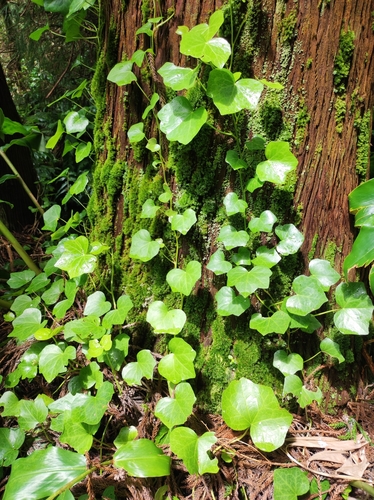
Azores Ivy
Hedera azorica Carrière
Important historical botanical names include Hedera canariensis var. azorica (Carrière) Gand. and Hedera helix var. azorica (Carrière) P.Silva & Q.J.P.Silva.
Hedera hibernica, commonly called Atlantic or Irish Ivy, and Hedera helix, commonly called English or Common Ivy, are separate accepted species rather than synonyms of Hedera azorica.
Araliaceae
Azores Ivy, Azorean Ivy, Azorian Ivy, Azorean Endemic Ivy, Island Ivy, Ivy, Hedera, Hedera azorica
“Atlantic Ivy” is sometimes misapplied to this species, but Atlantic Ivy properly refers to Hedera hibernica. “Hedera spp.” describes the entire ivy genus rather than an alternate name for Hedera azorica.
Species-Specific Toxicology Remains Limited
Azores Ivy has not been investigated toxicologically as extensively as Common Ivy, Hedera helix. No controlled veterinary study has established the precise toxin profile, tissue concentrations, dose-response relationship, or clinical syndrome of authenticated Hedera azorica.
The poisoning assessment therefore depends on its close botanical relationship to other true ivies and on the chemistry and clinical effects documented most thoroughly in H. helix. This supports treating Azores Ivy as poisonous and irritating without claiming that every common-ivy compound occurs in an identical concentration or produces an identical effect.
The most defensible expected syndrome is gastrointestinal irritation after ingestion and possible irritant or allergic dermatitis after sap or plant contact. Severe neurologic, cardiovascular, renal, hepatic, or hematologic disease is not established as the routine result of fresh Azores-Ivy exposure.
Triterpenoid Saponins
The principal ingestion hazard associated with true ivies is a group of triterpenoid saponins. Important compounds identified in Common Ivy include hederacoside C, also called hederasaponin C, hederacoside B, alpha-hederin, and the aglycone hederagenin.
These names should not be presented as though each represents an unrelated poison. Hederacosides and related hederasaponins are glycosides composed of sugar groups attached to a triterpenoid structure, while hederagenin is the non-sugar aglycone incorporated into several related compounds.
Saponins have amphipathic, detergent-like properties that allow them to interact with biological membranes. After ivy tissue is chewed and swallowed, this membrane activity can irritate the lining of the mouth, stomach, and intestines.
The expected consequences include salivation, nausea, vomiting, abdominal discomfort, diarrhea, appetite loss, and temporary depression or lethargy. Repeated vomiting or diarrhea may then cause secondary dehydration and electrolyte abnormalities.
Leaves Are the Primary Practical Concern
Veterinary poison-control guidance for Common Ivy identifies the foliage as more toxic than the berries. That evidence supports treating Azores-Ivy leaves as the principal practical ingestion concern.
It does not establish that authenticated Hedera azorica has the same leaf-to-fruit toxin ratio, saponin concentration, or seasonal chemistry as H. helix. No species-specific comparison has determined the concentration of saponins in Azores-Ivy juvenile leaves, adult leaves, flowers, berries, stems, bark, or roots.
The dark mature berries remain unsuitable for animals. They contain ivy plant material, may be eaten in clusters, and can remain available when other fruits are scarce. Green immature berries should not be assumed harmless.
Leaves, stems, flowers, berries, sap, roots, cut vines, and pruning debris should all remain inaccessible even though every tissue has not been shown to have equal toxic potency.
Falcarinol and Didehydrofalcarinol
Ivy contact dermatitis is associated particularly with polyacetylene compounds such as falcarinol and didehydrofalcarinol. These substances can act as direct irritants and as sensitizers capable of producing delayed allergic contact dermatitis after previous exposure.
B. M. Hausen, J. Bröhan, W. A. König, H. Faasch, H. Hahn, and G. Bruhn published “Allergic and Irritant Contact Dermatitis from Falcarinol and Didehydrofalcarinol in Common Ivy (Hedera helix L.)” in 1987.
The investigators found several powerful irritants and moderate sensitizers in Common Ivy. Falcarinol and didehydrofalcarinol were present throughout the year, and falcarinol produced strong reactions in sensitized individuals at very low experimental concentrations.
The study did not examine authenticated Hedera azorica or veterinary patients. It supports a biologically plausible genus-level dermatitis hazard but cannot establish a specific allergen concentration, contact dose, or reaction frequency for Azores Ivy.
Irritant and Allergic Dermatitis Are Different Reactions
Direct irritant dermatitis occurs when sap, plant material, friction, or another substance damages and inflames the skin without requiring previous sensitization. It may appear relatively soon after substantial contact and remain limited to the exposed area.
Allergic contact dermatitis is a delayed immune reaction that generally follows earlier sensitization. Reactions may become more pronounced after repeated contact and can recur when the animal returns to the same vine-covered location.
Possible signs include redness, itching, small raised lesions, vesicles, localized swelling, licking, chewing, rubbing, and hair loss caused by self-trauma. Continued inflammation may lead to moist lesions, crusting, odor, and secondary bacterial or yeast infection.
Not every rash near ivy is caused by the plant. Fleas, mites, fungal infection, bacterial infection, environmental allergy, insect exposure, cleaning products, pesticides, and other plants remain important alternatives.
Phenolic Compounds and Older Chemical Claims
Rutin, caffeic acid, chlorogenic acid, and other phenolic compounds have been identified in extracts from some ivy species. Emetine has also appeared in older discussions of Common-Ivy chemistry.
Detecting a compound in an extract does not establish that it reaches a clinically important concentration when an animal chews fresh Azores Ivy. These constituents are not the best-supported explanations for the expected pattern of salivation, vomiting, abdominal pain, diarrhea, and contact dermatitis.
Triterpenoid saponins remain the most relevant ingestion hazard, while falcarinol-type polyacetylenes provide the strongest model for ivy-associated dermatitis.
Manufactured Ivy Extracts Are Different Exposures
Standardized Common-Ivy leaf extracts are used in some regulated human cough preparations. Manufacturing may concentrate selected plant constituents and add sweeteners, flavorings, alcohol, preservatives, medications, or other ingredients.
A 2021 clinical report described gastroenteritis in a young Golden Retriever after repeated, unprescribed administration of a human Hedera helix extract syrup. The exposure involved a concentrated manufactured product rather than fresh Azores Ivy.
Human ivy syrup, herbal drops, tinctures, essential-oil preparations, concentrated extracts, and homemade remedies should never be administered to an animal merely because they originated from a plant.
The product’s complete ingredient list may be more important than the ivy name. Xylitol, alcohol, decongestants, pain medication, flavorings, preservatives, or another herb can materially change the expected illness and treatment.
Mechanical Choking and Obstruction
Chemical irritation must be distinguished from the physical hazard created by a large quantity of fibrous leaves or vine. Long or woody pieces can become lodged across the palate, beneath the tongue, in the pharynx, within the esophagus, or farther along the gastrointestinal tract.
Yvan Gaillard and colleagues reported a human death involving an extraordinary quantity of Common-Ivy leaves obstructing the mouth and throat. Chemical analysis was used to distinguish systemic saponin poisoning from mechanical asphyxia.
The case does not show that a dog or cat taking one ivy nibble is likely to die. It demonstrates that plant bulk can obstruct airflow regardless of whether the plant contains a lethal systemic toxin concentration.
Repeated unproductive gagging, inability to swallow saliva, regurgitation, frantic pawing, neck extension, noisy breathing, or sudden collapse requires immediate assessment for obstruction.
Ordinary Ivy Exposure Is Not Expected to Cause Organ Failure
Acute kidney failure, liver failure, severe bone-marrow suppression, persistent cardiac arrhythmias, profound hypotension, seizures, stupor, coma, and progressive multisystem deterioration are not established as characteristic effects of uncomplicated fresh Azores-Ivy ingestion.
Historical plant summaries sometimes list broad neurologic or cardiovascular effects without clear species identification, measured exposure, or exclusion of contaminants. Those lists should not replace modern case assessment.
An animal developing severe weakness, incoordination, tremors, seizures, collapse, reduced responsiveness, abnormal heart activity, jaundice, or organ abnormalities requires investigation for another poisonous plant, pesticide, medication, severe dehydration, electrolyte disturbance, metabolic disease, or mixed exposure.
No Dependable Safe Dose
No safe leaf area, vine length, berry count, saponin concentration, falcarinol exposure, or extract amount has been established for an individual dog, cat, horse, livestock animal, rabbit, bird, or other pet.
Risk depends on the exact plant identity, tissue consumed, amount retained, animal size and health, prior skin sensitization, hydration, and whether pesticides, fertilizers, medicinal products, foreign objects, or another poisonous plant were involved.
The available evidence supports a usually mild-to-moderate gastrointestinal or dermatologic hazard rather than predictable fatal systemic poisoning. That proportionate assessment must not be used to dismiss dehydration, aspiration, obstruction, severe allergy, eye injury, or atypical systemic illness.
Early Oral and Gastrointestinal Signs
The most likely signs following Azores-Ivy ingestion are irritation of the mouth and gastrointestinal tract. An animal may drool, lick the lips, shake the head, paw briefly at the muzzle, gag, cough, or repeatedly swallow after chewing the plant.
The unpleasant taste and early irritation often discourage continued ingestion. A small nibble may cause no visible illness, one episode of vomiting, or a brief period of loose stool.
Nausea, vomiting, abdominal discomfort, diarrhea, reduced appetite, and temporary lethargy are the best-supported systemic effects across poisonous true ivies. Signs may begin soon after chewing or become apparent within several hours.
Vomiting, Diarrhea, and Abdominal Pain
Vomiting may occur once or recur after a more substantial ingestion. Vomit may contain recognizable leaves, berries, vine fibers, food, mucus, or foam.
Diarrhea may be soft or watery and can be accompanied by mucus, urgency, straining, cramping, or repeated requests to go outside.
An affected dog may pace, repeatedly stretch, eat grass, assume a hunched posture, resist abdominal handling, or move from one resting place to another. A cat may hide, crouch, stop grooming, approach food and turn away, or become unusually quiet.
Repeated bloody vomiting, coffee-ground material, black stool, substantial bloody diarrhea, marked abdominal enlargement, or unproductive retching is not expected after an ordinary small ivy exposure and requires urgent assessment.
Dehydration and Secondary Weakness
Repeated vomiting and diarrhea can cause clinically important dehydration even when the original saponin exposure is considered mild.
Warning signs include dry or tacky gums, sunken eyes, reduced skin elasticity, increased thirst, reduced urination, rapid heart rate, weakness, and worsening lethargy.
Puppies, kittens, toy breeds, elderly animals, and animals with kidney, heart, endocrine, or chronic gastrointestinal disease may tolerate fluid loss poorly.
Marked weakness, pale gums, collapse, inability to stand, or reduced responsiveness is more serious than the temporary quietness expected with mild nausea and requires evaluation for severe dehydration, shock, another toxin, or unrelated disease.
Mouth and Throat Discomfort
Redness, soreness, coughing, or discomfort may follow extensive chewing or sap exposure. Persistent oral pain can also result from a retained stem, woody fragment, another plant, dental injury, or caustic material.
Widespread blistering, severe tongue enlargement, extensive oral ulceration, and profound throat swelling are not the routine modern presentation of ivy ingestion.
Continuous drooling, visible ulcers, altered vocalization, blood in the mouth, repeated unsuccessful swallowing, or inability to drink requires direct examination of the lips, tongue, palate, teeth, pharynx, and esophagus.
Progressive facial or throat swelling may reflect a serious allergic reaction, insect sting, caustic exposure, another poisonous plant, or trauma and should be treated urgently.
Choking and Plant Foreign-Body Signs
A mass of leaves or fibrous vine can create a physical emergency independent of saponin irritation. Long or woody pieces may lodge in the mouth, throat, or esophagus.
Warning signs include repeated gagging without producing vomit, continuous drooling, frantic pawing at the face, inability to swallow saliva, neck extension, coughing, regurgitation, noisy breathing, panic, or sudden collapse.
Swallowed vine material may also contribute to gastrointestinal obstruction. Recurrent vomiting, appetite loss, reduced stool production, abdominal enlargement, or worsening pain after the initial irritation should prompt imaging or endoscopic evaluation.
Irritant and Allergic Contact Dermatitis
Direct sap irritation may cause redness, burning, itching, small bumps, localized swelling, or discomfort at the point of contact.
Allergic contact dermatitis may appear several hours after exposure and can become more pronounced after repeated contact. The animal may lick, scratch, rub, or chew the affected skin and develop hair loss from self-trauma.
The muzzle, lips, feet, abdomen, inner legs, and sparsely haired areas may be affected where an animal repeatedly lies beneath, crawls through, or pushes against ivy.
Crusting, odor, discharge, moist lesions, spreading redness, or skin that fails to heal may indicate secondary bacterial or yeast infection.
Eye Exposure
Sap, leaf fragments, dust, or pieces of stem entering an eye may cause blinking, tearing, squinting, redness, eyelid spasm, light sensitivity, or pawing at the face.
Persistent cloudiness, discharge, bleeding, or inability to open the eye may indicate a corneal abrasion, ulcer, or retained plant fragment rather than simple surface irritation.
Eye pain requires direct veterinary examination because the severity of corneal injury cannot be determined reliably from external appearance alone.
Horses and Livestock
Horses, cattle, sheep, goats, and other grazing animals may salivate, refuse feed, develop abdominal discomfort, or pass loose manure after consuming substantial ivy.
Marion R. Cooper and Anthony W. Johnson described cattle that became excited, staggered, and bellowed after consuming a large quantity of English Ivy. The odor of crushed ivy was reportedly present on the breath and in the milk, and the animals recovered within three days.
That historical account involved English Ivy rather than authenticated Azores Ivy and did not establish the quantity consumed, toxin concentration, laboratory findings, or exclusion of contaminants. Excitement, staggering, and unusual vocalization should not be presented as predictable Azores-Ivy signs.
Several affected animals, severe incoordination, recumbency, respiratory distress, tremors, seizures, or unexplained death requires investigation of every plant, feed source, pesticide, fertilizer, water supply, and chemical available.
Atypical Neurologic or Cardiovascular Signs
Severe bradycardia, hypotension, seizures, stupor, coma, and profound incoordination are not well-supported expected effects of a small or uncomplicated Azores-Ivy exposure.
Broad historical summaries sometimes attribute these signs to “ivy” without confirming the exact species, amount, product, or presence of another toxin.
An animal showing tremors, seizures, collapse, altered responsiveness, abnormal heart activity, or progressive neurologic deterioration requires immediate investigation for severe dehydration, shock, pesticide exposure, medication, another poisonous plant, metabolic disease, or mixed ingestion.
Expected Course and Warning Signs
Mild gastrointestinal irritation generally begins improving within several hours and commonly resolves within approximately twelve to twenty-four hours.
Dermatitis may persist longer and can recur until contact stops. Eye injuries, aspiration, retained vine material, and secondary infection follow the course of the complication rather than the short gastrointestinal syndrome.
Continuing vomiting or diarrhea, inability to retain water, blood, progressive weakness, swallowing difficulty, coughing, breathing changes, eye pain, or signs continuing beyond the expected short course requires veterinary reassessment.
An Ivy Endemic to the Azores
Hedera azorica is an evergreen woody climber endemic to the Azores archipelago. It occurs in native and human-modified habitats, including laurel forest, woodland, tree-covered ravines, rocky slopes, sea cliffs, plantations, hedges, disturbed vegetation, and shaded walls.
Where no vertical support is available, the plant may creep across the ground. When trees, rock faces, cliffs, walls, or other rough surfaces are available, juvenile stems climb by means of aerial rootlets.
Mature vines may extend high into tree canopies. Fallen leaves, berries, storm-damaged shoots, and cut vines nevertheless remain accessible at ground level to dogs, cats, horses, livestock, rabbits, and other animals.
Azores Ivy Is Not Atlantic Ivy
Azores Ivy and Atlantic Ivy are separate accepted species. Azores Ivy is Hedera azorica and is native only to the Azores. Atlantic or Irish Ivy is Hedera hibernica and is native to western Europe through central and southern Spain.
The common names may be interchanged in nursery listings, image libraries, automated plant-identification applications, and general plant databases. They should not be treated as botanical synonyms.
Both are also easily confused with Common or English Ivy, Hedera helix. This confusion matters because most published veterinary, chemical, medicinal, and dermatitis evidence concerns H. helix.
A case or photograph labeled “Azores Ivy” may therefore represent a true identification, a common-name substitution, or an image classified only from broad leaf shape.
Juvenile and Adult Growth Can Look Like Different Plants
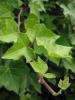
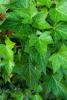
Azores Ivy has two visibly different growth phases. Juvenile vegetative shoots commonly bear broad, palmately lobed leaves and produce aerial rootlets that attach the vine to bark, rock, or masonry.
Fertile adult shoots become more self-supporting, project away from the climbing surface, and bear unlobed or only weakly lobed leaves.
Adult shoots produce small greenish flowers arranged in rounded umbels, followed by globular berries that darken as they mature.
The presence of unlobed leaves, flowers, and berries does not mean that a second plant is growing from the same vine. It reflects the mature reproductive phase characteristic of true ivies.
The Juvenile-to-Adult Transition
The transition to mature flowering growth is not caused merely by a stem touching a wall or tree. Developmental age, light exposure, hormones, growing conditions, and the plant’s position all contribute.
Climbing helps shoots reach stronger light and greater maturity, while adult growth commonly develops high on established vines and extends away from the support.
This transition affects animal exposure. Dogs, cats, rabbits, horses, and livestock may reach low juvenile growth, while adult shoots can drop berries and leaves from overhead.
Pruning an established vine can bring both juvenile and mature tissues into one concentrated pile at ground level.
Identification May Require More Than Leaf Shape
Leaf shape alone is not always sufficient for dependable identification. Closely related ivies may require examination of the tiny leaf-surface hairs, or trichomes, together with leaf dimensions, growth form, chromosome number, geographic origin, and reproductive structures.
Environmental conditions and cultivated forms may alter leaf size, lobe depth, color, and growth habit. A plant stressed by wind, salt, shade, sun, drought, or pruning may not resemble a typical reference photograph.
Useful identification evidence includes several juvenile leaves, adult leaves when present, young stem surfaces, flowers, berries, photographs of the whole vine, and the geographic source.
Ornamental and Landscape Exposure
Ivies have been used for centuries as ornamental climbers and groundcovers. True Azores Ivy is less common in ordinary North American commerce than English or Atlantic Ivy, but nursery mislabeling and common-name interchange may obscure the species being sold.
Pets may encounter ivy in indoor containers, hanging baskets, floral displays, wall coverings, courtyard plantings, fences, hedges, gardens, and pruning waste.
Cats may play with trailing stems or groom sap from the paws and coat. Dogs may chew freshly cut vines, pull growth from a wall, or swallow fallen berries.
Horses and livestock may reach vines growing through fences, over stone walls, or into pasture margins. Exposure becomes more likely during feed scarcity, hedge cutting, storm damage, land clearing, or disposal of fresh vines in a paddock.
Why Most Toxicology Comes from Common Ivy
Most detailed knowledge of ivy saponins, dermatitis, medicinal extracts, and animal poisoning comes from Common Ivy, Hedera helix.
Direct studies identifying and quantifying hederacosides, alpha-hederin, hederagenin, falcarinol, and didehydrofalcarinol in authenticated Hedera azorica are scarce.
The close relationship among true ivies supports a cautious genus-level assessment. It does not justify stating that every compound occurs at the same concentration or that one dose-response applies to all species.
The appropriate public conclusion is that Azores Ivy should be treated as poisonous and irritating, while the precise species-specific chemistry and clinical potency remain incompletely characterized.
Hausen and Colleagues’ Dermatitis Study
Hausen and colleagues’ 1987 investigation identified falcarinol, didehydrofalcarinol, and another polyacetylene constituent as strong irritants and moderate sensitizers in Common Ivy.
Falcarinol and didehydrofalcarinol were present throughout the year, and falcarinol was especially important in sensitized individuals.
The study provides a strong explanation for delayed, itchy, sometimes blistering dermatitis after repeated pruning or occupational handling of Common Ivy.
It did not use authenticated Azores Ivy or veterinary patients. An animal with a recurring rash after lying beneath, pushing through, or being handled after contact with Azores Ivy should therefore be evaluated for plant dermatitis without assuming that the exact allergen concentration is known.
The Cooper and Johnson Cattle Account
Marion R. Cooper and Anthony W. Johnson discussed ivy in their 1984 book Poisonous Plants in Britain and Their Effects on Animals and Man. Their account stated:
“Cattle that ingested large quantities of English ivy vine became ill and excitable, started staggering, and bellowed loudly. The odor of crushed ivy leaves was on the breath and in the milk. Recovery was quick and complete in three days.”
The account is relevant as a historical livestock observation involving heavy ivy consumption.
It concerned English Ivy rather than confirmed Azores Ivy and did not establish the exact amount, toxin concentration, blood findings, or exclusion of contaminated feed and other plants.
It supports caution after substantial livestock ingestion but does not establish excitement, staggering, and bellowing as a routine H. azorica syndrome.
How Dangerous Is Ordinary Ivy Exposure?
The lethality of ordinary ivy exposure is sometimes overstated. Modern companion-animal poison guidance emphasizes hypersalivation, vomiting, abdominal pain, and diarrhea rather than frequent fatal systemic poisoning.
The unpleasant taste and early irritation commonly limit the amount consumed. Many small exposures remain mild and resolve with observation or limited supportive care.
The plant is not harmless. Repeated vomiting can cause dehydration, allergic dermatitis may become extensive or infected, and fibrous vines may lodge in the mouth, pharynx, esophagus, stomach, or intestines.
A medically fragile animal may require treatment even when the underlying saponin exposure is not usually life-threatening.
Mechanical Suffocation Is Different from Systemic Poisoning
Gaillard and colleagues’ 2003 report involved an extraordinary quantity of Common-Ivy leaves physically obstructing a human airway.
Hederacoside C, alpha-hederin, and hederagenin were measured to help distinguish systemic saponin poisoning from mechanical asphyxia.
The report does not demonstrate that ordinary ivy ingestion commonly causes fatal systemic toxicosis. It demonstrates that enough plant material can obstruct the mouth or throat regardless of its chemical toxicity.
Veterinary evaluation must similarly distinguish gastrointestinal irritation from choking, esophageal obstruction, aspiration, or a gastrointestinal foreign body.
Oral Pain and Drinking Difficulty
Saponins, sap, friction, and retained vine material may cause drooling, coughing, mouth discomfort, food refusal, or reluctance to drink.
Severe blistering throughout the mouth is not expected after one ordinary ivy nibble. Inability to eat or drink for more than a short period requires examination for a retained stem, dental disease, electrical injury, caustic chemical, another irritant plant, or throat swelling.
Pouring water into the mouth is unsafe when the animal is gagging, vomiting, weak, or swallowing abnormally.
Ivy Extracts and Cough Medicines
Standardized Common-Ivy extracts are used in some human expectorant products. Their manufacture involves controlled extraction, purification, measurement, and formulation.
The existence of those products does not make raw ivy a veterinary medicine or safe animal food.
A dog developed gastroenteritis after repeated unprescribed administration of a human ivy-extract syrup. The exposure involved a manufactured medicinal preparation rather than a brief taste of fresh vine.
Human cough products may contain concentrated plant extract, xylitol or another sweetener, alcohol, flavorings, decongestants, pain relievers, or additional herbal ingredients. The complete label must be evaluated.
Diagnosis and Differential Diagnosis
Diagnosis usually depends on witnessed access, reliable identification, the amount and plant part involved, the timing of gastrointestinal or skin signs, and exclusion of more serious causes.
Useful evidence includes several juvenile and mature leaves, a stem section, flowers or berries when present, nursery labels, photographs of the complete vine and exposure site, medicinal-product packaging, and material found in vomit.
Mild short-lived gastrointestinal signs may not require extensive testing. Repeated vomiting, blood, dehydration, severe abdominal pain, weakness, uncertain exposure, or atypical signs may justify bloodwork, electrolytes, urinalysis, fecal testing, abdominal imaging, or endoscopy.
Persistent mouth pain may require a sedated examination of the tongue, palate, pharynx, teeth, and esophagus. Skin lesions may require evaluation for allergic or irritant dermatitis, bacterial or fungal infection, parasites, or another plant. Eye pain may require fluorescein staining and removal of retained debris.
Prognosis and Prevention
The prognosis is good to excellent after most small, uncomplicated exposures. Gastrointestinal irritation is usually brief, and dermatitis generally improves after contact stops and inflammation is treated.
The prognosis depends more heavily on dehydration, aspiration, choking, gastrointestinal obstruction, severe allergic swelling, corneal injury, concentrated-product exposure, or another toxin.
Remove Azores Ivy from kennels, cat enclosures, rabbit runs, turnout areas, and fence lines where animals repeatedly chew or brush against it.
Collect berries and pruning debris promptly, secure bags of uprooted vines, and prevent animals from lying on cut growth or entering freshly cleared areas.
Wear gloves and protective clothing while pruning, particularly after a previous rash. Clean tools, floors, clothing, collars, harnesses, bedding, and work surfaces, and prevent pets from grooming sap-contaminated fur.
Immediate Steps After Ingestion
- Prevent further access. Move the animal away from the ivy and collect loose leaves, vines, stems, berries, roots, and pruning debris.
- Check breathing and swallowing first. Repeated unproductive gagging, noisy or labored breathing, open-mouth breathing in a cat, neck extension, inability to swallow saliva, blue-gray gums, panic, weakness, or collapse requires immediate emergency transport.
- Remove only loose visible material. Carefully lift leaves or stem pieces resting at the lips or front of the mouth when the animal remains calm. Do not reach blindly toward the throat or pull forcefully on material that may be lodged.
- Allow voluntary access to fresh water. An alert animal swallowing normally may drink on its own. Do not pour, syringe, spray, or force water into the mouth.
- Preserve identification evidence. Save a vine section with several leaves and any flowers or berries. Photograph the entire plant, both leaf forms, and the exposure site.
- Estimate the exposure. Record the likely amount, plant part, access time, vomiting, diarrhea, coughing, skin or eye contact, and whether pesticides, fertilizers, or another plant were present.
- Contact a veterinarian when warranted. Obtain prompt guidance after substantial or unknown ingestion, berry consumption, repeated symptoms, persistent mouth pain, weakness, or exposure involving a young, elderly, small, or medically fragile animal.
Do Not Attempt Unsupervised Home Treatment
- Do not induce vomiting. Hydrogen peroxide, salt, mustard, syrup of ipecac, detergent, oil, manual gagging, and fingers in the throat can cause aspiration, gastric injury, sodium poisoning, or trauma.
- Never use hydrogen peroxide as a feline emetic. It can cause severe feline esophagitis, gastritis, ulceration, and bleeding.
- Never attempt to induce vomiting in a horse. Horses cannot vomit.
- Do not force mouth flushing. Pouring or spraying water into the mouth can cause aspiration when an animal is gagging, vomiting, weak, or swallowing abnormally.
- Do not give activated charcoal at home. It is not routinely justified for a minor ivy nibble and may be inhaled by an animal that is vomiting, coughing, weak, sedated, or swallowing poorly.
- Do not force milk, food, water, oil, broth, or electrolyte products. These substances do not neutralize saponins and may provoke vomiting or aspiration.
- Do not give owner-selected medication. Antihistamines, antidiarrheal products, antacids, bismuth products, pain relievers, sucralfate, corticosteroids, antibiotics, and leftover prescriptions must be selected from the actual findings.
Skin and Coat Decontamination
Wear gloves and wash exposed skin or fur gently with lukewarm water and a mild species-appropriate cleanser. Rinse thoroughly.
Prevent licking or grooming until the residue has been removed. Clean collars, harnesses, bedding, towels, floors, tools, and other objects contaminated with sap or plant debris.
Monitor for redness, itching, bumps, vesicles, swelling, licking, rubbing, chewing, crusting, hair loss, odor, or discharge.
Spreading inflammation, marked facial swelling, moist lesions, recurrent rash, or evidence of infection requires veterinary examination.
Eye Exposure
If loose sap or plant debris entered an eye and no object is visibly embedded, begin gentle irrigation with sterile saline or clean lukewarm water while preventing rubbing.
Do not use tweezers, cotton swabs, cloth, fingers, human redness drops, or leftover ophthalmic medication on the eye surface.
Persistent squinting, tearing, redness, cloudiness, discharge, bleeding, light sensitivity, or inability to open the eye requires prompt corneal examination.
When Emergency Examination Is Required
- Breathing difficulty or progressive swelling: Noisy or labored breathing, increasing tongue or throat swelling, blue-gray gums, or collapse requires immediate care.
- Repeated gagging or inability to swallow: A fibrous stem or mass of leaves may be lodged in the mouth, pharynx, or esophagus.
- Repeated vomiting or diarrhea: Continuing gastrointestinal loss can cause dehydration and electrolyte abnormalities.
- Blood or black material: Blood in vomit or stool is not expected after a minor exposure.
- Severe abdominal pain or enlargement: These findings may indicate obstruction, gastric dilatation, pancreatitis, or another gastrointestinal emergency.
- Marked weakness, incoordination, tremors, or collapse: These are not routine effects of a small ivy exposure and require a broader toxicologic and medical investigation.
- Persistent dermatitis: Spreading redness, blistering, discharge, hair loss, odor, or continuing self-trauma may require treatment for inflammation or infection.
- Persistent eye pain: Squinting, tearing, cloudiness, bleeding, or a visible foreign body requires prompt care.
- Heavy livestock consumption: Salivation, feed refusal, diarrhea, excitement, staggering, respiratory abnormalities, weakness, or several affected animals requires immediate veterinary investigation.
- Concentrated ivy-product exposure: Bring the complete container and ingredient list because sweeteners, alcohol, medication, preservatives, or other ingredients may change treatment.
Veterinary Gastrointestinal Treatment
There is no specific antidote for ivy saponins. Treatment is supportive and proportionate to vomiting, diarrhea, abdominal discomfort, hydration, and the possibility of another exposure.
Veterinarian-selected antiemetics such as maropitant or ondansetron may control continuing nausea and vomiting. Subcutaneous or intravenous fluids may replace gastrointestinal losses and correct dehydration or measured electrolyte abnormalities.
Professional emesis is rarely necessary after a small ivy exposure, particularly when irritation or vomiting has already begun. It may be considered only after an unusually large, very recent ingestion in a fully alert, stable, asymptomatic dog that can protect its airway and has not swallowed a fibrous mass.
Activated charcoal is not routinely useful for uncomplicated ivy irritation. A veterinarian may consider it only when a substantial absorbable toxin or mixed exposure is suspected and the animal can protect its airway.
Sucralfate or acid-suppressive medication may be considered under veterinary care when repeated vomiting, hematemesis, esophagitis, erosive gastritis, or documented mucosal injury warrants protection. Neither is an ivy antidote.
Foreign-Body, Airway, and Aspiration Treatment
Persistent mouth pain, gagging, regurgitation, coughing, altered vocalization, or swallowing difficulty may require examination under sedation, radiographs, contrast imaging, ultrasound, or endoscopy.
Lodged vine material may require direct removal from the mouth, pharynx, or esophagus. Gastrointestinal obstruction or perforation may require endoscopic or surgical treatment.
Breathing abnormalities may require oxygen, airway examination, intubation, assisted ventilation, and treatment for aspiration, allergic swelling, obstruction, or another diagnosis.
Coughing, fever, abnormal lung sounds, reduced oxygenation, or worsening respiratory effort after vomiting or regurgitation may require chest imaging and treatment for aspiration pneumonitis or pneumonia.
Veterinary Dermatitis Treatment
Dermatitis treatment may include thorough cleansing, veterinarian-selected anti-inflammatory or antipruritic medication, and prevention of licking, chewing, and scratching.
Medication choice depends on whether the lesion is irritant, allergic, infected, parasitic, or caused by another skin disorder. Antihistamines and corticosteroids are not automatic treatments for every rash.
Secondary bacterial or yeast infection may require targeted antimicrobial treatment after examination or diagnostic testing.
Repeated relapse after contact with the same vine supports avoidance as an essential part of treatment.
Veterinary Eye Treatment
Eye examination may include prolonged irrigation, eyelid eversion, magnification, fluorescein staining, and removal of retained plant material.
Corneal injury may require lubrication, prescription pain control, topical antimicrobial medication, and follow-up examinations to confirm healing.
Steroid-containing eye medication should not be used when a corneal ulcer is possible because it can delay healing and worsen infection.
Horses and Livestock
Remove all animals from standing ivy, cut vines, berry-bearing growth, hedge trimmings, and contaminated feed or bedding. Examine every animal that shared access.
Do not drench or force oil, charcoal, feed, water, or medication into an animal that is coughing, bloated, weak, recumbent, or swallowing poorly.
Large-animal evaluation may include oral examination, assessment of hydration and abdominal function, fluid therapy, and investigation of all forage, water, pesticides, fertilizers, and available plants.
Excitement, staggering, severe diarrhea, respiratory difficulty, recumbency, or group illness should not be assigned automatically to Azores Ivy without a complete environmental investigation.
Recovery, Prognosis, and Prevention
Most mild gastrointestinal cases improve within approximately twelve to twenty-four hours, and the prognosis is good to excellent.
Recovery may take longer when repeated vomiting causes dehydration, dermatitis becomes infected, plant material is lodged, aspiration occurs, or an eye is injured.
Collect berries and cut vines promptly, secure removal bags, and keep ivy out of kennels, cat enclosures, rabbit areas, pasture boundaries, and animal traffic routes where repeated exposure occurs.
Clean sap and plant debris from tools, clothing, collars, harnesses, bedding, floors, and work surfaces before animals regain access.
Frequently Asked Questions About Azores Ivy and Animal Poisoning
Is Azores Ivy poisonous to dogs and cats?
Azores Ivy should be treated as poisonous and irritating. Direct veterinary evidence for authenticated Hedera azorica is limited, but closely related true ivies contain triterpenoid saponins associated with hypersalivation, vomiting, abdominal pain, diarrhea, reduced appetite, and temporary lethargy. Sap and repeated plant contact may also contribute to irritant or allergic dermatitis.
Is Azores Ivy poisonous to horses and livestock?
Horses and livestock should not be permitted to browse the vine or consume pruning debris. Likely effects include salivation, feed refusal, abdominal discomfort, and diarrhea. Historical English-Ivy reports describe excitement and staggering after very heavy consumption, but those signs have not been established as a predictable Azores-Ivy syndrome.
Is Hedera azorica an accepted species?
Yes. Kew accepts Hedera azorica Carrière as a distinct species in Araliaceae. Its native range is limited to the Azores. Historical treatments placed it under Canary Ivy or Common Ivy, but those classifications are now retained as synonyms rather than accepted names.
What are the important historical scientific names?
The two recognized historical names are Hedera canariensis var. azorica and Hedera helix var. azorica. They matter when searching older botanical, horticultural, and herbarium records but do not mean that Azores Ivy is currently accepted as a variety of either species.
Is Azores Ivy the same as Atlantic Ivy?
No. Azores Ivy is Hedera azorica, an Azorean endemic. Atlantic or Irish Ivy is Hedera hibernica, a separate species native to western Europe through central and southern Spain. The names may be confused in plant listings, but they are not botanical synonyms.
Is Azores Ivy the same as English Ivy?
No. English or Common Ivy is Hedera helix. Most detailed ivy toxicology involves that species, so its findings provide a cautious model for assessing Azores Ivy. They do not prove that both species contain identical toxin concentrations or have the same dose-response relationship.
Which parts of Azores Ivy should be considered poisonous?
Leaves, stems, sap, flowers, berries, roots, and cut vines should remain inaccessible. Evidence from Common Ivy identifies foliage as the greater ingestion concern, but no authenticated Azores-Ivy study has established the exact relative toxicity of leaves, berries, flowers, stems, and roots.
What toxins are expected in Azores Ivy?
The principal expected ingestion hazards are triterpenoid saponins related to compounds identified in other true ivies. Relevant Common-Ivy compounds include hederacoside C, hederacoside B, alpha-hederin, and hederagenin. Their precise presence and concentration in authenticated Hedera azorica have not been characterized adequately.
What are hederacoside C, alpha-hederin, and hederagenin?
Hederacoside C and alpha-hederin are related triterpenoid saponins containing sugar groups attached to a triterpenoid structure. Hederagenin is the non-sugar aglycone incorporated into several related ivy compounds. These substances are not separate unrelated poisons and should be understood as members of one connected chemical family.
Are rutin, caffeic acid, and chlorogenic acid important ivy toxins?
They may occur in ivy extracts, but they are not considered the principal causes of ordinary animal illness after chewing fresh ivy. Detecting a compound during chemical analysis does not establish that it causes the expected salivation, vomiting, diarrhea, or dermatitis. Saponins and falcarinol-type compounds are more relevant.
Can Azores Ivy cause a skin rash?
Yes, although direct species-specific veterinary evidence is limited. Closely related ivies contain falcarinol and didehydrofalcarinol, which can act as irritants and sensitizers. Possible signs include redness, itching, bumps, vesicles, swelling, licking, rubbing, and hair loss. Recurrent lesions after ivy contact deserve veterinary examination.
Can an animal become allergic after repeated contact?
Yes. Allergic contact dermatitis generally follows sensitization during an earlier exposure. A sensitized animal may react more strongly after returning to the same ivy-covered location. The rash may recur on the muzzle, feet, abdomen, inner legs, or other areas that contact the plant.
Can Azores Ivy cause mouth blisters or severe throat swelling?
Drooling, coughing, soreness, and local irritation are possible. Extensive oral blistering and severe airway swelling are not the routine effects documented after ordinary ivy ingestion. Visible ulcers, inability to swallow, progressive facial or throat swelling, or abnormal breathing requires emergency examination for a severe reaction, obstruction, caustic exposure, or another plant.
Can ivy vines cause choking or intestinal obstruction?
Yes. A fibrous stem or mass of leaves can lodge in the mouth, throat, or esophagus or form a gastrointestinal foreign body. Repeated gagging, inability to swallow saliva, regurgitation, neck extension, recurrent vomiting, abdominal enlargement, reduced stool production, or worsening pain requires prompt examination and possibly imaging or endoscopy.
Can Azores Ivy cause seizures, coma, or organ failure?
Those are not established as characteristic effects of a small, uncomplicated exposure. Severe neurologic, cardiovascular, renal, hepatic, or hematologic illness requires investigation for another toxin, pesticide, medication, shock, electrolyte disturbance, metabolic disease, or mixed ingestion rather than automatic attribution to ivy.
Can Azores Ivy kill an animal?
Fatal systemic poisoning from an ordinary ivy nibble appears exceptionally uncommon. Life-threatening complications can still result from choking, aspiration, gastrointestinal obstruction, severe dehydration, allergic swelling, concentrated medicinal products, or another substance mixed with the plant. Abnormal breathing, inability to swallow, collapse, or profound weakness is an emergency.
What happened in the documented Common-Ivy suffocation case?
An extraordinary quantity of Hedera helix leaves physically obstructed a human mouth and throat. Chemical analysis helped distinguish systemic saponin poisoning from mechanical asphyxia. The case does not show that ordinary ivy ingestion commonly causes fatal poisoning; it demonstrates that a large mass of plant material can block the airway.
Are human ivy cough syrups safe for animals?
No. A published dog developed gastroenteritis after repeated unprescribed administration of a human Common-Ivy extract syrup. Manufactured products may contain concentrated extract, xylitol or another sweetener, alcohol, flavorings, preservatives, decongestants, pain medication, or additional herbs. The complete label must be assessed.
How quickly do symptoms begin?
Drooling, mouth discomfort, nausea, vomiting, or abdominal pain may begin soon after chewing or within several hours. Diarrhea may follow. Allergic contact dermatitis may be delayed for several hours and can become more pronounced after repeated exposure.
Should I make my pet vomit?
No home vomiting method should be used. Hydrogen peroxide, salt, mustard, ipecac, detergent, and manual gagging can cause gastrointestinal injury or aspiration. A veterinarian should decide whether professional decontamination offers any benefit based on the amount, timing, animal species, swallowing ability, and current clinical signs.
Should I flush my pet’s mouth with water?
Do not pour or spray water forcefully into the mouth. This can cause aspiration in an animal that is gagging, vomiting, weak, or swallowing abnormally. Loose material may be removed carefully from the front of the mouth, and accessible sap may be wiped from the lips and muzzle with a damp cloth when swallowing remains normal.
Should I give activated charcoal or stomach medicine?
Do not give charcoal, bismuth products, antacids, sucralfate, antidiarrheal medication, or another stomach remedy without veterinary direction. Charcoal is not routinely necessary for mild ivy irritation and can be aspirated. Sucralfate is reserved for documented mucosal injury and is not an ivy antidote.
How is Azores-Ivy poisoning treated?
There is no specific antidote. Veterinary treatment may include anti-nausea medication, fluids, pain control, and gastrointestinal protection when documented injury warrants it. Swallowing difficulty or persistent gagging may require sedated examination, imaging, or endoscopy. Dermatitis and eye injuries require lesion-specific treatment.
How long do symptoms last?
Mild vomiting or diarrhea generally begins improving within several hours and commonly resolves within approximately twelve to twenty-four hours. Dermatitis may persist longer, particularly when contact continues. Aspiration, obstruction, eye injury, dehydration, or secondary infection can substantially prolong recovery.
What is the prognosis after Azores-Ivy exposure?
The prognosis is good to excellent for most uncomplicated exposures. The outlook depends more heavily on whether the animal develops significant dehydration, extensive dermatitis, aspiration, choking, gastrointestinal obstruction, corneal injury, concentrated-product exposure, or illness caused by another toxin.
How can exposure be prevented?
Remove ivy from kennels, cat enclosures, rabbit runs, turnout areas, and fence lines where animals repeatedly chew or brush against it. Collect berries and cut vines promptly, secure pruning bags, keep livestock away from cleared material, wear gloves while handling the plant, and clean sap from tools, clothing, collars, bedding, and animal fur.