Dog Daycare Insurance Scenario Three, Pre-Existing Medical Conditions, Sudden Collapse, Emergency Vet Transport, Owner Communication, Intake Forms, Records, and Claim Defense
Dog Daycare Insurance Scenario Three: When a Dog Dies From a Pre-Existing Medical Condition
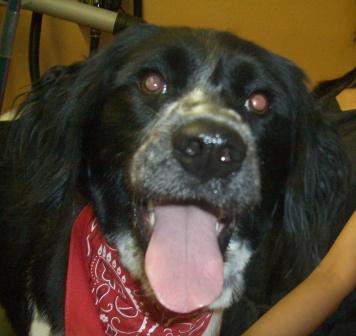
This scenario actually happened at my facility. His name was Walker.
Some dog daycare insurance scenarios are easy to picture: a dog fight, a bite, an escape, a poisoned dog, a customer falling in the lobby. This one is harder because it starts like a completely normal daycare day.
Walker was a Border Collie and, to be honest, one of those standout daycare dogs. Very sociable. Cute. Funny. A little goofy. Just a joyful furry personality. In daycare, even as the owner, you sometimes have your favorites. People can pretend they do not, but they do. Walker was one of mine.
He had passed temperament testing. He had been in daycare many times before. He was not a problem dog. He was not a warning-sign dog. He was one of those dogs that made the room better.
Then one day, while we were moving dogs from one area to another, he froze like somebody hit the pause button on him. A second later he nosedived into the floor. Within minutes, I was in the back of a vehicle doing mouth-to-snout CPR on a dog I cared about while my employee drove us to the emergency vet.
That is the kind of day that changes how you think about emergency procedure, insurance, medical intake, documentation, vet relationships, and what it really means to have somebody else’s dog in your care.
🗺️
Use This Scenario Like an Emergency Reality Check
This is not a cute story. It is an operating lesson. Read it like you are testing whether your own daycare could respond correctly if a dog collapsed in the playroom tomorrow.
🐕
Walker Was Not a Problem Dog
Why this scenario matters: Walker was a normal, trusted, happy daycare dog until the emergency appeared out of nowhere.
🚨
What Happened
The actual timeline: normal transition, sudden freeze, collapse, seizure, stopped breathing, CPR, transport, emergency vet response.
🧯
Emergency Procedure Mode
Airway check, pulse check, mouth-to-snout CPR, emergency vet call, vet-of-record call, containment, and transport.
🚐
The Transport Reality
The not-pretty part: uniforms, lobby customers, a limp dog in your arms, and why calling ahead matters.
☎️
Owner Notification
Why the dog’s emergency care came first, and why the owner call still had to happen quickly, clearly, and compassionately.
🩺
Pre-Existing Condition
How medical records later revealed megaesophagus and why a daycare owner could not diagnose that from the playroom floor.
🧾
Records and Proof
Why the prior diagnosis mattered, and why paperwork can be the difference between tragedy and presumed negligence.
🔒
Secure the Facility
One emergency is enough. The rest of the dogs still need gates, staff, rooms, and control.
📋
Medical Intake Lessons
What your intake form should ask about medical history, collapse, seizures, regurgitation, breathing, medication, feeding, and emergency care.
✅
Emergency Checklist
The practical process every dog daycare should have before a dog collapses, stops breathing, escapes, or needs urgent care.
🚫
What Not To Do
The panic mistakes that can make a tragedy worse even if your facility did not cause the medical event.
🛡️
Insurance Lesson
Why pre-existing medical condition scenarios belong in your insurance, records, emergency vet, and customer agreement conversations.
📷
A note about the images on this page
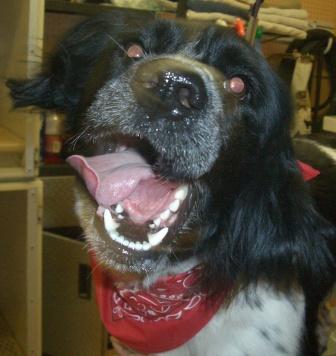
The real photographs of Walker are the actual Walker. Those are not generated, altered, or staged. They are the real dog from this story.
Some of the smaller instructional images on this page are generated teaching illustrations created with Walker’s likeness to help show what this kind of emergency can feel like inside a dog daycare. I did not use those images to glamorize him, commercialize his death, or turn him into a mascot for a claim example. I used them because sometimes words can explain the procedure, but images help a reader understand the moment.
Walker was my buddy. The generated images are there to help you put yourself where I was that day, understand what I saw, and think seriously about what your own facility would do if normal daycare turned into an emergency in a matter of seconds.
🐾
Walker Was Not a Problem Dog
That is why this scenario matters. Disasters do not always announce themselves with a growl, a red flag, or a dog that should never have been accepted.
.png)
Walker was one of those dogs that made daycare fun. He was social. He was funny. He had personality. He was not the dog you watched because you were worried. He was the dog you noticed because he was joyful.
He had been through our temperament process. He had been in daycare before. He knew the routine. Staff knew him. I knew him. He was one of those dogs you remember years later because he had a little presence to him.
That is the first lesson: a dog does not have to look sick, act sick, or be a behavior problem for something terrible to happen. Hidden medical conditions are hidden for a reason. They do not walk in wearing a warning sign.
On this day, we were moving dogs from one area to another. I had come into the playroom. Walker was there. As the other dogs were moving out, he hung back near me for a moment because we got along and he liked being near me. Then he started moving toward the outside area with the rest of the group.
Then he froze.
⚠️
Operator reality
A good temperament test tells you about behavior and daycare fit. It does not X-ray the chest, read a dog’s medical future, or magically reveal every hidden condition sitting behind a happy face and a wagging tail.
🚨
What Happened to Walker
It was like somebody hit the pause button on this dog.
.png)
He was walking, and then he just stopped. Not slowed down. Not stumbled. Froze. Stiff. Weird. Completely wrong.
Then he did an absolute nosedive into the floor.
At first I was confused because there was no obvious reason. We were inside an air-conditioned building. He had been fine. I had seen dogs have little seizure-type episodes before, but this was different. This was sudden, hard, violent, and wrong.
I got down to him immediately. His eyes were somewhere else in the back of his head. He started seizing violently. Fluid, water, saliva, slime — whatever combination of dog-mouth emergency mess it was — came out of his mouth. It was not pretty. Emergency animal care is not pretty.
Then he was not breathing.
That is the moment where the business either has an emergency process or it does not. There is no time for a staff meeting. No time for inspirational leadership quotes. No time for somebody to say, “Should we call someone?” The dog is on the floor and not breathing.
⏱️
The timeline was minutes, not hours
From collapse to emergency vet treatment was roughly four or five minutes because the vet was close, staff knew what to do, we called ahead, and we already had a relationship with the clinic. That kind of timing does not happen by accident.
🧯
The Facility Went Into Emergency Procedure Mode
This is where training matters. Not theory. Not hope. Actual procedure.
.png)
I checked his airway by opening his mouth and doing a deep sweep of his mouth and throat. There were no obvious blockages present. I checked for a femoral pulse. He had a pulse, but he was not breathing.
So I started mouth-to-snout CPR.
Let me be very clear about something people do not always think about: dog CPR is not clean. When a dog goes down and fluid, saliva, water, slime, or vomit-like material comes out of the mouth, and you are doing mouth-to-snout CPR, you are going to get some of that in your mouth. That is just the reality. It is gross. It is also not the thing you focus on when a dog you care about is not breathing.
I could see his ribcage rising and falling as I breathed for him. Rising and falling. Rising and falling. He still was not coming back.
While I was doing that, my staff called our pre-designated emergency veterinary hospital and told them we had an inbound emergency patient. My staff also contacted Walker’s vet of record so his medical information could be sent to the emergency veterinary center.
The other dogs were moved back into play areas and secured. The facility stopped normal operations. Walker became the emergency, but the rest of the building still had to remain controlled.
Swipe left/right to see the full table.
| Emergency Step | What Happened | Why It Matters |
|---|---|---|
| Airway check | Mouth/throat checked for obvious blockage. | Do not assume the cause. Clear obvious airway issues if trained to do so. |
| Pulse and breathing check | Pulse present, not breathing. | Breathing status drives emergency response. |
| CPR started | Mouth-to-snout CPR began immediately. | Staff need emergency training before the bad day. |
| Emergency vet called | Pre-designated hospital was notified of inbound emergency. | The vet should be ready when you arrive, not surprised by chaos in the lobby. |
| Vet of record called | Medical records were requested and sent. | Medical history can change the entire story. |
| Other dogs secured | Dogs were placed back in controlled play areas. | One emergency is enough. Do not create another one. |
| Transport started | Walker was carried out and driven to the emergency vet while CPR continued. | Do not waste time trying to diagnose what only the vet can diagnose. |
🚐
The Emergency Vet Transport Reality Nobody Thinks About
Showing up at a vet clinic with a limp dog in your arms is not a good look. That is exactly why the call-ahead relationship matters.
.png)
I picked Walker up and carried him out. One of my staff drove. I was in the back of the vehicle doing CPR the entire way to the vet.
It was only about four or five minutes from our facility to the veterinary office. They were close. They were large. We had a good relationship with them. That mattered more than most people understand.
Here is another thing nobody thinks about until it happens: your staff are in uniforms. In our case, big purple shirts with the PAWS logo. You show up at the vet’s office in branded daycare shirts, carrying a limp, dead-looking dog through a lobby full of regular customers who are there for vaccines, checkups, nail trims, and normal vet life.
It is not a good look.
But because my staff had called ahead, the clinic was ready. The front staff had the doors open. I did not have to stand in the lobby explaining myself while customers stared. I came through the lobby doors and went straight into the back almost immediately. Walker was probably getting emergency intervention within about sixty seconds of me hitting the property.
That is what a real emergency vet relationship does. It does not guarantee a happy ending. It does not make you magic. But it removes friction when there is no time for friction.
⚠️
Transport warning
Emergency transport is not just “somebody drive fast.” It is a procedure: who drives, who handles the dog, who calls ahead, who secures the facility, which vet you use, what records go with the dog, and what happens when you arrive.
☎️
Why the Owner Was Notified After Transport Started
This is one of those parts people can misunderstand unless they have actually stood in the middle of an animal emergency.
The owner was notified after transportation to the vet had commenced.
Why? Because during a true emergency, you do not have time to explain every detail to the owner while the dog is on the floor clinging to life. You do not have time to manage their emotional response, whether that response is anger, terror, grief, confusion, or panic. The thing you need to focus on first is getting the dog emergency treatment.
Going over the details of the incident and symptoms with the owner by phone while the dog is not breathing on the floor of your facility is not the best course of action. You are not ignoring the owner. You are prioritizing the dog’s emergency care first.
That owner call was horrible. There is no dressing that up. I liked Walker. The owner loved Walker. A dog had died. I ate the vet bill on that one because sometimes compassion and cost of business meet in the same ugly spot. Every business has to decide how it handles vet bills and claims, but that day, that was the decision I made.
Later, I sat outside the facility with Walker’s mom and we both cried. I also stopped by her house sometimes after work because it was on my way home. I would sit on the porch and talk with her. She did not hold animosity toward me. That mattered. Not just legally. Humanly.
🗣️
Owner call language
“Walker collapsed suddenly and stopped breathing. We started emergency response immediately, called the emergency vet, and are transporting him now. I am going to give you the clinic information and keep you updated. Right now the priority is getting him veterinary care.”
🩺
The Medical Records Changed the Story
At first, there was no visible answer. That is the part that puts the operator’s mind in a vise.
This is a horrible feeling: to have a client’s dog die while in your care. At that point, the cause of death had not been determined. So now you are standing there as the dog daycare owner with a mind full of self-doubt.
Did I do something wrong? Did he get into something? Did staff miss something? Was there a toxin? Was there a fight? Was there a medical issue nobody knew about? And above all, the most imposing thought in your mind: Is this my fault?
There were no medical conditions listed on the client card. So what went wrong?
After Walker passed away, his medical records from his primary veterinarian arrived at the emergency center. Those records showed he had a condition called megaesophagus. In plain terms, megaesophagus is a condition where the esophagus does not move food and liquid normally. Food, liquid, or regurgitated material can become a serious aspiration risk.
I am not a veterinarian, and this page is not a veterinary medicine guide. The daycare lesson is simple: I could not have diagnosed that in the playroom. I was not taking chest X-rays at check-in next to the leash hooks. A dog can look happy, healthy, and normal to you and still have a serious medical condition hidden in the background.
In Walker’s case, the prior diagnosis mattered because it showed there was a known pre-existing medical issue that was not caused by the daycare. Without that medical record, the story could have become much uglier, much faster.
📌
Operator note
The lesson is not “learn to diagnose megaesophagus.” The lesson is: get medical disclosures, get vet-of-record information, get emergency authorization, document everything, and have a plan for the moment hidden medical history turns into a visible disaster.
🧾
Insurance Is Also About Proving What Did Not Happen
In a tragedy, people do not always start with calm analysis. Sometimes they start with blame.
.png)
In this situation, our facility was cleared of wrongdoing because an earlier diagnosis existed from a different vet showing Walker had a pre-existing condition. That mattered.
But ask the ugly question: what if that diagnosis had never been made? What if the medical records did not exist? What if the owner had not disclosed anything because they did not know? What if the dog died in your care and everyone assumed you caused it until you could prove otherwise?
That is where insurance, documentation, emergency procedures, vet relationships, camera footage, intake records, staff statements, incident reports, medical records, and owner communication stop being boring paperwork and start being the wall between your business and a pile of accusations.
The presumption of guilt can land on the dog daycare owner fast. You may have to deal with a necropsy, grieving owners, angry owners, social media, possible press, insurance questions, lawsuits, claim adjusters, and the emotional weight of knowing a dog died in your facility even if you did nothing wrong.
It pays to be prepared. Not because you are trying to dodge responsibility. Because sometimes you may need to prove your innocence.
🛡️
Insurance Side
Animal bailee / care-custody-control, professional liability, general liability, claim notice duties, vet expense questions, possible defense, and broker notification can all matter after a serious injury or death.
📋
Records Side
Intake form, medical disclosure, vet-of-record, emergency authorization, staff timeline, transport timeline, vet records, owner notification log, and saved video all help explain what actually happened.
🔒
Secure the Area Before You Create a Second Emergency
When one dog is dying, it feels like the whole universe narrows to that one dog. But the rest of the facility still exists.
.png)
All other dogs in the facility were moved back into play areas and secured before we transported Walker.
The last thing you need during an emergency is to create another emergency with an escape, fight, bite, loose room, panicked staff member, or open gate. Secure the area. Secure the animals in your care. Then begin transportation.
That is not cold. That is professional. The collapsing dog needs emergency care, but the other dogs are still your responsibility. Your staff cannot leave gates open, dogs loose, customers unattended, or playgroups unmanaged because everyone panicked and ran toward the drama.
⚠️
Emergency rule
One emergency is enough. Build procedures that keep the rest of the building controlled while the emergency dog is handled. Panic should not get a key to every gate in the facility.
📋
What Your Intake Form Should Ask After You Read This Story
Your intake form cannot catch every hidden medical issue. But a weak intake form catches almost nothing.
Walker’s client card did not list a medical condition. That is not unusual. Owners may forget, misunderstand, downplay, or never even know what matters for a group-care environment.
A dog daycare intake form should push for useful medical disclosure. Not because you are trying to practice veterinary medicine, but because certain medical realities change how a dog should be handled in daycare, boarding, grooming, training, transport, feeding, watering, and emergency response.
🩺
Medical Conditions
Ask about known diagnoses, breathing issues, heart issues, neurological issues, collapse history, seizures, coughing, regurgitation, aspiration, allergies, orthopedic problems, and chronic illness.
💊
Medication
Ask what medication the dog takes, dose, timing, reason, side effects, what happens if a dose is missed, and whether staff are authorized to administer it.
🍽️
Food and Water Restrictions
Ask about feeding instructions, water restrictions, slow feeders, post-meal rest, elevated feeding, vomiting/regurgitation history, and whether the dog can drink freely after play.
🏥
Veterinarian of Record
Collect clinic name, phone number, address, vaccine records, medical record release permission, and emergency record-transfer authorization.
🚑
Emergency Authorization
Get written permission to seek emergency veterinary care if the owner cannot be reached immediately.
📞
Contact Order
Primary owner, secondary owner, emergency contact, vet of record, preferred emergency clinic, and payment responsibility should be clear before the emergency.
🗣️
Plain-language intake wording
“Please disclose any known medical condition, diagnosis, collapse, seizure, breathing issue, regurgitation, coughing, exercise intolerance, food/water restriction, medication, veterinary warning, or prior emergency that could affect daycare, boarding, grooming, transport, feeding, watering, or emergency care.”
✅
Emergency Checklist for a Dog Collapse, Seizure, Breathing Emergency, or Sudden Death
This is the kind of checklist you build before the dog is on the floor. After that, you are not building anything. You are just finding out what you forgot.
Swipe left/right to see the full table.
| Emergency Need | What Should Already Exist | Operator Warning |
|---|---|---|
| Emergency vet | Primary emergency clinic, backup clinic, after-hours phone number, address, transport route, and staff call script. | Do not Google your emergency plan during the emergency. |
| Vet relationship | A clinic that knows your facility, answers the call, understands your business, and can receive urgent cases fast. | Relationships save friction when the lobby is full and you are carrying a limp dog. |
| Owner authorization | Signed emergency care authorization and payment responsibility language. | Waiting for permission while the dog is crashing is a bad system. |
| Medical records | Vet-of-record, vaccine records, medical disclosure, medication log, and permission to request records. | The hidden medical history may become the whole story. |
| Staff roles | Who handles the dog, who calls the vet, who calls owner, who secures groups, who documents, who drives. | If everyone is “helping,” nobody may be leading. |
| Dog containment | Procedure for securing other dogs, closing gates, stopping activity, and preventing escapes. | Do not create emergency number two. |
| Transport | Vehicle plan, crate/stretcher/towel plan, driver rule, emergency route, and transport authorization. | Transport is part of the emergency plan and the insurance conversation. |
| Documentation | Incident report, timeline, staff statements, owner contact log, vet contact log, photos, and saved video. | Memory starts rotting immediately under stress. |
| Insurance notice | Broker/carrier contact process for serious injury, death, escape, bite, claim threat, or demand for payment. | Some policies have notice duties. Know them before the ugly day. |
🚫
What Not to Do When a Dog Collapses in Your Facility
The wrong response can make a tragedy worse, even if your facility did not cause the medical event.
🚫
Do Not Freeze
Staff need training and roles. Panic is not a response plan. It is just noise wearing shoes.
🚫
Do Not Diagnose
You are not the vet. Stabilize, respond, transport, document, and let the veterinarian diagnose.
🚫
Do Not Leave Dogs Unsecured
Other dogs still need gates, rooms, staff, and control. One emergency is enough.
🚫
Do Not Delete Video
Save the relevant time range immediately. Video that overwrites later does not help anyone.
🚫
Do Not Promise Fault
Care about the dog. Be compassionate. But do not casually admit legal fault before facts and records exist.
🚫
Do Not Turn It Into a Phone Conference
The owner needs to be notified, but emergency care comes first. Do not let the dog die while you explain the situation in circles.
🚫
Do Not Let Staff Gossip Become the Record
Write facts, timelines, actions, calls, and observations. Not dramatic theories from the laundry room.
🚫
Do Not Assume the Customer Will Blame You
Be human. Be present. Be honest. Sometimes compassion and relationship matter as much as paperwork.
🚫
Do Not Skip the Broker Conversation
Serious injury or death may trigger notice duties. Know what your policy requires before you are in the middle of it.
🛡️
The Insurance Lesson From Walker
This scenario is not about being afraid of daycare. It is about being professionally prepared for the kind of day nobody wants.
Dogs can die. Dogs can have hidden medical conditions. Dogs can collapse. Dogs can aspirate. Dogs can have seizures. Dogs can stop breathing. Dogs can arrive with risks the owner does not understand, does not disclose, or does not even know exist.
That does not mean every dog death is the daycare’s fault. It also does not mean people will automatically believe it was not your fault. That is the gap where insurance, documentation, emergency procedure, vet relationships, intake forms, customer agreements, and staff training matter.
You need insurance for the obvious things: bites, fights, slips, property damage, staff injuries, vet bills, lawsuits, and claims. But you also need insurance and documentation for the less obvious thing: defending the business when a tragedy happens inside your facility and everyone wants an answer before the facts are fully known.
A good facility is not the one that pretends nothing bad can happen. A good facility is the one that already knows what to do when something bad happens anyway.
Swipe left/right to see the full table.
| Insurance / Risk Area | Why Walker’s Scenario Matters | Broker / Operator Question |
|---|---|---|
| Animal Bailee / CCC | The dog was in your care, custody, or control when the emergency happened. | How does the policy handle death, emergency vet care, pre-existing conditions, and animals in our care? |
| Professional Liability | Owner may question judgment, response, supervision, water access, intake, or emergency procedure. | Are professional service decisions, intake process, and emergency response allegations addressed? |
| Vet Expense / Goodwill Payment | You may choose to pay or be asked to pay a vet bill even when fault is unclear. | What should we do before paying, reimbursing, or promising anything? |
| Claim Notice Duties | Serious injury or death may need broker/carrier notice. | When must we notify the broker or carrier after a collapse, death, or emergency vet transport? |
| Medical Intake | Hidden medical history can change the whole incident. | What records should we collect before accepting dogs into daycare or boarding? |
| Emergency Transport | Transport creates its own risk and coverage questions. | Are emergency vet transports, staff vehicles, and dogs in transit covered? |
| Documentation | The record may be the difference between tragedy and presumed negligence. | What should we preserve: video, staff statements, timeline, vet records, call logs, forms? |
⚠️
Bottom line
Walker’s death was heartbreaking. The operational lesson is simple: emergency plans, trained staff, vet relationships, medical records, owner authorization, documentation, and insurance are not optional decoration. They are what keep a tragedy from becoming an uncontrolled business disaster.
🐾
Walker
It is easy to talk about “insurance scenarios” like they are paper examples. They are not. They are dogs. They are owners. They are staff. They are days you remember.
These are the real photos of Walker. Not generated. Not altered. Not made for effect. Just Walker.
📌
Final Word: Prepare for the Day You Hope Never Happens
You do not build emergency procedure because you expect every dog to collapse. You build it because one day, one dog might.
There is no way to run a real dog daycare, boarding facility, grooming shop, training program, or pet resort and eliminate every possible risk. You are dealing with live animals, hidden medical conditions, owners who may not know what matters, staff who need training, group environments, and emergencies that do not ask permission before showing up.
Walker’s death was a sobering wake-up experience. I can still remember the vehicle ride to the vet, doing CPR in the back while my employee drove, knowing we were doing everything we could and still feeling that awful helplessness.
The goal is not perfection. The goal is professional readiness.
Have the insurance conversation before you need it. Have the emergency vet relationship before the dog collapses. Have the owner authorization before the panic. Have the intake form before the hidden diagnosis becomes important. Have the staff roles before everybody starts running in circles. Have the documentation process before memory starts rewriting the movie.
Walker’s story is painful, but it is useful. It shows exactly why a dog daycare needs emergency planning, medical intake, trained staff, documentation, and insurance that matches the ugly realities of the business.