PAWS Pet Poison Plant Guide
Is Barbados Lily Poisonous to Dogs, Cats, Horses, and Livestock?
Yes—Barbados Lily, Hippeastrum puniceum, is poisonous to dogs and cats and should also be kept away from horses, livestock, birds, rabbits, and other animals. Every part contains Amaryllidaceae alkaloids, but the fleshy bulb and bulb scales present the greatest practical risk. Most exposures cause excessive drooling, nausea, vomiting, diarrhea, abdominal pain, appetite loss, depression, or lethargy. A substantial bulb ingestion may also cause dehydration, weakness, tremors, poor coordination, low blood pressure, abnormal heart rhythm, breathing abnormalities, seizures, or collapse.
One small bite of a leaf or flower is not equivalent to swallowing a bulb. Dogs are especially likely to dig up, carry, crush, or consume bulbs stored for planting, while cats more commonly chew leaves or flowers. Dormant, dried, stored, wax-coated, and discarded bulbs remain poisonous. Spontaneous vomiting may reduce the retained amount, but it does not prove that the stomach is empty or that serious effects cannot follow.
About this guide: This page provides general pet-poisoning information and cannot diagnose or treat an individual animal. For any suspected exposure, contact a veterinarian or animal poison-control service immediately. Do not induce vomiting, give medication, or attempt home decontamination unless directed by a veterinary professional.
Barbados Lily
Hippeastrum puniceum (Lam.) Voss
Important historical botanical names include Amaryllis punicea Lam., Amaryllis equestris Aiton, Hippeastrum equestre (Aiton) Herb., and Hippeastrum purpureum Kuntze.
“Amaryllis” remains the common horticultural name for many Hippeastrum species and hybrids, although true Amaryllis belongs to a separate South African genus.
Amaryllidaceae
Barbados Lily, Barbados Amaryllis, Common Amaryllis, Fire Lily, Lily of the Palace, Ridderstjerne, Knight’s Star Lily, Orange Lily, Orange Lirio, Amaryllis, Hippeastrum
“Fire Lily” is also used for unrelated plants and does not identify Hippeastrum puniceum reliably. “Amaryllis” is broadly applied to Hippeastrum species and commercial hybrids. Hippeastrum spp. refers to the entire genus rather than serving as an exact synonym for this species.
Amaryllidaceae Alkaloids Are the Principal Poisons
Barbados Lily contains a chemically diverse group of isoquinoline alkaloids characteristic of Amaryllidaceae. These compounds occur throughout the plant, but the bulb generally contains the most concentrated and clinically important exposure.
Leaves, flower stalks, flowers, roots, seeds, bulb scales, sap, dried material, and discarded plant sections should also be treated as poisonous. Alkaloid concentrations can vary with plant part, plant age, genetics, season, growing conditions, dormancy, and analytical method.
The complete plant contains multiple alkaloids rather than one uniform toxin. The expected veterinary syndrome reflects the combined effects of lycorine and related compounds, gastrointestinal irritation, fluid loss, and, after a substantial bulb ingestion, possible autonomic, neurologic, cardiovascular, and respiratory effects.
Lycorine and Its Strong Emetic Effect
Lycorine is the alkaloid most consistently associated with poisoning from amaryllis-type plants. It is a powerful emetic and a well-studied inhibitor of protein synthesis and cellular growth under experimental conditions.
After plant material is chewed or swallowed, lycorine and related alkaloids can stimulate nausea, salivation, retching, vomiting, abdominal discomfort, diarrhea, and appetite loss.
The strong emetic response may limit further ingestion because an animal begins drooling or vomiting soon after eating the plant. This is not dependable protection. Alkaloids and bulb fragments may remain in the stomach, and repeated vomiting can cause dehydration, electrolyte loss, esophageal inflammation, or aspiration.
Laboratory protein-synthesis inhibition should not be interpreted as evidence that one household exposure predictably causes generalized tissue destruction or permanent organ failure. The dose, duration, purified compound, experimental cell system, and natural plant exposure are fundamentally different.
The 2021 Species-Specific Bulb Study
Letícia Carlesso Soprani, Jean Paulo de Andrade, Vanessa Dias dos Santos, Anderson Alves-Araújo, Jaume Bastida, Cristian A. Gasca Silva, Damaris Silveira, Warley de Souza Borges, Claudia Masrouah Jamal, and colleagues published “Chemical Evaluation and Anticholinesterase Activity of Hippeastrum puniceum (Lam.) Kuntz Bulbs (Amaryllidaceae)” in the Brazilian Journal of Pharmaceutical Sciences.
The researchers used gas chromatography–mass spectrometry to identify 15 alkaloids in authenticated Barbados-Lily bulbs.
Four alkaloids were isolated through chromatographic procedures and structurally characterized: lycorine, tazettine, 9-O-demethyllycoramine, and 9-demethyl-2α-hydroxyhomolycorine.
The study provides direct evidence that the bulb contains several structural classes of Amaryllidaceae alkaloids rather than one uniform toxic compound.
The research did not expose dogs, cats, horses, livestock, birds, or small mammals and did not establish a pet-toxic bulb weight, leaf count, or blood concentration.
Acetylcholinesterase Inhibition
The crude bulb extract and an ethyl-acetate fraction in the Soprani study demonstrated substantial acetylcholinesterase-inhibiting activity under laboratory conditions.
Acetylcholinesterase normally breaks down the neurotransmitter acetylcholine. Inhibition can prolong cholinergic signaling and potentially influence salivation, gastrointestinal motility, pupil responses, muscle function, heart rate, blood pressure, and nervous-system activity.
This mechanism provides biologically plausible context for hypersalivation, intestinal hyperactivity, weakness, tremors, and cardiovascular changes after a substantial exposure.
It has not been demonstrated that natural Barbados-Lily poisoning produces a complete or consistent cholinergic syndrome. Ordinary cases remain dominated by nausea, vomiting, diarrhea, abdominal discomfort, and depression.
Veterinary treatment should therefore follow the animal’s measured heart rate, rhythm, blood pressure, respiratory status, neurologic findings, hydration, and laboratory abnormalities rather than assuming that every exposure is a classic acetylcholinesterase-inhibitor poisoning.
Tazettine and Pretazettine Interpretation
Tazettine is a recognized Amaryllidaceae alkaloid identified and isolated from Barbados-Lily bulbs.
Phytochemical interpretation requires care because pretazettine is chemically unstable and may rearrange or be measured as tazettine during acid-base extraction or gas-chromatography conditions.
The presence of tazettine in an analytical result therefore does not always reveal precisely how much free tazettine versus precursor material existed in the intact living bulb.
This analytical distinction matters to chemical research but does not change the owner-facing rule that the bulb and every plant part must remain inaccessible.
9-O-Demethyllycoramine and Homolycorine-Type Chemistry
The species-specific study also isolated 9-O-demethyllycoramine and 9-demethyl-2α-hydroxyhomolycorine.
These compounds represent additional structural groups within the broader Amaryllidaceae-alkaloid family. Related alkaloids in other species have shown cholinesterase inhibition, hypotensive effects, cytotoxicity, or other biological activity in laboratory systems.
Those properties cannot be transferred automatically to a natural veterinary dose of each individual compound. The intact bulb exposes an animal to a mixture whose absorption, metabolism, interactions, and concentrations remain incompletely characterized.
Quirion and Colleagues’ 3-O-Acetylnarcissidine Discovery
Jean-Claude Quirion, Henri-Philippe Husson, Bernard Weniger, Francisco Jiménez, and T. A. Zanoni published “(-)-3-O-Acetylnarcissidine, a New Alkaloid from Hippeastrum puniceum” in the Journal of Natural Products in 1991.
The investigators isolated and structurally characterized the previously undescribed alkaloid 3-O-acetylnarcissidine from the species.
This discovery expanded the confirmed Barbados-Lily alkaloid profile beyond lycorine and the compounds commonly repeated in general poison references.
The study was phytochemical rather than veterinary and did not determine whether 3-O-acetylnarcissidine contributes measurably to vomiting, hypotension, neurologic effects, or another clinical sign in animals.
Santana and Colleagues’ Bioactivity Study
Olga Santana, Mercedes Reina, Ana L. Anaya, F. Hernández, M. E. Izquierdo, and Azucena González-Coloma later published “3-O-Acetyl-Narcissidine, a Bioactive Alkaloid from Hippeastrum puniceum Lam. (Amaryllidaceae).”
The researchers identified 3-O-acetylnarcissidine as a major constituent of an alkaloid fraction and evaluated its antifeedant and phytotoxic activity in insect and plant systems.
These findings establish biological activity but do not demonstrate a pet-toxic dose or identify the compound as the principal cause of canine or feline poisoning.
The Glycosylated Narciclasine Alkaloid
A. E. Feu and colleagues later characterized a glycosylated narciclasine alkaloid from Hippeastrum puniceum.
Narciclasine-type compounds are phenanthridone-related Amaryllidaceae alkaloids with potent laboratory effects on protein synthesis, cell growth, and other biological processes.
Its presence adds further evidence that the bulb is chemically complex. It does not establish that ordinary animal ingestion produces the anticancer, antiviral, antiparasitic, or cultured-cell effects studied with purified compounds.
Not Every Hippeastrum Alkaloid Occurs in Every Plant
Galanthamine-, lycorine-, homolycorine-, haemanthamine-, crinine-, tazettine-, montanine-, and narciclasine-type alkaloids occur within the genus Hippeastrum.
The genus-level literature contains dozens of compounds, but the profile varies markedly among species, hybrids, cultivars, populations, tissues, and individual bulbs.
Galanthamine, haemanthamine, hippeastrine, crinidine, vittatine, montanine, and related names should not be listed as confirmed dominant Barbados-Lily toxins unless authenticated species-specific evidence supports them.
The public toxicology should preserve the confirmed H. puniceum compounds while using broader genus chemistry only as contextual evidence.
The Bulb Presents the Greatest Practical Risk
The fleshy bulb stores carbohydrates, water, minerals, and defensive alkaloids in a compact structure. A dog can consume a substantial mass quickly by digging up, carrying, crushing, or swallowing it.
Bulb scales may separate during chewing and remain in the stomach even after some pieces are vomited. The tough outer tunic, fibrous basal plate, roots, soil, wax, decorative wire, and container material can add mechanical irritation or foreign-body risk.
An entire bulb or a substantial portion of one creates a materially different exposure from one bite of a flower or leaf. Any known bulb ingestion warrants prompt veterinary consultation, even before signs develop.
Wax-Coated and Decorative Bulbs Remain Poisonous
Commercial amaryllis bulbs may be coated in wax and sold without soil or water as holiday decorations. The wax does not neutralize the alkaloids inside the bulb.
Dogs may chew through wax, glitter, dye, artificial snow, decorative fabric, foil, paint, glue, wire stands, plastic supports, or battery-powered decorations before reaching the bulb.
The complete display must be assessed. A pet may be exposed simultaneously to poisonous bulb tissue and a coating, foreign object, battery, wire, or adhesive.
Dormant, Dried, Stored, and Discarded Bulbs
Dormancy, drying, storage, shriveling, or loss of leaves does not establish that alkaloids have been removed.
Unplanted bulbs stored in paper bags, cardboard boxes, holiday gift packaging, closets, garages, sheds, or potting areas can be especially accessible to dogs.
Old bulbs exposed during digging, erosion, construction, transplanting, or garden cleanup remain potentially poisonous.
Cooking, soaking, freezing, composting, or drying should not be relied upon to make bulb material safe for animals.
Leaves, Flowers, Stalks, Seeds, and Sap
Every part of the plant should be considered poisonous. Leaves and flowers generally produce a smaller exposure because an animal tends to chew less mass than it could consume from a bulb.
The thick hollow flower stalk can contain sap and alkaloids and may also produce fibrous fragments when chewed.
Flowers, pollen, seeds, roots, and leaf tissue should not be offered as food, forage, enrichment, nesting material, or herbal medicine.
No reliable study establishes a safe flower count, leaf length, pollen exposure, seed quantity, or root weight.
Oral Irritation Without Overstating Calcium Oxalates
Salivation, mouth discomfort, gagging, and reluctance to eat may follow chewing of Barbados Lily.
Alkaloids, bitter sap, fibrous bulb scales, the dry bulb tunic, soil, and mechanical abrasion provide sufficient explanations for these signs.
Some secondary amaryllis references mention microscopic calcium oxalate crystals, but authenticated species-specific evidence for a clinically important rhaphide syndrome in Hippeastrum puniceum is inadequate.
The plant should not be described as though it predictably causes the immediate severe oral burning, tongue edema, and prolonged pain characteristic of strongly rhaphide-containing aroids such as dieffenbachia.
Cardiovascular and Neurologic Effects
Large Hippeastrum ingestions have been associated with low blood pressure, tremors, convulsions, and cardiac rhythm abnormalities.
These effects may reflect the combined actions of several alkaloids, cholinesterase inhibition, direct autonomic effects, dehydration, electrolyte abnormalities, reduced perfusion, and individual susceptibility.
No single species-specific alkaloid has been proved responsible for every severe sign in naturally poisoned dogs or cats.
Hypotension and arrhythmias should be confirmed through blood-pressure measurement, pulse assessment, and electrocardiography rather than inferred from plant identification alone.
Respiratory Abnormalities
Slow, shallow, labored, irregular, or otherwise abnormal breathing after a substantial bulb ingestion is an emergency.
Possible contributors include severe weakness, central nervous system depression, seizure activity, aspiration of vomit, hypotension, an abnormal heart rhythm, airway obstruction, or another swallowed substance.
Respiratory depression is considerably less common than gastrointestinal illness and should trigger a broad evaluation rather than automatic attribution to lycorine alone.
No Characteristic Kidney- or Liver-Failure Syndrome
Routine Barbados-Lily poisoning is not established as a primary cause of acute kidney failure, liver failure, irreversible paralysis, bone-marrow suppression, or delayed progressive multisystem destruction.
Dehydration and low blood pressure can reduce organ perfusion, and aspiration, prolonged seizures, or shock can produce secondary injury.
Jaundice, markedly elevated liver values, reduced urination, progressive renal abnormalities, persistent paralysis, or delayed deterioration requires investigation for another toxin, medication, infectious disease, or secondary complication.
No Dependable Safe Dose
No safe bulb fraction, bulb weight, bulb-scale count, leaf length, flower amount, seed quantity, lycorine concentration, or total-alkaloid dose has been established for an individual animal.
Risk depends on the part eaten, amount retained, animal size and health, plant genetics, storage condition, co-ingested soil or decorations, and whether spontaneous vomiting occurred.
One small leaf nibble may cause no illness, but every confirmed bulb ingestion deserves professional risk assessment.
Onset and Early Nausea
Signs may begin within minutes to several hours after chewing or swallowing the plant. Timing depends on the plant part, amount, alkaloid concentration, stomach contents, animal size, and individual susceptibility.
Early nausea may appear as lip licking, repeated swallowing, excessive drooling, restlessness, grass eating, gagging, or repeated approaches to food followed by turning away.
Animals that bite into a bulb may react more strongly because they encounter a larger and generally more concentrated mass of alkaloid-containing tissue.
Vomiting
Vomiting is the most characteristic clinical sign in dogs and cats. It may begin abruptly and recur as lycorine and related alkaloids stimulate the gastrointestinal tract.
Vomit may contain food, foam, mucus, bile, leaves, flower tissue, wax, soil, or bulb fragments.
Spontaneous vomiting may remove part of the exposure but does not confirm that every bulb scale or absorbed alkaloid has been eliminated.
Repeated vomiting increases the risk of dehydration, electrolyte loss, esophageal irritation, and aspiration.
Diarrhea and Abdominal Pain
Diarrhea may range from one soft bowel movement to repeated watery stool and may be accompanied by mucus, urgency, straining, flatulence, or intestinal cramping.
Abdominal discomfort may appear as pacing, repeated stretching, a hunched or guarded posture, reluctance to be picked up, vocalization, or repeated changes in resting position.
Severe focal pain, marked abdominal enlargement, repeated unproductive retching, or inability to become comfortable requires evaluation for obstruction, gastric dilatation, pancreatitis, or another gastrointestinal emergency.
Appetite Loss, Depression, and Lethargy
Reduced appetite, depression, and lethargy commonly reflect nausea, abdominal pain, reduced food intake, and developing fluid loss.
A cat may hide, stop grooming, or refuse treats. A dog may become withdrawn, sleep more than usual, or move reluctantly.
Profound unresponsiveness, inability to stand, or rapidly worsening weakness is more serious than ordinary nausea and requires assessment for hypotension, dehydration, hypoglycemia, electrolyte disturbance, another toxin, or severe systemic illness.
Dehydration and Electrolyte Abnormalities
Repeated vomiting and diarrhea can remove substantial amounts of water, sodium, potassium, chloride, and other electrolytes.
Warning signs include dry or tacky gums, sunken eyes, reduced skin elasticity, increased thirst, reduced urination, rapid heart rate, weak pulses, cold extremities, and progressive lethargy.
Puppies, kittens, toy-breed dogs, elderly animals, pregnant animals, and patients with kidney, heart, endocrine, or gastrointestinal disease may become unstable more quickly.
Mouth Discomfort and Gagging
Bitter alkaloids, sap, tough bulb tissue, dry outer scales, soil, and mechanical abrasion can cause drooling, pawing at the muzzle, gagging, coughing, repeated swallowing, or reluctance to eat.
A bulb fragment or decorative object can also become lodged across the palate, beneath the tongue, in the pharynx, or within the esophagus.
Continuous drooling, repeated unproductive gagging, regurgitation, inability to swallow saliva, neck extension, altered vocalization, or noisy breathing requires urgent examination.
Blood in Vomit or Stool
Blood is possible after severe or prolonged gastrointestinal irritation but is not expected after every exposure.
A small fresh streak may follow forceful retching or straining. Clots, coffee-ground vomit, black tarry stool, substantial red blood, pale gums, rapid breathing, or progressive weakness requires veterinary assessment.
Possible causes include more significant mucosal injury, swallowed bulb fragments or foreign material, medication, another toxin, clotting disease, infection, pancreatitis, or unrelated gastrointestinal illness.
Tremors and Loss of Coordination
Tremors, restlessness, muscle twitching, and impaired coordination are considerably less common than vomiting and diarrhea and suggest a more substantial exposure or complication.
Possible contributors include direct alkaloid effects, cholinesterase inhibition, dehydration, electrolyte disturbance, low blood pressure, low blood glucose, pain, or another co-ingested substance.
Severe trembling, inability to walk, repetitive jerking, or progression toward seizure activity requires emergency care.
Seizures and Convulsions
Convulsions and seizures have been reported after large amaryllis-type ingestions.
True seizure activity may involve loss of awareness, rigidity, paddling, jaw movements, salivation, urination, defecation, and confusion after the event.
Shivering, tremors, struggling, fainting movements, and muscle fasciculation can resemble seizures and also require evaluation.
Any seizure following bulb ingestion is an emergency requiring airway protection, blood-glucose and electrolyte assessment, temperature management, and anticonvulsant treatment when indicated.
Low Blood Pressure and Shock
Hypotension may follow a substantial exposure through direct alkaloid effects, fluid loss, abnormal cardiac conduction, or a combination of these factors.
Possible signs include pale gums, weak pulses, cold feet or ears, profound weakness, fainting, poor responsiveness, delayed capillary refill, or collapse.
Blood pressure cannot be judged accurately from behavior alone. A collapsed or severely weak animal requires measured cardiovascular assessment.
Cardiac Rhythm Abnormalities
Large ingestions may cause an unusually slow, rapid, or irregular heart rhythm.
An owner may notice extreme weakness, fainting, episodic collapse, an irregular chest beat, or poor exercise tolerance, but electrocardiography is needed to characterize the rhythm.
Electrolyte abnormalities caused by vomiting and diarrhea can worsen arrhythmias or complicate their treatment.
Breathing Abnormalities
Breathing may become slow, shallow, labored, irregular, or noisy after a severe exposure.
Respiratory signs may reflect neurologic depression, weakness, aspiration of vomit, seizure activity, hypotension, an arrhythmia, airway obstruction, or another ingested product.
Open-mouth breathing in a cat, blue-gray gums, gasping, marked abdominal effort, or reduced responsiveness requires immediate emergency treatment.
Dogs
Dogs are at greatest practical risk of severe exposure because they may dig up, carry, crush, or swallow a bulb as though it were a toy or food item.
A dog that consumes an entire bulb may begin vomiting quickly, but serious weakness, tremors, hypotension, rhythm abnormalities, or respiratory changes can follow.
Bulb ingestion should be discussed promptly with a veterinarian even when the dog initially appears normal.
Cats
Cats more commonly chew strap-shaped leaves or flowers and may develop drooling, vomiting, diarrhea, appetite loss, depression, or lethargy.
Cats can also reach exposed bulbs in shallow containers, water-forcing displays, or holiday decorations.
Continued food refusal deserves prompt attention because cats can develop additional metabolic complications when they stop eating.
Horses
Horses cannot vomit. Possible signs include salivation, colic, diarrhea, feed refusal, depression, weakness, tremors, poor coordination, and dehydration.
Persistent salivation, coughing, nasal discharge containing feed or saliva, neck extension, or repeated swallowing also requires assessment for choke or pharyngeal obstruction.
Bulbs and garden waste should never be placed in turnout areas, feed piles, or accessible compost.
Livestock
Detailed species-specific evidence involving cattle, sheep, goats, alpacas, and llamas is limited, but the alkaloid-containing plant should not be offered as browse.
Possible signs include salivation, diarrhea, abdominal discomfort, reduced feed intake, depression, weakness, tremors, or recumbency.
Several affected animals, severe diarrhea, abnormal breathing, collapse, fever, or death requires investigation of every plant, feed source, pesticide, fertilizer, water supply, and infectious cause.
Rabbits, Guinea Pigs, Rodents, Birds, and Reptiles
Published species-specific evidence is sparse, and no dependable toxic dose has been established.
Rabbits and guinea pigs cannot vomit. Appetite loss, reduced fecal output, a hunched posture, tooth grinding, diarrhea, weakness, or lethargy may indicate gastrointestinal stasis or another serious disorder.
Birds may show regurgitation, altered droppings, reduced appetite, weakness, poor balance, tremors, or reduced activity.
Small animals can become dehydrated, hypoglycemic, or clinically unstable rapidly and require species-appropriate veterinary guidance when signs develop.
Atypical Organ-Failure Signs
Progressive kidney failure, liver failure, jaundice, persistent paralysis, severe anemia, or delayed multisystem deterioration is not the expected uncomplicated Barbados-Lily syndrome.
These findings require investigation for another plant, medication, pesticide, shock-related injury, infectious disease, metabolic illness, or mixed exposure.
Expected Course
A small leaf or flower exposure producing only mild gastrointestinal irritation may improve within approximately twelve to twenty-four hours.
Repeated vomiting, a meaningful bulb ingestion, dehydration, neurologic abnormalities, or cardiovascular effects may require one to three days or longer of monitoring and treatment.
Persistent vomiting, severe diarrhea, inability to retain water, tremors, abnormal breathing, collapse, continued food refusal, or signs that worsen rather than improve requires prompt reassessment.
Accepted Identity and Native Range
Barbados Lily is Hippeastrum puniceum, a perennial bulbous geophyte in Amaryllidaceae.
Its accepted native range extends across southern tropical America, including Bolivia, northeastern, southeastern, and west-central Brazil, Colombia, Ecuador, French Guiana, Guyana, Peru, Suriname, and Venezuela.
The species has been introduced throughout many tropical and subtropical regions, including parts of the Caribbean, Central America, Pacific islands, Africa, the southern United States, and cultivated landscapes worldwide.
Important Historical Scientific Names
Amaryllis punicea is the botanical name from which the current species epithet derives.
Amaryllis equestris and Hippeastrum equestre remain widespread in historical botanical, horticultural, medicinal, and chemical literature.
Hippeastrum purpureum also appears in older references. These names help retrieve historical evidence but should not replace the accepted name on the public page.
Accepted Subspecies
Current taxonomy recognizes the typical Hippeastrum puniceum subsp. puniceum and Hippeastrum puniceum subsp. quentinianum, the latter associated with Bolivia.
This infraspecific distinction is botanically relevant but generally does not help an owner assess a potted bulb or emergency exposure.
No veterinary evidence establishes that one accepted subspecies is consistently safer than the other.
Why “Amaryllis” Causes Confusion
Most large-flowered bulbs sold as amaryllis for indoor winter or holiday display belong to the American genus Hippeastrum.
True Amaryllis, including Amaryllis belladonna, is a separate South African genus.
Both genera belong to Amaryllidaceae and contain potentially toxic alkaloids. They are toxicologically related but should not be treated as botanically identical.
Commercial amaryllis hybrids may contain ancestry from several Hippeastrum species and may be impossible to identify to species without reliable breeder or nursery information.
Barbados Lily Is Not a True Lily
Despite its common name, Barbados Lily does not belong to the genus Lilium. It is also unrelated to daylilies in Hemerocallis.
This distinction is critical in cats. True lilies and daylilies can cause fatal acute kidney injury after very small exposures to petals, leaves, pollen, stems, or contaminated vase water.
Barbados Lily instead produces an alkaloid-dominated gastrointestinal syndrome, with uncommon neurologic, cardiovascular, or respiratory effects after a substantial exposure.
An unidentified mixed bouquet or bulb display should be assessed for every plant rather than assuming that all flowers called lilies create the same emergency.
How to Recognize Barbados Lily
The plant grows from a rounded or somewhat elongated tunicate bulb composed of fleshy overlapping scales beneath a dry outer covering.
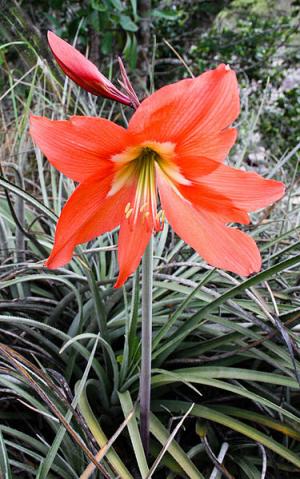
Several glossy, strap-shaped green leaves emerge at or near ground level and may reach approximately one to two feet or more in length.
Flowers are carried above the foliage on a thick, erect, usually hollow and leafless scape.
Each flower has six petal-like tepals forming a broad trumpet or funnel. Typical flowers are orange-red, scarlet, or reddish orange with a paler greenish-white throat.
Commercial hybrids can produce much larger red, white, pink, salmon, striped, double, or multicolored flowers and may resemble the species only generally.
Where Dogs and Cats Encounter It
Barbados Lily and related Hippeastrum plants are sold as potted houseplants, dormant bulbs, holiday gift plants, wax-coated bulbs, water-forcing displays, patio containers, greenhouse specimens, outdoor ornamentals, and cut flowers.
Cats may chew the long leaves, flowers, pollen-bearing structures, or hollow flower stalks. Dogs are more likely to dig up, carry, crush, or swallow bulbs.
Bulbs stored before planting may be accessible in paper sacks, cardboard boxes, closets, garages, garden sheds, potting benches, shipping cartons, gift packages, or open bins.
Water-Forcing and Glass-Container Displays
Bulbs may be displayed above water in glass containers filled with stones, beads, gravel, or decorative substrate.
A pet can knock over the container, swallow the bulb, drink stagnant or fertilized water, ingest glass or decorative stones, or be injured by a broken vessel.
The display water is not a specific lycorine antidote and may contain fertilizer, bacteria, mold, or decomposing root material.
Wax-Coated Holiday Bulbs
Wax-coated amaryllis bulbs are marketed as self-contained holiday decorations that bloom without ordinary planting.
The coating may include paraffin or another wax, dye, glitter, metallic pigment, fragrance, adhesive, artificial snow, fabric, plastic, foil, or a decorative stand.
The coating does not remove or neutralize alkaloids within the bulb. It may instead make the object resemble a chew toy and add foreign material to the exposure.
A missing battery, wire, metal support, or decorative component must be evaluated separately.
Outdoor and Garden Exposure
In warm climates, Barbados Lily may grow in borders, foundation plantings, courtyards, tropical gardens, and naturalized areas.
Dogs may uncover bulbs during planting, transplanting, erosion, construction, rodent activity, or ordinary digging.
Garden cleanup creates concentrated piles of bulbs, scales, roots, leaves, and stalks that may be more accessible than the living plant.
Discarded material must not be placed in kennels, paddocks, livestock enclosures, rabbit runs, open compost, or accessible trash.
Why the Bulb Is More Dangerous
The bulb contains a compact reserve of plant tissue and defensive alkaloids. One bulb can provide substantially more material than an animal would ordinarily obtain from exploratory leaf chewing.
Bulb scales separate readily and may be swallowed in pieces. A dog may continue chewing even after encountering the bitter taste.
The bulb can also carry soil, fertilizer, fungicide, pesticide, mold, wax, dye, wire, stones, plastic mesh, or packaging.
Soprani and Colleagues’ Alkaloid Study
Soprani and colleagues identified 15 alkaloids from H. puniceum bulbs using gas chromatography–mass spectrometry.
They isolated lycorine, tazettine, 9-O-demethyllycoramine, and 9-demethyl-2α-hydroxyhomolycorine through chromatographic techniques.
The crude and ethyl-acetate bulb extracts demonstrated substantial acetylcholinesterase-inhibiting activity, while the tested samples did not show comparable meaningful inhibition of the other evaluated enzymes.
This research provides direct species-specific evidence for a complex pharmacologically active bulb profile but does not establish veterinary dosing thresholds.
The 3-O-Acetylnarcissidine Research
Quirion and colleagues first isolated 3-O-acetylnarcissidine as a previously undescribed alkaloid from Barbados Lily.
Santana and colleagues later identified the same compound as a major constituent of an alkaloid fraction and evaluated its antifeedant and phytotoxic effects.
The compound affected certain experimental insects and plant systems, demonstrating biological activity but not defining the natural pet-poisoning syndrome.
The Narciclasine Glycoside
Feu and colleagues characterized a glycosylated narciclasine alkaloid from the species.
Narciclasine-related compounds have attracted pharmacological attention because of potent effects on protein synthesis and cultured cells.
Those laboratory properties should not be translated into claims that one accidental exposure causes cancer-cell-like effects, therapeutic benefits, or predictable organ necrosis in an animal.
Laboratory Bioactivity Is Not the Same as Natural Poisoning
Amaryllidaceae alkaloids have demonstrated antiviral, antifungal, antiparasitic, acetylcholinesterase-inhibiting, cytotoxic, hypotensive, antifeedant, and other activities in laboratory models.
These findings explain why the genus is important to natural-products research. They do not mean that a poisoned pet will display every biological property reported for every isolated alkaloid.
Natural poisoning involves a variable mixture of compounds, incomplete absorption, metabolism, vomiting, and species-specific sensitivity.
Oral Irritation and the Calcium-Oxalate Claim
Some educational materials mention calcium oxalate crystals in amaryllis-type bulbs. Direct authenticated evidence establishing a clinically important rhaphide burden in H. puniceum remains inadequate.
Oral discomfort can be explained by bitter alkaloids, sap, fibrous scales, dry bulb tunic, soil, and mechanical trauma.
Barbados Lily should not be described as producing the same immediate and severe crystal-mediated oral syndrome associated with dieffenbachia, philodendron, pothos, or elephant ear.
Mixed Bouquets and Cut Flowers
Barbados-Lily flowers may appear in tropical arrangements or be confused with other large trumpet-shaped flowers.
Mixed bouquets may contain true lilies, daffodils, tulips, foxglove, oleander, autumn crocus, or other plants presenting different hazards.
Vase water may contain pollen, plant debris, preservatives, fertilizer, bacteria, or material from a true lily.
Cat exposure to an unidentified lily-like bouquet requires immediate identification of every flower.
Soil, Fertilizer, Pesticides, and Packaging
New bulbs may be treated with fungicides, pesticides, preservatives, or storage chemicals. Potting substrate may contain fertilizer granules, stones, perlite, bark, water-retaining polymers, plastic mesh, or foam.
Shipping and gift packages may include desiccants, plastic sleeves, metal clips, staples, foil, ribbon, or wire.
Severe or atypical signs may reflect one of these associated products rather than the plant alkaloids alone.
Risk to Horses and Livestock
Horses and livestock should not have access to bulbs, leaves, flowers, garden waste, or landscaping debris.
Freshly dug bulbs or discarded plants may be consumed when mixed with ordinary vegetation or placed directly inside an enclosure.
Direct species-specific outbreak evidence is limited, so group illness, severe colic, profuse diarrhea, recumbency, tremors, respiratory abnormalities, or death demands a complete environmental investigation.
Risk to Small and Exotic Animals
Published cases involving rabbits, guinea pigs, rodents, birds, and reptiles are sparse.
The plant should not be offered as browse, enrichment, nesting material, cage decoration, or herbal treatment.
Small body size can make gastrointestinal fluid loss more dangerous, while rabbits and guinea pigs are vulnerable to gastrointestinal stasis when food intake declines.
Diagnosis
No routine veterinary test confirms Barbados-Lily ingestion or measures a clinically useful lycorine or total-alkaloid concentration.
Diagnosis depends on plant identification, the part and amount eaten, timing, compatible signs, and exclusion of another toxin or disease.
Useful evidence includes the complete plant, bulb remnants, bulb scales, nursery tag, photographs, wax coating, decorative stand, packaging, soil products, vomited material, and an estimate of the missing amount.
Testing may include hydration and perfusion assessment, blood pressure, electrocardiography, blood glucose, electrolytes, kidney and liver values, blood-gas analysis, complete blood count, chest imaging, and abdominal imaging.
Differential Diagnoses
Important alternatives include true-lily exposure in a cat, daffodil or other bulb ingestion, autumn crocus, tulip or hyacinth bulbs, pesticides, fertilizer, medications, human recreational substances, gastrointestinal obstruction, pancreatitis, infection, and primary cardiac or neurologic disease.
Severe hypotension, persistent arrhythmia, respiratory depression, seizures, or organ abnormalities should broaden the investigation beyond an uncomplicated leaf nibble.
Prognosis and Prevention
The prognosis is good to excellent for most uncomplicated exposures when vomiting, diarrhea, and dehydration are controlled.
The outlook becomes more guarded after a large bulb ingestion or when hypotension, an arrhythmia, aspiration, respiratory depression, seizure activity, or collapse develops.
Store unplanted bulbs in rigid closed containers rather than paper bags or cardboard boxes. Keep waxed bulbs, potted plants, and water-forcing displays inside a genuinely inaccessible room or enclosure.
Supervise dogs during planting and garden work, retrieve exposed bulbs immediately, and discard bulbs and plant debris in closed trash inaccessible to pets and livestock.
Immediate Steps After Exposure
- Prevent further ingestion. Remove the animal from the plant and secure the bulb, bulb scales, roots, leaves, flowers, stalks, seeds, soil, wax coating, decorative materials, and discarded plant parts.
- Identify the part eaten. Determine whether the animal consumed a leaf or flower, chewed part of the bulb, swallowed an entire bulb, or had access to an unknown amount.
- Check for associated materials. Look for missing wax, wire, batteries, decorative stones, glass, plastic supports, ribbon, foil, fungicide-treated packaging, fertilizer, or container fragments.
- Remove only loose visible material. Carefully lift pieces resting at the lips or front of the mouth when the animal remains calm. Do not reach blindly toward the throat.
- Allow voluntary access to fresh water. An alert animal swallowing normally may drink on its own. Do not pour, syringe, spray, or force water into the mouth.
- Preserve identification evidence. Save the complete plant, bulb remains, nursery tag, packaging, photographs, decorative coating, and safely collected vomited material.
- Contact veterinary help promptly. Any confirmed bulb ingestion, unknown amount, or symptomatic exposure should be discussed with a veterinarian, emergency clinic, or animal poison-control service.
Do Not Attempt Unsupervised Home Treatment
- Do not induce vomiting. Hydrogen peroxide, salt, mustard, syrup of ipecac, detergent, oil, manual gagging, and fingers in the throat can cause additional vomiting, gastric injury, aspiration, sodium poisoning, or trauma.
- Never give hydrogen peroxide to a cat. It can cause severe feline esophagitis, gastritis, ulceration, and bleeding.
- Never attempt to induce vomiting in a horse. Horses cannot vomit.
- Do not force mouth flushing. Pouring or spraying water into the mouth may cause aspiration, particularly in an animal that is gagging, vomiting, weak, trembling, depressed, or swallowing abnormally.
- Do not administer activated charcoal at home. Charcoal may be inappropriate in an animal already vomiting or unable to protect its airway and cannot remove a whole bulb or foreign object.
- Do not force food or fluids. Forced administration does not neutralize Amaryllidaceae alkaloids and may provoke vomiting or enter the lungs.
- Do not give milk, oil, bread, fiber, or another supposed antidote. These substances do not detoxify the plant or reliably move bulb fragments through the digestive tract.
- Do not give owner-selected medication. Antihistamines, bismuth products, antacids, antidiarrheal medication, sucralfate, pain relievers, sedatives, seizure medication, heart medication, and leftover prescriptions must be selected from the animal’s measured condition.
- Do not assume spontaneous vomiting ended the exposure. Alkaloids and bulb scales may remain in the stomach, and continuing vomiting can cause dehydration or aspiration.
After Skin or Coat Contact
Prevent grooming when sap, bulb residue, pesticide, fungicide, wax, dye, glitter, or another product is present on the fur.
Wear gloves and wash the exposed coat or skin gently with lukewarm water and a mild species-appropriate cleanser. Rinse thoroughly.
Clean collars, harnesses, bedding, towels, floors, counters, and other contaminated surfaces.
Persistent redness, itching, swelling, pain, discharge, blistering, hair loss, or continued self-trauma requires veterinary guidance.
Eye Exposure
If sap, soil, bulb debris, glitter, wax fragments, or a liquid product entered an eye and no object is embedded, begin gentle irrigation with sterile saline or clean lukewarm water for approximately fifteen minutes when the animal tolerates this safely.
Do not rub the eye or use tweezers, cotton swabs, cloth, human redness drops, or leftover ophthalmic medication on the eye surface.
A wire, bulb scale, glass fragment, or other object that appears to penetrate the eye should remain in place during transport rather than being removed at home.
Persistent squinting, tearing, redness, cloudiness, discharge, bleeding, light sensitivity, or inability to open the eye requires prompt examination.
When Emergency Examination Is Especially Important
- Known or suspected bulb ingestion: The bulb presents the greatest alkaloid exposure and creates the highest risk of sustained gastrointestinal and uncommon systemic effects.
- Repeated vomiting or severe diarrhea: Continuing fluid loss can cause dehydration, electrolyte abnormalities, esophageal injury, and aspiration.
- Inability to retain water: An animal that vomits after drinking may require injectable antiemetic medication and professionally managed fluids.
- Marked drooling, repeated gagging, or swallowing difficulty: A bulb fragment, wax, wire, stone, or another object may be lodged in the mouth, throat, or esophagus.
- Severe abdominal pain or enlargement: These findings may indicate substantial gastrointestinal irritation, obstruction, pancreatitis, bloat, or another emergency.
- Tremors, incoordination, or seizures: Neurologic signs suggest a substantial exposure, electrolyte or glucose abnormality, or another toxin.
- Pale gums, weak pulses, fainting, or collapse: These findings may indicate hypotension, dehydration, an arrhythmia, shock, or severe systemic illness.
- Very fast, very slow, or irregular heart activity: Cardiac abnormalities require electrocardiographic and blood-pressure monitoring.
- Slow, shallow, noisy, or difficult breathing: Respiratory depression, aspiration, obstruction, or cardiovascular compromise requires immediate treatment.
- Blood in vomit or stool: Bleeding may indicate significant gastrointestinal injury, a foreign object, or another disorder.
- Possible true-lily exposure in a cat: Any contact with a Lilium or Hemerocallis flower, leaf, pollen, stem, or contaminated vase water requires immediate emergency care.
- Continuing illness in a horse, livestock animal, rabbit, guinea pig, bird, or other small pet: These animals may deteriorate rapidly or may be unable to vomit.
Veterinary Decontamination
A veterinarian may consider professionally induced vomiting when a dog or cat is presented soon after a meaningful bulb ingestion and remains fully alert, cardiovascularly stable, neurologically normal, breathing normally, swallowing safely, and able to protect its airway.
Emesis is inappropriate when the animal is already vomiting repeatedly, weak, hypotensive, trembling, seizing, depressed, breathing abnormally, or unable to swallow normally.
The presence of sharp wire, glass, a battery, a large decorative object, or caustic coating may also make vomiting unsafe.
Activated charcoal may be considered in selected substantial exposures after airway and hydration status have been assessed. It is not automatic treatment for every leaf nibble or vomiting animal.
Charcoal can worsen nausea and dehydration and may be aspirated. Cathartic-containing charcoal is especially undesirable when diarrhea is already present.
Gastric lavage is reserved for exceptional severe exposures under anesthesia with endotracheal intubation and airway protection.
Veterinary Examination and Monitoring
The veterinarian will assess the part and amount eaten, time since exposure, vomiting, diarrhea, hydration, abdominal pain, gum color, perfusion, blood pressure, heart rate and rhythm, breathing, neurologic status, and possible foreign material.
Testing may include electrolytes, blood glucose, kidney and liver values, complete blood count, blood-gas analysis, lactate, urinalysis, blood-pressure measurement, and electrocardiography.
Abdominal radiographs or ultrasound may be appropriate when bulb fragments, stones, wire, plastic, wax, or packaging may have been swallowed.
Chest imaging may be required after repeated vomiting, coughing, reduced oxygenation, or suspected aspiration.
Gastrointestinal Support
There is no specific antidote for lycorine or the other Barbados-Lily alkaloids.
Veterinarian-selected antiemetics such as maropitant or ondansetron may control continuing nausea and vomiting after decontamination decisions have been completed.
Subcutaneous or intravenous fluids may replace gastrointestinal losses and correct measured electrolyte and acid-base abnormalities.
Individualized analgesia may be provided when abdominal, oral, or esophageal pain is clinically important.
Sucralfate or acid-suppressive medication may be considered when documented esophagitis, gastritis, hematemesis, ulceration, or another mucosal injury warrants protection. Sucralfate is a barrier medication rather than a Barbados-Lily antidote.
Nutritional support may be needed when nausea or pain prevents normal eating, particularly in cats with prolonged food refusal.
Hypotension and Cardiovascular Treatment
Blood-pressure support begins with assessment of dehydration, perfusion, heart rhythm, and ongoing losses.
Intravenous fluids may be used to correct dehydration and support circulation, with the type and amount adjusted to the patient’s cardiovascular status and measured abnormalities.
Vasopressor support may be required when hypotension persists despite appropriate fluid correction.
Clinically important arrhythmias require veterinarian-selected antiarrhythmic treatment based on the electrocardiogram, blood pressure, electrolyte status, and species.
There is no single heart medication appropriate for every Barbados-Lily exposure.
Tremor, Seizure, and Respiratory Treatment
Blood glucose, electrolytes, body temperature, oxygenation, blood pressure, hydration, and possible co-ingestants should be evaluated when tremors or incoordination develops.
Severe tremors may require veterinarian-selected muscle relaxants. True seizures may require anticonvulsant medication and airway protection.
Animals with respiratory depression or aspiration may require oxygen, intubation, assisted ventilation, chest imaging, and intensive monitoring.
Foreign-Body Treatment
Persistent gagging, regurgitation, abdominal pain, recurrent vomiting, or reduced stool production may require radiographs, ultrasound, contrast imaging, endoscopy, or surgery.
Bulb scales, wax, wire, stones, plastic supports, glass, and packaging can create mechanical emergencies independent of the alkaloids.
Endoscopic removal may be possible while an object remains within the esophagus or stomach. Delay can allow migration, pressure injury, obstruction, perforation, or aspiration.
Horses and Livestock
Remove every animal from the plant, bulbs, landscaping debris, contaminated feed, water-forcing displays, and potting products.
Do not drench or force oil, charcoal, feed, water, electrolytes, or medication into an animal that is coughing, bloated, weak, recumbent, or swallowing poorly.
Large-animal care may include oral and pharyngeal examination, hydration and electrolyte assessment, cardiovascular monitoring, intravenous fluids, pain control, and treatment of diarrhea or colic.
Several affected animals require investigation of all plants, feed, pesticides, fertilizers, medications, and infectious causes rather than assuming one ornamental bulb explains the outbreak.
Rabbits, Guinea Pigs, Birds, and Other Small Animals
Do not force food, water, charcoal, oil, or medication into a weak, regurgitating, poorly responsive, or poorly swallowing small animal.
Rabbits and guinea pigs with reduced appetite or fecal output require prompt evaluation for gastrointestinal stasis, dehydration, and pain.
Birds with regurgitation, altered droppings, weakness, poor balance, tremors, or reduced activity require species-appropriate veterinary care.
Recovery and Prognosis
Most uncomplicated leaf, flower, or small bulb exposures have a good to excellent prognosis with appropriate supportive care.
Mild gastrointestinal signs may improve within approximately twelve to twenty-four hours. More significant bulb ingestions may require one to three days or longer of hospitalization and monitoring.
The prognosis becomes more guarded with persistent hypotension, serious arrhythmia, aspiration, respiratory depression, uncontrolled seizures, collapse, severe dehydration, or delayed treatment.
Persistent vomiting, continued food refusal, worsening weakness, abnormal breathing, tremors, or deteriorating laboratory results requires continued veterinary management rather than home observation.
Prevention
Store dormant and unplanted bulbs inside rigid closed containers rather than bags or cardboard boxes.
Keep potted plants, waxed bulbs, water-forcing displays, and cut flowers inside a genuinely inaccessible room or enclosure.
Supervise dogs during planting, transplanting, and garden cleanup. Retrieve exposed bulbs promptly and inspect digging areas.
Discard bulbs, bulb scales, leaves, stalks, flowers, wax coatings, and packaging in closed trash inaccessible to pets and livestock.
Frequently Asked Questions About Barbados Lily and Animal Poisoning
Is Barbados Lily poisonous to dogs and cats?
Yes. Barbados Lily contains lycorine and numerous related Amaryllidaceae alkaloids. Dogs and cats may develop drooling, nausea, vomiting, diarrhea, abdominal pain, appetite loss, depression, or lethargy. A substantial bulb ingestion may also cause weakness, tremors, poor coordination, hypotension, abnormal heart rhythm, respiratory abnormalities, seizures, or collapse.
Is Barbados Lily poisonous to horses and livestock?
It should be considered poisonous and kept out of pastures, feed, barns, and animal enclosures. Horses may develop salivation, colic, diarrhea, feed refusal, depression, weakness, tremors, or dehydration. Direct livestock evidence is limited, so severe or group illness requires investigation of every plant, feed source, pesticide, fertilizer, and infectious cause.
What is the accepted scientific name?
The accepted name is Hippeastrum puniceum (Lam.) Voss. The species belongs to Amaryllidaceae and is native across southern tropical America.
Which older scientific names are most useful?
Important historical names include Amaryllis punicea, Amaryllis equestris, Hippeastrum equestre, and Hippeastrum purpureum. These names remain useful when searching older horticultural, medicinal, chemical, and botanical literature.
Is Barbados Lily a true amaryllis?
It belongs to Hippeastrum, the American genus widely sold under the horticultural name amaryllis. True Amaryllis is a separate South African genus. Both are in Amaryllidaceae and contain potentially toxic alkaloids, but they are not botanically identical.
Is Barbados Lily a true lily?
No. It is not a Lilium or Hemerocallis. This distinction is especially important for cats because true lilies and daylilies can cause fatal acute kidney injury after very small exposures. Barbados Lily instead causes an alkaloid-associated gastrointestinal syndrome, with uncommon systemic effects after large bulb ingestion.
Which part is most poisonous?
The bulb is the most dangerous practical exposure because it contains concentrated plant tissue and alkaloids in a compact mass. Leaves, flowers, flower stalks, roots, seeds, sap, and bulb scales are also poisonous and should remain inaccessible.
Why are dogs at particular risk?
Dogs may dig up newly planted bulbs, find stored bulbs in bags or boxes, carry them as toys, chew wax-coated holiday bulbs, or consume discarded bulbs during garden cleanup. One bulb can provide a much greater exposure than exploratory leaf chewing.
Are wax-coated amaryllis bulbs safe?
No. Wax does not neutralize the alkaloids inside the bulb. Decorative wax may also contain dye, glitter, artificial snow, fragrance, adhesive, metal supports, wire, plastic, or other materials. A dog chewing the display can be exposed to both the poisonous bulb and foreign objects.
Are dormant or dried bulbs still poisonous?
Yes. Dormancy, drying, storage, shriveling, or loss of foliage does not establish that the alkaloids have disappeared. Stored, dried, exposed, and discarded bulbs remain unsuitable for animal access.
What toxins are found in Hippeastrum puniceum?
Species-specific bulb research identified 15 alkaloids and isolated lycorine, tazettine, 9-O-demethyllycoramine, and 9-demethyl-2α-hydroxyhomolycorine. Additional studies characterized 3-O-acetylnarcissidine and a glycosylated narciclasine alkaloid. The intact bulb contains a mixture rather than one uniform toxin.
What is lycorine?
Lycorine is a common Amaryllidaceae alkaloid and a powerful emetic. It contributes to nausea, drooling, vomiting, appetite loss, and gastrointestinal irritation. Experimental protein-synthesis inhibition by purified lycorine does not mean that one household exposure causes generalized tissue destruction.
What did the 2021 bulb study establish?
Soprani and colleagues identified 15 alkaloids in authenticated Barbados-Lily bulbs by gas chromatography–mass spectrometry. They isolated four compounds and found strong acetylcholinesterase-inhibiting activity in crude and ethyl-acetate bulb extracts. The study did not establish a dog, cat, horse, or livestock toxic dose.
Does Barbados Lily cause a cholinergic poisoning syndrome?
Laboratory acetylcholinesterase inhibition provides a plausible explanation for some salivation, gastrointestinal hyperactivity, weakness, tremors, or cardiovascular changes. Natural veterinary cases are not established as a uniform classic cholinergic syndrome. Treatment should be based on the animal’s measured findings rather than the laboratory mechanism alone.
What is 3-O-acetylnarcissidine?
It is an alkaloid first isolated as a new compound from H. puniceum by Quirion and colleagues. Later research demonstrated antifeedant and phytotoxic activity in experimental insect and plant systems. Its contribution to natural pet poisoning has not been quantified.
Does Barbados Lily contain galanthamine or every known amaryllis alkaloid?
No such assumption is justified. The genus contains many alkaloid classes, but individual species and bulbs differ. A compound found in another Hippeastrum, daffodil, snowdrop, or true amaryllis should not be assigned automatically to authenticated H. puniceum.
Does the plant contain calcium oxalate crystals?
Some secondary amaryllis references mention microscopic calcium oxalates, but strong authenticated species-specific evidence for a clinically important rhaphide syndrome in H. puniceum is lacking. Mouth irritation is better attributed to alkaloids, bitter sap, fibrous bulb scales, dry tunic, soil, and mechanical abrasion unless direct evidence establishes otherwise.
Can Barbados Lily cause severe mouth or throat swelling?
Mild mouth discomfort, drooling, and gagging may occur. Dramatic blistering, major tongue enlargement, and airway swelling are not the expected routine syndrome. Progressive swelling, inability to swallow saliva, altered vocalization, noisy breathing, blue-gray gums, or collapse requires immediate emergency care.
How quickly do symptoms begin?
Drooling, nausea, vomiting, or abdominal discomfort may begin within minutes to several hours. Serious weakness, tremors, hypotension, rhythm abnormalities, or breathing changes may follow a substantial exposure. An animal can initially appear normal after swallowing a bulb.
Can spontaneous vomiting make the animal safe?
No. Vomiting may remove some plant material, but bulb scales and alkaloids may remain in the stomach and some toxin may already have been absorbed. Repeated vomiting also creates risks of dehydration, electrolyte loss, esophageal irritation, and aspiration.
Can Barbados Lily cause low blood pressure?
Yes, hypotension is reported after larger Hippeastrum exposures. It may result from direct alkaloid effects, fluid loss, abnormal cardiac conduction, or several factors together. Pale gums, weak pulses, cold extremities, fainting, profound weakness, or collapse requires emergency assessment.
Can it cause an abnormal heart rhythm?
Cardiac arrhythmias are possible after a large ingestion. An owner may notice weakness, fainting, episodic collapse, or an irregular chest beat, but electrocardiography is required to identify the rhythm and select appropriate treatment.
Can it cause tremors or seizures?
Yes, these serious effects are reported after substantial amaryllis-type exposures. They may reflect direct alkaloid activity, cholinesterase inhibition, hypotension, electrolyte abnormalities, low blood glucose, or another co-ingested substance. Tremors, incoordination, or seizures require emergency care.
Can Barbados Lily cause breathing problems?
Respiratory abnormalities are uncommon but serious. They may result from neurologic depression, weakness, aspiration of vomit, seizure activity, an arrhythmia, hypotension, airway obstruction, or another product. Slow, shallow, labored, noisy, or open-mouth breathing requires immediate treatment.
Can it cause kidney or liver failure?
Primary acute kidney or liver failure is not the characteristic uncomplicated syndrome. Severe dehydration, low blood pressure, aspiration, or prolonged seizures may cause secondary injury. Reduced urination, jaundice, persistent weakness, or worsening laboratory values requires a broader investigation.
What if a cat contacted a mixed bouquet containing Barbados Lily?
Identify every flower immediately. Barbados Lily causes alkaloid-related illness, but true lilies and daylilies can cause fatal acute kidney injury in cats after very small exposures to pollen, petals, leaves, stems, or vase water. Unknown lily-like bouquet exposure should be treated cautiously until every plant is identified.
Can the bulb create a foreign-body problem?
Bulb scales, dry tunic, wax, stones, wire, plastic supports, glass, and packaging can become lodged in the mouth, esophagus, stomach, or intestines. Persistent gagging, regurgitation, recurrent vomiting, abdominal enlargement, pain, or reduced stool production warrants imaging or endoscopic evaluation.
What about rabbits, guinea pigs, birds, and other small pets?
Species-specific evidence is limited, and no safe dose has been established. These animals should not receive any part of the plant. Appetite loss, reduced fecal output, regurgitation, diarrhea, weakness, tremors, poor balance, or breathing changes requires prompt species-appropriate veterinary care.
Should I make my pet vomit?
No home vomiting method should be used. Hydrogen peroxide, salt, mustard, ipecac, detergent, and manual gagging can cause additional injury or aspiration. A veterinarian may consider professional emesis only in a recently exposed, fully alert, stable dog or cat that can protect its airway.
Should I give activated charcoal?
Do not administer charcoal at home. It may be considered in selected substantial exposures, but it can worsen nausea and dehydration and may be aspirated by a vomiting, weak, trembling, or poorly swallowing animal. It cannot remove a whole bulb or foreign object.
How is Barbados-Lily poisoning treated?
There is no specific antidote. Treatment may include veterinarian-selected antiemetics, fluid and electrolyte replacement, pain control, nutritional support, oxygen, blood-pressure support, electrocardiographic monitoring, antiarrhythmic medication, tremor control, anticonvulsants, airway protection, and foreign-body removal when indicated.
What is the prognosis?
The prognosis is good to excellent for most uncomplicated exposures. It becomes more guarded after a large bulb ingestion or when severe dehydration, hypotension, an arrhythmia, aspiration, respiratory depression, seizures, or collapse develops.
How can exposure be prevented?
Store bulbs in rigid closed containers, keep potted and wax-coated plants inside an inaccessible room or enclosure, supervise dogs during planting, retrieve exposed bulbs promptly, and discard bulbs, scales, flowers, stalks, coatings, and packaging in closed trash unavailable to pets and livestock.