Ricinus communis
Euphorbiaceae
Castor Bean; Castor Bean Plant; Castor Oil Plant; Mole Bean Plant; African Wonder Tree; Palma Christi; Ricinus; Ricinus communis
Ricin, a highly toxic protein toxin and toxalbumin concentrated primarily in the seeds; ricinine and other alkaloids may also be present. The seeds are the most dangerous part, especially when chewed, crushed, or broken. Lower toxin concentrations may occur elsewhere in the plant, and improperly processed castor meal may also be dangerous to animals.
Early signs may include depression, lethargy, loss of appetite, increased body temperature, vomiting, profuse diarrhea with or without blood, severe abdominal pain, drooling, weakness, dehydration, and shock. As poisoning progresses, signs may include bloody diarrhea, severe fluid loss, electrolyte imbalance, tremors, convulsions, collapse, liver injury, kidney injury, organ failure, coma, and death. Severe poisoning may develop within hours and death may occur within approximately 36 hours or may be delayed depending on the amount ingested, whether seeds were chewed, and how quickly treatment begins.
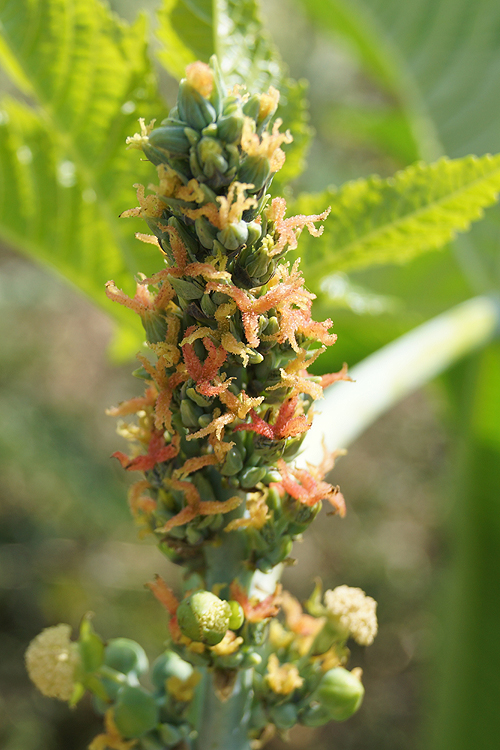
Castor Bean, Ricinus communis, also known as Castor Bean Plant, Castor Oil Plant, Mole Bean Plant, African Wonder Tree, and Palma Christi, is a large, fast-growing ornamental plant in the family Euphorbiaceae. In warm climates it may grow as a shrub or small tree, while in colder climates it is often grown as an annual ornamental. The plant is visually striking, with large palmate leaves, showy seed capsules, and bean-like seeds that are often mottled, shiny, and attractive enough to draw the attention of children, pets, poultry, and livestock.
Although commonly called “castor beans,” the dangerous structures are actually seeds, not true beans. This distinction matters botanically, but from a toxicology standpoint the practical point is simpler: the seeds are extremely dangerous. They contain high concentrations of ricin, a highly toxic protein toxin, also described as a toxalbumin, capable of causing severe and sometimes fatal poisoning when released from the seed and absorbed by the body.
Ricin works by interfering with cellular protein synthesis. Cells depend on protein production for survival and normal function; when ricin enters cells and blocks that process, the affected cells become damaged and die. This is why severe castor bean poisoning can move beyond ordinary gastrointestinal upset into shock, organ injury, collapse, and death. The gastrointestinal tract is often the first major site of injury because the toxin is released and absorbed after ingestion, especially when seeds are chewed or crushed.
The physical condition of the seed is extremely important. Whole castor seeds have a relatively hard outer coat, and seeds swallowed intact may pass through the digestive tract without releasing the full toxin load. Chewed, crushed, broken, ground, or partially digested seeds are far more dangerous because ricin is released from the seed interior. This is why poisoning severity can vary dramatically between animals: one animal may swallow seeds whole and show limited signs, while another chews only a few seeds and develops severe or fatal poisoning.
Current veterinary and poison-control sources continue to treat Castor Bean as a high-risk plant. Pet Poison Helpline warns that chewing and swallowing even one or two seeds can lead to severe gastrointestinal signs, organ failure, and death. A veterinary study of 98 dog cases found vomiting, depression, and diarrhea to be the most commonly reported clinical signs, and death or euthanasia occurred in 9% of reported cases. That study also emphasized that severity depends in part on whether the beans were chewed or swallowed whole.
All parts of the plant should be treated as unsafe, but the seeds are the main toxic concern. Lower concentrations of toxic compounds may be present in other portions of the plant, and leaves may cause transient signs such as salivation, tremors, or ataxia in some animal exposures. Nevertheless, the overwhelming danger is the seed, especially when chewed. Castor bean meal or seed-processing residue may also be dangerous if improperly detoxified and consumed by livestock or other animals.
Castor oil itself should not be confused with chewing castor bean seeds. Properly processed castor oil does not carry the same toxicologic significance as crushed or chewed seeds because ricin is a water-soluble protein that is removed from the oil during processing. That distinction, however, should not be used to minimize the plant. The raw plant, seed capsules, seeds, seed fragments, and castor meal are separate concerns and should be treated as dangerous.
The early clinical picture is often gastrointestinal. Affected animals may show depression, loss of appetite, vomiting, profuse diarrhea, abdominal pain, and signs of dehydration. Diarrhea may become bloody. As fluid loss and toxin injury progress, the animal may develop weakness, shock, tremors, convulsions, collapse, liver injury, kidney injury, coma, or death. Severe cases may progress quickly, and waiting to see whether symptoms “settle down” can cost critical treatment time.
The plant is also relevant to livestock, poultry, and pasture or feed safety. Purdue’s livestock-toxic-plant material classifies castor bean toxicity as high and warns that death is likely after consumption of even small amounts. Colorado State’s toxic plant guide likewise identifies ricin as the major toxin concentrated in the seeds and provides species-specific lethal-dose information, underscoring that this is not merely a mild ornamental irritant.
The practical prevention rule is strict: do not allow pets, horses, livestock, poultry, or children access to castor bean seeds, seed pods, fallen seeds, crushed seed material, or castor plant debris. If the plant is grown ornamentally, seed heads should be removed before seeds mature, and fallen seeds should be cleaned up immediately. In homes with dogs, puppies, goats, poultry, horses, or curious animals, the safest approach is not to grow the plant where animals can reach it.
Immediate Response to Castor Bean Ingestion
- Remove the Source Immediately: Prevent further ingestion by removing the animal from the Castor Bean plant, seeds, seed pods, seed capsules, leaves, stems, plant debris, or any spilled or crushed seed material.
- Identify the Exposure: Determine whether the animal chewed seeds, swallowed seeds whole, ate seed pods, consumed crushed seed material, ate leaves, or had access to castor meal or plant debris.
- Chewed Seeds Are an Emergency: Chewed, crushed, broken, or ground seeds are much more dangerous than intact seeds because ricin is released from the seed interior.
- Remove Material from the Mouth: If ingestion was recent and it is safe to do so, remove visible seeds, seed fragments, plant material, or seed-pod material from the mouth and rinse the mouth thoroughly with water.
- Do Not Wait for Symptoms: Castor Bean poisoning can become severe and potentially fatal. Contact a veterinarian, emergency veterinary clinic, Pet Poison Helpline, or another animal poison-control professional immediately if ingestion is suspected.
Inducing Vomiting and Decontamination
- Veterinary Direction Is Critical: Because Castor Bean ingestion can be life-threatening, decontamination should be guided by a veterinarian or animal poison-control professional whenever possible.
- Getting Seed Material Out Matters: If a dog has very recently chewed or swallowed castor seeds and is still alert, stable, breathing normally, and able to swallow, rapid removal of seed material from the stomach may reduce toxin exposure. This is a situation where early decontamination can matter significantly.
- Inducing Vomiting in Dogs Only: If ingestion was recent and the dog is alert, breathing normally, able to swallow, and not showing weakness, collapse, repeated vomiting, severe depression, seizures, tremors, respiratory distress, bloody diarrhea, shock, or neurologic signs, a veterinarian or animal poison-control professional may recommend inducing vomiting with fresh 3% hydrogen peroxide.
- Cat Warning: Hydrogen peroxide should not be used to induce vomiting in cats unless a veterinarian specifically directs it. Cats are more prone to irritation and complications from hydrogen peroxide, and home vomiting attempts may create more risk than benefit.
- Do Not Induce Vomiting in an Unstable Animal: Vomiting should not be attempted in any animal that is weak, collapsed, sedated, seizing, having trouble breathing, unable to swallow normally, already vomiting repeatedly, showing bloody diarrhea, showing shock, or otherwise unstable.
- Activated Charcoal: Activated charcoal may be administered under veterinary or poison-control direction to help reduce absorption of toxin. Repeated dosing may be considered in some cases depending on timing, amount, species, and clinical signs.
- Gastric Lavage: If a significant amount was ingested, especially chewed seeds or crushed seed material, gastric lavage may be considered by a veterinarian in a controlled setting.
Emergency Veterinary Treatment
- No Simple Antidote: There is no simple household antidote for ricin poisoning. Treatment is aggressive, symptomatic, and supportive.
- Fluid Therapy: Intravenous fluids may be necessary to address dehydration, shock, vomiting, diarrhea, poor perfusion, and kidney protection.
- Gastrointestinal Support: A veterinarian may use anti-nausea medication, gastrointestinal protectants, pain control, and monitoring for bloody diarrhea, severe abdominal pain, and ongoing fluid loss.
- Shock Management: Animals showing weakness, collapse, pale gums, bloody diarrhea, severe dehydration, or poor circulation may require emergency stabilization and treatment for shock.
- Organ Monitoring: Bloodwork and urinalysis may be needed to monitor liver function, kidney function, electrolytes, hydration status, and evidence of systemic injury.
- Seizure Control: Animals developing tremors, convulsions, or seizures require urgent veterinary treatment and monitoring.
Livestock, Poultry, and Feed Risk
- All Animals May Be Affected: Castor Bean poisoning can affect pets, horses, cattle, sheep, goats, poultry, and other animals, especially when seeds or contaminated feed are involved.
- Castor Meal Warning: Improperly detoxified castor bean meal or seed-processing residue can be dangerous if fed to livestock or mixed into feed.
- Remove Contaminated Feed: If seeds, seed pods, or castor meal are found in feed, bedding, pasture, poultry areas, or livestock pens, remove the material immediately and prevent further access.
- Seed Cleanup: Mature seed capsules and fallen seeds should be removed promptly from areas accessible to animals.
Prognosis and Recovery
- Guarded Exposure: Prognosis depends heavily on the amount consumed, whether seeds were chewed or swallowed intact, time to decontamination, animal size, species, and how quickly supportive care begins.
- Early Treatment Improves Outcome: Animals treated quickly after witnessed ingestion have a better chance of survival, especially if seed material can be removed before substantial toxin absorption occurs.
- Delayed Cases: If consumption occurred more than a few hours earlier and clinical signs are already developing, treatment may be limited to aggressive supportive care, treatment for shock, and organ support.
- Severe Cases: Severe poisoning may still be fatal despite treatment, especially when chewed seeds were consumed, vomiting and diarrhea are profuse, shock develops, or organ failure occurs.
- Prevention: Prevent further ingestion of the plant, remove seed pods before they mature, clean up fallen seeds, and avoid planting Castor Bean where pets, horses, livestock, poultry, or children can access it.