Iberian Ivy Toxicity, Saponin Irritation, and Contact Dermatitis
Is Iberian Ivy Poisonous to Dogs, Cats, Horses, and Livestock?
Yes—Iberian Ivy, Hedera iberica, should be treated as poisonous and irritating to dogs, cats, horses, livestock, rabbits, birds, and other animals that eat or repeatedly contact it. Exact-species veterinary and chemical evidence is limited, but Iberian Ivy is a true ivy closely related to better-studied Hedera species whose leaves and fruit contain gastrointestinally active triterpenoid saponins and whose sap contains polyacetylenic contact irritants and allergens.
Most limited exposures are expected to cause drooling, nausea, vomiting, diarrhea, abdominal discomfort, appetite loss, or temporary lethargy. Sap and crushed foliage may also cause skin or eye irritation, and a sensitized animal or person may develop delayed allergic dermatitis. Severe neurologic depression, seizures, major cardiovascular instability, or collapse is not the expected routine ivy syndrome and requires immediate investigation for another plant, pesticide, concentrated extract, choking, aspiration, electrolyte disturbance, or unrelated disease.
About this guide: This page provides general pet-poisoning information and cannot diagnose or treat an individual animal. For any suspected exposure, contact a veterinarian or animal poison-control service immediately. Do not induce vomiting, give medication, or attempt home decontamination unless directed by a veterinary professional.
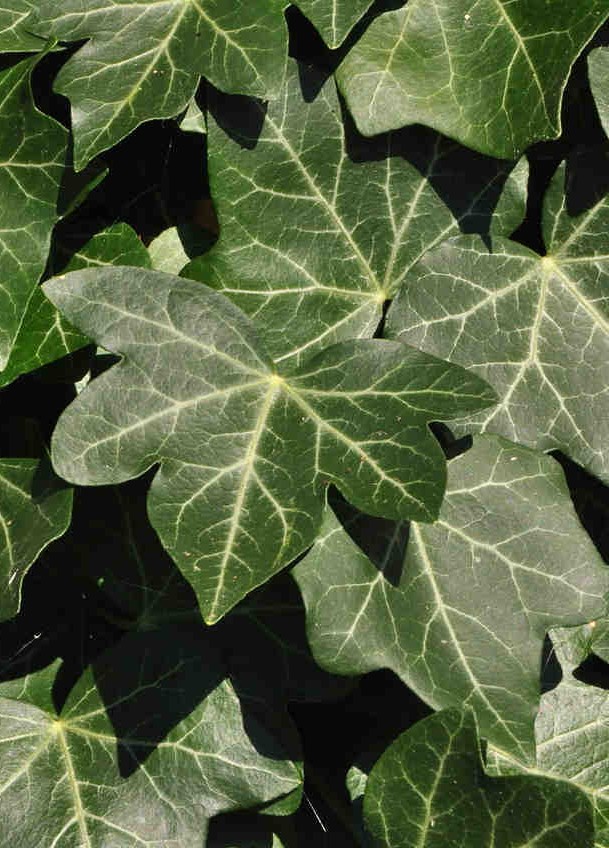
Iberian Ivy
Hedera iberica (McAll.) Ackerf. & J.Wen
Important basionym and former classification:
- Hedera maderensis subsp. iberica McAll. — basionym
Important botanical distinctions:
- Hedera iberica is currently accepted as a separate species rather than a subspecies of Madeiran Ivy, Hedera maderensis.
- Hedera helix, English or Common Ivy, is a separate species whose chemistry and toxicology are much more extensively studied.
- Hedera hibernica, Atlantic or Irish Ivy, is another separate western European species frequently confused with other ivies.
- Hedera algeriensis, Hedera maroccana, and Hedera canariensis are also separate accepted species rather than synonyms of Hedera iberica.
Araliaceae — Ginseng or Ivy Family
Iberian Ivy; Iberian-Ivy; Hiedra Ibérica; Hera-Ibérica; Iberian Peninsula Ivy; Hedera iberica; Hedera maderensis subsp. iberica
Hedera maderensis subsp. iberica is the former botanical classification and basionym of the currently accepted species Hedera iberica.
Madeiran Ivy is Hedera maderensis, a separate species native to Madeira. English or Common Ivy is Hedera helix, while Atlantic or Irish Ivy is Hedera hibernica.
Plants sold simply as “ivy,” “Mediterranean ivy,” or “large-leaved ivy” cannot be identified reliably from the common name alone. Iberian Ivy, English Ivy, Irish Ivy, Madeiran Ivy, Algerian Ivy, Moroccan Ivy, and Canary Island Ivy may be confused in cultivation.
Exact-Species Evidence and Its Limits
Iberian Ivy is a true ivy in the genus Hedera, but its toxic chemistry has not been investigated nearly as completely as that of English Ivy, Hedera helix. No comprehensive exact-species study has established the concentrations of hederacoside C, α-hederin, hederagenin, falcarinol, or related compounds in Iberian Ivy leaves, berries, stems, roots, and sap.
A recent exact-species investigation compared total leaf phenolics in H. iberica, H. helix, and H. hibernica across the Iberian Peninsula. It confirmed that Iberian Ivy has a measurable and variable phenolic chemistry, but the study was not designed to quantify the principal saponins or polyacetylenic allergens associated with ivy poisoning. Phenolic measurements cannot be converted into a veterinary toxic dose or treated as proof that all three species contain identical toxin concentrations.
The toxicological assessment therefore depends on a combination of exact-species botanical evidence, genus-level chemical similarity, and direct research involving better-studied Hedera species. That evidence supports treating Iberian Ivy as unsafe without claiming that every compound quantified in English Ivy has been measured directly in H. iberica.
Triterpenoid Saponins in True Ivy
The compounds most consistently associated with ingestion of true ivy are triterpenoid saponins derived from the aglycone hederagenin. In English Ivy, major identified saponins include hederacoside C, hederacoside B, α-hederin, β-hederin, and related glycosides. Hederacoside C is frequently the predominant measured saponin in pharmaceutical leaf material.
Hederacoside C and hederasaponin C are alternate names for the same compound rather than two separate toxins. Hederacoside B and hederasaponin B are likewise alternate naming forms. Listing both names as separate chemicals creates a misleading impression that a larger number of toxins has been established.
α-Hederin is a monodesmosidic saponin related to hederacoside C. Hederagenin is the corresponding triterpenoid aglycone. Laboratory and pharmaceutical research has examined their effects on cell membranes, receptors, smooth muscle, secretions, and other biological systems, but those controlled extract studies do not define the result of chewing a natural Iberian Ivy leaf.
Saponins are surface-active compounds capable of interacting with biological membranes. When plant material is chewed and swallowed, they can irritate the lips, oral mucosa, throat, stomach, and intestines. This helps explain the characteristic combination of drooling, nausea, vomiting, abdominal discomfort, and diarrhea.
Natural Plant Exposure Versus Concentrated Extracts
Natural ivy leaves and berries are not equivalent to a standardized pharmaceutical extract. Medicinal preparations use selected plant material, controlled extraction methods, quantified marker compounds, and defined doses. They may also contain alcohol, sweeteners, flavorings, preservatives, or other active ingredients.
Concentrated ivy products can expose an animal to a different dose and chemical mixture than chewing one or two leaves. A human cough syrup, tincture, essential-oil mixture, homemade tea, or concentrated extract should therefore be evaluated according to its complete ingredient list rather than managed as ordinary foliage ingestion.
The use of standardized English Ivy extract in human medicine does not establish that raw ivy is safe to eat, that Iberian Ivy has an identical composition, or that a human preparation can be used as veterinary medication.
Falcarinol-Type Contact Irritants and Allergens
English Ivy contains falcarinol, didehydrofalcarinol, and another related polyacetylene shown experimentally to be strong irritants and moderate sensitizers. Falcarinol and didehydrofalcarinol were detected throughout the year in the examined English Ivy material and have been associated with occupational and recreational contact dermatitis.
Falcarinol can produce more than one type of reaction. Direct irritant dermatitis can occur when sap damages the skin without a prior immune response. Allergic contact dermatitis is a delayed immune reaction that develops after sensitization and may become more pronounced during later exposures.
Exact-species confirmation and concentration data for these polyacetylenes in Hedera iberica remain limited. Their presence in a closely related true ivy and the broader occurrence of polyacetylenes within Araliaceae provide a reasonable basis for contact precautions, but the compounds should be described as probable genus-level hazards rather than fully quantified Iberian Ivy toxins.
Contact Dermatitis Is Not the Same as Poison Ivy Rash
Iberian Ivy is unrelated to Poison Ivy, Toxicodendron radicans. Poison Ivy contains urushiol and belongs to Anacardiaceae, while Iberian Ivy belongs to Araliaceae and is expected to produce contact reactions through falcarinol-type polyacetylenes and other sap constituents.
Both plants can cause delayed dermatitis, but the responsible chemicals, botanical identities, and exposure patterns differ. A person or animal can also contact both plants in the same overgrown area, so identification matters when a severe rash develops.
Antihistamines do not neutralize falcarinol, remove sap from the coat, or prevent delayed T-cell-mediated contact dermatitis. They may be selected by a veterinarian for hives or another histamine-mediated reaction, but they are not universal ivy antidotes.
Leaves, Berries, Sap, and Other Plant Parts
Leaves and berries present the greatest practical ingestion risks. Juvenile leaves are accessible along creeping and climbing stems, while berries occur on mature flowering branches and may fall where dogs, birds, livestock, or small mammals can reach them.
Birds commonly consume ivy berries and disperse the seeds. Wildlife use does not prove that the fruit is safe for dogs, cats, horses, rabbits, poultry, or people. Different species vary in gastrointestinal anatomy, metabolism, body size, feeding behavior, and tolerance of plant defenses.
Stems, flowers, sap, aerial rootlets, soil-connected roots, seedlings, pruning debris, and dried decorative material should also remain inaccessible. No part of Iberian Ivy has been established as animal forage or a safe chew item.
Berry chemistry may differ from leaf chemistry, and the concentration of individual compounds may vary with maturity, season, growing conditions, and plant population. No dependable exact-species comparison has established that every berry or leaf contains the same amount.
Fresh, Wilted, and Dried Ivy
Wilting and drying do not establish safety. Wreaths, garlands, floral arrangements, pruned vines, dead leaves, woody stems, and old berries may retain saponins and contact-active plant residue even after they lose moisture.
Dry material may also break into fragments that are easily swallowed or inhaled. Decorative ivy can include floral wire, plastic picks, preservatives, glitter, artificial snow, pesticides, and other plants whose hazards differ substantially from the ivy itself.
Composting does not immediately detoxify cut ivy. Fresh clippings and partially decomposed vines should not be placed where dogs, horses, livestock, rabbits, poultry, or wildlife under human care can eat them.
Emetine and Other Frequently Repeated Claims
Emetine is sometimes included on secondary ivy toxin lists, but its reported presence was not confirmed consistently even in the extensively studied English Ivy literature. It should not be listed as an established Iberian Ivy toxin without direct analytical evidence.
Rutin, caffeic-acid derivatives, chlorogenic-acid-related compounds, flavonoids, and other phenolics occur in ivy research. These compounds may contribute to the plant’s overall biological activity, but they should not all be presented as equally responsible for acute pet poisoning.
The most defensible description is that Iberian Ivy is expected to share the gastrointestinally irritating saponin chemistry and contact-active polyacetylene hazards characteristic of true ivies, while its exact organ-by-organ toxin profile remains insufficiently measured.
Mechanical Hazards and No Established Toxic Dose
Leaves, berry clusters, woody stems, wreath material, and decorative wire can create choking, pharyngeal obstruction, esophageal obstruction, or a gastrointestinal foreign body independently of the plant’s chemistry. A fatal human English Ivy case resulted from suffocation by leaves obstructing the mouth and throat rather than a demonstrated lethal systemic saponin dose.
No dependable safe dose, toxic leaf count, berry count, gram-per-kilogram dose, or lethal plant quantity has been established for natural Iberian Ivy exposure in dogs, cats, horses, livestock, rabbits, birds, or poultry.
Severity depends on the plant part, amount chewed, animal size, gastrointestinal sensitivity, repeated access, hydration, underlying disease, and whether another plant, pesticide, fertilizer, concentrated extract, floral product, or physical object was consumed simultaneously.
Early Oral and Gastrointestinal Signs
An animal may remain normal after a very small taste or may react within minutes to several hours. Early findings can include immediate withdrawal from the plant, lip licking, repeated swallowing, drooling, foaming, gagging, retching, coughing, or pawing at the mouth.
The lips, gums, tongue, and throat may become red, tender, itchy, or irritated after fresh leaves, berries, or sap are chewed. Affected animals may resist oral examination, rub the muzzle, shake the head, vocalize, or refuse food and water.
Nausea, vomiting, abdominal discomfort, and diarrhea are the most expected consequences of ingestion. Vomiting may occur once or become repeated after a larger exposure. Stool may be soft or watery and may contain mucus when intestinal irritation is substantial.
Abdominal Pain and Appetite Loss
Abdominal discomfort may appear as restlessness, repeated stretching, a hunched posture, whining, flank watching, a tense abdomen, or reluctance to be touched. Cats may hide, crouch, stop grooming, or simply refuse food.
Appetite loss may reflect nausea, oral pain, or intestinal cramping. A dog or cat that approaches food but repeatedly pulls away may have mouth or throat irritation, while complete indifference to food is more consistent with generalized nausea or depression.
Persistent vomiting, severe abdominal pain, abdominal enlargement, lack of feces, or illness returning after temporary improvement raises concern for a swallowed stem, decorative material, another plant, or gastrointestinal obstruction rather than uncomplicated chemical irritation alone.
Dehydration and Secondary Metabolic Disturbance
Repeated vomiting and diarrhea can cause clinically important fluid loss. Dry or tacky gums, sunken eyes, reduced skin elasticity, reduced urination, weakness, lethargy, or a rapid heart rate suggests dehydration.
Electrolyte and acid-base disturbances may develop when gastrointestinal losses are severe or an animal cannot retain water. These secondary abnormalities can contribute to trembling, weakness, poor coordination, abnormal heart rhythm, reduced responsiveness, or collapse.
Small animals, puppies, kittens, birds, rabbits, elderly patients, and animals with kidney, cardiovascular, endocrine, or gastrointestinal disease may destabilize more quickly than a healthy adult animal after the same amount of vomiting or diarrhea.
Skin Irritation and Delayed Contact Dermatitis
Fresh sap, crushed leaves, berries, and pruning debris may cause localized redness, itching, papules, swelling, blistering, scaling, or an eczematous rash. Paws, thinly haired skin, the muzzle, and areas already damaged by scratching are particularly vulnerable.
Direct irritant dermatitis may begin relatively soon after exposure. Allergic contact dermatitis is often delayed for hours or days and may become more severe after repeated encounters because the immune system has become sensitized.
An animal may transfer sap from the paws or coat to its mouth, face, or eyes during grooming. A person handling contaminated fur may also develop dermatitis even without touching the original vine directly.
Hives, Facial Swelling, and Respiratory Signs
Localized contact dermatitis should be distinguished from a generalized immediate allergic reaction. Hives, rapidly increasing facial swelling, wheezing, noisy breathing, weakness, pale or blue-gray gums, or collapse requires emergency veterinary care.
Coughing or a hoarse bark or meow may result from direct throat irritation, aspiration, a lodged plant fragment, or an unrelated respiratory problem. Significant respiratory distress is not the expected routine result of one ivy leaf and should not be managed as simple stomach upset.
Open-mouth breathing in a cat, pronounced neck extension, inability to swallow saliva, cyanosis, or collapse is an emergency regardless of whether the mechanism is allergic swelling, choking, aspiration, or another poison.
Eye Exposure
Sap, crushed plant tissue, dust from dried ivy, or a contaminated paw may cause tearing, squinting, redness, eyelid swelling, light sensitivity, discharge, or persistent rubbing.
Continued pain, cloudiness, an unequal pupil, apparent visual difficulty, or an eye that remains tightly closed after irrigation requires veterinary examination for a corneal abrasion, retained fragment, or deeper ocular inflammation.
Neurologic Signs After Unusually Heavy Exposure
Historical livestock accounts involving very large quantities of English Ivy describe excitement, staggering, and abnormal vocalization. Related veterinary summaries also mention weakness, ataxia, dilated pupils, or abnormal behavior after larger ivy exposures.
These findings come primarily from Hedera helix or incompletely identified ivy rather than authenticated Hedera iberica cases. They demonstrate that unusually heavy genus-level exposure can produce more than mild stomach upset, but they do not establish a routine Iberian Ivy neurologic syndrome.
Profound stupor, severe hypotension, marked bradycardia, generalized seizures, coma, or sudden collapse requires a broader investigation. Possible causes include pesticide, slug bait, medication, toxic mushroom, concentrated extract, another poisonous plant, aspiration, hypoxia, severe electrolyte disturbance, or unrelated neurologic or cardiovascular disease.
Choking and Foreign-Body Signs
A wad of leaves, woody stem, berry cluster, wreath fragment, or floral wire may obstruct the mouth, throat, esophagus, stomach, or intestine. This mechanical risk exists independently of saponin toxicity.
Choking may cause panic, pawing at the mouth, ineffective breathing, blue-gray gums, weakness, or collapse. Esophageal obstruction may cause heavy drooling, repeated swallowing, neck extension, regurgitation, coughing, or immediate return of water.
Gastrointestinal obstruction may produce recurrent vomiting, abdominal pain, distention, appetite loss, reduced fecal production, or renewed illness after the initial gastrointestinal irritation appeared to improve.
Dogs, Cats, and Small Animals
Dogs may eat ground-covering leaves, fallen berries, pruning debris, or decorative ivy. Puppies are more likely to carry woody stems and wreath pieces or return repeatedly to the same vine. Most limited exposures cause gastrointestinal irritation, but repeated access increases the risk of dehydration and foreign-body ingestion.
Cats may chew hanging vines, bat berries from an arrangement, or contact sap while climbing through foliage. Cats often hide when nauseated or painful, so drooling, repeated swallowing, reduced grooming, vomiting, or food refusal may be the first recognized signs.
Rabbits and guinea pigs cannot vomit. In these species, reduced eating, drooling, abdominal discomfort, diarrhea, reduced fecal output, or gastrointestinal stasis may be more important than vomiting. Birds can shred leaves and berries and consume a meaningful amount relative to body size.
Horses and Livestock
Horses and livestock are most likely to consume ivy when ordinary forage is limited or when clippings, storm debris, hedge trimmings, wreaths, or garden waste are discarded into an enclosure. One visibly affected animal may indicate that others also had access.
Possible findings include salivation, reduced appetite, colic, diarrhea, coughing, excitement, unusual vocalization, weakness, incoordination, or staggering. Horses cannot vomit and may instead develop colic, diarrhea, feed refusal, depression, or neurologic abnormalities.
Marked excitement, staggering, repeated diarrhea, recumbency, respiratory difficulty, or significant colic requires large-animal veterinary assessment and investigation for other plants or chemicals in the same waste material.
Expected Course and Emergency Warning Signs
Mild drooling, vomiting, or soft stool may begin improving within several hours after access ends. Some animals remain nauseated or have reduced appetite through the remainder of the day.
Signs continuing into the following day, repeated vomiting, persistent diarrhea, inability to retain water, increasing weakness, oral pain, or worsening dermatitis requires veterinary reassessment. Delayed allergic dermatitis may appear after the gastrointestinal signs have already resolved.
Emergency warning signs include repeated vomiting, bloody vomit or stool, severe abdominal pain, marked dehydration, facial swelling, hives, breathing difficulty, poor coordination, repeated falling, seizures, collapse, choking, inability to swallow, blue-gray gums, or suspected exposure to a pesticide, concentrated extract, or unidentified plant.
Accepted Identity and Taxonomic History
Iberian Ivy is Hedera iberica (McAll.) Ackerf. & J.Wen, an evergreen woody vine in Araliaceae. It was originally classified as Hedera maderensis subsp. iberica, reflecting its perceived relationship to Madeiran Ivy.
Morphometric analysis found the Iberian taxon sufficiently distinct from the Madeiran subspecies and other scale-haired ivies to support recognition at species level. The accepted combination Hedera iberica was published in 2002.
The former name remains common in floras, plant collections, nursery records, and older scientific literature. Both names should therefore be searched during plant identification and toxicology research.
Native Range and Habitat
The natural range extends through Portugal and southern or southwestern Spain into northern Morocco. Within Europe, the species is concentrated in the southwestern Iberian Peninsula and has a stronger association with warm, humid local habitats than the more widespread English Ivy.
Iberian Ivy occurs in woodland, forest understory, ravines, rocky slopes, cliffs, walls, tree trunks, scrub, and other locations where its stems can either creep across the ground or climb a textured support.
Its presence outside the expected range may represent cultivation, escape from a garden, mistaken identity, or a mislabeled herbarium or online record. Geographic location can support an identification but cannot replace examination of the plant.
Juvenile and Adult Growth Look Like Different Plants
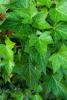
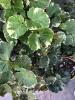
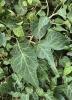
True ivies have distinct juvenile and adult growth stages. Juvenile Iberian Ivy produces flexible creeping or climbing stems with attaching aerial rootlets. The leaves are evergreen, leathery, and usually lobed.
Adult reproductive growth becomes woodier and more self-supporting. It produces fewer attaching rootlets and develops broader, less deeply lobed or unlobed leaves. Rounded flower umbels and berries are produced on these mature shoots.
The same individual vine may therefore carry two markedly different leaf forms. A person examining only adult flowering branches may not recognize the familiar lobed ivy foliage, while a ground-covering juvenile plant may have no flowers or berries available for identification.
Why Leaf Shape Alone Is Not Reliable
European ivies have a documented identification problem. Leaf size, depth of lobing, and overall outline vary with growth stage, light, moisture, position on the vine, and individual plant. Several species also overlap in gross leaf appearance.
A 2024 review of herbarium and online records found high rates of ivy misidentification. Iberian Ivy records had been confused particularly with English Ivy and Irish Ivy, and older taxonomic treatments created additional confusion with Madeiran and Canary Island ivies.
The most important diagnostic character is often the type and structure of the tiny trichomes on young plant surfaces. Iberian Ivy belongs to the scale-haired group, while English Ivy and Irish Ivy have different stellate trichome forms. These hairs may require magnification and botanical experience to assess accurately.
Photographs showing only one leaf are therefore inadequate for dependable identification. Useful images include juvenile and adult leaves, young stem surfaces, trichomes, aerial rootlets, flowers, berries, overall growth habit, and habitat.
English, Irish, Madeiran, and Other Ivies
English or Common Ivy, Hedera helix, is widespread through much of Europe and is the species most thoroughly studied chemically and medically. Atlantic or Irish Ivy, Hedera hibernica, occurs mainly along western Europe and is frequently mislabeled as English Ivy in landscapes and naturalized populations.
Madeiran Ivy, Hedera maderensis, is native to Madeira. Algerian Ivy, Hedera algeriensis, Moroccan Ivy, Hedera maroccana, and Canary Island Ivy, Hedera canariensis, are additional large-leaved species found in horticulture.
These plants share a general true-ivy appearance and may have overlapping toxicological concerns, but they remain separate species. A chemical concentration, berry analysis, toxic dose, or prognosis determined for one species should not be assigned automatically to another.
Flowers, Berries, and Wildlife Consumption
Adult Iberian Ivy produces rounded umbels of small greenish-yellow flowers. These may provide nectar and pollen at a season when fewer other plants are flowering.
Fertilized flowers develop into dark berries that may ripen during winter or early spring. Birds consume ivy fruit and distribute the seeds in their droppings, which can establish new seedlings beneath perches, fences, trees, and buildings.
Bird consumption does not establish mammalian safety. A fruit adapted for bird dispersal may still irritate a dog, cat, horse, rabbit, or person. Domesticated pet birds should likewise not be assumed to tolerate every berry eaten by wild bird species.
Fallen berries create a repeated-access hazard for dogs and poultry and may be mixed with berries from other ornamental plants. Save an intact cluster with attached leaves and stems when identification is uncertain.
How Pets and Livestock Encounter Iberian Ivy
Dogs may chew ground-covering stems, pick up fallen berries, carry pruned vines, or eat sections removed from a wall or tree. Cats may reach hanging stems, climb through foliage, or encounter ivy in floral arrangements and seasonal decorations.
Rabbits, guinea pigs, goats, horses, and livestock may eat ivy when clippings are thrown into an enclosure, when storm damage brings vines within reach, or when ordinary forage is inadequate. Dried decorative ivy should never be used as bedding, browse, or enrichment.
Indoor arrangements may contain ivy mixed with lilies, eucalyptus, yew, holly, mistletoe, berries, floral preservatives, wire, foam, glitter, or artificial snow. The entire arrangement must be inventoried because another component may explain signs that do not fit the usual ivy syndrome.
Outdoor vines may be treated with herbicide, insecticide, fungicide, fertilizer, slug bait, or masonry cleaner. Product labels should be preserved whenever an animal becomes significantly ill after chewing treated ivy.
Historical Livestock Evidence from English Ivy
M. R. Cooper and A. W. Johnson recorded an authoritative historical account of cattle illness after unusually heavy consumption of English Ivy in Poisonous Plants in Britain and Their Effects on Animals and Man:
“Cattle that ingested large quantities of English ivy vine became ill and excitable, started staggering, and bellowed loudly. The odor of crushed ivy leaves was on the breath and in the milk. Recovery was quick and complete in three days”.
The report involved Hedera helix, not authenticated Hedera iberica. It should therefore be used as genus-level evidence rather than an exact-species case. It shows that very heavy ivy ingestion can produce excitement and incoordination while also documenting complete recovery, rather than supporting claims that every exposure causes coma or death.
Systemic Poisoning Versus Physical Suffocation
A published human death involving English Ivy resulted from a large mass of leaves obstructing the mouth and throat. Investigators detected hederacoside C in gastric contents but found no toxin in blood or urine and concluded that death resulted from suffocation rather than a lethal systemic saponin dose.
This distinction matters in veterinary cases. A dog can choke on a wad of leaves or a berry stem even when the chemical exposure would otherwise have caused only vomiting and diarrhea. Decorative wire, cord, plastic picks, and woody stems create additional obstruction risks.
Diagnosis
No routine blood test confirms Iberian Ivy poisoning. Diagnosis depends on plant identification, plant part, amount, exposure timing, clinical course, and exclusion of other toxins or mechanical complications.
Useful evidence includes photographs of the complete vine, young and mature leaves, trichomes, flowers, berries, stems, roots, nursery label, surrounding plants, decorative arrangement, and any pesticides or fertilizers used in the area.
Blood counts, electrolytes, glucose, kidney and liver values, urinalysis, blood pressure, or ECG may be appropriate when vomiting or diarrhea is substantial or the animal has weakness, poor coordination, or cardiovascular abnormalities. These tests evaluate complications and competing diagnoses rather than proving a specific ivy compound.
Persistent gagging, regurgitation, abdominal pain, or recurrent vomiting may justify radiographs, ultrasound, contrast imaging, or endoscopy for a retained stem, wire, plant mass, or other foreign body.
Prognosis
The prognosis is generally good to excellent after a limited exposure causing mild oral or gastrointestinal irritation. Most animals recover when access ends, hydration is maintained, and vomiting or diarrhea is controlled.
The outlook becomes more guarded with significant dehydration, electrolyte disturbance, aspiration, severe allergic reaction, extensive dermatitis, choking, obstruction, or exposure to another poisonous plant or chemical.
There is no evidence-based fixed recovery period for authenticated Iberian Ivy poisoning. Progress should be judged by decreasing vomiting and diarrhea, improving hydration and appetite, normal coordination, comfortable breathing, and resolution of skin or eye injury.
Prevention
Restrict access with barriers, placement, pruning, supervision, or removal when an animal persistently browses ivy. Ground-covering stems and fallen berries require attention even when the climbing portion is out of reach.
Collect leaves, berries, woody stems, and root-bearing cuttings immediately after pruning. Do not dump them into paddocks, pastures, poultry runs, rabbit enclosures, kennels, or animal-accessible compost piles.
Keep wreaths, garlands, floral arrangements, berry stems, wire, preservatives, and discarded decorations away from pets. Wash pruning tools, gloves, hands, clothing, and contaminated pet fur after substantial sap exposure.
Immediate Steps After Iberian Ivy Exposure
- Stop further access: Move the animal away from living vines, fallen leaves, berries, pruning debris, wreaths, garlands, floral arrangements, and treated vegetation.
- Confirm what was involved: Determine whether the plant was a true Hedera ivy, Poison Ivy, Boston Ivy, Virginia Creeper, Pothos, another vine, or a mixed decorative arrangement.
- Remove only loose visible material: When the animal is alert, breathing normally, and unlikely to bite, remove leaves, berries, or stems resting at the lips or front of the mouth. Do not reach blindly toward the throat.
- Wipe accessible residue gently: Use a clean damp cloth on the lips, front gums, and front of the tongue without scraping inflamed tissue or pushing material deeper.
- Prevent grooming: Keep the animal from licking sap or crushed plant residue from the paws, coat, or skin until decontamination is complete.
- Preserve evidence: Save representative leaves, berry clusters, stems, flowers, nursery labels, photographs, decorative materials, and pesticide or fertilizer packaging.
- Estimate the exposure: Record the animal’s weight, plant part, approximate amount, earliest and latest possible time, and when signs began.
- Contact a veterinarian: Obtain guidance for berry ingestion, repeated vomiting, persistent diarrhea, substantial oral irritation, facial swelling, weakness, poor coordination, or uncertain identification.
Do Not Attempt Unsupervised Home Decontamination
- Do not induce vomiting: Do not use hydrogen peroxide, salt, mustard, ipecac, detergent, dish soap, manual gagging, or fingers in the throat.
- Do not administer activated charcoal yourself: Charcoal is not routinely needed for limited ivy ingestion and may be aspirated by a vomiting, weak, sedated, uncoordinated, or poorly swallowing animal.
- Do not force food or liquid: Milk, yogurt, oil, bread, broth, or water does not neutralize saponins or contact allergens and may enter the lungs when swallowing is impaired.
- Do not give owner-selected antihistamines or corticosteroids: These do not remove plant residue or neutralize saponins and must not delay treatment of facial swelling or breathing difficulty.
- Do not give human medication: Human pain relievers, antidiarrheals, antacids, anti-nausea products, topical anesthetics, and leftover prescriptions may add toxicity or obscure progression.
- Do not assume severe signs are “just ivy”: Seizures, profound weakness, collapse, severe bradycardia, or coma requires immediate evaluation for another exposure or medical emergency.
Oral Irritation and Swallowing
Monitor for drooling, redness, pawing, head shaking, repeated swallowing, gagging, coughing, altered vocalization, or refusal of food and water. Do not repeatedly force the mouth open in a painful or frightened animal.
An alert animal that is breathing and swallowing normally may have voluntary access to a small amount of cool water. Do not pour, spray, syringe, or drench liquid into the mouth.
Persistent drooling, visible swelling, voice change, inability to swallow saliva, coughing during drinking, or immediate return of water requires prompt veterinary examination for pharyngeal irritation, allergic swelling, or an obstruction.
Vomiting, Diarrhea, and Hydration
- Track vomiting: Record the number of episodes and whether plant pieces, berries, foam, blood, coffee-ground material, wire, or other debris is present.
- Track diarrhea: Note frequency, volume, mucus, fresh blood, black coloration, and whether the animal continues to urinate.
- Watch abdominal comfort: Hunching, repeated stretching, whining, restlessness, a tense abdomen, or reluctance to be touched warrants examination.
- Offer water only when safe: Small voluntary amounts may be allowed once vomiting has settled and swallowing remains normal.
- Never force fluids: A weak, nauseated, coughing, gagging, or poorly coordinated animal may aspirate them.
- Watch for dehydration: Tacky gums, sunken eyes, reduced urination, weakness, rapid heart rate, or worsening lethargy requires treatment.
- Report blood promptly: Bloody vomit, black stool, bloody diarrhea, pale gums, or collapse requires urgent veterinary evaluation.
Skin and Coat Decontamination
Wear gloves before handling crushed ivy, sap, berries, vomited plant material, or contaminated fur. Brush or lift away loose fragments before wetting the coat so debris is not spread across a larger area.
Wash exposed skin, paws, and fur gently with lukewarm water and a mild pet-safe cleanser. Rinse thoroughly and prevent licking until cleanup is complete.
Do not use alcohol, peroxide, bleach, solvents, concentrated vinegar, essential oils, or human rash creams. Delayed redness, itching, papules, blisters, scaling, or an eczematous rash may appear hours or days later.
Persistent or widespread dermatitis, facial involvement, open sores, or severe itching requires veterinary examination. Anyone handling the exposure should wash exposed skin, tools, gloves, and clothing.
Eye Exposure
Flush the affected eye immediately with sterile saline or clean lukewarm water for approximately 15 to 20 minutes. Direct a gentle stream across the eye and beneath the eyelids rather than forcefully against the cornea.
Prevent rubbing and keep contaminated runoff away from the other eye. Do not use redness-relief drops, contact-lens cleaner, numbing drops, corticosteroid drops, antibiotic ointment, milk, or soap.
Continued squinting, tearing, redness, swelling, discharge, cloudiness, light sensitivity, unequal pupils, or apparent visual difficulty requires prompt veterinary examination.
Allergic-Reaction Warning Signs
- Facial swelling is progressing: Increasing swelling of the muzzle, eyelids, lips, tongue, or throat requires urgent assessment.
- Hives are widespread: Raised welts beyond the contact area may indicate a generalized reaction.
- Breathing changes: Wheezing, stridor, open-mouth breathing, neck extension, blue-gray gums, or increased respiratory effort is an emergency.
- Weakness or collapse develops: A systemic allergic reaction can impair circulation and requires immediate emergency treatment.
- Do not depend on a home antihistamine: Airway examination, oxygen, injectable medication, and cardiovascular support may be needed.
Choking and Foreign-Body Warning Signs
Panic, ineffective breathing, blue-gray gums, collapse, or a visible object blocking the mouth is an immediate emergency. Do not push plant material deeper with food, water, fingers, or tools.
Heavy drooling, repeated swallowing, neck extension, regurgitation, coughing, or immediate return of water may indicate esophageal obstruction. Persistent vomiting, abdominal distention, pain, appetite loss, or reduced stool may indicate a gastrointestinal foreign body.
Do not pull a long stem, vine, wire, string, or fibrous object protruding from the mouth or rectum unless a veterinarian directs it. It may be anchored or looped internally.
Unexpected Neurologic or Cardiovascular Signs
Keep a weak, excited, trembling, or uncoordinated animal quiet on floor-level padding away from stairs, water, traffic, and furniture edges. Do not force walking or exercise.
Severe ataxia, repeated falling, seizures, profound depression, very slow or irregular heart rate, pale gums, poor responsiveness, or collapse requires immediate emergency evaluation.
Preserve labels from pesticides, herbicides, slug bait, fertilizer, medications, cough products, concentrated extracts, and all plants in the area. These findings are not adequately explained by a routine limited Iberian Ivy ingestion.
Veterinary Examination and Diagnostics
The veterinarian will evaluate the mouth and throat, hydration, abdominal comfort, temperature, respiratory effort, heart rate and rhythm, blood pressure, coordination, and mental status.
Blood counts, electrolytes, glucose, kidney and liver values, acid-base assessment, and urinalysis may be appropriate after significant gastrointestinal losses or when illness is atypical. ECG and blood-pressure monitoring may be needed when cardiovascular abnormalities or collapse is present.
Radiographs, ultrasound, contrast imaging, or endoscopy may be necessary when a woody stem, plant mass, berry cluster, floral wire, or other foreign object was swallowed.
Veterinary Treatment
There is no established Iberian Ivy-specific antidote. Treatment is directed at the clinical problems present and may include veterinarian-selected anti-nausea medication, intravenous crystalloids, electrolyte correction, pain control, gastrointestinal support, and nutritional assistance after vomiting and swallowing safety have been assessed.
Professional emesis is not routine because ivy is a gastrointestinal irritant and many affected animals vomit spontaneously. Any decision must account for timing, species, symptoms, coordination, airway protection, amount eaten, and possible foreign material.
Activated charcoal may be considered only in selected substantial or mixed exposures. It is not useful for contact dermatitis, cannot remove a physical obstruction, and should not be given when vomiting, weakness, sedation, incoordination, or dysphagia creates an aspiration risk.
Significant hives, facial swelling, or systemic allergic signs may require injectable medication, oxygen, airway monitoring, and circulatory support. Medication selection depends on the reaction, species, patient stability, and concurrent disease.
Intravenous fluids are used first when vomiting and diarrhea have caused clinically important hypovolemia. Vasopressors may be considered if significant hypotension persists after appropriate volume correction; they are not substitutes for needed fluid resuscitation.
Horse and Livestock Exposure
Remove all animals from living ivy, hedge clippings, storm debris, wreaths, garden waste, or contaminated forage. Provide clean water and adequate uncontaminated forage so animals are not forced to browse the vine.
Inspect every animal sharing access. Monitor salivation, appetite, colic, diarrhea, coughing, excitement, weakness, incoordination, staggering, unusual vocalization, and recumbency.
Horses cannot vomit and must never receive an emetic. Do not drench a weak, coughing, colicky, uncoordinated, recumbent, or poorly swallowing animal with oil, water, charcoal, feed, or medication.
Preserve leaves, berries, stems, forage, photographs, decorative material, and chemical labels. Significant colic, repeated diarrhea, marked excitement, staggering, respiratory difficulty, or recumbency requires large-animal veterinary assessment.
Recovery and Prognosis
Most limited exposures causing mild oral or gastrointestinal irritation have a good to excellent prognosis. Recovery should include decreasing vomiting and diarrhea, adequate hydration, improving appetite, comfortable swallowing, normal coordination, and return of ordinary behavior.
Re-examination is needed when signs persist into the following day, recur after apparent improvement, or progress to dehydration, oral swelling, severe dermatitis, eye pain, weakness, incoordination, or respiratory difficulty.
The prognosis becomes more guarded when aspiration, severe allergic reaction, choking, gastrointestinal obstruction, major electrolyte disturbance, or another toxic exposure is present.
Frequently Asked Questions About Iberian Ivy and Animal Poisoning
Why is Iberian Ivy difficult to identify from one leaf photograph?
Leaf shape changes with age, light, moisture, position on the vine, and whether the shoot is juvenile or reproductive. Iberian Ivy also overlaps in gross leaf appearance with several other European ivies. Accurate identification may require young stem surfaces, trichomes viewed under magnification, adult and juvenile leaves, flowers, berries, provenance, and expert comparison rather than one attractive leaf image.
What are trichomes, and why do they matter in ivy identification?
Trichomes are tiny hair-like or scale-like structures found on plant surfaces. Their branching pattern and shape are among the most useful diagnostic characters in Hedera. Iberian Ivy has scale-like trichomes, whereas English and Irish ivies have different stellate forms. These structures may be too small to evaluate reliably in an ordinary phone photograph.
Can a plant labeled Iberian Ivy actually be another ivy species?
Yes. Nursery labels, public databases, herbarium records, and landscape identifications may confuse Iberian, English, Irish, Madeiran, Canary Island, Algerian, or Moroccan ivies. A recent study found high misidentification rates among European ivies. During a poisoning emergency, preserve the label but also photograph and save the actual plant.
Has hederacoside C been measured directly in Iberian Ivy?
A dependable organ-by-organ quantitative profile for Hedera iberica has not been established. Hederacoside C is well documented in English Ivy and is biologically plausible as part of shared genus chemistry, but its concentration in Iberian Ivy leaves and berries should not be invented or assumed to match H. helix.
Does the direct Iberian Ivy phenolic study prove which toxins cause pet illness?
No. The study measured broad leaf phenolic patterns and how they varied among ivy species and environments. It did not establish a veterinary toxic dose, quantify every saponin, confirm falcarinol concentrations, or feed the plant to animals. It adds exact-species chemical evidence without resolving the entire toxicological profile.
Why can adult Iberian Ivy look unlike the vine near the ground?
Juvenile stems creep or climb, produce aerial rootlets, and carry the familiar lobed leaves. Mature reproductive branches become woodier, stop attaching in the same way, and produce broader, less lobed leaves, flowers, and berries. Both forms can occur on one plant and contain tissue that should remain inaccessible to animals.
Do wild birds eating ivy berries prove the fruit is safe for pet birds?
No. Wild bird species may have different digestive physiology, feeding patterns, and tolerance, and they commonly consume only limited quantities while dispersing the seeds. A caged bird can shred and repeatedly ingest fruit, leaves, stems, and sap without the same natural feeding context. Iberian Ivy berries should not be offered as pet-bird food.
Can bird-dispersed ivy seedlings create an unexpected pet exposure?
Yes. Seeds deposited beneath fences, trees, roofs, feeders, or perches can produce young ground-level vines that are easier for dogs, rabbits, poultry, and livestock to reach than the original adult plant. Seedlings may be misidentified because they lack flowers and adult leaves.
Is an ivy rash the same as a Poison Ivy rash?
No. Poison Ivy belongs to Toxicodendron and causes urushiol dermatitis. True ivies belong to Hedera; English Ivy dermatitis is associated principally with falcarinol and didehydrofalcarinol. Both can cause delayed allergic reactions, but they are botanically and chemically different plants and can occasionally grow in the same area.
Why may dermatitis appear after the stomach signs have resolved?
Direct gastrointestinal irritation can begin soon after ingestion, while allergic contact dermatitis may require many hours or several days to develop. Sap remaining on fur, tools, clothing, or bedding can also create continuing exposure after the vine has been removed.
Can an animal become more reactive after repeated ivy contact?
Yes. Allergic contact dermatitis requires sensitization, so an early exposure may cause little visible reaction while a later exposure produces a stronger rash. This differs from direct irritant injury, which does not require previous immune sensitization.
Why does a medicinal ivy cough product not prove that the vine is safe?
Medicinal extracts use controlled plant material, extraction methods, standardization, and dosing. A raw leaf or berry contains a variable mixture, while a cough product may contain alcohol, sweeteners, preservatives, or additional drugs. Neither should be given to an animal unless the exact veterinary product and dose were prescribed.
What should be checked when a pet chews ivy from a wreath or floral arrangement?
Identify every plant and nonplant component. Arrangements may contain lilies, yew, holly, mistletoe, eucalyptus, floral preservative, wire, plastic picks, foam, glitter, ribbon, paint, or artificial snow. Severe signs may come from another component or from a physical obstruction rather than the ivy alone.
Can dried wreath ivy still cause illness?
Yes. Drying does not prove that saponins and contact-active residue have disappeared. Dried material can also become brittle, scatter fragments, and expose pets to wire, string, preservative, dust, and other decorative components.
Why is choking discussed separately from systemic poisoning?
A mass of leaves or woody material can obstruct airflow even if the absorbed chemical dose would not have been fatal. A documented English Ivy death resulted from suffocation by leaves in the mouth and throat. Choking requires immediate physical airway management, not an antidote for saponins.
What should be suspected when seizures or cardiovascular collapse occur?
Those findings are not the expected result of an ordinary limited Iberian Ivy exposure. Veterinarians should investigate pesticides, slug bait, medications, concentrated extracts, mushrooms, another poisonous plant, hypoxia, aspiration, severe dehydration, electrolyte abnormalities, and primary neurologic or cardiac disease.
What plant material is most useful for expert identification?
Preserve juvenile and adult leaves when available, a young stem section with surface hairs, berries or flowers attached to their branch, photographs of the whole plant and habitat, and the nursery label. Seal the sample to prevent sap transfer and ask the veterinary clinic before transporting a large or chemically treated specimen.