Kalmia Laurel Grayanotoxins, Sodium-Channel Dysfunction, and Cardiovascular Collapse
Are Laurel Plants in the Kalmia Genus Poisonous to Dogs, Cats, Horses, and Livestock?
Yes—Laurel plants in the genus Kalmia are poisonous to dogs, cats, horses, livestock, rabbits, guinea pigs, birds, reptiles, and other animals. The principal established hazards are grayanotoxins, a group of polyhydroxylated diterpenes that prevent voltage-gated sodium channels in nerves and muscles from inactivating normally. Ingestion can produce a dangerous combination of salivation, nausea, vomiting or regurgitation, diarrhea, profound weakness, incoordination, abnormal sensation, tremors, bradycardia, atrioventricular block, low blood pressure, changing cardiac rhythms, respiratory difficulty, collapse, seizures, coma, and death.
The strongest direct toxicological evidence concerns Mountain Laurel, Kalmia latifolia, and Sheep Laurel, Kalmia angustifolia. Grayanotoxins have been isolated directly from those species, controlled livestock poisonings have been documented with both, and a published dog case confirms clinically important K. latifolia poisoning. The other accepted Kalmia species have not received equally complete chemical or veterinary investigation, so this genus page does not claim that every species, cultivar, plant part, season, or population contains an identical toxin concentration.
Leaves and other aboveground material create the best-documented exposure risk, but flowers, buds, nectar, pollen, sap, twigs, bark, capsules, seeds, roots, rootstocks, burls, cuttings, dried foliage, wreaths, brush piles, contaminated forage, and discarded ornamental material should also remain inaccessible. Drying, wilting, freezing, cutting, or mixing the plant into hay does not provide dependable detoxification. Honey gathered where bees forage heavily on grayanotoxin-producing Ericaceae may also require investigation, although the source plant and toxin concentration cannot be determined from the honey’s appearance alone.
“Laurel” is not a dependable botanical identity. Cherry Laurel, Bay Laurel, California Laurel, Texas Mountain Laurel, Spurge Laurel, Portuguese Laurel, and other unrelated plants may contain cyanogenic glycosides, quinolizidine alkaloids, irritating oils, daphnane compounds, or other toxicants rather than grayanotoxins. The complete plant, label, photographs, location, and exposed plant parts must be preserved so treatment is based on the actual species rather than the shared common name.
About this guide: This page provides general pet-poisoning information and cannot diagnose or treat an individual animal. For any suspected exposure, contact a veterinarian or animal poison-control service immediately. Do not induce vomiting, give medication, or attempt home decontamination unless directed by a veterinary professional.
Laurel
Kalmia L. — genus-level page
This page covers plants currently accepted within the genus Kalmia, rather than only Mountain Laurel, Kalmia latifolia. The nine accepted species are:
- Kalmia angustifolia L.
- Kalmia buxifolia (P.J.Bergius) Gift & Kron
- Kalmia cuneata Michx.
- Kalmia ericoides Griseb.
- Kalmia hirsuta Walter
- Kalmia latifolia L.
- Kalmia microphylla (Hook.) A.Heller
- Kalmia polifolia Wangenh.
- Kalmia procumbens (L.) Gift, Kron & P.F.Stevens ex Galasso, Banfi & F.Conti
Mountain Laurel is Kalmia latifolia, while Sheep Laurel or Lambkill is Kalmia angustifolia. Historical and regional treatments may use Kalmia angustifolia var. caroliniana, Kalmia angustifolia subsp. carolina, or Kalmia carolina for southern material. The phytochemical study that isolated grayanotoxins I, IV, and XIV used the name Kalmia angustifolia var. caroliniana.
Sandmyrtle was formerly placed in the monotypic genus Leiophyllum as Leiophyllum buxifolium. Alpine Azalea was formerly placed in Loiseleuria as Loiseleuria procumbens and was originally described as Azalea procumbens. Molecular and morphological evidence supports their inclusion as Kalmia buxifolia and Kalmia procumbens.
Bog Laurel, Kalmia polifolia, appears in older literature as Kalmia glauca. Western Bog Laurel, Kalmia microphylla, has also been treated variably in older regional floras and should not be merged automatically with K. polifolia when interpreting range, identification, or poisoning reports.
The genus-level safety warning reflects the close relationship of these plants and the confirmed toxicity of important members. It does not mean that every accepted species has undergone the same chemical analysis, controlled feeding study, veterinary case documentation, or plant-part comparison.
Ericaceae — Heath Family
Laurel; Kalmia; Kalmia Laurel; Wicky; Wicky Laurel; Sheepkill; Sheep Laurel; Mountain Laurel; American Laurel; Calico Bush; Spoonwood; Spoon Tree; Mountain Ivy; Ivy Bush; Poison Laurel; Lambkill; Lamb-Kill; Sheepkill; Sheep-Kill; Calfkill; Calf-Kill; Kill-Kid; Narrow-Leaved Laurel; Dwarf Laurel; Pig Laurel; Sheep Poison; Bog Laurel; Pale Laurel; Swamp Laurel; Western Bog Laurel; Alpine Laurel; Alpine Bog Laurel; Alpine Mountain Laurel; Sandmyrtle; Sand Myrtle; White Wicky; Hairy Mountain Laurel; Cuban Kalmia; Alpine Azalea; Trailing Azalea
Many of these names belong more specifically to one species. Mountain Laurel, American Laurel, Calico Bush, Spoonwood, and Ivy Bush most often identify Kalmia latifolia. Sheep Laurel, Lambkill, Calfkill, Kill-Kid, Dwarf Laurel, Narrow-Leaved Laurel, and Sheep Poison are strongly associated with Kalmia angustifolia. Bog Laurel, Pale Laurel, and Swamp Laurel commonly identify Kalmia polifolia, while Western Bog Laurel and Alpine Laurel commonly identify Kalmia microphylla.
Sandmyrtle and Sand Myrtle identify Kalmia buxifolia, formerly Leiophyllum buxifolium. White Wicky identifies Kalmia cuneata, Hairy Mountain Laurel identifies Kalmia hirsuta, and Cuban Kalmia identifies Kalmia ericoides. Alpine Azalea and Trailing Azalea identify Kalmia procumbens, formerly Loiseleuria procumbens and Azalea procumbens.
“Laurel” also appears in the names of many plants outside Kalmia. Culinary Bay Laurel is Laurus nobilis; Cherry Laurel is usually Prunus laurocerasus; Portuguese Laurel is Prunus lusitanica; Texas Mountain Laurel is Dermatophyllum secundiflorum, formerly Sophora secundiflora; California Laurel is Umbellularia californica; and Spurge Laurel is Daphne laureola. These plants are not botanical synonyms for Kalmia and may require entirely different toxicological assessment.
Genus-Level Evidence and Its Limits
The principal established toxicants of Laurel plants in the genus Kalmia are grayanotoxins, also called grayanoids or grayanane diterpenes. The genus currently includes nine accepted species, but the toxicological record is uneven. Direct chemical isolation, controlled animal feeding, and veterinary case evidence are concentrated in Mountain Laurel, Kalmia latifolia, and Sheep Laurel, Kalmia angustifolia. Historical livestock work also recognizes poisoning by western or alpine Kalmia, but modern comparative toxin profiles have not been completed for every accepted species.
A genus-level warning is therefore appropriate without pretending that all Kalmia plants are chemically interchangeable. The page treats unidentified Kalmia foliage as potentially poisonous because the genus contains proven grayanotoxin-producing species, its members are closely related, and an owner cannot determine chemical concentration from flower color, cultivar name, shrub size, habitat, or appearance. It does not assign a Mountain Laurel dose, toxin concentration, or clinical frequency automatically to Sandmyrtle, White Wicky, Cuban Kalmia, Hairy Mountain Laurel, Bog Laurel, Western Bog Laurel, or Alpine Azalea.
Direct Chemistry in Kalmia latifolia
Mountain Laurel has the most extensive exact-species chemical record. Examination of Kalmia latifolia sap identified grayanotoxin I, phloretin, and 2′,6′-dihydroxy-4-methoxyacetophenone as cytotoxic constituents. This study is important because it confirms grayanotoxin directly in the species and in sap rather than inferring its presence solely from a related plant or poisoning syndrome.
A separate systematic fractionation of an ethanolic leaf extract yielded ten grayanoid diterpenes. Four were previously recognized compounds—lyoniol-A, grayanotoxin XVIII, grayanotoxin II, and grayanotoxin III—while six were described as kalmitoxins I through VI. Kalmitoxin I was the principal antifeedant in the gypsy-moth assay, with kalmitoxin IV and grayanotoxin III also making important contributions at the concentrations present.
An insect antifeedant assay does not establish a canine, feline, equine, or livestock lethal dose for each compound. It does demonstrate that K. latifolia leaves contain a chemically diverse grayanoid mixture rather than one uniform substance called “andromedotoxin.” The biological contribution of each compound after natural animal ingestion depends on concentration, absorption, intrinsic activity, metabolism, and interactions within the complete plant material.
Direct Chemistry in Kalmia angustifolia
Grayanotoxins I, IV, and XIV were isolated from Kalmia angustifolia var. caroliniana, a historical name for southern Sheep Laurel material. The investigation used air-dried leaf material and established the compounds through extensive physical and nuclear-magnetic-resonance analysis. It was the first report of grayanotoxins IV and XIV from that source and resolved earlier structural-assignment ambiguities.
This evidence confirms that Sheep Laurel has its own directly demonstrated grayanotoxin profile. It does not prove that every northern and southern population contains the three compounds in identical proportions, nor that its chemistry matches Mountain Laurel. The 1930 feeding experiments likewise found substantial individual and species variation rather than one fixed relationship between plant weight and outcome.
Grayanotoxin Structure and Historical Names
Grayanotoxins are polyhydroxylated cyclic diterpenes with a characteristic grayane or grayanane carbon skeleton. They contain no nitrogen and should not be described as alkaloids, cardiac glycosides, cyanogenic compounds, or chemicals similar to turpentine. Their multiple hydroxyl groups and structural substitutions produce related compounds with different biological activity.
Older literature used names such as andromedotoxin, acetylandromedol, rhodotoxin, and asebotoxin. These terms were not always applied consistently. In some publications they referred broadly to the toxic principle of an ericaceous plant, while in others they referred to a particular isolated compound, especially what is now called grayanotoxin I. Historical names should therefore be interpreted within the original paper rather than counted automatically as separate toxins.
The kalmitoxin names describe grayanoid diterpenes isolated from K. latifolia; they are not a second unrelated toxin family. Likewise, “mad honey toxin” is not a distinct chemical category. It usually refers to one or more grayanotoxins transferred into honey from the nectar of toxin-producing Ericaceae.
Persistent Sodium-Channel Activation
Voltage-gated sodium channels normally open briefly when an excitable cell reaches its activation threshold. Sodium enters, the membrane depolarizes, and the channel rapidly inactivates so the cell can repolarize and prepare for the next impulse. Grayanotoxins bind within the sodium-channel structure, favor the activated state, and interfere with normal inactivation.
The resulting persistent sodium permeability holds nerves and muscle cells in an abnormally depolarized state. Laboratory work with squid axons demonstrated that grayanotoxin increases sodium conductance from the inner surface of the membrane, while later molecular research identified amino-acid regions within the D4S6 segment of a mammalian sodium channel that regulate toxin binding and release.
This mechanism disrupts sensory nerves, autonomic control, gastrointestinal smooth muscle, skeletal muscle, respiratory muscle, and cardiac tissue at the same time. It explains why one animal can vomit, salivate, stumble, become profoundly weak, develop paresthesia-like behavior, show abnormal breathing, and experience bradycardia or heart block during the same exposure.
Why Both Slow and Irregular Rhythms Can Occur
Increased vagal influence and disturbed impulse formation commonly produce sinus bradycardia, nodal or junctional rhythms, delayed atrioventricular conduction, second-degree block, or complete heart block. Reduced heart rate and impaired conduction can decrease cardiac output and produce hypotension, weak pulses, cold extremities, pale mucous membranes, fainting, and collapse.
The rhythm is not always uniformly slow. Abnormal pacemaker activity, changing conduction, hypoxia, electrolyte disturbance, stress, shock, and myocardial irritability can produce irregular rhythms or periods of faster activity. A pulse that appears normal during one brief home measurement does not exclude an intermittent conduction abnormality. Continuous or repeated ECG and blood-pressure monitoring provide substantially more information than a single heart-rate count.
Plant Parts and Preparation Differences
The strongest direct chemical studies used K. latifolia sap and leaves and K. angustifolia leaves. Historical livestock experiments used dried leaves, sometimes with flowers, and successfully produced poisoning. Flowers, buds, nectar, pollen, twigs, bark, capsules, seeds, roots, rootstocks, burls, sap, cuttings, and discarded material should remain inaccessible, but the evidence does not justify claiming that every part of every species contains the same grayanotoxin concentration.
Leaves are the most important practical hazard because they are abundant, evergreen in many species, readily browsed, and retained or shed where animals can reach them. Flowers and nectar matter during bloom, while cut branches, wreaths, landscape debris, uprooted shrubs, and root material create concentrated access that would not occur when the plant remains undisturbed.
Drying does not make Kalmia safe. The historical feeding work used dried and ground material shipped across the country before administration. Wilted branches, frozen foliage, brown leaves, pressed botanical material, old wreaths, contaminated hay, and brush-pile debris must therefore remain part of the exposure assessment. No household cooking, drying, freezing, soaking, ensiling, or aging procedure has been validated as a dependable detoxification method for animal feed.
Nectar, Honey, and Concentrated Preparations
Bees can transfer grayanotoxins from toxin-producing Ericaceae into honey. Toxic honey is most famously associated with rhododendrons in the Black Sea and Himalayan regions, but North American Kalmia flowers have long been considered potential sources where dense flowering stands dominate nectar collection.
Risk depends on the source species, flowering density, bee behavior, season, weather, dilution with nectar from other plants, harvest practices, and whether honey from multiple hives or locations is pooled. Color, smell, flavor, crystallization, organic labeling, raw processing, or a previously tolerated taste cannot establish the absence of grayanotoxin.
Dogs, cats, livestock, and other animals should not be deliberately given questionable local honey, honeycomb, herbal tinctures, teas, extracts, smoking material, or products marketed as Mad Honey. Concentration can make a processed product more hazardous than an exploratory bite of intact foliage, while mixed botanical products may contain several toxic plants.
Arbutin, Phloretin, and Other Constituents
Arbutin, a hydroquinone glucoside, is a legitimate constituent reported from Mountain Laurel and other members of Ericaceae. Phloretin and 2′,6′-dihydroxy-4-methoxyacetophenone were identified as cytotoxic constituents in K. latifolia sap. These findings add phytochemical depth but do not displace grayanotoxins as the principal explanation for the characteristic acute gastrointestinal, cardiovascular, neuromuscular, and neurologic syndrome.
Laboratory cytotoxicity does not prove that natural ingestion routinely causes primary liver failure, kidney failure, marrow suppression, or generalized tissue necrosis from those compounds. Organ injury in a severely poisoned animal may instead reflect dehydration, shock, prolonged hypotension, hypoxia, aspiration, seizures, or a mixed exposure. The compound, experimental model, plant preparation, and route must be considered before translating an in vitro result into a clinical claim.
Historical Feeding Data and Toxic-Dose Limitations
The 1930 controlled feeding experiments found illness after particular dried preparations of K. latifolia equivalent to approximately 0.4% of body weight in cattle and goats and 0.35% in sheep when converted to estimated fresh-plant weight. One sheep died after an amount equivalent to 0.5%, while another became ill but survived 0.6%; a goat recovered after 0.6%, and cattle became sick but survived amounts as high as 0.9%.
Results with K. angustifolia were also variable. Some sheep became sick at an amount equivalent to 0.15%, while another showed no effect at 0.2%; one sheep survived 1.2%. A goat became sick at 0.25%, and the lowest effective amount in the tested cattle was 0.2%. These apparently conflicting outcomes demonstrate biological and preparation-related variation rather than defining a clean threshold.
The percentages are historical research observations, not a feeding guide or emergency calculator. The experiments involved limited numbers of cattle, goats, and sheep; dried plants from particular collection sites; an assumed 75% loss of weight during drying; deliberate administration; inconsistent retention after vomiting; and incomplete overnight observation. They cannot establish a safe amount for a dog, cat, horse, rabbit, bird, reptile, or individual livestock animal.
No validated genus-wide toxic dose exists. The amount swallowed, exact species, cultivar or population, plant part, season, preparation, toxin mixture, stomach contents, animal species, body size, health, vomiting, and treatment timing can all change the outcome. Any calculation that converts one old livestock percentage into a universal number of pet-sized leaves would create false precision.
No Neutralizing Antidote
No single antidote binds and permanently neutralizes grayanotoxin already distributed through the animal. Veterinary treatment limits further absorption when this can be done safely, restores circulating volume, supports blood pressure and oxygenation, treats clinically important bradycardia or conduction disturbance, controls tremors and seizures, manages vomiting and aspiration, and monitors the patient while the toxin is metabolized and eliminated.
Atropine may improve important vagally mediated bradycardia in an appropriately selected patient, but it is not an owner-administered antidote and does not correct every rhythm. A patient with high-grade conduction block, an unstable ventricular rhythm, severe hypovolemia, aspiration, or respiratory failure requires treatment directed at the actual abnormality rather than automatic medication based only on the plant name.
Expected Onset and Early Gastrointestinal Warning
Grayanotoxin signs may begin within minutes to several hours, but no single onset period applies to every Kalmia species, preparation, animal, or amount. Modern grayanotoxin reports often describe relatively rapid illness. Historical Kalmia feeding studies recorded longer average intervals partly because many plants were administered in the evening and the animals were not observed continuously overnight; the investigators acknowledged that the true onset was probably earlier.
Early findings may include lip licking, repeated swallowing, excessive salivation, watery eyes, nasal moisture, nausea, retching, vomiting or regurgitation, abdominal discomfort, diarrhea, food refusal, restlessness, unusual quietness, and weakness. Gastrointestinal signs can appear before an owner recognizes a pulse or blood-pressure abnormality. Vomiting does not mean the toxin has been fully removed, and an animal that becomes very still afterward may be hypotensive rather than comfortably resting.
Dogs and cats may also rub the face, paw at the mouth, lick or chew at the limbs, twitch, or react abnormally to touch. These behaviors may represent burning, tingling, numbness, or another abnormal sensation produced by disturbed sensory-nerve signaling. They should not be described automatically as a corrosive oral burn or allergic reaction.
Progressive Cardiovascular Dysfunction
Bradycardia is one of the most characteristic serious findings. The sinoatrial node may discharge slowly, the atrioventricular node may delay or fail to conduct impulses, and a junctional or escape rhythm may temporarily maintain circulation. Possible abnormalities include sinus bradycardia, prolonged atrioventricular conduction, second-degree block, complete heart block, nodal rhythm, weak pulse, and changing rhythm patterns.
Low blood pressure can result from reduced heart rate, impaired cardiac output, altered vascular tone, vomiting, diarrhea, dehydration, and shock. The animal may become cold, profoundly lethargic, pale, unable to stand, faint, collapse, or lose awareness. Gum color may remain deceptively normal early in the course, so apparently pink mucous membranes do not exclude important hypotension.
Some animals develop irregular or faster rhythms rather than persistent bradycardia. The heart rate may change as toxin absorption, vagal activity, oxygenation, fluid status, body temperature, stress, and treatment change. A pulse counted during one calm interval cannot rule out intermittent block or ventricular ectopy.
Weakness, Ataxia, and Neurologic Progression
Weakness may progress from reluctance to move to swaying, crossing of the limbs, stumbling, repeated falling, inability to climb, recumbency, and complete inability to stand. Trembling, muscle fasciculations, jerking, stiffness, or poorly coordinated movement can accompany the weakness. An animal may appear dizzy, visually disoriented, frightened, confused, or unusually reactive.
Severe poisoning may produce marked agitation, altered behavior, progressive paralysis, seizures, stupor, coma, or death. Apparent aggression may reflect fear, abnormal sensation, reduced cerebral perfusion, or confusion rather than a new behavioral disorder. Profound depression can arise from both direct neurologic effects and inadequate blood flow to the brain.
Hypoglycemia, electrolyte disturbance, hypoxia, medication exposure, pesticide poisoning, primary neurologic disease, and other toxic plants can produce overlapping signs. Atypical neurologic deterioration should not be attributed indefinitely to Kalmia without checking competing causes.
Respiratory Compromise and Aspiration
Breathing may become rapid, shallow, irregular, weak, or labored. Respiratory difficulty can result from skeletal-muscle weakness, neurologic depression, severe hypotension, impaired oxygen delivery, aspiration of vomit or regurgitated material, pulmonary edema, seizures, or terminal cardiovascular collapse.
Aspiration is an important secondary complication because affected animals may vomit repeatedly while weak, uncoordinated, recumbent, or mentally depressed. Coughing, gagging, nasal discharge, fever, rapid breathing, increased respiratory effort, abnormal lung sounds, falling oxygen saturation, or renewed lethargy after initial improvement may indicate aspiration pneumonia.
Blue-gray gums, open-mouth breathing, gasping, weak respiratory movement, collapse, or reduced responsiveness requires immediate airway and oxygen support. Forced water, food, oil, charcoal, or oral medication increases aspiration risk in a nauseated or poorly swallowing animal.
Directly Documented Disease in a Dog
A published dog case provides direct companion-animal evidence for Kalmia latifolia. The dog developed vomiting, hematochezia, bradycardia, weakness, and ataxia. Initial supportive treatment did not produce the expected improvement, and Mountain Laurel ingestion was identified after gastrotomy removed plant-containing gastric material. Continued supportive care was followed by complete recovery.
The case demonstrates that substantial plant material may remain in the stomach despite vomiting and that gastrointestinal signs do not exclude important cardiac or neurologic involvement. It does not establish that every dog requires surgery. Endoscopy, gastrotomy, or another retrieval procedure is reserved for circumstances in which retained material, an obstructive mass, a foreign body, persistent deterioration, or the risk-benefit assessment justifies intervention.
Direct feline Kalmia case detail is much thinner. Cats remain biologically susceptible to the sodium-channel mechanism, and poison-center literature includes feline exposure within broader ericaceous plant datasets, but a precise feline dose, expected ECG pattern, and recovery period cannot be supplied from controlled Kalmia research.
Dogs and Cats
Dogs may chew ornamental shrubs, carry cut branches, eat fallen flower clusters, pull up new plantings, investigate landscaping debris, or swallow foliage while grazing. Puppies and destructive chewers may consume several plant parts before the unpleasant effects interrupt them. Vomiting, bloody diarrhea, weakness, wobbling, unusual quietness, cold limbs, a weak pulse, collapse, or abnormal breathing requires urgent evaluation.
Cats may nibble leaves in an enclosure, access cut greenery brought indoors, climb into a planter, or groom sap and plant fragments from the coat. They may hide after vomiting or becoming weak, making cardiovascular decline harder to recognize. A cat that cannot jump normally, lies motionless in an unusual location, feels cold, staggers, or becomes poorly responsive after a Laurel exposure needs immediate care.
Hydrogen peroxide must never be given to a cat and is not recommended as owner-administered treatment for a dog. Once weakness, vomiting, bradycardia, ataxia, tremors, altered awareness, breathing difficulty, or poor swallowing appears, inducing vomiting substantially increases aspiration and collapse risk.
Horses, Cattle, Sheep, and Goats
Horses cannot vomit. Equine poisoning may begin with salivation, repeated swallowing, feed refusal, colic-like discomfort, depression, abnormal gastrointestinal motility, weakness, bradycardia, hypotension, incoordination, tremors, collapse, or respiratory difficulty. Cut ornamental branches, contaminated hay, woodland browse, and landscaping debris are more likely sources than deliberate consumption of an undisturbed shrub while adequate forage is available.
Cattle, sheep, and goats may show salivation, nausea, repeated retching, vomiting or regurgitation, diarrhea, teeth grinding, abdominal discomfort, weak pulses, irregular breathing, ataxia, recumbency, and death. Multiple animals can become ill at different times because each consumed a different amount or retained a different dose after regurgitation.
Recumbent ruminants face additional danger from ruminal bloat, inability to eructate, pressure on the diaphragm, muscle injury, and aspiration. Weak or regurgitating animals should not be drenched. Increasing left-sided abdominal enlargement, worsening breathing, or inability to remain upright requires immediate large-animal intervention.
Rabbits, Guinea Pigs, Birds, Reptiles, and Other Exotics
Species-specific Kalmia evidence in small herbivores and exotics is sparse. Rabbits and guinea pigs cannot vomit; poisoning may instead present as salivation, food refusal, tooth grinding, weakness, reduced fecal production, abdominal dysfunction, tremors, collapse, or abnormal breathing. Interruption of eating can create serious gastrointestinal and metabolic complications even after the initial toxin exposure begins to resolve.
Birds may shred leaves and flowers, increasing contact with sap and creating a substantial dose relative to body size. Possible signs include repeated beak wiping, regurgitation, weakness, altered vocalization, inability to perch, tremors, and respiratory distress. Reptiles and tortoises may show excess oral mucus, repeated mouth opening, regurgitation, weakness, poor coordination, food refusal, or abnormal respiration.
Household vomiting methods are inappropriate in these species. Species-experienced veterinary care is required because restraint, thermal support, fluid selection, airway management, gastrointestinal treatment, and nutritional support differ greatly from dog and cat treatment.
Organ Injury and Findings That Require a Broader Investigation
Severe acute kidney injury was documented microscopically in one fatal historical sheep case involving K. latifolia. That animal also had marked gastrointestinal illness, prolonged weakness, respiratory disease, pulmonary edema, and aspiration-associated inflammation. The finding demonstrates that severe poisoning can injure organs but does not establish kidney failure as the routine primary syndrome after every Laurel exposure.
Kidney or liver abnormalities may arise from dehydration, hypotension, shock, hypoxia, seizures, aspiration-associated systemic illness, pre-existing disease, or another poison. Serial measurements are more informative than attributing one abnormal value automatically to a direct organ-specific grayanotoxin effect.
Marked hemolysis, profound hypocalcemia, jaundice, severe uncontrolled bleeding, a persistent hyperthermic syndrome, rigid paralysis without gastrointestinal or cardiovascular involvement, or illness beginning days later with no earlier compatible signs should prompt investigation for another toxin or disease. Unrelated plants called Laurel may cause cyanide poisoning, alkaloid toxicity, essential-oil irritation, or severe gastrointestinal injury.
Duration, Recovery, and Prognosis
Many animals that receive prompt care begin improving within several hours as gastrointestinal losses are controlled, circulation is restored, and the toxin is eliminated. Heart rate and blood pressure may normalize within the same day in uncomplicated cases, but discharge should depend on sustained cardiovascular stability rather than one normal measurement.
Weakness, appetite change, gastrointestinal irritation, or fatigue may continue after the most dangerous rhythm disturbance resolves. Aspiration pneumonia, prolonged shock, organ injury, a retained plant mass, severe seizures, recumbency complications, or a mixed exposure can extend hospitalization for several days or longer.
The prognosis is often good after a limited exposure recognized before severe cardiovascular compromise. It becomes guarded with profound hypotension, high-grade heart block, recurrent arrhythmias, persistent recumbency, aspiration, seizures, respiratory failure, shock, coma, delayed treatment, or an unidentified plant. Fatal poisoning is documented in livestock, and the absence of collapse at the first examination does not guarantee an uncomplicated course.
What This Laurel Page Covers
This page uses Laurel as the established common-name title for plants in the genus Kalmia. It does not cover every unrelated plant called Laurel. The defining scientific identity is Kalmia L., a genus in Ericaceae, the Heath family.
Mountain Laurel, Kalmia latifolia, supplies much of the page’s detailed chemical, canine, and livestock evidence because it has received the most study. Sheep Laurel, Kalmia angustifolia, also has direct chemical isolation and controlled livestock data. Findings from those species are identified rather than presented as completed research on all nine accepted species.
Taxonomic Expansion of Kalmia
Traditional descriptions of Kalmia emphasized evergreen shrubs with distinctive flowers whose stamens are bent into pockets in the corolla. Molecular research using chloroplast and nuclear sequence data showed that the old genus was paraphyletic unless Leiophyllum buxifolium and Loiseleuria procumbens were included.
Those plants are now accepted as Kalmia buxifolia and Kalmia procumbens. Their inclusion broadens the visible form and geographic range of the genus. A genus page can therefore no longer be written as though every Kalmia is a five-to-fifteen-foot eastern Mountain Laurel with broad alternate leaves and large terminal flower clusters.
Range and Habitat
Most Kalmia species are native to North America, with Kalmia ericoides native to Cuba. The accepted genus now also contains the circumboreal Kalmia procumbens, which occurs in arctic, subarctic, alpine, and subalpine regions of North America, Europe, and Asia.
Habitats range from acidic eastern woodlands, rocky slopes, ridges, balds, pine barrens, and shrub thickets to bogs, pocosins, wet meadows, stream margins, sandy coastal-plain sites, exposed alpine ridges, and Cuban habitats. Landscape cultivation extends exposure far beyond each species’ native range.
The soil and habitat help with identification but do not determine safety. A bog species, dwarf alpine species, ornamental cultivar, or isolated garden specimen should not be considered harmless because it does not resemble the familiar Mountain Laurel shrub.
Mountain Laurel — Kalmia latifolia
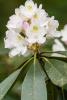
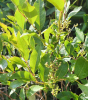
Mountain Laurel is the largest and most widely cultivated member of the genus. It usually forms a dense multi-stemmed evergreen shrub but can become a small tree in favorable southern Appalachian settings. Broad leathery leaves are generally alternate, smooth-edged, glossy above, and paler beneath.
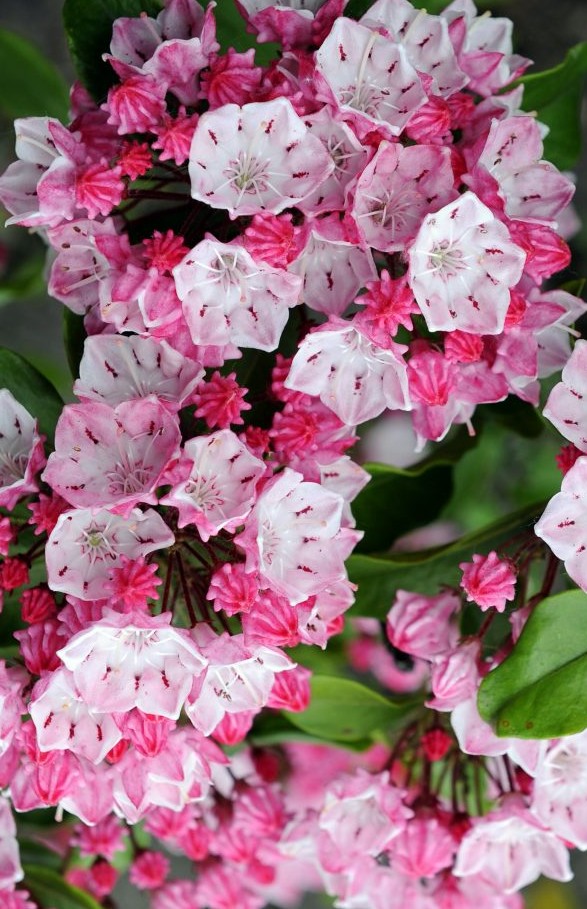
Rounded terminal clusters carry white, pink, rose, red-patterned, or cultivar-colored cup-shaped flowers. The fused corolla commonly has a five-sided or shallow star-shaped outline. Ten stamens are held under tension in small corolla pockets and can spring free when an insect visits.
Its native range extends through much of eastern North America, from portions of southeastern Canada and New England through the Appalachian, Mid-Atlantic, Piedmont, and coastal regions to the Florida Panhandle and Louisiana, with inland occurrences toward Indiana. Dense Appalachian stands may be called Laurel Hells, Laurel Slicks, or Ivy Thickets.
Sheep Laurel — Kalmia angustifolia
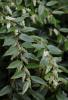
Sheep Laurel is generally lower than Mountain Laurel and has narrower evergreen leaves. Leaves may appear opposite or in groups near the stem, and the flower clusters are lateral, developing below the newest leafy growth rather than forming the large terminal display typical of K. latifolia.
Its pink to crimson flowers are smaller, but they retain the characteristic pocketed corolla and spring-loaded stamens. The species inhabits acidic bog margins, barrens, open coniferous forests, roadsides, disturbed ground, and other nutrient-poor environments across eastern North America.
Names such as Sheepkill, Lambkill, Calfkill, Kill-Kid, and Sheep Poison reflect a long livestock-poisoning history. Southern plants have been treated under several names and ranks, including K. angustifolia var. caroliniana, K. angustifolia subsp. carolina, and K. carolina.
Bog and Western Laurels
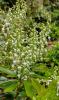
Bog Laurel, Kalmia polifolia, is a low evergreen shrub of cold acidic bogs, muskegs, and wetland margins in northern and northeastern North America. Older literature commonly uses Kalmia glauca. Its leaves are usually opposite, narrow, and pale or bluish beneath, while pink flowers occur near the stem tips.
Western Bog Laurel or Alpine Laurel, Kalmia microphylla, occupies bogs, wet meadows, lake margins, stream sides, and mountain environments across western and northern North America. It has sometimes been merged with or confused with K. polifolia, but current treatment recognizes it separately.
Because both are small wetland shrubs, they may enter hay gathered from wet meadows, browse offered to captive herbivores, botanical collections, or material carried from hiking and camping locations. Their small size does not establish a safe dose.
Sandmyrtle, White Wicky, Hairy Mountain Laurel, Cuban Kalmia, and Alpine Azalea
Sandmyrtle, Kalmia buxifolia, is a small evergreen shrub with a disjunct eastern United States distribution. It was formerly Leiophyllum buxifolium. Its small leaves and compact white or pink flower clusters can look unlike a conventional Mountain Laurel, which makes a complete label and specimen particularly useful.
White Wicky, Kalmia cuneata, and Hairy Mountain Laurel, Kalmia hirsuta, are southeastern North American species with more restricted distributions. Cuban Kalmia, Kalmia ericoides, is native to Cuba. Exact veterinary poisoning and comparative grayanoid data for these species are sparse.
Alpine Azalea, Kalmia procumbens, formerly Loiseleuria procumbens, is a mat-forming circumboreal and alpine subshrub with tiny opposite leaves and small pink or whitish flowers. Its old common and scientific names can cause it to be filed under Azalea or Loiseleuria rather than Kalmia. Its inclusion in the genus is taxonomically supported, but Mountain Laurel dose findings should not be assigned to it without direct evidence.
Leaves, Flowers, Capsules, Roots, and Burls
Leaf shape and arrangement differ across the genus, but the leaves are generally simple, leathery, and persistent for a substantial period. Mountain Laurel produces broad alternate leaves; Sheep Laurel has narrower foliage and lateral flower clusters; several bog or alpine species have small opposite leaves.
Flowers commonly have five fused lobes and mature into dry capsules containing numerous small seeds. The spring-loaded stamen mechanism is particularly conspicuous in Mountain Laurel and Sheep Laurel, but flower size, stamen number, and corolla form vary within the expanded genus.
Mountain Laurel can develop a substantial basal burl and rootstock capable of resprouting after cutting or fire. Dogs may chew exposed roots or burls after a shrub is removed. Soil around an uprooted ornamental may also contain fertilizer, pesticides, landscape fabric, wire baskets, stones, broken containers, and other foreign material.
Why the Common Name Laurel Is Dangerous
Common-name ambiguity can change the suspected toxin and emergency plan. Mountain Laurel and Sheep Laurel are Kalmia species containing grayanotoxins. Cherry Laurel and Portuguese Laurel are Prunus species with cyanogenic glycosides capable of releasing hydrogen cyanide. Texas Mountain Laurel contains cytisine and related quinolizidine alkaloids in its conspicuous red seeds.
Culinary Bay Laurel, Laurus nobilis, belongs to Lauraceae. California Laurel, Umbellularia californica, contains aromatic oils and is not a Kalmia. Spurge Laurel, Daphne laureola, belongs to Thymelaeaceae and has a different irritant-toxic profile. Dog Laurel may identify grayanotoxin-containing Leucothoe, while names such as Laurel Cherry may return the assessment to Prunus.
A single broad evergreen leaf is rarely enough for safe identification. Photograph the whole plant, branching pattern, leaf arrangement, upper and lower leaf surfaces, flower placement, individual flowers, fruit, bark, roots, and label. Preserve the geographic location and whether the material came from a nursery, woodland, bog, wreath, bouquet, herbal product, or feed source.
Exposure in Dogs and Cats
Dogs encounter Kalmia in landscaped yards, woodland trails, hunting areas, native plantings, cut-brush piles, storm debris, newly installed shrubs, holiday greenery, and uprooted plants. A dog may swallow leaves while grazing, carry a branch as a toy, chew root material, or consume foliage mixed with mulch and soil.
Cats may nibble low ornamental foliage, access cut branches brought indoors, enter planted enclosures, or groom sap and fragments from the coat. Because cats often hide when nauseated or weak, owners may see only vomit followed by unusual stillness, reluctance to jump, cold extremities, or reduced responsiveness.
Exposure around a newly installed or maintained shrub may include fertilizer, systemic pesticide, herbicide, fungicide, mulch treatment, support wire, plastic tags, burlap, or broken irrigation components. Every associated product should be documented rather than attributing all signs automatically to grayanotoxin.
Exposure in Horses and Livestock
Livestock often avoid Kalmia when adequate familiar forage is available, but avoidance is unreliable. Hunger, winter feed shortage, overgrazing, storm damage, drought, transport, confinement, curiosity, inexperienced young animals, and cut branches thrown into a paddock can overcome normal selection.
Evergreen foliage remains available when grasses and deciduous browse are dormant or snow-covered. Dense Mountain Laurel or Sheep Laurel stands may expose animals to a large continuous source rather than one shrub. Contaminated hay, roadside mowing, brush clearing, woodland browse, and ornamental waste are particularly preventable routes.
One sick animal does not mean the rest of the herd or flock escaped exposure. Intake, retained dose, individual susceptibility, and onset vary. Every animal with access should be examined or monitored under veterinary direction, and the source should be removed without driving weak animals long distances.
Exposure in Rabbits, Guinea Pigs, Birds, and Reptiles
Kalmia should not be offered as forage, hay, nesting material, bedding, chewing enrichment, perch material, browse, or enclosure landscaping. Small herbivores may consume a meaningful dose before an owner recognizes the plant, while oral discomfort, nausea, weakness, or neurologic dysfunction can interrupt eating and gastrointestinal function.
Pet birds may shred leaves and flowers into numerous fragments, and herbivorous reptiles or tortoises may graze low-growing species. Fallen alpine or bog material collected during outdoor excursions should not be introduced into an enclosure solely because wild animals were observed near it.
Cut, Wilted, Dried, and Stored Material
Historical controlled feedings successfully poisoned livestock with dried, ground K. latifolia and K. angustifolia. A dry leaf, old wreath, pressed specimen, brown branch, frozen cutting, or contaminated hay cannot be declared safe because it lacks fresh sap.
Landscape waste may create greater practical access than a living plant. Pruned branches placed over a fence, storm debris dragged into a pasture, wreaths discarded after a holiday, and shrubs left beside an open trash or compost area can present large quantities at ground level.
Do not burn Kalmia within animal housing or use its branches for cooking, smoking food, toys, perches, or bedding. Even when inhalational toxicity has not been quantified for every species, burning unidentified toxic ornamental material can create smoke, particulates, and mixed exposures that are unnecessary and difficult to interpret.
Historical Controlled Mountain Laurel Cases
The 1930 United States Department of Agriculture investigation remains the most detailed exact-species feeding record for Mountain Laurel and Sheep Laurel. The researchers administered weighed dried plant material to cattle, goats, and sheep, sometimes by balling gun and sometimes mixed with feed. Reported percentages were converted to estimated fresh-plant weight by assuming that drying removed 75% of the original mass.
Sheep 1022 was an older ewe weighing 110.5 pounds. She received dried Mountain Laurel leaves and flowers equivalent to 0.5% of her body weight on the study’s estimated green-plant basis. By the following morning she was profoundly depressed, salivating, nauseated, regurgitating, grinding her teeth, and breathing in a short, shallow, forced pattern. She initially could not stand and later walked unsteadily with the head extended and drooped.
Watery foul-smelling diarrhea and continued respiratory difficulty developed. Although the ewe could still stand and walk later that evening, she was found dead the next morning. Necropsy revealed congestion of the abomasum, small intestine, and kidneys, excess pleural fluid, severe acute renal tubular injury, lesser liver degeneration, pulmonary congestion and edema, and bronchocentric inflammation attributed to aspirated regurgitated material.
Steer 1140 weighed approximately 385 pounds and received dried, ground K. latifolia leaves equivalent to 0.75% of body weight on the same estimated green basis. Soft stool was followed by marked hind-limb weakness, staggering, awkward crossing of the legs, watery feces, and difficulty controlling movement. The steer recovered, demonstrating that substantial experimental exposure could cause pronounced illness without inevitable death.
In the goat series, one animal became sick after an amount equivalent to 0.4%, showed no distinct effect after 0.3% on another occasion, and later developed nausea, vomiting, salivation, pain, a weak pulse, irregular forced breathing, and marked weakness after 0.5%. Variation within the same animal undermines attempts to treat one percentage as a universal threshold.
Historical Sheep Laurel Findings
Sheep Laurel produced a clinical syndrome closely resembling Mountain Laurel poisoning: depression, profuse vomiting or regurgitation, salivation, muscular weakness, staggering, inability to stand, weak pulse, and irregular respiration. Some animals recovered over several days despite striking illness.
The dose-response results were inconsistent. Some sheep became sick at an amount equivalent to 0.15% of body weight, another showed no effect at 0.2%, and one survived an amount equivalent to 1.2%. A goat became sick at 0.25%, while cattle became ill at 0.2% and survived larger administered amounts.
Those findings do not prove that Sheep Laurel is predictably more or less toxic than Mountain Laurel in every setting. Plant origin, chemical composition, drying, dose retention, animal variation, and observation timing all affected the results.
Obsolete Historical Remedies
The old bulletin discussed bleeding, milk, lard, castor oil, Epsom salt, apomorphine, sweet milk, exercise, mineral oil, butter, and raw linseed oil. It interpreted some uncontrolled or inconsistent outcomes as possible support for grease or oil treatment.
Those practices are not modern owner first aid. Oil and grease do not neutralize grayanotoxin and can be aspirated by a weak, vomiting, regurgitating, or poorly swallowing animal. Bleeding, forced exercise, household emetics, oral drenching, and improvised gastrointestinal treatments can worsen shock, respiratory compromise, electrolyte loss, and aspiration risk.
Grayanotoxin Honey and Xenophon’s Account
One of the earliest detailed descriptions consistent with grayanotoxin poisoning appears in Xenophon’s account of the Ten Thousand near the Black Sea in 401 BC. The source plants were toxic rhododendrons rather than North American Kalmia, but the passage describes the gastrointestinal, neurologic, and motor syndrome associated with the same toxin family:
“The number of bee hives was extraordinary, and all of the soldiers that ate of the honey combs lost their senses, vomited and were affected with purging, and none of them was able to stand upright; such as had eaten only a little were like men greatly intoxicated, and such as had eaten much were like mad men and some like persons at the point of death.
“They lay upon the ground, in consequence, in great numbers, as if there had been a defeat; and there was general dejection. The next day, no one of them was found dead; and they recovered their senses about the same hour they had lost them on the preceding day.”
The account illustrates toxin-class history, not a measured Mountain Laurel honey dose. Honey from dense North American Laurel stands cannot be judged from this event, and the favorable recovery of the soldiers must not be used to predict the outcome of plant ingestion in livestock or pets.
Diagnosis and Botanical Documentation
Diagnosis usually combines access history, botanical identification, compatible gastrointestinal-cardiovascular-neurologic progression, ECG and blood-pressure findings, plant fragments, and exclusion of competing toxins. No routine clinic blood or urine test independently confirms an ordinary Kalmia exposure.
Specialized liquid-chromatography tandem mass-spectrometry methods can detect grayanotoxins in plant and biological samples, but availability, timing, sample handling, compound selection, and interpretation limit emergency use. Treatment should not be delayed while waiting for confirmatory analysis when the exposure and clinical syndrome are compelling.
A complete plant specimen is preferable to a single leaf. Collect material without exposing people or animals further, place it in a closed container, and keep photographs of the plant in its original setting. Preserve vomited or regurgitated fragments separately from the reference specimen.
Veterinary Evaluation
Evaluation may include continuous ECG, repeated heart-rate and rhythm assessment, blood pressure, pulse quality, mucous-membrane color, capillary refill, body temperature, oxygenation, respiratory effort, lung sounds, neurologic status, swallowing ability, hydration, blood glucose, electrolytes, acid-base balance, and kidney and liver measurements.
Chest imaging is appropriate when aspiration, pulmonary edema, or another respiratory complication is suspected. Abdominal imaging, endoscopy, or surgery may be considered when a large retained plant mass, obstructive material, support wire, mulch, packaging, or another foreign object is possible.
Differential Diagnosis
Other grayanotoxin-producing plants include rhododendrons, azaleas, Pieris, Leucothoe, Lyonia, and Agarista. They can produce a similar combination of vomiting or regurgitation, salivation, weakness, bradycardia, hypotension, conduction block, ataxia, tremors, and collapse.
Nonplant differentials include beta-blockers, calcium-channel blockers, digoxin and other cardiac glycosides, organophosphate or carbamate insecticides, nicotine, certain mushrooms, sedatives, cannabis products, hypoglycemia, electrolyte disturbance, vagal disease, and primary cardiac or neurologic disorders.
Unrelated Laurel-named plants require particular attention. Cherry Laurel suggests cyanide; Texas Mountain Laurel suggests cytisine-type alkaloids; and a mixed wreath or landscape site may contain Oleander, Foxglove, Yew, Autumn Crocus, true Lilies, or several pesticides.
Prognosis
The prognosis is often good when a limited exposure is recognized promptly and cardiovascular stability is maintained. Improvement should include cessation of vomiting or regurgitation, stronger pulses, normalizing blood pressure and conduction, restored coordination, comfortable breathing, and return of normal food and water intake.
Severe hypotension, high-grade block, recurrent arrhythmias, aspiration pneumonia, prolonged recumbency, seizures, respiratory failure, shock, organ injury, retained plant material, or delayed recognition produces a guarded prognosis. Fatal Mountain Laurel and Sheep Laurel poisoning is documented.
Prevention
Do not plant Kalmia within dog runs, cat enclosures, aviaries, tortoise yards, horse paddocks, livestock pasture, or areas used to collect animal browse. Use physical separation rather than relying on unpleasant taste or a high planter.
Place pruning, uprooted shrubs, roots, burls, flowers, capsules, and storm debris directly into closed or otherwise inaccessible disposal. Do not throw branches over a fence, mix them into hay or bedding, or leave them beside a barn, greenhouse, office, church, funeral home, or landscaping project where animals can investigate them.
Maintain adequate forage, especially during winter, drought, transport, and pasture transitions. Inspect unfamiliar woodland and brushy turnout before release. Teach anyone supplying hay, browse, wreaths, or landscape waste that “Laurel” must be identified scientifically rather than accepted as one uniform plant.
Immediate Response
- Stop further exposure: Move the animal away from the shrub, cut branches, flowers, capsules, roots, wreaths, contaminated feed, honey, herbal preparations, and discarded landscape material.
- Treat meaningful or uncertain ingestion as urgent: Contact a veterinarian or animal poison-control service immediately rather than waiting for weakness, bradycardia, or collapse.
- Preserve complete botanical evidence: Save representative leaves, both leaf surfaces, flowers, stems, capsules, roots, whole-plant photographs, nursery labels, landscape records, and material recovered from vomit or regurgitation.
- Estimate the maximum possible amount: Report the largest quantity that may be missing, whether it was fresh or dried, and whether the animal chewed, swallowed, vomited, or regurgitated any material.
- Record the clinical timeline: Note access time and the onset of salivation, nausea, vomiting, regurgitation, diarrhea, weakness, abnormal sensation, staggering, pulse change, trembling, or breathing difficulty.
- Check for mixed exposures: Preserve fertilizer, pesticide, herbicide, mulch, floral preservative, honey, herbal-product, feed, and packaging labels and identify any other plants present.
- Keep the animal quiet: Restrict exertion because hypotension, conduction abnormalities, and weakness increase fainting and collapse risk.
Confirm What “Laurel” Means
- Do not rely on the common name: Mountain Laurel, Cherry Laurel, Bay Laurel, Texas Mountain Laurel, California Laurel, and Spurge Laurel are not the same plant.
- Photograph the complete plant: Include its overall growth, branching, leaf arrangement, both leaf surfaces, flowers, fruit, bark, roots, and original location.
- Preserve labels and receipts: Nursery, florist, landscaping, wreath, herbal-product, and honey-source information may resolve the identity more quickly than a damaged leaf.
- Report conspicuous seeds or fruit: Red seeds, fleshy cherry-like fruit, dry capsules, and culinary-looking leaves can redirect the assessment toward a different toxin.
- Use the more dangerous plausible exposure until identification is resolved: Do not delay stabilization while debating an uncertain plant name.
Botanical uncertainty can change both treatment and urgency. Cyanide-producing Cherry Laurel, cytisine-containing Texas Mountain Laurel, and grayanotoxin-containing Kalmia can all be called Laurel but do not share one mechanism or antidote strategy.
Recognize Cardiovascular Collapse
- Watch for profound weakness: Inability to stand, repeated falling, fainting, cold limbs, extreme quietness, or collapse can indicate low blood pressure or reduced cardiac output.
- Check gum color without delaying transport: Pale, gray, or blue-tinged mucous membranes indicate inadequate circulation or oxygenation.
- Notice pulse abnormalities: A markedly slow, weak, irregular, intermittently absent, or unusually fast pulse requires emergency assessment.
- Watch awareness: Confusion, poor responsiveness, stupor, or coma may reflect hypotension, hypoxia, abnormal conduction, or neurologic toxicity.
- Do not rely on one normal pulse count: Intermittent heart block and changing rhythms may be missed during a brief home check.
- Transport immediately: Collapse, fainting, severe weakness, abnormal breathing, seizures, or a suspected rhythm disturbance requires emergency care.
Do Not Induce Vomiting at Home
- Do not give hydrogen peroxide: It can cause gastrointestinal injury, prolonged vomiting, aspiration, and dangerous delay, and it must never be used in cats.
- Do not use salt, mustard, ipecac, dish soap, oil, manual gagging, or fingers in the throat: These methods can cause an additional poisoning or physical injury.
- Never attempt vomiting after signs begin: Vomiting, weakness, depression, wobbling, tremors, collapse, seizures, abnormal breathing, or poor swallowing makes aspiration especially likely.
- Do not induce vomiting in horses, rabbits, guinea pigs, birds, reptiles, or other species incapable of safe household emesis: Species limitations must be respected.
- Leave case selection to professionals: A veterinarian may consider controlled emesis in a recently exposed, fully alert, asymptomatic dog only when cardiovascular status, airway protection, timing, material, and expected benefit make the procedure appropriate.
Grayanotoxin can produce early nausea, hypotension, weakness, and neurologic impairment before the owner recognizes the danger. An apparently alert dog can deteriorate during or after home-induced vomiting, far from oxygen, suction, ECG monitoring, and airway protection.
Activated Charcoal
- Do not administer charcoal at home: Owner-prepared or owner-forced charcoal creates substantial aspiration risk in an animal likely to vomit or become weak.
- Never give charcoal to a symptomatic patient by mouth: Vomiting, regurgitation, salivation, depression, ataxia, tremors, collapse, seizures, abnormal breathing, or poor swallowing makes oral administration unsafe.
- Do not use barbecue charcoal, ash, burned food, or homemade carbon: These are not medical activated charcoal.
- Allow veterinary risk assessment: A veterinarian may consider properly prepared activated charcoal after a recent significant ingestion when the patient is stable and the airway can be protected.
- Avoid automatic repeat dosing: Repeated charcoal can worsen dehydration, electrolyte disturbance, constipation, gastrointestinal dysfunction, and aspiration risk.
Charcoal may adsorb some absorbable plant toxicants, but its potential benefit does not override airway and cardiovascular stability. Intubation may be necessary before gastrointestinal decontamination in a depressed patient, and some cases should not receive charcoal at all.
Do Not Give Household Remedies or Owner-Selected Medication
- Do not give milk, yogurt, cheese, bread, or bulky food: These do not neutralize grayanotoxin and may be vomited or aspirated.
- Do not give oil or grease: Butter, lard, mineral oil, cooking oil, and linseed oil are obsolete historical remedies and can enter the lungs.
- Do not give atropine: It is a veterinarian-selected drug whose use depends on ECG findings, blood pressure, perfusion, and the specific rhythm.
- Do not give heart or blood-pressure medication: Antiarrhythmics, beta agonists, stimulants, caffeine, decongestants, and human cardiovascular drugs can worsen the rhythm or produce a second poisoning.
- Do not give human pain medication: Ibuprofen, naproxen, acetaminophen, aspirin, and similar products do not reverse the toxin and may poison the animal.
- Do not give antidiarrheals, sedatives, antihistamines, steroids, anticonvulsants, or leftover veterinary drugs: Treatment must be chosen for the current patient and complications.
- Do not use herbal remedies: Teas, tinctures, supplements, essential oils, and additional plant products can add toxicants and obscure the diagnosis.
Food and Water
- Do not force food: A nauseated, weak, poorly coordinated, or poorly swallowing animal can aspirate.
- Do not syringe or pour water: Forced fluid can enter the lungs during salivation, retching, vomiting, or neurologic depression.
- Remove unsupervised access during active vomiting: Prevent rapid drinking that triggers additional vomiting while obtaining professional instructions.
- Follow species-specific feeding advice: Small herbivores may need early nutritional planning, but assisted feeding is unsafe until swallowing, obstruction, cardiovascular stability, and gastrointestinal function are assessed.
Vomiting, Regurgitation, Diarrhea, and Aspiration
- Record every episode: Note vomiting, retching, regurgitation, diarrhea, blood, foam, bile, leaves, flowers, capsules, soil, mulch, wire, or other foreign material.
- Save representative plant fragments: Place recovered material in a closed disposable container for identification.
- Watch for dehydration and shock: Tacky gums, weak pulses, cold limbs, reduced urination, worsening weakness, or inability to retain water requires immediate care.
- Watch for aspiration: Coughing, nasal discharge, fever, rapid breathing, abnormal lung sounds, or renewed lethargy may appear after the original gastrointestinal signs improve.
- Consider retained material: Continued vomiting, abdominal pain, hematochezia, persistent bradycardia, or failure to improve may justify imaging, endoscopy, or surgical assessment.
- Position safely: Allow saliva and vomit to drain without compressing the chest or airway, and do not muzzle a vomiting animal.
Tremors, Seizures, and Severe Neurologic Signs
- Do not put anything in the mouth: Keep hands, food, liquid, medication, spoons, and cloth away during a seizure.
- Do not hold the tongue: Attempting to do so can cause severe injury to the animal and handler.
- Protect without pinning: Clear hard objects, stairs, water, traffic, and sharp edges and use folded blankets as barriers when safe.
- Time and record the episode: Note its duration, recurrence, breathing, and whether normal awareness returns.
- Seek immediate care: Tremors that prevent standing, any seizure, progressive paralysis, stupor, or coma requires emergency treatment.
Safe Transportation
- Keep the patient calm: Excitement and forced exercise increase oxygen demand and collapse risk.
- Prevent falls: Keep weak or uncoordinated animals away from stairs, pools, furniture edges, trailers, traffic, and hard obstacles.
- Carry rather than force walking: Use a carrier, stretcher, rigid board, blanket, or other safe support appropriate to the animal.
- Remove neck pressure: Loosen a tight collar and use a harness or carrier when practical.
- Do not muzzle a vomiting or breathing-impaired animal: A muzzle may trap vomit or restrict compensatory open-mouth breathing.
- Call ahead: Tell the clinic that possible Kalmia grayanotoxin poisoning with bradycardia, hypotension, aspiration, or an uncertain Laurel identity is involved.
Horses and Livestock
- Remove access without strenuous driving: Separate animals from the contaminated area while minimizing exertion and crowding.
- Examine the entire exposed group: Different animals may become ill at different times because intake and toxin retention vary.
- Do not induce vomiting: Horses cannot vomit, and household emetics are inappropriate in ruminants.
- Do not drench symptomatic animals: Weak, salivating, coughing, regurgitating, recumbent, or poorly swallowing animals can aspirate water, oil, charcoal, or medication.
- Keep ruminants upright when safe: Sternal recumbency may reduce bloat and aspiration risk compared with lying flat on the side.
- Watch for bloat: Increasing left-sided abdominal distention, respiratory distress, or inability to eructate requires immediate veterinary intervention.
- Preserve feed and site samples: Save hay, browse, silage, cut branches, roots, flowers, capsules, nearby look-alikes, and chemical labels.
Rabbits, Guinea Pigs, Birds, and Reptiles
- Do not attempt vomiting: Household emesis is unsafe or physiologically impossible in these species.
- Monitor food intake immediately: Oral discomfort, nausea, weakness, and neurologic dysfunction can interrupt essential feeding.
- Monitor feces and urine: Reduced fecal production, diarrhea, absent feces, altered urination, or continued weight loss requires veterinary attention.
- Check breathing and posture: Open-mouth breathing, repeated mouth opening, excess mucus, inability to perch, collapse, or abnormal body position requires urgent care.
- Maintain species-appropriate temperature: Prevent chilling or overheating without applying uncontrolled direct heat to a weak animal.
- Use an exotic-animal veterinarian: Restraint, fluids, thermal support, analgesia, gastrointestinal treatment, and nutritional support must be tailored to the species.
Veterinary Examination
- Monitor the ECG: Continuous or repeated electrocardiography may identify sinus bradycardia, nodal rhythm, atrioventricular block, ventricular ectopy, or changing conduction.
- Measure blood pressure: Clinically important hypotension may be present while the patient remains conscious or temporarily able to stand.
- Assess perfusion: Pulse quality, mucous-membrane color, capillary refill, limb temperature, mental status, lactate trends, and urine output help characterize shock.
- Assess respiration and airway protection: Oxygenation, respiratory effort, lung sounds, gag reflexes, swallowing, and aspiration risk require repeated evaluation.
- Check laboratory values: Blood glucose, electrolytes, hydration, acid-base status, kidney and liver measurements, and other tests help identify complications and competing diagnoses.
- Consider imaging: Chest radiographs may identify aspiration or pulmonary complications, while abdominal imaging may reveal retained plant material or foreign objects.
- Preserve samples when confirmation matters: Plant, gastric contents, blood, urine, liver, kidney, and other specimens may support specialized grayanotoxin analysis when collected and stored appropriately.
Veterinary Treatment
Professional decontamination is selected according to time since ingestion, plant amount, current vomiting, cardiovascular stability, neurologic status, swallowing, and airway protection. Controlled emesis may be considered in a recently exposed asymptomatic dog, while gastric lavage requires anesthesia and endotracheal intubation. Endoscopic or surgical removal may be warranted when a substantial retained plant mass or foreign material is contributing to ongoing disease.
Intravenous crystalloids are used to correct clinically important volume depletion from vomiting, diarrhea, and inadequate intake and to support circulation. Fluid rate and total volume must be individualized when cardiac dysfunction, pulmonary edema, reduced urine production, or another condition limits aggressive administration. Vasopressors may be considered when important hypotension persists after appropriate circulating volume has been restored.
Veterinarian-administered atropine may improve clinically important vagally mediated bradycardia and some conduction abnormalities. Response should be assessed with ECG, blood pressure, pulse quality, and perfusion rather than heart rate alone. Atropine may be insufficient when high-grade block, an unstable ventricular rhythm, severe shock, hypoxia, or another mechanism predominates.
Antiarrhythmic treatment is chosen for the actual rhythm; one drug is not appropriate for every bradyarrhythmia, ventricular abnormality, or conduction block. Refractory life-threatening bradycardia may require advanced cardiac support and, in selected facilities and patients, consideration of temporary pacing.
Oxygen, suctioning, intubation, and assisted ventilation may be necessary for severe weakness, aspiration, altered awareness, or respiratory failure. Veterinarian-selected anti-nausea medication can reduce further fluid loss and aspiration risk. Tremors or seizures may require muscle relaxants, anticonvulsants, or anesthetic support with continuous respiratory and cardiovascular monitoring.
Ruminant bloat may require stomach-tube decompression, trocarization, or another veterinarian-performed procedure. Recumbent large animals need positioning, padding, circulation support, protection from aspiration, and management of pressure and muscle injury. Antibiotics are not an antidote and are selected only when a bacterial complication such as aspiration pneumonia is supported.
Monitoring and Recovery
- Continue rhythm monitoring: Heart rate, conduction, blood pressure, and perfusion should remain stable without rescue medication before discharge.
- Watch for recurrent weakness or fainting: A temporary period of normal behavior does not exclude another rhythm disturbance.
- Monitor hydration and urine production: Severe gastrointestinal loss, hypotension, or organ injury may justify repeated laboratory evaluation.
- Watch for delayed aspiration: Coughing, fever, rapid breathing, nasal discharge, or renewed lethargy can emerge after vomiting and cardiac findings improve.
- Restrict activity: Maintain quiet supervised recovery until strength, coordination, food intake, heart rhythm, and blood pressure remain normal.
- Reassess persistent illness: Continued vomiting, hematochezia, abdominal pain, bradycardia, weakness, or failure to improve may indicate retained plant material, another toxin, or a complication.
Recovery means more than cessation of vomiting. The animal should maintain normal circulation, quiet breathing, coordinated movement, safe swallowing, hydration, food intake, urination, defecation, and ordinary awareness without recurrent cardiovascular medication.
Prevention and Prognosis
- Use physical exclusion: Keep Kalmia outside animal enclosures, paddocks, grazing areas, aviaries, and browse-collection sites.
- Control landscaping waste: Place branches, flowers, leaves, roots, burls, capsules, and uprooted plants directly into closed or inaccessible disposal.
- Maintain adequate forage: Prevent hunger, overgrazing, abrupt turnout, and winter feed shortage that encourage toxic browse.
- Inspect hay and brush: Do not feed material containing unidentified evergreen shrubs or leaves gathered from bog, woodland, roadside, or landscaping sites.
- Typical outlook: Limited exposures recognized before severe cardiovascular compromise often have a good prognosis with appropriate monitoring and care.
- Guarded circumstances: Profound hypotension, high-grade heart block, recurrent arrhythmias, aspiration, seizures, respiratory failure, shock, prolonged recumbency, retained plant material, or delayed treatment creates a guarded-to-poor outlook.
Frequently Asked Questions About Kalmia Laurel and Animal Poisoning
My plant label says only “Laurel.” How can I tell whether this Kalmia page applies?
Do not decide from the word Laurel alone. Photograph the complete plant, branching pattern, leaf arrangement, both leaf surfaces, flower placement, individual flowers, fruit, bark, and any roots or underground structures. Preserve the nursery, florist, wreath, landscaping, or herbal-product label and record where the plant was growing. Mountain Laurel and Sheep Laurel usually have dry capsules and distinctive five-lobed flowers, while Cherry Laurel develops fleshy cherry-like fruit and Texas Mountain Laurel produces pods with conspicuous red seeds.
When identification remains unresolved, tell the veterinarian every plausible Laurel rather than selecting one based on appearance. A cyanogenic Prunus, alkaloid-containing Texas Mountain Laurel, and grayanotoxin-containing Kalmia do not share one emergency plan. Stabilization should proceed while a botanist, poison service, extension specialist, herbarium, or other qualified identifier reviews the evidence.
Are dwarf, white-flowered, red-flowered, or named Kalmia cultivars safer than ordinary Mountain Laurel?
No cultivar should be treated as pet-safe without direct comparative chemistry and feeding evidence. Flower color, mature height, leaf variegation, compact growth, and nursery marketing describe horticultural traits rather than proving loss of grayanotoxin biosynthesis. A dwarf cultivar may place less total plant mass within reach, but it can also be easier for a small animal to access completely.
The correct risk statement is not that every cultivar contains an identical concentration. It is that no dependable nontoxic Kalmia cultivar has been established for animal chewing or forage. Preserve the cultivar label because it may become valuable if future analytical work identifies meaningful chemical differences.
My dog mouthed a Laurel branch, but no leaves appear to be missing. Does that make serious poisoning unlikely?
It lowers confidence that a large foliage dose was swallowed but does not close the case. The dog may have removed small leaf fragments, swallowed flower buds, stripped bark, chewed a twig, or ingested material before the branch was examined. Sap and fragments can also remain in the mouth, coat, bedding, or vomit.
Compare the recovered branch with an intact branch, inspect for tooth marks and missing tips, and watch for salivation, nausea, vomiting, weakness, altered coordination, unusual quietness, or pulse changes. A completely asymptomatic dog with confirmed minimal contact may receive a different professional recommendation from one with an uncertain amount, but apparent absence of a whole missing leaf is not a validated safety test.
My cat vomited once and is now lying very quietly. Why might that be more concerning rather than reassuring?
Quietness after vomiting can reflect relief, but grayanotoxin also can reduce heart rate, cardiac output, and blood pressure. A hypotensive cat may hide, lie motionless, feel cool, stop grooming, refuse to jump, or respond slowly without dramatic vocalization. Owners generally cannot distinguish comfortable resting from cardiovascular depression by observation alone.
Check breathing, responsiveness, ability to walk, and gum color without forcing activity or delaying contact with a veterinarian. A cat that is weak, cold, poorly responsive, uncoordinated, open-mouth breathing, or unable to stand requires immediate care. Do not give peroxide, food, water by syringe, or medication to test whether the cat improves.
Several livestock reached the same Laurel brush pile, but only one looks sick. What should be done with the others?
Remove the entire group from the source calmly, preserve plant and feed samples, and contact the herd veterinarian. Intake varies because dominant animals, curious juveniles, hungry animals, and individuals browsing different portions of the pile may receive very different doses. Vomiting or regurgitation also changes the amount retained.
The apparently normal animals should not be chased or exercised to prove that they are well. Under veterinary direction, monitor appetite, salivation, regurgitation, feces, posture, gait, respiratory pattern, pulse, rumen function, and behavior. Delayed illness in one animal may provide the first warning that others require examination.
Can Kalmia contaminate hay or browse when no recognizable shrub is visible in the finished feed?
Yes. Small evergreen leaves, broken twigs, flower clusters, and dried fragments can be incorporated during mowing, roadside cutting, wet-meadow harvest, woodland clearing, or storage beside brush. Grinding, baling, and weathering can remove the features owners normally use for identification.
Preserve an unopened portion of the same lot, material from the feeder, photographs of the harvest area, bale numbers, supplier information, and samples from every affected group. Do not feed the suspect lot to another species as a test. Botanical microscopy and chemical analysis may be considered when ordinary visual identification is no longer possible.
Could local honey or honeycomb collected near a Kalmia thicket poison a pet?
It is biologically possible when bees collect enough nectar from grayanotoxin-producing flowers, but the risk cannot be estimated merely from the presence of one Laurel shrub near a hive. The proportion of toxic nectar depends on flowering density, competing forage, weather, bee species and behavior, location, harvest timing, and pooling of honey from different colonies.
Do not deliberately give an animal honey suspected of coming from dense toxic Ericaceae, and preserve the container, comb, producer information, harvest location, and remaining product after an exposure. A conventional food label or normal flavor does not exclude toxin, while vomiting and bradycardia after honey ingestion also require investigation for fermentation, medications, cannabis products, xylitol-containing preparations, botulism risk in susceptible species, or another contaminant.
Wild deer or birds eat Laurel in my area. Does that prove it is safe for pets or livestock?
No. Wildlife observations reveal what a species selected under particular conditions, not the exact amount consumed, retained, metabolized, or tolerated. Animals may take tiny seasonal bites, select less toxic tissues, combine the plant with other forage, or possess behavioral and physiologic adaptations that domestic species lack.
Historical investigators reported that deer could tolerate prolonged browsing under some circumstances yet could still be poisoned by heavy forced intake. Wildlife use therefore cannot establish a safe amount for a dog, cat, horse, cow, sheep, goat, rabbit, bird, or captive reptile.
Can old wreaths, pressed specimens, uprooted roots, or brown Laurel branches remain hazardous?
Yes. Historical Kalmia experiments produced poisoning with dried and ground foliage, so loss of green color and moisture does not establish detoxification. Wreaths and pressed specimens may also shed small fragments directly into indoor animal-accessible areas.
Uprooted plants create a second problem: roots, burls, soil, fertilizer, pesticide residue, wire baskets, burlap, plastic labels, and stones become accessible together. Store botanical specimens and decorations in closed animal-inaccessible locations and place removed plants directly into secure disposal rather than an open yard-waste or compost pile.
What evidence is most useful when the animal may have eaten one of several different Laurels?
The best evidence connects a complete specimen to the actual exposure site. Provide wide photographs showing the whole shrub or tree, closer photographs of leaves attached to the stem, both leaf surfaces, flowers or fruit, bark, roots, the browsed area, and material in vomit. Include scale by placing a ruler beside the plant without obscuring it.
Labels, purchase records, landscape plans, florist information, feed-lot identifiers, geographic coordinates, and the season can resolve ambiguity that a loose leaf cannot. Keep reference plant material separate from vomited material so an identifier can tell which features were present before digestion or physical damage.
Can a pet look normal between abnormal heart rhythms?
Yes. Toxic conduction abnormalities may be intermittent, and compensatory escape rhythms can temporarily preserve consciousness and circulation. Excitement, restraint, vomiting, fluid status, and toxin absorption can also change the measured rate from one moment to the next.
A normal pulse counted for a few seconds does not replace ECG or blood-pressure monitoring. Renewed weakness, fainting, cold extremities, confusion, exercise intolerance, or collapse after apparent improvement warrants immediate reassessment even when the animal behaved normally minutes earlier.
Could the illness come from something around the Laurel rather than from the plant itself?
Yes. Recently installed or commercially maintained shrubs may involve fertilizer, systemic insecticide, herbicide, fungicide, growth regulator, treated mulch, landscape fabric, support wire, and plastic or metal labels. Wreaths and arrangements can include floral preservatives and several plant species. Honey or herbal products may contain additional ingredients.
Mixed exposure is especially important when the signs do not fit grayanotoxin poisoning—for example, extremely rapid cyanide-like collapse, severe oral corrosion, marked bleeding, persistent hyperthermia, or progressive organ failure without the expected gastrointestinal-cardiovascular pattern. Preserve every label and describe the entire setting rather than presenting the veterinarian with the plant name alone.
Which monitoring endpoints are most important after vomiting has stopped?
For a veterinarian, cessation of vomiting is only one endpoint. Heart rhythm and conduction, arterial blood pressure, pulse quality, capillary refill, mucous-membrane color, mentation, body temperature, oxygenation, respiratory effort, hydration, urine production, glucose, electrolytes, and acid-base status determine whether systemic toxicity is resolving.
Serial trends matter more than one normal value. Monitoring should also address aspiration, especially when the patient vomited while weak or recumbent. Discharge becomes safer when rhythm and pressure remain stable without rescue medication, ambulation is coordinated, oral intake is tolerated, and no delayed respiratory abnormality is emerging.
When is atropine conceptually appropriate in Kalmia poisoning, and why might it be insufficient?
Atropine may be appropriate when clinically important bradycardia or conduction slowing has a substantial vagal component and is compromising perfusion. Its effect should be judged through ECG, blood pressure, pulse quality, mental status, and tissue perfusion rather than an increase in heart rate alone.
It may be insufficient when high-grade block, ventricular rhythm disturbance, severe hypovolemia, hypoxia, aspiration, myocardial dysfunction, or another toxic mechanism predominates. Excessive or automatic use can also create an undesirable tachycardia without correcting shock. Refractory cases require rhythm-specific treatment, appropriate fluid resuscitation, vasopressor consideration after volume correction, oxygenation, and advanced cardiac support.
When does gastrointestinal decontamination become more dangerous than useful?
Risk rises sharply after vomiting or regurgitation begins or when the patient is weak, ataxic, bradycardic, hypotensive, sedated, seizing, coughing, breathing abnormally, or unable to protect the airway. In those circumstances, oral charcoal or induced vomiting can convert a treatable intoxication into severe aspiration lung injury.
The decision also depends on time, expected retained plant mass, species, and whether a foreign body or mixed toxin is present. A stable recent exposure may justify controlled decontamination, while a deteriorating patient requires stabilization and airway protection first. Endoscopy or surgery may be more appropriate than repeated emesis when substantial material remains physically retained.
Which alternative diagnoses deserve priority when the clinical course does not fit Kalmia grayanotoxicosis?
Medication exposures involving beta-blockers, calcium-channel blockers, digoxin, sedatives, or antiarrhythmics can resemble the cardiovascular presentation. Organophosphate or carbamate insecticides, nicotine, certain mushrooms, cannabis products, hypoglycemia, electrolyte disturbance, vagal disease, and primary cardiac disorders also deserve consideration.
The botanical differential is equally important. Cherry Laurel suggests cyanide, Texas Mountain Laurel suggests cytisine-type alkaloids, and other Ericaceae may produce grayanotoxins. Profound hypocalcemia, persistent jaundice, major hemolysis, delayed hepatic failure, or a syndrome lacking gastrointestinal and cardiovascular involvement should prompt expansion beyond uncomplicated Kalmia poisoning.
Which toxic compounds have been isolated directly from particular Kalmia species and tissues?
Research on Kalmia latifolia sap identified grayanotoxin I, phloretin, and 2′,6′-dihydroxy-4-methoxyacetophenone. Fractionation of K. latifolia leaves yielded lyoniol-A, grayanotoxins XVIII, II, and III, and six compounds named kalmitoxins I through VI.
Research using dried leaves of southern Sheep Laurel material identified as Kalmia angustifolia var. caroliniana isolated grayanotoxins I, IV, and XIV. Comparable modern isolation, quantification, and plant-part comparison have not been completed across every accepted Kalmia species, so these profiles cannot be copied genus-wide.
Can the 1930 livestock body-weight percentages be pooled or converted into a dog or cat toxic dose?
No. The study used limited numbers of cattle, sheep, and goats; dried plants from particular collection areas; deliberate administration; an assumed conversion to fresh weight; variable vomiting and retention; and incomplete overnight observation. Individual animals sometimes responded differently to nearby percentages, and one Sheep Laurel animal remained unaffected at a dose larger than doses that sickened others.
Pooling the results would erase differences between K. latifolia and K. angustifolia, preparation, animal species, and individual response. Scaling a livestock percentage to a pet would add unsupported assumptions about absorption, metabolism, leaf chemistry, and dose retention. The values remain historically important experimental observations, not clinical thresholds.
What evidence supports a genus-level warning when only some Kalmia species have strong toxicology data?
The warning rests on confirmed grayanotoxin chemistry and poisoning in major members of the genus, their close evolutionary relationship, historical toxic recognition of additional members, and the inability of an owner to determine toxin content from appearance. It is a precautionary exposure classification rather than a claim that all nine species have identical chemistry.
The appropriate research boundary is explicit: K. latifolia and K. angustifolia have direct chemical and controlled-animal evidence, with a published dog case for K. latifolia. The remaining species require modern targeted analysis, plant-part comparison, geographic sampling, animal case documentation, and toxicokinetic study before species-specific risk can be quantified.
How do the transfers of Leiophyllum and Loiseleuria into Kalmia affect toxicological interpretation?
The transfers make the genus evolutionarily more coherent but broaden its morphology and range. Sandmyrtle, formerly Leiophyllum buxifolium, and Alpine Azalea, formerly Loiseleuria procumbens, do not look exactly like Mountain Laurel. Older botanical, ecological, and chemical literature may remain indexed under their former genera.
Taxonomic inclusion does not prove that either species has the same grayanoid mixture or toxic dose as K. latifolia. It supports searching both old and current names and treating unstudied material cautiously, while still requiring direct chemistry and veterinary evidence before making species-specific claims.