Mauna Loa Peace Lily Toxicity, Calcium-Oxalate Raphides, Oral Injury, and Lily-Identification Risk
Is Mauna Loa Peace Lily Poisonous to Dogs, Cats, Horses, and Livestock?
Yes—Mauna Loa Peace Lily, Spathiphyllum ‘Mauna Loa’, is poisonous to dogs, cats, horses, livestock, rabbits, guinea pigs, birds, reptiles, and other animals. Its leaves, petioles, white spathes, flower-bearing spadixes, new shoots, crown, roots, sap, and damaged or discarded material should be treated as containing irritating insoluble calcium-oxalate crystals called raphides. Chewing the plant can cause immediate burning and pain of the lips, gums, tongue, palate, throat, and esophagus; head shaking; mouth pawing; drooling; gagging; vomiting; swelling; and difficulty swallowing.
Most dog and cat exposures cause painful local injury rather than the body-wide soluble-oxalate syndrome associated with profound hypocalcemia and renal oxalate deposition. Immediate pain usually makes an animal spit out the plant before swallowing a large amount. More serious complications can still occur when swelling interferes with swallowing or airflow, vomiting leads to aspiration, oral pain prevents eating and drinking, plant sap reaches an eye, or the animal swallows potting material, fertilizer, pesticide, support stakes, or container fragments with the plant.
Peace Lily is not a true Lily. It belongs to Araceae rather than the genera Lilium or Hemerocallis and does not ordinarily cause the rapidly progressive feline kidney failure associated with Easter Lilies, Tiger Lilies, Asiatic Lilies, Stargazer Lilies, and Daylilies. Because the common name “lily” is dangerously imprecise, any uncertain lily exposure involving a cat should be treated as a possible true-lily emergency until the plant is positively identified from the complete specimen, label, flowers, leaves, pollen structures, and photographs.
A published guinea-pig case described renal failure after the reported ingestion of a Peace Lily leaf. That isolated report does not establish systemic kidney toxicity as the expected Mauna Loa Peace Lily syndrome in dogs or cats, but it supports closer veterinary attention in guinea pigs and other small herbivores that develop prolonged anorexia, dehydration, weight loss, reduced feces, increased or decreased urination, or continuing lethargy after exposure.
About this guide: This page provides general pet-poisoning information and cannot diagnose or treat an individual animal. For any suspected exposure, contact a veterinarian or animal poison-control service immediately. Do not induce vomiting, give medication, or attempt home decontamination unless directed by a veterinary professional.
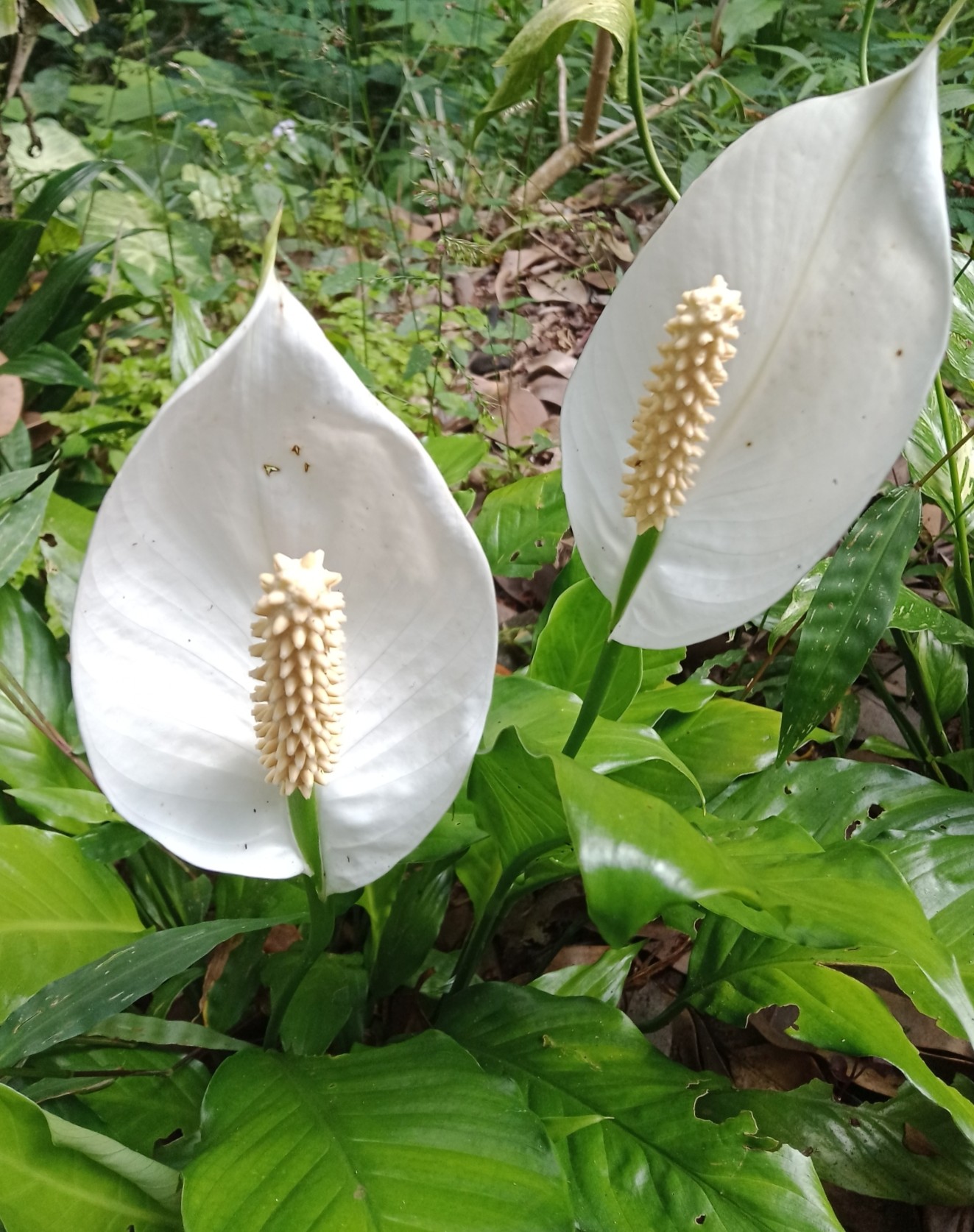
Manua Loa Peace Lily
Spathiphyllum ‘Mauna Loa’
The cultivar name is written in single quotation marks and is not italicized. The preferred horticultural presentation is therefore Spathiphyllum ‘Mauna Loa’, not Spathiphyllum mauna loa, Spathiphyllum Mauna Loa, or “Manua Loa.”
Primary horticultural research has treated ‘Mauna Loa’ at the genus level, including the published designation Spathiphyllum ‘Mauna Loa’. The cultivar is frequently assigned to Spathiphyllum wallisii in retail, gardening, and older houseplant references, but its precise species-level parentage is not securely documented enough to require that placement on this poisoning page.
“Mauna Loa Supreme” also appears in commercial horticulture. It may identify a related or selected commercial form, but it should not automatically replace ‘Mauna Loa’ or be treated as a proven synonym when the original nursery label identifies the plant only as ‘Mauna Loa’.
The genus Spathiphyllum Schott was established in 1832. It contains numerous accepted tropical American and western Pacific species, including Spathiphyllum wallisii Regel, but a cultivated Peace Lily cannot be assigned to a wild species solely from its broad glossy leaves and white spathe.
Araceae — Arum Family
Mauna Loa Peace Lily; Peace Lily ‘Mauna Loa’; Mauna Loa Spathiphyllum; Giant Peace Lily; Large Peace Lily; Spathe Flower; White Sails; White Sail Plant; Closet Plant; Mauna Loa Spathe Plant; Spathiphyllum ‘Mauna Loa’
“Mauna Loa Supreme” and “Mauna Loa Supreme Peace Lily” appear in the ornamental-plant trade and may refer to a selected commercial form related to ‘Mauna Loa’. Because trade usage and labeling are inconsistent, preserve the original nursery label rather than assuming that every large Peace Lily sold as Mauna Loa, Mauna Loa Supreme, Giant Peace Lily, or White Sails is genetically identical.
Peace Lily is a broad common name used for numerous Spathiphyllum species, hybrids, and cultivars. It is not exclusive to ‘Mauna Loa’. Other Peace Lily cultivar names include ‘Sensation’, ‘Clevelandii’, ‘Domino’, ‘Wallisii’, ‘Tasson’, ‘Bennett’, ‘Starlight’, ‘Petite’, ‘Power Petite’, ‘Mojo’, and many additional commercial selections.
Peace Lily is not an Easter Lily, Tiger Lily, Asiatic Lily, Oriental Lily, Stargazer Lily, Daylily, Lily of the Valley, Calla Lily, or Peruvian Lily. Those common-name plants belong to different botanical groups and may have radically different toxic mechanisms. In particular, true Lilies in Lilium and Daylilies in Hemerocallis can cause fatal acute kidney failure in cats.
Exact-Cultivar Evidence and the Principal Toxic Mechanism
The principal clinically relevant toxic material in Mauna Loa Peace Lily is insoluble calcium oxalate organized into microscopic needle-shaped crystals called raphides. Direct toxicologic quantification has not been published separately for ‘Mauna Loa’ leaves, petioles, spathes, spadixes, roots, and crown tissue, so no cultivar-specific crystal concentration or toxic dose can be stated. The mechanism is supported by established Spathiphyllum toxicology, the documented occurrence of calcium-oxalate crystals throughout Araceae, the characteristic immediate clinical syndrome, and veterinary reports involving Peace Lily exposure.
The absence of an exact-cultivar dose study does not make the page speculative. Abrupt oral pain, drooling, dysphagia, and inflammation following the chewing of a raphide-bearing aroid are mechanistically coherent and widely recognized. What must be avoided is converting that well-supported syndrome into unsupported claims that every plant part contains an identical crystal concentration or that one measured amount applies to every cultivar and animal species.
Raphides and Insoluble Calcium Oxalate
Raphides are elongated crystals composed predominantly of calcium-oxalate monohydrate. Their needle-like shape is clinically important: the crystals can puncture moist epithelial tissue at numerous microscopic sites when the plant is bitten, torn, crushed, or ground between the teeth.
The animal does not need to absorb the calcium oxalate into its bloodstream before signs begin. Crystals released directly against the lips, gums, tongue, palate, floor of the mouth, pharynx, and proximal esophagus can cause an immediate burning or stinging response. This local action explains why many animals jerk away, spit out the tissue, shake the head, drool, or paw at the face within seconds or minutes.
Plant calcium-oxalate crystals serve several biologic functions, including calcium regulation, storage, tissue organization, and defense against herbivory. Their formation and location are genetically controlled, and crystal morphology and distribution can vary among plant families, genera, species, organs, and tissues.
Idioblasts and Crystal Release
Raphide bundles are housed in specialized plant cells called idioblasts. An idioblast may isolate many crystals within a membrane-bound compartment and a mucilage-like matrix. Chewing and crushing rupture or open the cell and expose the bundle.
Some idioblasts release their contents passively as tissue is compressed, while others can act as microscopic ejector structures. Teeth, tongue movement, swallowing pressure, and rubbing then push exposed crystals farther into sensitive tissue. This is why a small amount thoroughly chewed may cause more pain than a larger piece swallowed with little crushing.
Mechanical Injury and Inflammatory Amplification
The initial insult is mechanical, but the resulting edema and pain are biologically active inflammatory responses. Crystal penetration damages epithelial cells and can trigger local mediator release, vascular leakage, redness, hypersensitivity, and progressive swelling. Symptoms may therefore continue after loose plant material is removed.
Research involving other raphide-bearing plants demonstrates that crystals can facilitate the entry and activity of defensive proteins, including proteases, through the microscopic wounds they create. This “needle effect” is relevant to understanding why raphide-containing plants may produce more inflammation than an inert mineral powder.
No specific protease has been isolated and established as an important toxin of Spathiphyllum ‘Mauna Loa’. It would therefore be inaccurate to assign the cultivar a named enzyme toxin based solely on work involving Dieffenbachia, Calla Lily, kiwifruit, or another raphide-bearing plant. Insoluble calcium oxalate remains the confirmed principal mechanism, with other inflammatory constituents possible but incompletely characterized.
Local Injury Versus Soluble-Oxalate Poisoning
Insoluble raphide injury is different from soluble-oxalate poisoning. Soluble oxalates can be absorbed, bind circulating calcium, contribute to hypocalcemia, and form crystals within renal tissue after sufficiently large exposures. The expected dog and cat Peace Lily syndrome is instead dominated by immediate injury where the plant contacts the mouth, throat, esophagus, stomach, skin, or eyes.
Profound hypocalcemia, tetany, generalized muscle fasciculations caused by low calcium, major cardiac dysrhythmias from calcium depletion, and widespread oxalate nephrosis are not expected after an ordinary brief Peace Lily bite. Such abnormalities should prompt investigation for another plant, ethylene glycol, a medication, metabolic disease, severe dehydration, shock, or incorrect botanical identification.
This distinction should not be converted into an absolute statement that no kidney concern can ever follow Peace Lily ingestion in any animal. A published guinea-pig case reported renal failure after Peace Lily leaf ingestion. The case does not establish the frequency, mechanism, dose, or applicability to dogs and cats, but it creates a legitimate species-specific evidence limitation.
The Published Guinea-Pig Renal-Failure Case
A one-year-old guinea pig was evaluated for anorexia, lethargy, and weight loss approximately one week after reportedly ingesting a Peace Lily leaf. Laboratory findings included increased blood urea nitrogen and creatinine with isosthenuria, supporting renal failure. The animal was euthanized approximately one month later after continued deterioration.
This single case report does not prove that Peace Lily routinely produces systemic oxalate nephrosis. The exact plant cultivar, amount consumed, prior kidney status, hydration, nutritional interruption, and pathophysiologic contribution of the exposure could not establish a general dose-response rule. It does, however, show why prolonged anorexia, weight loss, abnormal thirst or urination, dehydration, and lethargy in a guinea pig should not be dismissed as simple transient mouth irritation.
For rabbits and guinea pigs, oral pain can also initiate gastrointestinal stasis and dehydration, which can secondarily impair renal perfusion and complicate interpretation. Veterinary evaluation may therefore include hydration, fecal output, urine production, blood chemistry, urinalysis, imaging, and nutritional support according to the clinical course.
Peace Lily Is Not a True Lily
Peace Lily belongs to Araceae. Easter Lilies, Tiger Lilies, Asiatic Lilies, Oriental Lilies, Stargazer Lilies, and many other true Lilies belong to Lilium, while Daylilies belong to Hemerocallis. True-lily and Daylily exposure in cats can cause rapidly progressive renal tubular injury after ingestion of leaves, petals, pollen, stems, or contaminated vase water.
The true-lily nephrotoxin remains incompletely identified and is not simply the insoluble calcium-oxalate raphide mechanism of Peace Lily. The two emergencies therefore have different expected signs, treatment priorities, monitoring periods, and prognoses.
Correct identification is essential. A cat exposed to an unidentified plant called “lily” should receive true-lily precautions until a complete specimen or expert identification rules out Lilium and Hemerocallis. Waiting for mouth pain is unsafe because a cat can ingest a true Lily without showing the immediate burning expected from Peace Lily.
Leaves and Petioles
Leaves and petioles are the most common exposure sources because they make up most of the visible plant and extend outward within reach. Large ‘Mauna Loa’ leaves may hang beyond the planter or break during moving, cleaning, shipping, repotting, and division.
Every leaf should be treated as irritating, including young leaves, mature glossy leaves, yellowing leaves, wilted leaves, and fallen material. A brown or aging leaf does not become safe merely because chlorophyll and moisture have declined.
Spathe, Spadix, and Tiny Flowers
The conspicuous white structure commonly called the Peace Lily flower is a modified leaf called a spathe. It partially surrounds or backs the central spadix, a fleshy spike bearing many tiny individual flowers.
Both the spathe and spadix should remain inaccessible. Cats may bat at an upright spadix, birds may shred it, and dogs may pick up fallen or cut inflorescences. As the display ages, the spathe may become green, brown, dry, or papery without becoming appropriate pet material.
Crown, Roots, and Divided Plants
Peace Lilies grow as clumps from a short crown and underground or near-surface stem tissue with a dense root system. Dogs may expose roots and crowns after overturning a pot, while rabbits or tortoises may reach them in a planted enclosure.
Division and repotting create concentrated exposure to freshly cut crown tissue, roots, sap, soil, fertilizer, and loose leaves. No underground portion of ‘Mauna Loa’ has been established as safe for chewing.
Sap, Skin Contact, and Grooming Exposure
Freshly broken leaves, petioles, spathes, and crown tissue release sap and suspended plant particles. Contact may cause localized burning, redness, itching, or dermatitis, particularly on damaged skin or after prolonged exposure beneath a collar, harness, bandage, dense coat, or enclosure furnishing.
A cat may step on a broken leaf, contaminate its paws, and later transfer material to the mouth and eyes while grooming. Dogs, birds, rabbits, and other animals can receive similar secondary exposure from contaminated fur, feathers, feet, bedding, or equipment.
Eye Exposure
Sap and loose crystals entering the eye may cause immediate pain, tearing, blinking, conjunctival redness, eyelid swelling, light sensitivity, and rubbing. A raphide may abrade the corneal epithelium or remain trapped beneath an eyelid.
Persistent squinting, cloudiness, discharge, inability to open the eye, or continued rubbing after irrigation requires veterinary examination. The clinician may need to evert the eyelids, stain the cornea, examine under magnification, and assess for an abrasion, ulcer, retained foreign material, or secondary infection.
Fresh, Wilted, Frozen, and Dried Material
Wilting and drying do not reliably destroy mineral crystals. Fallen leaves, discarded spathes, frost-damaged patio plants, pruning debris, dried decorative material, old plant divisions, and plants left beside a trash container can remain irritating.
Dry material may be less succulent but more brittle and easily shredded into small fragments. No household aging, freezing, composting, or drying process should be represented as a dependable detoxification method.
Potting Soil, Fertilizers, Pesticides, and Mixed Exposure
An overturned Peace Lily can expose an animal to more than the plant. Potting mixes may contain fertilizer granules, systemic insecticides, fungicides, wetting agents, perlite, bark, mold, bacteria, sharp drainage material, or discarded plant labels. Decorative planters may break into ceramic or glass fragments.
Recently purchased or commercially maintained plants may have pesticide, growth-regulator, fertilizer, or leaf-shine residue. Those exposures require evaluation from the exact product label rather than being attributed automatically to calcium oxalate.
Toxic-Dose Limitations
No validated toxic dose exists for ‘Mauna Loa’ in dogs, cats, horses, cattle, sheep, goats, rabbits, guinea pigs, birds, reptiles, or other animals. No number of leaves, bites, grams, spathes, or centimeters of petiole can be advertised as universally safe.
Severity depends on the amount and tissue, intensity of chewing, number of exposed crystals, animal size, oral sensitivity, swallowing ability, vomiting, eye contact, species, hydration, appetite interruption, and any mixed exposure. Immediate pain often limits intake, but puppies, destructive chewers, birds that shred plant tissue, and small herbivores offered an entire leaf may receive more extensive exposure.
No Specific Crystal-Dissolving Antidote
No routine antidote dissolves raphides already embedded in tissue. Treatment removes loose material when safe, controls pain and vomiting, supports hydration and nutrition, assesses the eyes, monitors swallowing and breathing, manages aspiration, and protects the airway if swelling becomes clinically important.
Antihistamines and corticosteroids are not universal antidotes. A veterinarian may select anti-inflammatory medication based on the degree and location of swelling, but such treatment cannot replace oxygen and airway management when airflow is compromised.
Onset and Clinical Progression
Signs usually begin immediately or within minutes after an animal bites, tears, or crushes Mauna Loa Peace Lily. Sudden onset is an important diagnostic clue because raphides act directly at the site of contact. An animal may react before swallowing much plant material.
A limited exposure commonly peaks early: the animal spits out the plant, drools, paws at the mouth, and gradually improves as loose debris is removed and inflammation subsides. A more substantial exposure may progress to painful swallowing, tongue or pharyngeal swelling, vomiting, dehydration, aspiration, prolonged food refusal, or rarely clinically important upper-airway narrowing.
Illness beginning many hours later without any earlier mouth pain, salivation, gagging, or swallowing discomfort is less characteristic of ordinary raphide injury. Delayed vomiting, anorexia, renal abnormalities in a small herbivore, or aspiration signs can occur later, but a purely delayed neurologic or systemic illness requires broader investigation.
Immediate Oral Pain and Behavioral Reaction
Dogs may jerk away from the plant, shake the head, paw at the muzzle, rub the face, cry, whine, gag, or spit out leaf fragments. Cats may retreat, hide, lick the lips repeatedly, drool quietly, paw at the face, or hold the mouth partly open.
Birds may wipe the beak repeatedly or toss plant pieces, while reptiles may rub the face or open the mouth. A painful animal may bite during examination, so handlers should observe breathing and swallowing before attempting prolonged restraint.
Drooling, Redness, and Oral Swelling
Salivation may range from mildly wet lips to thick foam or long strings of drool. The lips, gums, tongue, palate, floor of the mouth, and visible throat may become reddened and painful. Small erosions or blood-streaked saliva can occur after vigorous chewing.
The animal may protrude the tongue, refuse treats, drop food, stop grooming, or vocalize when attempting to swallow. Continued pain after visible plant fragments are removed may reflect embedded crystals and ongoing inflammation rather than a large retained leaf.
Difficulty Swallowing
Dysphagia may appear as repeated unsuccessful swallowing, neck extension, dropping food, refusing water, gagging, regurgitation, coughing after drinking, or allowing saliva to run continuously from the mouth. An animal unable to swallow its own saliva requires immediate examination.
Forced food, water, milk, or medication can enter the lungs when swallowing is painful or poorly coordinated. Coughing every time liquid is offered is a reason to stop oral administration and seek veterinary care.
Tongue, Pharyngeal, and Laryngeal Swelling
The tongue may become enlarged, reddened, darkened, or unusually protruded. Swelling beneath the tongue and within the pharynx may be more extensive than can be seen from the front of the mouth. A hoarse bark, changed meow, weak vocalization, repeated gagging, or harsh breathing can indicate deeper involvement.
Severe laryngeal edema is uncommon, but it is the most important immediate life-threatening complication. Warning signs include rapidly increasing swelling, high-pitched or noisy inspiration, open-mouth breathing, neck extension, flared nostrils, panic, blue-gray gums, weakness, collapse, or reduced responsiveness.
Vomiting and Gastrointestinal Effects
Vomiting can occur when plant fragments and crystals irritate the pharynx, esophagus, or stomach, but it should not be described as inevitable. Large poison-center datasets show that vomiting is much less universal after plant exposure than many reference lists imply, even though Spathiphyllum is among the plants repeatedly associated with it.
Vomit may contain recognizable leaves, fibrous petioles, white or green spathe material, potting soil, food, foam, bile, or mucus. Repeated vomiting can worsen esophageal discomfort, cause dehydration, and increase aspiration risk.
Diarrhea and abdominal discomfort are possible after a larger ingestion but are less characteristic than immediate mouth pain. Persistent vomiting, repeated unproductive retching, progressive abdominal enlargement, severe pain, or reduced feces may indicate swallowed foreign material, obstruction, pesticide exposure, or another diagnosis.
Dogs
Dogs commonly show dramatic head shaking, mouth pawing, drooling, gagging, vomiting, and refusal to eat or drink. Puppies and destructive chewers may pull over a large floor plant, shred several leaves, swallow potting mix, or break a decorative container before the painful reaction stops them.
A dog may carry a broken petiole or spathe as a toy, causing repeated contact without swallowing a large amount. The maximum missing plant material and all nonplant materials from the planter should still be assessed.
Cats
Cats may bite leaf tips, bat at the spadix, climb into the planter, chew a hanging petiole, or groom sap from the paws and coat. They may drool quietly, hide, repeatedly swallow, paw at the mouth, vomit, stop eating, or become unwilling to groom.
Open-mouth breathing in a cat is an emergency. Continued food refusal also matters after drooling improves because persistent oral or esophageal pain can lead to dehydration and serious secondary nutritional complications.
The absence of immediate mouth pain does not rule out a true-lily exposure. When the plant identity is uncertain, a cat must be evaluated under the more urgent Lilium/Hemerocallis protocol until Peace Lily is positively confirmed.
Guinea Pigs and the Renal-Failure Evidence
Guinea pigs may drool, grind the teeth, refuse food, sit hunched, become lethargic, lose weight, develop abdominal discomfort, or produce fewer feces. They cannot vomit. Even local mouth injury can interrupt eating and initiate gastrointestinal stasis, dehydration, and metabolic decline.
One published guinea-pig case developed anorexia, lethargy, weight loss, azotemia, and isosthenuria after the reported ingestion of a Peace Lily leaf and was ultimately euthanized after continued deterioration. This remains an isolated case and does not establish a predictable renal-toxic dose, but it is directly relevant evidence that should not be omitted.
Continued anorexia, weight loss, abnormal thirst, reduced or increased urination, persistent lethargy, or failure to regain normal fecal production warrants kidney assessment as well as gastrointestinal treatment. A small herbivore should not be observed for days on the assumption that all Peace Lily effects are brief and local.
Rabbits and Other Small Herbivores
Rabbits may show drooling, tooth grinding, food refusal, reduced fecal output, abdominal discomfort, weakness, or hiding. They cannot vomit, and oral pain can rapidly produce gastrointestinal stasis.
Direct rabbit Peace Lily evidence is sparse. Veterinary management should address mouth injury, hydration, pain, gastrointestinal motility, nutrition, urine production, and the amount consumed rather than applying a dog recovery timeline mechanically.
Horses and Livestock
Large-animal exposure is uncommon because Mauna Loa Peace Lily is principally an indoor ornamental. It can occur when greenhouse waste, office plants, memorial displays, renovation debris, or discarded containers are thrown into a paddock or livestock enclosure.
Horses may develop salivation, feed refusal, mouth pain, tongue swelling, repeated swallowing, coughing, respiratory noise, colic-like behavior, or diarrhea. Horses cannot vomit. Cattle, sheep, and goats may show hypersalivation, reduced grazing, repeated swallowing, regurgitation, diarrhea, or respiratory difficulty.
Salivating, coughing, weak, or poorly swallowing livestock should not be drenched. Water, oil, charcoal, and medication can enter the lungs when pharyngeal function is impaired.
Birds
Birds may shred leaves, petioles, spathes, and spadixes, spreading sap and crystals across the beak, tongue, oral cavity, eyes, feet, and feathers. Signs may include beak wiping, repeated mouth opening, regurgitation, food refusal, altered vocalization, eye irritation, or respiratory distress.
A small strip of plant tissue can represent substantial exposure relative to body size. Inability to perch, open-mouth breathing, profound weakness, or continuing regurgitation requires immediate avian veterinary care.
Reptiles and Tortoises
Herbivorous reptiles and tortoises may show repeated mouth opening, excess oral mucus, face rubbing, food refusal, regurgitation, weakness, or abnormal breathing. Confirmed species-specific reports are limited, although veterinary poison-center reviews have included iguana exposure to Spathiphyllum.
Peace Lily should not be planted where reptiles can graze on it or where fallen leaves can enter the enclosure. Forced oral rinsing or feeding is unsafe in a weak, regurgitating, or poorly swallowing reptile.
Skin and Coat Exposure
Fresh sap may cause localized itching, burning, redness, or dermatitis. Irritation may be worse on damaged skin or where contaminated plant material remains trapped beneath equipment or dense hair.
Contaminated fur, feathers, feet, and bedding can create secondary oral or ocular exposure. Continued redness, swelling, pain, blistering, or open lesions after washing requires examination.
Eye Exposure
Eye contact may cause tearing, blinking, squinting, conjunctival redness, eyelid swelling, light sensitivity, and persistent rubbing. Corneal epithelial injury is possible when sharp crystals or plant fragments contact the ocular surface.
Continued squinting, cloudiness, discharge, inability to open the eye, or obvious visual difficulty after irrigation requires prompt veterinary examination. Owners should not use tweezers, cotton swabs, cloth, fingernails, anesthetic drops, or leftover eye medication to search for microscopic crystals.
Aspiration and Delayed Respiratory Disease
Aspiration can occur when saliva, vomit, forced water, charcoal, food, or plant material enters the airway. Immediate choking or coughing may be obvious, but aspiration pneumonia can become apparent later.
Coughing, fever, nasal discharge, rapid breathing, increased respiratory effort, oxygen difficulty, or renewed lethargy after oral signs improve requires reassessment. Aspiration can prolong illness well beyond the several-hour course expected from uncomplicated mouth irritation.
Kidney Findings and True-Lily Differentiation
Acute kidney failure is not the expected dog or cat result of a correctly identified Mauna Loa Peace Lily exposure. In a cat, vomiting followed by increased thirst or urination, dehydration, depression, reduced urination, or azotemia should trigger urgent reconsideration of whether the plant was actually a true Lily or Daylily.
A Peace Lily has broad glossy leaves arising in a basal clump and a white spathe surrounding a central spadix. A true Lily generally grows from a bulb with a vertical leafy stem and large six-tepaled flowers bearing prominent stamens and pollen. Bouquets may contain detached flowers without enough leaves or stems for easy identification, so the label, florist information, pollen, photographs, and remaining arrangement should be preserved.
Findings That Do Not Fit an Uncomplicated Dog or Cat Exposure
Convulsions, coma, profound hypocalcemia, marked cardiac dysrhythmia, progressive paralysis, jaundice, major bleeding, or severe generalized neurologic abnormalities are not characteristic of ordinary Peace Lily raphide injury. These findings require investigation for hypoxia, another plant, medication, pesticide, ethylene glycol, metabolic disease, shock, or mistaken identification.
Severe weakness may occur secondarily with airway compromise, aspiration, dehydration, repeated vomiting, or inability to eat, but it should not be dismissed as routine.
Duration and Prognosis
Most limited exposures improve substantially within several hours. Mild mouth tenderness, reluctance to chew hard food, or reduced appetite may continue into the following day, but breathing and swallowing should remain normal and swelling should decline rather than progress.
Persistent drooling, painful swallowing, repeated vomiting, coughing, eye pain, food refusal, abnormal urination, reduced feces, weight loss, or symptoms lasting several days suggests deeper injury, aspiration, dehydration, renal or gastrointestinal complications in a small herbivore, a mixed exposure, or another diagnosis.
The prognosis is good to excellent for most limited dog and cat oral exposures. It becomes more serious with progressive airway swelling, aspiration, severe ocular injury, prolonged anorexia, major dehydration, obstruction, renal abnormalities, delayed treatment, or incorrect plant identification.
Correct Identity and Cultivar Name
The correct name is Mauna Loa Peace Lily, not Manua Loa Peace Lily. “Mauna Loa” is the established cultivar spelling used in horticultural research and recognized cultivar references.
The preferred designation is Spathiphyllum ‘Mauna Loa’. Assigning the cultivar automatically to Spathiphyllum wallisii is common in retail and general houseplant literature, but the exact parentage is not securely documented enough to make that species attribution necessary. The genus-level cultivar form preserves the known identity without inventing a species pedigree.
“Mauna Loa Supreme” is also encountered in trade references. It may identify a selected or commercially maintained form related to ‘Mauna Loa’, but the longer name should be retained only when it appears on the source plant’s label or reliable cultivar documentation. Cultivar names are not interchangeable merely because the plants are similar in size.
The Genus Spathiphyllum
Spathiphyllum is an accepted aroid genus native from Mexico through tropical America, with additional native representatives in Malesia and parts of the western Pacific. Wild species generally inhabit humid tropical environments, including shaded forest floors, stream margins, wet valleys, and sites receiving abundant moisture.
The genus contains numerous accepted species and a much larger horticultural assortment of hybrids and cultivars. Commercial Peace Lilies vary from compact tabletop plants to large floor specimens. Toxicology should therefore be discussed at genus and cultivar level without assuming every plant sold as Peace Lily is *S. wallisii*.
Origin of ‘Mauna Loa’ in Horticultural Research
‘Mauna Loa’ was already an established horticultural cultivar by the time University of Florida researchers published work on inducing its flowering with gibberellic acid in 1981. Seedlings or plants identified as Spathiphyllum ‘Mauna Loa’ responded to foliar gibberellic-acid treatment by initiating inflorescences, helping establish techniques later used throughout commercial Peace Lily production.
This literature is useful for identity because it documents the cultivar directly at genus level. It does not establish that every modern large Peace Lily sold without a label is ‘Mauna Loa’, nor does it provide cultivar-specific raphide measurements.
Growth Form
Mauna Loa Peace Lily is a clump-forming perennial with leaves arising from a compact crown and short underground or near-surface stem tissue. It does not produce the tall leafy flowering stem typical of a true Lilium.
The plant can become a substantial floor specimen. Long petioles carry broad arching leaves outward from the center, placing leaf tips within reach even when the pot is positioned behind furniture or on a plant stand.
Leaves and Petioles
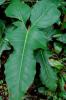
The leaves are broad, glossy, dark green, prominently veined, and lance-shaped to elliptic. They may approach several feet in length under favorable conditions, although plant size varies with age, propagation source, environment, and commercial selection.
Large foliage creates multiple exposure routes. Cats may bite the tip or climb into the pot, dogs may pull a leaf downward, and fallen leaves may land on animal bedding, furniture, cages, water bowls, or the floor. Petioles can break during transport and remain attached as rigid or fibrous pieces that animals investigate.
Spathe, Spadix, and Actual Flowers
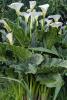
The white hood-like structure is a spathe, a modified leaf associated with the inflorescence. The central cream-colored or pale spadix bears many tiny individual flowers. Calling the entire structure a flower is understandable in ordinary speech, but distinguishing the parts improves identification and exposure documentation.
As the inflorescence ages, the spathe may turn green and later brown. Aging does not establish that the tissue is free of irritating crystals. Cut or fallen spathes and spadixes should be discarded in an animal-inaccessible container.
Commercial Flower Induction
Commercial producers may use gibberellic acid to initiate more uniform Peace Lily flowering. This explains why a newly purchased plant can carry several inflorescences even when the owner’s older plant flowers only sporadically.
The horticultural treatment does not create the raphide syndrome, but newly purchased plants may also carry fertilizer, pesticide, fungicide, growth-regulator, or leaf-shine residue. When an animal accesses the pot, preserve every product label rather than assuming that all signs came from Peace Lily tissue alone.
Where Dogs and Cats Encounter Mauna Loa Peace Lily
Common locations include living rooms, offices, hotels, reception areas, hospitals, care facilities, funeral homes, churches, schools, shopping centers, shaded patios, conservatories, and indoor planted displays. Peace Lilies are frequently given as sympathy, memorial, housewarming, and hospital gifts, placing unfamiliar plants into homes without permanent pet-safety planning.
A large ‘Mauna Loa’ is often used as a floor plant. Dogs can reach the leaves directly or overturn the container, while cats can climb into the pot and investigate the spadix. Exposure also occurs when plants are temporarily moved to a bathtub, porch, garage, sink, or floor during watering, cleaning, dividing, or repotting.
Discarded leaves and inflorescences may be placed in open trash, compost, yard-waste piles, greenhouse aisles, or livestock areas. The brief period between pruning and final disposal is a common preventable exposure window.
Dogs
Dogs may chew arching leaves, carry broken petioles, dig through an overturned pot, or investigate plant waste. Immediate burning often limits ingestion, but puppies and dogs that shred plants during play may expose a large oral surface before stopping.
A dog that overturns the pot should also be evaluated for potting mix, fertilizer, pesticides, support stakes, broken ceramic, and swallowed labels or plastic. Persistent vomiting or abdominal pain may reflect those hazards rather than raphides alone.
Cats and the Common-Name Danger
Cats may bite leaf tips, bat at the spathe or spadix, climb into the planter, or groom sap from the coat. Correct identification is especially important because “Peace Lily” sounds similar to the true Lilies that cause acute renal failure in cats.
A confirmed Peace Lily exposure ordinarily causes immediate oral irritation rather than silent progression toward renal tubular necrosis. A true-lily exposure may involve pollen groomed from the coat, vase water, petals, or a small leaf fragment and may not cause the same immediate burning.
When the owner cannot distinguish the plants, the veterinarian should receive the complete arrangement, photographs, label, florist information, and any pollen or petals. The patient should not lose the early true-lily treatment window while identification is debated.
Rabbits and Guinea Pigs
Peace Lily must not be offered as forage, bedding, nesting material, or chewing enrichment. Oral pain may immediately interrupt eating, and small herbivores depend on continuing food intake to support gastrointestinal function.
The published guinea-pig renal-failure case makes prolonged observation without veterinary assessment inappropriate after a substantial exposure. The report cannot define risk from one bite, but it supports monitoring hydration, weight, fecal production, urine output, kidney values, and appetite when clinical abnormalities persist.
Horses and Livestock
Mauna Loa Peace Lily is not a normal pasture plant. Exposure usually results from human disposal of office plants, greenhouse stock, funeral arrangements, landscaping material, or repotting debris into an enclosure.
Do not mix ornamental plant waste with hay, browse, silage, bedding, compost accessible to livestock, or brush piles within a paddock. Salivating or poorly swallowing animals should not be drenched because liquids and medications may be aspirated.
Birds
Pet birds may shred foliage and inflorescences into many small pieces, exposing the mouth, beak, eyes, feet, feathers, and gastrointestinal tract. A plant located outside a cage can still be reached through the bars or can drop material into the enclosure.
Peace Lily should not be used as a perch, cage decoration, aviary plant, or source of natural chewing material. Cut flower displays must also remain beyond the bird’s flight and climbing range.
Reptiles and Tortoises
Herbivorous reptiles and tortoises should not graze on Peace Lily. It should not be planted in a free-roaming reptile room or enclosure where the animal can reach leaves, roots, or fallen debris.
Veterinary poison-center literature includes Spathiphyllum exposure in an iguana, reinforcing that the risk is not limited to mammals. Repeated mouth opening, mucus, face rubbing, regurgitation, food refusal, weakness, or breathing change warrants species-appropriate care.
All Plant Parts Require Precautions
Leaves, petioles, spathes, spadixes, tiny flowers, sap, new shoots, crown tissue, roots, divided clumps, fallen leaves, pruning debris, and dried fragments should remain inaccessible. No part should be assigned a safe chewing amount merely because it appears old, green, white, underground, or nonflowering.
Peace Lily Versus Easter Lily and Other True Lilies
Easter Lily is commonly Lilium longiflorum. Tiger, Asiatic, Oriental, Stargazer, and numerous hybrid Lilies also belong to Lilium. These plants usually grow from bulbs and produce a vertical stem bearing leaves and large six-tepaled flowers with conspicuous stamens and pollen.
True Lilies and Daylilies can cause vomiting followed by acute renal injury in cats. Leaves, flowers, pollen, and vase water can be dangerous. Peace Lily instead forms a basal clump and produces a white spathe around a spadix; its expected syndrome is rapid raphide-induced oral injury.
The distinction is not academic. A confirmed Peace Lily nibble often has a favorable prognosis, while delayed treatment after true-lily exposure can be fatal. Any unresolved identification must be managed under the more dangerous possibility.
Peace Lily Versus Calla Lily
Calla Lilies belong to Zantedeschia. They also produce a spathe and spadix and contain insoluble calcium-oxalate crystals, but their leaves are commonly arrow-shaped or sagittate rather than the broad lance-shaped foliage of Peace Lily.
The immediate oral precautions overlap. Correct identification remains useful for evaluating plant parts, garden exposure, reproductive structures, and possible mixed ornamental arrangements.
Peace Lily Versus Anthurium
Anthuriums also carry tiny flowers on a spadix backed or surrounded by a spathe. Their spathes are often red, pink, orange, purple, green, or white and commonly appear firmer or waxier than a Peace Lily spathe.
Anthurium contains insoluble calcium-oxalate crystals and can cause similar oral pain, salivation, swelling, vomiting, and dysphagia. Uncertainty between these two aroids does not make the exposure safe.
Peace Lily Versus Dieffenbachia
Dieffenbachia generally has thicker cane-like stems and patterned leaves marked with pale green, cream, yellow, or white. It can produce a particularly dramatic raphide-associated oral syndrome and has stronger evidence for additional proteolytic constituents.
The presence of a protease in Dieffenbachia should not be copied automatically into the Mauna Loa Peace Lily toxin list. If the plant is uncertain, preserve a full stem-and-leaf section rather than relying on the clinical signs to distinguish them.
Peace Lily Versus Peruvian Lily and Lily of the Valley
Peruvian Lily belongs to Alstroemeria and more commonly causes gastrointestinal or contact irritation rather than the true-lily renal syndrome. Lily of the Valley belongs to Convallaria and contains cardioactive glycosides capable of producing dangerous cardiac effects.
These plants demonstrate why the common word “lily” is insufficient for toxicology. The scientific genus determines whether the principal concern is raphide irritation, feline renal failure, cardiac glycosides, gastrointestinal irritation, or another mechanism.
Skin Exposure
Remove visible plant fragments without crushing them further, wash contaminated fur or skin with lukewarm water and mild pet-safe shampoo, and prevent grooming until the area is clean. Persistent redness, swelling, blistering, pain, or an open lesion requires examination.
Eye Exposure
Begin irrigation immediately with sterile saline or clean lukewarm water. A sustained gentle flow is more useful than a brief splash because sap and loose crystals may remain beneath the eyelids.
Persistent squinting, cloudiness, discharge, eyelid swelling, light sensitivity, or inability to open the eye requires veterinary examination. Irrigation does not rule out corneal abrasion or retained material.
Diagnosis
Diagnosis is usually based on the abrupt onset of oral pain after access to an identifiable Peace Lily or another raphide-bearing aroid. Preserve a complete leaf, petiole, spathe, spadix, label, photographs, vomited fragments, and every product associated with the pot.
The veterinarian evaluates the lips, tongue, floor of the mouth, palate, pharynx, larynx, swallowing ability, respiratory effort, hydration, eyes, skin, and abdomen. Sedation, laryngoscopy, imaging, or endoscopy may be necessary when deeper swelling, retained material, aspiration, or obstruction is suspected.
No routine blood test confirms an uncomplicated raphide exposure. Laboratory testing is directed toward dehydration, electrolyte abnormalities, aspiration, hypoxia, kidney function in a small herbivore, or a different toxin when the clinical course is atypical.
Differential Diagnosis
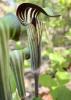
Similar immediate oral signs can follow Pothos, Philodendron, Monstera, Dieffenbachia, Caladium, Alocasia, Colocasia, Xanthosoma, Syngonium, Calla Lily, Anthurium, Aglaonema, and Jack-in-the-Pulpit exposure. These plants share a raphide mechanism but vary botanically and may differ in accompanying constituents.
Caustic cleaners, electrical burns, thermal burns, caterpillar hairs, insect stings, hooks, bones, sticks, dental disease, oral tumors, and foreign bodies can also cause abrupt mouth pain and drooling. Renal abnormalities in a cat require urgent consideration of true Lily, Daylily, ethylene glycol, medication, urinary obstruction, shock, or primary kidney disease.
Prognosis
The prognosis is good to excellent after most limited, correctly identified dog and cat Peace Lily exposures. Improvement should include declining drooling and swelling, quiet breathing, safe swallowing, renewed drinking and eating, and return to ordinary behavior.
Progressive airway edema, aspiration, severe corneal injury, repeated vomiting, major dehydration, prolonged food refusal, renal abnormalities in a small herbivore, retained foreign material, obstruction, delayed treatment, or incorrect plant identification creates a more serious outlook.
Prevention
Keep Mauna Loa Peace Lily in a physically inaccessible pet-free room or enclosed plant area rather than relying solely on a high shelf. A large leaf can arch downward, a cat can climb, and a dog can overturn a floor planter.
Remove fallen leaves and inflorescences promptly. Place pruning, division, and repotting waste directly into a closed animal-inaccessible container. Secure potting products, pesticides, fertilizers, support stakes, decorative moss, broken containers, and tools.
Before bringing any plant or bouquet labeled “lily” into a home with a cat, establish the scientific identity. True Lilies and Daylilies should not enter a cat-accessible household at all.
Immediate Response
- Stop further exposure: Move the animal away from the plant, fallen leaves, petioles, spathes, spadixes, roots, potting area, or discarded debris.
- Preserve the complete plant evidence: Save a leaf, petiole, spathe, spadix, nursery label, photographs, potting-product labels, and representative material recovered from vomit.
- Correct the name: Record the cultivar as Mauna Loa, not Manua Loa, when that identity is supported by the label or plant history.
- Estimate the maximum amount: Determine the greatest number of bites, leaves, inflorescences, root pieces, or other material that could be missing.
- Record the time: Note when access occurred and when drooling, mouth pawing, vomiting, swelling, coughing, or difficulty swallowing began.
- Check for mixed hazards: Record fertilizer, pesticide, leaf shine, growth regulator, potting mix, decorative moss, support stakes, broken glass or ceramic, and swallowed packaging.
- Contact a professional: Obtain veterinary or animal poison-control guidance when more than a brief nibble occurred, signs persist, the amount is uncertain, or the animal is a guinea pig, rabbit, bird, reptile, horse, or livestock species.
Uncertain Lily Identification in a Cat
- Treat uncertainty as urgent: When a cat encountered an unidentified plant or bouquet called a lily, assume possible Lilium or Hemerocallis exposure until positive identification is obtained.
- Do not wait for mouth pain: True Lilies may cause fatal renal injury without the immediate burning expected from Peace Lily.
- Preserve pollen and vase water evidence: Save flowers, leaves, stems, pollen-bearing anthers, vase water, florist labels, wrapping, receipts, and photographs.
- Call immediately: Early true-lily decontamination and renal-protective treatment are time-sensitive.
- Do not rely on a common name: Easter Lily, Tiger Lily, Daylily, Peace Lily, Calla Lily, Peruvian Lily, and Lily of the Valley have different toxic mechanisms.
A positively identified Peace Lily generally carries a much better renal prognosis than a true Lily. The danger lies in making that conclusion from an incomplete leaf, a white flower, or the seller’s generic word “lily.”
Assess the Airway First
- Check breathing: Noisy, high-pitched, rapid, labored, gasping, open-mouth, or weak breathing requires immediate emergency transportation.
- Check tongue and throat swelling: Rapid enlargement of the tongue, lips, floor of the mouth, jaw, or throat may restrict airflow.
- Check swallowing: Inability to swallow saliva, continuous choking, neck extension, or coughing whenever water is offered requires emergency care.
- Check gum color: Pale, gray, or blue-tinged gums can indicate inadequate circulation or oxygenation.
- Check responsiveness: Severe weakness, collapse, confusion, or reduced responsiveness is not expected after a simple mild nibble.
- Prioritize stabilization: Airway, breathing, circulation, and safe transport take priority over mouth cleaning or gastrointestinal treatment.
Remove Loose Plant Material
- Wear gloves: Sap and crystals may irritate human skin and eyes, and a painful animal may bite unexpectedly.
- Remove visible pieces carefully: Take loose leaf, petiole, spathe, or spadix fragments from the lips and front of the mouth only when handling is safe.
- Avoid blind sweeps: Do not reach deeply into the throat or push plant material toward the airway.
- Wipe accessible residue: Use a wet cloth to remove loose sap and debris from the lips and front of the mouth in a fully alert animal.
- Rinse only when swallowing is normal: A gentle low-pressure rinse may be considered only when the animal is conscious, breathing normally, swallowing normally, and able to protect the airway.
- Stop if gagging or coughing occurs: Difficulty handling the rinse means further oral decontamination is unsafe without veterinary assessment.
Home cleaning cannot extract every microscopic crystal already embedded in tissue. High-pressure spraying, forceful mouth opening, and prolonged restraint can worsen aspiration risk, stress, and handler injury.
Do Not Induce Vomiting
- Do not give hydrogen peroxide: Vomiting can drag plant fragments and exposed crystals across injured tissue and increase aspiration risk.
- Never give peroxide to a cat: Hydrogen peroxide can cause serious feline gastric and esophageal injury.
- Do not use salt or household emetics: Salt, mustard, ipecac, dish soap, oil, syrup, manual gagging, and fingers in the throat are unsafe.
- Do not induce vomiting after signs begin: Drooling, gagging, swelling, coughing, vomiting, weakness, abnormal breathing, or impaired swallowing makes emesis especially dangerous.
- Do not induce vomiting in horses, rabbits, guinea pigs, birds, reptiles, or symptomatic livestock: These species either cannot vomit normally or face unacceptable procedural risks.
- Do not assume gastric emptying is necessary: The principal toxin causes local mechanical-inflammatory injury rather than requiring routine home emesis.
Activated Charcoal
- Do not give charcoal routinely: Activated charcoal has little value for insoluble crystals that injure tissue mechanically.
- Use only for a justified mixed exposure: A veterinarian may consider charcoal when a pesticide, medication, soluble toxin, or another absorbable substance was also involved.
- Never force charcoal: Do not administer it to a drooling, vomiting, swollen, coughing, weak, sedated, neurologically abnormal, or poorly swallowing animal.
- Protect the airway: Charcoal aspiration can cause severe and potentially fatal lung injury.
- Do not use household charcoal: Barbecue briquettes, fireplace ash, burned food, and homemade carbon are not medical activated charcoal.
- Do not repeat doses yourself: Repeated charcoal can worsen dehydration, electrolyte abnormalities, constipation, and gastrointestinal dysfunction.
Do Not Give Household Remedies or Owner-Selected Medication
- Do not force milk or dairy: Milk, yogurt, cheese, cream, and ice cream do not remove embedded crystals and may be aspirated.
- Do not give oil: Cooking oil, coconut oil, and mineral oil do not dissolve raphides and may enter the lungs.
- Do not give bread or bulky food: Food does not pull crystals from tissue and can be painful or unsafe to swallow.
- Do not give vinegar, citrus, or baking soda: Improvised acids and alkalis can worsen oral or gastrointestinal irritation.
- Do not give antacids: Human antacids do not remove raphides and may contain inappropriate ingredients.
- Do not give anti-diarrheal medication: Loperamide, bismuth products, kaolin mixtures, and similar products should not be owner-selected.
- Do not give sucralfate: Sucralfate is a prescription medication whose need and administration must be determined by a veterinarian.
- Do not give human pain medication: Ibuprofen, naproxen, acetaminophen, aspirin, and similar drugs can cause an additional poisoning.
- Do not give leftover veterinary medication: Antiemetics, pain medication, steroids, gastrointestinal drugs, and antibiotics must be selected for the current patient.
Do Not Give Antihistamines Automatically
- Do not give diphenhydramine without direction: It does not remove crystals and may cause sedation that complicates monitoring of swallowing and breathing.
- Do not label all swelling as allergy: Direct crystal penetration and inflammatory edema can occur without an IgE-mediated allergic reaction.
- Do not delay airway care: An antihistamine cannot be relied upon to reverse substantial tongue, pharyngeal, or laryngeal swelling.
- Avoid combination products: Human allergy, cold, sleep, and sinus products may contain decongestants, acetaminophen, alcohol, caffeine, or xylitol.
- Allow veterinary selection: A veterinarian may use an antihistamine, corticosteroid, or another anti-inflammatory treatment when the examination supports it.
Inflammation from mechanical penetration is not synonymous with allergy. The location of swelling, respiratory noise, oxygenation, and ability to swallow determine urgency more reliably than a trial of Benadryl.
Food and Water
- Do not force food: Chewing and swallowing may worsen pain, and an animal with swelling or dysphagia can aspirate.
- Offer water cautiously: Small amounts of cool water may remain available only when the animal is fully alert, breathing normally, swallowing normally, and not vomiting.
- Do not force fluids: Syringed, poured, or drenched water can enter the lungs.
- Remove hard food temporarily: Dry kibble, bones, chews, and abrasive treats may worsen injured oral tissue.
- Prevent rapid drinking: Gulping a large volume after gagging or vomiting may trigger additional vomiting or aspiration.
- Follow species-specific feeding instructions: Soft food or assisted nutrition should be introduced according to swallowing, pain, gastrointestinal function, and veterinary direction.
Recognize an Airway Emergency
- Listen for abnormal noise: Whistling, high-pitched inspiration, harsh breathing, or repeated choking may indicate upper-airway narrowing.
- Watch body position: Neck extension, elbows held away from the body, flared nostrils, or refusal to lie down can indicate respiratory distress.
- Watch the tongue: A rapidly swelling, darkening, or abnormally protruding tongue requires immediate care.
- Watch saliva handling: Inability to swallow saliva indicates significant pharyngeal dysfunction.
- Watch mental status: Panic followed by weakness, confusion, collapse, or reduced responsiveness may indicate inadequate oxygen.
- Transport immediately: Do not wait at home to see whether substantial throat swelling resolves.
Vomiting and Gastrointestinal Signs
- Record every episode: Note vomiting, retching, regurgitation, diarrhea, and the presence of leaves, spathe material, petiole fibers, soil, blood, or foreign objects.
- Save representative fragments: Place plant pieces and suspicious material recovered from vomit in a sealed disposable container.
- Watch for dehydration: Tacky gums, reduced urination, worsening weakness, sunken eyes, or inability to retain water requires care.
- Watch for aspiration: Coughing, fever, nasal discharge, rapid breathing, or renewed lethargy after vomiting may indicate material entered the lungs.
- Watch for obstruction: Persistent vomiting, unproductive retching, abdominal enlargement, pain, or reduced stool may indicate swallowed plant mass, pot material, or another foreign object.
- Report continued dysphagia: Gagging, regurgitation, blood-streaked saliva, or refusal to drink may indicate pharyngeal or esophageal injury.
Skin and Coat Exposure
- Wear gloves: Avoid transferring sap and crystals to your own eyes and mouth.
- Remove visible debris: Pick plant fragments from the coat without crushing them further.
- Wash the animal: Rinse affected fur and skin thoroughly with lukewarm water and mild pet-safe shampoo.
- Prevent grooming: Stop the animal from licking contaminated fur until sap and debris have been removed.
- Clean contaminated equipment: Wash collars, harnesses, bedding, carriers, tools, and nearby surfaces.
- Seek care for persistent injury: Continued redness, pain, swelling, blistering, or open lesions requires examination.
Eye Exposure
- Begin irrigation immediately: Flush the affected eye with sterile saline or clean lukewarm water for at least fifteen to twenty minutes.
- Flush beneath the eyelids: Allow fluid to reach the inner and outer corners without scraping the ocular surface.
- Prevent rubbing: Stop the animal from scratching the eye or rubbing against furniture, carpet, or the ground.
- Do not use tools: Tweezers, cotton swabs, cloth, and fingernails can worsen corneal injury.
- Do not apply human eye medication: Redness drops, anesthetic drops, ointments, and leftover prescriptions may worsen or obscure injury.
- Obtain prompt examination: Continued squinting, redness, cloudiness, discharge, swelling, light sensitivity, or inability to open the eye requires veterinary care.
Guinea Pigs, Rabbits, and Small Herbivores
- Do not attempt vomiting: Rabbits and guinea pigs cannot vomit and must not receive peroxide or household emetics.
- Monitor appetite immediately: Refusal of food after oral injury can develop into a serious gastrointestinal emergency.
- Monitor fecal production: Reduced size, reduced number, or complete absence of feces requires prompt veterinary advice.
- Monitor body weight: Continued weight loss is a meaningful sign of inadequate intake or systemic deterioration.
- Monitor urination and thirst: Increased thirst, reduced urine, excessive urine, straining, or unusually dilute urine requires assessment.
- Request kidney evaluation when signs persist: The published guinea-pig renal-failure case supports checking renal function rather than assuming every exposure remains local.
- Use a species-experienced veterinarian: Pain control, fluid support, nutrition, gastrointestinal medication, and renal monitoring must be tailored to the species.
Birds and Reptiles
- Do not attempt vomiting: Household emesis is inappropriate in birds and reptiles.
- Inspect the habitat: Remove contaminated leaves, substrate, water, food, perches, dishes, and furnishings.
- Monitor breathing and mouth movements: Open-mouth breathing, repeated mouth opening, excess mucus, regurgitation, or abnormal vocalization requires prompt care.
- Monitor food intake: Small animals can deteriorate rapidly when oral pain prevents eating.
- Prevent chilling or overheating: Maintain species-appropriate environmental temperature without applying direct heat to a weak animal.
- Use an avian or exotic-animal veterinarian: Restraint, fluids, pain control, thermal support, and nutrition differ substantially from dog and cat treatment.
Horses and Livestock
- Remove the source: Prevent access to discarded household plants, greenhouse debris, funeral arrangements, pots, and contaminated forage.
- Do not induce vomiting: Horses and ruminants should never receive household emetics.
- Do not drench symptomatic animals: Salivating, coughing, regurgitating, swollen, weak, or poorly swallowing animals can aspirate water, oil, charcoal, or medication.
- Check the entire group: Other animals may have consumed the same debris and should be examined for salivation, feed refusal, swelling, or respiratory changes.
- Retain samples: Preserve complete plants, containers, chemical labels, forage, and photographs of the disposal or exposure site.
- Obtain large-animal veterinary care: Airway assessment, pain control, hydration, respiratory monitoring, and treatment of gastrointestinal complications may be required.
Safe Transportation
- Keep the animal calm: Excitement increases oxygen demand and can worsen respiratory distress.
- Allow an airway-friendly position: Let the animal sit, stand, or lie in the posture that permits the easiest breathing.
- Do not compress the neck: Remove a tight collar and use a harness, carrier, stretcher, or other support when practical.
- Do not muzzle: A muzzle may interfere with open-mouth breathing, vomiting, and drainage of saliva.
- Prevent falls: Support weak animals and keep them away from stairs, traffic, water, and slippery surfaces.
- Call ahead: Tell the clinic that Peace Lily raphide exposure, possible throat swelling, or uncertain true-lily exposure is involved.
Veterinary Examination
- Inspect the mouth: The veterinarian may assess the lips, gums, tongue, floor of the mouth, palate, pharynx, and visible plant fragments.
- Assess the larynx: Sedated examination, laryngoscopy, or endoscopy may be needed when breathing noise, voice change, or inability to swallow suggests deeper swelling.
- Monitor oxygenation: Respiratory rate, effort, pulse oximetry, blood gases, and lung sounds help identify obstruction or aspiration.
- Assess hydration: Repeated vomiting and poor intake may require evaluation of circulation, electrolytes, and fluid losses.
- Examine the eyes: Fluorescein staining, eyelid eversion, magnification, and other testing may be required after sap exposure.
- Consider imaging: Neck, chest, or abdominal imaging may be used when retained material, aspiration, esophageal injury, or obstruction is suspected.
- Check kidney function when appropriate: Renal values and urinalysis are especially relevant for uncertain lily identification, guinea pigs with prolonged signs, severe dehydration, or abnormal urination.
- Investigate atypical findings: Seizures, profound hypocalcemia, severe dysrhythmia, jaundice, or generalized neurologic abnormalities require evaluation for another cause.
Veterinary Treatment
Veterinarian-selected analgesia may be needed because crystal injury can be intensely painful. Anti-nausea medication may reduce vomiting, discomfort, fluid loss, and aspiration risk. Subcutaneous or intravenous fluids may be used when poor intake, vomiting, diarrhea, or small-herbivore gastrointestinal dysfunction causes clinically important dehydration.
Clinically significant inflammation may be treated with medication selected according to the location and severity of swelling, airway involvement, species, and medical history. Antihistamines and corticosteroids do not remove crystals and should not be presented as universal antidotes.
Oxygen, suctioning, sedation, endotracheal intubation, ventilation, or another airway procedure may be necessary when tongue or laryngeal swelling interferes with airflow. Retained plant material may require removal under direct visualization.
Persistent vomiting, regurgitation, bleeding, or swallowing pain may justify additional esophageal or gastrointestinal treatment. Aspiration may require chest imaging, oxygen, airway support, and further therapy. A swallowed plant mass, support stake, label, ceramic fragment, or other foreign material may require endoscopic or surgical removal.
Guinea pigs and rabbits may require species-appropriate pain control, fluid therapy, nutritional support, motility management after obstruction is excluded, serial weight measurements, and kidney monitoring. True-lily exposure in a cat requires a different renal-protective protocol and must not be managed as routine Peace Lily irritation.
Monitoring and Recovery
- Monitor breathing: Swelling should not increase, and breathing should remain quiet and effortless.
- Monitor swallowing: The animal should be able to swallow saliva and small amounts of water without coughing, gagging, or regurgitating.
- Monitor oral swelling: Tongue, lip, jaw, and throat enlargement should decrease rather than progress.
- Monitor eating: Continued refusal may indicate persistent oral, pharyngeal, or esophageal pain.
- Monitor vomiting and hydration: Repeated vomiting, inability to retain water, reduced urination, or worsening weakness requires reassessment.
- Watch for aspiration: Coughing, fever, nasal discharge, rapid breathing, or renewed lethargy may appear after the original oral signs improve.
- Monitor the eyes: Squinting, rubbing, redness, cloudiness, or discharge should not persist after irrigation.
- Monitor small-herbivore weight, feces, and urine: Continuing weight loss, reduced feces, abnormal thirst, or abnormal urination warrants prompt re-examination.
Recovery means that the animal breathes comfortably, swallows normally, maintains hydration, resumes species-appropriate eating, urinates and defecates normally, shows no delayed cough, and returns to ordinary behavior. Persistent or recurrent signs should not be attributed indefinitely to a simple Peace Lily nibble.
Prevention and Prognosis
- Use physical separation: Keep Mauna Loa Peace Lily in a pet-free room or enclosed plant area rather than relying solely on height.
- Secure large arching leaves: Prevent leaf tips, petioles, spathes, and spadixes from extending into reach.
- Control pruning and repotting debris: Place every cut leaf, divided crown, root, and spent inflorescence directly into closed disposal.
- Secure mixed hazards: Keep fertilizers, pesticides, potting products, support stakes, decorative moss, and breakable containers away from animals.
- Exclude true Lilies from cat homes: Do not rely on placing Lilium or Hemerocallis bouquets out of reach because pollen and fallen material can still expose a cat.
- Typical prognosis: Most limited, correctly identified dog and cat Peace Lily exposures have a good-to-excellent prognosis and improve substantially within hours.
- Guarded circumstances: Progressive airway swelling, aspiration, severe ocular injury, prolonged anorexia, renal abnormalities, obstruction, major dehydration, or incorrect lily identification creates a more serious situation.
Frequently Asked Questions About Mauna Loa Peace Lily and Animal Poisoning
Is Mauna Loa Peace Lily poisonous to dogs and cats?
Yes. Chewing Mauna Loa Peace Lily releases microscopic insoluble calcium-oxalate raphides that can cause immediate burning of the lips, mouth, tongue, and throat; drooling; mouth pawing; gagging; vomiting; swelling; and difficulty swallowing. Most limited dog and cat exposures remain local and improve within several hours because pain discourages continued chewing. Progressive tongue or throat swelling, inability to swallow saliva, repeated vomiting, noisy breathing, blue-gray gums, weakness, or collapse requires immediate treatment.
Is the correct name Manua Loa or Mauna Loa?
The recognized cultivar spelling is Mauna Loa. “Manua Loa” is a transposition of the letters and should be corrected in the Plant Name field, headings, labels, internal links, and search metadata. The preferred scientific presentation is Spathiphyllum ‘Mauna Loa’. The cultivar name remains capitalized, is enclosed in single quotation marks, and is not italicized.
Why is the scientific name not automatically Spathiphyllum wallisii ‘Mauna Loa’?
Primary horticultural research has documented the plant as Spathiphyllum ‘Mauna Loa’ without requiring a species assignment. Retail and general houseplant sources frequently place the cultivar under S. wallisii, but the exact parentage is not securely established enough to make that designation mandatory. Using the genus-plus-cultivar form preserves the recognized identity without overstating the pedigree. A cultivar cannot be assigned to a wild species from leaf size and a white spathe alone.
Is Mauna Loa Supreme exactly the same plant as Mauna Loa?
“Mauna Loa Supreme” appears as a commercial name for a large Peace Lily selection related to Mauna Loa, but trade usage is inconsistent. It should not automatically replace ‘Mauna Loa’ or be treated as a proven synonym when the original nursery label gives only ‘Mauna Loa’. Preserve the complete label and plant history because multiple large Peace Lily cultivars resemble one another. The immediate raphide precautions remain the same even when the exact commercial selection is uncertain.
Is Peace Lily a true Lily?
No. Peace Lily belongs to Araceae, the Arum family, and is not a member of Lilium or Hemerocallis. Its typical poisoning mechanism is immediate local injury from insoluble calcium-oxalate raphides. True Lilies and Daylilies can cause severe acute kidney failure in cats after exposure to leaves, petals, pollen, or vase water. The shared common name does not mean the plants have the same toxicology.
What should I do when I cannot tell whether my cat ate a Peace Lily or a true Lily?
Treat the exposure as a possible true-lily emergency until the plant is positively identified. Do not wait for drooling or mouth pain because true Lilies may not cause the immediate burning expected from Peace Lily. Preserve the complete plant or bouquet, pollen, vase water, label, florist information, wrapping, receipt, and photographs, and contact a veterinarian or poison-control service immediately. Early true-lily treatment is time-sensitive, and the safer course is to act first and correct the identification promptly.
What toxin is in Mauna Loa Peace Lily?
The principal confirmed toxic material is insoluble calcium oxalate organized into microscopic needle-shaped crystals called raphides. These crystals are housed in specialized cells called idioblasts and are exposed when the plant is chewed or crushed. They puncture moist tissue directly, which explains the nearly immediate pain and salivation. No Mauna Loa-specific concentration or animal toxic dose has been established.
Does Mauna Loa Peace Lily contain a proteinase toxin?
Raphide research involving other plants shows that sharp crystals can enhance the effects of accompanying defensive proteins, including proteases. No clinically important named protease has been isolated and demonstrated specifically in Spathiphyllum ‘Mauna Loa’. The protein-synergy mechanism may be biologically plausible, but it should not be presented as direct cultivar proof. Insoluble calcium-oxalate raphides remain the best-supported principal toxic material.
Which parts of Mauna Loa Peace Lily are poisonous?
Leaves, petioles, white or green spathes, spadixes, tiny flowers, sap, new shoots, crown tissue, roots, divided clumps, fallen leaves, pruning waste, and dried fragments should remain inaccessible. Leaves are the most common exposure because they are large and abundant, but no raw plant part has been established as safe. Old, wilted, brown, dried, or underground tissue should not be used as forage or enrichment.
Are the white Peace Lily flowers poisonous?
Yes. The conspicuous white structure is a modified leaf called a spathe, and the central spike is the spadix bearing many tiny flowers. Both should be treated as irritating when chewed. Cats may bat at the spadix, birds may shred it, and dogs may pick up a cut or fallen inflorescence. A spathe that turns green or brown with age does not become pet-safe.
Can Peace Lily cause kidney failure?
Acute kidney failure is not the expected result of an ordinary, correctly identified Peace Lily bite in a dog or cat. Peace Lily lacks the known clinical pattern of the unidentified nephrotoxin in true Lilies and Daylilies. However, one peer-reviewed case described renal failure in a guinea pig after reported Peace Lily leaf ingestion. That isolated case does not establish routine systemic nephrotoxicity, but it supports kidney and hydration assessment when a guinea pig or other small herbivore develops prolonged anorexia, weight loss, lethargy, or abnormal urination.
How quickly do Peace Lily symptoms begin?
Oral pain, head shaking, drooling, gagging, and mouth pawing usually begin immediately or within minutes because the crystals act directly where the tissue is chewed. Swelling and swallowing discomfort may continue or increase for a period after loose plant fragments are removed. Vomiting can occur later after swallowed plant material irritates the esophagus or stomach. A completely delayed illness without early oral signs is less typical and requires consideration of another exposure or complication.
Can Mauna Loa Peace Lily block an animal’s airway?
Severe pharyngeal or laryngeal swelling is uncommon, but it can restrict airflow. Warning signs include rapidly increasing tongue or throat swelling, high-pitched or harsh breathing, open-mouth breathing, neck extension, inability to swallow saliva, blue-gray gums, panic, weakness, or collapse. Give nothing by mouth when breathing or swallowing is impaired. Emergency treatment may require oxygen, suctioning, sedation, intubation, or another airway procedure.
Can one bite seriously poison a dog or cat?
One exploratory bite often produces temporary local irritation rather than life-threatening systemic poisoning, but no universal safe bite count exists. Risk depends on the amount crushed, oral surface exposed, animal size, swelling, swallowing ability, vomiting, and mixed hazards from the pot. A brief bite becomes an emergency when breathing or swallowing changes. Plant identification also matters because a true Lily exposure in a cat has a very different risk even when the amount appears small.
Is dried or wilted Peace Lily still poisonous?
Yes. Wilting and drying do not reliably destroy mineral calcium-oxalate crystals. Fallen leaves, brown spathes, dried petioles, old plant divisions, frost-damaged patio plants, and pruning debris may continue to irritate the mouth and eyes. Dry tissue can become brittle and easy to shred into small fragments. No household drying, freezing, or aging process should be used to prepare Peace Lily as animal forage or enrichment.
Why is Peace Lily exposure especially important in guinea pigs?
Guinea pigs cannot vomit, and oral pain can immediately interrupt eating and contribute to gastrointestinal stasis, dehydration, and weight loss. A published case described renal failure after reported Peace Lily leaf ingestion, although one case cannot establish a predictable dose or prove that every exposure injures the kidneys. Continued anorexia, reduced feces, lethargy, weight loss, increased or decreased thirst, or abnormal urination requires veterinary evaluation. Waiting several days for the mouth irritation to pass can allow serious secondary or renal disease to progress.
Can Peace Lily sap injure an animal’s eye?
Yes. Sap and loose plant particles can cause pain, tearing, blinking, redness, eyelid swelling, light sensitivity, and corneal epithelial injury. Flush the eye immediately with sterile saline or clean lukewarm water for at least fifteen to twenty minutes. Persistent squinting, cloudiness, discharge, swelling, or inability to open the eye requires veterinary examination. Do not scrape the eye or use human redness drops, anesthetic drops, or leftover medication.
Should I make my dog vomit or give activated charcoal?
No household vomiting should be attempted. Vomiting can drag plant fragments and exposed crystals across already injured tissue and increase aspiration risk, and hydrogen peroxide must never be used in cats. Activated charcoal has little value for insoluble raphides and can cause severe lung injury if forced into a drooling, swollen, vomiting, or poorly swallowing animal. A veterinarian may consider decontamination only when another absorbable toxin or mixed exposure changes the risk-benefit calculation.
Should I give milk, yogurt, Benadryl, antacids, or sucralfate?
Do not force dairy, food, oil, water, antihistamines, antacids, sucralfate, or other medication into an animal with mouth pain, swelling, vomiting, or uncertain swallowing ability. These products do not remove crystals already embedded in tissue and may be aspirated. Diphenhydramine cannot be relied upon to protect a narrowing airway because the principal injury is mechanical and inflammatory rather than a simple allergic reaction. Prescription gastrointestinal, pain, or anti-inflammatory treatment should be selected after veterinary examination.
How long does recovery take?
Most limited dog and cat exposures improve substantially within several hours, although mouth tenderness or reluctance to eat hard food may continue into the following day. Breathing and swallowing should remain normal, and swelling should decrease rather than progress. Persistent drooling, repeated vomiting, coughing, eye pain, food refusal, reduced feces, weight loss, or abnormal urination suggests a complication or another diagnosis. Symptoms continuing or recurring for days or weeks are not the expected course of an uncomplicated nibble.
What findings require immediate emergency care?
Noisy or difficult breathing, rapidly increasing tongue or throat swelling, inability to swallow saliva, coughing whenever water is offered, blue-gray gums, repeated vomiting, significant blood, severe weakness, or collapse requires immediate treatment. Persistent corneal cloudiness or inability to open an exposed eye also needs prompt examination. Any uncertain lily exposure involving a cat is urgent because a true Lily cannot safely be ruled out from the common name alone. Call ahead and bring the complete plant, label, photographs, product containers, and recovered fragments.