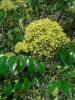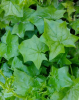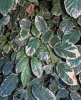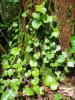
Octopus Tree Insoluble-Oxalate Irritation and Schefflera Exposure
Is Octopus Tree Poisonous to Dogs, Cats, Horses, and Livestock?
Yes—Octopus Tree, Heptapleurum actinophyllum, is poisonous to dogs, cats, horses, livestock, rabbits, guinea pigs, birds, and other animals that chew or contact its tissues. The plant remains widely known by its former names Schefflera actinophylla and Brassaia actinophylla. Its best-established immediate veterinary hazard is an insoluble-calcium-oxalate irritant syndrome in which chewing releases microscopic crystals that injure the lips, tongue, gums, palate, throat, skin, or eyes.
Typical signs begin rapidly and include sudden mouth pain, head shaking, pawing or rubbing at the face, excessive drooling, repeated swallowing, gagging, vomiting, appetite loss, and difficulty eating or swallowing. Diarrhea and abdominal discomfort may follow after plant material is swallowed. Severe tongue, pharyngeal, or laryngeal swelling is uncommon but can threaten the airway, particularly when an animal develops noisy breathing, open-mouth breathing, an extended head and neck, blue-gray gums, panic, or collapse.
Exact-species chemical research also confirms ursane- and lupane-type triterpenes, triterpenoid glycosides, glucosyl esters, acankoreoside A, acankoreagenin, and volatile terpenoid mixtures. These findings support the plant’s chemical complexity but do not establish a veterinary toxic dose or prove that those compounds cause a predictable systemic syndrome after an ordinary bite. Immediate oral burning and drooling remain most consistent with local crystal injury, while vomiting or diarrhea may reflect swallowed crystals, plant fiber, triterpenoid glycosides, sap, or nonspecific gastrointestinal irritation.
A published 1975 veterinary report described anorexia, vomiting, moderate ataxia, and marked leukopenia in a Poodle after ingestion of Octopus Tree leaves and small stems. That case is medically important but isolated. Staggering, profound weakness, a low white-blood-cell count, tremors, seizures, or collapse should prompt investigation for dehydration, electrolyte or glucose abnormalities, infection, medication, pesticide, another toxic plant, or concurrent disease rather than being treated as an expected response to every Octopus Tree exposure.
About this guide: This page provides general pet-poisoning information and cannot diagnose or treat an individual animal. For any suspected exposure, contact a veterinarian or animal poison-control service immediately. Do not induce vomiting, give medication, or attempt home decontamination unless directed by a veterinary professional.
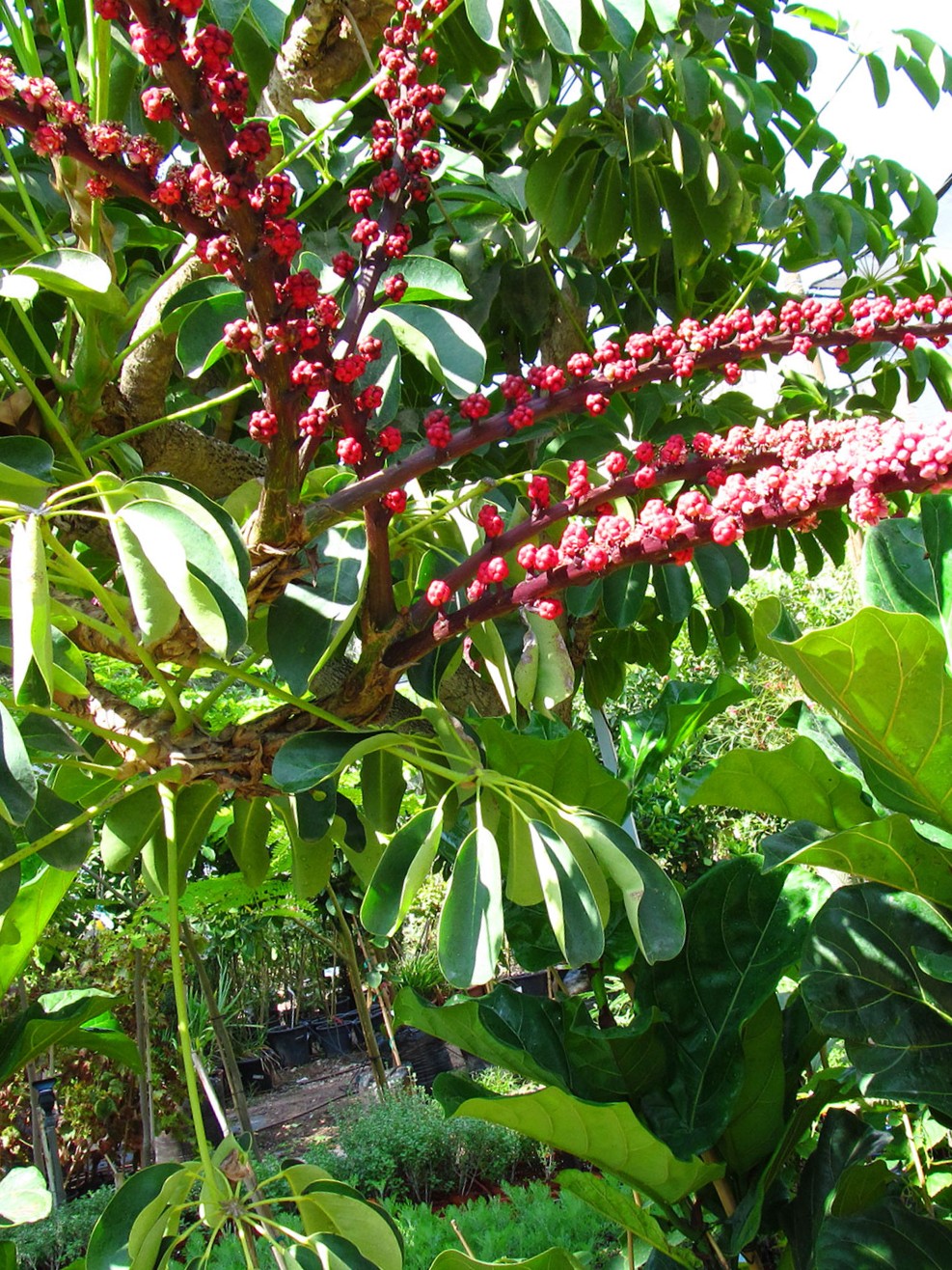
Octopus Tree
Heptapleurum actinophyllum (Endl.) Lowry & G.M.Plunkett
- Brassaia actinophylla Endl. — basionym and homotypic synonym
- Schefflera actinophylla (Endl.) Harms — homotypic synonym and the former scientific name still widely used in horticultural, veterinary, invasive-plant, and toxicology literature
- Aralia longipes W.Bull — historical heterotypic synonym
- Brassaia singaporensis Ridl. — historical heterotypic synonym
- Heptapleurum arboricola (Hayata) Lowry & G.M.Plunkett — Dwarf Schefflera or Dwarf Umbrella Tree; a separate smaller species frequently sold under the shared names Schefflera and Umbrella Plant
- Schefflera arboricola (Hayata) Merr. — former name of Heptapleurum arboricola, not a synonym of Octopus Tree
Araliaceae — Ivy, Ginseng, or Aralia Family
Octopus Tree; Octopus-Tree; Octopus Plant; Australian Umbrella Tree; Queensland Umbrella Tree; Queensland Umbrella-Tree; Umbrella Tree; Schefflera Tree; Large-Leaf Schefflera; Australian Schefflera; Queensland Schefflera; Starleaf; Star Leaf; Australian Ivy Palm; Ivy Palm; Radiator Tree; Australian Cabbage Tree; Amate
“Schefflera” remains an important trade and search name because this species was known for more than a century as Schefflera actinophylla. Under current taxonomy, the accepted name is Heptapleurum actinophyllum. Nursery labels, veterinary records, poison references, landscape documents, and older scientific studies may still use the former genus.
“Umbrella Tree,” “Umbrella Plant,” and “Schefflera” are ambiguous. They are also used for Dwarf Schefflera, Heptapleurum arboricola, and occasionally for unrelated sedges, trees, and ornamental plants. “Australian Ivy Palm” is misleading because Octopus Tree is neither a true ivy nor a palm. Identification should use the large palmately compound leaves, woody growth, mature red radiating flower spikes, fruit, nursery history, and scientific name rather than the common name alone.
Evidence Boundary for Octopus Tree Toxicity
Octopus Tree has long been classified in veterinary toxicology as an insoluble-calcium-oxalate irritant plant. The characteristic rapid syndrome of mouth pain, salivation, pawing at the face, gagging, vomiting, and difficulty swallowing is consistent with microscopic crystal injury. Exact-species peer-reviewed work also confirms triterpenes, triterpenoid glycosides, glucosyl esters, and volatile terpenoids in the leaves and essential oil.
These evidence streams should not be collapsed into one unqualified toxin statement. The clinical classification supports local oxalate-crystal irritation, while the chemistry studies establish compounds present in prepared leaf fractions or essential oil. They do not quantify crystal concentration in each plant part, establish the amount required to poison an animal, or prove that every isolated triterpenoid contributes materially to ordinary pet exposures.
Insoluble Calcium Oxalate and Local Crystal Injury
Insoluble calcium oxalate is stored as microscopic mineral crystals within plant tissue. Depending on the plant and tissue, calcium oxalate may occur as needle-like raphides, druses, prisms, styloids, or crystal sand. Veterinary references place Octopus Tree among plants whose crystals are released when leaves or stems are crushed by chewing.
Once exposed, sharp crystals puncture and abrade contacting tissue. The injury begins locally in the lips, tongue, gums, palate, pharynx, or esophagus rather than requiring gastrointestinal absorption or metabolism. This explains why an animal may react dramatically after one exploratory bite and why pain, drooling, head shaking, face rubbing, and difficulty swallowing often begin immediately.
Crystals already embedded in tissue cannot be neutralized by activated charcoal, milk, yogurt, oil, bread, antacids, or antihistamines. Gentle removal of loose residue may reduce continued contact, but inflammation and pain may persist until injured tissue settles and remaining particles are cleared naturally or removed during veterinary examination.
Insoluble Oxalate Is Not Soluble-Oxalate Poisoning
The expected Octopus Tree syndrome differs from poisoning by plants containing substantial soluble sodium or potassium oxalates. Soluble oxalates can be absorbed, bind circulating calcium, contribute to hypocalcemia, and form calcium oxalate within renal tissue. Insoluble crystals act primarily at the contact surface.
Systemic hypocalcemia, tetany, widespread calcium oxalate crystalluria, and primary oxalate nephrosis are therefore not expected after an uncomplicated correctly identified Octopus Tree exposure. Kidney injury may occur secondarily after severe dehydration, shock, medication, another toxin, or preexisting disease, but it should not be attributed automatically to locally irritating crystals.
Ethylene glycol, soluble-oxalate plants, urinary disease, severe gastrointestinal fluid loss, and unrelated renal disorders remain important alternatives when an exposed animal develops reduced urination, azotemia, hypocalcemia, muscle spasms, or abundant urinary calcium oxalate crystals.
Exact-Species Triterpenes and Triterpenoid Glycosides
Researchers examining leaves under the name Schefflera actinophylla isolated three new ursane-type and four new lupane-type triterpenes together with nine previously known glycosides and glycosyl esters. Later analytical work measured acankoreoside A and its aglycone acankoreagenin in leaves of this species.
These findings provide direct exact-species evidence for complex triterpenoid chemistry and support descriptions of triterpenoid glycosides or saponin-like constituents. Saponins are glycosides whose amphiphilic structures can interact with membranes and produce irritation in appropriate concentrations. That general property makes a contribution to nausea, vomiting, or diarrhea plausible after plant material is swallowed.
No study has established which Octopus Tree glycoside is responsible for a natural veterinary case, how much survives digestion, whether mixtures are additive or synergistic, or what oral dose produces clinical disease in dogs, cats, horses, livestock, rabbits, or birds. These compounds should therefore be described as confirmed plant constituents with incompletely defined clinical importance rather than as a proven systemic poison responsible for every symptom.
Volatile Terpenoids and Essential-Oil Evidence
Exact-species essential-oil analysis has identified volatile compounds including β-caryophyllene, α-humulene, and additional terpenoids. The measured profile depends on plant origin, tissue, season, extraction method, storage, and analytical conditions. One sample or distilled oil should not be treated as the fixed composition of every living Octopus Tree.
Laboratory studies of essential oil have focused on antifungal and antimycotoxin activity against organisms associated with stored grain. Those concentrated experimental preparations are not equivalent to the dilute mixture encountered when an animal bites one fresh leaf.
Conversely, a bottled essential oil, concentrated extract, tincture, homemade medicinal preparation, pesticide mixture, or purified fraction should not be treated as equivalent to the intact plant. Concentration, carrier oils, alcohol, solvents, emulsifiers, preservatives, and routes such as dermal application or aspiration may create additional hazards.
The 1975 Canine Case
A published veterinary report described a 13-kilogram Poodle that ate leaves and a few small stems from a household *Schefflera actinophylla*. The dog reportedly refused food, began vomiting sporadically, and became moderately ataxic. Plant material was present in vomit, supporting genuine ingestion rather than simple access.
A routine blood count identified marked leukopenia, with a reported total white-blood-cell count of 2,400 cells per cubic millimeter. This remains the strongest direct companion-animal report for the species and should not be removed merely because its findings differ from the better-known oral-irritation syndrome.
The report nevertheless represents one animal and does not establish incidence, mechanism, dose response, duration, or causation for every abnormality. Available summaries do not resolve whether plant chemistry, dehydration, another exposure, laboratory timing, infection, or an individual response contributed to the ataxia or leukopenia. Those findings deserve clinical investigation rather than being presented as routine consequences of one leaf bite.
Contact Allergy and Skin Irritation
Allergic contact dermatitis has been reported in people handling Brassaia actinophylla. Plant material produced positive reactions in affected individuals, supporting the ability of this exact species to cause sensitization or allergic dermatitis.
Members of Araliaceae contain several recognized contact allergens, including polyacetylenes such as falcarinol in related plants. Falcarinol has been established in Dwarf Schefflera and other family members, but the available Octopus Tree case does not justify naming falcarinol as the sole confirmed allergen responsible for every reaction to this species.
Fresh sap, resinous constituents, plant fragments, friction, pesticides, fertilizers, and prior sensitization may all influence a skin response. Delayed itching, erythema, papules, eczema-like plaques, vesicles, or blistering may occur after an earlier exposure produced little or no visible reaction.
Plant Parts and Exposure Forms
Leaves and young stems are the most common companion-animal exposures because they are abundant and easy to chew. Leaf stalks, bark, sap, roots, flowers, fruit, seeds, and fresh pruning wounds should also be treated as potentially irritating because comparative toxin testing has not established that any accessible tissue is safe.
Freshly cut stems can spread sap and plant particles onto fur, paws, hands, tools, clothing, collars, harnesses, and household surfaces. An animal may convert a skin exposure into an oral or ocular exposure while licking its coat or rubbing its face.
Drying does not reliably dissolve mineral crystals. Fallen leaves, dead branches, dried wreath material, storm debris, and old landscape clippings may remain irritating when crushed or chewed. Woody stems and compact wads of foliage also create mechanical choking, esophageal obstruction, or gastrointestinal foreign-body hazards independent of plant chemistry.
Toxic-Dose Limitations
No validated leaf count, stem length, fruit number, sap volume, plant weight, or body-weight dose exists for Octopus Tree poisoning in domestic animals. The severity of local irritation depends on how much tissue was crushed, how many crystals contacted sensitive surfaces, whether the eyes or airway were exposed, and whether material remained lodged in the mouth or throat.
Animal size, species, swallowing ability, repeated chewing, concurrent oral disease, dehydration, plant treatment, and co-ingestion also matter. A single bite may cause immediate pain but no lasting illness, whereas prolonged chewing can increase swelling, vomiting, diarrhea, and foreign-body risk.
Statements that one leaf is fatal or that a specific number of leaves is safe are unsupported. Clinical triage should focus on breathing, swallowing, pain, hydration, amount potentially missing, plant identity, and every chemical or foreign object associated with the exposure.
Rapid Oral Irritation
Signs usually begin immediately or within minutes of biting or crushing Octopus Tree tissue. An animal may suddenly release the plant, shake its head, lick its lips, rub its face, paw at its mouth, vocalize, retreat from food, or appear acutely distressed. This rapid response is characteristic of local crystal injury rather than a toxin that requires prolonged absorption and metabolism.
The lips, gums, tongue, palate, and back of the mouth may become red, painful, or swollen. Small abrasions and superficial ulceration may occur where plant fragments and crystals have contacted tissue. Severe blistering or deep necrosis is not expected after a brief uncomplicated bite and should raise concern for a caustic chemical, electrical burn, another plant, or prolonged retained material.
Drooling, Gagging, and Difficulty Swallowing
Excessive drooling is one of the most recognizable findings. Saliva may appear thick, stringy, or foamy, and the animal may allow it to hang from the mouth because swallowing is painful. Repeated swallowing, gagging, coughing, neck extension, dropping food, or approaching water and then pulling away may indicate pharyngeal irritation or swelling.
Continuous gagging or inability to swallow saliva can also indicate a retained stem, leaf mass, foreign body, or more serious esophageal injury. Plant exposure should not prevent investigation for material physically lodged in the throat.
Tongue and Airway Swelling
Most exposures remain limited to temporary mouth discomfort, but marked tongue, pharyngeal, or laryngeal swelling can compromise airflow. The risk becomes urgent when respiratory noise increases, inhalation becomes harsh, the animal breathes with its mouth open, or the head and neck remain extended in an effort to move air.
Blue-gray gums, panic, weakness, collapse, reduced responsiveness, or visibly progressive swelling is an emergency. Continuing to offer water, food, pills, or liquid medication to an animal that cannot swallow normally can cause aspiration and delay airway management.
Acute facial swelling with hives, vomiting, low blood pressure, or collapse may indicate an allergic or anaphylactic component rather than mechanical crystal irritation alone. Airway and circulation take priority over determining the precise inflammatory mechanism.
Nausea, Vomiting, and Diarrhea
Swallowed plant material may cause nausea, appetite loss, vomiting, abdominal discomfort, soft stool, or diarrhea. Local irritation can extend into the upper gastrointestinal tract, while plant fiber, sap, triterpenoid glycosides, and nonspecific dietary irritation may contribute after ingestion.
A brief episode may resolve as the mouth becomes more comfortable and plant material passes. Repeated vomiting or diarrhea can lead to dehydration, electrolyte abnormalities, reduced tissue perfusion, weakness, and worsening lethargy regardless of the original plant mechanism.
Blood in vomit or stool, black tarry feces, severe abdominal pain, persistent retching, abdominal enlargement, or inability to keep water down is not a routine mild presentation. These signs warrant evaluation for significant gastrointestinal injury, foreign material, medication, infection, pesticide, or another toxin.
Skin and Coat Exposure
Sap or crushed tissue on the skin may cause redness, itching, licking, swelling, papules, eczema-like plaques, or vesicles in a susceptible animal. Allergic contact reactions may be delayed and can become more pronounced after previous sensitization.
Plant residue trapped beneath a collar, harness, bandage, coat, or dense fur can prolong contact. Grooming may spread material from the skin to the mouth and eyes. Persistent inflammation, blistering, moist lesions, facial involvement, or spreading dermatitis requires examination.
Eye Exposure
Plant sap, particles, or crystals transferred into an eye can cause immediate tearing, blinking, squinting, redness, eyelid swelling, light sensitivity, and vigorous rubbing. A leaf tip or branch may also scratch the cornea directly.
Crystals or fragments trapped beneath an eyelid can continue abrading the corneal surface during blinking. Cloudiness, discharge, inability to open the eye, apparent vision change, or persistent pain after irrigation requires prompt fluorescein examination and removal of retained material.
The Historical Poodle Presentation
The 1975 canine report involved a 13-kilogram Poodle that ate leaves and small stems, refused food, vomited sporadically, and developed moderate ataxia. Plant material was identified in the vomit. A blood count showed leukopenia with approximately 2,400 white blood cells per cubic millimeter.
This case documents that clinically important findings outside the usual mouth-irritation pattern have occurred after confirmed ingestion. It does not show that every exposed dog becomes ataxic or leukopenic, that the blood abnormality was caused by one identified compound, or that a normal initial blood count excludes later illness.
Ataxia after plant ingestion may also reflect dehydration, electrolyte disturbance, hypoglycemia, hypoxia, medication, aspiration, pesticide, cannabis, mushroom, another toxic plant, or primary neurologic disease. Leukopenia may reflect infection, inflammation, immune destruction, drug effects, bone-marrow suppression, laboratory variation, or concurrent illness.
Dogs and Cats
Dogs may chew fallen leaves, carry pruning branches, mouth roots, or investigate fruit beneath an outdoor tree. Puppies and habitual plant chewers may crush substantial tissue before pain stops them. A long woody stem or wad of leaves creates an additional choking or obstruction concern.
Cats may bite container plants, bat at hanging leaflets, climb into pots, or groom sap from their coat and paws. Drooling, repeated swallowing, vomiting, facial rubbing, and food refusal are particularly important. Continued anorexia creates an additional metabolic risk in cats even after the oral irritation begins to improve.
Horses and Livestock
Horses and livestock are most likely to encounter Octopus Tree through landscape clippings, storm-damaged limbs, uprooted invasive plants, nursery waste, or ornamental material dumped into an enclosure. The plant should not be used as browse or feed.
Horses cannot vomit and may show salivation, repeated swallowing, coughing, feed refusal, throat discomfort, colic, diarrhea, weakness, or abnormal breathing. Cattle, sheep, goats, and pigs may develop similar oral and gastrointestinal findings. More than one affected animal should prompt immediate inspection of the shared pasture, feed, landscape waste, fertilizer, and pesticide exposure.
Rabbits, Guinea Pigs, and Birds
Painful mouth injury may cause rabbits and guinea pigs to stop eating even when little material was swallowed. Drooling, reluctance to chew, reduced fecal production, abdominal discomfort, bloating, or weakness can progress into gastrointestinal stasis. These species cannot vomit.
Parrots and other birds can efficiently crush plant tissue with the beak. Repeated beak wiping, facial rubbing, regurgitation, reduced feeding, oral swelling, inability to perch, weakness, or open-mouth breathing requires avian veterinary attention. Wildlife feeding on flowers or fruit does not establish safety for companion birds.
Foreign-Body and Aspiration Complications
A long stem, woody fragment, compact leaf mass, decorative tie, or plant-support material may lodge in the mouth, pharynx, esophagus, stomach, or intestine. Persistent gagging, regurgitation, repeated vomiting, abdominal pain, reduced stool, or recurrence after apparent improvement may require imaging, endoscopy, or surgery.
Vomiting and impaired swallowing increase the risk of aspiration. Coughing, nasal discharge, fever, rapid breathing, increased respiratory effort, or renewed lethargy after gastrointestinal signs improve may indicate aspiration pneumonia rather than continued plant irritation.
Findings That Require a Broader Differential
Seizures, coma, profound cardiovascular abnormalities, primary liver failure, primary renal failure, uncontrolled bleeding, or prolonged paralysis are not expected direct effects of an ordinary Octopus Tree bite. Their presence requires immediate investigation for another toxin, severe airway obstruction, anaphylaxis, aspiration, medication, pesticide, infection, metabolic disease, or incorrect plant identification.
Other insoluble-oxalate plants can produce a similar oral syndrome, including Dieffenbachia, Philodendron, Pothos, Peace Lily, Caladium, and Syngonium. Caustic cleaners, electrical burns, insect stings, oral foreign bodies, dental disease, and toxic caterpillars may also cause sudden drooling and mouth pain.
Duration and Prognosis
Most uncomplicated oral exposures improve substantially within several hours and resolve within approximately one day. Drooling, mouth pain, vomiting, or swallowing difficulty continuing for days is not expected and may indicate retained material, severe ulceration, dehydration, aspiration, corneal injury, infection, foreign-body obstruction, or an incorrect diagnosis.
The prognosis is generally good to excellent when breathing remains normal and signs are limited to temporary oral irritation or mild gastrointestinal upset. Severe airway swelling, anaphylaxis, aspiration, persistent vomiting or diarrhea, major dehydration, corneal injury, a woody obstruction, unexplained ataxia, or progressive leukopenia creates a more guarded outlook.
Plant Identity and Current Taxonomy
Octopus Tree is a tropical evergreen tree in Araliaceae. The accepted name is Heptapleurum actinophyllum, but the species remains widely recognized as Schefflera actinophylla and appears in older literature as Brassaia actinophylla.
The name changed because molecular and taxonomic work showed that the old broadly defined genus Schefflera contained several unrelated evolutionary lineages. Heptapleurum was reinstated for the large Asian and Australasian lineage that includes Octopus Tree and Dwarf Schefflera.
The transfer does not create a newly discovered plant or toxin. Veterinary cases, chemical studies, contact-dermatitis reports, and landscape records published under the former names remain evidence about the same species when the identification is correct.
Growth Form and Leaves
Octopus Tree may grow as an upright terrestrial tree, a multi-stemmed tree, a scrambling tree, or an epiphyte that begins on another tree before roots reach the ground. Mature outdoor plants may reach approximately 10 to 15 meters or more under favorable tropical conditions, while indoor container plants remain much smaller.
The large leaves are palmately compound. Several glossy oblong to obovate leaflets radiate from the end of one long petiole like umbrella spokes. A structure that appears to be a cluster of separate simple leaves is therefore one compound leaf.
Mature leaves commonly contain seven or more leaflets, although juvenile plants may produce fewer. Large leaflet size and long robust petioles help distinguish Octopus Tree from Dwarf Schefflera, whose leaves and overall growth are generally smaller and more shrub-like.
Flowers and the Octopus-Like Inflorescence
Mature outdoor trees produce conspicuous terminal inflorescences made of numerous long reddish racemes radiating above the foliage. Their resemblance to spreading octopus arms gives the plant its established common name.
Many small red flowers occur along the radiating structures and produce abundant nectar. Birds, bats, insects, and other wildlife may visit the flowers, but wildlife use does not establish that flowers, stalks, nectar-contaminated plant tissue, or other parts are safe for domestic animals.
Fruit and Seed Dispersal
The flowers are followed by small ribbed drupes that mature from red toward dark reddish purple. Birds and mammals consume the fruit and disperse seeds into natural and disturbed habitats.
Fruit and seeds should remain inaccessible to pets and livestock. Their veterinary toxin concentrations have not been quantified adequately, and fallen fruit may also contain mold, insects, pesticide residue, soil contaminants, or fermentation products.
Native and Introduced Range
Octopus Tree is native from southern New Guinea into northern Australia, including tropical regions of Queensland and the Northern Territory. It occurs naturally in rainforest, gallery forest, wet sclerophyll forest, and related warm, moist habitats.
The species has been introduced widely through tropical and subtropical ornamental horticulture. It is established in Florida, Hawaii, Caribbean islands, Pacific islands, and other frost-free regions where birds distribute seeds beyond cultivation.
Escaped plants may grow in forests, roadsides, gardens, disturbed ground, on walls, and within the crowns of other trees. The species can become invasive, shade native vegetation, and create extensive exposure during removal campaigns, storms, pruning, or disposal.
Poisonous and Irritating Parts
Leaves and young stems are the most likely companion-animal exposure because they are abundant and easily crushed. Petioles, bark, sap, roots, flowers, fruit, and seeds should also be treated as potentially irritating because no comparative exact-species study has established a harmless plant part.
Drying may reduce moisture and fresh sap but does not prove that mineral crystals or triterpenoid glycosides have been destroyed. Fallen leaves, dried branches, wreath material, storm debris, and landscape waste should remain inaccessible.
Dogs and Cats
Dogs may chew fallen leaves, pull branches through fencing, carry pruned stems, dig around exposed roots, or investigate fruit beneath an outdoor tree. Indoor exposure may occur when a puppy reaches a container plant or plant waste left after pruning.
Cats may bite leaflets, climb into large pots, bat at hanging petioles, or groom sap from their feet and coat. Fallen leaflets can remain accessible even when the main plant appears to be positioned safely above floor level.
Plant-support wire, decorative ties, moss, fertilizer, pesticide, and potting medium should be included in the exposure assessment. Vomiting or neurologic signs may come from those materials rather than from Octopus Tree alone.
Horses, Livestock, and Group Exposure
Horses, cattle, sheep, goats, and pigs are most likely to encounter Octopus Tree through storm debris, landscape clippings, uprooted invasive plants, hedge waste, nursery material, or branches discarded into an enclosure. Hungry animals or groups with limited forage may investigate material that would normally be avoided.
One affected animal should prompt inspection of every shared feed and access point. Remove the entire group from contaminated clippings without forcing weak animals to travel long distances, and preserve multiple representative plant and product samples.
Rabbits, Guinea Pigs, Birds, and Other Exotics
Octopus Tree should not be offered as forage, browse, bedding, nesting material, enrichment, or a chew branch. Rabbits and guinea pigs are especially vulnerable to secondary gastrointestinal stasis when oral pain interrupts eating.
Companion birds can shred leaflets, petioles, bark, and sap-producing tissue. Reptiles and other exotics may encounter plants placed inside enclosures, pesticide-treated foliage, or insects feeding on the plant. A decorative enclosure plant should not be considered safe solely because the animal has not chewed it previously.
Skin, Fur, and Occupational Exposure
Pruning, uprooting, and cutting can distribute sap and plant particles over hands, tools, clothing, footwear, vehicles, and animal coats. Gloves and eye protection reduce direct human exposure, but contaminated gloves and tools should not then be handled around an animal’s face or food.
Allergic contact dermatitis has been reported after human exposure to this species. A delayed rash after pruning or handling is therefore biologically plausible, although the exact responsible allergen has not been established for every case.
Octopus Tree and Dwarf Schefflera
Dwarf Schefflera is Heptapleurum arboricola, formerly Schefflera arboricola. It is a separate species commonly grown as an indoor shrub, hedge, bonsai, and variegated ornamental.
Both species are treated as oral irritants, but they should not be presented as botanical synonyms. Octopus Tree develops much larger leaves and can become a full-sized tropical tree with long red radiating inflorescences. Dwarf Schefflera usually has smaller leaflets, denser branching, and a more compact shrubby habit.
Umbrella-Name Confusion
Umbrella Tree and Umbrella Plant are used for several unrelated plants. Umbrella Papyrus or Umbrella Sedge belongs to Cyperus and has narrow grass-like bracts at the top of upright stems. Umbrella Thorn or Umbrella Acacia refers to thorny African legumes with completely different leaves and fruit.
The word umbrella alone should never determine a poison assessment. Preserve the complete plant, growth form, leaves, stems, flowers, fruit, pot label, and photographs.
Octopus Tree Is Not Poison Ivy
Octopus Tree belongs to Araliaceae and is not Poison Ivy. Poison Ivy belongs to Toxicodendron in Anacardiaceae and contains urushiol.
Octopus Tree is associated with oral crystal irritation and documented contact allergy, while Poison Ivy produces a different urushiol-mediated contact dermatitis. Similar family names such as ivy family do not make the two plants toxicologically equivalent.
Diagnosis
Diagnosis relies on reliable plant identification, witnessed chewing, rapid onset of oral pain and salivation, local swelling, vomiting, and exclusion of alternative causes. Recognition of leaflets in vomit or the mouth supports exposure but does not prove that every clinical abnormality came from the plant.
Preserve an entire compound leaf rather than one detached leaflet. Include the petiole, young and mature stems, flowers or fruit when present, nursery label, photographs of the whole plant, pruning debris, vomit, and every fertilizer or pesticide product.
No routine blood or urine test confirms Octopus Tree poisoning. Bloodwork becomes useful when vomiting or diarrhea is prolonged, dehydration is important, ataxia develops, fever or lethargy persists, or the historical leukopenic presentation is a concern.
Veterinary Evaluation
The veterinarian may examine the lips, tongue, gums, palate, pharynx, swallowing ability, airway noise, hydration, abdomen, gait, temperature, blood glucose, and cardiovascular function. Sedation may be required for a complete oral and pharyngeal examination when pain or retained material prevents safe inspection.
A complete blood count may identify leukopenia, inflammation, infection, anemia, or platelet abnormalities. Serum chemistry, electrolytes, glucose, urinalysis, blood gases, and imaging may be selected according to dehydration, neurologic findings, aspiration risk, or suspected foreign material.
Persistent gagging or vomiting may justify neck, chest, or abdominal imaging, endoscopy, or surgery. Eye exposure may require fluorescein staining, eyelid eversion, removal of retained particles, and measurement of ocular damage.
Differential Diagnosis
Sudden drooling, mouth pain, and swelling may also follow Dieffenbachia, Philodendron, Pothos, Peace Lily, Caladium, Syngonium, caustic cleaners, electrical burns, insect stings, oral foreign bodies, dental injury, or anaphylaxis.
Ataxia, tremors, seizures, coma, or profound weakness should broaden the investigation to pesticides, medications, mushrooms, cannabis, nicotine, metaldehyde, metabolic disease, hypoglycemia, hypoxia, and other toxic plants. Leukopenia requires evaluation for infection, immune disease, medication, marrow suppression, or another systemic disorder.
Prognosis and Prevention
The prognosis is generally good to excellent when signs remain limited to temporary mouth irritation or mild gastrointestinal upset and the airway remains normal. The outcome becomes more guarded with severe swelling, anaphylaxis, aspiration, corneal injury, persistent dehydration, obstruction, unexplained ataxia, or progressive blood-count abnormalities.
Keep indoor plants in an animal-inaccessible room rather than relying only on a high shelf. Wear gloves while pruning, collect every leaflet and stem, wash tools and contaminated clothing, and place waste directly into a closed container. Never discard clippings into pastures, kennels, rabbit runs, poultry areas, reptile enclosures, or accessible compost.
Immediate Response
- Stop further exposure: Move the animal away from the plant, fallen leaflets, stems, sap, roots, flowers, fruit, pruning debris, contaminated tools, and accessible waste.
- Preserve the complete plant: Save an entire compound leaf with its petiole, stems, flowers or fruit when available, the nursery label, and photographs of the whole growth form.
- Wear gloves: Protect your hands and eyes while handling damaged tissue, sap, vomit, or contaminated fur.
- Preserve exposure evidence: Save representative chewed or vomited plant material and every pesticide, fertilizer, leaf-shine, or other product associated with the plant.
- Record the maximum exposure: Note the greatest amount that could be missing, the plant parts involved, time of access, and onset of every sign.
- Contact a professional: Obtain veterinary or animal poison-control guidance when signs persist, the amount is uncertain, swallowing is painful, or the animal develops repeated vomiting, weakness, ataxia, eye exposure, or significant swelling.
Most uncomplicated exposures are painful rather than systemically catastrophic, but airway status can change rapidly. Begin professional consultation while the plant is being identified rather than waiting for perfect certainty about the current botanical name.
Check Breathing and Swallowing First
- Listen for airway noise: Harsh inhalation, wheezing, stridor, gasping, or unusually loud breathing may indicate upper-airway narrowing.
- Watch visible swelling: Rapid enlargement of the lips, tongue, face, or throat requires emergency care.
- Check gum color: Pale, gray, or blue-gray gums indicate inadequate oxygen delivery or circulation.
- Watch body position: Open-mouth breathing, an extended head and neck, panic, or inability to settle can indicate respiratory distress.
- Assess swallowing: Inability to swallow saliva, continuous gagging, neck stretching, or coughing whenever water is offered requires examination.
- Leave immediately for emergency care: Do not continue mouth rinsing or attempt oral medication when breathing or swallowing is impaired.
Airway protection takes priority over removing every crystal or plant fragment. Severe inflammation may require oxygen, sedation, intubation, or emergency airway intervention before a detailed oral examination can be completed.
Remove Only Loose Visible Material
- Clear the front of the mouth: Carefully remove loose leaves or stem pieces visible around the lips, gums, and front of the tongue.
- Do not perform a blind sweep: Reaching deeply into the throat can push material farther inward or cause a bite injury.
- Do not pull lodged stems: Deeply embedded or resistant material may be attached, swollen into place, or injuring the esophagus.
- Wipe gently: A damp cloth may remove visible sap and particles from accessible tissue in a cooperative, alert animal.
- Do not scrub: Vigorous rubbing can abrade inflamed tissue and drive particles deeper.
Removal of loose material limits continued contact but cannot extract crystals already embedded within tissue. Continued pain after visible pieces are gone does not mean that additional aggressive home scraping is needed.
Rinse the Mouth Only When Safe
- Use cool or lukewarm water: Allow a gentle stream to pass across the front of the mouth without aiming toward the throat.
- Position for drainage: Water, saliva, and loose debris must be able to leave the mouth freely.
- Do not syringe liquid: Forced water can enter the lungs when swallowing is painful or impaired.
- Do not rinse a compromised animal: Gagging, repeated vomiting, weakness, sedation, coughing, neurologic abnormality, or breathing difficulty makes oral rinsing unsafe.
- Stop if distress increases: Coughing, choking, panic, worsening drooling, or breathing change requires immediate veterinary care.
Rinsing is a mechanical decontamination measure, not an antidote. It may remove loose sap and particles but cannot dissolve insoluble crystals or reverse established swelling.
Do Not Induce Vomiting
- Do not give hydrogen peroxide: Vomiting brings crystals and plant material back across injured oral and esophageal tissue.
- Never give peroxide to a cat: Hydrogen peroxide can cause severe feline gastric and esophageal injury.
- Do not use household emetics: Salt, mustard, detergent, dish soap, syrup, oil, manual gagging, and fingers in the throat are unsafe.
- Do not induce vomiting during swelling or gagging: Painful swallowing and airway inflammation substantially increase aspiration risk.
- Do not induce vomiting after neurologic signs begin: Weakness, ataxia, tremors, seizures, or reduced awareness makes airway protection unreliable.
- Never attempt vomiting in horses, rabbits, or guinea pigs: These animals cannot vomit.
Octopus Tree crystals act at the contact surface and are not removed safely through repeated passage over the same tissue. A veterinarian may manage a separate pesticide, medication, or foreign-body co-ingestion differently, but that decision does not justify owner-induced vomiting.
Do Not Give Activated Charcoal or Household Remedies
- Do not give activated charcoal automatically: Charcoal does not remove or neutralize crystals embedded in tissue.
- Do not force charcoal: Oral pain, drooling, vomiting, swelling, and poor swallowing make aspiration especially dangerous.
- Do not give milk or yogurt as routine treatment: Dairy products do not dissolve embedded crystals, and swallowing may be unsafe during mouth or throat swelling.
- Do not force food, bread, or oil: These do not neutralize the plant and may worsen nausea, choking, or aspiration.
- Do not give antacids or anti-diarrheal medication: Owner-selected gastrointestinal products do not treat the oral injury and may be inappropriate for the individual animal.
- Do not give human pain medication: Ibuprofen, naproxen, aspirin, and acetaminophen can create a second poisoning.
- Do not apply oral numbing gels: Benzocaine, lidocaine, and similar products may be toxic and can interfere with protective swallowing.
Nothing should be placed in the mouth of an animal that cannot swallow normally. A veterinarian can determine when voluntary water or soft food is safe after the airway, mouth, and esophagus have been assessed.
Antihistamines and Anti-Inflammatory Drugs
- Do not give diphenhydramine automatically: Antihistamines do not remove crystals or reverse mechanical puncture injury.
- Do not rely on sedation: Sedation can complicate swallowing and respiratory assessment.
- Do not give leftover steroids: Steroids are not universal antidotes and may be inappropriate with infection, gastrointestinal injury, corneal ulceration, or another diagnosis.
- Recognize an allergic component: Hives, rapidly spreading facial swelling, vomiting with collapse, or low blood pressure may require veterinarian-directed allergy or anaphylaxis treatment.
- Prioritize the airway: Respiratory distress requires oxygen and airway management rather than delayed home medication.
A veterinarian may select antihistamines, corticosteroids, epinephrine, or other anti-inflammatory treatment when examination supports allergy, anaphylaxis, or clinically important inflammatory swelling. Their use is based on the actual syndrome rather than the plant name alone.
Vomiting, Diarrhea, and Hydration
- Track every episode: Record frequency, amount, plant fragments, mucus, blood, dark material, and whether water remains down.
- Preserve representative material: Save recognizable plant pieces or unusual contaminants recovered from vomit or stool.
- Watch for dehydration: Tacky gums, sunken eyes, reduced urination, weakness, or inability to retain water requires treatment.
- Watch for bleeding: Repeated blood, coffee-ground vomit, black stool, pale gums, or collapse requires urgent care.
- Watch for aspiration: Coughing, nasal discharge, fever, rapid breathing, or renewed lethargy after vomiting requires reassessment.
- Do not force fluids: Oral water cannot safely correct significant dehydration in a nauseated or poorly swallowing patient.
Veterinary antiemetic treatment may reduce continued fluid loss and aspiration risk. Intravenous or subcutaneous fluids may be required when vomiting, diarrhea, drooling, or food refusal has produced clinically important dehydration.
Skin and Fur Exposure
- Remove contaminated equipment: Take off collars, harnesses, blankets, or clothing holding sap against the skin.
- Wash exposed fur and skin: Use lukewarm water and mild pet-safe shampoo, followed by thorough rinsing.
- Prevent grooming: Stop the animal from licking contaminated fur until cleanup is complete.
- Clean tools and surfaces: Wash pruning tools, carriers, bedding, floors, and other items carrying plant residue.
- Watch for delayed dermatitis: Redness, itching, papules, swelling, eczema-like lesions, or blistering may develop after sensitization.
- Seek care for persistent injury: Spreading inflammation, facial involvement, open lesions, or moist sores requires examination.
Do not use solvents, alcohol, bleach, concentrated detergent, essential oils, or human skin medication on an animal. Treatment depends on whether the reaction is irritant, allergic, infectious, or caused by an associated chemical.
Eye Exposure
- Begin irrigation promptly: Flush the eye with sterile saline or clean lukewarm water for at least 15 to 20 minutes.
- Allow fluid to drain: Rinse from the inner corner outward without forcing debris across the other eye.
- Prevent rubbing: Stop the animal from pawing the eye or rubbing against carpet and furniture.
- Do not use tools: Tweezers, cotton swabs, cloth, and fingernails can worsen corneal injury.
- Do not use human eye drops: Redness relievers, topical anesthetics, and leftover prescriptions can obscure findings or impair healing.
- Seek prompt examination: Persistent squinting, cloudiness, discharge, swelling, visible injury, or inability to open the eye requires veterinary care.
Veterinary treatment may include continued irrigation, eyelid eversion, removal of retained particles, fluorescein staining, pain control, and prescribed corneal medication. Steroid-containing eye medication can worsen some corneal ulcers and should not be used without examination.
Weakness, Ataxia, and the Historical Leukopenia
- Do not dismiss poor coordination: Staggering, falling, tremors, profound weakness, or reduced responsiveness is not a routine mild oral presentation.
- Prevent falls: Keep the animal away from stairs, pools, furniture edges, traffic, and other hazards.
- Do not force walking: Carry or support the animal when this can be done safely.
- Report every co-exposure: Pesticides, medications, mushrooms, cannabis, nicotine, and other plants may explain neurologic findings.
- Consider blood testing: Persistent illness, fever, bloody diarrhea, ataxia, or profound lethargy may justify a complete blood count and serum testing.
- Repeat abnormal counts when directed: One low white-cell count may require follow-up to determine whether it is transient, progressive, infectious, immune-mediated, or toxin-associated.
The historical Poodle case makes ataxia and leukopenia important findings to preserve, but it does not establish a predictable mechanism. Veterinary evaluation may include blood glucose, electrolytes, oxygenation, hydration, temperature, neurologic examination, complete blood count, chemistry testing, and investigation of another toxin or disease.
Foreign-Body Concerns
- Watch for lodged material: Persistent gagging, regurgitation, neck extension, repeated swallowing, or inability to drink may indicate pharyngeal or esophageal obstruction.
- Watch for intestinal obstruction: Recurrent vomiting, abdominal pain, enlargement, appetite loss, or reduced stool requires examination.
- Do not pull resistant material: A stem or support tie may be lodged, swollen into place, or attached internally.
- Do not push food behind an obstruction: Food and water may worsen impaction or enter the lungs.
- Report plant-support materials: Wire, stakes, plastic ties, moss, and decorative material can be swallowed with the plant.
Radiographs, ultrasound, endoscopy, or surgery may be required depending on the material and location. Crystal irritation and a foreign body can occur simultaneously.
Dogs and Cats
- Inspect the entire area: Look for fallen leaflets, pruned stems, disturbed soil, fertilizer, pesticide, and missing support material.
- Monitor cats for food refusal: Continued anorexia deserves prompt veterinary guidance even when drooling improves.
- Do not assume vomiting removed everything: Embedded crystals, retained stems, and absorbed co-exposures may remain important.
- Seek care for behavioral change: Hiding, profound quietness, confusion, ataxia, or collapse requires evaluation.
Horses and Livestock
- Remove the entire group: Apparently normal animals may have consumed a different amount or may not yet show signs.
- Isolate landscape waste: Preserve branches, leaves, fruit, roots, fertilizer, and pesticide labels.
- Never attempt vomiting: Horses and ruminants must not receive household emetics.
- Do not drench compromised animals: Salivation, coughing, weakness, or swallowing difficulty creates an aspiration risk.
- Avoid forced movement: Do not drive weak, distressed, or respiratory-compromised animals long distances.
- Provide uncontaminated feed and water: Prevent continued exploratory consumption while veterinary assessment proceeds.
Rabbits, Guinea Pigs, and Birds
- Remove all plant access: Collect foliage, branches, fruit, contaminated bedding, and enclosure decorations.
- Do not attempt vomiting: Rabbits and guinea pigs cannot vomit, and home emesis is unsafe for birds.
- Do not force food or water: Painful swallowing or weakness creates an aspiration risk.
- Monitor intake and droppings: Reduced eating, fewer feces, regurgitation, or gastrointestinal stasis requires prompt care.
- Seek emergency care for respiratory or neurologic signs: Open-mouth breathing, inability to perch, tremors, recumbency, or reduced responsiveness is an emergency.
Veterinary Examination and Treatment
There is no specific antidote for insoluble calcium oxalate crystals. Veterinary care focuses on removing loose plant material, assessing the mouth and pharynx, controlling pain and nausea, protecting the airway, maintaining hydration and nutrition, and identifying complications or competing diagnoses.
Veterinarian-selected analgesia may be necessary when the animal cannot rest, drink, or eat comfortably. Injectable antiemetic medication may reduce vomiting and aspiration risk. Fluids and electrolyte correction may be required after substantial drooling, vomiting, diarrhea, or prolonged refusal of water.
Severe upper-airway swelling may require oxygen, suction, sedation, intubation, ventilation, or emergency airway access. Antihistamines, corticosteroids, epinephrine, or other anti-inflammatory treatment may be used when allergy, anaphylaxis, or clinically important inflammatory edema is present, but these medications do not remove crystals.
Persistent gagging or abdominal signs may require imaging, endoscopy, or surgery for retained woody material. Ataxia or systemic illness may justify blood glucose, complete blood count, serum chemistry, electrolytes, blood gases, urinalysis, chest imaging, neurologic examination, and toxicology investigation.
Monitoring and Recovery
- Monitor breathing: Respiratory effort and noise should remain normal.
- Monitor swallowing: The animal should progressively regain the ability to manage saliva, drink, and eat comfortably.
- Monitor drooling: Salivation should decrease rather than continue or worsen.
- Monitor hydration: Normal gum moisture, urination, drinking, pulse quality, and activity should return.
- Monitor coordination: Weakness or ataxia should resolve and should not recur after apparent improvement.
- Monitor appetite and feces: Continued food refusal or reduced fecal output is especially important in cats, rabbits, guinea pigs, and birds.
- Return for delayed signs: Coughing, fever, recurrent vomiting, abdominal pain, eye pain, spreading dermatitis, or worsening lethargy requires reassessment.
Limited oral exposure generally has a good to excellent prognosis and improves within several hours. Severe airway swelling, aspiration, dehydration, corneal injury, obstruction, unexplained leukopenia, progressive neurologic signs, or a concurrent chemical exposure changes the prognosis and may require hospitalization.
Frequently Asked Questions About Octopus Tree and Animal Poisoning
Is Octopus Tree poisonous to dogs and cats?
Yes. Octopus Tree can cause rapid and painful oral irritation when a dog or cat bites its leaves, petioles, or stems. Common findings include head shaking, lip licking, pawing or rubbing at the face, excessive drooling, repeated swallowing, gagging, vomiting, appetite loss, and difficulty eating or swallowing. Cats may also transfer sap or plant particles from their paws and coat to the mouth or eyes while grooming. Most uncomplicated cases are temporary, but increasing swelling, repeated vomiting, weakness, ataxia, or breathing difficulty requires veterinary care.
Is Octopus Tree poisonous to horses and livestock?
The plant should not be used as browse or placed where horses, cattle, sheep, goats, or pigs can reach landscape clippings. Exposure may cause salivation, painful chewing, feed refusal, repeated swallowing, coughing, throat irritation, colic, diarrhea, weakness, or abnormal breathing. Horses cannot vomit. Group exposure requires removal of every animal from the source and inspection of the plant waste, pasture, fertilizer, and pesticide products involved.
Why is Octopus Tree dangerous to rabbits and guinea pigs?
Crystal-related mouth pain may cause a rabbit or guinea pig to stop eating even when little plant material was swallowed. These species cannot vomit and depend on continued food intake to maintain normal gastrointestinal movement. Drooling, reluctance to chew, fewer droppings, abdominal discomfort, bloating, or weakness can progress into gastrointestinal stasis and requires prompt exotic-animal veterinary care.
Can companion birds chew Octopus Tree safely?
No. Parrots and other birds can crush leaf and stem tissue efficiently with their beaks and release irritating material against the mouth and face. Repeated beak wiping, facial rubbing, regurgitation, reduced feeding, oral swelling, weakness, inability to perch, or open-mouth breathing requires avian veterinary attention. Wild birds feeding on flowers or fruit do not establish safety for companion birds.
What is the accepted scientific name for Octopus Tree?
The accepted name is Heptapleurum actinophyllum (Endl.) Lowry & G.M.Plunkett. The species was originally described as Brassaia actinophylla Endl. and was later known widely as Schefflera actinophylla (Endl.) Harms. All three names appear in relevant literature, but the accepted placement is now within Heptapleurum.
Why was Schefflera actinophylla renamed Heptapleurum actinophyllum?
Phylogenetic research showed that the old broadly defined genus Schefflera contained several unrelated evolutionary lineages. Botanists restricted Schefflera and reinstated Heptapleurum for the large Asian and Australasian lineage containing Octopus Tree. The name change does not alter the identity of earlier veterinary cases or chemical studies when they involved correctly identified Schefflera actinophylla.
What is the established toxic principle in Octopus Tree?
Veterinary toxicology classifies Octopus Tree with plants that cause insoluble-calcium-oxalate irritation. Chewing releases microscopic crystals against the lips, tongue, gums, palate, and throat, producing immediate pain, inflammation, drooling, and difficulty swallowing. Exact-species studies also confirm triterpenes and triterpenoid glycosides, but their contribution to ordinary veterinary exposures has not been quantified.
Has calcium oxalate been studied directly in Octopus Tree tissue?
The plant is consistently classified by veterinary poison references as an insoluble-oxalate irritant, and its rapid oral syndrome fits that mechanism. However, a peer-reviewed exact-species study mapping the crystal forms, crystal-bearing cells, plant-part concentrations, and veterinary dose was not located during this audit. Broader calcium-oxalate research explains how plant crystals form and deter herbivores, but those studies should not be presented as direct microscopy of Heptapleurum actinophyllum.
What did exact-species chemical research find in Octopus Tree leaves?
Researchers isolated new ursane- and lupane-type triterpenes together with multiple glycosides and glucosyl esters from leaves studied as Schefflera actinophylla. Other work measured acankoreoside A and acankoreagenin. These findings confirm complex triterpenoid chemistry, but they do not establish which compound causes a natural dog or cat exposure, how much is absorbed, or a validated veterinary toxic dose.
Do saponins cause Octopus Tree poisoning?
Triterpenoid glycosides with saponin-like properties are confirmed in the leaves and may contribute to gastrointestinal irritation after plant material is swallowed. The immediate mouth-pain syndrome is more directly consistent with local crystal injury. No exact compound has been shown to produce a predictable dose-dependent systemic saponin toxicosis in dogs, cats, horses, livestock, rabbits, or birds after ordinary chewing.
Are Octopus Tree essential oils the same exposure as chewing a leaf?
No. Distilled essential oil and concentrated extracts contain a much larger proportion of selected volatile or resinous compounds than intact plant tissue. They may also contain alcohol, solvents, surfactants, carrier oils, preservatives, or other ingredients. A bottled extract, tincture, homemade remedy, or essential oil requires product-specific assessment and should not be treated as equivalent to one bite of a living plant.
How are insoluble oxalates different from soluble oxalates?
Insoluble calcium oxalate acts mainly where crystals contact tissue, producing local pain, inflammation, and swelling. Soluble sodium or potassium oxalates can be absorbed, bind circulating calcium, contribute to hypocalcemia, and damage the kidneys through calcium oxalate deposition. The expected Octopus Tree syndrome is local oral and gastrointestinal irritation rather than primary systemic hypocalcemia or oxalate nephrosis.
Can Octopus Tree cause kidney failure or low blood calcium?
Primary kidney failure and clinically important hypocalcemia are not expected from an uncomplicated correctly identified Octopus Tree exposure. Kidney abnormalities may occur secondarily after severe dehydration, shock, medication, another toxin, or preexisting disease. Reduced urination, azotemia, tetany, profound weakness, or widespread urinary calcium oxalate crystals should prompt investigation for soluble-oxalate plants, ethylene glycol, or another disorder.
Which parts of Octopus Tree are poisonous?
Leaves and young stems are the most common exposure sources, but petioles, sap, bark, roots, flowers, fruit, and seeds should also remain inaccessible. Comparative exact-species testing has not established a harmless plant part. Broken stems may spread sap and particles onto paws, fur, tools, and clothing, creating secondary oral, skin, or eye exposure.
Are dried or dead Octopus Tree leaves still irritating?
Yes. Drying does not reliably dissolve mineral crystals, and dried leaves or stems can still release irritating particles when crushed or chewed. Fallen foliage, old pruning waste, dried decorations, and storm debris should remain inaccessible. Woody material also creates choking and gastrointestinal foreign-body risks even when fresh sap is no longer present.
What usually happens after one bite?
One bite may cause immediate burning, head shaking, pawing at the mouth, drooling, gagging, or refusal of food and water. The sudden pain often makes the animal stop chewing, so a brief exposure may remain self-limited. Increasing tongue or throat swelling, repeated vomiting, inability to swallow, abnormal breathing, weakness, or signs continuing beyond the expected short course requires veterinary evaluation.
How much Octopus Tree is toxic?
No validated leaf count, stem length, fruit number, sap volume, or plant-weight threshold exists. The response depends on how much tissue was crushed, the surfaces contacted, animal size, repeated chewing, swallowing ability, and whether a pesticide, fertilizer, or foreign object was also involved. Breathing, swallowing, pain, and current symptoms are more useful for triage than an unsupported universal leaf count.
Can Octopus Tree block an animal’s airway?
Severe pharyngeal or laryngeal swelling is uncommon but can interfere with airflow. A stem or leaf mass may also become lodged mechanically. Harsh or noisy inhalation, open-mouth breathing, an extended head and neck, rapidly increasing tongue or throat swelling, blue-gray gums, panic, collapse, or inability to swallow requires immediate emergency treatment rather than continued home rinsing.
Can swallowed stems cause an obstruction?
Yes. A long woody stem or compact mass of foliage can cause choking, esophageal obstruction, or a gastric or intestinal foreign body in addition to crystal irritation. Persistent gagging, regurgitation, repeated vomiting, abdominal pain, enlargement, appetite loss, or reduced stool may require imaging, endoscopy, or surgery. Do not pull resistant material from deep in the throat.
Can Octopus Tree cause vomiting and diarrhea?
Yes. Swallowed crystals, plant fiber, sap, and triterpenoid glycosides may contribute to nausea, appetite loss, vomiting, abdominal discomfort, and diarrhea. A brief episode may resolve, but repeated gastrointestinal losses can cause dehydration and electrolyte abnormalities. Blood, black stool, severe pain, inability to retain water, reduced urination, marked weakness, or collapse requires veterinary care.
Can Octopus Tree cause ataxia or leukopenia?
A published 1975 report described a 13-kilogram Poodle with anorexia, sporadic vomiting, moderate ataxia, and a white-blood-cell count of approximately 2,400 cells/mm³ after eating leaves and small stems. Plant material was found in vomit. This isolated case is medically important but does not establish ataxia or leukopenia as routine effects. A staggering animal or low white-cell count requires evaluation for dehydration, electrolyte or glucose abnormalities, infection, medication, pesticide, another toxin, immune disease, marrow disease, or concurrent neurologic illness.
Can Octopus Tree irritate the skin?
Yes. Allergic contact dermatitis has been reported directly after exposure to this species under the name Brassaia actinophylla. Sap, damaged tissue, friction, pesticides, and prior sensitization may contribute to redness, itching, swelling, papules, eczema-like plaques, or blisters. Falcarinol is a known allergen in related Araliaceae, but it has not been established as the sole allergen responsible for every Octopus Tree reaction.
Why can eye symptoms become serious?
Plant particles and crystals can become trapped beneath an eyelid and scrape the corneal surface repeatedly during blinking. Eye exposure may cause intense tearing, squinting, redness, cloudiness, swelling, and rubbing. Flush promptly with sterile saline or clean lukewarm water for 15 to 20 minutes, and seek veterinary examination when pain, cloudiness, discharge, or inability to open the eye continues.
Is Octopus Tree the same as Dwarf Schefflera?
No. Octopus Tree is Heptapleurum actinophyllum, a large tropical tree with very large compound leaves and mature red radiating flower spikes. Dwarf Schefflera is Heptapleurum arboricola, a separate smaller species commonly grown as an indoor shrub, bonsai, hedge, or variegated ornamental. Both are treated as oral irritants, but they are not botanical synonyms.
Is every plant called Umbrella Tree an Octopus Tree?
No. Umbrella Tree and Umbrella Plant are applied to Octopus Tree, Dwarf Schefflera, umbrella sedges in Cyperus, and unrelated trees. Preserve the entire plant and nursery label rather than relying on the common name alone. The large palmately compound leaves and long red radiating inflorescences help identify a mature Octopus Tree.
How quickly do symptoms begin?
Oral signs usually begin immediately or within minutes because the crystals act as soon as plant tissue is crushed. Vomiting, diarrhea, and dehydration may develop later after material is swallowed. Airway swelling, aspiration, and foreign-body complications may also evolve after the initial mouth pain, so one early symptom-free interval does not exclude every problem.
How long should uncomplicated symptoms last?
Most uncomplicated mouth irritation improves substantially within several hours and resolves within approximately one day. Drooling, pain, vomiting, or swallowing difficulty continuing for days is not expected. Persistent signs may indicate retained plant material, severe ulceration, dehydration, aspiration, corneal injury, infection, foreign-body obstruction, or an incorrect plant diagnosis.
Should I rinse my animal’s mouth?
A gentle cool-water rinse or damp-cloth wipe may remove loose sap and particles when the animal is fully alert, breathing normally, swallowing normally, and able to let liquid drain from the mouth. Never force or syringe water into a gagging, vomiting, weak, sedated, coughing, or poorly swallowing animal. Stop immediately if rinsing causes choking, panic, or breathing difficulty.
Should I give milk, yogurt, bread, or food?
Do not give owner-selected dairy products, bread, solid food, oil, or other oral remedies while the mouth or throat is painful or swollen. These products do not remove embedded crystals, and impaired swallowing can lead to aspiration. A veterinarian can decide when voluntary water, soft food, or assisted nutrition is safe after evaluating the airway and swallowing function.
Should I make my dog vomit?
No. Induced vomiting returns plant material and crystals across already injured oral and esophageal tissue and increases aspiration risk. Do not give hydrogen peroxide, salt, mustard, detergent, oil, ipecac, or use manual gagging. A veterinarian may address a separate chemical or foreign-body co-ingestion differently, but Octopus Tree irritation alone does not justify owner-induced vomiting.
Does activated charcoal help?
Activated charcoal is generally not useful for the primary Octopus Tree injury because it cannot adsorb or remove crystals embedded in tissue. Charcoal may be inhaled when swallowing is painful and can obscure the mouth and vomit. It should not be given at home after an isolated exposure, although a veterinarian may consider it when a separate adsorbable toxin was involved.
Can I give diphenhydramine or another antihistamine?
Do not give an antihistamine automatically. It does not remove crystals, repair punctured tissue, or secure a narrowing airway, and sedation may complicate swallowing and respiratory assessment. A veterinarian may select antihistamines, corticosteroids, epinephrine, or another treatment when examination supports allergy, anaphylaxis, or clinically important inflammatory swelling, but respiratory distress requires emergency airway care rather than home medication.
How do veterinarians treat Octopus Tree poisoning?
There is no specific antidote. Treatment is directed at removing loose material, assessing the mouth and throat, controlling pain and vomiting, maintaining hydration, protecting the airway, and treating eye, skin, aspiration, or foreign-body complications. Care may include oral irrigation, sedation for examination, veterinarian-selected analgesia, injectable antiemetics, intravenous or subcutaneous fluids, oxygen, intubation, treatment of an allergic reaction, fluorescein eye examination, imaging, endoscopy, surgery, blood glucose testing, electrolyte assessment, and complete blood counts when ataxia or leukopenia is a concern.
When is Octopus Tree exposure an emergency?
Emergency findings include rapidly increasing tongue, facial, or throat swelling; harsh or noisy breathing; open-mouth breathing; blue-gray gums; inability to swallow saliva; repeated choking or gagging; persistent vomiting; severe weakness; ataxia; tremors; seizures; collapse; reduced responsiveness; or significant eye pain. A missing woody stem with continued gagging, vomiting, abdominal pain, or reduced stool also requires urgent evaluation for obstruction.
What is the prognosis?
The prognosis is generally good to excellent when exposure is limited and signs remain confined to temporary mouth irritation or mild gastrointestinal upset. The outlook becomes more guarded with severe airway swelling, anaphylaxis, aspiration, persistent vomiting or diarrhea, major dehydration, corneal injury, a swallowed woody obstruction, unexplained ataxia, progressive leukopenia, or concurrent pesticide exposure.
How can Octopus Tree poisoning be prevented?
Keep indoor plants in a room animals cannot enter rather than relying only on a high shelf, because large leaflets may fall within reach. Wear gloves during pruning, collect every leaflet and stem, wash tools and contaminated clothing, and place waste directly into a closed container. Never discard Octopus Tree clippings into pastures, kennels, rabbit runs, poultry areas, reptile enclosures, or accessible compost.
What should I do if an animal eats Octopus Tree?
Stop access, preserve the complete plant and nursery label, wear gloves, and save chewed or vomited material and every pesticide or fertilizer product involved. Carefully remove only loose visible pieces from the front of the mouth and gently wipe or rinse residue only when the animal is fully alert, breathing normally, and swallowing normally. Do not induce vomiting or give peroxide, charcoal, milk, yogurt, food, forced water, antihistamines, steroids, sucralfate, numbing gel, human pain medication, or leftover veterinary drugs. Seek immediate care for increasing swelling, abnormal breathing, inability to swallow, persistent vomiting, weakness, ataxia, tremors, seizures, collapse, eye pain, or reduced responsiveness.