Hercules’ Club Toxicity, Seasonal Cyanogenesis, and Prickle Injuries
Is Hercules’ Club Poisonous to Dogs, Cats, Horses, and Livestock?
Yes—Hercules’ Club, Aralia spinosa, should be treated as potentially poisonous and physically hazardous to dogs, cats, horses, livestock, and other animals. Some leaves and developing flower structures contain the cyanogenic glycoside triglochinin, which can release hydrogen cyanide after cyanogenic tissue is crushed, chewed, or digested. The amount varies substantially with plant part, developmental stage, and season, and many tested tissues produced little or no detectable cyanide.
A limited household-pet ingestion is more likely to cause excessive drooling, nausea, vomiting, abdominal discomfort, diarrhea, or irritation than a life-threatening cyanide syndrome. Substantial ingestion of cyanogenic foliage or developing flower buds could create a more serious risk, with rapid breathing, weakness, staggering, tremors, seizures, collapse, or respiratory arrest. The plant’s stout prickles also cause puncture wounds, oral trauma, eye injuries, retained foreign material, lameness, and infection independently of its chemistry.
About this guide: This page provides general pet-poisoning information and cannot diagnose or treat an individual animal. For any suspected exposure, contact a veterinarian or animal poison-control service immediately. Do not induce vomiting, give medication, or attempt home decontamination unless directed by a veterinary professional.
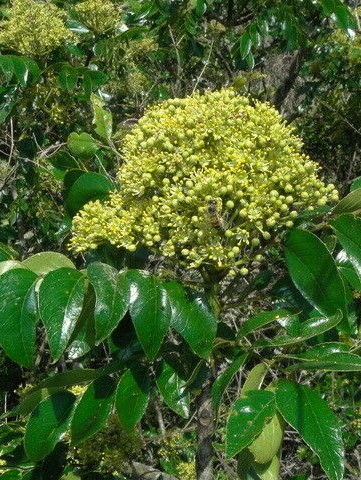
Hercules' Club
Aralia spinosa L.
The accepted scientific name is Aralia spinosa L.
Relevant botanical synonyms and historical names include:
- Chaerophyllum arborescens L.
- Myrrhis arborescens (L.) Spreng.
- Aralia georgica Miq.
- Aralia leroana K.Koch
- Aralia spinosa var. glabra Nutt.
- Aralia spinosa var. inermis Pursh
- Aralia spinosa var. subinermis K.Koch
- Aralia spinosa f. subinermis Moldenke
Japanese Angelica Tree, Aralia elata, is a separate Asian species that has naturalized in parts of North America and is frequently misidentified as Aralia spinosa. The distinction can require complete flowering or fruiting structures rather than one leaf or prickly stem.
The unrelated Toothache Trees Zanthoxylum clava-herculis and Zanthoxylum americanum also share common names with Hercules’ Club but belong to the Rutaceae and have different chemistry.
Araliaceae
Hercules’ Club; Hercules' Club; Hercules’s Club; Hercules Club; Devil’s Walkingstick; Devil's Walkingstick; Devil’s Walking Stick; Devil's Walking Stick; Angelica Tree; American Angelica Tree; American Angelica-Tree; Prickly Elder; Prickly Aralia; Prickly Ash; Thorny Ash; Toothache Tree; Toothache Bush; Pigeon Tree; Pick Tree; Pick-Tree; Shotbush; Shot Bush; Spikenard Tree; Mississippi Hoe Handle; Aralia spinosa
Hercules’ Club, Prickly Ash, Thorny Ash, and Toothache Tree are ambiguous common names also applied to unrelated Zanthoxylum species.
Zanthoxylum clava-herculis and Zanthoxylum americanum are more strongly associated with the tingling or numbing mouth sensation traditionally connected with the name Toothache Tree. They belong to the Rutaceae rather than the Araliaceae.
Japanese Angelica Tree, Aralia elata, is a separate prickly tree-forming Aralia native to eastern Asia. It is invasive or naturalized in portions of northeastern North America and is frequently mistaken for Aralia spinosa.
Devil’s Club ordinarily refers to Oplopanax horridus, a separate western North American member of the Araliaceae with densely armed stems and very large simple leaves.
The complete plant, native or cultivated location, inflorescence axis, fruit, seed, leaf architecture, and prickles may be needed for dependable identification.
Triglochinin and Seasonal Cyanogenesis
The best-established potentially life-threatening toxin in Hercules’ Club is triglochinin, a structurally unusual cyanogenic glycoside. Exact-species research surveyed leaves, shoots, stems, buds, flowers, inflorescences, and fruit across an entire growing season and found triglochinin to be the only cyanogenic glycoside detected.
The discovery does not mean that every leaf, fruit, stem, or root continuously contains the same cyanide-releasing concentration. Only approximately half of the collected samples displayed detectable cyanogenesis. The occurrence and amount varied sharply with developmental stage and harvest time.
Inflorescence buds collected during July contained the highest measured triglochinin concentration, just under 0.2% of dry weight. Some summer leaves also contained measurable cyanogenic material, while many samples collected at other stages produced little or no detectable hydrogen cyanide.
Fruit Is Not the Best-Supported High-Cyanide Tissue
Green and ripe purple-black fruits tested during the seasonal study released much less hydrogen cyanide than the most cyanogenic inflorescence buds and leaves. This is consistent with the regular consumption of the fruit by numerous wild birds and mammals.
Wildlife use does not establish a universal safe serving for a dog, cat, horse, or livestock animal. Chemistry can vary among individual plants, growing conditions, locations, and developmental stages, and a large mass of fruit can still cause gastrointestinal upset or create a physical problem.
The available evidence nevertheless does not support presenting one or two ripe drupes as chemically equivalent to a substantial ingestion of highly cyanogenic July flower buds or summer foliage. Rapid respiratory or neurologic collapse following only a minor fruit exposure should prompt investigation for plant misidentification, pesticide exposure, medication, mushroom, another toxin, or unrelated disease.
How Cyanogenic Tissue Releases Hydrogen Cyanide
Cyanogenic plants ordinarily keep cyanogenic substrates and the enzymes that break them down separated within intact cells or tissues. Crushing, chewing, grinding, freezing, wilting, maceration, and digestion can damage those barriers and allow the components to interact.
Enzymatic removal of the sugar portion produces an unstable cyanohydrin. That intermediate can decompose and release hydrogen cyanide. The amount reaching an animal depends on the concentration in the tissue, degree of chewing, enzyme activity, digestive conditions, quantity eaten, and the animal’s ability to detoxify cyanide.
How Cyanide Disrupts Cellular Respiration
Absorbed cyanide binds to mitochondrial cytochrome-c oxidase, also called complex IV of the electron-transport chain. This prevents cells from using oxygen efficiently to produce normal amounts of adenosine triphosphate.
The bloodstream may still contain oxygen while the tissues are unable to extract and use it normally. This produces histotoxic hypoxia. The brain, heart, respiratory muscles, and other tissues with high continuous energy needs are especially vulnerable.
A severe exposure can therefore cause rapid breathing, anxiety, weakness, loss of coordination, tremors, seizures, cardiovascular collapse, respiratory arrest, and death. This progression is biologically plausible after a substantial ingestion of cyanogenic Aralia spinosa tissue, but a modern veterinary case series establishing its frequency in household pets has not been published.
Triterpene Saponins and Other Exact-Species Constituents
A detailed 2024 chemical analysis of cultured Aralia spinosa aerial and underground tissues identified 94 metabolites, including 41 triterpene saponins, 17 flavonoids, and 36 phenolic acids or related compounds.
The identified saponins included structures based on oleanolic acid, hederagenin, and caulophyllogenin. Araloside A was particularly abundant in the underground tissue used in that study.
Saponins can interact with biological membranes and may contribute to salivation, nausea, vomiting, abdominal discomfort, or diarrhea after plant ingestion. The study was phytochemical rather than veterinary, however, and did not establish that one specific saponin produces the expected pet syndrome or define a toxic dose of raw Hercules’ Club.
Historical “Araliin”
Older pharmaceutical literature described “araliin” as an acrid, water-soluble, froth-producing glucoside obtained from Hercules’ Club. It was reported to behave like a saponin-containing material and to break down into glucose and another poorly characterized product after acid treatment.
The term originated before modern chromatographic and spectrometric structural analysis. A single accepted modern molecular identity, organ distribution, veterinary dose-response relationship, and distinctive clinical syndrome for historical araliin have not been established.
Araliin can remain as historical chemistry, but it should not be presented as the plant’s only confirmed toxin or used to explain every episode of vomiting, diarrhea, dermatitis, or neurologic illness.
Ripe-Fruit Fatty-Acid Chemistry
Petroselinic acid has been isolated from ripe Aralia spinosa fruit. Its detection confirms that the fruit contains additional chemically interesting constituents but does not establish petroselinic acid as the cause of a recognized acute Hercules’ Club poisoning syndrome.
The ripe-fruit study should therefore not be used to transform the fruit into a uniquely dangerous plant part or to infer a lethal household dose.
Bark, Roots, Sap, and Skin Contact
Handling bark and roots has long been reported to cause skin irritation or allergic-type reactions in some people. Modern exact-allergen characterization and veterinary contact-dermatitis evidence are limited.
Sap, bark fragments, root debris, soil, fertilizer, pesticide, and mechanical abrasion may all contribute when redness, itching, swelling, papules, blisters, or open lesions follow contact. The material should be washed from animal fur and skin, but severe or persistent dermatitis should not be assigned automatically to one unidentified Hercules’ Club compound.
Prickles Are a Separate Physical Hazard
The stout prickles on young stems, branches, petioles, swollen leaf bases, and sometimes the axes of the enormous compound leaves are not chemical toxins. They can nevertheless produce clinically important puncture wounds.
Prickles may penetrate the lips, tongue, palate, throat, eyelids, cornea, paws, limbs, chest, lower abdomen, or udder. A fragment can break beneath the surface and introduce dirt, hair, and bacteria, leading to inflammation, abscess formation, draining tracts, lameness, oral pain, or vision-threatening eye injury.
Plant Parts and Evidence Boundaries
Direct cyanogenic evidence is strongest for leaves and developing inflorescences at particular times. Fruit samples in the seasonal study were weakly cyanogenic relative to peak flower buds, while underground tissues were not part of the same yearlong aboveground cyanogenesis survey.
Leaves, petioles, shoots, flower buds, flowers, stems, bark, roots, sap, fruit, seeds, seedlings, suckers, and pruning debris should remain inaccessible because several hazards may occur together and no complete veterinary safety study has established a harmless amount for every organ.
No Established Veterinary Toxic Dose
No dependable number of leaves, flower buds, fruits, grams of plant material, or milligrams of triglochinin has been established as a safe or lethal dose for dogs, cats, horses, livestock, rabbits, birds, or other animals.
Risk depends on the plant tissue, developmental stage, season, individual plant chemistry, amount crushed, animal size, species, digestive conditions, and whether prickles, pesticides, fertilizer, or another plant were involved.
Most Likely Signs After a Limited Ingestion
A small household-pet exposure is more likely to produce local or gastrointestinal signs than a fulminant cyanide syndrome. Possible findings include excessive drooling, lip licking, repeated swallowing, nausea, gagging, retching, vomiting, reduced appetite, abdominal discomfort, diarrhea, lethargy, or depression.
Direct clinical evidence specific to Aralia spinosa in dogs and cats is limited. These signs should therefore be regarded as a reasonable irritant pattern rather than a proven sequence that occurs after every bite.
Repeated vomiting or diarrhea may cause dehydration, dry or tacky gums, sunken eyes, reduced urination, electrolyte disturbance, weakness, or worsening depression.
Oral Trauma and Swallowing Problems
Chewing rough bark, woody stems, roots, petioles, or prickly tissue may cause mouth pain, bleeding, pawing at the face, refusal to eat, drooling, gagging, or difficulty swallowing.
A prickle can become embedded in the lips, gums, tongue, palate, beneath the tongue, tonsillar region, pharynx, or esophagus. The entry wound may be small while the retained fragment causes continuing inflammation and infection.
Persistent gagging, repeated swallowing, coughing, regurgitation, blood in saliva, refusal to drink, or pain when opening the mouth requires a controlled oral and pharyngeal examination.
Puncture Wounds and Retained Prickles
External punctures may cause immediate pain, bleeding, swelling, lameness, licking, guarding, or reluctance to bear weight. Small surface wounds may close while a broken prickle remains beneath the skin.
Increasing pain, heat, redness, swelling, discharge, odor, fever, or an enlarging lump during the following days may indicate an abscess or retained foreign material.
Deep wounds involving the chest, abdomen, joint, tendon sheath, foot, oral cavity, face, or eye can be serious even when external bleeding is minimal.
Eye Injury
Direct contact or puncture may cause tearing, blinking, squinting, eyelid swelling, conjunctival redness, corneal abrasion, ulceration, blood within or around the eye, cloudiness, or apparent visual difficulty.
An animal may rub the face or hold the eye tightly closed. Rubbing can deepen a corneal injury or break an embedded plant fragment.
Any suspected penetrating eye wound is an emergency. The object should be stabilized rather than pulled, and the animal should be prevented from rubbing the eye during transport.
Skin Irritation
Sap, bark, root debris, and contaminated soil may cause redness, itching, burning, swelling, bumps, blisters, or localized dermatitis in a sensitive individual. Mechanical abrasion from prickles can resemble or intensify a chemical skin reaction.
Plant material trapped beneath a collar, harness, blanket, or dense coat may prolong contact. Persistent licking and scratching can create moist dermatitis and secondary infection.
Possible Acute Cyanide Syndrome
A substantial ingestion of cyanogenic leaves or developing flower structures could theoretically cause a rapidly progressive cyanide syndrome. Signs may begin within minutes to several hours, depending on the tissue, amount, chewing, and digestive conditions.
Early findings may include sudden anxiety, restlessness, excitement, rapid breathing, open-mouth breathing, apparent air hunger, salivation, weakness, or loss of coordination.
Progression may include staggering, falling, muscle twitching, tremors, stiffness, generalized spasms, seizures, cardiovascular collapse, stupor, coma, respiratory arrest, and death.
This emergency progression has not been characterized through a modern series of naturally poisoned dogs or cats exposed specifically to Aralia spinosa. It should remain an urgent biologically plausible risk after substantial cyanogenic-tissue ingestion rather than being portrayed as the expected response to every plant contact.
Blood and Mucous-Membrane Changes
Bright pink, brick-red, or cherry-red mucous membranes and unusually bright venous blood may occur during severe cyanide poisoning because tissues fail to extract oxygen normally.
These findings are inconsistent, may fade quickly, and can be obscured by terminal respiratory or circulatory failure. Pale or blue-gray mucous membranes may occur later.
Chocolate-brown blood is more consistent with nitrate- or nitrite-induced methemoglobinemia than with the classic cyanide mechanism. Blood color cannot safely determine treatment without veterinary assessment.
Bitter-Almond Odor Is Unreliable
A bitter-almond odor may occasionally accompany cyanide exposure, but many people are genetically unable to smell hydrogen cyanide. The odor may also be absent, weak, or masked.
Owners should not deliberately smell the animal’s breath, vomit, stomach contents, or plant samples. Absence of the odor cannot rule out cyanide poisoning.
Fruit Exposure
Available chemical evidence indicates that tested green and ripe fruits had low cyanogenic potential compared with the most cyanogenic leaves and developing inflorescence buds.
A pet eating a few ripe fruits is therefore more likely to remain normal or develop gastrointestinal upset than to experience immediate cyanide collapse. No universal safe fruit count can be published, and repeated or large ingestion still warrants professional guidance.
Severe respiratory, cardiovascular, or neurologic signs after a minor fruit exposure should prompt urgent evaluation for another toxin, pesticide, medication, mushroom, traumatic injury, or incorrect plant identification.
Horses and Livestock
Horses and livestock may experience gastrointestinal irritation, puncture wounds, oral trauma, or a possible cyanogenic exposure after browsing foliage, flower structures, uprooted plants, or discarded clippings.
Rapid breathing, weakness, staggering, tremors, seizures, collapse, or abnormal mucous-membrane color after substantial ingestion requires immediate veterinary treatment. Symptomatic animals should not be driven or forced to walk.
Prickles may injure the muzzle, lips, eyelids, mouth, feet, limbs, udder, or lower abdomen when animals push through a thicket or investigate cut branches.
Atypical Findings
Jaundice, delayed kidney failure, prolonged coma, progressive paralysis, major hemorrhage, or neurologic illness persisting for days is not the established uncomplicated Hercules’ Club syndrome.
These findings require investigation for another toxicant, aspiration, infection, severe trauma, medication exposure, a different plant, or unrelated disease.
Expected Course and Prognosis
Brief drooling, one or two vomiting episodes, or mild diarrhea after a limited ingestion may improve within several hours. Persistent gastrointestinal illness can continue into the following day and may require fluids or anti-nausea treatment.
Superficial punctures generally heal well when promptly cleaned and monitored. Deep wounds, retained prickles, abscesses, oral injuries, and eye penetration require more intensive treatment.
Untreated severe cyanide poisoning can progress rapidly, but prompt oxygen, airway management, antidotal treatment, and cardiovascular support may permit dramatic recovery when prolonged hypoxia has not occurred.
Accepted Identity and Native Range
Hercules’ Club is Aralia spinosa L., a large deciduous, root-suckering shrub or small tree in the Araliaceae. Its accepted native range covers much of the central and eastern United States, particularly the Southeast.
Current records place it from the Mid-Atlantic and Ohio Valley south through Florida and west through Texas and Iowa. Reports farther north and east require caution because Japanese Angelica Tree, Aralia elata, has repeatedly been misidentified as the native species.
Growth Form and Prickly Stems
Established plants commonly reach approximately 10 to 20 feet, although favorable southern conditions may produce specimens approaching 30 to 35 feet or more. Several upright, pole-like stems may arise from one spreading root system.
Young stems are often unbranched or sparsely branched. The lower portions appear nearly bare, while the enormous leaves cluster near the top and create an umbrella-shaped, palm-like outline.
The stems, branches, petioles, swollen leaf bases, and sometimes the axes of the compound leaves bear stout prickles. Those structures explain the names Devil’s Walkingstick and Hercules’ Club and make the plant unsuitable beside narrow paths, kennels, paddock gates, play areas, barns, and other high-traffic locations.
Enormous Compound Leaves
A complete leaf may reach several feet in length and width and is divided two or three times into numerous toothed leaflets. From a distance, the fine divisions create a fern-like texture.
One fallen compound leaf may be mistaken for an entire woody branch. The actual stem lies beneath the swollen leaf base. Detached leaves and petioles may remain prickly and should not be left where animals travel or play.
Research on stem and branch allometry demonstrates the unusual crown-building strategy of this species, with long axes supporting very large terminal foliage and flower structures.
Flowers and Fruit
Large branching flower panicles rise above the foliage during mid- to late summer. The individual flowers are small and cream-white but are arranged in numerous rounded umbels within a broad terminal structure.
The flowers attract many bees, wasps, beetles, butterflies, flies, and other insects. Animals investigating the plant during bloom may therefore encounter both the prickly structure and stinging insects.
Flowers develop into small drupes that change from green through reddish or purple stages to dark purple-black. Birds and mammals consume and disperse the fruit.
The exact-species seasonal study found the peak cyanogenic concentration in developing July inflorescence buds, not in ripe fruit. This makes the plant’s reproductive stage important during exposure assessment.
Seasonal Cyanogenicity
Cyanogenesis is not constant throughout the year. Approximately half of all collected samples in the systematic study released detectable cyanide.
Some leaves were cyanogenic during summer, while many spring, autumn, or senescent samples contained little or no detectable cyanogenic material. Sharp differences were found between collections taken only weeks apart.
Developing flower buds produced the highest triglochinin measurement. Green and mature fruit samples released only small amounts of hydrogen cyanide relative to the peak tissues.
This variation prevents reliable prediction from leaf color, fruit color, calendar date, or the outcome of an earlier exposure. It also means that the page should not describe every piece of Hercules’ Club as equally cyanogenic.
Modern Exact-Species Phytochemistry
In addition to triglochinin, modern analysis has identified a chemically diverse mixture of triterpene saponins, flavonoids, phenolic acids, and related metabolites in Aralia spinosa.
The 2024 study examined methanolic extracts from aerial and underground tissues grown in culture and identified 94 metabolites. Forty-one were classified as triterpene saponins.
Laboratory extraction, cultured tissue, and purified chemical analysis are not identical to an animal chewing the living plant. The findings demonstrate chemical complexity but do not create a veterinary toxic dose for one leaf, root, or bark fragment.
Historical Araliin and Medicinal Use
Nineteenth-century pharmaceutical literature described an acrid froth-producing glucoside called araliin. Modern chemistry has not established that historical material as one single defining Hercules’ Club poison.
Bark, roots, stems, leaves, and other tissues were historically incorporated into preparations for rheumatism, fever, skin conditions, sores, tooth pain, and other disorders. Indigenous and later medicinal records reflect particular cultural knowledge and preparation practices.
Historical use does not establish safety for raw ingestion or home veterinary treatment. Bark tea, root tincture, powdered material, poultices, alcohol preparations, and concentrated extracts may produce an exposure very different from incidental contact with the standing plant.
Hercules’ Club and Toothache Tree Confusion
The common names Hercules’ Club, Prickly Ash, Thorny Ash, and Toothache Tree are also applied to Zanthoxylum clava-herculis and Zanthoxylum americanum.
The Zanthoxylum species belong to the citrus family and are more strongly associated with the distinctive tingling or numbing sensation that produced the Toothache Tree name.
Aralia spinosa has enormous twice- or three-times-divided leaves. Zanthoxylum species have much smaller once-divided leaves and different stem armature. One vernacular name should not be used as the sole basis for toxicologic advice.
Confusion with Japanese Angelica Tree
Japanese Angelica Tree, Aralia elata, closely resembles Hercules’ Club and has naturalized extensively in parts of northeastern North America.
Field and herbarium investigation found that many supposed northern records of Aralia spinosa were actually A. elata. The most dependable differences involved the central inflorescence or infructescence axis, fruit size, and seed size.
A photograph containing only a prickly trunk or one incomplete leaf may be insufficient. Include the base of the flower or fruit structure whenever possible.
Root Suckers and Landscape Spread
Hercules’ Club spreads through seed and through new shoots arising from its woody root system. A mature plant may form a colony of upright prickly stems.
Cutting one trunk does not remove the connected roots and may be followed by additional suckers. Removal work can create large quantities of armed debris and expose roots, bark, sap, soil, and plant-care products.
The species is native rather than automatically invasive within much of its accepted range, but it can remain aggressive and unsuitable for confined animal areas.
Prickle Injuries May Be the Primary Veterinary Problem
A dog running through a thicket may receive punctures to the face, mouth, chest, legs, or paw pads. Horses and livestock may be injured around the muzzle, eyelids, mouth, udder, feet, and lower abdomen.
A puncture can seal at the surface while retaining a fragment and bacteria underneath. Swelling or drainage appearing days later may be related to the original plant injury even when the wound initially looked minor.
Eye and oral injuries deserve a low threshold for veterinary examination because the full depth and direction of the puncture may be difficult to determine without sedation, magnification, imaging, or endoscopy.
Diagnosis and Evidence Collection
There is no routine veterinary blood or urine test that confirms Hercules’ Club ingestion. Diagnosis relies on plant identification, tissue and amount consumed, timing, clinical signs, wound examination, and exclusion of another toxin or injury.
Useful evidence includes photographs of the whole plant, enormous compound leaves, prickly stems, flower or fruit clusters, roots, plant samples, vomited material, and packaging for pesticides or fertilizers used nearby.
Rapid respiratory and neurologic signs may prompt blood-gas, lactate, acid-base, cardiovascular, neurologic, and toxicologic assessment for possible cyanide exposure. Persistent gastrointestinal signs may require hydration testing, bloodwork, and imaging.
Puncture wounds may require ultrasound, radiographs, wound exploration, oral examination, or ocular testing to locate retained material and assess deeper injury.
Prevention and Prognosis
Site the plant away from kennels, pet paths, horse fences, barn entrances, paddock gates, playgrounds, patios, and other areas where animals or people may brush against it.
Wear heavy gloves, eye protection, long sleeves, sturdy pants, and protective footwear during pruning or removal. Control springing stems and bag or otherwise contain every prickly cutting immediately.
Do not dump leaves, flower clusters, fruiting branches, stems, or uprooted roots into pastures, poultry runs, rabbit enclosures, kennels, or open compost accessible to animals.
Most limited ingestions and superficial injuries have a favorable prognosis. Deep punctures, retained fragments, eye penetration, infection, or a rapidly developing cyanide-like syndrome create a more serious emergency.
Immediate Steps After Hercules’ Club Exposure
- Stop further access. Move the animal away from leaves, developing flower structures, flowers, stems, bark, roots, fruit, seeds, seedlings, suckers, pruning debris, and contaminated water.
- Protect yourself. Wear heavy gloves, long sleeves, sturdy footwear, and eye protection before handling prickly stems, roots, sap, contaminated fur, or vomited material.
- Identify the plant and tissue. Determine whether the animal ate ripe fruit, foliage, developing flower buds, bark, roots, or an unknown mixture.
- Estimate the amount and time. Record how much appears missing, the animal’s body size, and the earliest and latest possible exposure.
- Remove only loose visible material. Lift plant fragments resting at the lips or front of the mouth without reaching into the throat.
- Preserve evidence. Save photographs of the complete plant and representative leaves, flower structures, fruit, stems, roots, vomited material, and plant-care-product packaging.
- Contact a veterinarian. Seek guidance after substantial foliage or flower-structure ingestion, repeated gastrointestinal signs, a puncture wound, eye exposure, or any rapid respiratory or neurologic change.
Possible Cyanide Emergency
Rapid breathing, open-mouth breathing, gasping, weakness, staggering, tremors, seizures, collapse, or an abrupt change in awareness after substantial ingestion requires immediate emergency care.
- Keep the animal quiet. Prevent running, struggling, unnecessary walking, and excitement because increased activity raises oxygen and energy demand.
- Give nothing by mouth. Do not force water, food, charcoal, medication, or another treatment into an animal with breathing difficulty, weakness, tremors, seizures, collapse, or impaired swallowing.
- Carry or support the animal when safe. Do not make a weak or uncoordinated patient walk to the vehicle.
- Warn the clinic. State that a confirmed cyanogenic plant may be involved so oxygen, airway equipment, monitoring, and antidotes can be prepared.
- Do not rely on odor. The absence of a bitter-almond smell does not exclude cyanide exposure.
Do Not Induce Vomiting at Home
Do not automatically induce vomiting. A limited ingestion may not justify the risk, while rapidly developing neurologic or respiratory impairment makes emesis dangerous.
- Do not use hydrogen peroxide, salt, mustard, ipecac, detergent, dish soap, manual gagging, or fingers in the throat.
- Never use hydrogen peroxide as a feline emetic.
- Do not induce vomiting in horses, rabbits, guinea pigs, birds, or other unsuitable species.
- Do not induce vomiting in a symptomatic animal. Vomiting, weakness, poor coordination, trembling, abnormal breathing, seizures, collapse, or swallowing difficulty creates aspiration risk.
A veterinarian or animal poison-control professional may consider professional emesis after a substantial, very recent dog ingestion only while the patient remains fully alert, neurologically normal, stable, breathing normally, swallowing safely, and completely free of clinical signs.
Activated Charcoal and Gastric Decontamination
Activated charcoal is not a routine home treatment. Its value is uncertain when hydrogen cyanide has already been released or when the main problem is local irritation or a penetrating prickle.
A veterinarian may consider charcoal after a selected recent substantial ingestion in an asymptomatic animal that can protect its airway. Charcoal must not be forced into a vomiting, weak, trembling, seizuring, sedated, or poorly responsive patient.
Gastric lavage is reserved for selected serious recent exposures under anesthesia with a protected airway. It is not a substitute for oxygen and antidotal treatment in a symptomatic cyanide emergency.
Do Not Give Home Antidotes
Milk, oil, bread, salt, vinegar, herbs, vitamins, household charcoal, additional food, caffeine, and human medication do not safely neutralize Hercules’ Club toxins.
Do not administer hydroxocobalamin, sodium thiosulfate, sodium nitrite, methylene blue, or another cyanide antidote without a veterinarian. Antidote choice depends on the animal, clinical condition, diagnostic certainty, oxygenation, and competing toxicologic possibilities.
Gastrointestinal Monitoring
- Track drooling and gagging. Record lip licking, repeated swallowing, coughing, retching, or pawing at the mouth.
- Track vomiting. Note the number of episodes and whether plant fragments, foam, fresh blood, or dark material appears.
- Track diarrhea. Record frequency, volume, mucus, blood, or black coloration.
- Monitor water intake. An alert animal that is swallowing normally and no longer vomiting may take small voluntary amounts of fresh water.
- Do not force food or fluid. Forced intake can provoke vomiting or aspiration.
- Monitor hydration. Dry or tacky gums, sunken eyes, reduced urination, rapid heart rate, worsening lethargy, or weakness requires care.
- Report blood. Repeated bloody vomiting, coffee-ground material, black stool, substantial bloody diarrhea, pale gums, or collapse requires examination.
Oral and Throat Injuries
Drooling, blood in saliva, pawing at the mouth, refusal to eat, gagging, repeated swallowing, coughing, regurgitation, or painful mouth opening may indicate a retained prickle or deeper laceration.
Do not sweep fingers blindly behind the tongue or attempt to pull a deeply embedded fragment from the throat. Painful animals may bite, and a brittle prickle may break.
Veterinary evaluation may require sedation, oral examination, pharyngeal inspection, radiographs, ultrasound, or endoscopy.
External Puncture Wounds
- Control accessible bleeding. Apply gentle direct pressure with clean gauze or cloth.
- Do not probe deeply. Needles, tweezers, and fingers can break the prickle or push contamination farther into the tissue.
- Remove only freely resting surface material. Deeply embedded or broken fragments require professional removal.
- Rinse superficial contamination. Use clean water or sterile saline without forceful scrubbing.
- Avoid harsh chemicals. Do not pour peroxide, alcohol, bleach, concentrated iodine, essential oils, or caustic disinfectants into the wound.
- Monitor for infection. Increasing pain, heat, swelling, redness, discharge, odor, fever, lameness, or an enlarging lump may indicate an abscess or retained fragment.
Facial, oral, chest, abdominal, joint, tendon, foot, deep, broken, or heavily contaminated punctures warrant direct examination.
Eye Puncture or Irritation
Do not pull an object penetrating the eye or deeply embedded in an eyelid. Prevent rubbing and transport the animal promptly for emergency assessment.
When no object is embedded, flush loose sap, soil, and debris with sterile saline or clean lukewarm water. Direct the flow away from the unaffected eye.
Continued squinting, tearing, redness, discharge, cloudiness, blood, swelling, light sensitivity, or apparent visual impairment requires veterinary care.
Do not use human redness-relief drops or leftover veterinary eye medication. Steroid-containing products can worsen an undiagnosed corneal ulcer or infection.
Skin and Coat Decontamination
Prevent the animal from grooming sap-covered paws, skin, or fur. Remove collars, harnesses, blankets, or other equipment holding plant material against the skin.
Wash exposed areas with mild soap or pet-safe shampoo and lukewarm water. Rinse thoroughly without aggressive scrubbing.
Do not use peroxide, alcohol, bleach, solvents, concentrated vinegar, essential oils, or harsh cleaners. Persistent redness, itching, swelling, blistering, open lesions, facial swelling, or pain requires examination.
Veterinary Evaluation
The veterinarian will assess the plant tissue and amount involved, breathing, circulation, neurologic status, mucous membranes, hydration, gastrointestinal signs, wounds, eye integrity, and evidence of another toxic exposure.
Suspected cyanide poisoning may require rapid assessment of oxygenation, blood gases, acid-base balance, lactate, blood pressure, heart rhythm, temperature, and neurologic function. Treatment may need to begin before laboratory confirmation is available.
Persistent vomiting or diarrhea may require bloodwork, anti-nausea medication, fluid therapy, gastrointestinal support, and imaging when woody or fibrous material may have been swallowed.
Veterinary Cyanide Treatment
High-concentration oxygen is administered promptly when significant cyanide exposure is suspected. Animals with respiratory failure, severe seizures, or impaired consciousness may require intubation and assisted ventilation.
Hydroxocobalamin may be used to bind cyanide without intentionally reducing hemoglobin’s oxygen-carrying capacity. Sodium thiosulfate may be used to support conversion of cyanide into less toxic thiocyanate.
A veterinarian may use a nitrite-and-thiosulfate protocol in selected circumstances, but nitrites intentionally create methemoglobin and can worsen tissue oxygen delivery when used incorrectly or when nitrate poisoning is present.
Antidotes, cardiovascular support, seizure control, fluids, temperature management, and resuscitation are selected according to the individual animal’s condition.
Veterinary Wound and Eye Treatment
Deep or painful wounds may require sedation, analgesia, clipping, lavage, exploration, removal of retained material, imaging, drainage, and treatment of infection.
Antibiotics are selected when bacterial contamination, cellulitis, abscess formation, joint penetration, or another infection risk is present rather than for every superficial scratch.
Eye examination may include magnification, fluorescein staining, eyelid eversion, pressure assessment, imaging, surgical stabilization, and treatment of corneal, eyelid, or deeper ocular injury.
Medication Warnings
- Do not administer diphenhydramine automatically. It does not treat cyanide poisoning, retained prickles, or ordinary gastrointestinal irritation.
- Do not give human antidiarrheals. Loperamide, bismuth products, antacids, and similar medications may be inappropriate.
- Do not give human pain relievers. Ibuprofen, naproxen, aspirin, acetaminophen, and related drugs can cause a second poisoning.
- Do not prepare bark or root remedies. Teas, tinctures, extracts, powders, poultices, and alcohol preparations create unpredictable concentrated exposure.
- Use prescription medication only as directed. Antiemetics, fluids, pain control, antibiotics, eye medication, and wound treatment must be selected for the patient.
Horses and Livestock
Remove every exposed animal from standing plants, root suckers, cut branches, flower clusters, fruit, uprooted roots, storm debris, and contaminated forage.
Provide clean uncontaminated feed and water without forcing oral intake. Do not drive or repeatedly walk an animal that is weak, trembling, uncoordinated, or breathing abnormally.
Inspect the muzzle, mouth, eyelids, feet, limbs, udder, chest, and lower abdomen for punctures. Members of the same group may have consumed different amounts or sustained different injuries.
Do not force oral drenches, charcoal, oil, medication, or improvised antidotes into neurologically abnormal or respiratory-compromised livestock.
Prevention and Recovery
Keep Hercules’ Club away from narrow walkways, kennels, pet runs, paddock gates, barn entrances, play areas, patios, and other high-traffic locations.
Control root suckers before they develop heavily armed stems. Expect regrowth after cutting because the visible trunks may remain connected to an extensive root system.
Contain every pruning and removal fragment immediately. Cut canes, petioles, and fallen leaves remain capable of puncturing animals after they are detached.
Mild gastrointestinal cases generally have a good prognosis. Superficial punctures also heal well when no fragment remains. Eye penetration, deep wounds, abscesses, retained foreign material, or rapidly developing cyanide-like signs require more intensive treatment and monitoring.
Frequently Asked Questions About Hercules’ Club and Animal Poisoning
Does every Hercules’ Club plant continuously contain dangerous cyanide levels?
No. A yearlong study found detectable cyanogenesis in only about half of the samples examined. Cyanogenicity varied with plant part, season, and developmental stage. Developing July inflorescence buds contained the highest measured triglochinin concentration, while many leaves collected at other stages produced little or no detectable cyanide. This variation prevents prediction by appearance alone but also means every plant contact should not be portrayed as an immediate cyanide emergency.
Which Hercules’ Club tissues deserve the greatest cyanide concern?
The strongest exact-species evidence points to developing inflorescence buds and some summer foliage. The study’s peak triglochinin measurement occurred in July flower buds at just under 0.2% of dry weight. Tested green and ripe fruits released much less hydrogen cyanide. A substantial flower-bud or foliage ingestion therefore deserves greater cyanide concern than one or two ripe drupes, although no plant part should be deliberately fed.
Can one ripe purple-black fruit kill a dog?
Severe cyanide poisoning from one ripe fruit would not be expected from the available chemical evidence. Tested ripe fruits had very low cyanogenic potential compared with peak flower buds, and wildlife commonly consumes the fruit. No universal safe count exists, however, and a very small animal, mass ingestion, unusual plant chemistry, pesticide contamination, or mistaken identification can change the assessment.
What is triglochinin?
Triglochinin is a cyanogenic glycoside capable of producing hydrogen cyanide after cyanogenic plant tissue is damaged and enzymatically broken down. It was the only cyanogenic glycoside detected during the exact-species seasonal study. Its presence is intermittent rather than uniform across every Hercules’ Club organ and collection date.
What was the historical substance called araliin?
Araliin was an old pharmaceutical name for an acrid, water-soluble, froth-producing glucoside isolated using nineteenth-century methods. It was described as saponin-like, but its exact modern structure, distribution, veterinary dose, and clinical role remain poorly defined. Modern research has identified numerous individual triterpene saponins, making it inaccurate to treat araliin as the plant’s one proven toxin.
Are the prickles more dangerous than the plant toxins?
In many real-world pet and livestock encounters, they may be the more immediate hazard. The prickles can penetrate the mouth, eye, face, paw, limb, chest, abdomen, or udder. A broken fragment may remain beneath the surface and later cause an abscess, draining tract, lameness, oral infection, or vision-threatening injury. The toxicologic and mechanical risks should be assessed separately.
Can a tiny puncture still contain a large broken prickle?
Yes. A narrow entry wound may close quickly while a fragment remains under the skin. Pain, swelling, heat, discharge, fever, an enlarging lump, or lameness developing over the following days may indicate retained material. Deep probing at home can break the fragment or push it farther into tissue.
Why should an eye injury not be flushed if a prickle is visibly embedded?
Forceful flushing or removal can move a penetrating object and worsen damage to the cornea or deeper structures. Prevent rubbing, avoid pressure on the object, and seek emergency veterinary care. Irrigation is appropriate for loose sap or debris only when no penetrating object is present.
Is Hercules’ Club the same plant as the traditional Toothache Tree?
Not necessarily. The name Toothache Tree is also applied to Zanthoxylum clava-herculis and Zanthoxylum americanum, unrelated members of the citrus family that produce a more characteristic tingling or numbing sensation. Aralia spinosa has enormous twice- or three-times-divided leaves, while the Zanthoxylum species have much smaller once-divided leaves.
How can Hercules’ Club be confused with Japanese Angelica Tree?
Aralia elata has similar prickly stems, enormous divided leaves, flower clusters, dark fruit, and root suckers. Research found that many supposed northern records of Aralia spinosa were actually A. elata. The central flower or fruit axis, fruit size, and seed size provide more dependable distinctions than one incomplete leaf or trunk photograph.
Should vomiting be induced after a substantial leaf or flower-bud ingestion?
Not at home. Professional emesis may be considered only after a very recent dog ingestion while the animal remains fully alert, neurologically normal, stable, breathing normally, swallowing safely, and free of symptoms. Rapid cyanide absorption, oral prickles, developing weakness, and aspiration risk can make emesis more dangerous than beneficial. Hydrogen peroxide should never be used as a feline emetic.
When should an exposure be treated as an immediate cyanide emergency?
Seek emergency treatment when substantial foliage or developing flower material was consumed and the animal develops rapid or labored breathing, abrupt anxiety, weakness, staggering, tremors, seizures, collapse, abnormal gum color, or altered consciousness. Keep the animal quiet and give nothing by mouth. Advance warning allows the clinic to prepare oxygen, airway support, cardiovascular monitoring, and appropriate antidotes.