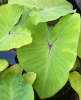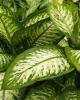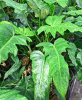
Satin Pothos Raphide Injury, Oral Pain, Swallowing Risk, Eye Exposure, and Aroid Identification
Is Satin Pothos Poisonous to Dogs, Cats, Horses, and Livestock?
Yes—Satin Pothos, Scindapsus pictus Hassk., is poisonous to dogs, cats, horses, livestock, birds, rabbits, guinea pigs, and other animals because chewing the plant releases insoluble calcium oxalate raphides that injure the mouth, throat, and upper gastrointestinal tract. These microscopic needle-shaped crystals are stored inside specialized plant cells and are released when leaves, stems, petioles, aerial roots, cuttings, or other tissues are bitten, crushed, or torn.
The usual Satin Pothos syndrome is immediate local pain rather than delayed systemic organ failure. Affected animals may drool or foam excessively, paw at the mouth, shake the head, gag, retch, refuse food, vomit if physically capable of vomiting, or develop painful swelling of the lips, tongue, mouth, pharynx, or tissues near the larynx. Most cases remain localized and recover well, but difficulty swallowing, voice changes, choking, progressive tongue or throat swelling, eye injury, or labored breathing can make the exposure medically urgent.
Satin Pothos raphides must be distinguished from soluble oxalate poisoning and ethylene glycol poisoning. The insoluble crystals in Satin Pothos primarily damage tissue where they touch; they are not expected to cause the hypocalcemia, calcium-oxalate kidney deposition, or renal failure associated with systemic soluble-oxalate poisoning. If seizures, coma, liver failure, kidney failure, severe cardiac signs, profound weakness, or prolonged systemic illness occurs, the veterinarian should investigate another toxin, misidentified plant, aspiration, airway compromise, dehydration, or unrelated disease.
About this guide: This page provides general pet-poisoning information and cannot diagnose or treat an individual animal. For any suspected exposure, contact a veterinarian or animal poison-control service immediately. Do not induce vomiting, give medication, or attempt home decontamination unless directed by a veterinary professional.
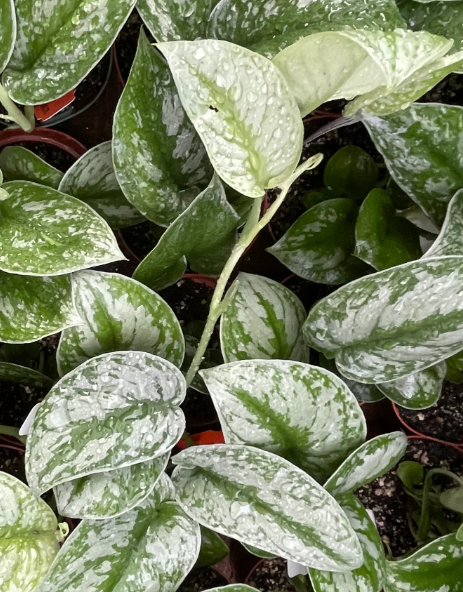
Satin Pothos
Scindapsus pictus Hassk.
- Accepted botanical synonyms include Pothos argenteus W.Bull, Pothos argyraeus J.Veitch f., Pothos endresii H.J.Veitch, Scindapsus argyraeus (J.Veitch f.) Engl., Scindapsus pictus var. argyraeus (J.Veitch f.) Engl., and Scindapsus pictus var. oblongifolius Engl.
- Scindapsus pothoides Schott is an illegitimate later homonym associated with the species in botanical synonymy.
- Epipremnum pictum is a persistent horticultural and database name, but it is not included in the current Kew synonymy for Scindapsus pictus.
- Satin Pothos is not the same species as Golden Pothos, Epipremnum aureum, and it is not a Philodendron. Those plants are related aroids and may cause a similar raphide syndrome, but they should not be entered as exact synonyms.
Araceae
Commonly called the Arum, Aroid, or Philodendron Family.
Satin Pothos; Silk Pothos; Silver Pothos; Silver Satin Pothos; Satin Silver Pothos; Silver Vine; Painted Pothos; Spotted Pothos; Silver Scindapsus; Satin Scindapsus; Silver Splash Pothos; Silver Philodendron; Satin Philodendron; Scindapsus pictus; Pothos argenteus; Pothos argyraeus; Pothos endresii; Scindapsus argyraeus; Scindapsus pictus var. argyraeus; Scindapsus pictus var. oblongifolius; Epipremnum pictum
“Silver Philodendron” and “Satin Philodendron” are misleading nursery names because this plant is not a Philodendron. It is also not Golden Pothos or Devil’s Ivy, Epipremnum aureum, although both plants belong to Araceae and can produce a similar insoluble-calcium-oxalate irritation syndrome.
‘Argyraeus,’ ‘Exotica,’ ‘Silvery Ann,’ ‘Silvery Anne,’ Silver Splash, Silver Satin, Jade Satin, Platinum, Trebie, and Shimmering Falls™ Silver Splash Satin Pothos are cultivar, trade, or nursery names associated with cultivated forms of Scindapsus pictus. They are not universal synonyms for every plant of the species, and differences in silver patterning, leaf size, or trade branding should not be used as safety markers.
Insoluble Calcium Oxalate Raphides
The principal toxic structures in Satin Pothos are bundles of water-insoluble calcium oxalate crystals called raphides. These microscopic needles are stored within specialized plant cells known as crystal idioblasts. When an animal bites, crushes, or tears a leaf or stem, the damaged cells release raphides into saliva and surrounding plant sap, bringing the sharp crystals into direct contact with the lips, tongue, gums, palate, pharynx, and esophagus.
Raphides are not simply dissolved oxalate circulating through the bloodstream. Their primary effect is local mechanical and inflammatory injury. The needle-shaped crystals penetrate or abrade soft tissue, producing immediate pain, redness, swelling, excessive salivation, and difficulty using the mouth normally. Continued licking, chewing, swallowing, gagging, or pawing at the mouth can spread plant material across a larger surface and intensify the irritation.
This mechanism explains why many animals stop chewing quickly. The plant hurts as soon as the tissue is damaged. That immediate aversive effect limits dose in many dogs and cats, but it does not eliminate risk when a pet chews repeatedly, a cutting is shredded, a small animal continues eating, or swelling affects swallowing or breathing.
Insoluble Raphides Are Different From Soluble Oxalate Poisoning
Calcium oxalate in Satin Pothos must be distinguished from soluble oxalates found in certain range plants and from oxalic-acid metabolites produced during ethylene glycol poisoning. Soluble oxalates can be absorbed, lower circulating calcium, and contribute to calcium oxalate deposition in renal tubules. Ethylene glycol poisoning produces systemic metabolic acidosis and renal injury through toxic metabolites and calcium oxalate crystal formation in the kidneys.
The insoluble raphides in Satin Pothos act principally at the point of contact and are not expected to produce the characteristic hypocalcemia, renal crystal deposition, or kidney failure associated with systemic soluble-oxalate poisoning. A dog or cat with kidney abnormalities after an alleged Satin Pothos exposure should be evaluated for another exposure, dehydration, ethylene glycol, soluble-oxalate plants, medication toxicity, urinary obstruction, infection, or unrelated disease rather than having the renal signs attributed automatically to this houseplant.
This distinction is essential for owner safety and veterinary accuracy. Satin Pothos can be extremely painful and occasionally dangerous when airway, swallowing, aspiration, or eye complications occur, but it should not be falsely described as a primary kidney-failure plant.
Crystal Idioblasts and Aroid Raphide Biology
The crystal-bearing idioblast is a highly specialized cell that differs structurally and chemically from its neighbors. Its vacuole contains a bundle of raphides suspended in mucilage or another cellular matrix. Calcium oxalate crystals are produced when calcium ions combine with oxalate within specialized cellular compartments, forming mineral structures that may help with calcium regulation, sequestration, tissue support, defense against herbivores, or several functions at once.
Raphides are one crystal form among several. Plants may also produce druses, prisms, styloids, crystal sand, or other morphologies. The long needle form is especially relevant to oral injury because it can penetrate soft tissue when released. In Araceae, raphides are common enough that many unrelated-looking houseplants produce a similar syndrome after chewing.
Research in certain aroids, particularly Dieffenbachia, has identified specialized idioblasts capable of forceful raphide discharge after tissue damage and water entry. That dramatic discharge mechanism should not be presented as proven specifically for Scindapsus pictus. Chewing Satin Pothos unquestionably ruptures tissues and exposes the animal to raphide bundles, but the exact discharge anatomy in this species is not fully documented.
Why Pain Can Persist After the Bite
The needles may remain embedded temporarily in inflamed mucosa even after the animal stops chewing. Continued swallowing and movement of the tongue or throat can drive crystals against additional tissue, while retained fragments of leaf or stem may release more raphides. This helps explain why discomfort can outlast the initial bite and why wiping away visible plant material may not end every sign immediately.
Inflammation does not disappear the moment the animal is removed from the plant. Mechanical injury activates sensory nerves and local inflammatory pathways. Blood vessels dilate and become more permeable, leading to redness, edema, pain, salivation, and reluctance to eat or swallow.
The animal’s own inflammatory response may include histamine, kinins, prostaglandins, and other signaling compounds. This normal response to physical injury should not be confused with proof that Satin Pothos contains histamine or that every exposure will respond predictably to an antihistamine. Diphenhydramine cannot physically remove embedded raphides.
Possible Co-Factors and the “Needle Effect”
Raphides may function as delivery-enhancing structures for other plant defenses. In an experimental insect model, purified kiwifruit raphides and cysteine protease had only weak effects when used separately but produced marked growth suppression and high mortality when combined. The researchers described a “needle effect” in which punctures made by raphides facilitated penetration by another biologically active substance.
That protease study is comparative rather than species-specific. It did not test Satin Pothos, dogs, cats, horses, livestock, birds, rabbits, guinea pigs, intact aroid leaves, or Scindapsus pictus sap. No published evidence has established a particular proteolytic enzyme as the principal co-toxin in Satin Pothos.
Proteinaceous toxins, enzymes, or additional irritants are documented or suspected in some other Araceae, but they should not be assigned to Satin Pothos as confirmed chemistry without direct analysis. For this page, insoluble calcium oxalate raphides remain the confirmed toxic principle, while the needle-effect literature provides useful context for why raphides can amplify irritation in some plant systems.
All Accessible Plant Parts Should Be Treated as Irritating
No reliable tissue-by-tissue concentration study establishes that the leaves are toxic while another part is harmless. Leaves and stems are involved most often because they are accessible and commonly chewed, but petioles, aerial roots, cut surfaces, sap, flowers, fruit, and propagation cuttings should also be considered irritating.
Cultivars with more or less silver variegation should not be assumed to differ in toxicity merely because their foliage looks different. ‘Argyraeus,’ ‘Exotica,’ ‘Silvery Ann,’ Silver Splash, Jade Satin, Platinum, Trebie, and other cultivated forms should all be handled as irritating aroids unless direct evidence proves otherwise.
Propagation stations deserve particular caution. Freshly cut stems expose sap and crystal-bearing tissues, and animals may pull cuttings from water jars, chew nodes, drink from propagation containers, or mouth pieces dropped during trimming. The primary hazard is the plant tissue and sap rather than proof that calcium oxalate crystals dissolve into water at a predictable toxic concentration, but the entire setup should remain inaccessible.
Drying, Wilting, and Cutting Do Not Remove the Hazard
Drying, wilting, or cutting the plant does not reliably remove the crystals. Raphides are mineral structures and may remain in discarded leaves, pruning waste, dried plant fragments, chewed stems, and old propagation cuttings. Fallen leaves beneath a shelf or hanging basket can still irritate an animal that mouths them.
Cooking and specialized food preparation can reduce the acridity of certain edible aroids, but Satin Pothos is not a food plant and should not be tested, cooked, soaked, or prepared for animal consumption. Household advice about edible taro or other traditional aroid foods should not be applied to a decorative Scindapsus vine.
Immediate Oral Pain and Early Progression
Clinical signs usually begin while the animal is chewing Satin Pothos or within minutes afterward. Dogs and cats may jerk or shake the head, paw vigorously at the mouth, rub the face, lick repeatedly, drool or foam excessively, gag, retch, or abruptly abandon the plant. The animal may vocalize, hide, resist examination of the mouth, or refuse food because moving the tongue and swallowing are painful.
The lips, gums, tongue, oral mucosa, and back of the throat may become red and swollen. Observable veterinary signs include hypersalivation, oral erythema, edema, reduced appetite, painful swallowing, repeated swallowing, and difficulty taking food or water. Human patients often describe intense burning, stinging, prickling, numbness, or a sensation like embedded glass, but those subjective sensations must be inferred in animals from behavior and physical examination.
Foaming at the mouth can look dramatic but often reflects saliva mixed with air during intense oral irritation. Foaming alone does not prove seizure activity or systemic organ failure. Breathing, swallowing, alertness, progression of swelling, eye involvement, vomiting, hydration, and ability to eat are more important indicators of severity.
Mouth, Throat, and Voice Changes
Voice changes can occur when inflammation affects the pharynx or tissues near the larynx. A dog may bark weakly or hoarsely, a cat may produce an altered meow, and a horse or other large animal may show abnormal respiratory noise. Hoarseness alone does not prove airway obstruction, but it becomes more concerning when accompanied by worsening swelling, gagging, neck extension, open-mouth breathing, stridor, or rapid shallow respirations.
Difficulty swallowing is more important than drooling alone. Warning signs include repeated swallowing attempts, choking motions, gagging, coughing after drinking, water or saliva falling from the mouth, reluctance to lower the head to eat, or nasal discharge after eating or drinking. These signs can indicate pharyngeal swelling, esophageal irritation, choke, aspiration risk, or another emergency.
Upper-airway obstruction is rare but potentially life-threatening. Progressive tongue, pharyngeal, or laryngeal edema can make swallowing and breathing difficult. Noisy inspiration, pronounced neck extension, open-mouth breathing, rapid shallow gasps, blue or gray mucous membranes, panic, weakness, or collapse requires immediate airway assessment and veterinary treatment.
Vomiting and Gastrointestinal Signs
Vomiting may occur in dogs, cats, pigs, and other species capable of vomiting because swallowed raphides and plant material irritate the upper gastrointestinal tract. Mild diarrhea, lethargy, and temporary food refusal are possible, but severe hemorrhagic gastroenteritis is not the expected Satin Pothos syndrome. Persistent vomiting can worsen oral and esophageal irritation and may lead to dehydration or aspiration.
Horses, rabbits, guinea pigs, rats, and several other species cannot vomit, so absence of vomiting does not indicate absence of exposure. These animals may show salivation, food refusal, reduced fecal output, abnormal chewing, bruxism, coughing, gagging, or signs of pain instead. Species that cannot vomit should not be forced to swallow water, milk, oil, charcoal, or medication when oral or throat irritation is present.
Swallowed raphides are usually a local irritant rather than a systemic poison. If severe abdominal pain, blood, profound weakness, collapse, kidney abnormalities, liver abnormalities, or neurologic signs occur, another diagnosis or complication should be considered.
Dogs and Cats
Dogs and cats usually develop immediate mouth pain, salivation, pawing, gagging, reduced appetite, and sometimes vomiting. Because the plant is unpleasant as soon as it is bitten, most animals stop before swallowing a large quantity. Puppies, kittens, teething animals, bored pets, or animals that repeatedly chew houseplants may have multiple exposures.
Cats may appear especially dramatic, producing thick strings of saliva or foam and running away from the plant. Some cats hide after the initial pain, making it harder to monitor breathing, swallowing, and appetite. Open-mouth breathing in a cat is not a normal response to a houseplant nibble and requires urgent attention.
Repeated plant chewing deserves investigation. A pet that returns to the vine after the first irritation may have pica, boredom, dental pain, gastrointestinal disease, nutritional problems, stress, lack of environmental enrichment, or another behavioral or medical issue. Removing access is still the first step, but repeat exposure may signal a larger management problem.
Horses and Livestock
Horse exposure is uncommon because Satin Pothos is primarily a houseplant, but greenhouse plants, decorative containers, office plants, event decorations, or discarded clippings may reach a stable, paddock, livestock pen, petting zoo, or farm animal enclosure. Horses cannot vomit. Likely signs include salivation, mouth pain, reluctance to eat, repeated chewing, difficulty swallowing, coughing, or distress associated with pharyngeal inflammation.
A horse with material coming from the nostrils, repeated attempts to swallow, neck extension, respiratory noise, coughing after drinking, or distress must be evaluated for choke, aspiration, pharyngeal swelling, or another emergency rather than being observed as a routine houseplant exposure. Drenching a dysphagic horse is dangerous.
Goats and other browsing livestock may investigate ornamental clippings readily. Sheep, cattle, camelids, pigs, poultry, zoo hoofstock, and other animals may also be exposed through greenhouse waste, discarded houseplants, or indoor displays. Direct Scindapsus pictus livestock case data are limited, but the raphide mechanism is capable of injuring oral tissue in any animal that crushes the plant.
Birds, Rabbits, Guinea Pigs, and Other Small Pets
Birds may shred leaves with the beak and expose the tongue and oral lining to raphides. Possible signs include repeated beak wiping, mouth manipulation, salivation where visible, reduced eating, regurgitation, respiratory noise, reluctance to use the beak normally, or changes in vocalization. Respiratory noise or inability to perch normally after plant chewing requires prompt avian veterinary care.
Rabbits, guinea pigs, chinchillas, rats, and several other small mammals cannot vomit. Oral pain, drooling, food refusal, reduced fecal output, tooth grinding, facial rubbing, reluctance to chew hay, or respiratory difficulty may be more useful warning signs than vomiting. Loss of appetite is particularly important in rabbits and guinea pigs because gastrointestinal stasis can become a serious secondary problem.
Small body size also magnifies dehydration and intake problems. A rabbit or guinea pig that refuses food after chewing an irritating aroid needs attention because the secondary consequences of not eating may become more dangerous than the initial mouth irritation.
Skin and Eye Signs
Intact leaves may be handled without obvious injury by many people and animals, but crushed tissue and sap can irritate sensitive skin. Mild skin contact may cause localized redness, itching, licking, rubbing, or discomfort, especially on thinly haired areas, paws, lips, or already inflamed skin. Washing the coat and paws can reduce continued grooming exposure.
Eye contamination is more urgent than ordinary skin contact. An animal may transfer sap and raphides to an eye after pawing at its mouth or rubbing its face. Eye exposure can cause severe pain, tearing, blinking, squinting, redness, light sensitivity, and corneal injury.
Persistent eye pain, cloudiness, inability to open the eyelids, continued squinting, or light sensitivity after rinsing requires prompt ophthalmic examination. Raphides can injure the corneal surface, and corneal ulcers need veterinary treatment rather than home observation.
Expected Duration and Complications
Most uncomplicated veterinary cases improve substantially within several hours and recover within approximately 12–24 hours, although oral soreness or reduced appetite may persist longer. Prolonged symptoms are biologically possible when raphide exposure is substantial, when tissue injury is severe, when crystals remain embedded, or when aspiration, dehydration, corneal injury, or airway swelling complicates the case.
A human foodborne outbreak involving unidentified raphide-containing plant material demonstrates the potential severity of substantial raphide exposure. Ten patients reported oral stinging or burning, eight reported difficulty swallowing, one was admitted to intensive care because of possible airway obstruction, and four still reported symptoms two weeks later. That comparative outbreak should not be presented as the normal duration of Satin Pothos poisoning in pets, but it supports taking dysphagia and airway swelling seriously.
Convulsions, marked pupillary dilation, coma, liver failure, renal failure, severe cardiac abnormalities, and permanent kidney damage are not established consequences of ordinary insoluble-calcium-oxalate exposure from Satin Pothos. If these signs occur, the veterinarian should investigate another poison, a misidentified plant, aspiration, oxygen deprivation, severe dehydration, medication exposure, ethylene glycol, soluble oxalates, caustic chemicals, electrical injury, or an unrelated disease.
Satin Pothos Is a Scindapsus, Not a True Pothos
Satin Pothos is the tropical climbing aroid Scindapsus pictus. The familiar houseplant name is botanically misleading because the plant does not belong to the genus Pothos. It is also not the common Golden Pothos or Devil’s Ivy, Epipremnum aureum, even though both species are often sold in the same houseplant section and trail from hanging containers.
The two plants are related members of Araceae and produce a similar insoluble-calcium-oxalate syndrome. Accurate identification still matters because “pothos” is used for several genera, cultivars, and unrelated houseplants, and a mixed planting may contain more than one species. “Silver Philodendron” is also a nursery shortcut, not a scientific identification.
For public poisoning language, the correct balance is simple: Satin Pothos is not Golden Pothos and is not a Philodendron, but the emergency first-aid priorities overlap with many other aroid raphide plants. Remove access, protect swallowing and breathing, rinse exposed eyes, and do not induce vomiting at home.
Scientific Names and Historical Classification
The accepted scientific name is Scindapsus pictus Hassk. The epithet pictus means painted or brightly marked, referring to the silver patterning on the upper leaf surface. The species is currently placed in Araceae, the Arum or Aroid Family.
Older literature and nursery records may use Pothos argenteus, Pothos argyraeus, Pothos endresii, Scindapsus argyraeus, Scindapsus pictus var. argyraeus, or Scindapsus pictus var. oblongifolius. Scindapsus pothoides appears in botanical synonymy as an illegitimate later homonym. Epipremnum pictum remains widespread in horticultural databases and nursery content but is not part of Kew’s current synonymy for the accepted species.
Keeping these historical names in the record matters because plant tags, older books, online sellers, and collection databases may use different labels. The toxicologic guidance remains the same when the plant is correctly identified as Scindapsus pictus or one of its cultivated forms.
Native Range and Natural Growth
Scindapsus pictus is native from southeastern Bangladesh through tropical Southeast Asia and western and central Malesia. Its recorded native distribution includes Bangladesh, Thailand, Malaya, Borneo, Java, Sumatra, Sulawesi, and the Philippines. It grows primarily in wet tropical forest habitats.
In tropical forest, the plant grows as a root-climbing vine. Adventitious roots attach the stem to tree trunks and other supports. Unsupported stems may trail or creep along the forest floor until they encounter a structure that permits upward growth. Mature climbing plants may produce leaves larger than those commonly seen indoors.
Outside tropical regions, Satin Pothos is maintained primarily as an indoor ornamental or greenhouse plant. Its trailing habit makes it common in hanging baskets, high shelves, bookcases, wall planters, greenhouse benches, moss-pole displays, office planters, and propagation stations. These placements directly affect pet exposure because the pot may be high while vines, fallen leaves, or cuttings remain within reach.
How to Identify Satin Pothos
Juvenile leaves are oval to heart-shaped with smooth, entire margins. The upper surface is matte green to deep green and marked with irregular silver-gray spots, splashes, flecks, margins, or broad reflective areas. The lower surface is paler and generally lacks the same conspicuous silver pattern.
Leaves on ordinary indoor plants are often approximately 3–4 inches long, although size and pattern vary by cultivar and growing conditions. Mature climbing plants can develop substantially larger leaves, and fully mature foliage may become lobed or remain entire depending on growth conditions and plant maturity.
The flexible stems trail or climb and produce aerial rootlets at the nodes. Indoor plants rarely flower. When flowering occurs under tropical or greenhouse conditions, the inflorescence follows the typical aroid pattern of a small spadix enclosed by a spathe, followed potentially by berries.
Cultivars and Nursery-Name Confusion
‘Argyraeus’ typically has relatively small dark green leaves with silver spotting and silvery margins. Its historical connection to Pothos argyraeus and Scindapsus pictus var. argyraeus explains why old scientific names and modern cultivar labels are sometimes mixed together.
‘Exotica’ generally develops larger heart-shaped leaves with broader areas of shimmering silver. ‘Silvery Ann’ or ‘Silvery Anne’ is marketed for extensive silver blotching, while Silver Splash, Platinum, Trebie, Jade Satin, and Shimmering Falls™ Silver Splash Satin Pothos are nursery or trade selections associated with cultivated Scindapsus forms. These cultivated forms should be treated as carrying the same insoluble-oxalate hazard unless direct evidence proves otherwise.
“Silver Philodendron” is not an accurate botanical identification. Heartleaf Philodendron, Philodendron hederaceum, and several silver-leaved Philodendron cultivars are different plants. They may cause a similar raphide syndrome, but they should not be entered as exact synonyms for Scindapsus pictus.
Where Dogs and Cats Encounter the Plant
Cats may reach trailing vines hanging from shelves, baskets, wall planters, curtain rods, bookcases, or furniture. A moving vine can resemble a toy, and leaves may remain within reach even when the pot itself is placed high above the floor. Fallen leaves and cuttings create additional access.
Dogs and puppies may chew low containers, stems hanging over a table, recently propagated cuttings, plant pieces dropped during pruning, or pots knocked onto the floor. Teething, boredom, gastrointestinal disease, behavioral plant chewing, anxiety, and lack of environmental enrichment can increase repeated exposure.
Plant propagation stations deserve particular attention. Freshly cut stems are often placed in glasses of water on windowsills or counters, where cats may drink the water or pull out the cuttings. The primary hazard is the plant tissue and sap rather than evidence that calcium oxalate is released into propagation water at a predictably dangerous concentration, but the entire setup should remain inaccessible.
All Accessible Parts Should Be Treated as Irritating
Leaves and stems are involved most often because they are the parts an animal can readily bite. Petioles, aerial roots, cut surfaces, sap, flowers, berries, and other tissues should also be considered potentially irritating because no reliable study has established a harmless part of Scindapsus pictus.
Variegation is not a safety marker. A heavily silver cultivar should not be considered more or less toxic than a greener form based on appearance alone. Toxicological concentration data comparing commercial cultivars are not available.
Discarded clippings are still a hazard. A cutting dropped during propagation, a pruned vine thrown into a trash basket, or a fallen leaf under a shelf may expose an animal even when the original plant is placed out of reach.
How Raphides Form Inside the Plant
Calcium oxalate crystals are produced when calcium ions combine with oxalate within specialized cellular compartments. Plants may use this biomineralization process for calcium regulation, sequestration of excess minerals, tissue structure, defense against herbivores, or several functions at once.
Raphides are elongated needle-shaped crystals commonly arranged in dense parallel bundles inside crystal idioblasts. These cells differ from neighboring tissue in size, internal organization, and mineral content. The crystals may be suspended in mucilage within the vacuole rather than lying loose throughout ordinary leaf tissue.
Not every calcium oxalate crystal has the same shape. Plants may produce raphides, druses, prisms, styloids, crystal sand, or other morphologies. The long needle form is especially relevant to oral injury because it can penetrate soft tissue when released.
How Chewing Releases the Crystals
When an animal bites a Satin Pothos leaf or stem, teeth compress, crush, and tear idioblasts and surrounding tissue. Released sap and saliva help carry raphide bundles across the lips, tongue, gums, palate, and throat. The animal’s normal licking, chewing, gagging, and swallowing can spread the crystals further.
Some aroids contain specialized ejector-type idioblasts or biforine-like cells that can discharge crystal bundles when damaged and exposed to changing pressure. This dramatic mechanism is best documented in plants such as Dieffenbachia. Direct anatomical proof of an identical system in Scindapsus pictus is limited, so it should not be presented as species-specific certainty.
Regardless of whether every crystal is forcibly expelled or simply released from ruptured cells, the practical hazard is the same: microscopic mineral needles contact sensitive tissue. Removing loose plant fragments from the front of the mouth can help, but it may not remove every embedded crystal or end inflammation immediately.
The Inflammatory Response
Mechanical injury activates sensory nerves and causes local cells to release inflammatory mediators. Blood vessels dilate and become more permeable, leading to redness and edema. Pain, swelling, and excess saliva encourage the animal to stop chewing, which is one reason massive ingestion is uncommon.
Histamine may participate in the body’s inflammatory response, but that does not make diphenhydramine a universal antidote. Oral pain and tissue injury are not produced solely by histamine, and an antihistamine cannot physically remove embedded raphides. Sedating an animal with swallowing difficulty or airway concern may also create additional risk.
Anti-inflammatory or antihistamine medication may be appropriate in selected veterinary cases, especially when swelling is clinically important, but the decision belongs to the veterinarian examining the animal. Home dosing based only on plant name is not safe.
Possible Proteases and the “Needle Effect”
Some raphide-containing plants also produce proteases or other defensive proteins. In a controlled study using kiwifruit raphides, raphides and cysteine protease acted much more strongly together than either did alone. The authors proposed that microscopic punctures allowed the protease to pass biological barriers more readily.
This research supports the broader concept that raphides may amplify other plant chemicals rather than acting as chemically inert needles. It does not confirm a specific protease in Satin Pothos or establish a protease dose in animals exposed to the intact plant.
For Scindapsus pictus, insoluble calcium oxalate remains the confirmed toxic principle. Any additional enzyme or protein should be described as possible comparative aroid toxicology rather than established species-specific chemistry.
Why Symptoms Can Occasionally Persist
Most pet exposures improve quickly because pain stops further chewing and loose plant material is removed or swallowed. However, inflammation does not disappear the instant the animal leaves the plant. Embedded raphides, microscopic abrasions, tissue edema, secondary ulceration, and continued movement during swallowing may prolong discomfort.
A 2003 Chicago foodborne outbreak illustrates the potential duration of severe raphide injury. Ten people developed oral stinging or burning after eating a vegetable entrée containing raphide-bearing plant material; eight reported difficulty swallowing, one was admitted to intensive care because of possible airway obstruction, and four still had symptoms two weeks later.
The plant in that outbreak was not confirmed as Satin Pothos, and the patients consumed prepared food rather than chewing a houseplant. The findings demonstrate what raphides can do under a substantial exposure but do not mean that a dog or cat that bites one Satin Pothos leaf will normally remain ill for two weeks.
Dogs and Cats
Dogs and cats usually develop immediate mouth pain, salivation, pawing, gagging, reduced appetite, and sometimes vomiting. Because the plant is unpleasant as soon as it is bitten, most animals stop before swallowing a large quantity. The most important early distinction is whether the animal can breathe and swallow normally.
Cats may appear especially dramatic, producing thick strings of saliva or foam and running away from the plant. Foaming does not by itself mean the animal is seizing or suffering systemic organ failure; saliva mixed with oral irritation can create a striking appearance. Breathing, swallowing, alertness, and progression of swelling are more important indicators of severity.
Repeated plant chewing can produce repeated episodes. A pet that returns to the vine after the first irritation may have pica, boredom, dental pain, gastrointestinal disease, nutritional problems, stress, or another behavioral or medical issue that deserves investigation.
Horses and Livestock
Horse exposure is uncommon because Satin Pothos is primarily a houseplant, but greenhouse plants, decorative containers, event displays, or discarded clippings may reach a stable or paddock. Horses cannot vomit. Likely signs include salivation, mouth pain, reluctance to eat, repeated chewing, difficulty swallowing, coughing, or distress associated with pharyngeal inflammation.
Goats and other browsing livestock may investigate ornamental clippings readily. Sheep, cattle, camelids, pigs, rabbits, poultry, zoo animals, and other species may also be exposed through greenhouse waste or indoor displays. Direct Scindapsus pictus case data for livestock are limited, but the raphide mechanism is capable of injuring oral tissue in any animal that crushes the plant.
Weak, choking, gagging, or dysphagic animals should never be drenched. Water, milk, oil, charcoal, or medication can enter the respiratory tract when normal swallowing is impaired.
Birds, Rabbits, and Other Small Pets
Birds may shred leaves with the beak and expose the tongue and oral lining to raphides. Possible signs include repeated beak wiping, mouth manipulation, salivation where visible, reduced eating, regurgitation, respiratory noise, altered vocalization, or reluctance to use the beak normally.
Rabbits, guinea pigs, rats, chinchillas, and several other small mammals cannot vomit. Oral pain, drooling, food refusal, reduced fecal output, tooth grinding, facial rubbing, or respiratory difficulty may be more useful warning signs. Loss of appetite is particularly important in rabbits and guinea pigs because gastrointestinal stasis can become a serious secondary problem.
Satin Pothos should not be used as cage browse, bird perch material, nesting material, reptile enclosure decoration, rabbit enrichment, tortoise browse, or small-mammal chew material. Decorative houseplant status does not make it safe enclosure material.
Skin and Eye Exposure
Intact leaves may be handled without obvious injury by many people and animals, but crushed tissue and sap can irritate sensitive skin. An animal that paws at its mouth may transfer sap and crystals to the eyelids or corneal surface.
Eye exposure is more urgent than ordinary skin contact. Raphides can cause intense pain, inflammation, epithelial injury, and persistent corneal ulceration. Continued squinting, cloudiness, redness, tearing, pawing at the eye, or light sensitivity after rinsing requires veterinary examination and fluorescein staining of the cornea.
Diagnosis
Diagnosis usually depends on a witnessed exposure, compatible immediate signs, and identification of the plant. Useful photographs should show the entire vine, upper and lower leaf surfaces, stem nodes, aerial roots, pot label, cultivar tag, and the pattern of silver variegation.
The veterinarian will assess the mouth, tongue, pharynx, breathing, swallowing, hydration, pain level, vomiting, and eye involvement. Sedation may be necessary for a safe oral examination, but airway status must be considered carefully before sedating a patient with substantial swelling.
Routine laboratory testing may be unnecessary in a mild case. Blood testing, imaging, airway evaluation, corneal staining, hospitalization, or broader toxicology workup may be appropriate when signs are severe, prolonged, inconsistent with local irritation, or complicated by aspiration, dehydration, eye injury, or uncertain plant identification.
Important Differential Diagnoses
Golden Pothos, philodendrons, peace lilies, dieffenbachias, monsteras, calla lilies, arrowhead vines, aglaonemas, caladiums, alocasias, colocasias, and several other aroids can produce a similar insoluble-oxalate syndrome. Identification to exact species may be difficult, but immediate first-response priorities are similar when an aroid raphide exposure is credible.
Soluble-oxalate poisoning is a different disorder. Plants such as certain Oxalis, Rumex, halogeton, lambsquarters, and other chenopod or range plants may produce systemic hypocalcemia and renal injury after substantial consumption. Antifreeze poisoning also forms calcium oxalate crystals in the kidneys through metabolism of ethylene glycol. Those disorders should not be confused with the local raphide injury caused by Satin Pothos.
Caustic chemicals, electrical-cord burns, foreign material lodged in the mouth, insect stings, snakebite, allergic reactions, choke, dental disease, oral ulcers, trauma, respiratory disease, and other toxic plants may also cause drooling or swelling. Seizures, coma, profound depression, marked kidney abnormalities, liver failure, or severe cardiac signs require investigation beyond uncomplicated Satin Pothos exposure.
Veterinary Treatment
No antidote dissolves embedded raphides instantly. Treatment begins by preventing further exposure, removing loose plant matter, gently rinsing or wiping the oral cavity when safe, controlling pain, monitoring the airway, and protecting swallowing. Aggressive gastrointestinal decontamination is usually less useful than careful airway and oral management.
A veterinarian may recommend a small amount of milk or another calcium-containing food for an alert patient that can swallow normally because calcium-containing material may help bind or clear remaining crystals from the mouth and esophagus. It must not be forced, and it is inappropriate when the animal is gagging, vomiting repeatedly, weak, poorly coordinated, coughing, choking, or unable to swallow.
Analgesics, antiemetics, fluid therapy, and gastrointestinal support may be used according to the patient’s signs. Marked pharyngeal or laryngeal edema may require oxygen, injectable medication, sedation for airway examination, endotracheal intubation, or an emergency surgical airway. Eye exposure may require topical anesthetic for examination, irrigation, fluorescein staining, pain control, and medication for corneal injury.
Activated charcoal generally offers little benefit for a mineral crystal that produces local mechanical injury and may increase aspiration risk in a drooling or dysphagic patient. Gastric lavage is not routine treatment for Satin Pothos ingestion. Inducing vomiting may expose the esophagus and mouth to plant material again and should not be attempted without direct veterinary instruction.
Prognosis
Most dogs and cats recover fully, often within several hours and commonly within 12–24 hours. The prognosis is good to excellent when breathing and swallowing remain normal, eye exposure is absent or promptly treated, vomiting is limited, and the exposure is small.
The prognosis becomes more guarded when swelling threatens the airway, the cornea is injured, repeated vomiting causes dehydration, plant material is aspirated, or a nonvomiting herbivore stops eating long enough to develop gastrointestinal complications. Respiratory noise, dysphagia, aspiration, and eye pain are the main complications that elevate the case beyond a typical painful houseplant bite.
Insoluble raphide exposure should not be expected to cause permanent liver or kidney damage. Abnormal organ values, seizures, coma, or prolonged systemic illness should prompt evaluation for another diagnosis or an additional exposure.
Preventing Repeat Exposure
Keep Satin Pothos in a room animals cannot enter or in a truly inaccessible enclosure. A high shelf alone may not protect a cat when vines trail downward, when leaves fall, or when cuttings are left in propagation water. Inspect the full length of each vine, not just the pot.
Secure hanging baskets, trim accessible growth, collect every cutting, and keep propagation containers behind closed doors. Do not discard clippings into livestock pens, bird enclosures, rabbit areas, compost piles accessible to animals, or outdoor spaces used by pets.
Label the plant with the scientific name Scindapsus pictus. Accurate labeling helps distinguish it from Golden Pothos, Philodendron, Monstera, Dieffenbachia, Peace Lily, and other silver-leaved aroids during an emergency.
Immediate Steps After Exposure
Stop further chewing. Move the animal away from the plant and collect every fallen leaf, stem, cutting, propagation piece, or chewed fragment before another animal reaches it. The first priority is to prevent additional raphide contact and then determine whether breathing and swallowing are normal.
- Remove loose fragments carefully: If the animal is alert and cooperative, take visible plant pieces from the front of the mouth. Do not reach deeply into the throat or place your fingers near the teeth of a painful, frightened animal.
- Gently clear the mouth when safe: Wipe the lips and front of the mouth with a damp cloth or allow a small amount of clean water to rinse loose residue only when the animal is breathing comfortably and swallowing normally.
- Prevent face rubbing: Keep the animal from transferring sap or crystals into the eyes while arranging professional advice.
- Preserve the plant identification: Photograph the entire vine, upper and lower leaf surfaces, stems, nodes, aerial roots, pot label, and any cultivar tag. Save a sample in a secure bag.
- Report the important signs: Tell the veterinarian the animal’s species, size, amount chewed, time of exposure, breathing pattern, swallowing ability, vomiting, eye contact, and whether the animal can eat or drink.
- Watch small herbivores closely: Rabbits, guinea pigs, chinchillas, and similar animals need prompt care if they stop eating or produce fewer feces after oral irritation.
Skin or Eye Exposure
Rinse exposed skin. Use lukewarm water to remove sap and plant debris from the coat, paws, or skin. Prevent grooming until the residue has been removed. Mild skin contact often resolves once plant material is washed away, but persistent redness, swelling, or discomfort should be evaluated.
Flush an exposed eye promptly with sterile saline or clean lukewarm water and allow it to flow gently across the eye. Do not rub the eye, scrape the surface, or attempt to remove material with tweezers. Rubbing can worsen corneal injury.
Seek examination for continuing eye pain. Persistent squinting, tearing, redness, cloudiness, light sensitivity, pawing at the eye, or refusal to open the eye may indicate corneal injury and requires prompt veterinary examination.
Do Not Attempt Unsupervised Home Treatment
Most Satin Pothos cases are local oral injuries, but poorly chosen home treatment can create aspiration, sedation, chemical injury, or delayed airway care. The goal is to reduce further contact and get guidance, not to force products into a painful mouth.
- Do not induce vomiting: Hydrogen peroxide, salt, mustard, syrup of ipecac, dish soap, detergent, and manual gagging can cause additional injury or aspiration. Horses, rabbits, guinea pigs, rats, and several other animals cannot vomit.
- Do not force milk, yogurt, cheese, or water: A veterinarian may sometimes recommend a small amount for an alert animal that swallows normally, but forced oral material can enter the lungs when the mouth or throat is swollen.
- Do not give diphenhydramine automatically: An antihistamine does not remove embedded crystals, may cause sedation, and may be inappropriate for the animal’s species, condition, or concurrent medication.
- Do not give activated charcoal: Charcoal does not physically remove raphides from oral tissue and creates an aspiration risk in a drooling, gagging, vomiting, or dysphagic patient.
- Do not give antidiarrheals, sucralfate, antacids, human pain medication, sedatives, or leftover prescriptions: These products should be used only after a veterinarian evaluates the animal and determines that they are appropriate.
- Do not drench livestock: Never force water, oil, charcoal, milk, calcium products, or medication into an animal that is weak, coughing, gagging, choking, regurgitating, or having difficulty swallowing.
- Do not assume organ-failure signs are from Satin Pothos: Seizures, coma, kidney failure, liver failure, or severe cardiac signs require a broader emergency investigation.
Emergency Findings Requiring Immediate Examination
- Breathing becomes noisy or difficult: Stridor, open-mouth breathing, rapid shallow gasps, neck extension, blue or gray gums, or increasing respiratory effort may indicate airway swelling.
- The animal cannot swallow normally: Repeated swallowing attempts, choking, gagging, coughing, water falling from the mouth, or nasal discharge after drinking requires urgent assessment.
- Swelling is progressive: Increasing tongue, facial, lip, or throat swelling may become more dangerous even when the original exposure was small.
- Vomiting is repeated: Persistent vomiting can worsen oral and esophageal irritation and lead to dehydration or aspiration.
- The eye may have been exposed: Significant pain, cloudiness, redness, light sensitivity, or continued squinting requires prompt corneal examination.
- A rabbit or other nonvomiting herbivore stops eating: Food refusal and reduced fecal output can lead to serious gastrointestinal complications beyond the original oral irritation.
- Severe systemic signs appear: Seizures, collapse, coma, marked weakness, abnormal heart rhythm, jaundice, or kidney abnormalities do not fit an uncomplicated Satin Pothos exposure and require immediate investigation.
Veterinary Treatment
The veterinarian will examine the lips, tongue, mouth, pharynx, breathing, and swallowing while minimizing stress. Loose plant matter may be removed and the oral cavity rinsed or wiped. Pain relief is often more useful than aggressive gastrointestinal decontamination.
An alert patient that can swallow normally may be offered a veterinarian-approved small amount of water, milk, or another calcium-containing food to help clear residual crystals. This is not appropriate when swelling, gagging, vomiting, weakness, coughing, choking, respiratory distress, or impaired swallowing creates an aspiration risk.
Antiemetic medication, fluid therapy, analgesia, gastrointestinal support, and treatment of secondary dehydration may be provided as needed. Eye exposure may require topical anesthetic for examination, fluorescein staining, irrigation, pain control, and medication for corneal injury.
Animals with substantial pharyngeal or laryngeal edema may require oxygen, injectable anti-inflammatory or other veterinarian-selected medication, continuous monitoring, endotracheal intubation, or an emergency airway. Treatment is based on the patient’s examination rather than an automatic home dose of diphenhydramine.
Activated charcoal and gastric lavage are not routine treatments because the principal injury comes from crystals embedded in exposed tissue rather than a toxin readily adsorbed from the stomach. Veterinarian-induced vomiting is also generally unnecessary once oral irritation is evident and may cause repeat exposure of the esophagus and mouth.
Species-Specific Support
Dogs and cats usually need monitoring for pain, drooling, swallowing, vomiting, appetite, and breathing. Cats that hide after exposure should be checked carefully because worsening swelling or open-mouth breathing can be missed. Puppies and kittens may need closer observation because small body size makes dehydration and food refusal more important.
Horses should be evaluated for painful swallowing, choke, aspiration risk, pharyngeal swelling, and respiratory noise. They cannot vomit and should not be drenched. Nasal discharge containing feed or water after a suspected exposure requires urgent veterinary attention.
Rabbits, guinea pigs, chinchillas, and similar small herbivores require attention to eating and fecal output. Painful mouths can trigger reduced intake, and reduced intake can trigger gastrointestinal hypomotility. Birds need assessment when beak use, swallowing, voice, breathing, or perching changes after chewing plant material.
Recovery and Prognosis
Most animals recover fully after a limited exposure. Marked improvement often occurs within several hours, and uncomplicated cases commonly resolve within approximately 12–24 hours. Oral soreness or mild appetite reduction may persist longer in some animals.
- Monitor swallowing: The animal should be able to handle saliva, drink normally, and eat soft food or normal food as comfort returns.
- Monitor breathing: Any noisy breathing, open-mouth breathing, neck extension, or blue-gray gums requires emergency care.
- Monitor vomiting: Repeated vomiting increases dehydration and aspiration risk.
- Monitor the eyes: Squinting, tearing, cloudiness, or light sensitivity after pawing at the mouth may indicate eye contamination.
- Monitor small herbivores: Reduced appetite or fecal output in rabbits, guinea pigs, or chinchillas should not be watched casually.
- Monitor for unexpected systemic signs: Seizures, coma, jaundice, kidney abnormalities, or severe cardiac signs suggest another problem.
Permanent liver and kidney damage is not expected from insoluble calcium oxalate raphides. Evidence of systemic organ injury should prompt investigation for a different plant, soluble oxalates, ethylene glycol, caustic chemical exposure, electrical injury, another toxin, or an unrelated medical disorder.
Frequently Asked Questions About Satin Pothos and Animal Poisoning
Is Satin Pothos poisonous to dogs and cats?
Yes. Chewing Satin Pothos releases insoluble calcium oxalate raphides that penetrate and irritate the lips, mouth, tongue, throat, and upper gastrointestinal tract. Most cases are painful but not systemically life-threatening, although rare upper-airway swelling, severe swallowing difficulty, aspiration, or eye exposure requires emergency treatment.
Is Satin Pothos a true pothos?
No. Satin Pothos is Scindapsus pictus, while the common Golden Pothos or Devil’s Ivy is Epipremnum aureum. Both belong to Araceae and contain insoluble calcium oxalate crystals, which is why their poisoning syndromes are similar despite their botanical differences.
Is Satin Pothos a Philodendron?
No. “Silver Philodendron” and “Satin Philodendron” are misleading nursery names. Scindapsus and Philodendron are separate genera, although both are aroids and many species in both groups contain irritating raphides. The names may point an owner toward a similar first-aid response, but they are not exact botanical synonyms.
What is the accepted scientific name?
The accepted name is Scindapsus pictus Hassk. Historical names include Pothos argenteus, Pothos argyraeus, Pothos endresii, Scindapsus argyraeus, and varieties of Scindapsus pictus. Epipremnum pictum remains common in horticultural references but is not included in current Kew synonymy.
Are ‘Argyraeus,’ ‘Exotica,’ and ‘Silvery Ann’ also poisonous?
Yes. These are cultivated forms, trade names, or nursery selections associated with Scindapsus pictus, not separate nontoxic species. Differences in leaf size, silver patterning, or trade branding do not establish a difference in calcium oxalate content or pet safety. They should all be kept away from chewing animals.
Which parts of Satin Pothos are poisonous?
Leaves and stems cause most exposures, but petioles, aerial roots, sap, flowers, berries, propagation cuttings, and other tissues should also be treated as irritating. No reliable study has established a harmless plant part or a safe cultivar. Fallen leaves and dried clippings can still contain mineral crystals.
What are calcium oxalate raphides?
Raphides are microscopic needle-shaped crystals of insoluble calcium oxalate stored in specialized plant cells called idioblasts. Chewing damages those cells and releases the crystal bundles. The needles then penetrate soft oral tissue and produce pain, redness, swelling, drooling, and difficulty swallowing.
Does Satin Pothos contain a proteinase or proteolytic enzyme?
A specific protease has not been confirmed as the principal co-toxin of Scindapsus pictus. Experiments with kiwifruit demonstrated that raphides can act synergistically with cysteine protease by helping the enzyme penetrate biological barriers. That study supports a possible general mechanism but is comparative rather than Satin-Pothos-specific evidence.
Can Satin Pothos cause kidney failure?
Kidney failure is not an expected result of insoluble calcium oxalate raphides. Systemic renal injury is associated with soluble oxalate poisoning and ethylene glycol metabolism, which are different toxicological processes. Kidney abnormalities after a Satin Pothos exposure require investigation for another cause or additional exposure.
Can Satin Pothos cause liver failure, seizures, or coma?
Those are not established effects of an uncomplicated Satin Pothos ingestion. Severe oxygen deprivation from rare airway obstruction could theoretically produce collapse or neurologic complications, but the plant does not have a recognized primary liver-failure, seizure, or coma syndrome. Such signs require emergency evaluation for another toxin, misidentified plant, aspiration, oxygen deprivation, or medical disorder.
How quickly do symptoms begin?
Signs generally begin immediately or within minutes because the crystals injure tissue as soon as the plant is chewed. Drooling, head shaking, pawing at the mouth, gagging, and sudden food refusal are common early observations. Delayed systemic illness does not fit the usual raphide mechanism and should trigger a broader diagnostic search.
Can symptoms really continue for two weeks?
Prolonged raphide injury is possible but is not the normal course of a small Satin Pothos exposure. In one human foodborne outbreak involving unidentified raphide-containing plant material, 4 of 10 patients still reported symptoms two weeks later. Most pets with limited exposure improve within hours and recover within approximately 12–24 hours.
Why is my cat foaming at the mouth after biting Satin Pothos?
Raphide irritation stimulates intense salivation, and air mixed with saliva can create foam. The appearance may be dramatic even when the injury remains localized. Breathing difficulty, worsening tongue swelling, inability to swallow, open-mouth breathing, weakness, or collapse is more concerning than foaming alone.
Can Satin Pothos poison a horse?
Yes, the plant can irritate a horse’s lips, mouth, tongue, and throat. Horses cannot vomit, so signs may include salivation, repeated chewing, feed refusal, coughing, swallowing difficulty, or respiratory noise. Nasal discharge containing feed or water raises concern for choke or impaired swallowing and requires urgent veterinary attention.
Is Satin Pothos dangerous to rabbits, guinea pigs, or birds?
Any animal that crushes the plant can expose oral tissue to raphides. Rabbits and guinea pigs may drool, stop eating, grind their teeth, or produce fewer feces, while birds may wipe the beak, manipulate the mouth, stop eating, or develop respiratory signs. Food refusal can create important secondary complications in small herbivores.
Should I make my dog or cat vomit?
No, not unless a veterinarian specifically directs it after assessing the individual case. Vomiting may bring plant material back across the already injured esophagus and mouth, while hydrogen peroxide can cause additional gastrointestinal damage or aspiration. Cats should never receive hydrogen peroxide as a home emetic.
Should I give milk, yogurt, or cheese?
Do not force any food or liquid. A veterinarian may sometimes recommend a small amount of a calcium-containing food for an alert animal that is breathing comfortably and swallowing normally because it may help clear residual crystals. It is unsafe when the animal is gagging, vomiting, weak, choking, coughing, or having difficulty swallowing.
Will diphenhydramine or Benadryl stop the swelling?
Diphenhydramine is not a universal antidote for raphide injury. It does not remove embedded calcium oxalate crystals, and not all swelling is driven solely by histamine. A veterinarian must decide whether an antihistamine, anti-inflammatory medication, airway monitoring, or another treatment is appropriate, especially when swallowing or airway function is impaired.
Is activated charcoal useful?
Activated charcoal is generally of limited value because the main injury comes from mineral needles embedded in tissue rather than a toxin being absorbed from the stomach. Giving charcoal to a drooling, gagging, vomiting, or dysphagic animal creates a serious aspiration risk. It should not be administered without veterinary direction.
Are dried or wilted Satin Pothos leaves safe?
No. Drying or wilting does not reliably eliminate the mineral crystals. Fallen leaves, old cuttings, dried stems, and pruning debris should be collected before pets, horses, livestock, birds, or small mammals can chew them. Mineral raphides can remain after the plant tissue loses moisture.
What should I do if sap gets into an animal’s eye?
Flush the eye gently with sterile saline or clean lukewarm water and prevent rubbing. Persistent squinting, tearing, redness, cloudiness, pain, or light sensitivity requires prompt veterinary examination because raphides can injure the corneal surface. Eye exposure should be treated more urgently than ordinary skin contact.
What signs make Satin Pothos exposure an emergency?
Noisy or difficult breathing, rapid throat or tongue swelling, inability to swallow, repeated choking or gagging, blue or gray gums, profound weakness, or collapse requires immediate emergency care. Seizures, coma, jaundice, kidney abnormalities, or severe cardiac signs also require urgent treatment because they suggest a complication, misidentified plant, or additional toxin.
How can Satin Pothos be distinguished from Golden Pothos?
Satin Pothos usually has matte dark green leaves with silver-gray spots, splashes, or margins and belongs to Scindapsus pictus. Golden Pothos, Epipremnum aureum, usually has glossier green leaves with yellow, cream, or white variegation depending on cultivar. Both can cause a similar raphide syndrome, so first aid should not wait for perfect identification when an aroid exposure is obvious.
What is the evidence limit for Satin Pothos specifically?
Direct veterinary dose studies for Scindapsus pictus are limited. The page relies on accepted taxonomy, the plant’s placement in Araceae, poison-control recognition of insoluble calcium oxalate crystals, comparative aroid raphide research, and human raphide-injury literature. That supports accurate first aid and risk framing, but it does not justify inventing Satin-Pothos-specific kidney, liver, seizure, or protease claims.
What are the biggest evidence gaps in Satin Pothos poisoning?
The biggest gaps include tissue-by-tissue raphide quantification in Scindapsus pictus, cultivar comparisons, direct testing of possible co-irritants, species-specific veterinary case series, dose-response data in pets and livestock, and the exact idioblast discharge anatomy in this species. Current guidance remains conservative because the local raphide injury is real even though systemic organ-failure claims are not established.
How can Satin Pothos poisoning be prevented?
Keep the plant in a room animals cannot enter or in a secure enclosure rather than relying only on a high shelf. Trim trailing vines before they reach pet level, collect fallen leaves and propagation cuttings, and never discard plant waste into livestock or small-animal enclosures. Label the pot with the scientific name Scindapsus pictus for accurate emergency identification.