Ti-Plant Steroidal Saponins, Vomiting, Bloody Vomit Risk, Feline Mydriasis, Cordyline Identification, and Dracaena Name Confusion
Is Ti-Plant Poisonous to Dogs, Cats, Horses, and Livestock?
Yes—Ti-Plant, Cordyline fruticosa (L.) A.Chev., formerly and still widely called Cordyline terminalis Kunth, is poisonous to dogs and cats and should also be kept away from horses, livestock, rabbits, guinea pigs, birds, reptiles, and other animals. Exact-species research confirms that ti plant contains multiple steroidal saponins and related steroidal glycosides in aboveground tissues, leaves, and roots. These compounds can irritate the digestive tract and cause excessive salivation, vomiting, appetite loss, depression, abdominal discomfort, diarrhea, temporary weakness, and dehydration. Vomit may occasionally contain blood, and cats may develop noticeably dilated pupils.
Most limited dog and cat exposures are not fatal and recover with appropriate supportive care, but the plant is not safe to chew. Repeated vomiting, bloody vomit, inability to retain water, pronounced weakness, incoordination, collapse, abnormal breathing, difficulty swallowing, or illness in a rabbit, guinea pig, bird, horse, livestock animal, or other small or exotic species requires veterinary attention. Ti-Plant is not a true palm, not a true lily, not a Dracaena, and not expected to cause routine hemolytic anemia, liver failure, kidney failure, coma, or death after an uncomplicated small bite. Those severe or atypical findings should trigger investigation for dehydration, aspiration, chemical treatment, another plant, medication exposure, infection, foreign material, or unrelated disease.
About this guide: This page provides general pet-poisoning information and cannot diagnose or treat an individual animal. For any suspected exposure, contact a veterinarian or animal poison-control service immediately. Do not induce vomiting, give medication, or attempt home decontamination unless directed by a veterinary professional.
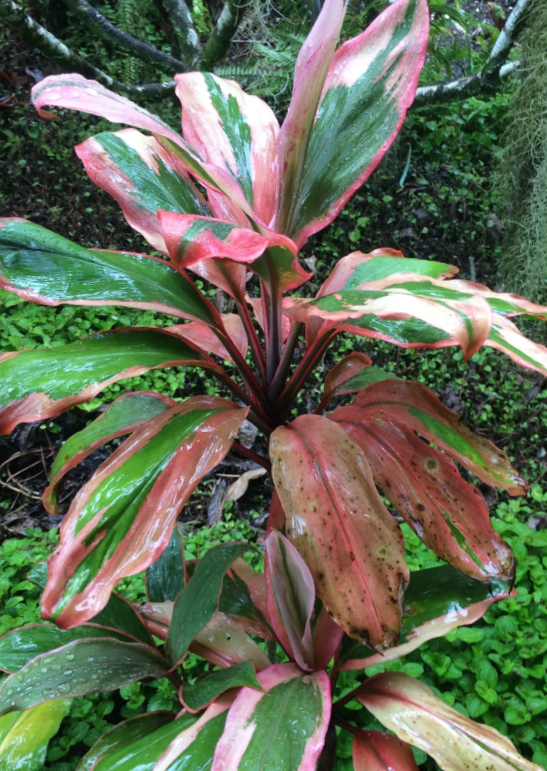
Ti-Plant
Cordyline fruticosa (L.) A.Chev.
Important historical synonyms include:
- Cordyline terminalis Kunth
- Asparagus terminalis L.
- Convallaria fruticosa L.
- Cordyline ferrea (L.) Endl.
- Dracaena ferrea L.
- Dracaena terminalis (L.) Lam.
- Taetsia fruticosa (L.) Merr.
- Taetsia terminalis W.Wight
- Terminalis fruticosa (L.) Kuntze
Important cultivated, horticultural, and trade names include:
- Cordyline fruticosa ‘Black Magic’
- Cordyline fruticosa ‘Candy Cane’
- Cordyline fruticosa ‘Florida Red’
- Cordyline fruticosa ‘Hawaiian Boy’
- Cordyline fruticosa ‘Maria’
- Cordyline fruticosa ‘Morning Sunshine’
- Cordyline fruticosa ‘Pink Passion’
- Cordyline fruticosa ‘Red Sister’
- Cordyline fruticosa ‘Ruby’
- Cordyline fruticosa ‘Sherbert’
- Cordyline fruticosa ‘Kiwi’
- Cordyline fruticosa ‘Bolero’
- Cordyline fruticosa ‘Tricolor’
- Commercial “ti logs” — dormant or semi-dormant stem sections sold for propagation
Important non-synonym confusion names:
- Cordyline australis (G.Forst.) Endl. — Palm Lily, New Zealand Cabbage Tree, or Tī Kōuka; separate New Zealand species with a taller branching trunk and narrower grasslike leaves
- Cordyline rubra Otto & A.Dietr. — Red Palm Lily; separate Australian species, not a red-leaved synonym of ti plant
- Cordyline indivisa (G.Forst.) Steud. — Mountain Cabbage Tree; separate New Zealand species with broader blue-green leaves
- Dracaena fragrans (L.) Ker Gawl. — Corn Plant; separate genus often confused with cane-form cordylines
- Dracaena reflexa var. angustifolia Baker — Red-Margined Dracaena; separate dracaena with narrow red-edged leaves
- Dracaena sanderiana Mast. — Lucky Bamboo; separate dracaena often sold in water
- Dracaena trifasciata (Prain) Mabb. — Snake Plant; separate dracaena formerly placed in Sansevieria
- Cordyline stricta (Sims) Endl. — Slender Palm Lily or Narrow-Leaved Palm Lily; separate cordyline
- Arecaceae palms — true palms; unrelated despite names such as palm lily, cabbage palm, or ti tree
- Lilium spp. and Hemerocallis spp. — true lilies and daylilies; unrelated plants that can cause acute kidney failure in cats
Asparagaceae
Agavaceae, Dracaenaceae, and Liliaceae may appear in older botanical, horticultural, cultural, and veterinary references.
Ti Plant; Ti-Plant; Tī Plant; Hawaiian Ti; Hawaiian Ti Plant; Baby Doll Ti Plant; Good-Luck Plant; Hawaiian Good-Luck Plant; Good Luck Tree; Ti Tree; Tī; Green Ti; Red Ti; Palm Lily; Cabbage Palm; Cabbage Tree; Terminalis Plant; Giant Dracaena.
Scientific and historical search names include Cordyline fruticosa (L.) A.Chev., Cordyline terminalis Kunth, Asparagus terminalis L., Convallaria fruticosa L., Cordyline ferrea (L.) Endl., Dracaena ferrea L., Dracaena terminalis (L.) Lam., Taetsia fruticosa (L.) Merr., Taetsia terminalis W.Wight, and Terminalis fruticosa (L.) Kuntze.
“Giant Dracaena” and similar trade names are misleading because ti plant belongs to Cordyline, not Dracaena. “Cabbage tree,” “cabbage palm,” and “palm lily” are highly ambiguous and may identify Cordyline australis, true palms, or other cordylines depending on region and trade context. “Hawaiian ti” reflects long cultural and horticultural association with Hawaii, but the recognized botanical native range of C. fruticosa is Papuasia to the western Pacific rather than Hawaii itself. Popular cultivated forms include ‘Black Magic,’ ‘Candy Cane,’ ‘Florida Red,’ ‘Hawaiian Boy,’ ‘Maria,’ ‘Morning Sunshine,’ ‘Pink Passion,’ ‘Red Sister,’ ‘Ruby,’ ‘Sherbert,’ ‘Kiwi,’ ‘Bolero,’ and ‘Tricolor.’ Differences in red, green, pink, purple, black, cream, yellow, striped, or variegated foliage do not establish reduced toxicity.
Steroidal Saponins Are the Best-Supported Toxic Constituents
The confirmed toxic constituents of Ti-Plant are steroidal saponins and related steroidal glycosides. Saponins are glycosides composed of one or more sugar chains attached to a fat-compatible non-sugar portion called an aglycone or sapogenin. Their partly water-compatible and partly lipid-compatible structure gives them detergent-like properties and allows them to interact with cell membranes. In the living animal, the most important expected effect is irritation of the gastrointestinal lining rather than predictable multiorgan failure.
Exact-species work supports this toxin class directly. Studies of Cordyline fruticosa and material long treated as Cordyline terminalis have isolated multiple steroidal saponins, steroidal glycosides, and related cholestane, spirostane, and furostane compounds from aerial tissues, leaves, and roots. That chemistry makes the page stronger than a generic “unknown irritant” listing. It also supports treating leaves, stems, roots, propagation logs, and other plant material as potentially irritating rather than limiting concern only to the colorful foliage.
Exact-Species Compounds Identified in Aboveground Tissue
Analysis of aerial portions of a cultivated Cordyline fruticosa form known as ‘Strawberries’ identified a sulfated steroidal derivative called fruticogenin A and three steroidal saponins named fruticoside K, fruticoside L, and fruticoside M. Fruticosides K and L have sulfated spirostane structures, while fruticoside M is another spirostane glycoside. These findings confirm that aboveground portions of ti plant contain structurally defined steroidal compounds.
That study was a phytochemical investigation, not a controlled dog, cat, horse, goat, rabbit, or bird poisoning trial. It does not establish which exact compound causes vomiting, whether one cultivar is more dangerous than another, how many leaves produce illness, or whether every trade form contains the same concentrations. It does establish that C. fruticosa contains the type of steroidal glycoside chemistry expected to irritate the digestive tract after chewing.
Leaf, Root, and Former Cordyline terminalis Evidence
Additional research has identified steroidal saponins from leaves, including furostane-type compounds and related glycosides. Root-focused work has isolated additional furostane saponins from Cordyline fruticosa roots. Other studies under the older name Cordyline terminalis have isolated cholestane glycosides from leaves. Because C. terminalis remains a synonym deeply embedded in nursery and veterinary poison records, those older-name studies remain relevant when the plant identity is the same.
This root and leaf evidence matters clinically. It means exposed roots during repotting, chewed stem sections, commercial “ti logs,” fallen leaves, cut shoots, and pruning waste should not be treated as safe merely because the most visually appealing part of the plant is the colorful leaf blade. The evidence also supports telling owners to preserve the whole plant, roots, and label rather than sending only one leaf photograph.
How Saponins Irritate the Digestive Tract
When Ti-Plant tissue is chewed and swallowed, steroidal saponins can contact the mouth, esophagus, stomach, and intestines. Their membrane activity can stimulate salivation, nausea-like behavior, vomiting, abdominal discomfort, reduced appetite, intestinal secretion, and diarrhea. The bitter or unpleasant taste may discourage continued chewing in some animals, but puppies, plant-chewing cats, parrots, rabbits, goats, and bored indoor animals may continue biting despite that deterrent.
Many plant saponins are absorbed inefficiently through an intact gastrointestinal tract. That limited absorption helps explain why ordinary pet exposures are usually dominated by digestive signs rather than systemic organ failure. The main medical risk in a symptomatic case often becomes fluid loss, electrolyte disturbance, aspiration after vomiting, prolonged food refusal, or complications from another plant or chemical exposure rather than a single absorbed saponin acting like a conventional systemic poison.
Bloody Vomit and Gastrointestinal Injury
Vomit may occasionally contain blood. A small fresh streak can occur after forceful retching irritates the esophagus or stomach, but it should not be dismissed automatically. Repeated bloody vomiting, dark coffee-ground material, pale gums, marked abdominal pain, inability to retain water, or weakness suggests a more significant problem and requires veterinary examination.
Blood in vomit does not prove that Ti-Plant causes a primary clotting disorder or that the animal has systemic bleeding from saponins. Other causes include foreign material, gastric ulceration, medication exposure, sharp plant fragments, another poisonous plant, pancreatitis, infection, stress gastritis, or unrelated gastrointestinal disease. The right public message is balanced: bloody vomit can occur in the clinical picture, but it is a reason for veterinary assessment, not a diagnostic fingerprint.
Laboratory Hemolysis Does Not Equal Routine Clinical Hemolysis
Some saponins can disrupt red-blood-cell membranes in laboratory systems when concentrated extracts are placed directly in contact with blood. That property should not be turned into a claim that ordinary Ti-Plant ingestion routinely causes hemolytic anemia. A swallowed saponin mixture must survive digestion, cross the intestinal barrier, reach the bloodstream, and occur at sufficient concentration before laboratory membrane activity becomes clinically relevant.
Pale gums, jaundice, dark urine, severe anemia, unusual bruising, liver failure, kidney failure, collapse, or marked laboratory abnormalities are not recognized as the expected household poisoning syndrome after a small or moderate Ti-Plant bite. Those findings should trigger investigation for dehydration, shock, onion or garlic exposure, acetaminophen, zinc, copper, red-cell parasites, immune-mediated disease, another toxin, medication exposure, chemical treatment, or unrelated illness.
Feline Mydriasis Remains Mechanistically Unresolved
Dilated pupils in cats are reported often enough after Ti-Plant exposure to remain a major feline warning sign. The mechanism is unresolved. No individual Cordyline saponin, proven atropine-like alkaloid, or confirmed anticholinergic pathway has been linked to the finding. The pupil change may occur with vomiting, salivation, appetite loss, or depression, but it does not reliably measure dose or predict severity by itself.
Pupils also dilate because of dim light, fear, pain, high blood pressure, medications, eye disease, neurologic disease, shock, or many unrelated toxins. A cat with vomiting, salivation, food refusal, and dilated pupils after chewing Ti-Plant has a compatible history, but asymmetric pupils, blindness, severe disorientation, seizures, collapse, or persistent neurologic signs should not be explained away as routine Ti-Plant poisoning.
Polysaccharides and Ordinary Plant Carbohydrates Are Not the Veterinary Toxin
Polysaccharides, starches, fibers, fructans, and structural carbohydrates occur naturally throughout plants. They should not be listed beside steroidal saponins as if ordinary plant carbohydrates were the known toxin responsible for Ti-Plant poisoning. Exact chemistry and veterinary syndrome both support steroidal saponins as the meaningful toxic class.
This distinction prevents an important public error. A plant can contain many chemically interesting carbohydrates, phenolics, pigments, and extractable compounds without each one being a veterinary toxin. The public toxin field should focus on the compounds that explain the expected animal syndrome and keep other constituents in scientific context rather than turning them into a loose list of hazards.
Poisonous Parts and Exposure Forms
No plant part has been established as safe for unrestricted animal chewing. Leaves create many household exposures because their broad, colorful blades are accessible and attractive to cats, puppies, parrots, and curious indoor pets. Exact chemistry also supports concern for aerial tissues and roots. Stems, bark, roots, flowers, berries, seeds, sap, fallen leaves, shoots, pruning waste, exposed root pieces, and propagation logs should all remain inaccessible.
Commercial “ti logs” deserve special attention because they look like chew sticks to dogs and may be handled casually during propagation. Dried leaves and old stem sections should not be treated as safe. Steroidal saponins can remain after plant tissue loses water, and long fibrous leaf strips or stem pieces may also create gagging, choking, or gastrointestinal foreign-body risk independent of chemical irritation.
No Reliable Toxic Dose
No validated toxic dose exists for dogs, cats, horses, cattle, sheep, goats, pigs, camelids, rabbits, guinea pigs, birds, reptiles, or other animals. Risk depends on species, body size, age, health, plant part, cultivar, amount chewed, whether exposure was repeated, whether tissue was fresh or dried, and whether the plant was treated with fertilizer, pesticide, fungicide, systemic insecticide, or leaf-shine product.
A small bite may cause no observable illness or one brief vomiting episode. Repeated chewing, ingestion of several leaves, swallowing root or stem material, or exposure involving small animals may cause more serious fluid loss, appetite refusal, weakness, and complications. The absence of signs after one incident should not be used as proof that the plant is safe or that future access can continue.
Onset and Early Progression
Vomiting is the most consistently documented sign after Ti-Plant ingestion. Signs may begin within several hours, although a precise onset interval has not been established for every species, plant part, or cultivar. Some dogs and cats vomit once and recover quickly, while others develop repeated vomiting accompanied by salivation, appetite loss, depression, abdominal discomfort, diarrhea, weakness, or abnormal behavior.
Early signs may include lip licking, drooling, repeated swallowing, foamy saliva, hiding, restlessness, sniffing food and turning away, or lying quietly. A mild case that is improving differs from an animal that vomits repeatedly, cannot retain water, refuses all food, becomes weak, develops incoordination, or shows abnormal pupils. Monitoring should focus on vomiting frequency, hydration, appetite, stool, energy, coordination, pupil size in cats, and whether another plant or chemical was involved.
Vomiting, Bloody Vomit, and Dehydration
Vomiting may contain plant fragments, food, bile, foam, or occasionally blood. A small fresh streak can result from forceful retching, but repeated bloody vomiting, dark coffee-ground material, marked abdominal pain, pale gums, collapse, or inability to retain water is not a trivial sign. These findings may indicate more substantial gastrointestinal injury or another exposure layered on top of Ti-Plant ingestion.
Continuing vomiting and diarrhea can produce dehydration, tacky gums, sunken eyes, reduced skin elasticity, decreased urination, weakness, poor circulation, and electrolyte disturbance. Puppies, kittens, toy breeds, senior animals, animals with kidney or heart disease, and small exotic species may become dehydrated more quickly than healthy adults. Dehydration can also make kidney values look worse secondarily, even though primary kidney failure is not the expected Ti-Plant mechanism.
Salivation, Mouth Signs, and Swallowing
Excessive salivation may appear as strings of drool, wet fur around the mouth, repeated swallowing, lip licking, foamy saliva, or a nauseated appearance. This usually reflects unpleasant taste and gastrointestinal irritation. Ti-Plant is not primarily an insoluble-calcium-oxalate raphide plant, so severe burning oral pain, dramatic tongue swelling, choking, and extensive mouth ulceration are not the expected core syndrome.
Pronounced mouth pain, severe oral swelling, inability to swallow saliva, coughing, choking, nasal reflux, or difficulty breathing should raise concern for another plant, a foreign body, caustic chemical, allergic reaction, choke, aspiration, or mixed ornamental exposure. Those signs still require veterinary care even when Ti-Plant is present, because the question is not whether Ti-Plant usually causes them; it is whether the individual animal can swallow and breathe safely.
Diarrhea and Abdominal Discomfort
Diarrhea is a plausible saponin-associated gastrointestinal effect, although it is less consistently emphasized than vomiting, hypersalivation, appetite loss, and depression. Stool may become soft or watery after a larger exposure. Abdominal discomfort may appear as restlessness, stretching, prayer posture, flank-looking, guarding, reluctance to move, vocalizing, or a tense abdomen.
Persistent watery diarrhea, bloody diarrhea, black stool, severe abdominal pain, repeated unproductive retching, or signs of obstruction should not be assumed to be ordinary Ti-Plant irritation. Long fibrous leaves, tough stems, potting material, nursery tags, plastic pieces, or another plant may be part of the exposure. Veterinary examination may be needed to distinguish chemical irritation from a foreign-body or gastrointestinal disease problem.
Cats: Dilated Pupils and Supportive Interpretation
Cats may develop noticeably dilated pupils after Ti-Plant ingestion. The pupils may remain enlarged in lighting that would normally cause constriction, making the cat appear wide-eyed or unusually light-sensitive. This sign is characteristic enough to preserve in the page, but it is not specific enough to diagnose Ti-Plant by itself.
Fear, pain, medications, high blood pressure, eye disease, low environmental light, shock, neurologic disorders, and many unrelated toxins can also enlarge pupils. A cat with vomiting, salivation, food refusal, depression, and a known Ti-Plant exposure fits the syndrome. A cat with asymmetric pupils, blindness, severe disorientation, seizures, collapse, or persistent neurologic changes needs a broader workup.
Weakness, Depression, and Incoordination
Reduced appetite and depression frequently accompany digestive signs. The animal may sniff food and turn away, hide, sleep more than usual, appear reluctant to move, or show less interest in normal activity. Mild weakness may reflect nausea, abdominal discomfort, reduced intake, or early dehydration.
True incoordination, repeated falling, abnormal eye movements, tremors, profound disorientation, inability to stand, or seizures is not the expected uncomplicated Ti-Plant presentation. These findings require investigation for dehydration, hypoglycemia, medications, pesticides, cannabis, vestibular disease, neurologic disease, another poisonous substance, or severe systemic illness. Ti-Plant should not become a convenient explanation for every neurologic-looking sign.
Dogs and Puppies
Dogs may chew broad colorful leaves, fallen foliage, exposed roots, stem sections, propagation logs, or pruning waste. Puppies may bite the plant during play or teething and may carry detached leaves or ti logs like toys. Expected signs include vomiting, drooling, reduced appetite, depression, diarrhea, abdominal discomfort, temporary weakness, and dehydration when fluid loss continues.
Concern increases when vomiting is repeated, blood appears, the dog cannot keep water down, abdominal pain is marked, weakness progresses, coordination becomes abnormal, or a long leaf strip or stem section may have been swallowed. A dog that chewed a recently treated plant deserves extra caution because fertilizers, systemic insecticides, fungicides, leaf-shine products, potting additives, and pesticides may change the case.
Cats and Kittens
Cats may chew the broad colorful leaves, pull at fallen foliage, dig around exposed roots, or play with small stem sections. They may also return repeatedly to the same plant, producing a larger cumulative exposure than one witnessed bite suggests. Expected signs include vomiting, excessive salivation, appetite loss, depression, dilated pupils, and sometimes diarrhea, abdominal discomfort, weakness, or incoordination.
Persistent food refusal in cats is medically important. A cat that continues refusing food after vomiting, becomes dehydrated, develops persistent mydriasis, weakens, or shows abnormal coordination needs veterinary attention. Cats should never receive hydrogen peroxide as a home emetic after Ti-Plant exposure.
Horses, Ponies, Donkeys, and Mules
Horses are classified as susceptible, although detailed exact-species equine case reports are limited. Because horses cannot vomit, the syndrome will not look identical to dogs and cats. Possible signs include salivation, feed refusal, depression, abdominal discomfort, soft stool or diarrhea, weakness, and colic-like behavior.
Exposure is most plausible through tropical landscaping, stable decorations, greenhouse waste, event flowers, discarded houseplants, or ornamental clippings. Severe colic, profuse diarrhea, collapse, neurologic signs, nasal reflux, abnormal breathing, or several affected horses should trigger investigation of the entire exposure site for mixed plants, pesticides, mold, contaminated feed, and foreign material. Do not drench an affected horse, especially if it is salivating, coughing, weak, or swallowing abnormally.
Livestock, Goats, Camelids, Pigs, and Poultry
Cattle, sheep, goats, camelids, pigs, and poultry may encounter Ti-Plant through tropical landscaping, greenhouse waste, florist refuse, event decorations, compost, or ornamental clippings dumped into pens. Goats and other browsing animals may sample leaves and stems more readily than ordinary grazing animals. Pigs may root through discarded pots, roots, and logs.
Possible signs include salivation, appetite reduction, depression, diarrhea, abdominal discomfort, weakness, reduced cud chewing, reduced production, or abnormal quietness. Group illness should never be attributed automatically to Ti-Plant alone. Mixed waste may contain dracaena, oleander, yew, lilies, sago palm, philodendron, dieffenbachia, fertilizers, pesticides, floral preservatives, plastic ties, wire, or spoiled plant material.
Rabbits, Guinea Pigs, Birds, Reptiles, and Other Small Animals
Rabbits, guinea pigs, chinchillas, and several other small mammals cannot vomit. Possible signs include appetite loss, tooth grinding, abdominal discomfort, diarrhea, lethargy, reduced fecal output, or quiet behavior. Prolonged food refusal can become more dangerous than the original mild gastrointestinal irritation because gastrointestinal hypomotility or stasis may develop.
Parrots and other birds may shred the fibrous leaves, stems, or propagation logs repeatedly, exposing the beak, tongue, crop, and gastrointestinal tract. Regurgitation, food refusal, altered droppings, weakness, poor perching, or abnormal coordination requires avian veterinary advice. Reptiles and tortoises should not be offered Ti-Plant as enclosure greenery or browse because species-specific safe doses are not established and plant chemistry, pesticide residues, and fibrous material may create risk.
Atypical or Severe Signs
Seizures, coma, primary kidney failure, permanent liver damage, clinical hemolytic anemia, severe bleeding disorders, and predictable fatality are not ordinary effects of uncomplicated Ti-Plant ingestion. Severe findings may occur secondarily through dehydration, aspiration, shock, hypoglycemia, chemical exposure, another plant, medication, infection, foreign material, or unrelated disease.
Most limited dog and cat exposures have a favorable prognosis. Mild salivation, vomiting, appetite loss, or depression often improves within several hours and resolves within approximately one or two days. Repeated or bloody vomiting, dehydration, progressive weakness, incoordination, collapse, abnormal breathing, food refusal in small animals, or symptoms that continue beyond the expected mild course require veterinary reassessment.
Cordyline terminalis Is Now Cordyline fruticosa
The accepted botanical name for Ti-Plant is Cordyline fruticosa. The older name Cordyline terminalis remains deeply embedded in nursery tags, cultural writing, houseplant books, landscaping records, and veterinary poison-control references. Both names may appear on the same type of plant, and retaining the older name in identification material helps owners and veterinarians connect older toxicology records with current taxonomy.
The page name should remain Ti-Plant because that is the controlling common-name identity for this node. The scientific field should use Cordyline fruticosa, with Cordyline terminalis and related historical combinations preserved in the synonym group. This avoids relabeling the page as dracaena, palm lily, cabbage tree, or another overlapping trade name.
Current Family Classification
Ti-Plant is currently placed in Asparagaceae. Older botanical, horticultural, and veterinary references may place it in Agavaceae, Dracaenaceae, or Liliaceae. These classification changes reflect revised understanding of relationships among cordylines, dracaenas, asparagus relatives, and other monocots.
The family change does not mean that older toxicity records belong to a different plant. A poison-control entry using Cordyline terminalis in Agavaceae may still refer to the same Ti-Plant covered here. Identification should rely on the scientific name, synonym history, plant morphology, and label photographs rather than one older family placement.
Native Range and Pacific Cultivation
Current botanical treatment places Cordyline fruticosa from Papuasia into the western Pacific. It is associated with wet tropical environments and is cultivated widely across the Pacific, tropical Asia, Polynesia, the Caribbean, Central America, and other warm regions. Hawaii lies outside the recognized strict native range but has a deep cultural and horticultural relationship with the plant.
That history explains common names such as Hawaiian ti, Hawaiian good-luck plant, and good-luck plant. Cultural use does not change veterinary risk. A plant can have long human ceremonial, fiber, landscaping, medicinal, or traditional uses and still be inappropriate for raw chewing by dogs, cats, horses, rabbits, birds, livestock, or other animals.
How to Identify Ti-Plant
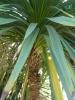
Ti-Plant is an upright evergreen shrub or small tree with slender cane-like stems. Outdoor plants in tropical climates may reach roughly 9 to 15 feet, while indoor container plants are usually kept smaller. Older stems show leaf scars, and new leaves cluster toward the ends of stems in a spiral or rosette-like arrangement.
The leaves are broad, lance-shaped, and often dramatically colored. Individual leaves may reach roughly 30 inches long and about 6 inches wide, although size varies by cultivar and growing conditions. Foliage may be plain green or patterned in burgundy, purple, red, magenta, pink, cream, yellow, orange, blackish tones, or combinations of those colors. Young plants may look like dense leafy rosettes, while older specimens develop visible canes.
Flowers, Berries, and Ti Logs
Mature outdoor plants may produce branching clusters of small fragrant flowers that range from white to pale pink or lavender. Red berries may follow successful pollination. Indoor container plants rarely flower or fruit, but berries should still be included in poison-prevention guidance because tropical landscape plants may produce them.
Commercial stem sections sold as “ti logs” can produce roots and leafy shoots when planted or kept under suitable conditions. These logs remain plant material and should not be treated as pet-safe chew toys. Dogs may carry them like sticks, puppies may chew them during teething, and small animals may gnaw exposed tissue during propagation. Propagation water may also contain sap, plant fragments, fertilizer, microbial growth, or potting residue.
How Ti-Plant Differs from Dracaena
Ti-Plant is commonly mistaken for corn plant, Janet Craig plant, red-margined dracaena, lucky bamboo, snake plant, and other dracaenas. Both groups can develop cane-like stems and clusters of strap-shaped leaves, and both may appear on toxic-plant lists because of saponin-associated gastrointestinal signs. The overlap does not make them the same genus.
Ti leaves usually have distinct grooved petioles or narrowed leaf stalks where they attach to the stem. Many dracaenas have leaf bases that clasp the cane more directly without the same obvious petiole. Root color can help during repotting: cordyline roots are commonly white, while many dracaena roots are yellow, orange, or reddish. Root color should be used with the whole plant rather than as a stand-alone test.
Other Important Look-Alikes
Palm Lily or New Zealand Cabbage Tree, Cordyline australis, is a separate New Zealand species with a taller branching trunk and narrower, more grasslike leaves. Red Palm Lily, Cordyline rubra, is a separate Australian species. Mountain Cabbage Tree, Cordyline indivisa, is another separate New Zealand species with broader blue-green leaves and a different growth habit. “Cabbage tree” and “palm lily” are therefore unsafe as exact poison-identification terms without the scientific name.
True palms belong to Arecaceae and are not cordylines. True lilies and daylilies belong to Lilium and Hemerocallis and have a completely different toxicology, especially in cats. Yuccas, phormiums, alocasias, crotons, calatheas, and other tropical foliage plants may be confused in landscape or interiorscape settings. A photograph of the entire plant, leaf bases, roots, pot label, and exposure site is more useful than one close-up of a colorful leaf.
Exact-Species Steroidal-Saponin Evidence
Research on the aerial portions of a cultivated Cordyline fruticosa form identified fruticogenin A and steroidal saponins named fruticoside K, fruticoside L, and fruticoside M. Other work on leaves and roots has isolated additional steroidal glycosides, including furostane and spirostane compounds. Older-name research on Cordyline terminalis has also identified cholestane glycosides from leaves.
These studies were phytochemical investigations rather than veterinary dosing trials. They confirm that steroidal saponin chemistry occurs in several plant tissues, but they do not prove which compound causes vomiting, which cultivar is most toxic, why cats sometimes develop dilated pupils, or how many leaves will make an individual animal sick. The public page should therefore use them to support toxin class and plant-part caution while avoiding false precision.
Why Saponins Cause Gastrointestinal Illness
Saponins contain sugar chains joined to a lipid-compatible steroidal structure. This combination allows them to interact with biological membranes and gives many saponin-containing extracts their soaplike foaming properties. When swallowed, they can irritate the stomach and intestinal lining, promoting salivation, nausea-like behavior, vomiting, intestinal secretion, abdominal discomfort, appetite loss, and diarrhea.
Limited absorption keeps many naturally occurring exposures dominated by gastrointestinal signs. This is why most dog and cat cases recover with removal from the source and supportive care. Laboratory membrane activity, cytotoxicity testing, and antimicrobial assays should not be converted into claims that ordinary chewing causes predictable hemolysis, liver failure, kidney failure, or anticancer/medicinal effects in pets.
Dilated Pupils in Cats
Dilated pupils are specifically reported in cats after Ti-Plant ingestion. The mechanism has not been identified. The finding can support the exposure history when it occurs with vomiting, salivation, appetite loss, depression, or weakness, but it is not specific enough to identify the plant or estimate the dose.
Lighting, fear, pain, hypertension, medications, eye disease, neurologic disorders, shock, and other toxins can also cause mydriasis. A cat with persistent or asymmetric pupil changes, blindness, severe disorientation, seizures, collapse, or abnormal coordination deserves broader veterinary evaluation rather than being managed as a simple plant upset.
Dogs and Cats
The strongest documented effects in dogs and cats are vomiting, excessive salivation, appetite loss, and depression. Vomit may occasionally contain blood. Diarrhea, abdominal discomfort, weakness, or incoordination may occur but are less consistently documented. Cats may also develop dilated pupils.
Cats may chew broad colorful leaves, play with fallen foliage, or repeatedly return to a plant positioned near windows, furniture, or shelves. Puppies may bite stems, roots exposed during repotting, new shoots, or propagation logs. Repeated plant chewing may reflect curiosity or boredom, but it can also accompany pica, dental pain, stress, gastrointestinal disease, dietary problems, or compulsive behavior that deserves separate evaluation after the acute exposure is controlled.
Horses and Livestock
Ti-Plant is classified as toxic to horses, although detailed exact-species equine case reports are limited. Exposure is most likely through tropical landscaping, greenhouse waste, event decorations, discarded houseplants, interiorscape removal, or ornamental clippings placed in animal areas. Possible signs include salivation, feed refusal, depression, abdominal discomfort, diarrhea, weakness, and colic-like behavior.
Goats and other browsing animals may sample leaves and stems more readily than ordinary grazing animals. Pigs may root through discarded pots and propagation logs. Poultry may peck fallen leaves or berries. No Ti-Plant material should be placed in a paddock, pasture, livestock pen, rabbit enclosure, poultry run, aviary, tortoise enclosure, dog yard, or feed pile. Illness affecting several animals should trigger examination of the complete waste pile because other ornamentals, fertilizers, pesticides, floral chemicals, mold, and foreign material may be present.
Birds, Rabbits, Reptiles, and Other Small Animals
Species-specific evidence is limited, but prevention should be strict. Parrots may shred fibrous leaves and stems repeatedly, potentially receiving a substantial exposure relative to body weight. Regurgitation, food refusal, altered droppings, weakness, poor perching, or abnormal coordination after contact requires avian veterinary advice.
Rabbits and guinea pigs cannot vomit. Appetite loss, tooth grinding, abdominal discomfort, diarrhea, lethargy, or reduced fecal output may be the first signs. Persistent refusal to eat requires prompt veterinary attention because gastrointestinal hypomotility or stasis can develop. Reptiles and tortoises should not be offered Ti-Plant as enclosure greenery, browse, shade cover, or decorative foliage because species-specific safe doses are not established and pesticide or fertilizer residues may be present.
Diagnosis and Differential Diagnosis
Diagnosis usually depends on a credible exposure, correct plant identification, and compatible clinical signs. Useful photographs show the entire plant, leaf colors, leaf-stalk attachment, stems, roots, flowers, berries, nursery label, cultivar name, pot, propagation log, and the portion that was chewed. No routine clinical assay detects Ti-Plant saponins.
Important differentials include dracaena, yucca, other cordylines, true lilies in cats, insoluble-oxalate aroids, croton, oleander, sago palm, pesticides, fertilizers, systemic insecticides, fungicides, leaf-shine products, foreign material, potting media, cannabis, medications, pancreatitis, infectious gastroenteritis, vestibular disease, hypoglycemia, and unrelated neurologic or gastrointestinal disease. Repeated vomiting, blood, dehydration, weakness, incoordination, persistent illness, or signs inconsistent with a mild saponin exposure may justify complete blood count, serum chemistry, electrolytes, urinalysis, imaging, or other testing.
Veterinary Treatment and Prognosis
No specific antidote is available. Treatment is based on clinical signs and may include veterinarian-selected antiemetic medication, fluid and electrolyte therapy, gastrointestinal support, nutritional support, pain control when appropriate, and monitoring of hydration, coordination, pupil size, and appetite. Veterinarian-induced vomiting may be considered after a recent substantial ingestion only when the animal is alert, stable, not already vomiting significantly, and able to protect its airway. Activated charcoal is a case-specific decision rather than routine treatment.
Most limited dog and cat exposures have a good prognosis. Mild vomiting, salivation, appetite loss, or depression often improves within several hours and resolves within approximately one or two days. The outlook becomes more guarded when vomiting is persistent or bloody, dehydration is substantial, weakness or incoordination progresses, plant material is aspirated, food refusal continues in a small animal, or another toxic plant or chemical was involved.
Prevention
Keep Ti-Plants in a room or secure plant enclosure animals cannot enter. Elevation alone may not protect the plant from a climbing cat, and long leaves or fallen foliage may remain within reach. Collect every fallen leaf, stem section, root piece, berry, shoot, and propagation log after pruning or repotting. Prevent animals from drinking water used to root stem sections or from chewing ti logs before they sprout.
Label the plant with both Cordyline fruticosa and the former name Cordyline terminalis. Retain the cultivar name when known because coloration alone may not distinguish Ti-Plant from dracaenas, palm lilies, red palm lilies, or other tropical foliage plants. Do not discard Ti-Plant material into animal enclosures, compost accessible to animals, greenhouse waste piles, feed areas, bird rooms, rabbit areas, reptile enclosures, poultry runs, or paddock edges.
Immediate Steps After Ingestion
Prevent further access. Move the animal away from the plant and collect fallen leaves, chewed stems, exposed roots, berries, shoots, propagation logs, pruning waste, potting debris, and treated plant material before another animal reaches them. Ti-Plant usually causes a gastrointestinal saponin syndrome, but repeated vomiting, blood in vomit, dehydration, incoordination, feline mydriasis, or exposure involving a small animal can make the case more serious.
- Remove loose material safely: If the animal is alert and cooperative, clear visible plant pieces from the lips and front of the mouth. Do not reach deeply into the throat or risk being bitten.
- Gently clear visible residue: Wipe the lips and front of the mouth with a damp cloth. An alert animal that is swallowing normally may have access to a small amount of clean water, but nothing should be forced.
- Preserve identification evidence: Photograph the complete plant, leaf colors, leaf-stalk attachment, stems, roots, flowers, berries, nursery label, cultivar name, pot, propagation log, and chewed area. Save a representative plant piece securely.
- Check for chemical treatments: Determine whether fertilizer, pesticide, systemic insecticide, fungicide, leaf-shine product, rooting hormone, or another chemical was recently applied and report that information to the veterinarian.
- Contact a veterinarian or animal poison-control service: Report the animal’s species, weight, estimated amount, plant part, time of exposure, vomiting, drooling, appetite, stool, hydration, pupil size, coordination, breathing, and existing health conditions.
Skin, Fur, or Eye Contact
Rinse sap from skin or fur with lukewarm water and prevent grooming until visible residue has been removed. Wear gloves when handling cut stems, roots, propagation logs, sap-covered fur, vomit, or pruning waste. Do not apply alcohol, peroxide, essential oils, topical anesthetics, steroid creams, antibiotic ointments, human anti-itch products, or herbal rinses unless a veterinarian directs it.
Flush an exposed eye gently with sterile saline or clean lukewarm water. Do not rub the eye or use medicated human eye drops. Continued squinting, redness, tearing, cloudiness, swelling, discharge, or refusal to open the eye requires veterinary evaluation, especially when the plant was chemically treated or another plant was involved.
Do Not Attempt Unsupervised Home Treatment
- Do not induce vomiting: Hydrogen peroxide, salt, mustard, syrup of ipecac, and manual gagging can cause stomach injury, prolonged vomiting, esophageal irritation, or aspiration. Cats should never receive hydrogen peroxide as a home emetic.
- Do not administer activated charcoal automatically: Its benefit for a predominantly gastrointestinal saponin exposure is uncertain, and it may be aspirated by an animal that is already vomiting, weak, uncoordinated, sedated, or swallowing poorly.
- Do not force food or fluids: Large amounts of water, milk, oil, broth, or food may trigger additional vomiting or enter the lungs.
- Do not give antidiarrheal or stomach medication without veterinary direction: Kaopectate, Kapectolin, bismuth products, loperamide, sucralfate, antacids, probiotics, and antiemetics are not universal antidotes.
- Do not give human pain medication: Ibuprofen, naproxen, acetaminophen, aspirin, and other human products can create a separate and more dangerous poisoning.
- Do not give antibiotics or corticosteroids as plant antidotes: They do not neutralize saponins and should be used only when the veterinarian identifies a reason.
- Do not drench horses or livestock: Forced oral treatment can be aspirated, especially by an animal that is weak, coughing, salivating, bloated, recumbent, or swallowing abnormally.
When Emergency Examination Is Especially Important
- Vomiting is repeated or contains blood: Continuing vomiting can cause dehydration, electrolyte abnormalities, esophageal irritation, and aspiration, and blood may indicate more than a trivial exposure.
- The animal cannot retain water: Repeated vomiting after drinking increases the need for professional fluid therapy.
- Weakness or depression is pronounced: Inability to stand, collapse, pale gums, abnormal temperature, or reduced responsiveness requires immediate assessment.
- Coordination is abnormal: Staggering, falling, tremors, disorientation, abnormal eye movements, or inability to walk normally may indicate dehydration, another toxin, low blood sugar, vestibular disease, or neurologic illness.
- Breathing or swallowing is abnormal: Coughing, choking, noisy breathing, nasal reflux, inability to handle saliva, or suspected aspiration requires urgent care.
- A cat has persistent dilated pupils or food refusal: Mydriasis can fit Ti-Plant exposure, but persistent or severe signs need veterinary interpretation.
- A small animal stops eating: Food refusal in rabbits, guinea pigs, birds, reptiles, or other small pets can quickly lead to secondary complications.
- Several animals are affected: Group illness raises concern for chemically treated plants, mixed ornamental clippings, contaminated feed, spoiled plant waste, or another shared exposure.
Veterinary Treatment
The veterinarian will assess hydration, abdominal comfort, swallowing, heart rate, pupil size, coordination, mucous-membrane color, vomiting frequency, diarrhea, appetite, and possible exposure to other plants or chemicals. Treatment is based on clinical severity rather than a fixed amount of plant material. Plant identification and chemical-treatment history are important because no routine clinical assay detects Ti-Plant saponins.
Supportive care may include veterinarian-selected antiemetic medication, intravenous or subcutaneous fluids, electrolyte correction, gastrointestinal protectants, nutritional support, pain control when indicated, and monitoring of coordination and hydration. Persistent weakness or incoordination may require blood glucose measurement, neurologic examination, complete blood count, serum chemistry, electrolytes, urinalysis, imaging, and investigation for additional toxins.
Veterinarian-induced vomiting may be considered after a recent substantial ingestion only when the animal is alert, stable, not already vomiting significantly, and able to protect its airway. Activated charcoal is a case-specific veterinary decision rather than routine treatment, particularly once spontaneous vomiting has begun or when coordination, airway protection, or swallowing is abnormal.
Dogs and Cats
Dogs should be monitored for vomiting frequency, blood in vomit, diarrhea, drooling, appetite, abdominal pain, hydration, gum color, urination, weakness, and coordination. Puppies that chewed stems, roots, or propagation logs may have swallowed more than the visible leaf damage suggests. Bloody vomiting, repeated vomiting, severe lethargy, possible obstruction from fibrous leaves, or abnormal coordination requires veterinary assessment.
Cats should be monitored for vomiting, salivation, food refusal, depression, weakness, incoordination, and pupil size. Dilated pupils can fit Ti-Plant exposure, but they are not specific. A cat with persistent food refusal, open-mouth breathing, collapse, asymmetric pupils, blindness, severe disorientation, or continuing vomiting needs veterinary care. Never give hydrogen peroxide to a cat as a home emetic.
Horses and Livestock
Horses, goats, sheep, cattle, camelids, pigs, poultry, and other livestock should be moved away from tropical landscaping, greenhouse waste, stable decorations, event flowers, interiorscape debris, discarded pots, and mixed ornamental clippings. Provide safe forage and clean water so hungry animals are not tempted to browse the same material. Save representative samples from the entire waste pile because another plant, chemical, or foreign object may be responsible for severe illness.
Do not drench affected livestock. Oil, water, milk, charcoal, electrolyte mixtures, or medication can be aspirated when an animal is weak, coughing, gagging, regurgitating, bloated, recumbent, or poorly coordinated. Horses cannot vomit, so illness may appear as salivation, feed refusal, diarrhea, depression, abdominal discomfort, weakness, or colic-like behavior rather than vomiting.
Rabbits, Guinea Pigs, Birds, Reptiles, and Small Pets
Rabbits and guinea pigs cannot vomit. Appetite loss, tooth grinding, abdominal discomfort, diarrhea, lethargy, or reduced fecal production after exposure requires prompt veterinary guidance because gastrointestinal hypomotility or stasis can become serious. Do not offer Ti-Plant leaves, stems, roots, berries, shoots, propagation logs, or florist scraps as hay, browse, bedding, chew material, or enrichment.
Birds with regurgitation, beak wiping, reduced appetite, altered droppings, weakness, poor perching, abnormal coordination, or abnormal quietness after shredding leaves or stems need avian veterinary advice. Reptiles and tortoises should not be offered Ti-Plant as enclosure greenery or browse. Species-specific safe doses are not established, and chemically treated ornamental foliage creates additional risk.
Recovery and Prognosis
Most dogs and cats with limited exposure recover fully. Mild vomiting, salivation, appetite loss, or depression often improves within several hours and resolves within approximately one or two days. Continue monitoring until appetite, hydration, stool, urination, activity, pupil size, and coordination return to normal.
Repeated vomiting, blood loss, dehydration, aspiration, progressive weakness, incoordination, foreign-body complications from fibrous leaves, or chemical co-exposure extends recovery and may indicate another exposure or medical condition. Follow-up is appropriate when appetite, activity, stool, pupil size, hydration, or coordination does not return to normal within the expected mild course.
Prevention After the Incident
Keep Ti-Plants in a room animals cannot enter or inside a secure plant enclosure. Elevation alone may not protect the plant from a climbing cat, and long leaves or fallen foliage may remain within reach. Collect every fallen leaf, stem section, root piece, berry, shoot, and propagation log after pruning, repotting, storm damage, or disposal. Prevent animals from drinking water used to root stem sections.
Do not place Ti-Plant material in horse paddocks, goat pens, livestock enclosures, rabbit areas, aviaries, poultry runs, reptile enclosures, tortoise areas, dog yards, accessible compost, or feed piles. Label the plant with both Cordyline fruticosa and Cordyline terminalis, and retain the cultivar name when known because coloration alone may not distinguish ti plant from dracaenas, palm lilies, red palm lilies, or other tropical foliage plants.
Frequently Asked Questions About Ti-Plant Poisoning
Is Cordyline terminalis still the accepted scientific name?
No. The accepted name is Cordyline fruticosa. Cordyline terminalis is a botanical synonym that remains common on nursery labels, older houseplant references, cultural literature, and veterinary poison databases. Both names may identify the same Ti-Plant, so the synonym should remain visible for search and poison-control matching.
Why do some references place Ti-Plant in Agavaceae, Dracaenaceae, or Liliaceae?
Those are older or alternative family placements. Modern botanical treatment places Cordyline fruticosa in Asparagaceae. Older references may use Agavaceae, Dracaenaceae, or Liliaceae without meaning that the plant is different. The scientific name and synonym history are more important than the older family line in a poisoning case.
What toxins have actually been found in Cordyline fruticosa?
Exact-species research has isolated multiple steroidal compounds from aerial portions, leaves, and roots. These include fruticogenin A, fruticosides K, L, and M, leaf-derived furostane and spirostane glycosides, root-derived furostane saponins, and related steroidal glycosides reported under the older Cordyline terminalis name. No individual compound has been proven to cause every veterinary sign.
Are polysaccharides a Ti-Plant toxin?
Ordinary plant polysaccharides are not established as the cause of Ti-Plant poisoning. The best-supported toxic principles are steroidal saponins and related steroidal glycosides. Listing polysaccharides as a toxin without identifying a specific harmful compound is misleading because carbohydrates and structural polysaccharides occur naturally in nearly all plants.
Is Ti-Plant the same as Dracaena?
No. Ti-Plant belongs to Cordyline, not Dracaena. Ti plants generally have grooved petioles or narrowed leaf stalks and commonly white roots, while many dracaenas have leaves attached more directly to the cane and yellow, orange, or reddish roots. Both groups can contain steroidal saponins and produce overlapping vomiting, salivation, appetite loss, depression, and feline mydriasis, but they are not botanically interchangeable.
Is Hawaiian Ti native to Hawaii?
Current botanical treatment places the species’ native range from Papuasia through the western Pacific. Ti-Plant was introduced to Hawaii and became deeply integrated into Hawaiian landscaping, cultural traditions, and common naming. The name Hawaiian ti reflects that long association rather than a strict botanical native origin. Cultural importance does not make raw ornamental leaves safe for pets or livestock.
What symptoms are most likely in dogs and cats?
The strongest documented signs are vomiting, excessive salivation, appetite loss, and depression. Vomit may occasionally contain blood. Cats may also develop dilated pupils. Diarrhea, abdominal discomfort, weakness, or incoordination may occur but are less consistently documented. Repeated or bloody vomiting, inability to retain water, collapse, or abnormal coordination requires veterinary care.
Why do cats sometimes develop dilated pupils?
The mechanism has not been identified. Mydriasis appears often enough in feline Ti-Plant reports to be considered a characteristic possible sign, but no exact saponin or atropine-like alkaloid has been shown to cause it. Fear, pain, medications, hypertension, eye disease, neurologic disorders, low light, and other toxins can also enlarge the pupils, so the sign must be interpreted with the whole case.
Which parts of Ti-Plant are poisonous?
Leaves, stems, bark, roots, sap, flowers, berries, seeds, shoots, fallen foliage, pruning waste, and propagation logs should all be treated as potentially toxic. Chemical research has demonstrated steroidal saponins and glycosides in aerial tissues, leaves, and roots. No plant part has been established as safe for unrestricted animal chewing.
Are red, pink, black, green, and variegated Ti cultivars also toxic?
Yes. ‘Red Sister,’ ‘Black Magic,’ ‘Candy Cane,’ ‘Florida Red,’ ‘Ruby,’ ‘Kiwi,’ ‘Tricolor,’ ‘Hawaiian Boy,’ ‘Pink Passion,’ ‘Bolero,’ and other cultivated forms should all be treated as saponin-containing plants. Foliage color, variegation, leaf width, or trade name does not establish that a cultivar is safe for pets.
How much Ti-Plant is dangerous?
No validated toxic dose or safe number of leaves has been established. Risk depends on the animal’s species, body size, health, amount and tissue consumed, cultivar chemistry, and whether exposure occurred once or repeatedly. A small bite may cause no signs, but the absence of illness after one incident does not establish a safe amount.
Can Ti-Plant make a pet vomit blood?
Yes, vomit may occasionally contain blood after substantial gastrointestinal irritation or repeated retching. A small streak is different from profuse bleeding, but any blood deserves veterinary guidance. Coffee-ground vomit, black stool, pale gums, weakness, severe abdominal pain, or continued vomiting requires prompt examination.
Can Ti-Plant cause kidney failure or liver failure?
Primary kidney failure and permanent liver damage are not expected after an uncomplicated Ti-Plant exposure. The expected syndrome is gastrointestinal irritation from steroidal saponins. Kidney or liver abnormalities suggest severe dehydration, shock, aspiration, another toxin, medication exposure, chemical treatment, preexisting disease, or an unrelated medical problem.
Can Ti-Plant cause hemolytic anemia?
Ordinary oral exposure is not recognized as a routine cause of hemolytic anemia. Some saponins can damage red blood cells under laboratory conditions when concentrated extracts contact blood directly, but that does not prove the same effect after chewing leaves. Pale gums, jaundice, dark urine, collapse, or anemia requires investigation for another cause.
Is Ti-Plant poisonous to horses?
Yes, it should be kept away from horses. Detailed exact-species equine cases are limited, but possible signs include salivation, feed refusal, depression, abdominal discomfort, diarrhea, weakness, and colic-like behavior. Horses cannot vomit, so the syndrome will not look like the dog or cat pattern. Do not drench an affected horse.
Is Ti-Plant poisonous to goats, sheep, cattle, camelids, pigs, or poultry?
It should not be offered to livestock or discarded into animal areas. Goats and other browsers may sample leaves and stems more readily than grazing cattle or horses, while pigs may root through discarded pots and logs. Group illness after exposure requires inspection of the entire waste pile for other ornamentals, pesticides, fertilizers, floral chemicals, mold, and foreign material.
Is Ti-Plant dangerous to rabbits or guinea pigs?
Yes, it should not be offered as food, bedding, browse, or enrichment. Rabbits and guinea pigs cannot vomit, and appetite loss can quickly become serious because gastrointestinal hypomotility or stasis may develop. Tooth grinding, diarrhea, lethargy, abdominal discomfort, or reduced fecal output after exposure requires prompt veterinary guidance.
Is Ti-Plant dangerous to birds?
Yes. Bird-specific evidence is limited, but parrots may shred leaves and stems repeatedly and receive a substantial exposure relative to body weight. Regurgitation, food refusal, altered droppings, weakness, poor perching, abnormal coordination, or unusual quietness after exposure requires avian veterinary advice.
Are commercial ti logs safe chew sticks?
No. Ti logs are stem sections capable of producing new roots and leafy shoots, and they should be treated as plant material rather than pet-safe wood. Dogs may chew them like sticks, and small animals may gnaw exposed tissue. Keep propagation logs, rooted stems, and the water used to start them away from animals.
Can dried Ti-Plant leaves still make a dog sick?
Dried leaves should not be treated as safe. Steroidal saponins can remain after plant tissue loses water, and the long fibrous strips can also cause gagging, vomiting, or gastrointestinal obstruction. Collect fallen leaves and place pruning waste in a closed container animals cannot reach.
Can Ti-Plant leaves become stuck in a pet’s mouth or intestines?
Yes. Long tough leaf strips may become caught around teeth, beneath the tongue, or near the throat. A swallowed wad may irritate or obstruct the gastrointestinal tract. Persistent drooling, gagging, unproductive retching, recurrent vomiting, abdominal pain, reduced stool, or continued food refusal requires veterinary examination.
Is Ti-Plant the same as Palm Lily?
No. Ti-Plant is generally Cordyline fruticosa. Palm Lily or New Zealand Cabbage Tree is usually Cordyline australis, a separate species with a taller branching trunk and narrower, more grasslike leaves. Both are listed as saponin-containing plants capable of poisoning dogs and cats, so uncertainty between them should not be treated as reassurance.
Is Ti-Plant a true lily or a true palm?
No. Ti-Plant is not a true lily and is not a true palm. True lilies belong to Lilium and can cause fatal acute kidney failure in cats. True palms belong to Arecaceae and vary widely in animal safety. “Palm lily,” “cabbage palm,” and “ti tree” are common-name traps, not reliable botanical identities.
Should I make my pet vomit after eating Ti-Plant?
Do not induce vomiting unless a veterinarian or animal poison-control professional specifically directs it. Ti-Plant already irritates the gastrointestinal tract, and hydrogen peroxide can cause additional injury or aspiration. It must never be used as a feline emetic. A veterinarian may consider controlled vomiting only after assessing timing, amount, symptoms, species, and airway safety.
Should I give activated charcoal, Kaopectate, or sucralfate?
Do not administer these products automatically. Activated charcoal is not required for every Ti-Plant exposure and may be aspirated by a vomiting, weak, depressed, or uncoordinated animal. Antidiarrheal products may be inappropriate, and sucralfate is a prescription medication selected according to the actual gastrointestinal injury. A veterinarian should decide whether any of them is useful.
How do veterinarians treat Ti-Plant poisoning?
There is no specific antidote. Treatment may include antiemetic medication, fluids, electrolyte correction, veterinarian-selected gastrointestinal protectants, nutritional support, pain control when needed, and monitoring of hydration, appetite, coordination, and pupil size. Imaging or endoscopy may be needed when long fibrous leaves, stems, potting material, or foreign objects could be lodged in the mouth, esophagus, stomach, or intestines.
What signs do not fit an uncomplicated Ti-Plant exposure?
Seizures, coma, jaundice, dark urine, primary kidney failure, liver failure, severe anemia, severe bleeding, profound neurologic signs, or prolonged systemic illness does not fit the ordinary Ti-Plant syndrome. These findings require investigation for another toxin, medication, chemical treatment, severe dehydration, aspiration, infection, neurologic disease, or unrelated medical emergency.
What is the usual prognosis?
The prognosis is generally good after a limited exposure. Mild salivation, vomiting, appetite loss, or depression often improves within several hours and resolves within one or two days. Persistent or bloody vomiting, substantial dehydration, progressive weakness, incoordination, possible obstruction from fibrous leaves, or exposure to another chemical or plant makes the case more serious.
How can Ti-Plant exposure be prevented?
Keep Ti-Plants in rooms animals cannot enter or inside secure plant enclosures. Collect fallen leaves, stem sections, roots, berries, shoots, and propagation logs after pruning or repotting. Do not discard Ti-Plant material into paddocks, livestock pens, rabbit areas, poultry runs, aviaries, reptile enclosures, dog yards, or accessible compost. Label the plant with both Cordyline fruticosa and Cordyline terminalis.