Umbrella Tree Oral Irritation, Insoluble Oxalates, Schefflera Saponins, Sap Dermatitis, and Rare Ataxia-Leukopenia Reports
Is Umbrella Tree Poisonous to Dogs, Cats, Horses, and Livestock?
Yes—Umbrella Tree, Heptapleurum actinophyllum (Endl.) Lowry & G.M.Plunkett, is poisonous to dogs and cats and should be treated as an inappropriate, irritating plant for horses, livestock, rabbits, birds, reptiles, and other animals. This large tropical houseplant and landscape tree is still widely labeled Schefflera actinophylla or Brassaia actinophylla. Leaves, petioles, stems, bark, roots, flowers, fruit, sap, fallen leaflets, pruning debris, and potting or landscape waste should remain inaccessible. The best-supported toxic principles are irritant plant constituents rather than one proven lethal molecule: veterinary references list insoluble calcium oxalate crystals, saponins, terpenoid or phytosteroid-type compounds, and other sap constituents.
Most animal exposures cause oral burning or irritation, drooling, lip licking, pawing at the mouth, appetite loss, vomiting, diarrhea, abdominal discomfort, and temporary lethargy. Sap can irritate the skin or eyes, and repeated contact may produce allergic dermatitis in sensitized individuals. A single published dog case reported moderate ataxia, anorexia, vomiting, plant material in vomit, and leukopenia after eating Umbrella Tree leaves and small stems, but those findings are unusual and should not be presented as the expected outcome of every exposure. Staggering, profound weakness, persistent vomiting, respiratory signs, severe facial swelling, eye injury, or a low white-blood-cell count deserves veterinary evaluation and investigation for pesticides, fertilizers, medications, infection, foreign material, or another toxin.
About this guide: This page provides general pet-poisoning information and cannot diagnose or treat an individual animal. For any suspected exposure, contact a veterinarian or animal poison-control service immediately. Do not induce vomiting, give medication, or attempt home decontamination unless directed by a veterinary professional.
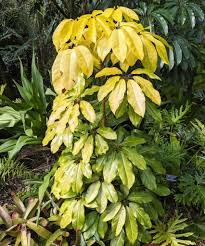
Umbrella Tree
Heptapleurum actinophyllum (Endl.) Lowry & G.M.Plunkett
Important botanical synonyms and former combinations include:
- Brassaia actinophylla Endl.
- Schefflera actinophylla (Endl.) Harms
- Aralia longipes W.Bull
- Brassaia singaporensis Ridl.
Important taxonomy and search-note context:
- Heptapleurum actinophyllum is the accepted modern name for the large Australian-New Guinea Umbrella Tree or Octopus Tree.
- Schefflera actinophylla remains the most common name in older veterinary toxicology, houseplant, invasive-plant, and landscaping references.
- Brassaia actinophylla remains common in older botanical, dermatology, and toxicology literature and should be preserved for research retrieval.
Important non-synonym confusion names:
- Heptapleurum arboricola (Hayata) Lowry & G.M.Plunkett — Dwarf Umbrella Tree, Dwarf Schefflera, Hawaiian Schefflera, or commonly still Schefflera arboricola; separate but related houseplant species
- Schefflera arboricola (Hayata) Merr. — older name for Dwarf Umbrella Tree; not the large Umbrella Tree covered on this page
- Cyperus alternifolius L. — Umbrella Plant or Umbrella Sedge; unrelated sedge with a different plant structure and toxicology profile
- Darmera peltata (Torr. ex Benth.) Voss — Umbrella Plant or Indian Rhubarb; unrelated Saxifragaceae plant
- Diphylleia cymosa Michx. — Umbrella Leaf; unrelated woodland plant
- Magnolia tripetala (L.) L. — Umbrella Magnolia; unrelated tree, not a Schefflera-type houseplant
- Hedera helix L. — English Ivy; same family, Araliaceae, and relevant to dermatitis cross-reaction discussions, but not Umbrella Tree
Araliaceae
Commonly called the Ginseng, Ivy, or Aralia family.
Umbrella Tree; Australian Umbrella Tree; Queensland Umbrella Tree; Queensland Umbrella-Tree; Octopus Tree; Octopus-Tree; Australian Ivy Palm; Australian Ivy-Palm; Ivy Palm; Queensland Ivy Palm; Starleaf; Star Leaf; Schefflera; Large-Leaved Schefflera; Large Leaf Schefflera; Australian Schefflera; Queensland Schefflera; Schefflera Tree; Amate; Heptapleurum actinophyllum; Schefflera actinophylla; Brassaia actinophylla.
Historical, taxonomic, and search variations include Heptapleurum actinophyllum (Endl.) Lowry & G.M.Plunkett, Schefflera actinophylla (Endl.) Harms, Brassaia actinophylla Endl., Aralia longipes W.Bull, and Brassaia singaporensis Ridl. Common spelling and label variations include Schefflera actinophylla, Schefflera actinophyla, Brassaia actinophylla, Brassaia actinophyla, umbrella plant tree, octopus plant, and Australian ivy palm.
“Dwarf Umbrella Tree,” “Dwarf Schefflera,” “Hawaiian Schefflera,” and many small variegated houseplants sold simply as “Schefflera” usually refer to Heptapleurum arboricola, formerly Schefflera arboricola, not the large H. actinophyllum tree. “Umbrella Plant” is highly ambiguous and is also used for unrelated plants such as Cyperus alternifolius, Darmera peltata, Diphylleia cymosa, and several other species. For poisoning triage, identify whether the animal chewed the large Umbrella Tree / Octopus Tree, the dwarf houseplant Schefflera, or an unrelated plant that happens to share the umbrella name.
Multiple Irritant Constituents Rather Than One Confirmed Lethal Toxin
Umbrella Tree contains several classes of potentially irritating constituents rather than one well-defined lethal compound. Veterinary references commonly list insoluble calcium oxalates, saponins, and terpenoids. Species-specific phytochemical screening of Brassaia actinophylla leaves has detected saponins, phytosteroid-type constituents, tannins in selected extracts, antioxidant activity, and laboratory hemolytic activity in concentrated extracts. These findings confirm biologically active plant chemistry, but they do not establish a precise animal toxic dose, a single molecule responsible for every sign, or predictable fatal poisoning after ordinary leaf chewing.
The practical syndrome is usually local and gastrointestinal: oral irritation, drooling, vomiting, diarrhea, reduced appetite, abdominal discomfort, and transient lethargy. More serious signs usually arise because the exposure is large, the animal is small or medically fragile, vomiting or diarrhea causes dehydration, sap reaches the eye, the patient is sensitized to plant allergens, plant fiber or potting material causes obstruction, or the animal also swallowed fertilizer, pesticide, mold, soil, decorative stones, medication, or another toxic plant.
Insoluble Calcium Oxalate: Contact Injury, Not Soluble-Oxalate Kidney Poisoning
Insoluble calcium oxalate occurs as crystalline mineral deposits within plant tissue. In many plant-poison summaries these crystals are described as raphides—microscopic needle-like structures capable of irritating the lips, tongue, gums, pharynx, and upper gastrointestinal tract when chewing damages the plant. The crystals are stored inside specialized cells; crushing a leaflet, petiole, stem, or root can rupture those cells and release the mineral material along with sap and other irritants.
The result is local tissue irritation. Animals may immediately lick their lips, drool, shake the head, paw at the mouth, refuse food, gag, or become reluctant to swallow. The mouth, tongue, and gums may appear red, tender, or mildly swollen. Some animals vomit because irritated mouth and stomach tissue, plant fiber, bitter constituents, and saponins all act together.
Umbrella Tree should not be confused with soluble-oxalate poisoning. Insoluble calcium oxalate crystals act principally where they contact tissue. They do not normally dissolve in large amounts, enter the circulation, bind systemic calcium, cause marked hypocalcemia, and produce the calcium-oxalate kidney injury pattern associated with highly soluble-oxalate plants. If an animal develops kidney abnormalities after an Umbrella Tree exposure, the veterinarian should look for dehydration, another plant, another toxin, preexisting disease, or a mixed exposure rather than assuming the ordinary insoluble-oxalate mechanism explains it.
Umbrella Tree also does not consistently produce the dramatic “mouth on fire” syndrome seen with heavily raphide-loaded aroids such as Dieffenbachia, Philodendron, Monstera, Alocasia, Colocasia, and some Araceae houseplants. Oral burning and dysphagia are still plausible, but the plant’s overall syndrome is usually milder and more mixed, with saponins, sap, plant fiber, and individual sensitivity contributing alongside oxalate crystals.
Oxalate Percentage and Why It Does Not Create a Safe Dose
Toxicology summaries cite Schefflera leaf samples containing approximately 0.9 to 1.5 percent oxalate, far below concentrations measured in some strongly oxalate-rich plants. That number is useful because it calibrates the plant: Umbrella Tree is not in the same category as plants whose entire veterinary problem is massive soluble-oxalate absorption or dense raphide delivery.
The number still does not create a safe dose. Total oxalate percentage does not reveal how much exists as sharp insoluble crystals, where the crystals are concentrated, how readily they are released during chewing, whether a particular sample came from young leaves, mature leaves, stressed plants, flowers, fruit, roots, or stems, or how much plant material the animal swallowed. Clinical signs also do not correlate perfectly with total oxalate percentage because saponins, sap allergens, tissue damage, plant fiber, and co-ingested contaminants can contribute independently.
Saponins and Phytosteroid-Type Constituents
Saponins are glycosides with a water-soluble sugar portion attached to a fat-interacting triterpenoid or steroidal core. Their amphipathic structure allows them to interact with membrane sterols, create foam in aqueous extracts, and irritate mucous membranes and the gastrointestinal lining. In ordinary animal exposure, saponin effects can contribute to nausea, vomiting, diarrhea, abdominal discomfort, reduced appetite, and depression.
Species-specific leaf-extract work on Brassaia actinophylla detected saponins in methanol and water extracts, phytosteroid-type constituents across tested extracts, and tannins in selected preparations. Other work found antioxidant and antimicrobial activity in extracts of Brassaia actinophylla leaves. Those studies used laboratory extracts, not dogs, cats, horses, or livestock eating natural leaves. They support the statement that the species contains more than oxalate crystals, but they should not be exaggerated into a claim that a pet chewing one leaflet reproduces the effects of concentrated solvent extracts.
Laboratory hemolytic activity from a plant extract is also not the same as clinical hemolytic anemia after ingestion. Some plant saponins can damage red blood cells in test systems, but clinically significant hemolytic anemia is not recognized as the ordinary Umbrella Tree syndrome. Pale gums, weakness, abnormal urine color, collapse, or abnormal bloodwork should be evaluated, but not automatically blamed on predictable saponin hemolysis from this plant.
Terpenoids, Phytosteroids, and the Limits of Broad Chemical Labels
“Terpenoids” is a broad chemical category covering thousands of plant compounds built from isoprene-derived units. It includes volatile oils, sterols, triterpenes, pigments, hormones, defensive compounds, and many saponin aglycones. Listing terpenoids as a toxic principle is not the same as identifying one specific Umbrella Tree molecule with a proven receptor mechanism, dose-response curve, and expected animal syndrome.
For this page, the correct public explanation is evidence-bound: Umbrella Tree contains irritant constituents that plausibly include insoluble oxalate crystals, saponins, and terpene- or phytosteroid-type chemistry. These categories explain oral irritation, gastrointestinal upset, sap irritation, and possibly contact reactions. They do not justify claiming a predictable fatal systemic toxidrome, routine kidney failure, routine seizures, or routine blood-cell suppression.
Contact Dermatitis, Araliaceae Polyacetylenes, and Sap Sensitization
Umbrella Tree sap can cause contact dermatitis. Human cases involving Brassaia actinophylla and related Schefflera-type plants have included itchy eczematous reactions, vesicular or blister-like eruptions, and occupational dermatitis after repeated handling. Sensitization can develop over time, which means a landscaper, nursery worker, groomer, veterinarian, pet owner, or animal may react more strongly after repeated exposure than after the first contact.
Falcarinol is a reactive polyacetylene identified as a major contact allergen in Dwarf Schefflera, Heptapleurum arboricola, and other Araliaceae such as ivy. Direct species-specific isolation of falcarinol from H. actinophyllum is less firmly established than in H. arboricola, but dermatitis reports involving Brassaia actinophylla and cross-reactions with ivy support caution with the sap of both large and dwarf Schefflera-type plants.
Animal exposure can combine oral and skin effects. A dog chewing a leaf may transfer sap to the paws while pawing at the mouth. A cat may rub against a broken stem and then groom the sap from its coat. A bird, rabbit, or reptile may contact cut branches placed in an enclosure. Skin signs may include redness, itching, swelling, small vesicles, crusting, hair loss, paw chewing, face rubbing, eyelid irritation, or secondary infection after continued self-trauma.
Eye and Respiratory Irritation
Eye exposure deserves special attention because plant sap and plant particles can irritate the conjunctiva and cornea. An animal may rub sap into the eye after pawing at its mouth, or a cut branch may brush the face during pruning. Squinting, tearing, redness, eyelid swelling, pawing, cloudiness, or apparent vision change should not be managed as a simple stomach upset.
Occupational human literature also describes respiratory allergy or wheezing in sensitized people exposed to Schefflera-type plants, although severe respiratory allergy is not the usual pet presentation. In animals, noisy breathing, open-mouth breathing, wheezing, blue-gray gums, progressive throat swelling, or collapse requires immediate emergency assessment. These signs could reflect oral/pharyngeal swelling, aspiration, another allergen, another plant, pesticide exposure, or unrelated disease.
The Poodle Case and Why It Should Not Be Overgeneralized
A published veterinary toxicology account describes a 13-kilogram poodle that ate Umbrella Tree leaves and several small stems. The dog developed moderate ataxia and anorexia followed by vomiting, and plant material was present in the vomitus. A routine hematologic examination found leukopenia, with a white blood-cell count reported as 2,400 cells per cubic millimeter.
That case matters because it documents signs extending beyond ordinary mild vomiting and diarrhea. It should remain on the page. It also must be handled carefully. The report does not establish that ataxia or leukopenia are predictable after every Umbrella Tree exposure. Available summaries do not document whether the plant had been treated with pesticide, fertilizer, herbicide, household cleaner, systemic insecticide, or other product; nor do they provide serial blood counts, bone-marrow testing, a detailed infectious-disease workup, or proof that a specific Umbrella Tree chemical directly caused leukopenia.
Leukopenia can result from infection, inflammation, bone-marrow disease, immune-mediated destruction, medications, viral disease, overwhelming systemic illness, laboratory variation, stress-related cell redistribution, or toxic exposure. Ataxia can result from cannabis, sedatives, medications, tremorgenic mold, metaldehyde, hypoglycemia, vestibular disease, neurologic disease, pesticides, fertilizers, or another plant. The single poodle report is an important red flag, not a universal expectation.
Whole-Plant and Mixed-Exposure Risk
All parts of Umbrella Tree should be treated as potentially irritating. Leaves and young stems are the most common pet exposure because they are accessible, glossy, and chewable. Bark, roots, flowers, fruit, petioles, sap, fallen material, pruning waste, and potting debris may also expose animals. Large outdoor trees create additional access through fallen flowers, purple-black fruits, wind-damaged branches, bird-dropped material, and seedlings sprouting in animal areas.
The absence of a characteristic fatal toxin does not make unlimited exposure safe. A large ingestion can cause repeated vomiting, diarrhea, dehydration, electrolyte disturbance, aspiration, and physical irritation from fibrous plant material. Potting soil, decorative stones, mulch, fertilizer, pesticide, systemic insecticide, mold, compost, and foreign material may create more serious signs than the plant itself. Every meaningful exposure should be assessed as a real-world mixed event, not as a sterile laboratory bite of a clean leaf.
Expected Clinical Pattern
The most commonly reported effects of Umbrella Tree ingestion are oral irritation, appetite loss, vomiting, and diarrhea. Many animals develop only mild gastrointestinal illness and recover after access to the plant ends. Severity depends on the quantity eaten, plant part, amount of chewing, individual sensitivity, body size, species, mouth and throat exposure, and whether fertilizer, pesticide, potting material, decorative stones, mold, or another plant was swallowed at the same time.
Oral irritation may begin soon after chewing. The animal may lick its lips, shake its head, paw at the mouth, drool excessively, gag, or refuse food. The lips, tongue, gums, and other oral surfaces may appear red, tender, or mildly swollen. Some animals appear anxious or restless because the mouth feels painful or prickly.
Difficulty swallowing can occur when the tongue, gums, pharynx, or esophagus are painful and inflamed. Affected animals may repeatedly approach water but pull away, swallow excessively, cough while attempting to drink, allow saliva to run from the mouth, or hold the head and neck oddly. Forced oral fluids are unsafe when swallowing is abnormal because aspiration can become more dangerous than the original plant exposure.
Vomiting, Diarrhea, Abdominal Pain, and Dehydration
Vomiting may contain recognizable pieces of leaflet, petiole, stem, root, potting medium, or plant label. Diarrhea, abdominal discomfort, reduced appetite, and lethargy may follow. A dog may stretch, hunch, pace, eat grass, whine, or guard its abdomen. A cat may hide, refuse food, drool, vomit foam or plant material, or remain unusually quiet.
Repeated vomiting and diarrhea can produce dehydration and electrolyte abnormalities. Small pets, young animals, geriatric patients, and animals with kidney, heart, endocrine, or gastrointestinal disease may become clinically dehydrated faster than healthy large adults. Tacky gums, weakness, sunken eyes, reduced urination, rapid pulse, collapse, or inability to keep water down should be treated as escalation, not as ordinary mild houseplant irritation.
Blood in vomit or stool is not the expected mild pattern. It may reflect significant mucosal irritation, another plant, foreign material, swallowed stones, medication exposure, gastrointestinal ulceration, pancreatitis, infection, or an unrelated disease. Persistent abdominal pain, distention, repeated unproductive retching, or failure to pass stool deserves assessment for foreign material or obstruction, especially when the animal chewed woody stems, potting material, roots, plastic tags, or decorative stones.
Skin, Paw, Face, and Eye Signs
Skin contact may cause redness, itching, swelling, eczema, crusting, small vesicles, or blister-like dermatitis. Sap transferred from the mouth to the paws, muzzle, eyelids, ears, or chest can expand the affected area. Repeated licking, scratching, rubbing, or paw chewing can create erosions and secondary bacterial infection.
Eye exposure may cause pain, blinking, tearing, conjunctival redness, eyelid swelling, pawing at the eye, light sensitivity, or corneal injury. An animal rubbing the eye can convert a limited irritant exposure into a corneal abrasion or ulcer. Persistent squinting, cloudiness, discharge, apparent vision change, or inability to open the eye requires veterinary examination and corneal staining.
Allergic reactions are possible, particularly after repeated exposure. A sensitized animal or person may develop a stronger skin response after later contact. Sneezing, itchy eyes, or wheezing has been described in occupational human exposure to Schefflera-type plants, but severe respiratory allergy is not the usual pet presentation. Breathing difficulty, open-mouth breathing, noisy breathing, blue-gray gums, or collapse still requires immediate emergency care.
Ataxia, Leukopenia, and Unusual Systemic Findings
One reported poodle developed moderate ataxia and anorexia followed by vomiting after eating Umbrella Tree leaves and several small stems. Plant material was visible in the vomit, and a white-blood-cell count showed leukopenia. These findings are important because they show that some cases can extend beyond simple stomach upset. They are not, however, the ordinary expected syndrome after every ingestion.
Ataxia may appear as swaying, stumbling, crossing the limbs, falling, abnormal head or eye movement, or difficulty standing. Because ataxia is unusual for a routine Umbrella Tree exposure, a veterinarian should also investigate pesticides, fertilizer, medications, cannabis, tremorgenic toxins, metaldehyde, hypoglycemia, vestibular disease, neurologic illness, and other causes. Severe tremors, seizures, collapse, or profound depression should not be attributed casually to one chewed leaflet.
Leukopenia means the circulating white-blood-cell count is below the expected range. A single low count can result from infection, inflammation, bone-marrow disease, immune disease, medications, toxicants, laboratory variation, stress-related redistribution, or severe systemic illness. The poodle report does not establish predictable bone-marrow suppression from Umbrella Tree. Repeat testing and broader diagnostics are appropriate when the animal is systemically ill, febrile, severely lethargic, ataxic, or already has abnormal bloodwork.
Dogs
Dogs may chew houseplants, fallen branches, leaflets, petioles, roots, flowers, fruit, pruning debris, or potting media. Puppies and bored indoor dogs may return repeatedly to a potted plant. Outdoor dogs may chew branches after pruning, storm damage, or removal of an invasive landscape tree. Dogs may also swallow decorative stones, fertilizer granules, soil, plant labels, systemic-insecticide stakes, or mulch with the plant material.
Common signs include drooling, appetite loss, vomiting, diarrhea, abdominal discomfort, oral pain, pawing at the mouth, and temporary lethargy. Difficulty swallowing, repeated vomiting, inability to keep water down, facial swelling, eye pain, or dehydration deserves veterinary care. Marked ataxia, persistent weakness, collapse, seizures, or abnormal bloodwork requires investigation beyond routine home observation.
Cats
Cats may nibble leaflets, rub against broken stems, climb in a large indoor specimen, chew a smaller nursery plant, or groom sap from the paws or coat. Drooling, vomiting, diarrhea, food refusal, hiding, depression, oral irritation, and contact dermatitis are the principal concerns. A cat may show very little outward sign beyond hiding and refusing food, so appetite and water intake matter.
Continued refusal to eat deserves attention because prolonged anorexia can create serious secondary metabolic illness in cats. Home vomiting attempts are not appropriate for cats. If a cat develops facial swelling, repeated vomiting, eye pain, marked lethargy, ataxia, or prolonged food refusal, veterinary examination is safer than assuming this is a mild plant nibble.
Horses, Cattle, Sheep, Goats, Pigs, and Camelids
Detailed horse and livestock case reports are limited, but the plant is inappropriate forage because it contains gastrointestinal irritants, sap irritants, and insoluble oxalates. The most realistic exposure involves landscape trimmings, fallen branches, fruiting trees beside fences, storm debris, invasive-tree removal, or hungry animals given access to ornamental vegetation. Umbrella Tree cuttings should never be thrown into a paddock, goat pen, cattle lot, pig pen, sheep enclosure, or compost area accessible to animals.
Horses cannot vomit. Possible signs include salivation, feed refusal, oral discomfort, diarrhea, abdominal discomfort, colic-like behavior, or depression. A horse with marked salivation, repeated swallowing, nasal reflux, feed material from the nostrils, neck extension, coughing, sweating, rolling, abdominal distention, reduced manure, or severe pain needs immediate equine care. Do not drench a horse with water, oil, charcoal, or home remedies when swallowing or colic is a concern.
Cattle, sheep, goats, pigs, alpacas, and llamas may develop salivation, reduced intake, ruminal discomfort, diarrhea, dehydration, or depressed behavior after unusual consumption. Goats and sheep may browse prunings more aggressively than horses. Pigs may root through plant waste and swallow soil, mold, plastic, or fertilizer with plant material. Group exposure should be managed as a group event even if only one animal is sick first.
Rabbits, Guinea Pigs, Birds, Reptiles, and Other Small Animals
Rabbits and guinea pigs cannot vomit. Umbrella Tree exposure may cause drooling, food refusal, tooth grinding, diarrhea, soft stool, abdominal discomfort, reduced fecal production, lethargy, or weakness. In these species, a gastrointestinal irritant exposure can become serious when appetite and gut motility decline. Do not use leaflets, flowers, fruit, or branches as cage enrichment or forage.
Birds may chew glossy leaflets, flower stalks, fruit, or branches placed in an enclosure. Possible signs include regurgitation, watery droppings, reduced appetite, fluffed posture, weakness, poor perching, oral irritation, or eye irritation from sap. Reptiles and tortoises may show reduced appetite, abnormal stool, dehydration, quiet behavior, weakness, or eye irritation rather than the dog-and-cat vomiting pattern. Species-specific safe doses are not established.
Duration, Complications, and Prognosis
Life-threatening poisoning and confirmed companion-animal fatalities are not characteristic of the available Umbrella Tree record. Most animals with limited exposure recover over several hours to a few days once access stops and oral or gastrointestinal irritation settles. The prognosis is generally excellent when signs remain limited to mild drooling, appetite loss, vomiting, diarrhea, or transient lethargy.
The outlook becomes more guarded when the animal develops repeated vomiting, severe diarrhea, dehydration, aspiration, increasing facial or throat swelling, respiratory compromise, persistent ataxia, marked leukopenia, severe eye injury, allergic dermatitis, foreign-body obstruction, or exposure to an additional chemical. Signs that extend beyond the expected mild syndrome should be investigated rather than explained away by the plant name alone.
Umbrella Tree on This Page Means Heptapleurum actinophyllum
The Umbrella Tree covered here is the large tropical tree currently accepted as Heptapleurum actinophyllum. It remains much better known to gardeners, veterinarians, landscapers, invasive-plant managers, and pet owners as Schefflera actinophylla or Brassaia actinophylla. Those older names should remain in the public page because a great deal of the veterinary and horticultural record still uses them.
Its large leaves, red radiating flower spikes, potential height, and outdoor tree habit separate it from Dwarf Umbrella Tree, Heptapleurum arboricola. Both are commonly sold simply as Schefflera, and both should be kept away from animals. The large tree is the one often called Octopus Tree because of its long red inflorescence arms, while the dwarf species is the small, dense, often variegated houseplant sold in many interior plant displays.
Accepted Name, Synonyms, and Why the Names Changed
The accepted name is Heptapleurum actinophyllum (Endl.) Lowry & G.M.Plunkett. The combination was published in 2020 as part of the resurrection of Heptapleurum for the Asian clade of species formerly included broadly within Schefflera. This taxonomic change corrected a large, polyphyletic old Schefflera concept rather than creating a new plant in the nursery trade.
Brassaia actinophylla Endl. and Schefflera actinophylla (Endl.) Harms are botanical synonyms. Aralia longipes and Brassaia singaporensis are additional recognized synonyms. The names Brassaia actinophylla and Schefflera actinophylla remain indispensable search terms because poison databases, veterinary books, dermatology articles, invasive-plant publications, houseplant labels, and landscaping records continue to use them extensively.
Native Range, Introduced Range, and Habitat
Umbrella Tree is native from southern New Guinea through northern Australia, including wet tropical regions of Queensland and the Northern Territory. It grows naturally in wet tropical forest, rainforest margins, gallery forest, humid lowland habitats, and other moist tropical environments. In its native range, it participates in normal wildlife interactions, including nectar-feeding and fruit dispersal.
The tree has been introduced throughout tropical and subtropical regions, including Florida, Hawaii, the Caribbean, Pacific islands, Madeira, the Canary Islands, parts of South and Southeast Asia, and many oceanic islands. It tolerates sun and shade, grows rapidly, produces abundant bird-dispersed fruit, and can establish in disturbed ground, forest edges, tree forks, roof gutters, walls, and natural areas.
For animal poisoning, introduced and naturalized populations matter because they move the plant beyond the original patio pot or landscape planting. Fallen leaves, flowers, fruits, pruned branches, seedlings, and storm debris may appear in dog yards, livestock edges, horse paddock margins, chicken runs, rabbit areas, tortoise enclosures, and neighboring properties. Naturalized trees increase exposure opportunities even for owners who never intentionally bought the plant.
Growth Form and Identification
Umbrella Tree is a rapidly growing evergreen tree capable of reaching approximately 40 to 50 feet in warm climates. It may develop several trunks or begin life in the branches of another tree as an epiphyte or hemiepiphyte before sending roots downward. Landscape specimens form broad tropical canopies, while container-grown plants remain much smaller through restricted root space and pruning.
The leaves are palmately compound. Several glossy oval to oblong leaflets radiate from one point at the end of a long leaf stalk, producing the spoke-like appearance that explains the names Umbrella Tree and Starleaf. A mature leaf commonly carries seven to twelve or more leaflets, and individual leaflets may reach approximately twelve inches or more in length. The large leaflet size helps distinguish this species from Dwarf Umbrella Tree, whose leaflets are usually smaller and whose growth habit is denser.
Broken leaves and petioles release sap that can irritate the mouth, skin, and eyes. Young indoor specimens may never flower, but mature outdoor trees produce dramatic terminal inflorescences. Long red flower-bearing axes radiate from the top of the tree like the arms of an octopus or ribs of an inverted umbrella. Numerous small dull-red to bright-red flowers occur along the radiating axes, followed by small fruits that mature toward dark purple or black.
Nectar, Fruit, Wildlife, and Domestic-Animal Safety
The flowers produce abundant nectar over an extended period. Honeyeaters, lorikeets, other nectar-feeding birds, insects, and additional wildlife visit the red flower clusters. The fruit is eaten and dispersed by birds and mammals, which helps the plant spread into new sites. Wildlife use is part of the plant’s ecology and part of its invasive success.
Wildlife feeding does not establish pet safety. Birds and native mammals may select particular tissues, consume smaller quantities, tolerate compounds differently, or possess physiological adaptations absent from dogs, cats, horses, and livestock. A lorikeet visiting nectar or a wild mammal dispersing fruit does not provide a safe dose for a puppy chewing leaves, a cat grooming sap, a goat browsing prunings, or a horse exposed to cut branches.
Invasive Behavior and Why It Matters for Animal Exposure
Umbrella Tree is recognized as invasive or high risk in several tropical and subtropical regions. It grows rapidly, tolerates shade, produces abundant bird-dispersed seed, establishes in tree forks and natural vegetation, and can resprout after cutting. Dense growth can shade native vegetation, and epiphytic or hemiepiphytic seedlings may damage host trees, structures, walls, gutters, pipes, or foundations.
Invasive status is not merely a gardening issue. A fruiting tree creates a continuing supply of fallen fruit, seedlings, leaves, branches, and pruning waste. Control work can create large piles of fresh cut material that animals can browse. Bird-dispersed seedlings may appear near paddocks, barns, kennels, chicken yards, rabbit hutches, and tortoise pens. Removing a plant without controlling debris can increase short-term exposure even while solving the long-term landscape problem.
Do Not Confuse It with Dwarf Umbrella Tree
Dwarf Umbrella Tree is Heptapleurum arboricola, formerly Schefflera arboricola. It is native to Taiwan and Hainan and is usually grown as a compact indoor shrub, hedge, or small landscape plant. Variegated dwarf Schefflera cultivars with cream or yellow markings are especially common in offices, malls, veterinary waiting rooms, homes, and interior plant displays.
Dwarf Umbrella Tree normally has smaller leaflets, a denser branching habit, and a much smaller mature size. The large Umbrella Tree can become a full tree with dramatic red octopus-like flower spikes. Both species can cause oral and gastrointestinal irritation, and related Schefflera-type plants are relevant in contact dermatitis literature. A small potted Schefflera should not be assumed safe merely because it is not the 40-foot Octopus Tree.
The Toxin Profile in Practical Terms
Veterinary references list terpenoids, saponins, and insoluble oxalates for Umbrella Tree. These categories describe several different chemical and physical mechanisms. Oxalate crystals act mainly through direct contact with tissues. Saponins can irritate cell membranes and the gastrointestinal lining. Terpenoids include a broad range of plant compounds, some of which form the non-sugar portion of saponins or participate in plant defense.
No single compound has been demonstrated to explain every reported sign. Mild vomiting and diarrhea may reflect the combined action of saponins, oxalate crystals, bitter plant constituents, fibrous material, and individual sensitivity. Skin and eye signs may reflect sap irritation or allergic sensitization. Unusual neurologic or hematologic signs should trigger a broader medical investigation rather than a forced one-compound explanation.
Insoluble Calcium Oxalates
Calcium oxalate is a mineral formed when calcium combines with oxalic acid. Plants use calcium oxalate for calcium regulation, defense, structural support, and sequestration of excess minerals. When present as needle-like raphides, the crystals can be discharged from damaged plant cells and driven into the mouth during chewing. This can cause immediate pain, drooling, redness, and difficulty swallowing.
Umbrella Tree ingestion does not consistently produce the dramatic oral syndrome seen with heavily raphide-loaded aroids such as Dieffenbachia or Monstera. The plant nevertheless belongs in the insoluble-oxalate irritant category because oral burning and dysphagia are recognized Schefflera-type signs. The important boundary is that insoluble crystals are local irritants, not the soluble-oxalate mechanism responsible for systemic hypocalcemia and renal mineral injury in other plants.
Oxalate Concentration and Its Limits
An analysis cited in toxicology literature found approximately 0.9 to 1.5 percent oxalate in Schefflera leaves. Some strongly oxalate-rich plants contain much higher percentages. That comparison supports a calibrated risk message: Umbrella Tree is irritating and should be avoided, but it is not usually a high-soluble-oxalate kidney-poisoning plant.
The same measurement does not provide a safe dose. Total percentage does not reveal how much exists as sharp insoluble crystals, where those crystals are concentrated, how readily they are released during chewing, or how much plant material the animal swallowed. Clinical signs also do not correlate perfectly with total oxalate content. Saponins, terpenoids, contact allergens, tissue damage, plant fiber, potting material, and plant contaminants may contribute independently.
Saponins and Leaf Phytochemistry
A phytochemical screening study tested several solvent extracts prepared from Umbrella Tree leaves under the name Brassaia actinophylla. Saponins were detected in methanol and water extracts, phytosteroids were found across tested extract types, and tannins were detected in selected preparations. The study also reported antioxidant activity and laboratory hemolytic activity in extract systems.
These experiments involved concentrated extracts rather than natural pet ingestion. They confirm biologically active chemistry but do not mean that chewing one leaf predictably causes red-cell destruction, immune suppression, or the same effects as a laboratory preparation. The correct veterinary use of that evidence is moderate: Umbrella Tree contains more than oxalate crystals, but the ordinary natural exposure is still expected to be mostly oral and gastrointestinal irritation.
Chemical investigation of Dwarf Umbrella Tree, Heptapleurum arboricola, has identified numerous triterpenoid saponins. Those molecules demonstrate the chemical diversity possible within related Schefflera-type plants. They should not be assigned automatically, compound by compound, to H. actinophyllum without species-specific isolation, but they support caution with the whole Schefflera-type houseplant group.
Contact Dermatitis and Araliaceae Allergy
Umbrella Tree sap can cause contact dermatitis. Reported human reactions include itching, redness, eczema, swelling, vesicular or blister-like eruptions, and occupational dermatitis. Repeated exposure can produce sensitization. A nursery worker, landscaper, houseplant collector, groomer, veterinary worker, or owner may react more strongly after continued handling than after the first contact.
Falcarinol is a reactive polyacetylene and important contact allergen in several Araliaceae, including ivy and Dwarf Schefflera. Allergic contact dermatitis to Brassaia actinophylla has been documented, including cross-reaction in a person already sensitized to ivy. The precise role and concentration of falcarinol in this exact large Umbrella Tree species are less firmly characterized than in Dwarf Schefflera, but the family relationship and dermatitis reports support caution with sap, cut stems, and pruning debris.
Pets may develop contact problems indirectly. A dog pawing at a painful mouth can smear sap onto the paws and face. A cat can groom sap from the coat. A bird or rabbit may contact a fresh cutting placed in an enclosure. Eye exposure can follow face rubbing. Preventing grooming and rinsing visible residue can therefore matter even when the original ingestion was small.
The Reported Poodle Case
A published toxicology account describes a 13-kilogram poodle that ate some Umbrella Tree leaves and several small stems. The dog developed moderate ataxia and anorexia followed by vomiting. Plant material was visible in the vomit, strengthening the evidence that the dog had swallowed the plant. A routine hematologic examination found leukopenia, with a white-blood-cell count of 2,400 cells per cubic millimeter.
The report did not fully document potential pesticide, fertilizer, herbicide, or other household contaminants. It also did not provide a detailed infectious-disease investigation, serial white-cell counts, bone-marrow testing, or proof that one Umbrella Tree constituent directly caused leukopenia. The case remains important because it documents signs beyond ordinary mild vomiting and diarrhea. It does not establish that ataxia or leukopenia should be expected after every Schefflera exposure.
Leukopenia means the circulating white-blood-cell count is below the expected reference interval. It can result from overwhelming infection, viral disease, bone-marrow suppression, immune destruction, medications, toxicants, laboratory variation, or temporary shifts of cells out of circulating blood. A single low result does not prove permanent bone-marrow injury. Repeat complete blood counts are necessary to determine whether the count returns toward normal, continues to fall, or affects one particular white-cell population.
Dogs and Cats
Dogs may chew houseplants, fallen branches, leaves, roots, flowers, fruit, or pruning debris. Puppies and bored indoor dogs are especially likely to return repeatedly to a potted plant. Common signs include drooling, appetite loss, vomiting, diarrhea, abdominal discomfort, oral pain, pawing at the mouth, and temporary lethargy. Marked ataxia, persistent weakness, repeated vomiting, breathing difficulty, collapse, or blood-cell abnormalities require investigation beyond routine home observation.
Cats may nibble leaflets, rub against broken stems, climb in a large indoor specimen, or contact sap while exploring. Sap on the paws or coat can be transferred to the mouth and eyes during grooming. Drooling, vomiting, diarrhea, food refusal, hiding, depression, oral irritation, and contact dermatitis are the principal concerns. Continued refusal to eat deserves attention because prolonged anorexia can create serious secondary metabolic illness in cats.
Horses, Livestock, Birds, and Small Animals
Detailed horse, cattle, sheep, and goat case reports are limited. The plant should nevertheless be considered inappropriate forage because it contains gastrointestinal irritants, insoluble oxalates, sap irritants, and fibrous material. Horses cannot vomit. Possible signs include salivation, feed refusal, oral discomfort, diarrhea, or colic. Cattle, sheep, goats, pigs, and camelids may develop salivation, reduced intake, ruminal discomfort, diarrhea, or depression after unusual consumption.
The most realistic livestock exposure involves landscape trimmings, fallen branches, fruiting trees beside fences, storm debris, or hungry animals given access to ornamental vegetation. Umbrella Tree cuttings should never be discarded into a paddock or livestock pen. Group access should prompt removal of the entire plant pile and inspection for pesticides, fertilizer, mold, foreign material, and other toxic plants.
Birds, rabbits, guinea pigs, reptiles, and small exotic animals should not be offered Umbrella Tree material as enrichment, browse, cage greenery, nesting material, or forage. Rabbits and guinea pigs cannot vomit, so food refusal and reduced fecal output may become more important than vomiting. Birds may develop regurgitation, watery droppings, weakness, poor perching, or eye irritation. Reptiles may show quiet behavior, reduced appetite, abnormal stool, or eye problems. Species-specific safe doses are not established.
Diagnosis
Diagnosis generally relies on a known exposure, plant identification, compatible oral or gastrointestinal signs, and exclusion of more serious conditions. Photographs should show the whole plant, leaflet size, radiating leaf arrangement, petioles, stems, flower clusters, fruit, nursery label, potting material, and any pruned or fallen debris. If the animal vomited plant material, save a sample or photograph before discarding it.
Most mild cases do not produce a distinctive laboratory abnormality. Persistent vomiting or diarrhea may justify electrolyte, hydration, kidney, glucose, and acid-base testing. Ataxia, marked lethargy, fever, recurrent infection, unusual bleeding, or a history of the poodle-type presentation may justify a complete blood count and repeat testing. Eye pain requires examination and corneal staining. Continued abdominal signs may require imaging to identify fibrous plant material, potting substrate, decorative stones, plant labels, or another foreign body.
Important Differential Diagnoses
Other causes of sudden drooling and oral pain include aroids, caustic cleaners, batteries, electrical burns, bones, sticks, insect stings, caterpillar hairs, esophageal foreign bodies, oral ulcers, and dental trauma. Vomiting and diarrhea may result from dietary indiscretion, infection, pancreatitis, medication, fertilizer, pesticide, potting soil, mold, another plant, or foreign material.
Ataxia requires consideration of cannabis, sedatives, tremorgenic mycotoxins, metaldehyde, medications, vestibular disease, hypoglycemia, neurologic illness, hepatic disease, electrolyte disturbance, and pesticide exposure. Leukopenia requires investigation for infectious disease, bone-marrow disorders, medications, immune disease, laboratory error, severe inflammation, and other toxins. Finding Umbrella Tree on the property should not stop the diagnostic process when signs are atypical.
Veterinary Treatment and Prognosis
There is no specific antidote. Treatment is based on oral irritation, vomiting, diarrhea, hydration, eye or skin exposure, and any unusual neurologic or hematologic findings. A veterinarian may gently rinse the mouth, provide antiemetic medication, use pain control, and administer intravenous or subcutaneous fluids when fluid loss or inability to drink causes dehydration. Skin and eye exposures may require bathing, topical treatment, corneal examination, and protection from rubbing or grooming.
Activated charcoal is not routinely necessary for an irritant plant with insoluble oxalate crystals. Its benefit against saponins and terpenoids is uncertain, and it can be aspirated by a vomiting, drooling, lethargic, or poorly swallowing animal. Gastric lavage is rarely justified because most cases are mild and the procedure requires anesthesia and a protected airway. It may be considered only in an exceptional large ingestion when the veterinarian determines that likely benefit exceeds risk.
The prognosis is generally excellent after a limited exposure. Most animals experience only mild vomiting, diarrhea, appetite loss, or oral irritation and recover over several hours to a few days. The outlook remains favorable when dehydration, dermatitis, and eye irritation are treated promptly. It becomes more guarded when the animal develops persistent ataxia, marked leukopenia, respiratory compromise, aspiration, severe dehydration, corneal injury, foreign-body complications, or exposure to an additional chemical.
Prevention
Keep potted specimens beyond the reach of dogs, cats, birds, rabbits, reptiles, and other animals. Fallen leaflets should be collected promptly because they remain accessible after the main plant has been moved. Large floor plants are especially risky because leaflets, petioles, aerial roots, potting media, water dishes, and decorative stones may all be accessible at animal height.
Wear gloves while pruning and wash sap from hands, tools, clothing, floors, patios, vehicle beds, and animal-accessible surfaces. Keep recently cut stems away from food bowls, water containers, bedding, grooming areas, stalls, hutches, coops, runs, and enclosures. Do not throw Umbrella Tree prunings into horse or livestock enclosures. Label plants with the accepted scientific name and the familiar Schefflera and Brassaia synonyms so the species can be identified quickly during an emergency.
Do not plant Umbrella Tree where invasive growth is documented or where bird-dispersed seedlings can enter natural areas, paddocks, neighboring properties, or animal enclosures. Remove fruiting trees according to local invasive-plant guidance and collect cut branches, fruits, seedlings, and roots in closed animal-inaccessible disposal.
Immediate Steps After Exposure
Stop further ingestion. Remove the animal from the plant, fallen leaves, flowers, fruit, roots, potting soil, decorative stones, pruning debris, water dish, bedding, cage material, landscape pile, or pasture waste. Secure the plant and all cut material so another animal cannot reach it while the first animal is being assessed.
- Contact professional help: Call a veterinarian or animal poison-control service when more than a minor taste occurred, symptoms are present, the animal is small or medically fragile, or the exposure involved sap in the eye, pesticide, fertilizer, potting material, or unusual neurologic signs.
- Identify the plant: Save the nursery label, plant tag, photographs of the whole plant, close-ups of the radiating leaflets, stems, flowers, fruits, pot, and any chewed or vomited material.
- Remove loose mouth material carefully: If the animal is alert, cooperative, breathing normally, and swallowing normally, clear visible pieces from the front of the mouth without reaching deeply into the throat.
- Remove sap residue: Wipe the lips, gums, tongue, muzzle, paws, coat, feathers, or skin with a damp cloth when this can be done safely. Do not force liquid toward the throat.
- Prevent grooming and rubbing: Sap on the paws, coat, muzzle, eyelids, or ears can be spread to the mouth and eyes. Use a cone, towel barrier, carrier, or quiet supervision when appropriate while arranging care.
- Preserve co-exposure evidence: Save fertilizer bags, pesticide labels, systemic insecticide stakes, potting mix labels, decorative stones, plant tags, cleaning products, and any other plants accessible at the same time.
A small, alert dog or cat that mouthed one leaflet and then acts normally may need only careful observation after veterinary guidance. A symptomatic animal, a cat refusing food, an animal with eye exposure, a horse with swallowing trouble, a rabbit with reduced fecal output, or a dog showing ataxia should be treated more seriously.
Do Not Attempt Unsupervised Home Treatment
- Do not induce vomiting with hydrogen peroxide: Peroxide can cause severe stomach and esophageal irritation, prolonged vomiting, bleeding, aspiration, and worsening discomfort.
- Do not use salt, mustard, oil, syrup of ipecac, dish soap, detergent, or manual gagging: These methods can create additional poisoning, injury, or aspiration.
- Do not force food, milk, water, broth, oil, or electrolyte solution: An animal with oral pain, gagging, vomiting, lethargy, facial swelling, or difficulty swallowing can inhale the material.
- Do not force activated charcoal: Its benefit is uncertain for this plant, and aspiration can be more dangerous than the expected mild exposure.
- Do not give Kapectolin, Kaopectate, bismuth, sucralfate, antacids, antidiarrheal medication, antihistamines, corticosteroids, antibiotics, pain relievers, sedatives, or leftover veterinary medication without direction: These products do not neutralize oxalate crystals, saponins, terpenoids, or sap allergens and may be inappropriate for the species or condition.
- Do not assume ataxia or leukopenia is harmless: Those findings are unusual and require assessment for other toxins, contaminants, infection, medication, or systemic disease.
- Do not drench horses or livestock: Forced oral liquids can be aspirated by an animal with oral pain, salivation, choke, bloat, depression, or abnormal swallowing.
Skin and Eye Decontamination
Wear gloves when handling cut Umbrella Tree material or washing sap from an animal. Wash visible sap from the skin, paws, coat, feathers, scales, or muzzle with lukewarm water and a mild pet-safe cleanser. Rinse well and prevent licking until the material has been removed. Wash collars, bedding, grooming tools, carriers, floors, counters, pruning tools, and other contaminated surfaces.
If sap or plant debris enters an eye, begin gentle irrigation with sterile saline or clean lukewarm water if this can be done without injury to the animal or handler. Do not rub the eye, apply leftover eye medication, or use human redness drops. Continued squinting, tearing, redness, swelling, cloudiness, discharge, pawing, or apparent visual difficulty requires veterinary examination and corneal staining.
Skin signs may worsen if the animal continues licking, rubbing, or scratching. Localized redness may resolve with residue removal, but vesicles, swelling, raw areas, crusting, infection, intense itching, eyelid involvement, or facial swelling needs veterinary assessment. Antihistamines or corticosteroids may be appropriate in some allergic cases, but they should not be owner-selected from the plant name alone.
When Emergency Examination Is Especially Important
- Facial, tongue, or throat swelling is increasing: Difficulty swallowing, altered vocalization, noisy breathing, wheezing, open-mouth breathing, or blue-gray mucous membranes may indicate airway involvement.
- Vomiting or diarrhea is persistent: Inability to retain water, tacky gums, weakness, reduced urination, or collapse indicates clinically important dehydration.
- Ataxia develops: Staggering, falling, crossing the limbs, abnormal eye movement, tremors, or inability to stand is not the expected mild gastrointestinal syndrome.
- The animal becomes profoundly lethargic: Severe depression, poor responsiveness, collapse, or abnormal breathing requires investigation for systemic illness or another exposure.
- Eye pain persists: Squinting, swelling, cloudiness, discharge, pawing, or inability to open the eye may indicate corneal injury.
- Bloodwork shows leukopenia: A low white-blood-cell count may require repeat testing and investigation for infection, bone-marrow disease, medication, contaminants, or another toxin.
- A cat refuses food: Prolonged anorexia can create secondary illness even when the plant exposure itself is expected to be mild.
- A horse develops colic or swallowing difficulty: Persistent salivation, nasal reflux, repeated lying down, rolling, sweating, abdominal distention, or reduced manure requires immediate equine care.
- Rabbits, guinea pigs, birds, reptiles, or small pets stop eating: Small animals can deteriorate from food refusal, dehydration, or gastrointestinal slowing after an irritant exposure.
Veterinary Evaluation and Treatment
The veterinarian may assess the mouth, tongue, pharynx, swallowing, hydration, abdominal comfort, neurologic status, breathing, skin, and eyes. Treatment can include oral cleansing, antiemetic medication, pain control, carefully selected fluids, electrolyte monitoring, eye irrigation, corneal staining, topical therapy for dermatitis, and protection from rubbing or grooming.
Complete blood counts are not required after every minor ingestion, but they may be appropriate when ataxia, fever, marked lethargy, recurrent illness, unusual bleeding, or another systemic abnormality is present. An unexpectedly low white-blood-cell count may be repeated to determine whether it is transient, progressive, or associated with one particular white-cell population. Additional testing may look for infection, medication exposure, bone-marrow disease, pesticides, or unrelated illness.
Activated charcoal, induced vomiting, and gastric lavage are reserved for selected professional situations and are not routine treatment for a mild Umbrella Tree exposure. A patient with abnormal swallowing, persistent vomiting, respiratory signs, or neurologic impairment has increased aspiration risk. If a fertilizer, pesticide, systemic insecticide, cleaning product, or other plant was involved, treatment priorities may change according to that co-exposure.
Dogs and Cats
Dogs should be monitored for drooling, mouth pawing, vomiting, diarrhea, abdominal pain, appetite loss, lethargy, weakness, ataxia, eye irritation, facial swelling, hydration, urination, and fecal output. A dog that chewed a potted specimen should also be evaluated for decorative stones, potting soil, fertilizer, pesticide stakes, mulch, and plant labels. If the dog keeps returning to the plant, remove the entire plant from the environment rather than relying on bitter taste to prevent another exposure.
Cats should be monitored for drooling, hiding, vomiting, diarrhea, food refusal, paw or face irritation, eye pain, and grooming of sap from the coat. Home vomiting attempts are unsafe for cats. A cat that does not resume eating, develops repeated vomiting, or has sap in the eyes needs veterinary care rather than repeated wiping and waiting.
Horses and Livestock
Horses, ponies, and donkeys should be removed from Umbrella Tree prunings, fallen branches, fruit, seedlings, and contaminated feed or bedding. They cannot vomit. Salivation, feed refusal, oral discomfort, colic signs, diarrhea, depression, sweating, reduced manure, or abnormal swallowing deserves equine veterinary advice. Do not force water, oil, charcoal, or feed into a horse showing oral pain, choke signs, or colic.
Cattle, sheep, goats, pigs, alpacas, llamas, and other livestock should be removed from all cut branches, dumped landscape waste, compost, fruiting-tree debris, and mixed plant material. Preserve the plant pile and any feed or water source for inspection. Group access should be treated as a group exposure, even if the first sick animal is the smallest, youngest, hungriest, or most curious member of the group.
Birds, Rabbits, Guinea Pigs, Reptiles, and Small Pets
Birds with regurgitation, watery droppings, poor perching, weakness, fluffed posture, eye irritation, tremors, or reduced food intake need avian veterinary guidance. Minimize handling stress and do not force food or water. Cage papers can help track droppings after exposure.
Rabbits and guinea pigs cannot vomit, so absence of vomiting is not reassuring. Food refusal, reduced fecal output, diarrhea, tooth grinding, drooling, abdominal discomfort, lethargy, or weakness after exposure requires prompt species-specific care. Reptiles and tortoises should be kept within their appropriate temperature range and evaluated by an exotic-animal veterinarian if ingestion was meaningful or signs develop.
Recovery and Prognosis
Most animals with limited exposure recover fully within several hours to a few days. Appetite and activity should improve as oral and gastrointestinal irritation resolves. Mild skin irritation should improve after residue removal, and eye comfort should improve quickly if only minor surface irritation occurred.
Continued vomiting, diarrhea, food refusal, facial swelling, dermatitis, eye pain, ataxia, profound lethargy, abnormal breathing, or abnormal bloodwork requires reassessment. Recovery may take longer when dehydration, aspiration, corneal injury, allergic dermatitis, foreign material, infection, a low white-cell count, or another toxic substance complicates the exposure.
Prevention After the Incident
Keep potted Umbrella Tree and Schefflera-type plants outside the reach of dogs, cats, birds, rabbits, reptiles, and other animals. Large floor plants should be treated as accessible even when the pot is heavy because leaflets, fallen debris, and water trays may still be within reach. Collect fallen leaflets promptly.
Wear gloves while pruning. Clean sap from tools, clothing, floors, patios, vehicles, and animal-accessible surfaces. Dispose of cut branches, flowers, fruit, roots, and seedlings in closed containers. Never throw Umbrella Tree prunings into horse paddocks, goat pens, cattle lots, sheep enclosures, pig pens, chicken yards, rabbit runs, tortoise pens, aviaries, or dog yards.
Frequently Asked Questions About Umbrella Tree and Animal Poisoning
What is the accepted scientific name of Umbrella Tree?
The accepted name is Heptapleurum actinophyllum (Endl.) Lowry & G.M.Plunkett. The familiar names Brassaia actinophylla and Schefflera actinophylla are botanical synonyms and remain widely used in veterinary, horticultural, invasive-plant, houseplant, and dermatology references. Keeping all three names on the page helps owners identify the same plant across old and new labels.
Is Umbrella Tree poisonous to dogs and cats?
Yes. Umbrella Tree contains insoluble calcium oxalates, saponins, terpenoid or phytosteroid-type compounds, and other irritants. Most dogs and cats develop oral irritation, appetite loss, mild vomiting, diarrhea, abdominal discomfort, or lethargy. Skin and eye irritation may occur after sap contact. More severe signs are uncommon but require veterinary evaluation when they appear.
Are Umbrella Tree and Dwarf Umbrella Tree the same species?
No. The large Umbrella Tree on this page is Heptapleurum actinophyllum, formerly Schefflera actinophylla or Brassaia actinophylla. Dwarf Umbrella Tree is Heptapleurum arboricola, formerly Schefflera arboricola. Both are commonly called Schefflera and both contain irritating plant constituents, but they differ in native range, mature size, leaflet size, flower structure, and growth habit.
Which parts of Umbrella Tree are poisonous?
Leaves, petioles, stems, bark, roots, flowers, fruit, sap, fallen leaflets, and pruning debris should all be treated as potentially toxic or irritating. Leaves and young stems create the most common pet exposure. Outdoor trees also drop flowers and fruit, placing material within reach of animals that never chew the standing tree.
What do insoluble calcium oxalates do?
Insoluble calcium oxalate crystals can irritate or penetrate the lips, tongue, gums, mouth, and throat when the plant is chewed. The animal may drool, paw at the mouth, refuse food, vomit, or have difficulty swallowing. These crystals act mainly where they contact tissue and do not normally produce the systemic hypocalcemia or kidney injury associated with soluble-oxalate plants.
Does Umbrella Tree cause kidney failure from oxalates?
Not in the usual insoluble-oxalate sense. Umbrella Tree is grouped with local irritant plants, not with soluble-oxalate plants that dissolve, bind systemic calcium, and cause calcium-oxalate kidney injury. If kidney values are abnormal after an exposure, the veterinarian should consider dehydration, another plant, another toxin, preexisting disease, or a mixed exposure.
What role do saponins and terpenoids play?
Saponins can interact with cell membranes and irritate the stomach and intestines, contributing to nausea, vomiting, diarrhea, abdominal discomfort, appetite loss, and depression. Terpenoids are a broad category of plant compounds; no single Umbrella Tree terpenoid has been proven to explain every clinical sign. The safest explanation is a mixed irritant plant exposure rather than a one-molecule poison.
Does Umbrella Tree normally cause hemolytic anemia?
No. Some concentrated laboratory extracts of Brassaia actinophylla have shown hemolytic activity, and many saponins can affect red cells in test systems. That does not mean chewing one leaflet predictably causes clinical hemolytic anemia in dogs or cats. Pale gums, weakness, collapse, abnormal urine, or abnormal bloodwork still requires veterinary evaluation for many possible causes.
What happened in the reported poodle case?
A 13-kilogram poodle ate Umbrella Tree leaves and several small stems, then developed moderate ataxia and anorexia followed by vomiting. Plant material was found in the vomit, and the white-blood-cell count was reported as 2,400 cells per cubic millimeter. Potential contaminants and other causes were not fully documented, so the case is important but should not be overgeneralized.
Does Umbrella Tree normally cause leukopenia?
No. Leukopenia was recorded in one canine case, but it is not the expected result of ordinary exposure. A low white-blood-cell count should be repeated and evaluated for infection, bone-marrow disease, medication effects, immune disease, pesticide exposure, laboratory variation, severe inflammation, or another cause. Routine serial blood counts are not needed after every minor leaf nibble.
Can Umbrella Tree cause ataxia?
Ataxia was reported in the isolated poodle case, but most Umbrella Tree exposures cause oral or gastrointestinal irritation rather than neurologic disease. Staggering, falling, tremors, abnormal eye movement, weakness, or inability to stand requires veterinary examination and investigation for other toxicants such as cannabis, medications, tremorgenic mold, metaldehyde, pesticides, hypoglycemia, or neurologic disease.
Can Umbrella Tree sap cause an allergic rash?
Yes. Contact dermatitis has been documented from Brassaia actinophylla and related Schefflera-type plants, especially after repeated occupational exposure. Sap may cause itching, redness, eczema, swelling, crusting, or blister-like lesions, and a sensitized individual may react more strongly after later contact. Animals can spread sap from the mouth to the paws, muzzle, eyelids, and coat.
Can Umbrella Tree sap hurt the eyes?
Yes. Sap or plant debris can irritate the eye surface and may contribute to conjunctival redness, tearing, squinting, eyelid swelling, pawing, or corneal injury. Gentle rinsing with sterile saline or clean water may be started when safe, but persistent squinting, cloudiness, discharge, or apparent vision change requires veterinary examination and corneal staining.
Can Umbrella Tree cause respiratory allergy?
Respiratory allergy has been reported in occupational human exposure to Schefflera-type plants, but severe respiratory allergy is not the usual pet presentation. Any animal with noisy breathing, open-mouth breathing, wheezing, blue-gray gums, increasing throat swelling, collapse, or respiratory distress needs emergency care because airway swelling, aspiration, another allergen, pesticide exposure, or unrelated disease may be involved.
Is Umbrella Tree poisonous to horses?
Detailed equine case reports are limited, but the plant is inappropriate forage. Horses may salivate, refuse feed, show oral discomfort, develop diarrhea, or show colic-like signs after unusual consumption. Horses cannot vomit, and forced oral fluids are unsafe when swallowing, choke, or colic is a concern. Landscape trimmings should never be discarded into paddocks.
Is Umbrella Tree poisonous to cattle, sheep, goats, and pigs?
It should be treated as inappropriate and potentially irritating forage. Cattle, sheep, goats, pigs, alpacas, and llamas may develop salivation, reduced intake, ruminal discomfort, diarrhea, dehydration, or depression after unusual consumption. The most realistic exposure is landscape trimmings, storm debris, fruiting branches, invasive-tree removal waste, or hungry animals given access to ornamental vegetation.
Is Umbrella Tree safe for rabbits and guinea pigs?
No. Rabbits and guinea pigs should not be offered Umbrella Tree leaves, flowers, fruit, stems, or branches. They cannot vomit, and food refusal or reduced fecal output can become serious even when the original plant effect is mainly oral or gastrointestinal irritation. Drooling, tooth grinding, diarrhea, reduced feces, lethargy, or weakness requires species-specific veterinary guidance.
Is Umbrella Tree safe for birds or reptiles?
No. Umbrella Tree should not be used as bird enrichment, cage greenery, poultry treats, tortoise browse, reptile enclosure décor, or forage. Birds may develop oral irritation, regurgitation, watery droppings, weakness, poor perching, or eye irritation. Reptiles may show reduced appetite, abnormal stool, inactivity, dehydration, weakness, or eye problems. Species-specific safe doses are not established.
Why is Umbrella Tree invasive?
It grows rapidly, tolerates sun and shade, produces abundant bird-dispersed fruit, can establish in tree forks, and may resprout after cutting. In warm regions, it can invade natural areas and create dense shade. Invasive behavior matters for pet and livestock safety because it creates fallen fruit, seedlings, pruning waste, storm debris, and control-work piles beyond the original planting site.
Should vomiting be induced after Umbrella Tree ingestion?
Do not induce vomiting at home. Hydrogen peroxide, salt, mustard, oil, ipecac, and manual gagging can cause injury or aspiration. Most Umbrella Tree exposures are irritant cases where mouth cleaning, observation, anti-nausea care, fluids, and treatment of skin or eye exposure matter more than forced vomiting. A veterinarian can decide whether any decontamination is appropriate.
Should activated charcoal be used?
Do not force activated charcoal at home. Charcoal has uncertain benefit for insoluble oxalate crystals and irritant saponins, and it can enter the lungs of an animal that is drooling, vomiting, weak, sedated, or swallowing poorly. It may be considered only by a veterinarian in selected mixed-exposure cases involving another toxin.
How do veterinarians diagnose Umbrella Tree poisoning?
Diagnosis usually relies on known access, plant identification, compatible oral or gastrointestinal signs, and exclusion of more serious causes. Useful evidence includes photos of the whole plant, radiating leaflets, stems, flowers, fruit, nursery labels, potting material, vomited fragments, fertilizer labels, and pesticide products. Bloodwork, eye staining, imaging, or repeat CBC testing is reserved for more complicated cases.
What differentials matter most?
Important differentials include aroid houseplants, caustic cleaners, batteries, electrical burns, insect stings, esophageal foreign bodies, dietary indiscretion, pancreatitis, infection, fertilizer, pesticide, potting soil, mold, cannabis, medications, tremorgenic toxins, metaldehyde, hypoglycemia, vestibular disease, bone-marrow disease, and unrelated neurologic or hematologic illness. Atypical signs should widen the investigation.
How do veterinarians treat Umbrella Tree poisoning?
Treatment is supportive and based on the signs present. It may include mouth rinsing, antiemetic medication, pain control, fluids, electrolyte monitoring, skin washing, eye irrigation, corneal staining, topical therapy, and prevention of rubbing or grooming. Complete blood counts may be repeated when ataxia, fever, severe lethargy, unusual illness, or leukopenia is present. There is no specific antidote.
Can an animal recover from Umbrella Tree poisoning?
Yes. The prognosis is generally excellent when signs are limited to mild oral irritation, vomiting, diarrhea, appetite loss, or transient lethargy. Persistent ataxia, marked leukopenia, respiratory difficulty, severe dehydration, aspiration, eye injury, allergic dermatitis, foreign-body complications, or exposure to an additional chemical requires additional treatment and monitoring.
How can Umbrella Tree poisoning be prevented?
Keep potted plants outside animal reach, collect fallen leaflets and fruit, wear gloves while pruning, clean sap from tools and surfaces, and dispose of cut branches in closed animal-inaccessible containers. Never throw prunings into animal enclosures, and avoid planting the tree where it is invasive, fruiting freely, or likely to spread into natural areas, paddocks, kennels, poultry yards, rabbit runs, or neighboring properties.