PAWS Pet Poison Plant Guide
Is Canaries Ivy Poisonous to Dogs, Cats, Horses, and Livestock?
Yes, Canaries Ivy, more commonly called Canary Ivy or Canary Island Ivy, Hedera canariensis, is poisonous to dogs, cats, horses, livestock, and other animals that chew or swallow it. Its triterpenoid saponins irritate the mouth and gastrointestinal tract, while polyacetylene compounds in the sap can cause direct irritation or allergic contact dermatitis. Drooling, oral discomfort, vomiting, abdominal pain, diarrhea, and temporary refusal to eat or drink are the most likely effects. Severe systemic poisoning is uncommon after ordinary pet exposure, but repeated vomiting, dehydration, marked weakness, breathing difficulty, collapse, or substantial livestock ingestion requires prompt veterinary care.
About this guide: This page provides general pet-poisoning information and cannot diagnose or treat an individual animal. For any suspected exposure, contact a veterinarian or animal poison-control service immediately. Do not induce vomiting, give medication, or attempt home decontamination unless directed by a veterinary professional.
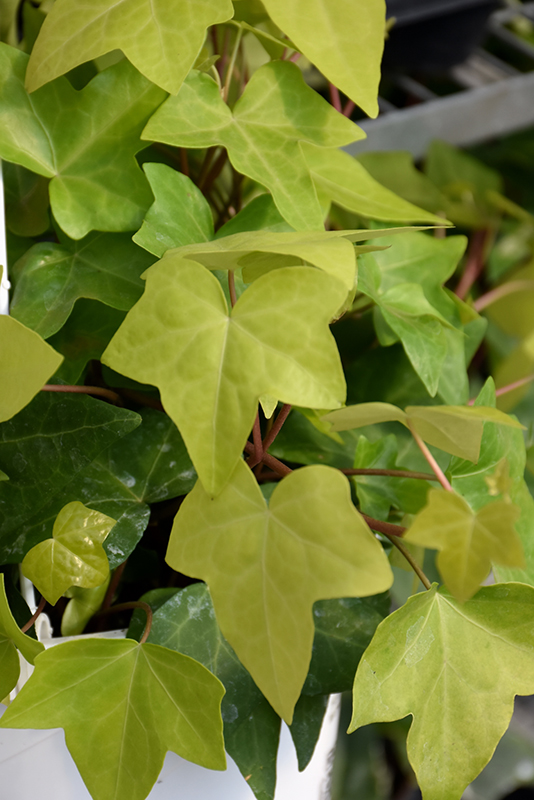
Canaries Ivy
Hedera canariensis Willd.
Important botanical synonyms and historical names include:
Hedera helix var. canariensis (Willd.) DC. — homotypic synonym
Hedera helix subsp. canariensis (Willd.) Cout. — homotypic synonym
Hedera canariensis var. arborescens Hibberd
Hedera canariensis aurea-maculata Paul
Hedera canariensis var. aureomaculata Paul
Hedera canariensis foliis-aureis Paul — name not validly published
Hedera canariensis var. latifolia-maculata Ed.Otto
Hedera canariensis latifolia-maculata (Ed.Otto) Carrière
Hedera canariensis var. marginomaculata Lawr.
Hedera canariensis var. striata Lawr.
Hedera canariensis var. viridis (Hibberd) Lawr.
Hedera grandifolia Hibberd
Hedera grandifolia var. pallida Hibberd
Hedera grandifolia var. viridis Hibberd
Hedera sevillana Sprenger
Hedera viridis (Hibberd) G.Nicholson
Hedera algeriensis Hibberd, true Algerian Ivy; Hedera maderensis K.Koch ex A.Rutherf., true Madeiran Ivy; and Hedera maroccana McAll., Moroccan Ivy, are accepted as separate species rather than synonyms of Hedera canariensis.
The variegated plant historically sold as ‘Gloire de Marengo’ has often been assigned to Hedera canariensis, but modern horticultural and taxonomic treatments commonly associate it with Hedera algeriensis. A cultivar label alone should not be treated as definitive proof of species.
Araliaceae Juss. — Ginseng, Ivy, or Aralia Family
Hedera canariensis belongs to the order Apiales. Other Araliaceae include Aralia, Fatsia, Panax, Polyscias, and Schefflera.
Canaries Ivy, Canary Ivy, Canary Island Ivy, Coney Island Ivy, Large-Leaved Canary Ivy, Canary Islands Ivy, Ivy, Hedera canariensis, Hedera helix var. canariensis, Hedera helix subsp. canariensis
“Canaries Ivy” is a less common pluralized form of Canary Ivy and is retained as the page title. “Algerian Ivy” is frequently used for plants sold as Hedera canariensis, but modern taxonomy recognizes true Algerian Ivy as the separate species Hedera algeriensis. “North African Ivy” is similarly ambiguous.
“Madeira Ivy” also appears in horticultural references for this plant, but Hedera maderensis is now recognized as a separate Madeiran species. Cultivar names such as ‘Gloire de Marengo,’ ‘Marginomaculata,’ ‘Ravensholst,’ and ‘Striata’ should not automatically be treated as botanical synonyms, and some historically associated variegated cultivars may belong to Hedera algeriensis.
“Ivy” alone is not a reliable identification. English Ivy, Hedera helix; Algerian Ivy, Hedera algeriensis; Madeira Ivy, Hedera maderensis; Boston Ivy, Parthenocissus tricuspidata; Swedish Ivy, Plectranthus verticillatus; Ground Ivy, Glechoma hederacea; and Poison Ivy, Toxicodendron radicans, are different plants.
Triterpenoid Saponins
Canaries Ivy, Hedera canariensis, contains triterpenoid saponins that can irritate the mouth, esophagus, stomach, and intestinal tract after the plant is chewed or swallowed. Chemical studies of its leaves have confirmed biologically active saponins, while horticultural toxicology references identify triterpenoid saponins as one of the species’ principal toxic groups.
Saponins are compounds with both water-attracting and fat-attracting portions. This structure allows them to interact with biological membranes and helps explain the burning or irritating sensation, hypersalivation, nausea, vomiting, abdominal pain, and diarrhea associated with ivy ingestion. Continued gastrointestinal irritation can lead to appetite loss and dehydration even when the exposure does not produce widespread organ damage.
Species-Specific Evidence and the Broader Ivy Chemistry
The detailed chemistry of English Ivy, Hedera helix, has been investigated far more extensively than that of Canary Ivy. English Ivy contains hederacosides or hederasaponins, α-hederin, β-hederin, hederagenin, and related pentacyclic triterpenes. These compounds help define the toxicology of the genus, but the complete English Ivy compound list should not automatically be assigned to Hedera canariensis as though every constituent had been measured at the same concentration in both species.
It is reasonable to describe Canary Ivy as containing hederagenin-derived or hederin-type triterpenoid saponins, but no reliable veterinary dose-response table or cultivar-by-cultivar chemical profile has been established. Species, growth stage, plant part, season, environmental stress, and extraction method may all affect the detected chemical mixture.
Polyacetylenes and Contact Dermatitis
Canary Ivy also contains polyacetylene compounds capable of causing severe irritation and delayed allergic contact dermatitis after sap contacts living tissue. Falcarinol and didehydrofalcarinol are characteristic ivy polyacetylenes and are well-established contact irritants in the genus, although species-specific concentrations in Hedera canariensis are not as thoroughly documented as those in Hedera helix.
Direct irritant dermatitis can occur during a first substantial exposure because the sap itself inflames contacted tissue. Allergic contact dermatitis requires prior sensitization and may appear or intensify after repeated exposure. A sensitized animal or person can therefore develop more pronounced redness, itching, swelling, papules, or blistering after later contact with cut vines or fresh sap.
Sap may reach the lips, oral mucosa, eyelids, paws, sparsely haired skin, or coat while an animal chews or moves through dense ivy. Contaminated fur can prolong exposure when the animal later licks or rubs the affected area.
Other Plant Constituents
Rutin, caffeic acid, chlorogenic acid, flavonoids, sterols, and numerous other compounds occur in members of Hedera. These constituents are chemically relevant but have not been shown to contribute equally to the ordinary veterinary syndrome of drooling, vomiting, diarrhea, and dermatitis.
Emetine has appeared in some secondary ivy-toxin lists, but it is not consistently established as a defining toxic principle of Hedera canariensis. The most defensible public description centers on triterpenoid saponins as gastrointestinal irritants and polyacetylene compounds as contact irritants and sensitizers.
Leaves, Fruits, Sap, and Other Plant Parts
Leaves and fruits are the best-documented poisonous parts of Canary Ivy. The foliage is generally treated as the greater ingestion concern because it is abundant, readily chewed, and contains sap-bearing tissue. Mature flowering growth produces clusters of fleshy black berry-like drupes that may fall beneath established vines and attract the attention of dogs, livestock, or other animals.
Stems, vines, flowers, seeds, roots, and fresh sap should also be treated as potentially irritating. Absence of berries does not make a juvenile or regularly pruned plant safe because juvenile foliage remains capable of causing gastrointestinal and contact reactions.
How Much Is Dangerous?
No reliable toxic leaf count, fruit count, or gram-per-kilogram threshold has been established for dogs, cats, horses, cattle, sheep, goats, birds, rabbits, or small mammals. A single brief taste may cause no signs or only transient oral discomfort, while ingestion of several leaves, fruit clusters, or concentrated plant material can produce more substantial vomiting and diarrhea.
The bitter, irritating effect often causes an animal to stop chewing before a massive amount is swallowed. Risk nevertheless increases when a persistent chewer gains access to a pile of trimmings, when a small animal consumes several leaves or fruits, or when chopped ivy is mixed into bedding, hay, garden waste, or feed.
Severe Toxicity and Evidence Limitations
Profound depression, ataxia, slow or abnormal heart rate, low blood pressure, tremors, convulsions, stupor, or coma have been described in severe or experimental ivy exposures. These signs should remain recognized as possible after an exceptional ingestion, but they are not the expected response to ordinary household or landscape chewing.
Species-specific veterinary case reports involving confirmed Hedera canariensis are sparse. Much of the clinical risk assessment therefore combines direct evidence that the plant contains saponins and polyacetylenes with the better-developed toxicology of closely related ivy species. Unexpected neurologic, cardiac, respiratory, hepatic, or renal disease should prompt investigation for another plant, pesticide, fertilizer, medication, toxic mushroom, foreign material, or unrelated illness.
Wilted Leaves and Landscape Debris
Drying should not be assumed to make Canary Ivy safe. Saponins and contact-irritant compounds can remain in wilted foliage, pulled vines, wreaths, discarded groundcover, compost, hedge clippings, and seasonal garden waste.
Cut material may create a greater practical exposure than intact growth because previously inaccessible leaves and fruits are placed at ground level. Trimmings should not be discarded in animal pens, paddocks, feed areas, open compost piles, or waste containers accessible to pets or livestock.
Oral Irritation and Hypersalivation
Signs may begin while the animal is chewing or within the first several hours after ingestion. A dog or cat may abruptly drop the plant, lick the lips, shake the head, rub the face, paw at the mouth, gag, cough, swallow repeatedly, or begin salivating heavily.
The lips, gums, tongue, and inner cheeks may become reddened, tender, or visibly irritated after contact with fresh sap. An affected animal may approach food or water but hesitate to take it, drop partially chewed food, vocalize when eating, or appear uncomfortable when swallowing.
A hoarse bark, weak meow, or altered vocalization may accompany irritation of the pharynx or tissues near the larynx. Marked blistering, extensive oral ulceration, or rapidly progressive swelling is less typical than gastrointestinal upset and should raise concern for a severe contact reaction, another caustic plant, chemical exposure, or separate allergic process.
Vomiting, Abdominal Pain, and Diarrhea
Vomiting, abdominal discomfort, hypersalivation, and diarrhea are the most likely signs after ivy ingestion. Vomit may contain foam, bile, food, or recognizable leaf and fruit fragments. An affected animal may lip-smack, appear restless, assume an abnormal posture, guard the abdomen, or refuse a meal before vomiting becomes evident.
Diarrhea may be soft, watery, or recurrent while irritating material remains in the digestive tract. A mild exposure may cause only one episode of vomiting or temporary loose stool, while a larger ingestion can produce repeated gastrointestinal losses, depression, and refusal to eat or drink.
Blood in vomit or stool is not expected in every case. Hematemesis, dark tarry stool, or continuing abdominal pain warrants veterinary assessment for severe gastritis, intestinal inflammation, a foreign body, another poisonous plant, a medication, or a chemical exposure.
Dehydration and Secondary Circulatory Effects
The primary toxic action is usually irritation, but repeated vomiting, diarrhea, drooling, and reduced water intake can produce clinically important dehydration. Tacky gums, sunken eyes, reduced urination, weakness, a rapid or weak pulse, cool extremities, or collapse indicate progression beyond a minor self-limiting stomach upset.
Small dogs and cats, young animals, elderly patients, and animals with kidney, heart, respiratory, or gastrointestinal disease may tolerate fluid loss poorly. Rabbits, guinea pigs, birds, and other small species may also deteriorate rapidly when discomfort causes prolonged food and water refusal.
Skin and Eye Reactions
Fresh sap can produce stinging, redness, itching, swelling, papules, rash, or blistering on contacted skin. A direct irritant reaction may develop soon after substantial contact, while allergic contact dermatitis may appear later in a previously sensitized animal.
Lesions may be concentrated on the muzzle, lips, paws, abdomen, eyelids, or other sparsely haired surfaces. Sap on the coat can extend the exposure when the animal later grooms, so dermatitis and oral signs may continue until the fur and skin have been washed.
Eye exposure may cause immediate squinting, tearing, conjunctival redness, rubbing, light sensitivity, or apparent pain. Persistent squinting, cloudiness, discharge, or inability to open the eye may indicate corneal injury and requires examination.
Uncommon Severe Signs
Exceptionally large ivy exposures have been associated with profound depression, excitation, loss of coordination, tremors, slow or abnormal heart rate, low blood pressure, stupor, seizures, or coma. These findings are not the expected course after a dog or cat briefly chews one leaf.
Labored breathing may reflect aspiration after vomiting, severe weakness, anaphylaxis, substantial oral or pharyngeal swelling, another toxin, or underlying cardiopulmonary disease. Progressive respiratory effort, pale or blue mucous membranes, collapse, or altered consciousness requires immediate emergency treatment.
Markedly dilated pupils, persistent neurologic abnormalities, jaundice, kidney failure, severe cardiac arrhythmias, or prolonged coma should not be attributed automatically to Canary Ivy simply because the plant is present. A mixed or entirely different poisoning must be considered.
Signs in Horses and Livestock
Horses may develop salivation, oral irritation, reduced appetite, abdominal discomfort, diarrhea, depression, weakness, or incoordination. Horses cannot vomit, so productive vomiting should not be expected. Colic, abnormal gastrointestinal motility, reflux obtained through a nasogastric tube, respiratory distress, marked ataxia, or recumbency requires broader investigation.
Cattle, sheep, and goats may encounter Canary Ivy along landscaped fence lines, walls, hedges, outbuildings, or in discarded garden waste. Possible signs include reduced feeding, salivation, diarrhea, abdominal discomfort, excitement, abnormal vocalization, staggering, weakness, and depression after substantial ingestion.
Group illness should trigger examination of every shared feed, water, clipping, herbicide, pesticide, and pasture source. The presence of an ivy vine does not prove that it caused illness in every affected animal.
Expected Course and Emergency Warning Signs
Most uncomplicated dog and cat exposures begin improving within several hours and resolve over approximately one to three days with appropriate supportive care. Skin inflammation may last longer in a sensitized animal, while aspiration pneumonia, erosive gastrointestinal injury, or substantial dehydration can prolong recovery.
Emergency warning signs include repeated vomiting, inability to retain water, profuse or bloody diarrhea, painful or abnormal swallowing, progressive facial or oral swelling, coughing after vomiting, noisy or labored breathing, marked weakness, an abnormally slow or rapid heart rate, pale or blue mucous membranes, tremors, ataxia, seizures, collapse, persistent eye pain, or failure to improve as expected.
Canaries Ivy and Canary Ivy Refer to the Same Species
Canaries Ivy is an uncommon pluralized form of Canary Ivy or Canary Island Ivy. The plant represented by this page is Hedera canariensis, a distinct species of true ivy native to the Canary Islands.
The accepted name is important because nursery labels and older horticultural references often combine Canary Ivy with North African or Madeiran ivies. Modern botanical treatment recognizes Hedera canariensis, Hedera algeriensis, Hedera maroccana, and Hedera maderensis as separate species.
Why the Name Algerian Ivy Can Be Misleading
“Algerian Ivy” is widely used in North American horticulture for large-leaved ivy sold as Hedera canariensis. Under current taxonomy, however, true Algerian Ivy is Hedera algeriensis, a separate species native from northern Algeria into Tunisia.
This naming overlap is not merely academic. A plant sold as Algerian Ivy may be labeled H. canariensis, H. algeriensis, or an old combination involving one of those names. Both should be treated as potentially irritating ivy, but accurate identification matters for botanical records, invasive-plant management, image searches, and duplicate-content control.
The variegated cultivar commonly sold as ‘Gloire de Marengo’ is especially entangled in this history. It has often been assigned to H. canariensis, while modern synonymy connects variegated historical forms with H. algeriensis. A cultivar label should therefore be preserved with photographs rather than used as proof of species by itself.
Madeira Ivy Is Also Ambiguous
“Madeira Ivy” appears as a common name for Canary Ivy in some horticultural references, but true Madeiran Ivy is now recognized as Hedera maderensis, native to Madeira. The common name should therefore be treated as a historical or ambiguous market name rather than a precise synonym for H. canariensis.
For veterinary treatment, this ambiguity usually does not change the initial response because true Hedera species share saponin and contact-irritant concerns. For scientific identification and page taxonomy, however, the species should not be merged solely because a nursery used “Madeira Ivy.”
Growth Form and Identification
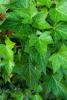
Canary Ivy is a woody evergreen vine that creeps across the ground or climbs walls, trees, fences, trellises, and other structures by means of adventitious rootlets. It is generally coarser and larger-leaved than typical English Ivy.
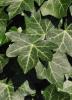
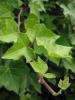
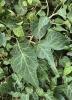
Juvenile leaves are alternate, glossy, broadly heart-shaped, and usually divided into three to seven shallow lobes with palmate veins. They commonly measure several inches across. Reddish petioles, young twigs, and reddish scale-like or stellate hairs on the undersides of leaves and stems are particularly useful identification features.
Adult flowering growth differs from the familiar climbing juvenile phase. Mature branches bear less-lobed or unlobed ovate to rhombic leaves and clusters of small greenish flowers in umbels. These are followed by fleshy black berry-like drupes.
Climbing and increased exposure to light contribute to adult growth, but the change should not be reduced to a simple claim that contact with a vertical structure automatically transforms every shoot. An established plant may carry juvenile climbing foliage and mature flowering branches at the same time.
Where Animals Encounter It
Canary Ivy is most likely to be encountered as warm-climate groundcover, wall covering, fence covering, container planting, bank stabilization, hedge-like growth, or an escaped ornamental vine. Its vigorous growth produces large quantities of foliage and frequent pruning waste.
Dogs may chew fallen leaves, fruits, or vines pulled from walls. Cats can reach trailing container growth or brush against sap after pruning. Horses and livestock may encounter ivy where ornamental plantings border paddocks or when clippings are discarded over fences.
Cut material can be more accessible than the intact vine because branches, leaves, and fruits that were previously overhead are placed in piles on the ground. Herbicides, pesticides, fertilizers, slug bait, or other products used around ivy may create a second and potentially more serious exposure.
Foliage, Fruits, and Wildlife
Leaves and fruits should both be considered poisonous. Mature black fruits may be eaten by wild birds, which disperse the seeds, but wildlife consumption does not prove that the fruits are safe for dogs, cats, horses, or livestock.
Different animal species vary in digestive physiology, preferred foods, body size, and tolerance. A bird swallowing a few fruits and a small dog consuming a fallen fruit cluster do not receive equivalent exposures.
Historical Livestock Evidence from English Ivy
Detailed livestock documentation involving authenticated modern Hedera canariensis is limited. Older British veterinary literature does, however, preserve an account of illness after cattle consumed a large quantity of the related English Ivy, Hedera helix. Cooper and Johnson reported:
Cattle that ingested large quantities of English ivy vine became ill and excitable, started staggering, and bellowed loudly. The odor of crushed ivy leaves was on the breath and in the milk. Recovery was quick and complete in three days.
This account supports the possibility of excitement, staggering, abnormal vocalization, and other systemic signs after substantial livestock consumption of a related true-ivy species. It also records complete recovery in the reported cattle.
The account does not establish the quantity consumed, a measured saponin concentration, or an identical syndrome in Hedera canariensis. It should not be used to predict that a dog or cat chewing one leaf will develop severe neurologic disease.
How Serious Is Canary Ivy Poisoning?
Most expected companion-animal cases involve oral discomfort, drooling, vomiting, abdominal pain, diarrhea, or dermatitis. The clinical course is generally irritant and self-limiting rather than a predictable progression to organ failure.
The exposure should not be dismissed merely because fatal systemic poisoning is uncommon. Repeated vomiting, diarrhea, painful swallowing, or food and water refusal can produce clinically important dehydration. Aspiration, anaphylaxis, or ingestion of a pesticide used around the plant can also turn an apparently simple plant exposure into an emergency.
A published human death associated with common ivy involved mechanical asphyxia from an extraordinary mass of leaves obstructing the mouth and throat rather than the expected systemic action of saponins. It therefore does not establish that ordinary ivy chewing commonly causes fatal toxic collapse.
Diagnosis
No routine blood test proves Canary Ivy ingestion. Diagnosis usually depends on plant identification, compatible oral or gastrointestinal signs, evidence of chewed leaves or fruits, and exclusion of other causes.
Save a complete vine section with attached leaves, photographs of upper and lower leaf surfaces, mature fruits if present, the nursery tag, cultivar label, and information about pesticides or fertilizers used nearby. Reddish petioles and hairs on the leaf undersides may help distinguish Canary Ivy from similar ivies.
Severe neurologic signs, major heart-rate abnormalities, respiratory distress, jaundice, kidney injury, or persistent gastrointestinal bleeding require broader testing. These findings may result from secondary complications, but they may also reveal another plant, chemical, medication, foreign body, infection, or metabolic disorder.
Prevention
Keep indoor or container-grown ivy above the reach of animals and trim vines before they trail into accessible areas. Elevated placement is not sufficient when leaves and fruits can fall or a cat can climb nearby furniture.
Wear gloves during pruning, collect all cut material and fruits, wash tools, and prevent animals from entering the area until debris and chemicals have been removed. Wash sap-contaminated fur before the animal can groom it.
Never dump ivy clippings into paddocks, animal pens, bedding piles, open compost, feed areas, or woodland edges accessible to grazing animals. Because the plant can root from stems and spread vigorously, incomplete disposal may also create a continuing exposure source.
Immediate Steps After Canaries Ivy Exposure
- Stop further ingestion: Move the animal away from the vine and collect accessible leaves, fruits, stems, roots, wreath material, clippings, compost, and vomited fragments before another animal can reach them.
- Record the exposure: Note the approximate time, plant part, amount chewed or swallowed, whether the material was fresh, wilted, dried, chopped, or mixed with feed, and when symptoms began.
- Remove only safely visible material: If the animal is calm and swallowing normally, remove leaves or fruit fragments resting at the lips or front of the mouth. Do not reach blindly into the throat or force open the jaws of a frightened or painful animal.
- Wipe away fresh sap: Use a soft cloth dampened with water to remove visible sap from the lips, gums, tongue tip, muzzle, and surrounding fur. Avoid vigorous rubbing because friction can intensify irritation.
- Allow voluntary water only when swallowing is normal: An alert animal that is breathing comfortably, handling saliva normally, and not vomiting repeatedly may have access to fresh water. Do not syringe, pour, or spray liquid toward the throat.
- Keep a weak animal quiet: Restrict activity when the animal is profoundly lethargic, uncoordinated, breathless, or cardiovascularly unstable. Exertion can worsen collapse and aspiration risk.
- Preserve identification evidence: Save a vine section with attached leaves and fruits, photographs of both leaf surfaces and the growth habit, the nursery label, cultivar name, and packaging for every fertilizer, herbicide, pesticide, slug bait, or other product used nearby.
- Contact a veterinarian after a meaningful exposure: Prompt consultation is warranted after consumption of numerous leaves or fruits, concentrated ivy preparations, continued vomiting or diarrhea, painful swallowing, marked weakness, or exposure involving a young, elderly, very small, pregnant, or medically fragile animal.
Skin and Coat Decontamination
Wear gloves before handling sap-contaminated fur. Falcarinol-type polyacetylenes can cause direct irritation and delayed allergic contact dermatitis in susceptible individuals.
Wash affected skin and coat gently with lukewarm water and a mild pet-safe cleanser, then rinse thoroughly. Several gentle washes are preferable to aggressive scrubbing because friction can worsen redness, pain, and epithelial injury.
Prevent licking and grooming until the coat is clean and dry. Wash collars, harnesses, bedding, towels, grooming tools, carriers, halters, tack, and other contaminated objects.
Persistent redness, swelling, papules, blistering, intense itching, facial involvement, open lesions, or self-trauma requires veterinary examination.
Eye Exposure
Begin irrigation promptly with sterile saline or room-temperature water. Direct the liquid gently across the ocular surface rather than using a high-pressure stream.
Continue gentle flushing while the animal tolerates it and veterinary care is being arranged. Do not force the eyelids open in a struggling or painful animal.
Persistent squinting, tearing, redness, cloudiness, discharge, light sensitivity, rubbing, or inability to open the eye requires examination.
The veterinarian may evert the eyelids, remove retained plant material, and use fluorescein stain to identify corneal erosion or ulceration. Treatment may include continued irrigation, lubrication, pain control, and topical antimicrobial medication when epithelial injury is present.
Ophthalmic corticosteroids must not be used until corneal ulceration has been excluded because they can delay healing, worsen infection, and contribute to corneal breakdown.
Do Not Attempt Unsupervised Home Treatment
- Do not induce vomiting: Hydrogen peroxide, salt, mustard, syrup of ipecac, detergent, oil, and manual gagging can cause gastritis, uncontrolled vomiting, aspiration, electrolyte disturbance, and dangerous treatment delay.
- Do not forcefully flush the mouth: Spraying or pouring water toward the throat can carry plant fragments and liquid into the lungs when gagging, coughing, drooling, weakness, or abnormal swallowing is present.
- Do not give activated charcoal automatically: Its ability to improve Canary-Ivy saponin poisoning has not been demonstrated sufficiently for routine use. Charcoal can be aspirated and may worsen vomiting, dehydration, sodium abnormalities, constipation, or diarrhea.
- Do not give cathartics or laxatives: Sorbitol, mineral oil, magnesium products, or another purgative may intensify gastrointestinal fluid and electrolyte loss.
- Do not give milk, dairy, oil, butter, honey, syrup, or coating remedies: These products do not neutralize saponins or remove falcarinol from tissue and may worsen nausea or aspiration risk.
- Do not give anti-diarrheal medication casually: Bismuth products, loperamide, kaolin-pectin products, or similarly marketed remedies may mask worsening illness, alter gastrointestinal motility, or create species-specific medication risks.
- Do not give sucralfate or acid-suppressing medication automatically: These medications may be useful for documented mucosal injury but are not ivy antidotes.
- Do not give antihistamines merely because tissue is red: Direct chemical irritation is not automatically an allergic reaction. Antihistamines do not remove sap or correct dehydration, hypotension, aspiration, or airway obstruction.
- Do not give human pain medication or leftover prescriptions: Ibuprofen, naproxen, acetaminophen, aspirin, and other drugs may cause a second poisoning or worsen gastrointestinal bleeding and kidney stress.
- Do not give cardiac, seizure, blood-pressure, or respiratory medication yourself: Atropine, antiarrhythmics, anticonvulsants, epinephrine, corticosteroids, bronchodilators, and vasopressors require a specific clinical indication and professional monitoring.
When Emergency Examination Is Especially Important
- Gastrointestinal losses continue: Repeated vomiting, inability to retain water, profuse diarrhea, blood in vomit, red or black stool, continuing abdominal pain, or refusal of all food and water can produce severe dehydration and mucosal injury.
- Swallowing is abnormal: Inability to handle saliva, repeated gagging, food or water emerging from the nostrils, or obvious pain during swallowing raises concern for pharyngeal or esophageal injury and aspiration.
- Respiratory signs develop: Coughing after vomiting, noisy breathing, open-mouth breathing, progressive facial or oral swelling, or increasing respiratory effort may indicate aspiration, airway swelling, anaphylaxis, or another exposure.
- Circulation deteriorates: A weak, very slow, rapid, or irregular pulse; pale, gray, or blue mucous membranes; prolonged capillary refill; cold extremities; severe weakness; low body temperature; or collapse requires emergency stabilization.
- Neurologic signs occur: Marked incoordination, tremors, abnormal pupil size, stupor, seizures, coma, or inability to stand is not expected after a minor exposure and requires investigation for a major ingestion or another toxicant.
- Eye pain persists: Continuing squinting, cloudiness, discharge, severe pain, or inability to open the eye after irrigation may indicate retained material or corneal ulceration.
- The exposure was concentrated or mixed: Ivy extract, herbal cough medicine, numerous fruits, a large pruning pile, or material contaminated with fertilizer, herbicide, pesticide, slug bait, medication, or another poisonous plant warrants prompt assessment.
- Several livestock become ill: Salivation, diarrhea, excitement, abnormal vocalization, weakness, staggering, recumbency, or feed refusal in multiple animals indicates a shared forage, water, chemical, or environmental problem.
Veterinary Examination and Diagnostic Priorities
The veterinarian must determine whether the patient has uncomplicated oral or gastrointestinal irritation or a more serious complication such as dehydration, electrolyte loss, erosive esophagitis, gastrointestinal hemorrhage, aspiration, contact dermatitis, anaphylaxis, hypotension, arrhythmia, or neurologic dysfunction.
Severe or unusual signs also require reconsideration of the plant identification and investigation for pesticides, fertilizers, slug bait, medications, toxic mushrooms, foreign material, or another poisonous plant.
No routine blood test specifically confirms Hedera canariensis ingestion. Testing measures the consequences of exposure and helps identify competing diagnoses.
Hydration and Perfusion Assessment
Body weight, mucous-membrane moisture, capillary refill, pulse quality, blood pressure, urine production, packed-cell volume, total protein, lactate, temperature, and repeated physical examination may be used to document dehydration or shock.
Young, very small, elderly, pregnant, and medically fragile patients may require earlier intervention because they tolerate gastrointestinal losses poorly.
Laboratory Testing
A complete blood count, serum biochemical profile, glucose, sodium, potassium, chloride, bicarbonate, kidney values, liver values, phosphorus, magnesium, blood-gas analysis, and urinalysis may be selected when vomiting, diarrhea, weakness, collapse, or an unexpected systemic syndrome persists.
Abnormal liver or kidney values should not be attributed automatically to ivy. Dehydration, hypoperfusion, medication exposure, another toxin, infection, and pre-existing disease must also be considered.
Cardiovascular and Respiratory Monitoring
Electrocardiography, repeated blood-pressure measurement, oxygen saturation, blood gases, respiratory-rate trends, lung auscultation, and temperature monitoring are appropriate when weakness, bradycardia, hypotension, arrhythmia, aspiration, or respiratory distress is suspected.
Thoracic imaging may be needed after coughing, fever, abnormal lung sounds, or breathing difficulty following vomiting.
Imaging and Specialized Evaluation
Abdominal radiographs or ultrasound may be used to investigate obstruction, ileus, foreign material, pancreatitis, or another cause of persistent vomiting and pain.
Endoscopy may be considered when substantial esophageal or gastric injury is suspected. Fluorescein staining and careful examination beneath the eyelids are appropriate after meaningful eye exposure.
Professional Gastrointestinal Decontamination
Many exposed animals vomit spontaneously because ivy saponins irritate the gastrointestinal tract. Once vomiting, hypersalivation, weakness, depression, dysphagia, or neurologic abnormalities are present, additional emesis generally creates more risk than benefit.
A veterinarian or veterinary toxicologist may consider clinic-induced vomiting after a recent, substantial ingestion in a completely alert and asymptomatic dog with normal breathing and swallowing. The expected benefit must be weighed against returning irritating leaves and fruits through the esophagus.
Emesis is contraindicated when the animal is already vomiting repeatedly, profoundly weak, collapsed, sedated, dysphagic, neurologically abnormal, unable to protect the airway, or showing respiratory distress.
Gastric lavage is not routine. It may be considered only after an extraordinary recent ingestion when a clinically important amount remains in the stomach, emesis is unsafe or unsuccessful, and the airway is protected under anesthesia.
Activated charcoal may be considered after an exceptional ingestion or mixed exposure involving another charcoal-bindable toxin. Repeated charcoal is not supported merely because gastrointestinal signs continue.
Control of Nausea and Vomiting
Persistent vomiting increases fluid and electrolyte loss, aggravates esophageal irritation, and raises aspiration risk.
Veterinarian-selected antiemetics such as maropitant or ondansetron may be used after obstruction, foreign material, pancreatitis, and other important causes have been considered.
Metoclopramide may be considered when a prokinetic effect is specifically needed, but it is inappropriate when obstruction, perforation, severe ileus, or significant gastrointestinal hemorrhage remains possible.
Antiemetic treatment does not replace hydration, electrolyte monitoring, pain control, or investigation of persistent abdominal abnormalities.
Diarrhea Management
Anti-diarrheal medication is not the first treatment priority. Hydration, electrolyte correction, nutritional support, and diagnosis are more important.
Products that slow intestinal movement may be counterproductive when irritating material remains, ileus is developing, or infection, hemorrhage, obstruction, or another toxin has not been excluded.
Kaolin-pectin or another veterinary gastrointestinal adsorbent may be considered for selected uncomplicated cases after the patient is examined and adequately hydrated. It does not neutralize ivy saponins.
Sucralfate and Mucosal Protection
Sucralfate may be used when repeated vomiting, painful swallowing, blood in vomit, suspected esophagitis, or erosive gastritis indicates mucosal injury.
It forms a temporary protective barrier over damaged tissue but does not deactivate saponins. It can also reduce absorption of other medications, so treatment timing must be directed by the veterinarian.
Oral administration is inappropriate until the animal can swallow safely.
Acid Suppression
Ivy saponins cause direct irritation rather than primary gastric-acid overproduction. Proton-pump inhibitors and histamine-2 receptor antagonists are not required after every exposure.
Acid suppression may be selected when erosive gastritis, reflux esophagitis, hematemesis, melena, or another acid-related complication is documented or strongly suspected.
Medication selection, route, frequency, and treatment duration depend on the lesion, species, concurrent disease, and other prescribed drugs.
Fluid, Electrolyte, and Nutritional Support
Fluid treatment is based on the measured dehydration deficit, maintenance needs, continuing vomiting and diarrhea, urine production, blood pressure, kidney function, electrolyte concentrations, body size, and cardiopulmonary status.
An alert patient with mild signs, normal swallowing, and no continuing vomiting may recover with voluntary water and gradual food reintroduction.
Selected mildly dehydrated, cardiovascularly stable patients may receive subcutaneous support. Moderate to severe dehydration, poor perfusion, weakness, hypotension, or shock generally requires intravenous balanced crystalloid therapy.
Sodium, potassium, chloride, glucose, acid-base status, kidney values, body weight, urine production, blood pressure, and respiratory findings may require serial reassessment.
Food can be reintroduced in small, digestible portions after vomiting is controlled and swallowing is comfortable. Force-feeding a nauseated, dysphagic, sedated, or actively vomiting animal is unsafe.
Hypotension and Cardiac Abnormalities
Weakness, collapse, a slow heart rate, or low blood pressure may result from dehydration, vagal stimulation, severe gastrointestinal pain, anaphylaxis, hypoxia, medication effects, or another toxin.
Volume depletion should be corrected with carefully titrated intravenous fluids while pulse quality, blood pressure, lung sounds, urine production, mentation, and perfusion are reassessed.
Persistent hypotension after reasonable volume restoration requires investigation for continuing fluid loss, gastrointestinal hemorrhage, anaphylaxis, sepsis, myocardial dysfunction, or another poisoning. A veterinarian-selected vasopressor or inotrope may be required.
Atropine is not an ivy antidote. It may be considered only when monitored clinically significant bradycardia is contributing to hypotension or poor perfusion and the rhythm is expected to respond.
Antiarrhythmic medication must be selected according to the documented rhythm because empirical treatment can worsen hypotension or destabilize a compensatory rhythm.
Dermatitis and Allergic Reactions
Direct irritant dermatitis is managed primarily by removing residual sap, washing contaminated skin and fur, preventing self-trauma, controlling pain, and treating secondary infection when present.
An antihistamine may be considered when generalized itching, hives, facial swelling, or another histamine-mediated component accompanies the direct irritation.
Corticosteroids may be considered for selected severe inflammatory or allergic reactions after infection, gastrointestinal ulceration, diabetes, corneal injury, and other contraindications have been assessed.
Neither medication removes falcarinol-type compounds or replaces decontamination and airway assessment.
Anaphylaxis and Airway Support
True anaphylaxis is different from localized sap irritation. Sudden generalized hives or swelling accompanied by severe vomiting or diarrhea, weak pulses, hypotension, respiratory distress, altered awareness, or collapse requires immediate emergency treatment.
Veterinary treatment may include epinephrine, oxygen, intravenous access, carefully titrated crystalloid resuscitation, airway protection, antihistamines, corticosteroids, and vasopressor support according to the patient’s response.
Progressive tongue, pharyngeal, or laryngeal swelling may require endotracheal intubation before the airway becomes impossible to secure. An emergency temporary tracheostomy may be necessary when oral intubation cannot be achieved.
Mechanical ventilation may be required when severe hypoxemia, respiratory fatigue, aspiration, profound neurologic depression, or loss of consciousness develops.
Aspiration and Pulmonary Complications
Coughing, nasal discharge, fever, abnormal lung sounds, increased respiratory effort, reduced oxygenation, or worsening lethargy after vomiting raises concern for aspiration.
Thoracic radiographs may be normal early, so repeat imaging and respiratory monitoring may be required when signs progress.
Treatment may include oxygen, airway suction, nebulization, chest physiotherapy, intravenous support tailored to lung status, and mechanical ventilation in severe cases.
Antimicrobial treatment is appropriate when bacterial aspiration pneumonia is documented or strongly suspected rather than after every brief aspiration event.
Tremors, Ataxia, and Seizures
Marked ataxia, tremors, seizures, stupor, or coma is unusual after an ordinary ivy exposure.
The veterinarian should reassess the plant identification and investigate pesticides, slug bait, medications, mushrooms, hypoglycemia, electrolyte disturbance, hepatic disease, hypoxia, and other neurologic toxins.
Veterinary seizure control may include a benzodiazepine followed, when necessary, by a longer-acting anticonvulsant, continuous infusion, anesthetic support, intubation, and ventilation.
Temperature, oxygenation, glucose, electrolytes, acid-base status, blood pressure, and aspiration risk require continued monitoring during prolonged seizures.
Horses and Livestock
Remove horses, cattle, sheep, goats, and other grazing animals from ivy-covered fences, walls, clipping piles, contaminated hay, bedding, feed bunks, and open compost.
Preserve plant material and collect representative feed, forage, water, and chemical samples when requested.
Horses cannot vomit. Veterinary management may include examination of the mouth and pharynx, nasogastric assessment when choke, reflux, or gastric distention is suspected, evaluation of intestinal motility, colic treatment, fluid and electrolyte support, and monitoring for aspiration or neurologic deterioration.
Cattle, sheep, and goats require assessment of oral irritation, hydration, rumen motility, abdominal distention, diarrhea, respiratory status, coordination, and shared exposure.
Rumen evacuation or rumenotomy is not routine but may be considered after an exceptional recent intake when a large retained plant mass presents a continuing risk and the animal is stable enough for the procedure.
Several affected animals require examination of all forage, clipping, water, pesticide, herbicide, fertilizer, mold, and feed sources rather than automatic attribution to the visible ivy.
Recovery and Prognosis
The prognosis is good to excellent for most ordinary dog and cat exposures. Mild drooling, one or two episodes of vomiting, abdominal discomfort, or transient diarrhea commonly begins improving within several hours and resolves with appropriate care.
Clinical improvement should include decreasing salivation, cessation of vomiting, improving stool consistency, comfortable swallowing, voluntary water intake, return of appetite, normal urine production, comfortable breathing, and restored activity.
Dermatitis may persist longer in a sensitized animal. Corneal injury, esophagitis, gastrointestinal ulceration, dehydration, electrolyte abnormalities, food refusal, and aspiration pneumonia can also delay recovery.
The prognosis becomes guarded with prolonged hypotension, severe aspiration pneumonia, uncontrolled gastrointestinal hemorrhage, refractory seizures, coma, extensive airway swelling, or an unidentified mixed poisoning.
Profound systemic illness should not be accepted as uncomplicated Canaries Ivy irritation without a broader diagnostic investigation.
Frequently Asked Questions About Canaries Ivy and Animal Poisoning
Are Canaries Ivy and Canary Ivy the same plant?
Yes. “Canaries Ivy” is an uncommon pluralized form of Canary Ivy or Canary Island Ivy. The scientific species represented by this page is Hedera canariensis.
Is Canary Ivy poisonous to dogs and cats?
Yes. Its triterpenoid saponins can cause drooling, vomiting, abdominal pain, and diarrhea. Sap and polyacetylene compounds can also irritate the mouth, skin, and eyes or cause allergic contact dermatitis in a sensitized animal.
Is Canary Ivy poisonous to horses and livestock?
Yes. A substantial ingestion may cause salivation, reduced feeding, abdominal discomfort, diarrhea, weakness, excitement, abnormal vocalization, or incoordination. Group illness requires investigation of every shared feed, water, clipping, and chemical source.
Is Canary Ivy the same as Algerian Ivy?
The names are frequently combined in horticulture, but modern taxonomy recognizes Hedera canariensis and Hedera algeriensis as separate species. True Canary Ivy is native to the Canary Islands, while true Algerian Ivy is native to northern Algeria and Tunisia.
Is Madeira Ivy another name for Canary Ivy?
“Madeira Ivy” has been used for Canary Ivy in horticultural references, but Hedera maderensis is now accepted as a separate species native to Madeira. The common name is therefore ambiguous and should not be used alone for identification.
Which parts of Canary Ivy are poisonous?
Leaves and fruits are the best-documented poisonous parts, but fresh stems, vines, flowers, seeds, roots, and sap should also be treated as potentially irritating.
Are Canary Ivy berries poisonous?
Yes. The black berry-like fruits should not be eaten. Foliage is generally considered the greater practical risk because it is more abundant and readily chewed, but fallen fruit clusters remain an exposure concern.
How quickly do signs begin?
Drooling, oral discomfort, nausea, vomiting, and diarrhea may begin during chewing or within the first several hours. The timing depends on the amount, plant part, animal species, stomach contents, and individual sensitivity.
Can Canary Ivy cause a skin rash?
Yes. Sap can cause direct irritation, and repeated exposure may sensitize an animal or person and lead to delayed allergic contact dermatitis. Redness, itching, swelling, papules, or blistering may occur.
Can Canary Ivy kill a pet?
Life-threatening systemic poisoning is uncommon after an ordinary pet exposure. A very large ingestion, severe dehydration, aspiration, anaphylaxis, airway compromise, or another chemical used around the plant can nevertheless create a serious emergency.
Should I make my dog vomit after it eats Canary Ivy?
No home vomiting attempt should be made. Hydrogen peroxide can injure the stomach and cause aspiration. A veterinarian may consider clinic-induced vomiting only after a substantial recent ingestion in an alert, asymptomatic dog with normal swallowing and breathing.
Does activated charcoal help Canary Ivy poisoning?
Activated charcoal is not routinely needed after a small irritant-plant exposure. It may be considered professionally after an unusually large or mixed ingestion, but it can be aspirated by an animal that is vomiting or swallowing abnormally.
Does dried Canary Ivy remain poisonous?
It should still be treated as unsafe. Drying does not guarantee removal of saponins or contact-irritant compounds. Wilted leaves, wreaths, clippings, pulled vines, compost, and discarded groundcover should remain inaccessible to animals.
What is the prognosis after Canary Ivy ingestion?
The prognosis is usually good to excellent when signs are limited to drooling, vomiting, abdominal discomfort, or short-lived diarrhea. It becomes more guarded with severe dehydration, aspiration pneumonia, gastrointestinal hemorrhage, persistent hypotension, seizures, coma, or an unidentified mixed poisoning.